חיפוש

בבא בתרא יד

רוצה להקדיש שיעור?

podcast placeholder

0:00
0:00


תקציר

הדף היום מוקדש ע”י ליסה וננסי קולודני לכבוד הנישואין של שירה וג’וש.

הדף היום מוקדש ע”י נתניה שלומוביץ לע”נ אמה, חביבה לילקה בת נחה ואברהם.

האם ניתן לכתוב מגילה עם תורה, נביאים וכתובים יחד? האם צריך להתחיל ספר בחלק בעליון של הקלף? מהו הגודל האידיאלי לספר תורה? כיצד גודל זה מתיישב עם הדעה שהיה ספר תורה בארון הברית? ישנה מחלוקת לגבי גודל הארון והאם היה ספר תורה בתוכו או בסמוך לו. היכן הונחו שברי הלוחות? מהו סדר ספרי התנ”ך? ישנם מספר הבדלים בין הסדר המתואר בגמרא לבין הסדר בתנ”ך שבו אנו משתמשים כיום.

בבא בתרא יד

וְאִם בָּא לַחְתּוֹךְ – חוֹתֵךְ. מַאי קָאָמַר? הָכִי קָאָמַר: שֶׁאִם בָּא לַחְתּוֹךְ – חוֹתֵךְ.

And if he wishes to cut the scroll, he may cut it. The Gemara is surprised at this: What is the tanna saying? Why is mention made here of cutting the scroll? The Gemara answers: This is what the tanna is saying: He arranges the text so that if he finishes a book at the bottom of one column, he begins the next book at the top of the next column without leaving any empty space, so that if he wishes to cut the scroll, he may cut it. If he does not begin the next book at the top of the next column, he will not be able to cut the scroll, because it is not fitting for a scroll to begin with an empty space.

וּרְמִינְהִי: תְּחִלַּת סֵפֶר וְסוֹפוֹ – כְּדֵי לָגוֹל. כְּדֵי לָגוֹל מַאי? אִי כְּדֵי לָגוֹל עַמּוּד – קַשְׁיָא הֶקֵּף; אִי כְּדֵי לָגוֹל הֶקֵּף – קַשְׁיָא עַמּוּד!

The Gemara raises a contradiction between this baraita and another baraita that teaches: Enough parchment should be left at the beginning of the scroll and at its end for winding. The Gemara clarifies: For winding around what? If it means for winding around the pole to which the beginning of the scroll is fastened, this is difficult in light of what is taught in the first baraita, that at the end of the scroll enough parchment should be left for winding around the entire circumference of the scroll. And if it means for winding around the entire circumference, this is difficult in light of what is taught in the first baraita that at the beginning of the scroll enough parchment should be left for winding around the pole.

אָמַר רַב נַחְמָן בַּר יִצְחָק: לִצְדָדִין קָתָנֵי.

Rav Naḥman bar Yitzḥak said: The tanna teaches the halakha disjunctively, referring to two separate cases. He issues a general statement requiring that enough parchment be left for winding as needed: At the beginning of the pole, enough to wind around the pole, and at the end of the scroll, enough to wind around the circumference.

רַב אָשֵׁי אָמַר: כִּי תַּנְיָא הָהִיא – בְּסֵפֶר תּוֹרָה. כִּדְתַנְיָא: כׇּל הַסְּפָרִים נִגְלָלִים מִתְּחִלָּתָן לְסוֹפָן; וְסֵפֶר תּוֹרָה נִגְלָל לְאֶמְצָעִיתוֹ, וְעוֹשֶׂה לוֹ עַמּוּד אֵילָךְ וְאֵילָךְ. אֲמַר רַבִּי אֱלִיעֶזֶר בְּרַבִּי צָדוֹק: כָּךְ הָיוּ כּוֹתְבֵי סְפָרִים שֶׁבִּירוּשָׁלַיִם עוֹשִׂין סִפְרֵיהֶם.

Rav Ashi said: When that second baraita is taught, indicating that the same measure of parchment is left at both the beginning and the end of the scroll, it was referring to a Torah scroll, as it is taught in a baraita: All other scrolls are wound from the beginning to the end around a single pole, but a Torah scroll is wound from both ends to the middle around two poles, one of which he attaches at this end of the scroll and the other at the other end. Rabbi Eliezer, son of Rabbi Tzadok, said: This is how the scribes in Jerusalem made their scrolls, i.e., with poles at either end so that it could be rolled to the middle.

תָּנוּ רַבָּנַן: אֵין עוֹשִׂין סֵפֶר תּוֹרָה – לֹא אׇרְכּוֹ יוֹתֵר עַל הֶקֵּיפוֹ, וְלֹא הֶקֵּיפוֹ יוֹתֵר עַל אׇרְכּוֹ. שָׁאֲלוּ אֶת רַבִּי: שִׁיעוּר סֵפֶר תּוֹרָה בְּכַמָּה? אָמַר לָהֶן: בִּגְוִיל – שִׁשָּׁה. בִּקְלָף בְּכַמָּה? אֵינִי יוֹדֵעַ.

§ The Sages taught: A Torah scroll should not be made in such a manner that its length, i.e., its height, is greater than its circumference when it is rolled up; nor should its circumference be greater than its length. They asked Rabbi Yehuda HaNasi: What should the size of a Torah scroll be? Rabbi Yehuda HaNasi said to them: If it was written on a hide that was treated with gallnuts [gevil ] it should be six handbreadths long. They asked him further: How much should it be if it was written on ordinary parchment [kelaf ]? Rabbi Yehuda HaNasi said to them: I do not know.

רַב הוּנָא כְּתַב שִׁבְעִין סִפְרֵי דְּאוֹרָיְיתָא, וְלָא אִיתְרְמִי לֵיהּ אֶלָּא חַד. רַב אַחָא בַּר יַעֲקֹב כְּתַב חַד אַמַּשְׁכֵּיהּ דְּעִיגְלֵי, וְאִיתְרְמִי לֵיהּ. יְהַבוּ בֵּיהּ רַבָּנַן עֵינַיְיהוּ, וְנָח נַפְשֵׁיהּ.

It is related that Rav Huna wrote seventy Torah scrolls himself, and it happened for him only once that the length and the circumference were equal. Rav Aḥa bar Ya’akov wrote one Torah scroll on calf hide and it happened to have the same length and circumference. The Sages looked at him and his achievement with jealousy, and he died from their envious gaze.

אֲמַרוּ לֵיהּ רַבָּנַן לְרַב הַמְנוּנָא: כְּתַב רַבִּי אַמֵּי אַרְבַּע מְאָה סִפְרֵי תּוֹרָה. אָמַר לְהוּ: דִילְמָא ״תּוֹרָה צִוָּה לָנוּ מֹשֶׁה״ כְּתַב. אֲמַר לֵיהּ רָבָא לְרַבִּי זֵירָא: נְטַע רַבִּי יַנַּאי אַרְבַּע מְאָה כַּרְמֵי. אֲמַר לֵיהּ: דִּילְמָא שְׁתַּיִם כְּנֶגֶד שְׁתַּיִם, וְאַחַת יוֹצֵא זָנָב.

The Sages said to Rav Hamnuna: Rabbi Ami wrote four hundred Torah scrolls. Rav Hamnuna said to them: Perhaps he wrote the verse: “Moses commanded us the Torah” (Deuteronomy 33:4) four hundred times, rather than four hundred complete Torah scrolls, as it is difficult to say that he could have written so many, even over a lifetime. Similarly, Rava said to Rabbi Zeira: Rabbi Yannai planted four hundred vineyards. Rava said to him: Perhaps he did not plant large vineyards, but only the smallest possible vineyards recognized by halakha, which are composed of two vines facing another two vines, with a fifth one protruding like a tail, extending out beyond the square.

מֵיתִיבִי: אָרוֹן שֶׁעָשָׂה מֹשֶׁה – אַמָּתַיִם וָחֵצִי אׇרְכּוֹ, וְאַמָּה וָחֵצִי רׇחְבּוֹ, וְאַמָּה וָחֵצִי קוֹמָתוֹ – בְּאַמָּה בַּת שִׁשָּׁה טְפָחִים.

The Gemara raises an objection to what is taught with regard to the length of a Torah scroll from a baraita: With regard to the Ark of the Covenant that Moses fashioned, its length was two and one-half cubits, its width was one and one-half cubits, and its height was one and one-half cubits (see Exodus 25:10), the cubit used for these measurements being six handbreadths. Therefore, the Ark was fifteen handbreadths long, nine handbreadths wide, and nine handbreadths high.

וְהַלּוּחוֹת – אׇרְכָּן שִׁשָּׁה, וְרׇחְבָּן שִׁשָּׁה, וְעׇבְיָין שְׁלֹשָׁה; מוּנָּחוֹת כְּנֶגֶד אׇרְכּוֹ שֶׁל אָרוֹן. כַּמָּה לוּחוֹת אוֹכְלוֹת בָּאָרוֹן – שְׁנֵים עָשָׂר טְפָחִים. נִשְׁתַּיְּירוּ שָׁם שְׁלֹשָׁה טְפָחִים. צֵא מֵהֶן טֶפַח – חֶצְיוֹ לְכוֹתֶל זֶה וְחֶצְיוֹ לְכוֹתֶל זֶה – נִשְׁתַּיְּירוּ שָׁם שְׁנֵי טְפָחִים, שֶׁבָּהֶן סֵפֶר תּוֹרָה מוּנָּח.

The baraita continues: And as for the tablets, their length was six handbreadths, their width was six handbreadths, and their thickness was three handbreadths. The tablets were placed along the length of the Ark, one next to the other. If so, how much space did the tablets occupy along the length of the Ark? Twelve handbreadths, as each tablet was six handbreadths long. Three handbreadths were left there along the length of the Ark, for a total of fifteen handbreadths. Deduct a handbreadth from them: One-half a handbreadth for this wall, namely, the thickness of the wooden Ark itself, and one-half a handbreadth for the other wall. Accordingly, two handbreadths were left there, in which the Torah scroll written by Moses lay.

שֶׁנֶּאֱמַר: ״אֵין בָּאָרוֹן רַק שְׁנֵי לֻחוֹת הָאֲבָנִים אֲשֶׁר הִנִּחַ שָׁם מֹשֶׁה [וְגוֹ׳]״ – מַאי ״אֵין בָּאָרוֹן רַק״? מִיעוּט אַחַר מִיעוּט; וְאֵין מִיעוּט אַחַר מִיעוּט אֶלָּא לְרַבּוֹת – סֵפֶר תּוֹרָה שֶׁמּוּנָּח בָּאָרוֹן.

What biblical source indicates that a Torah scroll was placed there? As it is stated: “There was nothing in the Ark except the two tablets of stone which Moses put there” (I Kings 8:9). What does “there was nothing in the Ark except” mean? This is an example of a restriction following a restriction, as both terms, “nothing” and “except,” indicate that the Ark was empty. And there is a hermeneutical principle that a restriction following a restriction serves only to amplify and include other matters. In this case, it serves to include a Torah scroll that lies in the Ark.

פִּירְנַסְתָּ אָרוֹן לְאׇרְכּוֹ; צֵא וּפַרְנֵס אָרוֹן לְרׇחְבּוֹ – כַּמָּה לוּחוֹת אוֹכְלוֹת בָּאָרוֹן? שִׁשָּׁה טְפָחִים. נִשְׁתַּיְּירוּ שָׁם שְׁלֹשָׁה טְפָחִים; צֵא מֵהֶן טֶפַח – חֶצְיוֹ לְכוֹתֶל זֶה וְחֶצְיוֹ לְכוֹתֶל זֶה – נִשְׁתַּיְּירוּ שָׁם שְׁנֵי טְפָחִים, שֶׁלֹּא יְהֵא סֵפֶר תּוֹרָה נִכְנָס וְיוֹצֵא כְּשֶׁהוּא דָּחוּק; דִּבְרֵי רַבִּי מֵאִיר.

The baraita continues: With this explanation you have accounted for the entire length of the Ark; go now and account for the width of the Ark, which was nine handbreadths. How much space did the tablets occupy of the width of the Ark, which was nine handbreadths wide? Six handbreadths; therefore, three handbreadths were left there along the width of the Ark. Deduct a handbreadth from them: One-half a handbreadth for the thickness of this wall and one-half a handbreadth for the thickness of the other wall. Accordingly, two handbreadths were left there. What was their purpose? These were necessary so that the Torah scroll would be able to go in and out without being pressed; this is the statement of Rabbi Meir.

רַבִּי יְהוּדָה אוֹמֵר: בְּאַמָּה בַּת חֲמִשָּׁה טְפָחִים. וְהַלּוּחוֹת – אׇרְכָּן שִׁשָּׁה, וְרׇחְבָּן שִׁשָּׁה, וְעׇבְיָין שְׁלֹשָׁה; מוּנָּחוֹת בְּאוֹרְכּוֹ שֶׁל אָרוֹן. כַּמָּה לוּחוֹת אוֹכְלוֹת בָּאָרוֹן – שְׁנֵים עָשָׂר טְפָחִים; נִשְׁתַּיֵּיר שָׁם חֲצִי טֶפַח – אֶצְבַּע לְכוֹתֶל זֶה וְאֶצְבַּע לְכוֹתֶל זֶה.

Rabbi Yehuda disagrees and says: The cubit used for all the measurements of the Ark was five handbreadths long. There-fore, the Ark was twelve and one-half handbreadths long, seven and one-half handbreadths wide, and seven and one-half handbreadths high. And as for the tablets, their length was six handbreadths, their width was six handbreadths, and their thickness was three handbreadths, and they were placed along the length of the Ark, one next to the other. If so, how much space did the tablets occupy along the length of the Ark? Twelve handbreadths, so that one-half a handbreadth was left there, which is two fingerbreadths. One fingerbreadth of those two was for the thickness of this wall and one fingerbreadth of those two was for the thickness of the other wall.

פִּירְנַסְתָּ אָרוֹן לְאׇרְכּוֹ; צֵא וּפַרְנֵס אָרוֹן לְרׇחְבּוֹ – כַּמָּה לוּחוֹת אוֹגְדוֹת בָּאָרוֹן? שִׁשָּׁה טְפָחִים. נִשְׁתַּיֵּיר שָׁם טֶפַח וּמֶחֱצָה; צֵא מֵהֶן חֲצִי טֶפַח – אֶצְבַּע וּמֶחֱצָה לְכוֹתֶל זֶה וְאֶצְבַּע וּמֶחֱצָה לְכוֹתֶל זֶה – נִשְׁתַּיֵּיר שָׁם טֶפַח, שֶׁבּוֹ עַמּוּדִין עוֹמְדִין – שֶׁנֶּאֱמַר: ״אַפִּרְיוֹן עָשָׂה לוֹ הַמֶּלֶךְ שְׁלֹמֹה מֵעֲצֵי הַלְּבָנוֹן, עַמּוּדָיו עָשָׂה כֶסֶף, רְפִידָתוֹ זָהָב, מֶרְכָּבוֹ אַרְגָּמָן וְגוֹ׳״.

With this explanation, you have accounted for the entire length of the Ark; go now and account for the width of the Ark, which was seven and one-half handbreadths. How much space did the tablets occupy in the Ark? Six handbreadths, meaning that one and one-half handbreadths were left there along the width of the Ark. Deduct one-half a handbreadth, one and one-half fingerbreadths for the thickness of this wall, and one and one-half fingerbreadths for the thickness of the other wall. Accordingly, one handbreadth was left there in which the silver columns were placed on either side of the tablets, as it is stated: “King Solomon made himself a palanquin of the timbers of Lebanon; he made its columns of silver, its back of gold, its seat of purple” (Song of Songs 3:9–10). This is understood as an allusion to the Ark of the Covenant.

וְאַרְגַּז שֶׁשִּׁיגְּרוּ בּוֹ פְּלִשְׁתִּים דּוֹרוֹן לֵאלֹהֵי יִשְׂרָאֵל מוּנָּח מִצִּדּוֹ, שֶׁנֶּאֱמַר: ״וְאֵת כְּלֵי הַזָּהָב אֲשֶׁר הֲשֵׁבֹתֶם לוֹ, אָשָׁם תָּשִׂימוּ בָאַרְגַּז מִצִּדּוֹ, וְשִׁלַּחְתֶּם אוֹתוֹ וְהָלָךְ״. וְעָלָיו סֵפֶר תּוֹרָה מוּנָּח, שֶׁנֶּאֱמַר: ״לָקֹחַ אֵת סֵפֶר הַתּוֹרָה הַזֶּה, וְשַׂמְתֶּם אֹתוֹ מִצַּד אֲרוֹן בְּרִית ה׳״ – מִצַּד הוּא מוּנָּח, וְלֹא בְּתוֹכוֹ.

And the chest in which the Philistines sent the gift to the God of Israel was placed alongside the Ark, as it is stated: “And put the golden devices which you are restoring to Him for a guilt-offering in a chest by the side of it, and send it away that it may go” (I Samuel 6:8). And upon this chest lay the Torah scroll, as it is stated: “Take this Torah scroll and put it at the side of the Ark of the Covenant of the Lord” (Deuteronomy 31:26). This means that it was placed at the side of the Ark, and not inside it.

וּמָה אֲנִי מְקַיֵּים ״אֵין בָּאָרוֹן רַק״? לְרַבּוֹת

And accordingly, how do I realize the meaning of that which is stated: “There was nothing in the Ark except the two tablets of stone which Moses put there,” which, according to the opinion of Rabbi Meir, teaches that something else was in the Ark besides the tablets themselves? It serves to include

שִׁבְרֵי לוּחוֹת שֶׁמּוּנָּחִים בָּאָרוֹן. וְאִי סָלְקָא דַעְתָּךְ סֵפֶר תּוֹרָה הֶקֵּיפוֹ שִׁשָּׁה טְפָחִים; מִכְּדֵי כֹּל שֶׁיֵּשׁ בְּהֶקֵּיפוֹ שְׁלֹשָׁה טְפָחִים – יֵשׁ בּוֹ רוֹחַב טֶפַח, וְכֵיוָן דִּלְאֶמְצָעִיתוֹ נִגְלָל – נְפִישׁ לֵיהּ מִתְּרֵי טִפְחָא רַוְוחָא דְּבֵינֵי בֵּינֵי; בִּתְרֵי פּוּשְׁכֵי הֵיכִי יָתֵיב?

the broken pieces of the first set of tablets, which were placed in the Ark. Having cited the baraita, the Gemara now presents its objection to what was taught earlier with regard to the dimensions of a Torah scroll: And if it should enter your mind to say, as Rabbi Yehuda HaNasi held, that the circumference of a Torah scroll is six handbreadths, now since any cylindrical object having a circumference of three handbreadths has a diameter of one handbreadth, a Torah scroll with a circumference of six handbreadths has a diameter of two handbreadths. And since a Torah scroll is wound to the middle, since it is rolled from both sides, it must take up more than two handbreadths due to the space between the sheets of parchment and the double rolling. According to Rabbi Meir, who says that the Torah scroll was placed inside the ark, how did the scroll fit in the remaining two handbreadths [pushkei] of space in the Ark?

אָמַר רַב אַחָא בַּר יַעֲקֹב: סֵפֶר עֲזָרָה לִתְחִלָּתוֹ הוּא נִגְלָל. וְאַכַּתִּי, תְּרֵי בִּתְרֵי הֵיכִי יָתֵיב? אָמַר רַב אָשֵׁי: דְּכָרֵיךְ בֵּיהּ פּוּרְתָּא, וְכַרְכֵיהּ לְעֵיל.

Rav Aḥa bar Ya’akov said: The scroll of the Temple courtyard, which was kept in the Ark, was wound to its beginning, i.e., it had only a single pole, so that its circumference was only two handbreadths. The Gemara asks: But still, how does an item that is two handbreadths wide fit into a space that is precisely two handbreadths? It would be impossible to fit it in. Rav Ashi said: A small section of the scroll was wound separately and then placed on top of the scroll.

וְרַבִּי יְהוּדָה – מִקַּמֵּי דְּלַיְתֵי אַרְגַּז, סֵפֶר תּוֹרָה הֵיכִי הֲוָה יָתֵיב? דַּפָּא הֲוָה נָפֵיק מִינֵּיהּ, וְיָתֵיב עִילָּוֵהּ סֵפֶר תּוֹרָה. וְרַבִּי מֵאִיר – הַאי ״מִצַּד אֲרוֹן״, מַאי עָבֵיד לֵיהּ? הַהוּא מִיבְּעֵי לֵיהּ דְּמִתְּנַח לֵיהּ מִצַּד וְלָא מִתְּנַח בֵּינֵי לוּחֵי; וּלְעוֹלָם בְּגַוֵּיהּ – מִן הַצַּד.

Having concluded its current discussion, the Gemara now addresses the details of the aforementioned baraita and asks: And according to Rabbi Yehuda, who says that the Torah scroll rested on the chest that came from the Philistines, where was the Torah scroll placed before the chest arrived? The Gemara answers: A shelf protruded from the Ark and the Torah scroll rested on it. The Gemara asks: And according to Rabbi Meir, who says that the Torah scroll rested inside the Ark, what does he do with this verse: “Take this Torah scroll and put it at the side of the Ark” (Deuteronomy 31:26)? The Gemara answers: He requires that verse to teach that the Torah scroll was placed at the side of the tablets, and that it was not placed between the two tablets, but it was actually placed inside the Ark at the side of the tablets.

וְרַבִּי מֵאִיר, עַמּוּדִין הֵיכָא הֲווֹ קָיְימִי? מִבָּרַאי. וְרַבִּי מֵאִיר, שִׁבְרֵי לוּחוֹת דְּמוּנָּחִין בָּאָרוֹן – מְנָא לֵיהּ? נָפְקָא לֵיהּ מִדְּרַב הוּנָא – דְּאָמַר רַב הוּנָא, מַאי דִּכְתִיב: ״אֲשֶׁר נִקְרָא שֵׁם שֵׁם ה׳ צְבָאוֹת יֹשֵׁב הַכְּרֻבִים עָלָיו״? מְלַמֵּד שֶׁלּוּחוֹת וְשִׁבְרֵי לוּחוֹת מוּנָּחִים בָּאָרוֹן.

The Gemara asks: And according to Rabbi Meir, where were the silver columns placed? The Gemara answers: Outside the Ark. The Gemara further asks: And from where does Rabbi Meir derive that the broken pieces of the first set of tablets were placed in the Ark, as the verse from which Rabbi Yehuda learns this: “There was nothing in the Ark except” (I Kings 8:9), is needed by Rabbi Meir to teach that the Torah scroll was placed there? The Gemara answers: He derives this point from what Rav Huna expounded, as Rav Huna says: What is the meaning of that which is written: “The Ark of God, whereupon is called the Name, the name of the Lord of hosts that sits upon the cherubs” (II Samuel 6:2)? The phrase “the name, the name of the Lord” teaches that both the second tablets and the broken pieces of the first set of tablets were placed in the Ark.

וְאִידַּךְ – הַהוּא מִבְּעֵי לֵיהּ לְכִדְרַבִּי יוֹחָנָן, דְּאָמַר רַבִּי יוֹחָנָן אָמַר רַבִּי שִׁמְעוֹן בֶּן יוֹחַאי: מְלַמֵּד, שֶׁהַשֵּׁם וְכׇל כִּינּוּיָו מוּנָּחִין בָּאָרוֹן.

The Gemara asks: And what does the other Sage, i.e., Rabbi Yehuda, derive from this verse? The Gemara responds: He requires that text for that which Rabbi Yoḥanan says, as Rabbi Yoḥanan says that Rabbi Shimon ben Yoḥai says: This teaches that the ineffable name of God and all of His appellations were placed in the Ark.

וְאִידַּךְ נָמֵי מִיבְּעֵי לֵיהּ לְהָכִי! אֵין הָכִי נָמֵי. אֶלָּא שִׁבְרֵי לוּחוֹת דְּמוּנָּחִין בָּאָרוֹן מְנָא לֵיהּ? נָפְקָא לֵיהּ מִדְּתָנֵי רַב יוֹסֵף – דְּתָנֵי רַב יוֹסֵף: ״אֲשֶׁר שִׁבַּרְתָּ וְשַׂמְתָּם״ – מְלַמֵּד שֶׁהַלּוּחוֹת וְשִׁבְרֵי לוּחוֹת מוּנָּחִין בָּאָרוֹן.

The Gemara inquires: And doesn’t the other Sage, Rabbi Meir, also require it for that? The Gemara answers: Yes, it is indeed so. Rather, from where does he derive that the broken pieces of the first set of tablets were placed in the Ark? The Gemara expounds: He derives this from that which Rav Yosef taught, as Rav Yosef taught a baraita: The verses state: “At that time the Lord said to me: Hew for yourself two tablets of stone like the first…and I will write on the tablets the words that were on the first tablets, which you broke, and you shall put them in the Ark” (Deuteronomy 10:1–2). This teaches that both the second set of tablets and the broken pieces of the first set of tablets were placed in the Ark.

וְאִידַּךְ – הַהוּא מִיבְּעֵי לֵיהּ לְכִדְרֵישׁ לָקִישׁ, דְּאָמַר רֵישׁ לָקִישׁ: ״אֲשֶׁר שִׁבַּרְתָּ״ – אָמַר לוֹ הַקָּדוֹשׁ בָּרוּךְ הוּא לְמֹשֶׁה: יִישַׁר כֹּחֲךָ שֶׁשִּׁבַּרְתָּ.

The Gemara asks: And what does the other one, Rabbi Yehuda, learn from this verse? The Gemara answers: He requires it for that which Reish Lakish teaches, as Reish Lakish says: What is the meaning of that which is stated: “The first tablets, which you broke [asher shibbarta]”? These words allude to the fact that God approved of Moses’ action, as if the Holy One, Blessed be He, said to Moses: May your strength be straight [yishar koḥakha] because you broke them.

תָּנוּ רַבָּנַן, סִדְרָן שֶׁל נְבִיאִים: יְהוֹשֻׁעַ וְשׁוֹפְטִים, שְׁמוּאֵל וּמְלָכִים, יִרְמְיָה וִיחֶזְקֵאל, יְשַׁעְיָה וּשְׁנֵים עָשָׂר. מִכְּדֵי הוֹשֵׁעַ קָדֵים; דִּכְתִיב: ״תְּחִלַּת דִּבֶּר ה׳ בְּהוֹשֵׁעַ״ – וְכִי עִם הוֹשֵׁעַ דִּבֵּר תְּחִלָּה? וַהֲלֹא מִמֹּשֶׁה וְעַד הוֹשֵׁעַ כַּמָּה נְבִיאִים הָיוּ! וְאָמַר רַבִּי יוֹחָנָן: שֶׁהָיָה תְּחִלָּה לְאַרְבָּעָה נְבִיאִים שֶׁנִּתְנַבְּאוּ בְּאוֹתוֹ הַפֶּרֶק – וְאֵלּוּ הֵן: הוֹשֵׁעַ וִישַׁעְיָה, עָמוֹס וּמִיכָה; וְלַיקְדְּמֵיהּ לְהוֹשֵׁעַ בְּרֵישָׁא!

§ The Sages taught: The order of the books of the Prophets when they are attached together is as follows: Joshua and Judges, Samuel and Kings, Jeremiah and Ezekiel, and Isaiah and the Twelve Prophets. The Gemara asks: Consider: Hosea preceded some of the other prophets whose books are included in the Bible, as it is written: “The Lord spoke first to Hosea” (Hosea 1:2). At first glance this verse is difficult: But did God speak first with Hosea, and not with any other prophet before him? Weren’t there many prophets between Moses and Hosea? And Rabbi Yoḥanan says: He was the first of four prophets who prophesied in that period, and they were: Hosea and Isaiah, Amos and Micah. Accordingly, Hosea preceded those three prophets; and the book of Hosea as well should precede the books of those prophets.

כֵּיוָן דִּכְתִיב נְבוּאֲתֵיהּ גַּבֵּי חַגַּי זְכַרְיָה וּמַלְאָכִי, וְחַגַּי זְכַרְיָה וּמַלְאָכִי סוֹף נְבִיאִים הֲווֹ – חָשֵׁיב לֵיהּ בַּהֲדַיְיהוּ. וְלִיכְתְּבֵיהּ לְחוֹדֵיהּ, וְלַיקְדְּמֵיהּ! אַיְּידֵי דְּזוּטַר מִירְכַס.

The Gemara answers: Since his prophecy is written together with those of Haggai, Zechariah, and Malachi in one book of the Twelve Prophets, and Haggai, Zechariah, and Malachi were the last of the prophets, he is counted with them. The Gemara inquires: But let the book of Hosea be written separately and let it precede the others. The Gemara answers: Were it written separately, since it is small it would be lost.

מִכְּדִי יְשַׁעְיָה קָדֵים מִיִּרְמְיָה וִיחֶזְקֵאל, לַיקְדְּמֵיהּ לִישַׁעְיָה בְּרֵישָׁא! כֵּיוָן דִּמְלָכִים סוֹפֵיהּ חוּרְבָּנָא; וְיִרְמְיָה כּוּלֵּיהּ חוּרְבָּנָא; וִיחֶזְקֵאל רֵישֵׁיהּ חוּרְבָּנָא וְסֵיפֵיהּ נֶחָמְתָּא; וִישַׁעְיָה כּוּלֵּיהּ נֶחָמְתָּא – סָמְכִינַן חוּרְבָּנָא לְחוּרְבָּנָא, וְנֶחָמְתָּא לְנֶחָמְתָּא.

The Gemara further asks: Consider: Isaiah preceded Jeremiah and Ezekiel; let the book of Isaiah precede the books of those other prophets. The Gemara answers: Since the book of Kings ends with the destruction of the Temple, and the book of Jeremiah deals entirely with prophecies of the destruction, and the book of Ezekiel begins with the destruction of the Temple but ends with consolation and the rebuilding of the Temple, and Isaiah deals entirely with consolation, as most of his prophecies refer to the redemption, we juxtapose destruction to destruction and consolation to consolation. This accounts for the order: Jeremiah, Ezekiel, and Isaiah.

סִידְרָן שֶׁל כְּתוּבִים: רוּת וְסֵפֶר תְּהִלִּים וְאִיּוֹב וּמִשְׁלֵי, קֹהֶלֶת, שִׁיר הַשִּׁירִים וְקִינוֹת, דָּנִיאֵל וּמְגִילַת אֶסְתֵּר, עֶזְרָא וְדִבְרֵי הַיָּמִים. וּלְמַאן דְּאָמַר: אִיּוֹב בִּימֵי מֹשֶׁה הָיָה, לַיקְדְּמֵיהּ לְאִיּוֹב בְּרֵישָׁא! אַתְחוֹלֵי בְּפוּרְעֲנוּתָא לָא מַתְחֲלִינַן. רוּת נָמֵי פּוּרְעָנוּת הִיא! פּוּרְעָנוּת דְּאִית לֵיהּ אַחֲרִית – דְּאָמַר רַבִּי יוֹחָנָן: לָמָּה נִקְרָא שְׁמָהּ רוּת? שֶׁיָּצָא מִמֶּנָּה דָּוִד, שֶׁרִיוָּהוּ לְהַקָּדוֹשׁ בָּרוּךְ הוּא בְּשִׁירוֹת וְתוּשְׁבָּחוֹת.

The baraita continues: The order of the Writings is: Ruth and the book of Psalms, and Job and Proverbs; Ecclesiastes, Song of Songs, and Lamentations; Daniel and the Scroll of Esther; and Ezra and Chronicles. The Gemara asks: And according to the one who says that Job lived in the time of Moses, let the book of Job precede the others. The Gemara answers: We do not begin with suffering, i.e., it is inappropriate to start the Writings with a book that deals so extensively with suffering. The Gemara asks: But the book of Ruth, with which the Writings opens, is also about suffering, since it describes the tragedies that befell the family of Elimelech. The Gemara answers: This is suffering which has a future of hope and redemption. As Rabbi Yoḥanan says: Why was she named Ruth, spelled reish, vav, tav? Because there descended from her David who sated, a word with the root reish, vav, heh, the Holy One, Blessed be He, with songs and praises.

וּמִי כְּתָבָן? מֹשֶׁה כָּתַב סִפְרוֹ וּפָרָשַׁת בִּלְעָם וְאִיּוֹב. יְהוֹשֻׁעַ כָּתַב סִפְרוֹ וּשְׁמוֹנָה פְּסוּקִים שֶׁבַּתּוֹרָה. שְׁמוּאֵל כָּתַב סִפְרוֹ וְשׁוֹפְטִים וְרוּת. דָּוִד כָּתַב סֵפֶר תְּהִלִּים – עַל יְדֵי עֲשָׂרָה זְקֵנִים: עַל יְדֵי אָדָם הָרִאשׁוֹן, עַל יְדֵי מַלְכִּי צֶדֶק, וְעַל יְדֵי אַבְרָהָם, וְעַל יְדֵי מֹשֶׁה, וְעַל יְדֵי הֵימָן, וְעַל יְדֵי יְדוּתוּן, וְעַל יְדֵי אָסָף,

The baraita now considers the authors of the biblical books: And who wrote the books of the Bible? Moses wrote his own book, i.e., the Torah, and the portion of Balaam in the Torah, and the book of Job. Joshua wrote his own book and eight verses in the Torah, which describe the death of Moses. Samuel wrote his own book, the book of Judges, and the book of Ruth. David wrote the book of Psalms by means of ten elders of previous generations, assembling a collection that included compositions of others along with his own. He included psalms authored by Adam the first man, by Melchizedek king of Salem, and by Abraham, and by Moses, and by Heman, and by Jeduthun, and by Asaph,

העמקה

רוצה להבין מה באמת קורה מתחת לפני השטח של הסוגיה?
שיעורים, פודקאסטים והרחבות של מיטב המורות שלנו יפתחו לך עוד זוויות וכיווני חשיבה.

לשיעורי עוד על הדף באנגלית, לחצי כאן

חדשה בלימוד הגמרא?

זה הדף הראשון שלך? איזו התרגשות עצומה! יש לנו בדיוק את התכנים והכלים שיעזרו לך לעשות את הצעדים הראשונים ללמידה בקצב וברמה שלך, כך תוכלי להרגיש בנוח גם בתוך הסוגיות המורכבות ומאתגרות.

פסיפס הלומדות שלנו

גלי את קהילת הלומדות שלנו, מגוון נשים, רקעים וסיפורים. כולן חלק מתנועה ומסע מרגש ועוצמתי.

אחרי שראיתי את הסיום הנשי של הדף היומי בבנייני האומה זה ריגש אותי ועורר בי את הרצון להצטרף. לא למדתי גמרא קודם לכן בכלל, אז הכל היה לי חדש, ולכן אני לומדת בעיקר מהשיעורים פה בהדרן, בשוטנשטיין או בחוברות ושיננתם.

Rebecca Schloss
רבקה שלוס

בית שמש, ישראל

התחלתי ללמוד דף לפני קצת יותר מ-5 שנים, כשלמדתי רבנות בישיבת מהר”ת בניו יורק. בדיעבד, עד אז, הייתי בלימוד הגמרא שלי כמו מישהו שאוסף חרוזים משרשרת שהתפזרה, פה משהו ושם משהו, ומאז נפתח עולם ומלואו…. הדף נותן לי לימוד בצורה מאורגנת, שיטתית, יום-יומית, ומלמד אותי לא רק ידע אלא את השפה ודרך החשיבה שלנו. לשמחתי, יש לי סביבה תומכת וההרגשה שלי היא כמו בציטוט שבחרתי: הדף משפיע לטובה על כל היום שלי.

Michal Kahana
מיכל כהנא

חיפה, ישראל

ראיתי את הסיום הגדול בבנייני האומה וכל כך התרשמתי ורציתי לקחת חלק.. אבל לקח לי עוד כשנה וחצי )באמצע מסיכת שבת להצטרף..
הלימוד חשוב לי מאוד.. אני תמיד במרדף אחרי הדף וגונבת כל פעם חצי דף כשהילדים עסוקים ומשלימה אח”כ אחרי שכולם הלכו לישון..

Olga Mizrahi
אולגה מזרחי

ירושלים, ישראל

למדתי גמרא מכיתה ז- ט ב Maimonides School ואחרי העליה שלי בגיל 14 לימוד הגמרא, שלא היה כל כך מקובל בימים אלה, היה די ספוראדי. אחרי "ההתגלות” בבנייני האומה התחלתי ללמוד בעיקר בדרך הביתה למדתי מפוקקטסים שונים. לאט לאט ראיתי שאני תמיד חוזרת לרבנית מישל פרבר. באיזה שהוא שלב התחלתי ללמוד בזום בשעה 7:10 .
היום "אין מצב” שאני אתחיל את היום שלי ללא לימוד עם הרבנית מישל עם כוס הקפה שלי!!

selfie-scaled
דבי גביר

חשמונאים, ישראל

התחלתי בסיום הש”ס, יצאתי באורות. נשברתי פעמיים, ובשתיהם הרבנית מישל עודדה להמשיך איפה שכולם בסבב ולהשלים כשאוכל, וכך עשיתי וכיום השלמתי הכל. מדהים אותי שאני לומדת כל יום קצת, אפילו בחדר הלידה, בבידוד או בחו”ל. לאט לאט יותר נינוחה בסוגיות. לא כולם מבינים את הרצון, בפרט כפמניסטית. חשה סיפוק גדול להכיר את המושגים וצורת החשיבה. החלום זה להמשיך ולהתמיד ובמקביל ללמוד איך מהסוגיות נוצרה והתפתחה ההלכה.

Weingarten Sherrington Foundation
קרן וינגרטן שרינגטון

מודיעין, ישראל

התחלתי ללמוד גמרא בבית הספר בגיל צעיר והתאהבתי. המשכתי בכך כל חיי ואף היייתי מורה לגמרא בבית הספר שקד בשדה אליהו (בית הספר בו למדתי בילדותי)בתחילת מחזור דף יומי הנוכחי החלטתי להצטרף ובע”ה מקווה להתמיד ולהמשיך. אני אוהבת את המפגש עם הדף את "דרישות השלום ” שמקבלת מקשרים עם דפים אחרים שלמדתי את הסנכרון שמתחולל בין התכנים.

Ariela Bigman
אריאלה ביגמן

מעלה גלבוע, ישראל

התחלתי ללמוד דף יומי אחרי שחזרתי בתשובה ולמדתי במדרשה במגדל עוז. הלימוד טוב ומספק חומר למחשבה על נושאים הלכתיים ”קטנים” ועד לערכים גדולים ביהדות. חשוב לי להכיר את הגמרא לעומק. והצעד הקטן היום הוא ללמוד אותה בבקיאות, בעזרת השם, ומי יודע אולי גם אגיע לעיון בנושאים מעניינים. נושאים בגמרא מתחברים לחגים, לתפילה, ליחסים שבין אדם לחברו ולמקום ולשאר הדברים שמלווים באורח חיים דתי 🙂

Gaia Divo
גאיה דיבו

מצפה יריחו, ישראל

באירוע של הדרן בנייני האומה. בהשראתה של אמי שלי שסיימה את הש”ס בסבב הקודם ובעידוד מאיר , אישי, וילדיי וחברותיי ללימוד במכון למנהיגות הלכתית של רשת אור תורה סטון ומורתיי הרבנית ענת נובוסלסקי והרבנית דבורה עברון, ראש המכון למנהיגות הלכתית.
הלימוד מעשיר את יומי, מחזיר אותי גם למסכתות שכבר סיימתי וידוע שאינו דומה מי ששונה פרקו מאה לשונה פרקו מאה ואחת במיוחד מרתקים אותי החיבורים בין המסכתות

Roit Kalech
רוית קלך

מודיעין, ישראל

בתחילת הסבב הנוכחי הצטברו אצלי תחושות שאני לא מבינה מספיק מהי ההלכה אותה אני מקיימת בכל יום. כמו כן, כאמא לבנות רציתי לתת להן מודל נשי של לימוד תורה
שתי הסיבות האלו הובילו אותי להתחיל ללמוד. נתקלתי בתגובות מפרגנות וסקרניות איך אישה לומדת גמרא..
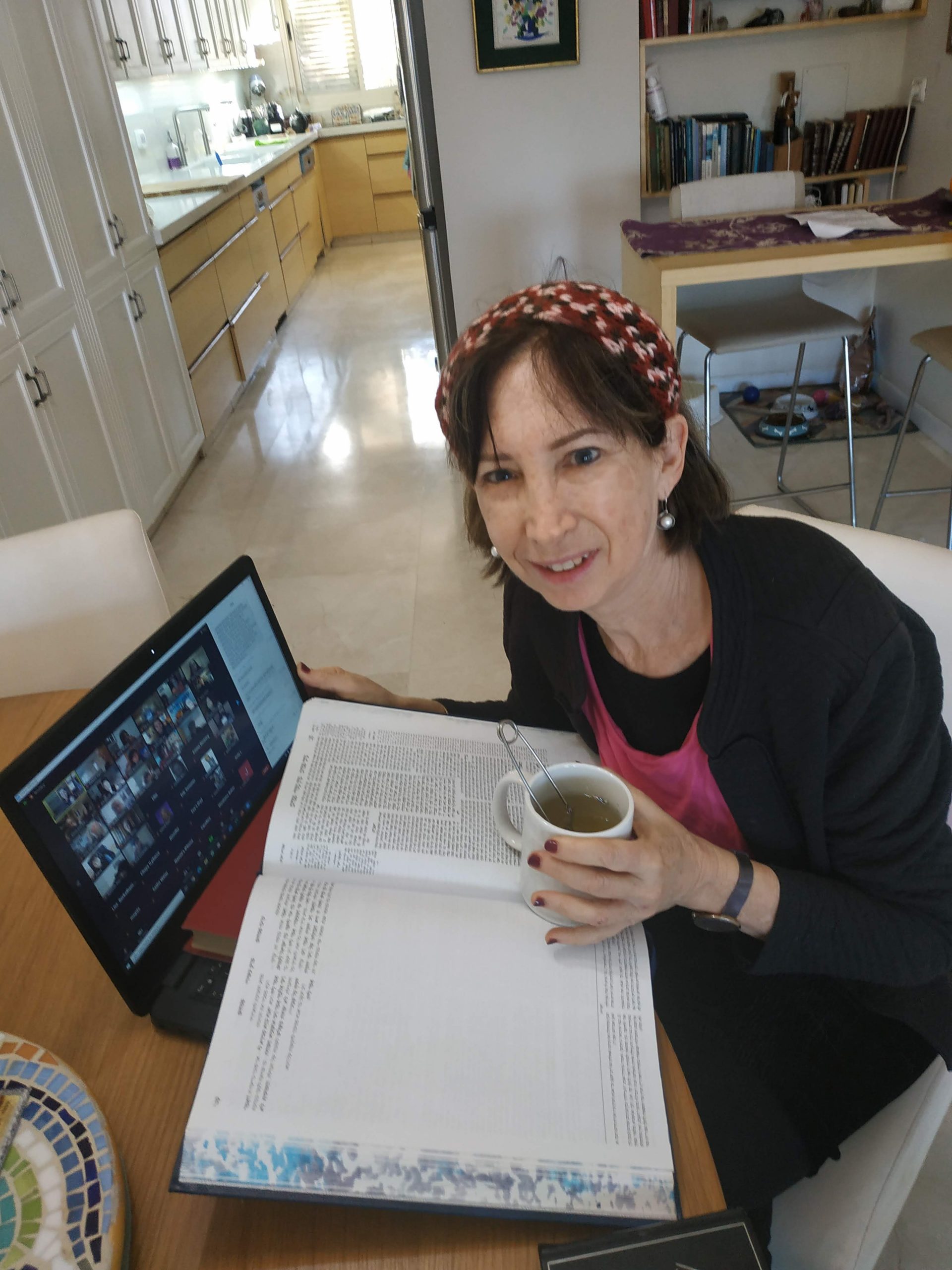
כמו שרואים בתמונה אני ממשיכה ללמוד גם היום ואפילו במחלקת יולדות אחרי לידת ביתי השלישית.

Noa Shiloh
נועה שילה

רבבה, ישראל

התחלתי ללמוד בסבב הנוכחי לפני כשנתיים .הסביבה מתפעלת ותומכת מאוד. אני משתדלת ללמוד מכל ההסכתים הנוספים שיש באתר הדרן. אני עורכת כל סיום מסכת שיעור בביתי לכ20 נשים שמחכות בקוצר רוח למפגשים האלו.

Yael Asher
יעל אשר

יהוד, ישראל

התחלתי ללמוד דף לפני קצת יותר מ-5 שנים, כשלמדתי רבנות בישיבת מהר”ת בניו יורק. בדיעבד, עד אז, הייתי בלימוד הגמרא שלי כמו מישהו שאוסף חרוזים משרשרת שהתפזרה, פה משהו ושם משהו, ומאז נפתח עולם ומלואו…. הדף נותן לי לימוד בצורה מאורגנת, שיטתית, יום-יומית, ומלמד אותי לא רק ידע אלא את השפה ודרך החשיבה שלנו. לשמחתי, יש לי סביבה תומכת וההרגשה שלי היא כמו בציטוט שבחרתי: הדף משפיע לטובה על כל היום שלי.

Michal Kahana
מיכל כהנא

חיפה, ישראל

התחלתי ללמוד לפני כשנתיים בשאיפה לסיים לראשונה מסכת אחת במהלך חופשת הלידה.
אחרי מסכת אחת כבר היה קשה להפסיק…

Noa Gallant
נעה גלנט

ירוחם, ישראל

שמעתי על הסיום הענק של הדף היומי ע”י נשים בבנייני האומה. רציתי גם.
החלטתי להצטרף. התחלתי ושיכנעתי את בעלי ועוד שתי חברות להצטרף. עכשיו יש לי לימוד משותף איתו בשבת ומפגש חודשי איתן בנושא (והתכתבויות תדירות על דברים מיוחדים שקראנו). הצטרפנו לקבוצות שונות בווטסאפ. אנחנו ממש נהנות. אני שומעת את השיעור מידי יום (בד”כ מהרב יוני גוטמן) וקוראת ומצטרפת לסיומים של הדרן. גם מקפידה על דף משלהן (ונהנית מאד).

Liat Citron
ליאת סיטרון

אפרת, ישראל

התחלתי ללמוד בעידוד שתי חברות אתן למדתי בעבר את הפרק היומי במסגרת 929.
בבית מתלהבים מאוד ובשבת אני לומדת את הדף עם בעלי שזה מפתיע ומשמח מאוד! לימוד הדף הוא חלק בלתי נפרד מהיום שלי. לומדת בצהריים ומחכה לזמן הזה מידי יום…

Miriam Wengerover
מרים ונגרובר

אפרת, ישראל

התחלתי מעט לפני תחילת הסבב הנוכחי. אני נהנית מהאתגר של להמשיך להתמיד, מרגעים של "אהה, מפה זה הגיע!” ומהאתגר האינטלקטואלי

Eilat-Chen and Deller
אילת-חן ודלר

לוד, ישראל

My explorations into Gemara started a few days into the present cycle. I binged learnt and become addicted. I’m fascinated by the rich "tapestry” of intertwined themes, connections between Masechtot, conversations between generations of Rabbanim and learners past and present all over the world. My life has acquired a golden thread, linking generations with our amazing heritage.
Thank you.

Susan Kasdan
סוזן כשדן

חשמונאים, Israel

התחלתי ללמוד בשנת המדרשה במגדל עוז, בינתיים נהנית מאוד מהלימוד ומהגמרא, מעניין ומשמח מאוד!
משתדלת להצליח לעקוב כל יום, לפעמים משלימה קצת בהמשך השבוע.. מרגישה שיש עוגן מקובע ביום שלי והוא משמח מאוד!

Uriah Kesner
אוריה קסנר

חיפה , ישראל

בתחילת הסבב הנוכחי של לימוד הדף היומי, נחשפתי לחגיגות המרגשות באירועי הסיום ברחבי העולם. והבטחתי לעצמי שבקרוב אצטרף גם למעגל הלומדות. הסבב התחיל כאשר הייתי בתחילת דרכי בתוכנית קרן אריאל להכשרת יועצות הלכה של נשמ”ת. לא הצלחתי להוסיף את ההתחייבות לדף היומי על הלימוד האינטנסיבי של תוכנית היועצות. בבוקר למחרת המבחן הסופי בנשמ”ת, התחלתי את לימוד הדף במסכת סוכה ומאז לא הפסקתי.

Hana Shaham-Rozby (Dr.)
חנה שחם-רוזבי (ד”ר)

קרית גת, ישראל

הייתי לפני שנתיים בסיום הדרן נשים בבנייני האומה והחלטתי להתחיל. אפילו רק כמה דפים, אולי רק פרק, אולי רק מסכת… בינתיים סיימתי רבע שס ותכף את כל סדר מועד בה.
הסביבה תומכת ומפרגנת. אני בת יחידה עם ארבעה אחים שכולם לומדים דף יומי. מדי פעם אנחנו עושים סיומים יחד באירועים משפחתיים. ממש מרגש. מסכת שבת סיימנו כולנו יחד עם אבא שלנו!
אני שומעת כל יום פודקאסט בהליכה או בנסיעה ואחכ לומדת את הגמרא.

Edna Gross
עדנה גרוס

מרכז שפירא, ישראל

התחלתי מחוג במסכת קידושין שהעבירה הרבנית רייסנר במסגרת בית המדרש כלנה בגבעת שמואל; לאחר מכן התחיל סבב הדף היומי אז הצטרפתי. לסביבה לקח זמן לעכל אבל היום כולם תומכים ומשתתפים איתי. הלימוד לעתים מעניין ומעשיר ולעתים קשה ואף הזוי… אך אני ממשיכה קדימה. הוא משפיע על היומיום שלי קודם כל במרדף אחרי הדף, וגם במושגים הרבים שלמדתי ובידע שהועשרתי בו, חלקו ממש מעשי

Abigail Chrissy
אביגיל כריסי

ראש העין, ישראל

בבא בתרא יד

וְאִם בָּא לַחְתּוֹךְ – חוֹתֵךְ. מַאי קָאָמַר? הָכִי קָאָמַר: שֶׁאִם בָּא לַחְתּוֹךְ – חוֹתֵךְ.

And if he wishes to cut the scroll, he may cut it. The Gemara is surprised at this: What is the tanna saying? Why is mention made here of cutting the scroll? The Gemara answers: This is what the tanna is saying: He arranges the text so that if he finishes a book at the bottom of one column, he begins the next book at the top of the next column without leaving any empty space, so that if he wishes to cut the scroll, he may cut it. If he does not begin the next book at the top of the next column, he will not be able to cut the scroll, because it is not fitting for a scroll to begin with an empty space.

וּרְמִינְהִי: תְּחִלַּת סֵפֶר וְסוֹפוֹ – כְּדֵי לָגוֹל. כְּדֵי לָגוֹל מַאי? אִי כְּדֵי לָגוֹל עַמּוּד – קַשְׁיָא הֶקֵּף; אִי כְּדֵי לָגוֹל הֶקֵּף – קַשְׁיָא עַמּוּד!

The Gemara raises a contradiction between this baraita and another baraita that teaches: Enough parchment should be left at the beginning of the scroll and at its end for winding. The Gemara clarifies: For winding around what? If it means for winding around the pole to which the beginning of the scroll is fastened, this is difficult in light of what is taught in the first baraita, that at the end of the scroll enough parchment should be left for winding around the entire circumference of the scroll. And if it means for winding around the entire circumference, this is difficult in light of what is taught in the first baraita that at the beginning of the scroll enough parchment should be left for winding around the pole.

אָמַר רַב נַחְמָן בַּר יִצְחָק: לִצְדָדִין קָתָנֵי.

Rav Naḥman bar Yitzḥak said: The tanna teaches the halakha disjunctively, referring to two separate cases. He issues a general statement requiring that enough parchment be left for winding as needed: At the beginning of the pole, enough to wind around the pole, and at the end of the scroll, enough to wind around the circumference.

רַב אָשֵׁי אָמַר: כִּי תַּנְיָא הָהִיא – בְּסֵפֶר תּוֹרָה. כִּדְתַנְיָא: כׇּל הַסְּפָרִים נִגְלָלִים מִתְּחִלָּתָן לְסוֹפָן; וְסֵפֶר תּוֹרָה נִגְלָל לְאֶמְצָעִיתוֹ, וְעוֹשֶׂה לוֹ עַמּוּד אֵילָךְ וְאֵילָךְ. אֲמַר רַבִּי אֱלִיעֶזֶר בְּרַבִּי צָדוֹק: כָּךְ הָיוּ כּוֹתְבֵי סְפָרִים שֶׁבִּירוּשָׁלַיִם עוֹשִׂין סִפְרֵיהֶם.

Rav Ashi said: When that second baraita is taught, indicating that the same measure of parchment is left at both the beginning and the end of the scroll, it was referring to a Torah scroll, as it is taught in a baraita: All other scrolls are wound from the beginning to the end around a single pole, but a Torah scroll is wound from both ends to the middle around two poles, one of which he attaches at this end of the scroll and the other at the other end. Rabbi Eliezer, son of Rabbi Tzadok, said: This is how the scribes in Jerusalem made their scrolls, i.e., with poles at either end so that it could be rolled to the middle.

תָּנוּ רַבָּנַן: אֵין עוֹשִׂין סֵפֶר תּוֹרָה – לֹא אׇרְכּוֹ יוֹתֵר עַל הֶקֵּיפוֹ, וְלֹא הֶקֵּיפוֹ יוֹתֵר עַל אׇרְכּוֹ. שָׁאֲלוּ אֶת רַבִּי: שִׁיעוּר סֵפֶר תּוֹרָה בְּכַמָּה? אָמַר לָהֶן: בִּגְוִיל – שִׁשָּׁה. בִּקְלָף בְּכַמָּה? אֵינִי יוֹדֵעַ.

§ The Sages taught: A Torah scroll should not be made in such a manner that its length, i.e., its height, is greater than its circumference when it is rolled up; nor should its circumference be greater than its length. They asked Rabbi Yehuda HaNasi: What should the size of a Torah scroll be? Rabbi Yehuda HaNasi said to them: If it was written on a hide that was treated with gallnuts [gevil ] it should be six handbreadths long. They asked him further: How much should it be if it was written on ordinary parchment [kelaf ]? Rabbi Yehuda HaNasi said to them: I do not know.

רַב הוּנָא כְּתַב שִׁבְעִין סִפְרֵי דְּאוֹרָיְיתָא, וְלָא אִיתְרְמִי לֵיהּ אֶלָּא חַד. רַב אַחָא בַּר יַעֲקֹב כְּתַב חַד אַמַּשְׁכֵּיהּ דְּעִיגְלֵי, וְאִיתְרְמִי לֵיהּ. יְהַבוּ בֵּיהּ רַבָּנַן עֵינַיְיהוּ, וְנָח נַפְשֵׁיהּ.

It is related that Rav Huna wrote seventy Torah scrolls himself, and it happened for him only once that the length and the circumference were equal. Rav Aḥa bar Ya’akov wrote one Torah scroll on calf hide and it happened to have the same length and circumference. The Sages looked at him and his achievement with jealousy, and he died from their envious gaze.

אֲמַרוּ לֵיהּ רַבָּנַן לְרַב הַמְנוּנָא: כְּתַב רַבִּי אַמֵּי אַרְבַּע מְאָה סִפְרֵי תּוֹרָה. אָמַר לְהוּ: דִילְמָא ״תּוֹרָה צִוָּה לָנוּ מֹשֶׁה״ כְּתַב. אֲמַר לֵיהּ רָבָא לְרַבִּי זֵירָא: נְטַע רַבִּי יַנַּאי אַרְבַּע מְאָה כַּרְמֵי. אֲמַר לֵיהּ: דִּילְמָא שְׁתַּיִם כְּנֶגֶד שְׁתַּיִם, וְאַחַת יוֹצֵא זָנָב.

The Sages said to Rav Hamnuna: Rabbi Ami wrote four hundred Torah scrolls. Rav Hamnuna said to them: Perhaps he wrote the verse: “Moses commanded us the Torah” (Deuteronomy 33:4) four hundred times, rather than four hundred complete Torah scrolls, as it is difficult to say that he could have written so many, even over a lifetime. Similarly, Rava said to Rabbi Zeira: Rabbi Yannai planted four hundred vineyards. Rava said to him: Perhaps he did not plant large vineyards, but only the smallest possible vineyards recognized by halakha, which are composed of two vines facing another two vines, with a fifth one protruding like a tail, extending out beyond the square.

מֵיתִיבִי: אָרוֹן שֶׁעָשָׂה מֹשֶׁה – אַמָּתַיִם וָחֵצִי אׇרְכּוֹ, וְאַמָּה וָחֵצִי רׇחְבּוֹ, וְאַמָּה וָחֵצִי קוֹמָתוֹ – בְּאַמָּה בַּת שִׁשָּׁה טְפָחִים.

The Gemara raises an objection to what is taught with regard to the length of a Torah scroll from a baraita: With regard to the Ark of the Covenant that Moses fashioned, its length was two and one-half cubits, its width was one and one-half cubits, and its height was one and one-half cubits (see Exodus 25:10), the cubit used for these measurements being six handbreadths. Therefore, the Ark was fifteen handbreadths long, nine handbreadths wide, and nine handbreadths high.

וְהַלּוּחוֹת – אׇרְכָּן שִׁשָּׁה, וְרׇחְבָּן שִׁשָּׁה, וְעׇבְיָין שְׁלֹשָׁה; מוּנָּחוֹת כְּנֶגֶד אׇרְכּוֹ שֶׁל אָרוֹן. כַּמָּה לוּחוֹת אוֹכְלוֹת בָּאָרוֹן – שְׁנֵים עָשָׂר טְפָחִים. נִשְׁתַּיְּירוּ שָׁם שְׁלֹשָׁה טְפָחִים. צֵא מֵהֶן טֶפַח – חֶצְיוֹ לְכוֹתֶל זֶה וְחֶצְיוֹ לְכוֹתֶל זֶה – נִשְׁתַּיְּירוּ שָׁם שְׁנֵי טְפָחִים, שֶׁבָּהֶן סֵפֶר תּוֹרָה מוּנָּח.

The baraita continues: And as for the tablets, their length was six handbreadths, their width was six handbreadths, and their thickness was three handbreadths. The tablets were placed along the length of the Ark, one next to the other. If so, how much space did the tablets occupy along the length of the Ark? Twelve handbreadths, as each tablet was six handbreadths long. Three handbreadths were left there along the length of the Ark, for a total of fifteen handbreadths. Deduct a handbreadth from them: One-half a handbreadth for this wall, namely, the thickness of the wooden Ark itself, and one-half a handbreadth for the other wall. Accordingly, two handbreadths were left there, in which the Torah scroll written by Moses lay.

שֶׁנֶּאֱמַר: ״אֵין בָּאָרוֹן רַק שְׁנֵי לֻחוֹת הָאֲבָנִים אֲשֶׁר הִנִּחַ שָׁם מֹשֶׁה [וְגוֹ׳]״ – מַאי ״אֵין בָּאָרוֹן רַק״? מִיעוּט אַחַר מִיעוּט; וְאֵין מִיעוּט אַחַר מִיעוּט אֶלָּא לְרַבּוֹת – סֵפֶר תּוֹרָה שֶׁמּוּנָּח בָּאָרוֹן.

What biblical source indicates that a Torah scroll was placed there? As it is stated: “There was nothing in the Ark except the two tablets of stone which Moses put there” (I Kings 8:9). What does “there was nothing in the Ark except” mean? This is an example of a restriction following a restriction, as both terms, “nothing” and “except,” indicate that the Ark was empty. And there is a hermeneutical principle that a restriction following a restriction serves only to amplify and include other matters. In this case, it serves to include a Torah scroll that lies in the Ark.

פִּירְנַסְתָּ אָרוֹן לְאׇרְכּוֹ; צֵא וּפַרְנֵס אָרוֹן לְרׇחְבּוֹ – כַּמָּה לוּחוֹת אוֹכְלוֹת בָּאָרוֹן? שִׁשָּׁה טְפָחִים. נִשְׁתַּיְּירוּ שָׁם שְׁלֹשָׁה טְפָחִים; צֵא מֵהֶן טֶפַח – חֶצְיוֹ לְכוֹתֶל זֶה וְחֶצְיוֹ לְכוֹתֶל זֶה – נִשְׁתַּיְּירוּ שָׁם שְׁנֵי טְפָחִים, שֶׁלֹּא יְהֵא סֵפֶר תּוֹרָה נִכְנָס וְיוֹצֵא כְּשֶׁהוּא דָּחוּק; דִּבְרֵי רַבִּי מֵאִיר.

The baraita continues: With this explanation you have accounted for the entire length of the Ark; go now and account for the width of the Ark, which was nine handbreadths. How much space did the tablets occupy of the width of the Ark, which was nine handbreadths wide? Six handbreadths; therefore, three handbreadths were left there along the width of the Ark. Deduct a handbreadth from them: One-half a handbreadth for the thickness of this wall and one-half a handbreadth for the thickness of the other wall. Accordingly, two handbreadths were left there. What was their purpose? These were necessary so that the Torah scroll would be able to go in and out without being pressed; this is the statement of Rabbi Meir.

רַבִּי יְהוּדָה אוֹמֵר: בְּאַמָּה בַּת חֲמִשָּׁה טְפָחִים. וְהַלּוּחוֹת – אׇרְכָּן שִׁשָּׁה, וְרׇחְבָּן שִׁשָּׁה, וְעׇבְיָין שְׁלֹשָׁה; מוּנָּחוֹת בְּאוֹרְכּוֹ שֶׁל אָרוֹן. כַּמָּה לוּחוֹת אוֹכְלוֹת בָּאָרוֹן – שְׁנֵים עָשָׂר טְפָחִים; נִשְׁתַּיֵּיר שָׁם חֲצִי טֶפַח – אֶצְבַּע לְכוֹתֶל זֶה וְאֶצְבַּע לְכוֹתֶל זֶה.

Rabbi Yehuda disagrees and says: The cubit used for all the measurements of the Ark was five handbreadths long. There-fore, the Ark was twelve and one-half handbreadths long, seven and one-half handbreadths wide, and seven and one-half handbreadths high. And as for the tablets, their length was six handbreadths, their width was six handbreadths, and their thickness was three handbreadths, and they were placed along the length of the Ark, one next to the other. If so, how much space did the tablets occupy along the length of the Ark? Twelve handbreadths, so that one-half a handbreadth was left there, which is two fingerbreadths. One fingerbreadth of those two was for the thickness of this wall and one fingerbreadth of those two was for the thickness of the other wall.

פִּירְנַסְתָּ אָרוֹן לְאׇרְכּוֹ; צֵא וּפַרְנֵס אָרוֹן לְרׇחְבּוֹ – כַּמָּה לוּחוֹת אוֹגְדוֹת בָּאָרוֹן? שִׁשָּׁה טְפָחִים. נִשְׁתַּיֵּיר שָׁם טֶפַח וּמֶחֱצָה; צֵא מֵהֶן חֲצִי טֶפַח – אֶצְבַּע וּמֶחֱצָה לְכוֹתֶל זֶה וְאֶצְבַּע וּמֶחֱצָה לְכוֹתֶל זֶה – נִשְׁתַּיֵּיר שָׁם טֶפַח, שֶׁבּוֹ עַמּוּדִין עוֹמְדִין – שֶׁנֶּאֱמַר: ״אַפִּרְיוֹן עָשָׂה לוֹ הַמֶּלֶךְ שְׁלֹמֹה מֵעֲצֵי הַלְּבָנוֹן, עַמּוּדָיו עָשָׂה כֶסֶף, רְפִידָתוֹ זָהָב, מֶרְכָּבוֹ אַרְגָּמָן וְגוֹ׳״.

With this explanation, you have accounted for the entire length of the Ark; go now and account for the width of the Ark, which was seven and one-half handbreadths. How much space did the tablets occupy in the Ark? Six handbreadths, meaning that one and one-half handbreadths were left there along the width of the Ark. Deduct one-half a handbreadth, one and one-half fingerbreadths for the thickness of this wall, and one and one-half fingerbreadths for the thickness of the other wall. Accordingly, one handbreadth was left there in which the silver columns were placed on either side of the tablets, as it is stated: “King Solomon made himself a palanquin of the timbers of Lebanon; he made its columns of silver, its back of gold, its seat of purple” (Song of Songs 3:9–10). This is understood as an allusion to the Ark of the Covenant.

וְאַרְגַּז שֶׁשִּׁיגְּרוּ בּוֹ פְּלִשְׁתִּים דּוֹרוֹן לֵאלֹהֵי יִשְׂרָאֵל מוּנָּח מִצִּדּוֹ, שֶׁנֶּאֱמַר: ״וְאֵת כְּלֵי הַזָּהָב אֲשֶׁר הֲשֵׁבֹתֶם לוֹ, אָשָׁם תָּשִׂימוּ בָאַרְגַּז מִצִּדּוֹ, וְשִׁלַּחְתֶּם אוֹתוֹ וְהָלָךְ״. וְעָלָיו סֵפֶר תּוֹרָה מוּנָּח, שֶׁנֶּאֱמַר: ״לָקֹחַ אֵת סֵפֶר הַתּוֹרָה הַזֶּה, וְשַׂמְתֶּם אֹתוֹ מִצַּד אֲרוֹן בְּרִית ה׳״ – מִצַּד הוּא מוּנָּח, וְלֹא בְּתוֹכוֹ.

And the chest in which the Philistines sent the gift to the God of Israel was placed alongside the Ark, as it is stated: “And put the golden devices which you are restoring to Him for a guilt-offering in a chest by the side of it, and send it away that it may go” (I Samuel 6:8). And upon this chest lay the Torah scroll, as it is stated: “Take this Torah scroll and put it at the side of the Ark of the Covenant of the Lord” (Deuteronomy 31:26). This means that it was placed at the side of the Ark, and not inside it.

וּמָה אֲנִי מְקַיֵּים ״אֵין בָּאָרוֹן רַק״? לְרַבּוֹת

And accordingly, how do I realize the meaning of that which is stated: “There was nothing in the Ark except the two tablets of stone which Moses put there,” which, according to the opinion of Rabbi Meir, teaches that something else was in the Ark besides the tablets themselves? It serves to include

שִׁבְרֵי לוּחוֹת שֶׁמּוּנָּחִים בָּאָרוֹן. וְאִי סָלְקָא דַעְתָּךְ סֵפֶר תּוֹרָה הֶקֵּיפוֹ שִׁשָּׁה טְפָחִים; מִכְּדֵי כֹּל שֶׁיֵּשׁ בְּהֶקֵּיפוֹ שְׁלֹשָׁה טְפָחִים – יֵשׁ בּוֹ רוֹחַב טֶפַח, וְכֵיוָן דִּלְאֶמְצָעִיתוֹ נִגְלָל – נְפִישׁ לֵיהּ מִתְּרֵי טִפְחָא רַוְוחָא דְּבֵינֵי בֵּינֵי; בִּתְרֵי פּוּשְׁכֵי הֵיכִי יָתֵיב?

the broken pieces of the first set of tablets, which were placed in the Ark. Having cited the baraita, the Gemara now presents its objection to what was taught earlier with regard to the dimensions of a Torah scroll: And if it should enter your mind to say, as Rabbi Yehuda HaNasi held, that the circumference of a Torah scroll is six handbreadths, now since any cylindrical object having a circumference of three handbreadths has a diameter of one handbreadth, a Torah scroll with a circumference of six handbreadths has a diameter of two handbreadths. And since a Torah scroll is wound to the middle, since it is rolled from both sides, it must take up more than two handbreadths due to the space between the sheets of parchment and the double rolling. According to Rabbi Meir, who says that the Torah scroll was placed inside the ark, how did the scroll fit in the remaining two handbreadths [pushkei] of space in the Ark?

אָמַר רַב אַחָא בַּר יַעֲקֹב: סֵפֶר עֲזָרָה לִתְחִלָּתוֹ הוּא נִגְלָל. וְאַכַּתִּי, תְּרֵי בִּתְרֵי הֵיכִי יָתֵיב? אָמַר רַב אָשֵׁי: דְּכָרֵיךְ בֵּיהּ פּוּרְתָּא, וְכַרְכֵיהּ לְעֵיל.

Rav Aḥa bar Ya’akov said: The scroll of the Temple courtyard, which was kept in the Ark, was wound to its beginning, i.e., it had only a single pole, so that its circumference was only two handbreadths. The Gemara asks: But still, how does an item that is two handbreadths wide fit into a space that is precisely two handbreadths? It would be impossible to fit it in. Rav Ashi said: A small section of the scroll was wound separately and then placed on top of the scroll.

וְרַבִּי יְהוּדָה – מִקַּמֵּי דְּלַיְתֵי אַרְגַּז, סֵפֶר תּוֹרָה הֵיכִי הֲוָה יָתֵיב? דַּפָּא הֲוָה נָפֵיק מִינֵּיהּ, וְיָתֵיב עִילָּוֵהּ סֵפֶר תּוֹרָה. וְרַבִּי מֵאִיר – הַאי ״מִצַּד אֲרוֹן״, מַאי עָבֵיד לֵיהּ? הַהוּא מִיבְּעֵי לֵיהּ דְּמִתְּנַח לֵיהּ מִצַּד וְלָא מִתְּנַח בֵּינֵי לוּחֵי; וּלְעוֹלָם בְּגַוֵּיהּ – מִן הַצַּד.

Having concluded its current discussion, the Gemara now addresses the details of the aforementioned baraita and asks: And according to Rabbi Yehuda, who says that the Torah scroll rested on the chest that came from the Philistines, where was the Torah scroll placed before the chest arrived? The Gemara answers: A shelf protruded from the Ark and the Torah scroll rested on it. The Gemara asks: And according to Rabbi Meir, who says that the Torah scroll rested inside the Ark, what does he do with this verse: “Take this Torah scroll and put it at the side of the Ark” (Deuteronomy 31:26)? The Gemara answers: He requires that verse to teach that the Torah scroll was placed at the side of the tablets, and that it was not placed between the two tablets, but it was actually placed inside the Ark at the side of the tablets.

וְרַבִּי מֵאִיר, עַמּוּדִין הֵיכָא הֲווֹ קָיְימִי? מִבָּרַאי. וְרַבִּי מֵאִיר, שִׁבְרֵי לוּחוֹת דְּמוּנָּחִין בָּאָרוֹן – מְנָא לֵיהּ? נָפְקָא לֵיהּ מִדְּרַב הוּנָא – דְּאָמַר רַב הוּנָא, מַאי דִּכְתִיב: ״אֲשֶׁר נִקְרָא שֵׁם שֵׁם ה׳ צְבָאוֹת יֹשֵׁב הַכְּרֻבִים עָלָיו״? מְלַמֵּד שֶׁלּוּחוֹת וְשִׁבְרֵי לוּחוֹת מוּנָּחִים בָּאָרוֹן.

The Gemara asks: And according to Rabbi Meir, where were the silver columns placed? The Gemara answers: Outside the Ark. The Gemara further asks: And from where does Rabbi Meir derive that the broken pieces of the first set of tablets were placed in the Ark, as the verse from which Rabbi Yehuda learns this: “There was nothing in the Ark except” (I Kings 8:9), is needed by Rabbi Meir to teach that the Torah scroll was placed there? The Gemara answers: He derives this point from what Rav Huna expounded, as Rav Huna says: What is the meaning of that which is written: “The Ark of God, whereupon is called the Name, the name of the Lord of hosts that sits upon the cherubs” (II Samuel 6:2)? The phrase “the name, the name of the Lord” teaches that both the second tablets and the broken pieces of the first set of tablets were placed in the Ark.

וְאִידַּךְ – הַהוּא מִבְּעֵי לֵיהּ לְכִדְרַבִּי יוֹחָנָן, דְּאָמַר רַבִּי יוֹחָנָן אָמַר רַבִּי שִׁמְעוֹן בֶּן יוֹחַאי: מְלַמֵּד, שֶׁהַשֵּׁם וְכׇל כִּינּוּיָו מוּנָּחִין בָּאָרוֹן.

The Gemara asks: And what does the other Sage, i.e., Rabbi Yehuda, derive from this verse? The Gemara responds: He requires that text for that which Rabbi Yoḥanan says, as Rabbi Yoḥanan says that Rabbi Shimon ben Yoḥai says: This teaches that the ineffable name of God and all of His appellations were placed in the Ark.

וְאִידַּךְ נָמֵי מִיבְּעֵי לֵיהּ לְהָכִי! אֵין הָכִי נָמֵי. אֶלָּא שִׁבְרֵי לוּחוֹת דְּמוּנָּחִין בָּאָרוֹן מְנָא לֵיהּ? נָפְקָא לֵיהּ מִדְּתָנֵי רַב יוֹסֵף – דְּתָנֵי רַב יוֹסֵף: ״אֲשֶׁר שִׁבַּרְתָּ וְשַׂמְתָּם״ – מְלַמֵּד שֶׁהַלּוּחוֹת וְשִׁבְרֵי לוּחוֹת מוּנָּחִין בָּאָרוֹן.

The Gemara inquires: And doesn’t the other Sage, Rabbi Meir, also require it for that? The Gemara answers: Yes, it is indeed so. Rather, from where does he derive that the broken pieces of the first set of tablets were placed in the Ark? The Gemara expounds: He derives this from that which Rav Yosef taught, as Rav Yosef taught a baraita: The verses state: “At that time the Lord said to me: Hew for yourself two tablets of stone like the first…and I will write on the tablets the words that were on the first tablets, which you broke, and you shall put them in the Ark” (Deuteronomy 10:1–2). This teaches that both the second set of tablets and the broken pieces of the first set of tablets were placed in the Ark.

וְאִידַּךְ – הַהוּא מִיבְּעֵי לֵיהּ לְכִדְרֵישׁ לָקִישׁ, דְּאָמַר רֵישׁ לָקִישׁ: ״אֲשֶׁר שִׁבַּרְתָּ״ – אָמַר לוֹ הַקָּדוֹשׁ בָּרוּךְ הוּא לְמֹשֶׁה: יִישַׁר כֹּחֲךָ שֶׁשִּׁבַּרְתָּ.

The Gemara asks: And what does the other one, Rabbi Yehuda, learn from this verse? The Gemara answers: He requires it for that which Reish Lakish teaches, as Reish Lakish says: What is the meaning of that which is stated: “The first tablets, which you broke [asher shibbarta]”? These words allude to the fact that God approved of Moses’ action, as if the Holy One, Blessed be He, said to Moses: May your strength be straight [yishar koḥakha] because you broke them.

תָּנוּ רַבָּנַן, סִדְרָן שֶׁל נְבִיאִים: יְהוֹשֻׁעַ וְשׁוֹפְטִים, שְׁמוּאֵל וּמְלָכִים, יִרְמְיָה וִיחֶזְקֵאל, יְשַׁעְיָה וּשְׁנֵים עָשָׂר. מִכְּדֵי הוֹשֵׁעַ קָדֵים; דִּכְתִיב: ״תְּחִלַּת דִּבֶּר ה׳ בְּהוֹשֵׁעַ״ – וְכִי עִם הוֹשֵׁעַ דִּבֵּר תְּחִלָּה? וַהֲלֹא מִמֹּשֶׁה וְעַד הוֹשֵׁעַ כַּמָּה נְבִיאִים הָיוּ! וְאָמַר רַבִּי יוֹחָנָן: שֶׁהָיָה תְּחִלָּה לְאַרְבָּעָה נְבִיאִים שֶׁנִּתְנַבְּאוּ בְּאוֹתוֹ הַפֶּרֶק – וְאֵלּוּ הֵן: הוֹשֵׁעַ וִישַׁעְיָה, עָמוֹס וּמִיכָה; וְלַיקְדְּמֵיהּ לְהוֹשֵׁעַ בְּרֵישָׁא!

§ The Sages taught: The order of the books of the Prophets when they are attached together is as follows: Joshua and Judges, Samuel and Kings, Jeremiah and Ezekiel, and Isaiah and the Twelve Prophets. The Gemara asks: Consider: Hosea preceded some of the other prophets whose books are included in the Bible, as it is written: “The Lord spoke first to Hosea” (Hosea 1:2). At first glance this verse is difficult: But did God speak first with Hosea, and not with any other prophet before him? Weren’t there many prophets between Moses and Hosea? And Rabbi Yoḥanan says: He was the first of four prophets who prophesied in that period, and they were: Hosea and Isaiah, Amos and Micah. Accordingly, Hosea preceded those three prophets; and the book of Hosea as well should precede the books of those prophets.

כֵּיוָן דִּכְתִיב נְבוּאֲתֵיהּ גַּבֵּי חַגַּי זְכַרְיָה וּמַלְאָכִי, וְחַגַּי זְכַרְיָה וּמַלְאָכִי סוֹף נְבִיאִים הֲווֹ – חָשֵׁיב לֵיהּ בַּהֲדַיְיהוּ. וְלִיכְתְּבֵיהּ לְחוֹדֵיהּ, וְלַיקְדְּמֵיהּ! אַיְּידֵי דְּזוּטַר מִירְכַס.

The Gemara answers: Since his prophecy is written together with those of Haggai, Zechariah, and Malachi in one book of the Twelve Prophets, and Haggai, Zechariah, and Malachi were the last of the prophets, he is counted with them. The Gemara inquires: But let the book of Hosea be written separately and let it precede the others. The Gemara answers: Were it written separately, since it is small it would be lost.

מִכְּדִי יְשַׁעְיָה קָדֵים מִיִּרְמְיָה וִיחֶזְקֵאל, לַיקְדְּמֵיהּ לִישַׁעְיָה בְּרֵישָׁא! כֵּיוָן דִּמְלָכִים סוֹפֵיהּ חוּרְבָּנָא; וְיִרְמְיָה כּוּלֵּיהּ חוּרְבָּנָא; וִיחֶזְקֵאל רֵישֵׁיהּ חוּרְבָּנָא וְסֵיפֵיהּ נֶחָמְתָּא; וִישַׁעְיָה כּוּלֵּיהּ נֶחָמְתָּא – סָמְכִינַן חוּרְבָּנָא לְחוּרְבָּנָא, וְנֶחָמְתָּא לְנֶחָמְתָּא.

The Gemara further asks: Consider: Isaiah preceded Jeremiah and Ezekiel; let the book of Isaiah precede the books of those other prophets. The Gemara answers: Since the book of Kings ends with the destruction of the Temple, and the book of Jeremiah deals entirely with prophecies of the destruction, and the book of Ezekiel begins with the destruction of the Temple but ends with consolation and the rebuilding of the Temple, and Isaiah deals entirely with consolation, as most of his prophecies refer to the redemption, we juxtapose destruction to destruction and consolation to consolation. This accounts for the order: Jeremiah, Ezekiel, and Isaiah.

סִידְרָן שֶׁל כְּתוּבִים: רוּת וְסֵפֶר תְּהִלִּים וְאִיּוֹב וּמִשְׁלֵי, קֹהֶלֶת, שִׁיר הַשִּׁירִים וְקִינוֹת, דָּנִיאֵל וּמְגִילַת אֶסְתֵּר, עֶזְרָא וְדִבְרֵי הַיָּמִים. וּלְמַאן דְּאָמַר: אִיּוֹב בִּימֵי מֹשֶׁה הָיָה, לַיקְדְּמֵיהּ לְאִיּוֹב בְּרֵישָׁא! אַתְחוֹלֵי בְּפוּרְעֲנוּתָא לָא מַתְחֲלִינַן. רוּת נָמֵי פּוּרְעָנוּת הִיא! פּוּרְעָנוּת דְּאִית לֵיהּ אַחֲרִית – דְּאָמַר רַבִּי יוֹחָנָן: לָמָּה נִקְרָא שְׁמָהּ רוּת? שֶׁיָּצָא מִמֶּנָּה דָּוִד, שֶׁרִיוָּהוּ לְהַקָּדוֹשׁ בָּרוּךְ הוּא בְּשִׁירוֹת וְתוּשְׁבָּחוֹת.

The baraita continues: The order of the Writings is: Ruth and the book of Psalms, and Job and Proverbs; Ecclesiastes, Song of Songs, and Lamentations; Daniel and the Scroll of Esther; and Ezra and Chronicles. The Gemara asks: And according to the one who says that Job lived in the time of Moses, let the book of Job precede the others. The Gemara answers: We do not begin with suffering, i.e., it is inappropriate to start the Writings with a book that deals so extensively with suffering. The Gemara asks: But the book of Ruth, with which the Writings opens, is also about suffering, since it describes the tragedies that befell the family of Elimelech. The Gemara answers: This is suffering which has a future of hope and redemption. As Rabbi Yoḥanan says: Why was she named Ruth, spelled reish, vav, tav? Because there descended from her David who sated, a word with the root reish, vav, heh, the Holy One, Blessed be He, with songs and praises.

וּמִי כְּתָבָן? מֹשֶׁה כָּתַב סִפְרוֹ וּפָרָשַׁת בִּלְעָם וְאִיּוֹב. יְהוֹשֻׁעַ כָּתַב סִפְרוֹ וּשְׁמוֹנָה פְּסוּקִים שֶׁבַּתּוֹרָה. שְׁמוּאֵל כָּתַב סִפְרוֹ וְשׁוֹפְטִים וְרוּת. דָּוִד כָּתַב סֵפֶר תְּהִלִּים – עַל יְדֵי עֲשָׂרָה זְקֵנִים: עַל יְדֵי אָדָם הָרִאשׁוֹן, עַל יְדֵי מַלְכִּי צֶדֶק, וְעַל יְדֵי אַבְרָהָם, וְעַל יְדֵי מֹשֶׁה, וְעַל יְדֵי הֵימָן, וְעַל יְדֵי יְדוּתוּן, וְעַל יְדֵי אָסָף,

The baraita now considers the authors of the biblical books: And who wrote the books of the Bible? Moses wrote his own book, i.e., the Torah, and the portion of Balaam in the Torah, and the book of Job. Joshua wrote his own book and eight verses in the Torah, which describe the death of Moses. Samuel wrote his own book, the book of Judges, and the book of Ruth. David wrote the book of Psalms by means of ten elders of previous generations, assembling a collection that included compositions of others along with his own. He included psalms authored by Adam the first man, by Melchizedek king of Salem, and by Abraham, and by Moses, and by Heman, and by Jeduthun, and by Asaph,

רוצה לעקוב אחרי התכנים ולהמשיך ללמוד?

ביצירת חשבון עוד היום ניתן לעקוב אחרי ההתקדמות שלך, לסמן מה למדת, ולעקוב אחרי השיעורים שמעניינים אותך.

לנקות את כל הפריטים מהרשימה?

פעולה זו תסיר את כל הפריטים בחלק זה כולל ההתקדמות וההיסטוריה. שימי לב: לא ניתן לשחזר פעולה זו.

ביטול
מחיקה

האם את/ה בטוח/ה שברצונך למחוק פריט זה?

תאבד/י את כל ההתקדמות או ההיסטוריה הקשורות לפריט זה.

ביטול
מחיקה