






הלימוד החודש מוקדש ע”י מרכי גלזר לע”נ רחל אביבה בת דבורה חנה
רוצה להקדיש שיעור?


כלים
הלימוד החודש מוקדש ע”י מרכי גלזר לע”נ רחל אביבה בת דבורה חנה
בבא בתרא נב
קִבֵּל מִן הַקָּטָן – יַעֲשֶׂה לוֹ סְגוּלָּה, וְאִם מֵת – יַחֲזִיר לְיוֹרְשָׁיו.
If one accepted a deposit from a minor, he cannot return it to him, as a minor is unable to properly safeguard the item. Instead, he must make a safe investment [segulla] for him, and if the minor dies, he must return it to his heirs.
וְכוּלָּן שֶׁאָמְרוּ בִּשְׁעַת מִיתָתָן: ״שֶׁל פְּלוֹנִי הֵן״, יַעֲשֶׂה כְּפֵירוּשָׁן. וְאִם לָאו, יַעֲשֶׂה פֵּירוּשׁ לְפֵירוּשָׁן.
And with regard to all these people, who said at the time of their death that the deposited item belongs to so-and-so, the bailee should act as they had explained, and if their explanation was not credible, the bailee should form an explanation of their explanation, i.e., ignore what they said.
דְּבֵיתְהוּ דְּרַבָּה בַּר בַּר חָנָה, כִּי קָא שָׁכְבָה, אֲמַרָה: ״הָנֵי כֵּיפֵי, דְּמָרְתָא וּבְנֵי בְרַתָּא״. אֲתָא לְקַמֵּיהּ דְּרַב, אֲמַר לֵיהּ: אִי מְהֵימְנָא לָךְ – עֲשֵׂה כְּפֵירוּשָׁהּ, וְאִי לָא – עֲשֵׂה פֵּירוּשׁ לְפֵירוּשָׁהּ.
The Gemara relates: When the wife of Rabba bar bar Ḥana was dying she said: These rings that are in my possession belong to Marta and the sons of her daughter. Rabba bar bar Ḥana came before Rav to ask what he should do. Rav said to him: If she is credible in your eyes, act as she had explained, and if not, form an explanation of her explanation, i.e., ignore what she said, and as her heir, keep them for yourself.
וְאִיכָּא דְּאָמְרִי, הָכִי אֲמַר לֵיהּ: אִי אֲמִידָא לָךְ, עֲשֵׂה כְּפֵירוּשָׁהּ, וְאִי לָא – עֲשֵׂה פֵּירוּשׁ לְפֵירוּשָׁהּ.
And there are those who say that this is what Rav said to him: If you assess that it is likely that the rings were deposited with her, act as she had explained, and if not, form an explanation of her explanation.
מִן הַקָּטָן – יַעֲשֶׂה לוֹ סְגוּלָּה. מַאי ״סְגוּלָּה״? רַב חִסְדָּא אָמַר: סֵפֶר תּוֹרָה. רַבָּה בַּר רַב הוּנָא אָמַר: דִּיקְלָא דְּאָכֵל מִינֵּיהּ תַּמְרֵי.
The baraita stated that if the bailee took a deposit from a minor, he must make a safe investment for him. The Gemara asks: What is meant by a safe investment? Rav Ḥisda says: The bailee should purchase a Torah scroll for the minor. Rabba bar Rav Huna says: He should purchase a date palm, from which the minor will consume dates.
וְלֹא לָאָב בְּנִכְסֵי הַבֵּן, וְלֹא לַבֵּן בְּנִכְסֵי הָאָב. אָמַר רַב יוֹסֵף: אֲפִילּוּ חָלְקוּ. רָבָא אָמַר: חָלְקוּ – לֹא.
§ The mishna teaches: And a father does not have the ability to establish the presumption of ownership with regard to a son’s property, and a son does not have the ability to establish the presumption of ownership with regard to a father’s property. Rav Yosef says: Even if they separated and the son is no longer dependent on his father, the presumption of ownership still cannot be established by a father or son with regard to the other’s property. Rava says: If they separated, that is not the halakha, and the presumption of ownership can be established.
אָמַר רַב יִרְמְיָה מִדִּפְתִּי: עֲבַד רַב פַּפִּי עוֹבָדָא ״חָלְקוּ – לֹא״, כְּרָבָא. אָמַר רַב נַחְמָן בַּר יִצְחָק, אִישְׁתַּעִי לִי רַב חִיָּיא מֵהוֹרְמִיז אַרְדְּשִׁיר, דְּאִישְׁתַּעִי לֵיהּ רַב אַחָא בַּר יַעֲקֹב, מִשְּׁמֵיהּ דְּרַב נַחְמָן בַּר יַעֲקֹב: חָלְקוּ לֹא. וְהִלְכְתָא: חָלְקוּ לֹא. תַּנְיָא נָמֵי הָכִי: בֵּן שֶׁחָלַק, וְאִשְׁתּוֹ שֶׁנִּתְגָּרְשָׁה – הֲרֵי הֵן כִּשְׁאָר כׇּל אָדָם.
Rav Yirmeya of Difti said: Rav Pappi performed an action and ruled that if they separated, that is not the halakha, in accordance with the opinion of Rava. Rav Naḥman bar Yitzḥak said that Rav Ḥiyya, from the city of Hurmiz Ardeshid, told me that Rav Aḥa bar Yaakov told him in the name of Rav Naḥman bar Yaakov: If they separated, that is not the halakha. The Gemara notes: And this is the halakha: If they separated, that is not the halakha, and the presumption of ownership can be established. This is also taught in a baraita: A son who separated himself from his father’s finances and a wife who became divorced are like all other people with regard to establishing the presumption of ownership.
אִיתְּמַר: אֶחָד מִן הָאַחִין שֶׁהָיָה נוֹשֵׂא וְנוֹתֵן בְּתוֹךְ הַבַּיִת, וְהָיוּ אוֹנוֹת וּשְׁטָרוֹת יוֹצְאִין עַל שְׁמוֹ, וְאָמַר: שֶׁלִּי הֵם, שֶׁנָּפְלוּ לִי מִבֵּית אֲבִי אִמָּא – אָמַר רַב: עָלָיו לְהָבִיא רְאָיָה. וּשְׁמוּאֵל אָמַר: עַל הָאַחִין לְהָבִיא רְאָיָה. אָמַר שְׁמוּאֵל: מוֹדֶה לִי אַבָּא, שֶׁאִם מֵת – עַל הָאַחִין לְהָבִיא רְאָיָה.
§ It was stated: There was a case of one of the brothers in a family who was engaging in commerce in the house, managing the family finances after the death of their father, and there were bills of sale [onot] and other documents circulating with his name appearing as the owner of the property and as a lender, and that brother said: The money and property are mine, as they fell to me as an inheritance from the house of the father of my mother, who is not the mother of the other brothers, Rav says: It is upon him to bring proof of ownership; otherwise the property is divided equally among the brothers. And Shmuel says: It is upon the brothers to bring proof that the money or property belonged to their common father and consequently now belongs to all of them. Shmuel says: Abba, i.e., Rav, concedes to me that if that brother dies, it is upon the brothers to bring proof in order to collect money from the deceased brother’s heirs.
מַתְקֵיף לַהּ רַב פָּפָּא: כְּלוּם טָעֲנִינַן לְהוּ לְיַתְמֵי, מִידֵּי דְּלָא טְעַן לְהוּ אֲבוּהוֹן? וְהָא רָבָא אַפֵּיק זוּגָא דְסַרְבָּלָא וְסִפְרָא דְאַגָּדְתָּא מִיַּתְמֵי, בְּלֹא רְאָיָה, בִּדְבָרִים הָעֲשׂוּיִם לְהַשְׁאִיל וּלְהַשְׂכִּיר –
Rav Pappa objects to Shmuel’s addendum: Do we claim on behalf of orphans anything that their father could not claim for them? But didn’t Rava remove a pair of scissors used for cutting garments and a book of aggada from orphans without requiring the prior owner who had asked the orphans to return these items to bring proof of ownership, and he would rule the same in the case of all items with regard to which it is common for them to be lent, and the one in possession has no presumption of ownership?
כְּדִשְׁלַח רַב הוּנָא בַּר אָבִין: דְּבָרִים הָעֲשׂוּיִן לְהַשְׁאִיל וּלְהַשְׂכִּיר, וְאָמַר ״לְקוּחִין הֵן בְּיָדִי״, אֵינוֹ נֶאֱמָן! קַשְׁיָא.
As Rav Huna bar Avin sent a ruling: If one other than the one previously established to be the owner is in possession of items that are typically lent or rented, and says: They are purchased, and that is why they are in my possession, he is not deemed credible. In this case as well, as the father of the orphans could not be awarded these documents without bringing proof, the same should be true of his orphans. Why, then, would Rav concede to Shmuel? The Gemara concedes: This is difficult.
אָמַר רַב חִסְדָּא: לֹא שָׁנוּ אֶלָּא דְּאֵין חֲלוּקִין בְּעִיסָּתָן, אֲבָל חֲלוּקִים בְּעִיסָּתָן – אֵימוֹר מֵעִיסָּתוֹ קִימֵּץ.
Rav Ḥisda says: They, i.e., Rav, taught his ruling, that the brother must bring proof that he owns the property listed in the documents that appear under his name, only when they do not divide any of their property, even with regard to their dough, i.e., they share everything, even their food. But if they divide with regard to their dough, say that this brother removed money from his dough, i.e., reduced his expenses for food, thereby amassing his own property.
רְאָיָה בְּמַאי? רַבָּה אָמַר: רְאָיָה בְּעֵדִים, רַב שֵׁשֶׁת אָמַר: רְאָיָה בְּקִיּוּם הַשְּׁטָר.
With regard to the requirement that proof be brought, the Gemara asks: With what is one considered to have brought proof? Rabba says: Proof is brought with the testimony of witnesses that he purchased the property listed in the document or granted the loan with his own money or that he inherited it from his mother’s family. Rav Sheshet says: Proof is brought with the court’s ratification of the document in which his name appears.
אֲמַר לֵיהּ רָבָא לְרַב נַחְמָן: הָא רַב וְהָא שְׁמוּאֵל, הָא רַבָּה וְהָא רַב שֵׁשֶׁת; מָר –, כְּמַאן סְבִירָא לֵיהּ? אֲמַר לֵיהּ: אֲנָא מַתְנִיתָא יָדַעְנָא, דְּתַנְיָא: אֶחָד מִן הָאַחִין שֶׁהָיָה נוֹתֵן וְנוֹשֵׂא בְּתוֹךְ הַבַּיִת, וְהָיוּ אוֹנוֹת וּשְׁטָרוֹת יוֹצְאִין עַל שְׁמוֹ, וְאָמַר: שֶׁלִּי הֵן, שֶׁנָּפְלוּ לִי מִבֵּית אֲבִי אִמָּא – עָלָיו לְהָבִיא רְאָיָה.
Rava said to Rav Naḥman: This is the opinion of Rav and this is the opinion of Shmuel; this is the opinion of Rabba and this is the opinion of Rav Sheshet. In accordance with whose opinion does the Master hold? Rav Naḥman said to him: I know a baraita, which is the source of my opinion, as it is taught (Tosefta 9:2): In a case where there was one of the brothers who was engaging in commerce in the house, managing the family finances, and there were bills of sale and other documents circulating with his name appearing as the owner of the property or as a lender, and that brother said: The money and property are mine, as they fell to me as an inheritance from the house of the father of my mother, who is not the mother of the other brothers, it is upon him to bring proof of ownership.
וְכֵן הָאִשָּׁה שֶׁהִיא נוֹשֵׂאת וְנוֹתֶנֶת בְּתוֹךְ הַבַּיִת, וְהָיוּ אוֹנוֹת וּשְׁטָרוֹת יוֹצְאִין עַל שְׁמָהּ, וְאָמְרָה: שֶׁלִּי הֵן, שֶׁנָּפְלוּ לִי מִבֵּית אֲבִי אַבָּא אוֹ מִבֵּית אֲבִי אִמָּא – עָלֶיהָ לְהָבִיא רְאָיָה.
The baraita continues: And similarly, in the case of a woman, i.e., a widow, if her husband’s heirs see that she is engaging in commerce in the house with the property that had belonged to her husband, and there were bills of sale and other documents circulating with her name appearing on them as the owner, and she said: The money and property are mine alone, as they fell to me as an inheritance from the house of the father of my father or from the house of the father of my mother, and did not belong to my husband, it is upon her to bring proof. Rav Naḥman consequently holds in accordance with the opinion of Rav.
מַאי ״וְכֵן״? מַהוּ דְּתֵימָא: אִשָּׁה, כֵּיוָן דִּשְׁבִיחָא לַהּ מִילְּתָא – דְּאָמְרִי קָא טָרְחָא קַמֵּי יַתְמֵי, לָא גָּזְלָה מִיַּתְמֵי; קָא מַשְׁמַע לַן:.
Having quoted the baraita, the Gemara seeks to clarify it, and asks: What is the purpose of the clause of the baraita that begins: And similarly, where the halakha appears to be identical to that of the first clause? Lest you say that in the case of the woman, since the matter is laudable for her, in that people say: She is toiling on behalf of orphans; she would not steal from the orphans, and is therefore deemed credible if she says that the property in the documents that bear her name is her own, the baraita teaches us that this assumption cannot be relied upon, and she must bring proof of ownership.
בַּמֶּה דְּבָרִים אֲמוּרִים – בְּמַחְזִיק, אֲבָל בְּנוֹתֵן מַתָּנָה וְהָאַחִין שֶׁחָלְקוּ וְכוּ׳. אַטּוּ כֹּל הָנֵי דְּאָמְרִינַן, לָאו בְּנֵי חֲזָקָה נִינְהוּ?
§ The mishna teaches: In what case is this statement, that one establishes the presumption of ownership after profiting from the property for a certain duration, said? It is said in a case of one who has mere possession of the property, which does in some cases serve as proof of ownership. But in a case of one who gives a gift, or brothers who divided their inheritance, or one who takes possession of the property of a convert who died without heirs and his property is now ownerless, as soon as one locked the door of the property, or fenced it or breached its fence even a bit, this is considered taking possession of the property, and effects acquisition. The Gemara asks: Is that to say that all of these whom we previously said possessed the field for three years are not subject to the halakhot of taking possession of property in this manner?
חַסּוֹרֵי מְחַסְּרָא, וְהָכִי קָתָנֵי: בַּמֶּה דְּבָרִים אֲמוּרִים – בַּחֲזָקָה שֶׁיֵּשׁ עִמָּהּ טַעֲנָה, כְּגוֹן מוֹכֵר אוֹמֵר: ״לֹא מָכַרְתִּי״, וְלוֹקֵחַ אוֹמֵר: ״לָקַחְתִּי״;
The Gemara responds that the mishna is incomplete and this is what it is teaching: In what case is this statement said? It is said with regard to possession that is accompanied by a claim, i.e., when the possessor has a claim to counter that of the claimant, such as where the seller, i.e., the claimant, says: I did not sell, and the buyer, i.e., the possessor, says: I purchased. In that case, working and profiting from the land for three years establishes the presumption of ownership.
אֲבָל חֲזָקָה שֶׁאֵין עִמָּהּ טַעֲנָה – כְּגוֹן נוֹתֵן מַתָּנָה, וְהָאַחִין שֶׁחָלְקוּ, וְהַמַּחְזִיק בְּנִכְסֵי הַגֵּר – דִּלְמִקְנֵי בְּעָלְמָא הוּא; נָעַל, גָּדַר, פָּרַץ כׇּל שֶׁהוּא – הֲרֵי זוֹ חֲזָקָה.
But with regard to possession that does not need to be accompanied by a claim, as the prior owner concedes that the one in possession is the owner, such as a case where another person gives one a gift, or there are brothers who divided their property, or there is one who takes possession of the property of a convert who died without heirs, where the function of possessing the item is only to acquire it and not to establish the presumption of ownership, if one locked the door of the property, or fenced it or breached its fence even a bit, this is considered taking possession of the property.
תָּנֵי רַב הוֹשַׁעְיָא בְּקִדּוּשִׁין דְּבֵי לֵוִי: נָעַל, גָּדַר, פָּרַץ כׇּל שֶׁהוּא בְּפָנָיו – הֲרֵי זוֹ חֲזָקָה. בְּפָנָיו – אִין, שֶׁלֹּא בְּפָנָיו – לָא? אָמַר רָבָא, הָכִי קָאָמַר: בְּפָנָיו – לָא צְרִיךְ לְמֵימַר לֵיהּ: ״לֵךְ חֲזֵק וּקְנִי״,
Rav Hoshaya teaches in the baraita of tractate Kiddushin that was taught in the school of Levi: If one locked the door of the property, or fenced it or breached its fence even a bit, if this was done in the presence of the seller, this is considered taking possession of the property. The Gemara asks: One could infer that in his presence, yes, he acquires it; but not in his presence, no, he does not acquire it. Why not? In any event he has taken possession. Rava said that this is what Rav Hoshaya is saying: If the act was performed in the seller’s presence, the seller need not say to him: Go, take possession, and thereby acquire the property. Since the buyer is performing the act in the seller’s presence, there is no need for the seller to specify that he consents to the buyer’s acquiring it.

כלים
העמקה
רוצה להבין מה באמת קורה מתחת לפני השטח של הסוגיה?
שיעורים, פודקאסטים והרחבות של מיטב המורות שלנו יפתחו לך עוד זוויות וכיווני חשיבה.



חדשה בלימוד הגמרא?
זה הדף הראשון שלך? איזו התרגשות עצומה! יש לנו בדיוק את התכנים והכלים שיעזרו לך לעשות את הצעדים הראשונים ללמידה בקצב וברמה שלך, כך תוכלי להרגיש בנוח גם בתוך הסוגיות המורכבות ומאתגרות.
פסיפס הלומדות שלנו
גלי את קהילת הלומדות שלנו, מגוון נשים, רקעים וסיפורים. כולן חלק מתנועה ומסע מרגש ועוצמתי.
התחלתי בסיום הש”ס, יצאתי באורות. נשברתי פעמיים, ובשתיהם הרבנית מישל עודדה להמשיך איפה שכולם בסבב ולהשלים כשאוכל, וכך עשיתי וכיום השלמתי הכל. מדהים אותי שאני לומדת כל יום קצת, אפילו בחדר הלידה, בבידוד או בחו”ל. לאט לאט יותר נינוחה בסוגיות. לא כולם מבינים את הרצון, בפרט כפמניסטית. חשה סיפוק גדול להכיר את המושגים וצורת החשיבה. החלום זה להמשיך ולהתמיד ובמקביל ללמוד איך מהסוגיות נוצרה והתפתחה ההלכה.

מודיעין, ישראל
אחרי שראיתי את הסיום הנשי של הדף היומי בבנייני האומה זה ריגש אותי ועורר בי את הרצון להצטרף. לא למדתי גמרא קודם לכן בכלל, אז הכל היה לי חדש, ולכן אני לומדת בעיקר מהשיעורים פה בהדרן, בשוטנשטיין או בחוברות ושיננתם.

בית שמש, ישראל
התחלתי ללמוד דף יומי בתחילת מסכת ברכות, עוד לא ידעתי כלום. נחשפתי לסיום הש״ס, ובעצם להתחלה מחדש בתקשורת, הפתיע אותי לטובה שהיה מקום לעיסוק בתורה.
את המסכתות הראשונות למדתי, אבל לא סיימתי (חוץ מעירובין איכשהו). השנה כשהגעתי למדרשה, נכנסתי ללופ, ואני מצליחה להיות חלק, סיימתי עם החברותא שלי את כל המסכתות הקצרות, גם כשהיינו חולות קורונה ובבידודים, למדנו לבד, העיקר לא לצבור פער, ומחכות ליבמות 🙂

מזכרת בתיה, ישראל
"
גם אני התחלתי בסבב הנוכחי וב””ה הצלחתי לסיים את רוב המסכתות . בזכות הרבנית מישל משתדלת לפתוח את היום בשיעור הזום בשעה 6:20 .הלימוד הפך להיות חלק משמעותי בחיי ויש ימים בהם אני מצליחה לחזור על הדף עם מלמדים נוספים ששיעוריהם נמצאים במרשתת. שמחה להיות חלק מקהילת לומדות ברחבי העולם. ובמיוחד לשמש דוגמה לנכדותיי שאי””ה יגדלו לדור שלימוד תורה לנשים יהיה משהו שבשגרה. "

נתניה, ישראל
התחלתי מחוג במסכת קידושין שהעבירה הרבנית רייסנר במסגרת בית המדרש כלנה בגבעת שמואל; לאחר מכן התחיל סבב הדף היומי אז הצטרפתי. לסביבה לקח זמן לעכל אבל היום כולם תומכים ומשתתפים איתי. הלימוד לעתים מעניין ומעשיר ולעתים קשה ואף הזוי… אך אני ממשיכה קדימה. הוא משפיע על היומיום שלי קודם כל במרדף אחרי הדף, וגם במושגים הרבים שלמדתי ובידע שהועשרתי בו, חלקו ממש מעשי

ראש העין, ישראל
התחלתי כשהייתי בחופש, עם הפרסומים על תחילת המחזור, הסביבה קיבלה את זה כמשהו מתמיד ומשמעותי ובהערכה, הלימוד זה עוגן יציב ביום יום, יש שבועות יותר ויש שפחות אבל זה משהו שנמצא שם אמין ובעל משמעות בחיים שלי….

גמזו, ישראל
התחלתי ללמוד לפני 4.5 שנים, כשהודיה חברה שלי פתחה קבוצת ווטסאפ ללימוד דף יומי בתחילת מסכת סנהדרין. מאז לימוד הדף נכנס לתוך היום-יום שלי והפך לאחד ממגדירי הזהות שלי ממש.

ירושלים, ישראל
הצטרפתי ללומדות בתחילת מסכת תענית. ההתרגשות שלי ושל המשפחה היתה גדולה מאוד, והיא הולכת וגוברת עם כל סיום שאני זוכה לו. במשך שנים רבות רציתי להצטרף ומשום מה זה לא קרה… ב”ה מצאתי לפני מספר חודשים פרסום של הדרן, ומיד הצטרפתי והתאהבתי. הדף היומי שינה את חיי ממש והפך כל יום- ליום של תורה. מודה לכן מקרב ליבי ומאחלת לכולנו לימוד פורה מתוך אהבת התורה ולומדיה.
חיספין רמת הגולן, ישראל
התחלתי ללמוד בסבב הנוכחי לפני כשנתיים .הסביבה מתפעלת ותומכת מאוד. אני משתדלת ללמוד מכל ההסכתים הנוספים שיש באתר הדרן. אני עורכת כל סיום מסכת שיעור בביתי לכ20 נשים שמחכות בקוצר רוח למפגשים האלו.
יהוד, ישראל
התחלתי ללמוד דף לפני קצת יותר מ-5 שנים, כשלמדתי רבנות בישיבת מהר”ת בניו יורק. בדיעבד, עד אז, הייתי בלימוד הגמרא שלי כמו מישהו שאוסף חרוזים משרשרת שהתפזרה, פה משהו ושם משהו, ומאז נפתח עולם ומלואו…. הדף נותן לי לימוד בצורה מאורגנת, שיטתית, יום-יומית, ומלמד אותי לא רק ידע אלא את השפה ודרך החשיבה שלנו. לשמחתי, יש לי סביבה תומכת וההרגשה שלי היא כמו בציטוט שבחרתי: הדף משפיע לטובה על כל היום שלי.

חיפה, ישראל
"התחלתי ללמוד דף יומי במחזור הזה, בח’ בטבת תש””ף. לקחתי על עצמי את הלימוד כדי ליצור תחום של התמדה יומיומית בחיים, והצטרפתי לקבוצת הלומדים בבית הכנסת בכפר אדומים. המשפחה והסביבה מתפעלים ותומכים.
בלימוד שלי אני מתפעלת בעיקר מכך שכדי ללמוד גמרא יש לדעת ולהכיר את כל הגמרא. זו מעין צבת בצבת עשויה שהיא עצומה בהיקפה.”

כפר אדומים, ישראל
My explorations into Gemara started a few days into the present cycle. I binged learnt and become addicted. I’m fascinated by the rich "tapestry” of intertwined themes, connections between Masechtot, conversations between generations of Rabbanim and learners past and present all over the world. My life has acquired a golden thread, linking generations with our amazing heritage.
Thank you.
חשמונאים, Israel
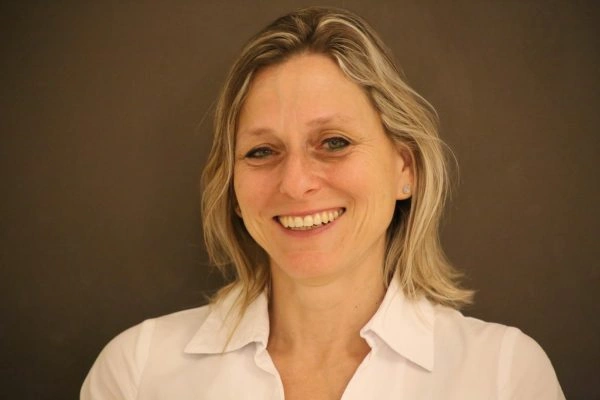
לצערי גדלתי בדור שבו לימוד גמרא לנשים לא היה דבר שבשגרה ושנים שאני חולמת להשלים את הפער הזה.. עד שלפני מספר שבועות, כמעט במקרה, נתקלתי במודעת פרסומת הקוראת להצטרף ללימוד מסכת תענית. כשקראתי את המודעה הרגשתי שהיא כאילו נכתבה עבורי – "תמיד חלמת ללמוד גמרא ולא ידעת איך להתחיל”, "בואי להתנסות במסכת קצרה וקלה” (רק היה חסר שהמודעה תיפתח במילים "מיכי שלום”..). קפצתי למים ו- ב”ה אני בדרך להגשמת החלום:)
מורשת, ישראל
A friend in the SF Bay Area said in Dec 2019 that she might start listening on her morning drive to work. I mentioned to my husband and we decided to try the Daf when it began in Jan 2020 as part of our preparing to make Aliyah in the summer.

ירושלים, Israel
באירוע של הדרן בנייני האומה. בהשראתה של אמי שלי שסיימה את הש”ס בסבב הקודם ובעידוד מאיר , אישי, וילדיי וחברותיי ללימוד במכון למנהיגות הלכתית של רשת אור תורה סטון ומורתיי הרבנית ענת נובוסלסקי והרבנית דבורה עברון, ראש המכון למנהיגות הלכתית.
הלימוד מעשיר את יומי, מחזיר אותי גם למסכתות שכבר סיימתי וידוע שאינו דומה מי ששונה פרקו מאה לשונה פרקו מאה ואחת במיוחד מרתקים אותי החיבורים בין המסכתות

מודיעין, ישראל
התחלתי ללמוד בסבב הנוכחי לפני כשנתיים .הסביבה מתפעלת ותומכת מאוד. אני משתדלת ללמוד מכל ההסכתים הנוספים שיש באתר הדרן. אני עורכת כל סיום מסכת שיעור בביתי לכ20 נשים שמחכות בקוצר רוח למפגשים האלו.
יהוד, ישראל
אחרי שראיתי את הסיום הנשי של הדף היומי בבנייני האומה זה ריגש אותי ועורר בי את הרצון להצטרף. לא למדתי גמרא קודם לכן בכלל, אז הכל היה לי חדש, ולכן אני לומדת בעיקר מהשיעורים פה בהדרן, בשוטנשטיין או בחוברות ושיננתם.
בית שמש, ישראל
התחלתי ללמוד בשנת המדרשה במגדל עוז, בינתיים נהנית מאוד מהלימוד ומהגמרא, מעניין ומשמח מאוד!
משתדלת להצליח לעקוב כל יום, לפעמים משלימה קצת בהמשך השבוע.. מרגישה שיש עוגן מקובע ביום שלי והוא משמח מאוד!

חיפה , ישראל
אני לומדת גמרא כעשור במסגרות שונות, ואת הדף היומי התחלתי כשחברה הציעה שאצטרף אליה לסיום בבנייני האומה. מאז אני לומדת עם פודקסט הדרן, משתדלת באופן יומי אך אם לא מספיקה, מדביקה פערים עד ערב שבת. בסבב הזה הלימוד הוא "ממעוף הציפור”, מקשיבה במהירות מוגברת תוך כדי פעילויות כמו בישול או נהיגה, וכך רוכשת היכרות עם הסוגיות ואופן ניתוחם על ידי חז”ל. בע”ה בסבב הבא, ואולי לפני, אצלול לתוכו באופן מעמיק יותר.

רמת גן, ישראל
כבר סיפרתי בסיום של מועד קטן.
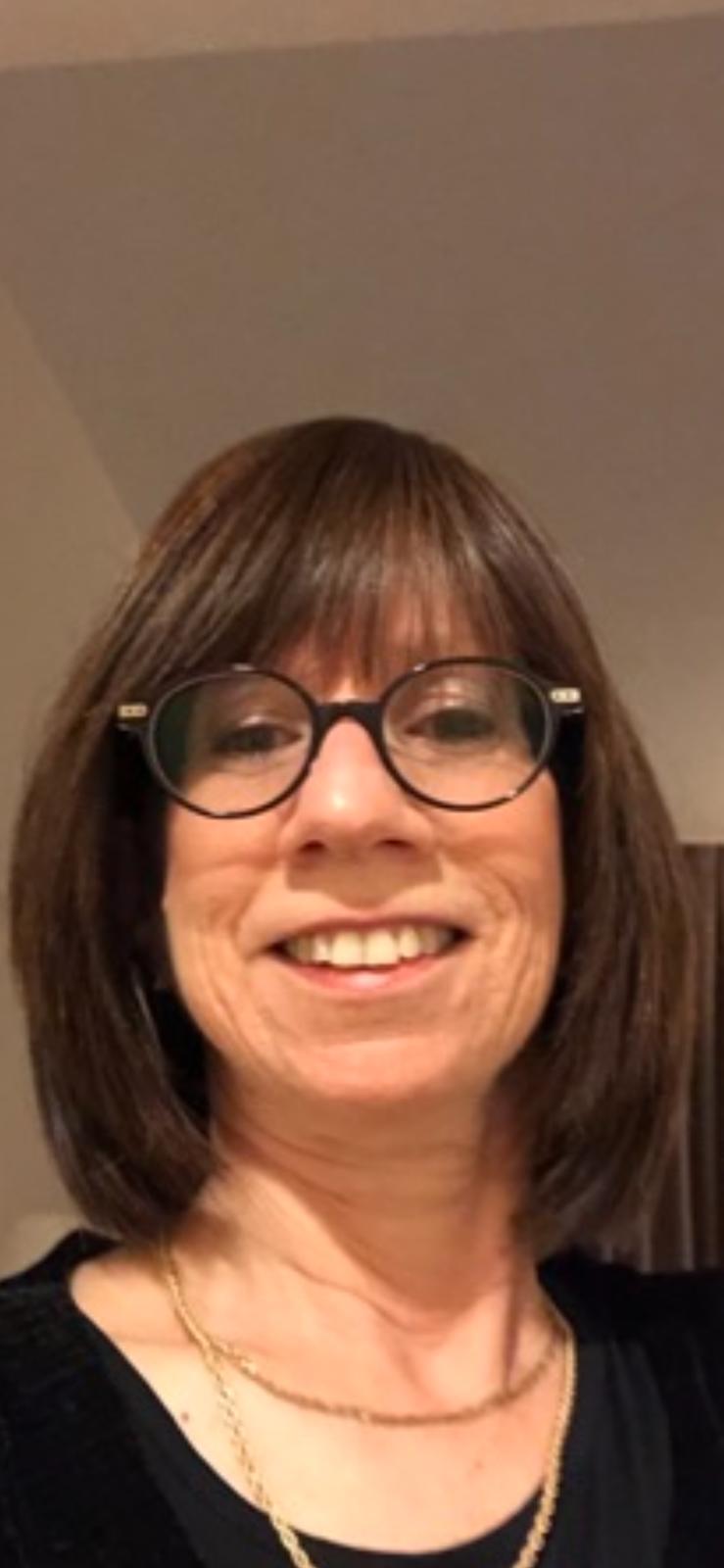
הלימוד מאוד משפיעה על היום שלי כי אני לומדת עם רבנית מישל על הבוקר בזום. זה נותן טון לכל היום – בסיס למחשבות שלי .זה זכות גדול להתחיל את היום בלימוד ובתפילה. תודה רבה !
ירושלים, ישראל
בבא בתרא נב
קִבֵּל מִן הַקָּטָן – יַעֲשֶׂה לוֹ סְגוּלָּה, וְאִם מֵת – יַחֲזִיר לְיוֹרְשָׁיו.
If one accepted a deposit from a minor, he cannot return it to him, as a minor is unable to properly safeguard the item. Instead, he must make a safe investment [segulla] for him, and if the minor dies, he must return it to his heirs.
וְכוּלָּן שֶׁאָמְרוּ בִּשְׁעַת מִיתָתָן: ״שֶׁל פְּלוֹנִי הֵן״, יַעֲשֶׂה כְּפֵירוּשָׁן. וְאִם לָאו, יַעֲשֶׂה פֵּירוּשׁ לְפֵירוּשָׁן.
And with regard to all these people, who said at the time of their death that the deposited item belongs to so-and-so, the bailee should act as they had explained, and if their explanation was not credible, the bailee should form an explanation of their explanation, i.e., ignore what they said.
דְּבֵיתְהוּ דְּרַבָּה בַּר בַּר חָנָה, כִּי קָא שָׁכְבָה, אֲמַרָה: ״הָנֵי כֵּיפֵי, דְּמָרְתָא וּבְנֵי בְרַתָּא״. אֲתָא לְקַמֵּיהּ דְּרַב, אֲמַר לֵיהּ: אִי מְהֵימְנָא לָךְ – עֲשֵׂה כְּפֵירוּשָׁהּ, וְאִי לָא – עֲשֵׂה פֵּירוּשׁ לְפֵירוּשָׁהּ.
The Gemara relates: When the wife of Rabba bar bar Ḥana was dying she said: These rings that are in my possession belong to Marta and the sons of her daughter. Rabba bar bar Ḥana came before Rav to ask what he should do. Rav said to him: If she is credible in your eyes, act as she had explained, and if not, form an explanation of her explanation, i.e., ignore what she said, and as her heir, keep them for yourself.
וְאִיכָּא דְּאָמְרִי, הָכִי אֲמַר לֵיהּ: אִי אֲמִידָא לָךְ, עֲשֵׂה כְּפֵירוּשָׁהּ, וְאִי לָא – עֲשֵׂה פֵּירוּשׁ לְפֵירוּשָׁהּ.
And there are those who say that this is what Rav said to him: If you assess that it is likely that the rings were deposited with her, act as she had explained, and if not, form an explanation of her explanation.
מִן הַקָּטָן – יַעֲשֶׂה לוֹ סְגוּלָּה. מַאי ״סְגוּלָּה״? רַב חִסְדָּא אָמַר: סֵפֶר תּוֹרָה. רַבָּה בַּר רַב הוּנָא אָמַר: דִּיקְלָא דְּאָכֵל מִינֵּיהּ תַּמְרֵי.
The baraita stated that if the bailee took a deposit from a minor, he must make a safe investment for him. The Gemara asks: What is meant by a safe investment? Rav Ḥisda says: The bailee should purchase a Torah scroll for the minor. Rabba bar Rav Huna says: He should purchase a date palm, from which the minor will consume dates.
וְלֹא לָאָב בְּנִכְסֵי הַבֵּן, וְלֹא לַבֵּן בְּנִכְסֵי הָאָב. אָמַר רַב יוֹסֵף: אֲפִילּוּ חָלְקוּ. רָבָא אָמַר: חָלְקוּ – לֹא.
§ The mishna teaches: And a father does not have the ability to establish the presumption of ownership with regard to a son’s property, and a son does not have the ability to establish the presumption of ownership with regard to a father’s property. Rav Yosef says: Even if they separated and the son is no longer dependent on his father, the presumption of ownership still cannot be established by a father or son with regard to the other’s property. Rava says: If they separated, that is not the halakha, and the presumption of ownership can be established.
אָמַר רַב יִרְמְיָה מִדִּפְתִּי: עֲבַד רַב פַּפִּי עוֹבָדָא ״חָלְקוּ – לֹא״, כְּרָבָא. אָמַר רַב נַחְמָן בַּר יִצְחָק, אִישְׁתַּעִי לִי רַב חִיָּיא מֵהוֹרְמִיז אַרְדְּשִׁיר, דְּאִישְׁתַּעִי לֵיהּ רַב אַחָא בַּר יַעֲקֹב, מִשְּׁמֵיהּ דְּרַב נַחְמָן בַּר יַעֲקֹב: חָלְקוּ לֹא. וְהִלְכְתָא: חָלְקוּ לֹא. תַּנְיָא נָמֵי הָכִי: בֵּן שֶׁחָלַק, וְאִשְׁתּוֹ שֶׁנִּתְגָּרְשָׁה – הֲרֵי הֵן כִּשְׁאָר כׇּל אָדָם.
Rav Yirmeya of Difti said: Rav Pappi performed an action and ruled that if they separated, that is not the halakha, in accordance with the opinion of Rava. Rav Naḥman bar Yitzḥak said that Rav Ḥiyya, from the city of Hurmiz Ardeshid, told me that Rav Aḥa bar Yaakov told him in the name of Rav Naḥman bar Yaakov: If they separated, that is not the halakha. The Gemara notes: And this is the halakha: If they separated, that is not the halakha, and the presumption of ownership can be established. This is also taught in a baraita: A son who separated himself from his father’s finances and a wife who became divorced are like all other people with regard to establishing the presumption of ownership.
אִיתְּמַר: אֶחָד מִן הָאַחִין שֶׁהָיָה נוֹשֵׂא וְנוֹתֵן בְּתוֹךְ הַבַּיִת, וְהָיוּ אוֹנוֹת וּשְׁטָרוֹת יוֹצְאִין עַל שְׁמוֹ, וְאָמַר: שֶׁלִּי הֵם, שֶׁנָּפְלוּ לִי מִבֵּית אֲבִי אִמָּא – אָמַר רַב: עָלָיו לְהָבִיא רְאָיָה. וּשְׁמוּאֵל אָמַר: עַל הָאַחִין לְהָבִיא רְאָיָה. אָמַר שְׁמוּאֵל: מוֹדֶה לִי אַבָּא, שֶׁאִם מֵת – עַל הָאַחִין לְהָבִיא רְאָיָה.
§ It was stated: There was a case of one of the brothers in a family who was engaging in commerce in the house, managing the family finances after the death of their father, and there were bills of sale [onot] and other documents circulating with his name appearing as the owner of the property and as a lender, and that brother said: The money and property are mine, as they fell to me as an inheritance from the house of the father of my mother, who is not the mother of the other brothers, Rav says: It is upon him to bring proof of ownership; otherwise the property is divided equally among the brothers. And Shmuel says: It is upon the brothers to bring proof that the money or property belonged to their common father and consequently now belongs to all of them. Shmuel says: Abba, i.e., Rav, concedes to me that if that brother dies, it is upon the brothers to bring proof in order to collect money from the deceased brother’s heirs.
מַתְקֵיף לַהּ רַב פָּפָּא: כְּלוּם טָעֲנִינַן לְהוּ לְיַתְמֵי, מִידֵּי דְּלָא טְעַן לְהוּ אֲבוּהוֹן? וְהָא רָבָא אַפֵּיק זוּגָא דְסַרְבָּלָא וְסִפְרָא דְאַגָּדְתָּא מִיַּתְמֵי, בְּלֹא רְאָיָה, בִּדְבָרִים הָעֲשׂוּיִם לְהַשְׁאִיל וּלְהַשְׂכִּיר –
Rav Pappa objects to Shmuel’s addendum: Do we claim on behalf of orphans anything that their father could not claim for them? But didn’t Rava remove a pair of scissors used for cutting garments and a book of aggada from orphans without requiring the prior owner who had asked the orphans to return these items to bring proof of ownership, and he would rule the same in the case of all items with regard to which it is common for them to be lent, and the one in possession has no presumption of ownership?
כְּדִשְׁלַח רַב הוּנָא בַּר אָבִין: דְּבָרִים הָעֲשׂוּיִן לְהַשְׁאִיל וּלְהַשְׂכִּיר, וְאָמַר ״לְקוּחִין הֵן בְּיָדִי״, אֵינוֹ נֶאֱמָן! קַשְׁיָא.
As Rav Huna bar Avin sent a ruling: If one other than the one previously established to be the owner is in possession of items that are typically lent or rented, and says: They are purchased, and that is why they are in my possession, he is not deemed credible. In this case as well, as the father of the orphans could not be awarded these documents without bringing proof, the same should be true of his orphans. Why, then, would Rav concede to Shmuel? The Gemara concedes: This is difficult.
אָמַר רַב חִסְדָּא: לֹא שָׁנוּ אֶלָּא דְּאֵין חֲלוּקִין בְּעִיסָּתָן, אֲבָל חֲלוּקִים בְּעִיסָּתָן – אֵימוֹר מֵעִיסָּתוֹ קִימֵּץ.
Rav Ḥisda says: They, i.e., Rav, taught his ruling, that the brother must bring proof that he owns the property listed in the documents that appear under his name, only when they do not divide any of their property, even with regard to their dough, i.e., they share everything, even their food. But if they divide with regard to their dough, say that this brother removed money from his dough, i.e., reduced his expenses for food, thereby amassing his own property.
רְאָיָה בְּמַאי? רַבָּה אָמַר: רְאָיָה בְּעֵדִים, רַב שֵׁשֶׁת אָמַר: רְאָיָה בְּקִיּוּם הַשְּׁטָר.
With regard to the requirement that proof be brought, the Gemara asks: With what is one considered to have brought proof? Rabba says: Proof is brought with the testimony of witnesses that he purchased the property listed in the document or granted the loan with his own money or that he inherited it from his mother’s family. Rav Sheshet says: Proof is brought with the court’s ratification of the document in which his name appears.
אֲמַר לֵיהּ רָבָא לְרַב נַחְמָן: הָא רַב וְהָא שְׁמוּאֵל, הָא רַבָּה וְהָא רַב שֵׁשֶׁת; מָר –, כְּמַאן סְבִירָא לֵיהּ? אֲמַר לֵיהּ: אֲנָא מַתְנִיתָא יָדַעְנָא, דְּתַנְיָא: אֶחָד מִן הָאַחִין שֶׁהָיָה נוֹתֵן וְנוֹשֵׂא בְּתוֹךְ הַבַּיִת, וְהָיוּ אוֹנוֹת וּשְׁטָרוֹת יוֹצְאִין עַל שְׁמוֹ, וְאָמַר: שֶׁלִּי הֵן, שֶׁנָּפְלוּ לִי מִבֵּית אֲבִי אִמָּא – עָלָיו לְהָבִיא רְאָיָה.
Rava said to Rav Naḥman: This is the opinion of Rav and this is the opinion of Shmuel; this is the opinion of Rabba and this is the opinion of Rav Sheshet. In accordance with whose opinion does the Master hold? Rav Naḥman said to him: I know a baraita, which is the source of my opinion, as it is taught (Tosefta 9:2): In a case where there was one of the brothers who was engaging in commerce in the house, managing the family finances, and there were bills of sale and other documents circulating with his name appearing as the owner of the property or as a lender, and that brother said: The money and property are mine, as they fell to me as an inheritance from the house of the father of my mother, who is not the mother of the other brothers, it is upon him to bring proof of ownership.
וְכֵן הָאִשָּׁה שֶׁהִיא נוֹשֵׂאת וְנוֹתֶנֶת בְּתוֹךְ הַבַּיִת, וְהָיוּ אוֹנוֹת וּשְׁטָרוֹת יוֹצְאִין עַל שְׁמָהּ, וְאָמְרָה: שֶׁלִּי הֵן, שֶׁנָּפְלוּ לִי מִבֵּית אֲבִי אַבָּא אוֹ מִבֵּית אֲבִי אִמָּא – עָלֶיהָ לְהָבִיא רְאָיָה.
The baraita continues: And similarly, in the case of a woman, i.e., a widow, if her husband’s heirs see that she is engaging in commerce in the house with the property that had belonged to her husband, and there were bills of sale and other documents circulating with her name appearing on them as the owner, and she said: The money and property are mine alone, as they fell to me as an inheritance from the house of the father of my father or from the house of the father of my mother, and did not belong to my husband, it is upon her to bring proof. Rav Naḥman consequently holds in accordance with the opinion of Rav.
מַאי ״וְכֵן״? מַהוּ דְּתֵימָא: אִשָּׁה, כֵּיוָן דִּשְׁבִיחָא לַהּ מִילְּתָא – דְּאָמְרִי קָא טָרְחָא קַמֵּי יַתְמֵי, לָא גָּזְלָה מִיַּתְמֵי; קָא מַשְׁמַע לַן:.
Having quoted the baraita, the Gemara seeks to clarify it, and asks: What is the purpose of the clause of the baraita that begins: And similarly, where the halakha appears to be identical to that of the first clause? Lest you say that in the case of the woman, since the matter is laudable for her, in that people say: She is toiling on behalf of orphans; she would not steal from the orphans, and is therefore deemed credible if she says that the property in the documents that bear her name is her own, the baraita teaches us that this assumption cannot be relied upon, and she must bring proof of ownership.
בַּמֶּה דְּבָרִים אֲמוּרִים – בְּמַחְזִיק, אֲבָל בְּנוֹתֵן מַתָּנָה וְהָאַחִין שֶׁחָלְקוּ וְכוּ׳. אַטּוּ כֹּל הָנֵי דְּאָמְרִינַן, לָאו בְּנֵי חֲזָקָה נִינְהוּ?
§ The mishna teaches: In what case is this statement, that one establishes the presumption of ownership after profiting from the property for a certain duration, said? It is said in a case of one who has mere possession of the property, which does in some cases serve as proof of ownership. But in a case of one who gives a gift, or brothers who divided their inheritance, or one who takes possession of the property of a convert who died without heirs and his property is now ownerless, as soon as one locked the door of the property, or fenced it or breached its fence even a bit, this is considered taking possession of the property, and effects acquisition. The Gemara asks: Is that to say that all of these whom we previously said possessed the field for three years are not subject to the halakhot of taking possession of property in this manner?
חַסּוֹרֵי מְחַסְּרָא, וְהָכִי קָתָנֵי: בַּמֶּה דְּבָרִים אֲמוּרִים – בַּחֲזָקָה שֶׁיֵּשׁ עִמָּהּ טַעֲנָה, כְּגוֹן מוֹכֵר אוֹמֵר: ״לֹא מָכַרְתִּי״, וְלוֹקֵחַ אוֹמֵר: ״לָקַחְתִּי״;
The Gemara responds that the mishna is incomplete and this is what it is teaching: In what case is this statement said? It is said with regard to possession that is accompanied by a claim, i.e., when the possessor has a claim to counter that of the claimant, such as where the seller, i.e., the claimant, says: I did not sell, and the buyer, i.e., the possessor, says: I purchased. In that case, working and profiting from the land for three years establishes the presumption of ownership.
אֲבָל חֲזָקָה שֶׁאֵין עִמָּהּ טַעֲנָה – כְּגוֹן נוֹתֵן מַתָּנָה, וְהָאַחִין שֶׁחָלְקוּ, וְהַמַּחְזִיק בְּנִכְסֵי הַגֵּר – דִּלְמִקְנֵי בְּעָלְמָא הוּא; נָעַל, גָּדַר, פָּרַץ כׇּל שֶׁהוּא – הֲרֵי זוֹ חֲזָקָה.
But with regard to possession that does not need to be accompanied by a claim, as the prior owner concedes that the one in possession is the owner, such as a case where another person gives one a gift, or there are brothers who divided their property, or there is one who takes possession of the property of a convert who died without heirs, where the function of possessing the item is only to acquire it and not to establish the presumption of ownership, if one locked the door of the property, or fenced it or breached its fence even a bit, this is considered taking possession of the property.
תָּנֵי רַב הוֹשַׁעְיָא בְּקִדּוּשִׁין דְּבֵי לֵוִי: נָעַל, גָּדַר, פָּרַץ כׇּל שֶׁהוּא בְּפָנָיו – הֲרֵי זוֹ חֲזָקָה. בְּפָנָיו – אִין, שֶׁלֹּא בְּפָנָיו – לָא? אָמַר רָבָא, הָכִי קָאָמַר: בְּפָנָיו – לָא צְרִיךְ לְמֵימַר לֵיהּ: ״לֵךְ חֲזֵק וּקְנִי״,
Rav Hoshaya teaches in the baraita of tractate Kiddushin that was taught in the school of Levi: If one locked the door of the property, or fenced it or breached its fence even a bit, if this was done in the presence of the seller, this is considered taking possession of the property. The Gemara asks: One could infer that in his presence, yes, he acquires it; but not in his presence, no, he does not acquire it. Why not? In any event he has taken possession. Rava said that this is what Rav Hoshaya is saying: If the act was performed in the seller’s presence, the seller need not say to him: Go, take possession, and thereby acquire the property. Since the buyer is performing the act in the seller’s presence, there is no need for the seller to specify that he consents to the buyer’s acquiring it.

