








הדף היום מוקדש ע”י נשות הדרן מלונג איילנד לכבוד סמי גרף על הנישואין של בנה, שי לניאדו, ללילי סניידר.
רוצה להקדיש שיעור?
בבא בתרא נא
וְדַיָּינֵי גוֹלָה אָמְרוּ: מַחְזִיקִין. אָמַר רַב: הֲלָכָה כְּדַיָּינֵי גוֹלָה. אֲמַרוּ לֵיהּ רַב כָּהֲנָא וְרַב אַסִּי לְרַב: הֲדַר בֵּיהּ מָר מִשְּׁמַעְתֵּיהּ? אֲמַר לְהוּ: מִסְתַּבְּרָא אֲמַרִי – כִּדְרַב יוֹסֵף.
but the judges of the exile said that one can establish the presumption of ownership. Rav says: The halakha is in accordance with the opinion of the judges of the exile. Rav Kahana and Rav Asi said to Rav: Has the Master retracted his halakha that one cannot establish the presumption of ownership with regard to the property of a married woman? Rav said to them: I said that the opinion of the judges of the exile is reasonable, as the presumption of ownership can be established with regard the property of a married woman under certain circumstances. The Gemara comments: This is like that ruling of Rav Yosef with regard to one who possesses the land for three years after the death of the husband.
וְלֹא לְאִשָּׁה בְּנִכְסֵי בַעְלָהּ וְכוּ׳. פְּשִׁיטָא – כֵּיוָן דְּאִית לַהּ מְזוֹנֵי, מְזוֹנֵי הוּא דְּקָא אָכְלָה! לָא צְרִיכָא, דְּיַחֵד לַהּ אַרְעָא אַחֲרִיתִי לִמְזוֹנַהּ.
§ The mishna teaches: And a wife does not have the ability to establish the presumption of ownership with regard to her husband’s property. The Gemara asks: Isn’t that obvious? Since she has the right to sustenance from her husband’s property, she is enjoying the profits as payment of her sustenance, so her use of the property does not establish the presumption of ownership. The Gemara responds: No, it is necessary to state this halakha in the event that he designated another parcel of land for her sustenance. The mishna teaches that even if she enjoys the profits of a second field for three years, she does not establish the presumption of ownership of that field.
הָא רְאָיָה – יֵשׁ? לֵימָא לְגַלּוֹיֵי זוּזֵי הוּא דְּבָעֵי!
The Gemara asks: By inference, the wife has the ability to bring proof of her ownership and take possession of her husband’s field. Why is this proof valid? Let him say that he desires to expose her concealed money. If he offers to sell the field to her and she agrees, it will be discovered that she has money of which he had been unaware. His intention was never to sell the property, but to claim money to which he is entitled.
שָׁמְעַתְּ מִינַּהּ, הַמּוֹכֵר שָׂדֶה לְאִשְׁתּוֹ – קָנְתָה, וְלָא אָמְרִינַן: לְגַלּוֹיֵי זוּזֵי הוּא דְּבָעֵי?! לָא; אֵימָא: הָא רְאָיָה יֵשׁ – בִּשְׁטַר מַתָּנָה.
Can one conclude from this mishna that in the case of one who sells a field to his wife, she has acquired it, and we do not say that he desires to expose her concealed money? The Gemara answers: No, as one may say that the inference from the mishna that if she has proof then she has ownership rights is the halakha only with regard to a deed of gift, as, if her husband gave her the field as a gift, he cannot claim that he did so in order to expose her concealed money.
אֲמַר לֵיהּ רַב נַחְמָן לְרַב הוּנָא: לָא הֲוָה מָר גַּבָּן בְּאוּרְתָּא בִּתְחוּמָא, דְּאָמְרִינַן מִילֵּי מְעַלְּיָיתָא. אֲמַר לֵיהּ: מַאי מִילֵּי מְעַלְּיָיתָא אָמְרִיתוּ? הַמּוֹכֵר שָׂדֶה לְאִשְׁתּוֹ – קָנְתָה, וְלָא אָמְרִינַן לְגַלּוֹיֵי זוּזֵי הוּא דְּבָעֵי.
The Gemara relates: Rav Naḥman said to Rav Huna: The Master was not with us in the evening in the study hall that is within the boundaries of the town, where we said a superior matter. Rav Huna said to him: What superior matter did you say? Rav Naḥman responded: In the case of one who sells a field to his wife, she has acquired it, and we do not say that he desires to expose her concealed money.
אֲמַר לֵיהּ: פְּשִׁיטָא, דַּל זוּזֵי מֵהָכָא – וְתִיקְנֵי בִּשְׁטָרָא! מִי לָא תְּנַן: נְכָסִים שֶׁיֵּשׁ לָהֶן אַחְרָיוּת נִקְנִין בְּכֶסֶף וּבִשְׁטָר וּבַחֲזָקָה?
Rav Huna said to him: That is obvious; remove the money from here and she will acquire the property by means of the bill of sale, as, even if she has not yet given him the money, she acquires the land by means of the bill of sale. Didn’t we learn in a mishna (Kiddushin 26a): Property that serves as a guarantee, i.e., land, can be acquired by means of giving money, by means of giving a document, or by means of taking possession of it?
אֲמַר לֵיהּ: וְלָאו אִיתְּמַר עֲלַהּ, אָמַר שְׁמוּאֵל: לֹא שָׁנוּ אֶלָּא בִּשְׁטַר מַתָּנָה, אֲבָל בִּשְׁטַר מֶכֶר – לֹא קָנָה עַד שֶׁיִּתֵּן לוֹ דָּמֶיהָ? וְלָאו מוֹתֵיב רַב הַמְנוּנָא: בִּשְׁטָר – כֵּיצַד? כָּתַב לוֹ עַל הַנְּיָיר אוֹ עַל הַחֶרֶס – אַף עַל פִּי שֶׁאֵין בּוֹ שָׁוֶה פְּרוּטָה: ״שָׂדִי מְכוּרָה לָךְ״, ״שָׂדִי קְנוּיָה לָךְ״ – הֲרֵי זוֹ מְכוּרָה וּנְתוּנָה?
Rav Naḥman said to him: But wasn’t it stated with regard to this that Shmuel says: They taught that the document alone suffices only if the transaction is with a deed of gift, but if the transaction is with a bill of sale, the buyer does not acquire the property until he gives him its money? Rav Huna responded: But didn’t Rav Hamnuna raise an objection to this, based on this following baraita: How is acquisition by means of giving a document performed? If he wrote it for him on paper or earthenware, then even though the paper or the earthenware is not worth even one peruta, if he writes: My field is sold to you, or: My field is acquired by you as a gift, it is thereby sold or given. This indicates that a document suffices to complete an acquisition both in the case of a sale and a gift.
וְלָאו הוּא מוֹתֵיב לַהּ וְהוּא מְפָרֵק לַהּ – בְּמוֹכֵר שָׂדֵהוּ מִפְּנֵי רָעָתָהּ?
Rav Naḥman responded: But is it not so that he, Rav Hamnuna, raises the objection and he himself resolves it? The baraita states its ruling with regard to one who sells his field due to its poor quality. The seller wants to be rid of his field due to its low value, and would like to transfer ownership of it as quickly as possible. In this case, writing a document suffices to complete the acquisition. By contrast, in standard cases it does not. Since the acquisition of a field requires monetary payment in addition to a bill of sale, Rav Naḥman’s statement, that if one sells a field to his wife the sale is valid and we do not say that he desires to expose her concealed money, is a novelty.
(רַב בִּיבִי מְסַיֵּים בַּהּ מִשְּׁמֵיהּ דְּרַב נַחְמָן) וְרַב אָשֵׁי אָמַר: בְּמַתָּנָה בִּקֵּשׁ לִיתְּנָהּ לוֹ, וְלָמָּה כָּתַב לוֹ בִּלְשׁוֹן מֶכֶר? כְּדֵי לְיַפּוֹת כֹּחוֹ.
The Gemara notes that in interpreting this baraita, Rav Beivai would conclude in the name of Rav Naḥman, or, according to another version, Rav Ashi says: Why does a document suffice for him to acquire the land? It is because it is assumed that he wanted to give it to him as a gift. And why did he write the document for him employing the terminology of a sale? It was in order to enhance the power of the one acquiring the land, since with regard to a property guarantee, i.e., a document that states that if the property is seized by the seller’s creditor, the seller will reimburse the buyer for his loss, a bill of sale is superior to a deed of gift.
מֵיתִיבִי: לָוָה מִן הָעֶבֶד, וְשִׁחְרְרוֹ; מִן הָאִשָּׁה, וְגֵרְשָׁהּ – אֵין לָהֶן עָלָיו כְּלוּם. מַאי טַעְמָא? לָאו מִשּׁוּם דְּאָמְרִינַן: לְגַלּוֹיֵי זוּזֵי הוּא דְּבָעֵי?
The Gemara raises an objection to the ruling of Rav Naḥman, that we do not say that he desires to expose her concealed money, from a baraita: If one borrowed money from his own slave and then frees him, or if one borrowed money from his wife and then divorces her, they do not have any claim on him, and he need not repay them. What is the reason for this? Is it not because we say that he desires to expose their concealed money, and his taking of the loan was a mere artifice to claim money to which he was entitled?
שָׁאנֵי הָתָם, דְּלָא נִיחָא לֵיהּ לְשַׁוּוֹיֵיהּ נַפְשֵׁיהּ ״עֶבֶד לֹוֶה לְאִישׁ מַלְוֶה״.
The Gemara answers: It is different there, because there is an additional reason to think it was an artifice, as it is uncomfortable for him to make applicable to himself the verse: “The rich rules over the poor, and the borrower is servant to the lender” (Proverbs 22:7). It is therefore reasonable to posit that his intention was not to borrow money, but to expose the concealed money that was in the possession of his slave or wife. This concern does not apply to one who sells property to his wife, and therefore the sale is valid.
שְׁלַח רַב הוּנָא בַּר אָבִין: הַמּוֹכֵר שָׂדֶה לְאִשְׁתּוֹ – קָנְתָה,
The Gemara relates that Rav Huna bar Avin sent a ruling to those in the study hall: In the case of one who sells a field to his wife, she has acquired it,
וּבַעַל אוֹכֵל פֵּירוֹת. בְּרַם, רַבִּי אַבָּא וְרַבִּי אֲבָהוּ וְכׇל גְּדוֹלֵי הַדּוֹר אָמְרוּ: בְּמַתָּנָה בִּקֵּשׁ לִיתְּנוֹ לָהּ, וְלָמָּה כָּתַב לָהּ לְשׁוּם מֶכֶר? כְּדֵי לְיַפּוֹת אֶת כֹּחָהּ.
and as long as they remain married, the husband enjoys the profits, as he would with any usufruct property. But Rabbi Abba and Rabbi Abbahu and all of the great Sages of the generation said that the assumption is that the husband wanted to give it to her as a gift. And why did he write the deed for her employing terminology indicating that it is for the sake of a sale? It was in order to enhance her power.
מֵיתִיבִי: לָוָה מִן הָעֶבֶד וְשִׁחְרְרוֹ, מִן הָאִשָּׁה וְגֵרְשָׁהּ – אֵין לָהֶן עָלָיו כְּלוּם. מַאי טַעְמָא? לָאו מִשּׁוּם דְּאָמְרִי: לְגַלּוֹיֵי זוּזֵי הוּא דִּבְעָא?
The Gemara raises an objection from a baraita to the ruling that the wife acquires the property: If one borrowed from his own slave and then freed him, or if one borrowed from his wife and then divorced her, they do not have any claim on him, and he need not repay them. What is the reason for this? Is it not because we say that he desired to expose their concealed money, and his taking of the loan was merely an artifice to claim money to which he was entitled? Similarly, the assumption should be that his sale to her was merely an artifice.
שָׁאנֵי הָתָם, דְּלָא לִישַׁוֵּי אִינִישׁ ״עֶבֶד לֹוֶה לְאִישׁ מַלְוֶה״.
The Gemara answers: It is different there, because there is an additional reason to think it was an artifice, as it is uncomfortable for a person to be described by the verse: “The rich rules over the poor, and the borrower is servant to the lender” (Proverbs 22:7). It is therefore reasonable to posit that his intention was not to borrow money, but to expose the concealed money that was in the possession of his slave or wife. This concern does not apply to one who sells property to his wife, and therefore the sale is valid.
אָמַר רַב: הַמּוֹכֵר שָׂדֶה לְאִשְׁתּוֹ – קָנְתָה, וְהַבַּעַל אוֹכֵל פֵּירוֹת. בְּמַתָּנָה – קָנְתָה, וְאֵין הַבַּעַל אוֹכֵל פֵּירוֹת. וְרַבִּי אֶלְעָזָר אָמַר: אֶחָד זֶה וְאֶחָד זֶה – קָנְתָה, וְאֵין הַבַּעַל אוֹכֵל פֵּירוֹת.
The Gemara quotes a related statement. Rav says: In the case of one who sells a field to his wife, she has acquired it, and the husband enjoys the profits. In the case of one who gives a married woman the field as a gift, she has acquired it and the husband does not enjoy the profits, since he gave it to her completely. And Rabbi Elazar says: In both this case and that case she has acquired it, and the husband does not enjoy the profits.
עֲבַד רַב חִסְדָּא עוֹבָדָא כְּרַבִּי אֶלְעָזָר. אֲמַרוּ לֵיהּ רַבָּן עוּקְבָא וְרַבָּן נְחֶמְיָה בְּנֵי בְנָתֵיהּ דְּרַב, לְרַב חִסְדָּא: שָׁבֵיק מָר רַבְרְבֵי, וְעָבֵיד כְּזוּטְרֵי?! אֲמַר לְהוּ: וַאֲנָא נָמֵי כְּרַבְרְבֵי עֲבַדִי, דְּכִי אֲתָא רָבִין אָמַר רַבִּי יוֹחָנָן: אֶחָד זֶה וְאֶחָד זֶה – קָנְתָה, וְאֵין הַבַּעַל אוֹכֵל פֵּירוֹת.
The Gemara relates: Rav Ḥisda performed an action in accordance with the opinion of Rabbi Elazar, and did not allow a husband to enjoy the profits of a field he sold to his wife. Rabban Ukva and Rabban Neḥemya, the sons of Rav’s daughters, said to Rav Ḥisda: Does the Master abandon a greater Sage, i.e., Rav, the greatest Sage of his generation, and act in accordance with the opinion of a lesser Sage, i.e., Rabbi Elazar, who was Rav’s student? Rav Ḥisda said to them: But I too am acting in accordance with the opinion of a greater Sage, as when Ravin came from Eretz Yisrael, he said that Rabbi Yoḥanan said: In both this case and that case she has acquired it, and the husband does not enjoy the profits. I am consequently not relying exclusively on Rabbi Elazar’s opinion, but also on that of Rabbi Yoḥanan.
אָמַר רָבָא, הִלְכְתָא: הַמּוֹכֵר שָׂדֶה לְאִשְׁתּוֹ – לֹא קָנְתָה, וְהַבַּעַל אוֹכֵל פֵּירוֹת. בְּמַתָּנָה – קָנְתָה, וְאֵין הַבַּעַל אוֹכֵל פֵּירוֹת. תַּרְתֵּי?!
Rava says that the halakha is: In the case of one who sells a field to his wife, she has not acquired it, and the husband enjoys the profits. In the case of one who gives a married woman the field as a gift, she has acquired it and the husband does not enjoy the profits. The Gemara asks with regard to the first halakha: Can these two ostensibly contradictory rulings be given? Rava’s statement that the wife has not acquired the field means that the husband still owns it, while his statement that the husband enjoys the profits, i.e., he merely enjoys the profits but does not own the field, indicates that the field itself is owned by the wife.
לָא קַשְׁיָא; כָּאן בְּמָעוֹת טְמוּנִין, כָּאן בְּמָעוֹת שֶׁאֵין טְמוּנִין – דְּאָמַר רַב יְהוּדָה: מָעוֹת טְמוּנִין – לֹא קָנְתָה, מָעוֹת שֶׁאֵינָן טְמוּנִין – קָנְתָה.
The Gemara responds: This is not difficult, because Rava is referring to two different cases. Here, where he says that she has not acquired the land, he is referring to a case where her money was concealed, and the sale was an artifice to expose it; while there, where he says that she acquires the land, he is referring to a case where she had money that is not concealed. As Rav Yehuda says: If she purchased the field with concealed money, she has not acquired it; if she purchased it with money that is not concealed, she has acquired it.
תָּנוּ רַבָּנַן: אֵין מְקַבְּלִין פִּקְדוֹנוֹת – לֹא מִן הַנָּשִׁים, וְלֹא מִן הָעֲבָדִים, וְלֹא מִן הַתִּינוֹקוֹת. קִבֵּל מִן הָאִשָּׁה – יַחְזִיר לָאִשָּׁה, וְאִם מֵתָה – יַחְזִיר לְבַעְלָהּ. קִבֵּל מִן הָעֶבֶד – יַחְזִיר לָעֶבֶד, וְאִם מֵת – יַחְזִיר לְרַבּוֹ.
§ The Sages taught in a baraita: One may not accept deposits from women, and not from slaves, and not from children. Since it is likely that they do not own property, they might have taken the item without authorization from their husband, master, or parent, respectively. Consequently, one should not accept the deposit. If, however, one accepted a deposit from a woman, he must return it to the woman, as he cannot be certain that it is not hers. And if the woman died, he must return it to her husband, as he is her heir. If one accepted a deposit from a slave, he must return it to the slave, since it might not belong to the master. And if the slave died, he must return it to his master.
לעקוב 
כלים
העמקה
רוצה להבין מה באמת קורה מתחת לפני השטח של הסוגיה?
שיעורים, פודקאסטים והרחבות של מיטב המורות שלנו יפתחו לך עוד זוויות וכיווני חשיבה.








חדשה בלימוד הגמרא?
זה הדף הראשון שלך? איזו התרגשות עצומה! יש לנו בדיוק את התכנים והכלים שיעזרו לך לעשות את הצעדים הראשונים ללמידה בקצב וברמה שלך, כך תוכלי להרגיש בנוח גם בתוך הסוגיות המורכבות ומאתגרות.
פסיפס הלומדות שלנו
גלי את קהילת הלומדות שלנו, מגוון נשים, רקעים וסיפורים. כולן חלק מתנועה ומסע מרגש ועוצמתי.
באירוע של הדרן בנייני האומה. בהשראתה של אמי שלי שסיימה את הש”ס בסבב הקודם ובעידוד מאיר , אישי, וילדיי וחברותיי ללימוד במכון למנהיגות הלכתית של רשת אור תורה סטון ומורתיי הרבנית ענת נובוסלסקי והרבנית דבורה עברון, ראש המכון למנהיגות הלכתית.
הלימוד מעשיר את יומי, מחזיר אותי גם למסכתות שכבר סיימתי וידוע שאינו דומה מי ששונה פרקו מאה לשונה פרקו מאה ואחת במיוחד מרתקים אותי החיבורים בין המסכתות

רוית קלך
מודיעין, ישראל
לפני 15 שנה, אחרי עשרות שנים של "ג’ינגול” בין משפחה לקריירה תובענית בהייטק, הצטרפתי לשיעורי גמרא במתן רעננה. הלימוד המעמיק והייחודי של הרבנית אושרה קורן יחד עם קבוצת הנשים המגוונת הייתה חוויה מאלפת ומעשירה. לפני כשמונה שנים כאשר מחזור הדף היומי הגיע למסכת תענית הצטרפתי כ”חברותא” לבעלי. זו השעה היומית שלנו ביחד כאשר דפי הגמרא משתלבים בחיי היום יום, משפיעים ומושפעים, וכשלא מספיקים תמיד משלימים בשבת

יודי אסקוף
רעננה, ישראל
My explorations into Gemara started a few days into the present cycle. I binged learnt and become addicted. I’m fascinated by the rich "tapestry” of intertwined themes, connections between Masechtot, conversations between generations of Rabbanim and learners past and present all over the world. My life has acquired a golden thread, linking generations with our amazing heritage.
Thank you.

סוזן כשדן
חשמונאים, Israel
אמא שלי למדה איתי ש”ס משנה, והתחילה ללמוד דף יומי. אני החלטתי שאני רוצה ללמוד גם. בהתחלה למדתי איתה, אח”כ הצטרפתי ללימוד דף יומי שהרב דני וינט מעביר לנוער בנים בעתניאל. במסכת עירובין עוד חברה הצטרפה אלי וכשהתחלנו פסחים הרב דני פתח לנו שעור דף יומי לבנות. מאז אנחנו לומדות איתו קבוע כל יום את הדף היומי (ובשבת אבא שלי מחליף אותו). אני נהנית מהלימוד, הוא מאתגר ומעניין

רננה הלמן
עתניאל, ישראל
רציתי לקבל ידע בתחום שהרגשתי שהוא גדול וחשוב אך נעלם ממני. הלימוד מעניק אתגר וסיפוק ומעמיק את תחושת השייכות שלי לתורה וליהדות

רות עגיב
עלי זהב – לשם, ישראל
התחלתי כשהייתי בחופש, עם הפרסומים על תחילת המחזור, הסביבה קיבלה את זה כמשהו מתמיד ומשמעותי ובהערכה, הלימוד זה עוגן יציב ביום יום, יש שבועות יותר ויש שפחות אבל זה משהו שנמצא שם אמין ובעל משמעות בחיים שלי….

עדי דיאמנט
גמזו, ישראל
התחלתי להשתתף בשיעור נשים פעם בשבוע, תכננתי ללמוד רק דפים בודדים, לא האמנתי שאצליח יותר מכך.
לאט לאט נשאבתי פנימה לעולם הלימוד .משתדלת ללמוד כל בוקר ומתחילה את היום בתחושה של מלאות ומתוך התכווננות נכונה יותר.
הלימוד של הדף היומי ממלא אותי בתחושה של חיבור עמוק לעם היהודי ולכל הלומדים בעבר ובהווה.

נילי חיון
אפרת, ישראל
התחלתי ללמוד את הדף היומי מעט אחרי שבני הקטן נולד. בהתחלה בשמיעה ולימוד באמצעות השיעור של הרבנית שפרבר. ובהמשך העזתי וקניתי לעצמי גמרא. מאז ממשיכה יום יום ללמוד עצמאית, ולפעמים בעזרת השיעור של הרבנית, כל יום. כל סיום של מסכת מביא לאושר גדול וסיפוק. הילדים בבית נהיו חלק מהלימוד, אני משתפת בסוגיות מעניינות ונהנית לשמוע את דעתם.

אלירז בלאו
מעלה מכמש, ישראל
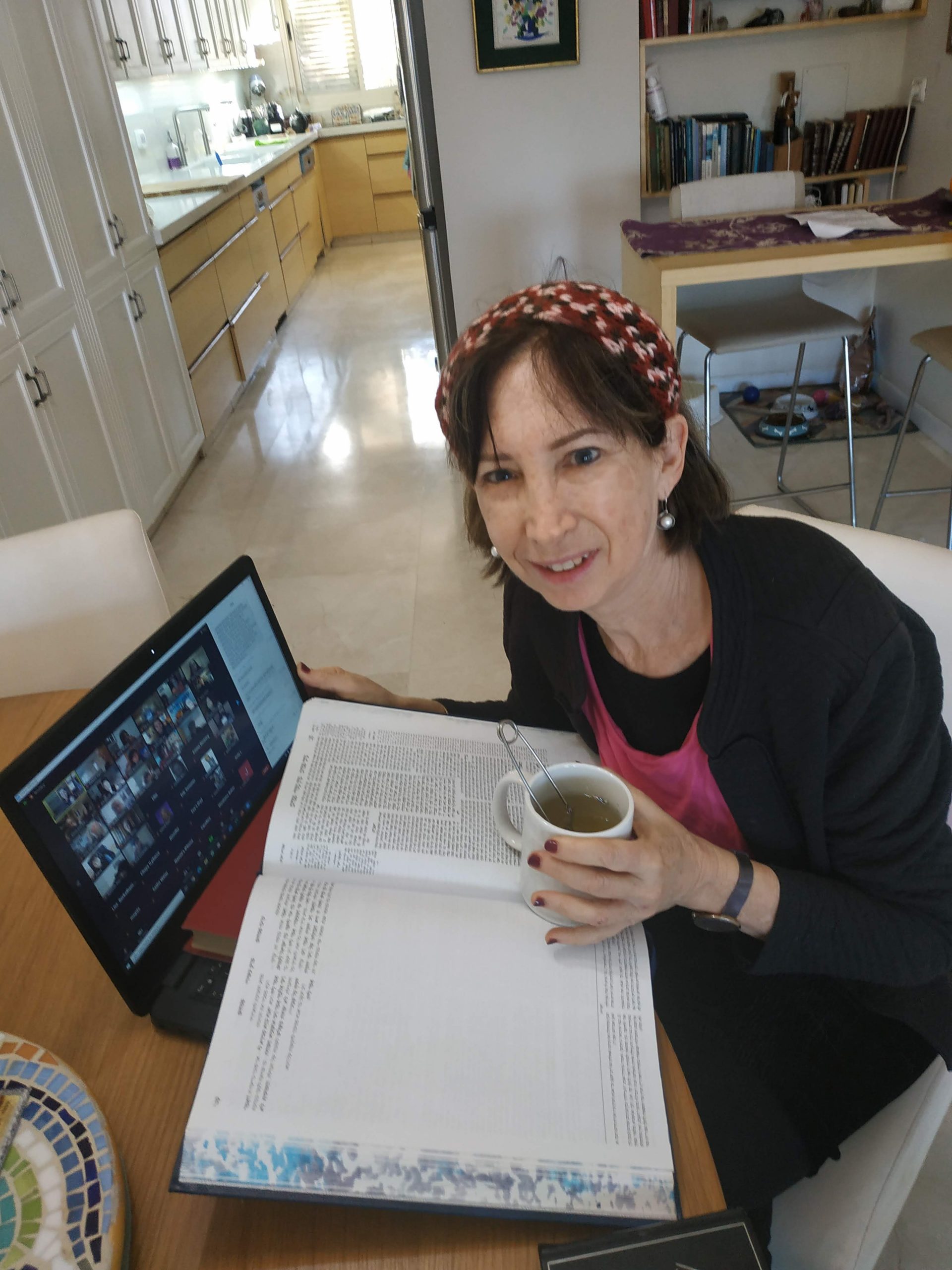
למדתי גמרא מכיתה ז- ט ב Maimonides School ואחרי העליה שלי בגיל 14 לימוד הגמרא, שלא היה כל כך מקובל בימים אלה, היה די ספוראדי. אחרי "ההתגלות” בבנייני האומה התחלתי ללמוד בעיקר בדרך הביתה למדתי מפוקקטסים שונים. לאט לאט ראיתי שאני תמיד חוזרת לרבנית מישל פרבר. באיזה שהוא שלב התחלתי ללמוד בזום בשעה 7:10 .
היום "אין מצב” שאני אתחיל את היום שלי ללא לימוד עם הרבנית מישל עם כוס הקפה שלי!!
דבי גביר
חשמונאים, ישראל
התחלתי ללמוד לפני כשנתיים בשאיפה לסיים לראשונה מסכת אחת במהלך חופשת הלידה.
אחרי מסכת אחת כבר היה קשה להפסיק…

נעה גלנט
ירוחם, ישראל
התחלתי ללמוד דף יומי שהתחילו מסכת כתובות, לפני 7 שנים, במסגרת קבוצת לימוד שהתפרקה די מהר, ומשם המשכתי לבד בתמיכת האיש שלי. נעזרתי בגמרת שטיינזלץ ובשיעורים מוקלטים.
הסביבה מאד תומכת ואני מקבלת המון מילים טובות לאורך כל הדרך. מאז הסיום הגדול יש תחושה שאני חלק מדבר גדול יותר.
אני לומדת בשיטת ה”7 דפים בשבוע” של הרבנית תרצה קלמן – כלומר, לא נורא אם לא הצלחת ללמוד כל יום, העיקר שגמרת ארבעה דפים בשבוע

רחל גולדשטיין
עתניאל, ישראל
התחלתי ללמוד בשנת המדרשה במגדל עוז, בינתיים נהנית מאוד מהלימוד ומהגמרא, מעניין ומשמח מאוד!
משתדלת להצליח לעקוב כל יום, לפעמים משלימה קצת בהמשך השבוע.. מרגישה שיש עוגן מקובע ביום שלי והוא משמח מאוד!

אוריה קסנר
חיפה , ישראל
שמעתי על הסיום הענק של הדף היומי ע”י נשים בבנייני האומה. רציתי גם.
החלטתי להצטרף. התחלתי ושיכנעתי את בעלי ועוד שתי חברות להצטרף. עכשיו יש לי לימוד משותף איתו בשבת ומפגש חודשי איתן בנושא (והתכתבויות תדירות על דברים מיוחדים שקראנו). הצטרפנו לקבוצות שונות בווטסאפ. אנחנו ממש נהנות. אני שומעת את השיעור מידי יום (בד”כ מהרב יוני גוטמן) וקוראת ומצטרפת לסיומים של הדרן. גם מקפידה על דף משלהן (ונהנית מאד).

ליאת סיטרון
אפרת, ישראל
A friend in the SF Bay Area said in Dec 2019 that she might start listening on her morning drive to work. I mentioned to my husband and we decided to try the Daf when it began in Jan 2020 as part of our preparing to make Aliyah in the summer.

חנה פיוטרקובסקי
ירושלים, Israel
התחלתי מעט לפני תחילת הסבב הנוכחי. אני נהנית מהאתגר של להמשיך להתמיד, מרגעים של "אהה, מפה זה הגיע!” ומהאתגר האינטלקטואלי

אילת-חן ודלר
לוד, ישראל
התחלתי ללמוד דף יומי באמצע תקופת הקורונה, שאבא שלי סיפר לי על קבוצה של בנות שתיפתח ביישוב שלנו ותלמד דף יומי כל יום. הרבה זמן רציתי להצטרף לזה וזאת הייתה ההזדמנות בשבילי. הצטרפתי במסכת שקלים ובאמצע הייתה הפסקה קצרה. כיום אני כבר לומדת באולפנה ולומדת דף יומי לבד מתוך גמרא של טיינזלץ.

שבות בראלי
עתניאל, ישראל
התחלתי ללמוד דף יומי לפני שנתיים, עם מסכת שבת. בהתחלה ההתמדה היתה קשה אבל בזכות הקורונה והסגרים הצלחתי להדביק את הפערים בשבתות הארוכות, לסיים את מסכת שבת ולהמשיך עם המסכתות הבאות. עכשיו אני מסיימת בהתרגשות רבה את מסכת חגיגה וסדר מועד ומחכה לסדר הבא!

אילנה שכנוביץ
מודיעין, ישראל
התחלתי ללמוד גמרא בבית הספר בגיל צעיר והתאהבתי. המשכתי בכך כל חיי ואף היייתי מורה לגמרא בבית הספר שקד בשדה אליהו (בית הספר בו למדתי בילדותי)בתחילת מחזור דף יומי הנוכחי החלטתי להצטרף ובע”ה מקווה להתמיד ולהמשיך. אני אוהבת את המפגש עם הדף את "דרישות השלום ” שמקבלת מקשרים עם דפים אחרים שלמדתי את הסנכרון שמתחולל בין התכנים.

אריאלה ביגמן
מעלה גלבוע, ישראל
התחלתי בסיום הש”ס, יצאתי באורות. נשברתי פעמיים, ובשתיהם הרבנית מישל עודדה להמשיך איפה שכולם בסבב ולהשלים כשאוכל, וכך עשיתי וכיום השלמתי הכל. מדהים אותי שאני לומדת כל יום קצת, אפילו בחדר הלידה, בבידוד או בחו”ל. לאט לאט יותר נינוחה בסוגיות. לא כולם מבינים את הרצון, בפרט כפמניסטית. חשה סיפוק גדול להכיר את המושגים וצורת החשיבה. החלום זה להמשיך ולהתמיד ובמקביל ללמוד איך מהסוגיות נוצרה והתפתחה ההלכה.

קרן וינגרטן שרינגטון
מודיעין, ישראל
באירוע של הדרן בנייני האומה. בהשראתה של אמי שלי שסיימה את הש”ס בסבב הקודם ובעידוד מאיר , אישי, וילדיי וחברותיי ללימוד במכון למנהיגות הלכתית של רשת אור תורה סטון ומורתיי הרבנית ענת נובוסלסקי והרבנית דבורה עברון, ראש המכון למנהיגות הלכתית.
הלימוד מעשיר את יומי, מחזיר אותי גם למסכתות שכבר סיימתי וידוע שאינו דומה מי ששונה פרקו מאה לשונה פרקו מאה ואחת במיוחד מרתקים אותי החיבורים בין המסכתות
רוית קלך
מודיעין, ישראל
בבא בתרא נא
וְדַיָּינֵי גוֹלָה אָמְרוּ: מַחְזִיקִין. אָמַר רַב: הֲלָכָה כְּדַיָּינֵי גוֹלָה. אֲמַרוּ לֵיהּ רַב כָּהֲנָא וְרַב אַסִּי לְרַב: הֲדַר בֵּיהּ מָר מִשְּׁמַעְתֵּיהּ? אֲמַר לְהוּ: מִסְתַּבְּרָא אֲמַרִי – כִּדְרַב יוֹסֵף.
but the judges of the exile said that one can establish the presumption of ownership. Rav says: The halakha is in accordance with the opinion of the judges of the exile. Rav Kahana and Rav Asi said to Rav: Has the Master retracted his halakha that one cannot establish the presumption of ownership with regard to the property of a married woman? Rav said to them: I said that the opinion of the judges of the exile is reasonable, as the presumption of ownership can be established with regard the property of a married woman under certain circumstances. The Gemara comments: This is like that ruling of Rav Yosef with regard to one who possesses the land for three years after the death of the husband.
וְלֹא לְאִשָּׁה בְּנִכְסֵי בַעְלָהּ וְכוּ׳. פְּשִׁיטָא – כֵּיוָן דְּאִית לַהּ מְזוֹנֵי, מְזוֹנֵי הוּא דְּקָא אָכְלָה! לָא צְרִיכָא, דְּיַחֵד לַהּ אַרְעָא אַחֲרִיתִי לִמְזוֹנַהּ.
§ The mishna teaches: And a wife does not have the ability to establish the presumption of ownership with regard to her husband’s property. The Gemara asks: Isn’t that obvious? Since she has the right to sustenance from her husband’s property, she is enjoying the profits as payment of her sustenance, so her use of the property does not establish the presumption of ownership. The Gemara responds: No, it is necessary to state this halakha in the event that he designated another parcel of land for her sustenance. The mishna teaches that even if she enjoys the profits of a second field for three years, she does not establish the presumption of ownership of that field.
הָא רְאָיָה – יֵשׁ? לֵימָא לְגַלּוֹיֵי זוּזֵי הוּא דְּבָעֵי!
The Gemara asks: By inference, the wife has the ability to bring proof of her ownership and take possession of her husband’s field. Why is this proof valid? Let him say that he desires to expose her concealed money. If he offers to sell the field to her and she agrees, it will be discovered that she has money of which he had been unaware. His intention was never to sell the property, but to claim money to which he is entitled.
שָׁמְעַתְּ מִינַּהּ, הַמּוֹכֵר שָׂדֶה לְאִשְׁתּוֹ – קָנְתָה, וְלָא אָמְרִינַן: לְגַלּוֹיֵי זוּזֵי הוּא דְּבָעֵי?! לָא; אֵימָא: הָא רְאָיָה יֵשׁ – בִּשְׁטַר מַתָּנָה.
Can one conclude from this mishna that in the case of one who sells a field to his wife, she has acquired it, and we do not say that he desires to expose her concealed money? The Gemara answers: No, as one may say that the inference from the mishna that if she has proof then she has ownership rights is the halakha only with regard to a deed of gift, as, if her husband gave her the field as a gift, he cannot claim that he did so in order to expose her concealed money.
אֲמַר לֵיהּ רַב נַחְמָן לְרַב הוּנָא: לָא הֲוָה מָר גַּבָּן בְּאוּרְתָּא בִּתְחוּמָא, דְּאָמְרִינַן מִילֵּי מְעַלְּיָיתָא. אֲמַר לֵיהּ: מַאי מִילֵּי מְעַלְּיָיתָא אָמְרִיתוּ? הַמּוֹכֵר שָׂדֶה לְאִשְׁתּוֹ – קָנְתָה, וְלָא אָמְרִינַן לְגַלּוֹיֵי זוּזֵי הוּא דְּבָעֵי.
The Gemara relates: Rav Naḥman said to Rav Huna: The Master was not with us in the evening in the study hall that is within the boundaries of the town, where we said a superior matter. Rav Huna said to him: What superior matter did you say? Rav Naḥman responded: In the case of one who sells a field to his wife, she has acquired it, and we do not say that he desires to expose her concealed money.
אֲמַר לֵיהּ: פְּשִׁיטָא, דַּל זוּזֵי מֵהָכָא – וְתִיקְנֵי בִּשְׁטָרָא! מִי לָא תְּנַן: נְכָסִים שֶׁיֵּשׁ לָהֶן אַחְרָיוּת נִקְנִין בְּכֶסֶף וּבִשְׁטָר וּבַחֲזָקָה?
Rav Huna said to him: That is obvious; remove the money from here and she will acquire the property by means of the bill of sale, as, even if she has not yet given him the money, she acquires the land by means of the bill of sale. Didn’t we learn in a mishna (Kiddushin 26a): Property that serves as a guarantee, i.e., land, can be acquired by means of giving money, by means of giving a document, or by means of taking possession of it?
אֲמַר לֵיהּ: וְלָאו אִיתְּמַר עֲלַהּ, אָמַר שְׁמוּאֵל: לֹא שָׁנוּ אֶלָּא בִּשְׁטַר מַתָּנָה, אֲבָל בִּשְׁטַר מֶכֶר – לֹא קָנָה עַד שֶׁיִּתֵּן לוֹ דָּמֶיהָ? וְלָאו מוֹתֵיב רַב הַמְנוּנָא: בִּשְׁטָר – כֵּיצַד? כָּתַב לוֹ עַל הַנְּיָיר אוֹ עַל הַחֶרֶס – אַף עַל פִּי שֶׁאֵין בּוֹ שָׁוֶה פְּרוּטָה: ״שָׂדִי מְכוּרָה לָךְ״, ״שָׂדִי קְנוּיָה לָךְ״ – הֲרֵי זוֹ מְכוּרָה וּנְתוּנָה?
Rav Naḥman said to him: But wasn’t it stated with regard to this that Shmuel says: They taught that the document alone suffices only if the transaction is with a deed of gift, but if the transaction is with a bill of sale, the buyer does not acquire the property until he gives him its money? Rav Huna responded: But didn’t Rav Hamnuna raise an objection to this, based on this following baraita: How is acquisition by means of giving a document performed? If he wrote it for him on paper or earthenware, then even though the paper or the earthenware is not worth even one peruta, if he writes: My field is sold to you, or: My field is acquired by you as a gift, it is thereby sold or given. This indicates that a document suffices to complete an acquisition both in the case of a sale and a gift.
וְלָאו הוּא מוֹתֵיב לַהּ וְהוּא מְפָרֵק לַהּ – בְּמוֹכֵר שָׂדֵהוּ מִפְּנֵי רָעָתָהּ?
Rav Naḥman responded: But is it not so that he, Rav Hamnuna, raises the objection and he himself resolves it? The baraita states its ruling with regard to one who sells his field due to its poor quality. The seller wants to be rid of his field due to its low value, and would like to transfer ownership of it as quickly as possible. In this case, writing a document suffices to complete the acquisition. By contrast, in standard cases it does not. Since the acquisition of a field requires monetary payment in addition to a bill of sale, Rav Naḥman’s statement, that if one sells a field to his wife the sale is valid and we do not say that he desires to expose her concealed money, is a novelty.
(רַב בִּיבִי מְסַיֵּים בַּהּ מִשְּׁמֵיהּ דְּרַב נַחְמָן) וְרַב אָשֵׁי אָמַר: בְּמַתָּנָה בִּקֵּשׁ לִיתְּנָהּ לוֹ, וְלָמָּה כָּתַב לוֹ בִּלְשׁוֹן מֶכֶר? כְּדֵי לְיַפּוֹת כֹּחוֹ.
The Gemara notes that in interpreting this baraita, Rav Beivai would conclude in the name of Rav Naḥman, or, according to another version, Rav Ashi says: Why does a document suffice for him to acquire the land? It is because it is assumed that he wanted to give it to him as a gift. And why did he write the document for him employing the terminology of a sale? It was in order to enhance the power of the one acquiring the land, since with regard to a property guarantee, i.e., a document that states that if the property is seized by the seller’s creditor, the seller will reimburse the buyer for his loss, a bill of sale is superior to a deed of gift.
מֵיתִיבִי: לָוָה מִן הָעֶבֶד, וְשִׁחְרְרוֹ; מִן הָאִשָּׁה, וְגֵרְשָׁהּ – אֵין לָהֶן עָלָיו כְּלוּם. מַאי טַעְמָא? לָאו מִשּׁוּם דְּאָמְרִינַן: לְגַלּוֹיֵי זוּזֵי הוּא דְּבָעֵי?
The Gemara raises an objection to the ruling of Rav Naḥman, that we do not say that he desires to expose her concealed money, from a baraita: If one borrowed money from his own slave and then frees him, or if one borrowed money from his wife and then divorces her, they do not have any claim on him, and he need not repay them. What is the reason for this? Is it not because we say that he desires to expose their concealed money, and his taking of the loan was a mere artifice to claim money to which he was entitled?
שָׁאנֵי הָתָם, דְּלָא נִיחָא לֵיהּ לְשַׁוּוֹיֵיהּ נַפְשֵׁיהּ ״עֶבֶד לֹוֶה לְאִישׁ מַלְוֶה״.
The Gemara answers: It is different there, because there is an additional reason to think it was an artifice, as it is uncomfortable for him to make applicable to himself the verse: “The rich rules over the poor, and the borrower is servant to the lender” (Proverbs 22:7). It is therefore reasonable to posit that his intention was not to borrow money, but to expose the concealed money that was in the possession of his slave or wife. This concern does not apply to one who sells property to his wife, and therefore the sale is valid.
שְׁלַח רַב הוּנָא בַּר אָבִין: הַמּוֹכֵר שָׂדֶה לְאִשְׁתּוֹ – קָנְתָה,
The Gemara relates that Rav Huna bar Avin sent a ruling to those in the study hall: In the case of one who sells a field to his wife, she has acquired it,
וּבַעַל אוֹכֵל פֵּירוֹת. בְּרַם, רַבִּי אַבָּא וְרַבִּי אֲבָהוּ וְכׇל גְּדוֹלֵי הַדּוֹר אָמְרוּ: בְּמַתָּנָה בִּקֵּשׁ לִיתְּנוֹ לָהּ, וְלָמָּה כָּתַב לָהּ לְשׁוּם מֶכֶר? כְּדֵי לְיַפּוֹת אֶת כֹּחָהּ.
and as long as they remain married, the husband enjoys the profits, as he would with any usufruct property. But Rabbi Abba and Rabbi Abbahu and all of the great Sages of the generation said that the assumption is that the husband wanted to give it to her as a gift. And why did he write the deed for her employing terminology indicating that it is for the sake of a sale? It was in order to enhance her power.
מֵיתִיבִי: לָוָה מִן הָעֶבֶד וְשִׁחְרְרוֹ, מִן הָאִשָּׁה וְגֵרְשָׁהּ – אֵין לָהֶן עָלָיו כְּלוּם. מַאי טַעְמָא? לָאו מִשּׁוּם דְּאָמְרִי: לְגַלּוֹיֵי זוּזֵי הוּא דִּבְעָא?
The Gemara raises an objection from a baraita to the ruling that the wife acquires the property: If one borrowed from his own slave and then freed him, or if one borrowed from his wife and then divorced her, they do not have any claim on him, and he need not repay them. What is the reason for this? Is it not because we say that he desired to expose their concealed money, and his taking of the loan was merely an artifice to claim money to which he was entitled? Similarly, the assumption should be that his sale to her was merely an artifice.
שָׁאנֵי הָתָם, דְּלָא לִישַׁוֵּי אִינִישׁ ״עֶבֶד לֹוֶה לְאִישׁ מַלְוֶה״.
The Gemara answers: It is different there, because there is an additional reason to think it was an artifice, as it is uncomfortable for a person to be described by the verse: “The rich rules over the poor, and the borrower is servant to the lender” (Proverbs 22:7). It is therefore reasonable to posit that his intention was not to borrow money, but to expose the concealed money that was in the possession of his slave or wife. This concern does not apply to one who sells property to his wife, and therefore the sale is valid.
אָמַר רַב: הַמּוֹכֵר שָׂדֶה לְאִשְׁתּוֹ – קָנְתָה, וְהַבַּעַל אוֹכֵל פֵּירוֹת. בְּמַתָּנָה – קָנְתָה, וְאֵין הַבַּעַל אוֹכֵל פֵּירוֹת. וְרַבִּי אֶלְעָזָר אָמַר: אֶחָד זֶה וְאֶחָד זֶה – קָנְתָה, וְאֵין הַבַּעַל אוֹכֵל פֵּירוֹת.
The Gemara quotes a related statement. Rav says: In the case of one who sells a field to his wife, she has acquired it, and the husband enjoys the profits. In the case of one who gives a married woman the field as a gift, she has acquired it and the husband does not enjoy the profits, since he gave it to her completely. And Rabbi Elazar says: In both this case and that case she has acquired it, and the husband does not enjoy the profits.
עֲבַד רַב חִסְדָּא עוֹבָדָא כְּרַבִּי אֶלְעָזָר. אֲמַרוּ לֵיהּ רַבָּן עוּקְבָא וְרַבָּן נְחֶמְיָה בְּנֵי בְנָתֵיהּ דְּרַב, לְרַב חִסְדָּא: שָׁבֵיק מָר רַבְרְבֵי, וְעָבֵיד כְּזוּטְרֵי?! אֲמַר לְהוּ: וַאֲנָא נָמֵי כְּרַבְרְבֵי עֲבַדִי, דְּכִי אֲתָא רָבִין אָמַר רַבִּי יוֹחָנָן: אֶחָד זֶה וְאֶחָד זֶה – קָנְתָה, וְאֵין הַבַּעַל אוֹכֵל פֵּירוֹת.
The Gemara relates: Rav Ḥisda performed an action in accordance with the opinion of Rabbi Elazar, and did not allow a husband to enjoy the profits of a field he sold to his wife. Rabban Ukva and Rabban Neḥemya, the sons of Rav’s daughters, said to Rav Ḥisda: Does the Master abandon a greater Sage, i.e., Rav, the greatest Sage of his generation, and act in accordance with the opinion of a lesser Sage, i.e., Rabbi Elazar, who was Rav’s student? Rav Ḥisda said to them: But I too am acting in accordance with the opinion of a greater Sage, as when Ravin came from Eretz Yisrael, he said that Rabbi Yoḥanan said: In both this case and that case she has acquired it, and the husband does not enjoy the profits. I am consequently not relying exclusively on Rabbi Elazar’s opinion, but also on that of Rabbi Yoḥanan.
אָמַר רָבָא, הִלְכְתָא: הַמּוֹכֵר שָׂדֶה לְאִשְׁתּוֹ – לֹא קָנְתָה, וְהַבַּעַל אוֹכֵל פֵּירוֹת. בְּמַתָּנָה – קָנְתָה, וְאֵין הַבַּעַל אוֹכֵל פֵּירוֹת. תַּרְתֵּי?!
Rava says that the halakha is: In the case of one who sells a field to his wife, she has not acquired it, and the husband enjoys the profits. In the case of one who gives a married woman the field as a gift, she has acquired it and the husband does not enjoy the profits. The Gemara asks with regard to the first halakha: Can these two ostensibly contradictory rulings be given? Rava’s statement that the wife has not acquired the field means that the husband still owns it, while his statement that the husband enjoys the profits, i.e., he merely enjoys the profits but does not own the field, indicates that the field itself is owned by the wife.
לָא קַשְׁיָא; כָּאן בְּמָעוֹת טְמוּנִין, כָּאן בְּמָעוֹת שֶׁאֵין טְמוּנִין – דְּאָמַר רַב יְהוּדָה: מָעוֹת טְמוּנִין – לֹא קָנְתָה, מָעוֹת שֶׁאֵינָן טְמוּנִין – קָנְתָה.
The Gemara responds: This is not difficult, because Rava is referring to two different cases. Here, where he says that she has not acquired the land, he is referring to a case where her money was concealed, and the sale was an artifice to expose it; while there, where he says that she acquires the land, he is referring to a case where she had money that is not concealed. As Rav Yehuda says: If she purchased the field with concealed money, she has not acquired it; if she purchased it with money that is not concealed, she has acquired it.
תָּנוּ רַבָּנַן: אֵין מְקַבְּלִין פִּקְדוֹנוֹת – לֹא מִן הַנָּשִׁים, וְלֹא מִן הָעֲבָדִים, וְלֹא מִן הַתִּינוֹקוֹת. קִבֵּל מִן הָאִשָּׁה – יַחְזִיר לָאִשָּׁה, וְאִם מֵתָה – יַחְזִיר לְבַעְלָהּ. קִבֵּל מִן הָעֶבֶד – יַחְזִיר לָעֶבֶד, וְאִם מֵת – יַחְזִיר לְרַבּוֹ.
§ The Sages taught in a baraita: One may not accept deposits from women, and not from slaves, and not from children. Since it is likely that they do not own property, they might have taken the item without authorization from their husband, master, or parent, respectively. Consequently, one should not accept the deposit. If, however, one accepted a deposit from a woman, he must return it to the woman, as he cannot be certain that it is not hers. And if the woman died, he must return it to her husband, as he is her heir. If one accepted a deposit from a slave, he must return it to the slave, since it might not belong to the master. And if the slave died, he must return it to his master.
לעקוב

