






רוצה להקדיש שיעור?


בבא בתרא נ
וְאַחַת שֶׁיִּחֵד לָהּ בִּכְתוּבָּתָהּ, וְאַחַת שֶׁהִכְנִיסָה לוֹ שׁוּם מִשֶּׁלָּהּ.
and one that he specified to her as payment for her marriage contract, even though it was not stipulated explicitly in the contract; and one in a case where she brought into the marriage an appraisal of a field from her own property that she owned prior to the marriage, which took on the status of guaranteed property, meaning that she will receive it if her husband dies or divorces her. If a field of one of these three types is sold with her approval, she can claim that she did not truly consent to this sale, but stated her consent only in order to please her husband.
לְמַעוֹטֵי מַאי? אִילֵּימָא לְמַעוֹטֵי שְׁאָר נְכָסִים – כׇּל שֶׁכֵּן דְּהָוְיָא לֵיהּ אֵיבָה, דְּאָמַר לַהּ: עֵינַיִךְ נָתַתְּ בְּגֵירוּשִׁין וּבְמִיתָה!
The Gemara clarifies: To exclude what type of property did Rabba specify these three types of fields? If we say that he intends to exclude the rest of the husband’s property secured to pay her marriage contract, it is all the more so the case that he will bear her enmity if she does not agree to the sale, as he will say to her: You have placed your eyes on divorce or on my death, i.e., you will not allow me to sell my property because you are expecting and planning for my death or our divorce. Therefore, she should be able to claim that she consented to the sale only in order to please her husband with regard to other property as well.
אֶלָּא לְמַעוֹטֵי נִכְסֵי מְלוֹג – הָאָמַר אַמֵּימָר: אִישׁ וְאִשָּׁה שֶׁמָּכְרוּ בְּנִכְסֵי מְלוֹג – לֹא עָשׂוּ וְלֹא כְּלוּם!
Rather, these three types of fields were specified in order to exclude usufruct property, i.e., property that belongs to the wife and remains in her possession while the husband has the right to enjoy the profits, in which case if the wife consents to the sale, it is valid. The Gemara asks: But doesn’t Ameimar say that if there was a man or a woman, i.e., a husband or a wife, who sold the wife’s usufruct property, they did not accomplish anything, as the sale does not take effect?
כִּי אִיתְּמַר דְּאַמֵּימַר – הֵיכָא דְּזַבֵּין אִיהוּ וּמִית, אַתְיָא אִיהִי וּמַפְּקָא; אִי נָמֵי זַבִּנָה אִיהִי וּמִתָה, אָתֵא אִיהוּ וּמַפֵּיק בְּתַקַּנְתָּא דְרַבָּנַן – וְכִדְרַבִּי יוֹסֵי בַּר חֲנִינָא, דְּאָמַר רַבִּי יוֹסֵי בַּר חֲנִינָא: בְּאוּשָׁא הִתְקִינוּ, הָאִשָּׁה שֶׁמָּכְרָה בְּנִכְסֵי מְלוֹג, וּמֵתָה – הַבַּעַל מוֹצִיא מִיַּד הַלָּקוֹחוֹת;
The Gemara answers: When the statement of Ameimar was stated, it was to say that neither the husband nor the wife can sell the property unilaterally. Where he sold the property and then died, she can come and remove it from the buyer. Alternatively, in a case where she sold it and then died, he can come and remove it, due to a rabbinic ordinance, and in accordance with the statement of Rabbi Yosei bar Ḥanina, as Rabbi Yosei bar Ḥanina says: When the Sanhedrin convened in Usha, they instituted that in the case of a woman who sold her usufruct property in her husband’s lifetime and then died, the husband repossesses it from the buyers.
אֲבָל הֵיכָא דְּזַבִּינוּ תַּרְוַיְיהוּ לְעָלְמָא, אִי נָמֵי זַבִּנָה אִיהִי לְדִידֵיהּ – זְבִינַהּ זְבִינֵי.
But where the two of them sold it to someone, or if she sold it to her husband, the sale is valid. The inference that the Gemara drew from the mishna, that if the husband produces evidence that his wife sold usufruct property to him then he is regarded as the owner, is relevant when she sells her usufruct property to him.
וְאִיבָּעֵית אֵימָא: אַמֵּימָר דְּאָמַר – כְּרַבִּי אֶלְעָזָר,
And if you wish, say instead that Ameimar said his statement in accordance with the opinion of Rabbi Elazar, who holds that one can sell property only if he possesses the item itself and also has the right to enjoy its profits.
דְּתַנְיָא: הַמּוֹכֵר אֶת עַבְדּוֹ, וּפָסַק עִמּוֹ שֶׁיְּשַׁמְּשֶׁנּוּ שְׁלֹשִׁים יוֹם –
This is as it is taught in a baraita: In the case of one who sells his Canaanite slave to another, and contracted with him that the sale is on the condition that the slave will serve the seller for thirty days before he is transferred to the buyer, the outcome of this sale is that during those thirty days, the first master enjoys the use of the slave and the buyer is the owner of the slave himself. As detailed in the Torah (Exodus 21:18–21), if one strikes another and the injury leads directly to the victim’s death, the one who struck him is subject to court-imposed capital punishment. But if a master strikes his Canaanite slave, and the slave lingers with his injuries for more than a day or two days and then dies, the master is exempt from court-imposed capital punishment. The baraita addresses who is considered the owner of the slave with regard to this halakha.
רַבִּי מֵאִיר אוֹמֵר: הָרִאשׁוֹן יֶשְׁנוֹ בְּדִין יוֹם אוֹ יוֹמַיִם, מִפְּנֵי שֶׁהוּא תַּחְתָּיו; וְהַשֵּׁנִי אֵינוֹ בְּדִין יוֹם אוֹ יוֹמַיִם, מִפְּנֵי שֶׁאֵינוֹ תַּחְתָּיו –
The baraita states four opinions: Rabbi Meir says that during those thirty days, only the first master is included in the halakha of “a day or two days” (Exodus 21:21). Rabbi Meir holds that in this case, the first master is included in this exemption, because the slave is under his authority, as he enjoys the use of the slave, but the second master is not included in the halakha of “a day or two days,” because the slave is not under his authority.
קָסָבַר: קִנְיַן פֵּירוֹת כְּקִנְיַן הַגּוּף דָּמֵי.
Rabbi Meir’s reasoning is that he holds that ownership of the rights to use an item and the profits it engenders is like ownership of the item itself. The status of the first master as the owner negates the possibility that the second master would be regarded as the owner with regard to this halakha, and he would not be included in the exemption.
רַבִּי יְהוּדָה אוֹמֵר: הַשֵּׁנִי יֶשְׁנוֹ בְּדִין יוֹם אוֹ יוֹמַיִם, מִפְּנֵי שֶׁהוּא כַּסְפּוֹ; הָרִאשׁוֹן אֵינוֹ בְּדִין יוֹם אוֹ יוֹמַיִם, שֶׁאֵינוֹ כַּסְפּוֹ – קָסָבַר: קִנְיַן פֵּירוֹת לָאו כְּקִנְיַן הַגּוּף דָּמֵי.
The baraita continues: Rabbi Yehuda says that the second master is included in the halakha of “a day or two days,” because the slave is “his money” (Exodus 21:21), i.e., his property; but the first master is not included in the halakha of “a day or two days,” because the slave is not “his money.” Rabbi Yehuda’s reasoning is that he holds that ownership of the rights to use an item and the profits it engenders is not like ownership of the item itself. Therefore, the first master, who currently enjoys the use of the slave, does not have the status of an owner with regard to this halakha.
רַבִּי יוֹסֵי אוֹמֵר:
The baraita continues: Rabbi Yosei says that
שְׁנֵיהֶם יֶשְׁנָן בְּדִין יוֹם אוֹ יוֹמַיִם – זֶה מִפְּנֵי שֶׁהוּא תַּחְתָּיו, וְזֶה מִפְּנֵי שֶׁהוּא כַּסְפּוֹ – וּמְסַפְּקָא לֵיהּ אִי קִנְיַן פֵּירוֹת כְּקִנְיַן הַגּוּף דָּמֵי, אִי לָאו כְּקִנְיַן הַגּוּף דָּמֵי, וְסָפֵק נְפָשׁוֹת לְהָקֵל.
both of them are included in the halakha of “a day or two days.” This first master is included because the slave is under his authority, and that second master is included because the slave is “his money.” The Gemara explains Rabbi Yosei’s reasoning: And he is uncertain if ownership of the rights to use an item and the profits it engenders is like ownership of the item itself, in which case only the first master would be exempt, or if it is not like ownership of the item itself, in which case only the second master would be exempt. And where there is an uncertainty in a case of capital law, the ruling is to be lenient. Therefore, neither of them would receive court-imposed capital punishment in this case.
רַבִּי אֶלְעָזָר אוֹמֵר: שְׁנֵיהֶם אֵינָן בְּדִין יוֹם אוֹ יוֹמַיִם – זֶה לְפִי שֶׁאֵינוֹ תַּחְתָּיו, וְזֶה לְפִי שֶׁאֵינוֹ כַּסְפּוֹ.
The baraita continues: Rabbi Elazar says that both of them are not included in the halakha of “a day or two days,” and both would receive court-imposed capital punishment. This second master is not included because the slave is not under his authority, and that first master is not included because the slave is not “his money.” Rabbi Eliezer holds that one must both own the slave himself and enjoy the use of the slave to be included in the exemption.
וְאָמַר רָבָא: מַאי טַעְמָא דְּרַבִּי אֶלְעָזָר? אָמַר קְרָא: ״לֹא יֻקַּם כִּי כַסְפּוֹ הוּא״ – כַּסְפּוֹ הַמְיוּחָד לוֹ.
The Gemara explains how Ameimar’s statement is in accordance with the opinion of Rabbi Elazar. And Rava says: What is the reason for the opinion of Rabbi Elazar? The verse states: “Notwithstanding if he continue a day or two days, he shall not be punished; for he is his money” (Exodus 21:21), and he understands this to be referring to a slave that is “his money,” a slave that is unique to him, so this exemption does not apply to one who does not have total ownership of the slave. Rabbi Elazar holds that one is considered to own an item only if he owns the item itself and also enjoys the use of it. This is the source of Ameimar’s statement that neither the husband nor the wife can sell usufruct property: The husband cannot sell it because he does not own it, and the wife cannot sell it because only the husband has the right to enjoy the profits.
וְלֹא לָאִישׁ חֲזָקָה בְּנִכְסֵי אִשְׁתּוֹ. וְהָאָמַר רַב: אֵשֶׁת אִישׁ צְרִיכָה לְמַחוֹת! בְּמַאן? אִילֵימָא בְּאַחֵר – וְהָאָמַר רַב: אֵין מַחֲזִיקִין בְּנִכְסֵי אֵשֶׁת אִישׁ. אֶלָּא לָאו בְּבַעַל?
§ The mishna teaches that a man does not have the ability to establish the presumption of ownership with regard to his wife’s property. The Gemara asks: But doesn’t Rav say that a married woman must protest? The Gemara clarifies: With regard to whom must she protest? If we say: With regard to another, i.e., one who is not her husband who has taken possession of her property, that is problematic: But doesn’t Rav say that one cannot establish the presumption of ownership with regard to the property of a married woman, as she can claim that she did not lodge a protest because she expected her husband to do so? Rather, Rav’s intention must be that she must lodge a protest with regard to the husband. This indicates that absent her protest, it is possible for a husband to establish the presumption of ownership with regard to her property, in contrast to the ruling of the mishna.
אָמַר רָבָא: לְעוֹלָם בְּבַעַל, וּכְגוֹן שֶׁחָפַר בָּהּ בּוֹרוֹת, שִׁיחִין וּמְעָרוֹת.
Rava said: Actually, Rav is referring to her lodging a protest with regard to the husband, and is speaking of a case where he dug pits, ditches, and caves in her property. In other words, he did not simply work and profit from the land, but damaged it in a way that demonstrates that he considered himself the owner. If he does this for three years and she does not lodge a protest, he establishes the presumption of ownership. The mishna, which states that he cannot establish the presumption of ownership, is referring to standard use.
וְהָאָמַר רַב נַחְמָן אָמַר רַבָּה בַּר אֲבוּהּ: אֵין חֲזָקָה לִנְזָקִין!
The Gemara asks: But doesn’t Rav Naḥman say that Rabba bar Avuh said: There is no presumptive ownership with regard to damage? This is understood to mean that one cannot establish the presumption of ownership of another’s field by damaging it, as it is not considered to be standard use. Therefore, even after three years have passed the owner can remove one from his field. Since in this case the husband is damaging the field, he should not be able to establish the presumption of ownership.
אֵימָא: אֵין דִּין חֲזָקָה לִנְזָקִין.
The Gemara answers: Say that this means that the halakha of presumptive ownership does not apply with regard to damage, meaning that one who damages another’s property without the owner lodging a protest does not need three years to establish the presumption of ownership, but does so immediately, as an owner who sees another damage his land is expected to protest without delay. Consequently, a husband who digs pits and the like in his wife’s property without her lodging a protest establishes the presumption of ownership immediately.
אִי בָּעֵית אֵימָא: לָאו אִיתְּמַר עֲלַהּ, רַב מָרִי אָמַר: בְּקוּטְרָא, רַב זְבִיד אָמַר: בְּבֵית הַכִּסֵּא?
The Gemara offers an alternative answer. If you wish, say instead: Was it not stated with regard to the halakha that there is no presumptive ownership with regard to damage that Rav Mari says: Damage is referring specifically to smoke, and Rav Zevid says that it is referring to a bathroom? The statement that there is no presumptive ownership [ḥazaka] with regard to damage was not stated concerning establishing the presumption of ownership of property, but concerning acquiring the privilege [ḥazaka] to engage in certain activities on one’s own property, and is stating that even if one has engaged in activities that produce smoke or foul odors, the fact that the neighbors did not lodge a protest in the past does not prevent them from doing so in the future.
רַב יוֹסֵף אָמַר: לְעוֹלָם בְּאַחֵר, וּכְגוֹן שֶׁאֲכָלָהּ מִקְצָת חֲזָקָה בְּחַיֵּי הַבַּעַל, וְשָׁלֹשׁ לְאַחַר מִיתַת הַבַּעַל; מִיגּוֹ דְּאִי בָּעֵי אָמַר לַיהּ: ״אֲנָא זְבֵינְתַּהּ מִינָּךְ״, כִּי אָמַר לַהּ נָמֵי: ״אַתְּ זַבֵּינְתַּהּ לֵיהּ וְזַבְּנַהּ נִיהֲלִי״ – מְהֵימַן.
Rav Yosef said: Actually, Rav is referring to her lodging a protest with regard to another, and is speaking of a case where the one who has possession of her property worked and profited from the field for part of the time necessary to establish the presumption of ownership during the husband’s lifetime, and for three additional years after the husband’s death. In this case, if the woman does not lodge a protest, the possessor establishes the presumption of ownership, since if he wanted to, he could say to the woman: I purchased it from you and then possessed the field for three years, and he would be awarded the field. When he said to her as well: You sold the field to your husband and he sold it to me, he is deemed credible.
גּוּפָא – אָמַר רַב: אֵין מַחְזִיקִין בְּנִכְסֵי אֵשֶׁת אִישׁ.
The Gemara returns to discuss Rav’s statement: With regard to the matter itself, Rav says that one cannot establish the presumption of ownership with regard to the property of a married woman,

כלים
העמקה
רוצה להבין מה באמת קורה מתחת לפני השטח של הסוגיה?
שיעורים, פודקאסטים והרחבות של מיטב המורות שלנו יפתחו לך עוד זוויות וכיווני חשיבה.








חדשה בלימוד הגמרא?
זה הדף הראשון שלך? איזו התרגשות עצומה! יש לנו בדיוק את התכנים והכלים שיעזרו לך לעשות את הצעדים הראשונים ללמידה בקצב וברמה שלך, כך תוכלי להרגיש בנוח גם בתוך הסוגיות המורכבות ומאתגרות.
פסיפס הלומדות שלנו
גלי את קהילת הלומדות שלנו, מגוון נשים, רקעים וסיפורים. כולן חלק מתנועה ומסע מרגש ועוצמתי.
לצערי גדלתי בדור שבו לימוד גמרא לנשים לא היה דבר שבשגרה ושנים שאני חולמת להשלים את הפער הזה.. עד שלפני מספר שבועות, כמעט במקרה, נתקלתי במודעת פרסומת הקוראת להצטרף ללימוד מסכת תענית. כשקראתי את המודעה הרגשתי שהיא כאילו נכתבה עבורי – "תמיד חלמת ללמוד גמרא ולא ידעת איך להתחיל”, "בואי להתנסות במסכת קצרה וקלה” (רק היה חסר שהמודעה תיפתח במילים "מיכי שלום”..). קפצתי למים ו- ב”ה אני בדרך להגשמת החלום:)

מורשת, ישראל
שמעתי על הסיום הענק של הדף היומי ע”י נשים בבנייני האומה. רציתי גם.
החלטתי להצטרף. התחלתי ושיכנעתי את בעלי ועוד שתי חברות להצטרף. עכשיו יש לי לימוד משותף איתו בשבת ומפגש חודשי איתן בנושא (והתכתבויות תדירות על דברים מיוחדים שקראנו). הצטרפנו לקבוצות שונות בווטסאפ. אנחנו ממש נהנות. אני שומעת את השיעור מידי יום (בד”כ מהרב יוני גוטמן) וקוראת ומצטרפת לסיומים של הדרן. גם מקפידה על דף משלהן (ונהנית מאד).

אפרת, ישראל
My explorations into Gemara started a few days into the present cycle. I binged learnt and become addicted. I’m fascinated by the rich "tapestry” of intertwined themes, connections between Masechtot, conversations between generations of Rabbanim and learners past and present all over the world. My life has acquired a golden thread, linking generations with our amazing heritage.
Thank you.

חשמונאים, Israel
ראיתי את הסיום הגדול בבנייני האומה וכל כך התרשמתי ורציתי לקחת חלק.. אבל לקח לי עוד כשנה וחצי )באמצע מסיכת שבת להצטרף..
הלימוד חשוב לי מאוד.. אני תמיד במרדף אחרי הדף וגונבת כל פעם חצי דף כשהילדים עסוקים ומשלימה אח”כ אחרי שכולם הלכו לישון..

ירושלים, ישראל
התחלתי ללמוד בסבב הנוכחי לפני כשנתיים .הסביבה מתפעלת ותומכת מאוד. אני משתדלת ללמוד מכל ההסכתים הנוספים שיש באתר הדרן. אני עורכת כל סיום מסכת שיעור בביתי לכ20 נשים שמחכות בקוצר רוח למפגשים האלו.
יהוד, ישראל
בתחילת הסבב הנוכחי הצטברו אצלי תחושות שאני לא מבינה מספיק מהי ההלכה אותה אני מקיימת בכל יום. כמו כן, כאמא לבנות רציתי לתת להן מודל נשי של לימוד תורה
שתי הסיבות האלו הובילו אותי להתחיל ללמוד. נתקלתי בתגובות מפרגנות וסקרניות איך אישה לומדת גמרא..
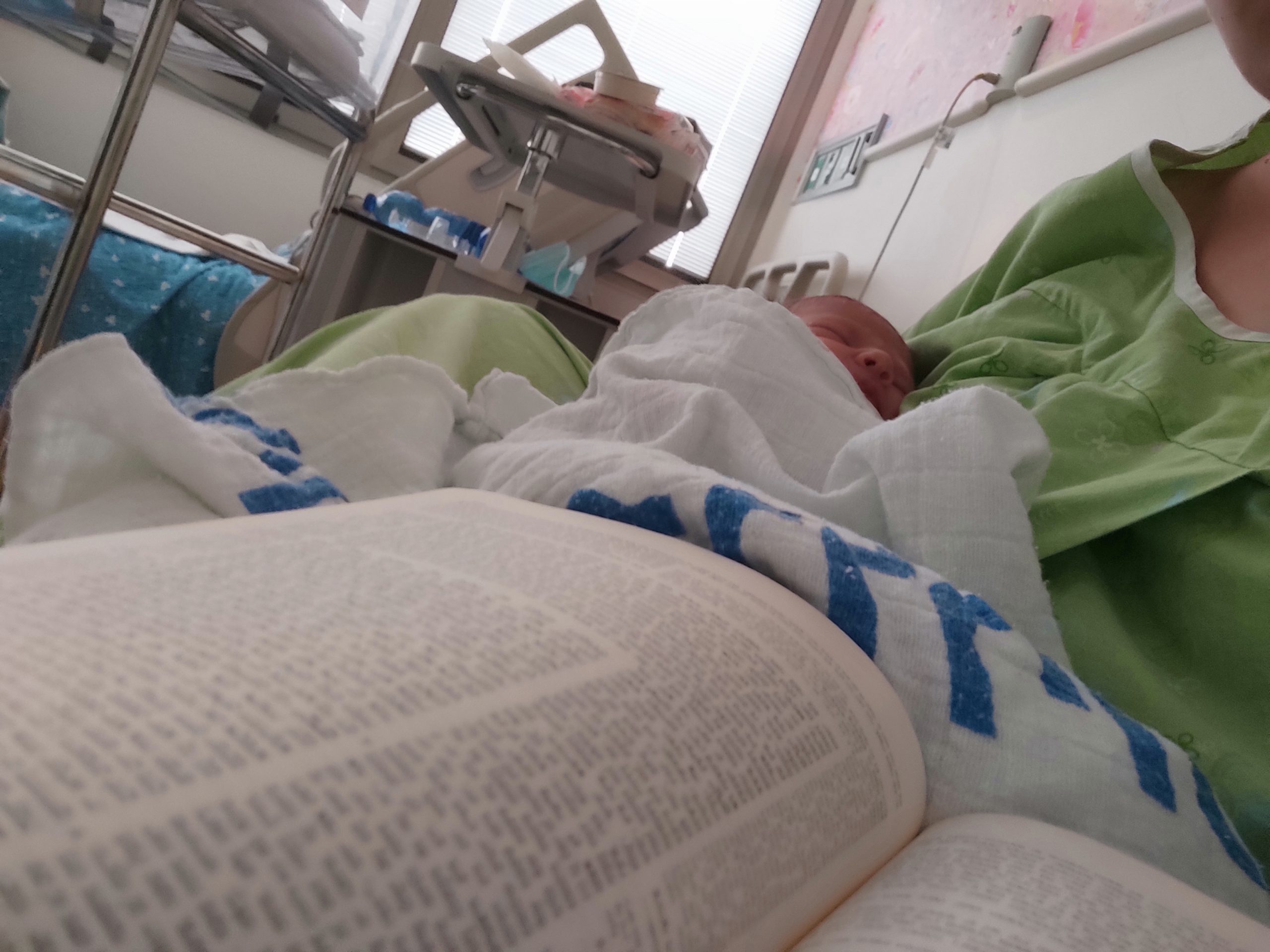
כמו שרואים בתמונה אני ממשיכה ללמוד גם היום ואפילו במחלקת יולדות אחרי לידת ביתי השלישית.
רבבה, ישראל
התחלתי ללמוד לפני כשנתיים בשאיפה לסיים לראשונה מסכת אחת במהלך חופשת הלידה.
אחרי מסכת אחת כבר היה קשה להפסיק…

ירוחם, ישראל
התחלתי בסיום הש”ס, יצאתי באורות. נשברתי פעמיים, ובשתיהם הרבנית מישל עודדה להמשיך איפה שכולם בסבב ולהשלים כשאוכל, וכך עשיתי וכיום השלמתי הכל. מדהים אותי שאני לומדת כל יום קצת, אפילו בחדר הלידה, בבידוד או בחו”ל. לאט לאט יותר נינוחה בסוגיות. לא כולם מבינים את הרצון, בפרט כפמניסטית. חשה סיפוק גדול להכיר את המושגים וצורת החשיבה. החלום זה להמשיך ולהתמיד ובמקביל ללמוד איך מהסוגיות נוצרה והתפתחה ההלכה.

מודיעין, ישראל
אחי, שלומד דף יומי ממסכת ברכות, חיפש חברותא ללימוד מסכת ראש השנה והציע לי. החברותא היתה מאתגרת טכנית ורוב הזמן נעשתה דרך הטלפון, כך שבסיום המסכת נפרדו דרכינו. אחי חזר ללמוד לבד, אבל אני כבר נכבשתי בקסם הגמרא ושכנעתי את האיש שלי להצטרף אלי למסכת ביצה. מאז המשכנו הלאה, ועכשיו אנחנו מתרגשים לקראתו של סדר נשים!

נוקדים, ישראל
התחלתי ללמוד דף יומי שהתחילו מסכת כתובות, לפני 7 שנים, במסגרת קבוצת לימוד שהתפרקה די מהר, ומשם המשכתי לבד בתמיכת האיש שלי. נעזרתי בגמרת שטיינזלץ ובשיעורים מוקלטים.
הסביבה מאד תומכת ואני מקבלת המון מילים טובות לאורך כל הדרך. מאז הסיום הגדול יש תחושה שאני חלק מדבר גדול יותר.
אני לומדת בשיטת ה”7 דפים בשבוע” של הרבנית תרצה קלמן – כלומר, לא נורא אם לא הצלחת ללמוד כל יום, העיקר שגמרת ארבעה דפים בשבוע

עתניאל, ישראל
כבר סיפרתי בסיום של מועד קטן.
הלימוד מאוד משפיעה על היום שלי כי אני לומדת עם רבנית מישל על הבוקר בזום. זה נותן טון לכל היום – בסיס למחשבות שלי .זה זכות גדול להתחיל את היום בלימוד ובתפילה. תודה רבה !

ירושלים, ישראל
התחלתי ללמוד דף יומי ממסכת נידה כי זה היה חומר הלימוד שלי אז. לאחר הסיום הגדול בבנייני האומה החלטתי להמשיך. וב”ה מאז עם הפסקות קטנות של קורונה ולידה אני משתדלת להמשיך ולהיות חלק.
זה משפיע מאוד על היום יום שלי ועל אף שאני עסוקה בלימודי הלכה ותורה כל יום, זאת המסגרת הקבועה והמחייבת ביותר שיש לי.

גבעת הראל, ישראל
התחלתי ללמוד דף יומי בסבב הקודם. זכיתי לסיים אותו במעמד המרגש של הדרן. בסבב הראשון ליווה אותי הספק, שאולי לא אצליח לעמוד בקצב ולהתמיד. בסבב השני אני לומדת ברוגע, מתוך אמונה ביכולתי ללמוד ולסיים. בסבב הלימוד הראשון ליוותה אותי חוויה מסויימת של בדידות. הדרן העניקה לי קהילת לימוד ואחוות נשים. החוויה של סיום הש”ס במעמד כה גדול כשנשים שאינן מכירות אותי, שמחות ומתרגשות עבורי , היתה חוויה מרוממת נפש

קיבוץ מגדל עוז, ישראל
בתחילת הסבב הנוכחי של לימוד הדף היומי, נחשפתי לחגיגות המרגשות באירועי הסיום ברחבי העולם. והבטחתי לעצמי שבקרוב אצטרף גם למעגל הלומדות. הסבב התחיל כאשר הייתי בתחילת דרכי בתוכנית קרן אריאל להכשרת יועצות הלכה של נשמ”ת. לא הצלחתי להוסיף את ההתחייבות לדף היומי על הלימוד האינטנסיבי של תוכנית היועצות. בבוקר למחרת המבחן הסופי בנשמ”ת, התחלתי את לימוד הדף במסכת סוכה ומאז לא הפסקתי.

קרית גת, ישראל
התחלתי ללמוד בעידוד שתי חברות אתן למדתי בעבר את הפרק היומי במסגרת 929.
בבית מתלהבים מאוד ובשבת אני לומדת את הדף עם בעלי שזה מפתיע ומשמח מאוד! לימוד הדף הוא חלק בלתי נפרד מהיום שלי. לומדת בצהריים ומחכה לזמן הזה מידי יום…

אפרת, ישראל
באירוע של הדרן בנייני האומה. בהשראתה של אמי שלי שסיימה את הש”ס בסבב הקודם ובעידוד מאיר , אישי, וילדיי וחברותיי ללימוד במכון למנהיגות הלכתית של רשת אור תורה סטון ומורתיי הרבנית ענת נובוסלסקי והרבנית דבורה עברון, ראש המכון למנהיגות הלכתית.
הלימוד מעשיר את יומי, מחזיר אותי גם למסכתות שכבר סיימתי וידוע שאינו דומה מי ששונה פרקו מאה לשונה פרקו מאה ואחת במיוחד מרתקים אותי החיבורים בין המסכתות

מודיעין, ישראל
התחלתי מעט לפני תחילת הסבב הנוכחי. אני נהנית מהאתגר של להמשיך להתמיד, מרגעים של "אהה, מפה זה הגיע!” ומהאתגר האינטלקטואלי

לוד, ישראל
שמעתי על הסיום הענק של הדף היומי ע”י נשים בבנייני האומה. רציתי גם.
החלטתי להצטרף. התחלתי ושיכנעתי את בעלי ועוד שתי חברות להצטרף. עכשיו יש לי לימוד משותף איתו בשבת ומפגש חודשי איתן בנושא (והתכתבויות תדירות על דברים מיוחדים שקראנו). הצטרפנו לקבוצות שונות בווטסאפ. אנחנו ממש נהנות. אני שומעת את השיעור מידי יום (בד”כ מהרב יוני גוטמן) וקוראת ומצטרפת לסיומים של הדרן. גם מקפידה על דף משלהן (ונהנית מאד).
אפרת, ישראל
A friend in the SF Bay Area said in Dec 2019 that she might start listening on her morning drive to work. I mentioned to my husband and we decided to try the Daf when it began in Jan 2020 as part of our preparing to make Aliyah in the summer.

ירושלים, Israel
אמא שלי למדה איתי ש”ס משנה, והתחילה ללמוד דף יומי. אני החלטתי שאני רוצה ללמוד גם. בהתחלה למדתי איתה, אח”כ הצטרפתי ללימוד דף יומי שהרב דני וינט מעביר לנוער בנים בעתניאל. במסכת עירובין עוד חברה הצטרפה אלי וכשהתחלנו פסחים הרב דני פתח לנו שעור דף יומי לבנות. מאז אנחנו לומדות איתו קבוע כל יום את הדף היומי (ובשבת אבא שלי מחליף אותו). אני נהנית מהלימוד, הוא מאתגר ומעניין

עתניאל, ישראל
בבא בתרא נ
וְאַחַת שֶׁיִּחֵד לָהּ בִּכְתוּבָּתָהּ, וְאַחַת שֶׁהִכְנִיסָה לוֹ שׁוּם מִשֶּׁלָּהּ.
and one that he specified to her as payment for her marriage contract, even though it was not stipulated explicitly in the contract; and one in a case where she brought into the marriage an appraisal of a field from her own property that she owned prior to the marriage, which took on the status of guaranteed property, meaning that she will receive it if her husband dies or divorces her. If a field of one of these three types is sold with her approval, she can claim that she did not truly consent to this sale, but stated her consent only in order to please her husband.
לְמַעוֹטֵי מַאי? אִילֵּימָא לְמַעוֹטֵי שְׁאָר נְכָסִים – כׇּל שֶׁכֵּן דְּהָוְיָא לֵיהּ אֵיבָה, דְּאָמַר לַהּ: עֵינַיִךְ נָתַתְּ בְּגֵירוּשִׁין וּבְמִיתָה!
The Gemara clarifies: To exclude what type of property did Rabba specify these three types of fields? If we say that he intends to exclude the rest of the husband’s property secured to pay her marriage contract, it is all the more so the case that he will bear her enmity if she does not agree to the sale, as he will say to her: You have placed your eyes on divorce or on my death, i.e., you will not allow me to sell my property because you are expecting and planning for my death or our divorce. Therefore, she should be able to claim that she consented to the sale only in order to please her husband with regard to other property as well.
אֶלָּא לְמַעוֹטֵי נִכְסֵי מְלוֹג – הָאָמַר אַמֵּימָר: אִישׁ וְאִשָּׁה שֶׁמָּכְרוּ בְּנִכְסֵי מְלוֹג – לֹא עָשׂוּ וְלֹא כְּלוּם!
Rather, these three types of fields were specified in order to exclude usufruct property, i.e., property that belongs to the wife and remains in her possession while the husband has the right to enjoy the profits, in which case if the wife consents to the sale, it is valid. The Gemara asks: But doesn’t Ameimar say that if there was a man or a woman, i.e., a husband or a wife, who sold the wife’s usufruct property, they did not accomplish anything, as the sale does not take effect?
כִּי אִיתְּמַר דְּאַמֵּימַר – הֵיכָא דְּזַבֵּין אִיהוּ וּמִית, אַתְיָא אִיהִי וּמַפְּקָא; אִי נָמֵי זַבִּנָה אִיהִי וּמִתָה, אָתֵא אִיהוּ וּמַפֵּיק בְּתַקַּנְתָּא דְרַבָּנַן – וְכִדְרַבִּי יוֹסֵי בַּר חֲנִינָא, דְּאָמַר רַבִּי יוֹסֵי בַּר חֲנִינָא: בְּאוּשָׁא הִתְקִינוּ, הָאִשָּׁה שֶׁמָּכְרָה בְּנִכְסֵי מְלוֹג, וּמֵתָה – הַבַּעַל מוֹצִיא מִיַּד הַלָּקוֹחוֹת;
The Gemara answers: When the statement of Ameimar was stated, it was to say that neither the husband nor the wife can sell the property unilaterally. Where he sold the property and then died, she can come and remove it from the buyer. Alternatively, in a case where she sold it and then died, he can come and remove it, due to a rabbinic ordinance, and in accordance with the statement of Rabbi Yosei bar Ḥanina, as Rabbi Yosei bar Ḥanina says: When the Sanhedrin convened in Usha, they instituted that in the case of a woman who sold her usufruct property in her husband’s lifetime and then died, the husband repossesses it from the buyers.
אֲבָל הֵיכָא דְּזַבִּינוּ תַּרְוַיְיהוּ לְעָלְמָא, אִי נָמֵי זַבִּנָה אִיהִי לְדִידֵיהּ – זְבִינַהּ זְבִינֵי.
But where the two of them sold it to someone, or if she sold it to her husband, the sale is valid. The inference that the Gemara drew from the mishna, that if the husband produces evidence that his wife sold usufruct property to him then he is regarded as the owner, is relevant when she sells her usufruct property to him.
וְאִיבָּעֵית אֵימָא: אַמֵּימָר דְּאָמַר – כְּרַבִּי אֶלְעָזָר,
And if you wish, say instead that Ameimar said his statement in accordance with the opinion of Rabbi Elazar, who holds that one can sell property only if he possesses the item itself and also has the right to enjoy its profits.
דְּתַנְיָא: הַמּוֹכֵר אֶת עַבְדּוֹ, וּפָסַק עִמּוֹ שֶׁיְּשַׁמְּשֶׁנּוּ שְׁלֹשִׁים יוֹם –
This is as it is taught in a baraita: In the case of one who sells his Canaanite slave to another, and contracted with him that the sale is on the condition that the slave will serve the seller for thirty days before he is transferred to the buyer, the outcome of this sale is that during those thirty days, the first master enjoys the use of the slave and the buyer is the owner of the slave himself. As detailed in the Torah (Exodus 21:18–21), if one strikes another and the injury leads directly to the victim’s death, the one who struck him is subject to court-imposed capital punishment. But if a master strikes his Canaanite slave, and the slave lingers with his injuries for more than a day or two days and then dies, the master is exempt from court-imposed capital punishment. The baraita addresses who is considered the owner of the slave with regard to this halakha.
רַבִּי מֵאִיר אוֹמֵר: הָרִאשׁוֹן יֶשְׁנוֹ בְּדִין יוֹם אוֹ יוֹמַיִם, מִפְּנֵי שֶׁהוּא תַּחְתָּיו; וְהַשֵּׁנִי אֵינוֹ בְּדִין יוֹם אוֹ יוֹמַיִם, מִפְּנֵי שֶׁאֵינוֹ תַּחְתָּיו –
The baraita states four opinions: Rabbi Meir says that during those thirty days, only the first master is included in the halakha of “a day or two days” (Exodus 21:21). Rabbi Meir holds that in this case, the first master is included in this exemption, because the slave is under his authority, as he enjoys the use of the slave, but the second master is not included in the halakha of “a day or two days,” because the slave is not under his authority.
קָסָבַר: קִנְיַן פֵּירוֹת כְּקִנְיַן הַגּוּף דָּמֵי.
Rabbi Meir’s reasoning is that he holds that ownership of the rights to use an item and the profits it engenders is like ownership of the item itself. The status of the first master as the owner negates the possibility that the second master would be regarded as the owner with regard to this halakha, and he would not be included in the exemption.
רַבִּי יְהוּדָה אוֹמֵר: הַשֵּׁנִי יֶשְׁנוֹ בְּדִין יוֹם אוֹ יוֹמַיִם, מִפְּנֵי שֶׁהוּא כַּסְפּוֹ; הָרִאשׁוֹן אֵינוֹ בְּדִין יוֹם אוֹ יוֹמַיִם, שֶׁאֵינוֹ כַּסְפּוֹ – קָסָבַר: קִנְיַן פֵּירוֹת לָאו כְּקִנְיַן הַגּוּף דָּמֵי.
The baraita continues: Rabbi Yehuda says that the second master is included in the halakha of “a day or two days,” because the slave is “his money” (Exodus 21:21), i.e., his property; but the first master is not included in the halakha of “a day or two days,” because the slave is not “his money.” Rabbi Yehuda’s reasoning is that he holds that ownership of the rights to use an item and the profits it engenders is not like ownership of the item itself. Therefore, the first master, who currently enjoys the use of the slave, does not have the status of an owner with regard to this halakha.
רַבִּי יוֹסֵי אוֹמֵר:
The baraita continues: Rabbi Yosei says that
שְׁנֵיהֶם יֶשְׁנָן בְּדִין יוֹם אוֹ יוֹמַיִם – זֶה מִפְּנֵי שֶׁהוּא תַּחְתָּיו, וְזֶה מִפְּנֵי שֶׁהוּא כַּסְפּוֹ – וּמְסַפְּקָא לֵיהּ אִי קִנְיַן פֵּירוֹת כְּקִנְיַן הַגּוּף דָּמֵי, אִי לָאו כְּקִנְיַן הַגּוּף דָּמֵי, וְסָפֵק נְפָשׁוֹת לְהָקֵל.
both of them are included in the halakha of “a day or two days.” This first master is included because the slave is under his authority, and that second master is included because the slave is “his money.” The Gemara explains Rabbi Yosei’s reasoning: And he is uncertain if ownership of the rights to use an item and the profits it engenders is like ownership of the item itself, in which case only the first master would be exempt, or if it is not like ownership of the item itself, in which case only the second master would be exempt. And where there is an uncertainty in a case of capital law, the ruling is to be lenient. Therefore, neither of them would receive court-imposed capital punishment in this case.
רַבִּי אֶלְעָזָר אוֹמֵר: שְׁנֵיהֶם אֵינָן בְּדִין יוֹם אוֹ יוֹמַיִם – זֶה לְפִי שֶׁאֵינוֹ תַּחְתָּיו, וְזֶה לְפִי שֶׁאֵינוֹ כַּסְפּוֹ.
The baraita continues: Rabbi Elazar says that both of them are not included in the halakha of “a day or two days,” and both would receive court-imposed capital punishment. This second master is not included because the slave is not under his authority, and that first master is not included because the slave is not “his money.” Rabbi Eliezer holds that one must both own the slave himself and enjoy the use of the slave to be included in the exemption.
וְאָמַר רָבָא: מַאי טַעְמָא דְּרַבִּי אֶלְעָזָר? אָמַר קְרָא: ״לֹא יֻקַּם כִּי כַסְפּוֹ הוּא״ – כַּסְפּוֹ הַמְיוּחָד לוֹ.
The Gemara explains how Ameimar’s statement is in accordance with the opinion of Rabbi Elazar. And Rava says: What is the reason for the opinion of Rabbi Elazar? The verse states: “Notwithstanding if he continue a day or two days, he shall not be punished; for he is his money” (Exodus 21:21), and he understands this to be referring to a slave that is “his money,” a slave that is unique to him, so this exemption does not apply to one who does not have total ownership of the slave. Rabbi Elazar holds that one is considered to own an item only if he owns the item itself and also enjoys the use of it. This is the source of Ameimar’s statement that neither the husband nor the wife can sell usufruct property: The husband cannot sell it because he does not own it, and the wife cannot sell it because only the husband has the right to enjoy the profits.
וְלֹא לָאִישׁ חֲזָקָה בְּנִכְסֵי אִשְׁתּוֹ. וְהָאָמַר רַב: אֵשֶׁת אִישׁ צְרִיכָה לְמַחוֹת! בְּמַאן? אִילֵימָא בְּאַחֵר – וְהָאָמַר רַב: אֵין מַחֲזִיקִין בְּנִכְסֵי אֵשֶׁת אִישׁ. אֶלָּא לָאו בְּבַעַל?
§ The mishna teaches that a man does not have the ability to establish the presumption of ownership with regard to his wife’s property. The Gemara asks: But doesn’t Rav say that a married woman must protest? The Gemara clarifies: With regard to whom must she protest? If we say: With regard to another, i.e., one who is not her husband who has taken possession of her property, that is problematic: But doesn’t Rav say that one cannot establish the presumption of ownership with regard to the property of a married woman, as she can claim that she did not lodge a protest because she expected her husband to do so? Rather, Rav’s intention must be that she must lodge a protest with regard to the husband. This indicates that absent her protest, it is possible for a husband to establish the presumption of ownership with regard to her property, in contrast to the ruling of the mishna.
אָמַר רָבָא: לְעוֹלָם בְּבַעַל, וּכְגוֹן שֶׁחָפַר בָּהּ בּוֹרוֹת, שִׁיחִין וּמְעָרוֹת.
Rava said: Actually, Rav is referring to her lodging a protest with regard to the husband, and is speaking of a case where he dug pits, ditches, and caves in her property. In other words, he did not simply work and profit from the land, but damaged it in a way that demonstrates that he considered himself the owner. If he does this for three years and she does not lodge a protest, he establishes the presumption of ownership. The mishna, which states that he cannot establish the presumption of ownership, is referring to standard use.
וְהָאָמַר רַב נַחְמָן אָמַר רַבָּה בַּר אֲבוּהּ: אֵין חֲזָקָה לִנְזָקִין!
The Gemara asks: But doesn’t Rav Naḥman say that Rabba bar Avuh said: There is no presumptive ownership with regard to damage? This is understood to mean that one cannot establish the presumption of ownership of another’s field by damaging it, as it is not considered to be standard use. Therefore, even after three years have passed the owner can remove one from his field. Since in this case the husband is damaging the field, he should not be able to establish the presumption of ownership.
אֵימָא: אֵין דִּין חֲזָקָה לִנְזָקִין.
The Gemara answers: Say that this means that the halakha of presumptive ownership does not apply with regard to damage, meaning that one who damages another’s property without the owner lodging a protest does not need three years to establish the presumption of ownership, but does so immediately, as an owner who sees another damage his land is expected to protest without delay. Consequently, a husband who digs pits and the like in his wife’s property without her lodging a protest establishes the presumption of ownership immediately.
אִי בָּעֵית אֵימָא: לָאו אִיתְּמַר עֲלַהּ, רַב מָרִי אָמַר: בְּקוּטְרָא, רַב זְבִיד אָמַר: בְּבֵית הַכִּסֵּא?
The Gemara offers an alternative answer. If you wish, say instead: Was it not stated with regard to the halakha that there is no presumptive ownership with regard to damage that Rav Mari says: Damage is referring specifically to smoke, and Rav Zevid says that it is referring to a bathroom? The statement that there is no presumptive ownership [ḥazaka] with regard to damage was not stated concerning establishing the presumption of ownership of property, but concerning acquiring the privilege [ḥazaka] to engage in certain activities on one’s own property, and is stating that even if one has engaged in activities that produce smoke or foul odors, the fact that the neighbors did not lodge a protest in the past does not prevent them from doing so in the future.
רַב יוֹסֵף אָמַר: לְעוֹלָם בְּאַחֵר, וּכְגוֹן שֶׁאֲכָלָהּ מִקְצָת חֲזָקָה בְּחַיֵּי הַבַּעַל, וְשָׁלֹשׁ לְאַחַר מִיתַת הַבַּעַל; מִיגּוֹ דְּאִי בָּעֵי אָמַר לַיהּ: ״אֲנָא זְבֵינְתַּהּ מִינָּךְ״, כִּי אָמַר לַהּ נָמֵי: ״אַתְּ זַבֵּינְתַּהּ לֵיהּ וְזַבְּנַהּ נִיהֲלִי״ – מְהֵימַן.
Rav Yosef said: Actually, Rav is referring to her lodging a protest with regard to another, and is speaking of a case where the one who has possession of her property worked and profited from the field for part of the time necessary to establish the presumption of ownership during the husband’s lifetime, and for three additional years after the husband’s death. In this case, if the woman does not lodge a protest, the possessor establishes the presumption of ownership, since if he wanted to, he could say to the woman: I purchased it from you and then possessed the field for three years, and he would be awarded the field. When he said to her as well: You sold the field to your husband and he sold it to me, he is deemed credible.
גּוּפָא – אָמַר רַב: אֵין מַחְזִיקִין בְּנִכְסֵי אֵשֶׁת אִישׁ.
The Gemara returns to discuss Rav’s statement: With regard to the matter itself, Rav says that one cannot establish the presumption of ownership with regard to the property of a married woman,

