








הדף היום מוקדש ע”י ריקי ואלן זיביט לע”נ יצחק אייסיג בן אאלי הכוהן.
רוצה להקדיש שיעור?
בבא בתרא מט
אֵין נֶאֱמָנִים; ״מוֹדָעָא הָיוּ דְּבָרֵינוּ״ – אֵין נֶאֱמָנִין!
they are not deemed credible. And similarly, witnesses who said: Our statement that we signed was accompanied by a preemptive declaration, are not deemed credible. They cannot negate the testimony of the document that they themselves signed by claiming that there had been a preemptive declaration. Similarly, how could Rabba bar bar Ḥana’s signing of the preemptive declaration override his signing the bill of sale?
הָנֵי מִילֵּי עַל פֶּה – דְּלָא אָתֵי עַל פֶּה וּמַרַע לִשְׁטָרָא, אֲבָל בִּשְׁטָרָא – אָתֵי שְׁטָרָא וּמַרַע לִשְׁטָרָא.
The Gemara answers: That matter of witnesses not being deemed credible to nullify a document applies only when the witnesses attempt to nullify the document by means of an oral declaration, as an oral declaration cannot come and weaken a written document. But if the witnesses attempt to nullify the bill of sale by means of testimony in another document, e.g., by signing the preemptive declaration, then this preemptive document can come and weaken a written document, in this case, the bill of sale.
גּוּפָא – אָמַר רַב נַחְמָן: ״אֲמָנָה הָיוּ דְּבָרֵינוּ״ – אֵין נֶאֱמָנִין, ״מוֹדָעָא הָיוּ דְּבָרֵינוּ״ – אֵין נֶאֱמָנִין.
The Gemara returns to discuss the matter itself: Rav Naḥman says that witnesses who said: Our statement that we signed was a document of trust, are not deemed credible. And similarly, witnesses who said: Our statement that we signed was accompanied by a preemptive declaration, are not deemed credible.
וּמָר בַּר רַב אָשֵׁי אָמַר: ״אֲמָנָה הָיוּ דְּבָרֵינוּ״ – אֵין נֶאֱמָנִין, ״מוֹדָעָא הָיוּ דְּבָרֵינוּ״ – נֶאֱמָנִין. מַאי טַעְמָא? שֶׁזֶּה נִיתַּן לִיכָּתֵב, וְזֶה לֹא נִיתַּן לִיכָּתֵב.
And Mar bar Rav Ashi says that witnesses who said: Our statement that we signed was a statement of trust, are not deemed credible; but witnesses who said: Our statement that we signed was accompanied by a preemptive declaration, are deemed credible. What is the reason for the difference between the cases? The reason is that this document that was accompanied by a preemptive declaration may be written, as it is merely written under duress, but that document of trust may not be written, as it is a false document. Testifying that they wrote it is self-incriminating, and the witnesses are not deemed credible to incriminate themselves.
וְלֹא לָאִישׁ חֲזָקָה בְּנִכְסֵי אִשְׁתּוֹ וְכוּ׳. פְּשִׁיטָא – כֵּיוָן דְּאִית לֵיהּ לְפֵירָא, פֵּירָא הוּא דְּקָאָכֵיל!
§ The mishna teaches that a man does not have the ability to establish the presumption of ownership with regard to his wife’s property and a wife does not have the ability to establish the presumption of ownership with regard to her husband’s property. The Gemara asks: Isn’t this obvious? Since he has the right to enjoy the profits of her property while they are married, it is known that he is only enjoying the profits and that he has no claim to the field itself. On what grounds, then, would he establish the presumption of ownership?
לָא צְרִיכָא, דִּכְתַב לַהּ: ״דִּין וּדְבָרִים אֵין לִי בִּנְכָסַיִיךְ״.
The Gemara responds: No, it is necessary to teach this halakha in a case where the husband wrote to his wife: I do not have any legal dealings or involvement with your property, i.e., he forfeits his right to enjoy the profits of her property, and therefore if he subsequently did enjoy the profits of her field, one might assume that it is because he acquired the land from her. It was therefore necessary for the mishna to teach that this does not indicate that he owns the land, since it is possible that she does not prevent him from enjoying the profits, due to their relationship.
וְכִי כְּתַב לַהּ – מַאי הָוֵי? וְהָתַנְיָא, הָאוֹמֵר לַחֲבֵירוֹ: ״דִּין וּדְבָרִים אֵין לִי עַל שָׂדֶה זוֹ״, וְ״אֵין לִי עֵסֶק בָּהּ״, וְ״יָדַי מְסוּלָּקוֹת מִמֶּנָּה״ – לֹא אָמַר כְּלוּם!
The Gemara asks: And if he wrote this to her, what of it? And isn’t it taught in a baraita: One who says to another: I do not have any legal dealings or involvement concerning this field, or: I have no dealings with it, or: My hands are removed from it, has not said anything. That is to say, these statements have no legal standing.
אָמְרִי לַהּ דְּבֵי רַבִּי יַנַּאי: מַתְנִיתִין בְּכוֹתֵב לָהּ וְעוֹדָהּ אֲרוּסָה – וְכִדְרַב כָּהֲנָא, דְּאָמַר רַב כָּהֲנָא:
The scholars of the school of Rabbi Yannai said with regard to this: The mishna states its ruling with regard to one who writes this formulation to her while she is still only betrothed, before he had any rights to her property. Therefore, he is able to prevent his rights from taking effect after the marriage. And this is in accordance with the statement of Rav Kahana, as Rav Kahana says:
נַחֲלָה הַבָּאָה לוֹ לְאָדָם מִמָּקוֹם אַחֵר, אָדָם מַתְנֶה עָלֶיהָ שֶׁלֹּא יִירָשֶׁנָּה. וְכִדְרָבָא – דְּאָמַר רָבָא: כׇּל הָאוֹמֵר ״אִי אֶפְשִׁי בְּתַקָּנַת חֲכָמִים״ כְּגוֹן זֹאת, שׁוֹמְעִין לוֹ.
With regard to an inheritance that comes to a person from another place, i.e., an inheritance one will receive in the future, a person can make a condition about it from the outset that he will not inherit it, since one can waive his future rights to property that is not currently his. And this ruling is in accordance with the opinion of Rava, as Rava said that with regard to anyone who says: I do not want to avail myself of an ordinance of the Sages such as this one that was instituted for my benefit, one listens to him.
מַאי ״כְּגוֹן זֹאת״? כִּדְרַב הוּנָא אָמַר רַב – דְּאָמַר רַב הוּנָא אָמַר רַב: יְכוֹלָה אִשָּׁה שֶׁתֹּאמַר לְבַעְלָהּ: ״אֵינִי נִיזּוֹנֶת וְאֵינִי עוֹשָׂה״.
The Gemara asks: What is meant by: Such as this one? The Gemara explains: Rava is referring to that statement of Rav Huna, who said that Rav says a certain ruling. As Rav Huna says that Rav says: A woman can say to her husband: I will not be sustained by you and, in turn, I will not work, i.e., you will not keep my earnings. The Sages instituted that a husband must provide sustenance for his wife, and in exchange is entitled to her wages. Since this was instituted for the benefit of wives, the wife is able to opt out of this arrangement. Similarly, the husband may waive his rights to the profits from his wife’s land. It is in such a circumstance that the mishna rules that even if he relinquished his rights, he does not establish the presumption of ownership by enjoying the profits.
הָא רְאָיָה – יֵשׁ? תֵּימָא: ״נַחַת רוּחַ עָשִׂיתִי לְבַעְלִי״!
§ The mishna teaches that a husband does not establish the presumption of ownership of his wife’s field by enjoying its profits. The Gemara suggests: By inference, the husband has the ability to bring proof that he purchased the field from his wife or received it as a gift from her and consequently be regarded as the owner of the field. The Gemara asks: Why is this proof decisive? Let her say: I did it, i.e., I gave or sold the field to my husband, only to please my husband, but I did not mean it.
מִי לָא תְּנַן: לָקַח מִן הָאִישׁ, וְחָזַר וְלָקַח מִן הָאִשָּׁה – מִקָּחוֹ בָּטֵל; אַלְמָא אָמְרָה: ״נַחַת רוּחַ עָשִׂיתִי לְבַעְלִי״, הָכָא נָמֵי תֵּימָא: ״נַחַת רוּחַ עָשִׂיתִי לְבַעְלִי״!
The Gemara quotes a source for this claim: Didn’t we learn in a mishna (Gittin 55b): If one first purchased land from the husband and afterward returned and purchased it from the wife, i.e., he purchased her rights to this land for after the death of her husband or in the event of their divorce, as stipulated in her marriage contract, then his transaction is void. Apparently, she said: I did it, i.e., signed this bill of sale, only to please my husband, but I did not mean it. Here too let her say: I did it only to please my husband but did not mean to give or sell the field to him.
הָא אִיתְּמַר עֲלַהּ, אָמַר רַבָּה בַּר רַב הוּנָא: לֹא נִצְרְכָה אֶלָּא בְּאוֹתָן שָׁלֹשׁ שָׂדוֹת – אַחַת שֶׁכָּתַב לָהּ בִּכְתוּבָּתָהּ,
The Gemara answers: But wasn’t it stated with regard to that mishna that Rabba bar Rav Huna says: The halakha that a woman can claim that she acted only in order to please her husband is not stated with regard to all of her property, but is necessary only with regard to those three types of fields that have special status: One field about which he wrote to her in her marriage contract that it would serve as payment of her marriage contract;
לעקוב 
כלים
העמקה
רוצה להבין מה באמת קורה מתחת לפני השטח של הסוגיה?
שיעורים, פודקאסטים והרחבות של מיטב המורות שלנו יפתחו לך עוד זוויות וכיווני חשיבה.








חדשה בלימוד הגמרא?
זה הדף הראשון שלך? איזו התרגשות עצומה! יש לנו בדיוק את התכנים והכלים שיעזרו לך לעשות את הצעדים הראשונים ללמידה בקצב וברמה שלך, כך תוכלי להרגיש בנוח גם בתוך הסוגיות המורכבות ומאתגרות.
פסיפס הלומדות שלנו
גלי את קהילת הלומדות שלנו, מגוון נשים, רקעים וסיפורים. כולן חלק מתנועה ומסע מרגש ועוצמתי.
התחלתי ללמוד בסבב הנוכחי לפני כשנתיים .הסביבה מתפעלת ותומכת מאוד. אני משתדלת ללמוד מכל ההסכתים הנוספים שיש באתר הדרן. אני עורכת כל סיום מסכת שיעור בביתי לכ20 נשים שמחכות בקוצר רוח למפגשים האלו.

יעל אשר
יהוד, ישראל
רבנית מישל הציתה אש התלמוד בלבבות בביניני האומה ואני נדלקתי. היא פתחה פתח ותמכה במתחילות כמוני ואפשרה לנו להתקדם בצעדים נכונים וטובים. הקימה מערך שלם שמסובב את הלומדות בסביבה תומכת וכך נכנסתי למסלול לימוד מעשיר שאין כמוה. הדרן יצר קהילה גדולה וחזקה שמאפשרת התקדמות מכל נקודת מוצא. יש דיבוק לומדות שמחזק את ההתמדה של כולנו. כל פניה ושאלה נענית בזריזות ויסודיות. תודה גם למגי על כל העזרה.
שרה אבר
נתניה, ישראל
התחלתי ללמוד גמרא בבית הספר בגיל צעיר והתאהבתי. המשכתי בכך כל חיי ואף היייתי מורה לגמרא בבית הספר שקד בשדה אליהו (בית הספר בו למדתי בילדותי)בתחילת מחזור דף יומי הנוכחי החלטתי להצטרף ובע”ה מקווה להתמיד ולהמשיך. אני אוהבת את המפגש עם הדף את "דרישות השלום ” שמקבלת מקשרים עם דפים אחרים שלמדתי את הסנכרון שמתחולל בין התכנים.
אריאלה ביגמן
מעלה גלבוע, ישראל
התחלתי ללמוד דף יומי לפני שנתיים, עם מסכת שבת. בהתחלה ההתמדה היתה קשה אבל בזכות הקורונה והסגרים הצלחתי להדביק את הפערים בשבתות הארוכות, לסיים את מסכת שבת ולהמשיך עם המסכתות הבאות. עכשיו אני מסיימת בהתרגשות רבה את מסכת חגיגה וסדר מועד ומחכה לסדר הבא!

אילנה שכנוביץ
מודיעין, ישראל
בתחילת הסבב הנוכחי של לימוד הדף היומי, נחשפתי לחגיגות המרגשות באירועי הסיום ברחבי העולם. והבטחתי לעצמי שבקרוב אצטרף גם למעגל הלומדות. הסבב התחיל כאשר הייתי בתחילת דרכי בתוכנית קרן אריאל להכשרת יועצות הלכה של נשמ”ת. לא הצלחתי להוסיף את ההתחייבות לדף היומי על הלימוד האינטנסיבי של תוכנית היועצות. בבוקר למחרת המבחן הסופי בנשמ”ת, התחלתי את לימוד הדף במסכת סוכה ומאז לא הפסקתי.

חנה שחם-רוזבי (ד”ר)
קרית גת, ישראל
התחלתי לפני כמה שנים אבל רק בסבב הזה זכיתי ללמוד יום יום ולסיים מסכתות

סיגל טל
רעננה, ישראל
לצערי גדלתי בדור שבו לימוד גמרא לנשים לא היה דבר שבשגרה ושנים שאני חולמת להשלים את הפער הזה.. עד שלפני מספר שבועות, כמעט במקרה, נתקלתי במודעת פרסומת הקוראת להצטרף ללימוד מסכת תענית. כשקראתי את המודעה הרגשתי שהיא כאילו נכתבה עבורי – "תמיד חלמת ללמוד גמרא ולא ידעת איך להתחיל”, "בואי להתנסות במסכת קצרה וקלה” (רק היה חסר שהמודעה תיפתח במילים "מיכי שלום”..). קפצתי למים ו- ב”ה אני בדרך להגשמת החלום:)

מיכי קדוש
מורשת, ישראל
"התחלתי ללמוד דף יומי במחזור הזה, בח’ בטבת תש””ף. לקחתי על עצמי את הלימוד כדי ליצור תחום של התמדה יומיומית בחיים, והצטרפתי לקבוצת הלומדים בבית הכנסת בכפר אדומים. המשפחה והסביבה מתפעלים ותומכים.
בלימוד שלי אני מתפעלת בעיקר מכך שכדי ללמוד גמרא יש לדעת ולהכיר את כל הגמרא. זו מעין צבת בצבת עשויה שהיא עצומה בהיקפה.”

שרה פוּקס
כפר אדומים, ישראל
התחלתי ללמוד את הדף היומי מעט אחרי שבני הקטן נולד. בהתחלה בשמיעה ולימוד באמצעות השיעור של הרבנית שפרבר. ובהמשך העזתי וקניתי לעצמי גמרא. מאז ממשיכה יום יום ללמוד עצמאית, ולפעמים בעזרת השיעור של הרבנית, כל יום. כל סיום של מסכת מביא לאושר גדול וסיפוק. הילדים בבית נהיו חלק מהלימוד, אני משתפת בסוגיות מעניינות ונהנית לשמוע את דעתם.

אלירז בלאו
מעלה מכמש, ישראל
לפני 15 שנה, אחרי עשרות שנים של "ג’ינגול” בין משפחה לקריירה תובענית בהייטק, הצטרפתי לשיעורי גמרא במתן רעננה. הלימוד המעמיק והייחודי של הרבנית אושרה קורן יחד עם קבוצת הנשים המגוונת הייתה חוויה מאלפת ומעשירה. לפני כשמונה שנים כאשר מחזור הדף היומי הגיע למסכת תענית הצטרפתי כ”חברותא” לבעלי. זו השעה היומית שלנו ביחד כאשר דפי הגמרא משתלבים בחיי היום יום, משפיעים ומושפעים, וכשלא מספיקים תמיד משלימים בשבת
יודי אסקוף
רעננה, ישראל
הייתי לפני שנתיים בסיום הדרן נשים בבנייני האומה והחלטתי להתחיל. אפילו רק כמה דפים, אולי רק פרק, אולי רק מסכת… בינתיים סיימתי רבע שס ותכף את כל סדר מועד בה.
הסביבה תומכת ומפרגנת. אני בת יחידה עם ארבעה אחים שכולם לומדים דף יומי. מדי פעם אנחנו עושים סיומים יחד באירועים משפחתיים. ממש מרגש. מסכת שבת סיימנו כולנו יחד עם אבא שלנו!
אני שומעת כל יום פודקאסט בהליכה או בנסיעה ואחכ לומדת את הגמרא.
עדנה גרוס
מרכז שפירא, ישראל
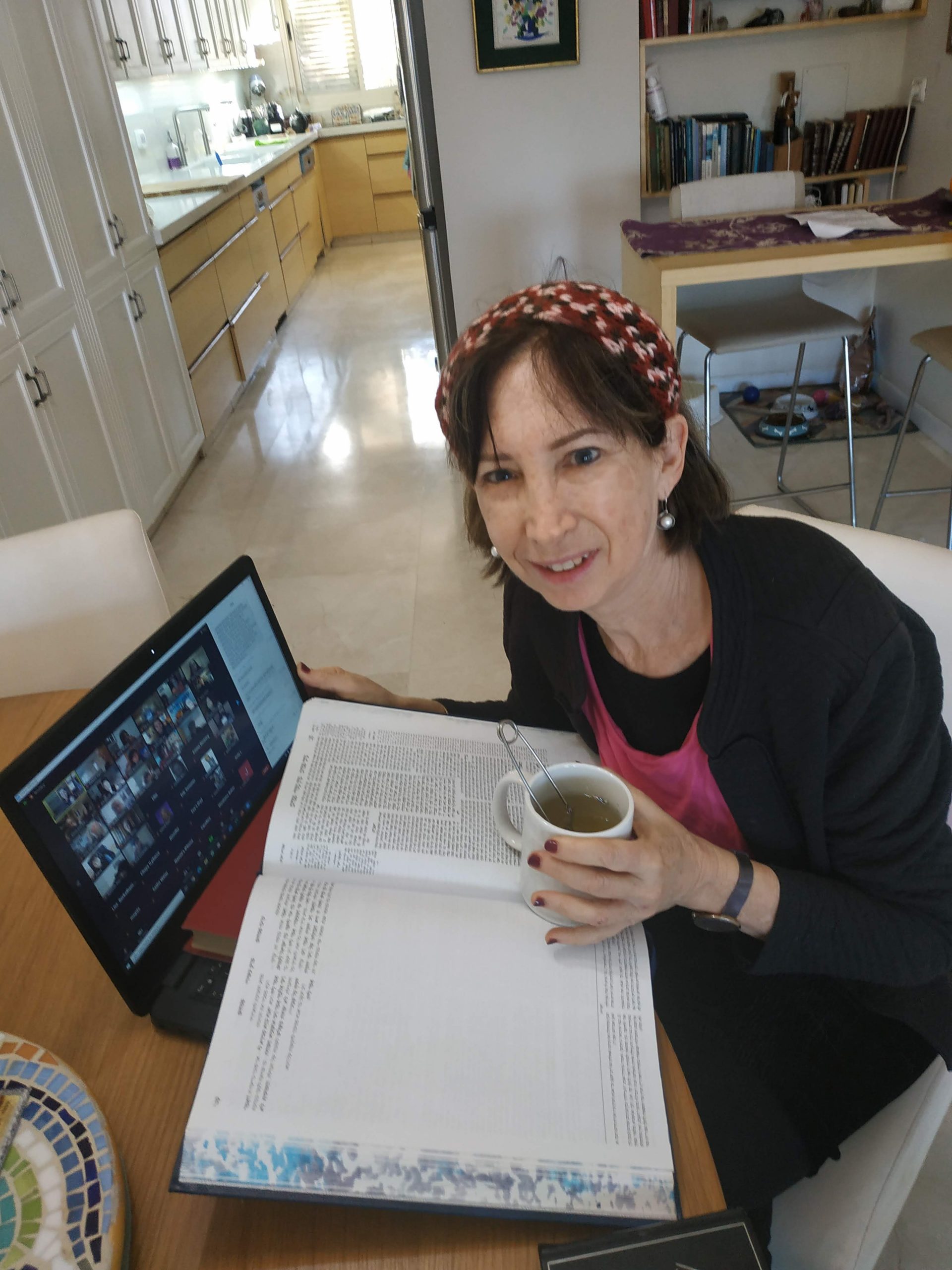
למדתי גמרא מכיתה ז- ט ב Maimonides School ואחרי העליה שלי בגיל 14 לימוד הגמרא, שלא היה כל כך מקובל בימים אלה, היה די ספוראדי. אחרי "ההתגלות” בבנייני האומה התחלתי ללמוד בעיקר בדרך הביתה למדתי מפוקקטסים שונים. לאט לאט ראיתי שאני תמיד חוזרת לרבנית מישל פרבר. באיזה שהוא שלב התחלתי ללמוד בזום בשעה 7:10 .
היום "אין מצב” שאני אתחיל את היום שלי ללא לימוד עם הרבנית מישל עם כוס הקפה שלי!!
דבי גביר
חשמונאים, ישראל
התחלתי ללמוד לפני 4.5 שנים, כשהודיה חברה שלי פתחה קבוצת ווטסאפ ללימוד דף יומי בתחילת מסכת סנהדרין. מאז לימוד הדף נכנס לתוך היום-יום שלי והפך לאחד ממגדירי הזהות שלי ממש.

קרן רוזנברג
ירושלים, ישראל
התחלתי ללמוד דף יומי כאשר קיבלתי במייל ממכון שטיינזלץ את הדפים הראשונים של מסכת ברכות במייל. קודם לא ידעתי איך לקרוא אותם עד שנתתי להם להדריך אותי. הסביבה שלי לא מודעת לעניין כי אני לא מדברת על כך בפומבי. למדתי מהדפים דברים חדשים, כמו הקשר בין המבנה של בית המקדש והמשכן לגופו של האדם (יומא מה, ע”א) והקשר שלו למשפט מפורסם שמופיע בספר ההינדי "בהגוד-גיתא”. מתברר שזה רעיון כלל עולמי ולא רק יהודי

אלנה ארנבורג
נשר, ישראל
התחלתי לפני כמה שנים אבל רק בסבב הזה זכיתי ללמוד יום יום ולסיים מסכתות
סיגל טל
רעננה, ישראל
התחלתי מחוג במסכת קידושין שהעבירה הרבנית רייסנר במסגרת בית המדרש כלנה בגבעת שמואל; לאחר מכן התחיל סבב הדף היומי אז הצטרפתי. לסביבה לקח זמן לעכל אבל היום כולם תומכים ומשתתפים איתי. הלימוד לעתים מעניין ומעשיר ולעתים קשה ואף הזוי… אך אני ממשיכה קדימה. הוא משפיע על היומיום שלי קודם כל במרדף אחרי הדף, וגם במושגים הרבים שלמדתי ובידע שהועשרתי בו, חלקו ממש מעשי

אביגיל כריסי
ראש העין, ישראל
התחלתי מעט לפני תחילת הסבב הנוכחי. אני נהנית מהאתגר של להמשיך להתמיד, מרגעים של "אהה, מפה זה הגיע!” ומהאתגר האינטלקטואלי

אילת-חן ודלר
לוד, ישראל
התחלתי כשהייתי בחופש, עם הפרסומים על תחילת המחזור, הסביבה קיבלה את זה כמשהו מתמיד ומשמעותי ובהערכה, הלימוד זה עוגן יציב ביום יום, יש שבועות יותר ויש שפחות אבל זה משהו שנמצא שם אמין ובעל משמעות בחיים שלי….

עדי דיאמנט
גמזו, ישראל
התחלתי בתחילת הסבב, והתמכרתי. זה נותן משמעות נוספת ליומיום ומאוד מחזק לתת לזה מקום בתוך כל שגרת הבית-עבודה השוטפת.
רעות אברהמי
בית שמש, ישראל
התחלתי ללמוד דף יומי לפני שנתיים, עם מסכת שבת. בהתחלה ההתמדה היתה קשה אבל בזכות הקורונה והסגרים הצלחתי להדביק את הפערים בשבתות הארוכות, לסיים את מסכת שבת ולהמשיך עם המסכתות הבאות. עכשיו אני מסיימת בהתרגשות רבה את מסכת חגיגה וסדר מועד ומחכה לסדר הבא!
אילנה שכנוביץ
מודיעין, ישראל
בבא בתרא מט
אֵין נֶאֱמָנִים; ״מוֹדָעָא הָיוּ דְּבָרֵינוּ״ – אֵין נֶאֱמָנִין!
they are not deemed credible. And similarly, witnesses who said: Our statement that we signed was accompanied by a preemptive declaration, are not deemed credible. They cannot negate the testimony of the document that they themselves signed by claiming that there had been a preemptive declaration. Similarly, how could Rabba bar bar Ḥana’s signing of the preemptive declaration override his signing the bill of sale?
הָנֵי מִילֵּי עַל פֶּה – דְּלָא אָתֵי עַל פֶּה וּמַרַע לִשְׁטָרָא, אֲבָל בִּשְׁטָרָא – אָתֵי שְׁטָרָא וּמַרַע לִשְׁטָרָא.
The Gemara answers: That matter of witnesses not being deemed credible to nullify a document applies only when the witnesses attempt to nullify the document by means of an oral declaration, as an oral declaration cannot come and weaken a written document. But if the witnesses attempt to nullify the bill of sale by means of testimony in another document, e.g., by signing the preemptive declaration, then this preemptive document can come and weaken a written document, in this case, the bill of sale.
גּוּפָא – אָמַר רַב נַחְמָן: ״אֲמָנָה הָיוּ דְּבָרֵינוּ״ – אֵין נֶאֱמָנִין, ״מוֹדָעָא הָיוּ דְּבָרֵינוּ״ – אֵין נֶאֱמָנִין.
The Gemara returns to discuss the matter itself: Rav Naḥman says that witnesses who said: Our statement that we signed was a document of trust, are not deemed credible. And similarly, witnesses who said: Our statement that we signed was accompanied by a preemptive declaration, are not deemed credible.
וּמָר בַּר רַב אָשֵׁי אָמַר: ״אֲמָנָה הָיוּ דְּבָרֵינוּ״ – אֵין נֶאֱמָנִין, ״מוֹדָעָא הָיוּ דְּבָרֵינוּ״ – נֶאֱמָנִין. מַאי טַעְמָא? שֶׁזֶּה נִיתַּן לִיכָּתֵב, וְזֶה לֹא נִיתַּן לִיכָּתֵב.
And Mar bar Rav Ashi says that witnesses who said: Our statement that we signed was a statement of trust, are not deemed credible; but witnesses who said: Our statement that we signed was accompanied by a preemptive declaration, are deemed credible. What is the reason for the difference between the cases? The reason is that this document that was accompanied by a preemptive declaration may be written, as it is merely written under duress, but that document of trust may not be written, as it is a false document. Testifying that they wrote it is self-incriminating, and the witnesses are not deemed credible to incriminate themselves.
וְלֹא לָאִישׁ חֲזָקָה בְּנִכְסֵי אִשְׁתּוֹ וְכוּ׳. פְּשִׁיטָא – כֵּיוָן דְּאִית לֵיהּ לְפֵירָא, פֵּירָא הוּא דְּקָאָכֵיל!
§ The mishna teaches that a man does not have the ability to establish the presumption of ownership with regard to his wife’s property and a wife does not have the ability to establish the presumption of ownership with regard to her husband’s property. The Gemara asks: Isn’t this obvious? Since he has the right to enjoy the profits of her property while they are married, it is known that he is only enjoying the profits and that he has no claim to the field itself. On what grounds, then, would he establish the presumption of ownership?
לָא צְרִיכָא, דִּכְתַב לַהּ: ״דִּין וּדְבָרִים אֵין לִי בִּנְכָסַיִיךְ״.
The Gemara responds: No, it is necessary to teach this halakha in a case where the husband wrote to his wife: I do not have any legal dealings or involvement with your property, i.e., he forfeits his right to enjoy the profits of her property, and therefore if he subsequently did enjoy the profits of her field, one might assume that it is because he acquired the land from her. It was therefore necessary for the mishna to teach that this does not indicate that he owns the land, since it is possible that she does not prevent him from enjoying the profits, due to their relationship.
וְכִי כְּתַב לַהּ – מַאי הָוֵי? וְהָתַנְיָא, הָאוֹמֵר לַחֲבֵירוֹ: ״דִּין וּדְבָרִים אֵין לִי עַל שָׂדֶה זוֹ״, וְ״אֵין לִי עֵסֶק בָּהּ״, וְ״יָדַי מְסוּלָּקוֹת מִמֶּנָּה״ – לֹא אָמַר כְּלוּם!
The Gemara asks: And if he wrote this to her, what of it? And isn’t it taught in a baraita: One who says to another: I do not have any legal dealings or involvement concerning this field, or: I have no dealings with it, or: My hands are removed from it, has not said anything. That is to say, these statements have no legal standing.
אָמְרִי לַהּ דְּבֵי רַבִּי יַנַּאי: מַתְנִיתִין בְּכוֹתֵב לָהּ וְעוֹדָהּ אֲרוּסָה – וְכִדְרַב כָּהֲנָא, דְּאָמַר רַב כָּהֲנָא:
The scholars of the school of Rabbi Yannai said with regard to this: The mishna states its ruling with regard to one who writes this formulation to her while she is still only betrothed, before he had any rights to her property. Therefore, he is able to prevent his rights from taking effect after the marriage. And this is in accordance with the statement of Rav Kahana, as Rav Kahana says:
נַחֲלָה הַבָּאָה לוֹ לְאָדָם מִמָּקוֹם אַחֵר, אָדָם מַתְנֶה עָלֶיהָ שֶׁלֹּא יִירָשֶׁנָּה. וְכִדְרָבָא – דְּאָמַר רָבָא: כׇּל הָאוֹמֵר ״אִי אֶפְשִׁי בְּתַקָּנַת חֲכָמִים״ כְּגוֹן זֹאת, שׁוֹמְעִין לוֹ.
With regard to an inheritance that comes to a person from another place, i.e., an inheritance one will receive in the future, a person can make a condition about it from the outset that he will not inherit it, since one can waive his future rights to property that is not currently his. And this ruling is in accordance with the opinion of Rava, as Rava said that with regard to anyone who says: I do not want to avail myself of an ordinance of the Sages such as this one that was instituted for my benefit, one listens to him.
מַאי ״כְּגוֹן זֹאת״? כִּדְרַב הוּנָא אָמַר רַב – דְּאָמַר רַב הוּנָא אָמַר רַב: יְכוֹלָה אִשָּׁה שֶׁתֹּאמַר לְבַעְלָהּ: ״אֵינִי נִיזּוֹנֶת וְאֵינִי עוֹשָׂה״.
The Gemara asks: What is meant by: Such as this one? The Gemara explains: Rava is referring to that statement of Rav Huna, who said that Rav says a certain ruling. As Rav Huna says that Rav says: A woman can say to her husband: I will not be sustained by you and, in turn, I will not work, i.e., you will not keep my earnings. The Sages instituted that a husband must provide sustenance for his wife, and in exchange is entitled to her wages. Since this was instituted for the benefit of wives, the wife is able to opt out of this arrangement. Similarly, the husband may waive his rights to the profits from his wife’s land. It is in such a circumstance that the mishna rules that even if he relinquished his rights, he does not establish the presumption of ownership by enjoying the profits.
הָא רְאָיָה – יֵשׁ? תֵּימָא: ״נַחַת רוּחַ עָשִׂיתִי לְבַעְלִי״!
§ The mishna teaches that a husband does not establish the presumption of ownership of his wife’s field by enjoying its profits. The Gemara suggests: By inference, the husband has the ability to bring proof that he purchased the field from his wife or received it as a gift from her and consequently be regarded as the owner of the field. The Gemara asks: Why is this proof decisive? Let her say: I did it, i.e., I gave or sold the field to my husband, only to please my husband, but I did not mean it.
מִי לָא תְּנַן: לָקַח מִן הָאִישׁ, וְחָזַר וְלָקַח מִן הָאִשָּׁה – מִקָּחוֹ בָּטֵל; אַלְמָא אָמְרָה: ״נַחַת רוּחַ עָשִׂיתִי לְבַעְלִי״, הָכָא נָמֵי תֵּימָא: ״נַחַת רוּחַ עָשִׂיתִי לְבַעְלִי״!
The Gemara quotes a source for this claim: Didn’t we learn in a mishna (Gittin 55b): If one first purchased land from the husband and afterward returned and purchased it from the wife, i.e., he purchased her rights to this land for after the death of her husband or in the event of their divorce, as stipulated in her marriage contract, then his transaction is void. Apparently, she said: I did it, i.e., signed this bill of sale, only to please my husband, but I did not mean it. Here too let her say: I did it only to please my husband but did not mean to give or sell the field to him.
הָא אִיתְּמַר עֲלַהּ, אָמַר רַבָּה בַּר רַב הוּנָא: לֹא נִצְרְכָה אֶלָּא בְּאוֹתָן שָׁלֹשׁ שָׂדוֹת – אַחַת שֶׁכָּתַב לָהּ בִּכְתוּבָּתָהּ,
The Gemara answers: But wasn’t it stated with regard to that mishna that Rabba bar Rav Huna says: The halakha that a woman can claim that she acted only in order to please her husband is not stated with regard to all of her property, but is necessary only with regard to those three types of fields that have special status: One field about which he wrote to her in her marriage contract that it would serve as payment of her marriage contract;
לעקוב

