חיפוש

בבא קמא לא

רוצה להקדיש שיעור?

podcast placeholder

0:00
0:00


תקציר

הלימוד השבוע מוקדש ע”י טובה ודוד קסטנבאום לכבוד הולדת נכדיהם צורי עמיעד, בן לאיתן ומירה קסטנבאום, ויהודה שלום, בן לדניאלה ועמית ניסטפובר. שיגלדם לתורה, לחופה ולמעשים טובים. וששמחתם תהיה ברכה לעם ישראל

הדף היום מוקדש ע”י נשות הדרן בלונג אילנד לכבוד דורה חנה הר ולבתה, איוי, שסיימה טיפולי כימוטרפיה. אנו מאחלות רפואה שלמה לאיוי ולכל חולי ישראל, ושכל החטופים יחזרו בשלום במהרה!

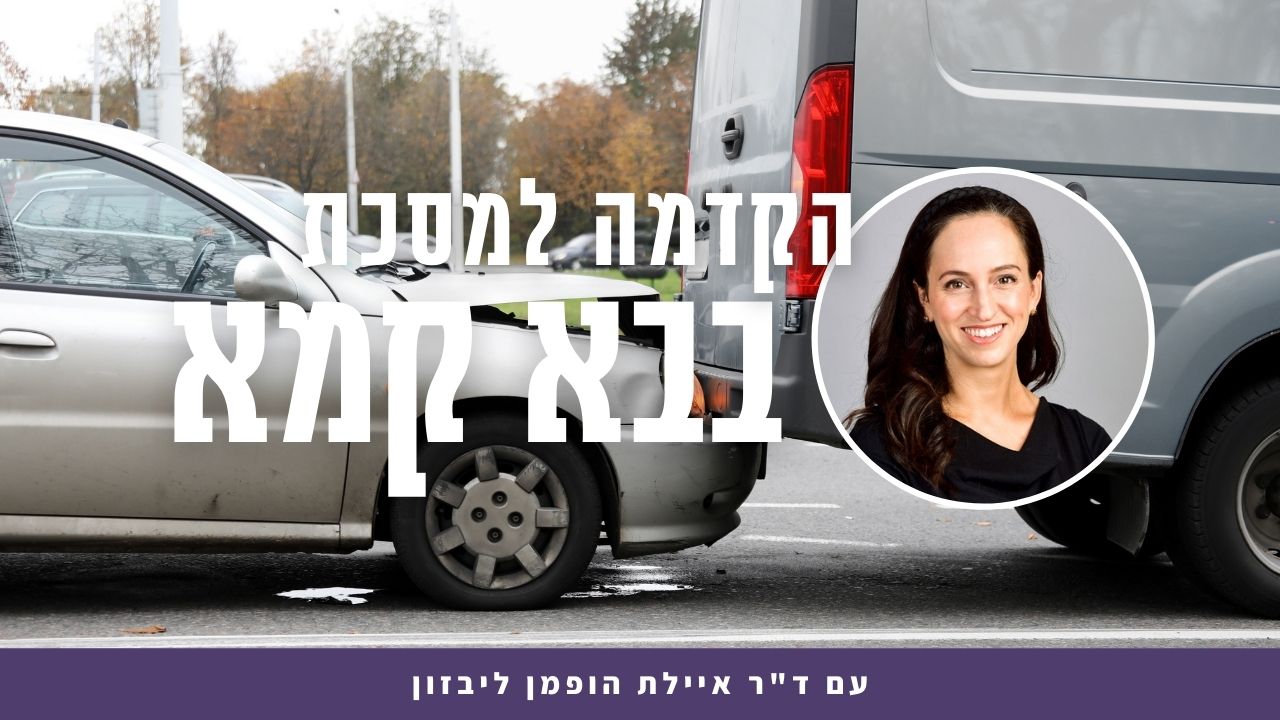
המשנה פוסקת שאם שני קדרים הולכים זה אחר זה ברחוב, אוחזים בקדירות, והראשון נתקל ונופל והשני מתנגש בראשון, חייב הראשון בנזקים שנגרמו לאדם השני. רבי יוחנן ורב נחמן בר יצחק מסכימים שניהם שניתן להסביר זאת גם לפי חכמים הסוברים שנתקל אינו פושע, אך חייב כאן כי האדם היה צריך לקום. עם זאת, הם חלוקים במקרה שלא היה לו זמן לעמוד –  האם מצפים מאדם שטרוד בנפילתו שלפחות יזהיר את האחר, ואם לא עשה כן, נחייבו על הנזק שנגרם. או האם אומרים שאדם הטרוד בנפילתו גם לא יוכל להזהיר ואם כן, פטור. שני מקורות תנאיים מובאים להוכחת עמדתו של רב נחמן בר יצחק לפיה האדם היה צריך להזהיר את האחר. אבל אפשר להסביר את שניהם גם לפי רבי יוחנן. אם אדם אחד נפל והזיק אדם שני שנתקל בו, ואז אדם שלישי הוזק על ידי השני, שניהם אחראים לנזקים שגרמו, לפי התנאים. אולם רבא מבחין בין הנזק שנגרם מהראשון לבין הנזק שנגרם מהשני. הגמרא מנסה להבין בדיוק את ההבחנה שעושה רבא ומדוע.

בבא קמא לא

סְלִיקוּסְתָּא!

residue from dates?

בִּשְׁלָמָא רַב אַדָּא בַּר אַהֲבָה – כִּשְׁמַעְתֵּיהּ. אֶלָּא רַב הוּנָא, לֵימָא הֲדַר בֵּיהּ?

The Gemara comments: Granted, Rav Adda bar Ahava acted in accordance with his halakhic opinion that this is the halakha, and a public ruling is issued to that effect. But with regard to Rav Huna, shall we say that he retracted his prior opinion?

הָנְהוּ – מוּתְרִין הֲווֹ.

The Gemara answers: Those owners of the barley were forewarned to remove the barley from the public domain, and they did not comply. Therefore, they were penalized by Rav Huna declaring publicly that their barley was ownerless.

מַתְנִי׳ שְׁנֵי קַדָּרִין שֶׁהָיוּ מְהַלְּכִין זֶה אַחַר זֶה, וְנִתְקַל הָרִאשׁוֹן וְנָפַל, וְנִתְקַל הַשֵּׁנִי בָּרִאשׁוֹן – הָרִאשׁוֹן חַיָּיב בְּנִזְקֵי שֵׁנִי.

MISHNA: In the case of two potters carrying pots who were walking one after the other in the public domain, and the first stumbled on a bump and fell, and the second stumbled over the first and fell too, the first is liable to pay for the damage incurred by the second.

גְּמָ׳ אָמַר רַבִּי יוֹחָנָן: לָא תֵּימָא מַתְנִיתִין רַבִּי מֵאִיר הִיא, דְּאָמַר: נִתְקָל פּוֹשֵׁעַ הוּא – וְחַיָּיב; אֶלָּא אֲפִילּוּ לְרַבָּנַן, דְאָמְרִי אָנוּס הוּא, וּפָטוּר – הָכָא חַיָּיב; שֶׁהָיָה לוֹ לַעֲמוֹד, וְלֹא עָמַד.

GEMARA: Rabbi Yoḥanan said: Do not say that the mishna is the opinion of Rabbi Meir, who says that one who stumbles is considered negligent and therefore liable. Rather, even according to the Rabbis, who say that one who stumbles is generally a victim of circumstances beyond his control and is consequently exempt, here, in the case in the mishna, he is liable, since after falling he had the opportunity to stand up, and he did not stand up.

רַב נַחְמָן בַּר יִצְחָק אָמַר: אֲפִילּוּ תֵּימָא לֹא הָיָה לוֹ לַעֲמוֹד; הָיָה לוֹ לְהַזְהִיר, וְלֹא הִזְהִיר.

Rav Naḥman bar Yitzḥak said: Even if you say that he did not have the opportunity to stand up, he had the opportunity to warn the person behind him, and he did not warn him.

וְרַבִּי יוֹחָנָן אָמַר: כֵּיוָן דְּלֹא הָיָה לוֹ לַעֲמוֹד – לֹא הָיָה לוֹ לְהַזְהִיר; דִּטְרִיד.

And Rabbi Yoḥanan could have said in response that since he did not have the opportunity to stand up, he did not have the opportunity to warn the other person either, as he was busy trying to stand up. Therefore, the mishna, which holds him liable, must be referring to a case where he could have stood up.

תְּנַן: הָיָה בַּעַל קוֹרָה רִאשׁוֹן וּבַעַל חָבִית אַחֲרוֹן, נִשְׁבְּרָה חָבִית בַּקּוֹרָה – פָּטוּר, וְאִם עָמַד בַּעַל קוֹרָה – חַיָּיב.

The Gemara attempts to prove that the opinion of Rav Naḥman bar Yitzḥak is correct. We learned in the next mishna (31b): If the owner of a cross beam was walking in the public domain carrying his beam first, and the owner of a barrel was walking with his barrel last, i.e., behind him, and the barrel was broken by the cross beam, the one who carried the cross beam is exempt. But if the owner of the cross beam stopped, he is liable, since the accident was caused by his stopping.

מַאי, לָאו שֶׁעָמַד לְכַתֵּף – דְּאוֹרְחֵיהּ הוּא, וְקָתָנֵי חַיָּיב, דַּהֲוָה לֵיהּ לְהַזְהִיר?

The Gemara asks: What, is it not referring to a situation where the one carrying the cross beam stopped in order to adjust the load on his shoulder, which is the normative behavior of one carrying a beam, and is not considered negligence? And nevertheless the tanna teaches that he is liable, as, although he had the opportunity to warn the person behind him that he was about to stop, he did not warn him. This supports the opinion of Rav Naḥman bar Yitzḥak.

לֹא, כְּשֶׁעָמַד לָפוּשׁ.

The Gemara responds: No, it is referring to a situation where he stopped to rest, which could not have been anticipated by the person walking behind him. Consequently, he is liable.

אֲבָל עָמַד לְכַתֵּף מַאי, פָּטוּר? אַדְּתָנֵי סֵיפָא: וְאִם אָמַר לוֹ לְבַעַל חָבִית ״עֲמוֹד״ – פָּטוּר, לִפְלוֹג וְלִיתְנֵי בְּדִידַהּ: בַּמֶּה דְּבָרִים אֲמוּרִים – כְּשֶׁעָמַד לָפוּשׁ, אֲבָל עָמַד לְכַתֵּף – פָּטוּר!

The Gemara asks: But according to this interpretation, if he stopped to adjust the load on his shoulder, what is the halakha? Is he exempt? If so, rather than teaching in the latter clause of that mishna: But if he said to the owner of the barrel: Stop, he is exempt, let the tanna distinguish and teach within the former case itself, as follows: In what case is this statement, that he is liable, said? In a case when he stopped to rest. But in a case where he stopped to adjust the load on his shoulder, he is exempt.

הָא קָא מַשְׁמַע לַן – דְּאַף עַל גַּב דְּעָמַד לָפוּשׁ, כִּי קָאָמַר לוֹ לְבַעַל חָבִית: ״עֲמוֹד״ – פָּטוּר.

The Gemara answers: The mishna is presented in this manner because it teaches us this novelty, that even if he stopped to rest, in a case when he says to the owner of the barrel: Stop, he is exempt.

תָּא שְׁמַע: הַקַּדָּרִין וְהַזַּגָּגִין שֶׁהָיוּ מְהַלְּכִין זֶה אַחַר זֶה; נִתְקַל הָרִאשׁוֹן וְנָפַל, וְנִתְקַל הַשֵּׁנִי בָּרִאשׁוֹן, וְהַשְּׁלִישִׁי בַּשֵּׁנִי – רִאשׁוֹן חַיָּיב בְּנִזְקֵי שֵׁנִי, וְשֵׁנִי חַיָּיב בְּנִזְקֵי שְׁלִישִׁי. וְאִם מֵחֲמַת רִאשׁוֹן נָפְלוּ – רִאשׁוֹן חַיָּיב בְּנִזְקֵי כּוּלָּם. וְאִם הִזְהִירוּ זֶה אֶת זֶה – פְּטוּרִין. מַאי, לָאו שֶׁלֹּא הָיָה לָהֶן לַעֲמוֹד?

Come and hear an alternative proof from what is taught in a baraita: With regard to potters and glaziers who were walking one after the other, and the first stumbled and fell, and the second stumbled over the first, sustaining damage, and the third stumbled over the second, also falling and sustaining damage, in this case, the first person is liable to pay for the damage of the second, and the second is liable to pay for the damage of the third. But if they all fell because of the first, the first is liable to pay for the damage of them all. And if they warned each other, i.e., each one warned the next, they are all exempt. The Gemara concludes: What, is it not a case where they did not have the opportunity to stand up, and they are nevertheless liable to pay for not warning the people behind them, in accordance with the opinion of Rav Naḥman bar Yitzḥak?

לֹא, שֶׁהָיָה לָהֶן לַעֲמוֹד.

The Gemara answers: No, it is a case where they had the opportunity to stand up and they did not do so.

אֲבָל לֹא הָיָה לָהֶם לַעֲמוֹד מַאי, פָּטוּר? אִי הָכִי, אַדְּתָנֵי סֵיפָא: אִם הִזְהִירוּ זֶה אֶת זֶה – פָּטוּר; לִפְלוֹג וְלִיתְנֵי בְּדִידַהּ: בַּמֶּה דְּבָרִים אֲמוּרִים – שֶׁהָיָה לָהֶן לַעֲמוֹד, אֲבָל לֹא הָיָה לָהֶן לַעֲמוֹד – פְּטוּרִין!

The Gemara asks: But according to this interpretation, if they did not have the opportunity to stand up, what would be the halakha? Would they be exempt? If so, rather than teaching in the latter clause of the baraita: If they warned one another, they are exempt, let the tanna distinguish and teach within the former case itself, as follows: In what case is this statement, that they are liable, said? It is a case where they had the opportunity to stand up, but if they did not have the opportunity to stand up, they are exempt.

הָא קָא מַשְׁמַע לַן – דְּאַף עַל גַּב דְּהָיָה לָהֶן לַעֲמוֹד, כִּי הִזְהִירוּ זֶה אֶת זֶה – פְּטוּרִין.

The Gemara answers: The baraita is presented in this manner because it teaches us this novelty, that even if they had the opportunity to stand up, in a case when they warned each other they are exempt.

אָמַר רָבָא: רִאשׁוֹן חַיָּיב בְּנִזְקֵי שֵׁנִי – בֵּין בְּנִזְקֵי גוּפוֹ, בֵּין בְּנִזְקֵי מָמוֹנוֹ. שֵׁנִי חַיָּיב בְּנִזְקֵי שְׁלִישִׁי – בְּנִזְקֵי גוּפוֹ, אֲבָל לֹא בְּנִזְקֵי מָמוֹנוֹ.

§ With regard to this halakha, Rava said: The first one who stumbled is liable to pay for the damage of the second, both for damage caused to the second person by his body and for damage caused to him by his property. By contrast, the second is liable to pay for the damage of the third only with regard to damage caused by his body as result of the fall, and not with regard to damage caused by his property.

מִמָּה נַפְשָׁךְ? אִי נִתְקָל פּוֹשֵׁעַ הוּא – שֵׁנִי נָמֵי לִיחַיַּיב! אִי נִתְקָל לָאו פּוֹשֵׁעַ הוּא – אֲפִילּוּ רִאשׁוֹן נָמֵי לִיפְּטַר!

The Gemara questions Rava’s statement: Whichever way you look at it, this is difficult to understand. If Rava maintains that one who stumbles is considered negligent, the second person should also be liable to pay for all forms of damage caused by his negligence. And if Rava maintains that one who stumbles is not considered negligent, even the first should be exempt from liability for the damage incurred by the second.

רִאשׁוֹן – וַדַּאי פּוֹשֵׁעַ הוּא. שְׁנִי – אַגּוּפוֹ מִחַיַּיב, דְּהָיָה לוֹ לַעֲמוֹד וְלֹא עָמַד. אַמָּמוֹנוֹ פָּטוּר, דְּאָמַר לֵיהּ: הַאי בֵּירָא – לָאו אֲנָא כְּרִיתֵיהּ.

The Gemara explains: The first is certainly considered negligent, and is therefore liable to pay for damage caused by both his body and his property. The second is deemed liable to pay for damage caused by his body, as he had the opportunity to stand up and he did not stand up. For damage caused by his property that was lying there and that caused the third person to stumble and fall, he is exempt, as he can say to him: I did not dig this pit, i.e., I did not cause this obstacle. Since it was the first person who stumbled and brought about the situation where the items of the second were lying on the ground, the second is not deemed liable.

מֵיתִיבִי: כּוּלָּן חַיָּיבִין עַל נִזְקֵי גּוּפָן, וּפְטוּרִין עַל נִזְקֵי מָמוֹנָן. מַאי, לָאו אֲפִילּוּ רִאשׁוֹן?

The Gemara raises an objection to Rava’s statement from a baraita that comments on this case: All of them are liable to pay for damage caused by their bodies and exempt from paying restitution for damage caused by their property. What, does this not refer even to the first, indicating that even he is exempt from damage caused by his property?

לָא, לְבַר מֵרִאשׁוֹן. וְהָא ״כּוּלָּם״ קָתָנֵי! אָמַר רַב אַדָּא בַּר אַהֲבָה: ״כּוּלָּן״ – הַנִּיזָּקִין.

The Gemara answers: No, it is referring to all of them except for the first. The Gemara asks: But doesn’t the baraita teach the term all of them, indicating that the first is also included? Rav Adda bar Ahava said: The term all of them refers only to those who incurred damage, and excludes the first one, who only caused damage to others.

הַאי מַאי? אִי אָמְרַתְּ בִּשְׁלָמָא אֲפִילּוּ רִאשׁוֹן – הַיְינוּ דְּקָתָנֵי ״כּוּלָּן״; אֶלָּא אִי אָמְרַתְּ לְבַר מֵרִאשׁוֹן, מַאי ״כּוּלָּן״? לִיתְנֵי ״הַנִּיזָּקִין״!

The Gemara questions this answer: What is this interpretation? Granted, if you say that the term includes even the first, this explanation is consistent with that which is taught: All of them. But if you say that it is referring to all of them except for the first, what is the reason that the misleading term: All of them is used? Let the baraita teach more accurately that those who incurred damage are liable in turn for the damage caused by their bodies, but are exempt from paying restitution for damage caused by their property.

אֶלָּא אָמַר רָבָא: רִאשׁוֹן חַיָּיב – בֵּין בְּנִזְקֵי גוּפוֹ דְּשֵׁנִי, בֵּין בְּנִזְקֵי מָמוֹנוֹ דְּשֵׁנִי; וְשֵׁנִי חַיָּיב בְּנִזְקֵי שְׁלִישִׁי – בְּנִזְקֵי גוּפוֹ, אֲבָל לֹא בְּנִזְקֵי מָמוֹנוֹ. מַאי טַעְמָא? דְּהָוֵה לֵיהּ בּוֹר, וְלֹא מָצִינוּ בּוֹר שֶׁחִיֵּיב בּוֹ אֶת הַכֵּלִים.

Rather, this entire explanation of Rava’s statement should be rejected, and it should be explained as follows: Rava said that the first is liable both for injury caused to the body of the second and for damage caused to the property of the second, and the second is liable to pay for damage incurred by the third with regard to injury to his body but not with regard to damage to his property. What is the reason for the exemption in the last case? It is because after his fall, the body of the second person is effectively a pit, and we do not find that in the category of Pit one is liable to pay restitution for damage caused to vessels.

הָנִיחָא לִשְׁמוּאֵל, דְּאָמַר: כֹּל תַּקָּלָה – בּוֹר הוּא; אֶלָּא לְרַב, דְּאָמַר: אִי אַפְקְרֵיהּ אִין, אִי לָא לָא; מַאי אִיכָּא לְמֵימַר?

The Gemara asks: This works out well according to Shmuel, who says that any obstacle that was placed in the public domain constitutes a pit, i.e., the halakhot of a pit apply to it. But according to Rav, who says that if the one who placed it there renounces ownership of the hazardous object it is considered a pit, but if he does not renounce ownership of it then it is not considered a pit, what is there to say? The second one who fell obviously did not renounce ownership of his body, so why is he exempt from damage he caused to vessels as though he were a pit?

לְעוֹלָם – כִּדְאָמַר מֵעִיקָּרָא, וּדְקַשְׁיָא לָךְ ״כּוּלָּן חַיָּיבִין״ – תַּרְגְּמַהּ רַב אַדָּא בַּר מִנְיוֹמֵי קַמֵּיהּ דְּרָבִינָא: שֶׁהוּזְּקוּ כֵּלִים בְּכֵלִים.

The Gemara answers: Actually, Rava’s statement should be explained as he was understood to have said initially, i.e., that he distinguishes between damage caused by another’s body and damage caused by his property. And as for your difficulty from the statement in the baraita that all of them are liable to pay for the damage caused by their bodies but exempt from paying restitution for the damage caused by their property, apparently including even the first one, contrary to Rava’s opinion, Rav Adda bar Minyumi interpreted it before Ravina as referring to a case where vessels were damaged by vessels. In other words, it is not the body, but the vessels of the second that were damaged by the property of the first, and since the broken vessels of the first have the status of a pit, the owner is exempt from liability for damage caused to the vessels of others.

אָמַר מָר: אִם מֵחֲמַת רִאשׁוֹן נָפְלוּ – רִאשׁוֹן חַיָּיב בְּנִזְקֵי כוּלָּם. מֵחֲמַת רִאשׁוֹן הֵיכִי נָפֵיל? רַב פָּפָּא אָמַר: דְּפַסְקֵהּ לְאוֹרְחֵיהּ כְּשִׁלְדָּא. רַב זְבִיד אָמַר: כְּחוּטְרָא דְסַמְיוּתָא.

The Master said above: If they all fell because of the first, the first is liable to pay for the damage of them all. The Gemara asks: How did they all fall because of the first? Rav Pappa said: It is a case where he blocked the road like a skeleton [keshilda], filling the entire width of the road and causing the rest to stumble over different parts of his body. Rav Zevid said: He fell diagonally like a blind man’s cane, and they all stumbled over him.

מַתְנִי׳ זֶה בָּא בְּחָבִיתוֹ וְזֶה בָּא בְּקוֹרָתוֹ, נִשְׁבְּרָה כַּדּוֹ שֶׁל זֶה בְּקוֹרָתוֹ שֶׁל זֶה – פָּטוּר; שֶׁלָּזֶה רְשׁוּת לְהַלֵּךְ, וְלָזֶה רְשׁוּת לְהַלֵּךְ.

MISHNA: If this person came in the public domain with his barrel, and that person came from the opposite direction with his cross beam, and this one’s jug was broken by that one’s cross beam, the one carrying the cross beam is exempt, because this one had permission to walk in the public domain, and that one also had permission to walk there.

הָיָה בַּעַל הַקּוֹרָה רִאשׁוֹן וּבַעַל חָבִית אַחֲרוֹן; נִשְׁבְּרָה חָבִית בְּקוֹרָה – פָּטוּר בַּעַל הַקּוֹרָה.

If they were walking in the same direction, so that the owner of the cross beam was walking first, in front, and the owner of a barrel last, behind him, and the barrel was broken by the cross beam, the owner of the cross beam is exempt, since the owner of the barrel saw him in front of him and should have been more careful.

העמקה

רוצה להבין מה באמת קורה מתחת לפני השטח של הסוגיה?
שיעורים, פודקאסטים והרחבות של מיטב המורות שלנו יפתחו לך עוד זוויות וכיווני חשיבה.

לשיעורי עוד על הדף באנגלית, לחצי כאן

חדשה בלימוד הגמרא?

זה הדף הראשון שלך? איזו התרגשות עצומה! יש לנו בדיוק את התכנים והכלים שיעזרו לך לעשות את הצעדים הראשונים ללמידה בקצב וברמה שלך, כך תוכלי להרגיש בנוח גם בתוך הסוגיות המורכבות ומאתגרות.

פסיפס הלומדות שלנו

גלי את קהילת הלומדות שלנו, מגוון נשים, רקעים וסיפורים. כולן חלק מתנועה ומסע מרגש ועוצמתי.

התחלתי ללמוד דף יומי בתחילת מסכת ברכות, עוד לא ידעתי כלום. נחשפתי לסיום הש״ס, ובעצם להתחלה מחדש בתקשורת, הפתיע אותי לטובה שהיה מקום לעיסוק בתורה.
את המסכתות הראשונות למדתי, אבל לא סיימתי (חוץ מעירובין איכשהו). השנה כשהגעתי למדרשה, נכנסתי ללופ, ואני מצליחה להיות חלק, סיימתי עם החברותא שלי את כל המסכתות הקצרות, גם כשהיינו חולות קורונה ובבידודים, למדנו לבד, העיקר לא לצבור פער, ומחכות ליבמות 🙂

Eden Yeshuron
עדן ישורון

מזכרת בתיה, ישראל

למדתי גמרא מכיתה ז- ט ב Maimonides School ואחרי העליה שלי בגיל 14 לימוד הגמרא, שלא היה כל כך מקובל בימים אלה, היה די ספוראדי. אחרי "ההתגלות” בבנייני האומה התחלתי ללמוד בעיקר בדרך הביתה למדתי מפוקקטסים שונים. לאט לאט ראיתי שאני תמיד חוזרת לרבנית מישל פרבר. באיזה שהוא שלב התחלתי ללמוד בזום בשעה 7:10 .
היום "אין מצב” שאני אתחיל את היום שלי ללא לימוד עם הרבנית מישל עם כוס הקפה שלי!!

selfie-scaled
דבי גביר

חשמונאים, ישראל

התחלתי ללמוד את הדף היומי מעט אחרי שבני הקטן נולד. בהתחלה בשמיעה ולימוד באמצעות השיעור של הרבנית שפרבר. ובהמשך העזתי וקניתי לעצמי גמרא. מאז ממשיכה יום יום ללמוד עצמאית, ולפעמים בעזרת השיעור של הרבנית, כל יום. כל סיום של מסכת מביא לאושר גדול וסיפוק. הילדים בבית נהיו חלק מהלימוד, אני משתפת בסוגיות מעניינות ונהנית לשמוע את דעתם.

Eliraz Blau
אלירז בלאו

מעלה מכמש, ישראל

התחלתי ללמוד דף יומי בסבב הקודם. זכיתי לסיים אותו במעמד המרגש של הדרן. בסבב הראשון ליווה אותי הספק, שאולי לא אצליח לעמוד בקצב ולהתמיד. בסבב השני אני לומדת ברוגע, מתוך אמונה ביכולתי ללמוד ולסיים. בסבב הלימוד הראשון ליוותה אותי חוויה מסויימת של בדידות. הדרן העניקה לי קהילת לימוד ואחוות נשים. החוויה של סיום הש”ס במעמד כה גדול כשנשים שאינן מכירות אותי, שמחות ומתרגשות עבורי , היתה חוויה מרוממת נפש

Ilanit Weil
אילנית ווייל

קיבוץ מגדל עוז, ישראל

הצטרפתי ללומדות בתחילת מסכת תענית. ההתרגשות שלי ושל המשפחה היתה גדולה מאוד, והיא הולכת וגוברת עם כל סיום שאני זוכה לו. במשך שנים רבות רציתי להצטרף ומשום מה זה לא קרה… ב”ה מצאתי לפני מספר חודשים פרסום של הדרן, ומיד הצטרפתי והתאהבתי. הדף היומי שינה את חיי ממש והפך כל יום- ליום של תורה. מודה לכן מקרב ליבי ומאחלת לכולנו לימוד פורה מתוך אהבת התורה ולומדיה.

Noa Rosen
נעה רוזן

חיספין רמת הגולן, ישראל

התחלתי ללמוד דף יומי אחרי שחזרתי בתשובה ולמדתי במדרשה במגדל עוז. הלימוד טוב ומספק חומר למחשבה על נושאים הלכתיים ”קטנים” ועד לערכים גדולים ביהדות. חשוב לי להכיר את הגמרא לעומק. והצעד הקטן היום הוא ללמוד אותה בבקיאות, בעזרת השם, ומי יודע אולי גם אגיע לעיון בנושאים מעניינים. נושאים בגמרא מתחברים לחגים, לתפילה, ליחסים שבין אדם לחברו ולמקום ולשאר הדברים שמלווים באורח חיים דתי 🙂

Gaia Divo
גאיה דיבו

מצפה יריחו, ישראל

רבנית מישל הציתה אש התלמוד בלבבות בביניני האומה ואני נדלקתי. היא פתחה פתח ותמכה במתחילות כמוני ואפשרה לנו להתקדם בצעדים נכונים וטובים. הקימה מערך שלם שמסובב את הלומדות בסביבה תומכת וכך נכנסתי למסלול לימוד מעשיר שאין כמוה. הדרן יצר קהילה גדולה וחזקה שמאפשרת התקדמות מכל נקודת מוצא. יש דיבוק לומדות שמחזק את ההתמדה של כולנו. כל פניה ושאלה נענית בזריזות ויסודיות. תודה גם למגי על כל העזרה.

Sarah Aber
שרה אבר

נתניה, ישראל

התחלתי כשהייתי בחופש, עם הפרסומים על תחילת המחזור, הסביבה קיבלה את זה כמשהו מתמיד ומשמעותי ובהערכה, הלימוד זה עוגן יציב ביום יום, יש שבועות יותר ויש שפחות אבל זה משהו שנמצא שם אמין ובעל משמעות בחיים שלי….

Adi Diamant
עדי דיאמנט

גמזו, ישראל

התחלתי בתחילת הסבב, והתמכרתי. זה נותן משמעות נוספת ליומיום ומאוד מחזק לתת לזה מקום בתוך כל שגרת הבית-עבודה השוטפת.

Reut Abrahami
רעות אברהמי

בית שמש, ישראל

התחלתי ללמוד גמרא בבית הספר בגיל צעיר והתאהבתי. המשכתי בכך כל חיי ואף היייתי מורה לגמרא בבית הספר שקד בשדה אליהו (בית הספר בו למדתי בילדותי)בתחילת מחזור דף יומי הנוכחי החלטתי להצטרף ובע”ה מקווה להתמיד ולהמשיך. אני אוהבת את המפגש עם הדף את "דרישות השלום ” שמקבלת מקשרים עם דפים אחרים שלמדתי את הסנכרון שמתחולל בין התכנים.

Ariela Bigman
אריאלה ביגמן

מעלה גלבוע, ישראל

התחלתי לפני כמה שנים אבל רק בסבב הזה זכיתי ללמוד יום יום ולסיים מסכתות

Sigal Tel
סיגל טל

רעננה, ישראל

התחלתי ללמוד בסבב הנוכחי לפני כשנתיים .הסביבה מתפעלת ותומכת מאוד. אני משתדלת ללמוד מכל ההסכתים הנוספים שיש באתר הדרן. אני עורכת כל סיום מסכת שיעור בביתי לכ20 נשים שמחכות בקוצר רוח למפגשים האלו.

Yael Asher
יעל אשר

יהוד, ישראל

לצערי גדלתי בדור שבו לימוד גמרא לנשים לא היה דבר שבשגרה ושנים שאני חולמת להשלים את הפער הזה.. עד שלפני מספר שבועות, כמעט במקרה, נתקלתי במודעת פרסומת הקוראת להצטרף ללימוד מסכת תענית. כשקראתי את המודעה הרגשתי שהיא כאילו נכתבה עבורי – "תמיד חלמת ללמוד גמרא ולא ידעת איך להתחיל”, "בואי להתנסות במסכת קצרה וקלה” (רק היה חסר שהמודעה תיפתח במילים "מיכי שלום”..). קפצתי למים ו- ב”ה אני בדרך להגשמת החלום:)

Micah Kadosh
מיכי קדוש

מורשת, ישראל

התחלתי מעט לפני תחילת הסבב הנוכחי. אני נהנית מהאתגר של להמשיך להתמיד, מרגעים של "אהה, מפה זה הגיע!” ומהאתגר האינטלקטואלי

Eilat-Chen and Deller
אילת-חן ודלר

לוד, ישראל

באירוע של הדרן בנייני האומה. בהשראתה של אמי שלי שסיימה את הש”ס בסבב הקודם ובעידוד מאיר , אישי, וילדיי וחברותיי ללימוד במכון למנהיגות הלכתית של רשת אור תורה סטון ומורתיי הרבנית ענת נובוסלסקי והרבנית דבורה עברון, ראש המכון למנהיגות הלכתית.
הלימוד מעשיר את יומי, מחזיר אותי גם למסכתות שכבר סיימתי וידוע שאינו דומה מי ששונה פרקו מאה לשונה פרקו מאה ואחת במיוחד מרתקים אותי החיבורים בין המסכתות

Roit Kalech
רוית קלך

מודיעין, ישראל

התחלתי ללמוד לפני 4.5 שנים, כשהודיה חברה שלי פתחה קבוצת ווטסאפ ללימוד דף יומי בתחילת מסכת סנהדרין. מאז לימוד הדף נכנס לתוך היום-יום שלי והפך לאחד ממגדירי הזהות שלי ממש.

Rosenberg Foundation
קרן רוזנברג

ירושלים, ישראל

רבנית מישל הציתה אש התלמוד בלבבות בביניני האומה ואני נדלקתי. היא פתחה פתח ותמכה במתחילות כמוני ואפשרה לנו להתקדם בצעדים נכונים וטובים. הקימה מערך שלם שמסובב את הלומדות בסביבה תומכת וכך נכנסתי למסלול לימוד מעשיר שאין כמוה. הדרן יצר קהילה גדולה וחזקה שמאפשרת התקדמות מכל נקודת מוצא. יש דיבוק לומדות שמחזק את ההתמדה של כולנו. כל פניה ושאלה נענית בזריזות ויסודיות. תודה גם למגי על כל העזרה.

Sarah Aber
שרה אבר

נתניה, ישראל

התחלתי ללמוד לפני כשנתיים בשאיפה לסיים לראשונה מסכת אחת במהלך חופשת הלידה.
אחרי מסכת אחת כבר היה קשה להפסיק…

Noa Gallant
נעה גלנט

ירוחם, ישראל

בתחילת הסבב הנוכחי הצטברו אצלי תחושות שאני לא מבינה מספיק מהי ההלכה אותה אני מקיימת בכל יום. כמו כן, כאמא לבנות רציתי לתת להן מודל נשי של לימוד תורה
שתי הסיבות האלו הובילו אותי להתחיל ללמוד. נתקלתי בתגובות מפרגנות וסקרניות איך אישה לומדת גמרא..
כמו שרואים בתמונה אני ממשיכה ללמוד גם היום ואפילו במחלקת יולדות אחרי לידת ביתי השלישית.

Noa Shiloh
נועה שילה

רבבה, ישראל

סיום השס לנשים נתן לי מוטביציה להתחיל ללמוד דף יומי. עד אז למדתי גמרא בשבתות ועשיתי כמה סיומים. אבל לימוד יומיומי זה שונה לגמרי ופתאום כל דבר שקורה בחיים מתקשר לדף היומי.

Fogel Foundation
קרן פוגל

רתמים, ישראל

בבא קמא לא

סְלִיקוּסְתָּא!

residue from dates?

בִּשְׁלָמָא רַב אַדָּא בַּר אַהֲבָה – כִּשְׁמַעְתֵּיהּ. אֶלָּא רַב הוּנָא, לֵימָא הֲדַר בֵּיהּ?

The Gemara comments: Granted, Rav Adda bar Ahava acted in accordance with his halakhic opinion that this is the halakha, and a public ruling is issued to that effect. But with regard to Rav Huna, shall we say that he retracted his prior opinion?

הָנְהוּ – מוּתְרִין הֲווֹ.

The Gemara answers: Those owners of the barley were forewarned to remove the barley from the public domain, and they did not comply. Therefore, they were penalized by Rav Huna declaring publicly that their barley was ownerless.

מַתְנִי׳ שְׁנֵי קַדָּרִין שֶׁהָיוּ מְהַלְּכִין זֶה אַחַר זֶה, וְנִתְקַל הָרִאשׁוֹן וְנָפַל, וְנִתְקַל הַשֵּׁנִי בָּרִאשׁוֹן – הָרִאשׁוֹן חַיָּיב בְּנִזְקֵי שֵׁנִי.

MISHNA: In the case of two potters carrying pots who were walking one after the other in the public domain, and the first stumbled on a bump and fell, and the second stumbled over the first and fell too, the first is liable to pay for the damage incurred by the second.

גְּמָ׳ אָמַר רַבִּי יוֹחָנָן: לָא תֵּימָא מַתְנִיתִין רַבִּי מֵאִיר הִיא, דְּאָמַר: נִתְקָל פּוֹשֵׁעַ הוּא – וְחַיָּיב; אֶלָּא אֲפִילּוּ לְרַבָּנַן, דְאָמְרִי אָנוּס הוּא, וּפָטוּר – הָכָא חַיָּיב; שֶׁהָיָה לוֹ לַעֲמוֹד, וְלֹא עָמַד.

GEMARA: Rabbi Yoḥanan said: Do not say that the mishna is the opinion of Rabbi Meir, who says that one who stumbles is considered negligent and therefore liable. Rather, even according to the Rabbis, who say that one who stumbles is generally a victim of circumstances beyond his control and is consequently exempt, here, in the case in the mishna, he is liable, since after falling he had the opportunity to stand up, and he did not stand up.

רַב נַחְמָן בַּר יִצְחָק אָמַר: אֲפִילּוּ תֵּימָא לֹא הָיָה לוֹ לַעֲמוֹד; הָיָה לוֹ לְהַזְהִיר, וְלֹא הִזְהִיר.

Rav Naḥman bar Yitzḥak said: Even if you say that he did not have the opportunity to stand up, he had the opportunity to warn the person behind him, and he did not warn him.

וְרַבִּי יוֹחָנָן אָמַר: כֵּיוָן דְּלֹא הָיָה לוֹ לַעֲמוֹד – לֹא הָיָה לוֹ לְהַזְהִיר; דִּטְרִיד.

And Rabbi Yoḥanan could have said in response that since he did not have the opportunity to stand up, he did not have the opportunity to warn the other person either, as he was busy trying to stand up. Therefore, the mishna, which holds him liable, must be referring to a case where he could have stood up.

תְּנַן: הָיָה בַּעַל קוֹרָה רִאשׁוֹן וּבַעַל חָבִית אַחֲרוֹן, נִשְׁבְּרָה חָבִית בַּקּוֹרָה – פָּטוּר, וְאִם עָמַד בַּעַל קוֹרָה – חַיָּיב.

The Gemara attempts to prove that the opinion of Rav Naḥman bar Yitzḥak is correct. We learned in the next mishna (31b): If the owner of a cross beam was walking in the public domain carrying his beam first, and the owner of a barrel was walking with his barrel last, i.e., behind him, and the barrel was broken by the cross beam, the one who carried the cross beam is exempt. But if the owner of the cross beam stopped, he is liable, since the accident was caused by his stopping.

מַאי, לָאו שֶׁעָמַד לְכַתֵּף – דְּאוֹרְחֵיהּ הוּא, וְקָתָנֵי חַיָּיב, דַּהֲוָה לֵיהּ לְהַזְהִיר?

The Gemara asks: What, is it not referring to a situation where the one carrying the cross beam stopped in order to adjust the load on his shoulder, which is the normative behavior of one carrying a beam, and is not considered negligence? And nevertheless the tanna teaches that he is liable, as, although he had the opportunity to warn the person behind him that he was about to stop, he did not warn him. This supports the opinion of Rav Naḥman bar Yitzḥak.

לֹא, כְּשֶׁעָמַד לָפוּשׁ.

The Gemara responds: No, it is referring to a situation where he stopped to rest, which could not have been anticipated by the person walking behind him. Consequently, he is liable.

אֲבָל עָמַד לְכַתֵּף מַאי, פָּטוּר? אַדְּתָנֵי סֵיפָא: וְאִם אָמַר לוֹ לְבַעַל חָבִית ״עֲמוֹד״ – פָּטוּר, לִפְלוֹג וְלִיתְנֵי בְּדִידַהּ: בַּמֶּה דְּבָרִים אֲמוּרִים – כְּשֶׁעָמַד לָפוּשׁ, אֲבָל עָמַד לְכַתֵּף – פָּטוּר!

The Gemara asks: But according to this interpretation, if he stopped to adjust the load on his shoulder, what is the halakha? Is he exempt? If so, rather than teaching in the latter clause of that mishna: But if he said to the owner of the barrel: Stop, he is exempt, let the tanna distinguish and teach within the former case itself, as follows: In what case is this statement, that he is liable, said? In a case when he stopped to rest. But in a case where he stopped to adjust the load on his shoulder, he is exempt.

הָא קָא מַשְׁמַע לַן – דְּאַף עַל גַּב דְּעָמַד לָפוּשׁ, כִּי קָאָמַר לוֹ לְבַעַל חָבִית: ״עֲמוֹד״ – פָּטוּר.

The Gemara answers: The mishna is presented in this manner because it teaches us this novelty, that even if he stopped to rest, in a case when he says to the owner of the barrel: Stop, he is exempt.

תָּא שְׁמַע: הַקַּדָּרִין וְהַזַּגָּגִין שֶׁהָיוּ מְהַלְּכִין זֶה אַחַר זֶה; נִתְקַל הָרִאשׁוֹן וְנָפַל, וְנִתְקַל הַשֵּׁנִי בָּרִאשׁוֹן, וְהַשְּׁלִישִׁי בַּשֵּׁנִי – רִאשׁוֹן חַיָּיב בְּנִזְקֵי שֵׁנִי, וְשֵׁנִי חַיָּיב בְּנִזְקֵי שְׁלִישִׁי. וְאִם מֵחֲמַת רִאשׁוֹן נָפְלוּ – רִאשׁוֹן חַיָּיב בְּנִזְקֵי כּוּלָּם. וְאִם הִזְהִירוּ זֶה אֶת זֶה – פְּטוּרִין. מַאי, לָאו שֶׁלֹּא הָיָה לָהֶן לַעֲמוֹד?

Come and hear an alternative proof from what is taught in a baraita: With regard to potters and glaziers who were walking one after the other, and the first stumbled and fell, and the second stumbled over the first, sustaining damage, and the third stumbled over the second, also falling and sustaining damage, in this case, the first person is liable to pay for the damage of the second, and the second is liable to pay for the damage of the third. But if they all fell because of the first, the first is liable to pay for the damage of them all. And if they warned each other, i.e., each one warned the next, they are all exempt. The Gemara concludes: What, is it not a case where they did not have the opportunity to stand up, and they are nevertheless liable to pay for not warning the people behind them, in accordance with the opinion of Rav Naḥman bar Yitzḥak?

לֹא, שֶׁהָיָה לָהֶן לַעֲמוֹד.

The Gemara answers: No, it is a case where they had the opportunity to stand up and they did not do so.

אֲבָל לֹא הָיָה לָהֶם לַעֲמוֹד מַאי, פָּטוּר? אִי הָכִי, אַדְּתָנֵי סֵיפָא: אִם הִזְהִירוּ זֶה אֶת זֶה – פָּטוּר; לִפְלוֹג וְלִיתְנֵי בְּדִידַהּ: בַּמֶּה דְּבָרִים אֲמוּרִים – שֶׁהָיָה לָהֶן לַעֲמוֹד, אֲבָל לֹא הָיָה לָהֶן לַעֲמוֹד – פְּטוּרִין!

The Gemara asks: But according to this interpretation, if they did not have the opportunity to stand up, what would be the halakha? Would they be exempt? If so, rather than teaching in the latter clause of the baraita: If they warned one another, they are exempt, let the tanna distinguish and teach within the former case itself, as follows: In what case is this statement, that they are liable, said? It is a case where they had the opportunity to stand up, but if they did not have the opportunity to stand up, they are exempt.

הָא קָא מַשְׁמַע לַן – דְּאַף עַל גַּב דְּהָיָה לָהֶן לַעֲמוֹד, כִּי הִזְהִירוּ זֶה אֶת זֶה – פְּטוּרִין.

The Gemara answers: The baraita is presented in this manner because it teaches us this novelty, that even if they had the opportunity to stand up, in a case when they warned each other they are exempt.

אָמַר רָבָא: רִאשׁוֹן חַיָּיב בְּנִזְקֵי שֵׁנִי – בֵּין בְּנִזְקֵי גוּפוֹ, בֵּין בְּנִזְקֵי מָמוֹנוֹ. שֵׁנִי חַיָּיב בְּנִזְקֵי שְׁלִישִׁי – בְּנִזְקֵי גוּפוֹ, אֲבָל לֹא בְּנִזְקֵי מָמוֹנוֹ.

§ With regard to this halakha, Rava said: The first one who stumbled is liable to pay for the damage of the second, both for damage caused to the second person by his body and for damage caused to him by his property. By contrast, the second is liable to pay for the damage of the third only with regard to damage caused by his body as result of the fall, and not with regard to damage caused by his property.

מִמָּה נַפְשָׁךְ? אִי נִתְקָל פּוֹשֵׁעַ הוּא – שֵׁנִי נָמֵי לִיחַיַּיב! אִי נִתְקָל לָאו פּוֹשֵׁעַ הוּא – אֲפִילּוּ רִאשׁוֹן נָמֵי לִיפְּטַר!

The Gemara questions Rava’s statement: Whichever way you look at it, this is difficult to understand. If Rava maintains that one who stumbles is considered negligent, the second person should also be liable to pay for all forms of damage caused by his negligence. And if Rava maintains that one who stumbles is not considered negligent, even the first should be exempt from liability for the damage incurred by the second.

רִאשׁוֹן – וַדַּאי פּוֹשֵׁעַ הוּא. שְׁנִי – אַגּוּפוֹ מִחַיַּיב, דְּהָיָה לוֹ לַעֲמוֹד וְלֹא עָמַד. אַמָּמוֹנוֹ פָּטוּר, דְּאָמַר לֵיהּ: הַאי בֵּירָא – לָאו אֲנָא כְּרִיתֵיהּ.

The Gemara explains: The first is certainly considered negligent, and is therefore liable to pay for damage caused by both his body and his property. The second is deemed liable to pay for damage caused by his body, as he had the opportunity to stand up and he did not stand up. For damage caused by his property that was lying there and that caused the third person to stumble and fall, he is exempt, as he can say to him: I did not dig this pit, i.e., I did not cause this obstacle. Since it was the first person who stumbled and brought about the situation where the items of the second were lying on the ground, the second is not deemed liable.

מֵיתִיבִי: כּוּלָּן חַיָּיבִין עַל נִזְקֵי גּוּפָן, וּפְטוּרִין עַל נִזְקֵי מָמוֹנָן. מַאי, לָאו אֲפִילּוּ רִאשׁוֹן?

The Gemara raises an objection to Rava’s statement from a baraita that comments on this case: All of them are liable to pay for damage caused by their bodies and exempt from paying restitution for damage caused by their property. What, does this not refer even to the first, indicating that even he is exempt from damage caused by his property?

לָא, לְבַר מֵרִאשׁוֹן. וְהָא ״כּוּלָּם״ קָתָנֵי! אָמַר רַב אַדָּא בַּר אַהֲבָה: ״כּוּלָּן״ – הַנִּיזָּקִין.

The Gemara answers: No, it is referring to all of them except for the first. The Gemara asks: But doesn’t the baraita teach the term all of them, indicating that the first is also included? Rav Adda bar Ahava said: The term all of them refers only to those who incurred damage, and excludes the first one, who only caused damage to others.

הַאי מַאי? אִי אָמְרַתְּ בִּשְׁלָמָא אֲפִילּוּ רִאשׁוֹן – הַיְינוּ דְּקָתָנֵי ״כּוּלָּן״; אֶלָּא אִי אָמְרַתְּ לְבַר מֵרִאשׁוֹן, מַאי ״כּוּלָּן״? לִיתְנֵי ״הַנִּיזָּקִין״!

The Gemara questions this answer: What is this interpretation? Granted, if you say that the term includes even the first, this explanation is consistent with that which is taught: All of them. But if you say that it is referring to all of them except for the first, what is the reason that the misleading term: All of them is used? Let the baraita teach more accurately that those who incurred damage are liable in turn for the damage caused by their bodies, but are exempt from paying restitution for damage caused by their property.

אֶלָּא אָמַר רָבָא: רִאשׁוֹן חַיָּיב – בֵּין בְּנִזְקֵי גוּפוֹ דְּשֵׁנִי, בֵּין בְּנִזְקֵי מָמוֹנוֹ דְּשֵׁנִי; וְשֵׁנִי חַיָּיב בְּנִזְקֵי שְׁלִישִׁי – בְּנִזְקֵי גוּפוֹ, אֲבָל לֹא בְּנִזְקֵי מָמוֹנוֹ. מַאי טַעְמָא? דְּהָוֵה לֵיהּ בּוֹר, וְלֹא מָצִינוּ בּוֹר שֶׁחִיֵּיב בּוֹ אֶת הַכֵּלִים.

Rather, this entire explanation of Rava’s statement should be rejected, and it should be explained as follows: Rava said that the first is liable both for injury caused to the body of the second and for damage caused to the property of the second, and the second is liable to pay for damage incurred by the third with regard to injury to his body but not with regard to damage to his property. What is the reason for the exemption in the last case? It is because after his fall, the body of the second person is effectively a pit, and we do not find that in the category of Pit one is liable to pay restitution for damage caused to vessels.

הָנִיחָא לִשְׁמוּאֵל, דְּאָמַר: כֹּל תַּקָּלָה – בּוֹר הוּא; אֶלָּא לְרַב, דְּאָמַר: אִי אַפְקְרֵיהּ אִין, אִי לָא לָא; מַאי אִיכָּא לְמֵימַר?

The Gemara asks: This works out well according to Shmuel, who says that any obstacle that was placed in the public domain constitutes a pit, i.e., the halakhot of a pit apply to it. But according to Rav, who says that if the one who placed it there renounces ownership of the hazardous object it is considered a pit, but if he does not renounce ownership of it then it is not considered a pit, what is there to say? The second one who fell obviously did not renounce ownership of his body, so why is he exempt from damage he caused to vessels as though he were a pit?

לְעוֹלָם – כִּדְאָמַר מֵעִיקָּרָא, וּדְקַשְׁיָא לָךְ ״כּוּלָּן חַיָּיבִין״ – תַּרְגְּמַהּ רַב אַדָּא בַּר מִנְיוֹמֵי קַמֵּיהּ דְּרָבִינָא: שֶׁהוּזְּקוּ כֵּלִים בְּכֵלִים.

The Gemara answers: Actually, Rava’s statement should be explained as he was understood to have said initially, i.e., that he distinguishes between damage caused by another’s body and damage caused by his property. And as for your difficulty from the statement in the baraita that all of them are liable to pay for the damage caused by their bodies but exempt from paying restitution for the damage caused by their property, apparently including even the first one, contrary to Rava’s opinion, Rav Adda bar Minyumi interpreted it before Ravina as referring to a case where vessels were damaged by vessels. In other words, it is not the body, but the vessels of the second that were damaged by the property of the first, and since the broken vessels of the first have the status of a pit, the owner is exempt from liability for damage caused to the vessels of others.

אָמַר מָר: אִם מֵחֲמַת רִאשׁוֹן נָפְלוּ – רִאשׁוֹן חַיָּיב בְּנִזְקֵי כוּלָּם. מֵחֲמַת רִאשׁוֹן הֵיכִי נָפֵיל? רַב פָּפָּא אָמַר: דְּפַסְקֵהּ לְאוֹרְחֵיהּ כְּשִׁלְדָּא. רַב זְבִיד אָמַר: כְּחוּטְרָא דְסַמְיוּתָא.

The Master said above: If they all fell because of the first, the first is liable to pay for the damage of them all. The Gemara asks: How did they all fall because of the first? Rav Pappa said: It is a case where he blocked the road like a skeleton [keshilda], filling the entire width of the road and causing the rest to stumble over different parts of his body. Rav Zevid said: He fell diagonally like a blind man’s cane, and they all stumbled over him.

מַתְנִי׳ זֶה בָּא בְּחָבִיתוֹ וְזֶה בָּא בְּקוֹרָתוֹ, נִשְׁבְּרָה כַּדּוֹ שֶׁל זֶה בְּקוֹרָתוֹ שֶׁל זֶה – פָּטוּר; שֶׁלָּזֶה רְשׁוּת לְהַלֵּךְ, וְלָזֶה רְשׁוּת לְהַלֵּךְ.

MISHNA: If this person came in the public domain with his barrel, and that person came from the opposite direction with his cross beam, and this one’s jug was broken by that one’s cross beam, the one carrying the cross beam is exempt, because this one had permission to walk in the public domain, and that one also had permission to walk there.

הָיָה בַּעַל הַקּוֹרָה רִאשׁוֹן וּבַעַל חָבִית אַחֲרוֹן; נִשְׁבְּרָה חָבִית בְּקוֹרָה – פָּטוּר בַּעַל הַקּוֹרָה.

If they were walking in the same direction, so that the owner of the cross beam was walking first, in front, and the owner of a barrel last, behind him, and the barrel was broken by the cross beam, the owner of the cross beam is exempt, since the owner of the barrel saw him in front of him and should have been more careful.

רוצה לעקוב אחרי התכנים ולהמשיך ללמוד?

ביצירת חשבון עוד היום ניתן לעקוב אחרי ההתקדמות שלך, לסמן מה למדת, ולעקוב אחרי השיעורים שמעניינים אותך.
לנקות את כל הפריטים מהרשימה?

פעולה זו תסיר את כל הפריטים בחלק זה כולל ההתקדמות וההיסטוריה. שימי לב: לא ניתן לשחזר פעולה זו.

ביטול
מחיקה

האם את/ה בטוח/ה שברצונך למחוק פריט זה?

תאבד/י את כל ההתקדמות או ההיסטוריה הקשורות לפריט זה.

ביטול
מחיקה