חיפוש

בבא קמא סא

רוצה להקדיש שיעור?

podcast placeholder

0:00
0:00


תקציר

הלימוד השבוע מוקדש ע”י מרק בייקר לכבוד שושנה ביום נישואיהם.

הדף היום מוקדש ע”י סוזן קשדן לע”נ יצחק בן משה חונה ולרפואת נכדה הקטן, זיו שמעון בן שולמית חיה ושולמית חיה בת שרה דבורה.

הדף היום מוקדש ע”י שורי סטרן לע”נ אביה, הרב ראובן בן חיים ולכבוד הולדת נכדה, הלל רות.

בשמואל ב פרק ​​כג מסופר שדוד מתאווה למים מבית לחם ושלושה מגיבוריו מביאים לו מים מתוך מחנה הפלשתים בבית לחם. כשהם חוזרים, דוד מסרב לקבל את המים שכן הם סיכנו את חייהם שלא לצורך. חכמים מבינים סיפור זה דרך דרש – שדוד חיפש תשובה לשאלה הלכתית ובסוף, סירב לקבל את התשובה. מה הייתה השאלה ההלכתית ומדוע סירב לקבל את התשובה? הגמרא מביאה שלוש הצעות שונות ומנתחת אותן על סמך הפסוקים בשמואל ב’ ובסיפור המקביל בדברי הימים. לגבי הלכות אש דנה המשנה במקרים שבהם פטור מנזק שנגרם משריפה, כגון אם ישנה גדר שאינה דליקה בין האש למקום שהזיק בגובה ארבע אמות, או רשות הרבים או נחל עובר ביניהם. אם האש בשדה קוצים, מודדים את ארבע אמות הגדר מגובה שיחי הקוצים. רב ושמואל חלוקים על איזו אש פטורים במשנה – אש בוערת גבוה או אש נמוכה המתפשטת יותר. המשנה מצטטת מחלוקת בין כמה תנאים – אם מדליקים אש בשדה, עד איזה מרחק מצפים שהאש יעבור בכדי לחייב את הבעלים בנזקים? מבינים את דברי רבי שמעון במשנה, שאמר "הכל לפי הדליקה,” שהוא סובר שאין גבול ותמיד אחראים לנזקים שנגרמו מאש שיצר. לא יתכן שרבי שמעון אמר זאת כי במקום אחר הוא אומר שיש גבול! רב נחמן מסביר את דברי רבי שמעון במשנה בדרך אחרת – שהכל תלוי בגובה האש. רבי יהודה וחכמים חלוקים בשאלה האם דברים טמונים פטורים מאש או לא. כולם מסכימים שדברים בתוך מגדל אינם נחשבים לטמונים כי רגילים להיות שם. רב כהנא סבור כי המחלוקת היא רק כאשר מדליקים אש ברשותו והוא מתפשט לרשותו של השכן, אך אם הדליק אש ברשותו של מישהו אחר, כולם מסכימים כי אדם אחראי גם על חפצים מוסתרים. רבא חולק וזובר שהם חולקים בשני המקרים. עם זאת, הוא מבחין במקרה של מי שהדליק אש ברשותו של אחר בין פריטים שבדרך כלל מוסתרים לבין אלו שלא בדרך כלל מוסתרים.

כלים

בבא קמא סא

אֶלָּא לְמַאן דְּאָמַר טָמוּן בָּאֵשׁ קָמִיבַּעְיָא לֵיהּ, מַאי אִיבְּעִי לֵיהּ קְרָאֵי? אָמַר לָךְ: טָמוּן וַחֲדָא מֵהָנָךְ קָמִיבַּעְיָא לֵיהּ.

But according to Rava, who cited Rav Naḥman, the one who says that David asked with regard to the halakha of a concealed article damaged by a fire, for what purpose does he require the two verses that describe a field of lentils and a field of barley? Rav Naḥman could have said to you that David was asking both about concealed articles damaged by a fire and one of these other two dilemmas.

בִּשְׁלָמָא לְמַאן דְּאָמַר הָנֵי תַּרְתֵּי, הַיְינוּ דִּכְתִיב: ״וְלֹא אָבָה (דָּוִד) לִשְׁתוֹתָם״ – אֲמַר: כֵּיוָן דְּאִיכָּא אִיסּוּרָא, לָא נִיחָא לִי. אֶלָּא לְמַאן דְּאָמַר טָמוּן בָּאֵשׁ קָא מִבַּעְיָא לֵיהּ – מִכְּדִי גְּמָרָא הוּא דִּשְׁלַחוּ לֵיהּ, מַאי ״לֹא אָבָה (דָּוִד) לִשְׁתוֹתָם״?

Granted, according to the one who says one of these two explanations, that David was asking either about repaying barley with lentils or burning the stacks of barley, this is as it is written of David: “But he would not drink it” (II Samuel 23:16). David said to himself: Since there is a prohibition involved in this action, it is not satisfactory to me to act in this manner, even though technically it is permitted for a king. But according to the one who says that David was raising a dilemma with regard to the halakha of a concealed article damaged by a fire, since they sent him an answer that was a tradition with regard to the halakha, what is the meaning of: “But he would not drink it”?

דְּלָא אַמְרִינְהוּ מִשְּׁמַיְיהוּ. אָמַר, כָּךְ מְקוּבְּלַנִי מִבֵּית דִּינוֹ שֶׁל שְׁמוּאֵל הָרָמָתִי: כׇּל הַמּוֹסֵר עַצְמוֹ לָמוּת עַל דִּבְרֵי תוֹרָה – אֵין אוֹמְרִים דְּבַר הֲלָכָה מִשְּׁמוֹ.

The Gemara answers: This means that he did not say the halakha in their names. He did not transmit the ruling in the name of those who went in the time of battle to ask the Sages what the halakha is. David said to himself: This is the tradition that I received from the court of Samuel of Rama: With regard to anyone who hands himself over to die for the sake of words of Torah, the Sages do not say a matter of halakha in his name, so that others will not follow this ruling and endanger their lives.

״וַיַּסֵּךְ אֹתָם לַה׳״ – בִּשְׁלָמָא לְמַאן דְּאָמַר הָנֵי תַּרְתֵּי, מִשּׁוּם דַּעֲבַד לְשֵׁם שָׁמַיִם. אֶלָּא לְמַאן דְּאָמַר טָמוּן בָּאֵשׁ, מַאי ״וַיַּסֵּךְ אֹתָם לַה׳״? דְּאַמְרִינְהוּ מִשְּׁמָא דִגְמָרָא.

The Gemara asks another question: The verse states: “He poured it out to the Lord” (II Samuel 23:16), which indicates that David acted stringently and did not rely on the lenient ruling that he received. Granted, according to the one who says either of these two explanations, that David asked either about burning the stacks of barley or about replacing their value with lentils, he poured out the water to God due to the fact that he acted for the sake of Heaven and did not rely on the lenient ruling he had received. But according to the one who says that David asked about a concealed article damaged by a fire, what is the reason that he poured out the water to the Lord? The Gemara answers: The reason is that they said this halakha in the name of the tradition, without associating it with any specific individual.

מַתְנִי׳ עָבְרָה גָּדֵר שֶׁהוּא גָּבוֹהַּ אַרְבַּע אַמּוֹת, אוֹ דֶרֶךְ הָרַבִּים, אוֹ נָהָר – פָּטוּר.

MISHNA: If one kindled a fire that crossed a fence that is four cubits high, or if the fire crossed the public thoroughfare, or if the fire crossed a river, and in each case it caused damage on the other side, he is exempt from liability.

גְּמָ׳ וְהָתַנְיָא: עָבְרָה גָּדֵר שֶׁהוּא גָּבוֹהַּ אַרְבַּע אַמּוֹת – חַיָּיב!

GEMARA: The Gemara asks: But isn’t it taught in a baraita that if a fire crossed a fence that is four cubits in height, the one who kindled the fire is liable? This appears to contradict the mishna.

אָמַר רַב פָּפָּא: תַּנָּא דִּידַן קָא חָשֵׁיב מִלְּמַעְלָה לְמַטָּה: שֵׁשׁ אַמּוֹת – פָּטוּר, חָמֵשׁ אַמּוֹת – פָּטוּר, עַד אַרְבַּע אַמּוֹת – פָּטוּר. תַּנָּא בָּרָא מִלְּמַטָּה לְמַעְלָה קָא חָשֵׁיב: שְׁתֵּי אַמּוֹת – חַיָּיב, שָׁלֹשׁ אַמּוֹת – חַיָּיב, עַד אַרְבַּע אַמּוֹת – חַיָּיב.

Rav Pappa said: There is no dispute between the tanna of the mishna and the tanna of the baraita; there is merely a difference of how they stated their rulings. The tanna of our mishna counts downward from above to below. In other words, if the fire crossed a fence six cubits high, the one who kindled the fire is exempt; if it crossed a fence five cubits high, he is exempt; and this is the halakha until the fire crosses a fence of a minimum of four cubits high, where the one who kindled the fire is still exempt. Conversely, the tanna of the baraita counts up from below to above. The meaning is that if the fire crossed a fence two cubits high, the one who kindled the fire is liable; if the fire crossed a fence three cubits high, he is liable; and this is the halakha until the fire crosses a fence of a maximum of four cubits high, where the one who kindled the fire is still liable. Accordingly, there is no contradiction between the mishna and the baraita.

אָמַר רָבָא: אַרְבַּע אַמּוֹת שֶׁאָמְרוּ דְּפָטוּר – אֲפִילּוּ בִּשְׂדֵה קוֹצִים. אָמַר רַב פָּפָּא: וּמִשְּׂפַת קוֹצִים וּלְמַעְלָה אַרְבַּע אַמּוֹת.

§ Rava says: When they said in the mishna with regard to a fire crossing a fence four cubits high that the one who kindled the fire is exempt, this is even in a field of thorns. Rav Pappa says: And Rava’s statement is referring to a case where the height of the fence is four cubits counting from above the upper limit of the thorns.

אָמַר רַב: לֹא שָׁנוּ אֶלָּא בְּקוֹלַחַת, אֲבָל בְּנִכְפֶּפֶת – אֲפִילּוּ עַד מֵאָה אַמָּה חַיָּיב. וּשְׁמוּאֵל אָמַר: מַתְנִיתִין בְּנִכְפֶּפֶת, אֲבָל בְּקוֹלַחַת – אֲפִילּוּ כׇּל שֶׁהוּא פָּטוּר.

Rav says: They taught in the mishna that one is exempt from liability if the fire crosses a public thoroughfare only in a case where the flame blazes high [bekolaḥat]. But in a case where the flame blazes low [benikhpefet] and therefore spreads easily along the ground, the one who kindled the fire is liable even if the space that the fire crossed was up to one hundred cubits. And Shmuel said: The mishna exempts one from liability if the fire crosses a public thoroughfare in a case where the flame blazes low, but in a case where the flame blazes high, even any minimal gap between where the fire was kindled and where it caused damage renders the one who kindled the fire exempt.

תַּנְיָא כְּווֹתֵיהּ דְּרַב: בַּמֶּה דְּבָרִים אֲמוּרִים – בְּקוֹלַחַת, אֲבָל בְּנִכְפֶּפֶת וְעֵצִים מְצוּיִין לָהּ – אֲפִילּוּ עַד מֵאָה מִיל חַיָּיב. עָבְרָה נָהָר אוֹ שְׁלוּלִית שֶׁהֵם רְחָבִים שְׁמוֹנֶה אַמּוֹת – פָּטוּר.

It is taught in a baraita in accordance with the opinion of Rav: In what case is this statement said that one is exempt if the fire crosses a public thoroughfare? It is in a case where the flame blazes high. But in a case where the flame blazes low and there is wood to keep it burning, one is liable even if it causes damage at a distance of up to one hundred mil. If the fire crossed a river or a pool [shelulit] of water that is eight cubits wide, he is exempt from paying for the damage caused, regardless of whether the fire blazed high or low.

דֶּרֶךְ הָרַבִּים. מַאן תַּנָּא? אָמַר רָבָא: רַבִּי אֱלִיעֶזֶר הִיא – דִּתְנַן, רַבִּי אֱלִיעֶזֶר אוֹמֵר: שֵׁשׁ עֶשְׂרֵה אַמּוֹת כְּדֶרֶךְ רְשׁוּת הָרַבִּים (פָּטוּר).

§ The mishna teaches: If the fire crossed the public thoroughfare, he is exempt. The Gemara asks: Who is the tanna who holds this opinion? Rava said: It is Rabbi Eliezer, as we learned in a mishna (61b) that Rabbi Eliezer says: One is liable up to a distance of sixteen cubits, like the width of the public domain. By inference, one is exempt if a fire crosses a greater distance, i.e., across a public thoroughfare.

אוֹ נָהָר. רַב אָמַר: נָהָר מַמָּשׁ, וּשְׁמוּאֵל אָמַר: אֲרִיתָּא דְּדַלָּאֵי.

The mishna teaches: Or if the fire crossed a river, he is exempt. Rav says: The term stream means an actual river. And Shmuel says: This term means a water channel.

מַאן דְּאָמַר נְהַר מַמָּשׁ, אַף עַל גַּב דְּלֵיכָּא מַיָּא; וּמַאן דְּאָמַר אֲרִיתָּא דְּדַלָּאֵי, אִי אִית בֵּיהּ מַיָּא – אִין, אֲבָל לֵית בֵּיהּ מַיָּא – לָא.

The Gemara explains their dispute: The one who says that it is referring to an actual river, Rav, deems exempt one whose fire crosses a riverbed even when there is no water in it, since it is sufficiently deep and wide to prevent a typical fire from crossing it. But the one who says that it is referring to a water channel, Shmuel, holds that if the fire crosses a water channel that has water in it, yes, the one who kindled the fire is exempt. But if the fire crosses a water channel that does not have water in it, he is not exempt.

תְּנַן הָתָם: וְאֵלּוּ מַפְסִיקִין לַפֵּאָה – הַנַּחַל, וְהַשְּׁלוּלִית, וְדֶרֶךְ הַיָּחִיד, וְדֶרֶךְ הָרַבִּים.

We learned in a mishna elsewhere (Pe’a 2:1): And these, the following list of features, divide a field for the purpose of pe’a, i.e., it is no longer considered a single field, but instead pe’a must be given from each separate section: A stream, a shelulit, a private road, and a public thoroughfare.

מַאי שְׁלוּלִית? אָמַר רַב יְהוּדָה אָמַר שְׁמוּאֵל: מְקוֹם שֶׁמֵּי גְשָׁמִים שׁוֹלְלִין שָׁם. רַב בִּיבִי אָמַר רַבִּי יוֹחָנָן: אַמַּת הַמַּיִם שֶׁמְּחַלֶּקֶת שָׁלָל לַאֲגַפֶּיהָ.

The Gemara asks: What is a shelulit? Rav Yehuda says that Shmuel says: It is a place where rainwater gathers [sholelin]. Rav Beivai says that Rabbi Yoḥanan says: It is a water channel that distributes its spoils [shalal] to its banks, since the water spreads to the adjacent cisterns.

מַאן דְּאָמַר מְקוֹם שֶׁמֵּי גְשָׁמִים שׁוֹלְלִין שָׁם – כׇּל שֶׁכֵּן אַמַּת הַמַּיִם; וּמַאן דְּאָמַר אַמַּת הַמַּיִם – אֲבָל מְקוֹם שֶׁמֵּי גְשָׁמִים שׁוֹלְלִין שָׁם לָא מַפְסְקִי, דְּהָנְהוּ

The Gemara points out that according to the one who says that it means a place where rainwater gathers, Shmuel, since gathered rainwater divides a field, all the more so does a water channel, which is both larger and permanent, divide a field. But according to the one who says that only a water channel divides a field, Rabbi Yoḥanan, he holds that only that divides a field, but a place where rainwater gathers does not divide the field, since these

בָּאגָנֵי דְאַרְעָא מִקְּרוּ.

are simply called pools of the land, and are not considered significant enough to divide the field.

מַתְנִי׳ הַמַּדְלִיק בְּתוֹךְ שֶׁלּוֹ, עַד כַּמָּה תַּעֲבוֹר הַדְּלֵיקָה? רַבִּי אֶלְעָזָר בֶּן עֲזַרְיָה אוֹמֵר: רוֹאִין אוֹתוֹ כְּאִילּוּ הוּא בְּאֶמְצַע בֵּית כּוֹר. רַבִּי אֱלִיעֶזֶר אוֹמֵר: שֵׁשׁ עֶשְׂרֵה אַמּוֹת, כְּדֶרֶךְ רְשׁוּת הָרַבִּים. רַבִּי עֲקִיבָא אוֹמֵר: חֲמִשִּׁים אַמָּה. רַבִּי שִׁמְעוֹן אוֹמֵר: ״שַׁלֵּם יְשַׁלֵּם הַמַּבְעִר אֶת הַבְּעֵרָה״ – הַכֹּל לְפִי הַדְּלֵיקָה.

MISHNA: In a case of one who kindles a fire on his own premises, up to what distance may the fire travel within his property for him to still bear liability for damage caused? Rabbi Elazar ben Azaria says: The court views his location where he kindled the fire as if it were in the center of a beit kor. Therefore, if the fire spreads and causes damage farther away than half a beit kor, the one who kindled the fire is exempt, since he could not anticipate that the fire would spread so far. Rabbi Eliezer says: One is liable up to a distance of sixteen cubits, like the width of a public thoroughfare. Rabbi Akiva says: One is liable up to a distance of fifty cubits. Rabbi Shimon says: The verse states: “The one who kindled the fire shall pay [shallem yeshallem] compensation” (Exodus 22:5), to teach that everything is according to the fire.

גְּמָ׳ וְלֵית לֵיהּ לְרַבִּי שִׁמְעוֹן שִׁיעוּרָא בִּדְלֵיקָה?

GEMARA: Rabbi Shimon appears to hold that there is no maximum distance which would exempt one from liability for the spreading of a fire. The Gemara asks: But isn’t Rabbi Shimon of the opinion that there is a maximum limit concerning liability for a fire, beyond which one is exempt?

וְהָתְנַן: לֹא יַעֲמִיד אָדָם תַּנּוּר בְּתוֹךְ הַבַּיִת, אֶלָּא אִם כֵּן יֵשׁ עַל גַּבּוֹ גּוֹבַהּ דְּאַרְבַּע אַמּוֹת. הָיָה מַעֲמִידוֹ בַּעֲלִיָּיה – עַד שֶׁיְּהֵא תַּחְתָּיו מַעֲזִיבָה שְׁלֹשָׁה טְפָחִים. וּבַכִּירָה – טֶפַח. וְאִם הִזִּיק – מְשַׁלֵּם מַה שֶּׁהִזִּיק.

But didn’t we learn in a mishna (Bava Batra 20b): A person may not stand an oven inside the house unless there is a height of four cubits to the ceiling above it, out of concern that the ceiling might catch fire. Similarly, if he stood it in the attic, he should not do so unless there is plaster [ma’aziva] underneath it, above the ceiling of the floor below, three handbreadths in thickness, out of concern that the floor might catch fire. And in the case of a stove, which is smaller and does not reach temperatures as high as those of an oven, a thickness of one handbreadth is sufficient. And even though he may place his oven or stove in this manner, if the fire from the oven or stove causes damage, he must pay for what it damaged.

רַבִּי שִׁמְעוֹן אוֹמֵר: לֹא נֶאֶמְרוּ שִׁיעוּרִין הַלָּלוּ, אֶלָּא שֶׁאִם הִזִּיק – פָּטוּר מִלְּשַׁלֵּם!

The mishna continues: Rabbi Shimon says: These measurements were stated only to teach that if the fire from the oven or stove causes damage after the owner takes these precautions, he is exempt from paying compensation. Evidently, Rabbi Shimon does have a maximum distance beyond which one is not liable for fire.

אָמַר רַב נַחְמָן אָמַר רַבָּה בַּר אֲבוּהּ: הַכֹּל לְפִי גּוֹבַהּ הַדְּלֵיקָה.

Rav Naḥman says that Rabba bar Avuh says: This is how Rabbi Shimon’s statement in the mishna should be understood: Everything is according to the height of the fire he initially kindled. If it was a small fire he is not liable to pay for damage caused by it if it traveled far, whereas if he started a large fire, he is liable even if it traveled a great distance.

אָמַר רַב יוֹסֵף אָמַר רַב יְהוּדָה אָמַר שְׁמוּאֵל: הֲלָכָה כְּרַבִּי שִׁמְעוֹן. וְכֵן אָמַר רַב נַחְמָן אָמַר שְׁמוּאֵל: הֲלָכָה כְּרַבִּי שִׁמְעוֹן.

Rav Yosef says that Rav Yehuda says that Shmuel says: The halakha is in accordance with the opinion of Rabbi Shimon. And so Rav Naḥman says that Shmuel says: The halakha is in accordance with the opinion of Rabbi Shimon.

מַתְנִי׳ הַמַּדְלִיק אֶת הַגָּדִישׁ, וְהָיוּ בּוֹ כֵּלִים וְדָלְקוּ, רַבִּי יְהוּדָה אוֹמֵר: מְשַׁלֵּם מַה שֶּׁבְּתוֹכוֹ, וַחֲכָמִים אוֹמְרִים: אֵינוֹ מְשַׁלֵּם אֶלָּא גָּדִישׁ שֶׁל חִטִּין אוֹ שֶׁל שְׂעוֹרִין.

MISHNA: With regard to one who kindles a stack of wheat or barley and there were vessels concealed inside the stack and they caught fire and burned together with the stack, Rabbi Yehuda says: The one who kindled the fire also pays compensation for what was inside the stack, but the Rabbis say: He pays compensation only for the stack of wheat or barley, as the case may be, and he is not responsible for that which was concealed within it.

הָיָה גְּדִי כָּפוּת לוֹ, וְעֶבֶד סָמוּךְ לוֹ וְנִשְׂרַף עִמּוֹ – חַיָּיב. עֶבֶד כָּפוּת לוֹ, וּגְדִי סָמוּךְ לוֹ וְנִשְׂרַף עִמּוֹ – פָּטוּר.

If there was a goat tied to the stack of grain, and there was a Canaanite slave nearby who was not tied to it, and both the goat and the slave were burned together with the stack and killed, the one who kindled the fire is liable to pay compensation for both. Conversely, if the slave was tied to the stack and there was a goat nearby that was not tied to it, and they were both burned together with it, the one who kindled the fire is exempt from payment for damage because he is liable to receive capital punishment for murder, and he is punished only for the greater transgression.

וּמוֹדִים חֲכָמִים לְרַבִּי יְהוּדָה בְּמַדְלִיק אֶת הַבִּירָה, שֶׁהוּא מְשַׁלֵּם כׇּל מַה שֶּׁבְּתוֹכָהּ; שֶׁכֵּן דֶּרֶךְ בְּנֵי אָדָם לְהַנִּיחַ בַּבָּתִּים.

And the Rabbis, who disagree with Rabbi Yehuda and exempt one from payment for vessels concealed inside the stack in the field, concede to Rabbi Yehuda that if one sets fire to a building, he pays compensation for everything that was burned inside it, since it is the normal way of people to place items in houses.

גְּמָ׳ אָמַר רַב כָּהֲנָא: מַחֲלוֹקֶת בְּמַדְלִיק בְּתוֹךְ שֶׁלּוֹ וְהָלְכָה וְאָכְלָה בְּתוֹךְ שֶׁל חֲבֵירוֹ – דְּרַבִּי יְהוּדָה מְחַיַּיב אַנִּזְקֵי טָמוּן בָּאֵשׁ, וְרַבָּנַן פָּטְרִי; אֲבָל בְּמַדְלִיק בְּתוֹךְ שֶׁל חֲבֵירוֹ – דִּבְרֵי הַכֹּל מְשַׁלֵּם כׇּל מַה שֶּׁבְּתוֹכוֹ.

GEMARA: Rav Kahana says: This dispute between the Rabbis and Rabbi Yehuda concerning vessels concealed in a stack is referring specifically to a case where one kindled a fire on his own premises and the fire spread and consumed the stack on another’s property. In that case, Rabbi Yehuda deems the one who kindled the fire liable for damage to concealed articles damaged by a fire, but the Rabbis exempt him. But in a case of one who kindles a fire on another’s premises, all agree that he pays compensation for everything that is contained within it.

אֲמַר לֵיהּ רָבָא: אִי הָכִי, אַדְּתָנֵי סֵיפָא: מוֹדִים חֲכָמִים לְרַבִּי יְהוּדָה בְּמַדְלִיק אֶת הַבִּירָה – שֶׁמְּשַׁלֵּם כׇּל מַה שֶּׁבְּתוֹכָהּ, שֶׁכֵּן דֶּרֶךְ בְּנֵי אָדָם לְהַנִּיחַ בַּבָּתִּים; לִפְלוֹג וְלִיתְנֵי בְּדִידַהּ: בַּמֶּה דְּבָרִים אֲמוּרִים – בְּמַדְלִיק בְּתוֹךְ שֶׁלּוֹ, וְהָלְכָה וְאָכְלָה בְּתוֹךְ שֶׁל חֲבֵירוֹ; אֲבָל מַדְלִיק בְּתוֹךְ שֶׁל חֲבֵירוֹ – דִּבְרֵי הַכֹּל מְשַׁלֵּם כׇּל מַה שֶּׁהָיָה בְּתוֹכוֹ!

Rava said to him: If so, that the Rabbis concede to Rabbi Yehuda in the case of one who kindles the fire on the premises of another, then rather than teaching the latter clause that states: The Rabbis concede to Rabbi Yehuda that if one sets fire to a building he pays compensation for everything that was burned inside it, since it is the normal way of people to place items in houses, let the tanna instead distinguish and teach the concession of the Rabbis in the context of the same case of one setting fire to a stack: In what case is this statement said? It is said in a case where he kindled the fire on his own premises and it spread and consumed a stack on the premises of another. But if he kindled the fire on property belonging to another, all agree that he pays compensation for everything that was contained within it. Since the mishna is not worded in this manner, it seems that this is not the opinion of the Rabbis.

אֶלָּא אָמַר רָבָא: בְּתַרְתֵּי פְּלִיגִי; פְּלִיגִי בְּמַדְלִיק בְּתוֹךְ שֶׁלּוֹ וְהָלְכָה וְאָכְלָה בְּתוֹךְ שֶׁל חֲבֵירוֹ – דְּרַבִּי יְהוּדָה מְחַיַּיב אַטָּמוּן בָּאֵשׁ, וְרַבָּנַן סָבְרִי לָא מִחַיַּיב. וּפְלִיגִי נָמֵי בְּמַדְלִיק בְּשֶׁל חֲבֵירוֹ – דְּרַבִּי יְהוּדָה סָבַר: מְשַׁלֵּם כׇּל מַה שֶּׁבְּתוֹכוֹ, וַאֲפִילּוּ אַרְנְקִי, וְרַבָּנַן סָבְרִי: כֵּלִים שֶׁדַּרְכָּן לְהַטְמִין בְּגָדִישׁ, כְּגוֹן מוֹרִיגִּין וּכְלֵי בָּקָר – הוּא דִּמְשַׁלֵּם; כֵּלִים שֶׁאֵין דַּרְכָּן לְהַטְמִין בְּגָדִישׁ – לָא מְשַׁלֵּם.

Rather, Rava said that the Rabbis and Rabbi Yehuda disagree with regard to two issues: They disagree with regard to the case of one who kindles a fire on his own premises and it then spreads and consumes a stack on property belonging to another, as Rabbi Yehuda deems him liable even for a concealed article damaged by a fire, but the Rabbis hold that he is not liable. And they disagree also in the case of one who kindles a fire on premises belonging to another, as Rabbi Yehuda holds that he must pay compensation for everything within it, even a purse of money if it was concealed within the stack, but the Rabbis hold that it is only for vessels that are typically concealed inside a stack, such as threshing tools or yokes for cattle, that he must pay compensation, but for vessels or other items that are not typically concealed inside a stack he is not liable to pay compensation.

תָּנוּ רַבָּנַן: הַמַּדְלִיק אֶת הַגָּדִישׁ, וְהָיוּ בּוֹ כֵּלִים וְדָלְקוּ, רַבִּי יְהוּדָה אוֹמֵר: מְשַׁלֵּם כׇּל מַה שֶּׁהָיָה בְּתוֹכוֹ, וַחֲכָמִים אוֹמְרִים: אֵינוֹ מְשַׁלֵּם אֶלָּא גָּדִישׁ שֶׁל חִטִּין אוֹ גָדִישׁ שֶׁל שְׂעוֹרִין. וְרוֹאִין מְקוֹם כֵּלִים כְּאִילּוּ הוּא מָלֵא תְּבוּאָה.

The Sages taught: With regard to one who kindles a stack and there were vessels inside it that were burned, Rabbi Yehuda says: The one who kindled the fire pays compensation for everything that was inside it, but the Rabbis say: He pays compensation only for the value of a stack of wheat or a stack of barley, and he does not pay compensation for the vessels. And the court views the place where the vessels were as if it were filled with grain, and calculates the amount of compensation accordingly.

כלים

העמקה

רוצה להבין מה באמת קורה מתחת לפני השטח של הסוגיה?
שיעורים, פודקאסטים והרחבות של מיטב המורות שלנו יפתחו לך עוד זוויות וכיווני חשיבה.

לשיעורי עוד על הדף באנגלית, לחצי כאן

חדשה בלימוד הגמרא?

זה הדף הראשון שלך? איזו התרגשות עצומה! יש לנו בדיוק את התכנים והכלים שיעזרו לך לעשות את הצעדים הראשונים ללמידה בקצב וברמה שלך, כך תוכלי להרגיש בנוח גם בתוך הסוגיות המורכבות ומאתגרות.

פסיפס הלומדות שלנו

גלי את קהילת הלומדות שלנו, מגוון נשים, רקעים וסיפורים. כולן חלק מתנועה ומסע מרגש ועוצמתי.

My explorations into Gemara started a few days into the present cycle. I binged learnt and become addicted. I’m fascinated by the rich "tapestry” of intertwined themes, connections between Masechtot, conversations between generations of Rabbanim and learners past and present all over the world. My life has acquired a golden thread, linking generations with our amazing heritage.
Thank you.

Susan Kasdan
סוזן כשדן

חשמונאים, Israel

"
גם אני התחלתי בסבב הנוכחי וב””ה הצלחתי לסיים את רוב המסכתות . בזכות הרבנית מישל משתדלת לפתוח את היום בשיעור הזום בשעה 6:20 .הלימוד הפך להיות חלק משמעותי בחיי ויש ימים בהם אני מצליחה לחזור על הדף עם מלמדים נוספים ששיעוריהם נמצאים במרשתת. שמחה להיות חלק מקהילת לומדות ברחבי העולם. ובמיוחד לשמש דוגמה לנכדותיי שאי””ה יגדלו לדור שלימוד תורה לנשים יהיה משהו שבשגרה. "

Ronit Shavit
רונית שביט

נתניה, ישראל

התחלתי ללמוד דף יומי לפני שנתיים, עם מסכת שבת. בהתחלה ההתמדה היתה קשה אבל בזכות הקורונה והסגרים הצלחתי להדביק את הפערים בשבתות הארוכות, לסיים את מסכת שבת ולהמשיך עם המסכתות הבאות. עכשיו אני מסיימת בהתרגשות רבה את מסכת חגיגה וסדר מועד ומחכה לסדר הבא!

Ilana-Shachnowitz
אילנה שכנוביץ

מודיעין, ישראל

התחלתי ללמוד דף יומי בסבב הקודם. זכיתי לסיים אותו במעמד המרגש של הדרן. בסבב הראשון ליווה אותי הספק, שאולי לא אצליח לעמוד בקצב ולהתמיד. בסבב השני אני לומדת ברוגע, מתוך אמונה ביכולתי ללמוד ולסיים. בסבב הלימוד הראשון ליוותה אותי חוויה מסויימת של בדידות. הדרן העניקה לי קהילת לימוד ואחוות נשים. החוויה של סיום הש”ס במעמד כה גדול כשנשים שאינן מכירות אותי, שמחות ומתרגשות עבורי , היתה חוויה מרוממת נפש

Ilanit Weil
אילנית ווייל

קיבוץ מגדל עוז, ישראל

התחלתי לפני 8 שנים במדרשה. לאחרונה סיימתי מסכת תענית בלמידה עצמית ועכשיו לקראת סיום מסכת מגילה.

Daniela Baruchim
דניאלה ברוכים

רעננה, ישראל

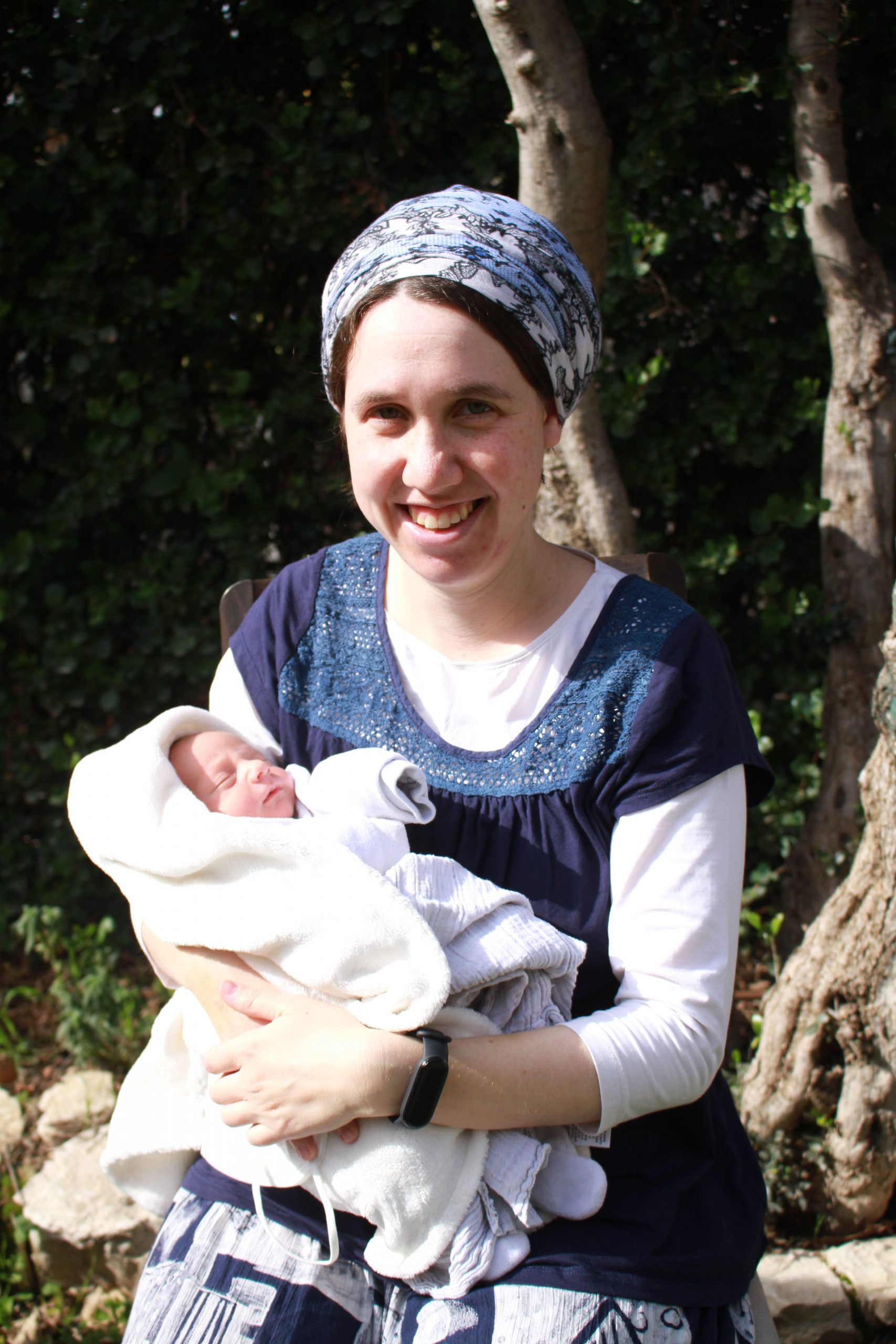
בתחילת הסבב הנוכחי הצטברו אצלי תחושות שאני לא מבינה מספיק מהי ההלכה אותה אני מקיימת בכל יום. כמו כן, כאמא לבנות רציתי לתת להן מודל נשי של לימוד תורה
שתי הסיבות האלו הובילו אותי להתחיל ללמוד. נתקלתי בתגובות מפרגנות וסקרניות איך אישה לומדת גמרא..
כמו שרואים בתמונה אני ממשיכה ללמוד גם היום ואפילו במחלקת יולדות אחרי לידת ביתי השלישית.

Noa Shiloh
נועה שילה

רבבה, ישראל

התחלתי ללמוד דף לפני קצת יותר מ-5 שנים, כשלמדתי רבנות בישיבת מהר”ת בניו יורק. בדיעבד, עד אז, הייתי בלימוד הגמרא שלי כמו מישהו שאוסף חרוזים משרשרת שהתפזרה, פה משהו ושם משהו, ומאז נפתח עולם ומלואו…. הדף נותן לי לימוד בצורה מאורגנת, שיטתית, יום-יומית, ומלמד אותי לא רק ידע אלא את השפה ודרך החשיבה שלנו. לשמחתי, יש לי סביבה תומכת וההרגשה שלי היא כמו בציטוט שבחרתי: הדף משפיע לטובה על כל היום שלי.

Michal Kahana
מיכל כהנא

חיפה, ישראל

אני לומדת גמרא כעשור במסגרות שונות, ואת הדף היומי התחלתי כשחברה הציעה שאצטרף אליה לסיום בבנייני האומה. מאז אני לומדת עם פודקסט הדרן, משתדלת באופן יומי אך אם לא מספיקה, מדביקה פערים עד ערב שבת. בסבב הזה הלימוד הוא "ממעוף הציפור”, מקשיבה במהירות מוגברת תוך כדי פעילויות כמו בישול או נהיגה, וכך רוכשת היכרות עם הסוגיות ואופן ניתוחם על ידי חז”ל. בע”ה בסבב הבא, ואולי לפני, אצלול לתוכו באופן מעמיק יותר.

Yael Bir
יעל ביר

רמת גן, ישראל

התחלתי ללמוד בשנת המדרשה במגדל עוז, בינתיים נהנית מאוד מהלימוד ומהגמרא, מעניין ומשמח מאוד!
משתדלת להצליח לעקוב כל יום, לפעמים משלימה קצת בהמשך השבוע.. מרגישה שיש עוגן מקובע ביום שלי והוא משמח מאוד!

Uriah Kesner
אוריה קסנר

חיפה , ישראל

התחלתי ללמוד בעידוד שתי חברות אתן למדתי בעבר את הפרק היומי במסגרת 929.
בבית מתלהבים מאוד ובשבת אני לומדת את הדף עם בעלי שזה מפתיע ומשמח מאוד! לימוד הדף הוא חלק בלתי נפרד מהיום שלי. לומדת בצהריים ומחכה לזמן הזה מידי יום…

Miriam Wengerover
מרים ונגרובר

אפרת, ישראל

התחלתי מחוג במסכת קידושין שהעבירה הרבנית רייסנר במסגרת בית המדרש כלנה בגבעת שמואל; לאחר מכן התחיל סבב הדף היומי אז הצטרפתי. לסביבה לקח זמן לעכל אבל היום כולם תומכים ומשתתפים איתי. הלימוד לעתים מעניין ומעשיר ולעתים קשה ואף הזוי… אך אני ממשיכה קדימה. הוא משפיע על היומיום שלי קודם כל במרדף אחרי הדף, וגם במושגים הרבים שלמדתי ובידע שהועשרתי בו, חלקו ממש מעשי

Abigail Chrissy
אביגיל כריסי

ראש העין, ישראל

הצטרפתי ללומדות בתחילת מסכת תענית. ההתרגשות שלי ושל המשפחה היתה גדולה מאוד, והיא הולכת וגוברת עם כל סיום שאני זוכה לו. במשך שנים רבות רציתי להצטרף ומשום מה זה לא קרה… ב”ה מצאתי לפני מספר חודשים פרסום של הדרן, ומיד הצטרפתי והתאהבתי. הדף היומי שינה את חיי ממש והפך כל יום- ליום של תורה. מודה לכן מקרב ליבי ומאחלת לכולנו לימוד פורה מתוך אהבת התורה ולומדיה.

Noa Rosen
נעה רוזן

חיספין רמת הגולן, ישראל

התחלתי ללמוד את הדף היומי מעט אחרי שבני הקטן נולד. בהתחלה בשמיעה ולימוד באמצעות השיעור של הרבנית שפרבר. ובהמשך העזתי וקניתי לעצמי גמרא. מאז ממשיכה יום יום ללמוד עצמאית, ולפעמים בעזרת השיעור של הרבנית, כל יום. כל סיום של מסכת מביא לאושר גדול וסיפוק. הילדים בבית נהיו חלק מהלימוד, אני משתפת בסוגיות מעניינות ונהנית לשמוע את דעתם.

Eliraz Blau
אלירז בלאו

מעלה מכמש, ישראל

התחלתי ללמוד דף יומי לפני שנתיים, עם מסכת שבת. בהתחלה ההתמדה היתה קשה אבל בזכות הקורונה והסגרים הצלחתי להדביק את הפערים בשבתות הארוכות, לסיים את מסכת שבת ולהמשיך עם המסכתות הבאות. עכשיו אני מסיימת בהתרגשות רבה את מסכת חגיגה וסדר מועד ומחכה לסדר הבא!

Ilana-Shachnowitz
אילנה שכנוביץ

מודיעין, ישראל

התחלתי ללמוד דף לפני קצת יותר מ-5 שנים, כשלמדתי רבנות בישיבת מהר”ת בניו יורק. בדיעבד, עד אז, הייתי בלימוד הגמרא שלי כמו מישהו שאוסף חרוזים משרשרת שהתפזרה, פה משהו ושם משהו, ומאז נפתח עולם ומלואו…. הדף נותן לי לימוד בצורה מאורגנת, שיטתית, יום-יומית, ומלמד אותי לא רק ידע אלא את השפה ודרך החשיבה שלנו. לשמחתי, יש לי סביבה תומכת וההרגשה שלי היא כמו בציטוט שבחרתי: הדף משפיע לטובה על כל היום שלי.

Michal Kahana
מיכל כהנא

חיפה, ישראל

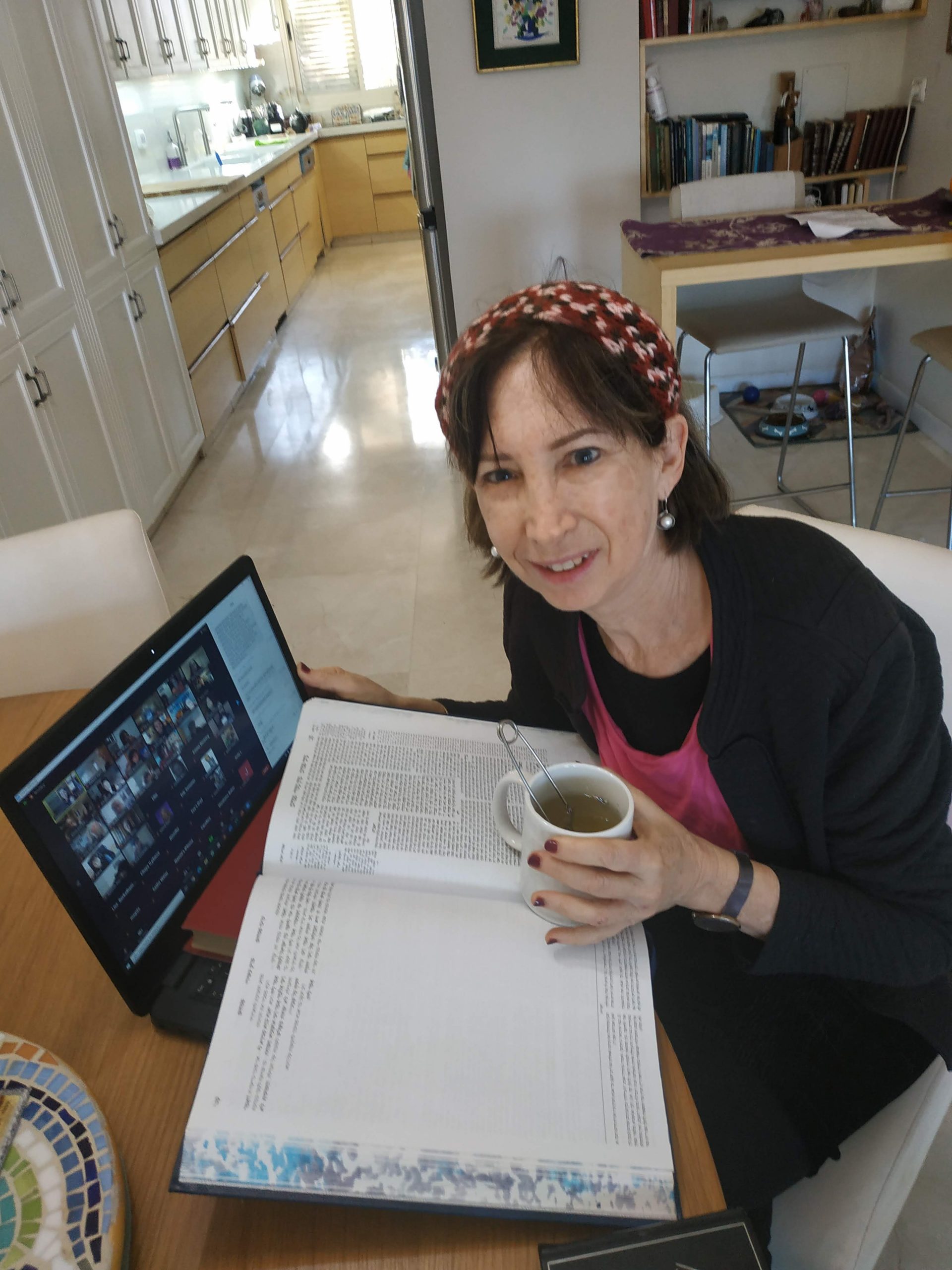
למדתי גמרא מכיתה ז- ט ב Maimonides School ואחרי העליה שלי בגיל 14 לימוד הגמרא, שלא היה כל כך מקובל בימים אלה, היה די ספוראדי. אחרי "ההתגלות” בבנייני האומה התחלתי ללמוד בעיקר בדרך הביתה למדתי מפוקקטסים שונים. לאט לאט ראיתי שאני תמיד חוזרת לרבנית מישל פרבר. באיזה שהוא שלב התחלתי ללמוד בזום בשעה 7:10 .
היום "אין מצב” שאני אתחיל את היום שלי ללא לימוד עם הרבנית מישל עם כוס הקפה שלי!!

selfie-scaled
דבי גביר

חשמונאים, ישראל

. לא תמיד נהניתי מלימוד גמרא כילדה.,בל כהתבגרתי התחלתי לאהוב את זה שוב. התחלתי ללמוד מסכת סוטה בדף היומי לפני כחמש עשרה שנה ואז הפסקתי.הגעתי לסיום הגדול של הדרן לפני שנתיים וזה נתן לי השראה. והתחלתי ללמוד למשך כמה ימים ואז היתה לי פריצת דיסק והפסקתי…עד אלול השנה. אז התחלתי עם מסכת ביצה וב”ה אני מצליחה לעמוד בקצב. המשפחה מאוד תומכת בי ויש כמה שגם לומדים את זה במקביל. אני אוהבת שיש עוגן כל יום.

Rebecca Darshan
רבקה דרשן

בית שמש, ישראל

אחי, שלומד דף יומי ממסכת ברכות, חיפש חברותא ללימוד מסכת ראש השנה והציע לי. החברותא היתה מאתגרת טכנית ורוב הזמן נעשתה דרך הטלפון, כך שבסיום המסכת נפרדו דרכינו. אחי חזר ללמוד לבד, אבל אני כבר נכבשתי בקסם הגמרא ושכנעתי את האיש שלי להצטרף אלי למסכת ביצה. מאז המשכנו הלאה, ועכשיו אנחנו מתרגשים לקראתו של סדר נשים!

Shulamit Saban
שולמית סבן

נוקדים, ישראל

התחלתי ללמוד דף יומי בסבב הקודם. זכיתי לסיים אותו במעמד המרגש של הדרן. בסבב הראשון ליווה אותי הספק, שאולי לא אצליח לעמוד בקצב ולהתמיד. בסבב השני אני לומדת ברוגע, מתוך אמונה ביכולתי ללמוד ולסיים. בסבב הלימוד הראשון ליוותה אותי חוויה מסויימת של בדידות. הדרן העניקה לי קהילת לימוד ואחוות נשים. החוויה של סיום הש”ס במעמד כה גדול כשנשים שאינן מכירות אותי, שמחות ומתרגשות עבורי , היתה חוויה מרוממת נפש

Ilanit Weil
אילנית ווייל

קיבוץ מגדל עוז, ישראל

לפני 15 שנה, אחרי עשרות שנים של "ג’ינגול” בין משפחה לקריירה תובענית בהייטק, הצטרפתי לשיעורי גמרא במתן רעננה. הלימוד המעמיק והייחודי של הרבנית אושרה קורן יחד עם קבוצת הנשים המגוונת הייתה חוויה מאלפת ומעשירה. לפני כשמונה שנים כאשר מחזור הדף היומי הגיע למסכת תענית הצטרפתי כ”חברותא” לבעלי. זו השעה היומית שלנו ביחד כאשר דפי הגמרא משתלבים בחיי היום יום, משפיעים ומושפעים, וכשלא מספיקים תמיד משלימים בשבת

Yodi Askoff
יודי אסקוף

רעננה, ישראל

בבא קמא סא

אֶלָּא לְמַאן דְּאָמַר טָמוּן בָּאֵשׁ קָמִיבַּעְיָא לֵיהּ, מַאי אִיבְּעִי לֵיהּ קְרָאֵי? אָמַר לָךְ: טָמוּן וַחֲדָא מֵהָנָךְ קָמִיבַּעְיָא לֵיהּ.

But according to Rava, who cited Rav Naḥman, the one who says that David asked with regard to the halakha of a concealed article damaged by a fire, for what purpose does he require the two verses that describe a field of lentils and a field of barley? Rav Naḥman could have said to you that David was asking both about concealed articles damaged by a fire and one of these other two dilemmas.

בִּשְׁלָמָא לְמַאן דְּאָמַר הָנֵי תַּרְתֵּי, הַיְינוּ דִּכְתִיב: ״וְלֹא אָבָה (דָּוִד) לִשְׁתוֹתָם״ – אֲמַר: כֵּיוָן דְּאִיכָּא אִיסּוּרָא, לָא נִיחָא לִי. אֶלָּא לְמַאן דְּאָמַר טָמוּן בָּאֵשׁ קָא מִבַּעְיָא לֵיהּ – מִכְּדִי גְּמָרָא הוּא דִּשְׁלַחוּ לֵיהּ, מַאי ״לֹא אָבָה (דָּוִד) לִשְׁתוֹתָם״?

Granted, according to the one who says one of these two explanations, that David was asking either about repaying barley with lentils or burning the stacks of barley, this is as it is written of David: “But he would not drink it” (II Samuel 23:16). David said to himself: Since there is a prohibition involved in this action, it is not satisfactory to me to act in this manner, even though technically it is permitted for a king. But according to the one who says that David was raising a dilemma with regard to the halakha of a concealed article damaged by a fire, since they sent him an answer that was a tradition with regard to the halakha, what is the meaning of: “But he would not drink it”?

דְּלָא אַמְרִינְהוּ מִשְּׁמַיְיהוּ. אָמַר, כָּךְ מְקוּבְּלַנִי מִבֵּית דִּינוֹ שֶׁל שְׁמוּאֵל הָרָמָתִי: כׇּל הַמּוֹסֵר עַצְמוֹ לָמוּת עַל דִּבְרֵי תוֹרָה – אֵין אוֹמְרִים דְּבַר הֲלָכָה מִשְּׁמוֹ.

The Gemara answers: This means that he did not say the halakha in their names. He did not transmit the ruling in the name of those who went in the time of battle to ask the Sages what the halakha is. David said to himself: This is the tradition that I received from the court of Samuel of Rama: With regard to anyone who hands himself over to die for the sake of words of Torah, the Sages do not say a matter of halakha in his name, so that others will not follow this ruling and endanger their lives.

״וַיַּסֵּךְ אֹתָם לַה׳״ – בִּשְׁלָמָא לְמַאן דְּאָמַר הָנֵי תַּרְתֵּי, מִשּׁוּם דַּעֲבַד לְשֵׁם שָׁמַיִם. אֶלָּא לְמַאן דְּאָמַר טָמוּן בָּאֵשׁ, מַאי ״וַיַּסֵּךְ אֹתָם לַה׳״? דְּאַמְרִינְהוּ מִשְּׁמָא דִגְמָרָא.

The Gemara asks another question: The verse states: “He poured it out to the Lord” (II Samuel 23:16), which indicates that David acted stringently and did not rely on the lenient ruling that he received. Granted, according to the one who says either of these two explanations, that David asked either about burning the stacks of barley or about replacing their value with lentils, he poured out the water to God due to the fact that he acted for the sake of Heaven and did not rely on the lenient ruling he had received. But according to the one who says that David asked about a concealed article damaged by a fire, what is the reason that he poured out the water to the Lord? The Gemara answers: The reason is that they said this halakha in the name of the tradition, without associating it with any specific individual.

מַתְנִי׳ עָבְרָה גָּדֵר שֶׁהוּא גָּבוֹהַּ אַרְבַּע אַמּוֹת, אוֹ דֶרֶךְ הָרַבִּים, אוֹ נָהָר – פָּטוּר.

MISHNA: If one kindled a fire that crossed a fence that is four cubits high, or if the fire crossed the public thoroughfare, or if the fire crossed a river, and in each case it caused damage on the other side, he is exempt from liability.

גְּמָ׳ וְהָתַנְיָא: עָבְרָה גָּדֵר שֶׁהוּא גָּבוֹהַּ אַרְבַּע אַמּוֹת – חַיָּיב!

GEMARA: The Gemara asks: But isn’t it taught in a baraita that if a fire crossed a fence that is four cubits in height, the one who kindled the fire is liable? This appears to contradict the mishna.

אָמַר רַב פָּפָּא: תַּנָּא דִּידַן קָא חָשֵׁיב מִלְּמַעְלָה לְמַטָּה: שֵׁשׁ אַמּוֹת – פָּטוּר, חָמֵשׁ אַמּוֹת – פָּטוּר, עַד אַרְבַּע אַמּוֹת – פָּטוּר. תַּנָּא בָּרָא מִלְּמַטָּה לְמַעְלָה קָא חָשֵׁיב: שְׁתֵּי אַמּוֹת – חַיָּיב, שָׁלֹשׁ אַמּוֹת – חַיָּיב, עַד אַרְבַּע אַמּוֹת – חַיָּיב.

Rav Pappa said: There is no dispute between the tanna of the mishna and the tanna of the baraita; there is merely a difference of how they stated their rulings. The tanna of our mishna counts downward from above to below. In other words, if the fire crossed a fence six cubits high, the one who kindled the fire is exempt; if it crossed a fence five cubits high, he is exempt; and this is the halakha until the fire crosses a fence of a minimum of four cubits high, where the one who kindled the fire is still exempt. Conversely, the tanna of the baraita counts up from below to above. The meaning is that if the fire crossed a fence two cubits high, the one who kindled the fire is liable; if the fire crossed a fence three cubits high, he is liable; and this is the halakha until the fire crosses a fence of a maximum of four cubits high, where the one who kindled the fire is still liable. Accordingly, there is no contradiction between the mishna and the baraita.

אָמַר רָבָא: אַרְבַּע אַמּוֹת שֶׁאָמְרוּ דְּפָטוּר – אֲפִילּוּ בִּשְׂדֵה קוֹצִים. אָמַר רַב פָּפָּא: וּמִשְּׂפַת קוֹצִים וּלְמַעְלָה אַרְבַּע אַמּוֹת.

§ Rava says: When they said in the mishna with regard to a fire crossing a fence four cubits high that the one who kindled the fire is exempt, this is even in a field of thorns. Rav Pappa says: And Rava’s statement is referring to a case where the height of the fence is four cubits counting from above the upper limit of the thorns.

אָמַר רַב: לֹא שָׁנוּ אֶלָּא בְּקוֹלַחַת, אֲבָל בְּנִכְפֶּפֶת – אֲפִילּוּ עַד מֵאָה אַמָּה חַיָּיב. וּשְׁמוּאֵל אָמַר: מַתְנִיתִין בְּנִכְפֶּפֶת, אֲבָל בְּקוֹלַחַת – אֲפִילּוּ כׇּל שֶׁהוּא פָּטוּר.

Rav says: They taught in the mishna that one is exempt from liability if the fire crosses a public thoroughfare only in a case where the flame blazes high [bekolaḥat]. But in a case where the flame blazes low [benikhpefet] and therefore spreads easily along the ground, the one who kindled the fire is liable even if the space that the fire crossed was up to one hundred cubits. And Shmuel said: The mishna exempts one from liability if the fire crosses a public thoroughfare in a case where the flame blazes low, but in a case where the flame blazes high, even any minimal gap between where the fire was kindled and where it caused damage renders the one who kindled the fire exempt.

תַּנְיָא כְּווֹתֵיהּ דְּרַב: בַּמֶּה דְּבָרִים אֲמוּרִים – בְּקוֹלַחַת, אֲבָל בְּנִכְפֶּפֶת וְעֵצִים מְצוּיִין לָהּ – אֲפִילּוּ עַד מֵאָה מִיל חַיָּיב. עָבְרָה נָהָר אוֹ שְׁלוּלִית שֶׁהֵם רְחָבִים שְׁמוֹנֶה אַמּוֹת – פָּטוּר.

It is taught in a baraita in accordance with the opinion of Rav: In what case is this statement said that one is exempt if the fire crosses a public thoroughfare? It is in a case where the flame blazes high. But in a case where the flame blazes low and there is wood to keep it burning, one is liable even if it causes damage at a distance of up to one hundred mil. If the fire crossed a river or a pool [shelulit] of water that is eight cubits wide, he is exempt from paying for the damage caused, regardless of whether the fire blazed high or low.

דֶּרֶךְ הָרַבִּים. מַאן תַּנָּא? אָמַר רָבָא: רַבִּי אֱלִיעֶזֶר הִיא – דִּתְנַן, רַבִּי אֱלִיעֶזֶר אוֹמֵר: שֵׁשׁ עֶשְׂרֵה אַמּוֹת כְּדֶרֶךְ רְשׁוּת הָרַבִּים (פָּטוּר).

§ The mishna teaches: If the fire crossed the public thoroughfare, he is exempt. The Gemara asks: Who is the tanna who holds this opinion? Rava said: It is Rabbi Eliezer, as we learned in a mishna (61b) that Rabbi Eliezer says: One is liable up to a distance of sixteen cubits, like the width of the public domain. By inference, one is exempt if a fire crosses a greater distance, i.e., across a public thoroughfare.

אוֹ נָהָר. רַב אָמַר: נָהָר מַמָּשׁ, וּשְׁמוּאֵל אָמַר: אֲרִיתָּא דְּדַלָּאֵי.

The mishna teaches: Or if the fire crossed a river, he is exempt. Rav says: The term stream means an actual river. And Shmuel says: This term means a water channel.

מַאן דְּאָמַר נְהַר מַמָּשׁ, אַף עַל גַּב דְּלֵיכָּא מַיָּא; וּמַאן דְּאָמַר אֲרִיתָּא דְּדַלָּאֵי, אִי אִית בֵּיהּ מַיָּא – אִין, אֲבָל לֵית בֵּיהּ מַיָּא – לָא.

The Gemara explains their dispute: The one who says that it is referring to an actual river, Rav, deems exempt one whose fire crosses a riverbed even when there is no water in it, since it is sufficiently deep and wide to prevent a typical fire from crossing it. But the one who says that it is referring to a water channel, Shmuel, holds that if the fire crosses a water channel that has water in it, yes, the one who kindled the fire is exempt. But if the fire crosses a water channel that does not have water in it, he is not exempt.

תְּנַן הָתָם: וְאֵלּוּ מַפְסִיקִין לַפֵּאָה – הַנַּחַל, וְהַשְּׁלוּלִית, וְדֶרֶךְ הַיָּחִיד, וְדֶרֶךְ הָרַבִּים.

We learned in a mishna elsewhere (Pe’a 2:1): And these, the following list of features, divide a field for the purpose of pe’a, i.e., it is no longer considered a single field, but instead pe’a must be given from each separate section: A stream, a shelulit, a private road, and a public thoroughfare.

מַאי שְׁלוּלִית? אָמַר רַב יְהוּדָה אָמַר שְׁמוּאֵל: מְקוֹם שֶׁמֵּי גְשָׁמִים שׁוֹלְלִין שָׁם. רַב בִּיבִי אָמַר רַבִּי יוֹחָנָן: אַמַּת הַמַּיִם שֶׁמְּחַלֶּקֶת שָׁלָל לַאֲגַפֶּיהָ.

The Gemara asks: What is a shelulit? Rav Yehuda says that Shmuel says: It is a place where rainwater gathers [sholelin]. Rav Beivai says that Rabbi Yoḥanan says: It is a water channel that distributes its spoils [shalal] to its banks, since the water spreads to the adjacent cisterns.

מַאן דְּאָמַר מְקוֹם שֶׁמֵּי גְשָׁמִים שׁוֹלְלִין שָׁם – כׇּל שֶׁכֵּן אַמַּת הַמַּיִם; וּמַאן דְּאָמַר אַמַּת הַמַּיִם – אֲבָל מְקוֹם שֶׁמֵּי גְשָׁמִים שׁוֹלְלִין שָׁם לָא מַפְסְקִי, דְּהָנְהוּ

The Gemara points out that according to the one who says that it means a place where rainwater gathers, Shmuel, since gathered rainwater divides a field, all the more so does a water channel, which is both larger and permanent, divide a field. But according to the one who says that only a water channel divides a field, Rabbi Yoḥanan, he holds that only that divides a field, but a place where rainwater gathers does not divide the field, since these

בָּאגָנֵי דְאַרְעָא מִקְּרוּ.

are simply called pools of the land, and are not considered significant enough to divide the field.

מַתְנִי׳ הַמַּדְלִיק בְּתוֹךְ שֶׁלּוֹ, עַד כַּמָּה תַּעֲבוֹר הַדְּלֵיקָה? רַבִּי אֶלְעָזָר בֶּן עֲזַרְיָה אוֹמֵר: רוֹאִין אוֹתוֹ כְּאִילּוּ הוּא בְּאֶמְצַע בֵּית כּוֹר. רַבִּי אֱלִיעֶזֶר אוֹמֵר: שֵׁשׁ עֶשְׂרֵה אַמּוֹת, כְּדֶרֶךְ רְשׁוּת הָרַבִּים. רַבִּי עֲקִיבָא אוֹמֵר: חֲמִשִּׁים אַמָּה. רַבִּי שִׁמְעוֹן אוֹמֵר: ״שַׁלֵּם יְשַׁלֵּם הַמַּבְעִר אֶת הַבְּעֵרָה״ – הַכֹּל לְפִי הַדְּלֵיקָה.

MISHNA: In a case of one who kindles a fire on his own premises, up to what distance may the fire travel within his property for him to still bear liability for damage caused? Rabbi Elazar ben Azaria says: The court views his location where he kindled the fire as if it were in the center of a beit kor. Therefore, if the fire spreads and causes damage farther away than half a beit kor, the one who kindled the fire is exempt, since he could not anticipate that the fire would spread so far. Rabbi Eliezer says: One is liable up to a distance of sixteen cubits, like the width of a public thoroughfare. Rabbi Akiva says: One is liable up to a distance of fifty cubits. Rabbi Shimon says: The verse states: “The one who kindled the fire shall pay [shallem yeshallem] compensation” (Exodus 22:5), to teach that everything is according to the fire.

גְּמָ׳ וְלֵית לֵיהּ לְרַבִּי שִׁמְעוֹן שִׁיעוּרָא בִּדְלֵיקָה?

GEMARA: Rabbi Shimon appears to hold that there is no maximum distance which would exempt one from liability for the spreading of a fire. The Gemara asks: But isn’t Rabbi Shimon of the opinion that there is a maximum limit concerning liability for a fire, beyond which one is exempt?

וְהָתְנַן: לֹא יַעֲמִיד אָדָם תַּנּוּר בְּתוֹךְ הַבַּיִת, אֶלָּא אִם כֵּן יֵשׁ עַל גַּבּוֹ גּוֹבַהּ דְּאַרְבַּע אַמּוֹת. הָיָה מַעֲמִידוֹ בַּעֲלִיָּיה – עַד שֶׁיְּהֵא תַּחְתָּיו מַעֲזִיבָה שְׁלֹשָׁה טְפָחִים. וּבַכִּירָה – טֶפַח. וְאִם הִזִּיק – מְשַׁלֵּם מַה שֶּׁהִזִּיק.

But didn’t we learn in a mishna (Bava Batra 20b): A person may not stand an oven inside the house unless there is a height of four cubits to the ceiling above it, out of concern that the ceiling might catch fire. Similarly, if he stood it in the attic, he should not do so unless there is plaster [ma’aziva] underneath it, above the ceiling of the floor below, three handbreadths in thickness, out of concern that the floor might catch fire. And in the case of a stove, which is smaller and does not reach temperatures as high as those of an oven, a thickness of one handbreadth is sufficient. And even though he may place his oven or stove in this manner, if the fire from the oven or stove causes damage, he must pay for what it damaged.

רַבִּי שִׁמְעוֹן אוֹמֵר: לֹא נֶאֶמְרוּ שִׁיעוּרִין הַלָּלוּ, אֶלָּא שֶׁאִם הִזִּיק – פָּטוּר מִלְּשַׁלֵּם!

The mishna continues: Rabbi Shimon says: These measurements were stated only to teach that if the fire from the oven or stove causes damage after the owner takes these precautions, he is exempt from paying compensation. Evidently, Rabbi Shimon does have a maximum distance beyond which one is not liable for fire.

אָמַר רַב נַחְמָן אָמַר רַבָּה בַּר אֲבוּהּ: הַכֹּל לְפִי גּוֹבַהּ הַדְּלֵיקָה.

Rav Naḥman says that Rabba bar Avuh says: This is how Rabbi Shimon’s statement in the mishna should be understood: Everything is according to the height of the fire he initially kindled. If it was a small fire he is not liable to pay for damage caused by it if it traveled far, whereas if he started a large fire, he is liable even if it traveled a great distance.

אָמַר רַב יוֹסֵף אָמַר רַב יְהוּדָה אָמַר שְׁמוּאֵל: הֲלָכָה כְּרַבִּי שִׁמְעוֹן. וְכֵן אָמַר רַב נַחְמָן אָמַר שְׁמוּאֵל: הֲלָכָה כְּרַבִּי שִׁמְעוֹן.

Rav Yosef says that Rav Yehuda says that Shmuel says: The halakha is in accordance with the opinion of Rabbi Shimon. And so Rav Naḥman says that Shmuel says: The halakha is in accordance with the opinion of Rabbi Shimon.

מַתְנִי׳ הַמַּדְלִיק אֶת הַגָּדִישׁ, וְהָיוּ בּוֹ כֵּלִים וְדָלְקוּ, רַבִּי יְהוּדָה אוֹמֵר: מְשַׁלֵּם מַה שֶּׁבְּתוֹכוֹ, וַחֲכָמִים אוֹמְרִים: אֵינוֹ מְשַׁלֵּם אֶלָּא גָּדִישׁ שֶׁל חִטִּין אוֹ שֶׁל שְׂעוֹרִין.

MISHNA: With regard to one who kindles a stack of wheat or barley and there were vessels concealed inside the stack and they caught fire and burned together with the stack, Rabbi Yehuda says: The one who kindled the fire also pays compensation for what was inside the stack, but the Rabbis say: He pays compensation only for the stack of wheat or barley, as the case may be, and he is not responsible for that which was concealed within it.

הָיָה גְּדִי כָּפוּת לוֹ, וְעֶבֶד סָמוּךְ לוֹ וְנִשְׂרַף עִמּוֹ – חַיָּיב. עֶבֶד כָּפוּת לוֹ, וּגְדִי סָמוּךְ לוֹ וְנִשְׂרַף עִמּוֹ – פָּטוּר.

If there was a goat tied to the stack of grain, and there was a Canaanite slave nearby who was not tied to it, and both the goat and the slave were burned together with the stack and killed, the one who kindled the fire is liable to pay compensation for both. Conversely, if the slave was tied to the stack and there was a goat nearby that was not tied to it, and they were both burned together with it, the one who kindled the fire is exempt from payment for damage because he is liable to receive capital punishment for murder, and he is punished only for the greater transgression.

וּמוֹדִים חֲכָמִים לְרַבִּי יְהוּדָה בְּמַדְלִיק אֶת הַבִּירָה, שֶׁהוּא מְשַׁלֵּם כׇּל מַה שֶּׁבְּתוֹכָהּ; שֶׁכֵּן דֶּרֶךְ בְּנֵי אָדָם לְהַנִּיחַ בַּבָּתִּים.

And the Rabbis, who disagree with Rabbi Yehuda and exempt one from payment for vessels concealed inside the stack in the field, concede to Rabbi Yehuda that if one sets fire to a building, he pays compensation for everything that was burned inside it, since it is the normal way of people to place items in houses.

גְּמָ׳ אָמַר רַב כָּהֲנָא: מַחֲלוֹקֶת בְּמַדְלִיק בְּתוֹךְ שֶׁלּוֹ וְהָלְכָה וְאָכְלָה בְּתוֹךְ שֶׁל חֲבֵירוֹ – דְּרַבִּי יְהוּדָה מְחַיַּיב אַנִּזְקֵי טָמוּן בָּאֵשׁ, וְרַבָּנַן פָּטְרִי; אֲבָל בְּמַדְלִיק בְּתוֹךְ שֶׁל חֲבֵירוֹ – דִּבְרֵי הַכֹּל מְשַׁלֵּם כׇּל מַה שֶּׁבְּתוֹכוֹ.

GEMARA: Rav Kahana says: This dispute between the Rabbis and Rabbi Yehuda concerning vessels concealed in a stack is referring specifically to a case where one kindled a fire on his own premises and the fire spread and consumed the stack on another’s property. In that case, Rabbi Yehuda deems the one who kindled the fire liable for damage to concealed articles damaged by a fire, but the Rabbis exempt him. But in a case of one who kindles a fire on another’s premises, all agree that he pays compensation for everything that is contained within it.

אֲמַר לֵיהּ רָבָא: אִי הָכִי, אַדְּתָנֵי סֵיפָא: מוֹדִים חֲכָמִים לְרַבִּי יְהוּדָה בְּמַדְלִיק אֶת הַבִּירָה – שֶׁמְּשַׁלֵּם כׇּל מַה שֶּׁבְּתוֹכָהּ, שֶׁכֵּן דֶּרֶךְ בְּנֵי אָדָם לְהַנִּיחַ בַּבָּתִּים; לִפְלוֹג וְלִיתְנֵי בְּדִידַהּ: בַּמֶּה דְּבָרִים אֲמוּרִים – בְּמַדְלִיק בְּתוֹךְ שֶׁלּוֹ, וְהָלְכָה וְאָכְלָה בְּתוֹךְ שֶׁל חֲבֵירוֹ; אֲבָל מַדְלִיק בְּתוֹךְ שֶׁל חֲבֵירוֹ – דִּבְרֵי הַכֹּל מְשַׁלֵּם כׇּל מַה שֶּׁהָיָה בְּתוֹכוֹ!

Rava said to him: If so, that the Rabbis concede to Rabbi Yehuda in the case of one who kindles the fire on the premises of another, then rather than teaching the latter clause that states: The Rabbis concede to Rabbi Yehuda that if one sets fire to a building he pays compensation for everything that was burned inside it, since it is the normal way of people to place items in houses, let the tanna instead distinguish and teach the concession of the Rabbis in the context of the same case of one setting fire to a stack: In what case is this statement said? It is said in a case where he kindled the fire on his own premises and it spread and consumed a stack on the premises of another. But if he kindled the fire on property belonging to another, all agree that he pays compensation for everything that was contained within it. Since the mishna is not worded in this manner, it seems that this is not the opinion of the Rabbis.

אֶלָּא אָמַר רָבָא: בְּתַרְתֵּי פְּלִיגִי; פְּלִיגִי בְּמַדְלִיק בְּתוֹךְ שֶׁלּוֹ וְהָלְכָה וְאָכְלָה בְּתוֹךְ שֶׁל חֲבֵירוֹ – דְּרַבִּי יְהוּדָה מְחַיַּיב אַטָּמוּן בָּאֵשׁ, וְרַבָּנַן סָבְרִי לָא מִחַיַּיב. וּפְלִיגִי נָמֵי בְּמַדְלִיק בְּשֶׁל חֲבֵירוֹ – דְּרַבִּי יְהוּדָה סָבַר: מְשַׁלֵּם כׇּל מַה שֶּׁבְּתוֹכוֹ, וַאֲפִילּוּ אַרְנְקִי, וְרַבָּנַן סָבְרִי: כֵּלִים שֶׁדַּרְכָּן לְהַטְמִין בְּגָדִישׁ, כְּגוֹן מוֹרִיגִּין וּכְלֵי בָּקָר – הוּא דִּמְשַׁלֵּם; כֵּלִים שֶׁאֵין דַּרְכָּן לְהַטְמִין בְּגָדִישׁ – לָא מְשַׁלֵּם.

Rather, Rava said that the Rabbis and Rabbi Yehuda disagree with regard to two issues: They disagree with regard to the case of one who kindles a fire on his own premises and it then spreads and consumes a stack on property belonging to another, as Rabbi Yehuda deems him liable even for a concealed article damaged by a fire, but the Rabbis hold that he is not liable. And they disagree also in the case of one who kindles a fire on premises belonging to another, as Rabbi Yehuda holds that he must pay compensation for everything within it, even a purse of money if it was concealed within the stack, but the Rabbis hold that it is only for vessels that are typically concealed inside a stack, such as threshing tools or yokes for cattle, that he must pay compensation, but for vessels or other items that are not typically concealed inside a stack he is not liable to pay compensation.

תָּנוּ רַבָּנַן: הַמַּדְלִיק אֶת הַגָּדִישׁ, וְהָיוּ בּוֹ כֵּלִים וְדָלְקוּ, רַבִּי יְהוּדָה אוֹמֵר: מְשַׁלֵּם כׇּל מַה שֶּׁהָיָה בְּתוֹכוֹ, וַחֲכָמִים אוֹמְרִים: אֵינוֹ מְשַׁלֵּם אֶלָּא גָּדִישׁ שֶׁל חִטִּין אוֹ גָדִישׁ שֶׁל שְׂעוֹרִין. וְרוֹאִין מְקוֹם כֵּלִים כְּאִילּוּ הוּא מָלֵא תְּבוּאָה.

The Sages taught: With regard to one who kindles a stack and there were vessels inside it that were burned, Rabbi Yehuda says: The one who kindled the fire pays compensation for everything that was inside it, but the Rabbis say: He pays compensation only for the value of a stack of wheat or a stack of barley, and he does not pay compensation for the vessels. And the court views the place where the vessels were as if it were filled with grain, and calculates the amount of compensation accordingly.

רוצה לעקוב אחרי התכנים ולהמשיך ללמוד?

ביצירת חשבון עוד היום ניתן לעקוב אחרי ההתקדמות שלך, לסמן מה למדת, ולעקוב אחרי השיעורים שמעניינים אותך.
לנקות את כל הפריטים מהרשימה?

פעולה זו תסיר את כל הפריטים בחלק זה כולל ההתקדמות וההיסטוריה. שימי לב: לא ניתן לשחזר פעולה זו.

ביטול
מחיקה

האם את/ה בטוח/ה שברצונך למחוק פריט זה?

תאבד/י את כל ההתקדמות או ההיסטוריה הקשורות לפריט זה.

ביטול
מחיקה