







רב קבע כי גנב חייב להחזיר את הקרן לפי השווי בזמן הגניבה ותשלום הכפל והתשלומי ארבעה וחמשה לפי השווי בהעמדה בדין (או לפני טביחה/מכירה). רב ששת מעלה קושי נגד רב משתי ברייתות, אך מתרצים. אך מגבילים את דינו של רב לאחר קושיית רב ששת. מביאים ברייתא לתמוך ברב, אך רבא דוחה את ההוכחה. רבי אילעא דן במקרה שנגנבה בהמה כעגל אך הופכת לשור לפני התשלום ופוסק על פי מה משלם הגנב. רבי חנינא מעורר קושי על פסיקתו של רבי אילעא מברייתא. מה הבסיס למחלוקת ביניהם?
הלימוד השבוע מוקדש ע”י טינה לם לרפואת מעין ליאורה בת שלומית פייגא
רוצה להקדיש שיעור?

0:00
0:00
כלים
הלימוד השבוע מוקדש ע”י טינה לם לרפואת מעין ליאורה בת שלומית פייגא
בבא קמא סה
אֵין לִי אֶלָּא יָדוֹ, גַּגּוֹ חֲצֵירוֹ וְקַרְפֵּיפוֹ מִנַּיִן? תַּלְמוּד לוֹמַר: ״אִם הִמָּצֵא תִמָּצֵא״ מִכׇּל מָקוֹם!
I have derived only a case where the stolen item is found in his hand [yado]. From where do I derive that the same halakha applies if it is found on his roof, in his yard, or in his enclosure [vekarpeifo]? The verse states the repetitive phrase “if the theft shall be found [himmatze timmatze],” to indicate that the same halakha applies in any case, i.e., in any location that the stolen item is found.
אִם כֵּן, לֵימָא קְרָא אוֹ ״הִמָּצֵא הִמָּצֵא״ אוֹ ״תִּמָּצֵא תִמָּצֵא״; מִדְּשַׁנִּי קְרָא, שְׁמַע מִינַּהּ תַּרְתֵּי.
The Gemara answers: If so, if this is all the phrase is coming to teach, let the verse state the identical word twice: Himmatze himmatze, or: Timmatze timmatze. From the fact that the verse varied its wording, one may conclude two halakhot from it: That one is liable to pay double payment regardless of where the stolen item was found, and that a thief pays double payment even if he did not take an oath.
גּוּפָא – אָמַר רַב: קֶרֶן – כְּעֵין שֶׁגָּנַב. תַּשְׁלוּמֵי כֶפֶל וְתַשְׁלוּמֵי אַרְבָּעָה וַחֲמִשָּׁה – כִּשְׁעַת הַעֲמָדָה בַּדִּין.
§ The Gemara returns to the matter itself. Rav says: When a thief makes his payments, the principal is paid according to the value as of the time when he stole it, whereas the double payment and the fourfold or fivefold payment are calculated according to the value at the time of standing trial.
מַאי טַעְמָא דְּרַב? אָמַר קְרָא: ״גְּנֵיבָה״ וְ״חַיִּים״. אַמַּאי קָאָמַר רַחֲמָנָא ״חַיִּים״ בִּגְנֵיבָה? אַחֲיַיהּ לְקֶרֶן כְּעֵין שֶׁגָּנַב.
The Gemara asks: What is the reason, i.e., the source, for this ruling of Rav? The Gemara answers: The verse states: “If the theft shall be found in his possession alive, whether it is an ox, or a donkey, or a sheep, he shall pay double” (Exodus 22:3). Why is the Merciful One saying “alive [ḥayyim]” in the context of this theft? This juxtaposition serves to teach: When making payment, revive [aḥayah] the principal to the value it had as of the time when he stole it.
אָמַר רַב שֵׁשֶׁת: אָמֵינָא, כִּי נָיֵים וְשָׁכֵיב רַב אָמַר לְהָא שְׁמַעְתָּא. דְּתַנְיָא: כְּחוּשָׁה וְהִשְׁמִינָהּ – מְשַׁלֵּם תַּשְׁלוּמֵי כֶפֶל וְתַשְׁלוּמֵי אַרְבָּעָה וַחֲמִשָּׁה כְּעֵין שֶׁגָּנַב.
Rav Sheshet said: I say that when Rav was sleepy and lying down to rest, he said this halakha. Rav Sheshet meant that this is a careless ruling, as it is contrary to a baraita. As it is taught in a baraita: If the animal was stolen when it was lean and the thief fattened it, he pays the double payment and the fourfold or fivefold payment according to the value of the animal as of the time when he stole it. This shows that the double payment and the fourfold and fivefold payment are applied in accordance with the value of the item at the time of the theft, not its value at the time of trial, as claimed by Rav.
אָמְרִי, מִשּׁוּם דַּאֲמַר לֵיהּ: ״אֲנָא פַּטֵּימְנָא וְאַתְּ שָׁקְלַתְּ?!״
The Sages say in response: This baraita is not a refutation of Rav’s opinion, because the thief could say to the owner of the animal: I fattened the animal myself, and will you take for yourself the added value from its fattening? In this particular case, Rav would agree that all payments are in accordance with the value of the item at the time of the theft.
תָּא שְׁמַע: שְׁמֵינָה וְהִכְחִישָׁהּ – מְשַׁלֵּם תַּשְׁלוּמֵי כֶפֶל וְתַשְׁלוּמֵי אַרְבָּעָה וַחֲמִשָּׁה כְּעֵין שֶׁגָּנַב!
The Gemara asks further: Come and hear another baraita that apparently contradicts Rav’s ruling. If the animal was stolen when it was fat and the thief caused it to become lean, he pays the double payment and the fourfold or fivefold payment according to the value of the animal as of the time when he stole it. The double and fourfold and fivefold payments are not paid in accordance with the value at the time of the trial, as claimed by Rav.
הָתָם נָמֵי – מִשּׁוּם דְּאָמְרִינַן לֵיהּ: מָה לִי קַטְלַהּ כּוּלַּהּ, מָה לִי קַטְלַהּ פַּלְגָא. כִּי קָאָמַר רַב – בְּיוּקְרָא וְזוּלָא הוּא דְּקָאָמַר.
The Gemara answers: There too, there is a reason for this exception, because we say of the thief: What is it to me if he killed the animal entirely, and what is it to me if he killed it partially? By causing the animal to become lean, the thief is considered to have started to put it to death. Consequently, when he ultimately kills the animal, he pays the fourfold or fivefold payment according to its value when he first began to weaken it, i.e., at the time of the theft. When Rav says his ruling, he is saying it only with regard to cases of appreciation in value and depreciation in value, not to changes in the animal’s physical state.
הֵיכִי דָמֵי? אִילֵּימָא דְּמֵעִיקָּרָא שָׁוְיָא זוּזָא, וּלְבַסּוֹף שָׁוְיָא אַרְבְּעָה זוּזֵי – קֶרֶן כְּעֵין שֶׁגָּנַב; לֵימָא פְּלִיגָא דְּרַב אַדְּרַבָּה? דְּאָמַר רַבָּה: הַאי מַאן דִּגְזַל חָבִיתָא דְחַמְרָא מֵחַבְרֵיהּ, מֵעִיקָּרָא שָׁוְיָא זוּזָא וּלְבַסּוֹף שָׁוְיָא אַרְבְּעָה זוּזֵי, תַּבְרַהּ אוֹ שַׁתְיַיהּ – מְשַׁלֵּם אַרְבְּעָ[ה]. אִיתְּבַר מִמֵּילָא – מְשַׁלֵּם זוּזָא.
What are the circumstances of the case referred to by Rav? If we say that initially the stolen item was worth one dinar and in the end it was worth four dinars, and Rav teaches that the thief pays the principal according to the value of the animal as of the time when he stole it, which is one dinar, shall we say that Rav disagrees with this ruling of Rabba? As Rabba says: With regard to this one who robbed another of a barrel of wine, if it was initially worth one dinar and ultimately it was worth four dinars, and after its appreciation the robber broke the barrel or drank the wine, he pays four dinars. If the barrel broke by itself, he pays one dinar. Rabba holds that even the principal is paid according to the time when he broke the barrel.
אָמְרִי: כִּי קָאָמַר רַב – כְּגוֹן דְּמֵעִיקָּרָא שָׁוְיָא אַרְבְּעָ[ה] וּלְבַסּוֹף שָׁוְיָא זוּזָא; קֶרֶן – כְּעֵין שֶׁגָּנַב, תַּשְׁלוּמֵי כֶפֶל וְתַשְׁלוּמֵי אַרְבָּעָה וַחֲמִשָּׁה – כִּשְׁעַת הַעֲמָדָה בַּדִּין.
The Sages say in response that Rav agrees with Rabba with regard to the above case. When Rav says his halakha he is referring to a case where, for example, the item was initially worth four dinars and ultimately was worth one dinar. In this situation, Rav maintains that the thief does not profit from the decrease in the value of the principal. Rather, he pays the principal according to its value as of the time when he stole it, and the double payment and the fourfold or fivefold payment are paid according to the value at the time of standing trial.
תָּנֵי רַבִּי חֲנִינָא לְסַיּוֹעֵיהּ לְרַב: בַּעַל הַבַּיִת שֶׁטָּעַן טַעֲנַת גַּנָּב בְּפִקָּדוֹן, וְנִשְׁבַּע, וְהוֹדָה, וּבָאוּ עֵדִים – אִם עַד שֶׁלֹּא בָּאוּ עֵדִים הוֹדָה, מְשַׁלֵּם קֶרֶן וָחוֹמֶשׁ וְאָשָׁם; וְאִם מִשֶּׁבָּאוּ עֵדִים הוֹדָה – מְשַׁלֵּם תַּשְׁלוּמֵי כֶפֶל וְאָשָׁם, וְחוּמְשׁוֹ עוֹלֶה לוֹ בִּכְפֵילוֹ; דִּבְרֵי רַבִּי יַעֲקֹב.
Rabbi Ḥanina teaches a baraita in support of Rav: In the case of a homeowner acting as a bailee, who falsely stated the claim that a thief stole the deposit, and subsequently took an oath as to the truth of his claim, and then admitted that he was lying and that he in fact took the item himself, and at some point witnesses came and testified that the bailee himself had the item, if he admitted his guilt before the witnesses came and testified, he pays the principal and an additional one-fifth, and he must also bring a guilt-offering. But if he admitted his guilt after witnesses came and testified, he pays the double payment and brings a guilt-offering, and his additional one-fifth is covered by his double payment that he pays; this is the statement of Rabbi Ya’akov.
וַחֲכָמִים אוֹמְרִים: ״בְּרֹאשׁוֹ וַחֲמִשִׁתָיו״; מָמוֹן הַמִּשְׁתַּלֵּם בְּרֹאשׁ – מוֹסִיף חוֹמֶשׁ, מָמוֹן שֶׁאֵין מִשְׁתַּלֵּם בְּרֹאשׁ – אֵין מוֹסִיף חוֹמֶשׁ. רַבִּי שִׁמְעוֹן בֶּן יוֹחַאי אוֹמֵר: אֵין חוֹמֶשׁ וְאָשָׁם מִשְׁתַּלֵּם בְּמָקוֹם שֶׁיֵּשׁ כֶּפֶל.
And the Rabbis say: It is written concerning a bailee who falsely claims innocence with regard to a deposit entrusted to him: “He shall restore it according to its principal, and shall add its fifth part to it” (Leviticus 5:24). This verse teaches that with regard to monetary restitution that is paid precisely according to the principal, one adds one-fifth, but for monetary restitution that is not paid precisely according to the principal, as is the case here, where the bailee pays double the principal value, one does not add one-fifth. Rabbi Shimon ben Yoḥai says: Neither the additional one-fifth nor the guilt-offering is paid in a case where there is double payment. This concludes the baraita.
קָתָנֵי מִיהַת: חוּמְשׁוֹ עוֹלֶה לוֹ בִּכְפֵילוֹ, דִּבְרֵי רַבִּי יַעֲקֹב. הֵיכִי דָמֵי? אִילֵּימָא דְּמֵעִיקָּרָא שָׁוְיָא אַרְבְּעָה וּלְבַסּוֹף שָׁוְיָא אַרְבְּעָה, חוּמְשׁוֹ עוֹלֶה לוֹ בִּכְפֵילוֹ?!
Rabbi Ḥanina explains: In any event, the baraita teaches: His payment of the additional one-fifth is covered by his double payment; this is the statement of Rabbi Ya’akov. What are the circumstances of this case? If we say that the stolen item was initially worth four dinars and ultimately, at the time of trial, was still worth four dinars, how could he say: His payment of the additional one-fifth is covered by his double payment?
כְּפֵילָא אַרְבְּעָה, וְחוּמְשָׁא זוּזָא! אֶלָּא לָאו דְּמֵעִיקָּרָא שָׁוְיָא אַרְבְּעָה, וּלְבַסּוֹף שָׁוְיָא זוּזָא, דִּכְפֵילָא זוּזָא וְחוּמְשֵׁיהּ זוּזָא?
This statement is inaccurate in this case, as the double payment, i.e., the penalty included in the double payment, is four dinars, and the additional one-fifth is one dinar. When the Torah states “fifth” it means one-fifth of the total payment of the one-fifth and the principal together, i.e., one-quarter of the principal. For the additional one-fifth to be covered by the double payment, the two must be exactly equal, which is not the case here. Rather, is it not referring to a situation where initially it was worth four dinars and at the end it was worth one dinar, as the penalty component of the double payment is one dinar and the additional one-fifth is also one dinar?
אַלְמָא קֶרֶן כְּעֵין שֶׁגָּנַב, תַּשְׁלוּמֵי כֶפֶל וְתַשְׁלוּמֵי אַרְבָּעָה וַחֲמִשָּׁה כִּשְׁעַת הַעֲמָדָה בַּדִּין!
Apparently, the principal, as well as the additional one-fifth, is paid according to the value as of the time when he stole, whereas the double payment and the fourfold or fivefold payment is according to the value at the time of standing trial, as claimed by Rav.
אָמַר רָבָא: לְעוֹלָם דְּמֵעִיקָּרָא שָׁוְיָא אַרְבְּעָה וְהַשְׁתָּא נָמֵי שָׁוְיָא אַרְבְּעָה, וּדְקָא קַשְׁיָא: כְּפֵילָא אַרְבְּעָה וְחוּמְשֵׁיהּ זוּזָא, הָכָא בְּמַאי עָסְקִינַן – כְּגוֹן שֶׁנִּשְׁבַּע וְחָזַר וְנִשְׁבַּע אַרְבַּע פְּעָמִים, וְהוֹדָה; וְהַתּוֹרָה אָמְרָה ״וַחֲמִשִׁתָיו״ –
The Gemara refutes this analysis. Rava said: Actually, the baraita could be referring to a case in which initially it was worth four dinars and now, at the time of trial, it is also worth four dinars. And as for what is difficult with this case, namely that the double payment is four dinars and the additional one-fifth is one dinar, this problem can be resolved as follows: With what are we dealing here? It is a case where the bailee took an oath that the deposit was stolen from him, and he again took the same oath, and so on four times, and after each oath he admitted afterward that he had lied. And the Torah said: “And shall add its fifth part [ḥamishitav] to it” (Leviticus 5:24).
הַתּוֹרָה רִיבְּתָה חֲמִישִׁיּוֹת הַרְבֵּה בְּקֶרֶן אַחַת.
Rava continues: The term ḥamishitav is in the plural, which indicates that the Torah included the possibility of many payments of an additional one-fifth for a single principal. In other words, each time the bailee takes a false oath he becomes obligated to pay an additional one-fifth, despite the fact that each oath concerns the same item. Since he did so four times, and the one-fifth is actually one-quarter of the principal, the total amount of payments of the additional one-fifth is equal to the principal, which is the same as the penalty component of the double payment.
אָמַר מָר, וַחֲכָמִים אוֹמְרִים: ״בְּרֹאשׁוֹ וַחֲמִשִׁתָיו״ – מָמוֹן הַמִּשְׁתַּלֵּם בְּרֹאשׁ מוֹסִיף חוֹמֶשׁ, מָמוֹן שֶׁאֵין מִשְׁתַּלֵּם בְּרֹאשׁ אֵין מוֹסִיף חוֹמֶשׁ. אֲבָל אָשָׁם – מַיְיתֵי,
§ The Master said in the baraita: And the Sages say: “He shall restore it according to its principal, and shall add its fifth part to it” (Leviticus 5:24). This verse teaches that for monetary restitution that is paid precisely according to the principal, one adds one-fifth. But for monetary restitution that is not paid precisely according to the principal, one does not add one-fifth. The Gemara infers: He does not add one-fifth, but he is obligated to bring a guilt-offering.
מַאי שְׁנָא חוֹמֶשׁ דְּלָא מְשַׁלֵּם – דִּכְתִיב: ״בְּרֹאשׁוֹ וַחֲמִשִׁתָיו״, אָשָׁם נָמֵי לָא מְשַׁלֵּם – דְּהָא כְּתִיב: ״בְּרֹאשׁוֹ וַחֲמִשִׁתָיו״, ״וְאֶת אֲשָׁמוֹ״!
The Gemara asks: What is different about the additional one-fifth in that case, that he does not have to pay it? As it is written: “He shall restore it according to its principal, and shall add its fifth part to it.” This indicates that the additional one-fifth is linked to the payment of the precise amount of the principal amount. If so, with regard to the guilt offering as well, he should not have to pay, i.e., bring it, as it is written: “He shall restore it according to its principal, and shall add its fifth part to it…and his guilt-offering [ve’et ashamo] he shall bring to the Lord” (Leviticus 5:24–25). The verse links the guilt-offering to the payment of the precise amount of the principal, just like it does the additional one-fifth.
אָמְרִי לָךְ רַבָּנַן: ״אֶת״ פַּסְקֵיהּ קְרָא.
The Gemara answers: The Sages would say to you in response: The superfluous word “et” in the phrase “and his guilt offering [ve’et ashamo]” divides the verse. Therefore, only the additional one-fifth payment, but not the guilt-offering, is linked to the payment of the precise amount of the principal.
וְרַבִּי שִׁמְעוֹן בֶּן יוֹחַאי – ״וְאֶת״ עָרְבֵיהּ קְרָא. וְרַבָּנַן אָמְרִי לָךְ: לָא לִיכְתּוֹב רַחֲמָנָא לָא וָיו וְלֹא ״אֶת״.
The Gemara asks: And Rabbi Shimon ben Yoḥai, who maintains that this bailee is exempt from a guilt-offering as well, how would he respond to the Sages’ argument concerning “et”? He would point out that the term in question is actually “ve’et,” consisting of the word et preceded by the letter vav, meaning “and.” The conjunction joins the clauses of the verse. Therefore, both the additional one-fifth payment and the guilt-offering are linked to the payment of the precise amount of the principal. And the Rabbis would respond to Rabbi Shimon ben Yoḥai’s claim and say to you: If the Torah had intended that the two issues should be joined together, let the Merciful One write neither the vav nor “et.”
וְרַבִּי שִׁמְעוֹן בֶּן יוֹחַאי אָמַר לָךְ: ״אֶת״ לָא סַגִּיא דְּלָא כְּתַב – לְאַפְסוֹקֵי בֵּין מָמוֹן גָּבוֹהַּ לְמָמוֹן הֶדְיוֹט; הִלְכָּךְ אֲתָא וָיו עָרְבֵיהּ קְרָא.
And Rabbi Shimon ben Yoḥai could have said to you in response to this argument: It is not possible for the verse to have not written “et,” as this term is necessary to separate between property belonging to the Most High, i.e., the guilt-offering, and non-sacred property, i.e., that of a Jew. Therefore, as the verse had to use “et” to indicate this difference, the vav comes and joins the clauses of the verse.
אָמַר רַבִּי אִילְעָא: גָּנַב טָלֶה וְנַעֲשָׂה אַיִל, עֵגֶל וְנַעֲשָׂה שׁוֹר – נַעֲשָׂה שִׁינּוּי בְּיָדוֹ, וּקְנָאוֹ. טָבַח וּמָכַר – שֶׁלּוֹ הוּא טוֹבֵחַ, שֶׁלּוֹ הוּא מוֹכֵר.
§ The Gemara discusses other cases in which an object undergoes a change after it has been stolen. Rabbi Ile’a says: If one stole a lamb and it subsequently became a ram, or if he stole a calf and it subsequently became a bull, the stolen item has undergone a change while in the thief’s possession, and he has therefore acquired it as his own property. Consequently, his obligation of restitution consists of monetary payment rather than giving back the stolen item itself. If he subsequently slaughtered or sold the animal, it is in effect his own animal that he slaughters, or it is his own animal that he sells, and he is not obligated in the fourfold or fivefold payment.
אֵיתִיבֵיהּ רַבִּי חֲנִינָא לְרַבִּי אִילְעָא: גָּנַב טָלֶה וְנַעֲשָׂה אַיִל, עֵגֶל וְנַעֲשָׂה שׁוֹר – מְשַׁלֵּם תַּשְׁלוּמֵי כֶפֶל וְתַשְׁלוּמֵי אַרְבָּעָה וַחֲמִשָּׁה, כְּעֵין שֶׁגָּנַב. וְאִי סָלְקָא דַעְתָּךְ קַנְיֵיהּ בְּשִׁינּוּי, אַמַּאי מְשַׁלֵּם? שֶׁלּוֹ הוּא טוֹבֵחַ, שֶׁלּוֹ הוּא מוֹכֵר!
Rabbi Ḥanina raised an objection to Rabbi Ile’a from a baraita: If one stole a lamb and it subsequently became a ram, or if he stole a calf and it subsequently became a bull, he pays the double payment and the fourfold or fivefold payment according to the animal’s value as of the time when he stole it. And if it enters your mind that in a case of this kind the thief has acquired the animal as his own property by virtue of the physical change the animal underwent when it matured, why does he pay the fourfold or fivefold payment? After all, it is his own animal that he slaughters, or it is his own animal that he sells.
אֲמַר לֵיהּ: וְאֶלָּא מַאי, שִׁינּוּי לָא קָנֵי? אַמַּאי מְשַׁלֵּם כְּעֵין שֶׁגָּנַב? לְשַׁלֵּם כִּי הַשְׁתָּא!
Rabbi Ile’a said to him: Rather, what would you conclude from the baraita? That this physical change in the stolen animal does not serve to acquire it for the thief and render it his property? If so, why should he pay according to the animal’s value as of the time when he stole it? Let him pay according to the animal’s value now, i.e., at the time of the slaughter or sale.
אֲמַר לֵיהּ: כִּי הַשְׁתָּא הַיְינוּ טַעְמָא דְּלָא מְשַׁלֵּם – מִשּׁוּם דַּאֲמַר לֵיהּ: ״תּוֹרָא גְּנַבִי מִמָּךְ?״ ״דִּיכְרָא גְּנַבִי מִמְּךָ?״ אֲמַר לֵיהּ: רַחֲמָנָא נַיצְּלַן מֵהַאי דַּעְתָּא! אֲמַר לֵיהּ: אַדְּרַבָּה, רַחֲמָנָא נַיצְּלַן מִדַּעְתָּא דִּידָךְ!
Rabbi Ḥanina said to him: This is the reason that he does not pay in accordance with the animal’s value now: It is because the thief can say to the animal’s owner: Did I steal a bull from you, or: Did I steal a ram from you? No; I stole only a calf or a lamb, and therefore I will pay you the value of the animal when I stole it. Rabbi Ile’a said to Rabbi Ḥanina: May the Merciful One save us from this opinion of yours! Rabbi Ḥanina said back to him: On the contrary, may the Merciful One save us from your opinion!
מַתְקֵיף לַהּ רַבִּי זֵירָא: וְנִיקְנִינְהוּ בְּשִׁינּוּי הַשֵּׁם!
Rabbi Zeira objects to this: But even if an animal’s natural growth is not considered a physical change, let the thief acquire it through its change in name, i.e., its change of classification, as the animal was originally called a calf or a lamb and now it is considered a bull or ram.
אָמַר רָבָא: שׁוֹר בֶּן יוֹמוֹ קָרוּי ״שׁוֹר״, אַיִל בֶּן יוֹמוֹ קָרוּי ״אַיִל״. שׁוֹר בֶּן יוֹמוֹ קָרוּי ״שׁוֹר״ – דִּכְתִיב: ״שׁוֹר אוֹ כֶשֶׂב אוֹ עֵז כִּי יִוָּלֵד״.
Rava says: There is in fact no change in name here, as even a day-old bull is called a bull, and even a day-old ram is called a ram. A day-old bull is called a bull, as it is written: “When a bull, or a sheep, or a goat is born” (Leviticus 22:27).
אַיִל בֶּן יוֹמוֹ קָרוּי ״אַיִל״ – דִּכְתִיב: ״וְאֵילֵי צֹאנְךָ לֹא אָכָלְתִּי״ – אֵילִים הוּא דְּלָא אֲכַל, כְּבָשִׂים אֲכַל?! אֶלָּא לָאו שְׁמַע מִינַּהּ אַיִל בֶּן יוֹמוֹ ״קָרוּי״ אַיִל?
A day-old ram is called a ram, as can be derived from Jacob’s statement to Laban, as it is written: “And the rams of your flock I have not eaten” (Genesis 31:38). Now, did Jacob mean that he did not eat any of Laban’s rams, but younger lambs he did eat? This is certainly not the meaning of this verse, as this would mean he was a thief. Rather, must one not conclude from this verse that a day-old ram is called a ram?
מִכׇּל מָקוֹם קַשְׁיָא! אָמַר רַב שֵׁשֶׁת: הָא מַנִּי – בֵּית שַׁמַּאי הִיא, דְּאָמְרִי: שִׁינּוּי בִּמְקוֹמוֹ עוֹמֵד(ת), וְלָא קָנֵי.
In any case, the baraita cited earlier by Rabbi Ḥanina is difficult for the opinion of Rabbi Ile’a, as it states that the thief must pay the fourfold or fivefold payment despite the fact that the slaughter or sale of the animal took place after it matured from a calf to a bull or from a lamb to a ram. To resolve the difficulty, Rav Sheshet said: In accordance with whose opinion is this baraita? It is in accordance with the opinion of Beit Shammai, who say: An item, even if it has undergone a physical change, remains in its place, i.e., a stolen item remains in the possession of its owner, and a thief does not acquire it even if it undergoes a change.
דְּתַנְיָא: נָתַן לָהּ בְּאֶתְנַנָּהּ חִיטִּין וַעֲשָׂאָן סוֹלֶת, זֵיתִים וַעֲשָׂאָן שֶׁמֶן, עֲנָבִים וַעֲשָׂאָן יַיִן; תָּנֵי חֲדָא אָסוּר, וְתָנֵי חֲדָא מוּתָּר. וְאָמַר רַב יוֹסֵף, תָּנֵי גּוּרְיוֹן דְּמֵאַסְפּוֹרַק: בֵּית שַׁמַּאי אוֹסְרִין, וּבֵית הִלֵּל מַתִּירִין.
As it is taught in a baraita: If one gave wheat to a prostitute for her payment, i.e., the hire of her services, and she made the wheat into flour; or if he gave her olives and she made them into oil; or if he gave her grapes and she made them into wine, it is taught in one baraita that it is prohibited to bring these products as an offering in the Temple, in accordance with the verse: “You shall not bring the hire of a harlot…into the house of the Lord your God for any vow” (Deuteronomy 23:19). And it is taught in one baraita that these products are permitted, as the physical change renders them into new items. And Rav Yosef says that Guryon of Asporak teaches in a baraita: Beit Shammai prohibit these products and Beit Hillel permit them. If so, these two baraitot reflect a dispute between Beit Shammai and Beit Hillel.
מַאי טַעְמָא דְּבֵית שַׁמַּאי? דִּכְתִיב: ״גַּם״ – לְרַבּוֹת שִׁינּוּיֵיהֶם. וּבֵית הִלֵּל – ״הֵם״ וְלֹא שִׁינּוּיֵיהֶם.
The Gemara clarifies the source of these two opinions. What is the reason of Beit Shammai for prohibiting these products? As it is written: “You shall not bring the hire of a harlot, or the price of a dog, into the house of the Lord your God for any vow; for even both of these are an abomination to the Lord your God” (Deuteronomy 23:19). The apparently superfluous word “even” serves to include their changed status. And Beit Hillel, who permit these items after they have undergone a physical change, maintain that the term “these” in the phrase “both of these” teaches that this prohibition applies only to the original items, but not to their changed form.
וּבֵית שַׁמַּאי – הָהוּא
And Beit Shammai would reply: That term,
לעקוב 
כלים
העמקה
רוצה להבין מה באמת קורה מתחת לפני השטח של הסוגיה?
שיעורים, פודקאסטים והרחבות של מיטב המורות שלנו יפתחו לך עוד זוויות וכיווני חשיבה.














חדשה בלימוד הגמרא?
זה הדף הראשון שלך? איזו התרגשות עצומה! יש לנו בדיוק את התכנים והכלים שיעזרו לך לעשות את הצעדים הראשונים ללמידה בקצב וברמה שלך, כך תוכלי להרגיש בנוח גם בתוך הסוגיות המורכבות ומאתגרות.
פסיפס הלומדות שלנו
גלי את קהילת הלומדות שלנו, מגוון נשים, רקעים וסיפורים. כולן חלק מתנועה ומסע מרגש ועוצמתי.
התחלתי ללמוד בסבב הנוכחי לפני כשנתיים .הסביבה מתפעלת ותומכת מאוד. אני משתדלת ללמוד מכל ההסכתים הנוספים שיש באתר הדרן. אני עורכת כל סיום מסכת שיעור בביתי לכ20 נשים שמחכות בקוצר רוח למפגשים האלו.

יעל אשר
יהוד, ישראל
התחלתי ללמוד בעידוד שתי חברות אתן למדתי בעבר את הפרק היומי במסגרת 929.
בבית מתלהבים מאוד ובשבת אני לומדת את הדף עם בעלי שזה מפתיע ומשמח מאוד! לימוד הדף הוא חלק בלתי נפרד מהיום שלי. לומדת בצהריים ומחכה לזמן הזה מידי יום…

מרים ונגרובר
אפרת, ישראל
בתחילת הסבב הנוכחי של לימוד הדף היומי, נחשפתי לחגיגות המרגשות באירועי הסיום ברחבי העולם. והבטחתי לעצמי שבקרוב אצטרף גם למעגל הלומדות. הסבב התחיל כאשר הייתי בתחילת דרכי בתוכנית קרן אריאל להכשרת יועצות הלכה של נשמ”ת. לא הצלחתי להוסיף את ההתחייבות לדף היומי על הלימוד האינטנסיבי של תוכנית היועצות. בבוקר למחרת המבחן הסופי בנשמ”ת, התחלתי את לימוד הדף במסכת סוכה ומאז לא הפסקתי.

חנה שחם-רוזבי (ד”ר)
קרית גת, ישראל
התחלתי ללמוד דף יומי כאשר קיבלתי במייל ממכון שטיינזלץ את הדפים הראשונים של מסכת ברכות במייל. קודם לא ידעתי איך לקרוא אותם עד שנתתי להם להדריך אותי. הסביבה שלי לא מודעת לעניין כי אני לא מדברת על כך בפומבי. למדתי מהדפים דברים חדשים, כמו הקשר בין המבנה של בית המקדש והמשכן לגופו של האדם (יומא מה, ע”א) והקשר שלו למשפט מפורסם שמופיע בספר ההינדי "בהגוד-גיתא”. מתברר שזה רעיון כלל עולמי ולא רק יהודי

אלנה ארנבורג
נשר, ישראל
התחלתי ללמוד דף יומי אחרי שחזרתי בתשובה ולמדתי במדרשה במגדל עוז. הלימוד טוב ומספק חומר למחשבה על נושאים הלכתיים ”קטנים” ועד לערכים גדולים ביהדות. חשוב לי להכיר את הגמרא לעומק. והצעד הקטן היום הוא ללמוד אותה בבקיאות, בעזרת השם, ומי יודע אולי גם אגיע לעיון בנושאים מעניינים. נושאים בגמרא מתחברים לחגים, לתפילה, ליחסים שבין אדם לחברו ולמקום ולשאר הדברים שמלווים באורח חיים דתי 🙂

גאיה דיבו
מצפה יריחו, ישראל
כבר סיפרתי בסיום של מועד קטן.
הלימוד מאוד משפיעה על היום שלי כי אני לומדת עם רבנית מישל על הבוקר בזום. זה נותן טון לכל היום – בסיס למחשבות שלי .זה זכות גדול להתחיל את היום בלימוד ובתפילה. תודה רבה !

שרה ברלוביץ
ירושלים, ישראל
התחלתי ללמוד דף יומי באמצע תקופת הקורונה, שאבא שלי סיפר לי על קבוצה של בנות שתיפתח ביישוב שלנו ותלמד דף יומי כל יום. הרבה זמן רציתי להצטרף לזה וזאת הייתה ההזדמנות בשבילי. הצטרפתי במסכת שקלים ובאמצע הייתה הפסקה קצרה. כיום אני כבר לומדת באולפנה ולומדת דף יומי לבד מתוך גמרא של טיינזלץ.

שבות בראלי
עתניאל, ישראל
התחלתי להשתתף בשיעור נשים פעם בשבוע, תכננתי ללמוד רק דפים בודדים, לא האמנתי שאצליח יותר מכך.
לאט לאט נשאבתי פנימה לעולם הלימוד .משתדלת ללמוד כל בוקר ומתחילה את היום בתחושה של מלאות ומתוך התכווננות נכונה יותר.
הלימוד של הדף היומי ממלא אותי בתחושה של חיבור עמוק לעם היהודי ולכל הלומדים בעבר ובהווה.

נילי חיון
אפרת, ישראל
רבנית מישל הציתה אש התלמוד בלבבות בביניני האומה ואני נדלקתי. היא פתחה פתח ותמכה במתחילות כמוני ואפשרה לנו להתקדם בצעדים נכונים וטובים. הקימה מערך שלם שמסובב את הלומדות בסביבה תומכת וכך נכנסתי למסלול לימוד מעשיר שאין כמוה. הדרן יצר קהילה גדולה וחזקה שמאפשרת התקדמות מכל נקודת מוצא. יש דיבוק לומדות שמחזק את ההתמדה של כולנו. כל פניה ושאלה נענית בזריזות ויסודיות. תודה גם למגי על כל העזרה.

שרה אבר
נתניה, ישראל
אחי, שלומד דף יומי ממסכת ברכות, חיפש חברותא ללימוד מסכת ראש השנה והציע לי. החברותא היתה מאתגרת טכנית ורוב הזמן נעשתה דרך הטלפון, כך שבסיום המסכת נפרדו דרכינו. אחי חזר ללמוד לבד, אבל אני כבר נכבשתי בקסם הגמרא ושכנעתי את האיש שלי להצטרף אלי למסכת ביצה. מאז המשכנו הלאה, ועכשיו אנחנו מתרגשים לקראתו של סדר נשים!

שולמית סבן
נוקדים, ישראל
התחלתי ללמוד בעידוד שתי חברות אתן למדתי בעבר את הפרק היומי במסגרת 929.
בבית מתלהבים מאוד ובשבת אני לומדת את הדף עם בעלי שזה מפתיע ומשמח מאוד! לימוד הדף הוא חלק בלתי נפרד מהיום שלי. לומדת בצהריים ומחכה לזמן הזה מידי יום…
מרים ונגרובר
אפרת, ישראל
התחלתי ללמוד דף יומי אחרי שחזרתי בתשובה ולמדתי במדרשה במגדל עוז. הלימוד טוב ומספק חומר למחשבה על נושאים הלכתיים ”קטנים” ועד לערכים גדולים ביהדות. חשוב לי להכיר את הגמרא לעומק. והצעד הקטן היום הוא ללמוד אותה בבקיאות, בעזרת השם, ומי יודע אולי גם אגיע לעיון בנושאים מעניינים. נושאים בגמרא מתחברים לחגים, לתפילה, ליחסים שבין אדם לחברו ולמקום ולשאר הדברים שמלווים באורח חיים דתי 🙂
גאיה דיבו
מצפה יריחו, ישראל
התחלתי ללמוד דף יומי לפני שנתיים, עם מסכת שבת. בהתחלה ההתמדה היתה קשה אבל בזכות הקורונה והסגרים הצלחתי להדביק את הפערים בשבתות הארוכות, לסיים את מסכת שבת ולהמשיך עם המסכתות הבאות. עכשיו אני מסיימת בהתרגשות רבה את מסכת חגיגה וסדר מועד ומחכה לסדר הבא!

אילנה שכנוביץ
מודיעין, ישראל
התחלתי ללמוד דף יומי בסבב הקודם. זכיתי לסיים אותו במעמד המרגש של הדרן. בסבב הראשון ליווה אותי הספק, שאולי לא אצליח לעמוד בקצב ולהתמיד. בסבב השני אני לומדת ברוגע, מתוך אמונה ביכולתי ללמוד ולסיים. בסבב הלימוד הראשון ליוותה אותי חוויה מסויימת של בדידות. הדרן העניקה לי קהילת לימוד ואחוות נשים. החוויה של סיום הש”ס במעמד כה גדול כשנשים שאינן מכירות אותי, שמחות ומתרגשות עבורי , היתה חוויה מרוממת נפש

אילנית ווייל
קיבוץ מגדל עוז, ישראל
התחלתי ללמוד דף יומי שהתחילו מסכת כתובות, לפני 7 שנים, במסגרת קבוצת לימוד שהתפרקה די מהר, ומשם המשכתי לבד בתמיכת האיש שלי. נעזרתי בגמרת שטיינזלץ ובשיעורים מוקלטים.
הסביבה מאד תומכת ואני מקבלת המון מילים טובות לאורך כל הדרך. מאז הסיום הגדול יש תחושה שאני חלק מדבר גדול יותר.
אני לומדת בשיטת ה”7 דפים בשבוע” של הרבנית תרצה קלמן – כלומר, לא נורא אם לא הצלחת ללמוד כל יום, העיקר שגמרת ארבעה דפים בשבוע

רחל גולדשטיין
עתניאל, ישראל
ראיתי את הסיום הגדול בבנייני האומה וכל כך התרשמתי ורציתי לקחת חלק.. אבל לקח לי עוד כשנה וחצי )באמצע מסיכת שבת להצטרף..
הלימוד חשוב לי מאוד.. אני תמיד במרדף אחרי הדף וגונבת כל פעם חצי דף כשהילדים עסוקים ומשלימה אח”כ אחרי שכולם הלכו לישון..

אולגה מזרחי
ירושלים, ישראל
A life-changing journey started with a Chanukah family tiyul to Zippori, home of the Sanhedrin 2 years ago and continued with the Syum in Binanei Hauma where I was awed by the energy of 3000 women dedicated to learning daf Yomi. Opening my morning daily with a fresh daf, I am excited with the new insights I find enriching my life and opening new and deeper horizons for me.

בקי גולדשטיין
Elazar gush etzion, Israel
בסוף הסבב הקודם ראיתי את השמחה הגדולה שבסיום הלימוד, בעלי סיים כבר בפעם השלישית וכמובן הסיום הנשי בבנייני האומה וחשבתי שאולי זו הזדמנות עבורי למשהו חדש.
למרות שאני שונה בסביבה שלי, מי ששומע על הלימוד שלי מפרגן מאוד.
אני מנסה ללמוד קצת בכל יום, גם אם לא את כל הדף ובסך הכל אני בדרך כלל עומדת בקצב.
הלימוד מעניק המון משמעות ליום יום ועושה סדר בלמוד תורה, שתמיד היה (ועדיין) שאיפה. אבל אין כמו קביעות

רחלי מנדלסון
טל מנשה, ישראל
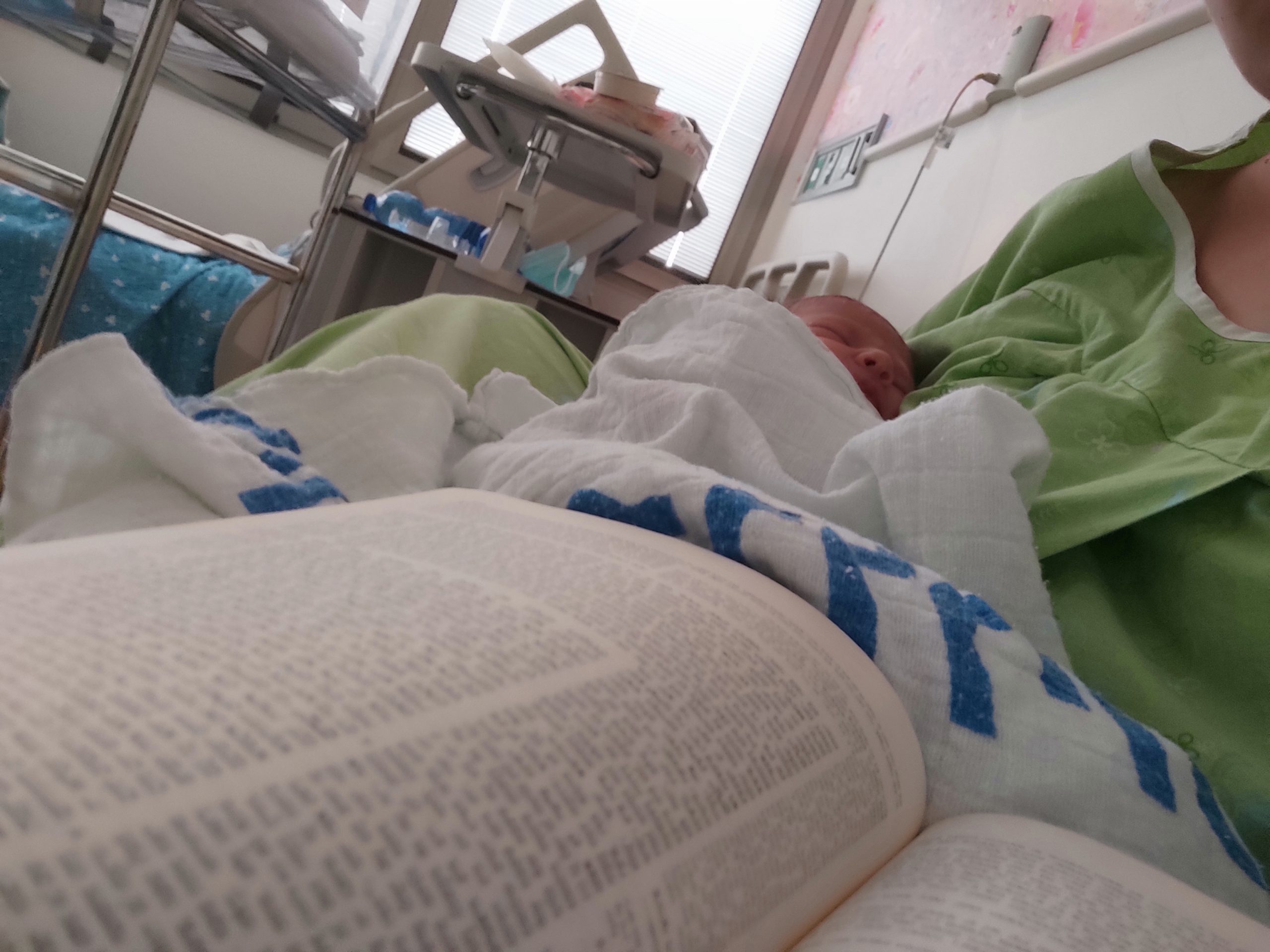
בתחילת הסבב הנוכחי הצטברו אצלי תחושות שאני לא מבינה מספיק מהי ההלכה אותה אני מקיימת בכל יום. כמו כן, כאמא לבנות רציתי לתת להן מודל נשי של לימוד תורה
שתי הסיבות האלו הובילו אותי להתחיל ללמוד. נתקלתי בתגובות מפרגנות וסקרניות איך אישה לומדת גמרא..
כמו שרואים בתמונה אני ממשיכה ללמוד גם היום ואפילו במחלקת יולדות אחרי לידת ביתי השלישית.
נועה שילה
רבבה, ישראל
אמא שלי למדה איתי ש”ס משנה, והתחילה ללמוד דף יומי. אני החלטתי שאני רוצה ללמוד גם. בהתחלה למדתי איתה, אח”כ הצטרפתי ללימוד דף יומי שהרב דני וינט מעביר לנוער בנים בעתניאל. במסכת עירובין עוד חברה הצטרפה אלי וכשהתחלנו פסחים הרב דני פתח לנו שעור דף יומי לבנות. מאז אנחנו לומדות איתו קבוע כל יום את הדף היומי (ובשבת אבא שלי מחליף אותו). אני נהנית מהלימוד, הוא מאתגר ומעניין

רננה הלמן
עתניאל, ישראל
בבא קמא סה
אֵין לִי אֶלָּא יָדוֹ, גַּגּוֹ חֲצֵירוֹ וְקַרְפֵּיפוֹ מִנַּיִן? תַּלְמוּד לוֹמַר: ״אִם הִמָּצֵא תִמָּצֵא״ מִכׇּל מָקוֹם!
I have derived only a case where the stolen item is found in his hand [yado]. From where do I derive that the same halakha applies if it is found on his roof, in his yard, or in his enclosure [vekarpeifo]? The verse states the repetitive phrase “if the theft shall be found [himmatze timmatze],” to indicate that the same halakha applies in any case, i.e., in any location that the stolen item is found.
אִם כֵּן, לֵימָא קְרָא אוֹ ״הִמָּצֵא הִמָּצֵא״ אוֹ ״תִּמָּצֵא תִמָּצֵא״; מִדְּשַׁנִּי קְרָא, שְׁמַע מִינַּהּ תַּרְתֵּי.
The Gemara answers: If so, if this is all the phrase is coming to teach, let the verse state the identical word twice: Himmatze himmatze, or: Timmatze timmatze. From the fact that the verse varied its wording, one may conclude two halakhot from it: That one is liable to pay double payment regardless of where the stolen item was found, and that a thief pays double payment even if he did not take an oath.
גּוּפָא – אָמַר רַב: קֶרֶן – כְּעֵין שֶׁגָּנַב. תַּשְׁלוּמֵי כֶפֶל וְתַשְׁלוּמֵי אַרְבָּעָה וַחֲמִשָּׁה – כִּשְׁעַת הַעֲמָדָה בַּדִּין.
§ The Gemara returns to the matter itself. Rav says: When a thief makes his payments, the principal is paid according to the value as of the time when he stole it, whereas the double payment and the fourfold or fivefold payment are calculated according to the value at the time of standing trial.
מַאי טַעְמָא דְּרַב? אָמַר קְרָא: ״גְּנֵיבָה״ וְ״חַיִּים״. אַמַּאי קָאָמַר רַחֲמָנָא ״חַיִּים״ בִּגְנֵיבָה? אַחֲיַיהּ לְקֶרֶן כְּעֵין שֶׁגָּנַב.
The Gemara asks: What is the reason, i.e., the source, for this ruling of Rav? The Gemara answers: The verse states: “If the theft shall be found in his possession alive, whether it is an ox, or a donkey, or a sheep, he shall pay double” (Exodus 22:3). Why is the Merciful One saying “alive [ḥayyim]” in the context of this theft? This juxtaposition serves to teach: When making payment, revive [aḥayah] the principal to the value it had as of the time when he stole it.
אָמַר רַב שֵׁשֶׁת: אָמֵינָא, כִּי נָיֵים וְשָׁכֵיב רַב אָמַר לְהָא שְׁמַעְתָּא. דְּתַנְיָא: כְּחוּשָׁה וְהִשְׁמִינָהּ – מְשַׁלֵּם תַּשְׁלוּמֵי כֶפֶל וְתַשְׁלוּמֵי אַרְבָּעָה וַחֲמִשָּׁה כְּעֵין שֶׁגָּנַב.
Rav Sheshet said: I say that when Rav was sleepy and lying down to rest, he said this halakha. Rav Sheshet meant that this is a careless ruling, as it is contrary to a baraita. As it is taught in a baraita: If the animal was stolen when it was lean and the thief fattened it, he pays the double payment and the fourfold or fivefold payment according to the value of the animal as of the time when he stole it. This shows that the double payment and the fourfold and fivefold payment are applied in accordance with the value of the item at the time of the theft, not its value at the time of trial, as claimed by Rav.
אָמְרִי, מִשּׁוּם דַּאֲמַר לֵיהּ: ״אֲנָא פַּטֵּימְנָא וְאַתְּ שָׁקְלַתְּ?!״
The Sages say in response: This baraita is not a refutation of Rav’s opinion, because the thief could say to the owner of the animal: I fattened the animal myself, and will you take for yourself the added value from its fattening? In this particular case, Rav would agree that all payments are in accordance with the value of the item at the time of the theft.
תָּא שְׁמַע: שְׁמֵינָה וְהִכְחִישָׁהּ – מְשַׁלֵּם תַּשְׁלוּמֵי כֶפֶל וְתַשְׁלוּמֵי אַרְבָּעָה וַחֲמִשָּׁה כְּעֵין שֶׁגָּנַב!
The Gemara asks further: Come and hear another baraita that apparently contradicts Rav’s ruling. If the animal was stolen when it was fat and the thief caused it to become lean, he pays the double payment and the fourfold or fivefold payment according to the value of the animal as of the time when he stole it. The double and fourfold and fivefold payments are not paid in accordance with the value at the time of the trial, as claimed by Rav.
הָתָם נָמֵי – מִשּׁוּם דְּאָמְרִינַן לֵיהּ: מָה לִי קַטְלַהּ כּוּלַּהּ, מָה לִי קַטְלַהּ פַּלְגָא. כִּי קָאָמַר רַב – בְּיוּקְרָא וְזוּלָא הוּא דְּקָאָמַר.
The Gemara answers: There too, there is a reason for this exception, because we say of the thief: What is it to me if he killed the animal entirely, and what is it to me if he killed it partially? By causing the animal to become lean, the thief is considered to have started to put it to death. Consequently, when he ultimately kills the animal, he pays the fourfold or fivefold payment according to its value when he first began to weaken it, i.e., at the time of the theft. When Rav says his ruling, he is saying it only with regard to cases of appreciation in value and depreciation in value, not to changes in the animal’s physical state.
הֵיכִי דָמֵי? אִילֵּימָא דְּמֵעִיקָּרָא שָׁוְיָא זוּזָא, וּלְבַסּוֹף שָׁוְיָא אַרְבְּעָה זוּזֵי – קֶרֶן כְּעֵין שֶׁגָּנַב; לֵימָא פְּלִיגָא דְּרַב אַדְּרַבָּה? דְּאָמַר רַבָּה: הַאי מַאן דִּגְזַל חָבִיתָא דְחַמְרָא מֵחַבְרֵיהּ, מֵעִיקָּרָא שָׁוְיָא זוּזָא וּלְבַסּוֹף שָׁוְיָא אַרְבְּעָה זוּזֵי, תַּבְרַהּ אוֹ שַׁתְיַיהּ – מְשַׁלֵּם אַרְבְּעָ[ה]. אִיתְּבַר מִמֵּילָא – מְשַׁלֵּם זוּזָא.
What are the circumstances of the case referred to by Rav? If we say that initially the stolen item was worth one dinar and in the end it was worth four dinars, and Rav teaches that the thief pays the principal according to the value of the animal as of the time when he stole it, which is one dinar, shall we say that Rav disagrees with this ruling of Rabba? As Rabba says: With regard to this one who robbed another of a barrel of wine, if it was initially worth one dinar and ultimately it was worth four dinars, and after its appreciation the robber broke the barrel or drank the wine, he pays four dinars. If the barrel broke by itself, he pays one dinar. Rabba holds that even the principal is paid according to the time when he broke the barrel.
אָמְרִי: כִּי קָאָמַר רַב – כְּגוֹן דְּמֵעִיקָּרָא שָׁוְיָא אַרְבְּעָ[ה] וּלְבַסּוֹף שָׁוְיָא זוּזָא; קֶרֶן – כְּעֵין שֶׁגָּנַב, תַּשְׁלוּמֵי כֶפֶל וְתַשְׁלוּמֵי אַרְבָּעָה וַחֲמִשָּׁה – כִּשְׁעַת הַעֲמָדָה בַּדִּין.
The Sages say in response that Rav agrees with Rabba with regard to the above case. When Rav says his halakha he is referring to a case where, for example, the item was initially worth four dinars and ultimately was worth one dinar. In this situation, Rav maintains that the thief does not profit from the decrease in the value of the principal. Rather, he pays the principal according to its value as of the time when he stole it, and the double payment and the fourfold or fivefold payment are paid according to the value at the time of standing trial.
תָּנֵי רַבִּי חֲנִינָא לְסַיּוֹעֵיהּ לְרַב: בַּעַל הַבַּיִת שֶׁטָּעַן טַעֲנַת גַּנָּב בְּפִקָּדוֹן, וְנִשְׁבַּע, וְהוֹדָה, וּבָאוּ עֵדִים – אִם עַד שֶׁלֹּא בָּאוּ עֵדִים הוֹדָה, מְשַׁלֵּם קֶרֶן וָחוֹמֶשׁ וְאָשָׁם; וְאִם מִשֶּׁבָּאוּ עֵדִים הוֹדָה – מְשַׁלֵּם תַּשְׁלוּמֵי כֶפֶל וְאָשָׁם, וְחוּמְשׁוֹ עוֹלֶה לוֹ בִּכְפֵילוֹ; דִּבְרֵי רַבִּי יַעֲקֹב.
Rabbi Ḥanina teaches a baraita in support of Rav: In the case of a homeowner acting as a bailee, who falsely stated the claim that a thief stole the deposit, and subsequently took an oath as to the truth of his claim, and then admitted that he was lying and that he in fact took the item himself, and at some point witnesses came and testified that the bailee himself had the item, if he admitted his guilt before the witnesses came and testified, he pays the principal and an additional one-fifth, and he must also bring a guilt-offering. But if he admitted his guilt after witnesses came and testified, he pays the double payment and brings a guilt-offering, and his additional one-fifth is covered by his double payment that he pays; this is the statement of Rabbi Ya’akov.
וַחֲכָמִים אוֹמְרִים: ״בְּרֹאשׁוֹ וַחֲמִשִׁתָיו״; מָמוֹן הַמִּשְׁתַּלֵּם בְּרֹאשׁ – מוֹסִיף חוֹמֶשׁ, מָמוֹן שֶׁאֵין מִשְׁתַּלֵּם בְּרֹאשׁ – אֵין מוֹסִיף חוֹמֶשׁ. רַבִּי שִׁמְעוֹן בֶּן יוֹחַאי אוֹמֵר: אֵין חוֹמֶשׁ וְאָשָׁם מִשְׁתַּלֵּם בְּמָקוֹם שֶׁיֵּשׁ כֶּפֶל.
And the Rabbis say: It is written concerning a bailee who falsely claims innocence with regard to a deposit entrusted to him: “He shall restore it according to its principal, and shall add its fifth part to it” (Leviticus 5:24). This verse teaches that with regard to monetary restitution that is paid precisely according to the principal, one adds one-fifth, but for monetary restitution that is not paid precisely according to the principal, as is the case here, where the bailee pays double the principal value, one does not add one-fifth. Rabbi Shimon ben Yoḥai says: Neither the additional one-fifth nor the guilt-offering is paid in a case where there is double payment. This concludes the baraita.
קָתָנֵי מִיהַת: חוּמְשׁוֹ עוֹלֶה לוֹ בִּכְפֵילוֹ, דִּבְרֵי רַבִּי יַעֲקֹב. הֵיכִי דָמֵי? אִילֵּימָא דְּמֵעִיקָּרָא שָׁוְיָא אַרְבְּעָה וּלְבַסּוֹף שָׁוְיָא אַרְבְּעָה, חוּמְשׁוֹ עוֹלֶה לוֹ בִּכְפֵילוֹ?!
Rabbi Ḥanina explains: In any event, the baraita teaches: His payment of the additional one-fifth is covered by his double payment; this is the statement of Rabbi Ya’akov. What are the circumstances of this case? If we say that the stolen item was initially worth four dinars and ultimately, at the time of trial, was still worth four dinars, how could he say: His payment of the additional one-fifth is covered by his double payment?
כְּפֵילָא אַרְבְּעָה, וְחוּמְשָׁא זוּזָא! אֶלָּא לָאו דְּמֵעִיקָּרָא שָׁוְיָא אַרְבְּעָה, וּלְבַסּוֹף שָׁוְיָא זוּזָא, דִּכְפֵילָא זוּזָא וְחוּמְשֵׁיהּ זוּזָא?
This statement is inaccurate in this case, as the double payment, i.e., the penalty included in the double payment, is four dinars, and the additional one-fifth is one dinar. When the Torah states “fifth” it means one-fifth of the total payment of the one-fifth and the principal together, i.e., one-quarter of the principal. For the additional one-fifth to be covered by the double payment, the two must be exactly equal, which is not the case here. Rather, is it not referring to a situation where initially it was worth four dinars and at the end it was worth one dinar, as the penalty component of the double payment is one dinar and the additional one-fifth is also one dinar?
אַלְמָא קֶרֶן כְּעֵין שֶׁגָּנַב, תַּשְׁלוּמֵי כֶפֶל וְתַשְׁלוּמֵי אַרְבָּעָה וַחֲמִשָּׁה כִּשְׁעַת הַעֲמָדָה בַּדִּין!
Apparently, the principal, as well as the additional one-fifth, is paid according to the value as of the time when he stole, whereas the double payment and the fourfold or fivefold payment is according to the value at the time of standing trial, as claimed by Rav.
אָמַר רָבָא: לְעוֹלָם דְּמֵעִיקָּרָא שָׁוְיָא אַרְבְּעָה וְהַשְׁתָּא נָמֵי שָׁוְיָא אַרְבְּעָה, וּדְקָא קַשְׁיָא: כְּפֵילָא אַרְבְּעָה וְחוּמְשֵׁיהּ זוּזָא, הָכָא בְּמַאי עָסְקִינַן – כְּגוֹן שֶׁנִּשְׁבַּע וְחָזַר וְנִשְׁבַּע אַרְבַּע פְּעָמִים, וְהוֹדָה; וְהַתּוֹרָה אָמְרָה ״וַחֲמִשִׁתָיו״ –
The Gemara refutes this analysis. Rava said: Actually, the baraita could be referring to a case in which initially it was worth four dinars and now, at the time of trial, it is also worth four dinars. And as for what is difficult with this case, namely that the double payment is four dinars and the additional one-fifth is one dinar, this problem can be resolved as follows: With what are we dealing here? It is a case where the bailee took an oath that the deposit was stolen from him, and he again took the same oath, and so on four times, and after each oath he admitted afterward that he had lied. And the Torah said: “And shall add its fifth part [ḥamishitav] to it” (Leviticus 5:24).
הַתּוֹרָה רִיבְּתָה חֲמִישִׁיּוֹת הַרְבֵּה בְּקֶרֶן אַחַת.
Rava continues: The term ḥamishitav is in the plural, which indicates that the Torah included the possibility of many payments of an additional one-fifth for a single principal. In other words, each time the bailee takes a false oath he becomes obligated to pay an additional one-fifth, despite the fact that each oath concerns the same item. Since he did so four times, and the one-fifth is actually one-quarter of the principal, the total amount of payments of the additional one-fifth is equal to the principal, which is the same as the penalty component of the double payment.
אָמַר מָר, וַחֲכָמִים אוֹמְרִים: ״בְּרֹאשׁוֹ וַחֲמִשִׁתָיו״ – מָמוֹן הַמִּשְׁתַּלֵּם בְּרֹאשׁ מוֹסִיף חוֹמֶשׁ, מָמוֹן שֶׁאֵין מִשְׁתַּלֵּם בְּרֹאשׁ אֵין מוֹסִיף חוֹמֶשׁ. אֲבָל אָשָׁם – מַיְיתֵי,
§ The Master said in the baraita: And the Sages say: “He shall restore it according to its principal, and shall add its fifth part to it” (Leviticus 5:24). This verse teaches that for monetary restitution that is paid precisely according to the principal, one adds one-fifth. But for monetary restitution that is not paid precisely according to the principal, one does not add one-fifth. The Gemara infers: He does not add one-fifth, but he is obligated to bring a guilt-offering.
מַאי שְׁנָא חוֹמֶשׁ דְּלָא מְשַׁלֵּם – דִּכְתִיב: ״בְּרֹאשׁוֹ וַחֲמִשִׁתָיו״, אָשָׁם נָמֵי לָא מְשַׁלֵּם – דְּהָא כְּתִיב: ״בְּרֹאשׁוֹ וַחֲמִשִׁתָיו״, ״וְאֶת אֲשָׁמוֹ״!
The Gemara asks: What is different about the additional one-fifth in that case, that he does not have to pay it? As it is written: “He shall restore it according to its principal, and shall add its fifth part to it.” This indicates that the additional one-fifth is linked to the payment of the precise amount of the principal amount. If so, with regard to the guilt offering as well, he should not have to pay, i.e., bring it, as it is written: “He shall restore it according to its principal, and shall add its fifth part to it…and his guilt-offering [ve’et ashamo] he shall bring to the Lord” (Leviticus 5:24–25). The verse links the guilt-offering to the payment of the precise amount of the principal, just like it does the additional one-fifth.
אָמְרִי לָךְ רַבָּנַן: ״אֶת״ פַּסְקֵיהּ קְרָא.
The Gemara answers: The Sages would say to you in response: The superfluous word “et” in the phrase “and his guilt offering [ve’et ashamo]” divides the verse. Therefore, only the additional one-fifth payment, but not the guilt-offering, is linked to the payment of the precise amount of the principal.
וְרַבִּי שִׁמְעוֹן בֶּן יוֹחַאי – ״וְאֶת״ עָרְבֵיהּ קְרָא. וְרַבָּנַן אָמְרִי לָךְ: לָא לִיכְתּוֹב רַחֲמָנָא לָא וָיו וְלֹא ״אֶת״.
The Gemara asks: And Rabbi Shimon ben Yoḥai, who maintains that this bailee is exempt from a guilt-offering as well, how would he respond to the Sages’ argument concerning “et”? He would point out that the term in question is actually “ve’et,” consisting of the word et preceded by the letter vav, meaning “and.” The conjunction joins the clauses of the verse. Therefore, both the additional one-fifth payment and the guilt-offering are linked to the payment of the precise amount of the principal. And the Rabbis would respond to Rabbi Shimon ben Yoḥai’s claim and say to you: If the Torah had intended that the two issues should be joined together, let the Merciful One write neither the vav nor “et.”
וְרַבִּי שִׁמְעוֹן בֶּן יוֹחַאי אָמַר לָךְ: ״אֶת״ לָא סַגִּיא דְּלָא כְּתַב – לְאַפְסוֹקֵי בֵּין מָמוֹן גָּבוֹהַּ לְמָמוֹן הֶדְיוֹט; הִלְכָּךְ אֲתָא וָיו עָרְבֵיהּ קְרָא.
And Rabbi Shimon ben Yoḥai could have said to you in response to this argument: It is not possible for the verse to have not written “et,” as this term is necessary to separate between property belonging to the Most High, i.e., the guilt-offering, and non-sacred property, i.e., that of a Jew. Therefore, as the verse had to use “et” to indicate this difference, the vav comes and joins the clauses of the verse.
אָמַר רַבִּי אִילְעָא: גָּנַב טָלֶה וְנַעֲשָׂה אַיִל, עֵגֶל וְנַעֲשָׂה שׁוֹר – נַעֲשָׂה שִׁינּוּי בְּיָדוֹ, וּקְנָאוֹ. טָבַח וּמָכַר – שֶׁלּוֹ הוּא טוֹבֵחַ, שֶׁלּוֹ הוּא מוֹכֵר.
§ The Gemara discusses other cases in which an object undergoes a change after it has been stolen. Rabbi Ile’a says: If one stole a lamb and it subsequently became a ram, or if he stole a calf and it subsequently became a bull, the stolen item has undergone a change while in the thief’s possession, and he has therefore acquired it as his own property. Consequently, his obligation of restitution consists of monetary payment rather than giving back the stolen item itself. If he subsequently slaughtered or sold the animal, it is in effect his own animal that he slaughters, or it is his own animal that he sells, and he is not obligated in the fourfold or fivefold payment.
אֵיתִיבֵיהּ רַבִּי חֲנִינָא לְרַבִּי אִילְעָא: גָּנַב טָלֶה וְנַעֲשָׂה אַיִל, עֵגֶל וְנַעֲשָׂה שׁוֹר – מְשַׁלֵּם תַּשְׁלוּמֵי כֶפֶל וְתַשְׁלוּמֵי אַרְבָּעָה וַחֲמִשָּׁה, כְּעֵין שֶׁגָּנַב. וְאִי סָלְקָא דַעְתָּךְ קַנְיֵיהּ בְּשִׁינּוּי, אַמַּאי מְשַׁלֵּם? שֶׁלּוֹ הוּא טוֹבֵחַ, שֶׁלּוֹ הוּא מוֹכֵר!
Rabbi Ḥanina raised an objection to Rabbi Ile’a from a baraita: If one stole a lamb and it subsequently became a ram, or if he stole a calf and it subsequently became a bull, he pays the double payment and the fourfold or fivefold payment according to the animal’s value as of the time when he stole it. And if it enters your mind that in a case of this kind the thief has acquired the animal as his own property by virtue of the physical change the animal underwent when it matured, why does he pay the fourfold or fivefold payment? After all, it is his own animal that he slaughters, or it is his own animal that he sells.
אֲמַר לֵיהּ: וְאֶלָּא מַאי, שִׁינּוּי לָא קָנֵי? אַמַּאי מְשַׁלֵּם כְּעֵין שֶׁגָּנַב? לְשַׁלֵּם כִּי הַשְׁתָּא!
Rabbi Ile’a said to him: Rather, what would you conclude from the baraita? That this physical change in the stolen animal does not serve to acquire it for the thief and render it his property? If so, why should he pay according to the animal’s value as of the time when he stole it? Let him pay according to the animal’s value now, i.e., at the time of the slaughter or sale.
אֲמַר לֵיהּ: כִּי הַשְׁתָּא הַיְינוּ טַעְמָא דְּלָא מְשַׁלֵּם – מִשּׁוּם דַּאֲמַר לֵיהּ: ״תּוֹרָא גְּנַבִי מִמָּךְ?״ ״דִּיכְרָא גְּנַבִי מִמְּךָ?״ אֲמַר לֵיהּ: רַחֲמָנָא נַיצְּלַן מֵהַאי דַּעְתָּא! אֲמַר לֵיהּ: אַדְּרַבָּה, רַחֲמָנָא נַיצְּלַן מִדַּעְתָּא דִּידָךְ!
Rabbi Ḥanina said to him: This is the reason that he does not pay in accordance with the animal’s value now: It is because the thief can say to the animal’s owner: Did I steal a bull from you, or: Did I steal a ram from you? No; I stole only a calf or a lamb, and therefore I will pay you the value of the animal when I stole it. Rabbi Ile’a said to Rabbi Ḥanina: May the Merciful One save us from this opinion of yours! Rabbi Ḥanina said back to him: On the contrary, may the Merciful One save us from your opinion!
מַתְקֵיף לַהּ רַבִּי זֵירָא: וְנִיקְנִינְהוּ בְּשִׁינּוּי הַשֵּׁם!
Rabbi Zeira objects to this: But even if an animal’s natural growth is not considered a physical change, let the thief acquire it through its change in name, i.e., its change of classification, as the animal was originally called a calf or a lamb and now it is considered a bull or ram.
אָמַר רָבָא: שׁוֹר בֶּן יוֹמוֹ קָרוּי ״שׁוֹר״, אַיִל בֶּן יוֹמוֹ קָרוּי ״אַיִל״. שׁוֹר בֶּן יוֹמוֹ קָרוּי ״שׁוֹר״ – דִּכְתִיב: ״שׁוֹר אוֹ כֶשֶׂב אוֹ עֵז כִּי יִוָּלֵד״.
Rava says: There is in fact no change in name here, as even a day-old bull is called a bull, and even a day-old ram is called a ram. A day-old bull is called a bull, as it is written: “When a bull, or a sheep, or a goat is born” (Leviticus 22:27).
אַיִל בֶּן יוֹמוֹ קָרוּי ״אַיִל״ – דִּכְתִיב: ״וְאֵילֵי צֹאנְךָ לֹא אָכָלְתִּי״ – אֵילִים הוּא דְּלָא אֲכַל, כְּבָשִׂים אֲכַל?! אֶלָּא לָאו שְׁמַע מִינַּהּ אַיִל בֶּן יוֹמוֹ ״קָרוּי״ אַיִל?
A day-old ram is called a ram, as can be derived from Jacob’s statement to Laban, as it is written: “And the rams of your flock I have not eaten” (Genesis 31:38). Now, did Jacob mean that he did not eat any of Laban’s rams, but younger lambs he did eat? This is certainly not the meaning of this verse, as this would mean he was a thief. Rather, must one not conclude from this verse that a day-old ram is called a ram?
מִכׇּל מָקוֹם קַשְׁיָא! אָמַר רַב שֵׁשֶׁת: הָא מַנִּי – בֵּית שַׁמַּאי הִיא, דְּאָמְרִי: שִׁינּוּי בִּמְקוֹמוֹ עוֹמֵד(ת), וְלָא קָנֵי.
In any case, the baraita cited earlier by Rabbi Ḥanina is difficult for the opinion of Rabbi Ile’a, as it states that the thief must pay the fourfold or fivefold payment despite the fact that the slaughter or sale of the animal took place after it matured from a calf to a bull or from a lamb to a ram. To resolve the difficulty, Rav Sheshet said: In accordance with whose opinion is this baraita? It is in accordance with the opinion of Beit Shammai, who say: An item, even if it has undergone a physical change, remains in its place, i.e., a stolen item remains in the possession of its owner, and a thief does not acquire it even if it undergoes a change.
דְּתַנְיָא: נָתַן לָהּ בְּאֶתְנַנָּהּ חִיטִּין וַעֲשָׂאָן סוֹלֶת, זֵיתִים וַעֲשָׂאָן שֶׁמֶן, עֲנָבִים וַעֲשָׂאָן יַיִן; תָּנֵי חֲדָא אָסוּר, וְתָנֵי חֲדָא מוּתָּר. וְאָמַר רַב יוֹסֵף, תָּנֵי גּוּרְיוֹן דְּמֵאַסְפּוֹרַק: בֵּית שַׁמַּאי אוֹסְרִין, וּבֵית הִלֵּל מַתִּירִין.
As it is taught in a baraita: If one gave wheat to a prostitute for her payment, i.e., the hire of her services, and she made the wheat into flour; or if he gave her olives and she made them into oil; or if he gave her grapes and she made them into wine, it is taught in one baraita that it is prohibited to bring these products as an offering in the Temple, in accordance with the verse: “You shall not bring the hire of a harlot…into the house of the Lord your God for any vow” (Deuteronomy 23:19). And it is taught in one baraita that these products are permitted, as the physical change renders them into new items. And Rav Yosef says that Guryon of Asporak teaches in a baraita: Beit Shammai prohibit these products and Beit Hillel permit them. If so, these two baraitot reflect a dispute between Beit Shammai and Beit Hillel.
מַאי טַעְמָא דְּבֵית שַׁמַּאי? דִּכְתִיב: ״גַּם״ – לְרַבּוֹת שִׁינּוּיֵיהֶם. וּבֵית הִלֵּל – ״הֵם״ וְלֹא שִׁינּוּיֵיהֶם.
The Gemara clarifies the source of these two opinions. What is the reason of Beit Shammai for prohibiting these products? As it is written: “You shall not bring the hire of a harlot, or the price of a dog, into the house of the Lord your God for any vow; for even both of these are an abomination to the Lord your God” (Deuteronomy 23:19). The apparently superfluous word “even” serves to include their changed status. And Beit Hillel, who permit these items after they have undergone a physical change, maintain that the term “these” in the phrase “both of these” teaches that this prohibition applies only to the original items, but not to their changed form.
וּבֵית שַׁמַּאי – הָהוּא
And Beit Shammai would reply: That term,
לעקוב

