חיפוש

בבא קמא עז

רוצה להקדיש שיעור?

podcast placeholder

0:00
0:00


תקציר

הדף היום מוקדש ע”י זאב סגל, חיה שרה ניסן, ונעמי נוי ומשפחותיהם לע״נ ר’ שמואל הלוי סגל שנפטר בשיבה טובה ובשם טוב. "תלמיד חכם ישר דרך ונעים הליכות. ולרפואת כל החיילים ולשלמות עם ישראל.”

הדף היום מוקדש ע”י שרה אבריק ויוסי רוזנפלד לע”נ אחיו של שרה, משה דוד בן נפתלי יוסף הלוי ולאה שהעמיד תלמידים הרבה.

אנו לומדים מפרה אדומה כי דבר שניתן לפדותו נחשב כאילו הוא נפדה. יש בזה השלכות בכמה עניינים, כגון שהוא נחשב אוכל בכדי להיות ראוי לקבל טומאה כי היה ראוי לפדות בשלב מסויים בתהליך. כדי לפתור סתירה בין האופן שבו הבינה הגמרא את עמדת רבי שמעון במשנתנו לבין דין אחר של רבי שמעון ששחיטה שאינה ראויה אינה נחשבת כשחיטה (לחייב בטביחה), הציעו רבי יוחנן וריש לקיש תשובות שונות בבבא קמא עו. מדוע כל אחד מהם לא הסביר כפי ההסבר של האחר? רבי יוחנן העדיף להסביר שהבהמות היו תמימים. תשובתו של ריש לקיש התבססה על עמדתו לגבי טיבוה ומכירה הנלמדת מהיקש – שאם אדם אינו חייב על מכירה של בהמה מסויימת, אז הוא לא יתחייב על טביחה של אותה בהמה ולכן  העדיף פירוש שהבהמה הייתה בעלת מום שכן ניתן למכור אותה, מה שאין כן בבהמה תמימה. רבי יוחנן וריש לקיש במקומות אחרים חלוקים בסוגיה זו בדיוק במקרה ההפוך – האם ניתן לחייב במכירת טריפה לפי רבי שמעון הסובר כי לא יהיה חייב בשחיטת טריפה? רבי יוחנן מעלה קושי נגד ריש לקיש מברייתא שלא לגמרי נפתרה. הברייתא שהביא רבי יוחנן נגד ריש לקיש הזכיר מקרה של גניבה ושחיטה של ​​בהמת כלאים (נולד משני סוגי בהמות שונות). הם מעלים שאלה נגד המקרה ההוא – שכן הפסוק לגבי תשלום ארבעה/חמשה מזכיר את המילה "שה” וידוע כי מילה זו נועדה להגביל את הדין רק בהמות שאינם כלאים. מדוע במקרה זה נכללים כלאים ביאסור?

בבא קמא עז

פָּרָה – מְטַמֵּא טוּמְאַת אוֹכָלִין, הוֹאִיל וְהָיְתָה לָהּ שְׁעַת הַכּוֹשֶׁר.

The meat of the red heifer is susceptible to contracting ritual impurity of food, despite the fact that it is prohibited to derive benefit from such meat, since it had a time when it was fit for consumption.

וְאָמַר רֵישׁ לָקִישׁ, אוֹמֵר הָיָה רַבִּי שִׁמְעוֹן: פָּרָה נִפְדֵּית עַל גַּבֵּי מַעֲרַכְתָּהּ. אַלְמָא כׇּל הָעוֹמֵד לִפְדּוֹת – כְּפָדוּי דָּמֵי.

And Reish Lakish says, in explanation of Rabbi Shimon’s statement: Rabbi Shimon would say that the red heifer can be redeemed with money even when it has already been slaughtered upon its pyre, i.e., for the sake of purification. For this reason Rabbi Shimon claimed that the meat had a time when it was fit for consumption, as it can be rendered permitted for consumption through redemption. The Gemara states its conclusion: Evidently, Rabbi Shimon holds that any animal that is ready to be redeemed is considered as though it has already been redeemed.

בִּשְׁלָמָא רַבִּי יוֹחָנָן לָא אָמַר כְּרַבִּי שִׁמְעוֹן בֶּן לָקִישׁ – דְּקָא בָּעֵי לְאוֹקֹמַהּ לְמַתְנִיתִין אֲפִילּוּ בִּתְמִימִין. אֶלָּא רֵישׁ לָקִישׁ – מַאי טַעְמָא לָא אָמַר כְּרַבִּי יוֹחָנָן?

The Gemara discusses the relative merits of the answers provided by Rabbi Yoḥanan and Reish Lakish: Granted, Rabbi Yoḥanan did not state an answer in accordance with that of Rabbi Shimon ben Lakish, i.e., Reish Lakish, that the mishna is referring to a blemished animal, because he wants to interpret the mishna as dealing with all kinds of sacrificial animals, even with unblemished ones. But what is the reason that Reish Lakish did not state an answer in accordance with that of Rabbi Yoḥanan?

אָמַר לָךְ: ״וּטְבָחוֹ וּמְכָרוֹ״ – כֹּל הֵיכָא דְּאִיתֵיהּ בִּמְכִירָה אִיתֵיהּ בִּטְבִיחָה, וְכֹל הֵיכָא דְּלֵיתֵיהּ בִּמְכִירָה לֵיתֵיהּ בִּטְבִיחָה. וְהָנֵי קֳדָשִׁים – הוֹאִיל דְּכִי מְזַבֵּין קֳדָשִׁים לָא הָוְיָא מְכִירָה, לֵיתַנְהוּ בִּטְבִיחָה.

Reish Lakish could have said to you that the verse states: “If a man steals an ox or a sheep, and slaughters it or sells it” (Exodus 21:37). This verse compares slaughtering to selling, thereby indicating that anywhere that the fourfold or fivefold payment is applicable for the sale of a particular animal it is likewise applicable for its slaughter, and anywhere that the fourfold or fivefold payment is not applicable for the sale of an animal it is not applicable for its slaughter either. And with regard to this case of sacrificial animals, since when one sells sacrificial animals it is not a valid sale, and no fourfold or fivefold payment is incurred, so too, there is no fourfold or fivefold payment for their slaughter.

וְאָזְדוּ לְטַעְמַיְיהוּ – דְּאִתְּמַר: הַמּוֹכֵר טְרֵיפָה לְדִבְרֵי רַבִּי שִׁמְעוֹן – רַבִּי יוֹחָנָן אָמַר: חַיָּיב, וְרֵישׁ לָקִישׁ אָמַר: פָּטוּר.

And these two Sages follow their own lines of reasoning. As it was stated: According to the statement of Rabbi Shimon that an act of slaughter that is not fit for accomplishing its full ritual purpose is not considered an act of slaughter at all and does not entail liability to pay the fourfold or fivefold payment, in the case of a thief who sells a stolen animal with a wound that will cause it to die within twelve months [tereifa], Rabbi Yoḥanan says: The thief is liable to pay the fourfold or fivefold payment if he sells the animal rather than slaughters it. And Reish Lakish says: He is exempt.

רַבִּי יוֹחָנָן אָמַר חַיָּיב – אַף עַל גַּב דְּלֵיתֵיהּ בִּטְבִיחָה, אִיתֵיהּ בִּמְכִירָה. וְרֵישׁ לָקִישׁ אָמַר פָּטוּר – כֵּיוָן דְּלֵיתֵיהּ בִּטְבִיחָה, לֵיתֵיהּ בִּמְכִירָה.

The Gemara elaborates: Rabbi Yoḥanan says that he is liable, as even though the fourfold or fivefold payment is not applicable for the slaughter of a tereifa according to the opinion of Rabbi Shimon, as its meat may not be eaten, nevertheless, it is applicable for its sale. And Reish Lakish says that the thief is exempt, as, since the fourfold or fivefold payment is not applicable for the slaughter of a tereifa according to Rabbi Shimon, it is not applicable for its sale either.

אֵיתִיבֵיהּ רַבִּי יוֹחָנָן לְרַבִּי שִׁמְעוֹן בֶּן לָקִישׁ: גָּנַב כִּלְאַיִם וּטְבָחָהּ, טְרֵיפָה וּמְכָרָהּ – מְשַׁלֵּם תַּשְׁלוּמֵי אַרְבָּעָה וַחֲמִשָּׁה. מַאי, לָאו רַבִּי שִׁמְעוֹן הִיא? אַלְמָא אַף עַל גַּב דְּלֵיתֵיהּ בִּטְבִיחָה – אִיתֵיהּ בִּמְכִירָה!

Rabbi Yoḥanan raised an objection to the opinion of Rabbi Shimon ben Lakish from the following baraita: If one stole an animal of diverse kinds, e.g., a sheep-goat hybrid, and slaughtered it, or if he stole a tereifa and sold it, he pays the fourfold or fivefold payment. What, is it not correct to say that this baraita, which mentions the case of selling a stolen tereifa but not slaughtering it, is in accordance with the opinion of Rabbi Shimon? Apparently, according to Rabbi Shimon, even though the fourfold or fivefold payment is not applicable for the slaughter of a tereifa, it is nevertheless applicable for its sale.

אֲמַר לֵיהּ: לָא; רַבָּנַן.

Reish Lakish said to Rabbi Yoḥanan in response: No; this baraita is not taught in accordance with the opinion of Rabbi Shimon. Rather, it follows the opinion of the Rabbis, who disagree with Rabbi Shimon and maintain that a thief is liable for the fourfold or fivefold payment for slaughtering an animal even if the act of slaughter does not render its meat fit for consumption, as in the case of a tereifa.

אִי רַבָּנַן, טְרֵיפָה בִּמְכִירָה אִיתַהּ – בִּזְבִיחָה לֵיתַהּ?!

The Gemara asks: If the baraita reflects the opinion of the Rabbis, why does it mention the sale of a tereifa but not its slaughter? According to the opinion of the Rabbis, is the fourfold or fivefold payment applicable for the sale of a tereifa while it is not applicable for its slaughter? This is certainly not the case.

וְאֶלָּא מַאי, רַבִּי שִׁמְעוֹן?! כִּלְאַיִם בִּטְבִיחָה אִיתַהּ, בִּמְכִירָה לֵיתַהּ?!

The Gemara responds with a counter-question: Rather, what would you say, that the baraita reflects the opinion of Rabbi Shimon? The same difficulty could be raised in the case of diverse kinds, as the baraita mentions the animal’s slaughter but not its sale: Is the fourfold or fivefold payment applicable for the slaughter of an animal of diverse kinds, while it is not applicable for its sale? There is certainly no difference between slaughtering and selling in this case.

אֶלָּא תְּנָא טְבִיחָה – וְהוּא הַדִּין לִמְכִירָה; אֵימָא לְרַבָּנַן נָמֵי, תְּנָא מְכִירָה – וְהוּא הַדִּין לִטְבִיחָה.

Rather, one cannot make such inferences from the baraita, as it teaches liability with regard to the slaughter of diverse kinds, and the same is true with regard to its sale. If so, one can say the same for the opinion of the Rabbis as well: The baraita teaches liability with regard to the sale of a tereifa, and the same is true with regard to its slaughter. Once the baraita is interpreted in accordance with the opinion of the Rabbis and not that of Rabbi Shimon, it has no bearing on the dispute between Rabbi Yoḥanan and Reish Lakish.

וְרַבִּי יוֹחָנָן אָמַר לָךְ: הַאי מַאי? אִי אָמְרַתְּ בִּשְׁלָמָא רַבִּי שִׁמְעוֹן, אַיְּידֵי דִּתְנָא טְרֵיפָה בַּחֲדָא – תְּנָא כִּלְאַיִם בַּחֲדָא.

And Rabbi Yoḥanan could say to you: What is this comparison? Granted, if you say that the baraita reflects the opinion of Rabbi Shimon, and that is why it referred specifically to the sale of a tereifa, the baraita can be explained: Since it necessarily taught the case of tereifa in only one manner, that of selling, it maintained the same style of presentation and taught the case of diverse kinds in only one manner, that of slaughtering.

אֶלָּא אִי אָמְרַתְּ רַבָּנַן, נְעָרְבִינְהוּ וְנִיתְנִינְהוּ: גָּנַב כִּלְאַיִם וּטְרֵיפָה, טְבָחָן וּמְכָרָן – מְשַׁלֵּם תַּשְׁלוּמֵי אַרְבָּעָה וַחֲמִשָּׁה! קַשְׁיָא.

But if you say that the baraita is in accordance with the opinion of the Rabbis, there is no reason for it to present just one scenario in either case. Rather, let the baraita combine them and teach them in a single sentence: If one stole an animal of diverse kinds or a tereifa and then slaughtered or sold either one of them, he pays the fourfold or fivefold payment. The Gemara concludes: This is difficult according to the opinion of Reish Lakish.

כִּלְאַיִם – ״שֶׂה״ כְּתִיב; וְאָמַר רָבָא: זֶה בָּנָה אָב – כׇּל מָקוֹם שֶׁנֶּאֱמַר ״שֶׂה״, אֵינוֹ אֶלָּא לְהוֹצִיא אֶת הַכִּלְאַיִם!

§ The baraita teaches that a thief is liable to pay the fourfold or fivefold payment in the case of an animal of diverse kinds. The Gemara asks: It is written in the Torah: “If a man steals an ox or a sheep [seh]” (Exodus 21:37), and Rava says, concerning the verse: “These are the animals that you may eat: The ox, the seh of a sheep, and the seh of a goat” (Deuteronomy 14:4), that this verse establishes a paradigm for other cases: Wherever the word seh is stated in the Torah, it serves to exclude only an animal of diverse kinds. The Hebrew word seh denotes either a sheep or a goat. A hybrid, which is neither a sheep nor a goat, does not qualify as a seh. Why, then, is the fourfold or fivefold payment applicable to one who stole this kind of animal?

שָׁאנֵי הָכָא, דְּאָמַר קְרָא: ״אוֹ״ – לְרַבּוֹת אֶת הַכִּלְאַיִם.

The Gemara answers: It is different here, in the case of the fourfold or fivefold payment, as the verse states “or” (Exodus 21:37), a term that could have been avoided, as explained earlier (67b). This extra word serves to include an animal of diverse kinds, i.e., the sheep-goat hybrid.

וְכׇל ״אוֹ״ לְרַבּוֹת הוּא? וְהָתַנְיָא: ״שׁוֹר אוֹ כֶשֶׂב״ – פְּרָט לְכִלְאַיִם, ״אוֹ עֵז״ – פְּרָט לְנִדְמֶה!

The Gemara asks: And does every instance of the word “or” serve to include diverse kinds? But isn’t it taught in a baraita: It is written: “When a bull or a sheep or a goat is born, it shall be seven days under its mother and from the eighth day onward it may be accepted as a fire-offering to the Lord” (Leviticus 22:27). The phrase “a bull or a sheep” serves to exclude diverse kinds, i.e., an animal of diverse kinds may not be brought as an offering. The phrase “or a goat” serves to exclude an animal that resembles another, i.e., a sheep that is the offspring of two sheep but that looks like a goat, or vice versa.

אָמַר רָבָא: הָכָא מֵעִנְיָינֵיהּ דִּקְרָא, וְהָכָא מֵעִנְיָינֵיהּ דִּקְרָא. הָכָא גַּבֵּי גְּנֵיבָה, דִּכְתִיב: ״שׁוֹר אוֹ שֶׂה״, שֶׁאִי אַתָּה יָכוֹל לְהוֹצִיא כִּלְאַיִם מִבֵּינֵיהֶם – ״אוֹ״ לְרַבּוֹת כִּלְאַיִם. גַּבֵּי קֳדָשִׁים, דִּכְתִיב: ״כֶּשֶׂב וָעֵז״, שֶׁאַתָּה יָכוֹל לְהוֹצִיא כִּלְאַיִם מִבֵּינֵיהֶם – ״אוֹ״ לְמַעֵט הוּא.

Rava said in response: The derivation from the word “or” depends on the verse in question. Here, it is interpreted based on the context of the verse, and there, it is also interpreted based on the context of the verse. Here, with regard to theft, the reason the word “or” serves as an inclusion is that it is written: “An ox or a sheep,” which are two animals from which you cannot produce diverse kinds, as they cannot procreate together, and therefore the word “or” serves to include an animal of diverse kinds. By contrast, with regard to sacrificial animals, the reason the word “or” serves as an exclusion is that it is written “sheep” and “goat,” which are two animals from which you can produce diverse kinds. Consequently, the word “or” serves to exclude diverse kinds.

העמקה

רוצה להבין מה באמת קורה מתחת לפני השטח של הסוגיה?
שיעורים, פודקאסטים והרחבות של מיטב המורות שלנו יפתחו לך עוד זוויות וכיווני חשיבה.

לשיעורי עוד על הדף באנגלית, לחצי כאן

חדשה בלימוד הגמרא?

זה הדף הראשון שלך? איזו התרגשות עצומה! יש לנו בדיוק את התכנים והכלים שיעזרו לך לעשות את הצעדים הראשונים ללמידה בקצב וברמה שלך, כך תוכלי להרגיש בנוח גם בתוך הסוגיות המורכבות ומאתגרות.

פסיפס הלומדות שלנו

גלי את קהילת הלומדות שלנו, מגוון נשים, רקעים וסיפורים. כולן חלק מתנועה ומסע מרגש ועוצמתי.

התחלתי להשתתף בשיעור נשים פעם בשבוע, תכננתי ללמוד רק דפים בודדים, לא האמנתי שאצליח יותר מכך.
לאט לאט נשאבתי פנימה לעולם הלימוד .משתדלת ללמוד כל בוקר ומתחילה את היום בתחושה של מלאות ומתוך התכווננות נכונה יותר.
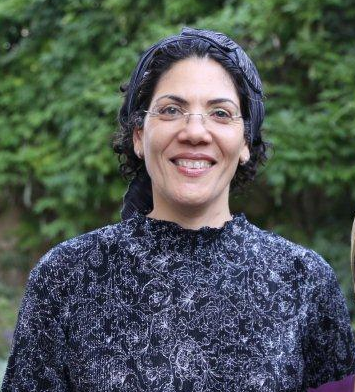
הלימוד של הדף היומי ממלא אותי בתחושה של חיבור עמוק לעם היהודי ולכל הלומדים בעבר ובהווה.

Neely Hayon
נילי חיון

אפרת, ישראל

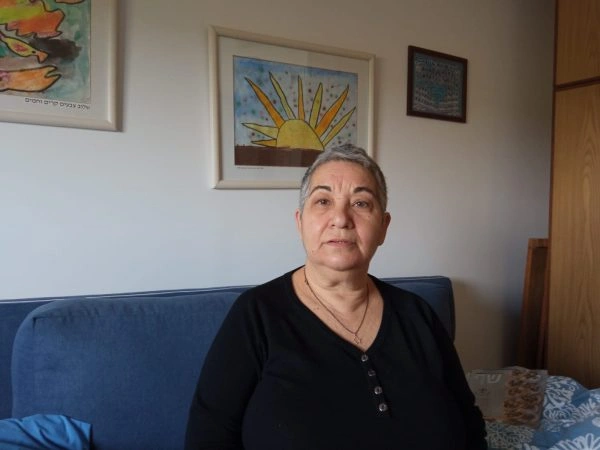
לצערי גדלתי בדור שבו לימוד גמרא לנשים לא היה דבר שבשגרה ושנים שאני חולמת להשלים את הפער הזה.. עד שלפני מספר שבועות, כמעט במקרה, נתקלתי במודעת פרסומת הקוראת להצטרף ללימוד מסכת תענית. כשקראתי את המודעה הרגשתי שהיא כאילו נכתבה עבורי – "תמיד חלמת ללמוד גמרא ולא ידעת איך להתחיל”, "בואי להתנסות במסכת קצרה וקלה” (רק היה חסר שהמודעה תיפתח במילים "מיכי שלום”..). קפצתי למים ו- ב”ה אני בדרך להגשמת החלום:)

Micah Kadosh
מיכי קדוש

מורשת, ישראל

הצטרפתי ללומדות בתחילת מסכת תענית. ההתרגשות שלי ושל המשפחה היתה גדולה מאוד, והיא הולכת וגוברת עם כל סיום שאני זוכה לו. במשך שנים רבות רציתי להצטרף ומשום מה זה לא קרה… ב”ה מצאתי לפני מספר חודשים פרסום של הדרן, ומיד הצטרפתי והתאהבתי. הדף היומי שינה את חיי ממש והפך כל יום- ליום של תורה. מודה לכן מקרב ליבי ומאחלת לכולנו לימוד פורה מתוך אהבת התורה ולומדיה.

Noa Rosen
נעה רוזן

חיספין רמת הגולן, ישראל

A friend in the SF Bay Area said in Dec 2019 that she might start listening on her morning drive to work. I mentioned to my husband and we decided to try the Daf when it began in Jan 2020 as part of our preparing to make Aliyah in the summer.

Hana Piotrkovsky
חנה פיוטרקובסקי

ירושלים, Israel

התחלתי ללמוד דף יומי ממסכת נידה כי זה היה חומר הלימוד שלי אז. לאחר הסיום הגדול בבנייני האומה החלטתי להמשיך. וב”ה מאז עם הפסקות קטנות של קורונה ולידה אני משתדלת להמשיך ולהיות חלק.

זה משפיע מאוד על היום יום שלי ועל אף שאני עסוקה בלימודי הלכה ותורה כל יום, זאת המסגרת הקבועה והמחייבת ביותר שיש לי.

Moriah Taesan Michaeli
מוריה תעסן מיכאלי

גבעת הראל, ישראל

. לא תמיד נהניתי מלימוד גמרא כילדה.,בל כהתבגרתי התחלתי לאהוב את זה שוב. התחלתי ללמוד מסכת סוטה בדף היומי לפני כחמש עשרה שנה ואז הפסקתי.הגעתי לסיום הגדול של הדרן לפני שנתיים וזה נתן לי השראה. והתחלתי ללמוד למשך כמה ימים ואז היתה לי פריצת דיסק והפסקתי…עד אלול השנה. אז התחלתי עם מסכת ביצה וב”ה אני מצליחה לעמוד בקצב. המשפחה מאוד תומכת בי ויש כמה שגם לומדים את זה במקביל. אני אוהבת שיש עוגן כל יום.

Rebecca Darshan
רבקה דרשן

בית שמש, ישראל

התחלתי בסיום הש”ס, יצאתי באורות. נשברתי פעמיים, ובשתיהם הרבנית מישל עודדה להמשיך איפה שכולם בסבב ולהשלים כשאוכל, וכך עשיתי וכיום השלמתי הכל. מדהים אותי שאני לומדת כל יום קצת, אפילו בחדר הלידה, בבידוד או בחו”ל. לאט לאט יותר נינוחה בסוגיות. לא כולם מבינים את הרצון, בפרט כפמניסטית. חשה סיפוק גדול להכיר את המושגים וצורת החשיבה. החלום זה להמשיך ולהתמיד ובמקביל ללמוד איך מהסוגיות נוצרה והתפתחה ההלכה.

Weingarten Sherrington Foundation
קרן וינגרטן שרינגטון

מודיעין, ישראל

התחלתי ללמוד לפני 4.5 שנים, כשהודיה חברה שלי פתחה קבוצת ווטסאפ ללימוד דף יומי בתחילת מסכת סנהדרין. מאז לימוד הדף נכנס לתוך היום-יום שלי והפך לאחד ממגדירי הזהות שלי ממש.

Rosenberg Foundation
קרן רוזנברג

ירושלים, ישראל

שמעתי על הסיום הענק של הדף היומי ע”י נשים בבנייני האומה. רציתי גם.
החלטתי להצטרף. התחלתי ושיכנעתי את בעלי ועוד שתי חברות להצטרף. עכשיו יש לי לימוד משותף איתו בשבת ומפגש חודשי איתן בנושא (והתכתבויות תדירות על דברים מיוחדים שקראנו). הצטרפנו לקבוצות שונות בווטסאפ. אנחנו ממש נהנות. אני שומעת את השיעור מידי יום (בד”כ מהרב יוני גוטמן) וקוראת ומצטרפת לסיומים של הדרן. גם מקפידה על דף משלהן (ונהנית מאד).

Liat Citron
ליאת סיטרון

אפרת, ישראל

בתחילת הסבב הנוכחי של לימוד הדף היומי, נחשפתי לחגיגות המרגשות באירועי הסיום ברחבי העולם. והבטחתי לעצמי שבקרוב אצטרף גם למעגל הלומדות. הסבב התחיל כאשר הייתי בתחילת דרכי בתוכנית קרן אריאל להכשרת יועצות הלכה של נשמ”ת. לא הצלחתי להוסיף את ההתחייבות לדף היומי על הלימוד האינטנסיבי של תוכנית היועצות. בבוקר למחרת המבחן הסופי בנשמ”ת, התחלתי את לימוד הדף במסכת סוכה ומאז לא הפסקתי.

Hana Shaham-Rozby (Dr.)
חנה שחם-רוזבי (ד”ר)

קרית גת, ישראל

"
גם אני התחלתי בסבב הנוכחי וב””ה הצלחתי לסיים את רוב המסכתות . בזכות הרבנית מישל משתדלת לפתוח את היום בשיעור הזום בשעה 6:20 .הלימוד הפך להיות חלק משמעותי בחיי ויש ימים בהם אני מצליחה לחזור על הדף עם מלמדים נוספים ששיעוריהם נמצאים במרשתת. שמחה להיות חלק מקהילת לומדות ברחבי העולם. ובמיוחד לשמש דוגמה לנכדותיי שאי””ה יגדלו לדור שלימוד תורה לנשים יהיה משהו שבשגרה. "

Ronit Shavit
רונית שביט

נתניה, ישראל

התחלתי ללמוד את הדף היומי מעט אחרי שבני הקטן נולד. בהתחלה בשמיעה ולימוד באמצעות השיעור של הרבנית שפרבר. ובהמשך העזתי וקניתי לעצמי גמרא. מאז ממשיכה יום יום ללמוד עצמאית, ולפעמים בעזרת השיעור של הרבנית, כל יום. כל סיום של מסכת מביא לאושר גדול וסיפוק. הילדים בבית נהיו חלק מהלימוד, אני משתפת בסוגיות מעניינות ונהנית לשמוע את דעתם.

Eliraz Blau
אלירז בלאו

מעלה מכמש, ישראל

רציתי לקבל ידע בתחום שהרגשתי שהוא גדול וחשוב אך נעלם ממני. הלימוד מעניק אתגר וסיפוק ומעמיק את תחושת השייכות שלי לתורה וליהדות

Ruth Agiv
רות עגיב

עלי זהב – לשם, ישראל

בתחילת הסבב הנוכחי של לימוד הדף היומי, נחשפתי לחגיגות המרגשות באירועי הסיום ברחבי העולם. והבטחתי לעצמי שבקרוב אצטרף גם למעגל הלומדות. הסבב התחיל כאשר הייתי בתחילת דרכי בתוכנית קרן אריאל להכשרת יועצות הלכה של נשמ”ת. לא הצלחתי להוסיף את ההתחייבות לדף היומי על הלימוד האינטנסיבי של תוכנית היועצות. בבוקר למחרת המבחן הסופי בנשמ”ת, התחלתי את לימוד הדף במסכת סוכה ומאז לא הפסקתי.

Hana Shaham-Rozby (Dr.)
חנה שחם-רוזבי (ד”ר)

קרית גת, ישראל

התחלתי כשהייתי בחופש, עם הפרסומים על תחילת המחזור, הסביבה קיבלה את זה כמשהו מתמיד ומשמעותי ובהערכה, הלימוד זה עוגן יציב ביום יום, יש שבועות יותר ויש שפחות אבל זה משהו שנמצא שם אמין ובעל משמעות בחיים שלי….

Adi Diamant
עדי דיאמנט

גמזו, ישראל

הייתי לפני שנתיים בסיום הדרן נשים בבנייני האומה והחלטתי להתחיל. אפילו רק כמה דפים, אולי רק פרק, אולי רק מסכת… בינתיים סיימתי רבע שס ותכף את כל סדר מועד בה.
הסביבה תומכת ומפרגנת. אני בת יחידה עם ארבעה אחים שכולם לומדים דף יומי. מדי פעם אנחנו עושים סיומים יחד באירועים משפחתיים. ממש מרגש. מסכת שבת סיימנו כולנו יחד עם אבא שלנו!
אני שומעת כל יום פודקאסט בהליכה או בנסיעה ואחכ לומדת את הגמרא.

Edna Gross
עדנה גרוס

מרכז שפירא, ישראל

My explorations into Gemara started a few days into the present cycle. I binged learnt and become addicted. I’m fascinated by the rich "tapestry” of intertwined themes, connections between Masechtot, conversations between generations of Rabbanim and learners past and present all over the world. My life has acquired a golden thread, linking generations with our amazing heritage.
Thank you.

Susan Kasdan
סוזן כשדן

חשמונאים, Israel

התחלתי ללמוד בעידוד שתי חברות אתן למדתי בעבר את הפרק היומי במסגרת 929.
בבית מתלהבים מאוד ובשבת אני לומדת את הדף עם בעלי שזה מפתיע ומשמח מאוד! לימוד הדף הוא חלק בלתי נפרד מהיום שלי. לומדת בצהריים ומחכה לזמן הזה מידי יום…

Miriam Wengerover
מרים ונגרובר

אפרת, ישראל

אחי, שלומד דף יומי ממסכת ברכות, חיפש חברותא ללימוד מסכת ראש השנה והציע לי. החברותא היתה מאתגרת טכנית ורוב הזמן נעשתה דרך הטלפון, כך שבסיום המסכת נפרדו דרכינו. אחי חזר ללמוד לבד, אבל אני כבר נכבשתי בקסם הגמרא ושכנעתי את האיש שלי להצטרף אלי למסכת ביצה. מאז המשכנו הלאה, ועכשיו אנחנו מתרגשים לקראתו של סדר נשים!

Shulamit Saban
שולמית סבן

נוקדים, ישראל

התחלתי ללמוד דף לפני קצת יותר מ-5 שנים, כשלמדתי רבנות בישיבת מהר”ת בניו יורק. בדיעבד, עד אז, הייתי בלימוד הגמרא שלי כמו מישהו שאוסף חרוזים משרשרת שהתפזרה, פה משהו ושם משהו, ומאז נפתח עולם ומלואו…. הדף נותן לי לימוד בצורה מאורגנת, שיטתית, יום-יומית, ומלמד אותי לא רק ידע אלא את השפה ודרך החשיבה שלנו. לשמחתי, יש לי סביבה תומכת וההרגשה שלי היא כמו בציטוט שבחרתי: הדף משפיע לטובה על כל היום שלי.

Michal Kahana
מיכל כהנא

חיפה, ישראל

בבא קמא עז

פָּרָה – מְטַמֵּא טוּמְאַת אוֹכָלִין, הוֹאִיל וְהָיְתָה לָהּ שְׁעַת הַכּוֹשֶׁר.

The meat of the red heifer is susceptible to contracting ritual impurity of food, despite the fact that it is prohibited to derive benefit from such meat, since it had a time when it was fit for consumption.

וְאָמַר רֵישׁ לָקִישׁ, אוֹמֵר הָיָה רַבִּי שִׁמְעוֹן: פָּרָה נִפְדֵּית עַל גַּבֵּי מַעֲרַכְתָּהּ. אַלְמָא כׇּל הָעוֹמֵד לִפְדּוֹת – כְּפָדוּי דָּמֵי.

And Reish Lakish says, in explanation of Rabbi Shimon’s statement: Rabbi Shimon would say that the red heifer can be redeemed with money even when it has already been slaughtered upon its pyre, i.e., for the sake of purification. For this reason Rabbi Shimon claimed that the meat had a time when it was fit for consumption, as it can be rendered permitted for consumption through redemption. The Gemara states its conclusion: Evidently, Rabbi Shimon holds that any animal that is ready to be redeemed is considered as though it has already been redeemed.

בִּשְׁלָמָא רַבִּי יוֹחָנָן לָא אָמַר כְּרַבִּי שִׁמְעוֹן בֶּן לָקִישׁ – דְּקָא בָּעֵי לְאוֹקֹמַהּ לְמַתְנִיתִין אֲפִילּוּ בִּתְמִימִין. אֶלָּא רֵישׁ לָקִישׁ – מַאי טַעְמָא לָא אָמַר כְּרַבִּי יוֹחָנָן?

The Gemara discusses the relative merits of the answers provided by Rabbi Yoḥanan and Reish Lakish: Granted, Rabbi Yoḥanan did not state an answer in accordance with that of Rabbi Shimon ben Lakish, i.e., Reish Lakish, that the mishna is referring to a blemished animal, because he wants to interpret the mishna as dealing with all kinds of sacrificial animals, even with unblemished ones. But what is the reason that Reish Lakish did not state an answer in accordance with that of Rabbi Yoḥanan?

אָמַר לָךְ: ״וּטְבָחוֹ וּמְכָרוֹ״ – כֹּל הֵיכָא דְּאִיתֵיהּ בִּמְכִירָה אִיתֵיהּ בִּטְבִיחָה, וְכֹל הֵיכָא דְּלֵיתֵיהּ בִּמְכִירָה לֵיתֵיהּ בִּטְבִיחָה. וְהָנֵי קֳדָשִׁים – הוֹאִיל דְּכִי מְזַבֵּין קֳדָשִׁים לָא הָוְיָא מְכִירָה, לֵיתַנְהוּ בִּטְבִיחָה.

Reish Lakish could have said to you that the verse states: “If a man steals an ox or a sheep, and slaughters it or sells it” (Exodus 21:37). This verse compares slaughtering to selling, thereby indicating that anywhere that the fourfold or fivefold payment is applicable for the sale of a particular animal it is likewise applicable for its slaughter, and anywhere that the fourfold or fivefold payment is not applicable for the sale of an animal it is not applicable for its slaughter either. And with regard to this case of sacrificial animals, since when one sells sacrificial animals it is not a valid sale, and no fourfold or fivefold payment is incurred, so too, there is no fourfold or fivefold payment for their slaughter.

וְאָזְדוּ לְטַעְמַיְיהוּ – דְּאִתְּמַר: הַמּוֹכֵר טְרֵיפָה לְדִבְרֵי רַבִּי שִׁמְעוֹן – רַבִּי יוֹחָנָן אָמַר: חַיָּיב, וְרֵישׁ לָקִישׁ אָמַר: פָּטוּר.

And these two Sages follow their own lines of reasoning. As it was stated: According to the statement of Rabbi Shimon that an act of slaughter that is not fit for accomplishing its full ritual purpose is not considered an act of slaughter at all and does not entail liability to pay the fourfold or fivefold payment, in the case of a thief who sells a stolen animal with a wound that will cause it to die within twelve months [tereifa], Rabbi Yoḥanan says: The thief is liable to pay the fourfold or fivefold payment if he sells the animal rather than slaughters it. And Reish Lakish says: He is exempt.

רַבִּי יוֹחָנָן אָמַר חַיָּיב – אַף עַל גַּב דְּלֵיתֵיהּ בִּטְבִיחָה, אִיתֵיהּ בִּמְכִירָה. וְרֵישׁ לָקִישׁ אָמַר פָּטוּר – כֵּיוָן דְּלֵיתֵיהּ בִּטְבִיחָה, לֵיתֵיהּ בִּמְכִירָה.

The Gemara elaborates: Rabbi Yoḥanan says that he is liable, as even though the fourfold or fivefold payment is not applicable for the slaughter of a tereifa according to the opinion of Rabbi Shimon, as its meat may not be eaten, nevertheless, it is applicable for its sale. And Reish Lakish says that the thief is exempt, as, since the fourfold or fivefold payment is not applicable for the slaughter of a tereifa according to Rabbi Shimon, it is not applicable for its sale either.

אֵיתִיבֵיהּ רַבִּי יוֹחָנָן לְרַבִּי שִׁמְעוֹן בֶּן לָקִישׁ: גָּנַב כִּלְאַיִם וּטְבָחָהּ, טְרֵיפָה וּמְכָרָהּ – מְשַׁלֵּם תַּשְׁלוּמֵי אַרְבָּעָה וַחֲמִשָּׁה. מַאי, לָאו רַבִּי שִׁמְעוֹן הִיא? אַלְמָא אַף עַל גַּב דְּלֵיתֵיהּ בִּטְבִיחָה – אִיתֵיהּ בִּמְכִירָה!

Rabbi Yoḥanan raised an objection to the opinion of Rabbi Shimon ben Lakish from the following baraita: If one stole an animal of diverse kinds, e.g., a sheep-goat hybrid, and slaughtered it, or if he stole a tereifa and sold it, he pays the fourfold or fivefold payment. What, is it not correct to say that this baraita, which mentions the case of selling a stolen tereifa but not slaughtering it, is in accordance with the opinion of Rabbi Shimon? Apparently, according to Rabbi Shimon, even though the fourfold or fivefold payment is not applicable for the slaughter of a tereifa, it is nevertheless applicable for its sale.

אֲמַר לֵיהּ: לָא; רַבָּנַן.

Reish Lakish said to Rabbi Yoḥanan in response: No; this baraita is not taught in accordance with the opinion of Rabbi Shimon. Rather, it follows the opinion of the Rabbis, who disagree with Rabbi Shimon and maintain that a thief is liable for the fourfold or fivefold payment for slaughtering an animal even if the act of slaughter does not render its meat fit for consumption, as in the case of a tereifa.

אִי רַבָּנַן, טְרֵיפָה בִּמְכִירָה אִיתַהּ – בִּזְבִיחָה לֵיתַהּ?!

The Gemara asks: If the baraita reflects the opinion of the Rabbis, why does it mention the sale of a tereifa but not its slaughter? According to the opinion of the Rabbis, is the fourfold or fivefold payment applicable for the sale of a tereifa while it is not applicable for its slaughter? This is certainly not the case.

וְאֶלָּא מַאי, רַבִּי שִׁמְעוֹן?! כִּלְאַיִם בִּטְבִיחָה אִיתַהּ, בִּמְכִירָה לֵיתַהּ?!

The Gemara responds with a counter-question: Rather, what would you say, that the baraita reflects the opinion of Rabbi Shimon? The same difficulty could be raised in the case of diverse kinds, as the baraita mentions the animal’s slaughter but not its sale: Is the fourfold or fivefold payment applicable for the slaughter of an animal of diverse kinds, while it is not applicable for its sale? There is certainly no difference between slaughtering and selling in this case.

אֶלָּא תְּנָא טְבִיחָה – וְהוּא הַדִּין לִמְכִירָה; אֵימָא לְרַבָּנַן נָמֵי, תְּנָא מְכִירָה – וְהוּא הַדִּין לִטְבִיחָה.

Rather, one cannot make such inferences from the baraita, as it teaches liability with regard to the slaughter of diverse kinds, and the same is true with regard to its sale. If so, one can say the same for the opinion of the Rabbis as well: The baraita teaches liability with regard to the sale of a tereifa, and the same is true with regard to its slaughter. Once the baraita is interpreted in accordance with the opinion of the Rabbis and not that of Rabbi Shimon, it has no bearing on the dispute between Rabbi Yoḥanan and Reish Lakish.

וְרַבִּי יוֹחָנָן אָמַר לָךְ: הַאי מַאי? אִי אָמְרַתְּ בִּשְׁלָמָא רַבִּי שִׁמְעוֹן, אַיְּידֵי דִּתְנָא טְרֵיפָה בַּחֲדָא – תְּנָא כִּלְאַיִם בַּחֲדָא.

And Rabbi Yoḥanan could say to you: What is this comparison? Granted, if you say that the baraita reflects the opinion of Rabbi Shimon, and that is why it referred specifically to the sale of a tereifa, the baraita can be explained: Since it necessarily taught the case of tereifa in only one manner, that of selling, it maintained the same style of presentation and taught the case of diverse kinds in only one manner, that of slaughtering.

אֶלָּא אִי אָמְרַתְּ רַבָּנַן, נְעָרְבִינְהוּ וְנִיתְנִינְהוּ: גָּנַב כִּלְאַיִם וּטְרֵיפָה, טְבָחָן וּמְכָרָן – מְשַׁלֵּם תַּשְׁלוּמֵי אַרְבָּעָה וַחֲמִשָּׁה! קַשְׁיָא.

But if you say that the baraita is in accordance with the opinion of the Rabbis, there is no reason for it to present just one scenario in either case. Rather, let the baraita combine them and teach them in a single sentence: If one stole an animal of diverse kinds or a tereifa and then slaughtered or sold either one of them, he pays the fourfold or fivefold payment. The Gemara concludes: This is difficult according to the opinion of Reish Lakish.

כִּלְאַיִם – ״שֶׂה״ כְּתִיב; וְאָמַר רָבָא: זֶה בָּנָה אָב – כׇּל מָקוֹם שֶׁנֶּאֱמַר ״שֶׂה״, אֵינוֹ אֶלָּא לְהוֹצִיא אֶת הַכִּלְאַיִם!

§ The baraita teaches that a thief is liable to pay the fourfold or fivefold payment in the case of an animal of diverse kinds. The Gemara asks: It is written in the Torah: “If a man steals an ox or a sheep [seh]” (Exodus 21:37), and Rava says, concerning the verse: “These are the animals that you may eat: The ox, the seh of a sheep, and the seh of a goat” (Deuteronomy 14:4), that this verse establishes a paradigm for other cases: Wherever the word seh is stated in the Torah, it serves to exclude only an animal of diverse kinds. The Hebrew word seh denotes either a sheep or a goat. A hybrid, which is neither a sheep nor a goat, does not qualify as a seh. Why, then, is the fourfold or fivefold payment applicable to one who stole this kind of animal?

שָׁאנֵי הָכָא, דְּאָמַר קְרָא: ״אוֹ״ – לְרַבּוֹת אֶת הַכִּלְאַיִם.

The Gemara answers: It is different here, in the case of the fourfold or fivefold payment, as the verse states “or” (Exodus 21:37), a term that could have been avoided, as explained earlier (67b). This extra word serves to include an animal of diverse kinds, i.e., the sheep-goat hybrid.

וְכׇל ״אוֹ״ לְרַבּוֹת הוּא? וְהָתַנְיָא: ״שׁוֹר אוֹ כֶשֶׂב״ – פְּרָט לְכִלְאַיִם, ״אוֹ עֵז״ – פְּרָט לְנִדְמֶה!

The Gemara asks: And does every instance of the word “or” serve to include diverse kinds? But isn’t it taught in a baraita: It is written: “When a bull or a sheep or a goat is born, it shall be seven days under its mother and from the eighth day onward it may be accepted as a fire-offering to the Lord” (Leviticus 22:27). The phrase “a bull or a sheep” serves to exclude diverse kinds, i.e., an animal of diverse kinds may not be brought as an offering. The phrase “or a goat” serves to exclude an animal that resembles another, i.e., a sheep that is the offspring of two sheep but that looks like a goat, or vice versa.

אָמַר רָבָא: הָכָא מֵעִנְיָינֵיהּ דִּקְרָא, וְהָכָא מֵעִנְיָינֵיהּ דִּקְרָא. הָכָא גַּבֵּי גְּנֵיבָה, דִּכְתִיב: ״שׁוֹר אוֹ שֶׂה״, שֶׁאִי אַתָּה יָכוֹל לְהוֹצִיא כִּלְאַיִם מִבֵּינֵיהֶם – ״אוֹ״ לְרַבּוֹת כִּלְאַיִם. גַּבֵּי קֳדָשִׁים, דִּכְתִיב: ״כֶּשֶׂב וָעֵז״, שֶׁאַתָּה יָכוֹל לְהוֹצִיא כִּלְאַיִם מִבֵּינֵיהֶם – ״אוֹ״ לְמַעֵט הוּא.

Rava said in response: The derivation from the word “or” depends on the verse in question. Here, it is interpreted based on the context of the verse, and there, it is also interpreted based on the context of the verse. Here, with regard to theft, the reason the word “or” serves as an inclusion is that it is written: “An ox or a sheep,” which are two animals from which you cannot produce diverse kinds, as they cannot procreate together, and therefore the word “or” serves to include an animal of diverse kinds. By contrast, with regard to sacrificial animals, the reason the word “or” serves as an exclusion is that it is written “sheep” and “goat,” which are two animals from which you can produce diverse kinds. Consequently, the word “or” serves to exclude diverse kinds.

רוצה לעקוב אחרי התכנים ולהמשיך ללמוד?

ביצירת חשבון עוד היום ניתן לעקוב אחרי ההתקדמות שלך, לסמן מה למדת, ולעקוב אחרי השיעורים שמעניינים אותך.

לנקות את כל הפריטים מהרשימה?

פעולה זו תסיר את כל הפריטים בחלק זה כולל ההתקדמות וההיסטוריה. שימי לב: לא ניתן לשחזר פעולה זו.

ביטול
מחיקה

האם את/ה בטוח/ה שברצונך למחוק פריט זה?

תאבד/י את כל ההתקדמות או ההיסטוריה הקשורות לפריט זה.

ביטול
מחיקה