







שואל אינו אחראי לבהמה/כלי שמתה תוך כדי שימוש רגיל בה (‘מתה מחמת מלאכה’). עם זאת, אם השתמשו בו באופן חריג, השואל אחראי לנזקים. מוצגים מקרים שונים להסביר מהו נחשב לנזק או מוות מחמת מלאכה. רבא דן בתרחישים נוספים שבהם תחול פטור משום ‘שמירה בבעלים’, כגון אם השואל מבקש מהמשאיל להביא להם כוס מים בזמן שהוא שואל את הפריט, או אם המשאיל עובד בתפקיד ציבורי. החכמים אמרו לרבא שאם הוא משאיל להם חפצים, הם לא יהיו אחראים כיוון שהוא עובד עבורם. רבא השיב שהם נתונים לשליטתו, כיוון שהוא יכול לבחור מה ללמד ואין להם ברירה אלא ללמוד זאת. המשנה מתארת מקרים שבהם פרה מושכרת למשך זמן מסוים ומושאלת לזמן מסוים, או שיש שתי פרות – אחת שכורה ואחת שאולה. אם הפרה מתה ויש ספק אם זה היה בזמן שהיא היתה שכורה או שאולה, או יש ספק איזו פרה מתה – זאת שהיתה היתה שכורה או שאולה, ההלכה משתנה בהתאם לטענות של כל צד (אם הם בטוחים בטענתם או לא – ברי ושמא). זאת על בסיס העיקרון שאם לצד אחד יש טענה ודאית והצד השני אינו בטוח, אנו מחזיקים בדבריו של מי שיש לו טענה ודאית (ברי ושמא ברי עדיף). המשנה מציבה קושי לדעתם של רב נחמן, הסבורים שפטורים מלשלם במקרה אחר גם אם הטיעון שלא שמא לעומת טיעון ודאי של הצד השני, משום הכלל המוציא מחבירו עליו הראיה. הם פותרים את הקושי בטענה שהמשנה מתייחסת למקרה שבו חלה על השואל חובת שבועה, ומכיוון שמי שאינו בטוח בטענתו אינו יכול להישבע, השואל חייב לשלם. אבל אם היה מקרה שלא דרש שבועה, השואל היה פטור, כדברי רב נחמן.
הלימוד השבוע מוקדש ע”י טינה לם לרפואת מעין ליאורה בת שלומית פייגא
רוצה להקדיש שיעור?

כלים
הלימוד השבוע מוקדש ע”י טינה לם לרפואת מעין ליאורה בת שלומית פייגא
בבא מציעא צז
דִּינָא הָכִי וּשְׁתֵיק רַב.
Is this the halakha? Is it not sufficient to pay him the difference between the broken ax’s previous and current value? And Rav was silent; he did not answer.
וְהִלְכְתָא כְּרַב כָּהֲנָא וְרַב אַסִּי, דְּמַהְדַּר לֵיהּ תַּבְרֵיהּ וּמְמַלֵּי לֵיהּ דְּמֵי מָנָא.
The Gemara concludes: And the halakha is in accordance with the opinion of Rav Kahana and Rav Asi, that he returns to him the broken tool and makes up the remainder of the tool’s previous value with a monetary payment.
הָהוּא גַּבְרָא דִּשְׁאֵיל דַּוְולָא מֵחַבְרֵיהּ, אִיתְּבַר. אֲתָא לְקַמֵּיהּ דְּרַב פָּפָּא. אֲמַר לֵיהּ: אַיְיתִי סָהֲדִי דְּלָא שַׁנֵּית בֵּיהּ, וְאִיפְּטַר.
The Gemara relates: A certain man borrowed a pail from another and it broke. He came before Rav Pappa for judgment. Rav Pappa said to him: Bring witnesses that you did not deviate from its regular use, and you will be exempt from liability, as this is comparable to a case of a borrowed animal that died due to ordinary labor.
הָהוּא גַּבְרָא דִּשְׁאֵיל שׁוּנָרָא מֵחַבְרֵיהּ, חֲבוּר עֲלֵיהּ עַכְבְּרֵי וְקַטְלוּהּ. יָתֵיב רַב אָשֵׁי וְקָמִיבַּעְיָא לֵיהּ: כִּי הַאי גַוְונָא מַאי? כִּי מֵתָה מֵחֲמַת מְלָאכָה דָּמֵי, אוֹ לָא? אֲמַר לֵיהּ רַב מָרְדֳּכַי לְרַב אָשֵׁי הָכִי אָמַר אֲבִימִי מֵהַגְרוֹנְיָא מִשְּׁמֵיהּ דְּרָבָא: גַּבְרָא דִּנְשֵׁי קַטְלוּהּ – לָא דִּינָא וְלָא דַּיָּינָא.
The Gemara relates: A certain man borrowed a cat from another to hunt and kill mice for him. The mice banded together against it and killed it. Rav Ashi sat and raised a dilemma: In a case like this, what is the halakha? Is this case comparable to a case where a borrowed animal died due to ordinary labor, or not? Rav Mordekhai said to Rav Ashi: Avimi of Hagronya said this in the name of Rava: With regard to a man who women killed, there is a need for neither judgment nor a judge, i.e., it is obvious that they are liable. In this case as well, it is obvious that the borrower may bring the cat to hunt mice, and he is therefore exempt from liability.
אִיכָּא דְּאָמְרִי: אֲכַל עַכְבְּרֵי טוּבָא וַחֲבִיל וּמִית. יָתֵיב רַב אָשֵׁי וְקָא מְעַיֵּין בַּהּ: כְּהַאי גַּוְונָא מַאי? אֲמַר לֵיהּ רַב מָרְדֳּכַי לְרַב אָשֵׁי: הָכִי אָמַר אֲבִימִי מֵהַגְרוֹנְיָא: גַּבְרָא דִּנְשֵׁי קַטְלוּהּ – לָא דִּינָא וְלָא דַּיָּינָא.
There are those who say that the incident actually occurred as follows: The cat ate many mice, and was harmed by doing so and died. Rav Ashi sat and deliberated: In a case like this, what is the halakha? Rav Mordekhai said to Rav Ashi: Avimi of Hagronya said this: With regard to a man who overindulged in sexual intercourse to the extent that women killed him by exhausting him, there is neither judgment nor judge, i.e., there is no redress since it is his own fault.
אָמַר רָבָא: הַאי מַאן דְּבָעֵי לְמִישְׁאַל מִידֵּי מֵחַבְרֵיהּ וְלִיפְּטַר, נֵימָא לֵיהּ: אַשְׁקְיַין מַיָּא, דְּהָוֵי שְׁאֵילָה בִּבְעָלִים.
Rava says: With regard to one who wants to borrow something from another and be exempt from liability, let him say to the lender at the time of borrowing: Pour me water. He will thereby be exempt, as it is then a case of borrowing an item and borrowing or hiring the services of its owner with it.
וְאִי פִּקֵּחַ הוּא, נֵימָא לֵיהּ: שְׁאֵיל בְּרֵישָׁא וַהֲדַר אַשְׁקְיָיךְ.
And if the lender is perspicacious and wishes to prevent the borrower from being exempt from liability, let him say to him: Borrow the item first and then I will pour the water for you. Since the owner will not yet be working for the borrower at the time of the borrowing, the exemption does not apply.
אָמַר רָבָא: מַקְרֵי דַרְדְּקֵי, שַׁתָּלָא, טַבָּחָא, וְאוּמָּנָא, סַפַּר מָתָא – כּוּלְּהוֹן בְּעִידָּן עֲבִידְתַּיְיהוּ כִּשְׁאֵילָה בִּבְעָלִים דָּמוּ.
Rava says: A teacher of children, the local gardener, the local butcher, and the local bloodletter, and a scribe of the city, with regard to all of them, if someone borrows an item from them at the time of their work, he is exempt from liability, as the case is comparable to borrowing an item and borrowing or hiring its owner with it. These people are always considered in the employ of the residents of the place where they work.
אֲמַרוּ לֵיהּ רַבָּנַן לְרָבָא: שְׁאִיל לַן מָר. אִקְּפִיד. אֲמַר לְהוּ: לְאַפְקוֹעֵי מָמוֹנַאי קָא בָעֵיתוּ?! אַדְּרַבָּה, אַתּוּן שְׁאִילְתּוּן לִי. דְּאִילּוּ אֲנָא מָצֵי אִישְׁתְּמוֹטֵי לְכוּ מִמַּסֶּכְתָּא לְמַסֶּכְתָּא, אַתּוּן לָא מָצֵיתוּ לְאִישְׁתְּמוֹטֵי.
The Gemara relates: The Rabbis said to Rava: Master, you are lent to us to teach us Torah, and so if we borrow an item from you, we should be exempt from liability. These Rabbis stated this based on Rava’s own ruling. Rava was angered by this and said to them: Do you want to take my money away from me? On the contrary, I am not lent to you; rather, you are lent to me, since you assist me in consolidating my Torah knowledge. And this is the proof that it is you who are assisting me: Whereas I am able to deflect you from one tractate to another tractate because I am not obligated to teach specifically that which you want to learn, you are not able to deflect me from what I wish to teach.
וְלָא הִיא, אִיהוּ שְׁאִיל לְהוּ בְּיוֹמָא דְכַלָּה. אִינְהוּ שְׁאִילוּ לֵיהּ בִּשְׁאָר יוֹמֵי.
The Gemara comments: But it is not so that a teacher is never lent to his students. During the days of the kalla, the gatherings for Torah study during Elul and Adar, the teacher is required to teach a specific subject, and therefore he is lent to them. During the rest of the days of the year, they are lent to him, as he can teach whatever subject matter he wishes.
מָרִימָר בַּר חֲנִינָא אוֹגַר כּוּדַנְיָיתָא בֵּי חוֹזָאֵי, נְפַק לְדַלּוֹיֵי טְעוּנַהּ בַּהֲדַיְיהוּ, פְּשַׁעוּ בַּהּ וּמִית. אֲתוֹ לְקַמֵּיהּ דְּרָבָא, חַיְּיבִינְהוּ. אֲמַרוּ לֵיהּ רַבָּנַן לְרָבָא: פְּשִׁיעָה בִּבְעָלִים הִיא! אִיכְּסִיף. לְסוֹף אִיגַּלַּאי מִילְּתָא דִּלְמֵיסַר טְעוּנַהּ הוּא דִּנְפַק.
The Gemara relates: Mareimar bar Ḥanina rented out a mule to the residents of Bei Ḥozai. He went out to raise up a load onto the mule together with those who rented it. Later they were negligent with the animal, and it died. They came before Rava for judgment, and he deemed them liable to pay. The Sages said to Rava: This is a case of a mishap that occurred due to a renter’s negligence in safeguarding a deposit that was rented together with its owner, and the halakha in such a case is that the renter is exempt. Rava was embarrassed that he had ruled incorrectly. Ultimately it was revealed that Mareimar bar Ḥanina had gone out only to supervise the loading but did not actually participate in loading the animal. Accordingly, Rava’s ruling that the renters were liable proved to be correct.
הָנִיחָא לְמַאן דְּאָמַר פְּשִׁיעָה בִּבְעָלִים פָּטוּר, מִשּׁוּם הָכִי אִיכְּסִיף. אֶלָּא לְמַאן דְּאָמַר חַיָּיב, אַמַּאי אִיכְּסִיף?
The Gemara comments: This works out well according to the one who says that in a case of a mishap that occurred because of a borrower’s negligence in safeguarding a deposit that was borrowed together with its owner, the borrower is exempt; for that reason Rava was embarrassed for ruling incorrectly. But according to the one who says that in such a case the borrower is liable, why was he embarrassed; wouldn’t it appear that he ruled correctly?
לָא מִיפְשָׁע פְּשַׁעוּ בָּהּ, אֶלָּא אִיגְּנוֹבֵי אִיגְּנוּב, וּמֵתָה כְּדַרְכָּהּ בֵּי גַנָּב הָוֵי. וַאֲתוֹ לְקַמֵּיהּ דְּרָבָא וְחַיְּיבִינְהוּ. אֲמַרוּ לֵיהּ רַבָּנַן לְרָבָא: גְּנֵיבָה בִּבְעָלִים הִיא. אִכְּסִיף. לְסוֹף אִיגַּלַּאי מִילְּתָא דִּלְמֵיסַר טְעוּנַהּ הוּא דִּנְפַק.
The Gemara emends the details of the incident: Those that rented the mule were not negligent with it. Rather, it was stolen from them and then it died naturally in the house of the thief. And those who rented the mule came before Rava for judgment, and he deemed them liable. The Sages said to Rava: This is a case of theft of a deposit that was borrowed together with borrowing the services of the owner, and so the borrower should be exempt. Rava was embarrassed that he had ruled incorrectly. Ultimately it was revealed that Mareimar bar Ḥanina had gone out only to supervise the loading but did not actually participate in loading the animal. Accordingly, Rava’s ruling proved to be correct.
מַתְנִי׳ הַשּׁוֹאֵל אֶת הַפָּרָה, שְׁאָלָהּ חֲצִי יוֹם וּשְׂכָרָהּ חֲצִי יוֹם. שְׁאָלָהּ הַיּוֹם וּשְׂכָרָהּ לְמָחָר. שָׂכַר אַחַת וְשָׁאַל אַחַת, וּמֵתָה. הַמַּשְׁאִיל אוֹמֵר: שְׁאוּלָה מֵתָה, בְּיוֹם שֶׁהָיְתָה שְׁאוּלָה מֵתָה,
MISHNA: There is one who borrowed a cow. He borrowed it for half of the day and rented it for the other half of the day; or he borrowed it for today and rented it for tomorrow; or he rented one cow and borrowed another one from the same person. And in one of the first two cases, the cow died and it is not clear during which period the cow died. Or in the last case, one of the cows died and it is not clear whether it had been the borrowed cow or the rented cow. If the lender then says: The borrowed cow is the one that died; or: It died on the day that it was being borrowed;
בְּשָׁעָה שֶׁהָיְתָה שְׁאוּלָה מֵתָה. וְהַלָּה אוֹמֵר: אֵינִי יוֹדֵעַ – חַיָּיב.
or: It died during the period in which it was being borrowed, so that, according to his claim, the borrower is liable to pay for the cow, and the other one, the borrower, says: I do not know what happened, the borrower is liable to pay.
הַשּׂוֹכֵר אוֹמֵר: שְׂכוּרָה מֵתָה, בְּיוֹם שֶׁהָיְתָה שְׂכוּרָה מֵתָה, בְּשָׁעָה שֶׁהָיְתָה שְׂכוּרָה מֵתָה. וְהַלָּה אוֹמֵר: אֵינִי יוֹדֵעַ – פָּטוּר.
If the renter says: The rented cow is the one that died; or: It died on the day that it was being rented; or: It died during the period in which it was being rented, and the other one, the owner of the cow, says: I do not know what happened, the renter is exempt.
זֶה אוֹמֵר: שְׁאוּלָה, וְזֶה אוֹמֵר: שְׂכוּרָה – יִשָּׁבַע הַשּׂוֹכֵר שֶׁשְּׂכוּרָה מֵתָה.
If this owner says with certitude: The borrowed cow is the one that died, and that renter says with certitude: The rented cow is the one that died, then the renter takes an oath that the rented cow is the one that died, and he is then exempt from liability.
זֶה אוֹמֵר: אֵינִי יוֹדֵעַ, וְזֶה אוֹמֵר: אֵינִי יוֹדֵעַ – יַחְלוֹקוּ.
If this one says: I do not know what happened, and that one says: I do not know what happened, then they divide the disputed amount. The bailee is liable to pay for only half the value of the cow.
גְּמָ׳ שָׁמְעַתְּ מִינַּהּ: מָנֶה לִי בְּיָדְךָ, וְהַלָּה אוֹמֵר: אֵינִי יוֹדֵעַ – חַיָּיב.
GEMARA: Conclude from the mishna that in a comparable situation, where one says to another: I have one hundred dinars in your possession, and the other one says: I do not know whether or not I have your money, that the defendant is liable to pay.
לֵימָא תִּהְוֵי תְּיוּבְתָּא דְּרַב נַחְמָן, דְּאִיתְּמַר: ״מָנֶה לִי בְּיָדְךָ״, וְהַלָּה אוֹמֵר: אֵינִי יוֹדֵעַ. רַב הוּנָא וְרַב יְהוּדָה אָמְרִי: חַיָּיב. רַב נַחְמָן וְרַבִּי יוֹחָנָן אָמְרִי: פָּטוּר!
The Gemara suggests: Let us say that it is a conclusive refutation of the opinion of Rav Naḥman. As it was stated that the amora’im disagreed about the following case: With regard to one who approaches another and says: I have one hundred dinars in your possession, and the other says: I do not know, Rav Huna and Rav Yehuda say: The respondent is liable to pay, because he did not deny the claim. Rav Naḥman and Rabbi Yoḥanan say: He is exempt from payment.
כִּדְאָמַר רַב נַחְמָן: כְּגוֹן שֶׁיֵּשׁ עֵסֶק שְׁבוּעָה בֵּינֵיהֶן. הָכָא נָמֵי – כְּגוֹן שֶׁיֵּשׁ עֵסֶק שְׁבוּעָה בֵּינֵיהֶן.
The Gemara refutes this contention: Just as Rav Naḥman says in that context: He is liable to pay only in a case where there is a matter of an oath between them, here too, it is a case where there is a matter of an oath between them. In that case, Rav Naḥman rules that he is liable to pay only if he is already liable to take an oath concerning his denial of part of the claim. Since he does not know if he owes this sum, and he is therefore unable to take the oath he is liable to take, he must pay. In this case as well, since the bailee does not know what occurred, he cannot take an oath, and must pay.
הֵיכִי דָּמֵי עֵסֶק שְׁבוּעָה? כִּדְרָבָא,
The Gemara asks: What are the circumstances of a matter of an oath? The Gemara explains: This in accordance with the statement of Rava,

כלים
העמקה
רוצה להבין מה באמת קורה מתחת לפני השטח של הסוגיה?
שיעורים, פודקאסטים והרחבות של מיטב המורות שלנו יפתחו לך עוד זוויות וכיווני חשיבה.









חדשה בלימוד הגמרא?
זה הדף הראשון שלך? איזו התרגשות עצומה! יש לנו בדיוק את התכנים והכלים שיעזרו לך לעשות את הצעדים הראשונים ללמידה בקצב וברמה שלך, כך תוכלי להרגיש בנוח גם בתוך הסוגיות המורכבות ומאתגרות.
פסיפס הלומדות שלנו
גלי את קהילת הלומדות שלנו, מגוון נשים, רקעים וסיפורים. כולן חלק מתנועה ומסע מרגש ועוצמתי.
ראיתי את הסיום הגדול בבנייני האומה וכל כך התרשמתי ורציתי לקחת חלק.. אבל לקח לי עוד כשנה וחצי )באמצע מסיכת שבת להצטרף..
הלימוד חשוב לי מאוד.. אני תמיד במרדף אחרי הדף וגונבת כל פעם חצי דף כשהילדים עסוקים ומשלימה אח”כ אחרי שכולם הלכו לישון..

ירושלים, ישראל
לצערי גדלתי בדור שבו לימוד גמרא לנשים לא היה דבר שבשגרה ושנים שאני חולמת להשלים את הפער הזה.. עד שלפני מספר שבועות, כמעט במקרה, נתקלתי במודעת פרסומת הקוראת להצטרף ללימוד מסכת תענית. כשקראתי את המודעה הרגשתי שהיא כאילו נכתבה עבורי – "תמיד חלמת ללמוד גמרא ולא ידעת איך להתחיל”, "בואי להתנסות במסכת קצרה וקלה” (רק היה חסר שהמודעה תיפתח במילים "מיכי שלום”..). קפצתי למים ו- ב”ה אני בדרך להגשמת החלום:)

מורשת, ישראל
התחלתי ללמוד דף יומי ממסכת נידה כי זה היה חומר הלימוד שלי אז. לאחר הסיום הגדול בבנייני האומה החלטתי להמשיך. וב”ה מאז עם הפסקות קטנות של קורונה ולידה אני משתדלת להמשיך ולהיות חלק.
זה משפיע מאוד על היום יום שלי ועל אף שאני עסוקה בלימודי הלכה ותורה כל יום, זאת המסגרת הקבועה והמחייבת ביותר שיש לי.

גבעת הראל, ישראל
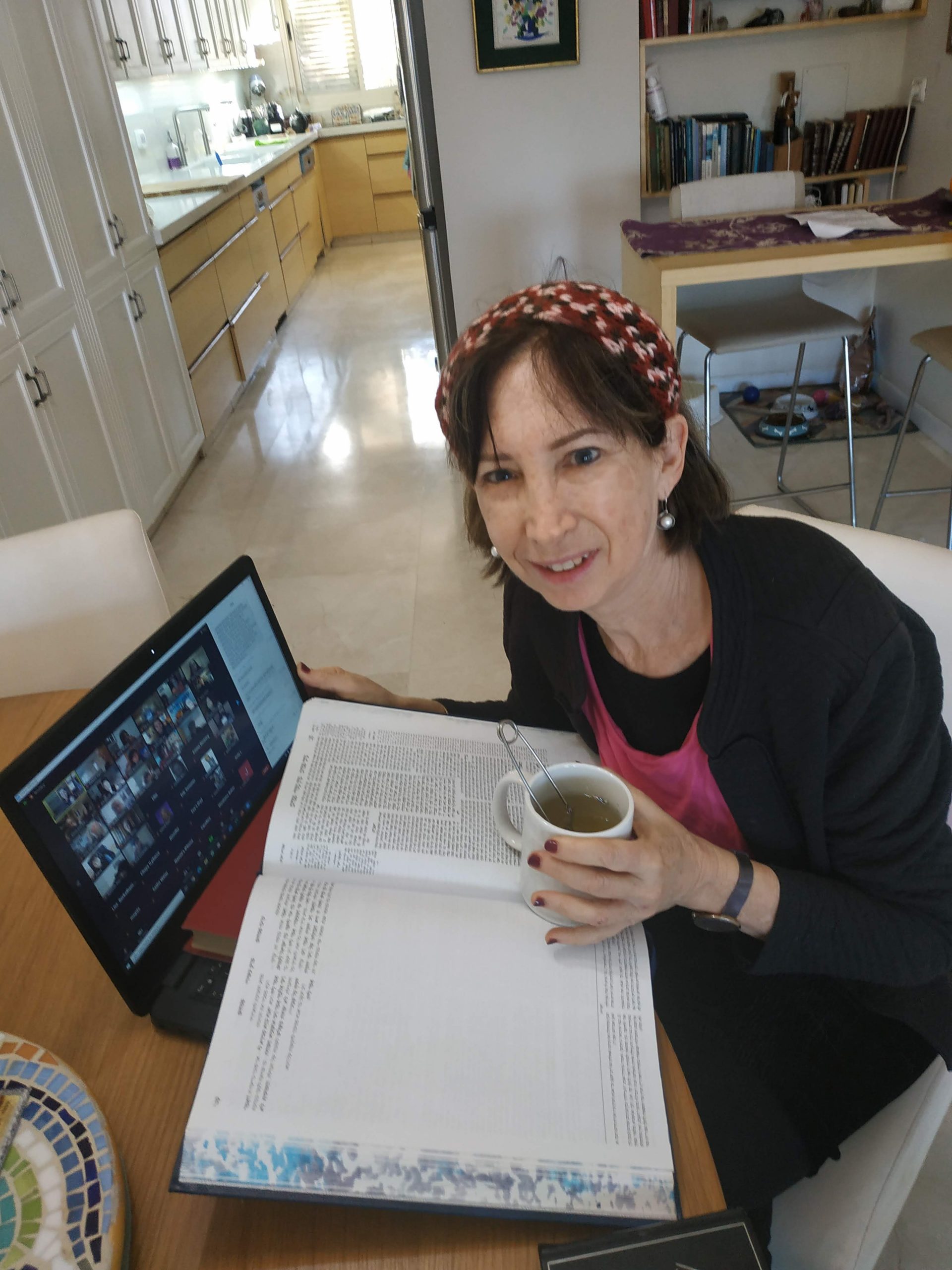
למדתי גמרא מכיתה ז- ט ב Maimonides School ואחרי העליה שלי בגיל 14 לימוד הגמרא, שלא היה כל כך מקובל בימים אלה, היה די ספוראדי. אחרי "ההתגלות” בבנייני האומה התחלתי ללמוד בעיקר בדרך הביתה למדתי מפוקקטסים שונים. לאט לאט ראיתי שאני תמיד חוזרת לרבנית מישל פרבר. באיזה שהוא שלב התחלתי ללמוד בזום בשעה 7:10 .
היום "אין מצב” שאני אתחיל את היום שלי ללא לימוד עם הרבנית מישל עם כוס הקפה שלי!!
חשמונאים, ישראל
התחלתי ללמוד בשנת המדרשה במגדל עוז, בינתיים נהנית מאוד מהלימוד ומהגמרא, מעניין ומשמח מאוד!
משתדלת להצליח לעקוב כל יום, לפעמים משלימה קצת בהמשך השבוע.. מרגישה שיש עוגן מקובע ביום שלי והוא משמח מאוד!

חיפה , ישראל
התחלתי בסיום הש”ס, יצאתי באורות. נשברתי פעמיים, ובשתיהם הרבנית מישל עודדה להמשיך איפה שכולם בסבב ולהשלים כשאוכל, וכך עשיתי וכיום השלמתי הכל. מדהים אותי שאני לומדת כל יום קצת, אפילו בחדר הלידה, בבידוד או בחו”ל. לאט לאט יותר נינוחה בסוגיות. לא כולם מבינים את הרצון, בפרט כפמניסטית. חשה סיפוק גדול להכיר את המושגים וצורת החשיבה. החלום זה להמשיך ולהתמיד ובמקביל ללמוד איך מהסוגיות נוצרה והתפתחה ההלכה.

מודיעין, ישראל
סיום השס לנשים נתן לי מוטביציה להתחיל ללמוד דף יומי. עד אז למדתי גמרא בשבתות ועשיתי כמה סיומים. אבל לימוד יומיומי זה שונה לגמרי ופתאום כל דבר שקורה בחיים מתקשר לדף היומי.
רתמים, ישראל
התחלתי ללמוד גמרא בבית הספר בגיל צעיר והתאהבתי. המשכתי בכך כל חיי ואף היייתי מורה לגמרא בבית הספר שקד בשדה אליהו (בית הספר בו למדתי בילדותי)בתחילת מחזור דף יומי הנוכחי החלטתי להצטרף ובע”ה מקווה להתמיד ולהמשיך. אני אוהבת את המפגש עם הדף את "דרישות השלום ” שמקבלת מקשרים עם דפים אחרים שלמדתי את הסנכרון שמתחולל בין התכנים.

מעלה גלבוע, ישראל
התחלתי ללמוד דף יומי בסבב הקודם. זכיתי לסיים אותו במעמד המרגש של הדרן. בסבב הראשון ליווה אותי הספק, שאולי לא אצליח לעמוד בקצב ולהתמיד. בסבב השני אני לומדת ברוגע, מתוך אמונה ביכולתי ללמוד ולסיים. בסבב הלימוד הראשון ליוותה אותי חוויה מסויימת של בדידות. הדרן העניקה לי קהילת לימוד ואחוות נשים. החוויה של סיום הש”ס במעמד כה גדול כשנשים שאינן מכירות אותי, שמחות ומתרגשות עבורי , היתה חוויה מרוממת נפש
קיבוץ מגדל עוז, ישראל
אני לומדת גמרא כעשור במסגרות שונות, ואת הדף היומי התחלתי כשחברה הציעה שאצטרף אליה לסיום בבנייני האומה. מאז אני לומדת עם פודקסט הדרן, משתדלת באופן יומי אך אם לא מספיקה, מדביקה פערים עד ערב שבת. בסבב הזה הלימוד הוא "ממעוף הציפור”, מקשיבה במהירות מוגברת תוך כדי פעילויות כמו בישול או נהיגה, וכך רוכשת היכרות עם הסוגיות ואופן ניתוחם על ידי חז”ל. בע”ה בסבב הבא, ואולי לפני, אצלול לתוכו באופן מעמיק יותר.
רמת גן, ישראל
התחלתי להשתתף בשיעור נשים פעם בשבוע, תכננתי ללמוד רק דפים בודדים, לא האמנתי שאצליח יותר מכך.
לאט לאט נשאבתי פנימה לעולם הלימוד .משתדלת ללמוד כל בוקר ומתחילה את היום בתחושה של מלאות ומתוך התכווננות נכונה יותר.
הלימוד של הדף היומי ממלא אותי בתחושה של חיבור עמוק לעם היהודי ולכל הלומדים בעבר ובהווה.

אפרת, ישראל
התחלתי ללמוד דף יומי בתחילת מסכת ברכות, עוד לא ידעתי כלום. נחשפתי לסיום הש״ס, ובעצם להתחלה מחדש בתקשורת, הפתיע אותי לטובה שהיה מקום לעיסוק בתורה.
את המסכתות הראשונות למדתי, אבל לא סיימתי (חוץ מעירובין איכשהו). השנה כשהגעתי למדרשה, נכנסתי ללופ, ואני מצליחה להיות חלק, סיימתי עם החברותא שלי את כל המסכתות הקצרות, גם כשהיינו חולות קורונה ובבידודים, למדנו לבד, העיקר לא לצבור פער, ומחכות ליבמות 🙂

מזכרת בתיה, ישראל
התחלתי בתחילת הסבב, והתמכרתי. זה נותן משמעות נוספת ליומיום ומאוד מחזק לתת לזה מקום בתוך כל שגרת הבית-עבודה השוטפת.

בית שמש, ישראל
התחלתי ללמוד דף יומי בסבב הקודם. זכיתי לסיים אותו במעמד המרגש של הדרן. בסבב הראשון ליווה אותי הספק, שאולי לא אצליח לעמוד בקצב ולהתמיד. בסבב השני אני לומדת ברוגע, מתוך אמונה ביכולתי ללמוד ולסיים. בסבב הלימוד הראשון ליוותה אותי חוויה מסויימת של בדידות. הדרן העניקה לי קהילת לימוד ואחוות נשים. החוויה של סיום הש”ס במעמד כה גדול כשנשים שאינן מכירות אותי, שמחות ומתרגשות עבורי , היתה חוויה מרוממת נפש
קיבוץ מגדל עוז, ישראל
התחלתי כשהייתי בחופש, עם הפרסומים על תחילת המחזור, הסביבה קיבלה את זה כמשהו מתמיד ומשמעותי ובהערכה, הלימוד זה עוגן יציב ביום יום, יש שבועות יותר ויש שפחות אבל זה משהו שנמצא שם אמין ובעל משמעות בחיים שלי….

גמזו, ישראל
התחלתי מעט לפני תחילת הסבב הנוכחי. אני נהנית מהאתגר של להמשיך להתמיד, מרגעים של "אהה, מפה זה הגיע!” ומהאתגר האינטלקטואלי

לוד, ישראל
למדתי גמרא מכיתה ז- ט ב Maimonides School ואחרי העליה שלי בגיל 14 לימוד הגמרא, שלא היה כל כך מקובל בימים אלה, היה די ספוראדי. אחרי "ההתגלות” בבנייני האומה התחלתי ללמוד בעיקר בדרך הביתה למדתי מפוקקטסים שונים. לאט לאט ראיתי שאני תמיד חוזרת לרבנית מישל פרבר. באיזה שהוא שלב התחלתי ללמוד בזום בשעה 7:10 .
היום "אין מצב” שאני אתחיל את היום שלי ללא לימוד עם הרבנית מישל עם כוס הקפה שלי!!
חשמונאים, ישראל
התחלתי ללמוד לפני 4.5 שנים, כשהודיה חברה שלי פתחה קבוצת ווטסאפ ללימוד דף יומי בתחילת מסכת סנהדרין. מאז לימוד הדף נכנס לתוך היום-יום שלי והפך לאחד ממגדירי הזהות שלי ממש.

ירושלים, ישראל
התחלתי ללמוד בעידוד שתי חברות אתן למדתי בעבר את הפרק היומי במסגרת 929.
בבית מתלהבים מאוד ובשבת אני לומדת את הדף עם בעלי שזה מפתיע ומשמח מאוד! לימוד הדף הוא חלק בלתי נפרד מהיום שלי. לומדת בצהריים ומחכה לזמן הזה מידי יום…
אפרת, ישראל
התחלתי ללמוד דף לפני קצת יותר מ-5 שנים, כשלמדתי רבנות בישיבת מהר”ת בניו יורק. בדיעבד, עד אז, הייתי בלימוד הגמרא שלי כמו מישהו שאוסף חרוזים משרשרת שהתפזרה, פה משהו ושם משהו, ומאז נפתח עולם ומלואו…. הדף נותן לי לימוד בצורה מאורגנת, שיטתית, יום-יומית, ומלמד אותי לא רק ידע אלא את השפה ודרך החשיבה שלנו. לשמחתי, יש לי סביבה תומכת וההרגשה שלי היא כמו בציטוט שבחרתי: הדף משפיע לטובה על כל היום שלי.
חיפה, ישראל
בבא מציעא צז
דִּינָא הָכִי וּשְׁתֵיק רַב.
Is this the halakha? Is it not sufficient to pay him the difference between the broken ax’s previous and current value? And Rav was silent; he did not answer.
וְהִלְכְתָא כְּרַב כָּהֲנָא וְרַב אַסִּי, דְּמַהְדַּר לֵיהּ תַּבְרֵיהּ וּמְמַלֵּי לֵיהּ דְּמֵי מָנָא.
The Gemara concludes: And the halakha is in accordance with the opinion of Rav Kahana and Rav Asi, that he returns to him the broken tool and makes up the remainder of the tool’s previous value with a monetary payment.
הָהוּא גַּבְרָא דִּשְׁאֵיל דַּוְולָא מֵחַבְרֵיהּ, אִיתְּבַר. אֲתָא לְקַמֵּיהּ דְּרַב פָּפָּא. אֲמַר לֵיהּ: אַיְיתִי סָהֲדִי דְּלָא שַׁנֵּית בֵּיהּ, וְאִיפְּטַר.
The Gemara relates: A certain man borrowed a pail from another and it broke. He came before Rav Pappa for judgment. Rav Pappa said to him: Bring witnesses that you did not deviate from its regular use, and you will be exempt from liability, as this is comparable to a case of a borrowed animal that died due to ordinary labor.
הָהוּא גַּבְרָא דִּשְׁאֵיל שׁוּנָרָא מֵחַבְרֵיהּ, חֲבוּר עֲלֵיהּ עַכְבְּרֵי וְקַטְלוּהּ. יָתֵיב רַב אָשֵׁי וְקָמִיבַּעְיָא לֵיהּ: כִּי הַאי גַוְונָא מַאי? כִּי מֵתָה מֵחֲמַת מְלָאכָה דָּמֵי, אוֹ לָא? אֲמַר לֵיהּ רַב מָרְדֳּכַי לְרַב אָשֵׁי הָכִי אָמַר אֲבִימִי מֵהַגְרוֹנְיָא מִשְּׁמֵיהּ דְּרָבָא: גַּבְרָא דִּנְשֵׁי קַטְלוּהּ – לָא דִּינָא וְלָא דַּיָּינָא.
The Gemara relates: A certain man borrowed a cat from another to hunt and kill mice for him. The mice banded together against it and killed it. Rav Ashi sat and raised a dilemma: In a case like this, what is the halakha? Is this case comparable to a case where a borrowed animal died due to ordinary labor, or not? Rav Mordekhai said to Rav Ashi: Avimi of Hagronya said this in the name of Rava: With regard to a man who women killed, there is a need for neither judgment nor a judge, i.e., it is obvious that they are liable. In this case as well, it is obvious that the borrower may bring the cat to hunt mice, and he is therefore exempt from liability.
אִיכָּא דְּאָמְרִי: אֲכַל עַכְבְּרֵי טוּבָא וַחֲבִיל וּמִית. יָתֵיב רַב אָשֵׁי וְקָא מְעַיֵּין בַּהּ: כְּהַאי גַּוְונָא מַאי? אֲמַר לֵיהּ רַב מָרְדֳּכַי לְרַב אָשֵׁי: הָכִי אָמַר אֲבִימִי מֵהַגְרוֹנְיָא: גַּבְרָא דִּנְשֵׁי קַטְלוּהּ – לָא דִּינָא וְלָא דַּיָּינָא.
There are those who say that the incident actually occurred as follows: The cat ate many mice, and was harmed by doing so and died. Rav Ashi sat and deliberated: In a case like this, what is the halakha? Rav Mordekhai said to Rav Ashi: Avimi of Hagronya said this: With regard to a man who overindulged in sexual intercourse to the extent that women killed him by exhausting him, there is neither judgment nor judge, i.e., there is no redress since it is his own fault.
אָמַר רָבָא: הַאי מַאן דְּבָעֵי לְמִישְׁאַל מִידֵּי מֵחַבְרֵיהּ וְלִיפְּטַר, נֵימָא לֵיהּ: אַשְׁקְיַין מַיָּא, דְּהָוֵי שְׁאֵילָה בִּבְעָלִים.
Rava says: With regard to one who wants to borrow something from another and be exempt from liability, let him say to the lender at the time of borrowing: Pour me water. He will thereby be exempt, as it is then a case of borrowing an item and borrowing or hiring the services of its owner with it.
וְאִי פִּקֵּחַ הוּא, נֵימָא לֵיהּ: שְׁאֵיל בְּרֵישָׁא וַהֲדַר אַשְׁקְיָיךְ.
And if the lender is perspicacious and wishes to prevent the borrower from being exempt from liability, let him say to him: Borrow the item first and then I will pour the water for you. Since the owner will not yet be working for the borrower at the time of the borrowing, the exemption does not apply.
אָמַר רָבָא: מַקְרֵי דַרְדְּקֵי, שַׁתָּלָא, טַבָּחָא, וְאוּמָּנָא, סַפַּר מָתָא – כּוּלְּהוֹן בְּעִידָּן עֲבִידְתַּיְיהוּ כִּשְׁאֵילָה בִּבְעָלִים דָּמוּ.
Rava says: A teacher of children, the local gardener, the local butcher, and the local bloodletter, and a scribe of the city, with regard to all of them, if someone borrows an item from them at the time of their work, he is exempt from liability, as the case is comparable to borrowing an item and borrowing or hiring its owner with it. These people are always considered in the employ of the residents of the place where they work.
אֲמַרוּ לֵיהּ רַבָּנַן לְרָבָא: שְׁאִיל לַן מָר. אִקְּפִיד. אֲמַר לְהוּ: לְאַפְקוֹעֵי מָמוֹנַאי קָא בָעֵיתוּ?! אַדְּרַבָּה, אַתּוּן שְׁאִילְתּוּן לִי. דְּאִילּוּ אֲנָא מָצֵי אִישְׁתְּמוֹטֵי לְכוּ מִמַּסֶּכְתָּא לְמַסֶּכְתָּא, אַתּוּן לָא מָצֵיתוּ לְאִישְׁתְּמוֹטֵי.
The Gemara relates: The Rabbis said to Rava: Master, you are lent to us to teach us Torah, and so if we borrow an item from you, we should be exempt from liability. These Rabbis stated this based on Rava’s own ruling. Rava was angered by this and said to them: Do you want to take my money away from me? On the contrary, I am not lent to you; rather, you are lent to me, since you assist me in consolidating my Torah knowledge. And this is the proof that it is you who are assisting me: Whereas I am able to deflect you from one tractate to another tractate because I am not obligated to teach specifically that which you want to learn, you are not able to deflect me from what I wish to teach.
וְלָא הִיא, אִיהוּ שְׁאִיל לְהוּ בְּיוֹמָא דְכַלָּה. אִינְהוּ שְׁאִילוּ לֵיהּ בִּשְׁאָר יוֹמֵי.
The Gemara comments: But it is not so that a teacher is never lent to his students. During the days of the kalla, the gatherings for Torah study during Elul and Adar, the teacher is required to teach a specific subject, and therefore he is lent to them. During the rest of the days of the year, they are lent to him, as he can teach whatever subject matter he wishes.
מָרִימָר בַּר חֲנִינָא אוֹגַר כּוּדַנְיָיתָא בֵּי חוֹזָאֵי, נְפַק לְדַלּוֹיֵי טְעוּנַהּ בַּהֲדַיְיהוּ, פְּשַׁעוּ בַּהּ וּמִית. אֲתוֹ לְקַמֵּיהּ דְּרָבָא, חַיְּיבִינְהוּ. אֲמַרוּ לֵיהּ רַבָּנַן לְרָבָא: פְּשִׁיעָה בִּבְעָלִים הִיא! אִיכְּסִיף. לְסוֹף אִיגַּלַּאי מִילְּתָא דִּלְמֵיסַר טְעוּנַהּ הוּא דִּנְפַק.
The Gemara relates: Mareimar bar Ḥanina rented out a mule to the residents of Bei Ḥozai. He went out to raise up a load onto the mule together with those who rented it. Later they were negligent with the animal, and it died. They came before Rava for judgment, and he deemed them liable to pay. The Sages said to Rava: This is a case of a mishap that occurred due to a renter’s negligence in safeguarding a deposit that was rented together with its owner, and the halakha in such a case is that the renter is exempt. Rava was embarrassed that he had ruled incorrectly. Ultimately it was revealed that Mareimar bar Ḥanina had gone out only to supervise the loading but did not actually participate in loading the animal. Accordingly, Rava’s ruling that the renters were liable proved to be correct.
הָנִיחָא לְמַאן דְּאָמַר פְּשִׁיעָה בִּבְעָלִים פָּטוּר, מִשּׁוּם הָכִי אִיכְּסִיף. אֶלָּא לְמַאן דְּאָמַר חַיָּיב, אַמַּאי אִיכְּסִיף?
The Gemara comments: This works out well according to the one who says that in a case of a mishap that occurred because of a borrower’s negligence in safeguarding a deposit that was borrowed together with its owner, the borrower is exempt; for that reason Rava was embarrassed for ruling incorrectly. But according to the one who says that in such a case the borrower is liable, why was he embarrassed; wouldn’t it appear that he ruled correctly?
לָא מִיפְשָׁע פְּשַׁעוּ בָּהּ, אֶלָּא אִיגְּנוֹבֵי אִיגְּנוּב, וּמֵתָה כְּדַרְכָּהּ בֵּי גַנָּב הָוֵי. וַאֲתוֹ לְקַמֵּיהּ דְּרָבָא וְחַיְּיבִינְהוּ. אֲמַרוּ לֵיהּ רַבָּנַן לְרָבָא: גְּנֵיבָה בִּבְעָלִים הִיא. אִכְּסִיף. לְסוֹף אִיגַּלַּאי מִילְּתָא דִּלְמֵיסַר טְעוּנַהּ הוּא דִּנְפַק.
The Gemara emends the details of the incident: Those that rented the mule were not negligent with it. Rather, it was stolen from them and then it died naturally in the house of the thief. And those who rented the mule came before Rava for judgment, and he deemed them liable. The Sages said to Rava: This is a case of theft of a deposit that was borrowed together with borrowing the services of the owner, and so the borrower should be exempt. Rava was embarrassed that he had ruled incorrectly. Ultimately it was revealed that Mareimar bar Ḥanina had gone out only to supervise the loading but did not actually participate in loading the animal. Accordingly, Rava’s ruling proved to be correct.
מַתְנִי׳ הַשּׁוֹאֵל אֶת הַפָּרָה, שְׁאָלָהּ חֲצִי יוֹם וּשְׂכָרָהּ חֲצִי יוֹם. שְׁאָלָהּ הַיּוֹם וּשְׂכָרָהּ לְמָחָר. שָׂכַר אַחַת וְשָׁאַל אַחַת, וּמֵתָה. הַמַּשְׁאִיל אוֹמֵר: שְׁאוּלָה מֵתָה, בְּיוֹם שֶׁהָיְתָה שְׁאוּלָה מֵתָה,
MISHNA: There is one who borrowed a cow. He borrowed it for half of the day and rented it for the other half of the day; or he borrowed it for today and rented it for tomorrow; or he rented one cow and borrowed another one from the same person. And in one of the first two cases, the cow died and it is not clear during which period the cow died. Or in the last case, one of the cows died and it is not clear whether it had been the borrowed cow or the rented cow. If the lender then says: The borrowed cow is the one that died; or: It died on the day that it was being borrowed;
בְּשָׁעָה שֶׁהָיְתָה שְׁאוּלָה מֵתָה. וְהַלָּה אוֹמֵר: אֵינִי יוֹדֵעַ – חַיָּיב.
or: It died during the period in which it was being borrowed, so that, according to his claim, the borrower is liable to pay for the cow, and the other one, the borrower, says: I do not know what happened, the borrower is liable to pay.
הַשּׂוֹכֵר אוֹמֵר: שְׂכוּרָה מֵתָה, בְּיוֹם שֶׁהָיְתָה שְׂכוּרָה מֵתָה, בְּשָׁעָה שֶׁהָיְתָה שְׂכוּרָה מֵתָה. וְהַלָּה אוֹמֵר: אֵינִי יוֹדֵעַ – פָּטוּר.
If the renter says: The rented cow is the one that died; or: It died on the day that it was being rented; or: It died during the period in which it was being rented, and the other one, the owner of the cow, says: I do not know what happened, the renter is exempt.
זֶה אוֹמֵר: שְׁאוּלָה, וְזֶה אוֹמֵר: שְׂכוּרָה – יִשָּׁבַע הַשּׂוֹכֵר שֶׁשְּׂכוּרָה מֵתָה.
If this owner says with certitude: The borrowed cow is the one that died, and that renter says with certitude: The rented cow is the one that died, then the renter takes an oath that the rented cow is the one that died, and he is then exempt from liability.
זֶה אוֹמֵר: אֵינִי יוֹדֵעַ, וְזֶה אוֹמֵר: אֵינִי יוֹדֵעַ – יַחְלוֹקוּ.
If this one says: I do not know what happened, and that one says: I do not know what happened, then they divide the disputed amount. The bailee is liable to pay for only half the value of the cow.
גְּמָ׳ שָׁמְעַתְּ מִינַּהּ: מָנֶה לִי בְּיָדְךָ, וְהַלָּה אוֹמֵר: אֵינִי יוֹדֵעַ – חַיָּיב.
GEMARA: Conclude from the mishna that in a comparable situation, where one says to another: I have one hundred dinars in your possession, and the other one says: I do not know whether or not I have your money, that the defendant is liable to pay.
לֵימָא תִּהְוֵי תְּיוּבְתָּא דְּרַב נַחְמָן, דְּאִיתְּמַר: ״מָנֶה לִי בְּיָדְךָ״, וְהַלָּה אוֹמֵר: אֵינִי יוֹדֵעַ. רַב הוּנָא וְרַב יְהוּדָה אָמְרִי: חַיָּיב. רַב נַחְמָן וְרַבִּי יוֹחָנָן אָמְרִי: פָּטוּר!
The Gemara suggests: Let us say that it is a conclusive refutation of the opinion of Rav Naḥman. As it was stated that the amora’im disagreed about the following case: With regard to one who approaches another and says: I have one hundred dinars in your possession, and the other says: I do not know, Rav Huna and Rav Yehuda say: The respondent is liable to pay, because he did not deny the claim. Rav Naḥman and Rabbi Yoḥanan say: He is exempt from payment.
כִּדְאָמַר רַב נַחְמָן: כְּגוֹן שֶׁיֵּשׁ עֵסֶק שְׁבוּעָה בֵּינֵיהֶן. הָכָא נָמֵי – כְּגוֹן שֶׁיֵּשׁ עֵסֶק שְׁבוּעָה בֵּינֵיהֶן.
The Gemara refutes this contention: Just as Rav Naḥman says in that context: He is liable to pay only in a case where there is a matter of an oath between them, here too, it is a case where there is a matter of an oath between them. In that case, Rav Naḥman rules that he is liable to pay only if he is already liable to take an oath concerning his denial of part of the claim. Since he does not know if he owes this sum, and he is therefore unable to take the oath he is liable to take, he must pay. In this case as well, since the bailee does not know what occurred, he cannot take an oath, and must pay.
הֵיכִי דָּמֵי עֵסֶק שְׁבוּעָה? כִּדְרָבָא,
The Gemara asks: What are the circumstances of a matter of an oath? The Gemara explains: This in accordance with the statement of Rava,

