חיפוש

ביצה כו

רוצה להקדיש שיעור?

podcast placeholder

0:00
0:00


תקציר

הלימוד השבוע מוקדש ע”י דינה בקר לרפואת ראובן אפריים בן שושנה.

הדף היום מוקדש ע”י אילנה קרמייר לעילוי נשמת אביה משה יהודה בן הרב בנימין וחיה צפורה וע”י אירה ונתניה סלומוביץ לעילוי נשמת הרב שלמה סלומוביץ בן הרב דב צבי ומאשה. 

בכור בהמה ניתן לכהן והוא חייב להביא כקרבן. אך אם נופל בו מום, הוא יכול לשחוט ולאכול בלי הקרבה. לאחר החרבן, שחיטת בכור מותרת רק לאחר שיפול בו מום. ורק חכם יכול לקבוע שיש בו מום המתירו לשחיטה. אם בכור נפל לבור ביום טוב, האם מותר למומחה לרדת לבור לבדוק אם יש בו מום (שהיה שם כבר שמערב יום טוב) ואז יהיה אפשר להעלותו בכדי לשוחטו. זה מחלוקת בין ר’ יהודה ור’ שמעון. ר’ משעון בן מנסיא מסביר לפי שיטת ר’ שמעון שיש שלושה מקרים בקשר לבכור וכל אחד עם דין אחר. רבה בר רב הונא מבין שבמקרה אחד, אסור לשחוט אפילו בדיעבד, במקרה אחר, אסור לכתחילה אבל מותר בדיעבד, ובשלישית, מותר אפילו בדיעבד. מקשים עליו ודוחים את דבריו מברייתא שנשנה בארץ ישראל. הלל שאל את רבא אם יש מוקצה לחצי שבת – שאם משהו היה ראוי בתחילת שבת ואז לא היה ראוי ואז שוב היה ראוי, האם מחשב מוקצה לכל השבת או לא? הגמרא מביאה כמה מקורות בכדי להגיע לתשובה אך ללא הצלחה.

כלים

ביצה כו

אִם יֵשׁ בּוֹ מוּם — יַעֲלֶה וְיִשְׁחוֹט, וְאִם לָאו — לֹא יִשְׁחוֹט. רַבִּי שִׁמְעוֹן אוֹמֵר: כֹּל שֶׁאֵין מוּמוֹ נִיכָּר מִבְּעוֹד יוֹם, אֵין זֶה מִן הַמּוּכָן —

If it has a permanent blemish, owing to which it may be slaughtered and eaten, he may raise it from the cistern and slaughter it; but if it does not have a blemish, or if its blemish is temporary, he may not slaughter it. Rabbi Shimon says: Even if it has a blemish, it is prohibited to slaughter it, as any firstborn animal whose blemish is not perceptible while it is still day, i.e., on the day before the Festival, is not considered to be among the animals prepared prior to the Festival for use on the Festival.

גְּמָ׳ בְּמַאי קָא מִפַּלְגִי? אִי נֵימָא בְּרוֹאִין מוּמִין קָמִפַּלְגִי, דְּרַבִּי יְהוּדָה סָבַר: רוֹאִין מוּמִין בְּיוֹם טוֹב, וְרַבִּי שִׁמְעוֹן סָבַר: אֵין רוֹאִין מוּמִין בְּיוֹם טוֹב, וְלִפַּלְגוּ בְּרוֹאִין מוּמִין דְּעָלְמָא!

GEMARA: The Gemara asks: With regard to what principle do Rabbi Yehuda and Rabbi Shimon disagree? If we say that they disagree about whether or not one may examine blemishes on a Festival, such that Rabbi Yehuda holds that one may examine blemishes on a Festival, and Rabbi Shimon holds that one may not examine blemishes on a Festival, if so, let them disagree with regard to examining blemishes in general on a Festival and not only with respect to the particular case of a firstborn that fell into a cistern.

בְּכוֹר שֶׁנָּפַל לַבּוֹר אִצְטְרִיכָא לֵיהּ, סָלְקָא דַּעְתָּךְ אָמֵינָא: מִשּׁוּם צַעַר בַּעֲלֵי חַיִּים לַעֲרֵים וְלַסְּקֵיהּ כְּרַבִּי יְהוֹשֻׁעַ — קָא מַשְׁמַע לַן.

The Gemara answers: It was necessary to teach the disagreement with regard to the case of a firstborn that fell into a cistern, as it could enter your mind to say that because of the matter of the suffering of living creatures, one should employ an artifice to circumvent the halakha and raise the animal from the cistern. This would be in accordance with the opinion of Rabbi Yehoshua, who states elsewhere (37a) with regard to a different case that one may employ an artifice in order to rescue an animal that fell into a cistern on a Festival. Therefore, the mishna teaches us that Rabbi Yehuda and Rabbi Shimon disagree even in the case of a firstborn that fell into a cistern.

אִי הָכִי, ״לֹא יִשְׁחוֹט״? ״לֹא יַעֲלֶה וְיִשְׁחוֹט״ מִבְּעֵי לֵיהּ! לָא צְרִיכָא — דַּעֲבַר וְאַסְּקֵיהּ, סָלְקָא דַּעְתָּךְ אָמֵינָא: לִשְׁחֲטֵיהּ, קָא מַשְׁמַע לַן.

The Gemara asks: If so, if the mishna mentions the case of a firstborn that fell into a cistern in order to teach that an artifice may not be employed to raise the animal from the cistern, the phrase: He may not slaughter it, is inaccurate. Rather, it should have stated: He may not raise the animal and slaughter it. The Gemara answers: No, this teaching is necessary in a case where he transgressed the prohibition and already raised it, as it could enter your mind to say that he may now slaughter it. Therefore, the mishna teaches us that even then he may not do so.

לִשְׁחֲטֵיהּ?! הָא תָּם הוּא! לָא צְרִיכָא, דִּנְפַל בֵּיהּ מוּמָא. וְהָא מוּקְצֶה הוּא!

The Gemara expresses wonder at this answer: How could one think that he may now slaughter it? Isn’t the animal unblemished? How could one imagine that it is permitted to slaughter a firstborn that is unblemished? The Gemara answers: This teaching is necessary only in a case where it developed a blemish after it fell. The Gemara challenges this argument: But how could one think that he may now slaughter the animal? Doesn’t it fall into the category of muktze, as it was not fit to be eaten on the eve of the Festival, since at that time it was still unblemished? In that case, it should remain in the category of muktze for the duration of the Festival.

אֶלָּא: דִּנְפַל בֵּיהּ מוּם עוֹבֵר מֵעֶרֶב יוֹם טוֹב, וְהַשְׁתָּא הֲוָה לֵיהּ מוּם קָבוּעַ. מַהוּ דְּתֵימָא: דְּדַעְתֵּיהּ עִלָּוֵיהּ, וְנִשְׁחֲטֵיהּ, קָא מַשְׁמַע לַן.

Rather, the mishna is speaking of a case where the animal developed a temporary blemish, one that might eventually heal, on the eve of the Festival, and now, after falling, it has a permanent blemish. Lest you say that his mind was set on the animal as food already before the Festival due to the temporary blemish and therefore he should now be allowed to slaughter it, the mishna teaches us that since it was not fit to be eaten before the Festival, it is not considered prepared for use on the Festival. Rather, it falls into the category of muktze and may not be slaughtered.

תָּנוּ רַבָּנַן: בְּכוֹר תָּם שֶׁנָּפַל לַבּוֹר, רַבִּי יְהוּדָה הַנָּשִׂיא אוֹמֵר: יֵרֵד מוּמְחֶה וְיִרְאֶה, אִם יֵשׁ בּוֹ מוּם — יַעֲלֶה וְיִשְׁחוֹט, וְאִם לָאו — לֹא יִשְׁחוֹט. אָמַר לוֹ רַבִּי שִׁמְעוֹן בֶּן מְנַסְיָא: הֲרֵי אָמְרוּ אֵין רוֹאִין מוּמִין בְּיוֹם טוֹב. כֵּיצַד? נוֹלַד בּוֹ מוּם מֵעֶרֶב יוֹם טוֹב, אֵין מְבַקְּרִין אוֹתוֹ בְּיוֹם טוֹב. נוֹלַד בּוֹ מוּם

The Sages taught the following baraita: With regard to an unblemished firstborn that fell into a cistern on a Festival, Rabbi Yehuda HaNasi says: An expert in these matters goes down into the cistern and examines the animal. If it now has a permanent blemish as a result of the fall, he may raise it from the cistern and slaughter it; but if not, then even if he proceeds to raise it, he may not slaughter it, even if afterwards it develops a blemish. Rabbi Shimon ben Menasya said to him: The Sages of earlier generations already said that one may not examine blemishes on a Festival. How so? If a blemish came into being on the eve of a Festival, one may not examine it on the Festival itself to see whether it is in fact of the type that permits the animal to be slaughtered. And if the blemish came into being

בְּיוֹם טוֹב, רַבִּי שִׁמְעוֹן אוֹמֵר: אֵין זֶה מִן הַמּוּכָן. וְשָׁוִין שֶׁאִם נוֹלַד הוּא וּמוּמוֹ עִמּוֹ — שֶׁזֶּה מִן הַמּוּכָן.

on the Festival itself, Rabbi Shimon says: It is not considered to be among the animals prepared prior to the Festival for use on the Festival; therefore, even if it was examined by an expert, it may not be slaughtered. And Rabbi Yehuda and Rabbi Shimon agree that if the animal was born with its blemish, it is considered to be among the animals prepared for use on the Festival.

דָּרֵשׁ רַבָּה בַּר רַב הוּנָא: נוֹלַד הוּא וּמוּמוֹ עִמּוֹ — מְבַקְּרִין אוֹתוֹ בְּיוֹם טוֹב לְכַתְּחִלָּה. אֲמַר לֵיהּ רַב נַחְמָן, אַבָּא תָּנֵי: אִם עָבַר וּבִקְּרוֹ — מְבוּקָּר, וְאַתְּ אָמְרַתְּ מְבַקְּרִין אוֹתוֹ לְכַתְּחִלָּה!

Rabba bar Rav Huna taught the halakha as follows: If a firstborn was born with its blemish, experts may examine it on a Festival ab initio, and if the blemish is found to be permanent, the animal may then be slaughtered. Rav Naḥman said to him: Father would teach on this matter that if he transgressed and examined it, it is considered examined after the fact, and you say that one may examine it even ab initio?

אָמַר אַבָּיֵי: כְּוָתֵיהּ דְּרַבָּה בַּר רַב הוּנָא מִסְתַּבְּרָא, מִדְּקָתָנֵי תְּלָתָא בָּבֵי: נוֹלַד בּוֹ מוּם מֵעֶרֶב יוֹם טוֹב — אֵין מְבַקְּרִין אוֹתוֹ בְּיוֹם טוֹב. לְכַתְּחִלָּה הוּא דְּלָא, הָא דִּיעֲבַד — שַׁפִּיר דָּמֵי.

Abaye said: It stands to reason that the halakha is in accordance with the opinion of Rabba bar Rav Huna from the fact that the baraita is taught in three parts, which suggests that each part contains a novel halakha. The first section states: If a firstborn developed a blemish on the eve of a Festival one may not examine it on the Festival itself, from which one can learn that it is only ab initio that one may not examine it; but after the fact, it seems well, and the examination is valid.

נוֹלַד בּוֹ מוּם בְּיוֹם טוֹב, רַבִּי שִׁמְעוֹן אוֹמֵר: אֵין זֶה מִן הַמּוּכָן — דַּאֲפִילּוּ דִּיעֲבַד נָמֵי לָא. וַהֲדַר תָּנֵי: וְשָׁוִין שֶׁאִם נוֹלַד וּמוּמוֹ עִמּוֹ, שֶׁזֶּה מִן הַמּוּכָן — דַּאֲפִילּוּ לְכַתְּחִלָּה נָמֵי.

The second section of the baraita states: If it developed a blemish on the Festival itself, Rabbi Shimon says: It is not considered to be among the animals prepared prior to the Festival for use on the Festival. In other words, even after the fact, no, if the animal was examined by an expert, it may not be slaughtered and eaten. And then in the third section it teaches: And Rabbi Yehuda and Rabbi Shimon agree that if the animal was born with its blemish, it is considered to be among the animals prepared for use on the Festival. The fact that the baraita taught this halakha as an independent clause indicates that even ab initio as well, the animal may be examined.

וְהָא כִּי אֲתָא רַב אוֹשַׁעְיָא, אֲתָא וְאַיְיתִי מַתְנִיתָא בִּידֵיהּ: בֵּין שֶׁנּוֹלַד בּוֹ מוּם מֵעֶרֶב יוֹם טוֹב, וּבֵין שֶׁנּוֹלַד בּוֹ מוּם בְּיוֹם טוֹב, חֲכָמִים אוֹמְרִים: אֵין זֶה מִן הַמּוּכָן.

The Gemara raises an objection: But isn’t it so that when Rav Oshaya came from Eretz Yisrael to Babylonia, he came and brought the following baraita in his hand: Whether the animal developed a blemish on the eve of the Festival or it developed a blemish on the Festival itself, the Rabbis say: It is not considered to be among the animals prepared for use on the Festival, so that even after the fact, if the animal was examined, it may not be slaughtered and eaten. According to this, the allowance granted in the case of a firstborn that was born with its blemish can be only after the fact, as argued by Rav Naḥman, and not ab initio, as maintained by Rabba bar Rav Huna. Why, then, does Abaye accept the opinion of the latter and not that of the former?

וְאֶלָּא קַשְׁיָא הָךְ! הָהִיא — אַדָּא בַּר אוּכָּמֵי הִיא, דִּמְשַׁבֵּשׁ וְתָנֵי.

The Gemara asks: But if so, that baraita cited earlier, which presents these halakhot differently, is difficult. The Gemara answers: This does not pose a problem, as that baraita was taught by Adda bar Ukhmei, who would often confuse the opinions in the text and teach an inaccurate version of the dispute; therefore, his version is unreliable.

אָמַר רַב נַחְמָן בַּר יִצְחָק: מַתְנִיתִין נָמֵי דַּיְיקָא. דְּקָתָנֵי, רַבִּי שִׁמְעוֹן אוֹמֵר: כֹּל שֶׁאֵין מוּמוֹ נִיכָּר מֵעֶרֶב יוֹם טוֹב — אֵין זֶה מִן הַמּוּכָן. מַאי אֵין מוּמוֹ נִיכָּר? אִילֵּימָא שֶׁאֵין מוּמוֹ נִיכָּר כְּלָל — פְּשִׁיטָא, צְרִיכָא לְמֵימַר?

Rav Naḥman bar Yitzḥak said: The mishna is also precise in its wording according to the opinion that no blemish may be examined ab initio. As the mishna teaches that Rabbi Shimon says: Even if the animal has a blemish, it is prohibited to slaughter it, since any firstborn animal whose blemish is not perceptible on the eve of the Festival while it is still day is not considered to be among the animals prepared prior to the Festival for use on the Festival. What is the meaning of the phrase: Whose blemish is not perceptible? If we say that its blemish is not perceptible at all, it is obvious. Need it be said that an animal whose blemish was not perceptible at all prior to the Festival is not considered prepared for use on the Festival?

אֶלָּא, דְּלָא אִתְחֲזִי לְחָכָם מֵעֶרֶב יוֹם טוֹב אִם מוּם קָבוּעַ אִם מוּם עוֹבֵר. קָתָנֵי מִיהַת אֵין זֶה מִן הַמּוּכָן, שְׁמַע מִינַּהּ.

Rather, one must say that the animal had a perceptible blemish, but it was not shown to a Sage on the eve of the Festival to determine whether it is a permanent blemish or a temporary blemish. In any event, the mishna teaches: It is not considered to be among the animals prepared prior to the Festival for use on the Festival, which indicates that it is not considered prepared even after the fact. It follows that the allowance granted in the case of a firstborn that was born with its blemish is also only after the fact, but the blemish may not be examined ab initio. The Gemara concludes: Indeed, learn from this that this is so.

בָּעֵי מִינֵּיהּ הִלֵּל מֵרָבָא: יֵשׁ מוּקְצֶה לַחֲצִי שַׁבָּת אוֹ אֵין מוּקְצֶה לַחֲצִי שַׁבָּת? הֵיכִי דָמֵי: אִי דְּאִחֲזִי בֵּין הַשְּׁמָשׁוֹת — אִחֲזִי. אִי דְּלָא אִחֲזִי — לָא אִחֲזִי?

§ Hillel raised a dilemma before Rava: Is there a prohibition of muktze for half of Shabbat or is there no prohibition of muktze for half of Shabbat? The Gemara asks: What are the circumstances of this case? If an item was fit for eating or for some other purpose at twilight between Friday and Shabbat, it would then be fit for the entire Shabbat. And if it was not fit at twilight, it is not fit for the entire day, as anything considered muktze at twilight remains so throughout Shabbat. How, then, could there be a case of an item that is considered muktze for half of Shabbat?

לָא צְרִיכָא: דְּאִחֲזִי, וַהֲדַר אִדְּחִי, וַהֲדַר אִחֲזִי. מַאי? אֲמַר לֵיהּ: יֵשׁ מוּקְצֶה.

The Gemara explains: No, it is necessary to raise this dilemma in a case where the item had once been fit for use, and then became disqualified on Shabbat itself for some reason, and then once again became fit. It is about such a case that Hillel asked: What is the halakha? Rava said to Hillel: There is a prohibition of muktze for half of Shabbat, that is to say, once an item becomes disqualified for use on Shabbat, it retains that status for the rest of the day.

אֵיתִיבֵיהּ: וְשָׁוִין שֶׁאִם נוֹלַד וּמוּמוֹ עִמּוֹ — שֶׁזֶּה מִן הַמּוּכָן. וְאַמַּאי? נֵימָא: הַאי בְּכוֹר מֵעִיקָּרָא הֲוָה חֲזֵי אַגַּב אִמֵּיהּ, אִתְיְלִיד לֵיהּ — אִדְּחִי לֵיהּ, אַחְזְיֵיהּ לְחָכָם — אִשְׁתְּרִי לֵיהּ!

Hillel raised an objection from the previously cited baraita that taught: And Rabbi Yehuda and Rabbi Shimon agree that if the animal was born with its blemish, it is considered to be among the animals prepared before the Festival for use on the Festival. But why should this be? Let us say as follows: This firstborn was fit at the outset to be eaten on account of its mother, as had its mother been slaughtered before giving birth to the firstborn, it would have been permitted to eat them both. This being the case, when the firstborn was born, it became disqualified, since once a firstborn is born, it may not be eaten until it acquires a permanent blemish. And later, when he showed it to a Sage, it once again became permitted to him. This shows that although the animal had the status of muktze for part of the day of the Festival, it did not retain that status for the entire day.

אָמַר אַבָּיֵי וְאִיתֵּימָא רַב סָפְרָא: כְּגוֹן דְּיָתְבִי דַּיָּינֵי הָתָם.

Abaye said, and some say it was Rav Safra who said: Here, the baraita is referring to a case where judges were sitting there, observing the firstborn as it was being born, and they immediately saw that it was blemished. Therefore, the animal never lost its permitted status even for a moment.

אִיכָּא דְאָמְרִי, אֲמַר לֵיהּ: אֵין מוּקְצֶה לַחֲצִי שַׁבָּת. לֵימָא מְסַיַּיע לֵיהּ: וְשָׁוִין שֶׁאִם נוֹלַד וּמוּמוֹ עִמּוֹ — שֶׁזֶּה מִן הַמּוּכָן. וְהָא בְּכוֹר מֵעִיקָּרָא הֲוָה חֲזִי אַגַּב אִמֵּיהּ, אִתְיְלִיד לֵיהּ — אִדְּחִי לֵיהּ, אַחְזְיֵיהּ לְחָכָם — אִשְׁתְּרִי לֵיהּ.

Some say that Rava said the opposite to Hillel: There is no prohibition of muktze for half of Shabbat, that is to say, even if an item becomes disqualified for use on Shabbat, once it becomes fit again, it is no longer prohibited. The Gemara responds: Let us say that the previously cited baraita supports Rava: And Rabbi Yehuda and Rabbi Shimon agree that if the animal was born with its blemish, it is considered to be among the animals prepared before the Festival for use on the Festival. But wasn’t this firstborn fit to be eaten at the outset on account of its mother; and then when it was born it became disqualified; and then later, when he showed it to a Sage, it once again became permitted to him? This indicates that for half of Shabbat there is no prohibition of muktze.

אָמַר אַבָּיֵי וְאִיתֵּימָא רַב סָפְרָא: כְּגוֹן דְּיָתְבִי דַּיָּינֵי הָתָם.

Abaye said, and some say it was Rav Safra who said: This proof is inconclusive, as the baraita may be referring to a case where judges were sitting there when the firstborn was born, and they immediately saw that it was blemished; therefore the animal never acquired the status of muktze at all.

תָּא שְׁמַע: הָיָה אוֹכֵל בַּעֲנָבִים, וְהוֹתִיר וְהֶעֱלָן לַגָּג לַעֲשׂוֹת מֵהֶן צִמּוּקִין, בִּתְאֵנִים, וְהוֹתִיר וְהֶעֱלָן לַגָּג לַעֲשׂוֹת מֵהֶן גְּרוֹגְרוֹת — לֹא יֹאכַל מֵהֶן עַד שֶׁיַּזְמִין מִבְּעוֹד יוֹם. וְכֵן אַתָּה מוֹצֵא בַּאֲפַרְסְקִין וּבַחֲבוּשִׁין וּבִשְׁאָר כׇּל מִינֵי פֵירוֹת.

The Gemara suggests: Come and hear a proof from a different baraita: If one was eating grapes and left some over and took them up to the roof to dry in order to make them into raisins, or if he was eating figs and left some over and took them up to the roof in order to make them into dried figs, he may not eat from them on Shabbat unless he designates them as food to be eaten while it is still day. Otherwise, they are prohibited as muktze. And you would find the same with regard to peaches, and quinces, and all other types of fruit that one left out to dry. It is prohibited to eat any of them on Shabbat due to the prohibition of muktze.

הֵיכִי דָמֵי? אִי דַּחֲזוּ — לְמָה לֵיהּ הַזְמָנָה? אִי דְּלָא חֲזוּ — כִּי אַזְמֵין לְהוּ מַאי הָוֵי!

The Gemara proceeds to clarify this baraita: What are the circumstances? If they are fit to be eaten, as they have already dried, why does he require prior designation? Since he placed them there in order to eat them after they dried, they should be considered food that has been designated to be eaten. And if they are not fit to be eaten, as they are yet not dry, even if he designates them the day before, what of it? Of what use is such designation, seeing that the fruit is still unfit to be eaten?

וְכִי תֵּימָא, דְּלָא יָדַע אִי חֲזוּ אִי לָא חֲזוּ, וְהָאָמַר רַב כָּהֲנָא: מוּקְצֶה שֶׁיָּבַשׁ וְאֵין הַבְּעָלִים מַכִּירִין בּוֹ — מוּתָּר.

And if you say the baraita is referring to a case where he could not ascend to the roof to examine them, and therefore he did not know whether they were fit or unfit, so that his designation was conditional, there is a difficulty. As didn’t Rav Kahana say: If fruit had been set aside for drying, and it dried and became fit for eating before Shabbat, but the owner did not know about it before Shabbat but only on Shabbat, the fruit is permitted, since he removed it from his mind only for as long as it would be unfit for eating.

אֶלָּא לָאו, דִּחֲזוֹ וְאִדְּחוֹ, וַהֲדַר אִחֲזוֹ. וְאִי אָמְרַתְּ אֵין מוּקְצֶה, לְמָה לְהוּ הַזְמָנָה? אֶלָּא מַאי יֵשׁ מוּקְצֶה? כִּי אַזְמֵין לְהוּ מַאי הָוֵי!

Rather, is the baraita not referring to a case where the fruits were fit, and then became disqualified, and then once again became fit, and therefore they have the status of muktze? And if you say that there is no prohibition of muktze for half of Shabbat, why do they require prior designation? The Gemara refutes this argument: Rather, what then do you say, that there is in fact a prohibition of muktze for half of Shabbat? In that case, if he designates them the day before, what of it? How does his designation permit that which is prohibited as muktze?

לָא צְרִיכָא: דְּאִחֲזוֹ וְלָא אִחֲזוֹ. דְּאִיכָּא אִינָשֵׁי דְּאָכְלִי, וְאִיכָּא אִינָשֵׁי דְּלָא אָכְלִי. אַזְמֵין — גַּלִּי דַּעְתֵּיהּ, לָא אַזְמֵין — לָא גַּלִּי דַּעְתֵּיהּ.

The Gemara answers: No, the baraita is necessary for a case where the fruits were fit but not completely fit, meaning that there are people who eat them in that state and there are other people who do not eat them. Therefore, if he designated them as food to be eaten, he has revealed his intention that he is included among those who do eat them; if he did not designate them as food, he has not revealed his intention. Therefore, no proof can be adduced from here.

אָמַר רַבִּי זֵירָא: תָּא שְׁמַע מִפּוֹלִין וַעֲדָשִׁים. דְּהָא פּוֹלִין וַעֲדָשִׁים מֵעִיקָּרָא חֲזוּ לָכוֹס, שְׁדִינְהוּ בִּקְדֵרָה — אִדְּחוֹ לְהוּ,

Rabbi Zeira said: Come and hear a resolution to the problem raised above from the halakha governing beans and lentils cooked on a Festival. As beans and lentils at the outset, at twilight, when they are still raw and uncooked, are fit to be chewed as they are and are therefore not in the category of muktze; then, when he casts them into the pot to cook them, they become disqualified because while they are being cooked they are fit neither to be chewed raw nor to be eaten cooked.

כלים

העמקה

רוצה להבין מה באמת קורה מתחת לפני השטח של הסוגיה?
שיעורים, פודקאסטים והרחבות של מיטב המורות שלנו יפתחו לך עוד זוויות וכיווני חשיבה.

לשיעורי עוד על הדף באנגלית, לחצי כאן

חדשה בלימוד הגמרא?

זה הדף הראשון שלך? איזו התרגשות עצומה! יש לנו בדיוק את התכנים והכלים שיעזרו לך לעשות את הצעדים הראשונים ללמידה בקצב וברמה שלך, כך תוכלי להרגיש בנוח גם בתוך הסוגיות המורכבות ומאתגרות.

פסיפס הלומדות שלנו

גלי את קהילת הלומדות שלנו, מגוון נשים, רקעים וסיפורים. כולן חלק מתנועה ומסע מרגש ועוצמתי.

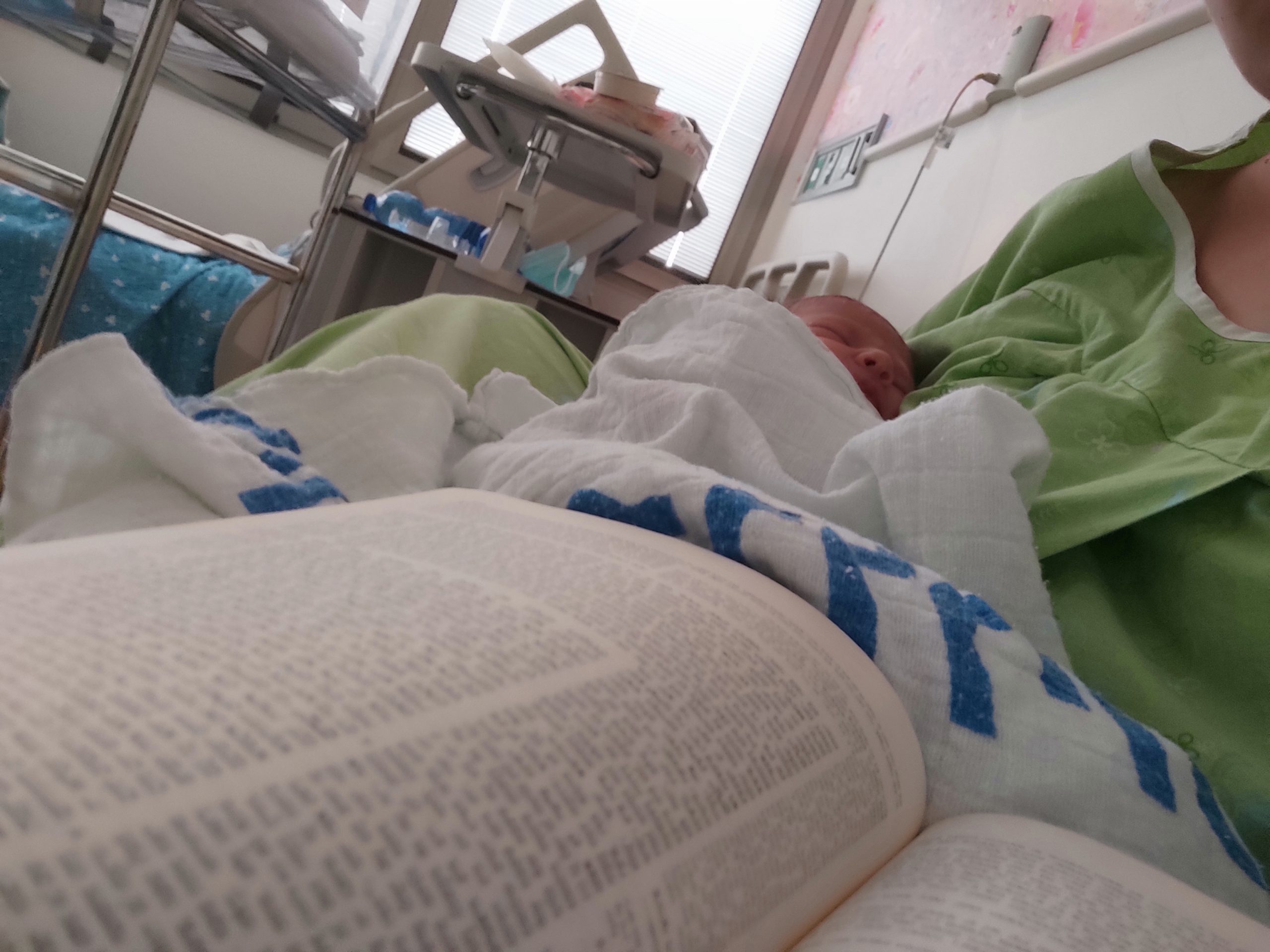
בתחילת הסבב הנוכחי הצטברו אצלי תחושות שאני לא מבינה מספיק מהי ההלכה אותה אני מקיימת בכל יום. כמו כן, כאמא לבנות רציתי לתת להן מודל נשי של לימוד תורה
שתי הסיבות האלו הובילו אותי להתחיל ללמוד. נתקלתי בתגובות מפרגנות וסקרניות איך אישה לומדת גמרא..
כמו שרואים בתמונה אני ממשיכה ללמוד גם היום ואפילו במחלקת יולדות אחרי לידת ביתי השלישית.

Noa Shiloh
נועה שילה

רבבה, ישראל

התחלתי ללמוד לפני 4.5 שנים, כשהודיה חברה שלי פתחה קבוצת ווטסאפ ללימוד דף יומי בתחילת מסכת סנהדרין. מאז לימוד הדף נכנס לתוך היום-יום שלי והפך לאחד ממגדירי הזהות שלי ממש.

Rosenberg Foundation
קרן רוזנברג

ירושלים, ישראל

My explorations into Gemara started a few days into the present cycle. I binged learnt and become addicted. I’m fascinated by the rich "tapestry” of intertwined themes, connections between Masechtot, conversations between generations of Rabbanim and learners past and present all over the world. My life has acquired a golden thread, linking generations with our amazing heritage.
Thank you.

Susan Kasdan
סוזן כשדן

חשמונאים, Israel

הצטרפתי ללומדות בתחילת מסכת תענית. ההתרגשות שלי ושל המשפחה היתה גדולה מאוד, והיא הולכת וגוברת עם כל סיום שאני זוכה לו. במשך שנים רבות רציתי להצטרף ומשום מה זה לא קרה… ב”ה מצאתי לפני מספר חודשים פרסום של הדרן, ומיד הצטרפתי והתאהבתי. הדף היומי שינה את חיי ממש והפך כל יום- ליום של תורה. מודה לכן מקרב ליבי ומאחלת לכולנו לימוד פורה מתוך אהבת התורה ולומדיה.

Noa Rosen
נעה רוזן

חיספין רמת הגולן, ישראל

התחלתי להשתתף בשיעור נשים פעם בשבוע, תכננתי ללמוד רק דפים בודדים, לא האמנתי שאצליח יותר מכך.
לאט לאט נשאבתי פנימה לעולם הלימוד .משתדלת ללמוד כל בוקר ומתחילה את היום בתחושה של מלאות ומתוך התכווננות נכונה יותר.
הלימוד של הדף היומי ממלא אותי בתחושה של חיבור עמוק לעם היהודי ולכל הלומדים בעבר ובהווה.

Neely Hayon
נילי חיון

אפרת, ישראל

הייתי לפני שנתיים בסיום הדרן נשים בבנייני האומה והחלטתי להתחיל. אפילו רק כמה דפים, אולי רק פרק, אולי רק מסכת… בינתיים סיימתי רבע שס ותכף את כל סדר מועד בה.
הסביבה תומכת ומפרגנת. אני בת יחידה עם ארבעה אחים שכולם לומדים דף יומי. מדי פעם אנחנו עושים סיומים יחד באירועים משפחתיים. ממש מרגש. מסכת שבת סיימנו כולנו יחד עם אבא שלנו!
אני שומעת כל יום פודקאסט בהליכה או בנסיעה ואחכ לומדת את הגמרא.

Edna Gross
עדנה גרוס

מרכז שפירא, ישראל

באירוע של הדרן בנייני האומה. בהשראתה של אמי שלי שסיימה את הש”ס בסבב הקודם ובעידוד מאיר , אישי, וילדיי וחברותיי ללימוד במכון למנהיגות הלכתית של רשת אור תורה סטון ומורתיי הרבנית ענת נובוסלסקי והרבנית דבורה עברון, ראש המכון למנהיגות הלכתית.
הלימוד מעשיר את יומי, מחזיר אותי גם למסכתות שכבר סיימתי וידוע שאינו דומה מי ששונה פרקו מאה לשונה פרקו מאה ואחת במיוחד מרתקים אותי החיבורים בין המסכתות

Roit Kalech
רוית קלך

מודיעין, ישראל

לפני 15 שנה, אחרי עשרות שנים של "ג’ינגול” בין משפחה לקריירה תובענית בהייטק, הצטרפתי לשיעורי גמרא במתן רעננה. הלימוד המעמיק והייחודי של הרבנית אושרה קורן יחד עם קבוצת הנשים המגוונת הייתה חוויה מאלפת ומעשירה. לפני כשמונה שנים כאשר מחזור הדף היומי הגיע למסכת תענית הצטרפתי כ”חברותא” לבעלי. זו השעה היומית שלנו ביחד כאשר דפי הגמרא משתלבים בחיי היום יום, משפיעים ומושפעים, וכשלא מספיקים תמיד משלימים בשבת

Yodi Askoff
יודי אסקוף

רעננה, ישראל

שמעתי על הסיום הענק של הדף היומי ע”י נשים בבנייני האומה. רציתי גם.
החלטתי להצטרף. התחלתי ושיכנעתי את בעלי ועוד שתי חברות להצטרף. עכשיו יש לי לימוד משותף איתו בשבת ומפגש חודשי איתן בנושא (והתכתבויות תדירות על דברים מיוחדים שקראנו). הצטרפנו לקבוצות שונות בווטסאפ. אנחנו ממש נהנות. אני שומעת את השיעור מידי יום (בד”כ מהרב יוני גוטמן) וקוראת ומצטרפת לסיומים של הדרן. גם מקפידה על דף משלהן (ונהנית מאד).

Liat Citron
ליאת סיטרון

אפרת, ישראל

התחלתי ללמוד דף יומי באמצע תקופת הקורונה, שאבא שלי סיפר לי על קבוצה של בנות שתיפתח ביישוב שלנו ותלמד דף יומי כל יום. הרבה זמן רציתי להצטרף לזה וזאת הייתה ההזדמנות בשבילי. הצטרפתי במסכת שקלים ובאמצע הייתה הפסקה קצרה. כיום אני כבר לומדת באולפנה ולומדת דף יומי לבד מתוך גמרא של טיינזלץ.

Saturdays in Raleigh
שבות בראלי

עתניאל, ישראל

התחלתי ללמוד דף יומי שהתחילו מסכת כתובות, לפני 7 שנים, במסגרת קבוצת לימוד שהתפרקה די מהר, ומשם המשכתי לבד בתמיכת האיש שלי. נעזרתי בגמרת שטיינזלץ ובשיעורים מוקלטים.
הסביבה מאד תומכת ואני מקבלת המון מילים טובות לאורך כל הדרך. מאז הסיום הגדול יש תחושה שאני חלק מדבר גדול יותר.
אני לומדת בשיטת ה”7 דפים בשבוע” של הרבנית תרצה קלמן – כלומר, לא נורא אם לא הצלחת ללמוד כל יום, העיקר שגמרת ארבעה דפים בשבוע

Rachel Goldstein
רחל גולדשטיין

עתניאל, ישראל

התחלתי להשתתף בשיעור נשים פעם בשבוע, תכננתי ללמוד רק דפים בודדים, לא האמנתי שאצליח יותר מכך.
לאט לאט נשאבתי פנימה לעולם הלימוד .משתדלת ללמוד כל בוקר ומתחילה את היום בתחושה של מלאות ומתוך התכווננות נכונה יותר.
הלימוד של הדף היומי ממלא אותי בתחושה של חיבור עמוק לעם היהודי ולכל הלומדים בעבר ובהווה.

Neely Hayon
נילי חיון

אפרת, ישראל

התחלתי ללמוד לפני כשנתיים בשאיפה לסיים לראשונה מסכת אחת במהלך חופשת הלידה.
אחרי מסכת אחת כבר היה קשה להפסיק…

Noa Gallant
נעה גלנט

ירוחם, ישראל

באירוע של הדרן בנייני האומה. בהשראתה של אמי שלי שסיימה את הש”ס בסבב הקודם ובעידוד מאיר , אישי, וילדיי וחברותיי ללימוד במכון למנהיגות הלכתית של רשת אור תורה סטון ומורתיי הרבנית ענת נובוסלסקי והרבנית דבורה עברון, ראש המכון למנהיגות הלכתית.
הלימוד מעשיר את יומי, מחזיר אותי גם למסכתות שכבר סיימתי וידוע שאינו דומה מי ששונה פרקו מאה לשונה פרקו מאה ואחת במיוחד מרתקים אותי החיבורים בין המסכתות

Roit Kalech
רוית קלך

מודיעין, ישראל

לפני 15 שנה, אחרי עשרות שנים של "ג’ינגול” בין משפחה לקריירה תובענית בהייטק, הצטרפתי לשיעורי גמרא במתן רעננה. הלימוד המעמיק והייחודי של הרבנית אושרה קורן יחד עם קבוצת הנשים המגוונת הייתה חוויה מאלפת ומעשירה. לפני כשמונה שנים כאשר מחזור הדף היומי הגיע למסכת תענית הצטרפתי כ”חברותא” לבעלי. זו השעה היומית שלנו ביחד כאשר דפי הגמרא משתלבים בחיי היום יום, משפיעים ומושפעים, וכשלא מספיקים תמיד משלימים בשבת

Yodi Askoff
יודי אסקוף

רעננה, ישראל

התחלתי לפני 8 שנים במדרשה. לאחרונה סיימתי מסכת תענית בלמידה עצמית ועכשיו לקראת סיום מסכת מגילה.

Daniela Baruchim
דניאלה ברוכים

רעננה, ישראל

התחלתי כשהייתי בחופש, עם הפרסומים על תחילת המחזור, הסביבה קיבלה את זה כמשהו מתמיד ומשמעותי ובהערכה, הלימוד זה עוגן יציב ביום יום, יש שבועות יותר ויש שפחות אבל זה משהו שנמצא שם אמין ובעל משמעות בחיים שלי….

Adi Diamant
עדי דיאמנט

גמזו, ישראל

אמא שלי למדה איתי ש”ס משנה, והתחילה ללמוד דף יומי. אני החלטתי שאני רוצה ללמוד גם. בהתחלה למדתי איתה, אח”כ הצטרפתי ללימוד דף יומי שהרב דני וינט מעביר לנוער בנים בעתניאל. במסכת עירובין עוד חברה הצטרפה אלי וכשהתחלנו פסחים הרב דני פתח לנו שעור דף יומי לבנות. מאז אנחנו לומדות איתו קבוע כל יום את הדף היומי (ובשבת אבא שלי מחליף אותו). אני נהנית מהלימוד, הוא מאתגר ומעניין

Renana Hellman
רננה הלמן

עתניאל, ישראל

התחלתי מעט לפני תחילת הסבב הנוכחי. אני נהנית מהאתגר של להמשיך להתמיד, מרגעים של "אהה, מפה זה הגיע!” ומהאתגר האינטלקטואלי

Eilat-Chen and Deller
אילת-חן ודלר

לוד, ישראל

ראיתי את הסיום הגדול בבנייני האומה וכל כך התרשמתי ורציתי לקחת חלק.. אבל לקח לי עוד כשנה וחצי )באמצע מסיכת שבת להצטרף..
הלימוד חשוב לי מאוד.. אני תמיד במרדף אחרי הדף וגונבת כל פעם חצי דף כשהילדים עסוקים ומשלימה אח”כ אחרי שכולם הלכו לישון..

Olga Mizrahi
אולגה מזרחי

ירושלים, ישראל

ביצה כו

אִם יֵשׁ בּוֹ מוּם — יַעֲלֶה וְיִשְׁחוֹט, וְאִם לָאו — לֹא יִשְׁחוֹט. רַבִּי שִׁמְעוֹן אוֹמֵר: כֹּל שֶׁאֵין מוּמוֹ נִיכָּר מִבְּעוֹד יוֹם, אֵין זֶה מִן הַמּוּכָן —

If it has a permanent blemish, owing to which it may be slaughtered and eaten, he may raise it from the cistern and slaughter it; but if it does not have a blemish, or if its blemish is temporary, he may not slaughter it. Rabbi Shimon says: Even if it has a blemish, it is prohibited to slaughter it, as any firstborn animal whose blemish is not perceptible while it is still day, i.e., on the day before the Festival, is not considered to be among the animals prepared prior to the Festival for use on the Festival.

גְּמָ׳ בְּמַאי קָא מִפַּלְגִי? אִי נֵימָא בְּרוֹאִין מוּמִין קָמִפַּלְגִי, דְּרַבִּי יְהוּדָה סָבַר: רוֹאִין מוּמִין בְּיוֹם טוֹב, וְרַבִּי שִׁמְעוֹן סָבַר: אֵין רוֹאִין מוּמִין בְּיוֹם טוֹב, וְלִפַּלְגוּ בְּרוֹאִין מוּמִין דְּעָלְמָא!

GEMARA: The Gemara asks: With regard to what principle do Rabbi Yehuda and Rabbi Shimon disagree? If we say that they disagree about whether or not one may examine blemishes on a Festival, such that Rabbi Yehuda holds that one may examine blemishes on a Festival, and Rabbi Shimon holds that one may not examine blemishes on a Festival, if so, let them disagree with regard to examining blemishes in general on a Festival and not only with respect to the particular case of a firstborn that fell into a cistern.

בְּכוֹר שֶׁנָּפַל לַבּוֹר אִצְטְרִיכָא לֵיהּ, סָלְקָא דַּעְתָּךְ אָמֵינָא: מִשּׁוּם צַעַר בַּעֲלֵי חַיִּים לַעֲרֵים וְלַסְּקֵיהּ כְּרַבִּי יְהוֹשֻׁעַ — קָא מַשְׁמַע לַן.

The Gemara answers: It was necessary to teach the disagreement with regard to the case of a firstborn that fell into a cistern, as it could enter your mind to say that because of the matter of the suffering of living creatures, one should employ an artifice to circumvent the halakha and raise the animal from the cistern. This would be in accordance with the opinion of Rabbi Yehoshua, who states elsewhere (37a) with regard to a different case that one may employ an artifice in order to rescue an animal that fell into a cistern on a Festival. Therefore, the mishna teaches us that Rabbi Yehuda and Rabbi Shimon disagree even in the case of a firstborn that fell into a cistern.

אִי הָכִי, ״לֹא יִשְׁחוֹט״? ״לֹא יַעֲלֶה וְיִשְׁחוֹט״ מִבְּעֵי לֵיהּ! לָא צְרִיכָא — דַּעֲבַר וְאַסְּקֵיהּ, סָלְקָא דַּעְתָּךְ אָמֵינָא: לִשְׁחֲטֵיהּ, קָא מַשְׁמַע לַן.

The Gemara asks: If so, if the mishna mentions the case of a firstborn that fell into a cistern in order to teach that an artifice may not be employed to raise the animal from the cistern, the phrase: He may not slaughter it, is inaccurate. Rather, it should have stated: He may not raise the animal and slaughter it. The Gemara answers: No, this teaching is necessary in a case where he transgressed the prohibition and already raised it, as it could enter your mind to say that he may now slaughter it. Therefore, the mishna teaches us that even then he may not do so.

לִשְׁחֲטֵיהּ?! הָא תָּם הוּא! לָא צְרִיכָא, דִּנְפַל בֵּיהּ מוּמָא. וְהָא מוּקְצֶה הוּא!

The Gemara expresses wonder at this answer: How could one think that he may now slaughter it? Isn’t the animal unblemished? How could one imagine that it is permitted to slaughter a firstborn that is unblemished? The Gemara answers: This teaching is necessary only in a case where it developed a blemish after it fell. The Gemara challenges this argument: But how could one think that he may now slaughter the animal? Doesn’t it fall into the category of muktze, as it was not fit to be eaten on the eve of the Festival, since at that time it was still unblemished? In that case, it should remain in the category of muktze for the duration of the Festival.

אֶלָּא: דִּנְפַל בֵּיהּ מוּם עוֹבֵר מֵעֶרֶב יוֹם טוֹב, וְהַשְׁתָּא הֲוָה לֵיהּ מוּם קָבוּעַ. מַהוּ דְּתֵימָא: דְּדַעְתֵּיהּ עִלָּוֵיהּ, וְנִשְׁחֲטֵיהּ, קָא מַשְׁמַע לַן.

Rather, the mishna is speaking of a case where the animal developed a temporary blemish, one that might eventually heal, on the eve of the Festival, and now, after falling, it has a permanent blemish. Lest you say that his mind was set on the animal as food already before the Festival due to the temporary blemish and therefore he should now be allowed to slaughter it, the mishna teaches us that since it was not fit to be eaten before the Festival, it is not considered prepared for use on the Festival. Rather, it falls into the category of muktze and may not be slaughtered.

תָּנוּ רַבָּנַן: בְּכוֹר תָּם שֶׁנָּפַל לַבּוֹר, רַבִּי יְהוּדָה הַנָּשִׂיא אוֹמֵר: יֵרֵד מוּמְחֶה וְיִרְאֶה, אִם יֵשׁ בּוֹ מוּם — יַעֲלֶה וְיִשְׁחוֹט, וְאִם לָאו — לֹא יִשְׁחוֹט. אָמַר לוֹ רַבִּי שִׁמְעוֹן בֶּן מְנַסְיָא: הֲרֵי אָמְרוּ אֵין רוֹאִין מוּמִין בְּיוֹם טוֹב. כֵּיצַד? נוֹלַד בּוֹ מוּם מֵעֶרֶב יוֹם טוֹב, אֵין מְבַקְּרִין אוֹתוֹ בְּיוֹם טוֹב. נוֹלַד בּוֹ מוּם

The Sages taught the following baraita: With regard to an unblemished firstborn that fell into a cistern on a Festival, Rabbi Yehuda HaNasi says: An expert in these matters goes down into the cistern and examines the animal. If it now has a permanent blemish as a result of the fall, he may raise it from the cistern and slaughter it; but if not, then even if he proceeds to raise it, he may not slaughter it, even if afterwards it develops a blemish. Rabbi Shimon ben Menasya said to him: The Sages of earlier generations already said that one may not examine blemishes on a Festival. How so? If a blemish came into being on the eve of a Festival, one may not examine it on the Festival itself to see whether it is in fact of the type that permits the animal to be slaughtered. And if the blemish came into being

בְּיוֹם טוֹב, רַבִּי שִׁמְעוֹן אוֹמֵר: אֵין זֶה מִן הַמּוּכָן. וְשָׁוִין שֶׁאִם נוֹלַד הוּא וּמוּמוֹ עִמּוֹ — שֶׁזֶּה מִן הַמּוּכָן.

on the Festival itself, Rabbi Shimon says: It is not considered to be among the animals prepared prior to the Festival for use on the Festival; therefore, even if it was examined by an expert, it may not be slaughtered. And Rabbi Yehuda and Rabbi Shimon agree that if the animal was born with its blemish, it is considered to be among the animals prepared for use on the Festival.

דָּרֵשׁ רַבָּה בַּר רַב הוּנָא: נוֹלַד הוּא וּמוּמוֹ עִמּוֹ — מְבַקְּרִין אוֹתוֹ בְּיוֹם טוֹב לְכַתְּחִלָּה. אֲמַר לֵיהּ רַב נַחְמָן, אַבָּא תָּנֵי: אִם עָבַר וּבִקְּרוֹ — מְבוּקָּר, וְאַתְּ אָמְרַתְּ מְבַקְּרִין אוֹתוֹ לְכַתְּחִלָּה!

Rabba bar Rav Huna taught the halakha as follows: If a firstborn was born with its blemish, experts may examine it on a Festival ab initio, and if the blemish is found to be permanent, the animal may then be slaughtered. Rav Naḥman said to him: Father would teach on this matter that if he transgressed and examined it, it is considered examined after the fact, and you say that one may examine it even ab initio?

אָמַר אַבָּיֵי: כְּוָתֵיהּ דְּרַבָּה בַּר רַב הוּנָא מִסְתַּבְּרָא, מִדְּקָתָנֵי תְּלָתָא בָּבֵי: נוֹלַד בּוֹ מוּם מֵעֶרֶב יוֹם טוֹב — אֵין מְבַקְּרִין אוֹתוֹ בְּיוֹם טוֹב. לְכַתְּחִלָּה הוּא דְּלָא, הָא דִּיעֲבַד — שַׁפִּיר דָּמֵי.

Abaye said: It stands to reason that the halakha is in accordance with the opinion of Rabba bar Rav Huna from the fact that the baraita is taught in three parts, which suggests that each part contains a novel halakha. The first section states: If a firstborn developed a blemish on the eve of a Festival one may not examine it on the Festival itself, from which one can learn that it is only ab initio that one may not examine it; but after the fact, it seems well, and the examination is valid.

נוֹלַד בּוֹ מוּם בְּיוֹם טוֹב, רַבִּי שִׁמְעוֹן אוֹמֵר: אֵין זֶה מִן הַמּוּכָן — דַּאֲפִילּוּ דִּיעֲבַד נָמֵי לָא. וַהֲדַר תָּנֵי: וְשָׁוִין שֶׁאִם נוֹלַד וּמוּמוֹ עִמּוֹ, שֶׁזֶּה מִן הַמּוּכָן — דַּאֲפִילּוּ לְכַתְּחִלָּה נָמֵי.

The second section of the baraita states: If it developed a blemish on the Festival itself, Rabbi Shimon says: It is not considered to be among the animals prepared prior to the Festival for use on the Festival. In other words, even after the fact, no, if the animal was examined by an expert, it may not be slaughtered and eaten. And then in the third section it teaches: And Rabbi Yehuda and Rabbi Shimon agree that if the animal was born with its blemish, it is considered to be among the animals prepared for use on the Festival. The fact that the baraita taught this halakha as an independent clause indicates that even ab initio as well, the animal may be examined.

וְהָא כִּי אֲתָא רַב אוֹשַׁעְיָא, אֲתָא וְאַיְיתִי מַתְנִיתָא בִּידֵיהּ: בֵּין שֶׁנּוֹלַד בּוֹ מוּם מֵעֶרֶב יוֹם טוֹב, וּבֵין שֶׁנּוֹלַד בּוֹ מוּם בְּיוֹם טוֹב, חֲכָמִים אוֹמְרִים: אֵין זֶה מִן הַמּוּכָן.

The Gemara raises an objection: But isn’t it so that when Rav Oshaya came from Eretz Yisrael to Babylonia, he came and brought the following baraita in his hand: Whether the animal developed a blemish on the eve of the Festival or it developed a blemish on the Festival itself, the Rabbis say: It is not considered to be among the animals prepared for use on the Festival, so that even after the fact, if the animal was examined, it may not be slaughtered and eaten. According to this, the allowance granted in the case of a firstborn that was born with its blemish can be only after the fact, as argued by Rav Naḥman, and not ab initio, as maintained by Rabba bar Rav Huna. Why, then, does Abaye accept the opinion of the latter and not that of the former?

וְאֶלָּא קַשְׁיָא הָךְ! הָהִיא — אַדָּא בַּר אוּכָּמֵי הִיא, דִּמְשַׁבֵּשׁ וְתָנֵי.

The Gemara asks: But if so, that baraita cited earlier, which presents these halakhot differently, is difficult. The Gemara answers: This does not pose a problem, as that baraita was taught by Adda bar Ukhmei, who would often confuse the opinions in the text and teach an inaccurate version of the dispute; therefore, his version is unreliable.

אָמַר רַב נַחְמָן בַּר יִצְחָק: מַתְנִיתִין נָמֵי דַּיְיקָא. דְּקָתָנֵי, רַבִּי שִׁמְעוֹן אוֹמֵר: כֹּל שֶׁאֵין מוּמוֹ נִיכָּר מֵעֶרֶב יוֹם טוֹב — אֵין זֶה מִן הַמּוּכָן. מַאי אֵין מוּמוֹ נִיכָּר? אִילֵּימָא שֶׁאֵין מוּמוֹ נִיכָּר כְּלָל — פְּשִׁיטָא, צְרִיכָא לְמֵימַר?

Rav Naḥman bar Yitzḥak said: The mishna is also precise in its wording according to the opinion that no blemish may be examined ab initio. As the mishna teaches that Rabbi Shimon says: Even if the animal has a blemish, it is prohibited to slaughter it, since any firstborn animal whose blemish is not perceptible on the eve of the Festival while it is still day is not considered to be among the animals prepared prior to the Festival for use on the Festival. What is the meaning of the phrase: Whose blemish is not perceptible? If we say that its blemish is not perceptible at all, it is obvious. Need it be said that an animal whose blemish was not perceptible at all prior to the Festival is not considered prepared for use on the Festival?

אֶלָּא, דְּלָא אִתְחֲזִי לְחָכָם מֵעֶרֶב יוֹם טוֹב אִם מוּם קָבוּעַ אִם מוּם עוֹבֵר. קָתָנֵי מִיהַת אֵין זֶה מִן הַמּוּכָן, שְׁמַע מִינַּהּ.

Rather, one must say that the animal had a perceptible blemish, but it was not shown to a Sage on the eve of the Festival to determine whether it is a permanent blemish or a temporary blemish. In any event, the mishna teaches: It is not considered to be among the animals prepared prior to the Festival for use on the Festival, which indicates that it is not considered prepared even after the fact. It follows that the allowance granted in the case of a firstborn that was born with its blemish is also only after the fact, but the blemish may not be examined ab initio. The Gemara concludes: Indeed, learn from this that this is so.

בָּעֵי מִינֵּיהּ הִלֵּל מֵרָבָא: יֵשׁ מוּקְצֶה לַחֲצִי שַׁבָּת אוֹ אֵין מוּקְצֶה לַחֲצִי שַׁבָּת? הֵיכִי דָמֵי: אִי דְּאִחֲזִי בֵּין הַשְּׁמָשׁוֹת — אִחֲזִי. אִי דְּלָא אִחֲזִי — לָא אִחֲזִי?

§ Hillel raised a dilemma before Rava: Is there a prohibition of muktze for half of Shabbat or is there no prohibition of muktze for half of Shabbat? The Gemara asks: What are the circumstances of this case? If an item was fit for eating or for some other purpose at twilight between Friday and Shabbat, it would then be fit for the entire Shabbat. And if it was not fit at twilight, it is not fit for the entire day, as anything considered muktze at twilight remains so throughout Shabbat. How, then, could there be a case of an item that is considered muktze for half of Shabbat?

לָא צְרִיכָא: דְּאִחֲזִי, וַהֲדַר אִדְּחִי, וַהֲדַר אִחֲזִי. מַאי? אֲמַר לֵיהּ: יֵשׁ מוּקְצֶה.

The Gemara explains: No, it is necessary to raise this dilemma in a case where the item had once been fit for use, and then became disqualified on Shabbat itself for some reason, and then once again became fit. It is about such a case that Hillel asked: What is the halakha? Rava said to Hillel: There is a prohibition of muktze for half of Shabbat, that is to say, once an item becomes disqualified for use on Shabbat, it retains that status for the rest of the day.

אֵיתִיבֵיהּ: וְשָׁוִין שֶׁאִם נוֹלַד וּמוּמוֹ עִמּוֹ — שֶׁזֶּה מִן הַמּוּכָן. וְאַמַּאי? נֵימָא: הַאי בְּכוֹר מֵעִיקָּרָא הֲוָה חֲזֵי אַגַּב אִמֵּיהּ, אִתְיְלִיד לֵיהּ — אִדְּחִי לֵיהּ, אַחְזְיֵיהּ לְחָכָם — אִשְׁתְּרִי לֵיהּ!

Hillel raised an objection from the previously cited baraita that taught: And Rabbi Yehuda and Rabbi Shimon agree that if the animal was born with its blemish, it is considered to be among the animals prepared before the Festival for use on the Festival. But why should this be? Let us say as follows: This firstborn was fit at the outset to be eaten on account of its mother, as had its mother been slaughtered before giving birth to the firstborn, it would have been permitted to eat them both. This being the case, when the firstborn was born, it became disqualified, since once a firstborn is born, it may not be eaten until it acquires a permanent blemish. And later, when he showed it to a Sage, it once again became permitted to him. This shows that although the animal had the status of muktze for part of the day of the Festival, it did not retain that status for the entire day.

אָמַר אַבָּיֵי וְאִיתֵּימָא רַב סָפְרָא: כְּגוֹן דְּיָתְבִי דַּיָּינֵי הָתָם.

Abaye said, and some say it was Rav Safra who said: Here, the baraita is referring to a case where judges were sitting there, observing the firstborn as it was being born, and they immediately saw that it was blemished. Therefore, the animal never lost its permitted status even for a moment.

אִיכָּא דְאָמְרִי, אֲמַר לֵיהּ: אֵין מוּקְצֶה לַחֲצִי שַׁבָּת. לֵימָא מְסַיַּיע לֵיהּ: וְשָׁוִין שֶׁאִם נוֹלַד וּמוּמוֹ עִמּוֹ — שֶׁזֶּה מִן הַמּוּכָן. וְהָא בְּכוֹר מֵעִיקָּרָא הֲוָה חֲזִי אַגַּב אִמֵּיהּ, אִתְיְלִיד לֵיהּ — אִדְּחִי לֵיהּ, אַחְזְיֵיהּ לְחָכָם — אִשְׁתְּרִי לֵיהּ.

Some say that Rava said the opposite to Hillel: There is no prohibition of muktze for half of Shabbat, that is to say, even if an item becomes disqualified for use on Shabbat, once it becomes fit again, it is no longer prohibited. The Gemara responds: Let us say that the previously cited baraita supports Rava: And Rabbi Yehuda and Rabbi Shimon agree that if the animal was born with its blemish, it is considered to be among the animals prepared before the Festival for use on the Festival. But wasn’t this firstborn fit to be eaten at the outset on account of its mother; and then when it was born it became disqualified; and then later, when he showed it to a Sage, it once again became permitted to him? This indicates that for half of Shabbat there is no prohibition of muktze.

אָמַר אַבָּיֵי וְאִיתֵּימָא רַב סָפְרָא: כְּגוֹן דְּיָתְבִי דַּיָּינֵי הָתָם.

Abaye said, and some say it was Rav Safra who said: This proof is inconclusive, as the baraita may be referring to a case where judges were sitting there when the firstborn was born, and they immediately saw that it was blemished; therefore the animal never acquired the status of muktze at all.

תָּא שְׁמַע: הָיָה אוֹכֵל בַּעֲנָבִים, וְהוֹתִיר וְהֶעֱלָן לַגָּג לַעֲשׂוֹת מֵהֶן צִמּוּקִין, בִּתְאֵנִים, וְהוֹתִיר וְהֶעֱלָן לַגָּג לַעֲשׂוֹת מֵהֶן גְּרוֹגְרוֹת — לֹא יֹאכַל מֵהֶן עַד שֶׁיַּזְמִין מִבְּעוֹד יוֹם. וְכֵן אַתָּה מוֹצֵא בַּאֲפַרְסְקִין וּבַחֲבוּשִׁין וּבִשְׁאָר כׇּל מִינֵי פֵירוֹת.

The Gemara suggests: Come and hear a proof from a different baraita: If one was eating grapes and left some over and took them up to the roof to dry in order to make them into raisins, or if he was eating figs and left some over and took them up to the roof in order to make them into dried figs, he may not eat from them on Shabbat unless he designates them as food to be eaten while it is still day. Otherwise, they are prohibited as muktze. And you would find the same with regard to peaches, and quinces, and all other types of fruit that one left out to dry. It is prohibited to eat any of them on Shabbat due to the prohibition of muktze.

הֵיכִי דָמֵי? אִי דַּחֲזוּ — לְמָה לֵיהּ הַזְמָנָה? אִי דְּלָא חֲזוּ — כִּי אַזְמֵין לְהוּ מַאי הָוֵי!

The Gemara proceeds to clarify this baraita: What are the circumstances? If they are fit to be eaten, as they have already dried, why does he require prior designation? Since he placed them there in order to eat them after they dried, they should be considered food that has been designated to be eaten. And if they are not fit to be eaten, as they are yet not dry, even if he designates them the day before, what of it? Of what use is such designation, seeing that the fruit is still unfit to be eaten?

וְכִי תֵּימָא, דְּלָא יָדַע אִי חֲזוּ אִי לָא חֲזוּ, וְהָאָמַר רַב כָּהֲנָא: מוּקְצֶה שֶׁיָּבַשׁ וְאֵין הַבְּעָלִים מַכִּירִין בּוֹ — מוּתָּר.

And if you say the baraita is referring to a case where he could not ascend to the roof to examine them, and therefore he did not know whether they were fit or unfit, so that his designation was conditional, there is a difficulty. As didn’t Rav Kahana say: If fruit had been set aside for drying, and it dried and became fit for eating before Shabbat, but the owner did not know about it before Shabbat but only on Shabbat, the fruit is permitted, since he removed it from his mind only for as long as it would be unfit for eating.

אֶלָּא לָאו, דִּחֲזוֹ וְאִדְּחוֹ, וַהֲדַר אִחֲזוֹ. וְאִי אָמְרַתְּ אֵין מוּקְצֶה, לְמָה לְהוּ הַזְמָנָה? אֶלָּא מַאי יֵשׁ מוּקְצֶה? כִּי אַזְמֵין לְהוּ מַאי הָוֵי!

Rather, is the baraita not referring to a case where the fruits were fit, and then became disqualified, and then once again became fit, and therefore they have the status of muktze? And if you say that there is no prohibition of muktze for half of Shabbat, why do they require prior designation? The Gemara refutes this argument: Rather, what then do you say, that there is in fact a prohibition of muktze for half of Shabbat? In that case, if he designates them the day before, what of it? How does his designation permit that which is prohibited as muktze?

לָא צְרִיכָא: דְּאִחֲזוֹ וְלָא אִחֲזוֹ. דְּאִיכָּא אִינָשֵׁי דְּאָכְלִי, וְאִיכָּא אִינָשֵׁי דְּלָא אָכְלִי. אַזְמֵין — גַּלִּי דַּעְתֵּיהּ, לָא אַזְמֵין — לָא גַּלִּי דַּעְתֵּיהּ.

The Gemara answers: No, the baraita is necessary for a case where the fruits were fit but not completely fit, meaning that there are people who eat them in that state and there are other people who do not eat them. Therefore, if he designated them as food to be eaten, he has revealed his intention that he is included among those who do eat them; if he did not designate them as food, he has not revealed his intention. Therefore, no proof can be adduced from here.

אָמַר רַבִּי זֵירָא: תָּא שְׁמַע מִפּוֹלִין וַעֲדָשִׁים. דְּהָא פּוֹלִין וַעֲדָשִׁים מֵעִיקָּרָא חֲזוּ לָכוֹס, שְׁדִינְהוּ בִּקְדֵרָה — אִדְּחוֹ לְהוּ,

Rabbi Zeira said: Come and hear a resolution to the problem raised above from the halakha governing beans and lentils cooked on a Festival. As beans and lentils at the outset, at twilight, when they are still raw and uncooked, are fit to be chewed as they are and are therefore not in the category of muktze; then, when he casts them into the pot to cook them, they become disqualified because while they are being cooked they are fit neither to be chewed raw nor to be eaten cooked.

רוצה לעקוב אחרי התכנים ולהמשיך ללמוד?

ביצירת חשבון עוד היום ניתן לעקוב אחרי ההתקדמות שלך, לסמן מה למדת, ולעקוב אחרי השיעורים שמעניינים אותך.

לנקות את כל הפריטים מהרשימה?

פעולה זו תסיר את כל הפריטים בחלק זה כולל ההתקדמות וההיסטוריה. שימי לב: לא ניתן לשחזר פעולה זו.

ביטול
מחיקה

האם את/ה בטוח/ה שברצונך למחוק פריט זה?

תאבד/י את כל ההתקדמות או ההיסטוריה הקשורות לפריט זה.

ביטול
מחיקה