



רוצה להקדיש שיעור?

תקציר

ברייתא קובעת שיש לבעלים טובת הנאה במתנות כהונה, דבר המתיר לישראל לקבל תשלום מישראל אחר כדי להפנות תרומה לכהן מסוים שהוא קרובו, בעוד לכהן אסור לשלם לכהן אחר עבורה. הגמרא שואלת מדוע פירטה הברייתא תרומה ולא מתנות כהונה אחרות. היא משיבה שלתרומה יש קדושת הגוף ואינה נפדה, ולכן לא יבואו לנהוג בה מנהג חולין; לעומת זאת, מתנות שקדושתן קדושת דמים עשויות להביא לידי טעות, שיחשבו שניתן לפדותן בסכום מועט ולנהוג בהן מנהג חולין.
הגמרא מפרטת כמה קולות בנוגע לתרומת חוץ לארץ: היא פטורה מאיסור כהן המסייע בבית הגרנות, היא בטילה ברוב, מותר לאכול מן התבואה עוד לפני הפרשתה, ואיסורה חל רק על מי שטומאה יוצאת עליו מגופו (כגון זב או נידה), וגם אז רק באכילה ולא בנגיעה. רבינא מיישם זאת לגבי חלה בחוץ לארץ: אשה נידה קוצה חלה, וכהן קטן אוכל אותה; ואם אין כהן קטן, היא שורפת אותה בתנור ומפרישה חלה שנייה כדי שלא תשתכח תורת חלה, וכהן גדול אוכל אותה. בעקבות שאלה שהופנתה לרב נחמן, לרב עמרם ולרמי בר חמא בספינה, סבר רב עמרם כרב שטמא מת טובל ואוכל, אך הגמרא מבהירה שאין ההלכה כרב, שכן אנו פוסקים כשמואל שאם הטומאה היא ממקור חיצוני, אין איסור לאכול את התרומה בטומאה.
המשנה פוסקת שבכור נאכל בתוך שנתו. רב לומד מהפסוק "לפני ה’ אלהיך תאכלנו שנה בשנה” ששנת הבכור מחושבת לפי יום הולדתו הפיזי ולא לפי מניין השנה הכללי. דבי רב לומדים דין זה מקדשים ככלל, ולומדים דין אחר מהביטוי "שנה בשנה” – שבכור נאכל על פני שתי שנים, וליתר דיוק לשני ימים ולילה אחד.
כלים
הדף היום מוקדש ע”י ג’ודי שפירא לע”נ דוד טייכמן ולכבוד בר המצווה של נכדה אבי יהודה שפירא..
בכורות כז
טוֹבַת הֲנָאָה לַבְּעָלִים.
the benefit of discretion for the owners of the produce, i.e., benefit accrued from the option of giving teruma and tithes to any priest or Levite of their choosing.
כֵּיצַד? יִשְׂרָאֵל שֶׁהִפְרִישׁ תְּרוּמָה מִכִּרְיוֹ, וּמְצָאוֹ יִשְׂרָאֵל אַחֵר, וְאָמַר לוֹ: ״הֵא לְךָ סֶלַע זֶה, וּתְנֵהוּ לְבֶן בִּתִּי כֹּהֵן״ — מוּתָּר. אִם הָיָה כֹּהֵן לְכֹהֵן — אָסוּר.
The baraita continues: How so? With regard to an Israelite who separated teruma from his pile of grain, and another Israelite found him and said to him: Take this sela coin for yourself and give the teruma and tithes to my daughter’s son who is a priest, it is permitted. But if it was a priest who gave the sela coin for the right to give the teruma and tithes to another priest, it is prohibited. Priests may not pay for the gifts that they receive.
וְתַנָּא מַאי טַעְמָא לָא קָאָמַר מַתְּנוֹת כְּהוּנָּה? אָמַר לָךְ: תְּרוּמָה, דִּקְדוּשַּׁת הַגּוּף הִיא, דְּכֵיוָן דְּלָא מִתַּחֲלָא — לָא אָתֵי לְמִיטְעֵי בַּהּ.
The Gemara asks: And according to the tanna of this baraita, what is the reason that he does not state that the owners also have the benefit of discretion with regard to the gifts of the priesthood, i.e., the foreleg, jaw, and maw, which must be given to the priest from every non-sacred animal that one slaughters? Why does he mention teruma alone? The Gemara answers that he could have said to you: In the case of teruma, which has inherent sanctity, and which therefore cannot be redeemed, the priest will not come to err with it and treat it as though it has no sanctity, even if the owner receives payment for it.
הָנֵי, כֵּיוָן דִּקְדוּשַּׁת דָּמִים נִינְהוּ, אָתֵי לְמִיטְעֵי בְּהוֹן, דְּבַר מִיתַּחַל קְדוּשְׁתַּיְיהוּ אַאַרְבְּעָה זוּזֵי, וְאָתֵא לְמִינְהַג בְּהֹן מִנְהָג דְּחוּלִּין.
By contrast, with regard to these gifts of the priesthood, since they have sanctity that inheres in their value, which means that once the priest has received them he may sell them, the priest might come to err with them by saying that the sanctity that they have can be redeemed with four zuz, i.e., the one sela, and he might come to treat them in the manner that one treats non-sacred food. This would be a mistake, as a priest must eat his priestly gifts in a dignified manner, i.e., roasted and with seasoning (see Ḥullin 132b).
אָמַר רָבָא: תְּרוּמַת חוּצָה לָאָרֶץ — אֵין בָּהּ מִשּׁוּם כֹּהֵן הַמְסַיֵּיעַ בְּבֵית הַגְּרָנוֹת. רַב חָמָא יָהֵיב לֵיהּ לְשַׁמָּעֵיהּ.
§ On a related topic, Rava says: Teruma from outside of Eretz Yisrael does not have any prohibition due to a priest assisting at the threshing floor. The Sages decreed that one must separate teruma from produce grown in certain places outside of Eretz Yisrael. Yet, the halakhot governing this teruma are not as stringent as those that apply to teruma from produce grown within Eretz Yisrael. Consequently, one may give such teruma to a priest for helping at the threshing floor. In support of this claim, the Gemara relates that Rav Ḥama gave teruma from outside of Eretz Yisrael to his servant, who was a priest, as his wages.
אָמַר שְׁמוּאֵל: תְּרוּמַת חוּצָה לָאָרֶץ — בְּטֵילָה בְּרוֹב. רַבָּה מְבַטְּלָהּ בְּרוֹב, וְאוֹכֵל לָהּ בִּימֵי טוּמְאָתוֹ.
With regard to teruma from outside of Eretz Yisrael, Shmuel says: Teruma from outside of Eretz Yisrael that became mixed with non-sacred produce is nullified in a majority, unlike ordinary teruma, which requires one hundred parts of non-sacred produce to nullify it. The Gemara relates that Rabba, who was a priest, would nullify his teruma from outside of Eretz Yisrael in a majority ab initio and eat it during his days of impurity. Both of these acts are prohibited in the case of teruma from produce grown in Eretz Yisrael.
רַב הוּנָא בְּרֵיהּ דְּרַב יְהוֹשֻׁעַ, כִּי מִתְרְמֵי לֵיהּ חַמְרָא דִּתְרוּמָה, הֲוָה רָמֵי תְּרֵי נַטְלֵי דְּחוּלִּין וַחֲדָא נַטְלָא דִּתְרוּמָה, וְשָׁקֵיל חַד. מִיכָּן וְאֵילָךְ, רָמֵי חֲדָא וְשָׁקֵיל חֲדָא.
The Gemara relates: Rav Huna, son of Rav Yehoshua, when he would happen to have wine of teruma from produce grown outside of Eretz Yisrael, would pour two jugs of non-sacred wine and one jug of teruma wine into a vat in order to nullify the teruma wine, and then take out one jug’s worth of wine to drink. Having done so, from here onward every time he received more teruma wine grown outside of Eretz Yisrael, he would pour one jug of teruma wine into the same vat, which still contained two jugs’ worth of wine, and take out one jug’s worth of wine.
וְאָמַר שְׁמוּאֵל: תְּרוּמַת חוּצָה לָאָרֶץ, אוֹכֵל וְהוֹלֵךְ, וְאַחַר כָּךְ מַפְרִישׁ.
And Shmuel further says: Teruma from produce grown outside of Eretz Yisrael does not need to be separated before one eats the produce. Rather, one may proceed to eat and afterward separate the teruma from the remainder.
וְאָמַר שְׁמוּאֵל: אֵין תְּרוּמַת חוּצָה לָאָרֶץ אֲסוּרָה אֶלָּא בְּמִי שֶׁהַטּוּמְאָה יוֹצְאָה עָלָיו מִגּוּפוֹ, וְהָנֵי מִילֵּי בַּאֲכִילָה, אֲבָל בִּנְגִיעָה — לֵית לַן בַּהּ.
And Shmuel also says: Teruma from outside of Eretz Yisrael is prohibited only to a member of a priestly household whose impurity comes from his body, e.g., a man who experiences a seminal emission or a menstruating woman. It is not prohibited to a priest who came into contact with a corpse, an animal carcass, or the carcass of a creeping animal. And this statement, that such teruma is forbidden to one whose impurity comes from his body, applies only with regard to eating it. But with regard to touching teruma from outside of Eretz Yisrael, we have no problem with it.
אָמַר רָבִינָא: הִילְכָּךְ, נִדָּה קוֹצָה חַלָּה, וְאוֹכֵל לָהּ כֹּהֵן קָטָן, וְאִי לֵיכָּא כֹּהֵן קָטָן — שָׁקְלָה לַהּ בְּרֵישׁ מַסָּא, וְשָׁדְיָא בְּתַנּוּרָא, וַהֲדַר מַפְרְשָׁא חַלָּה אַחֲרִיתִי, כִּי הֵיכִי דְּלֹא תִּשְׁתַּכַּח תּוֹרַת חַלָּה, וְאוֹכֵל לָהּ כֹּהֵן גָּדוֹל.
Ravina says: Therefore, a menstruating woman, whose impurity comes from her body, may separate ḥalla from dough outside of Eretz Yisrael, and a minor priest, who has never experienced a seminal emission and is therefore ritually pure, may eat it. And if there is no minor priest available, she takes the ḥalla with the top of a skewer [massa] and throws it in the oven, and then separates another piece from the dough as ḥalla, not because it is necessary but so that the halakhic category of ḥalla should not be forgotten. And an adult priest may eat it, even if he is ritually impure.
רַב נַחְמָן וְרַב עַמְרָם וְרָמֵי בַּר חָמָא הֲווֹ קָאָזְלִי בְּאַרְבָּא, סְלֵיק רַב עַמְרָם לְאִפְּנוֹיֵי, אֲתַאי הָהִיא אִיתְּתָא עַלַּת קַמַּיְיהוּ, אֲמַרָה לְהוּ: טְמֵא מֵת מַהוּ שֶׁיִּטְבּוֹל וְאוֹכֵל תְּרוּמַת חוּצָה לָאָרֶץ? אֲמַר לֵיהּ רַב נַחְמָן לְרָמֵי בַּר חָמָא:
The Gemara relates that Rav Naḥman, Rav Amram, and Rami bar Ḥama were traveling in a ferry. Rav Amram went to relieve himself. A certain woman came before Rav Naḥman and Rami bar Ḥama and said to them: In the case of one who is impure through contact with a corpse, what is the halakha with regard to whether he may immerse himself in a ritual bath and partake of teruma from outside of Eretz Yisrael? Rav Naḥman said to Rami bar Ḥama:
וְכִי הַזָּאָה יֵשׁ לָנוּ? אֲמַר לֵיהּ רָמֵי בַּר חָמָא: לָא לֵיחוּשׁ לֵיהּ לְסָבָא. אַדְּהָכִי אֲתָא רַב עַמְרָם, אֲמַר לְהוּ: הָכִי אָמַר רַב: טְמֵא מֵת טוֹבֵל וְאוֹכֵל בִּתְרוּמַת חוּצָה לָאָרֶץ.
But do we have sprinkling of the ashes of the red heifer? Since without such sprinkling one remains impure after contact with a corpse, how does it help to immerse in a ritual bath? Rami bar Ḥama said to him: Shouldn’t Rav Naḥman be concerned for the opinion of the old man, i.e., Rav Amram? Wouldn’t it be better to wait until he returns before answering? Meanwhile, Rav Amram came back. He said to them that this is what Rav says: One who became impure with impurity imparted by a corpse may immerse and partake of teruma from produce grown outside of Eretz Yisrael.
וְלֵית הִלְכְתָא כְּוָותֵיהּ, דְּאָמַר מָר זוּטְרָא מִשְּׁמֵיהּ דְּרַב שֵׁשֶׁת: טְמֵא שֶׁרֶץ טוֹבֵל וְאוֹכֵל בִּתְרוּמַת חוּצָה לָאָרֶץ, וְלֵית הִלְכְתָא כְּוָותֵיהּ.
The Gemara comments: But the halakha is not in accordance with his opinion. Mar Zutra said in the name of Rav Sheshet: One who became impure through contact with the carcass of a creeping animal may immerse in a ritual bath and partake of teruma from produce grown outside of Eretz Yisrael. But the halakha is not in accordance with his opinion.
בְּכוֹר נֶאֱכָל שָׁנָה בְּשָׁנָה כּוּ׳. מִדְּקָאָמַר ״נוֹלַד בּוֹ מוּם בְּתוֹךְ שְׁנָתוֹ״, לְמֵימְרָא דִּלְשָׁנָה דִּידֵיהּ מָנֵינַן. מְנָא הָנֵי מִילֵּי?
§ The mishna teaches: The firstborn animal is eaten year by year, i.e., within its first year, whether it is blemished or unblemished. The Gemara comments: From the fact that the mishna says: If a blemish developed within its first year, rather than within the first year, that is to say that we count according to its year, not by the calendar year. In other words, the year is calculated from the day of the animal’s birth. From where is this matter derived?
דְּאָמַר רַב יְהוּדָה אָמַר רַב, דְּאָמַר קְרָא: ״לִפְנֵי ה׳ אֱלֹהֶיךָ תֹאכְלֶנּוּ שָׁנָה בְשָׁנָה״, אֵיזוֹהִי שָׁנָה שֶׁנִּכְנֶסֶת בַּחֲבֶרְתָּהּ? הֱוֵי אוֹמֵר: שָׁנָה שֶׁל בְּכוֹר.
It is derived from a verse, as Rav Yehuda says that Rav says that the verse states: “You shall eat it before the Lord your God, year by year [shana beshana] in the place that the Lord shall choose, you and your household” (Deuteronomy 15:20). The phrase “shana beshana,” which can also be translated as: A year in a year, indicates that the verse is referring to one year that enters another year. Which type of year enters another year? You must say that this is speaking of the year of the firstborn animal, which enters the following calendar year, since if the animal is born in the middle of the year, its first year includes part of the subsequent calendar year.
דְּבֵי רַב תָּנָא: ״שָׁנָה בְּשָׁנָה״ — יוֹם אֶחָד בְּשָׁנָה זוֹ, וְיוֹם אֶחָד בְּשָׁנָה זוֹ, לִימֵּד עַל הַבְּכוֹר שֶׁנֶּאֱכָל לִשְׁנֵי יָמִים וְלַיְלָה אֶחָד.
The school of Rav taught that there is a different halakha derived from the phrase “year by year.” This phrase indicates that it may be eaten on one day of this year and one day of that next year. The verse thereby taught with regard to an unblemished firstborn animal, which is sacrificed in the Temple, that it is eaten for two days and one night, like a peace offering.
דְּבֵי רַב, מְנָא לְהוּ? יָלְפִי מִקֳּדָשִׁים, וְקָדָשִׁים גּוּפַיְיהוּ מְנָלַן? אָמַר רַב אַחָא בַּר יַעֲקֹב: אָמַר קְרָא ״כֶּבֶשׂ בֶּן שְׁנָתוֹ״ — שְׁנָתוֹ שֶׁלּוֹ, וְלֹא שָׁנָה שֶׁל מִנְיַן עוֹלָם.
The Gemara asks: From where does the school of Rav derive the halakha that a firstborn must be eaten within its own year and that its year is not calculated according to the calendar year? They derive it from the halakha of other sacrificial animals, whose age is counted from their birth rather than by the calendar year. And with regard to the other sacrificial animals themselves, from where do we derive that their age is counted from their birth? Rav Aḥa bar Yaakov says that the verse states: “And when the days of her purification are fulfilled, for a son or for a daughter, she shall bring a lamb in its first year for a burnt offering, and a pigeon or a dove for a sin offering, to the door of the Tent of Meeting, to the priest” (Leviticus 12:6). This description of the lamb is referring to its own year, and not a year of the counting of the world.
וְרַב, נֶאֱכָל לִשְׁנֵי יָמִים וְלַיְלָה אֶחָד, מְנָא לֵיהּ? נָפְקָא לֵיהּ מֵ״וּבְשָׂרָם יִהְיֶה לָּךְ כַּחֲזֵה הַתְּנוּפָה וּכְשׁוֹק הַיָּמִין״ — הִקִּישׁוֹ הַכָּתוּב לְחָזֶה וָשׁוֹק שֶׁל שְׁלָמִים: מָה לְהַלָּן שְׁנֵי יָמִים וְלַיְלָה אֶחָד, אַף כָּאן שְׁנֵי יָמִים וְלַיְלָה אֶחָד.
The Gemara asks: And Rav, from where does he derive that a firstborn is eaten for two days and one night? The Gemara answers: He derives it from a verse in which Moses spoke to Aaron and his sons with regard to eating the firstborn: “And their flesh shall be yours, as the breast of waving and as the right thigh, it shall be yours” (Numbers 18:18). The verse thereby juxtaposed the halakha of the firstborn with the breast and thigh of a peace offering. Just as there, it may be eaten for two days and one night, as stated explicitly in a verse (see Leviticus 7:16), so too here, a firstborn may be eaten for two days and one night.

כלים
העמקה
רוצה להבין מה באמת קורה מתחת לפני השטח של הסוגיה?
שיעורים, פודקאסטים והרחבות של מיטב המורות שלנו יפתחו לך עוד זוויות וכיווני חשיבה.

חדשה בלימוד הגמרא?
זה הדף הראשון שלך? איזו התרגשות עצומה! יש לנו בדיוק את התכנים והכלים שיעזרו לך לעשות את הצעדים הראשונים ללמידה בקצב וברמה שלך, כך תוכלי להרגיש בנוח גם בתוך הסוגיות המורכבות ומאתגרות.
פסיפס הלומדות שלנו
גלי את קהילת הלומדות שלנו, מגוון נשים, רקעים וסיפורים. כולן חלק מתנועה ומסע מרגש ועוצמתי.
התחלתי בסיום הש”ס, יצאתי באורות. נשברתי פעמיים, ובשתיהם הרבנית מישל עודדה להמשיך איפה שכולם בסבב ולהשלים כשאוכל, וכך עשיתי וכיום השלמתי הכל. מדהים אותי שאני לומדת כל יום קצת, אפילו בחדר הלידה, בבידוד או בחו”ל. לאט לאט יותר נינוחה בסוגיות. לא כולם מבינים את הרצון, בפרט כפמניסטית. חשה סיפוק גדול להכיר את המושגים וצורת החשיבה. החלום זה להמשיך ולהתמיד ובמקביל ללמוד איך מהסוגיות נוצרה והתפתחה ההלכה.

מודיעין, ישראל
לפני 15 שנה, אחרי עשרות שנים של "ג’ינגול” בין משפחה לקריירה תובענית בהייטק, הצטרפתי לשיעורי גמרא במתן רעננה. הלימוד המעמיק והייחודי של הרבנית אושרה קורן יחד עם קבוצת הנשים המגוונת הייתה חוויה מאלפת ומעשירה. לפני כשמונה שנים כאשר מחזור הדף היומי הגיע למסכת תענית הצטרפתי כ”חברותא” לבעלי. זו השעה היומית שלנו ביחד כאשר דפי הגמרא משתלבים בחיי היום יום, משפיעים ומושפעים, וכשלא מספיקים תמיד משלימים בשבת

רעננה, ישראל
כבר סיפרתי בסיום של מועד קטן.
הלימוד מאוד משפיעה על היום שלי כי אני לומדת עם רבנית מישל על הבוקר בזום. זה נותן טון לכל היום – בסיס למחשבות שלי .זה זכות גדול להתחיל את היום בלימוד ובתפילה. תודה רבה !

ירושלים, ישראל
בתחילת הסבב הנוכחי הצטברו אצלי תחושות שאני לא מבינה מספיק מהי ההלכה אותה אני מקיימת בכל יום. כמו כן, כאמא לבנות רציתי לתת להן מודל נשי של לימוד תורה
שתי הסיבות האלו הובילו אותי להתחיל ללמוד. נתקלתי בתגובות מפרגנות וסקרניות איך אישה לומדת גמרא..
כמו שרואים בתמונה אני ממשיכה ללמוד גם היום ואפילו במחלקת יולדות אחרי לידת ביתי השלישית.
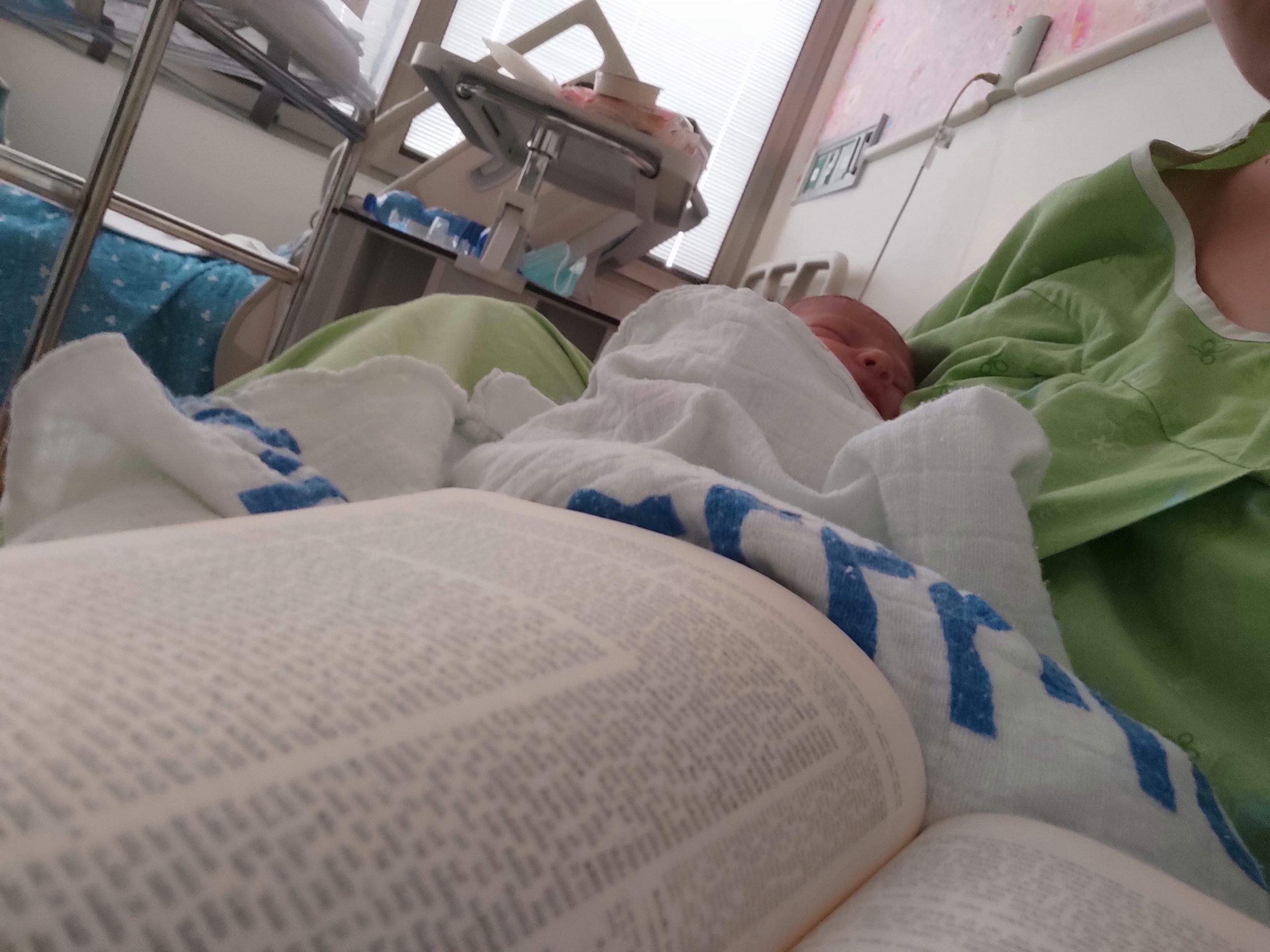
רבבה, ישראל
My explorations into Gemara started a few days into the present cycle. I binged learnt and become addicted. I’m fascinated by the rich "tapestry” of intertwined themes, connections between Masechtot, conversations between generations of Rabbanim and learners past and present all over the world. My life has acquired a golden thread, linking generations with our amazing heritage.
Thank you.

חשמונאים, Israel
. לא תמיד נהניתי מלימוד גמרא כילדה.,בל כהתבגרתי התחלתי לאהוב את זה שוב. התחלתי ללמוד מסכת סוטה בדף היומי לפני כחמש עשרה שנה ואז הפסקתי.הגעתי לסיום הגדול של הדרן לפני שנתיים וזה נתן לי השראה. והתחלתי ללמוד למשך כמה ימים ואז היתה לי פריצת דיסק והפסקתי…עד אלול השנה. אז התחלתי עם מסכת ביצה וב”ה אני מצליחה לעמוד בקצב. המשפחה מאוד תומכת בי ויש כמה שגם לומדים את זה במקביל. אני אוהבת שיש עוגן כל יום.

בית שמש, ישראל
התחלתי ללמוד בשנת המדרשה במגדל עוז, בינתיים נהנית מאוד מהלימוד ומהגמרא, מעניין ומשמח מאוד!
משתדלת להצליח לעקוב כל יום, לפעמים משלימה קצת בהמשך השבוע.. מרגישה שיש עוגן מקובע ביום שלי והוא משמח מאוד!

חיפה , ישראל
התחלתי ללמוד בעידוד שתי חברות אתן למדתי בעבר את הפרק היומי במסגרת 929.
בבית מתלהבים מאוד ובשבת אני לומדת את הדף עם בעלי שזה מפתיע ומשמח מאוד! לימוד הדף הוא חלק בלתי נפרד מהיום שלי. לומדת בצהריים ומחכה לזמן הזה מידי יום…

אפרת, ישראל
התחלתי מחוג במסכת קידושין שהעבירה הרבנית רייסנר במסגרת בית המדרש כלנה בגבעת שמואל; לאחר מכן התחיל סבב הדף היומי אז הצטרפתי. לסביבה לקח זמן לעכל אבל היום כולם תומכים ומשתתפים איתי. הלימוד לעתים מעניין ומעשיר ולעתים קשה ואף הזוי… אך אני ממשיכה קדימה. הוא משפיע על היומיום שלי קודם כל במרדף אחרי הדף, וגם במושגים הרבים שלמדתי ובידע שהועשרתי בו, חלקו ממש מעשי

ראש העין, ישראל
התחלתי כשהייתי בחופש, עם הפרסומים על תחילת המחזור, הסביבה קיבלה את זה כמשהו מתמיד ומשמעותי ובהערכה, הלימוד זה עוגן יציב ביום יום, יש שבועות יותר ויש שפחות אבל זה משהו שנמצא שם אמין ובעל משמעות בחיים שלי….

גמזו, ישראל
בתחילת הסבב הנוכחי של לימוד הדף היומי, נחשפתי לחגיגות המרגשות באירועי הסיום ברחבי העולם. והבטחתי לעצמי שבקרוב אצטרף גם למעגל הלומדות. הסבב התחיל כאשר הייתי בתחילת דרכי בתוכנית קרן אריאל להכשרת יועצות הלכה של נשמ”ת. לא הצלחתי להוסיף את ההתחייבות לדף היומי על הלימוד האינטנסיבי של תוכנית היועצות. בבוקר למחרת המבחן הסופי בנשמ”ת, התחלתי את לימוד הדף במסכת סוכה ומאז לא הפסקתי.
קרית גת, ישראל
התחלתי כשהייתי בחופש, עם הפרסומים על תחילת המחזור, הסביבה קיבלה את זה כמשהו מתמיד ומשמעותי ובהערכה, הלימוד זה עוגן יציב ביום יום, יש שבועות יותר ויש שפחות אבל זה משהו שנמצא שם אמין ובעל משמעות בחיים שלי….
גמזו, ישראל
A friend in the SF Bay Area said in Dec 2019 that she might start listening on her morning drive to work. I mentioned to my husband and we decided to try the Daf when it began in Jan 2020 as part of our preparing to make Aliyah in the summer.
ירושלים, Israel
סיום השס לנשים נתן לי מוטביציה להתחיל ללמוד דף יומי. עד אז למדתי גמרא בשבתות ועשיתי כמה סיומים. אבל לימוד יומיומי זה שונה לגמרי ופתאום כל דבר שקורה בחיים מתקשר לדף היומי.
רתמים, ישראל
התחלתי ללמוד בשנת המדרשה במגדל עוז, בינתיים נהנית מאוד מהלימוד ומהגמרא, מעניין ומשמח מאוד!
משתדלת להצליח לעקוב כל יום, לפעמים משלימה קצת בהמשך השבוע.. מרגישה שיש עוגן מקובע ביום שלי והוא משמח מאוד!
חיפה , ישראל
ראיתי את הסיום הגדול בבנייני האומה וכל כך התרשמתי ורציתי לקחת חלק.. אבל לקח לי עוד כשנה וחצי )באמצע מסיכת שבת להצטרף..
הלימוד חשוב לי מאוד.. אני תמיד במרדף אחרי הדף וגונבת כל פעם חצי דף כשהילדים עסוקים ומשלימה אח”כ אחרי שכולם הלכו לישון..
ירושלים, ישראל
התחלתי ללמוד בעידוד שתי חברות אתן למדתי בעבר את הפרק היומי במסגרת 929.
בבית מתלהבים מאוד ובשבת אני לומדת את הדף עם בעלי שזה מפתיע ומשמח מאוד! לימוד הדף הוא חלק בלתי נפרד מהיום שלי. לומדת בצהריים ומחכה לזמן הזה מידי יום…
אפרת, ישראל
הייתי לפני שנתיים בסיום הדרן נשים בבנייני האומה והחלטתי להתחיל. אפילו רק כמה דפים, אולי רק פרק, אולי רק מסכת… בינתיים סיימתי רבע שס ותכף את כל סדר מועד בה.
הסביבה תומכת ומפרגנת. אני בת יחידה עם ארבעה אחים שכולם לומדים דף יומי. מדי פעם אנחנו עושים סיומים יחד באירועים משפחתיים. ממש מרגש. מסכת שבת סיימנו כולנו יחד עם אבא שלנו!
אני שומעת כל יום פודקאסט בהליכה או בנסיעה ואחכ לומדת את הגמרא.
מרכז שפירא, ישראל
"התחלתי ללמוד דף יומי במחזור הזה, בח’ בטבת תש””ף. לקחתי על עצמי את הלימוד כדי ליצור תחום של התמדה יומיומית בחיים, והצטרפתי לקבוצת הלומדים בבית הכנסת בכפר אדומים. המשפחה והסביבה מתפעלים ותומכים.
בלימוד שלי אני מתפעלת בעיקר מכך שכדי ללמוד גמרא יש לדעת ולהכיר את כל הגמרא. זו מעין צבת בצבת עשויה שהיא עצומה בהיקפה.”

כפר אדומים, ישראל
התחלתי ללמוד דף יומי אחרי שחזרתי בתשובה ולמדתי במדרשה במגדל עוז. הלימוד טוב ומספק חומר למחשבה על נושאים הלכתיים ”קטנים” ועד לערכים גדולים ביהדות. חשוב לי להכיר את הגמרא לעומק. והצעד הקטן היום הוא ללמוד אותה בבקיאות, בעזרת השם, ומי יודע אולי גם אגיע לעיון בנושאים מעניינים. נושאים בגמרא מתחברים לחגים, לתפילה, ליחסים שבין אדם לחברו ולמקום ולשאר הדברים שמלווים באורח חיים דתי 🙂

מצפה יריחו, ישראל
בכורות כז
טוֹבַת הֲנָאָה לַבְּעָלִים.
the benefit of discretion for the owners of the produce, i.e., benefit accrued from the option of giving teruma and tithes to any priest or Levite of their choosing.
כֵּיצַד? יִשְׂרָאֵל שֶׁהִפְרִישׁ תְּרוּמָה מִכִּרְיוֹ, וּמְצָאוֹ יִשְׂרָאֵל אַחֵר, וְאָמַר לוֹ: ״הֵא לְךָ סֶלַע זֶה, וּתְנֵהוּ לְבֶן בִּתִּי כֹּהֵן״ — מוּתָּר. אִם הָיָה כֹּהֵן לְכֹהֵן — אָסוּר.
The baraita continues: How so? With regard to an Israelite who separated teruma from his pile of grain, and another Israelite found him and said to him: Take this sela coin for yourself and give the teruma and tithes to my daughter’s son who is a priest, it is permitted. But if it was a priest who gave the sela coin for the right to give the teruma and tithes to another priest, it is prohibited. Priests may not pay for the gifts that they receive.
וְתַנָּא מַאי טַעְמָא לָא קָאָמַר מַתְּנוֹת כְּהוּנָּה? אָמַר לָךְ: תְּרוּמָה, דִּקְדוּשַּׁת הַגּוּף הִיא, דְּכֵיוָן דְּלָא מִתַּחֲלָא — לָא אָתֵי לְמִיטְעֵי בַּהּ.
The Gemara asks: And according to the tanna of this baraita, what is the reason that he does not state that the owners also have the benefit of discretion with regard to the gifts of the priesthood, i.e., the foreleg, jaw, and maw, which must be given to the priest from every non-sacred animal that one slaughters? Why does he mention teruma alone? The Gemara answers that he could have said to you: In the case of teruma, which has inherent sanctity, and which therefore cannot be redeemed, the priest will not come to err with it and treat it as though it has no sanctity, even if the owner receives payment for it.
הָנֵי, כֵּיוָן דִּקְדוּשַּׁת דָּמִים נִינְהוּ, אָתֵי לְמִיטְעֵי בְּהוֹן, דְּבַר מִיתַּחַל קְדוּשְׁתַּיְיהוּ אַאַרְבְּעָה זוּזֵי, וְאָתֵא לְמִינְהַג בְּהֹן מִנְהָג דְּחוּלִּין.
By contrast, with regard to these gifts of the priesthood, since they have sanctity that inheres in their value, which means that once the priest has received them he may sell them, the priest might come to err with them by saying that the sanctity that they have can be redeemed with four zuz, i.e., the one sela, and he might come to treat them in the manner that one treats non-sacred food. This would be a mistake, as a priest must eat his priestly gifts in a dignified manner, i.e., roasted and with seasoning (see Ḥullin 132b).
אָמַר רָבָא: תְּרוּמַת חוּצָה לָאָרֶץ — אֵין בָּהּ מִשּׁוּם כֹּהֵן הַמְסַיֵּיעַ בְּבֵית הַגְּרָנוֹת. רַב חָמָא יָהֵיב לֵיהּ לְשַׁמָּעֵיהּ.
§ On a related topic, Rava says: Teruma from outside of Eretz Yisrael does not have any prohibition due to a priest assisting at the threshing floor. The Sages decreed that one must separate teruma from produce grown in certain places outside of Eretz Yisrael. Yet, the halakhot governing this teruma are not as stringent as those that apply to teruma from produce grown within Eretz Yisrael. Consequently, one may give such teruma to a priest for helping at the threshing floor. In support of this claim, the Gemara relates that Rav Ḥama gave teruma from outside of Eretz Yisrael to his servant, who was a priest, as his wages.
אָמַר שְׁמוּאֵל: תְּרוּמַת חוּצָה לָאָרֶץ — בְּטֵילָה בְּרוֹב. רַבָּה מְבַטְּלָהּ בְּרוֹב, וְאוֹכֵל לָהּ בִּימֵי טוּמְאָתוֹ.
With regard to teruma from outside of Eretz Yisrael, Shmuel says: Teruma from outside of Eretz Yisrael that became mixed with non-sacred produce is nullified in a majority, unlike ordinary teruma, which requires one hundred parts of non-sacred produce to nullify it. The Gemara relates that Rabba, who was a priest, would nullify his teruma from outside of Eretz Yisrael in a majority ab initio and eat it during his days of impurity. Both of these acts are prohibited in the case of teruma from produce grown in Eretz Yisrael.
רַב הוּנָא בְּרֵיהּ דְּרַב יְהוֹשֻׁעַ, כִּי מִתְרְמֵי לֵיהּ חַמְרָא דִּתְרוּמָה, הֲוָה רָמֵי תְּרֵי נַטְלֵי דְּחוּלִּין וַחֲדָא נַטְלָא דִּתְרוּמָה, וְשָׁקֵיל חַד. מִיכָּן וְאֵילָךְ, רָמֵי חֲדָא וְשָׁקֵיל חֲדָא.
The Gemara relates: Rav Huna, son of Rav Yehoshua, when he would happen to have wine of teruma from produce grown outside of Eretz Yisrael, would pour two jugs of non-sacred wine and one jug of teruma wine into a vat in order to nullify the teruma wine, and then take out one jug’s worth of wine to drink. Having done so, from here onward every time he received more teruma wine grown outside of Eretz Yisrael, he would pour one jug of teruma wine into the same vat, which still contained two jugs’ worth of wine, and take out one jug’s worth of wine.
וְאָמַר שְׁמוּאֵל: תְּרוּמַת חוּצָה לָאָרֶץ, אוֹכֵל וְהוֹלֵךְ, וְאַחַר כָּךְ מַפְרִישׁ.
And Shmuel further says: Teruma from produce grown outside of Eretz Yisrael does not need to be separated before one eats the produce. Rather, one may proceed to eat and afterward separate the teruma from the remainder.
וְאָמַר שְׁמוּאֵל: אֵין תְּרוּמַת חוּצָה לָאָרֶץ אֲסוּרָה אֶלָּא בְּמִי שֶׁהַטּוּמְאָה יוֹצְאָה עָלָיו מִגּוּפוֹ, וְהָנֵי מִילֵּי בַּאֲכִילָה, אֲבָל בִּנְגִיעָה — לֵית לַן בַּהּ.
And Shmuel also says: Teruma from outside of Eretz Yisrael is prohibited only to a member of a priestly household whose impurity comes from his body, e.g., a man who experiences a seminal emission or a menstruating woman. It is not prohibited to a priest who came into contact with a corpse, an animal carcass, or the carcass of a creeping animal. And this statement, that such teruma is forbidden to one whose impurity comes from his body, applies only with regard to eating it. But with regard to touching teruma from outside of Eretz Yisrael, we have no problem with it.
אָמַר רָבִינָא: הִילְכָּךְ, נִדָּה קוֹצָה חַלָּה, וְאוֹכֵל לָהּ כֹּהֵן קָטָן, וְאִי לֵיכָּא כֹּהֵן קָטָן — שָׁקְלָה לַהּ בְּרֵישׁ מַסָּא, וְשָׁדְיָא בְּתַנּוּרָא, וַהֲדַר מַפְרְשָׁא חַלָּה אַחֲרִיתִי, כִּי הֵיכִי דְּלֹא תִּשְׁתַּכַּח תּוֹרַת חַלָּה, וְאוֹכֵל לָהּ כֹּהֵן גָּדוֹל.
Ravina says: Therefore, a menstruating woman, whose impurity comes from her body, may separate ḥalla from dough outside of Eretz Yisrael, and a minor priest, who has never experienced a seminal emission and is therefore ritually pure, may eat it. And if there is no minor priest available, she takes the ḥalla with the top of a skewer [massa] and throws it in the oven, and then separates another piece from the dough as ḥalla, not because it is necessary but so that the halakhic category of ḥalla should not be forgotten. And an adult priest may eat it, even if he is ritually impure.
רַב נַחְמָן וְרַב עַמְרָם וְרָמֵי בַּר חָמָא הֲווֹ קָאָזְלִי בְּאַרְבָּא, סְלֵיק רַב עַמְרָם לְאִפְּנוֹיֵי, אֲתַאי הָהִיא אִיתְּתָא עַלַּת קַמַּיְיהוּ, אֲמַרָה לְהוּ: טְמֵא מֵת מַהוּ שֶׁיִּטְבּוֹל וְאוֹכֵל תְּרוּמַת חוּצָה לָאָרֶץ? אֲמַר לֵיהּ רַב נַחְמָן לְרָמֵי בַּר חָמָא:
The Gemara relates that Rav Naḥman, Rav Amram, and Rami bar Ḥama were traveling in a ferry. Rav Amram went to relieve himself. A certain woman came before Rav Naḥman and Rami bar Ḥama and said to them: In the case of one who is impure through contact with a corpse, what is the halakha with regard to whether he may immerse himself in a ritual bath and partake of teruma from outside of Eretz Yisrael? Rav Naḥman said to Rami bar Ḥama:
וְכִי הַזָּאָה יֵשׁ לָנוּ? אֲמַר לֵיהּ רָמֵי בַּר חָמָא: לָא לֵיחוּשׁ לֵיהּ לְסָבָא. אַדְּהָכִי אֲתָא רַב עַמְרָם, אֲמַר לְהוּ: הָכִי אָמַר רַב: טְמֵא מֵת טוֹבֵל וְאוֹכֵל בִּתְרוּמַת חוּצָה לָאָרֶץ.
But do we have sprinkling of the ashes of the red heifer? Since without such sprinkling one remains impure after contact with a corpse, how does it help to immerse in a ritual bath? Rami bar Ḥama said to him: Shouldn’t Rav Naḥman be concerned for the opinion of the old man, i.e., Rav Amram? Wouldn’t it be better to wait until he returns before answering? Meanwhile, Rav Amram came back. He said to them that this is what Rav says: One who became impure with impurity imparted by a corpse may immerse and partake of teruma from produce grown outside of Eretz Yisrael.
וְלֵית הִלְכְתָא כְּוָותֵיהּ, דְּאָמַר מָר זוּטְרָא מִשְּׁמֵיהּ דְּרַב שֵׁשֶׁת: טְמֵא שֶׁרֶץ טוֹבֵל וְאוֹכֵל בִּתְרוּמַת חוּצָה לָאָרֶץ, וְלֵית הִלְכְתָא כְּוָותֵיהּ.
The Gemara comments: But the halakha is not in accordance with his opinion. Mar Zutra said in the name of Rav Sheshet: One who became impure through contact with the carcass of a creeping animal may immerse in a ritual bath and partake of teruma from produce grown outside of Eretz Yisrael. But the halakha is not in accordance with his opinion.
בְּכוֹר נֶאֱכָל שָׁנָה בְּשָׁנָה כּוּ׳. מִדְּקָאָמַר ״נוֹלַד בּוֹ מוּם בְּתוֹךְ שְׁנָתוֹ״, לְמֵימְרָא דִּלְשָׁנָה דִּידֵיהּ מָנֵינַן. מְנָא הָנֵי מִילֵּי?
§ The mishna teaches: The firstborn animal is eaten year by year, i.e., within its first year, whether it is blemished or unblemished. The Gemara comments: From the fact that the mishna says: If a blemish developed within its first year, rather than within the first year, that is to say that we count according to its year, not by the calendar year. In other words, the year is calculated from the day of the animal’s birth. From where is this matter derived?
דְּאָמַר רַב יְהוּדָה אָמַר רַב, דְּאָמַר קְרָא: ״לִפְנֵי ה׳ אֱלֹהֶיךָ תֹאכְלֶנּוּ שָׁנָה בְשָׁנָה״, אֵיזוֹהִי שָׁנָה שֶׁנִּכְנֶסֶת בַּחֲבֶרְתָּהּ? הֱוֵי אוֹמֵר: שָׁנָה שֶׁל בְּכוֹר.
It is derived from a verse, as Rav Yehuda says that Rav says that the verse states: “You shall eat it before the Lord your God, year by year [shana beshana] in the place that the Lord shall choose, you and your household” (Deuteronomy 15:20). The phrase “shana beshana,” which can also be translated as: A year in a year, indicates that the verse is referring to one year that enters another year. Which type of year enters another year? You must say that this is speaking of the year of the firstborn animal, which enters the following calendar year, since if the animal is born in the middle of the year, its first year includes part of the subsequent calendar year.
דְּבֵי רַב תָּנָא: ״שָׁנָה בְּשָׁנָה״ — יוֹם אֶחָד בְּשָׁנָה זוֹ, וְיוֹם אֶחָד בְּשָׁנָה זוֹ, לִימֵּד עַל הַבְּכוֹר שֶׁנֶּאֱכָל לִשְׁנֵי יָמִים וְלַיְלָה אֶחָד.
The school of Rav taught that there is a different halakha derived from the phrase “year by year.” This phrase indicates that it may be eaten on one day of this year and one day of that next year. The verse thereby taught with regard to an unblemished firstborn animal, which is sacrificed in the Temple, that it is eaten for two days and one night, like a peace offering.
דְּבֵי רַב, מְנָא לְהוּ? יָלְפִי מִקֳּדָשִׁים, וְקָדָשִׁים גּוּפַיְיהוּ מְנָלַן? אָמַר רַב אַחָא בַּר יַעֲקֹב: אָמַר קְרָא ״כֶּבֶשׂ בֶּן שְׁנָתוֹ״ — שְׁנָתוֹ שֶׁלּוֹ, וְלֹא שָׁנָה שֶׁל מִנְיַן עוֹלָם.
The Gemara asks: From where does the school of Rav derive the halakha that a firstborn must be eaten within its own year and that its year is not calculated according to the calendar year? They derive it from the halakha of other sacrificial animals, whose age is counted from their birth rather than by the calendar year. And with regard to the other sacrificial animals themselves, from where do we derive that their age is counted from their birth? Rav Aḥa bar Yaakov says that the verse states: “And when the days of her purification are fulfilled, for a son or for a daughter, she shall bring a lamb in its first year for a burnt offering, and a pigeon or a dove for a sin offering, to the door of the Tent of Meeting, to the priest” (Leviticus 12:6). This description of the lamb is referring to its own year, and not a year of the counting of the world.
וְרַב, נֶאֱכָל לִשְׁנֵי יָמִים וְלַיְלָה אֶחָד, מְנָא לֵיהּ? נָפְקָא לֵיהּ מֵ״וּבְשָׂרָם יִהְיֶה לָּךְ כַּחֲזֵה הַתְּנוּפָה וּכְשׁוֹק הַיָּמִין״ — הִקִּישׁוֹ הַכָּתוּב לְחָזֶה וָשׁוֹק שֶׁל שְׁלָמִים: מָה לְהַלָּן שְׁנֵי יָמִים וְלַיְלָה אֶחָד, אַף כָּאן שְׁנֵי יָמִים וְלַיְלָה אֶחָד.
The Gemara asks: And Rav, from where does he derive that a firstborn is eaten for two days and one night? The Gemara answers: He derives it from a verse in which Moses spoke to Aaron and his sons with regard to eating the firstborn: “And their flesh shall be yours, as the breast of waving and as the right thigh, it shall be yours” (Numbers 18:18). The verse thereby juxtaposed the halakha of the firstborn with the breast and thigh of a peace offering. Just as there, it may be eaten for two days and one night, as stated explicitly in a verse (see Leviticus 7:16), so too here, a firstborn may be eaten for two days and one night.

