







מחלוקות ראשונים בקשר להבנת הדין נ”ט בר נ”ט והשלכות ההלכתיות. עוד מקרים בענייני מליחת בשר.
לימוד מסכת חולין מוקדש על ידי ג’ודי פלבר לכבודה של קהילת הדרן. "במהלך המחזור הראשון שלי בדף היומי, בדיוק כשהתחלנו את מסכת חולין, בני נפצע בעת שירותו בצה”ל. לאורך אותם חודשיים וחצי של קושי וחוסר ודאות, חברותיי ללימוד לא עזבו אותי לרגע. תודה רבה לקהילה שעטפה אותי, עודדה אותי ווידאה שאוכל להמשיך ולהתמיד בלימוד הדף גם בימים המאתגרים ההם.”
הלימוד החודש מוקדש ע”י אדם, קרולין, מיכל, ג’וש, בני, איזי, גלי, זואי, ז’קי ויהודה לע”נ גיטל בת קרינדל ובנימין בנציון.
רוצה להקדיש שיעור?

0:00
0:00
כלים
לימוד מסכת חולין מוקדש על ידי ג’ודי פלבר לכבודה של קהילת הדרן. "במהלך המחזור הראשון שלי בדף היומי, בדיוק כשהתחלנו את מסכת חולין, בני נפצע בעת שירותו בצה”ל. לאורך אותם חודשיים וחצי של קושי וחוסר ודאות, חברותיי ללימוד לא עזבו אותי לרגע. תודה רבה לקהילה שעטפה אותי, עודדה אותי ווידאה שאוכל להמשיך ולהתמיד בלימוד הדף גם בימים המאתגרים ההם.”
הלימוד החודש מוקדש ע”י אדם, קרולין, מיכל, ג’וש, בני, איזי, גלי, זואי, ז’קי ויהודה לע”נ גיטל בת קרינדל ובנימין בנציון.
חולין קיב
דְּאַגַּב חוּרְפֵּיהּ בָּלַע, אֲבָל קִישּׁוּת – גָּרֵיר לְבֵי פְסָקֵיהּ וְאָכֵיל.
as due to its sharpness it absorbs the fat on the knife. But if one cut a cucumber with the same knife, it does not absorb the fat to the same extent. One may therefore simply scrape the place of the cut to remove any fat residue, and then one may eat the cucumber with kutaḥ.
קִילְחֵי דְּלִיפְתָּא – שְׁרֵי, דְּסִילְקָא – אֲסִירי, וְאִי פְּתַךְ בְּהוּ דְּלִיפְתָּא – שַׁפִּיר דָּמֵי.
Likewise, turnip stalks cut with such a knife are permitted for consumption with kutaḥ. But chard cut with such a knife is prohibited for consumption with kutaḥ, as it absorbs flavor from the knife. And if one alternated between cutting chard and turnip stalks it is permitted, as the turnip stalks nullify the taste of the meat in the knife.
בְּעָא מִינֵּיהּ רַב דִּימִי מֵרַב נַחְמָן: מַהוּ לְאַנּוֹחֵי כַּדָּא דְמִלְחָא גַּבֵּי כַּדָּא דְכַמְכָּא? אֲמַר לֵיהּ: אָסוּר. דְּחַלָּא מַאי? אֲמַר לֵיהּ: שְׁרֵי.
§ Rav Dimi inquired of Rav Naḥman: What is the halakha with regard to placing a jug of salt, used to salt meat, alongside a jug of kamka, i.e., kutaḥ, a milk dish? Need one be concerned lest some of the kutaḥ fall on the salt without his knowledge and ultimately contaminate his meat? Rav Naḥman said to him: It is prohibited to place the two jugs next to each other. Rav Dimi further inquired: What is the halakha with regard to a similar case involving a jug of vinegar used to season meat? Need one be concerned lest the kutaḥ fall into the vinegar? Rav Naḥman said to him: It is permitted to place these two jugs next to each other.
וּמַאי שְׁנָא לְכִי תֵּיכוּל עֲלַהּ כּוֹרָא דְמִלְחָא? מַאי טַעְמָא? הַאי – אִיתֵיהּ (איסורא) [לְאִיסּוּרָא] בְּעֵינֵיהּ, וְהַאי – לֵיתֵיהּ (איסורא) [לְאִיסּוּרָא] בְּעֵינֵיהּ.
Rav Dimi asked: And what is different about the vinegar? Rav Naḥman responded: When you have thought about it long enough to eat a kor of salt, you will know the reason. The Gemara clarifies: What is the reason then? In this case of the salt, the prohibited substance is substantive, as the traces of kutaḥ are discernible and not nullified by the salt. But in that case of the vinegar, the prohibited substance is not substantive, since the kutaḥ melts away in the vinegar and will no longer impart flavor.
הָהוּא בַּר גּוֹזָלָא דִּנְפַל לְכַדָּא דְּכַמְכָּא, שַׁרְיֵיהּ רַב חִינָּנָא בְּרֵיהּ דְּרָבָא מִפַּשְׁרוּנְיָא. אָמַר רָבָא: מַאן חַכִּים לְמִישְׁרֵי כִּי הַאי גַוְונָא, אִי לָאו רַב חִינָּנָא בְּרֵיהּ דְּרָבָא מִפַּשְׁרוּנְיָא? קָסָבַר: כִּי אָמַר שְׁמוּאֵל ״מָלִיחַ הֲרֵי הוּא כְּרוֹתֵחַ״, הָנֵי מִילֵּי הֵיכָא דְּאֵינוֹ נֶאֱכָל מֵחֲמַת מִלְחוֹ, אֲבָל הַאי כּוּתָּחָא הֲרֵי נֶאֱכָל מֵחֲמַת מִלְחוֹ.
The Gemara relates: There was a certain young bird that fell into a jug of kamka, i.e., kutaḥ. Rav Ḥinnana, son of Rava of the city of Pashronya, permitted the bird. Rava said about this: Who is wise enough to discern reasons to permit the food in difficult cases like this, if not Rav Ḥinnana, son of Rava of Pashronya? He maintains that when Shmuel said that a salted food imparts flavor like a boiling food, that statement applies only to a food so salty that it is not eaten due to its salt, but this kutaḥ can still be eaten due to, i.e., despite, its salt. Therefore, it is as if both foods are cold and unsalted, and they do not impart flavor to one another, provided one rinses the area of contact.
וְהָנֵי מִילֵּי חַי, אֲבָל צָלִי – בָּעֵי קְלִיפָה, וְאִי אִית בֵּיהּ פִּילֵי – כּוּלֵּיהּ אָסוּר, וְאִי מְתַבַּל בְּתַבְלִין – כּוּלֵּיהּ אָסוּר.
The Gemara adds: And this statement applies only if the bird is raw, but if it is roasted, it requires peeling to remove the outer layer, since roasting softens the meat and causes it to absorb more flavor. And if it has cracks [pilei], it is entirely forbidden, because the milk is absorbed into the cracks. And if it has been flavored with spices it is likewise entirely forbidden, because the spices soften the meat and render it absorbent.
אָמַר רַב נַחְמָן, אָמַר שְׁמוּאֵל: כִּכָּר שֶׁחָתַךְ עָלֶיהָ בָּשָׂר – אָסוּר לְאׇכְלָהּ, וְהָנֵי מִילֵּי דְּאַסְמֵיק, וְהָנֵי מִילֵּי דְּאַבְרְיֵהּ, וְהָנֵי מִילֵּי דְּאַסְמְכֵיהּ, אֲבָל קְלִישְׁתָּא – לֵית לַן בַּהּ.
Rav Naḥman said that Shmuel says: It is prohibited to eat a loaf of bread upon which one cut unsalted roasted meat, since the blood expelled from the roasted meat is absorbed in the loaf. The Gemara adds: And this statement applies only if the meat is ruddy from the blood it contains. And furthermore, this statement applies only if so much blood was absorbed in the loaf that it passed through from one side of the loaf to the other and was visible from both sides. And furthermore, this statement applies only if the liquid emitted by the roasted meat is viscous. But if it is runny, we have no problem with it, i.e., the loaf is permitted.
שְׁמוּאֵל שָׁדֵי לֵיהּ לְכַלְבֵּיהּ, רַב הוּנָא יָהֵיב לֵיהּ לְשַׁמָּעֵיהּ. מָה נַפְשָׁךְ? אִי שְׁרֵי – לְכוּלֵּי עָלְמָא שְׁרֵי, אִי אֲסִיר – לְכוּלֵּי עָלְמָא אֲסִיר! שָׁאנֵי רַב הוּנָא דַּאֲנִינָא דַּעְתֵּיהּ. רָבָא אָכֵיל לֵיהּ, וְקָרֵי לֵיהּ ״חֲמַר בָּשָׂר״.
The Gemara relates: Shmuel would throw to his dog such a loaf of bread that he held was prohibited. Rav Huna would not eat the loaf himself but would rather give it to his attendant. The Gemara objects: Whichever way you look at it, Rav Huna’s behavior is problematic: If the loaf is permitted, it is permitted for everyone, including Rav Huna himself. And if it is prohibited, then it is prohibited for everyone, and he should not give it to his attendant. The Gemara explains: In fact, the loaf is permitted for consumption, and Rav Huna is different, as he is of delicate constitution and did not want to eat the loaf himself. The Gemara further relates: Rava would eat a loaf of this type, and he would call the red liquid meat wine.
אָמַר רַב נַחְמָן, אָמַר שְׁמוּאֵל: אֵין מַנִּיחִין כְּלִי תַּחַת בָּשָׂר עַד שֶׁיִּכְלֶה כׇּל מַרְאֵה אַדְמוּמִית שֶׁבּוֹ. מְנָא יָדְעִינַן? מָר זוּטְרָא מִשְּׁמֵיהּ דְּרַב פָּפָּא אָמַר: מִשֶּׁתַּעֲלֶה תִּימְרָתוֹ.
Rav Naḥman says that Shmuel says: One may not place a vessel under roasting meat to catch the drippings of fat until all the ruddiness of the meat’s appearance has dissipated. Beforehand, though, one must be concerned that blood will fall with the drippings into the vessel, rendering the mixture and the vessel prohibited. The Gemara asks: How do we know when all the meat’s redness has disappeared? Mar Zutra said in the name of Rav Pappa: As soon as its smoke rises, one can be sure that all the blood has been expelled from the meat.
מַתְקֵיף לַהּ רַב אָשֵׁי: וְדִלְמָא תַּתָּאָה מְטָא, עִילָּאָה לָא מְטָא? אֶלָּא אָמַר רַב אָשֵׁי: לֵית לֵיהּ תַּקַּנְתָּא, אֶלָּא מִשְׁדֵּא בֵּיהּ תַּרְתֵּי גַּלְלֵי מִלְחָא,
Rav Ashi objects to this: But perhaps the underside of the meat, which is closest to the coals, has been fully roasted, but its upper part is still not roasted and still expels blood at this stage. Rather, Rav Ashi said: One who wishes to collect the drippings has no remedy except to place two lumps of salt in it, i.e., one in the receptacle under the meat and one on top, in the meat itself.
וּמִשְׁפְּיֵיהּ.
Doing this will allow the blood dripping from the meat to stick to the salt on the sides of the vessel, while the fat will float to the top. And when emptying the receptacle, he should tilt it gently to pour the fat into another vessel without it mixing with the blood.
אֲמַר לֵיהּ רַב אַחָא בְּרֵיהּ דְּרַב אִיקָא לְרַב אָשֵׁי: וּמִי אָמַר שְׁמוּאֵל הָכִי? וְהָאָמַר שְׁמוּאֵל: כִּכָּר שֶׁחָתַךְ עָלֶיהָ בָּשָׂר אָסוּר לְאׇכְלָהּ! שָׁאנֵי הָתָם, דְּאַגַּב דּוּחְקָא דְסַכִּינָא פָּלֵיט.
Rav Aḥa, son of Rav Ika, said to Rav Ashi: And did Shmuel really say this, that once the meat’s ruddiness has dissipated it is permitted to place a receptacle underneath it? But didn’t Shmuel say: It is prohibited to eat a loaf of bread upon which one cut roasted meat? Apparently he holds that meat contains blood even after it has finished roasting. Rav Ashi replied: Shmuel holds that the meat no longer emits blood after its ruddiness has dissipated. And as for his ruling with regard to a loaf of bread, it is different there, as due to the pressure of the knife the meat expels more blood.
אָמַר רַב נַחְמָן: דָּגִים וְעוֹפוֹת שֶׁמְּלָחָן זֶה עִם זֶה – אֲסוּרִין. הֵיכִי דָמֵי? אִי בִּכְלִי שֶׁאֵינוֹ מְנוּקָּב – אֲפִילּוּ עוֹפוֹת וְעוֹפוֹת נָמֵי אֲסִירִי, אִי בִּכְלִי מְנוּקָּב – אֲפִילּוּ דָּגִים וְעוֹפוֹת נָמֵי שְׁרֵי.
§ Rav Naḥman says: If one salted fish and birds together, the fish are prohibited for consumption due to the blood they absorb from the birds. The Gemara asks: What are the circumstances of this ruling? If they were placed in an unperforated vessel, in which the blood emitted by the birds will pool, then even if one salted a bird and another bird together they should be prohibited, as the blood expelled from one bird will be absorbed by the other. And if the case involves a perforated vessel, out of which the blood can flow, then even if fish are salted with birds the fish should be permitted.
לְעוֹלָם בִּכְלִי מְנוּקָּב, וְדָגִים מִשּׁוּם דִּרְפוּ קְרָמַיְיהוּ קָדְמִי וּפָלְטִי, וְעוֹפוֹת קְמִיטִי, בָּתַר דְּנָיְחִי דָּגִים פָּלְיטִי עוֹפוֹת, וַהֲדַר בָּלְעִי מִינֵּיהּ.
The Gemara answers: Actually, the ruling is referring to a perforated vessel. And the fish are prohibited because their skin is soft, and therefore when they are salted they expel their blood first, whereas the skin of birds is hard. After the fish finish expelling their blood, the birds continue to expel their blood, and then the fish absorb blood from them. If one salts two birds together, they expel their blood simultaneously, and neither will absorb blood from outside while expelling its own.
רַב מָרִי בַּר רָחֵל אִימְּלַח לֵיהּ בְּשַׂר שְׁחוּטָה בַּהֲדֵי בְּשַׂר טְרֵפָה, אֲתָא לְקַמֵּיהּ דְּרָבָא.
The Gemara relates: Meat of a slaughtered animal was salted for Rav Mari bar Raḥel together with prohibited meat of an animal that had a wound that would have caused it to die within twelve months [tereifa], in a perforated vessel, as meat is generally salted. He came before Rava to ask whether the kosher meat was prohibited, as perhaps it would not have absorbed flavor from the non-kosher meat while itself expelling blood.
אֲמַר לֵיהּ: ״הַטְּמֵאִים״ – לֶאֱסוֹר צִירָן, וְרוֹטְבָן, וְקֵיפֶה שֶׁלָּהֶן.
Rava said to him: When the verse states, with regard to forbidden foods: “These are the unclean to you” (Leviticus 11:31), the added definite article serves to prohibit not only their flesh but also their juice emitted by salting, and their gravy, and their spices with which they are cooked. Even while the kosher meat is emitting its blood, it still absorbs the juices of the non-kosher meat, which are absorbed more easily than blood.
לעקוב 
כלים
העמקה
רוצה להבין מה באמת קורה מתחת לפני השטח של הסוגיה?
שיעורים, פודקאסטים והרחבות של מיטב המורות שלנו יפתחו לך עוד זוויות וכיווני חשיבה.

בן פקועה: איך אפשר לאכול בשר ללא שחיטה?- גפת עם הרבנית חנה גודינגר (דרייפוס)
14.07.2026 | כ״ט בתמוז תשפ״ו
טומאה בלועה – אשת כהן בהריון האם יכולה להיכנס לבית קברות?- גפת עם הרבנית חנה גודינגר (דרייפוס)
09.07.2026 | כ״ד בתמוז תשפ״ו
הביאו עלי כפרה שמיעטתי את הירח – גפת עם הרבנית חנה גודינגר (דרייפוס)
30.06.2026 | ט״ו בתמוז תשפ״ו
האם יכול להיות שיותר קל להיות יהודי מלהיות גוי?- גפת עם הרבנית חנה גודינגר (דרייפוס)
03.06.2026 | י״ח בסיון תשפ״ו
פה קבור הכלב: של מי? על איסור הנאה מחמץ- גפת עם הרבנית חנה גודינגר (דרייפוס)
25.05.2026 | ט׳ בסיון תשפ״ו
חדשה בלימוד הגמרא?
זה הדף הראשון שלך? איזו התרגשות עצומה! יש לנו בדיוק את התכנים והכלים שיעזרו לך לעשות את הצעדים הראשונים ללמידה בקצב וברמה שלך, כך תוכלי להרגיש בנוח גם בתוך הסוגיות המורכבות ומאתגרות.
פסיפס הלומדות שלנו
גלי את קהילת הלומדות שלנו, מגוון נשים, רקעים וסיפורים. כולן חלק מתנועה ומסע מרגש ועוצמתי.
אחי, שלומד דף יומי ממסכת ברכות, חיפש חברותא ללימוד מסכת ראש השנה והציע לי. החברותא היתה מאתגרת טכנית ורוב הזמן נעשתה דרך הטלפון, כך שבסיום המסכת נפרדו דרכינו. אחי חזר ללמוד לבד, אבל אני כבר נכבשתי בקסם הגמרא ושכנעתי את האיש שלי להצטרף אלי למסכת ביצה. מאז המשכנו הלאה, ועכשיו אנחנו מתרגשים לקראתו של סדר נשים!

שולמית סבן
נוקדים, ישראל
התחלתי מעט לפני תחילת הסבב הנוכחי. אני נהנית מהאתגר של להמשיך להתמיד, מרגעים של "אהה, מפה זה הגיע!” ומהאתגר האינטלקטואלי

אילת-חן ודלר
לוד, ישראל
. לא תמיד נהניתי מלימוד גמרא כילדה.,בל כהתבגרתי התחלתי לאהוב את זה שוב. התחלתי ללמוד מסכת סוטה בדף היומי לפני כחמש עשרה שנה ואז הפסקתי.הגעתי לסיום הגדול של הדרן לפני שנתיים וזה נתן לי השראה. והתחלתי ללמוד למשך כמה ימים ואז היתה לי פריצת דיסק והפסקתי…עד אלול השנה. אז התחלתי עם מסכת ביצה וב”ה אני מצליחה לעמוד בקצב. המשפחה מאוד תומכת בי ויש כמה שגם לומדים את זה במקביל. אני אוהבת שיש עוגן כל יום.

רבקה דרשן
בית שמש, ישראל
בתחילת הסבב הנוכחי הצטברו אצלי תחושות שאני לא מבינה מספיק מהי ההלכה אותה אני מקיימת בכל יום. כמו כן, כאמא לבנות רציתי לתת להן מודל נשי של לימוד תורה
שתי הסיבות האלו הובילו אותי להתחיל ללמוד. נתקלתי בתגובות מפרגנות וסקרניות איך אישה לומדת גמרא..
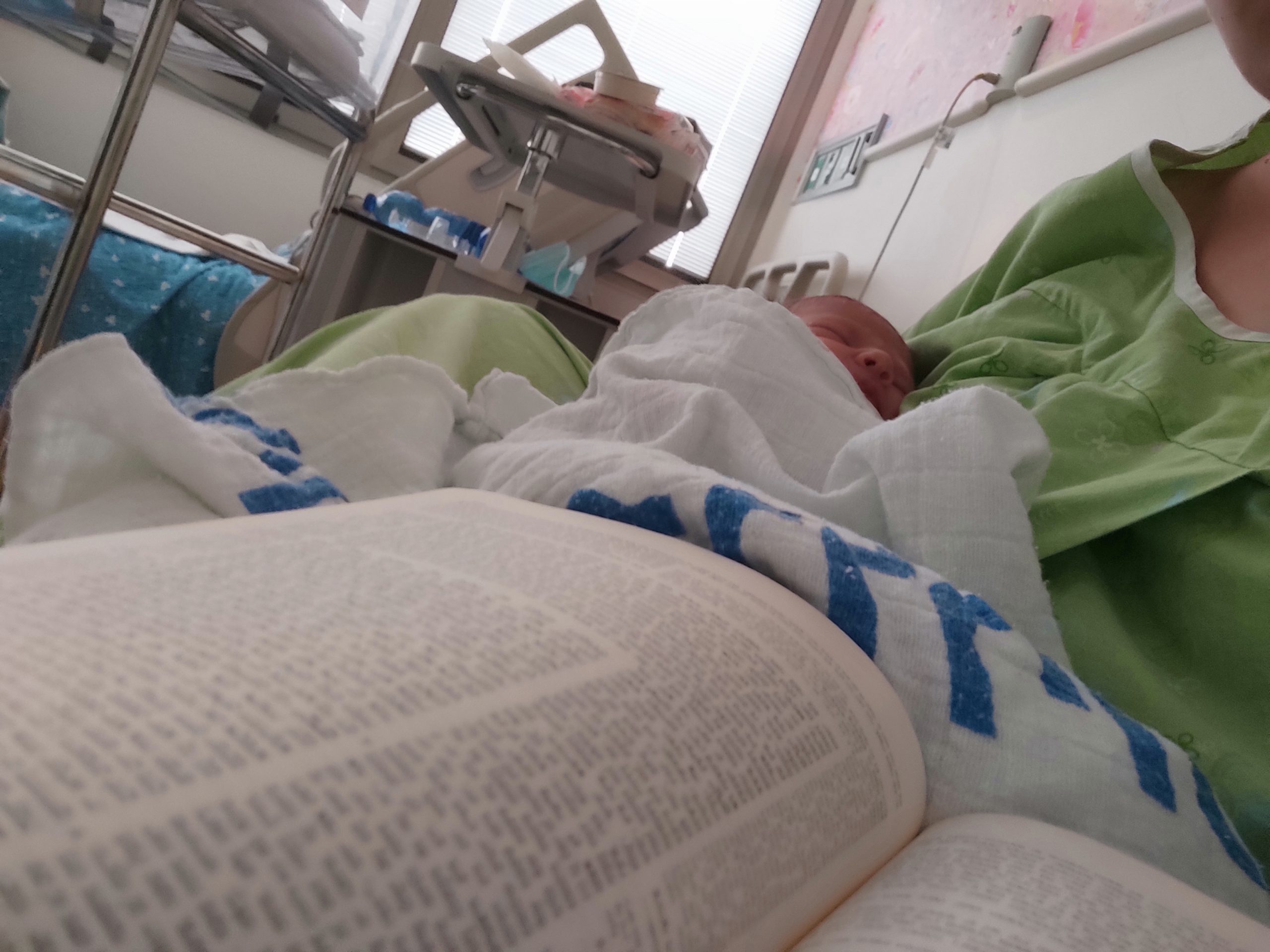
כמו שרואים בתמונה אני ממשיכה ללמוד גם היום ואפילו במחלקת יולדות אחרי לידת ביתי השלישית.
נועה שילה
רבבה, ישראל
התחלתי ללמוד דף יומי ממסכת נידה כי זה היה חומר הלימוד שלי אז. לאחר הסיום הגדול בבנייני האומה החלטתי להמשיך. וב”ה מאז עם הפסקות קטנות של קורונה ולידה אני משתדלת להמשיך ולהיות חלק.
זה משפיע מאוד על היום יום שלי ועל אף שאני עסוקה בלימודי הלכה ותורה כל יום, זאת המסגרת הקבועה והמחייבת ביותר שיש לי.

מוריה תעסן מיכאלי
גבעת הראל, ישראל
התחלתי ללמוד דף יומי שהתחילו מסכת כתובות, לפני 7 שנים, במסגרת קבוצת לימוד שהתפרקה די מהר, ומשם המשכתי לבד בתמיכת האיש שלי. נעזרתי בגמרת שטיינזלץ ובשיעורים מוקלטים.
הסביבה מאד תומכת ואני מקבלת המון מילים טובות לאורך כל הדרך. מאז הסיום הגדול יש תחושה שאני חלק מדבר גדול יותר.
אני לומדת בשיטת ה”7 דפים בשבוע” של הרבנית תרצה קלמן – כלומר, לא נורא אם לא הצלחת ללמוד כל יום, העיקר שגמרת ארבעה דפים בשבוע

רחל גולדשטיין
עתניאל, ישראל
לפני 15 שנה, אחרי עשרות שנים של "ג’ינגול” בין משפחה לקריירה תובענית בהייטק, הצטרפתי לשיעורי גמרא במתן רעננה. הלימוד המעמיק והייחודי של הרבנית אושרה קורן יחד עם קבוצת הנשים המגוונת הייתה חוויה מאלפת ומעשירה. לפני כשמונה שנים כאשר מחזור הדף היומי הגיע למסכת תענית הצטרפתי כ”חברותא” לבעלי. זו השעה היומית שלנו ביחד כאשר דפי הגמרא משתלבים בחיי היום יום, משפיעים ומושפעים, וכשלא מספיקים תמיד משלימים בשבת

יודי אסקוף
רעננה, ישראל
התחלתי בתחילת הסבב, והתמכרתי. זה נותן משמעות נוספת ליומיום ומאוד מחזק לתת לזה מקום בתוך כל שגרת הבית-עבודה השוטפת.

רעות אברהמי
בית שמש, ישראל
אמא שלי למדה איתי ש”ס משנה, והתחילה ללמוד דף יומי. אני החלטתי שאני רוצה ללמוד גם. בהתחלה למדתי איתה, אח”כ הצטרפתי ללימוד דף יומי שהרב דני וינט מעביר לנוער בנים בעתניאל. במסכת עירובין עוד חברה הצטרפה אלי וכשהתחלנו פסחים הרב דני פתח לנו שעור דף יומי לבנות. מאז אנחנו לומדות איתו קבוע כל יום את הדף היומי (ובשבת אבא שלי מחליף אותו). אני נהנית מהלימוד, הוא מאתגר ומעניין

רננה הלמן
עתניאל, ישראל
התחלתי ללמוד לפני כשנתיים בשאיפה לסיים לראשונה מסכת אחת במהלך חופשת הלידה.
אחרי מסכת אחת כבר היה קשה להפסיק…

נעה גלנט
ירוחם, ישראל
My explorations into Gemara started a few days into the present cycle. I binged learnt and become addicted. I’m fascinated by the rich "tapestry” of intertwined themes, connections between Masechtot, conversations between generations of Rabbanim and learners past and present all over the world. My life has acquired a golden thread, linking generations with our amazing heritage.
Thank you.

סוזן כשדן
חשמונאים, Israel
לפני 15 שנה, אחרי עשרות שנים של "ג’ינגול” בין משפחה לקריירה תובענית בהייטק, הצטרפתי לשיעורי גמרא במתן רעננה. הלימוד המעמיק והייחודי של הרבנית אושרה קורן יחד עם קבוצת הנשים המגוונת הייתה חוויה מאלפת ומעשירה. לפני כשמונה שנים כאשר מחזור הדף היומי הגיע למסכת תענית הצטרפתי כ”חברותא” לבעלי. זו השעה היומית שלנו ביחד כאשר דפי הגמרא משתלבים בחיי היום יום, משפיעים ומושפעים, וכשלא מספיקים תמיד משלימים בשבת
יודי אסקוף
רעננה, ישראל
לצערי גדלתי בדור שבו לימוד גמרא לנשים לא היה דבר שבשגרה ושנים שאני חולמת להשלים את הפער הזה.. עד שלפני מספר שבועות, כמעט במקרה, נתקלתי במודעת פרסומת הקוראת להצטרף ללימוד מסכת תענית. כשקראתי את המודעה הרגשתי שהיא כאילו נכתבה עבורי – "תמיד חלמת ללמוד גמרא ולא ידעת איך להתחיל”, "בואי להתנסות במסכת קצרה וקלה” (רק היה חסר שהמודעה תיפתח במילים "מיכי שלום”..). קפצתי למים ו- ב”ה אני בדרך להגשמת החלום:)

מיכי קדוש
מורשת, ישראל
התחלתי ללמוד גמרא בבית הספר בגיל צעיר והתאהבתי. המשכתי בכך כל חיי ואף היייתי מורה לגמרא בבית הספר שקד בשדה אליהו (בית הספר בו למדתי בילדותי)בתחילת מחזור דף יומי הנוכחי החלטתי להצטרף ובע”ה מקווה להתמיד ולהמשיך. אני אוהבת את המפגש עם הדף את "דרישות השלום ” שמקבלת מקשרים עם דפים אחרים שלמדתי את הסנכרון שמתחולל בין התכנים.

אריאלה ביגמן
מעלה גלבוע, ישראל
התחלתי לפני כמה שנים אבל רק בסבב הזה זכיתי ללמוד יום יום ולסיים מסכתות

סיגל טל
רעננה, ישראל
התחלתי ללמוד דף יומי כאשר קיבלתי במייל ממכון שטיינזלץ את הדפים הראשונים של מסכת ברכות במייל. קודם לא ידעתי איך לקרוא אותם עד שנתתי להם להדריך אותי. הסביבה שלי לא מודעת לעניין כי אני לא מדברת על כך בפומבי. למדתי מהדפים דברים חדשים, כמו הקשר בין המבנה של בית המקדש והמשכן לגופו של האדם (יומא מה, ע”א) והקשר שלו למשפט מפורסם שמופיע בספר ההינדי "בהגוד-גיתא”. מתברר שזה רעיון כלל עולמי ולא רק יהודי

אלנה ארנבורג
נשר, ישראל
התחלתי מחוג במסכת קידושין שהעבירה הרבנית רייסנר במסגרת בית המדרש כלנה בגבעת שמואל; לאחר מכן התחיל סבב הדף היומי אז הצטרפתי. לסביבה לקח זמן לעכל אבל היום כולם תומכים ומשתתפים איתי. הלימוד לעתים מעניין ומעשיר ולעתים קשה ואף הזוי… אך אני ממשיכה קדימה. הוא משפיע על היומיום שלי קודם כל במרדף אחרי הדף, וגם במושגים הרבים שלמדתי ובידע שהועשרתי בו, חלקו ממש מעשי

אביגיל כריסי
ראש העין, ישראל
התחלתי בסיום הש”ס, יצאתי באורות. נשברתי פעמיים, ובשתיהם הרבנית מישל עודדה להמשיך איפה שכולם בסבב ולהשלים כשאוכל, וכך עשיתי וכיום השלמתי הכל. מדהים אותי שאני לומדת כל יום קצת, אפילו בחדר הלידה, בבידוד או בחו”ל. לאט לאט יותר נינוחה בסוגיות. לא כולם מבינים את הרצון, בפרט כפמניסטית. חשה סיפוק גדול להכיר את המושגים וצורת החשיבה. החלום זה להמשיך ולהתמיד ובמקביל ללמוד איך מהסוגיות נוצרה והתפתחה ההלכה.

קרן וינגרטן שרינגטון
מודיעין, ישראל
התחלתי ללמוד דף יומי ממסכת נידה כי זה היה חומר הלימוד שלי אז. לאחר הסיום הגדול בבנייני האומה החלטתי להמשיך. וב”ה מאז עם הפסקות קטנות של קורונה ולידה אני משתדלת להמשיך ולהיות חלק.
זה משפיע מאוד על היום יום שלי ועל אף שאני עסוקה בלימודי הלכה ותורה כל יום, זאת המסגרת הקבועה והמחייבת ביותר שיש לי.
מוריה תעסן מיכאלי
גבעת הראל, ישראל
אני לומדת גמרא כעשור במסגרות שונות, ואת הדף היומי התחלתי כשחברה הציעה שאצטרף אליה לסיום בבנייני האומה. מאז אני לומדת עם פודקסט הדרן, משתדלת באופן יומי אך אם לא מספיקה, מדביקה פערים עד ערב שבת. בסבב הזה הלימוד הוא "ממעוף הציפור”, מקשיבה במהירות מוגברת תוך כדי פעילויות כמו בישול או נהיגה, וכך רוכשת היכרות עם הסוגיות ואופן ניתוחם על ידי חז”ל. בע”ה בסבב הבא, ואולי לפני, אצלול לתוכו באופן מעמיק יותר.

יעל ביר
רמת גן, ישראל
חולין קיב
דְּאַגַּב חוּרְפֵּיהּ בָּלַע, אֲבָל קִישּׁוּת – גָּרֵיר לְבֵי פְסָקֵיהּ וְאָכֵיל.
as due to its sharpness it absorbs the fat on the knife. But if one cut a cucumber with the same knife, it does not absorb the fat to the same extent. One may therefore simply scrape the place of the cut to remove any fat residue, and then one may eat the cucumber with kutaḥ.
קִילְחֵי דְּלִיפְתָּא – שְׁרֵי, דְּסִילְקָא – אֲסִירי, וְאִי פְּתַךְ בְּהוּ דְּלִיפְתָּא – שַׁפִּיר דָּמֵי.
Likewise, turnip stalks cut with such a knife are permitted for consumption with kutaḥ. But chard cut with such a knife is prohibited for consumption with kutaḥ, as it absorbs flavor from the knife. And if one alternated between cutting chard and turnip stalks it is permitted, as the turnip stalks nullify the taste of the meat in the knife.
בְּעָא מִינֵּיהּ רַב דִּימִי מֵרַב נַחְמָן: מַהוּ לְאַנּוֹחֵי כַּדָּא דְמִלְחָא גַּבֵּי כַּדָּא דְכַמְכָּא? אֲמַר לֵיהּ: אָסוּר. דְּחַלָּא מַאי? אֲמַר לֵיהּ: שְׁרֵי.
§ Rav Dimi inquired of Rav Naḥman: What is the halakha with regard to placing a jug of salt, used to salt meat, alongside a jug of kamka, i.e., kutaḥ, a milk dish? Need one be concerned lest some of the kutaḥ fall on the salt without his knowledge and ultimately contaminate his meat? Rav Naḥman said to him: It is prohibited to place the two jugs next to each other. Rav Dimi further inquired: What is the halakha with regard to a similar case involving a jug of vinegar used to season meat? Need one be concerned lest the kutaḥ fall into the vinegar? Rav Naḥman said to him: It is permitted to place these two jugs next to each other.
וּמַאי שְׁנָא לְכִי תֵּיכוּל עֲלַהּ כּוֹרָא דְמִלְחָא? מַאי טַעְמָא? הַאי – אִיתֵיהּ (איסורא) [לְאִיסּוּרָא] בְּעֵינֵיהּ, וְהַאי – לֵיתֵיהּ (איסורא) [לְאִיסּוּרָא] בְּעֵינֵיהּ.
Rav Dimi asked: And what is different about the vinegar? Rav Naḥman responded: When you have thought about it long enough to eat a kor of salt, you will know the reason. The Gemara clarifies: What is the reason then? In this case of the salt, the prohibited substance is substantive, as the traces of kutaḥ are discernible and not nullified by the salt. But in that case of the vinegar, the prohibited substance is not substantive, since the kutaḥ melts away in the vinegar and will no longer impart flavor.
הָהוּא בַּר גּוֹזָלָא דִּנְפַל לְכַדָּא דְּכַמְכָּא, שַׁרְיֵיהּ רַב חִינָּנָא בְּרֵיהּ דְּרָבָא מִפַּשְׁרוּנְיָא. אָמַר רָבָא: מַאן חַכִּים לְמִישְׁרֵי כִּי הַאי גַוְונָא, אִי לָאו רַב חִינָּנָא בְּרֵיהּ דְּרָבָא מִפַּשְׁרוּנְיָא? קָסָבַר: כִּי אָמַר שְׁמוּאֵל ״מָלִיחַ הֲרֵי הוּא כְּרוֹתֵחַ״, הָנֵי מִילֵּי הֵיכָא דְּאֵינוֹ נֶאֱכָל מֵחֲמַת מִלְחוֹ, אֲבָל הַאי כּוּתָּחָא הֲרֵי נֶאֱכָל מֵחֲמַת מִלְחוֹ.
The Gemara relates: There was a certain young bird that fell into a jug of kamka, i.e., kutaḥ. Rav Ḥinnana, son of Rava of the city of Pashronya, permitted the bird. Rava said about this: Who is wise enough to discern reasons to permit the food in difficult cases like this, if not Rav Ḥinnana, son of Rava of Pashronya? He maintains that when Shmuel said that a salted food imparts flavor like a boiling food, that statement applies only to a food so salty that it is not eaten due to its salt, but this kutaḥ can still be eaten due to, i.e., despite, its salt. Therefore, it is as if both foods are cold and unsalted, and they do not impart flavor to one another, provided one rinses the area of contact.
וְהָנֵי מִילֵּי חַי, אֲבָל צָלִי – בָּעֵי קְלִיפָה, וְאִי אִית בֵּיהּ פִּילֵי – כּוּלֵּיהּ אָסוּר, וְאִי מְתַבַּל בְּתַבְלִין – כּוּלֵּיהּ אָסוּר.
The Gemara adds: And this statement applies only if the bird is raw, but if it is roasted, it requires peeling to remove the outer layer, since roasting softens the meat and causes it to absorb more flavor. And if it has cracks [pilei], it is entirely forbidden, because the milk is absorbed into the cracks. And if it has been flavored with spices it is likewise entirely forbidden, because the spices soften the meat and render it absorbent.
אָמַר רַב נַחְמָן, אָמַר שְׁמוּאֵל: כִּכָּר שֶׁחָתַךְ עָלֶיהָ בָּשָׂר – אָסוּר לְאׇכְלָהּ, וְהָנֵי מִילֵּי דְּאַסְמֵיק, וְהָנֵי מִילֵּי דְּאַבְרְיֵהּ, וְהָנֵי מִילֵּי דְּאַסְמְכֵיהּ, אֲבָל קְלִישְׁתָּא – לֵית לַן בַּהּ.
Rav Naḥman said that Shmuel says: It is prohibited to eat a loaf of bread upon which one cut unsalted roasted meat, since the blood expelled from the roasted meat is absorbed in the loaf. The Gemara adds: And this statement applies only if the meat is ruddy from the blood it contains. And furthermore, this statement applies only if so much blood was absorbed in the loaf that it passed through from one side of the loaf to the other and was visible from both sides. And furthermore, this statement applies only if the liquid emitted by the roasted meat is viscous. But if it is runny, we have no problem with it, i.e., the loaf is permitted.
שְׁמוּאֵל שָׁדֵי לֵיהּ לְכַלְבֵּיהּ, רַב הוּנָא יָהֵיב לֵיהּ לְשַׁמָּעֵיהּ. מָה נַפְשָׁךְ? אִי שְׁרֵי – לְכוּלֵּי עָלְמָא שְׁרֵי, אִי אֲסִיר – לְכוּלֵּי עָלְמָא אֲסִיר! שָׁאנֵי רַב הוּנָא דַּאֲנִינָא דַּעְתֵּיהּ. רָבָא אָכֵיל לֵיהּ, וְקָרֵי לֵיהּ ״חֲמַר בָּשָׂר״.
The Gemara relates: Shmuel would throw to his dog such a loaf of bread that he held was prohibited. Rav Huna would not eat the loaf himself but would rather give it to his attendant. The Gemara objects: Whichever way you look at it, Rav Huna’s behavior is problematic: If the loaf is permitted, it is permitted for everyone, including Rav Huna himself. And if it is prohibited, then it is prohibited for everyone, and he should not give it to his attendant. The Gemara explains: In fact, the loaf is permitted for consumption, and Rav Huna is different, as he is of delicate constitution and did not want to eat the loaf himself. The Gemara further relates: Rava would eat a loaf of this type, and he would call the red liquid meat wine.
אָמַר רַב נַחְמָן, אָמַר שְׁמוּאֵל: אֵין מַנִּיחִין כְּלִי תַּחַת בָּשָׂר עַד שֶׁיִּכְלֶה כׇּל מַרְאֵה אַדְמוּמִית שֶׁבּוֹ. מְנָא יָדְעִינַן? מָר זוּטְרָא מִשְּׁמֵיהּ דְּרַב פָּפָּא אָמַר: מִשֶּׁתַּעֲלֶה תִּימְרָתוֹ.
Rav Naḥman says that Shmuel says: One may not place a vessel under roasting meat to catch the drippings of fat until all the ruddiness of the meat’s appearance has dissipated. Beforehand, though, one must be concerned that blood will fall with the drippings into the vessel, rendering the mixture and the vessel prohibited. The Gemara asks: How do we know when all the meat’s redness has disappeared? Mar Zutra said in the name of Rav Pappa: As soon as its smoke rises, one can be sure that all the blood has been expelled from the meat.
מַתְקֵיף לַהּ רַב אָשֵׁי: וְדִלְמָא תַּתָּאָה מְטָא, עִילָּאָה לָא מְטָא? אֶלָּא אָמַר רַב אָשֵׁי: לֵית לֵיהּ תַּקַּנְתָּא, אֶלָּא מִשְׁדֵּא בֵּיהּ תַּרְתֵּי גַּלְלֵי מִלְחָא,
Rav Ashi objects to this: But perhaps the underside of the meat, which is closest to the coals, has been fully roasted, but its upper part is still not roasted and still expels blood at this stage. Rather, Rav Ashi said: One who wishes to collect the drippings has no remedy except to place two lumps of salt in it, i.e., one in the receptacle under the meat and one on top, in the meat itself.
וּמִשְׁפְּיֵיהּ.
Doing this will allow the blood dripping from the meat to stick to the salt on the sides of the vessel, while the fat will float to the top. And when emptying the receptacle, he should tilt it gently to pour the fat into another vessel without it mixing with the blood.
אֲמַר לֵיהּ רַב אַחָא בְּרֵיהּ דְּרַב אִיקָא לְרַב אָשֵׁי: וּמִי אָמַר שְׁמוּאֵל הָכִי? וְהָאָמַר שְׁמוּאֵל: כִּכָּר שֶׁחָתַךְ עָלֶיהָ בָּשָׂר אָסוּר לְאׇכְלָהּ! שָׁאנֵי הָתָם, דְּאַגַּב דּוּחְקָא דְסַכִּינָא פָּלֵיט.
Rav Aḥa, son of Rav Ika, said to Rav Ashi: And did Shmuel really say this, that once the meat’s ruddiness has dissipated it is permitted to place a receptacle underneath it? But didn’t Shmuel say: It is prohibited to eat a loaf of bread upon which one cut roasted meat? Apparently he holds that meat contains blood even after it has finished roasting. Rav Ashi replied: Shmuel holds that the meat no longer emits blood after its ruddiness has dissipated. And as for his ruling with regard to a loaf of bread, it is different there, as due to the pressure of the knife the meat expels more blood.
אָמַר רַב נַחְמָן: דָּגִים וְעוֹפוֹת שֶׁמְּלָחָן זֶה עִם זֶה – אֲסוּרִין. הֵיכִי דָמֵי? אִי בִּכְלִי שֶׁאֵינוֹ מְנוּקָּב – אֲפִילּוּ עוֹפוֹת וְעוֹפוֹת נָמֵי אֲסִירִי, אִי בִּכְלִי מְנוּקָּב – אֲפִילּוּ דָּגִים וְעוֹפוֹת נָמֵי שְׁרֵי.
§ Rav Naḥman says: If one salted fish and birds together, the fish are prohibited for consumption due to the blood they absorb from the birds. The Gemara asks: What are the circumstances of this ruling? If they were placed in an unperforated vessel, in which the blood emitted by the birds will pool, then even if one salted a bird and another bird together they should be prohibited, as the blood expelled from one bird will be absorbed by the other. And if the case involves a perforated vessel, out of which the blood can flow, then even if fish are salted with birds the fish should be permitted.
לְעוֹלָם בִּכְלִי מְנוּקָּב, וְדָגִים מִשּׁוּם דִּרְפוּ קְרָמַיְיהוּ קָדְמִי וּפָלְטִי, וְעוֹפוֹת קְמִיטִי, בָּתַר דְּנָיְחִי דָּגִים פָּלְיטִי עוֹפוֹת, וַהֲדַר בָּלְעִי מִינֵּיהּ.
The Gemara answers: Actually, the ruling is referring to a perforated vessel. And the fish are prohibited because their skin is soft, and therefore when they are salted they expel their blood first, whereas the skin of birds is hard. After the fish finish expelling their blood, the birds continue to expel their blood, and then the fish absorb blood from them. If one salts two birds together, they expel their blood simultaneously, and neither will absorb blood from outside while expelling its own.
רַב מָרִי בַּר רָחֵל אִימְּלַח לֵיהּ בְּשַׂר שְׁחוּטָה בַּהֲדֵי בְּשַׂר טְרֵפָה, אֲתָא לְקַמֵּיהּ דְּרָבָא.
The Gemara relates: Meat of a slaughtered animal was salted for Rav Mari bar Raḥel together with prohibited meat of an animal that had a wound that would have caused it to die within twelve months [tereifa], in a perforated vessel, as meat is generally salted. He came before Rava to ask whether the kosher meat was prohibited, as perhaps it would not have absorbed flavor from the non-kosher meat while itself expelling blood.
אֲמַר לֵיהּ: ״הַטְּמֵאִים״ – לֶאֱסוֹר צִירָן, וְרוֹטְבָן, וְקֵיפֶה שֶׁלָּהֶן.
Rava said to him: When the verse states, with regard to forbidden foods: “These are the unclean to you” (Leviticus 11:31), the added definite article serves to prohibit not only their flesh but also their juice emitted by salting, and their gravy, and their spices with which they are cooked. Even while the kosher meat is emitting its blood, it still absorbs the juices of the non-kosher meat, which are absorbed more easily than blood.
לעקוב

