






לימוד מסכת חולין מוקדש על ידי ג’ודי פלבר לכבודה של קהילת הדרן. "במהלך המחזור הראשון שלי בדף היומי, בדיוק כשהתחלנו את מסכת חולין, בני נפצע בעת שירותו בצה”ל. לאורך אותם חודשיים וחצי של קושי וחוסר ודאות, חברותיי ללימוד לא עזבו אותי לרגע. תודה רבה לקהילה שעטפה אותי, עודדה אותי ווידאה שאוכל להמשיך ולהתמיד בלימוד הדף גם בימים המאתגרים ההם.”
רוצה להקדיש שיעור?

כלים
לימוד מסכת חולין מוקדש על ידי ג’ודי פלבר לכבודה של קהילת הדרן. "במהלך המחזור הראשון שלי בדף היומי, בדיוק כשהתחלנו את מסכת חולין, בני נפצע בעת שירותו בצה”ל. לאורך אותם חודשיים וחצי של קושי וחוסר ודאות, חברותיי ללימוד לא עזבו אותי לרגע. תודה רבה לקהילה שעטפה אותי, עודדה אותי ווידאה שאוכל להמשיך ולהתמיד בלימוד הדף גם בימים המאתגרים ההם.”
חולין כג
כִּי אִיצְטְרִיךְ קְרָא לְמַעוֹטֵי נִרְבָּע וְנֶעֱבָד.
The Gemara rejects that proof: When the phrase in the verse “of doves or of young pigeons” was necessary, it was to exclude a bird that was the object of bestiality or a bird that was worshipped as a deity.
סָלְקָא דַּעְתָּךְ אָמֵינָא: הוֹאִיל וּכְתִיב ״כִּי מׇשְׁחָתָם בָּהֶם מוּם בָּם״, וְתָנָא דְּבֵי רַבִּי יִשְׁמָעֵאל: כָּל מָקוֹם שֶׁנֶּאֱמַר הַשְׁחָתָה, אֵינוֹ אֶלָּא דְּבַר עֶרְוָה וַעֲבוֹדָה זָרָה; דְּבַר עֶרְוָה, דִּכְתִיב: ״כִּי הִשְׁחִית כׇּל בָּשָׂר אֶת דַּרְכּוֹ עַל הָאָרֶץ״;
As it could enter your mind to say: Since it is written with regard to the halakhot of disqualified offerings: “Because their corruption [moshḥatam] is in them, there is a blemish in them” (Leviticus 22:25), referring to two types of disqualifications: Corruption and blemish, and the school of Rabbi Yishmael taught: Anywhere that the term corruption [hashḥata] is stated, it is referring to nothing other than a matter of licentiousness and idol worship. The Gemara cites proofs for this claim: Corruption is referring to matters of licentiousness, as it is written: “For all flesh had corrupted [hishḥit] their way upon the earth” (Genesis 6:12); the word “way” alludes to sexual intercourse.
עֲבוֹדָה זָרָה, דִּכְתִיב: ״פֶּן תַּשְׁחִתוּן וַעֲשִׂיתֶם לָכֶם פֶּסֶל״, כֹּל שֶׁהַמּוּם פּוֹסֵל בּוֹ – דְּבַר עֶרְוָה וַעֲבוֹדָה זָרָה פּוֹסְלִין בּוֹ, וְכֹל שֶׁאֵין הַמּוּם פּוֹסֵל בּוֹ – אֵין דְּבַר עֶרְוָה וַעֲבוֹדָה זָרָה פּוֹסְלִין בּוֹ. וְהָנֵי עוֹפוֹת, הוֹאִיל וְלָא פָּסֵיל בְּהוּ מוּמָא, דְּאָמַר מָר: תַּמּוּת וְזַכְרוּת בִּבְהֵמָה וְאֵין תַּמּוּת וְזַכְרוּת בְּעוֹפוֹת, אֵימָא דְּבַר עֶרְוָה וַעֲבוֹדָה זָרָה נָמֵי לָא לִפְסוֹל בְּהוּ – קָא מַשְׁמַע לַן.
Corruption is also referring to idol worship, as it is written: “Lest you deal corruptly [tashḥitun], and make you a graven image” (Deuteronomy 4:16); one might have thought: Any type of offering that a blemish disqualifies, matters of licentiousness and idol worship disqualify it, and any type of offering that a blemish does not disqualify, matters of licentiousness and idol worship do not disqualify it. And with regard to these birds, since blemishes do not disqualify them, as the Master says: There is a requirement of an unblemished state and male gender in a sacrificial animal and there is no requirement of an unblemished state and male gender in sacrificial birds, say that matters of licentiousness and idol worship should also not disqualify the birds. Therefore, the tanna teaches us from the phrase in the verse “of doves or of young pigeons” that a bird that was the object of bestiality and a bird that was worshipped as a deity are disqualified.
בָּעֵי רַבִּי זֵירָא: הָאוֹמֵר ״הֲרֵי עָלַי עוֹלַת בְּהֵמָה מִן הָאַיִל אוֹ מִן הַכֶּבֶשׂ״, וְהֵבִיא פַּלְגָּס, מַהוּ?
§ Apropos the discussion of the beginning of the yellowing of the neck plumage, the Gemara cites another matter where there is uncertainty as to whether an animal of a particular age is of uncertain status or an entity in and of itself. Rabbi Zeira raises a dilemma: With regard to one who says: It is incumbent upon me to bring an animal burnt offering of a ram, which is a sheep that is at least thirteen months old, or of a lamb, which is up to one year old, and he brought a palges, which is between one year and thirteen months old, what is the halakha?
אַלִּיבָּא דְּרַבִּי יוֹחָנָן לָא תִּבְּעֵי לָךְ, דְּאָמַר בְּרִיָּה הָוֵי, דִּתְנַן: הִקְרִיבוֹ – מֵבִיא עָלָיו נִסְכֵּי אַיִל, וְאֵין עוֹלֶה לוֹ מִזִּבְחוֹ.
The Gemara elaborates: According to the opinion of Rabbi Yoḥanan, do not raise a dilemma, as he says that a palges is an entity in and of itself, as we learned in a mishna (Para 1:3): If one was obligated to bring a ram or lamb as an offering, and he sacrificed a palges, he brings with it the meal offering and the libations of a ram offering, namely, a meal offering of two-tenths of an ephah of fine flour mingled with four log of oil, and a libation of four log of wine, but it does not fulfill his obligation to bring his offering.
וְאָמַר רַבִּי יוֹחָנָן: ״אוֹ לָאַיִל״, לְרַבּוֹת אֶת הַפַּלְגָּס.
And Rabbi Yoḥanan says that the requirement to bring the meal offering and libations of a ram offering is derived from the verse in the portion of the libations: “Or for a ram, you shall prepare for a meal offering two-tenths of an ephah of fine flour mixed with one-third of a hin of oil” (Numbers 15:6); that serves to include the palges, whose meal offering and libations are like that of a ram. Based on that derivation, there is no uncertainty with regard to the status of the palges.
כִּי תִּבְּעֵי לָךְ אַלִּיבָּא דְּבַר פְּדָא,
When you raise a dilemma, it is according to the opinion of bar Padda, who holds that it is a case of uncertainty,
דְּאָמַר מַיְיתֵי וּמַתְנֵי.
as he says that one who sacrifices a palges brings the meal offering and the libation of a ram and stipulates: If it is a ram, this is its meal offering and libation, and if it is a lamb, whose meal offering and libation are less than that of the ram, then the remainder will be a gift offering.
מִי אָמְרִינַן: אַיִל וָכֶבֶשׂ מַתְנֵה, בִּבְרִיָּה לָא מַתְנֵה, אוֹ דִלְמָא בִּבְרִיָּה נָמֵי מַתְנֵה, דְּאָמַר: אִי בְּרִיָּה הָוֵה – לֶיהֱוֵי כּוּלֵּיהּ נְדָבָה? תֵּיקוּ.
The dilemma is: Do we say that he stipulates only if it is a ram or if it is a lamb, but he does not stipulate the possibility that it is an entity in and of itself, as bar Padda does not accept such a possibility? If so, bar Padda holds that one who vowed to bring a ram or a lamb can fulfill his obligation by bringing a palges and stipulating accordingly. Or perhaps bar Padda holds that he also stipulates the possibility that it is an entity in and of itself, and in that case he says: If it is an entity, let the entire libation be a gift offering. According to that possibility, even according to bar Padda, if one vowed to bring a ram or a lamb and brought a palges, due to the uncertainty he does not fulfill his obligation. The Gemara concludes: The dilemma shall stand unresolved.
בָּעֵי רַבִּי זֵירָא: הָאוֹמֵר ״הֲרֵי עָלַי לַחְמֵי תוֹדָה מִן הֶחָמֵץ אוֹ מִן הַמַּצָּה״, וְהֵבִיא שִׂיאוּר, מַהוּ?
§ The concept of an entity in and of itself is mentioned with regard to a thanks offering, with which one must bring twenty tenths of an ephah for the accompanying loaves: Ten tenths of an ephah for matza and ten for leavened bread. Rabbi Zeira raises a dilemma: With regard to one who says: It is incumbent upon me to bring loaves of a thanks offering of leavened bread or of matza, and he brought leavening dough [siur], what is the halakha?
שִׂיאוּר דְּמַאן? אִי שִׂיאוּר דְּרַבִּי מֵאִיר – לְרַבִּי יְהוּדָה מַצָּה מְעַלַּיְיתָא הִיא.
The Gemara asks: Siur according to whose opinion? If the reference is to the siur of Rabbi Meir, who says that it is dough at the stage when its surface pales, according to Rabbi Yehuda it is not leavened bread at all; it is full-fledged matza and one fulfills his vow to bring matza.
אִי דְּרַבִּי יְהוּדָה, לְרַבִּי מֵאִיר – חָמֵץ הוּא.
If the reference is to the siur of Rabbi Yehuda, who says that it is dough at the stage when it has cracks that look like the antennae of locusts and is in accordance with the opinion of Rabbi Meir, Rabbi Meir holds that it is full-fledged leavened bread, and one fulfills his vow to bring leavened bread.
וְאִי דְּרַבִּי מֵאִיר, לְרַבִּי מֵאִיר, מִדְּלָקֵי עֲלֵיהּ – חָמֵץ הוּא.
And if the reference is to the siur of Rabbi Meir and is in accordance with the opinion of Rabbi Meir, although one is not liable to receive karet for eating it on Passover, from the halakha that one is flogged for eating it on Passover it is clearly leavened bread, with which one fulfills his vow to bring leavened bread.
אֶלָּא דְּרַבִּי יְהוּדָה לְרַבִּי יְהוּדָה, מַאי? סְפֵיקָא הָוֵי, וְנָפֵיק מִמָּה נַפְשָׁךְ, אוֹ דִלְמָא בְּרִיָּה הוּא, וְלָא נָפֵיק?
Rather, the dilemma is with regard to the siur of Rabbi Yehuda and is in accordance with the opinion of Rabbi Yehuda, who holds that although one is obligated to destroy it before Passover, one is not liable to receive lashes for eating it on Passover. It is unclear whether this is due to uncertainty or due to siur having a unique status. Therefore, Rabbi Zeira raises the dilemma: What is its status? Is it a case of uncertainty, and consequently one who vowed to bring loaves of matza or leavened bread and brings siur fulfills his obligation whichever way you look at it, because if it is matza, he fulfills his vow to bring matza, and if it is leavened bread, he fulfills his vow to bring leavened bread? Or perhaps siur is an entity in and of itself, neither matza nor leavened bread, and he does not fulfill his obligation at all.
וְהָאָמַר רַב הוּנָא: הָאוֹמֵר ״הֲרֵי עָלַי לַחְמֵי תוֹדָה״ – מֵבִיא תּוֹדָה וְלַחְמָהּ, וְכֵיוָן דְּאִיחַיַּיב לֵיהּ בְּתוֹדָה וְלַחְמָהּ, הָא לָא יָדַע הַאי גַּבְרָא אִי חָמֵץ הוּא דְּלַיְתֵי מַצָּה, אִי מַצָּה הוּא דְּלַיְתֵי חָמֵץ!
The Gemara asks: Even if it is a case of uncertainty, how can a person fulfill his vow with that siur? But doesn’t Rav Huna say that one who says: It is incumbent upon me to bring loaves of a thanks offering, is obligated to bring a thanks offering and all its loaves, twenty tenths of an ephah, ten for matza and ten for leavened bread? And since he is obligated to bring a thanks offering and all its loaves, but this man does not know whether the siur that he brought is leavened bread so that he will bring matza, or whether the siur that he brought is matza so that he will bring leavened bread, so how can he fulfill his vow? In any case, the only way that he could fulfill his vow would be to bring an additional twenty tenths of an ephah.
לָא צְרִיכָא, דְּאָמַר ״הֲרֵי עָלַי חַלָּה לִפְטוֹר תּוֹדָתוֹ שֶׁל פְּלוֹנִי״.
The Gemara answers: No, the dilemma of Rabbi Zeira is necessary only in a case where one said: It is incumbent upon me to bring the loaf element of the thanks offering to exempt the thanks offering of so-and-so from the obligation to bring loaves, as in that case he can fulfill his vow because he did not obligate himself to bring a thanks offering.
סוֹף סוֹף הָא לָא יָדַע הַאי גַּבְרָא, אִי חָמֵץ הוּא דְּלַיְתֵי מַצָּה, אִי מַצָּה הוּא דְּלַיְתֵי חָמֵץ! לָא צְרִיכָא, דְּלָא אָמַר ״לִפְטוֹר״, מִיפָּק גַּבְרָא יְדֵי נִדְרוֹ נָפֵיק אוֹ לָא נָפֵיק? תֵּיקוּ.
The Gemara objects: Ultimately, this man who brings the thanks offering does not know whether the siur that the other contributed is leavened bread so that he will bring matza, or whether the siur that the other contributed is matza so that he will bring leavened bread. Therefore, the man bringing the thanks offering must bring both matza and unleavened bread in addition to the siur, and the one who vowed has then not exempted him from any obligation by contributing the siur. The Gemara responds: No, the dilemma of Rabbi Zeira is necessary only in a case where he said: It is incumbent upon me to bring loaves of leavened bread or matza for the thanks offering of so-and-so, but did not say: To exempt his thanks offering. In that case, he is not obligated to fulfill the other’s obligation, and the dilemma is: Does the man fulfill his vow by bringing the loaves of siur or does he not fulfill his vow? The Gemara concludes: The dilemma shall stand unresolved.
מַתְנִי׳ כָּשֵׁר בַּפָּרָה – פָּסוּל בָּעֶגְלָה, כָּשֵׁר בָּעֶגְלָה – פָּסוּל בַּפָּרָה.
MISHNA: That which is fit in a red heifer is unfit in a heifer whose neck is broken; that which is fit in a heifer whose neck is broken is unfit in a red heifer.
גְּמָ׳ תָּנוּ רַבָּנַן: פָּרָה בִּשְׁחִיטָה כְּשֵׁרָה, בַּעֲרִיפָה פְּסוּלָה; עֶגְלָה בַּעֲרִיפָה כְּשֵׁרָה, בִּשְׁחִיטָה פְּסוּלָה; (נמצאת) [נִמְצָא] כָּשֵׁר בַּפָּרָה – פָּסוּל בָּעֶגְלָה, כָּשֵׁר בָּעֶגְלָה – פָּסוּל בַּפָּרָה.
GEMARA: The Sages taught in a baraita in explanation of the mishna: With regard to the red heifer, with slaughter it is fit; with breaking the neck it is unfit. With regard to the heifer whose neck is broken, with breaking the neck it is fit; with slaughter it is unfit. Consequently, that which is fit in a red heifer is unfit in a heifer whose neck is broken; that which is fit in a heifer whose neck is broken is unfit in a red heifer.
וּתְהֵא פָּרָה כְּשֵׁרָה בַּעֲרִיפָה מִקַּל וְחוֹמֶר: וּמָה עֶגְלָה שֶׁלֹּא הוּכְשְׁרָה בִּשְׁחִיטָה – הוּכְשְׁרָה בַּעֲרִיפָה, פָּרָה שֶׁהוּכְשְׁרָה בִּשְׁחִיטָה – אֵינָהּ דִּין שֶׁהוּכְשְׁרָה בַּעֲרִיפָה?
The Gemara asks: And let it be derived that the red heifer is fit with breaking the neck by means of an a fortiori inference: If a heifer whose neck is broken, which is not rendered fit with slaughter, is rendered fit with breaking the neck, then with regard to a red heifer, which is rendered fit with slaughter, isn’t it logical that it is rendered fit with breaking the neck?

כלים
העמקה
רוצה להבין מה באמת קורה מתחת לפני השטח של הסוגיה?
שיעורים, פודקאסטים והרחבות של מיטב המורות שלנו יפתחו לך עוד זוויות וכיווני חשיבה.
פה קבור הכלב: של מי? על איסור הנאה מחמץ- גפת עם הרבנית חנה גודינגר (דרייפוס)
חדשה בלימוד הגמרא?
זה הדף הראשון שלך? איזו התרגשות עצומה! יש לנו בדיוק את התכנים והכלים שיעזרו לך לעשות את הצעדים הראשונים ללמידה בקצב וברמה שלך, כך תוכלי להרגיש בנוח גם בתוך הסוגיות המורכבות ומאתגרות.
פסיפס הלומדות שלנו
גלי את קהילת הלומדות שלנו, מגוון נשים, רקעים וסיפורים. כולן חלק מתנועה ומסע מרגש ועוצמתי.
"התחלתי ללמוד דף יומי במחזור הזה, בח’ בטבת תש””ף. לקחתי על עצמי את הלימוד כדי ליצור תחום של התמדה יומיומית בחיים, והצטרפתי לקבוצת הלומדים בבית הכנסת בכפר אדומים. המשפחה והסביבה מתפעלים ותומכים.
בלימוד שלי אני מתפעלת בעיקר מכך שכדי ללמוד גמרא יש לדעת ולהכיר את כל הגמרא. זו מעין צבת בצבת עשויה שהיא עצומה בהיקפה.”

כפר אדומים, ישראל
"
גם אני התחלתי בסבב הנוכחי וב””ה הצלחתי לסיים את רוב המסכתות . בזכות הרבנית מישל משתדלת לפתוח את היום בשיעור הזום בשעה 6:20 .הלימוד הפך להיות חלק משמעותי בחיי ויש ימים בהם אני מצליחה לחזור על הדף עם מלמדים נוספים ששיעוריהם נמצאים במרשתת. שמחה להיות חלק מקהילת לומדות ברחבי העולם. ובמיוחד לשמש דוגמה לנכדותיי שאי””ה יגדלו לדור שלימוד תורה לנשים יהיה משהו שבשגרה. "

נתניה, ישראל
אמא שלי למדה איתי ש”ס משנה, והתחילה ללמוד דף יומי. אני החלטתי שאני רוצה ללמוד גם. בהתחלה למדתי איתה, אח”כ הצטרפתי ללימוד דף יומי שהרב דני וינט מעביר לנוער בנים בעתניאל. במסכת עירובין עוד חברה הצטרפה אלי וכשהתחלנו פסחים הרב דני פתח לנו שעור דף יומי לבנות. מאז אנחנו לומדות איתו קבוע כל יום את הדף היומי (ובשבת אבא שלי מחליף אותו). אני נהנית מהלימוד, הוא מאתגר ומעניין
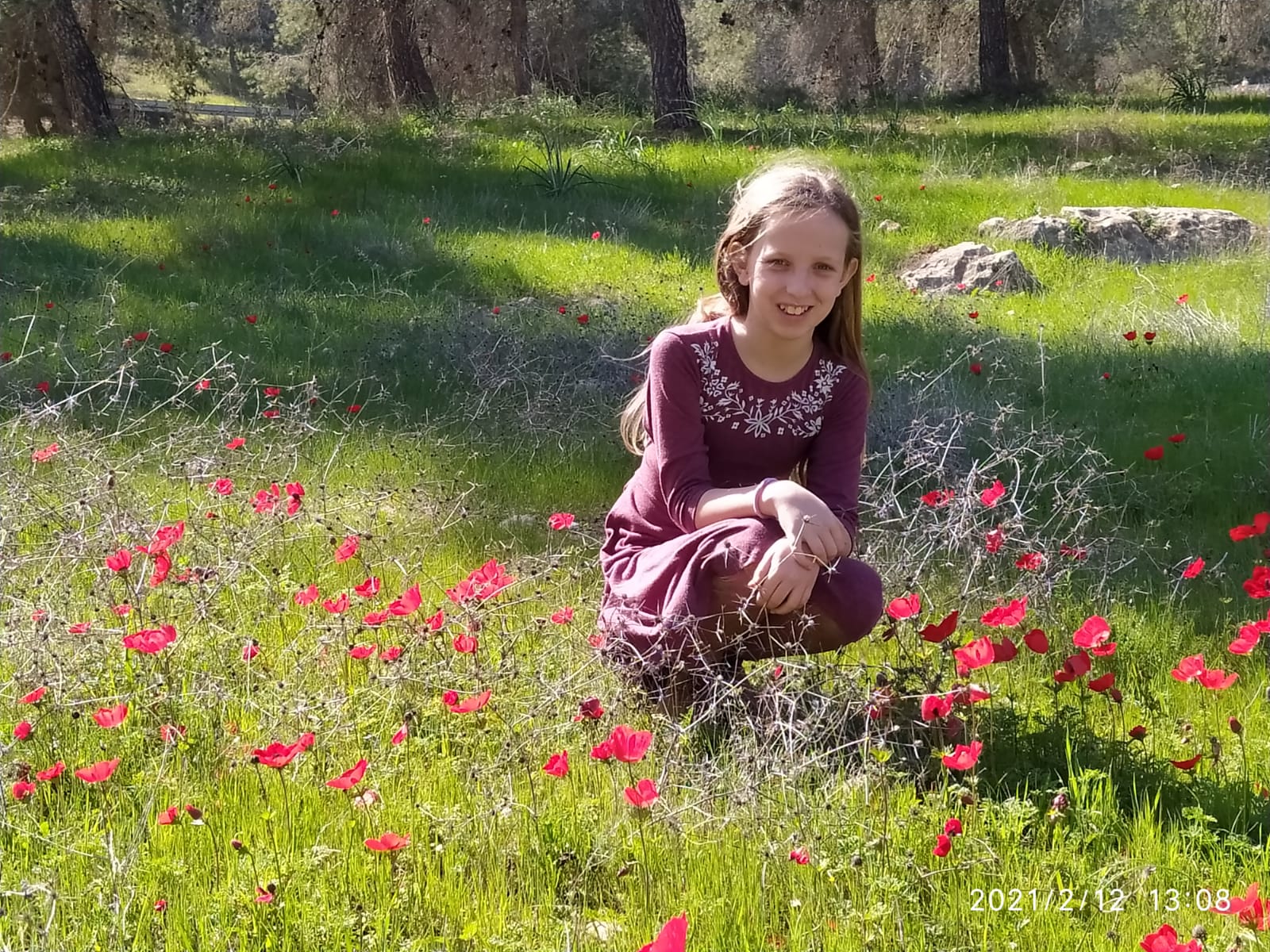
עתניאל, ישראל
התחלתי ללמוד דף יומי כאשר קיבלתי במייל ממכון שטיינזלץ את הדפים הראשונים של מסכת ברכות במייל. קודם לא ידעתי איך לקרוא אותם עד שנתתי להם להדריך אותי. הסביבה שלי לא מודעת לעניין כי אני לא מדברת על כך בפומבי. למדתי מהדפים דברים חדשים, כמו הקשר בין המבנה של בית המקדש והמשכן לגופו של האדם (יומא מה, ע”א) והקשר שלו למשפט מפורסם שמופיע בספר ההינדי "בהגוד-גיתא”. מתברר שזה רעיון כלל עולמי ולא רק יהודי

נשר, ישראל
התחלתי ללמוד דף יומי שהתחילו מסכת כתובות, לפני 7 שנים, במסגרת קבוצת לימוד שהתפרקה די מהר, ומשם המשכתי לבד בתמיכת האיש שלי. נעזרתי בגמרת שטיינזלץ ובשיעורים מוקלטים.
הסביבה מאד תומכת ואני מקבלת המון מילים טובות לאורך כל הדרך. מאז הסיום הגדול יש תחושה שאני חלק מדבר גדול יותר.
אני לומדת בשיטת ה”7 דפים בשבוע” של הרבנית תרצה קלמן – כלומר, לא נורא אם לא הצלחת ללמוד כל יום, העיקר שגמרת ארבעה דפים בשבוע

עתניאל, ישראל
התחלתי מחוג במסכת קידושין שהעבירה הרבנית רייסנר במסגרת בית המדרש כלנה בגבעת שמואל; לאחר מכן התחיל סבב הדף היומי אז הצטרפתי. לסביבה לקח זמן לעכל אבל היום כולם תומכים ומשתתפים איתי. הלימוד לעתים מעניין ומעשיר ולעתים קשה ואף הזוי… אך אני ממשיכה קדימה. הוא משפיע על היומיום שלי קודם כל במרדף אחרי הדף, וגם במושגים הרבים שלמדתי ובידע שהועשרתי בו, חלקו ממש מעשי

ראש העין, ישראל
למדתי גמרא מכיתה ז- ט ב Maimonides School ואחרי העליה שלי בגיל 14 לימוד הגמרא, שלא היה כל כך מקובל בימים אלה, היה די ספוראדי. אחרי "ההתגלות” בבנייני האומה התחלתי ללמוד בעיקר בדרך הביתה למדתי מפוקקטסים שונים. לאט לאט ראיתי שאני תמיד חוזרת לרבנית מישל פרבר. באיזה שהוא שלב התחלתי ללמוד בזום בשעה 7:10 .
היום "אין מצב” שאני אתחיל את היום שלי ללא לימוד עם הרבנית מישל עם כוס הקפה שלי!!

חשמונאים, ישראל
אני לומדת גמרא כעשור במסגרות שונות, ואת הדף היומי התחלתי כשחברה הציעה שאצטרף אליה לסיום בבנייני האומה. מאז אני לומדת עם פודקסט הדרן, משתדלת באופן יומי אך אם לא מספיקה, מדביקה פערים עד ערב שבת. בסבב הזה הלימוד הוא "ממעוף הציפור”, מקשיבה במהירות מוגברת תוך כדי פעילויות כמו בישול או נהיגה, וכך רוכשת היכרות עם הסוגיות ואופן ניתוחם על ידי חז”ל. בע”ה בסבב הבא, ואולי לפני, אצלול לתוכו באופן מעמיק יותר.

רמת גן, ישראל
באירוע של הדרן בנייני האומה. בהשראתה של אמי שלי שסיימה את הש”ס בסבב הקודם ובעידוד מאיר , אישי, וילדיי וחברותיי ללימוד במכון למנהיגות הלכתית של רשת אור תורה סטון ומורתיי הרבנית ענת נובוסלסקי והרבנית דבורה עברון, ראש המכון למנהיגות הלכתית.
הלימוד מעשיר את יומי, מחזיר אותי גם למסכתות שכבר סיימתי וידוע שאינו דומה מי ששונה פרקו מאה לשונה פרקו מאה ואחת במיוחד מרתקים אותי החיבורים בין המסכתות
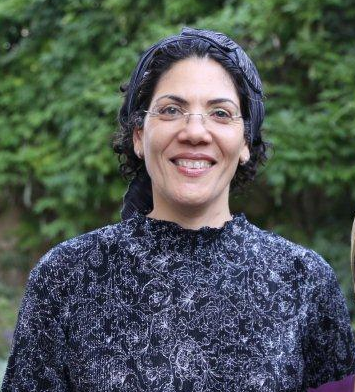
מודיעין, ישראל
התחלתי ללמוד דף לפני קצת יותר מ-5 שנים, כשלמדתי רבנות בישיבת מהר”ת בניו יורק. בדיעבד, עד אז, הייתי בלימוד הגמרא שלי כמו מישהו שאוסף חרוזים משרשרת שהתפזרה, פה משהו ושם משהו, ומאז נפתח עולם ומלואו…. הדף נותן לי לימוד בצורה מאורגנת, שיטתית, יום-יומית, ומלמד אותי לא רק ידע אלא את השפה ודרך החשיבה שלנו. לשמחתי, יש לי סביבה תומכת וההרגשה שלי היא כמו בציטוט שבחרתי: הדף משפיע לטובה על כל היום שלי.

חיפה, ישראל
התחלתי ללמוד גמרא בבית הספר בגיל צעיר והתאהבתי. המשכתי בכך כל חיי ואף היייתי מורה לגמרא בבית הספר שקד בשדה אליהו (בית הספר בו למדתי בילדותי)בתחילת מחזור דף יומי הנוכחי החלטתי להצטרף ובע”ה מקווה להתמיד ולהמשיך. אני אוהבת את המפגש עם הדף את "דרישות השלום ” שמקבלת מקשרים עם דפים אחרים שלמדתי את הסנכרון שמתחולל בין התכנים.

מעלה גלבוע, ישראל
התחלתי מעט לפני תחילת הסבב הנוכחי. אני נהנית מהאתגר של להמשיך להתמיד, מרגעים של "אהה, מפה זה הגיע!” ומהאתגר האינטלקטואלי

לוד, ישראל
לפני 15 שנה, אחרי עשרות שנים של "ג’ינגול” בין משפחה לקריירה תובענית בהייטק, הצטרפתי לשיעורי גמרא במתן רעננה. הלימוד המעמיק והייחודי של הרבנית אושרה קורן יחד עם קבוצת הנשים המגוונת הייתה חוויה מאלפת ומעשירה. לפני כשמונה שנים כאשר מחזור הדף היומי הגיע למסכת תענית הצטרפתי כ”חברותא” לבעלי. זו השעה היומית שלנו ביחד כאשר דפי הגמרא משתלבים בחיי היום יום, משפיעים ומושפעים, וכשלא מספיקים תמיד משלימים בשבת

רעננה, ישראל
כבר סיפרתי בסיום של מועד קטן.
הלימוד מאוד משפיעה על היום שלי כי אני לומדת עם רבנית מישל על הבוקר בזום. זה נותן טון לכל היום – בסיס למחשבות שלי .זה זכות גדול להתחיל את היום בלימוד ובתפילה. תודה רבה !

ירושלים, ישראל
התחלתי ללמוד בסבב הנוכחי לפני כשנתיים .הסביבה מתפעלת ותומכת מאוד. אני משתדלת ללמוד מכל ההסכתים הנוספים שיש באתר הדרן. אני עורכת כל סיום מסכת שיעור בביתי לכ20 נשים שמחכות בקוצר רוח למפגשים האלו.
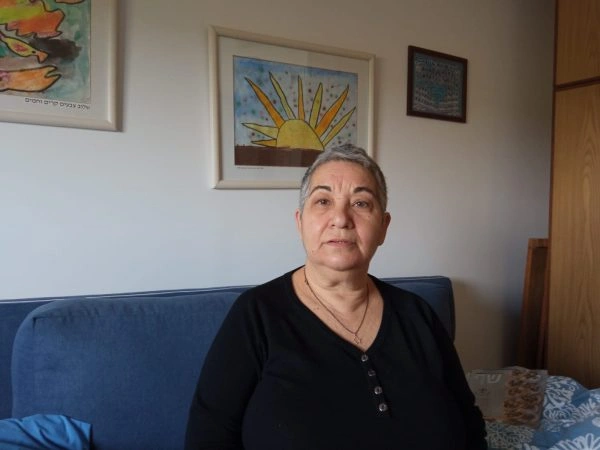
יהוד, ישראל
באירוע של הדרן בנייני האומה. בהשראתה של אמי שלי שסיימה את הש”ס בסבב הקודם ובעידוד מאיר , אישי, וילדיי וחברותיי ללימוד במכון למנהיגות הלכתית של רשת אור תורה סטון ומורתיי הרבנית ענת נובוסלסקי והרבנית דבורה עברון, ראש המכון למנהיגות הלכתית.
הלימוד מעשיר את יומי, מחזיר אותי גם למסכתות שכבר סיימתי וידוע שאינו דומה מי ששונה פרקו מאה לשונה פרקו מאה ואחת במיוחד מרתקים אותי החיבורים בין המסכתות
מודיעין, ישראל
הייתי לפני שנתיים בסיום הדרן נשים בבנייני האומה והחלטתי להתחיל. אפילו רק כמה דפים, אולי רק פרק, אולי רק מסכת… בינתיים סיימתי רבע שס ותכף את כל סדר מועד בה.
הסביבה תומכת ומפרגנת. אני בת יחידה עם ארבעה אחים שכולם לומדים דף יומי. מדי פעם אנחנו עושים סיומים יחד באירועים משפחתיים. ממש מרגש. מסכת שבת סיימנו כולנו יחד עם אבא שלנו!
אני שומעת כל יום פודקאסט בהליכה או בנסיעה ואחכ לומדת את הגמרא.

מרכז שפירא, ישראל
התחלתי לפני כמה שנים אבל רק בסבב הזה זכיתי ללמוד יום יום ולסיים מסכתות

רעננה, ישראל
ראיתי את הסיום הגדול בבנייני האומה וכל כך התרשמתי ורציתי לקחת חלק.. אבל לקח לי עוד כשנה וחצי )באמצע מסיכת שבת להצטרף..
הלימוד חשוב לי מאוד.. אני תמיד במרדף אחרי הדף וגונבת כל פעם חצי דף כשהילדים עסוקים ומשלימה אח”כ אחרי שכולם הלכו לישון..
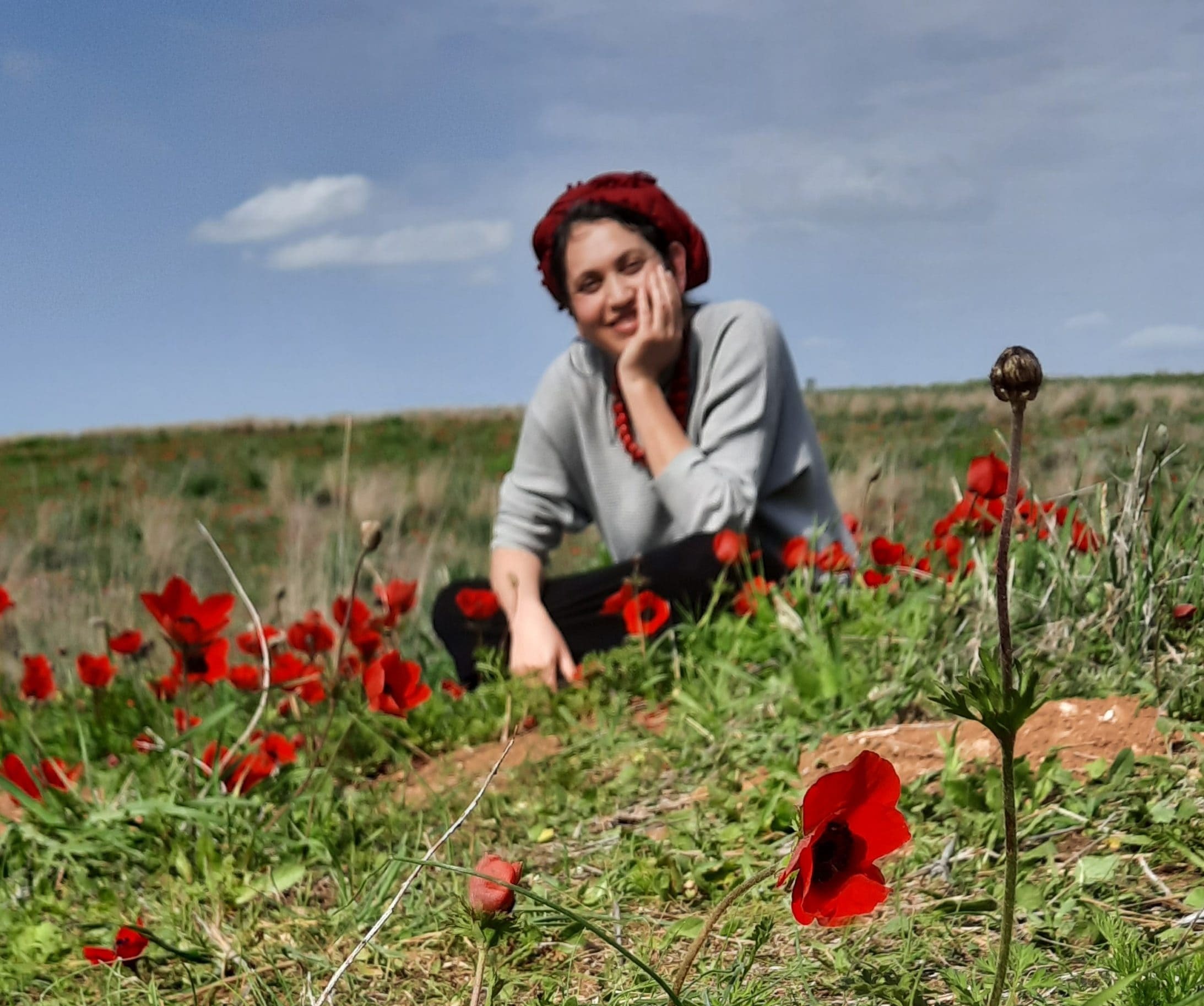
ירושלים, ישראל
בתחילת הסבב הנוכחי הצטברו אצלי תחושות שאני לא מבינה מספיק מהי ההלכה אותה אני מקיימת בכל יום. כמו כן, כאמא לבנות רציתי לתת להן מודל נשי של לימוד תורה
שתי הסיבות האלו הובילו אותי להתחיל ללמוד. נתקלתי בתגובות מפרגנות וסקרניות איך אישה לומדת גמרא..
כמו שרואים בתמונה אני ממשיכה ללמוד גם היום ואפילו במחלקת יולדות אחרי לידת ביתי השלישית.
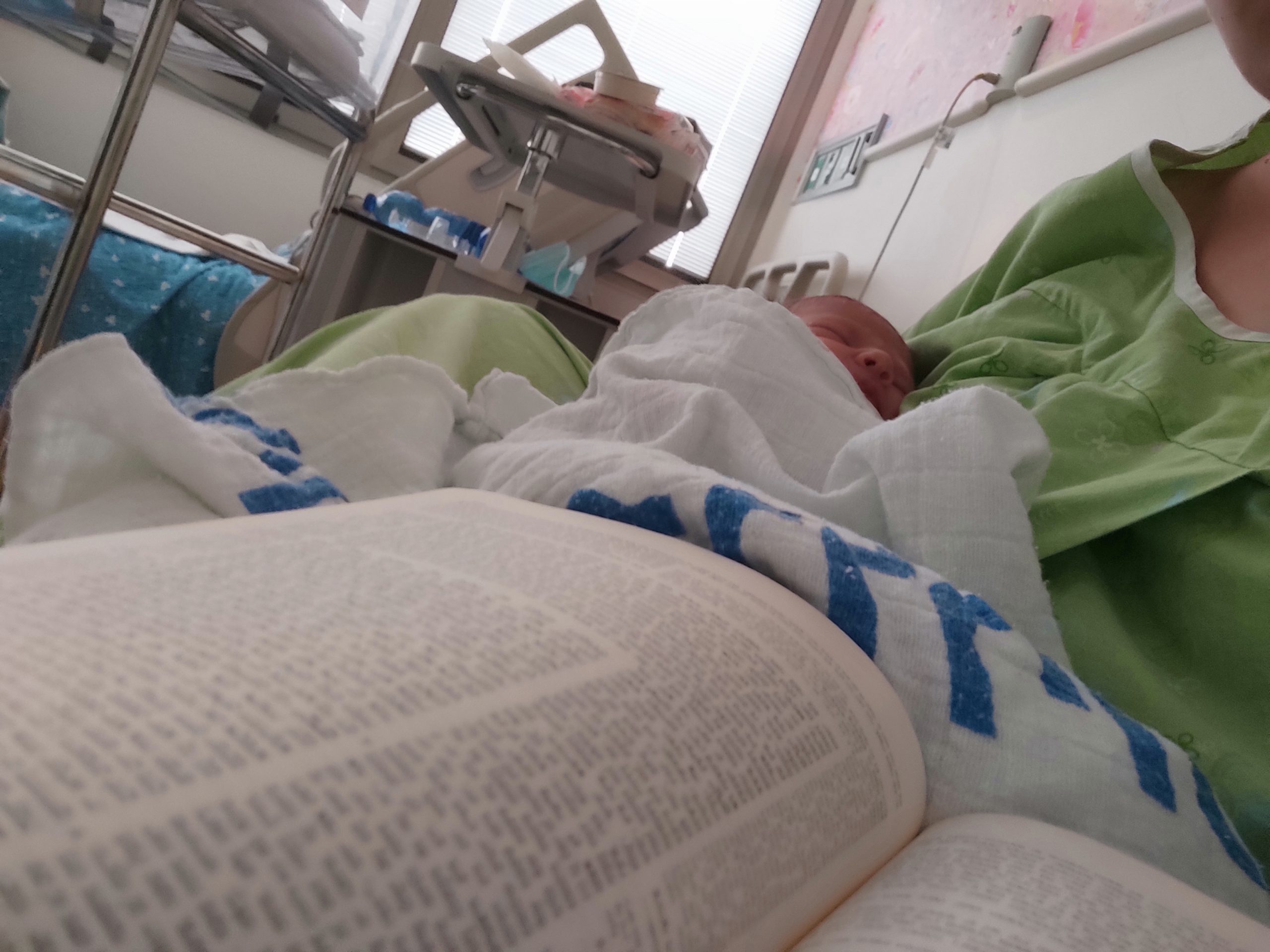
רבבה, ישראל
חולין כג
כִּי אִיצְטְרִיךְ קְרָא לְמַעוֹטֵי נִרְבָּע וְנֶעֱבָד.
The Gemara rejects that proof: When the phrase in the verse “of doves or of young pigeons” was necessary, it was to exclude a bird that was the object of bestiality or a bird that was worshipped as a deity.
סָלְקָא דַּעְתָּךְ אָמֵינָא: הוֹאִיל וּכְתִיב ״כִּי מׇשְׁחָתָם בָּהֶם מוּם בָּם״, וְתָנָא דְּבֵי רַבִּי יִשְׁמָעֵאל: כָּל מָקוֹם שֶׁנֶּאֱמַר הַשְׁחָתָה, אֵינוֹ אֶלָּא דְּבַר עֶרְוָה וַעֲבוֹדָה זָרָה; דְּבַר עֶרְוָה, דִּכְתִיב: ״כִּי הִשְׁחִית כׇּל בָּשָׂר אֶת דַּרְכּוֹ עַל הָאָרֶץ״;
As it could enter your mind to say: Since it is written with regard to the halakhot of disqualified offerings: “Because their corruption [moshḥatam] is in them, there is a blemish in them” (Leviticus 22:25), referring to two types of disqualifications: Corruption and blemish, and the school of Rabbi Yishmael taught: Anywhere that the term corruption [hashḥata] is stated, it is referring to nothing other than a matter of licentiousness and idol worship. The Gemara cites proofs for this claim: Corruption is referring to matters of licentiousness, as it is written: “For all flesh had corrupted [hishḥit] their way upon the earth” (Genesis 6:12); the word “way” alludes to sexual intercourse.
עֲבוֹדָה זָרָה, דִּכְתִיב: ״פֶּן תַּשְׁחִתוּן וַעֲשִׂיתֶם לָכֶם פֶּסֶל״, כֹּל שֶׁהַמּוּם פּוֹסֵל בּוֹ – דְּבַר עֶרְוָה וַעֲבוֹדָה זָרָה פּוֹסְלִין בּוֹ, וְכֹל שֶׁאֵין הַמּוּם פּוֹסֵל בּוֹ – אֵין דְּבַר עֶרְוָה וַעֲבוֹדָה זָרָה פּוֹסְלִין בּוֹ. וְהָנֵי עוֹפוֹת, הוֹאִיל וְלָא פָּסֵיל בְּהוּ מוּמָא, דְּאָמַר מָר: תַּמּוּת וְזַכְרוּת בִּבְהֵמָה וְאֵין תַּמּוּת וְזַכְרוּת בְּעוֹפוֹת, אֵימָא דְּבַר עֶרְוָה וַעֲבוֹדָה זָרָה נָמֵי לָא לִפְסוֹל בְּהוּ – קָא מַשְׁמַע לַן.
Corruption is also referring to idol worship, as it is written: “Lest you deal corruptly [tashḥitun], and make you a graven image” (Deuteronomy 4:16); one might have thought: Any type of offering that a blemish disqualifies, matters of licentiousness and idol worship disqualify it, and any type of offering that a blemish does not disqualify, matters of licentiousness and idol worship do not disqualify it. And with regard to these birds, since blemishes do not disqualify them, as the Master says: There is a requirement of an unblemished state and male gender in a sacrificial animal and there is no requirement of an unblemished state and male gender in sacrificial birds, say that matters of licentiousness and idol worship should also not disqualify the birds. Therefore, the tanna teaches us from the phrase in the verse “of doves or of young pigeons” that a bird that was the object of bestiality and a bird that was worshipped as a deity are disqualified.
בָּעֵי רַבִּי זֵירָא: הָאוֹמֵר ״הֲרֵי עָלַי עוֹלַת בְּהֵמָה מִן הָאַיִל אוֹ מִן הַכֶּבֶשׂ״, וְהֵבִיא פַּלְגָּס, מַהוּ?
§ Apropos the discussion of the beginning of the yellowing of the neck plumage, the Gemara cites another matter where there is uncertainty as to whether an animal of a particular age is of uncertain status or an entity in and of itself. Rabbi Zeira raises a dilemma: With regard to one who says: It is incumbent upon me to bring an animal burnt offering of a ram, which is a sheep that is at least thirteen months old, or of a lamb, which is up to one year old, and he brought a palges, which is between one year and thirteen months old, what is the halakha?
אַלִּיבָּא דְּרַבִּי יוֹחָנָן לָא תִּבְּעֵי לָךְ, דְּאָמַר בְּרִיָּה הָוֵי, דִּתְנַן: הִקְרִיבוֹ – מֵבִיא עָלָיו נִסְכֵּי אַיִל, וְאֵין עוֹלֶה לוֹ מִזִּבְחוֹ.
The Gemara elaborates: According to the opinion of Rabbi Yoḥanan, do not raise a dilemma, as he says that a palges is an entity in and of itself, as we learned in a mishna (Para 1:3): If one was obligated to bring a ram or lamb as an offering, and he sacrificed a palges, he brings with it the meal offering and the libations of a ram offering, namely, a meal offering of two-tenths of an ephah of fine flour mingled with four log of oil, and a libation of four log of wine, but it does not fulfill his obligation to bring his offering.
וְאָמַר רַבִּי יוֹחָנָן: ״אוֹ לָאַיִל״, לְרַבּוֹת אֶת הַפַּלְגָּס.
And Rabbi Yoḥanan says that the requirement to bring the meal offering and libations of a ram offering is derived from the verse in the portion of the libations: “Or for a ram, you shall prepare for a meal offering two-tenths of an ephah of fine flour mixed with one-third of a hin of oil” (Numbers 15:6); that serves to include the palges, whose meal offering and libations are like that of a ram. Based on that derivation, there is no uncertainty with regard to the status of the palges.
כִּי תִּבְּעֵי לָךְ אַלִּיבָּא דְּבַר פְּדָא,
When you raise a dilemma, it is according to the opinion of bar Padda, who holds that it is a case of uncertainty,
דְּאָמַר מַיְיתֵי וּמַתְנֵי.
as he says that one who sacrifices a palges brings the meal offering and the libation of a ram and stipulates: If it is a ram, this is its meal offering and libation, and if it is a lamb, whose meal offering and libation are less than that of the ram, then the remainder will be a gift offering.
מִי אָמְרִינַן: אַיִל וָכֶבֶשׂ מַתְנֵה, בִּבְרִיָּה לָא מַתְנֵה, אוֹ דִלְמָא בִּבְרִיָּה נָמֵי מַתְנֵה, דְּאָמַר: אִי בְּרִיָּה הָוֵה – לֶיהֱוֵי כּוּלֵּיהּ נְדָבָה? תֵּיקוּ.
The dilemma is: Do we say that he stipulates only if it is a ram or if it is a lamb, but he does not stipulate the possibility that it is an entity in and of itself, as bar Padda does not accept such a possibility? If so, bar Padda holds that one who vowed to bring a ram or a lamb can fulfill his obligation by bringing a palges and stipulating accordingly. Or perhaps bar Padda holds that he also stipulates the possibility that it is an entity in and of itself, and in that case he says: If it is an entity, let the entire libation be a gift offering. According to that possibility, even according to bar Padda, if one vowed to bring a ram or a lamb and brought a palges, due to the uncertainty he does not fulfill his obligation. The Gemara concludes: The dilemma shall stand unresolved.
בָּעֵי רַבִּי זֵירָא: הָאוֹמֵר ״הֲרֵי עָלַי לַחְמֵי תוֹדָה מִן הֶחָמֵץ אוֹ מִן הַמַּצָּה״, וְהֵבִיא שִׂיאוּר, מַהוּ?
§ The concept of an entity in and of itself is mentioned with regard to a thanks offering, with which one must bring twenty tenths of an ephah for the accompanying loaves: Ten tenths of an ephah for matza and ten for leavened bread. Rabbi Zeira raises a dilemma: With regard to one who says: It is incumbent upon me to bring loaves of a thanks offering of leavened bread or of matza, and he brought leavening dough [siur], what is the halakha?
שִׂיאוּר דְּמַאן? אִי שִׂיאוּר דְּרַבִּי מֵאִיר – לְרַבִּי יְהוּדָה מַצָּה מְעַלַּיְיתָא הִיא.
The Gemara asks: Siur according to whose opinion? If the reference is to the siur of Rabbi Meir, who says that it is dough at the stage when its surface pales, according to Rabbi Yehuda it is not leavened bread at all; it is full-fledged matza and one fulfills his vow to bring matza.
אִי דְּרַבִּי יְהוּדָה, לְרַבִּי מֵאִיר – חָמֵץ הוּא.
If the reference is to the siur of Rabbi Yehuda, who says that it is dough at the stage when it has cracks that look like the antennae of locusts and is in accordance with the opinion of Rabbi Meir, Rabbi Meir holds that it is full-fledged leavened bread, and one fulfills his vow to bring leavened bread.
וְאִי דְּרַבִּי מֵאִיר, לְרַבִּי מֵאִיר, מִדְּלָקֵי עֲלֵיהּ – חָמֵץ הוּא.
And if the reference is to the siur of Rabbi Meir and is in accordance with the opinion of Rabbi Meir, although one is not liable to receive karet for eating it on Passover, from the halakha that one is flogged for eating it on Passover it is clearly leavened bread, with which one fulfills his vow to bring leavened bread.
אֶלָּא דְּרַבִּי יְהוּדָה לְרַבִּי יְהוּדָה, מַאי? סְפֵיקָא הָוֵי, וְנָפֵיק מִמָּה נַפְשָׁךְ, אוֹ דִלְמָא בְּרִיָּה הוּא, וְלָא נָפֵיק?
Rather, the dilemma is with regard to the siur of Rabbi Yehuda and is in accordance with the opinion of Rabbi Yehuda, who holds that although one is obligated to destroy it before Passover, one is not liable to receive lashes for eating it on Passover. It is unclear whether this is due to uncertainty or due to siur having a unique status. Therefore, Rabbi Zeira raises the dilemma: What is its status? Is it a case of uncertainty, and consequently one who vowed to bring loaves of matza or leavened bread and brings siur fulfills his obligation whichever way you look at it, because if it is matza, he fulfills his vow to bring matza, and if it is leavened bread, he fulfills his vow to bring leavened bread? Or perhaps siur is an entity in and of itself, neither matza nor leavened bread, and he does not fulfill his obligation at all.
וְהָאָמַר רַב הוּנָא: הָאוֹמֵר ״הֲרֵי עָלַי לַחְמֵי תוֹדָה״ – מֵבִיא תּוֹדָה וְלַחְמָהּ, וְכֵיוָן דְּאִיחַיַּיב לֵיהּ בְּתוֹדָה וְלַחְמָהּ, הָא לָא יָדַע הַאי גַּבְרָא אִי חָמֵץ הוּא דְּלַיְתֵי מַצָּה, אִי מַצָּה הוּא דְּלַיְתֵי חָמֵץ!
The Gemara asks: Even if it is a case of uncertainty, how can a person fulfill his vow with that siur? But doesn’t Rav Huna say that one who says: It is incumbent upon me to bring loaves of a thanks offering, is obligated to bring a thanks offering and all its loaves, twenty tenths of an ephah, ten for matza and ten for leavened bread? And since he is obligated to bring a thanks offering and all its loaves, but this man does not know whether the siur that he brought is leavened bread so that he will bring matza, or whether the siur that he brought is matza so that he will bring leavened bread, so how can he fulfill his vow? In any case, the only way that he could fulfill his vow would be to bring an additional twenty tenths of an ephah.
לָא צְרִיכָא, דְּאָמַר ״הֲרֵי עָלַי חַלָּה לִפְטוֹר תּוֹדָתוֹ שֶׁל פְּלוֹנִי״.
The Gemara answers: No, the dilemma of Rabbi Zeira is necessary only in a case where one said: It is incumbent upon me to bring the loaf element of the thanks offering to exempt the thanks offering of so-and-so from the obligation to bring loaves, as in that case he can fulfill his vow because he did not obligate himself to bring a thanks offering.
סוֹף סוֹף הָא לָא יָדַע הַאי גַּבְרָא, אִי חָמֵץ הוּא דְּלַיְתֵי מַצָּה, אִי מַצָּה הוּא דְּלַיְתֵי חָמֵץ! לָא צְרִיכָא, דְּלָא אָמַר ״לִפְטוֹר״, מִיפָּק גַּבְרָא יְדֵי נִדְרוֹ נָפֵיק אוֹ לָא נָפֵיק? תֵּיקוּ.
The Gemara objects: Ultimately, this man who brings the thanks offering does not know whether the siur that the other contributed is leavened bread so that he will bring matza, or whether the siur that the other contributed is matza so that he will bring leavened bread. Therefore, the man bringing the thanks offering must bring both matza and unleavened bread in addition to the siur, and the one who vowed has then not exempted him from any obligation by contributing the siur. The Gemara responds: No, the dilemma of Rabbi Zeira is necessary only in a case where he said: It is incumbent upon me to bring loaves of leavened bread or matza for the thanks offering of so-and-so, but did not say: To exempt his thanks offering. In that case, he is not obligated to fulfill the other’s obligation, and the dilemma is: Does the man fulfill his vow by bringing the loaves of siur or does he not fulfill his vow? The Gemara concludes: The dilemma shall stand unresolved.
מַתְנִי׳ כָּשֵׁר בַּפָּרָה – פָּסוּל בָּעֶגְלָה, כָּשֵׁר בָּעֶגְלָה – פָּסוּל בַּפָּרָה.
MISHNA: That which is fit in a red heifer is unfit in a heifer whose neck is broken; that which is fit in a heifer whose neck is broken is unfit in a red heifer.
גְּמָ׳ תָּנוּ רַבָּנַן: פָּרָה בִּשְׁחִיטָה כְּשֵׁרָה, בַּעֲרִיפָה פְּסוּלָה; עֶגְלָה בַּעֲרִיפָה כְּשֵׁרָה, בִּשְׁחִיטָה פְּסוּלָה; (נמצאת) [נִמְצָא] כָּשֵׁר בַּפָּרָה – פָּסוּל בָּעֶגְלָה, כָּשֵׁר בָּעֶגְלָה – פָּסוּל בַּפָּרָה.
GEMARA: The Sages taught in a baraita in explanation of the mishna: With regard to the red heifer, with slaughter it is fit; with breaking the neck it is unfit. With regard to the heifer whose neck is broken, with breaking the neck it is fit; with slaughter it is unfit. Consequently, that which is fit in a red heifer is unfit in a heifer whose neck is broken; that which is fit in a heifer whose neck is broken is unfit in a red heifer.
וּתְהֵא פָּרָה כְּשֵׁרָה בַּעֲרִיפָה מִקַּל וְחוֹמֶר: וּמָה עֶגְלָה שֶׁלֹּא הוּכְשְׁרָה בִּשְׁחִיטָה – הוּכְשְׁרָה בַּעֲרִיפָה, פָּרָה שֶׁהוּכְשְׁרָה בִּשְׁחִיטָה – אֵינָהּ דִּין שֶׁהוּכְשְׁרָה בַּעֲרִיפָה?
The Gemara asks: And let it be derived that the red heifer is fit with breaking the neck by means of an a fortiori inference: If a heifer whose neck is broken, which is not rendered fit with slaughter, is rendered fit with breaking the neck, then with regard to a red heifer, which is rendered fit with slaughter, isn’t it logical that it is rendered fit with breaking the neck?

