






לימוד מסכת חולין מוקדש על ידי ג’ודי פלבר לכבודה של קהילת הדרן. "במהלך המחזור הראשון שלי בדף היומי, בדיוק כשהתחלנו את מסכת חולין, בני נפצע בעת שירותו בצה”ל. לאורך אותם חודשיים וחצי של קושי וחוסר ודאות, חברותיי ללימוד לא עזבו אותי לרגע. תודה רבה לקהילה שעטפה אותי, עודדה אותי ווידאה שאוכל להמשיך ולהתמיד בלימוד הדף גם בימים המאתגרים ההם.”
רוצה להקדיש שיעור?

תקציר

רבא קובע הלכות נוספות בנוגע למומים גופניים הפוסלים את הריאה משום טרפה. אם מופיעות ציסטות על הריאה, ציסטה בודדת אינה פוסלת את הבהמה, בעוד ששתי ציסטות נפרדות פוסלות אותה כטרפה. רבא מציע שיטה לבדיקת ציסטה שמעמדה מוטל בספק, כדי לקבוע אם מדובר במבנה יחיד שנחלק או בשתי ישויות נפרדות. בנוגע לאונות הריאה – שבאופן רגיל מונות שלוש בימין ושתיים בשמאל – רבא פוסק ששינויים מכלל זה פוסלים את הבהמה. מרימר הכשיר אונה יתירה בתנאי שהיא מיושרת עם השורה הטבעית של האונות. לעומת זאת, אם אונה יתירה נמצאת בין האונות ופונה כלפי פנים לעבר הלב, מעמדה שנוי במחלוקת, שכן רב הונא מר בר אויא מציין שמבנה זה שכיח בחיות בר, ולפיכך מכשיר אותו.
רפרם פוסק שריאה הדומה לחתיכת עץ (בקעת) היא טרפה, ולהבנת דבריו יש חמישה פירושים שונים המבהירים באיזה אופן היא דומה לחתיכת עץ – בצבעה או במגעה.
רבא מגדיר אילו שינויי צבע בריאה הם כשרים ואילו בעייתיים, דיון שרב כהנא ורב סמא מרחיבים עליו בנוגע לגוונים ומראות ספציפיים. רבינא מתייחס למקרה שבו אונה של הריאה אינה מתנפחת, ומסביר שיש לבצע בדיקה כדי לקבוע אם חוסר זרימת האוויר נובע ממום קטלני או שמא רק מחסימה זמנית. עולא פוסק שאם הרקמה הפנימית של הריאה התמססה, הבהמה נותרת כשרה משום שריקבון פנימי אינו נחשב בעייתי. רבא מסייג הקלה זו ומגביל אותה למקרים שבהם הסימפונות (הקנוקנות) נותרו, ורב אשי מפרט את שיטת הבדיקה המעשית כדי לוודא אם נותרו.
כלים
לימוד מסכת חולין מוקדש על ידי ג’ודי פלבר לכבודה של קהילת הדרן. "במהלך המחזור הראשון שלי בדף היומי, בדיוק כשהתחלנו את מסכת חולין, בני נפצע בעת שירותו בצה”ל. לאורך אותם חודשיים וחצי של קושי וחוסר ודאות, חברותיי ללימוד לא עזבו אותי לרגע. תודה רבה לקהילה שעטפה אותי, עודדה אותי ווידאה שאוכל להמשיך ולהתמיד בלימוד הדף גם בימים המאתגרים ההם.”
חולין מז
וְאָמַר רָבָא: הָנֵי תַּרְתֵּי בּוּעֵי דִּסְמִיכָן לַהֲדָדֵי, לֵית לְהוּ בְּדִיקוּתָא. חֲדָא וּמִתְחַזְיָא כְּתַרְתֵּי – מַיְיתִינַן סִילְוָא וּבָזְעִינַן לַהּ, אִי שָׁפְכָן לַהֲדָדֵי – חֲדָא הִיא וּכְשֵׁרָה, וְאִי לָא – תַּרְתֵּי נִינְהוּ וּטְרֵפָה.
And Rava says: These two cysts that are adjacent to one another on the lung have no need for inspection. The animal is definitely a tereifa, since it is presumed that the cysts formed around a perforation in the lung. But if there is only one cyst that looks like two, due to a depression in the middle, we bring a thorn and pierce it to remove the fluid inside. If the fluids from either side empty into one another, this indicates that it is one cyst, and the animal is kosher. And if not, they are two separate cysts, and the animal is a tereifa.
וְאָמַר רָבָא: חָמֵשׁ אוּנֵּי אִית לַהּ לְרֵיאָה, אַפַּהּ כְּלַפֵּי גַּבְרָא – תְּלָתָא מִיַּמִּינָא וְתַרְתֵּי מִשְּׂמָאלָא. חַסִּיר אוֹ יַתִּיר אוֹ חֲלִיף – טְרֵפָה.
§ And Rava says: The lung has five lobes [unnei]. When the animal hangs by its legs with its face toward the person checking it, he sees three lobes on his right and two on his left. If the animal is missing a lobe or has an extra lobe, or if the lobes were switched, with two on the right and three on the left, the animal is a tereifa.
הָהוּא יַתִּירְתָּא דַּאֲתַאי לְקַמֵּיהּ דְּמָרִימָר, הֲוָה יָתֵיב רַב אַחָא אַבָּבָא. אֲמַר לֵיהּ: מַאי אֲמַר לָךְ? אֲמַר לֵיהּ: אַכְשְׁרַהּ נִיהֲלִי. אֲמַר לֵיהּ: הֲדַר עַיְּילַהּ קַמֵּיהּ! אֲמַר לֵיהּ: זִיל אֵימָא לֵיהּ לְמַאן דְּיָתֵיב אַבָּבָא, לֵית הִלְכְתָא כְּוָותֵיהּ דְּרָבָא בִּיתֶרֶת.
The Gemara relates that a certain lung that had an extra lobe was brought before Mareimar. Rav Aḥa was sitting at the door of Mareimar’s house. When the animal’s owner was leaving, Rav Aḥa said to him: What did Mareimar say to you? The man said to him: Mareimar deemed it kosher. Rav Aḥa was surprised by this, because it contradicts Rava’s statement, so he said to him: Turn around and bring the animal before him. The owner did so. Mareimar realized why he was being asked twice, and said to him: Go tell whomever is sitting at the door: The halakha is not in accordance with the opinion of Rava in the case of an animal that has an extra lobe.
וְהָנֵי מִילֵּי – דְּקָיְימָא בְּדָרָא דְּאוּנֵּי, אֲבָל בֵּינֵי בֵּינֵי – טְרֵפָה.
The Gemara adds: And this statement applies only when the extra lobe stands in line with the other lobes, on the left or right. But if it is in between the two sides, the animal is a tereifa.
הָהוּא בֵּינֵי בֵּינֵי דַּאֲתָא לְקַמֵּיהּ דְּרַב אָשֵׁי, סָבַר רַב אָשֵׁי לְמִיטְרְפַהּ. אֲמַר לֵיהּ רַב הוּנָא מָר בַּר אַוְיָא: כֹּל הָנֵי חֵיוֵי בָּרָיָיתָא הָכִי אִית לְהוּ, וְקָרוּ לַהּ טַבָּחֵי עֵינוּנִיתָא דְּוַורְדָּא. וְהָנֵי מִילֵּי מִגַּוַּאי,
The Gemara relates that a certain animal with an extra lobe in between the two sides was brought before Rav Ashi. Rav Ashi thought to deem it a tereifa. Rav Huna Mar bar Avya said to him: All those animals that graze outside in the fields have extra lobes like this, and butchers call it the little rose lobe. The Gemara adds: And this statement applies only when the extra lobe is on the inside face of the lung, facing the heart.
אֲבָל אַגַּבַּהּ, אֲפִילּוּ כְּטַרְפָּא דְאָסָא – טְרֵפָה.
But if it is on the back of the lung, even if it is as small as a myrtle leaf, the animal is a tereifa.
אָמַר רַפְרָם: הַאי רֵיאָה דְּדָמְיָא לְאוּפְתָּא – טְרֵפָה. אִיכָּא דְּאָמְרִי בַּחֲזוּתָא, וְאִיכָּא דְּאָמְרִי בְּגִישְׁתָּא. אִיכָּא דְּאָמְרִי דִּנְפִיחָה, וְאִיכָּא דְּאָמְרִי דִּפְחִיזָא, וְאִיכָּא דְּאָמְרִי דְּשִׁיעָא, דְּלֵית לַהּ חִיתּוּכָא דְאוּנֵּי.
§ Rafram says: This lung that is similar to a chip of wood renders the animal a tereifa. There are those who say that the similarity lies in its appearance, i.e., if it is pale like wood. And there are those who say that it lies in its feeling, i.e., if it is hard like wood. There are those who say that it is swollen. And there are those who say that it is light. And there are those who say that it is completely smooth, that it has no sectioning of lobes.
אָמַר רָבָא: כְּכוּחְלָא – כְּשֵׁרָה, כִּדְיוֹתָא – טְרֵפָה, דְּאָמַר רַבִּי חֲנִינָא: שָׁחוֹר אָדוֹם הוּא, אֶלָּא שֶׁלָּקָה.
§ Rava says: If the lung assumed a dark color like eye shadow, the animal is kosher. If its color is black like ink, the animal is a tereifa. As Rabbi Ḥanina says: Menstrual blood that appears black is actually red, except that it decayed. Black color is therefore a sign of decay, and the lung is assumed to be defective.
יְרוּקָּה – כְּשֵׁרָה, מִדְּרַבִּי נָתָן. אֲדוּמָּה – כְּשֵׁרָה, מִדְּרַבִּי נָתָן. דְּתַנְיָא: רַבִּי נָתָן אוֹמֵר: פַּעַם אַחַת הָלַכְתִּי לִכְרַכֵּי הַיָּם, בָּאתָה אִשָּׁה אַחַת לְפָנַי שֶׁמָּלָה בְּנָהּ רִאשׁוֹן וָמֵת, שֵׁנִי וָמֵת, שְׁלִישִׁי – הֱבִיאַתּוּ לְפָנַי. רְאִיתִיו שֶׁהָיָה אָדוֹם, אָמַרְתִּי לָהּ: בִּתִּי, הַמְתִּינִי לוֹ עַד שֶׁיִּבָּלַע בּוֹ דָּמוֹ. הִמְתִּינָה לוֹ וּמָלָה אוֹתוֹ וְחָיָה, וְהָיוּ קוֹרִין אוֹתוֹ נָתָן הַבַּבְלִי עַל שְׁמִי.
The Gemara continues: If the lung was green, the animal is kosher, as can be derived from the episode of Rabbi Natan. And if it was red, it is kosher, as can be derived from the episode of Rabbi Natan. As it is taught in a baraita: Rabbi Natan says: Once I went to the cities overseas, where one woman came before me who circumcised her first son and he died, and she circumcised her second son and he died, and out of concern that circumcising her third son might cause him to die as well, she brought him before me. I saw that he was red, so I said to her: My daughter, wait for him until his blood is absorbed into him. She waited for him until his blood was absorbed into him and then circumcised him, and he survived. And they would call him Natan the Babylonian after my name. This incident indicates that a red lung can heal.
וְשׁוּב פַּעַם אַחַת הָלַכְתִּי לִמְדִינַת קַפּוֹטְקְיָא, בָּאתָה אִשָּׁה לְפָנַי, שֶׁמָּלָה בְּנָהּ רִאשׁוֹן וָמֵת, שֵׁנִי וָמֵת, שְׁלִישִׁי הֱבִיאַתּוּ לְפָנַי, רְאִיתִיו שֶׁהָיָה יָרוֹק, הֵצַצְתִּי בּוֹ וְלֹא הָיָה בּוֹ דַּם בְּרִית, אָמַרְתִּי לָהּ: בִּתִּי, הַמְתִּינִי לוֹ עַד שֶׁיִּפּוֹל בּוֹ דָּמוֹ, הִמְתִּינָה לוֹ וּמָלָה אוֹתוֹ וְחָיָה, וְהָיוּ קוֹרִין אוֹתוֹ נָתָן הַבַּבְלִי עַל שְׁמִי.
Rabbi Natan further related: And on another occasion I went to the state of Cappadocia, and a woman came before me who circumcised her first son and he died, and she circumcised her second son and he died. Out of concern that circumcising her third son might cause him to die as well, she brought him before me. I saw that he was green, i.e., pale. I looked at him and saw that he did not have the blood of circumcision in him, i.e., he had a deficiency of blood such that no blood would emerge from the circumcision. I said to her: My daughter, wait until his blood enters him. She waited for his blood to increase and then circumcised him, and he survived. And they would call his name Natan the Babylonian after my name. This incident indicates that a green lung can heal as well.
אָמַר רַב כָּהֲנָא: כְּכַבְדָּא – כְּשֵׁרָה, כְּבִשְׂרָא – טְרֵפָה, וְסִימָנָיךְ: ״וּבָשָׂר בַּשָּׂדֶה טְרֵפָה״.
Rav Kahana says: If the lung has an appearance like the liver, the animal is kosher. If it has an appearance like flesh, the animal is a tereifa. And your mnemonic to remember that the latter is a tereifa is the verse: “You shall not eat any flesh that is torn of animals [tereifa] in the field” (Exodus 22:30).
אָמַר רַב סַמָּא בְּרֵיהּ דְּרָבָא: הַאי רֵיאָה דְּדָמְיָא כִּכְשׁוּתָא, וּכְמוֹרִיקָא, וּכְגוֹן בֵּיעֲתָא – טְרֵפָה. אֶלָּא יְרוּקָּה דִּכְשֵׁרָה הֵיכִי דָּמְיָא? כְּכַרָּתֵי.
Rav Sama, son of Rava, says: This lung whose appearance resembles dodder, or saffron, or has a yellow color such as that of an egg yolk, renders the animal a tereifa. Since all of these appearances are various shades of green, the Gemara asks: But the green lung that is kosher, what is it like? The Gemara responds: It is like a leek.
אָמַר רָבִינָא: אָטוּם בְּרֵיאָה, מַיְיתִינַן סַכִּינָא וְקָרְעִינַן לַהּ, אִי אִית בַּהּ מוּגְלָא – וַדַּאי מֵחֲמַת מוּגְלָא הוּא, וּכְשֵׁרָה, וְאִי לָא – מוֹתְבִינַן עֲלַהּ גַּדְפָּא אוֹ רוּקָּא, אִי מְבַצְבְּצָא – כְּשֵׁרָה, וְאִי לָא – טְרֵפָה.
§ Ravina says: If there was a sealed area in the lung that does not inflate, we bring a knife and tear it open. If there is pus in the sealed area, then it was definitely sealed due to the pus, and the animal is kosher. But if we do not find pus there, we lay a feather or saliva on the opening and inflate the lung. If the saliva bubbles or the feather moves, the animal is kosher, since some air does reach the area, and if not, there is some defect in the lung, and the animal is a tereifa.
אָמַר רַב יוֹסֵף: קְרוּם שֶׁעָלָה מֵחֲמַת מַכָּה בָּרֵיאָה – אֵינוֹ קְרוּם, וְאָמַר רַב יוֹסֵף: הַאי רֵיאָה דְּאָוְושָׁא, אִי יָדְעִינַן הֵיכָא אָוְושָׁא – מַנְּחִינַן עֲלַהּ גַּדְפָּא אוֹ גִילָא אוֹ רוּקָּא, אִי מְבַצְבְּצָא – טְרֵפָה, וְאִי לָא – כְּשֵׁרָה, וְאִי לָא יָדְעִינַן לַהּ – מַיְיתִינַן מְשִׁיכְלְתָא דְּמַיָּא פָּשׁוֹרֵי וּמוֹתְבִינַן לַהּ בְּגַוַּהּ.
Rav Yosef says: A membrane that appeared due to a wound in the lung, i.e., a scab that covered a perforation through the lung, is not considered a true membrane, since it does not last. And Rav Yosef says: With regard to this lung that emits a sound when inflated, if we know from where it emits a sound, we set a feather, or straw, or saliva on that point. If the saliva bubbles when the lung is inflated, the animal is a tereifa, since this proves that the lung is perforated through both membranes. And if not, the animal is kosher. And if we do not know from where it emits a sound, we bring a basin of tepid water and set the lung inside it.
בְּחַמִּימֵי לָא – דְּכָוְוצִי, בְּקָרִירֵי לָא – דִּמְטָרְשִׁי, אֶלָּא בָּדְקִינַן לַהּ בְּפָשׁוֹרֵי. אִי מְבַצְבְּצָא – טְרֵפָה, וְאִי לָא – כְּשֵׁרָה. תַּתָּאָה אִינְּקִיב, עִילָּאָה לָא אִינְּקִיב, וְהַאי דְּאָוְושָׁא – זִיקָא דְּבֵינֵי וּבֵינֵי הוּא.
One cannot place it in hot water, as it causes the lung to contract, closing the perforation. And one cannot place it in cold water, as it hardens the lung and may cause it to crack. Rather, we check it in tepid water. If the water bubbles, the animal is a tereifa. And if not, the animal is kosher, since it is apparent that only the inner membrane is perforated and the outer membrane is not perforated, and the fact that it emits a sound is due to the air moving in the space between the two membranes.
אָמַר עוּלָּא אָמַר רַבִּי יוֹחָנָן: רֵיאָה שֶׁנִּשְׁפְּכָה כְּקִיתוֹן, כְּשֵׁרָה. אַלְמָא קָסָבַר: חִסָּרוֹן מִבִּפְנִים לָא שְׁמֵיהּ חִסָּרוֹן.
§ Ulla says that Rabbi Yoḥanan says: An animal with a lung that liquefied and can be poured out like water from a jug is kosher. The Gemara notes: Evidently, Rabbi Yoḥanan holds that a deficiency on the inside of an organ is not considered a deficiency. Only a deficiency in the wall or membrane of an organ renders an animal a tereifa.
אֵיתִיבֵיהּ רַבִּי אַבָּא לְעוּלָּא: ״הָרֵיאָה שֶׁנִּיקְּבָה אוֹ שֶׁחָסְרָה״. מַאי חָסְרָה? אִילֵימָא מִבַּחוּץ – הַיְינוּ נִיקְּבָה! אֶלָּא לָאו מִבִּפְנִים, וּשְׁמַע מִינַּהּ: חִסָּרוֹן מִבִּפְנִים שְׁמֵיהּ חִסָּרוֹן!
Rabbi Abba raised an objection to Ulla from the mishna, which states: The lung that was perforated or that was missing a piece renders the animal a tereifa. What is the case of a lung that was missing a piece? If we say that it was missing a piece on the outside, this is the same as if it was perforated, since any missing piece of the lung wall would constitute a perforation. Rather, is it not referring to a missing piece on the inside? If so, learn from the mishna that a deficiency on the inside of an organ is considered a deficiency to render the animal a tereifa.
לָא, לְעוֹלָם מִבַּחוּץ, וּדְקָא אָמְרַתְּ הַיְינוּ נִיקְּבָה – לָא צְרִיכָא לְרַבִּי שִׁמְעוֹן, דְּאָמַר: עַד שֶׁתִּנָּקֵב לְבֵית הַסִּמְפּוֹנוֹת. הָנֵי מִילֵּי נֶקֶב דְּלֵית בֵּיהּ חִסָּרוֹן, אֲבָל נֶקֶב דְּאִית בֵּיהּ חִסָּרוֹן – אֲפִילּוּ רַבִּי שִׁמְעוֹן מוֹדֶה.
The Gemara responds: No, the mishna actually is referring to a missing piece on the outside. And with regard to that which you said: This is the same as if it was perforated, one may respond that no, it is necessary to mention both cases to account for the opinion of Rabbi Shimon in the mishna, who says: It is not a tereifa until the lung is perforated through to the bronchi. By mentioning both cases, the mishna teaches that this statement of Rabbi Shimon applies only to a small perforation that does not constitute a deficiency. But in the case of a perforation so large that it constitutes a deficiency, even Rabbi Shimon concedes that it renders the animal a tereifa even if the perforation does not reach the bronchi.
רַבִּי חֲנַנְיָה חֲלַשׁ, עָל לְגַבֵּיהּ רַבִּי נָתָן וְכׇל גְּדוֹלֵי הַדּוֹר, אַיְיתוֹ קַמֵּיהּ רֵיאָה שֶׁנִּשְׁפְּכָה כְּקִיתוֹן, וְאַכְשְׁרַהּ.
The Gemara relates that Rabbi Ḥananya became sick. Rabbi Natan and all the eminent scholars of the generation entered before him to visit. They brought before him a lung that could be poured out like water from a jug, and he deemed the animal kosher.
אָמַר רָבָא: וְהוּא דְּקָיְימִי סִמְפּוֹנוֹת. אֲמַר לֵיהּ רַב אַחָא בְּרֵיהּ דְּרָבָא לְרַב אָשֵׁי: מְנָא יָדְעִינַן? אֲמַר לֵיהּ: מַיְיתִינַן צָעָא דְּקוּנְיָא, וְשָׁפְכִינַן לַהּ בְּגַוֵּיהּ. אִי אִית בַּהּ שׁוּרְיָיקֵי חִיוָּרֵי – טְרֵפָה, וְאִי לָא – כְּשֵׁרָה.
Rava said: This is the halakha only if the bronchi still exist and only the flesh of the lung has liquefied. Rav Aḥa, son of Rava, said to Rav Ashi: From where do we know whether the bronchi still exist? Rav Ashi said to him: We bring a glazed earthenware vessel with no cracks, so the contents can be observed, and we pour the lung into it. If there are white streaks in it, the animal is a tereifa, as the white streaks are remains of the liquefied bronchi. And if not, the animal is kosher.
אָמַר רַב נַחְמָן: רֵיאָה שֶׁנִּימּוֹקָה וּקְרוּם שֶׁלָּהּ קַיָּים – כְּשֵׁרָה. תַּנְיָא נָמֵי הָכִי: רֵיאָה שֶׁנִּימּוֹקָה וּקְרוּם שֶׁלָּהּ קַיָּים, אֲפִילּוּ מַחְזֶקֶת רְבִיעִית – כְּשֵׁרָה. נִיטְּלָה
Rav Naḥman says: If the lung was partially atrophied and only part of the flesh remains, but its membrane still exists, the animal is kosher. The Gemara notes: This is also taught in a baraita: If the lung was atrophied, but its membrane still exists, even if the space vacated by the atrophied lung can hold a quarter-log of fluid, the animal is kosher.

כלים
העמקה
רוצה להבין מה באמת קורה מתחת לפני השטח של הסוגיה?
שיעורים, פודקאסטים והרחבות של מיטב המורות שלנו יפתחו לך עוד זוויות וכיווני חשיבה.


נ”ט בר נ”ט – פרווה, יש דבר כזה?- גפת עם הרבנית חנה גודינגר (דרייפוס)
בן פקועה: איך אפשר לאכול בשר ללא שחיטה?- גפת עם הרבנית חנה גודינגר (דרייפוס)
טומאה בלועה – אשת כהן בהריון האם יכולה להיכנס לבית קברות?- גפת עם הרבנית חנה גודינגר (דרייפוס)
הביאו עלי כפרה שמיעטתי את הירח – גפת עם הרבנית חנה גודינגר (דרייפוס)
חדשה בלימוד הגמרא?
זה הדף הראשון שלך? איזו התרגשות עצומה! יש לנו בדיוק את התכנים והכלים שיעזרו לך לעשות את הצעדים הראשונים ללמידה בקצב וברמה שלך, כך תוכלי להרגיש בנוח גם בתוך הסוגיות המורכבות ומאתגרות.
פסיפס הלומדות שלנו
גלי את קהילת הלומדות שלנו, מגוון נשים, רקעים וסיפורים. כולן חלק מתנועה ומסע מרגש ועוצמתי.
רבנית מישל הציתה אש התלמוד בלבבות בביניני האומה ואני נדלקתי. היא פתחה פתח ותמכה במתחילות כמוני ואפשרה לנו להתקדם בצעדים נכונים וטובים. הקימה מערך שלם שמסובב את הלומדות בסביבה תומכת וכך נכנסתי למסלול לימוד מעשיר שאין כמוה. הדרן יצר קהילה גדולה וחזקה שמאפשרת התקדמות מכל נקודת מוצא. יש דיבוק לומדות שמחזק את ההתמדה של כולנו. כל פניה ושאלה נענית בזריזות ויסודיות. תודה גם למגי על כל העזרה.

נתניה, ישראל
התחלתי לפני כמה שנים אבל רק בסבב הזה זכיתי ללמוד יום יום ולסיים מסכתות

רעננה, ישראל
התחלתי ללמוד דף לפני קצת יותר מ-5 שנים, כשלמדתי רבנות בישיבת מהר”ת בניו יורק. בדיעבד, עד אז, הייתי בלימוד הגמרא שלי כמו מישהו שאוסף חרוזים משרשרת שהתפזרה, פה משהו ושם משהו, ומאז נפתח עולם ומלואו…. הדף נותן לי לימוד בצורה מאורגנת, שיטתית, יום-יומית, ומלמד אותי לא רק ידע אלא את השפה ודרך החשיבה שלנו. לשמחתי, יש לי סביבה תומכת וההרגשה שלי היא כמו בציטוט שבחרתי: הדף משפיע לטובה על כל היום שלי.

חיפה, ישראל
התחלתי ללמוד דף יומי בסבב הקודם. זכיתי לסיים אותו במעמד המרגש של הדרן. בסבב הראשון ליווה אותי הספק, שאולי לא אצליח לעמוד בקצב ולהתמיד. בסבב השני אני לומדת ברוגע, מתוך אמונה ביכולתי ללמוד ולסיים. בסבב הלימוד הראשון ליוותה אותי חוויה מסויימת של בדידות. הדרן העניקה לי קהילת לימוד ואחוות נשים. החוויה של סיום הש”ס במעמד כה גדול כשנשים שאינן מכירות אותי, שמחות ומתרגשות עבורי , היתה חוויה מרוממת נפש

קיבוץ מגדל עוז, ישראל
למדתי גמרא מכיתה ז- ט ב Maimonides School ואחרי העליה שלי בגיל 14 לימוד הגמרא, שלא היה כל כך מקובל בימים אלה, היה די ספוראדי. אחרי "ההתגלות” בבנייני האומה התחלתי ללמוד בעיקר בדרך הביתה למדתי מפוקקטסים שונים. לאט לאט ראיתי שאני תמיד חוזרת לרבנית מישל פרבר. באיזה שהוא שלב התחלתי ללמוד בזום בשעה 7:10 .
היום "אין מצב” שאני אתחיל את היום שלי ללא לימוד עם הרבנית מישל עם כוס הקפה שלי!!

חשמונאים, ישראל
A friend in the SF Bay Area said in Dec 2019 that she might start listening on her morning drive to work. I mentioned to my husband and we decided to try the Daf when it began in Jan 2020 as part of our preparing to make Aliyah in the summer.

ירושלים, Israel
באירוע של הדרן בנייני האומה. בהשראתה של אמי שלי שסיימה את הש”ס בסבב הקודם ובעידוד מאיר , אישי, וילדיי וחברותיי ללימוד במכון למנהיגות הלכתית של רשת אור תורה סטון ומורתיי הרבנית ענת נובוסלסקי והרבנית דבורה עברון, ראש המכון למנהיגות הלכתית.
הלימוד מעשיר את יומי, מחזיר אותי גם למסכתות שכבר סיימתי וידוע שאינו דומה מי ששונה פרקו מאה לשונה פרקו מאה ואחת במיוחד מרתקים אותי החיבורים בין המסכתות

מודיעין, ישראל
בתחילת הסבב הנוכחי של לימוד הדף היומי, נחשפתי לחגיגות המרגשות באירועי הסיום ברחבי העולם. והבטחתי לעצמי שבקרוב אצטרף גם למעגל הלומדות. הסבב התחיל כאשר הייתי בתחילת דרכי בתוכנית קרן אריאל להכשרת יועצות הלכה של נשמ”ת. לא הצלחתי להוסיף את ההתחייבות לדף היומי על הלימוד האינטנסיבי של תוכנית היועצות. בבוקר למחרת המבחן הסופי בנשמ”ת, התחלתי את לימוד הדף במסכת סוכה ומאז לא הפסקתי.
קרית גת, ישראל
אחרי שראיתי את הסיום הנשי של הדף היומי בבנייני האומה זה ריגש אותי ועורר בי את הרצון להצטרף. לא למדתי גמרא קודם לכן בכלל, אז הכל היה לי חדש, ולכן אני לומדת בעיקר מהשיעורים פה בהדרן, בשוטנשטיין או בחוברות ושיננתם.

בית שמש, ישראל
התחלתי ללמוד לפני 4.5 שנים, כשהודיה חברה שלי פתחה קבוצת ווטסאפ ללימוד דף יומי בתחילת מסכת סנהדרין. מאז לימוד הדף נכנס לתוך היום-יום שלי והפך לאחד ממגדירי הזהות שלי ממש.

ירושלים, ישראל
התחלתי לפני כמה שנים אבל רק בסבב הזה זכיתי ללמוד יום יום ולסיים מסכתות
רעננה, ישראל
התחלתי ללמוד דף יומי בסבב הקודם. זכיתי לסיים אותו במעמד המרגש של הדרן. בסבב הראשון ליווה אותי הספק, שאולי לא אצליח לעמוד בקצב ולהתמיד. בסבב השני אני לומדת ברוגע, מתוך אמונה ביכולתי ללמוד ולסיים. בסבב הלימוד הראשון ליוותה אותי חוויה מסויימת של בדידות. הדרן העניקה לי קהילת לימוד ואחוות נשים. החוויה של סיום הש”ס במעמד כה גדול כשנשים שאינן מכירות אותי, שמחות ומתרגשות עבורי , היתה חוויה מרוממת נפש
קיבוץ מגדל עוז, ישראל
למדתי גמרא מכיתה ז- ט ב Maimonides School ואחרי העליה שלי בגיל 14 לימוד הגמרא, שלא היה כל כך מקובל בימים אלה, היה די ספוראדי. אחרי "ההתגלות” בבנייני האומה התחלתי ללמוד בעיקר בדרך הביתה למדתי מפוקקטסים שונים. לאט לאט ראיתי שאני תמיד חוזרת לרבנית מישל פרבר. באיזה שהוא שלב התחלתי ללמוד בזום בשעה 7:10 .
היום "אין מצב” שאני אתחיל את היום שלי ללא לימוד עם הרבנית מישל עם כוס הקפה שלי!!
חשמונאים, ישראל
רבנית מישל הציתה אש התלמוד בלבבות בביניני האומה ואני נדלקתי. היא פתחה פתח ותמכה במתחילות כמוני ואפשרה לנו להתקדם בצעדים נכונים וטובים. הקימה מערך שלם שמסובב את הלומדות בסביבה תומכת וכך נכנסתי למסלול לימוד מעשיר שאין כמוה. הדרן יצר קהילה גדולה וחזקה שמאפשרת התקדמות מכל נקודת מוצא. יש דיבוק לומדות שמחזק את ההתמדה של כולנו. כל פניה ושאלה נענית בזריזות ויסודיות. תודה גם למגי על כל העזרה.
נתניה, ישראל
התחלתי ללמוד לפני 4.5 שנים, כשהודיה חברה שלי פתחה קבוצת ווטסאפ ללימוד דף יומי בתחילת מסכת סנהדרין. מאז לימוד הדף נכנס לתוך היום-יום שלי והפך לאחד ממגדירי הזהות שלי ממש.
ירושלים, ישראל
התחלתי ללמוד דף לפני קצת יותר מ-5 שנים, כשלמדתי רבנות בישיבת מהר”ת בניו יורק. בדיעבד, עד אז, הייתי בלימוד הגמרא שלי כמו מישהו שאוסף חרוזים משרשרת שהתפזרה, פה משהו ושם משהו, ומאז נפתח עולם ומלואו…. הדף נותן לי לימוד בצורה מאורגנת, שיטתית, יום-יומית, ומלמד אותי לא רק ידע אלא את השפה ודרך החשיבה שלנו. לשמחתי, יש לי סביבה תומכת וההרגשה שלי היא כמו בציטוט שבחרתי: הדף משפיע לטובה על כל היום שלי.
חיפה, ישראל
התחלתי בסיום הש”ס, יצאתי באורות. נשברתי פעמיים, ובשתיהם הרבנית מישל עודדה להמשיך איפה שכולם בסבב ולהשלים כשאוכל, וכך עשיתי וכיום השלמתי הכל. מדהים אותי שאני לומדת כל יום קצת, אפילו בחדר הלידה, בבידוד או בחו”ל. לאט לאט יותר נינוחה בסוגיות. לא כולם מבינים את הרצון, בפרט כפמניסטית. חשה סיפוק גדול להכיר את המושגים וצורת החשיבה. החלום זה להמשיך ולהתמיד ובמקביל ללמוד איך מהסוגיות נוצרה והתפתחה ההלכה.

מודיעין, ישראל
לצערי גדלתי בדור שבו לימוד גמרא לנשים לא היה דבר שבשגרה ושנים שאני חולמת להשלים את הפער הזה.. עד שלפני מספר שבועות, כמעט במקרה, נתקלתי במודעת פרסומת הקוראת להצטרף ללימוד מסכת תענית. כשקראתי את המודעה הרגשתי שהיא כאילו נכתבה עבורי – "תמיד חלמת ללמוד גמרא ולא ידעת איך להתחיל”, "בואי להתנסות במסכת קצרה וקלה” (רק היה חסר שהמודעה תיפתח במילים "מיכי שלום”..). קפצתי למים ו- ב”ה אני בדרך להגשמת החלום:)

מורשת, ישראל
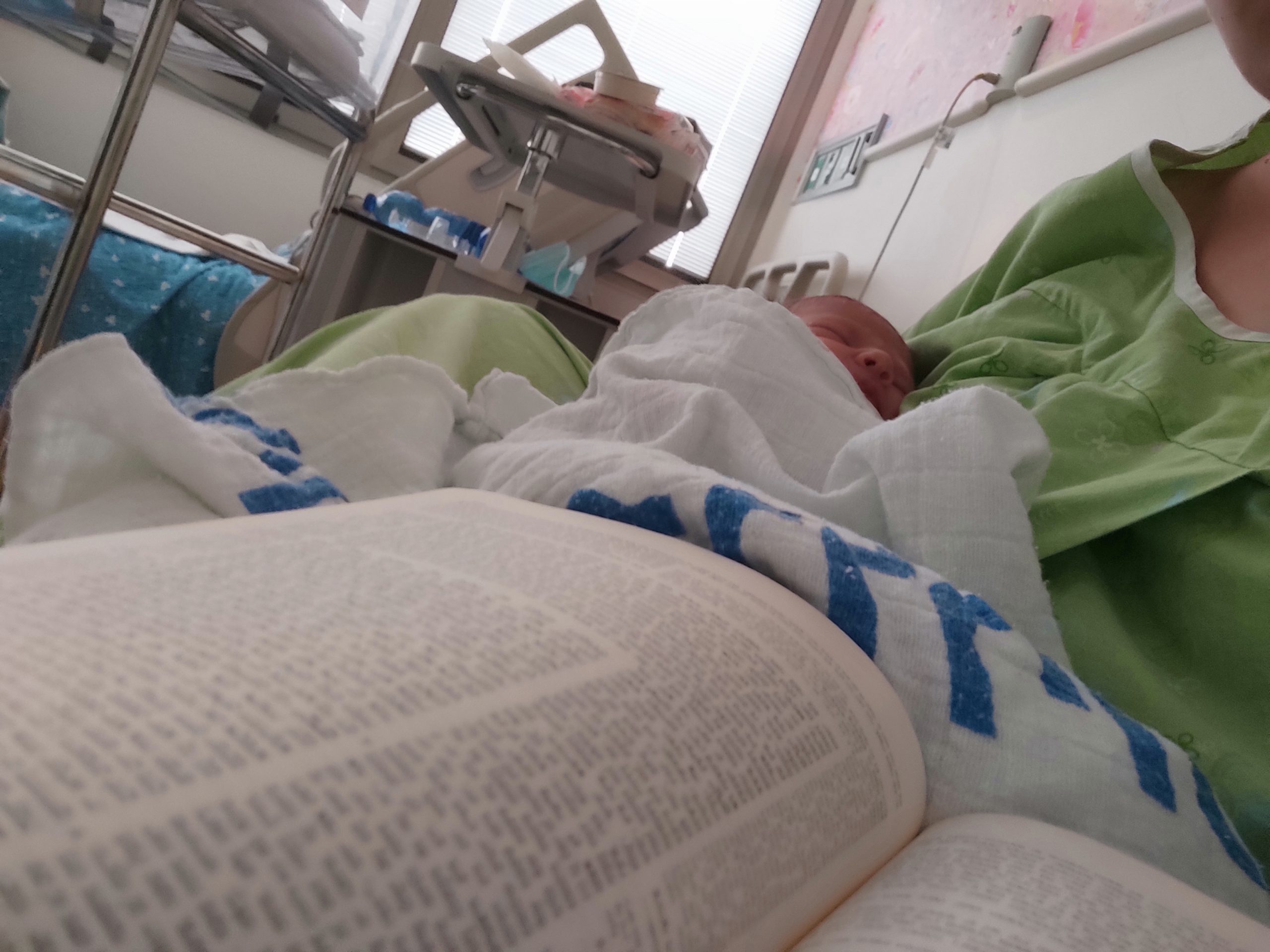
בתחילת הסבב הנוכחי הצטברו אצלי תחושות שאני לא מבינה מספיק מהי ההלכה אותה אני מקיימת בכל יום. כמו כן, כאמא לבנות רציתי לתת להן מודל נשי של לימוד תורה
שתי הסיבות האלו הובילו אותי להתחיל ללמוד. נתקלתי בתגובות מפרגנות וסקרניות איך אישה לומדת גמרא..
כמו שרואים בתמונה אני ממשיכה ללמוד גם היום ואפילו במחלקת יולדות אחרי לידת ביתי השלישית.
רבבה, ישראל
התחלתי ללמוד דף יומי אחרי שחזרתי בתשובה ולמדתי במדרשה במגדל עוז. הלימוד טוב ומספק חומר למחשבה על נושאים הלכתיים ”קטנים” ועד לערכים גדולים ביהדות. חשוב לי להכיר את הגמרא לעומק. והצעד הקטן היום הוא ללמוד אותה בבקיאות, בעזרת השם, ומי יודע אולי גם אגיע לעיון בנושאים מעניינים. נושאים בגמרא מתחברים לחגים, לתפילה, ליחסים שבין אדם לחברו ולמקום ולשאר הדברים שמלווים באורח חיים דתי 🙂

מצפה יריחו, ישראל
חולין מז
וְאָמַר רָבָא: הָנֵי תַּרְתֵּי בּוּעֵי דִּסְמִיכָן לַהֲדָדֵי, לֵית לְהוּ בְּדִיקוּתָא. חֲדָא וּמִתְחַזְיָא כְּתַרְתֵּי – מַיְיתִינַן סִילְוָא וּבָזְעִינַן לַהּ, אִי שָׁפְכָן לַהֲדָדֵי – חֲדָא הִיא וּכְשֵׁרָה, וְאִי לָא – תַּרְתֵּי נִינְהוּ וּטְרֵפָה.
And Rava says: These two cysts that are adjacent to one another on the lung have no need for inspection. The animal is definitely a tereifa, since it is presumed that the cysts formed around a perforation in the lung. But if there is only one cyst that looks like two, due to a depression in the middle, we bring a thorn and pierce it to remove the fluid inside. If the fluids from either side empty into one another, this indicates that it is one cyst, and the animal is kosher. And if not, they are two separate cysts, and the animal is a tereifa.
וְאָמַר רָבָא: חָמֵשׁ אוּנֵּי אִית לַהּ לְרֵיאָה, אַפַּהּ כְּלַפֵּי גַּבְרָא – תְּלָתָא מִיַּמִּינָא וְתַרְתֵּי מִשְּׂמָאלָא. חַסִּיר אוֹ יַתִּיר אוֹ חֲלִיף – טְרֵפָה.
§ And Rava says: The lung has five lobes [unnei]. When the animal hangs by its legs with its face toward the person checking it, he sees three lobes on his right and two on his left. If the animal is missing a lobe or has an extra lobe, or if the lobes were switched, with two on the right and three on the left, the animal is a tereifa.
הָהוּא יַתִּירְתָּא דַּאֲתַאי לְקַמֵּיהּ דְּמָרִימָר, הֲוָה יָתֵיב רַב אַחָא אַבָּבָא. אֲמַר לֵיהּ: מַאי אֲמַר לָךְ? אֲמַר לֵיהּ: אַכְשְׁרַהּ נִיהֲלִי. אֲמַר לֵיהּ: הֲדַר עַיְּילַהּ קַמֵּיהּ! אֲמַר לֵיהּ: זִיל אֵימָא לֵיהּ לְמַאן דְּיָתֵיב אַבָּבָא, לֵית הִלְכְתָא כְּוָותֵיהּ דְּרָבָא בִּיתֶרֶת.
The Gemara relates that a certain lung that had an extra lobe was brought before Mareimar. Rav Aḥa was sitting at the door of Mareimar’s house. When the animal’s owner was leaving, Rav Aḥa said to him: What did Mareimar say to you? The man said to him: Mareimar deemed it kosher. Rav Aḥa was surprised by this, because it contradicts Rava’s statement, so he said to him: Turn around and bring the animal before him. The owner did so. Mareimar realized why he was being asked twice, and said to him: Go tell whomever is sitting at the door: The halakha is not in accordance with the opinion of Rava in the case of an animal that has an extra lobe.
וְהָנֵי מִילֵּי – דְּקָיְימָא בְּדָרָא דְּאוּנֵּי, אֲבָל בֵּינֵי בֵּינֵי – טְרֵפָה.
The Gemara adds: And this statement applies only when the extra lobe stands in line with the other lobes, on the left or right. But if it is in between the two sides, the animal is a tereifa.
הָהוּא בֵּינֵי בֵּינֵי דַּאֲתָא לְקַמֵּיהּ דְּרַב אָשֵׁי, סָבַר רַב אָשֵׁי לְמִיטְרְפַהּ. אֲמַר לֵיהּ רַב הוּנָא מָר בַּר אַוְיָא: כֹּל הָנֵי חֵיוֵי בָּרָיָיתָא הָכִי אִית לְהוּ, וְקָרוּ לַהּ טַבָּחֵי עֵינוּנִיתָא דְּוַורְדָּא. וְהָנֵי מִילֵּי מִגַּוַּאי,
The Gemara relates that a certain animal with an extra lobe in between the two sides was brought before Rav Ashi. Rav Ashi thought to deem it a tereifa. Rav Huna Mar bar Avya said to him: All those animals that graze outside in the fields have extra lobes like this, and butchers call it the little rose lobe. The Gemara adds: And this statement applies only when the extra lobe is on the inside face of the lung, facing the heart.
אֲבָל אַגַּבַּהּ, אֲפִילּוּ כְּטַרְפָּא דְאָסָא – טְרֵפָה.
But if it is on the back of the lung, even if it is as small as a myrtle leaf, the animal is a tereifa.
אָמַר רַפְרָם: הַאי רֵיאָה דְּדָמְיָא לְאוּפְתָּא – טְרֵפָה. אִיכָּא דְּאָמְרִי בַּחֲזוּתָא, וְאִיכָּא דְּאָמְרִי בְּגִישְׁתָּא. אִיכָּא דְּאָמְרִי דִּנְפִיחָה, וְאִיכָּא דְּאָמְרִי דִּפְחִיזָא, וְאִיכָּא דְּאָמְרִי דְּשִׁיעָא, דְּלֵית לַהּ חִיתּוּכָא דְאוּנֵּי.
§ Rafram says: This lung that is similar to a chip of wood renders the animal a tereifa. There are those who say that the similarity lies in its appearance, i.e., if it is pale like wood. And there are those who say that it lies in its feeling, i.e., if it is hard like wood. There are those who say that it is swollen. And there are those who say that it is light. And there are those who say that it is completely smooth, that it has no sectioning of lobes.
אָמַר רָבָא: כְּכוּחְלָא – כְּשֵׁרָה, כִּדְיוֹתָא – טְרֵפָה, דְּאָמַר רַבִּי חֲנִינָא: שָׁחוֹר אָדוֹם הוּא, אֶלָּא שֶׁלָּקָה.
§ Rava says: If the lung assumed a dark color like eye shadow, the animal is kosher. If its color is black like ink, the animal is a tereifa. As Rabbi Ḥanina says: Menstrual blood that appears black is actually red, except that it decayed. Black color is therefore a sign of decay, and the lung is assumed to be defective.
יְרוּקָּה – כְּשֵׁרָה, מִדְּרַבִּי נָתָן. אֲדוּמָּה – כְּשֵׁרָה, מִדְּרַבִּי נָתָן. דְּתַנְיָא: רַבִּי נָתָן אוֹמֵר: פַּעַם אַחַת הָלַכְתִּי לִכְרַכֵּי הַיָּם, בָּאתָה אִשָּׁה אַחַת לְפָנַי שֶׁמָּלָה בְּנָהּ רִאשׁוֹן וָמֵת, שֵׁנִי וָמֵת, שְׁלִישִׁי – הֱבִיאַתּוּ לְפָנַי. רְאִיתִיו שֶׁהָיָה אָדוֹם, אָמַרְתִּי לָהּ: בִּתִּי, הַמְתִּינִי לוֹ עַד שֶׁיִּבָּלַע בּוֹ דָּמוֹ. הִמְתִּינָה לוֹ וּמָלָה אוֹתוֹ וְחָיָה, וְהָיוּ קוֹרִין אוֹתוֹ נָתָן הַבַּבְלִי עַל שְׁמִי.
The Gemara continues: If the lung was green, the animal is kosher, as can be derived from the episode of Rabbi Natan. And if it was red, it is kosher, as can be derived from the episode of Rabbi Natan. As it is taught in a baraita: Rabbi Natan says: Once I went to the cities overseas, where one woman came before me who circumcised her first son and he died, and she circumcised her second son and he died, and out of concern that circumcising her third son might cause him to die as well, she brought him before me. I saw that he was red, so I said to her: My daughter, wait for him until his blood is absorbed into him. She waited for him until his blood was absorbed into him and then circumcised him, and he survived. And they would call him Natan the Babylonian after my name. This incident indicates that a red lung can heal.
וְשׁוּב פַּעַם אַחַת הָלַכְתִּי לִמְדִינַת קַפּוֹטְקְיָא, בָּאתָה אִשָּׁה לְפָנַי, שֶׁמָּלָה בְּנָהּ רִאשׁוֹן וָמֵת, שֵׁנִי וָמֵת, שְׁלִישִׁי הֱבִיאַתּוּ לְפָנַי, רְאִיתִיו שֶׁהָיָה יָרוֹק, הֵצַצְתִּי בּוֹ וְלֹא הָיָה בּוֹ דַּם בְּרִית, אָמַרְתִּי לָהּ: בִּתִּי, הַמְתִּינִי לוֹ עַד שֶׁיִּפּוֹל בּוֹ דָּמוֹ, הִמְתִּינָה לוֹ וּמָלָה אוֹתוֹ וְחָיָה, וְהָיוּ קוֹרִין אוֹתוֹ נָתָן הַבַּבְלִי עַל שְׁמִי.
Rabbi Natan further related: And on another occasion I went to the state of Cappadocia, and a woman came before me who circumcised her first son and he died, and she circumcised her second son and he died. Out of concern that circumcising her third son might cause him to die as well, she brought him before me. I saw that he was green, i.e., pale. I looked at him and saw that he did not have the blood of circumcision in him, i.e., he had a deficiency of blood such that no blood would emerge from the circumcision. I said to her: My daughter, wait until his blood enters him. She waited for his blood to increase and then circumcised him, and he survived. And they would call his name Natan the Babylonian after my name. This incident indicates that a green lung can heal as well.
אָמַר רַב כָּהֲנָא: כְּכַבְדָּא – כְּשֵׁרָה, כְּבִשְׂרָא – טְרֵפָה, וְסִימָנָיךְ: ״וּבָשָׂר בַּשָּׂדֶה טְרֵפָה״.
Rav Kahana says: If the lung has an appearance like the liver, the animal is kosher. If it has an appearance like flesh, the animal is a tereifa. And your mnemonic to remember that the latter is a tereifa is the verse: “You shall not eat any flesh that is torn of animals [tereifa] in the field” (Exodus 22:30).
אָמַר רַב סַמָּא בְּרֵיהּ דְּרָבָא: הַאי רֵיאָה דְּדָמְיָא כִּכְשׁוּתָא, וּכְמוֹרִיקָא, וּכְגוֹן בֵּיעֲתָא – טְרֵפָה. אֶלָּא יְרוּקָּה דִּכְשֵׁרָה הֵיכִי דָּמְיָא? כְּכַרָּתֵי.
Rav Sama, son of Rava, says: This lung whose appearance resembles dodder, or saffron, or has a yellow color such as that of an egg yolk, renders the animal a tereifa. Since all of these appearances are various shades of green, the Gemara asks: But the green lung that is kosher, what is it like? The Gemara responds: It is like a leek.
אָמַר רָבִינָא: אָטוּם בְּרֵיאָה, מַיְיתִינַן סַכִּינָא וְקָרְעִינַן לַהּ, אִי אִית בַּהּ מוּגְלָא – וַדַּאי מֵחֲמַת מוּגְלָא הוּא, וּכְשֵׁרָה, וְאִי לָא – מוֹתְבִינַן עֲלַהּ גַּדְפָּא אוֹ רוּקָּא, אִי מְבַצְבְּצָא – כְּשֵׁרָה, וְאִי לָא – טְרֵפָה.
§ Ravina says: If there was a sealed area in the lung that does not inflate, we bring a knife and tear it open. If there is pus in the sealed area, then it was definitely sealed due to the pus, and the animal is kosher. But if we do not find pus there, we lay a feather or saliva on the opening and inflate the lung. If the saliva bubbles or the feather moves, the animal is kosher, since some air does reach the area, and if not, there is some defect in the lung, and the animal is a tereifa.
אָמַר רַב יוֹסֵף: קְרוּם שֶׁעָלָה מֵחֲמַת מַכָּה בָּרֵיאָה – אֵינוֹ קְרוּם, וְאָמַר רַב יוֹסֵף: הַאי רֵיאָה דְּאָוְושָׁא, אִי יָדְעִינַן הֵיכָא אָוְושָׁא – מַנְּחִינַן עֲלַהּ גַּדְפָּא אוֹ גִילָא אוֹ רוּקָּא, אִי מְבַצְבְּצָא – טְרֵפָה, וְאִי לָא – כְּשֵׁרָה, וְאִי לָא יָדְעִינַן לַהּ – מַיְיתִינַן מְשִׁיכְלְתָא דְּמַיָּא פָּשׁוֹרֵי וּמוֹתְבִינַן לַהּ בְּגַוַּהּ.
Rav Yosef says: A membrane that appeared due to a wound in the lung, i.e., a scab that covered a perforation through the lung, is not considered a true membrane, since it does not last. And Rav Yosef says: With regard to this lung that emits a sound when inflated, if we know from where it emits a sound, we set a feather, or straw, or saliva on that point. If the saliva bubbles when the lung is inflated, the animal is a tereifa, since this proves that the lung is perforated through both membranes. And if not, the animal is kosher. And if we do not know from where it emits a sound, we bring a basin of tepid water and set the lung inside it.
בְּחַמִּימֵי לָא – דְּכָוְוצִי, בְּקָרִירֵי לָא – דִּמְטָרְשִׁי, אֶלָּא בָּדְקִינַן לַהּ בְּפָשׁוֹרֵי. אִי מְבַצְבְּצָא – טְרֵפָה, וְאִי לָא – כְּשֵׁרָה. תַּתָּאָה אִינְּקִיב, עִילָּאָה לָא אִינְּקִיב, וְהַאי דְּאָוְושָׁא – זִיקָא דְּבֵינֵי וּבֵינֵי הוּא.
One cannot place it in hot water, as it causes the lung to contract, closing the perforation. And one cannot place it in cold water, as it hardens the lung and may cause it to crack. Rather, we check it in tepid water. If the water bubbles, the animal is a tereifa. And if not, the animal is kosher, since it is apparent that only the inner membrane is perforated and the outer membrane is not perforated, and the fact that it emits a sound is due to the air moving in the space between the two membranes.
אָמַר עוּלָּא אָמַר רַבִּי יוֹחָנָן: רֵיאָה שֶׁנִּשְׁפְּכָה כְּקִיתוֹן, כְּשֵׁרָה. אַלְמָא קָסָבַר: חִסָּרוֹן מִבִּפְנִים לָא שְׁמֵיהּ חִסָּרוֹן.
§ Ulla says that Rabbi Yoḥanan says: An animal with a lung that liquefied and can be poured out like water from a jug is kosher. The Gemara notes: Evidently, Rabbi Yoḥanan holds that a deficiency on the inside of an organ is not considered a deficiency. Only a deficiency in the wall or membrane of an organ renders an animal a tereifa.
אֵיתִיבֵיהּ רַבִּי אַבָּא לְעוּלָּא: ״הָרֵיאָה שֶׁנִּיקְּבָה אוֹ שֶׁחָסְרָה״. מַאי חָסְרָה? אִילֵימָא מִבַּחוּץ – הַיְינוּ נִיקְּבָה! אֶלָּא לָאו מִבִּפְנִים, וּשְׁמַע מִינַּהּ: חִסָּרוֹן מִבִּפְנִים שְׁמֵיהּ חִסָּרוֹן!
Rabbi Abba raised an objection to Ulla from the mishna, which states: The lung that was perforated or that was missing a piece renders the animal a tereifa. What is the case of a lung that was missing a piece? If we say that it was missing a piece on the outside, this is the same as if it was perforated, since any missing piece of the lung wall would constitute a perforation. Rather, is it not referring to a missing piece on the inside? If so, learn from the mishna that a deficiency on the inside of an organ is considered a deficiency to render the animal a tereifa.
לָא, לְעוֹלָם מִבַּחוּץ, וּדְקָא אָמְרַתְּ הַיְינוּ נִיקְּבָה – לָא צְרִיכָא לְרַבִּי שִׁמְעוֹן, דְּאָמַר: עַד שֶׁתִּנָּקֵב לְבֵית הַסִּמְפּוֹנוֹת. הָנֵי מִילֵּי נֶקֶב דְּלֵית בֵּיהּ חִסָּרוֹן, אֲבָל נֶקֶב דְּאִית בֵּיהּ חִסָּרוֹן – אֲפִילּוּ רַבִּי שִׁמְעוֹן מוֹדֶה.
The Gemara responds: No, the mishna actually is referring to a missing piece on the outside. And with regard to that which you said: This is the same as if it was perforated, one may respond that no, it is necessary to mention both cases to account for the opinion of Rabbi Shimon in the mishna, who says: It is not a tereifa until the lung is perforated through to the bronchi. By mentioning both cases, the mishna teaches that this statement of Rabbi Shimon applies only to a small perforation that does not constitute a deficiency. But in the case of a perforation so large that it constitutes a deficiency, even Rabbi Shimon concedes that it renders the animal a tereifa even if the perforation does not reach the bronchi.
רַבִּי חֲנַנְיָה חֲלַשׁ, עָל לְגַבֵּיהּ רַבִּי נָתָן וְכׇל גְּדוֹלֵי הַדּוֹר, אַיְיתוֹ קַמֵּיהּ רֵיאָה שֶׁנִּשְׁפְּכָה כְּקִיתוֹן, וְאַכְשְׁרַהּ.
The Gemara relates that Rabbi Ḥananya became sick. Rabbi Natan and all the eminent scholars of the generation entered before him to visit. They brought before him a lung that could be poured out like water from a jug, and he deemed the animal kosher.
אָמַר רָבָא: וְהוּא דְּקָיְימִי סִמְפּוֹנוֹת. אֲמַר לֵיהּ רַב אַחָא בְּרֵיהּ דְּרָבָא לְרַב אָשֵׁי: מְנָא יָדְעִינַן? אֲמַר לֵיהּ: מַיְיתִינַן צָעָא דְּקוּנְיָא, וְשָׁפְכִינַן לַהּ בְּגַוֵּיהּ. אִי אִית בַּהּ שׁוּרְיָיקֵי חִיוָּרֵי – טְרֵפָה, וְאִי לָא – כְּשֵׁרָה.
Rava said: This is the halakha only if the bronchi still exist and only the flesh of the lung has liquefied. Rav Aḥa, son of Rava, said to Rav Ashi: From where do we know whether the bronchi still exist? Rav Ashi said to him: We bring a glazed earthenware vessel with no cracks, so the contents can be observed, and we pour the lung into it. If there are white streaks in it, the animal is a tereifa, as the white streaks are remains of the liquefied bronchi. And if not, the animal is kosher.
אָמַר רַב נַחְמָן: רֵיאָה שֶׁנִּימּוֹקָה וּקְרוּם שֶׁלָּהּ קַיָּים – כְּשֵׁרָה. תַּנְיָא נָמֵי הָכִי: רֵיאָה שֶׁנִּימּוֹקָה וּקְרוּם שֶׁלָּהּ קַיָּים, אֲפִילּוּ מַחְזֶקֶת רְבִיעִית – כְּשֵׁרָה. נִיטְּלָה
Rav Naḥman says: If the lung was partially atrophied and only part of the flesh remains, but its membrane still exists, the animal is kosher. The Gemara notes: This is also taught in a baraita: If the lung was atrophied, but its membrane still exists, even if the space vacated by the atrophied lung can hold a quarter-log of fluid, the animal is kosher.

