






לימוד מסכת חולין מוקדש על ידי ג’ודי פלבר לכבודה של קהילת הדרן. "במהלך המחזור הראשון שלי בדף היומי, בדיוק כשהתחלנו את מסכת חולין, בני נפצע בעת שירותו בצה”ל. לאורך אותם חודשיים וחצי של קושי וחוסר ודאות, חברותיי ללימוד לא עזבו אותי לרגע. תודה רבה לקהילה שעטפה אותי, עודדה אותי ווידאה שאוכל להמשיך ולהתמיד בלימוד הדף גם בימים המאתגרים ההם.”
הלימוד השבוע מוקדש ע”י טינה לם לרפואת מעין ליאורה בת שלומית פייגא
רוצה להקדיש שיעור?

תקציר

הגמרא מביאה מקור שלישי להוכיח דברי רב יוסף שסומכוס היה אומר שהאוכל שני זיתי חלב בהעלם אחד חייב שתיים, אך גם ניסוין זה לא צולח.
משנה מפרטת שבארבעה פרקים בשנה – ערב יום טוב האחרון של חג, ערב יום טוב הראשון של פסח, ערב עצרת וערב ראש השנה – שבהם המוכר בהמה לחברו חייב להודיעו אם מכר את אמה או את בתה לשחיטה, בשל הביקוש הגבוה לבשר המעלה חשש לשחיטה באותו יום. בארבעה פרקים אלו קבעו חכמים שהמקח נקנה ללוקח בעצם נתינת המעות וכופין את הטבח לשחוט כדי לספק בשר לערב החג. הגמרא מסבירה דין זה או באמצעות זכייה על ידי אחר או שקבעו בימים אלו כפי דין תורה שמעות קונות, למרות שחכמים תקנו שמשיכה קונה.
המשנה והגמרא קובעות שהביטוי "יום אחד” באיסור "אותו ואת בנו” נמנה לפי סדר הבריאה, שבו הלילה הולך לפני היום, שלא כבקדשים שבהם היום הולך לפני הלילה. רבי דורש ממילים אלו את חובת ההודעה בארבעה פרקים אלו.
הפרק השישי "כיסוי הדם” פותח במשנה הקובעת שמצוות כיסוי הדם נוהגת בחולין של חיה ועוף, אך לא בקדשים. הגמרא מבררת מדוע קדשים פטורים מכיסוי הדם, ומעמידה את הפטור בקדשי בדק הבית.
כלים
לימוד מסכת חולין מוקדש על ידי ג’ודי פלבר לכבודה של קהילת הדרן. "במהלך המחזור הראשון שלי בדף היומי, בדיוק כשהתחלנו את מסכת חולין, בני נפצע בעת שירותו בצה”ל. לאורך אותם חודשיים וחצי של קושי וחוסר ודאות, חברותיי ללימוד לא עזבו אותי לרגע. תודה רבה לקהילה שעטפה אותי, עודדה אותי ווידאה שאוכל להמשיך ולהתמיד בלימוד הדף גם בימים המאתגרים ההם.”
הלימוד השבוע מוקדש ע”י טינה לם לרפואת מעין ליאורה בת שלומית פייגא
הדף היום מוקדש ע”י ג׳ודי שוורץ לכבוד בתה רינה. "לבתי היקרה, באהבה ובהודיה על מי שאת, ועל שסללת עבורי את הדרך למסע הדף היומי עם "הדרן”.
חולין פג
בָּא הַכָּתוּב לִיתֵּן עֲשֵׂה אַחַר לֹא תַּעֲשֶׂה, לוֹמַר שֶׁאֵין לוֹקִין עָלָיו, דִּבְרֵי רַבִּי יְהוּדָה.
The verse comes to provide a positive mitzva to burn the leftovers, in the second part of the verse that states: “But that which remains of it until morning you shall burn with fire.” This positive mitzva is stated after the prohibition against leaving it over was stated in the first part of the verse, to say that one is not flogged for transgressing the prohibition. This is because any prohibition that can be rectified by the performance of a positive mitzva does not carry a punishment of lashes. This is the statement of Rabbi Yehuda. If not for this reason, Rabbi Yehuda evidently would hold that he receives lashes. The forewarning given in this case is uncertain, as he must be forewarned before morning, and at that time he might still consume it.
רַבִּי יַעֲקֹב אוֹמֵר: לֹא מִן הַשֵּׁם הוּא זֶה, אֶלָּא מִשּׁוּם דְּהָוֵה לֵיהּ לָאו שֶׁאֵין בּוֹ מַעֲשֶׂה, וְכׇל לָאו שֶׁאֵין בּוֹ מַעֲשֶׂה – אֵין לוֹקִין עָלָיו.
Rabbi Ya’akov says: This is not for that reason [hashem]. Rather, it is because it is a prohibition that does not involve an action. The transgression is simply the failure to consume all the meat during the allotted time rather than the performance of an action. And one is not flogged for the violation of any prohibition that does not involve an action.
תָּא שְׁמַע: אָכַל שְׁנֵי גִידִין מִשְּׁתֵּי יְרֵכוֹת מִשְּׁתֵּי בְהֵמוֹת – סוֹפֵג שְׁמוֹנִים; רַבִּי יְהוּדָה אוֹמֵר: אֵינוֹ סוֹפֵג אֶלָּא אַרְבָּעִים. הֵיכִי דָמֵי? אִילֵּימָא בְּזֶה אַחַר זֶה וּבִשְׁתֵּי הַתְרָאוֹת – מַאי טַעְמָא דְּרַבִּי יְהוּדָה דְּאָמַר: אַרְבָּעִים וְתוּ לָא? אֶלָּא פְּשִׁיטָא בְּבַת אַחַת וּבַחֲדָא הַתְרָאָה.
The Gemara suggests: Come and hear a resolution with regard to the opinion of Sumakhos from a baraita discussing the sciatic nerve: If one ate two sciatic nerves from two thighs of two different animals, he incurs the penalty of eighty lashes; Rabbi Yehuda says: He incurs only forty lashes. The Gemara asks: What are the circumstances in this case? If we say that he ate them one after the other and with two separate forewarnings, what is the reasoning of the opinion of Rabbi Yehuda, who says: The violator receives forty lashes and nothing more? After all, he violates two separate prohibitions with two separate forewarnings. Rather, it is obvious that he ate them at the same time and with a single forewarning.
מַאן תַּנָּא קַמָּא? אִילֵימָא רַבָּנַן דִּפְלִיגִי עֲלֵיהּ דְּסוֹמְכוֹס – וּמָה הָתָם, דְּגוּפִין מוּחְלָקִין, פָּטְרִי רַבָּנַן, הָכָא לֹא כׇּל שֶׁכֵּן? אֶלָּא לָאו סוֹמְכוֹס הִיא!
Who is the first tanna, who holds that in such a case one receives eighty lashes? If we say that it is the Rabbis who disagree with Sumakhos in the mishna about: Itself and its offspring, that would contradict their opinion: Now, if there, in that mishna in a case where there are various animals that are separate entities, the Rabbis deem him exempt from a second set of lashes, here, in the baraita about two sciatic nerves, which are not separate entities, should they not all the more so deem him exempt from a second set of lashes? Rather, is it not Sumakhos who is the first tanna? Consequently, in his opinion one who eats the same prohibited item, such as an olive-bulk of forbidden fat, twice after a single forewarning receives two sets of lashes.
לְעוֹלָם בְּזֶה אַחַר זֶה, וּדְקָאָמְרַתְּ: מַאי טַעְמָא דְּרַבִּי יְהוּדָה? כְּגוֹן דְּלֵית בֵּיהּ כְּזַיִת, דְּתַנְיָא: אֲכָלוֹ וְאֵין בּוֹ כְּזַיִת – חַיָּיב, רַבִּי יְהוּדָה אוֹמֵר: עַד שֶׁיְּהֵא בּוֹ כְּזַיִת.
The Gemara responds: Actually, he ate the two sciatic nerves one after the other with separate forewarnings, incurring two sets of lashes even according to the Rabbis who disagree with Sumakhos in the mishna about: Itself and its offspring. And as for that which you say: What is the reason of Rabbi Yehuda who holds that the transgressor incurs only a single set of lashes? This is a case where the volume of one of the sciatic nerves is not even an olive-bulk, and Rabbi Yehuda follows his line of reasoning, as it is taught in a baraita: If one ate the entire sciatic nerve, and its volume is not even an olive-bulk, he is liable to incur forty lashes; Rabbi Yehuda says: He is not liable unless it has a volume of at least an olive-bulk.
מַתְנִי׳ בְּאַרְבָּעָה פְּרָקִים בַּשָּׁנָה, הַמּוֹכֵר בְּהֵמָה לַחֲבֵירוֹ צָרִיךְ לְהוֹדִיעוֹ: ״אִמָּהּ מָכַרְתִּי לִשְׁחוֹט״, ״בִּתָּהּ מָכַרְתִּי לִשְׁחוֹט״. וְאֵלּוּ הֵן: עֶרֶב יוֹם טוֹב הָאַחֲרוֹן שֶׁל חַג, וְעֶרֶב יוֹם טוֹב הָרִאשׁוֹן שֶׁל פֶּסַח, וְעֶרֶב עֲצֶרֶת, וְעֶרֶב רֹאשׁ הַשָּׁנָה. וּכְדִבְרֵי רַבִּי יוֹסֵי הַגְּלִילִי, אַף עֶרֶב יוֹם הַכִּפּוּרִים בַּגָּלִיל.
MISHNA: On four occasions during the year one who sells an animal to another is required to inform him: I sold the mother of this animal today for the buyer to slaughter it,or: I sold the daughter of this animal today for the buyer to slaughter it. And those four occasions are: The eve of the last day of the festival of Sukkot, the eve of the first day of the festival of Passover, and the eve of Shavuot, and the eve of Rosh HaShana. And according to the statement of Rabbi Yosei HaGelili, the eve of Yom Kippur in the Galilee is included as well.
אָמַר רַבִּי יְהוּדָה: אֵימָתַי – בִּזְמַן שֶׁאֵין לוֹ רֶיוַח, אֲבָל יֵשׁ לוֹ רֶיוַח – אֵין צָרִיךְ לְהוֹדִיעוֹ. וּמוֹדֶה רַבִּי יְהוּדָה בְּמוֹכֵר אֶת הָאֵם לֶחָתָן וְאֶת הַבַּת לַכַּלָּה – שֶׁצָּרִיךְ לְהוֹדִיעוֹ, בְּיָדוּעַ שֶׁשְּׁנֵיהֶם שׁוֹחֲטִין בְּיוֹם אֶחָד.
Rabbi Yehuda said: When must he inform the buyer on those days? He must do so at a time when the seller has no interval between the sale of the mother and the offspring, as they were both sold on that day. But if the seller has an interval between the sales, he does not need to inform the buyer, as presumably each buyer purchased the animal to slaughter it on the day he purchased it. And Rabbi Yehuda concedes that in a case where one sells the mother animal to the groom and the offspring to the bride, that even if he did not sell them on the same day, he must inform the buyer, as it is obvious that they are both planning to slaughter their animal on one day, for their wedding feast.
בְּאַרְבָּעָה פְּרָקִים אֵלּוּ מַשְׁחִיטִין אֶת הַטַּבָּח בְּעַל כׇּרְחוֹ, אֲפִילּוּ שׁוֹר שָׁוֶה אֶלֶף דִּינָרִים וְאֵין לוֹ לְלוֹקֵחַ אֶלָּא דִּינָר – כּוֹפִין אוֹתוֹ לִשְׁחוֹט. לְפִיכָךְ, אִם מֵת – מֵת לַלּוֹקֵחַ. אֲבָל בִּשְׁאָר יְמוֹת הַשָּׁנָה אֵינוֹ כֵּן, לְפִיכָךְ אִם מֵת – מֵת לַמּוֹכֵר.
On those four occasions, one compels the butcher to slaughter animals even against his will; even if there is a bull worth one thousand dinars and the buyer has only one dinar worth of meat, i.e., he already paid the butcher for one dinar’s worth of meat, one compels him to slaughter the animal and give him a dinar’s worth of meat. Therefore, if the bull dies before slaughter, although no act of acquisition was performed, it dies at the expense of the buyer, and he loses his dinar. But during the rest of the days of the year it is not so. On other days, until the buyer performs the act of pulling to assume ownership of the portion of the bull that he is purchasing, the bull remains in the butcher’s possession. Therefore, if the bull dies before the transaction is complete, it dies at the expense of the seller, who returns the buyer’s money.
גְּמָ׳ תָּנָא, אִם לֹא הוֹדִיעוֹ – הוֹלֵךְ וְשׁוֹחֵט וְאֵינוֹ נִמְנָע.
GEMARA: The mishna teaches that on the four occasions mentioned it is the seller’s responsibility to inform the purchaser that the mother or offspring of the animal he is purchasing was sold that day. With regard to this it is taught: Consequently, the purchaser has no obligation to clarify the situation, and if the seller did not inform him, the purchaser may go and slaughter the animal he has purchased and need not refrain from doing so.
אָמַר רַבִּי יְהוּדָה אֵימָתַי. לְמָה לִי לְמִיתְנֵי אֶת הָאֵם לֶחָתָן וְאֶת הַבַּת לַכַּלָּה? מִלְּתָא אַגַּב אוֹרְחֵיהּ קָמַשְׁמַע לַן, דְּאוֹרַח אַרְעָא לְמִטְרַח בֵּי חַתְנָא טְפֵי מִבֵּי כַלְּתָא.
The mishna teaches that Rabbi Yehuda says: When must he inform the buyer on those days? It then teaches: And Rabbi Yehuda concedes that in a case where one sold the mother animal to the groom and the offspring to the bride, even if he did not sell them on the same day, he must inform the buyer. The Gemara asks: Why do I need to teach that the butcher sold specifically the mother animal to the groom and the offspring to the bride? It could have taught: He sold one to the groom and the other to the bride. The Gemara answers: It teaches us a related matter in passing, that it is proper conduct for the groom’s household to exert more effort than the bride’s household in the marriage preparations. Therefore, the groom purchases the mother, the larger animal, while the bride purchases the smaller animal, the offspring.
בְּאַרְבָּעָה פְּרָקִים אֵלּוּ, וְהָא לֹא מָשַׁךְ! אָמַר רַב הוּנָא אָמַר רַב: כְּשֶׁמָּשַׁךְ. אִי הָכִי, אֵימָא סֵיפָא: אֲבָל בִּשְׁאָר יְמוֹת הַשָּׁנָה אֵינוֹ כֵּן, לְפִיכָךְ אִם מֵת – מֵת לַמּוֹכֵר, וְהָא מָשַׁךְ!
§ The mishna teaches: On those four occasions, one compels the butcher to slaughter animals even against his will, and even if there is a bull worth one thousand dinars and the buyer has paid for only one dinar’s worth of meat, one compels him to slaughter the animal. Therefore, if the bull dies before slaughter, it dies at the expense of the buyer. The Gemara challenges: But the buyer did not yet pull the animal to effect acquisition; consequently, although he paid the seller, the animal is not his. Rav Huna said that Rav said: The case is where he pulled it, and thereby acquired it. The Gemara asks: If so, say the latter clause: But during the rest of the days of the year it is not so. Therefore, if the bull dies, it dies at the expense of the seller, who returns the buyer’s money. But according to Rav, didn’t the buyer pull the animal? If so, why is its death at the expense of the seller?
אָמַר רַבִּי שְׁמוּאֵל בַּר רַב יִצְחָק: לְעוֹלָם שֶׁלֹּא מָשַׁךְ, וּכְגוֹן שֶׁזִּיכָּה לוֹ עַל יְדֵי אַחֵר, בְּאַרְבָּעָה פְּרָקִים אֵלּוּ דִּזְכוּת הוּא לוֹ – זָכִין לְאָדָם שֶׁלֹּא בְּפָנָיו, בִּשְׁאָר יְמוֹת הַשָּׁנָה דְּחוֹב הוּא לוֹ – אֵין חָבִין לָאָדָם שֶׁלֹּא בְּפָנָיו.
Rabbi Shmuel bar Rav Yitzḥak said: Actually, the case in the mishna is one where the buyer did not pull the animal, and it is a case where the seller transfers ownership to the customer by means of another person, i.e., by instructing another to acquire a dinar’s worth of the ox’s meat on the customer’s behalf, without having obtained the customer’s consent. Therefore, on those four occasions, where it is for the customer’s benefit, as he wants meat for the Festival, the principle: One can act in a person’s interest in his absence, applies. By contrast, during the rest of the days of the year, where it is to the customer’s disadvantage to acquire the meat before the bull is slaughtered, as he does not want to incur avoidable expenses, one cannot act to the disadvantage of another person in his absence. Therefore, if the bull dies, it is at the expense of the seller.
רַבִּי אֶלְעָזָר אוֹמֵר, אָמַר רַבִּי יוֹחָנָן: בְּאַרְבָּעָה פְּרָקִים אֵלּוּ הֶעֱמִידוּ חֲכָמִים דִּבְרֵיהֶם עַל דִּין תּוֹרָה.
Rabbi Elazar says that Rabbi Yoḥanan says that there is a different explanation: On those four occasions the Sages based their statement on the Torah law that giving money effects acquisition, and therefore, the payment of the buyer acquires the meat for him with no need for pulling.
דְּאָמַר רַבִּי יוֹחָנָן: דְּבַר תּוֹרָה – מָעוֹת קוֹנוֹת, וּמָה טַעַם אָמְרוּ מְשִׁיכָה קוֹנָה – גְּזֵירָה שֶׁמָּא יֹאמַר לוֹ ״נִשְׂרְפוּ חִטֶּיךָ בַּעֲלִיָּה״.
As Rabbi Yoḥanan says: By Torah law, giving money effects the acquisition of movable property with no need for pulling. And what is the reason that the Sages said that pulling effects acquisition? It is a rabbinic decree lest the seller, once he receives the money, be unconcerned about the welfare of the movable property that he has sold, and, for example, not protect it from fire, so that he will say to the buyer: Your wheat was burned in the upper story of my house and I have no responsibility for it. For the benefit of rejoicing on the Festival, the Sages ordained that Torah law remains in effect on those four occasions and the buyer’s money effects acquisition, and one compels the butcher to slaughter animals even against his will.
מַתְנִי׳ ״יוֹם אֶחָד״ הָאָמוּר בְּאוֹתוֹ וְאֶת בְּנוֹ – הַיּוֹם הוֹלֵךְ אַחַר הַלַּיְלָה. אֶת זוֹ דָּרַשׁ רַבִּי שִׁמְעוֹן בֶּן זוֹמָא: נֶאֱמַר בְּמַעֲשֵׂה בְרֵאשִׁית ״יוֹם אֶחָד״, וְנֶאֱמַר בְּאוֹתוֹ וְאֶת בְּנוֹ ״יוֹם אֶחָד״ – מָה ״יוֹם אֶחָד״ הָאָמוּר בְּמַעֲשֵׂה בְרֵאשִׁית הַיּוֹם הוֹלֵךְ אַחַר הַלַּיְלָה, אַף ״יוֹם אֶחָד״ הָאָמוּר בְּאוֹתוֹ וְאֶת בְּנוֹ הַיּוֹם הוֹלֵךְ אַחַר הַלַּיְלָה.
MISHNA: With regard to the phrase “one day” that is stated with regard to the prohibition against slaughtering an animal itself and its offspring, the day follows the night. Therefore, one may slaughter an animal during the day and slaughter its offspring that night, but one may not slaughter an animal at night and slaughter its offspring the following day. Rabbi Shimon ben Zoma derived this by means of a verbal analogy. It is stated in the act of Creation: “One day” (Genesis 1:5), and it is stated with regard to the slaughter of an animal itself and its offspring: “One day” (Leviticus 22:28). Just as concerning the phrase “one day” that is stated in the act of Creation, the day follows the night, so too concerning the phrase “one day” that is stated with regard to the slaughter of an animal itself and its offspring, the day follows the night.
גְּמָ׳ תָּנוּ רַבָּנַן: אֶת זוֹ דָּרַשׁ רַבִּי שִׁמְעוֹן בֶּן זוֹמָא, לְפִי שֶׁכׇּל הָעִנְיָן כּוּלּוֹ אֵינוֹ מְדַבֵּר אֶלָּא בְּקָדָשִׁים, וּבְקָדָשִׁים לַיְלָה הוֹלֵךְ אַחַר הַיּוֹם, יָכוֹל אַף זֶה כֵּן? נֶאֱמַר כָּאן ״יוֹם אֶחָד״, וְנֶאֱמַר בְּמַעֲשֵׂה בְרֵאשִׁית ״יוֹם אֶחָד״, מָה ״יוֹם אֶחָד״ הָאָמוּר בְּמַעֲשֵׂה בְרֵאשִׁית – הַיּוֹם הוֹלֵךְ אַחַר הַלַּיְלָה, אַף יוֹם הָאָמוּר בְּאוֹתוֹ וְאֶת בְּנוֹ – הַיּוֹם הוֹלֵךְ אַחַר הַלַּיְלָה.
GEMARA: The Sages taught in a baraita: Rabbi Shimon ben Zoma taught this explanation: Because the entire section of the Torah where the prohibition: Itself and its offspring, appears speaks only about sacrificial animals, and with regard to sacrificial animals the night follows the day, one might have thought that even with regard to this prohibition it is so. Therefore, the following derivation is required: It is stated here, with regard to the slaughter of an animal and its offspring: “One day,” and it is stated in the act of Creation: “One day.” Just as concerning the phrase “one day” that is stated in the act of Creation, the day follows the night, so too concerning the phrase “one day” that is stated with regard to the slaughter of an animal itself and its offspring, the day follows the night.
רַבִּי אוֹמֵר: ״יוֹם אֶחָד״ – יוֹם הַמְיוּחָד טָעוּן כָּרוֹז, מִכָּאן אָמְרוּ: בְּאַרְבָּעָה פְּרָקִים בַּשָּׁנָה הַמּוֹכֵר בְּהֵמָה לַחֲבֵירוֹ צָרִיךְ לְהוֹדִיעוֹ.
§ Rabbi Yehuda HaNasi says: The verse: “You shall not slaughter it and its offspring both in one day” (Leviticus 22:28), is referring to a special day, and it indicates that a special day requires a proclamation to prevent buyers from slaughtering an animal together with its offspring on that day. From here is derived that which is stated in the mishna: On four occasions during the year, which are special days, one who sells an animal to another must inform him: I sold its mother for slaughter, or: I sold its offspring for slaughter.
הֲדַרַן עֲלָךְ אוֹתוֹ וְאֶת בְּנוֹ.
מַתְנִי׳ כִּסּוּי הַדָּם נוֹהֵג בָּאָרֶץ וּבְחוּצָה לָאָרֶץ, בִּפְנֵי הַבַּיִת וְשֶׁלֹּא בִּפְנֵי הַבַּיִת, בְּחוּלִּין אֲבָל לֹא בְּמוּקְדָּשִׁין, וְנוֹהֵג בַּחַיָּה וּבָעוֹף, בִּמְזוּמָּן וּבְשֶׁאֵינוֹ מְזוּמָּן, וְנוֹהֵג בְּכוֹי מִפְּנֵי שֶׁהוּא סָפֵק.
MISHNA: The mitzva of covering the blood after slaughter is in effect both in Eretz Yisrael and outside of Eretz Yisrael, both in the presence, i.e., the time, of the Temple and not in the presence of the Temple. And it is in effect with regard to non-sacred animals, but it is not in effect with regard to sacrificial ones. And it is in effect with regard to the slaughter of an undomesticated animal and a bird, with regard to animals and birds that are readily available in his home, and with regard to those that are not readily available and are hunted in the wild. And it is in effect with regard to a koy, because it is uncertain whether a koy is a domesticated animal and one is exempt from the covering of its blood or whether it is an undomesticated animal and one is obligated to cover it.
וְאֵין שׁוֹחֲטִין אוֹתוֹ בְּיוֹם טוֹב, וְאִם שְׁחָטוֹ – אֵין מְכַסִּין אֶת דָּמוֹ.
And one may not slaughter a koy on a Festival, because covering its blood entails the performance of prohibited labor that is permitted only if there is a definite obligation to cover the blood. And if one slaughtered a koy on a Festival after the fact, one does not cover its blood until after the Festival.
גְּמָ׳ מוּקְדָּשִׁין מַאי טַעְמָא לָא? אִילֵּימָא מִשּׁוּם דְּרַבִּי זֵירָא, דְּאָמַר רַבִּי זֵירָא: הַשּׁוֹחֵט צָרִיךְ שֶׁיִּתֵּן עָפָר לְמַטָּה וְעָפָר לְמַעְלָה, שֶׁנֶּאֱמַר: ״וְשָׁפַךְ אֶת דָּמוֹ וְכִסָּהוּ בֶּעָפָר״ – ״עָפָר״ לֹא נֶאֱמַר, אֶלָּא ״בְּעָפָר״, מְלַמֵּד שֶׁהַשּׁוֹחֵט צָרִיךְ שֶׁיִּתֵּן עָפָר לְמַטָּה וְעָפָר לְמַעְלָה.
GEMARA: The Gemara asks: What is the reason one is not obligated to cover the blood of sacrificial birds? If we say it is because of the statement of Rabbi Zeira, that is difficult. As Rabbi Zeira says: One who slaughters a bird or an undomesticated animal must place earth beneath the blood and earth above it, as it is stated: “And he shall pour out its blood and cover it with earth” (Leviticus 17:13). It is not stated: Cover it with earth, but rather, “in earth,” indicating that the blood must be concealed inside the earth. The verse teaches that one who slaughters a bird or undomesticated animal must place earth beneath the blood and earth above the blood.
וְהָכָא לָא אֶפְשָׁר, הֵיכִי לֶיעְבֵּיד? לִיתֵּיב וְלִיבַטְּלֵיהּ – קָמוֹסֵיף אַבִּנְיָן, וּכְתִיב: ״הַכֹּל בִּכְתָב מִיַּד ה׳ עָלַי הִשְׂכִּיל״.
The Gemara continues: And here, with regard to a bird offering, whose blood is presented on the altar, it is not possible for one to cover the blood with earth from beneath it. As how should one perform the covering of the blood? If one suggests that he should place earth on the altar and nullify that earth to the altar such that it will never be removed from there, this is unfeasible, since by nullifying the earth to the altar, he is adding to the structure of the altar. And it is written with regard to the construction of the Temple: “All was in writing, from the hand of the Lord, which He gave me to understand” (I Chronicles 28:19), indicating that the dimensions of the Temple and all the vessels within were given prophetically and are therefore not subject to change.
לָא לִיבַטְּלֵיהּ – קָא הָוֵי חֲצִיצָה.
And if one suggests that he should not nullify the earth to the altar, this too is problematic, as the earth constitutes an interposition between the blood of the bird and the altar.
נְהִי דִּלְמַטָּה לָא אֶפְשָׁר, לְמַעְלָה אֶפְשָׁר, לֶיעְבֵּיד כִּסּוּי!
The Gemara explains why this statement of Rabbi Zeira does not sufficiently explain why one is not required to cover the blood of sacrificial birds. Granted that it is impossible to place earth beneath the blood of the bird, but it is possible to place earth above the blood of the bird. If so, let him perform a covering of the blood from above.
מִי לָא תַּנְיָא, רַבִּי יוֹנָתָן בֶּן יוֹסֵף אוֹמֵר: שָׁחַט חַיָּה וְאַחַר כָּךְ שָׁחַט בְּהֵמָה – פָּטוּר מִלְּכַסּוֹת, בְּהֵמָה וְאַחַר כָּךְ חַיָּה – חַיָּיב לְכַסּוֹת.
The Gemara explains this suggestion: Isn’t it taught in a baraita that Rabbi Yonatan ben Yosef says: If one slaughtered an undomesticated animal, whose blood requires covering, and thereafter slaughtered a domesticated animal, whose blood does not require covering, in the same location as the undomesticated animal, he is exempt from the obligation to cover the blood of the undomesticated animal, as it is covered with the blood of the domesticated animal. But if one slaughtered a domesticated animal and thereafter slaughtered an undomesticated animal he is obligated to cover the latter’s blood despite the fact that there is no earth, but rather blood of the domesticated animal, beneath it. It is evident from this baraita that the mitzva of covering the blood applies even when earth cannot be placed beneath the blood.
כִּדְרַבִּי זֵירָא, דְּאָמַר רַבִּי זֵירָא: כׇּל הָרָאוּי לְבִילָּה – אֵין בִּילָּה מְעַכֶּבֶת בּוֹ, וְכֹל שֶׁאֵינוֹ רָאוּי לְבִילָּה – בִּילָּה מְעַכֶּבֶת בּוֹ.
The Gemara responds: The exclusion of sacrificial birds from the mitzva of covering the blood, even from above, is in accordance with another statement of Rabbi Zeira, as Rabbi Zeira says with regard to meal offerings: For any measure of flour that is suitable for mixing with oil in a meal offering, the lack of mixing does not invalidate the meal offering. Even though there is a mitzva to mix the oil with the flour ab initio, the meal offering is fit for sacrifice even if the oil and the flour are not mixed together. And for any measure of flour that is not suitable for mixing with oil in a meal offering, the lack of mixing invalidates the meal offering. Similarly, if one slaughtered a domesticated animal and thereafter an undomesticated animal, since it was possible to cover the blood of the former before slaughtering the latter, which would allow the proper fulfillment of the mitzva of covering the blood, one is still obligated to cover the blood from above. By contrast, it is always impossible to properly perform the mitzva in the case of sacrificial birds.
וְלִיגְרְרֵיהּ וְלִיכַסְּיֵהּ? מִי לָא תְּנַן: דָּם הַנִּיתָּז וְשֶׁעַל הַסַּכִּין חַיָּיב לְכַסּוֹת? אַלְמָא דְּגָרֵיר וּמְכַסֵּי לֵיהּ, הָכָא נָמֵי נִגְרוֹר וּנְכַסֵּי לֵיהּ!
The Gemara asks: Still, why is the mitzva of covering the blood not applicable to sacrificial birds? Let one scrape the blood off the altar and cover it elsewhere. Didn’t we learn in a mishna (87b): With regard to blood that spurts outside the pit in which the animal was slaughtered, and blood that remained on the slaughtering knife, one is obligated to cover it? Evidently, the halakha is that one may scrape off the blood and cover it in a location other than where it spilled out. Here too, let us scrape the blood of a sacrificial bird off the altar and cover it elsewhere.
אִי בְּקׇדְשֵׁי מִזְבֵּחַ – הָכִי נָמֵי, הָכָא בְּמַאי עָסְקִינַן? בְּקׇדְשֵׁי בֶּדֶק הַבַּיִת.
The Gemara answers: If the ruling of the mishna was dealing with items consecrated for the altar, indeed, the blood must be scraped off and covered elsewhere. But here we are dealing with items consecrated for Temple maintenance, i.e., birds donated to the Temple in order to be sold, the profits of which would be used for repairs. Such birds may not be slaughtered, and if one transgressed and slaughtered them it is prohibited to derive any benefit from them. The tanna of the mishna holds that the mitzva of covering the blood does not apply to a slaughtered animal that is forbidden for consumption.

כלים
העמקה
רוצה להבין מה באמת קורה מתחת לפני השטח של הסוגיה?
שיעורים, פודקאסטים והרחבות של מיטב המורות שלנו יפתחו לך עוד זוויות וכיווני חשיבה.

חדשה בלימוד הגמרא?
זה הדף הראשון שלך? איזו התרגשות עצומה! יש לנו בדיוק את התכנים והכלים שיעזרו לך לעשות את הצעדים הראשונים ללמידה בקצב וברמה שלך, כך תוכלי להרגיש בנוח גם בתוך הסוגיות המורכבות ומאתגרות.
פסיפס הלומדות שלנו
גלי את קהילת הלומדות שלנו, מגוון נשים, רקעים וסיפורים. כולן חלק מתנועה ומסע מרגש ועוצמתי.
התחלתי ללמוד לפני כשנתיים בשאיפה לסיים לראשונה מסכת אחת במהלך חופשת הלידה.
אחרי מסכת אחת כבר היה קשה להפסיק…

ירוחם, ישראל
התחלתי ללמוד דף יומי ממסכת נידה כי זה היה חומר הלימוד שלי אז. לאחר הסיום הגדול בבנייני האומה החלטתי להמשיך. וב”ה מאז עם הפסקות קטנות של קורונה ולידה אני משתדלת להמשיך ולהיות חלק.
זה משפיע מאוד על היום יום שלי ועל אף שאני עסוקה בלימודי הלכה ותורה כל יום, זאת המסגרת הקבועה והמחייבת ביותר שיש לי.

גבעת הראל, ישראל
התחלתי ללמוד דף יומי כאשר קיבלתי במייל ממכון שטיינזלץ את הדפים הראשונים של מסכת ברכות במייל. קודם לא ידעתי איך לקרוא אותם עד שנתתי להם להדריך אותי. הסביבה שלי לא מודעת לעניין כי אני לא מדברת על כך בפומבי. למדתי מהדפים דברים חדשים, כמו הקשר בין המבנה של בית המקדש והמשכן לגופו של האדם (יומא מה, ע”א) והקשר שלו למשפט מפורסם שמופיע בספר ההינדי "בהגוד-גיתא”. מתברר שזה רעיון כלל עולמי ולא רק יהודי

נשר, ישראל
בסוף הסבב הקודם ראיתי את השמחה הגדולה שבסיום הלימוד, בעלי סיים כבר בפעם השלישית וכמובן הסיום הנשי בבנייני האומה וחשבתי שאולי זו הזדמנות עבורי למשהו חדש.
למרות שאני שונה בסביבה שלי, מי ששומע על הלימוד שלי מפרגן מאוד.
אני מנסה ללמוד קצת בכל יום, גם אם לא את כל הדף ובסך הכל אני בדרך כלל עומדת בקצב.
הלימוד מעניק המון משמעות ליום יום ועושה סדר בלמוד תורה, שתמיד היה (ועדיין) שאיפה. אבל אין כמו קביעות

טל מנשה, ישראל
A life-changing journey started with a Chanukah family tiyul to Zippori, home of the Sanhedrin 2 years ago and continued with the Syum in Binanei Hauma where I was awed by the energy of 3000 women dedicated to learning daf Yomi. Opening my morning daily with a fresh daf, I am excited with the new insights I find enriching my life and opening new and deeper horizons for me.

Elazar gush etzion, Israel
בתחילת הסבב הנוכחי הצטברו אצלי תחושות שאני לא מבינה מספיק מהי ההלכה אותה אני מקיימת בכל יום. כמו כן, כאמא לבנות רציתי לתת להן מודל נשי של לימוד תורה
שתי הסיבות האלו הובילו אותי להתחיל ללמוד. נתקלתי בתגובות מפרגנות וסקרניות איך אישה לומדת גמרא..
כמו שרואים בתמונה אני ממשיכה ללמוד גם היום ואפילו במחלקת יולדות אחרי לידת ביתי השלישית.
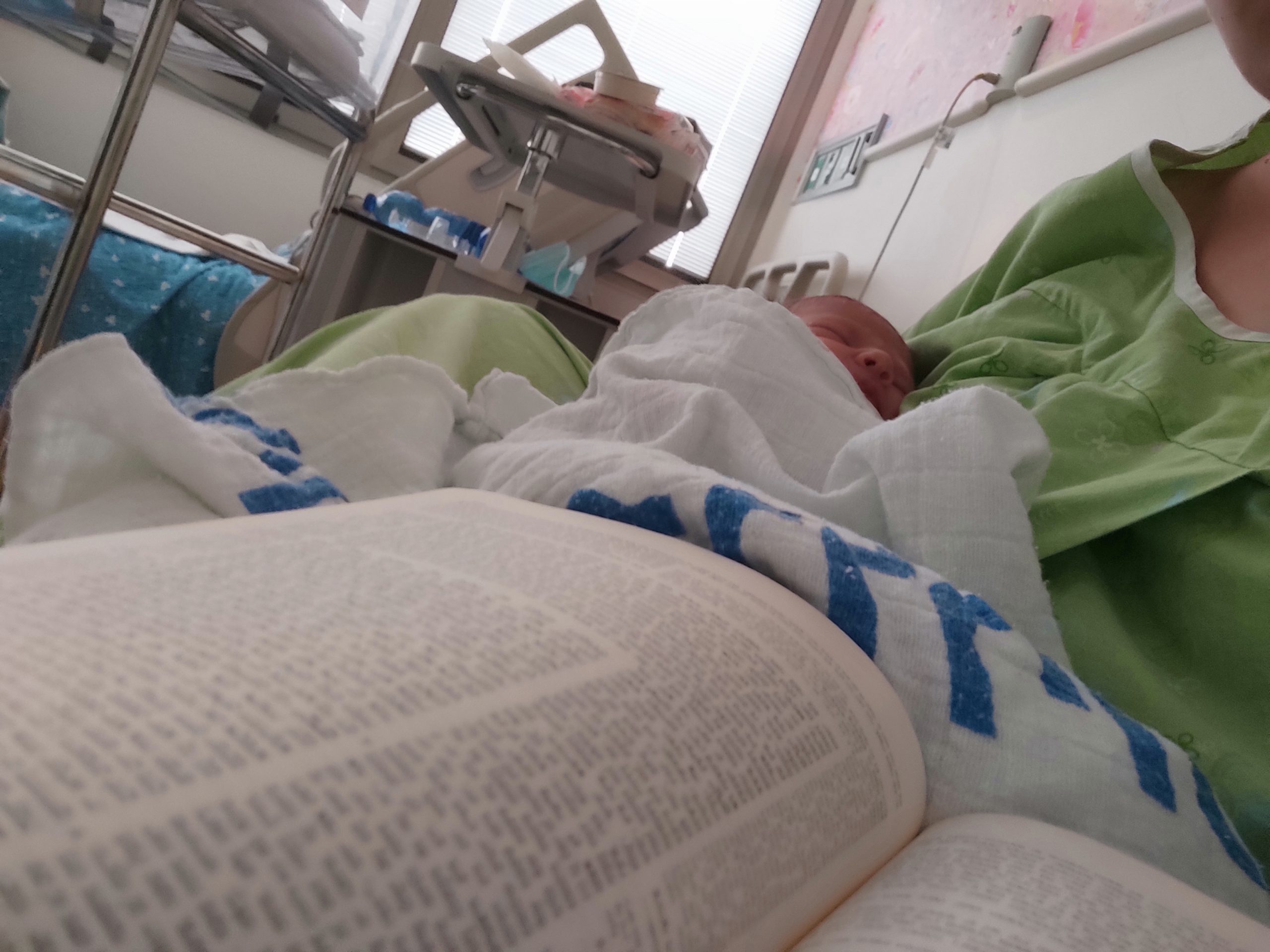
רבבה, ישראל
הייתי לפני שנתיים בסיום הדרן נשים בבנייני האומה והחלטתי להתחיל. אפילו רק כמה דפים, אולי רק פרק, אולי רק מסכת… בינתיים סיימתי רבע שס ותכף את כל סדר מועד בה.
הסביבה תומכת ומפרגנת. אני בת יחידה עם ארבעה אחים שכולם לומדים דף יומי. מדי פעם אנחנו עושים סיומים יחד באירועים משפחתיים. ממש מרגש. מסכת שבת סיימנו כולנו יחד עם אבא שלנו!
אני שומעת כל יום פודקאסט בהליכה או בנסיעה ואחכ לומדת את הגמרא.

מרכז שפירא, ישראל
התחלתי כשהייתי בחופש, עם הפרסומים על תחילת המחזור, הסביבה קיבלה את זה כמשהו מתמיד ומשמעותי ובהערכה, הלימוד זה עוגן יציב ביום יום, יש שבועות יותר ויש שפחות אבל זה משהו שנמצא שם אמין ובעל משמעות בחיים שלי….

גמזו, ישראל
התחלתי ללמוד דף יומי אחרי שחזרתי בתשובה ולמדתי במדרשה במגדל עוז. הלימוד טוב ומספק חומר למחשבה על נושאים הלכתיים ”קטנים” ועד לערכים גדולים ביהדות. חשוב לי להכיר את הגמרא לעומק. והצעד הקטן היום הוא ללמוד אותה בבקיאות, בעזרת השם, ומי יודע אולי גם אגיע לעיון בנושאים מעניינים. נושאים בגמרא מתחברים לחגים, לתפילה, ליחסים שבין אדם לחברו ולמקום ולשאר הדברים שמלווים באורח חיים דתי 🙂

מצפה יריחו, ישראל
התחלתי ללמוד דף יומי שהתחילו מסכת כתובות, לפני 7 שנים, במסגרת קבוצת לימוד שהתפרקה די מהר, ומשם המשכתי לבד בתמיכת האיש שלי. נעזרתי בגמרת שטיינזלץ ובשיעורים מוקלטים.
הסביבה מאד תומכת ואני מקבלת המון מילים טובות לאורך כל הדרך. מאז הסיום הגדול יש תחושה שאני חלק מדבר גדול יותר.
אני לומדת בשיטת ה”7 דפים בשבוע” של הרבנית תרצה קלמן – כלומר, לא נורא אם לא הצלחת ללמוד כל יום, העיקר שגמרת ארבעה דפים בשבוע

עתניאל, ישראל
הייתי לפני שנתיים בסיום הדרן נשים בבנייני האומה והחלטתי להתחיל. אפילו רק כמה דפים, אולי רק פרק, אולי רק מסכת… בינתיים סיימתי רבע שס ותכף את כל סדר מועד בה.
הסביבה תומכת ומפרגנת. אני בת יחידה עם ארבעה אחים שכולם לומדים דף יומי. מדי פעם אנחנו עושים סיומים יחד באירועים משפחתיים. ממש מרגש. מסכת שבת סיימנו כולנו יחד עם אבא שלנו!
אני שומעת כל יום פודקאסט בהליכה או בנסיעה ואחכ לומדת את הגמרא.
מרכז שפירא, ישראל
התחלתי ללמוד דף יומי בתחילת מסכת ברכות, עוד לא ידעתי כלום. נחשפתי לסיום הש״ס, ובעצם להתחלה מחדש בתקשורת, הפתיע אותי לטובה שהיה מקום לעיסוק בתורה.
את המסכתות הראשונות למדתי, אבל לא סיימתי (חוץ מעירובין איכשהו). השנה כשהגעתי למדרשה, נכנסתי ללופ, ואני מצליחה להיות חלק, סיימתי עם החברותא שלי את כל המסכתות הקצרות, גם כשהיינו חולות קורונה ובבידודים, למדנו לבד, העיקר לא לצבור פער, ומחכות ליבמות 🙂

מזכרת בתיה, ישראל
באירוע של הדרן בנייני האומה. בהשראתה של אמי שלי שסיימה את הש”ס בסבב הקודם ובעידוד מאיר , אישי, וילדיי וחברותיי ללימוד במכון למנהיגות הלכתית של רשת אור תורה סטון ומורתיי הרבנית ענת נובוסלסקי והרבנית דבורה עברון, ראש המכון למנהיגות הלכתית.
הלימוד מעשיר את יומי, מחזיר אותי גם למסכתות שכבר סיימתי וידוע שאינו דומה מי ששונה פרקו מאה לשונה פרקו מאה ואחת במיוחד מרתקים אותי החיבורים בין המסכתות
מודיעין, ישראל
אחרי שראיתי את הסיום הנשי של הדף היומי בבנייני האומה זה ריגש אותי ועורר בי את הרצון להצטרף. לא למדתי גמרא קודם לכן בכלל, אז הכל היה לי חדש, ולכן אני לומדת בעיקר מהשיעורים פה בהדרן, בשוטנשטיין או בחוברות ושיננתם.

בית שמש, ישראל
למדתי גמרא מכיתה ז- ט ב Maimonides School ואחרי העליה שלי בגיל 14 לימוד הגמרא, שלא היה כל כך מקובל בימים אלה, היה די ספוראדי. אחרי "ההתגלות” בבנייני האומה התחלתי ללמוד בעיקר בדרך הביתה למדתי מפוקקטסים שונים. לאט לאט ראיתי שאני תמיד חוזרת לרבנית מישל פרבר. באיזה שהוא שלב התחלתי ללמוד בזום בשעה 7:10 .
היום "אין מצב” שאני אתחיל את היום שלי ללא לימוד עם הרבנית מישל עם כוס הקפה שלי!!

חשמונאים, ישראל
התחלתי ללמוד גמרא בבית הספר בגיל צעיר והתאהבתי. המשכתי בכך כל חיי ואף היייתי מורה לגמרא בבית הספר שקד בשדה אליהו (בית הספר בו למדתי בילדותי)בתחילת מחזור דף יומי הנוכחי החלטתי להצטרף ובע”ה מקווה להתמיד ולהמשיך. אני אוהבת את המפגש עם הדף את "דרישות השלום ” שמקבלת מקשרים עם דפים אחרים שלמדתי את הסנכרון שמתחולל בין התכנים.

מעלה גלבוע, ישראל
לפני 15 שנה, אחרי עשרות שנים של "ג’ינגול” בין משפחה לקריירה תובענית בהייטק, הצטרפתי לשיעורי גמרא במתן רעננה. הלימוד המעמיק והייחודי של הרבנית אושרה קורן יחד עם קבוצת הנשים המגוונת הייתה חוויה מאלפת ומעשירה. לפני כשמונה שנים כאשר מחזור הדף היומי הגיע למסכת תענית הצטרפתי כ”חברותא” לבעלי. זו השעה היומית שלנו ביחד כאשר דפי הגמרא משתלבים בחיי היום יום, משפיעים ומושפעים, וכשלא מספיקים תמיד משלימים בשבת

רעננה, ישראל
My explorations into Gemara started a few days into the present cycle. I binged learnt and become addicted. I’m fascinated by the rich "tapestry” of intertwined themes, connections between Masechtot, conversations between generations of Rabbanim and learners past and present all over the world. My life has acquired a golden thread, linking generations with our amazing heritage.
Thank you.

חשמונאים, Israel
רבנית מישל הציתה אש התלמוד בלבבות בביניני האומה ואני נדלקתי. היא פתחה פתח ותמכה במתחילות כמוני ואפשרה לנו להתקדם בצעדים נכונים וטובים. הקימה מערך שלם שמסובב את הלומדות בסביבה תומכת וכך נכנסתי למסלול לימוד מעשיר שאין כמוה. הדרן יצר קהילה גדולה וחזקה שמאפשרת התקדמות מכל נקודת מוצא. יש דיבוק לומדות שמחזק את ההתמדה של כולנו. כל פניה ושאלה נענית בזריזות ויסודיות. תודה גם למגי על כל העזרה.

נתניה, ישראל
התחלתי לפני כמה שנים אבל רק בסבב הזה זכיתי ללמוד יום יום ולסיים מסכתות

רעננה, ישראל
חולין פג
בָּא הַכָּתוּב לִיתֵּן עֲשֵׂה אַחַר לֹא תַּעֲשֶׂה, לוֹמַר שֶׁאֵין לוֹקִין עָלָיו, דִּבְרֵי רַבִּי יְהוּדָה.
The verse comes to provide a positive mitzva to burn the leftovers, in the second part of the verse that states: “But that which remains of it until morning you shall burn with fire.” This positive mitzva is stated after the prohibition against leaving it over was stated in the first part of the verse, to say that one is not flogged for transgressing the prohibition. This is because any prohibition that can be rectified by the performance of a positive mitzva does not carry a punishment of lashes. This is the statement of Rabbi Yehuda. If not for this reason, Rabbi Yehuda evidently would hold that he receives lashes. The forewarning given in this case is uncertain, as he must be forewarned before morning, and at that time he might still consume it.
רַבִּי יַעֲקֹב אוֹמֵר: לֹא מִן הַשֵּׁם הוּא זֶה, אֶלָּא מִשּׁוּם דְּהָוֵה לֵיהּ לָאו שֶׁאֵין בּוֹ מַעֲשֶׂה, וְכׇל לָאו שֶׁאֵין בּוֹ מַעֲשֶׂה – אֵין לוֹקִין עָלָיו.
Rabbi Ya’akov says: This is not for that reason [hashem]. Rather, it is because it is a prohibition that does not involve an action. The transgression is simply the failure to consume all the meat during the allotted time rather than the performance of an action. And one is not flogged for the violation of any prohibition that does not involve an action.
תָּא שְׁמַע: אָכַל שְׁנֵי גִידִין מִשְּׁתֵּי יְרֵכוֹת מִשְּׁתֵּי בְהֵמוֹת – סוֹפֵג שְׁמוֹנִים; רַבִּי יְהוּדָה אוֹמֵר: אֵינוֹ סוֹפֵג אֶלָּא אַרְבָּעִים. הֵיכִי דָמֵי? אִילֵּימָא בְּזֶה אַחַר זֶה וּבִשְׁתֵּי הַתְרָאוֹת – מַאי טַעְמָא דְּרַבִּי יְהוּדָה דְּאָמַר: אַרְבָּעִים וְתוּ לָא? אֶלָּא פְּשִׁיטָא בְּבַת אַחַת וּבַחֲדָא הַתְרָאָה.
The Gemara suggests: Come and hear a resolution with regard to the opinion of Sumakhos from a baraita discussing the sciatic nerve: If one ate two sciatic nerves from two thighs of two different animals, he incurs the penalty of eighty lashes; Rabbi Yehuda says: He incurs only forty lashes. The Gemara asks: What are the circumstances in this case? If we say that he ate them one after the other and with two separate forewarnings, what is the reasoning of the opinion of Rabbi Yehuda, who says: The violator receives forty lashes and nothing more? After all, he violates two separate prohibitions with two separate forewarnings. Rather, it is obvious that he ate them at the same time and with a single forewarning.
מַאן תַּנָּא קַמָּא? אִילֵימָא רַבָּנַן דִּפְלִיגִי עֲלֵיהּ דְּסוֹמְכוֹס – וּמָה הָתָם, דְּגוּפִין מוּחְלָקִין, פָּטְרִי רַבָּנַן, הָכָא לֹא כׇּל שֶׁכֵּן? אֶלָּא לָאו סוֹמְכוֹס הִיא!
Who is the first tanna, who holds that in such a case one receives eighty lashes? If we say that it is the Rabbis who disagree with Sumakhos in the mishna about: Itself and its offspring, that would contradict their opinion: Now, if there, in that mishna in a case where there are various animals that are separate entities, the Rabbis deem him exempt from a second set of lashes, here, in the baraita about two sciatic nerves, which are not separate entities, should they not all the more so deem him exempt from a second set of lashes? Rather, is it not Sumakhos who is the first tanna? Consequently, in his opinion one who eats the same prohibited item, such as an olive-bulk of forbidden fat, twice after a single forewarning receives two sets of lashes.
לְעוֹלָם בְּזֶה אַחַר זֶה, וּדְקָאָמְרַתְּ: מַאי טַעְמָא דְּרַבִּי יְהוּדָה? כְּגוֹן דְּלֵית בֵּיהּ כְּזַיִת, דְּתַנְיָא: אֲכָלוֹ וְאֵין בּוֹ כְּזַיִת – חַיָּיב, רַבִּי יְהוּדָה אוֹמֵר: עַד שֶׁיְּהֵא בּוֹ כְּזַיִת.
The Gemara responds: Actually, he ate the two sciatic nerves one after the other with separate forewarnings, incurring two sets of lashes even according to the Rabbis who disagree with Sumakhos in the mishna about: Itself and its offspring. And as for that which you say: What is the reason of Rabbi Yehuda who holds that the transgressor incurs only a single set of lashes? This is a case where the volume of one of the sciatic nerves is not even an olive-bulk, and Rabbi Yehuda follows his line of reasoning, as it is taught in a baraita: If one ate the entire sciatic nerve, and its volume is not even an olive-bulk, he is liable to incur forty lashes; Rabbi Yehuda says: He is not liable unless it has a volume of at least an olive-bulk.
מַתְנִי׳ בְּאַרְבָּעָה פְּרָקִים בַּשָּׁנָה, הַמּוֹכֵר בְּהֵמָה לַחֲבֵירוֹ צָרִיךְ לְהוֹדִיעוֹ: ״אִמָּהּ מָכַרְתִּי לִשְׁחוֹט״, ״בִּתָּהּ מָכַרְתִּי לִשְׁחוֹט״. וְאֵלּוּ הֵן: עֶרֶב יוֹם טוֹב הָאַחֲרוֹן שֶׁל חַג, וְעֶרֶב יוֹם טוֹב הָרִאשׁוֹן שֶׁל פֶּסַח, וְעֶרֶב עֲצֶרֶת, וְעֶרֶב רֹאשׁ הַשָּׁנָה. וּכְדִבְרֵי רַבִּי יוֹסֵי הַגְּלִילִי, אַף עֶרֶב יוֹם הַכִּפּוּרִים בַּגָּלִיל.
MISHNA: On four occasions during the year one who sells an animal to another is required to inform him: I sold the mother of this animal today for the buyer to slaughter it,or: I sold the daughter of this animal today for the buyer to slaughter it. And those four occasions are: The eve of the last day of the festival of Sukkot, the eve of the first day of the festival of Passover, and the eve of Shavuot, and the eve of Rosh HaShana. And according to the statement of Rabbi Yosei HaGelili, the eve of Yom Kippur in the Galilee is included as well.
אָמַר רַבִּי יְהוּדָה: אֵימָתַי – בִּזְמַן שֶׁאֵין לוֹ רֶיוַח, אֲבָל יֵשׁ לוֹ רֶיוַח – אֵין צָרִיךְ לְהוֹדִיעוֹ. וּמוֹדֶה רַבִּי יְהוּדָה בְּמוֹכֵר אֶת הָאֵם לֶחָתָן וְאֶת הַבַּת לַכַּלָּה – שֶׁצָּרִיךְ לְהוֹדִיעוֹ, בְּיָדוּעַ שֶׁשְּׁנֵיהֶם שׁוֹחֲטִין בְּיוֹם אֶחָד.
Rabbi Yehuda said: When must he inform the buyer on those days? He must do so at a time when the seller has no interval between the sale of the mother and the offspring, as they were both sold on that day. But if the seller has an interval between the sales, he does not need to inform the buyer, as presumably each buyer purchased the animal to slaughter it on the day he purchased it. And Rabbi Yehuda concedes that in a case where one sells the mother animal to the groom and the offspring to the bride, that even if he did not sell them on the same day, he must inform the buyer, as it is obvious that they are both planning to slaughter their animal on one day, for their wedding feast.
בְּאַרְבָּעָה פְּרָקִים אֵלּוּ מַשְׁחִיטִין אֶת הַטַּבָּח בְּעַל כׇּרְחוֹ, אֲפִילּוּ שׁוֹר שָׁוֶה אֶלֶף דִּינָרִים וְאֵין לוֹ לְלוֹקֵחַ אֶלָּא דִּינָר – כּוֹפִין אוֹתוֹ לִשְׁחוֹט. לְפִיכָךְ, אִם מֵת – מֵת לַלּוֹקֵחַ. אֲבָל בִּשְׁאָר יְמוֹת הַשָּׁנָה אֵינוֹ כֵּן, לְפִיכָךְ אִם מֵת – מֵת לַמּוֹכֵר.
On those four occasions, one compels the butcher to slaughter animals even against his will; even if there is a bull worth one thousand dinars and the buyer has only one dinar worth of meat, i.e., he already paid the butcher for one dinar’s worth of meat, one compels him to slaughter the animal and give him a dinar’s worth of meat. Therefore, if the bull dies before slaughter, although no act of acquisition was performed, it dies at the expense of the buyer, and he loses his dinar. But during the rest of the days of the year it is not so. On other days, until the buyer performs the act of pulling to assume ownership of the portion of the bull that he is purchasing, the bull remains in the butcher’s possession. Therefore, if the bull dies before the transaction is complete, it dies at the expense of the seller, who returns the buyer’s money.
גְּמָ׳ תָּנָא, אִם לֹא הוֹדִיעוֹ – הוֹלֵךְ וְשׁוֹחֵט וְאֵינוֹ נִמְנָע.
GEMARA: The mishna teaches that on the four occasions mentioned it is the seller’s responsibility to inform the purchaser that the mother or offspring of the animal he is purchasing was sold that day. With regard to this it is taught: Consequently, the purchaser has no obligation to clarify the situation, and if the seller did not inform him, the purchaser may go and slaughter the animal he has purchased and need not refrain from doing so.
אָמַר רַבִּי יְהוּדָה אֵימָתַי. לְמָה לִי לְמִיתְנֵי אֶת הָאֵם לֶחָתָן וְאֶת הַבַּת לַכַּלָּה? מִלְּתָא אַגַּב אוֹרְחֵיהּ קָמַשְׁמַע לַן, דְּאוֹרַח אַרְעָא לְמִטְרַח בֵּי חַתְנָא טְפֵי מִבֵּי כַלְּתָא.
The mishna teaches that Rabbi Yehuda says: When must he inform the buyer on those days? It then teaches: And Rabbi Yehuda concedes that in a case where one sold the mother animal to the groom and the offspring to the bride, even if he did not sell them on the same day, he must inform the buyer. The Gemara asks: Why do I need to teach that the butcher sold specifically the mother animal to the groom and the offspring to the bride? It could have taught: He sold one to the groom and the other to the bride. The Gemara answers: It teaches us a related matter in passing, that it is proper conduct for the groom’s household to exert more effort than the bride’s household in the marriage preparations. Therefore, the groom purchases the mother, the larger animal, while the bride purchases the smaller animal, the offspring.
בְּאַרְבָּעָה פְּרָקִים אֵלּוּ, וְהָא לֹא מָשַׁךְ! אָמַר רַב הוּנָא אָמַר רַב: כְּשֶׁמָּשַׁךְ. אִי הָכִי, אֵימָא סֵיפָא: אֲבָל בִּשְׁאָר יְמוֹת הַשָּׁנָה אֵינוֹ כֵּן, לְפִיכָךְ אִם מֵת – מֵת לַמּוֹכֵר, וְהָא מָשַׁךְ!
§ The mishna teaches: On those four occasions, one compels the butcher to slaughter animals even against his will, and even if there is a bull worth one thousand dinars and the buyer has paid for only one dinar’s worth of meat, one compels him to slaughter the animal. Therefore, if the bull dies before slaughter, it dies at the expense of the buyer. The Gemara challenges: But the buyer did not yet pull the animal to effect acquisition; consequently, although he paid the seller, the animal is not his. Rav Huna said that Rav said: The case is where he pulled it, and thereby acquired it. The Gemara asks: If so, say the latter clause: But during the rest of the days of the year it is not so. Therefore, if the bull dies, it dies at the expense of the seller, who returns the buyer’s money. But according to Rav, didn’t the buyer pull the animal? If so, why is its death at the expense of the seller?
אָמַר רַבִּי שְׁמוּאֵל בַּר רַב יִצְחָק: לְעוֹלָם שֶׁלֹּא מָשַׁךְ, וּכְגוֹן שֶׁזִּיכָּה לוֹ עַל יְדֵי אַחֵר, בְּאַרְבָּעָה פְּרָקִים אֵלּוּ דִּזְכוּת הוּא לוֹ – זָכִין לְאָדָם שֶׁלֹּא בְּפָנָיו, בִּשְׁאָר יְמוֹת הַשָּׁנָה דְּחוֹב הוּא לוֹ – אֵין חָבִין לָאָדָם שֶׁלֹּא בְּפָנָיו.
Rabbi Shmuel bar Rav Yitzḥak said: Actually, the case in the mishna is one where the buyer did not pull the animal, and it is a case where the seller transfers ownership to the customer by means of another person, i.e., by instructing another to acquire a dinar’s worth of the ox’s meat on the customer’s behalf, without having obtained the customer’s consent. Therefore, on those four occasions, where it is for the customer’s benefit, as he wants meat for the Festival, the principle: One can act in a person’s interest in his absence, applies. By contrast, during the rest of the days of the year, where it is to the customer’s disadvantage to acquire the meat before the bull is slaughtered, as he does not want to incur avoidable expenses, one cannot act to the disadvantage of another person in his absence. Therefore, if the bull dies, it is at the expense of the seller.
רַבִּי אֶלְעָזָר אוֹמֵר, אָמַר רַבִּי יוֹחָנָן: בְּאַרְבָּעָה פְּרָקִים אֵלּוּ הֶעֱמִידוּ חֲכָמִים דִּבְרֵיהֶם עַל דִּין תּוֹרָה.
Rabbi Elazar says that Rabbi Yoḥanan says that there is a different explanation: On those four occasions the Sages based their statement on the Torah law that giving money effects acquisition, and therefore, the payment of the buyer acquires the meat for him with no need for pulling.
דְּאָמַר רַבִּי יוֹחָנָן: דְּבַר תּוֹרָה – מָעוֹת קוֹנוֹת, וּמָה טַעַם אָמְרוּ מְשִׁיכָה קוֹנָה – גְּזֵירָה שֶׁמָּא יֹאמַר לוֹ ״נִשְׂרְפוּ חִטֶּיךָ בַּעֲלִיָּה״.
As Rabbi Yoḥanan says: By Torah law, giving money effects the acquisition of movable property with no need for pulling. And what is the reason that the Sages said that pulling effects acquisition? It is a rabbinic decree lest the seller, once he receives the money, be unconcerned about the welfare of the movable property that he has sold, and, for example, not protect it from fire, so that he will say to the buyer: Your wheat was burned in the upper story of my house and I have no responsibility for it. For the benefit of rejoicing on the Festival, the Sages ordained that Torah law remains in effect on those four occasions and the buyer’s money effects acquisition, and one compels the butcher to slaughter animals even against his will.
מַתְנִי׳ ״יוֹם אֶחָד״ הָאָמוּר בְּאוֹתוֹ וְאֶת בְּנוֹ – הַיּוֹם הוֹלֵךְ אַחַר הַלַּיְלָה. אֶת זוֹ דָּרַשׁ רַבִּי שִׁמְעוֹן בֶּן זוֹמָא: נֶאֱמַר בְּמַעֲשֵׂה בְרֵאשִׁית ״יוֹם אֶחָד״, וְנֶאֱמַר בְּאוֹתוֹ וְאֶת בְּנוֹ ״יוֹם אֶחָד״ – מָה ״יוֹם אֶחָד״ הָאָמוּר בְּמַעֲשֵׂה בְרֵאשִׁית הַיּוֹם הוֹלֵךְ אַחַר הַלַּיְלָה, אַף ״יוֹם אֶחָד״ הָאָמוּר בְּאוֹתוֹ וְאֶת בְּנוֹ הַיּוֹם הוֹלֵךְ אַחַר הַלַּיְלָה.
MISHNA: With regard to the phrase “one day” that is stated with regard to the prohibition against slaughtering an animal itself and its offspring, the day follows the night. Therefore, one may slaughter an animal during the day and slaughter its offspring that night, but one may not slaughter an animal at night and slaughter its offspring the following day. Rabbi Shimon ben Zoma derived this by means of a verbal analogy. It is stated in the act of Creation: “One day” (Genesis 1:5), and it is stated with regard to the slaughter of an animal itself and its offspring: “One day” (Leviticus 22:28). Just as concerning the phrase “one day” that is stated in the act of Creation, the day follows the night, so too concerning the phrase “one day” that is stated with regard to the slaughter of an animal itself and its offspring, the day follows the night.
גְּמָ׳ תָּנוּ רַבָּנַן: אֶת זוֹ דָּרַשׁ רַבִּי שִׁמְעוֹן בֶּן זוֹמָא, לְפִי שֶׁכׇּל הָעִנְיָן כּוּלּוֹ אֵינוֹ מְדַבֵּר אֶלָּא בְּקָדָשִׁים, וּבְקָדָשִׁים לַיְלָה הוֹלֵךְ אַחַר הַיּוֹם, יָכוֹל אַף זֶה כֵּן? נֶאֱמַר כָּאן ״יוֹם אֶחָד״, וְנֶאֱמַר בְּמַעֲשֵׂה בְרֵאשִׁית ״יוֹם אֶחָד״, מָה ״יוֹם אֶחָד״ הָאָמוּר בְּמַעֲשֵׂה בְרֵאשִׁית – הַיּוֹם הוֹלֵךְ אַחַר הַלַּיְלָה, אַף יוֹם הָאָמוּר בְּאוֹתוֹ וְאֶת בְּנוֹ – הַיּוֹם הוֹלֵךְ אַחַר הַלַּיְלָה.
GEMARA: The Sages taught in a baraita: Rabbi Shimon ben Zoma taught this explanation: Because the entire section of the Torah where the prohibition: Itself and its offspring, appears speaks only about sacrificial animals, and with regard to sacrificial animals the night follows the day, one might have thought that even with regard to this prohibition it is so. Therefore, the following derivation is required: It is stated here, with regard to the slaughter of an animal and its offspring: “One day,” and it is stated in the act of Creation: “One day.” Just as concerning the phrase “one day” that is stated in the act of Creation, the day follows the night, so too concerning the phrase “one day” that is stated with regard to the slaughter of an animal itself and its offspring, the day follows the night.
רַבִּי אוֹמֵר: ״יוֹם אֶחָד״ – יוֹם הַמְיוּחָד טָעוּן כָּרוֹז, מִכָּאן אָמְרוּ: בְּאַרְבָּעָה פְּרָקִים בַּשָּׁנָה הַמּוֹכֵר בְּהֵמָה לַחֲבֵירוֹ צָרִיךְ לְהוֹדִיעוֹ.
§ Rabbi Yehuda HaNasi says: The verse: “You shall not slaughter it and its offspring both in one day” (Leviticus 22:28), is referring to a special day, and it indicates that a special day requires a proclamation to prevent buyers from slaughtering an animal together with its offspring on that day. From here is derived that which is stated in the mishna: On four occasions during the year, which are special days, one who sells an animal to another must inform him: I sold its mother for slaughter, or: I sold its offspring for slaughter.
הֲדַרַן עֲלָךְ אוֹתוֹ וְאֶת בְּנוֹ.
מַתְנִי׳ כִּסּוּי הַדָּם נוֹהֵג בָּאָרֶץ וּבְחוּצָה לָאָרֶץ, בִּפְנֵי הַבַּיִת וְשֶׁלֹּא בִּפְנֵי הַבַּיִת, בְּחוּלִּין אֲבָל לֹא בְּמוּקְדָּשִׁין, וְנוֹהֵג בַּחַיָּה וּבָעוֹף, בִּמְזוּמָּן וּבְשֶׁאֵינוֹ מְזוּמָּן, וְנוֹהֵג בְּכוֹי מִפְּנֵי שֶׁהוּא סָפֵק.
MISHNA: The mitzva of covering the blood after slaughter is in effect both in Eretz Yisrael and outside of Eretz Yisrael, both in the presence, i.e., the time, of the Temple and not in the presence of the Temple. And it is in effect with regard to non-sacred animals, but it is not in effect with regard to sacrificial ones. And it is in effect with regard to the slaughter of an undomesticated animal and a bird, with regard to animals and birds that are readily available in his home, and with regard to those that are not readily available and are hunted in the wild. And it is in effect with regard to a koy, because it is uncertain whether a koy is a domesticated animal and one is exempt from the covering of its blood or whether it is an undomesticated animal and one is obligated to cover it.
וְאֵין שׁוֹחֲטִין אוֹתוֹ בְּיוֹם טוֹב, וְאִם שְׁחָטוֹ – אֵין מְכַסִּין אֶת דָּמוֹ.
And one may not slaughter a koy on a Festival, because covering its blood entails the performance of prohibited labor that is permitted only if there is a definite obligation to cover the blood. And if one slaughtered a koy on a Festival after the fact, one does not cover its blood until after the Festival.
גְּמָ׳ מוּקְדָּשִׁין מַאי טַעְמָא לָא? אִילֵּימָא מִשּׁוּם דְּרַבִּי זֵירָא, דְּאָמַר רַבִּי זֵירָא: הַשּׁוֹחֵט צָרִיךְ שֶׁיִּתֵּן עָפָר לְמַטָּה וְעָפָר לְמַעְלָה, שֶׁנֶּאֱמַר: ״וְשָׁפַךְ אֶת דָּמוֹ וְכִסָּהוּ בֶּעָפָר״ – ״עָפָר״ לֹא נֶאֱמַר, אֶלָּא ״בְּעָפָר״, מְלַמֵּד שֶׁהַשּׁוֹחֵט צָרִיךְ שֶׁיִּתֵּן עָפָר לְמַטָּה וְעָפָר לְמַעְלָה.
GEMARA: The Gemara asks: What is the reason one is not obligated to cover the blood of sacrificial birds? If we say it is because of the statement of Rabbi Zeira, that is difficult. As Rabbi Zeira says: One who slaughters a bird or an undomesticated animal must place earth beneath the blood and earth above it, as it is stated: “And he shall pour out its blood and cover it with earth” (Leviticus 17:13). It is not stated: Cover it with earth, but rather, “in earth,” indicating that the blood must be concealed inside the earth. The verse teaches that one who slaughters a bird or undomesticated animal must place earth beneath the blood and earth above the blood.
וְהָכָא לָא אֶפְשָׁר, הֵיכִי לֶיעְבֵּיד? לִיתֵּיב וְלִיבַטְּלֵיהּ – קָמוֹסֵיף אַבִּנְיָן, וּכְתִיב: ״הַכֹּל בִּכְתָב מִיַּד ה׳ עָלַי הִשְׂכִּיל״.
The Gemara continues: And here, with regard to a bird offering, whose blood is presented on the altar, it is not possible for one to cover the blood with earth from beneath it. As how should one perform the covering of the blood? If one suggests that he should place earth on the altar and nullify that earth to the altar such that it will never be removed from there, this is unfeasible, since by nullifying the earth to the altar, he is adding to the structure of the altar. And it is written with regard to the construction of the Temple: “All was in writing, from the hand of the Lord, which He gave me to understand” (I Chronicles 28:19), indicating that the dimensions of the Temple and all the vessels within were given prophetically and are therefore not subject to change.
לָא לִיבַטְּלֵיהּ – קָא הָוֵי חֲצִיצָה.
And if one suggests that he should not nullify the earth to the altar, this too is problematic, as the earth constitutes an interposition between the blood of the bird and the altar.
נְהִי דִּלְמַטָּה לָא אֶפְשָׁר, לְמַעְלָה אֶפְשָׁר, לֶיעְבֵּיד כִּסּוּי!
The Gemara explains why this statement of Rabbi Zeira does not sufficiently explain why one is not required to cover the blood of sacrificial birds. Granted that it is impossible to place earth beneath the blood of the bird, but it is possible to place earth above the blood of the bird. If so, let him perform a covering of the blood from above.
מִי לָא תַּנְיָא, רַבִּי יוֹנָתָן בֶּן יוֹסֵף אוֹמֵר: שָׁחַט חַיָּה וְאַחַר כָּךְ שָׁחַט בְּהֵמָה – פָּטוּר מִלְּכַסּוֹת, בְּהֵמָה וְאַחַר כָּךְ חַיָּה – חַיָּיב לְכַסּוֹת.
The Gemara explains this suggestion: Isn’t it taught in a baraita that Rabbi Yonatan ben Yosef says: If one slaughtered an undomesticated animal, whose blood requires covering, and thereafter slaughtered a domesticated animal, whose blood does not require covering, in the same location as the undomesticated animal, he is exempt from the obligation to cover the blood of the undomesticated animal, as it is covered with the blood of the domesticated animal. But if one slaughtered a domesticated animal and thereafter slaughtered an undomesticated animal he is obligated to cover the latter’s blood despite the fact that there is no earth, but rather blood of the domesticated animal, beneath it. It is evident from this baraita that the mitzva of covering the blood applies even when earth cannot be placed beneath the blood.
כִּדְרַבִּי זֵירָא, דְּאָמַר רַבִּי זֵירָא: כׇּל הָרָאוּי לְבִילָּה – אֵין בִּילָּה מְעַכֶּבֶת בּוֹ, וְכֹל שֶׁאֵינוֹ רָאוּי לְבִילָּה – בִּילָּה מְעַכֶּבֶת בּוֹ.
The Gemara responds: The exclusion of sacrificial birds from the mitzva of covering the blood, even from above, is in accordance with another statement of Rabbi Zeira, as Rabbi Zeira says with regard to meal offerings: For any measure of flour that is suitable for mixing with oil in a meal offering, the lack of mixing does not invalidate the meal offering. Even though there is a mitzva to mix the oil with the flour ab initio, the meal offering is fit for sacrifice even if the oil and the flour are not mixed together. And for any measure of flour that is not suitable for mixing with oil in a meal offering, the lack of mixing invalidates the meal offering. Similarly, if one slaughtered a domesticated animal and thereafter an undomesticated animal, since it was possible to cover the blood of the former before slaughtering the latter, which would allow the proper fulfillment of the mitzva of covering the blood, one is still obligated to cover the blood from above. By contrast, it is always impossible to properly perform the mitzva in the case of sacrificial birds.
וְלִיגְרְרֵיהּ וְלִיכַסְּיֵהּ? מִי לָא תְּנַן: דָּם הַנִּיתָּז וְשֶׁעַל הַסַּכִּין חַיָּיב לְכַסּוֹת? אַלְמָא דְּגָרֵיר וּמְכַסֵּי לֵיהּ, הָכָא נָמֵי נִגְרוֹר וּנְכַסֵּי לֵיהּ!
The Gemara asks: Still, why is the mitzva of covering the blood not applicable to sacrificial birds? Let one scrape the blood off the altar and cover it elsewhere. Didn’t we learn in a mishna (87b): With regard to blood that spurts outside the pit in which the animal was slaughtered, and blood that remained on the slaughtering knife, one is obligated to cover it? Evidently, the halakha is that one may scrape off the blood and cover it in a location other than where it spilled out. Here too, let us scrape the blood of a sacrificial bird off the altar and cover it elsewhere.
אִי בְּקׇדְשֵׁי מִזְבֵּחַ – הָכִי נָמֵי, הָכָא בְּמַאי עָסְקִינַן? בְּקׇדְשֵׁי בֶּדֶק הַבַּיִת.
The Gemara answers: If the ruling of the mishna was dealing with items consecrated for the altar, indeed, the blood must be scraped off and covered elsewhere. But here we are dealing with items consecrated for Temple maintenance, i.e., birds donated to the Temple in order to be sold, the profits of which would be used for repairs. Such birds may not be slaughtered, and if one transgressed and slaughtered them it is prohibited to derive any benefit from them. The tanna of the mishna holds that the mitzva of covering the blood does not apply to a slaughtered animal that is forbidden for consumption.

