






לימוד מסכת חולין מוקדש על ידי ג’ודי פלבר לכבודה של קהילת הדרן. "במהלך המחזור הראשון שלי בדף היומי, בדיוק כשהתחלנו את מסכת חולין, בני נפצע בעת שירותו בצה”ל. לאורך אותם חודשיים וחצי של קושי וחוסר ודאות, חברותיי ללימוד לא עזבו אותי לרגע. תודה רבה לקהילה שעטפה אותי, עודדה אותי ווידאה שאוכל להמשיך ולהתמיד בלימוד הדף גם בימים המאתגרים ההם.”
הלימוד השבוע מוקדש ע”י טינה לם לרפואת מעין ליאורה בת שלומית פייגא
רוצה להקדיש שיעור?

כלים
לימוד מסכת חולין מוקדש על ידי ג’ודי פלבר לכבודה של קהילת הדרן. "במהלך המחזור הראשון שלי בדף היומי, בדיוק כשהתחלנו את מסכת חולין, בני נפצע בעת שירותו בצה”ל. לאורך אותם חודשיים וחצי של קושי וחוסר ודאות, חברותיי ללימוד לא עזבו אותי לרגע. תודה רבה לקהילה שעטפה אותי, עודדה אותי ווידאה שאוכל להמשיך ולהתמיד בלימוד הדף גם בימים המאתגרים ההם.”
הלימוד השבוע מוקדש ע”י טינה לם לרפואת מעין ליאורה בת שלומית פייגא
חולין פד
וְלִיפְרְקִינְהוּ וְלִיכַסִּינְהוּ? בָּעֵינַן הַעֲמָדָה וְהַעֲרָכָה.
The Gemara challenges: But even if the mishna is dealing with birds consecrated for Temple maintenance, let one redeem them after they were slaughtered and then cover their blood. The Gemara responds: This is not feasible, because in order to redeem a consecrated animal we require setting and valuating, i.e., the animal must be stood before a priest in order to evaluate it and only then is it redeemed (see Leviticus 27:11–12). A slaughtered bird cannot be stood before the priest; consequently, it cannot be redeemed.
וּכְמַאן? אִי כְּרַבִּי מֵאִיר, דְּאָמַר: הַכֹּל הָיוּ בִּכְלַל הַעֲמָדָה וְהַעֲרָכָה – הָאָמַר: שְׁחִיטָה שֶׁאֵינָהּ רְאוּיָה שְׁמָהּ שְׁחִיטָה!
The Gemara asks: But if the mishna is dealing with birds consecrated for Temple maintenance, in accordance with whose opinion is the mishna? If one suggests the mishna is in accordance with the opinion of Rabbi Meir, who says: Everything, i.e., animals consecrated both for the altar and for Temple maintenance, was included in the requirement of setting and valuating, and therefore the slaughtered birds may not be redeemed, this cannot be so. Doesn’t he also say that slaughter that is not fit to render the meat permitted is nevertheless considered a halakhic act of slaughter that requires the covering of the blood? If so, one should be obligated to cover the blood of the bird even if it is not redeemed.
אִי כְּרַבִּי שִׁמְעוֹן, דְּאָמַר: שְׁחִיטָה שֶׁאֵינָהּ רְאוּיָה לֹא שְׁמָהּ שְׁחִיטָה – הָאָמַר: לֹא הָיוּ בִּכְלַל הַעֲמָדָה וְהַעֲרָכָה?
The Gemara continues: And if one suggests the mishna is in accordance with the opinion of Rabbi Shimon, who says: Slaughter that is not fit to render the meat permitted is not considered a halakhic act of slaughter and therefore the bird would require redemption in order to cover its blood, this cannot be so. Doesn’t he also say that animals consecrated for Temple maintenance were not included in the requirement of setting and valuating? If so, let one redeem the slaughtered birds and cover their blood.
אָמַר רַב יוֹסֵף: רַבִּי הִיא, וְנָסֵיב לַהּ אַלִּיבָּא דְתַנָּאֵי; בִּשְׁחִיטָה שֶׁאֵינָהּ רְאוּיָה – סָבַר לַהּ כְּרַבִּי שִׁמְעוֹן, בְּהַעֲמָדָה וְהַעֲרָכָה – סָבַר לַהּ כְּרַבִּי מֵאִיר.
Rav Yosef said in reconciliation of this dilemma: The mishna’s ruling is in accordance with the opinion of Rabbi Yehuda HaNasi, and he formulates the mishna in accordance with the opinions of different tanna’im: With regard to the status of an act of slaughter that is not fit to render the meat permitted he holds in accordance with the opinion of Rabbi Shimon, while with regard to the requirement of setting and valuating he holds in accordance with the opinion of Rabbi Meir. Therefore, since one cannot redeem a bird that was consecrated for Temple maintenance once it has been slaughtered, there is no obligation to cover its blood, as the slaughter was not fit to render the meat permitted.
וְאִיבָּעֵית אֵימָא: כּוּלַּהּ רַבִּי שִׁמְעוֹן הִיא, וְשָׁאנֵי הָכָא דְּאָמַר קְרָא ״וְשָׁפַךְ וְכִסָּה״, מִי שֶׁאֵינוֹ מְחוּסָּר אֶלָּא שְׁפִיכָה וְכִסּוּי, יָצָא זֶה שֶׁמְחוּסָּר שְׁפִיכָה פְּדִיָּיה וְכִסּוּי.
And if you wish, say instead that the entire mishna is in accordance with the opinion of Rabbi Shimon, who holds that birds consecrated for Temple maintenance may be redeemed even after their slaughter. And although it would seem that their slaughter is fit to render the meat permitted and that one should therefore be obligated in the mitzva of covering the blood, it is different here, as the verse states: “And he shall pour out its blood and cover it” (Leviticus 17:13). By juxtaposing “pour out” to “cover,” the verse indicates that the obligation to cover the blood applies only to blood that is lacking only pouring and covering, without any intervening step. Excluded is this blood of birds consecrated for Temple maintenance, which is lacking pouring, redeeming, and covering.
וְהַשְׁתָּא דְּאָתֵית לְהָכִי, אֲפִילּוּ תֵּימָא קׇדְשֵׁי מִזְבֵּחַ, מִי שֶׁאֵינוֹ מְחוּסָּר אֶלָּא שְׁפִיכָה וְכִסּוּי – יָצָא זֶה, שֶׁמְחוּסָּר שְׁפִיכָה, גְּרִירָה, וְכִסּוּי.
The Gemara notes: And now that you have arrived at this explanation, you may even say that the mishna is referring to birds consecrated for the altar. As for the question asked earlier: Why not let one scrape the blood from the altar and then cover it? The verse states: “And he shall pour out its blood and cover it,” indicating that the obligation to cover the blood applies only to blood that is lacking only pouring and covering, without any intervening step. Excluded is this blood of bird offerings, which is lacking pouring, scraping, and covering.
מָר בַּר רַב אָשֵׁי אָמַר: אָמַר קְרָא ״חַיָּה אוֹ עוֹף״, מָה חַיָּה אֵינָהּ קֹדֶשׁ, אַף עוֹף אֵינוֹ קֹדֶשׁ.
The Gemara cites another source for the exclusion of consecrated animals from the requirement of covering their blood: Mar bar Rav Ashi said that the verse states with regard to the mitzva of covering the blood: “An undomesticated animal or bird” (Leviticus 17:13). The juxtaposition of these two species intimates an analogy between them: Just as the undomesticated animal referred to in the verse is not consecrated, as undomesticated animals are never fit for sacrifice, so too, the bird referred to in the verse is not consecrated.
אִי מָה חַיָּה שֶׁאֵין בְּמִינוֹ קֹדֶשׁ, אַף עוֹף שֶׁאֵין בְּמִינוֹ קֹדֶשׁ, אוֹצִיא תּוֹרִין וּבְנֵי יוֹנָה, שֶׁיֵּשׁ בְּמִינָן קֹדֶשׁ!
The Gemara asks: If it is so that the halakhot of slaughtering a bird are derived from those of an undomesticated animal, then say: Just as the verse is referring to an undomesticated animal, whose species cannot be consecrated as an offering, so too, the verse is referring only to a bird whose species cannot be consecrated as an offering. Therefore, I will exclude even non-sacred doves and pigeons, whose species can be consecrated.
לָא, כְּחַיָּה – מָה חַיָּה לֹא חִלַּקְתָּ בָּהּ, אַף עוֹף לֹא תַּחְלוֹק בּוֹ.
The Gemara rejects this possibility: No, the juxtaposition indicates that the halakha with regard to the slaughter of birds is entirely like that of an undomesticated animal. Therefore, just as in the case of an undomesticated animal, you did not differentiate between its various species and all non-sacred animals are included in the mitzva, so too, with regard to the bird mentioned in the verse, you should not differentiate between its various species.
אֲמַר לֵיהּ יַעֲקֹב מִינָאָה לְרָבָא: קַיְימָא לַן חַיָּה בִּכְלַל בְּהֵמָה לְסִימָנִין, אֵימָא נָמֵי בְּהֵמָה בִּכְלַל חַיָּה לְכִסּוּי.
§ Concerning the halakha that covering the blood does not apply to a domesticated animal, the Gemara says that Ya’akov the heretic said to Rava: We maintain that an undomesticated animal, e.g., a deer, is included in the category of a domesticated animal with regard to the characteristics necessary to determine whether the animal is kosher, i.e., it chews its cud and has split hooves (see Deuteronomy 14:4–6). If so, I will also say that a domesticated animal is included in the category of an undomesticated animal with regard to the mitzva of covering the blood.
אֲמַר לֵיהּ: עָלֶיךָ אָמַר קְרָא ״עַל הָאָרֶץ תִּשְׁפְּכֶנּוּ כַּמָּיִם״, מָה מַיִם לָא בָּעֵי כִּסּוּי, אַף הַאי נָמֵי לָא בָּעֵי כִּסּוּי.
Rava said to him: With regard to your claim, the verse states in reference to the blood of a domesticated animal: “You may slaughter of your cattle and of your sheep…but be strong not to eat the blood…you shall pour it out on the ground, like water” (Deuteronomy 12:21–24). Accordingly, just as water does not require covering, so too, this blood of a domesticated animal does not require covering.
אֶלָּא מֵעַתָּה, יַטְבִּילוּ בּוֹ? אָמַר קְרָא: ״אַךְ מַעְיָן וּבוֹר מִקְוֵה מַיִם יִהְיֶה טָהוֹר״, הָנֵי אִין, מִידֵּי אַחֲרִינָא לָא.
The Gemara asks: If that is so, that the verse equates the blood of a domesticated animal with water, then let one immerse ritually impure items in it to purify them, just as he can immerse them in water. The Gemara responds: The verse states: “But a spring or a cistern, or a gathering of water shall be pure” (Leviticus 11:36). The exclusionary term: “But,” indicates that only concerning these bodies of water, yes, they render pure an impure item, while something else, e.g., blood, does not.
וְאֵימָא: הָנֵי מִילֵּי לְמַעוֹטֵי שְׁאָר מַשְׁקִין, דְּלָא אִיקְּרוֹ מַיִם, אֲבָל דָּם דְּאִיקְּרִי מַיִם – הָכִי נָמֵי?
The Gemara challenges: But perhaps one can say that this matter, i.e., the exclusionary term in the verse, serves only to exclude other liquids that are not called water. But with regard to blood, which is called water, as the verse states: “You shall pour it out on the ground, like water,” one may indeed immerse ritually impure items in it.
תְּרֵי מִיעוּטֵי כְּתִיבִי: ״מַעְיָן מַיִם״ ״וּבוֹר מַיִם״.
The Gemara responds: Two exclusions are written in the verse discussing ritually purifying waters: A spring of water, and: A cistern of water. The term “water” is understood as being attached to each of the bodies mentioned in the verse. The additional exclusion serves to exclude blood.
אֵימָא: אִידֵּי וְאִידֵּי לְמַעוֹטֵי שְׁאָר מַשְׁקִין, חַד לְמַעוֹטֵי זוֹחֲלִין, וְחַד לְמַעוֹטֵי מְכוּנָּסִין!
The Gemara challenges: Say that both this phrase, a spring of water, and that phrase, a cistern of water, serve to exclude other liquids, and not blood, whereby one phrase is to exclude flowing liquids that are not water from having the status of a spring, which renders an item ritually pure even when it is flowing; and one phrase serves to exclude gathered liquids that are not water from having the status of a ritual bath, which renders an item pure only when the water in the ritual bath is gathered.
תְּלָתָא מִיעוּטֵי כְּתִיבִי: ״מַעְיָן מַיִם״, ״וּבוֹר מַיִם״, ״מִקְוֵה מַיִם״.
The Gemara responds: Three exclusions are written in the verse: A spring of water, to exclude flowing liquids; and: A cistern of water, to exclude gathered liquids; and: A gathering of water, to exclude blood.
תָּנוּ רַבָּנַן: ״אֲשֶׁר יָצוּד״, אֵין לִי אֶלָּא אֲשֶׁר יָצוּד, נִצּוֹדִין וְעוֹמְדִין מֵאֲלֵיהֶן מִנַּיִן, כְּגוֹן אֲוָוזִין וְתַרְנְגוֹלִים?
§ The Sages taught in a baraita: The verse states with regard to covering the blood: “And any man of the children of Israel, or of the strangers that sojourn among them, who traps a trapping of an undomesticated animal or bird that may be eaten, he shall pour out its blood and cover it with earth” (Leviticus 17:13). I have derived only that one is obligated to cover the blood of an undomesticated animal or bird that one traps. From where is it derived that undomesticated animals or birds that are already considered trapped on their own, such as geese and chickens that do not roam freely, are also included in the mitzva of covering the blood?
תַּלְמוּד לוֹמַר ״צֵיד״, מִכׇּל מָקוֹם. אִם כֵּן, מָה תַּלְמוּד לוֹמַר ״אֲשֶׁר יָצוּד״? לִמְּדָה תּוֹרָה דֶּרֶךְ אֶרֶץ, שֶׁלֹּא יֹאכַל אָדָם בָּשָׂר אֶלָּא בַּהַזְמָנָה הַזֹּאת.
The verse states “a trapping” to indicate that in any case, one is obligated to cover the blood of an undomesticated animal. If so, what is the meaning when the verse states: “Who traps,” if it is not to be understood literally? The baraita explains: The Torah taught that it is a desired mode of behavior that a person should consume meat only with this mode of preparation. That is, just as the meat that one traps is not readily available, so too, one should not become accustomed to consuming meat.
תָּנוּ רַבָּנַן: ״כִּי יַרְחִיב ה׳ אֱלֹהֶיךָ אֶת גְּבֻלְךָ״ – לִמְּדָה תּוֹרָה דֶּרֶךְ אֶרֶץ, שֶׁלֹּא יֹאכַל אָדָם בָּשָׂר אֶלָּא לְתֵאָבוֹן.
In a similar vein, the Sages taught in a baraita that the verse states: “When the Lord, your God, expands your boundary…according to every craving of your soul you may eat meat” (Deuteronomy 12:20). The Torah taught that it is a desired mode of behavior that a person should consume meat due only to appetite. That is, one should consume meat only when he feels a need to eat it.
יָכוֹל יִקַּח אָדָם מִן הַשּׁוּק וְיֹאכַל? תַּלְמוּד לוֹמַר: ״וְזָבַחְתָּ מִבְּקָרְךָ וּמִצֹּאנְךָ״. יָכוֹל יִזְבַּח כׇּל בְּקָרוֹ וְיֹאכַל, כָּל צֹאנוֹ וְיֹאכַל? תַּלְמוּד לוֹמַר: ״מִבְּקָרְךָ״ – וְלֹא כׇּל בְּקָרְךָ, ״מִצֹּאנְךָ״ – וְלֹא כׇּל צֹאנְךָ.
The baraita continues: One might have thought that a person may purchase meat from the marketplace and consume it. Therefore, the next verse states: “And you may slaughter of your cattle and of your flock,” indicating that one should consume the meat of animals of his own flock, not those purchased in the marketplace. One might have thought that a person may slaughter all of his cattle, i.e., his only cow, and consume the meat, or slaughter all of his flock, i.e., his only sheep, and consume the meat. Therefore, the verse states: “Of your cattle,” indicating some, but not all of, your cattle; “of your flock,” but not all of your flock.
מִכָּאן אָמַר רַבִּי אֶלְעָזָר בֶּן עֲזַרְיָה: מִי שֶׁיֵּשׁ לוֹ מָנֶה – יִקַּח לְפָסוֹ לִיטְרָא יָרָק, עֲשָׂרָה מָנֶה – יִקַּח לְפָסוֹ לִיטְרָא דָּגִים, חֲמִשִּׁים מָנֶה – יִקַּח לְפָסוֹ לִיטְרָא בָּשָׂר, מֵאָה מָנֶה – יִשְׁפְּתוּ לוֹ קְדֵרָה בְּכׇל יוֹם. וְאִינָךְ אֵימַת? מֵעֶרֶב שַׁבָּת לְעֶרֶב שַׁבָּת.
From here, Rabbi Elazar ben Azaria said: One who has one hundred dinars should purchase a litra of vegetables for his stewpot [lefaso]; one who has one thousand dinars should purchase a litra of fish for his stewpot; one who has five thousand dinars should purchase a litra of meat for his stewpot; and if one has ten thousand dinars, his servants should place a pot of meat on the stove for him every day. The Gemara asks: And with regard to these other individuals mentioned by Rabbi Elazar ben Azaria, when, i.e., how often, should they consume meat? The Gemara responds: Every Shabbat eve.
אָמַר רַב: צְרִיכִין אָנוּ לָחוֹשׁ לְדִבְרֵי זָקֵן. אָמַר רַבִּי יוֹחָנָן: אַבָּא מִמִּשְׁפַּחַת בְּרִיאִים הֲוָה, אֲבָל כְּגוֹן אָנוּ, מִי שֶׁיֵּשׁ לוֹ פְּרוּטָה בְּתוֹךְ כִּיסוֹ – יְרִיצֶנָּה לַחֶנְוָונִי. אָמַר רַב נַחְמָן: כְּגוֹן אָנוּ לוֹוִין וְאוֹכְלִין.
Rav says: We must be concerned for the statement of the elder, i.e., Rabbi Elazar ben Azaria, and be thrifty with our expenditure on food items. Rabbi Yoḥanan says: Abba, i.e., Rav, was from a family of particularly healthy individuals, and was able to subsist on the modest diet suggested by Rabbi Elazar ben Azaria. But with regard to people such as us, who are not as healthy, one who has even one peruta in his pocket should hasten with it to the storekeeper and purchase food. Two generations later, Rav Naḥman said: With regard to people such as us, who are physically weaker than those in previous generations, not only do we not delay the purchase of food items, we even borrow money to purchase food and eat.
״כְּבָשִׂים לִלְבוּשֶׁךָ״ – מִגֵּז כְּבָשִׂים יְהֵא מַלְבּוּשֶׁךָ, ״וּמְחִיר שָׂדֶה עַתּוּדִים״ – לְעוֹלָם יִמְכּוֹר אָדָם שָׂדֶה וְיִקַּח עַתּוּדִים, וְאַל יִמְכּוֹר אָדָם עַתּוּדִים וְיִקַּח שָׂדֶה. ״וְדֵי חֲלֵב עִזִּים״ – דַּיּוֹ לְאָדָם שֶׁיִּתְפַּרְנֵס מֵחֲלֵב גְּדָיִים וּטְלָאִים שֶׁבְּתוֹךְ בֵּיתוֹ.
The Gemara continues its discussion with regard to one’s livelihood: The verse states: “The lambs will be for your clothing, and goats the worth of a field. And there will be goats’ milk enough for your food, for the food of your household; and sustenance for your maidens” (Proverbs 27:26–27). “The lambs will be for your clothing” indicates that your clothing should be produced from the shearings of lambs, i.e., purchase lambs from whose wool you can produce clothing. “And goats the worth of a field” indicates that a person should always seek to sell a field and purchase goats in order to benefit from their milk, wool, and offspring, and a person should not sell goats and purchase a field instead. “And there will be goats’ milk enough” indicates that it is sufficient for a person that he be sustained from the milk of kids and lambs that are in his house.
״לְלַחְמְךָ לְלֶחֶם בֵּיתֶךָ״ – לַחְמְךָ קוֹדֶם לְלֶחֶם בֵּיתֶךָ. ״וְחַיִּים לְנַעֲרוֹתֶיךָ״ – אָמַר מָר זוּטְרָא בְּרֵיהּ דְּרַב נַחְמָן: תֵּן חַיִּים לְנַעֲרוֹתֶיךָ, מִיכָּן לִמְּדָה תּוֹרָה דֶּרֶךְ אֶרֶץ שֶׁלֹּא יְלַמֵּד אָדָם אֶת בְּנוֹ בָּשָׂר וְיַיִן.
“For your food, for the food of your household” indicates that your food comes before the food of your household, i.e., one must first ensure that he has food for himself before providing for others. With regard to the phrase: “And sustenance for your maidens,” Mar Zutra, son of Rav Naḥman, said: The verse indicates that you must give sustenance to your youth, i.e., to your children. From here, the Torah taught that it is a desired mode of behavior that a person should not accustom his son to eat meat and drink wine; rather, he should teach his children to eat less expensive foods.
אָמַר רַבִּי יוֹחָנָן:
Rabbi Yoḥanan says:
הָרוֹצֶה שֶׁיִּתְעַשֵּׁר יַעֲסוֹק בִּבְהֵמָה דַּקָּה. אָמַר רַב חִסְדָּא, מַאי דִּכְתִיב: ״וְעַשְׁתְּרֹת צֹאנְךָ״ – שֶׁמְּעַשְּׁרוֹת אֶת בַּעֲלֵיהֶן.
One who wishes to become wealthy should engage in raising small domesticated animals. Rav Ḥisda said: What is the meaning of that which is written: “And the flocks [ve’ashterot] of your sheep” (Deuteronomy 7:13)? It means that sheep enrich [me’ashrot] their owners.
וְאָמַר רַבִּי יוֹחָנָן: כָּסָא דְּחָרָשִׁין, וְלָא כָּסָא דְּפוֹשְׁרִין. וְהָנֵי מִילֵּי בִּכְלִי מַתָּכוֹת, אֲבָל בִּכְלִי חֶרֶשׂ לֵית לַן בַּהּ. וּבִכְלֵי מַתָּכוֹת נָמֵי לָא אֲמַרַן, אֶלָּא דְּלָא שָׁדֵי בְּהוּ צִיבַיָּא, אֲבָל שָׁדֵי בְּהוּ צִיבַיָּא לֵית לַן בַּהּ. וְכִי לָא שָׁדֵי בְּהוּ צִיבַיָּא נָמֵי לָא אֲמַרַן, אֶלָּא דְּלָא צִיץ, אֲבָל צִיץ לֵית לַן בַּהּ.
The Gemara cites additional statements by Rabbi Yoḥanan providing practical advice. Rabbi Yoḥanan says: It is preferable to drink from a cup of witches and not to drink from a cup of lukewarm water, which is extremely unhealthy. Rabbi Yoḥanan qualifies his statement: We said this only with regard to lukewarm water in metal vessels, but in earthenware vessels we have no problem with it. And even in metal vessels, we said that lukewarm water is unhealthy only in a case where one did not cast flavorings into the water, but if he cast flavorings into the water we have no problem with it. And even if one cast flavorings into the water, we said this only in a case where the water had not been boiled [tzeyatz], but if the water had been boiled we have no problem with it.
וְאָמַר רַבִּי יוֹחָנָן: מִי שֶׁהִנִּיחַ לוֹ אָבִיו מָעוֹת וְרוֹצֶה לְאַבְּדָן – יִלְבַּשׁ כְּלֵי פִשְׁתָּן, וְיִשְׁתַּמֵּשׁ בִּכְלֵי זְכוּכִית, וְיִשְׂכּוֹר פּוֹעֲלִים וְאַל יֵשֵׁב עִמָּהֶן. יִלְבּוֹשׁ כְּלֵי פִשְׁתָּן – בְּכִיתָּנָא רוֹמִיתָא. וְיִשְׁתַּמֵּשׁ בִּכְלֵי זְכוּכִית – בְּזוּגִּיתָא חִיוָּרְתָּא. וְיִשְׂכּוֹר פּוֹעֲלִים וְאַל יָשַׁב עִמָּהֶן – בְּתוֹרֵי דִּנְפִישׁ פְּסֵידַיְיהוּ.
And Rabbi Yoḥanan says: In the case of one whose father bequeathed him a great deal of money and he seeks to lose it, he should wear linen garments, and should use glass vessels, and should hire laborers and not sit with them to supervise. The Gemara elaborates: He should wear linen garments; this is stated with regard to Roman linen, which becomes tattered quickly. He should use glass vessels; this is stated with regard to expensive white glass. And he should hire laborers and not sit with them; this applies to laborers who work with oxen, whose potential for causing damage is great if they are not supervised, as they will trample the crops.
דָּרֵשׁ רַב עַוִּירָא, זִימְנִין אָמַר לַהּ מִשְּׁמֵיהּ דְּרַבִּי אַמֵּי, וְזִימְנִין אָמַר לַהּ מִשְּׁמֵיהּ דְּרַבִּי אַסִּי: מַאי דִּכְתִיב ״טוֹב אִישׁ חוֹנֵן וּמַלְוֶה יְכַלְכֵּל דְּבָרָיו בְּמִשְׁפָּט״? לְעוֹלָם יֹאכַל אָדָם וְיִשְׁתֶּה פָּחוֹת מִמַּה שֶּׁיֵּשׁ לוֹ, וְיִלְבַּשׁ וְיִתְכַּסֶּה בְּמַה שֶּׁיֵּשׁ לוֹ, וִיכַבֵּד אִשְׁתּוֹ וּבָנָיו יוֹתֵר מִמַּה שֶּׁיֵּשׁ לוֹ, שֶׁהֵן תְּלוּיִין בּוֹ וְהוּא תָּלוּי בְּמִי שֶׁאָמַר וְהָיָה הָעוֹלָם.
Rav Avira interpreted the following verse homiletically, but sometimes he said the interpretation in the name of Rabbi Ami and sometimes he said it in the name of Rabbi Asi: What is the meaning of that which is written: “Good is the man who is gracious and lends, who orders his affairs with justice” (Psalms 112:5)? It means to teach that a person should always eat and drink less than what is within his means, and he should dress and cover himself in accordance with his means, and he should honor his wife and children more than what is within his means; as they are dependent on him and he is dependent on the One Who spoke and the world was created.
דָּרֵשׁ רַב עֵינָא אַפִּתְחָא דְּבֵי רֵישׁ גָּלוּתָא: הַשּׁוֹחֵט לַחוֹלֶה בְּשַׁבָּת חַיָּיב לְכַסּוֹת. אֲמַר לְהוּ רַבָּה: אֶשְׁתּוֹמָא קָאָמַר, לִישְׁמְטוּהּ לְאָמוֹרֵיהּ מִינֵּיהּ, דְּתַנְיָא: רַבִּי יוֹסֵי אוֹמֵר: כּוֹי אֵין שׁוֹחֲטִין אוֹתוֹ בְּיוֹם טוֹב, וְאִם שְׁחָטוֹ אֵין מְכַסִּין אֶת דָּמוֹ.
§ The mishna teaches that one may not slaughter a koy on a Festival since he may not cover its blood, as it is unclear whether there is an obligation by Torah law to do so. But if one transgressed and slaughtered a koy, one does not cover its blood. With regard to this, Rav Eina taught at the entrance to the house of the Exilarch: One who slaughters an undomesticated animal or a bird for a critically ill person on Shabbat, for whom it is permitted to slaughter, is obligated to cover its blood. Rabba said to those present: Rav Eina is saying an astonishing statement; remove his interpreter from before him. As it is taught in a baraita that Rabbi Yosei says: One may not slaughter a koy on a Festival, but if he slaughtered it, one does not cover its blood until after the Festival.
מִקַּל וָחוֹמֶר: וּמָה מִילָה שֶׁוַּדָּאָהּ דּוֹחֶה שַׁבָּת, אֵין סְפֵיקָהּ דּוֹחֶה יוֹם טוֹב, כִּסּוּי שֶׁאֵין וַדָּאוֹ דּוֹחֶה שַׁבָּת, אֵין דִּין שֶׁאֵין סְפֵקוֹ דּוֹחֶה יוֹם טוֹב?
Rabbi Yosei elaborates: This can be derived from an a fortiori inference: And if with regard to the mitzva of circumcision, concerning which a definite obligation overrides Shabbat, nevertheless its uncertain obligation does not override a Festival; then with regard to the mitzva of covering the blood, concerning which even a definite obligation does not override Shabbat, is it not logical that its uncertain obligation, e.g., covering the blood of a koy, would not override a Festival? Although circumcision involves an act of prohibited labor, one performs it on Shabbat for a male infant whose eighth day from birth occurs on Shabbat. But in a case where it is uncertain when the eighth day from birth occurs, it is forbidden to circumcise the child on a Festival. By contrast, covering the blood is never performed on Shabbat.
אָמַר לוֹ: תְּקִיעַת שׁוֹפָר בִּגְבוּלִים תּוֹכִיחַ, שֶׁאֵין וַדָּאָהּ דּוֹחֶה שַׁבָּת, וּסְפֵיקָהּ דּוֹחֶה יוֹם טוֹב!
The Sages said to him in rebuttal: The sounding of the shofar in the provinces, i.e., outside the Temple, will prove that this a fortiori inference is incorrect. This is because its definite obligation does not override Shabbat and it is prohibited to sound the shofar on Rosh HaShana that falls on Shabbat; and yet its uncertain obligation overrides the Festival.
הֵשִׁיב רַבִּי אֶלְעָזָר הַקַּפָּר בְּרִיבִּי תְּשׁוּבָה: מָה לְמִילָה שֶׁכֵּן אֵינָהּ נוֹהֶגֶת בְּלֵילֵי יָמִים טוֹבִים, תֹּאמַר בְּכִסּוּי שֶׁנּוֹהֵג בְּלֵילֵי יָמִים טוֹבִים!
Rabbi Elazar HaKappar the Distinguished responded with another refutation of the a fortiori inference: It cannot be inferred from circumcision that an uncertain obligation of the mitzva of covering the blood does not override a Festival. What is notable about circumcision? It is notable in that it is not in effect on Festival nights, but is performed only during the daytime. Will you then say with regard to the mitzva of covering the blood, which is in effect on Festival nights, that it does not override a Festival? Perhaps, since the mitzva of covering the blood is in effect during both day and night, its uncertain obligation overrides a Festival as well.
אָמַר רַבִּי אַבָּא: זֶה אֶחָד מִן הַדְּבָרִים שֶׁאָמַר רַבִּי חִיָּיא ״אֵין לִי עֲלֵיהֶם תְּשׁוּבָה״, וְהֵשִׁיב רַבִּי אֶלְעָזָר הַקַּפָּר בְּרִיבִּי תְּשׁוּבָה.
In reference to Rabbi Elazar HaKappar’s refutation, Rabbi Abba says: This a fortiori inference drawn by Rabbi Yosei is one of the matters with regard to which Rabbi Ḥiyya says: I do not have any refutation for them, and Rabbi Elazar HaKappar the Distinguished successfully responded with a refutation.
קָתָנֵי מִיהַת, כִּסּוּי שֶׁאֵין וַדָּאוֹ דּוֹחֶה שַׁבָּת. מַאי וַדָּאוֹ דְּכִסּוּי דְּלָא דָּחֵי שַׁבָּת? לָאו הַשּׁוֹחֵט לְחוֹלֶה בְּשַׁבָּת?
Rabba concludes his refutation of the statement of Rav Eina: In any event, the baraita teaches that definite obligations with regard to the mitzva of covering the blood do not override Shabbat. Now, what is a case of a definite obligation of covering the blood that does not override Shabbat? Is it not a case where one slaughters an undomesticated animal or a bird for a critically ill person on Shabbat? The baraita nevertheless teaches that one does not cover the blood, in contradiction to the ruling of Rav Eina.
וְדִלְמָא דְּעָבַר וְשָׁחַט?
The Gemara asks: But perhaps the baraita is referring to an instance where one transgressed Shabbat and slaughtered an animal for a healthy person. But in a case where one slaughtered an animal for an ill person, since it was permitted for him to slaughter the animal, perhaps he must cover the blood as well.
דּוּמְיָא דְּמִילָה: מָה מִילָה בִּרְשׁוּת, אַף כִּסּוּי נָמֵי בִּרְשׁוּת.
The Gemara responds: The baraita cannot be referring to such a case, since Rabbi Yosei compares it with circumcision. Therefore, it must be similar to the case of circumcision, in that just as the circumcision was performed with permission, as it is a mitzva to perform circumcision even if the eighth day falls on Shabbat, so too, the covering of the blood must be referring to a case where the slaughter was done with permission, i.e., for an ill person. Accordingly, the baraita poses a difficulty to the statement of Rav Eina.
אָמְרוּ לוֹ: תְּקִיעַת שׁוֹפָר בַּגְּבוּלִין תּוֹכִיחַ, שֶׁאֵין וַדָּאָהּ דּוֹחֶה שַׁבָּת, וּסְפֵיקָהּ דּוֹחֶה יוֹם טוֹב.
§ The baraita states that the Sages said to Rabbi Yosei in refutation of his a fortiori inference: The sounding of the shofar in the provinces will prove that the inference is incorrect, since its definite obligation does not override Shabbat and its uncertain obligation overrides a Festival.
מַאי סְפֵיקָהּ? אִילֵּימָא סָפֵק חוֹל סָפֵק יוֹם טוֹב – הַשְׁתָּא וַדַּאי יוֹם טוֹב דָּחֲיָא, סָפֵק יוֹם טוֹב סָפֵק חוֹל מִיבַּעְיָא?
The Gemara asks: What is its uncertain obligation that overrides a Festival? If we say that it is referring to uncertainty with regard to whether one of the two days of Rosh HaShana is a weekday or a Festival, this is unfeasible: Now that the sounding of the shofar overrides the definite Festival of Rosh HaShana, is it necessary to teach that it overrides a day with regard to which it is uncertain whether it is a Festival or a weekday? That is, if the uncertainty is with regard to the Festival itself, then this case should have no bearing on the halakha concerning the obligation to cover the blood of a koy on a Festival, since the latter occurs on a definite Festival.

כלים
העמקה
רוצה להבין מה באמת קורה מתחת לפני השטח של הסוגיה?
שיעורים, פודקאסטים והרחבות של מיטב המורות שלנו יפתחו לך עוד זוויות וכיווני חשיבה.

חדשה בלימוד הגמרא?
זה הדף הראשון שלך? איזו התרגשות עצומה! יש לנו בדיוק את התכנים והכלים שיעזרו לך לעשות את הצעדים הראשונים ללמידה בקצב וברמה שלך, כך תוכלי להרגיש בנוח גם בתוך הסוגיות המורכבות ומאתגרות.
פסיפס הלומדות שלנו
גלי את קהילת הלומדות שלנו, מגוון נשים, רקעים וסיפורים. כולן חלק מתנועה ומסע מרגש ועוצמתי.
הייתי לפני שנתיים בסיום הדרן נשים בבנייני האומה והחלטתי להתחיל. אפילו רק כמה דפים, אולי רק פרק, אולי רק מסכת… בינתיים סיימתי רבע שס ותכף את כל סדר מועד בה.
הסביבה תומכת ומפרגנת. אני בת יחידה עם ארבעה אחים שכולם לומדים דף יומי. מדי פעם אנחנו עושים סיומים יחד באירועים משפחתיים. ממש מרגש. מסכת שבת סיימנו כולנו יחד עם אבא שלנו!
אני שומעת כל יום פודקאסט בהליכה או בנסיעה ואחכ לומדת את הגמרא.

מרכז שפירא, ישראל
לפני 15 שנה, אחרי עשרות שנים של "ג’ינגול” בין משפחה לקריירה תובענית בהייטק, הצטרפתי לשיעורי גמרא במתן רעננה. הלימוד המעמיק והייחודי של הרבנית אושרה קורן יחד עם קבוצת הנשים המגוונת הייתה חוויה מאלפת ומעשירה. לפני כשמונה שנים כאשר מחזור הדף היומי הגיע למסכת תענית הצטרפתי כ”חברותא” לבעלי. זו השעה היומית שלנו ביחד כאשר דפי הגמרא משתלבים בחיי היום יום, משפיעים ומושפעים, וכשלא מספיקים תמיד משלימים בשבת

רעננה, ישראל
התחלתי ללמוד דף יומי כאשר קיבלתי במייל ממכון שטיינזלץ את הדפים הראשונים של מסכת ברכות במייל. קודם לא ידעתי איך לקרוא אותם עד שנתתי להם להדריך אותי. הסביבה שלי לא מודעת לעניין כי אני לא מדברת על כך בפומבי. למדתי מהדפים דברים חדשים, כמו הקשר בין המבנה של בית המקדש והמשכן לגופו של האדם (יומא מה, ע”א) והקשר שלו למשפט מפורסם שמופיע בספר ההינדי "בהגוד-גיתא”. מתברר שזה רעיון כלל עולמי ולא רק יהודי

נשר, ישראל
התחלתי ללמוד גמרא בבית הספר בגיל צעיר והתאהבתי. המשכתי בכך כל חיי ואף היייתי מורה לגמרא בבית הספר שקד בשדה אליהו (בית הספר בו למדתי בילדותי)בתחילת מחזור דף יומי הנוכחי החלטתי להצטרף ובע”ה מקווה להתמיד ולהמשיך. אני אוהבת את המפגש עם הדף את "דרישות השלום ” שמקבלת מקשרים עם דפים אחרים שלמדתי את הסנכרון שמתחולל בין התכנים.

מעלה גלבוע, ישראל
A friend in the SF Bay Area said in Dec 2019 that she might start listening on her morning drive to work. I mentioned to my husband and we decided to try the Daf when it began in Jan 2020 as part of our preparing to make Aliyah in the summer.

ירושלים, Israel
התחלתי מעט לפני תחילת הסבב הנוכחי. אני נהנית מהאתגר של להמשיך להתמיד, מרגעים של "אהה, מפה זה הגיע!” ומהאתגר האינטלקטואלי

לוד, ישראל
לצערי גדלתי בדור שבו לימוד גמרא לנשים לא היה דבר שבשגרה ושנים שאני חולמת להשלים את הפער הזה.. עד שלפני מספר שבועות, כמעט במקרה, נתקלתי במודעת פרסומת הקוראת להצטרף ללימוד מסכת תענית. כשקראתי את המודעה הרגשתי שהיא כאילו נכתבה עבורי – "תמיד חלמת ללמוד גמרא ולא ידעת איך להתחיל”, "בואי להתנסות במסכת קצרה וקלה” (רק היה חסר שהמודעה תיפתח במילים "מיכי שלום”..). קפצתי למים ו- ב”ה אני בדרך להגשמת החלום:)

מורשת, ישראל
אמא שלי למדה איתי ש”ס משנה, והתחילה ללמוד דף יומי. אני החלטתי שאני רוצה ללמוד גם. בהתחלה למדתי איתה, אח”כ הצטרפתי ללימוד דף יומי שהרב דני וינט מעביר לנוער בנים בעתניאל. במסכת עירובין עוד חברה הצטרפה אלי וכשהתחלנו פסחים הרב דני פתח לנו שעור דף יומי לבנות. מאז אנחנו לומדות איתו קבוע כל יום את הדף היומי (ובשבת אבא שלי מחליף אותו). אני נהנית מהלימוד, הוא מאתגר ומעניין

עתניאל, ישראל
התחלתי להשתתף בשיעור נשים פעם בשבוע, תכננתי ללמוד רק דפים בודדים, לא האמנתי שאצליח יותר מכך.
לאט לאט נשאבתי פנימה לעולם הלימוד .משתדלת ללמוד כל בוקר ומתחילה את היום בתחושה של מלאות ומתוך התכווננות נכונה יותר.
הלימוד של הדף היומי ממלא אותי בתחושה של חיבור עמוק לעם היהודי ולכל הלומדים בעבר ובהווה.

אפרת, ישראל
התחלתי בסיום הש”ס, יצאתי באורות. נשברתי פעמיים, ובשתיהם הרבנית מישל עודדה להמשיך איפה שכולם בסבב ולהשלים כשאוכל, וכך עשיתי וכיום השלמתי הכל. מדהים אותי שאני לומדת כל יום קצת, אפילו בחדר הלידה, בבידוד או בחו”ל. לאט לאט יותר נינוחה בסוגיות. לא כולם מבינים את הרצון, בפרט כפמניסטית. חשה סיפוק גדול להכיר את המושגים וצורת החשיבה. החלום זה להמשיך ולהתמיד ובמקביל ללמוד איך מהסוגיות נוצרה והתפתחה ההלכה.

מודיעין, ישראל
סיום השס לנשים נתן לי מוטביציה להתחיל ללמוד דף יומי. עד אז למדתי גמרא בשבתות ועשיתי כמה סיומים. אבל לימוד יומיומי זה שונה לגמרי ופתאום כל דבר שקורה בחיים מתקשר לדף היומי.

רתמים, ישראל
התחלתי ללמוד לפני כשנתיים בשאיפה לסיים לראשונה מסכת אחת במהלך חופשת הלידה.
אחרי מסכת אחת כבר היה קשה להפסיק…

ירוחם, ישראל
התחלתי ללמוד דף לפני קצת יותר מ-5 שנים, כשלמדתי רבנות בישיבת מהר”ת בניו יורק. בדיעבד, עד אז, הייתי בלימוד הגמרא שלי כמו מישהו שאוסף חרוזים משרשרת שהתפזרה, פה משהו ושם משהו, ומאז נפתח עולם ומלואו…. הדף נותן לי לימוד בצורה מאורגנת, שיטתית, יום-יומית, ומלמד אותי לא רק ידע אלא את השפה ודרך החשיבה שלנו. לשמחתי, יש לי סביבה תומכת וההרגשה שלי היא כמו בציטוט שבחרתי: הדף משפיע לטובה על כל היום שלי.

חיפה, ישראל
התחלתי בסיום הש”ס, יצאתי באורות. נשברתי פעמיים, ובשתיהם הרבנית מישל עודדה להמשיך איפה שכולם בסבב ולהשלים כשאוכל, וכך עשיתי וכיום השלמתי הכל. מדהים אותי שאני לומדת כל יום קצת, אפילו בחדר הלידה, בבידוד או בחו”ל. לאט לאט יותר נינוחה בסוגיות. לא כולם מבינים את הרצון, בפרט כפמניסטית. חשה סיפוק גדול להכיר את המושגים וצורת החשיבה. החלום זה להמשיך ולהתמיד ובמקביל ללמוד איך מהסוגיות נוצרה והתפתחה ההלכה.
מודיעין, ישראל
התחלתי לפני 8 שנים במדרשה. לאחרונה סיימתי מסכת תענית בלמידה עצמית ועכשיו לקראת סיום מסכת מגילה.

רעננה, ישראל
הצטרפתי ללומדות בתחילת מסכת תענית. ההתרגשות שלי ושל המשפחה היתה גדולה מאוד, והיא הולכת וגוברת עם כל סיום שאני זוכה לו. במשך שנים רבות רציתי להצטרף ומשום מה זה לא קרה… ב”ה מצאתי לפני מספר חודשים פרסום של הדרן, ומיד הצטרפתי והתאהבתי. הדף היומי שינה את חיי ממש והפך כל יום- ליום של תורה. מודה לכן מקרב ליבי ומאחלת לכולנו לימוד פורה מתוך אהבת התורה ולומדיה.

חיספין רמת הגולן, ישראל
התחלתי ללמוד דף יומי כאשר קיבלתי במייל ממכון שטיינזלץ את הדפים הראשונים של מסכת ברכות במייל. קודם לא ידעתי איך לקרוא אותם עד שנתתי להם להדריך אותי. הסביבה שלי לא מודעת לעניין כי אני לא מדברת על כך בפומבי. למדתי מהדפים דברים חדשים, כמו הקשר בין המבנה של בית המקדש והמשכן לגופו של האדם (יומא מה, ע”א) והקשר שלו למשפט מפורסם שמופיע בספר ההינדי "בהגוד-גיתא”. מתברר שזה רעיון כלל עולמי ולא רק יהודי
נשר, ישראל
התחלתי מחוג במסכת קידושין שהעבירה הרבנית רייסנר במסגרת בית המדרש כלנה בגבעת שמואל; לאחר מכן התחיל סבב הדף היומי אז הצטרפתי. לסביבה לקח זמן לעכל אבל היום כולם תומכים ומשתתפים איתי. הלימוד לעתים מעניין ומעשיר ולעתים קשה ואף הזוי… אך אני ממשיכה קדימה. הוא משפיע על היומיום שלי קודם כל במרדף אחרי הדף, וגם במושגים הרבים שלמדתי ובידע שהועשרתי בו, חלקו ממש מעשי

ראש העין, ישראל
רבנית מישל הציתה אש התלמוד בלבבות בביניני האומה ואני נדלקתי. היא פתחה פתח ותמכה במתחילות כמוני ואפשרה לנו להתקדם בצעדים נכונים וטובים. הקימה מערך שלם שמסובב את הלומדות בסביבה תומכת וכך נכנסתי למסלול לימוד מעשיר שאין כמוה. הדרן יצר קהילה גדולה וחזקה שמאפשרת התקדמות מכל נקודת מוצא. יש דיבוק לומדות שמחזק את ההתמדה של כולנו. כל פניה ושאלה נענית בזריזות ויסודיות. תודה גם למגי על כל העזרה.
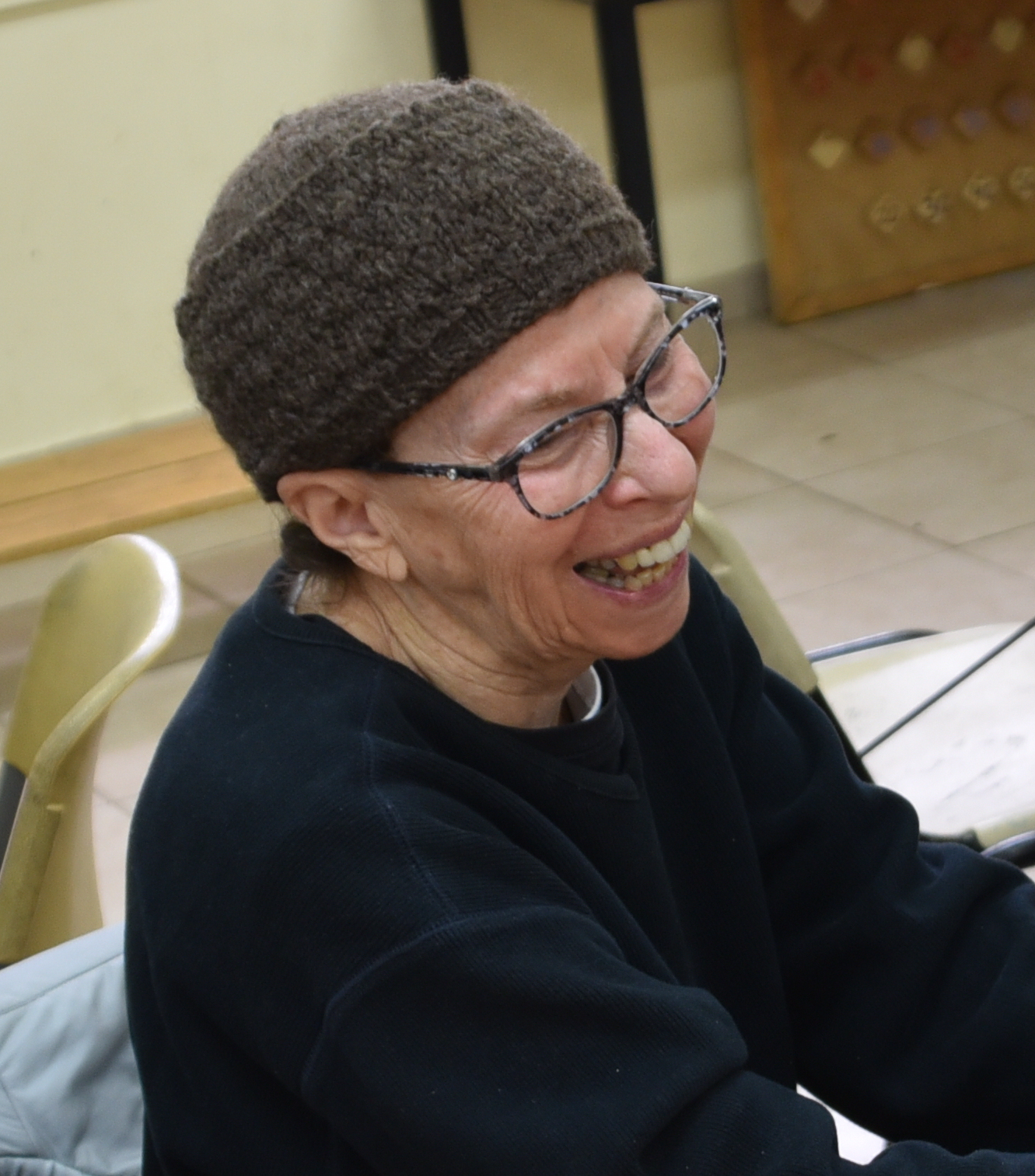
נתניה, ישראל
התחלתי ללמוד גמרא בבית הספר בגיל צעיר והתאהבתי. המשכתי בכך כל חיי ואף היייתי מורה לגמרא בבית הספר שקד בשדה אליהו (בית הספר בו למדתי בילדותי)בתחילת מחזור דף יומי הנוכחי החלטתי להצטרף ובע”ה מקווה להתמיד ולהמשיך. אני אוהבת את המפגש עם הדף את "דרישות השלום ” שמקבלת מקשרים עם דפים אחרים שלמדתי את הסנכרון שמתחולל בין התכנים.
מעלה גלבוע, ישראל
חולין פד
וְלִיפְרְקִינְהוּ וְלִיכַסִּינְהוּ? בָּעֵינַן הַעֲמָדָה וְהַעֲרָכָה.
The Gemara challenges: But even if the mishna is dealing with birds consecrated for Temple maintenance, let one redeem them after they were slaughtered and then cover their blood. The Gemara responds: This is not feasible, because in order to redeem a consecrated animal we require setting and valuating, i.e., the animal must be stood before a priest in order to evaluate it and only then is it redeemed (see Leviticus 27:11–12). A slaughtered bird cannot be stood before the priest; consequently, it cannot be redeemed.
וּכְמַאן? אִי כְּרַבִּי מֵאִיר, דְּאָמַר: הַכֹּל הָיוּ בִּכְלַל הַעֲמָדָה וְהַעֲרָכָה – הָאָמַר: שְׁחִיטָה שֶׁאֵינָהּ רְאוּיָה שְׁמָהּ שְׁחִיטָה!
The Gemara asks: But if the mishna is dealing with birds consecrated for Temple maintenance, in accordance with whose opinion is the mishna? If one suggests the mishna is in accordance with the opinion of Rabbi Meir, who says: Everything, i.e., animals consecrated both for the altar and for Temple maintenance, was included in the requirement of setting and valuating, and therefore the slaughtered birds may not be redeemed, this cannot be so. Doesn’t he also say that slaughter that is not fit to render the meat permitted is nevertheless considered a halakhic act of slaughter that requires the covering of the blood? If so, one should be obligated to cover the blood of the bird even if it is not redeemed.
אִי כְּרַבִּי שִׁמְעוֹן, דְּאָמַר: שְׁחִיטָה שֶׁאֵינָהּ רְאוּיָה לֹא שְׁמָהּ שְׁחִיטָה – הָאָמַר: לֹא הָיוּ בִּכְלַל הַעֲמָדָה וְהַעֲרָכָה?
The Gemara continues: And if one suggests the mishna is in accordance with the opinion of Rabbi Shimon, who says: Slaughter that is not fit to render the meat permitted is not considered a halakhic act of slaughter and therefore the bird would require redemption in order to cover its blood, this cannot be so. Doesn’t he also say that animals consecrated for Temple maintenance were not included in the requirement of setting and valuating? If so, let one redeem the slaughtered birds and cover their blood.
אָמַר רַב יוֹסֵף: רַבִּי הִיא, וְנָסֵיב לַהּ אַלִּיבָּא דְתַנָּאֵי; בִּשְׁחִיטָה שֶׁאֵינָהּ רְאוּיָה – סָבַר לַהּ כְּרַבִּי שִׁמְעוֹן, בְּהַעֲמָדָה וְהַעֲרָכָה – סָבַר לַהּ כְּרַבִּי מֵאִיר.
Rav Yosef said in reconciliation of this dilemma: The mishna’s ruling is in accordance with the opinion of Rabbi Yehuda HaNasi, and he formulates the mishna in accordance with the opinions of different tanna’im: With regard to the status of an act of slaughter that is not fit to render the meat permitted he holds in accordance with the opinion of Rabbi Shimon, while with regard to the requirement of setting and valuating he holds in accordance with the opinion of Rabbi Meir. Therefore, since one cannot redeem a bird that was consecrated for Temple maintenance once it has been slaughtered, there is no obligation to cover its blood, as the slaughter was not fit to render the meat permitted.
וְאִיבָּעֵית אֵימָא: כּוּלַּהּ רַבִּי שִׁמְעוֹן הִיא, וְשָׁאנֵי הָכָא דְּאָמַר קְרָא ״וְשָׁפַךְ וְכִסָּה״, מִי שֶׁאֵינוֹ מְחוּסָּר אֶלָּא שְׁפִיכָה וְכִסּוּי, יָצָא זֶה שֶׁמְחוּסָּר שְׁפִיכָה פְּדִיָּיה וְכִסּוּי.
And if you wish, say instead that the entire mishna is in accordance with the opinion of Rabbi Shimon, who holds that birds consecrated for Temple maintenance may be redeemed even after their slaughter. And although it would seem that their slaughter is fit to render the meat permitted and that one should therefore be obligated in the mitzva of covering the blood, it is different here, as the verse states: “And he shall pour out its blood and cover it” (Leviticus 17:13). By juxtaposing “pour out” to “cover,” the verse indicates that the obligation to cover the blood applies only to blood that is lacking only pouring and covering, without any intervening step. Excluded is this blood of birds consecrated for Temple maintenance, which is lacking pouring, redeeming, and covering.
וְהַשְׁתָּא דְּאָתֵית לְהָכִי, אֲפִילּוּ תֵּימָא קׇדְשֵׁי מִזְבֵּחַ, מִי שֶׁאֵינוֹ מְחוּסָּר אֶלָּא שְׁפִיכָה וְכִסּוּי – יָצָא זֶה, שֶׁמְחוּסָּר שְׁפִיכָה, גְּרִירָה, וְכִסּוּי.
The Gemara notes: And now that you have arrived at this explanation, you may even say that the mishna is referring to birds consecrated for the altar. As for the question asked earlier: Why not let one scrape the blood from the altar and then cover it? The verse states: “And he shall pour out its blood and cover it,” indicating that the obligation to cover the blood applies only to blood that is lacking only pouring and covering, without any intervening step. Excluded is this blood of bird offerings, which is lacking pouring, scraping, and covering.
מָר בַּר רַב אָשֵׁי אָמַר: אָמַר קְרָא ״חַיָּה אוֹ עוֹף״, מָה חַיָּה אֵינָהּ קֹדֶשׁ, אַף עוֹף אֵינוֹ קֹדֶשׁ.
The Gemara cites another source for the exclusion of consecrated animals from the requirement of covering their blood: Mar bar Rav Ashi said that the verse states with regard to the mitzva of covering the blood: “An undomesticated animal or bird” (Leviticus 17:13). The juxtaposition of these two species intimates an analogy between them: Just as the undomesticated animal referred to in the verse is not consecrated, as undomesticated animals are never fit for sacrifice, so too, the bird referred to in the verse is not consecrated.
אִי מָה חַיָּה שֶׁאֵין בְּמִינוֹ קֹדֶשׁ, אַף עוֹף שֶׁאֵין בְּמִינוֹ קֹדֶשׁ, אוֹצִיא תּוֹרִין וּבְנֵי יוֹנָה, שֶׁיֵּשׁ בְּמִינָן קֹדֶשׁ!
The Gemara asks: If it is so that the halakhot of slaughtering a bird are derived from those of an undomesticated animal, then say: Just as the verse is referring to an undomesticated animal, whose species cannot be consecrated as an offering, so too, the verse is referring only to a bird whose species cannot be consecrated as an offering. Therefore, I will exclude even non-sacred doves and pigeons, whose species can be consecrated.
לָא, כְּחַיָּה – מָה חַיָּה לֹא חִלַּקְתָּ בָּהּ, אַף עוֹף לֹא תַּחְלוֹק בּוֹ.
The Gemara rejects this possibility: No, the juxtaposition indicates that the halakha with regard to the slaughter of birds is entirely like that of an undomesticated animal. Therefore, just as in the case of an undomesticated animal, you did not differentiate between its various species and all non-sacred animals are included in the mitzva, so too, with regard to the bird mentioned in the verse, you should not differentiate between its various species.
אֲמַר לֵיהּ יַעֲקֹב מִינָאָה לְרָבָא: קַיְימָא לַן חַיָּה בִּכְלַל בְּהֵמָה לְסִימָנִין, אֵימָא נָמֵי בְּהֵמָה בִּכְלַל חַיָּה לְכִסּוּי.
§ Concerning the halakha that covering the blood does not apply to a domesticated animal, the Gemara says that Ya’akov the heretic said to Rava: We maintain that an undomesticated animal, e.g., a deer, is included in the category of a domesticated animal with regard to the characteristics necessary to determine whether the animal is kosher, i.e., it chews its cud and has split hooves (see Deuteronomy 14:4–6). If so, I will also say that a domesticated animal is included in the category of an undomesticated animal with regard to the mitzva of covering the blood.
אֲמַר לֵיהּ: עָלֶיךָ אָמַר קְרָא ״עַל הָאָרֶץ תִּשְׁפְּכֶנּוּ כַּמָּיִם״, מָה מַיִם לָא בָּעֵי כִּסּוּי, אַף הַאי נָמֵי לָא בָּעֵי כִּסּוּי.
Rava said to him: With regard to your claim, the verse states in reference to the blood of a domesticated animal: “You may slaughter of your cattle and of your sheep…but be strong not to eat the blood…you shall pour it out on the ground, like water” (Deuteronomy 12:21–24). Accordingly, just as water does not require covering, so too, this blood of a domesticated animal does not require covering.
אֶלָּא מֵעַתָּה, יַטְבִּילוּ בּוֹ? אָמַר קְרָא: ״אַךְ מַעְיָן וּבוֹר מִקְוֵה מַיִם יִהְיֶה טָהוֹר״, הָנֵי אִין, מִידֵּי אַחֲרִינָא לָא.
The Gemara asks: If that is so, that the verse equates the blood of a domesticated animal with water, then let one immerse ritually impure items in it to purify them, just as he can immerse them in water. The Gemara responds: The verse states: “But a spring or a cistern, or a gathering of water shall be pure” (Leviticus 11:36). The exclusionary term: “But,” indicates that only concerning these bodies of water, yes, they render pure an impure item, while something else, e.g., blood, does not.
וְאֵימָא: הָנֵי מִילֵּי לְמַעוֹטֵי שְׁאָר מַשְׁקִין, דְּלָא אִיקְּרוֹ מַיִם, אֲבָל דָּם דְּאִיקְּרִי מַיִם – הָכִי נָמֵי?
The Gemara challenges: But perhaps one can say that this matter, i.e., the exclusionary term in the verse, serves only to exclude other liquids that are not called water. But with regard to blood, which is called water, as the verse states: “You shall pour it out on the ground, like water,” one may indeed immerse ritually impure items in it.
תְּרֵי מִיעוּטֵי כְּתִיבִי: ״מַעְיָן מַיִם״ ״וּבוֹר מַיִם״.
The Gemara responds: Two exclusions are written in the verse discussing ritually purifying waters: A spring of water, and: A cistern of water. The term “water” is understood as being attached to each of the bodies mentioned in the verse. The additional exclusion serves to exclude blood.
אֵימָא: אִידֵּי וְאִידֵּי לְמַעוֹטֵי שְׁאָר מַשְׁקִין, חַד לְמַעוֹטֵי זוֹחֲלִין, וְחַד לְמַעוֹטֵי מְכוּנָּסִין!
The Gemara challenges: Say that both this phrase, a spring of water, and that phrase, a cistern of water, serve to exclude other liquids, and not blood, whereby one phrase is to exclude flowing liquids that are not water from having the status of a spring, which renders an item ritually pure even when it is flowing; and one phrase serves to exclude gathered liquids that are not water from having the status of a ritual bath, which renders an item pure only when the water in the ritual bath is gathered.
תְּלָתָא מִיעוּטֵי כְּתִיבִי: ״מַעְיָן מַיִם״, ״וּבוֹר מַיִם״, ״מִקְוֵה מַיִם״.
The Gemara responds: Three exclusions are written in the verse: A spring of water, to exclude flowing liquids; and: A cistern of water, to exclude gathered liquids; and: A gathering of water, to exclude blood.
תָּנוּ רַבָּנַן: ״אֲשֶׁר יָצוּד״, אֵין לִי אֶלָּא אֲשֶׁר יָצוּד, נִצּוֹדִין וְעוֹמְדִין מֵאֲלֵיהֶן מִנַּיִן, כְּגוֹן אֲוָוזִין וְתַרְנְגוֹלִים?
§ The Sages taught in a baraita: The verse states with regard to covering the blood: “And any man of the children of Israel, or of the strangers that sojourn among them, who traps a trapping of an undomesticated animal or bird that may be eaten, he shall pour out its blood and cover it with earth” (Leviticus 17:13). I have derived only that one is obligated to cover the blood of an undomesticated animal or bird that one traps. From where is it derived that undomesticated animals or birds that are already considered trapped on their own, such as geese and chickens that do not roam freely, are also included in the mitzva of covering the blood?
תַּלְמוּד לוֹמַר ״צֵיד״, מִכׇּל מָקוֹם. אִם כֵּן, מָה תַּלְמוּד לוֹמַר ״אֲשֶׁר יָצוּד״? לִמְּדָה תּוֹרָה דֶּרֶךְ אֶרֶץ, שֶׁלֹּא יֹאכַל אָדָם בָּשָׂר אֶלָּא בַּהַזְמָנָה הַזֹּאת.
The verse states “a trapping” to indicate that in any case, one is obligated to cover the blood of an undomesticated animal. If so, what is the meaning when the verse states: “Who traps,” if it is not to be understood literally? The baraita explains: The Torah taught that it is a desired mode of behavior that a person should consume meat only with this mode of preparation. That is, just as the meat that one traps is not readily available, so too, one should not become accustomed to consuming meat.
תָּנוּ רַבָּנַן: ״כִּי יַרְחִיב ה׳ אֱלֹהֶיךָ אֶת גְּבֻלְךָ״ – לִמְּדָה תּוֹרָה דֶּרֶךְ אֶרֶץ, שֶׁלֹּא יֹאכַל אָדָם בָּשָׂר אֶלָּא לְתֵאָבוֹן.
In a similar vein, the Sages taught in a baraita that the verse states: “When the Lord, your God, expands your boundary…according to every craving of your soul you may eat meat” (Deuteronomy 12:20). The Torah taught that it is a desired mode of behavior that a person should consume meat due only to appetite. That is, one should consume meat only when he feels a need to eat it.
יָכוֹל יִקַּח אָדָם מִן הַשּׁוּק וְיֹאכַל? תַּלְמוּד לוֹמַר: ״וְזָבַחְתָּ מִבְּקָרְךָ וּמִצֹּאנְךָ״. יָכוֹל יִזְבַּח כׇּל בְּקָרוֹ וְיֹאכַל, כָּל צֹאנוֹ וְיֹאכַל? תַּלְמוּד לוֹמַר: ״מִבְּקָרְךָ״ – וְלֹא כׇּל בְּקָרְךָ, ״מִצֹּאנְךָ״ – וְלֹא כׇּל צֹאנְךָ.
The baraita continues: One might have thought that a person may purchase meat from the marketplace and consume it. Therefore, the next verse states: “And you may slaughter of your cattle and of your flock,” indicating that one should consume the meat of animals of his own flock, not those purchased in the marketplace. One might have thought that a person may slaughter all of his cattle, i.e., his only cow, and consume the meat, or slaughter all of his flock, i.e., his only sheep, and consume the meat. Therefore, the verse states: “Of your cattle,” indicating some, but not all of, your cattle; “of your flock,” but not all of your flock.
מִכָּאן אָמַר רַבִּי אֶלְעָזָר בֶּן עֲזַרְיָה: מִי שֶׁיֵּשׁ לוֹ מָנֶה – יִקַּח לְפָסוֹ לִיטְרָא יָרָק, עֲשָׂרָה מָנֶה – יִקַּח לְפָסוֹ לִיטְרָא דָּגִים, חֲמִשִּׁים מָנֶה – יִקַּח לְפָסוֹ לִיטְרָא בָּשָׂר, מֵאָה מָנֶה – יִשְׁפְּתוּ לוֹ קְדֵרָה בְּכׇל יוֹם. וְאִינָךְ אֵימַת? מֵעֶרֶב שַׁבָּת לְעֶרֶב שַׁבָּת.
From here, Rabbi Elazar ben Azaria said: One who has one hundred dinars should purchase a litra of vegetables for his stewpot [lefaso]; one who has one thousand dinars should purchase a litra of fish for his stewpot; one who has five thousand dinars should purchase a litra of meat for his stewpot; and if one has ten thousand dinars, his servants should place a pot of meat on the stove for him every day. The Gemara asks: And with regard to these other individuals mentioned by Rabbi Elazar ben Azaria, when, i.e., how often, should they consume meat? The Gemara responds: Every Shabbat eve.
אָמַר רַב: צְרִיכִין אָנוּ לָחוֹשׁ לְדִבְרֵי זָקֵן. אָמַר רַבִּי יוֹחָנָן: אַבָּא מִמִּשְׁפַּחַת בְּרִיאִים הֲוָה, אֲבָל כְּגוֹן אָנוּ, מִי שֶׁיֵּשׁ לוֹ פְּרוּטָה בְּתוֹךְ כִּיסוֹ – יְרִיצֶנָּה לַחֶנְוָונִי. אָמַר רַב נַחְמָן: כְּגוֹן אָנוּ לוֹוִין וְאוֹכְלִין.
Rav says: We must be concerned for the statement of the elder, i.e., Rabbi Elazar ben Azaria, and be thrifty with our expenditure on food items. Rabbi Yoḥanan says: Abba, i.e., Rav, was from a family of particularly healthy individuals, and was able to subsist on the modest diet suggested by Rabbi Elazar ben Azaria. But with regard to people such as us, who are not as healthy, one who has even one peruta in his pocket should hasten with it to the storekeeper and purchase food. Two generations later, Rav Naḥman said: With regard to people such as us, who are physically weaker than those in previous generations, not only do we not delay the purchase of food items, we even borrow money to purchase food and eat.
״כְּבָשִׂים לִלְבוּשֶׁךָ״ – מִגֵּז כְּבָשִׂים יְהֵא מַלְבּוּשֶׁךָ, ״וּמְחִיר שָׂדֶה עַתּוּדִים״ – לְעוֹלָם יִמְכּוֹר אָדָם שָׂדֶה וְיִקַּח עַתּוּדִים, וְאַל יִמְכּוֹר אָדָם עַתּוּדִים וְיִקַּח שָׂדֶה. ״וְדֵי חֲלֵב עִזִּים״ – דַּיּוֹ לְאָדָם שֶׁיִּתְפַּרְנֵס מֵחֲלֵב גְּדָיִים וּטְלָאִים שֶׁבְּתוֹךְ בֵּיתוֹ.
The Gemara continues its discussion with regard to one’s livelihood: The verse states: “The lambs will be for your clothing, and goats the worth of a field. And there will be goats’ milk enough for your food, for the food of your household; and sustenance for your maidens” (Proverbs 27:26–27). “The lambs will be for your clothing” indicates that your clothing should be produced from the shearings of lambs, i.e., purchase lambs from whose wool you can produce clothing. “And goats the worth of a field” indicates that a person should always seek to sell a field and purchase goats in order to benefit from their milk, wool, and offspring, and a person should not sell goats and purchase a field instead. “And there will be goats’ milk enough” indicates that it is sufficient for a person that he be sustained from the milk of kids and lambs that are in his house.
״לְלַחְמְךָ לְלֶחֶם בֵּיתֶךָ״ – לַחְמְךָ קוֹדֶם לְלֶחֶם בֵּיתֶךָ. ״וְחַיִּים לְנַעֲרוֹתֶיךָ״ – אָמַר מָר זוּטְרָא בְּרֵיהּ דְּרַב נַחְמָן: תֵּן חַיִּים לְנַעֲרוֹתֶיךָ, מִיכָּן לִמְּדָה תּוֹרָה דֶּרֶךְ אֶרֶץ שֶׁלֹּא יְלַמֵּד אָדָם אֶת בְּנוֹ בָּשָׂר וְיַיִן.
“For your food, for the food of your household” indicates that your food comes before the food of your household, i.e., one must first ensure that he has food for himself before providing for others. With regard to the phrase: “And sustenance for your maidens,” Mar Zutra, son of Rav Naḥman, said: The verse indicates that you must give sustenance to your youth, i.e., to your children. From here, the Torah taught that it is a desired mode of behavior that a person should not accustom his son to eat meat and drink wine; rather, he should teach his children to eat less expensive foods.
אָמַר רַבִּי יוֹחָנָן:
Rabbi Yoḥanan says:
הָרוֹצֶה שֶׁיִּתְעַשֵּׁר יַעֲסוֹק בִּבְהֵמָה דַּקָּה. אָמַר רַב חִסְדָּא, מַאי דִּכְתִיב: ״וְעַשְׁתְּרֹת צֹאנְךָ״ – שֶׁמְּעַשְּׁרוֹת אֶת בַּעֲלֵיהֶן.
One who wishes to become wealthy should engage in raising small domesticated animals. Rav Ḥisda said: What is the meaning of that which is written: “And the flocks [ve’ashterot] of your sheep” (Deuteronomy 7:13)? It means that sheep enrich [me’ashrot] their owners.
וְאָמַר רַבִּי יוֹחָנָן: כָּסָא דְּחָרָשִׁין, וְלָא כָּסָא דְּפוֹשְׁרִין. וְהָנֵי מִילֵּי בִּכְלִי מַתָּכוֹת, אֲבָל בִּכְלִי חֶרֶשׂ לֵית לַן בַּהּ. וּבִכְלֵי מַתָּכוֹת נָמֵי לָא אֲמַרַן, אֶלָּא דְּלָא שָׁדֵי בְּהוּ צִיבַיָּא, אֲבָל שָׁדֵי בְּהוּ צִיבַיָּא לֵית לַן בַּהּ. וְכִי לָא שָׁדֵי בְּהוּ צִיבַיָּא נָמֵי לָא אֲמַרַן, אֶלָּא דְּלָא צִיץ, אֲבָל צִיץ לֵית לַן בַּהּ.
The Gemara cites additional statements by Rabbi Yoḥanan providing practical advice. Rabbi Yoḥanan says: It is preferable to drink from a cup of witches and not to drink from a cup of lukewarm water, which is extremely unhealthy. Rabbi Yoḥanan qualifies his statement: We said this only with regard to lukewarm water in metal vessels, but in earthenware vessels we have no problem with it. And even in metal vessels, we said that lukewarm water is unhealthy only in a case where one did not cast flavorings into the water, but if he cast flavorings into the water we have no problem with it. And even if one cast flavorings into the water, we said this only in a case where the water had not been boiled [tzeyatz], but if the water had been boiled we have no problem with it.
וְאָמַר רַבִּי יוֹחָנָן: מִי שֶׁהִנִּיחַ לוֹ אָבִיו מָעוֹת וְרוֹצֶה לְאַבְּדָן – יִלְבַּשׁ כְּלֵי פִשְׁתָּן, וְיִשְׁתַּמֵּשׁ בִּכְלֵי זְכוּכִית, וְיִשְׂכּוֹר פּוֹעֲלִים וְאַל יֵשֵׁב עִמָּהֶן. יִלְבּוֹשׁ כְּלֵי פִשְׁתָּן – בְּכִיתָּנָא רוֹמִיתָא. וְיִשְׁתַּמֵּשׁ בִּכְלֵי זְכוּכִית – בְּזוּגִּיתָא חִיוָּרְתָּא. וְיִשְׂכּוֹר פּוֹעֲלִים וְאַל יָשַׁב עִמָּהֶן – בְּתוֹרֵי דִּנְפִישׁ פְּסֵידַיְיהוּ.
And Rabbi Yoḥanan says: In the case of one whose father bequeathed him a great deal of money and he seeks to lose it, he should wear linen garments, and should use glass vessels, and should hire laborers and not sit with them to supervise. The Gemara elaborates: He should wear linen garments; this is stated with regard to Roman linen, which becomes tattered quickly. He should use glass vessels; this is stated with regard to expensive white glass. And he should hire laborers and not sit with them; this applies to laborers who work with oxen, whose potential for causing damage is great if they are not supervised, as they will trample the crops.
דָּרֵשׁ רַב עַוִּירָא, זִימְנִין אָמַר לַהּ מִשְּׁמֵיהּ דְּרַבִּי אַמֵּי, וְזִימְנִין אָמַר לַהּ מִשְּׁמֵיהּ דְּרַבִּי אַסִּי: מַאי דִּכְתִיב ״טוֹב אִישׁ חוֹנֵן וּמַלְוֶה יְכַלְכֵּל דְּבָרָיו בְּמִשְׁפָּט״? לְעוֹלָם יֹאכַל אָדָם וְיִשְׁתֶּה פָּחוֹת מִמַּה שֶּׁיֵּשׁ לוֹ, וְיִלְבַּשׁ וְיִתְכַּסֶּה בְּמַה שֶּׁיֵּשׁ לוֹ, וִיכַבֵּד אִשְׁתּוֹ וּבָנָיו יוֹתֵר מִמַּה שֶּׁיֵּשׁ לוֹ, שֶׁהֵן תְּלוּיִין בּוֹ וְהוּא תָּלוּי בְּמִי שֶׁאָמַר וְהָיָה הָעוֹלָם.
Rav Avira interpreted the following verse homiletically, but sometimes he said the interpretation in the name of Rabbi Ami and sometimes he said it in the name of Rabbi Asi: What is the meaning of that which is written: “Good is the man who is gracious and lends, who orders his affairs with justice” (Psalms 112:5)? It means to teach that a person should always eat and drink less than what is within his means, and he should dress and cover himself in accordance with his means, and he should honor his wife and children more than what is within his means; as they are dependent on him and he is dependent on the One Who spoke and the world was created.
דָּרֵשׁ רַב עֵינָא אַפִּתְחָא דְּבֵי רֵישׁ גָּלוּתָא: הַשּׁוֹחֵט לַחוֹלֶה בְּשַׁבָּת חַיָּיב לְכַסּוֹת. אֲמַר לְהוּ רַבָּה: אֶשְׁתּוֹמָא קָאָמַר, לִישְׁמְטוּהּ לְאָמוֹרֵיהּ מִינֵּיהּ, דְּתַנְיָא: רַבִּי יוֹסֵי אוֹמֵר: כּוֹי אֵין שׁוֹחֲטִין אוֹתוֹ בְּיוֹם טוֹב, וְאִם שְׁחָטוֹ אֵין מְכַסִּין אֶת דָּמוֹ.
§ The mishna teaches that one may not slaughter a koy on a Festival since he may not cover its blood, as it is unclear whether there is an obligation by Torah law to do so. But if one transgressed and slaughtered a koy, one does not cover its blood. With regard to this, Rav Eina taught at the entrance to the house of the Exilarch: One who slaughters an undomesticated animal or a bird for a critically ill person on Shabbat, for whom it is permitted to slaughter, is obligated to cover its blood. Rabba said to those present: Rav Eina is saying an astonishing statement; remove his interpreter from before him. As it is taught in a baraita that Rabbi Yosei says: One may not slaughter a koy on a Festival, but if he slaughtered it, one does not cover its blood until after the Festival.
מִקַּל וָחוֹמֶר: וּמָה מִילָה שֶׁוַּדָּאָהּ דּוֹחֶה שַׁבָּת, אֵין סְפֵיקָהּ דּוֹחֶה יוֹם טוֹב, כִּסּוּי שֶׁאֵין וַדָּאוֹ דּוֹחֶה שַׁבָּת, אֵין דִּין שֶׁאֵין סְפֵקוֹ דּוֹחֶה יוֹם טוֹב?
Rabbi Yosei elaborates: This can be derived from an a fortiori inference: And if with regard to the mitzva of circumcision, concerning which a definite obligation overrides Shabbat, nevertheless its uncertain obligation does not override a Festival; then with regard to the mitzva of covering the blood, concerning which even a definite obligation does not override Shabbat, is it not logical that its uncertain obligation, e.g., covering the blood of a koy, would not override a Festival? Although circumcision involves an act of prohibited labor, one performs it on Shabbat for a male infant whose eighth day from birth occurs on Shabbat. But in a case where it is uncertain when the eighth day from birth occurs, it is forbidden to circumcise the child on a Festival. By contrast, covering the blood is never performed on Shabbat.
אָמַר לוֹ: תְּקִיעַת שׁוֹפָר בִּגְבוּלִים תּוֹכִיחַ, שֶׁאֵין וַדָּאָהּ דּוֹחֶה שַׁבָּת, וּסְפֵיקָהּ דּוֹחֶה יוֹם טוֹב!
The Sages said to him in rebuttal: The sounding of the shofar in the provinces, i.e., outside the Temple, will prove that this a fortiori inference is incorrect. This is because its definite obligation does not override Shabbat and it is prohibited to sound the shofar on Rosh HaShana that falls on Shabbat; and yet its uncertain obligation overrides the Festival.
הֵשִׁיב רַבִּי אֶלְעָזָר הַקַּפָּר בְּרִיבִּי תְּשׁוּבָה: מָה לְמִילָה שֶׁכֵּן אֵינָהּ נוֹהֶגֶת בְּלֵילֵי יָמִים טוֹבִים, תֹּאמַר בְּכִסּוּי שֶׁנּוֹהֵג בְּלֵילֵי יָמִים טוֹבִים!
Rabbi Elazar HaKappar the Distinguished responded with another refutation of the a fortiori inference: It cannot be inferred from circumcision that an uncertain obligation of the mitzva of covering the blood does not override a Festival. What is notable about circumcision? It is notable in that it is not in effect on Festival nights, but is performed only during the daytime. Will you then say with regard to the mitzva of covering the blood, which is in effect on Festival nights, that it does not override a Festival? Perhaps, since the mitzva of covering the blood is in effect during both day and night, its uncertain obligation overrides a Festival as well.
אָמַר רַבִּי אַבָּא: זֶה אֶחָד מִן הַדְּבָרִים שֶׁאָמַר רַבִּי חִיָּיא ״אֵין לִי עֲלֵיהֶם תְּשׁוּבָה״, וְהֵשִׁיב רַבִּי אֶלְעָזָר הַקַּפָּר בְּרִיבִּי תְּשׁוּבָה.
In reference to Rabbi Elazar HaKappar’s refutation, Rabbi Abba says: This a fortiori inference drawn by Rabbi Yosei is one of the matters with regard to which Rabbi Ḥiyya says: I do not have any refutation for them, and Rabbi Elazar HaKappar the Distinguished successfully responded with a refutation.
קָתָנֵי מִיהַת, כִּסּוּי שֶׁאֵין וַדָּאוֹ דּוֹחֶה שַׁבָּת. מַאי וַדָּאוֹ דְּכִסּוּי דְּלָא דָּחֵי שַׁבָּת? לָאו הַשּׁוֹחֵט לְחוֹלֶה בְּשַׁבָּת?
Rabba concludes his refutation of the statement of Rav Eina: In any event, the baraita teaches that definite obligations with regard to the mitzva of covering the blood do not override Shabbat. Now, what is a case of a definite obligation of covering the blood that does not override Shabbat? Is it not a case where one slaughters an undomesticated animal or a bird for a critically ill person on Shabbat? The baraita nevertheless teaches that one does not cover the blood, in contradiction to the ruling of Rav Eina.
וְדִלְמָא דְּעָבַר וְשָׁחַט?
The Gemara asks: But perhaps the baraita is referring to an instance where one transgressed Shabbat and slaughtered an animal for a healthy person. But in a case where one slaughtered an animal for an ill person, since it was permitted for him to slaughter the animal, perhaps he must cover the blood as well.
דּוּמְיָא דְּמִילָה: מָה מִילָה בִּרְשׁוּת, אַף כִּסּוּי נָמֵי בִּרְשׁוּת.
The Gemara responds: The baraita cannot be referring to such a case, since Rabbi Yosei compares it with circumcision. Therefore, it must be similar to the case of circumcision, in that just as the circumcision was performed with permission, as it is a mitzva to perform circumcision even if the eighth day falls on Shabbat, so too, the covering of the blood must be referring to a case where the slaughter was done with permission, i.e., for an ill person. Accordingly, the baraita poses a difficulty to the statement of Rav Eina.
אָמְרוּ לוֹ: תְּקִיעַת שׁוֹפָר בַּגְּבוּלִין תּוֹכִיחַ, שֶׁאֵין וַדָּאָהּ דּוֹחֶה שַׁבָּת, וּסְפֵיקָהּ דּוֹחֶה יוֹם טוֹב.
§ The baraita states that the Sages said to Rabbi Yosei in refutation of his a fortiori inference: The sounding of the shofar in the provinces will prove that the inference is incorrect, since its definite obligation does not override Shabbat and its uncertain obligation overrides a Festival.
מַאי סְפֵיקָהּ? אִילֵּימָא סָפֵק חוֹל סָפֵק יוֹם טוֹב – הַשְׁתָּא וַדַּאי יוֹם טוֹב דָּחֲיָא, סָפֵק יוֹם טוֹב סָפֵק חוֹל מִיבַּעְיָא?
The Gemara asks: What is its uncertain obligation that overrides a Festival? If we say that it is referring to uncertainty with regard to whether one of the two days of Rosh HaShana is a weekday or a Festival, this is unfeasible: Now that the sounding of the shofar overrides the definite Festival of Rosh HaShana, is it necessary to teach that it overrides a day with regard to which it is uncertain whether it is a Festival or a weekday? That is, if the uncertainty is with regard to the Festival itself, then this case should have no bearing on the halakha concerning the obligation to cover the blood of a koy on a Festival, since the latter occurs on a definite Festival.

