






לימוד מסכת חולין מוקדש על ידי ג’ודי פלבר לכבודה של קהילת הדרן. "במהלך המחזור הראשון שלי בדף היומי, בדיוק כשהתחלנו את מסכת חולין, בני נפצע בעת שירותו בצה”ל. לאורך אותם חודשיים וחצי של קושי וחוסר ודאות, חברותיי ללימוד לא עזבו אותי לרגע. תודה רבה לקהילה שעטפה אותי, עודדה אותי ווידאה שאוכל להמשיך ולהתמיד בלימוד הדף גם בימים המאתגרים ההם.”
הלימוד השבוע מוקדש ע”י טינה לם לרפואת מעין ליאורה בת שלומית פייגא
רוצה להקדיש שיעור?

כלים
לימוד מסכת חולין מוקדש על ידי ג’ודי פלבר לכבודה של קהילת הדרן. "במהלך המחזור הראשון שלי בדף היומי, בדיוק כשהתחלנו את מסכת חולין, בני נפצע בעת שירותו בצה”ל. לאורך אותם חודשיים וחצי של קושי וחוסר ודאות, חברותיי ללימוד לא עזבו אותי לרגע. תודה רבה לקהילה שעטפה אותי, עודדה אותי ווידאה שאוכל להמשיך ולהתמיד בלימוד הדף גם בימים המאתגרים ההם.”
הלימוד השבוע מוקדש ע”י טינה לם לרפואת מעין ליאורה בת שלומית פייגא
חולין פח
וְאֵלּוּ וָאֵלּוּ אֵין מְטַמְּאִין, וּשְׁאָר כׇּל הַטְּמֵאִין, בֵּין קַלִּין בֵּין חֲמוּרִין – מַשְׁקִין הַיּוֹצְאִין מֵהֶן כְּמַשְׁקֶה הַנּוֹגֵעַ בָּהֶן, וְאֵלּוּ וָאֵלּוּ תְּחִלָּה, חוּץ מִן הַמַּשְׁקֶה שֶׁהוּא אַב הַטּוּמְאָה.
And both these and those, i.e., both liquids that issue from one who immersed himself that day and liquids he touches, do not impart ritual impurity. And with regard to all other sources of impurity, whether minor sources or major sources, liquids that issue from them have the same status as liquids that touch them, and both these and those have first-degree ritual impurity, since they touched a primary source of ritual impurity upon exiting the source. This is the halakha except for a liquid that is itself a primary source of ritual impurity.
מַאי קַלִּין וּמַאי חֲמוּרִין? מַאי לָאו: קַלִּין – שֶׁרֶץ וְזָב, וַחֲמוּרִין – מֵת? לָא, קַלִּין – שֶׁרֶץ, וַחֲמוּרִין – זָב.
The Gemara analyzes the mishna: What is the meaning of minor sources and what is the meaning of major sources? What, is it not that the term: Minor sources, is referring to a creeping animal or a zav, and that the term: Major sources, is referring to a corpse? If so, the mishna teaches that all liquids that issue from a corpse are ritually impure, in contradiction to the baraita. The Gemara responds: No, the term: Minor sources, is referring to a creeping animal, e.g., urine found inside its body, which is not considered ritually impure, and the term: Major sources, is referring to a zav, concerning whom all liquids that issue from him are ritually impure. By contrast, liquids that issue from a corpse are ritually pure with the exception of blood.
מַאי שְׁנָא זָב, דִּגְזַרוּ בֵּיהּ רַבָּנַן, וּמַאי שְׁנָא מֵת דְּלָא גְּזַרוּ בֵּיהּ רַבָּנַן? זָב דְּלָא בְּדִילִי אִינָשֵׁי מִינֵּיהּ – גְּזַרוּ בֵּיהּ רַבָּנַן, מֵת דִּבְדִילִי אִינָשֵׁי מִינֵּיהּ – לָא גְּזַרוּ בֵּיהּ רַבָּנַן.
The Gemara asks: What is different with regard to a zav, concerning whom the Sages decreed that liquids that issue from him are ritually impure, and what is different with regard to a corpse, concerning which the Sages did not decree that liquids that issue from it are ritually impure? The Gemara responds: In the case of a zav, since people do not naturally separate from him, the Sages decreed additional restrictions with regard to him in order to prevent others from contracting impurity from liquids that issue from a zav that are impure by Torah law. In the case of a corpse, since people naturally separate from it, the Sages did not decree additional restrictions with regard to it.
דָּם הַנִּיתָּז וְשֶׁעַל הַסַּכִּין, תָּנוּ רַבָּנַן: ״וְכִסָּהוּ״ – מְלַמֵּד שֶׁדַּם הַנִּיתָּז וְשֶׁעַל הַסַּכִּין חַיָּיב לְכַסּוֹת. אָמַר רַבִּי יְהוּדָה: אֵימָתַי? בִּזְמַן שֶׁאֵין שָׁם דָּם אֶלָּא הוּא, אֲבָל יֵשׁ שָׁם דָּם שֶׁלֹּא הוּא – פָּטוּר מִלְּכַסּוֹת.
§ The mishna teaches that one is obligated to cover blood that spurts outside the pit over which the animal was slaughtered, or onto the wall, and blood that remained on the slaughtering knife. With regard to this halakha, the Sages taught in a baraita: The verse states: “And he shall cover it” (Leviticus 17:13), which teaches that one is obligated to cover blood that spurted and blood that remained on the slaughtering knife. Rabbi Yehuda said: When is this the halakha? When there is no blood except that blood. But if there is other blood that is not that blood, one is exempt from covering it.
תַּנְיָא אִידַּךְ: ״וְכִסָּהוּ״ – מְלַמֵּד שֶׁכׇּל דָּמוֹ חַיָּיב לְכַסּוֹת, מִכָּאן אָמְרוּ: דָּם הַנִּיתָּז וְשֶׁעַל אֲגַפַּיִים חַיָּיב לְכַסּוֹת. אָמַר רַבָּן שִׁמְעוֹן בֶּן גַּמְלִיאֵל: בַּמֶּה דְּבָרִים אֲמוּרִים – שֶׁלֹּא כִּסָּה דַּם הַנֶּפֶשׁ, אֲבָל כִּסָּה דַּם הַנֶּפֶשׁ – פָּטוּר מִלְּכַסּוֹת.
It is taught in another baraita: The term: “And he shall cover it,” teaches that one is obligated to cover all of the blood. From here the Sages stated: With regard to blood that spurts out and blood that remains on the sides of the animal’s throat where it was slaughtered, one is obligated to cover it. Rabban Shimon ben Gamliel said: In what case is this statement said? It is said in a case where one did not already cover the blood of the soul, i.e., the blood that flows from the place of slaughter as the animal dies. But if one already covered the blood of the soul, he is exempt from the obligation to cover the blood that spurted out or the blood remaining on the sides of the animal’s neck in the area of slaughter.
בְּמַאי קָא מִיפַּלְגִי? רַבָּנַן סָבְרִי: ״דָּמוֹ״ – כׇּל דָּמוֹ, רַבִּי יְהוּדָה סָבַר: ״דָּמוֹ״ – וַאֲפִילּוּ מִקְצָת דָּמוֹ, וְרַבָּן שִׁמְעוֹן בֶּן גַּמְלִיאֵל סָבַר: ״דָּמוֹ״ – הַמְיוּחָד.
The Gemara asks: With regard to what matter do they disagree? The Gemara responds: The Rabbis hold that the expression: “Its blood” (Leviticus 17:13), indicates an obligation to cover all of its blood, even the blood that spurts out. Rabbi Yehuda holds that “its blood” indicates that one may fulfill the mitzva with any part of the blood, even with a small amount of its blood. And Rabban Shimon ben Gamliel holds that “its blood” refers to the special blood, i.e., the blood of the soul.
מַתְנִי׳ בַּמֶּה מְכַסִּין וּבַמֶּה אֵין מְכַסִּין? מְכַסִּין בְּזֶבֶל הַדַּק, וּבְחוֹל הַדַּק, בְּסִיד, וּבְחַרְסִית, וּבִלְבֵנָה וּבִמְגוּפָה שֶׁכְּתָשָׁן, אֲבָל אֵין מְכַסִּין לֹא בְּזֶבֶל הַגַּס, וְלֹא בְּחוֹל הַגַּס, וְלֹא בִּלְבֵנָה וּבִמְגוּפָה שֶׁלֹּא כְּתָשָׁן, וְלֹא יִכְפֶּה עָלָיו אֶת הַכְּלִי. כְּלָל אָמַר רַבָּן שִׁמְעוֹן בֶּן גַּמְלִיאֵל: דָּבָר שֶׁמְּגַדֵּל בּוֹ צְמָחִים – מְכַסִּין בּוֹ, וְשֶׁאֵינוֹ מְגַדֵּל צְמָחִים – אֵין מְכַסִּין בּוֹ.
MISHNA: With what substances may one cover the blood and with what substances may one not cover the blood? One may cover the blood with fine granulated manure, with fine sand, with lime, with crushed potsherd, and with a brick or the lid of an earthenware barrel that one crushed. But one may not cover the blood with thick manure, nor with thick, clumped sand, nor with a brick or the lid of an earthenware barrel that one did not crush. Neither may one merely turn a vessel over the blood. Rabban Shimon ben Gamliel stated a principle: With regard to a substance in which plants grow, one may cover blood with it; and with regard to a substance in which plants do not grow, one may not cover blood with it.
גְּמָ׳ הֵיכִי דָמֵי חוֹל הַדַּק? אָמַר רַבָּה בַּר בַּר חָנָה אָמַר רַבִּי יוֹחָנָן: כֹּל שֶׁאֵין הַיּוֹצֵר צָרִיךְ לְכׇתְשׁוֹ. וְאִיכָּא דְּמַתְנֵי לַהּ אַסֵּיפָא: אֲבָל אֵין מְכַסִּין לֹא בְּזֶבֶל הַגַּס וְלֹא בְּחוֹל הַגַּס. הֵיכִי דָּמֵי חוֹל הַגַּס? אָמַר רַבָּה בַּר בַּר חָנָה אָמַר רַבִּי יוֹחָנָן: כֹּל שֶׁהַיּוֹצֵר צָרִיךְ לְכׇתְשׁוֹ.
GEMARA: The mishna teaches that one may cover the blood with fine sand. The Gemara asks: What is considered fine sand? Rabba bar bar Ḥana says that Rabbi Yoḥanan says: It is any sand that the pottery producer does not need to crush in order to use it. The Gemara notes: And some teach this statement in reference to the latter clause of the mishna, which states: But one may not cover the blood with thick manure, nor with thick sand. The Gemara asks: What is considered thick sand? Rabba bar bar Ḥana says that Rabbi Yoḥanan says: It is any sand that the pottery producer must crush in order to use it.
מַאי בֵּינַיְיהוּ? אִיכָּא בֵּינַיְיהוּ דִּצְרִיךְ וְלָא צְרִיךְ, דְּמִיפְּרִיךְ אִיפְּרוֹכֵי.
The Gemara asks: What is the practical difference between these two versions? The Gemara responds: There is a difference between them with regard to sand that requires some crushing and sand that does not require full crushing, i.e., that crumbles in one’s hand and does not require a tool. According to the first version, as long as the sand does not require crushing it may be used to cover the blood. Therefore, sand that requires crumbling may be used since it is not considered sand that requires crushing. According to the second version, any sand that requires some crushing may not be used. Therefore, sand that requires crumbling may not be used to cover the blood.
תָּנוּ רַבָּנַן: ״וְכִסָּהוּ״, יָכוֹל יְכַסֶּנּוּ בַּאֲבָנִים אוֹ יִכְפֶּה עָלָיו אֶת הַכְּלִי? תַּלְמוּד לוֹמַר: ״בֶּעָפָר״. וְאֵין לִי אֶלָּא עָפָר, מִנַּיִן לְרַבּוֹת זֶבֶל הַדַּק, וְחוֹל הַדַּק, וּשְׁחִיקַת אֲבָנִים, וּשְׁחִיקַת חַרְסִית, וּנְעוֹרֶת פִּשְׁתָּן דַּקָּה,
§ The Sages taught in a baraita: The verse states with regard to the mitzva of covering the blood: “And cover it” (Leviticus 17:13). One might have thought that he may cover the blood with stones or merely turn a vessel over it. Therefore, the verse states: “With earth.” Based on this expression I have derived only that earth may be used. From where does one derive to include fine manure, fine sand, crushed stones, crushed potsherd, fine chaff of flax,
וּנְסוֹרֶת שֶׁל חָרָשִׁין דַּקָּה, וְסִיד, וְחַרְסִית לְבָנָה וּמְגוּפָה שֶׁכְּתָשָׁן? תַּלְמוּד לוֹמַר: ״וְכִסָּהוּ״. יָכוֹל שֶׁאֲנִי מְרַבֶּה אַף זֶבֶל הַגַּס, וְחוֹל הַגַּס, וּשְׁחִיקַת כְּלֵי מַתָּכוֹת, וּלְבֵנָה וּמְגוּפָה שֶׁלֹּא כְּתָשָׁן, וְקֶמַח, וְסוּבִּין, וּמוּרְסָן? תַּלְמוּד לוֹמַר: ״בֶּעָפָר״.
fine sawdust of carpenters, lime, crushed potsherd, and a brick or the lid of an earthenware barrel that one crushed? The verse states: “And cover it,” i.e., with any substance. One might have thought that I will include even thick manure, and thick sand, filings of metal vessels, a brick or a lid that one did not crush, flour, bran, and coarse bran. Therefore, the verse states: “And cover it with earth,” indicating that not all substances may be used to cover the blood.
וּמָה רָאִיתָ לְרַבּוֹת אֶת אֵלּוּ וּלְהוֹצִיא אֶת אֵלּוּ? אַחַר שֶׁרִיבָּה הַכָּתוּב וּמִיעֵט, מְרַבֶּה אֲנִי אֶת אֵלּוּ שֶׁהֵן מִין עָפָר, וּמוֹצִיא אֲנִי אֶת אֵלּוּ שֶׁאֵינָן מִין עָפָר.
The Gemara asks: And what did you see that led you to include these substances and to exclude those? The Gemara responds: After noting that the verse included certain substances with the term: “And cover it,” and excluded others with the term: “With earth,” I include these substances, e.g., fine sand, which are a type of earth in which plants grow, and I exclude those substances, e.g., thick sand, which are not a type of earth, as plants do not grow in them.
אֵימָא: ״וְכִסָּהוּ״ – כָּלַל, ״עָפָר״ – פָּרַט, כְּלָל וּפְרָט – אֵין בַּכְּלָל אֶלָּא מַה שֶּׁבַּפְּרָט, עָפָר – אִין, מִידֵּי אַחֲרִינָא – לָא!
The Gemara asks: Why must the verse be interpreted in this manner? Say that the term: “And cover it,” is a generalization, and the term: “With earth,” is a detail. Consequently, the verse constitutes a generalization and a detail, and according to the corresponding hermeneutical principle, the generalization includes only what is mentioned explicitly in the detail. Therefore, only earth may be used to cover the blood, while any other substance, even substances in which plants grow, may not be used.
אָמַר רַב מָרִי: מִשּׁוּם דְּהָוֵה כְּלָל הַצָּרִיךְ לִפְרָט, וְכׇל כְּלָל הַצָּרִיךְ לִפְרָט – אֵין דָּנִין אוֹתוֹ בִּכְלָל וּפְרָט.
Rav Mari said in response: One should not suggest such an interpretation because the term “and cover it” is a generalization that requires a detail to clarify its nature, and any generalization that requires a detail to clarify its nature is not interpreted by the hermeneutical principle of a generalization and a detail. It is necessary for the verse to state that the blood must be covered with earth in order to clarify that the mitzva of covering the blood is such that the blood must be covered with a substance that will absorb the blood, and that it does not suffice to place a vessel over it.
דָּרַשׁ רַב נַחְמָן בַּר רַב חִסְדָּא: אֵין מְכַסִּים אֶלָּא בְּדָבָר שֶׁזּוֹרְעִין בּוֹ וּמַצְמִיחַ. אָמַר רָבָא: הַאי בּוּרְכָא!
§ Rav Naḥman bar Rav Ḥisda taught: One may not cover the blood of an undomesticated animal or a bird except with a substance in which seed is sown and sprouts. Rava said: This is an absurdity [burkha], as the mishna and baraita both teach that one may use substances in which seeds do not sprout.
אֲמַר לֵיהּ רַב נַחְמָן בַּר יִצְחָק לְרָבָא: מַאי בּוּרְכָתֵיהּ? אֲנָא אַמְרִיתַהּ נִיהֲלֵיהּ, וּמֵהָא מַתְנִיתָא אַמְרִיתַהּ נִיהֲלֵיהּ: הָיָה מְהַלֵּךְ בַּמִּדְבָּר, וְאֵין לוֹ אֵפֶר לְכַסּוֹת – שׁוֹחֵק דִּינַר זָהָב וּמְכַסֶּה. הָיָה מְהַלֵּךְ בִּסְפִינָה, וְאֵין לוֹ עָפָר לְכַסּוֹת – שׂוֹרֵף טַלִּיתוֹ וּמְכַסֶּה.
Rav Naḥman bar Yitzḥak said to Rava: What is the absurdity of his statement? I said this statement to Rav Naḥman bar Rav Ḥisda and I said it to him from this baraita: If one is traveling in the desert, where the earth is not arable, and wishes to slaughter an undomesticated animal or a bird, but he does not have ashes with which to cover the blood, he may grind a gold dinar into powder and cover the blood with it. If one is traveling on a ship and wants to slaughter an undomesticated animal or a bird but he does not have earth with which to cover the blood, he may burn his garment and cover the blood with the ashes. It is evident from the first clause of the baraita that desert sand, which does not allow for the sprouting of seeds, may not be used to cover the blood of an undomesticated animal or a bird.
בִּשְׁלָמָא שׂוֹרֵף טַלִּיתוֹ וּמְכַסֶּה, אַשְׁכְּחַן אֵפֶר דְּאִיקְּרִי עָפָר, אֶלָּא דִּינַר זָהָב מְנָלַן? אָמַר רַבִּי זֵירָא: ״וְעַפְרוֹת זָהָב לוֹ״.
The Gemara analyzes the baraita: Granted, it is understood that one may burn his garment and cover the blood with the ashes, since we found a source for the fact that ashes are called earth [afar], as the Gemara will soon prove; accordingly, the use of ashes is in accordance with the verse: “And cover it with earth.” But with regard to a gold dinar, from where do we derive that one may grind it into powder and use it to cover the blood? Rabbi Zeira said: The verse states: “And it has dust of [afrot] gold” (Job 28:6), indicating that gold is referred to as dust.
תָּנוּ רַבָּנַן: אֵין מְכַסִּין אֶלָּא בְּעָפָר, דִּבְרֵי בֵּית שַׁמַּאי. וּבֵית הִלֵּל אוֹמְרִים: מָצִינוּ אֵפֶר שֶׁקָּרוּי עָפָר, שֶׁנֶּאֱמַר ״וְלָקְחוּ לַטָּמֵא מֵעֲפַר שְׂרֵיפַת״. וּבֵית שַׁמַּאי: עֲפַר שְׂרֵיפָה אִיקְּרִי, עָפָר סְתָמָא לָא אִיקְּרִי.
The Gemara cites a related baraita in which the Sages taught: One may not cover the blood of an undomesticated animal or a bird except with earth; this is the statement of Beit Shammai. And Beit Hillel say: We find that ashes are called dust [afar], as it is stated with regard to the red heifer: “And for the impure they shall take from the ashes [me’afar] of the burning of the purification from sin” (Numbers 19:17). And Beit Shammai respond: Ashes are called dust of the burning [afar sereifa], but they are not called ordinary dust [afar].
תָּנָא: הוֹסִיפוּ עֲלֵיהֶן הַשְּׁחוֹר, וְהַכְּחוֹל, וְנִקְרַת פִּיסּוּלִין, וְיֵשׁ אוֹמְרִים: אַף הַזַּרְנִיךְ.
The Gemara notes: It is taught that the Sages added the following to the list of substances in the mishna with which one may cover the blood: Coal dust, stibium [keḥol], and shavings from chiseling. And some say they included even arsenic [zarnikh].
אָמַר רָבָא: בִּשְׂכַר שֶׁאָמַר אַבְרָהָם אָבִינוּ ״וְאָנֹכִי עָפָר וָאֵפֶר״, זָכוּ בָּנָיו לִשְׁתֵּי מִצְוֹת: אֵפֶר פָּרָה, וַעֲפַר סוֹטָה.
§ The Gemara cites aggadic accounts relating to the mitzva of covering the blood: Rava says: As reward for that which our Patriarch Abraham said: “And I am but dust [afar] and ashes” (Genesis 18:27), his children merited two mitzvot: The ashes of the red heifer (see Numbers, chapter 19) and the dust of the sota, i.e., dirt taken from the ground of the Tabernacle that is mixed into the water that examines whether or not a woman committed adultery (see Numbers 5:17).
וְלִיחְשׁוֹב נָמֵי עֲפַר כִּסּוּי הַדָּם? הָתָם הֶכְשֵׁר מִצְוָה אִיכָּא, הֲנָאָה לֵיכָּא.
The Gemara challenges: But let Rava also consider the earth used in the mitzva of covering the blood. The Gemara responds: There, the earth does serve as an accessory to the mitzva of covering the blood, but there is no benefit imparted by it. It occurs after the animal has been slaughtered and does not itself render the meat fit for consumption. By contrast, the ashes of the red heifer and the dust of the sota provide benefit, as the former purifies one who became ritually impure and the latter leads to peace between husband and wife when drinking the water proves that she did not commit adultery.
וְאָמַר רָבָא: בִּשְׂכַר שֶׁאָמַר אַבְרָהָם אָבִינוּ
And Rava says: As reward for that which our Patriarch Abraham said to the king of Sodom:

כלים
העמקה
רוצה להבין מה באמת קורה מתחת לפני השטח של הסוגיה?
שיעורים, פודקאסטים והרחבות של מיטב המורות שלנו יפתחו לך עוד זוויות וכיווני חשיבה.


נ”ט בר נ”ט – פרווה, יש דבר כזה?- גפת עם הרבנית חנה גודינגר (דרייפוס)
בן פקועה: איך אפשר לאכול בשר ללא שחיטה?- גפת עם הרבנית חנה גודינגר (דרייפוס)
טומאה בלועה – אשת כהן בהריון האם יכולה להיכנס לבית קברות?- גפת עם הרבנית חנה גודינגר (דרייפוס)
הביאו עלי כפרה שמיעטתי את הירח – גפת עם הרבנית חנה גודינגר (דרייפוס)
חדשה בלימוד הגמרא?
זה הדף הראשון שלך? איזו התרגשות עצומה! יש לנו בדיוק את התכנים והכלים שיעזרו לך לעשות את הצעדים הראשונים ללמידה בקצב וברמה שלך, כך תוכלי להרגיש בנוח גם בתוך הסוגיות המורכבות ומאתגרות.
פסיפס הלומדות שלנו
גלי את קהילת הלומדות שלנו, מגוון נשים, רקעים וסיפורים. כולן חלק מתנועה ומסע מרגש ועוצמתי.
התחלתי ללמוד דף יומי ממסכת נידה כי זה היה חומר הלימוד שלי אז. לאחר הסיום הגדול בבנייני האומה החלטתי להמשיך. וב”ה מאז עם הפסקות קטנות של קורונה ולידה אני משתדלת להמשיך ולהיות חלק.
זה משפיע מאוד על היום יום שלי ועל אף שאני עסוקה בלימודי הלכה ותורה כל יום, זאת המסגרת הקבועה והמחייבת ביותר שיש לי.

גבעת הראל, ישראל
התחלתי ללמוד בשנת המדרשה במגדל עוז, בינתיים נהנית מאוד מהלימוד ומהגמרא, מעניין ומשמח מאוד!
משתדלת להצליח לעקוב כל יום, לפעמים משלימה קצת בהמשך השבוע.. מרגישה שיש עוגן מקובע ביום שלי והוא משמח מאוד!

חיפה , ישראל
התחלתי מעט לפני תחילת הסבב הנוכחי. אני נהנית מהאתגר של להמשיך להתמיד, מרגעים של "אהה, מפה זה הגיע!” ומהאתגר האינטלקטואלי

לוד, ישראל
התחלתי בתחילת הסבב, והתמכרתי. זה נותן משמעות נוספת ליומיום ומאוד מחזק לתת לזה מקום בתוך כל שגרת הבית-עבודה השוטפת.

בית שמש, ישראל
התחלתי ללמוד דף יומי בתחילת מסכת ברכות, עוד לא ידעתי כלום. נחשפתי לסיום הש״ס, ובעצם להתחלה מחדש בתקשורת, הפתיע אותי לטובה שהיה מקום לעיסוק בתורה.
את המסכתות הראשונות למדתי, אבל לא סיימתי (חוץ מעירובין איכשהו). השנה כשהגעתי למדרשה, נכנסתי ללופ, ואני מצליחה להיות חלק, סיימתי עם החברותא שלי את כל המסכתות הקצרות, גם כשהיינו חולות קורונה ובבידודים, למדנו לבד, העיקר לא לצבור פער, ומחכות ליבמות 🙂

מזכרת בתיה, ישראל
התחלתי ללמוד דף יומי כאשר קיבלתי במייל ממכון שטיינזלץ את הדפים הראשונים של מסכת ברכות במייל. קודם לא ידעתי איך לקרוא אותם עד שנתתי להם להדריך אותי. הסביבה שלי לא מודעת לעניין כי אני לא מדברת על כך בפומבי. למדתי מהדפים דברים חדשים, כמו הקשר בין המבנה של בית המקדש והמשכן לגופו של האדם (יומא מה, ע”א) והקשר שלו למשפט מפורסם שמופיע בספר ההינדי "בהגוד-גיתא”. מתברר שזה רעיון כלל עולמי ולא רק יהודי

נשר, ישראל
התחלתי ללמוד דף יומי לפני שנתיים, עם מסכת שבת. בהתחלה ההתמדה היתה קשה אבל בזכות הקורונה והסגרים הצלחתי להדביק את הפערים בשבתות הארוכות, לסיים את מסכת שבת ולהמשיך עם המסכתות הבאות. עכשיו אני מסיימת בהתרגשות רבה את מסכת חגיגה וסדר מועד ומחכה לסדר הבא!

מודיעין, ישראל
רבנית מישל הציתה אש התלמוד בלבבות בביניני האומה ואני נדלקתי. היא פתחה פתח ותמכה במתחילות כמוני ואפשרה לנו להתקדם בצעדים נכונים וטובים. הקימה מערך שלם שמסובב את הלומדות בסביבה תומכת וכך נכנסתי למסלול לימוד מעשיר שאין כמוה. הדרן יצר קהילה גדולה וחזקה שמאפשרת התקדמות מכל נקודת מוצא. יש דיבוק לומדות שמחזק את ההתמדה של כולנו. כל פניה ושאלה נענית בזריזות ויסודיות. תודה גם למגי על כל העזרה.

נתניה, ישראל
"
גם אני התחלתי בסבב הנוכחי וב””ה הצלחתי לסיים את רוב המסכתות . בזכות הרבנית מישל משתדלת לפתוח את היום בשיעור הזום בשעה 6:20 .הלימוד הפך להיות חלק משמעותי בחיי ויש ימים בהם אני מצליחה לחזור על הדף עם מלמדים נוספים ששיעוריהם נמצאים במרשתת. שמחה להיות חלק מקהילת לומדות ברחבי העולם. ובמיוחד לשמש דוגמה לנכדותיי שאי””ה יגדלו לדור שלימוד תורה לנשים יהיה משהו שבשגרה. "

נתניה, ישראל
אחי, שלומד דף יומי ממסכת ברכות, חיפש חברותא ללימוד מסכת ראש השנה והציע לי. החברותא היתה מאתגרת טכנית ורוב הזמן נעשתה דרך הטלפון, כך שבסיום המסכת נפרדו דרכינו. אחי חזר ללמוד לבד, אבל אני כבר נכבשתי בקסם הגמרא ושכנעתי את האיש שלי להצטרף אלי למסכת ביצה. מאז המשכנו הלאה, ועכשיו אנחנו מתרגשים לקראתו של סדר נשים!

נוקדים, ישראל
התחלתי בתחילת הסבב, והתמכרתי. זה נותן משמעות נוספת ליומיום ומאוד מחזק לתת לזה מקום בתוך כל שגרת הבית-עבודה השוטפת.
בית שמש, ישראל
ראיתי את הסיום הגדול בבנייני האומה וכל כך התרשמתי ורציתי לקחת חלק.. אבל לקח לי עוד כשנה וחצי )באמצע מסיכת שבת להצטרף..
הלימוד חשוב לי מאוד.. אני תמיד במרדף אחרי הדף וגונבת כל פעם חצי דף כשהילדים עסוקים ומשלימה אח”כ אחרי שכולם הלכו לישון..

ירושלים, ישראל
התחלתי ללמוד בסבב הנוכחי לפני כשנתיים .הסביבה מתפעלת ותומכת מאוד. אני משתדלת ללמוד מכל ההסכתים הנוספים שיש באתר הדרן. אני עורכת כל סיום מסכת שיעור בביתי לכ20 נשים שמחכות בקוצר רוח למפגשים האלו.

יהוד, ישראל
רציתי לקבל ידע בתחום שהרגשתי שהוא גדול וחשוב אך נעלם ממני. הלימוד מעניק אתגר וסיפוק ומעמיק את תחושת השייכות שלי לתורה וליהדות

עלי זהב – לשם, ישראל
התחלתי ללמוד דף יומי באמצע תקופת הקורונה, שאבא שלי סיפר לי על קבוצה של בנות שתיפתח ביישוב שלנו ותלמד דף יומי כל יום. הרבה זמן רציתי להצטרף לזה וזאת הייתה ההזדמנות בשבילי. הצטרפתי במסכת שקלים ובאמצע הייתה הפסקה קצרה. כיום אני כבר לומדת באולפנה ולומדת דף יומי לבד מתוך גמרא של טיינזלץ.

עתניאל, ישראל
התחלתי ללמוד דף יומי לפני שנתיים, עם מסכת שבת. בהתחלה ההתמדה היתה קשה אבל בזכות הקורונה והסגרים הצלחתי להדביק את הפערים בשבתות הארוכות, לסיים את מסכת שבת ולהמשיך עם המסכתות הבאות. עכשיו אני מסיימת בהתרגשות רבה את מסכת חגיגה וסדר מועד ומחכה לסדר הבא!
מודיעין, ישראל
. לא תמיד נהניתי מלימוד גמרא כילדה.,בל כהתבגרתי התחלתי לאהוב את זה שוב. התחלתי ללמוד מסכת סוטה בדף היומי לפני כחמש עשרה שנה ואז הפסקתי.הגעתי לסיום הגדול של הדרן לפני שנתיים וזה נתן לי השראה. והתחלתי ללמוד למשך כמה ימים ואז היתה לי פריצת דיסק והפסקתי…עד אלול השנה. אז התחלתי עם מסכת ביצה וב”ה אני מצליחה לעמוד בקצב. המשפחה מאוד תומכת בי ויש כמה שגם לומדים את זה במקביל. אני אוהבת שיש עוגן כל יום.

בית שמש, ישראל
שמעתי על הסיום הענק של הדף היומי ע”י נשים בבנייני האומה. רציתי גם.
החלטתי להצטרף. התחלתי ושיכנעתי את בעלי ועוד שתי חברות להצטרף. עכשיו יש לי לימוד משותף איתו בשבת ומפגש חודשי איתן בנושא (והתכתבויות תדירות על דברים מיוחדים שקראנו). הצטרפנו לקבוצות שונות בווטסאפ. אנחנו ממש נהנות. אני שומעת את השיעור מידי יום (בד”כ מהרב יוני גוטמן) וקוראת ומצטרפת לסיומים של הדרן. גם מקפידה על דף משלהן (ונהנית מאד).

אפרת, ישראל
לצערי גדלתי בדור שבו לימוד גמרא לנשים לא היה דבר שבשגרה ושנים שאני חולמת להשלים את הפער הזה.. עד שלפני מספר שבועות, כמעט במקרה, נתקלתי במודעת פרסומת הקוראת להצטרף ללימוד מסכת תענית. כשקראתי את המודעה הרגשתי שהיא כאילו נכתבה עבורי – "תמיד חלמת ללמוד גמרא ולא ידעת איך להתחיל”, "בואי להתנסות במסכת קצרה וקלה” (רק היה חסר שהמודעה תיפתח במילים "מיכי שלום”..). קפצתי למים ו- ב”ה אני בדרך להגשמת החלום:)

מורשת, ישראל
A life-changing journey started with a Chanukah family tiyul to Zippori, home of the Sanhedrin 2 years ago and continued with the Syum in Binanei Hauma where I was awed by the energy of 3000 women dedicated to learning daf Yomi. Opening my morning daily with a fresh daf, I am excited with the new insights I find enriching my life and opening new and deeper horizons for me.
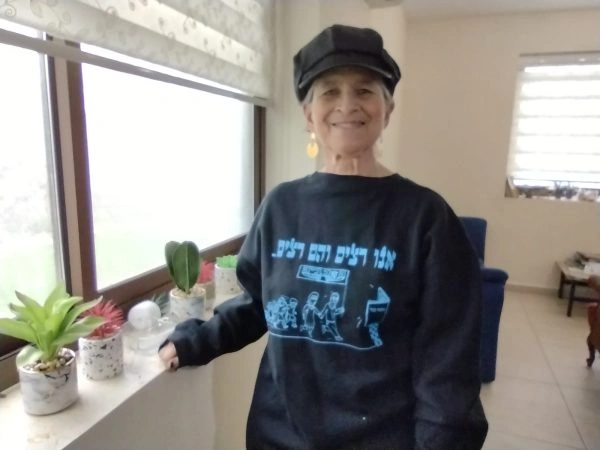
Elazar gush etzion, Israel
חולין פח
וְאֵלּוּ וָאֵלּוּ אֵין מְטַמְּאִין, וּשְׁאָר כׇּל הַטְּמֵאִין, בֵּין קַלִּין בֵּין חֲמוּרִין – מַשְׁקִין הַיּוֹצְאִין מֵהֶן כְּמַשְׁקֶה הַנּוֹגֵעַ בָּהֶן, וְאֵלּוּ וָאֵלּוּ תְּחִלָּה, חוּץ מִן הַמַּשְׁקֶה שֶׁהוּא אַב הַטּוּמְאָה.
And both these and those, i.e., both liquids that issue from one who immersed himself that day and liquids he touches, do not impart ritual impurity. And with regard to all other sources of impurity, whether minor sources or major sources, liquids that issue from them have the same status as liquids that touch them, and both these and those have first-degree ritual impurity, since they touched a primary source of ritual impurity upon exiting the source. This is the halakha except for a liquid that is itself a primary source of ritual impurity.
מַאי קַלִּין וּמַאי חֲמוּרִין? מַאי לָאו: קַלִּין – שֶׁרֶץ וְזָב, וַחֲמוּרִין – מֵת? לָא, קַלִּין – שֶׁרֶץ, וַחֲמוּרִין – זָב.
The Gemara analyzes the mishna: What is the meaning of minor sources and what is the meaning of major sources? What, is it not that the term: Minor sources, is referring to a creeping animal or a zav, and that the term: Major sources, is referring to a corpse? If so, the mishna teaches that all liquids that issue from a corpse are ritually impure, in contradiction to the baraita. The Gemara responds: No, the term: Minor sources, is referring to a creeping animal, e.g., urine found inside its body, which is not considered ritually impure, and the term: Major sources, is referring to a zav, concerning whom all liquids that issue from him are ritually impure. By contrast, liquids that issue from a corpse are ritually pure with the exception of blood.
מַאי שְׁנָא זָב, דִּגְזַרוּ בֵּיהּ רַבָּנַן, וּמַאי שְׁנָא מֵת דְּלָא גְּזַרוּ בֵּיהּ רַבָּנַן? זָב דְּלָא בְּדִילִי אִינָשֵׁי מִינֵּיהּ – גְּזַרוּ בֵּיהּ רַבָּנַן, מֵת דִּבְדִילִי אִינָשֵׁי מִינֵּיהּ – לָא גְּזַרוּ בֵּיהּ רַבָּנַן.
The Gemara asks: What is different with regard to a zav, concerning whom the Sages decreed that liquids that issue from him are ritually impure, and what is different with regard to a corpse, concerning which the Sages did not decree that liquids that issue from it are ritually impure? The Gemara responds: In the case of a zav, since people do not naturally separate from him, the Sages decreed additional restrictions with regard to him in order to prevent others from contracting impurity from liquids that issue from a zav that are impure by Torah law. In the case of a corpse, since people naturally separate from it, the Sages did not decree additional restrictions with regard to it.
דָּם הַנִּיתָּז וְשֶׁעַל הַסַּכִּין, תָּנוּ רַבָּנַן: ״וְכִסָּהוּ״ – מְלַמֵּד שֶׁדַּם הַנִּיתָּז וְשֶׁעַל הַסַּכִּין חַיָּיב לְכַסּוֹת. אָמַר רַבִּי יְהוּדָה: אֵימָתַי? בִּזְמַן שֶׁאֵין שָׁם דָּם אֶלָּא הוּא, אֲבָל יֵשׁ שָׁם דָּם שֶׁלֹּא הוּא – פָּטוּר מִלְּכַסּוֹת.
§ The mishna teaches that one is obligated to cover blood that spurts outside the pit over which the animal was slaughtered, or onto the wall, and blood that remained on the slaughtering knife. With regard to this halakha, the Sages taught in a baraita: The verse states: “And he shall cover it” (Leviticus 17:13), which teaches that one is obligated to cover blood that spurted and blood that remained on the slaughtering knife. Rabbi Yehuda said: When is this the halakha? When there is no blood except that blood. But if there is other blood that is not that blood, one is exempt from covering it.
תַּנְיָא אִידַּךְ: ״וְכִסָּהוּ״ – מְלַמֵּד שֶׁכׇּל דָּמוֹ חַיָּיב לְכַסּוֹת, מִכָּאן אָמְרוּ: דָּם הַנִּיתָּז וְשֶׁעַל אֲגַפַּיִים חַיָּיב לְכַסּוֹת. אָמַר רַבָּן שִׁמְעוֹן בֶּן גַּמְלִיאֵל: בַּמֶּה דְּבָרִים אֲמוּרִים – שֶׁלֹּא כִּסָּה דַּם הַנֶּפֶשׁ, אֲבָל כִּסָּה דַּם הַנֶּפֶשׁ – פָּטוּר מִלְּכַסּוֹת.
It is taught in another baraita: The term: “And he shall cover it,” teaches that one is obligated to cover all of the blood. From here the Sages stated: With regard to blood that spurts out and blood that remains on the sides of the animal’s throat where it was slaughtered, one is obligated to cover it. Rabban Shimon ben Gamliel said: In what case is this statement said? It is said in a case where one did not already cover the blood of the soul, i.e., the blood that flows from the place of slaughter as the animal dies. But if one already covered the blood of the soul, he is exempt from the obligation to cover the blood that spurted out or the blood remaining on the sides of the animal’s neck in the area of slaughter.
בְּמַאי קָא מִיפַּלְגִי? רַבָּנַן סָבְרִי: ״דָּמוֹ״ – כׇּל דָּמוֹ, רַבִּי יְהוּדָה סָבַר: ״דָּמוֹ״ – וַאֲפִילּוּ מִקְצָת דָּמוֹ, וְרַבָּן שִׁמְעוֹן בֶּן גַּמְלִיאֵל סָבַר: ״דָּמוֹ״ – הַמְיוּחָד.
The Gemara asks: With regard to what matter do they disagree? The Gemara responds: The Rabbis hold that the expression: “Its blood” (Leviticus 17:13), indicates an obligation to cover all of its blood, even the blood that spurts out. Rabbi Yehuda holds that “its blood” indicates that one may fulfill the mitzva with any part of the blood, even with a small amount of its blood. And Rabban Shimon ben Gamliel holds that “its blood” refers to the special blood, i.e., the blood of the soul.
מַתְנִי׳ בַּמֶּה מְכַסִּין וּבַמֶּה אֵין מְכַסִּין? מְכַסִּין בְּזֶבֶל הַדַּק, וּבְחוֹל הַדַּק, בְּסִיד, וּבְחַרְסִית, וּבִלְבֵנָה וּבִמְגוּפָה שֶׁכְּתָשָׁן, אֲבָל אֵין מְכַסִּין לֹא בְּזֶבֶל הַגַּס, וְלֹא בְּחוֹל הַגַּס, וְלֹא בִּלְבֵנָה וּבִמְגוּפָה שֶׁלֹּא כְּתָשָׁן, וְלֹא יִכְפֶּה עָלָיו אֶת הַכְּלִי. כְּלָל אָמַר רַבָּן שִׁמְעוֹן בֶּן גַּמְלִיאֵל: דָּבָר שֶׁמְּגַדֵּל בּוֹ צְמָחִים – מְכַסִּין בּוֹ, וְשֶׁאֵינוֹ מְגַדֵּל צְמָחִים – אֵין מְכַסִּין בּוֹ.
MISHNA: With what substances may one cover the blood and with what substances may one not cover the blood? One may cover the blood with fine granulated manure, with fine sand, with lime, with crushed potsherd, and with a brick or the lid of an earthenware barrel that one crushed. But one may not cover the blood with thick manure, nor with thick, clumped sand, nor with a brick or the lid of an earthenware barrel that one did not crush. Neither may one merely turn a vessel over the blood. Rabban Shimon ben Gamliel stated a principle: With regard to a substance in which plants grow, one may cover blood with it; and with regard to a substance in which plants do not grow, one may not cover blood with it.
גְּמָ׳ הֵיכִי דָמֵי חוֹל הַדַּק? אָמַר רַבָּה בַּר בַּר חָנָה אָמַר רַבִּי יוֹחָנָן: כֹּל שֶׁאֵין הַיּוֹצֵר צָרִיךְ לְכׇתְשׁוֹ. וְאִיכָּא דְּמַתְנֵי לַהּ אַסֵּיפָא: אֲבָל אֵין מְכַסִּין לֹא בְּזֶבֶל הַגַּס וְלֹא בְּחוֹל הַגַּס. הֵיכִי דָּמֵי חוֹל הַגַּס? אָמַר רַבָּה בַּר בַּר חָנָה אָמַר רַבִּי יוֹחָנָן: כֹּל שֶׁהַיּוֹצֵר צָרִיךְ לְכׇתְשׁוֹ.
GEMARA: The mishna teaches that one may cover the blood with fine sand. The Gemara asks: What is considered fine sand? Rabba bar bar Ḥana says that Rabbi Yoḥanan says: It is any sand that the pottery producer does not need to crush in order to use it. The Gemara notes: And some teach this statement in reference to the latter clause of the mishna, which states: But one may not cover the blood with thick manure, nor with thick sand. The Gemara asks: What is considered thick sand? Rabba bar bar Ḥana says that Rabbi Yoḥanan says: It is any sand that the pottery producer must crush in order to use it.
מַאי בֵּינַיְיהוּ? אִיכָּא בֵּינַיְיהוּ דִּצְרִיךְ וְלָא צְרִיךְ, דְּמִיפְּרִיךְ אִיפְּרוֹכֵי.
The Gemara asks: What is the practical difference between these two versions? The Gemara responds: There is a difference between them with regard to sand that requires some crushing and sand that does not require full crushing, i.e., that crumbles in one’s hand and does not require a tool. According to the first version, as long as the sand does not require crushing it may be used to cover the blood. Therefore, sand that requires crumbling may be used since it is not considered sand that requires crushing. According to the second version, any sand that requires some crushing may not be used. Therefore, sand that requires crumbling may not be used to cover the blood.
תָּנוּ רַבָּנַן: ״וְכִסָּהוּ״, יָכוֹל יְכַסֶּנּוּ בַּאֲבָנִים אוֹ יִכְפֶּה עָלָיו אֶת הַכְּלִי? תַּלְמוּד לוֹמַר: ״בֶּעָפָר״. וְאֵין לִי אֶלָּא עָפָר, מִנַּיִן לְרַבּוֹת זֶבֶל הַדַּק, וְחוֹל הַדַּק, וּשְׁחִיקַת אֲבָנִים, וּשְׁחִיקַת חַרְסִית, וּנְעוֹרֶת פִּשְׁתָּן דַּקָּה,
§ The Sages taught in a baraita: The verse states with regard to the mitzva of covering the blood: “And cover it” (Leviticus 17:13). One might have thought that he may cover the blood with stones or merely turn a vessel over it. Therefore, the verse states: “With earth.” Based on this expression I have derived only that earth may be used. From where does one derive to include fine manure, fine sand, crushed stones, crushed potsherd, fine chaff of flax,
וּנְסוֹרֶת שֶׁל חָרָשִׁין דַּקָּה, וְסִיד, וְחַרְסִית לְבָנָה וּמְגוּפָה שֶׁכְּתָשָׁן? תַּלְמוּד לוֹמַר: ״וְכִסָּהוּ״. יָכוֹל שֶׁאֲנִי מְרַבֶּה אַף זֶבֶל הַגַּס, וְחוֹל הַגַּס, וּשְׁחִיקַת כְּלֵי מַתָּכוֹת, וּלְבֵנָה וּמְגוּפָה שֶׁלֹּא כְּתָשָׁן, וְקֶמַח, וְסוּבִּין, וּמוּרְסָן? תַּלְמוּד לוֹמַר: ״בֶּעָפָר״.
fine sawdust of carpenters, lime, crushed potsherd, and a brick or the lid of an earthenware barrel that one crushed? The verse states: “And cover it,” i.e., with any substance. One might have thought that I will include even thick manure, and thick sand, filings of metal vessels, a brick or a lid that one did not crush, flour, bran, and coarse bran. Therefore, the verse states: “And cover it with earth,” indicating that not all substances may be used to cover the blood.
וּמָה רָאִיתָ לְרַבּוֹת אֶת אֵלּוּ וּלְהוֹצִיא אֶת אֵלּוּ? אַחַר שֶׁרִיבָּה הַכָּתוּב וּמִיעֵט, מְרַבֶּה אֲנִי אֶת אֵלּוּ שֶׁהֵן מִין עָפָר, וּמוֹצִיא אֲנִי אֶת אֵלּוּ שֶׁאֵינָן מִין עָפָר.
The Gemara asks: And what did you see that led you to include these substances and to exclude those? The Gemara responds: After noting that the verse included certain substances with the term: “And cover it,” and excluded others with the term: “With earth,” I include these substances, e.g., fine sand, which are a type of earth in which plants grow, and I exclude those substances, e.g., thick sand, which are not a type of earth, as plants do not grow in them.
אֵימָא: ״וְכִסָּהוּ״ – כָּלַל, ״עָפָר״ – פָּרַט, כְּלָל וּפְרָט – אֵין בַּכְּלָל אֶלָּא מַה שֶּׁבַּפְּרָט, עָפָר – אִין, מִידֵּי אַחֲרִינָא – לָא!
The Gemara asks: Why must the verse be interpreted in this manner? Say that the term: “And cover it,” is a generalization, and the term: “With earth,” is a detail. Consequently, the verse constitutes a generalization and a detail, and according to the corresponding hermeneutical principle, the generalization includes only what is mentioned explicitly in the detail. Therefore, only earth may be used to cover the blood, while any other substance, even substances in which plants grow, may not be used.
אָמַר רַב מָרִי: מִשּׁוּם דְּהָוֵה כְּלָל הַצָּרִיךְ לִפְרָט, וְכׇל כְּלָל הַצָּרִיךְ לִפְרָט – אֵין דָּנִין אוֹתוֹ בִּכְלָל וּפְרָט.
Rav Mari said in response: One should not suggest such an interpretation because the term “and cover it” is a generalization that requires a detail to clarify its nature, and any generalization that requires a detail to clarify its nature is not interpreted by the hermeneutical principle of a generalization and a detail. It is necessary for the verse to state that the blood must be covered with earth in order to clarify that the mitzva of covering the blood is such that the blood must be covered with a substance that will absorb the blood, and that it does not suffice to place a vessel over it.
דָּרַשׁ רַב נַחְמָן בַּר רַב חִסְדָּא: אֵין מְכַסִּים אֶלָּא בְּדָבָר שֶׁזּוֹרְעִין בּוֹ וּמַצְמִיחַ. אָמַר רָבָא: הַאי בּוּרְכָא!
§ Rav Naḥman bar Rav Ḥisda taught: One may not cover the blood of an undomesticated animal or a bird except with a substance in which seed is sown and sprouts. Rava said: This is an absurdity [burkha], as the mishna and baraita both teach that one may use substances in which seeds do not sprout.
אֲמַר לֵיהּ רַב נַחְמָן בַּר יִצְחָק לְרָבָא: מַאי בּוּרְכָתֵיהּ? אֲנָא אַמְרִיתַהּ נִיהֲלֵיהּ, וּמֵהָא מַתְנִיתָא אַמְרִיתַהּ נִיהֲלֵיהּ: הָיָה מְהַלֵּךְ בַּמִּדְבָּר, וְאֵין לוֹ אֵפֶר לְכַסּוֹת – שׁוֹחֵק דִּינַר זָהָב וּמְכַסֶּה. הָיָה מְהַלֵּךְ בִּסְפִינָה, וְאֵין לוֹ עָפָר לְכַסּוֹת – שׂוֹרֵף טַלִּיתוֹ וּמְכַסֶּה.
Rav Naḥman bar Yitzḥak said to Rava: What is the absurdity of his statement? I said this statement to Rav Naḥman bar Rav Ḥisda and I said it to him from this baraita: If one is traveling in the desert, where the earth is not arable, and wishes to slaughter an undomesticated animal or a bird, but he does not have ashes with which to cover the blood, he may grind a gold dinar into powder and cover the blood with it. If one is traveling on a ship and wants to slaughter an undomesticated animal or a bird but he does not have earth with which to cover the blood, he may burn his garment and cover the blood with the ashes. It is evident from the first clause of the baraita that desert sand, which does not allow for the sprouting of seeds, may not be used to cover the blood of an undomesticated animal or a bird.
בִּשְׁלָמָא שׂוֹרֵף טַלִּיתוֹ וּמְכַסֶּה, אַשְׁכְּחַן אֵפֶר דְּאִיקְּרִי עָפָר, אֶלָּא דִּינַר זָהָב מְנָלַן? אָמַר רַבִּי זֵירָא: ״וְעַפְרוֹת זָהָב לוֹ״.
The Gemara analyzes the baraita: Granted, it is understood that one may burn his garment and cover the blood with the ashes, since we found a source for the fact that ashes are called earth [afar], as the Gemara will soon prove; accordingly, the use of ashes is in accordance with the verse: “And cover it with earth.” But with regard to a gold dinar, from where do we derive that one may grind it into powder and use it to cover the blood? Rabbi Zeira said: The verse states: “And it has dust of [afrot] gold” (Job 28:6), indicating that gold is referred to as dust.
תָּנוּ רַבָּנַן: אֵין מְכַסִּין אֶלָּא בְּעָפָר, דִּבְרֵי בֵּית שַׁמַּאי. וּבֵית הִלֵּל אוֹמְרִים: מָצִינוּ אֵפֶר שֶׁקָּרוּי עָפָר, שֶׁנֶּאֱמַר ״וְלָקְחוּ לַטָּמֵא מֵעֲפַר שְׂרֵיפַת״. וּבֵית שַׁמַּאי: עֲפַר שְׂרֵיפָה אִיקְּרִי, עָפָר סְתָמָא לָא אִיקְּרִי.
The Gemara cites a related baraita in which the Sages taught: One may not cover the blood of an undomesticated animal or a bird except with earth; this is the statement of Beit Shammai. And Beit Hillel say: We find that ashes are called dust [afar], as it is stated with regard to the red heifer: “And for the impure they shall take from the ashes [me’afar] of the burning of the purification from sin” (Numbers 19:17). And Beit Shammai respond: Ashes are called dust of the burning [afar sereifa], but they are not called ordinary dust [afar].
תָּנָא: הוֹסִיפוּ עֲלֵיהֶן הַשְּׁחוֹר, וְהַכְּחוֹל, וְנִקְרַת פִּיסּוּלִין, וְיֵשׁ אוֹמְרִים: אַף הַזַּרְנִיךְ.
The Gemara notes: It is taught that the Sages added the following to the list of substances in the mishna with which one may cover the blood: Coal dust, stibium [keḥol], and shavings from chiseling. And some say they included even arsenic [zarnikh].
אָמַר רָבָא: בִּשְׂכַר שֶׁאָמַר אַבְרָהָם אָבִינוּ ״וְאָנֹכִי עָפָר וָאֵפֶר״, זָכוּ בָּנָיו לִשְׁתֵּי מִצְוֹת: אֵפֶר פָּרָה, וַעֲפַר סוֹטָה.
§ The Gemara cites aggadic accounts relating to the mitzva of covering the blood: Rava says: As reward for that which our Patriarch Abraham said: “And I am but dust [afar] and ashes” (Genesis 18:27), his children merited two mitzvot: The ashes of the red heifer (see Numbers, chapter 19) and the dust of the sota, i.e., dirt taken from the ground of the Tabernacle that is mixed into the water that examines whether or not a woman committed adultery (see Numbers 5:17).
וְלִיחְשׁוֹב נָמֵי עֲפַר כִּסּוּי הַדָּם? הָתָם הֶכְשֵׁר מִצְוָה אִיכָּא, הֲנָאָה לֵיכָּא.
The Gemara challenges: But let Rava also consider the earth used in the mitzva of covering the blood. The Gemara responds: There, the earth does serve as an accessory to the mitzva of covering the blood, but there is no benefit imparted by it. It occurs after the animal has been slaughtered and does not itself render the meat fit for consumption. By contrast, the ashes of the red heifer and the dust of the sota provide benefit, as the former purifies one who became ritually impure and the latter leads to peace between husband and wife when drinking the water proves that she did not commit adultery.
וְאָמַר רָבָא: בִּשְׂכַר שֶׁאָמַר אַבְרָהָם אָבִינוּ
And Rava says: As reward for that which our Patriarch Abraham said to the king of Sodom:

