






לימוד מסכת חולין מוקדש על ידי ג’ודי פלבר לכבודה של קהילת הדרן. "במהלך המחזור הראשון שלי בדף היומי, בדיוק כשהתחלנו את מסכת חולין, בני נפצע בעת שירותו בצה”ל. לאורך אותם חודשיים וחצי של קושי וחוסר ודאות, חברותיי ללימוד לא עזבו אותי לרגע. תודה רבה לקהילה שעטפה אותי, עודדה אותי ווידאה שאוכל להמשיך ולהתמיד בלימוד הדף גם בימים המאתגרים ההם.”
רוצה להקדיש שיעור?

תקציר

זה הדף של שבת.
ישנה מחלוקת בין רב יהודה בשם רב לבין רב חנניה בר שלמיא בשם רב לגבי אילו מיומנויות מעשיות על תלמיד חכם להתאמן בהן. הדעה הראשונה מונה כתיבה, שחיטה ומילה, בעוד שהדעה השנייה מוסיפה את קשר התפילין, שבע ברכות וקשירת ציצית.
רב יהודה מצטט שתי מימרות נוספות בשם שמואל. הראשונה היא שעל השוחט להיות בקי בהלכות שחיטה, ואם לאו – הבשר אסור באכילה. מכיוון שהשחיטה עלולה להיפסל מחמש סיבות שונות, שוחט שאינו בקי בהן עלול לבצע שחיטה פסולה מבלי דעת.
המימרה השנייה של רב יהודה בשם שמואל היא שעל השוחט לבדוק את שני הסימנים (הקנה והוושט) כדי לוודא שנחתכו כראוי. בעוד שרב יוסף מנסה להביא ראיה לדרישה זו, אביי דוחה אותה. הגמרא דנה במעמדו של בשר שלא נבדק, ומתלבטת האם הבהמה נחשבת לטרפה או לנבלה. שתי העמדות מבססות את דבריהן על הבנת העיקרון של רב הונא, הקובע כי בהמה בחייה עומדת בחזקת איסור עד שיוכח שנשחטה כראוי, אך מרגע שנשחטה כראוי היא עומדת בחזקת כשרות עד שיוכח שהיא טרפה.
הגמרא מנתחת את חלקו השני של דברי רב הונא ומסיקה כי הבהמה נותרת בכשרותה גם כשיש חשש שמא היא טרפה. הדבר מודגם משאלה על זאב שנטל איבר פנימי של בהמה והחזירו כשהוא נקוב; אין אנו מניחים שהוא נקב במקום שהיה נקב עוד לפני כן. רבי אבא מקשה על כך מדין פירות שנקרו אותם חיות, שם קיים חשש שמא נקרו במקום שנחש היה מקודם וניקב והכניס ארס, ולכן האוכל נאסר. כדי ליישב זאת, רב הונא מבחין בין ענייני סכנה לענייני איסור. רבא דוחה הבחנה זו וסבור שאם מחמירים בספק סכנה, יש להחמיר גם בספק איסור, אך אביי מקבל את החילוק ומביא לכך ראיות מדיני טומאה. לאחר שרבא דוחה את הוכחת אביי ורב שימי מקשה קושיה נוספת שהגמרא מיישבת, רב אשי חותם בסיוע לעמדתו של רב הונא.
כלים
לימוד מסכת חולין מוקדש על ידי ג’ודי פלבר לכבודה של קהילת הדרן. "במהלך המחזור הראשון שלי בדף היומי, בדיוק כשהתחלנו את מסכת חולין, בני נפצע בעת שירותו בצה”ל. לאורך אותם חודשיים וחצי של קושי וחוסר ודאות, חברותיי ללימוד לא עזבו אותי לרגע. תודה רבה לקהילה שעטפה אותי, עודדה אותי ווידאה שאוכל להמשיך ולהתמיד בלימוד הדף גם בימים המאתגרים ההם.”
חולין ט
מֵעִילַּאי נָמֵי קְרָמָא אִיכָּא? אַיְּידֵי דִּמְמַשְׁמְשָׁא יְדָא דְּטַבָּחָא מִפַּתַּת.
from above too there is a membrane that should prevent the forbidden fat from flowing onto the piece of meat even if the forbidden fat is placed directly upon it. The Gemara explains: Since the hand of the slaughterer touches the upper membrane, that membrane disintegrates and the forbidden fat flows onto the meat.
וְאָמַר רַב יְהוּדָה אָמַר רַב: תַּלְמִיד חָכָם צָרִיךְ שֶׁיִּלְמוֹד שְׁלֹשָׁה דְּבָרִים: כְּתָב, שְׁחִיטָה, וּמִילָה. וְרַב חֲנַנְיָא בַּר שֶׁלֶמְיָא מִשְּׁמֵיהּ דְּרַב אָמַר: אַף קֶשֶׁר שֶׁל תְּפִילִּין, וּבִרְכַּת חֲתָנִים, וְצִיצִית. וְאִידַּךְ – הָנֵי שְׁכִיחָן.
§ And Rav Yehuda says that Rav says: A Torah scholar is required to learn the requisite skills to perform three matters: Writing, so that he will be able to write texts on various occasions, ritual slaughter, and circumcision. And Rav Ḥananya bar Shelamya says in the name of Rav: He must also learn to tie the knot of the phylacteries, and to recite the blessing of the grooms by heart and with the traditional intonation, and to tie ritual fringes to the corners of a garment. The Gemara notes: And the other amora, Rav Yehuda, holds that those skills are commonplace and do not require special training.
וְאָמַר רַב יְהוּדָה אָמַר שְׁמוּאֵל: כׇּל טַבָּח שֶׁאֵינוֹ יוֹדֵעַ הִלְכוֹת שְׁחִיטָה אָסוּר לֶאֱכוֹל מִשְּׁחִיטָתוֹ, וְאֵלּוּ הֵן הִלְכוֹת שְׁחִיטָה: שְׁהִיָּיה, דְּרָסָה, חֲלָדָה, הַגְרָמָה, וְעִיקּוּר.
§ And Rav Yehuda says that Shmuel says: With regard to any slaughterer who does not know the halakhot of ritual slaughter, it is prohibited to eat from his slaughter. And these are the halakhot of ritual slaughter: Interrupting the slaughter, pressing the knife, concealing the knife under the windpipe or the gullet in the course of an inverted slaughter, diverting the knife from the place of slaughter, and ripping the simanim from their place before cutting them.
מַאי קָא מַשְׁמַע לַן? כּוּלְּהוּ תְּנִינְהוּ! לָא צְרִיכָא, שֶׁשָּׁחַט לְפָנֵינוּ שְׁתַּיִם וְשָׁלֹשׁ פְּעָמִים וּשְׁחַט שַׁפִּיר; מַהוּ דְּתֵימָא: מִדְּאִידַּךְ שְׁחַט שַׁפִּיר, הַאי נָמֵי שְׁחַט שַׁפִּיר, קָא מַשְׁמַע לַן: כֵּיוָן דְּלָא גְּמִר, זִימְנִין דְּשָׁהֵי וְדָרֵיס וְלָא יָדַע.
The Gemara asks: What is the novelty in what Rav is teaching us? We learned all of them in the mishnayot in the second chapter of this tractate, and therefore it is obvious that a slaughterer who does not know these halakhot is not qualified. The Gemara answers: No, it is necessary in a case where the slaughterer slaughtered before us twice or three times and slaughtered well. Lest you say: From the fact that he slaughtered the other animals well, this animal he also slaughtered well; therefore, Rav teaches us: Since he did not learn the halakhot, sometimes it happens that he interrupts the slaughter or presses the knife, and he does not know that he invalidated the slaughter.
וְאָמַר רַב יְהוּדָה אָמַר שְׁמוּאֵל: הַטַּבָּח צָרִיךְ שֶׁיִּבְדּוֹק בַּסִּימָנִים לְאַחַר שְׁחִיטָה. אָמַר רַב יוֹסֵף: אַף אֲנַן נָמֵי תְּנֵינָא, רַבִּי שִׁמְעוֹן אוֹמֵר: אִם שָׁהָה כְּדֵי בִּיקּוּר. מַאי לָאו כְּדֵי בִּיקּוּר סִימָנִין?
§ And Rav Yehuda says that Shmuel says: The slaughterer must examine the simanim, the windpipe and the gullet, after completing the slaughter. Rav Yosef said: We learn in a mishna (32a) as well: Rabbi Shimon says: The slaughter is not valid if he interrupted the slaughter for an interval equivalent to the duration of an examination. What, is it not an interval equivalent to the duration of an examination of the simanim? Apparently, one is obligated to examine the simanim.
אֲמַר לֵיהּ אַבָּיֵי: לָא, הָכִי אָמַר רַבִּי יוֹחָנָן: כְּדֵי בִּיקּוּר חָכָם. אִם כֵּן, נָתַתָּ דְּבָרֶיךָ לְשִׁיעוּרִים! אֶלָּא, כְּדֵי בִּיקּוּר טַבָּח חָכָם.
Abaye said to him: No, this is what Rabbi Yoḥanan says: It is an interval equivalent to the duration of an examination of the knife, as the Sages instituted that one must take the knife to be examined by a Torah scholar prior to slaughtering the animal. Rav Yosef said to him: If so, you have rendered your statement subject to circumstances, as sometimes the Torah scholar is near and sometimes the Torah scholar is far, and the time required for examination varies accordingly. Rather, it is an interval equivalent to the duration of an examination performed by a slaughterer who is a Torah scholar. In that case, the travel time is not factored, just the time of the examination, which does not vary.
לֹא בָּדַק, מַאי? רַבִּי אֱלִיעֶזֶר בֶּן אַנְטִיגְנוֹס מִשּׁוּם רַבִּי אֶלְעָזָר בְּרַבִּי יַנַּאי אָמַר: טְרֵפָה, וַאֲסוּרָה בַּאֲכִילָה. בְּמַתְנִיתָא תָּנָא: נְבֵלָה, וּמְטַמְּאָה בְּמַשָּׂא.
The Gemara asks: If the slaughterer did not examine the simanim after completing slaughter of the animal, what is the halakha? Rabbi Eliezer ben Antigonus says in the name of Rabbi Elazar, son of Rabbi Yannai: The halakhic status of the slaughtered animal is that of a tereifa, and it is forbidden for consumption, but it does not impart impurity. It was taught in a baraita: Its halakhic status is that of an unslaughtered carcass, and it imparts impurity by means of carrying it.
בְּמַאי קָמִיפַּלְגִי? בִּדְרַב הוּנָא, דְּאָמַר: בְּהֵמָה בְּחַיֶּיהָ בְּחֶזְקַת אִיסּוּר עוֹמֶדֶת, עַד שֶׁיִּוָּדַע לָךְ בַּמֶּה נִשְׁחֲטָה. נִשְׁחֲטָה – הֲרֵי הִיא בְּחֶזְקַת הֶיתֵּר, עַד שֶׁיִּוָּדַע לָךְ בַּמֶּה נִטְרְפָה.
The Gemara asks: With regard to what principle do they disagree? The Gemara answers: They disagree with regard to the application of the halakha stated by Rav Huna, who says: An animal during its lifetime exists with the presumptive status of prohibition, as it is prohibited to eat a living animal, and it continues to have this status even after its death until it will become known to you in what manner it was slaughtered, i.e., whether it was properly slaughtered. Once the animal was slaughtered, it exists with the presumptive status of permissibility until it will become known to you in what manner it was rendered a tereifa.
מָר סָבַר: בְּחֶזְקַת אִיסּוּר קָיְימָא, וְהַשְׁתָּא מֵתָה הִיא; וּמָר סָבַר: בְּחֶזְקַת אִיסּוּר אָמְרִינַן, בְּחֶזְקַת טוּמְאָה לָא אָמְרִינַן.
It is with regard to the application of this halakha that Rabbi Elazar, son of Rabbi Yannai, and the tanna of the baraita disagree in a case where the slaughterer did not examine the simanim after completing the slaughter. One Sage holds: Since it has not been verified that the animal was slaughtered properly, the animal exists with the presumptive status of prohibition, and since now it is dead, it assumes the status of an unslaughtered carcass and imparts impurity. And one Sage holds: With regard to the presumptive status of prohibition, we say that the animal is forbidden until it is verified that it was slaughtered properly; with regard to the presumptive status of ritual impurity we do not say that the animal is impure, as a living animal is not ritually impure.
גּוּפָא, אָמַר רַב הוּנָא: בְּהֵמָה בְּחַיֶּיהָ בְּחֶזְקַת אִיסּוּר עוֹמֶדֶת עַד שֶׁיִּוָּדַע לָךְ בַּמֶּה נִשְׁחֲטָה, נִשְׁחֲטָה – בְּחֶזְקַת הֶיתֵּר עוֹמֶדֶת עַד שֶׁיִּוָּדַע לָךְ בַּמֶּה נִטְרְפָה. וְלֵימָא: ״נִשְׁחֲטָה הוּתְּרָה״! הָא קָא מַשְׁמַע לַן, דְּאַף עַל גַּב דְּאִיתְיְלִיד בַּהּ רֵיעוּתָא.
§ The Gemara proceeds to analyze the matter itself. Rav Huna says: An animal during its lifetime exists with the presumptive status of prohibition until it will become known to you in what manner it was slaughtered. Once the animal was slaughtered, it exists with the presumptive status of permissibility until it will become known to you in what manner it was rendered a tereifa. The Gemara challenges this: And let us say that once the animal was slaughtered, it became permitted, instead of saying that it exists with the presumptive status of permissibility. The Gemara explains: This teaches us that even if a flaw developed in the animal that raises uncertainty with regard to its permitted status, it retains its presumptive status of permissibility.
כְּדִבְעָא מִינֵּיהּ רַבִּי אַבָּא מֵרַב הוּנָא: בָּא זְאֵב וְנָטַל בְּנֵי מֵעַיִם, מַהוּ?
As Rabbi Abba raised a dilemma before Rav Huna: If a wolf came and took the innards of a slaughtered animal, what is the halakha?
נָטַל?! הָא לֵיתַנְהוּ, אֶלָּא נָקַב בְּנֵי מֵעַיִים מַהוּ? נָקַב?! הָא קָא חָזֵינַן דְּהוּא נַקְבִינְהוּ! אֶלָּא נְטָלָן וְהֶחְזִירָן כְּשֶׁהֵן נְקוּבִין, מַהוּ? מִי חָיְישִׁינַן שֶׁמָּא בִּמְקוֹם נֶקֶב נָקַב, אוֹ לָא?
The Gemara asks: Took? In that case the innards are not there, and therefore there is no way of seeing an indication of a flaw. Rather, the dilemma is: In a case where a wolf perforated the innards of a slaughtered animal, what is the halakha? The Gemara challenges: Perforated? We see that the wolf perforated them and in that case too there is no indication of a flaw. Rather, the dilemma is: In a case where a wolf took the innards and returned them when they are perforated, what is the halakha? Are we concerned that perhaps the wolf perforated the innards in the place of a preexisting perforation and the animal was a tereifa from the outset, or is that possibility not a concern?
אֲמַר לֵיהּ: אֵין חוֹשְׁשִׁין שֶׁמָּא בִּמְקוֹם נֶקֶב נָקַב.
Rav Huna said to Rabbi Abba: One is not concerned that perhaps the wolf perforated the innards in the place of a preexisting perforation, because one relies on the presumptive status of permissibility.
אֵיתִיבֵיהּ: רָאָה צִפּוֹר הַמְנַקֵּר בִּתְאֵנָה וְעַכְבָּר הַמְנַקֵּר בָּאֲבַטִּיחִים,
Rabbi Abba raised an objection to the opinion of Rav Huna: If one saw a bird pecking at a fig or a mouse gnawing at melons,
חוֹשְׁשִׁין שֶׁמָּא בִּמְקוֹם נֶקֶב נָקַב.
one is concerned that perhaps the bird or the mouse perforated it in the place of the preexisting perforation caused by a snake, and it is prohibited to eat the fig or the melon, due to the danger that the snake might have left its venom.
אֲמַר לֵיהּ: מִי קָא מְדַמֵּית אִיסּוּרָא לְסַכַּנְתָּא? סַכָּנָה שָׁאנֵי! אֲמַר לֵיהּ רָבָא: מַאי שְׁנָא? סְפֵק סַכַּנְתָּא לְחוּמְרָא? סְפֵק אִיסּוּרָא נָמֵי לְחוּמְרָא!
Rav Huna said to Rabbi Abba: Are you comparing danger to prohibition? Danger is different, and one rules stringently in cases involving danger. Rava said to him: What is different about the fact that the ruling in cases of uncertainty involving danger is stringent, given that in cases of uncertainty involving prohibition the ruling is also stringent?
אֲמַר לֵיהּ אַבָּיֵי: וְלָא שָׁאנֵי בֵּין אִיסּוּרָא לְסַכַּנְתָּא? וְהָא אִילּוּ סְפֵק טוּמְאָה בִּרְשׁוּת הָרַבִּים – סְפֵיקוֹ טָהוֹר, וְאִילּוּ סְפֵק מַיִם מְגוּלִּין – אֲסוּרִין!
Abaye said to Rava: And is there no difference between prohibition and danger? But isn’t it the halakha that in a case of uncertainty involving ritual impurity in the public domain, its uncertain impurity leaves it pure, while in a case of uncertainty involving water that is exposed and therefore susceptible to a snake leaving venom in it, the water is forbidden.
אֲמַר לֵיהּ: הָתָם הִלְכְתָא גְּמִירִי לַהּ מִסּוֹטָה, מָה סוֹטָה בִּרְשׁוּת הַיָּחִיד – אַף טוּמְאָה בִּרְשׁוּת הַיָּחִיד.
Rava said to Abaye: There, in the case of ritual impurity in the public domain, the Sages learned this halakha through tradition from the case of a sota, a woman who enters into seclusion with a particular man after her husband warns her not to. She is forbidden to her husband even though there is uncertainty whether or not she committed adultery. Just as a sota is forbidden only in a case of uncertainty in the private domain, as there is no seclusion in the public domain; so too with regard to ritual impurity, one becomes ritually impure in a case of uncertainty only in the private domain.
מֵתִיב רַב שִׁימִי: שֶׁרֶץ בְּפִי חוּלְדָּה, וְחוּלְדָּה מְהַלֶּכֶת עַל גַּבֵּי כִּכָּרוֹת שֶׁל תְּרוּמָה – סָפֵק נָגַע, סָפֵק לֹא נָגַע – סְפֵיקוֹ טָהוֹר, וְאִילּוּ סְפֵק מַיִם מְגוּלִּין אֲסוּרִין!
Rav Shimi raises an objection to the opinion of Rava from a mishna (Teharot 4:2): If the carcass of a creeping animal was in the mouth of a weasel, and that weasel was walking on loaves of teruma, and there is uncertainty whether the creeping animal touched the loaves and uncertainty whether it did not touch the loaves, its uncertain impurity leaves it pure, while in a case of uncertainty involving water that is exposed and therefore susceptible to a snake leaving venom in it, the water is forbidden.
הָתָם נָמֵי הִלְכְתָא גְּמִירִי לַהּ מִסּוֹטָה: מָה סוֹטָה דָּבָר שֶׁיֵּשׁ בָּהּ דַּעַת לִישָּׁאֵל, אַף הָכָא נָמֵי דָּבָר שֶׁיֵּשׁ בּוֹ דַּעַת לִישָּׁאֵל.
The Gemara answers: There too, the halakha is derived from the case of a sota. Just as the uncertainty in the case of sota involves an entity that has consciousness in order for her to be asked whether she was unfaithful and is forbidden to her husband, so too here, only uncertainty involving an entity that has consciousness in order for it to be asked whether the loaves were rendered impure would become impure. The weasel does not have that consciousness.
אָמַר רַב אָשֵׁי, תָּא שְׁמַע: צְלוֹחִית שֶׁהִנִּיחָהּ מְגוּלָּה וּבָא וּמְצָאָהּ מְכוּסָּה – טְמֵאָה, שֶׁאֲנִי אוֹמֵר: אָדָם טָמֵא נִכְנַס לְשָׁם וְכִיסָּהּ.
Rav Ashi said: Come and hear additional proof that danger is more severe than prohibition (see mishna Para 11:1): In the case of a flask of purification water that one left exposed and he came back and found it covered, it is ritually impure, as I say: An impure man entered into there and covered it, and in the course of doing so he rendered the vessel and its contents impure.
הִנִּיחָהּ מְכוּסָּה וּבָא וּמְצָאָהּ מְגוּלָּה, אִם יְכוֹלָה חוּלְדָּה לִשְׁתּוֹת מִמֶּנָּה, אוֹ נָחָשׁ לְדִבְרֵי רַבָּן גַּמְלִיאֵל, אוֹ שֶׁיָּרַד בָּהּ טַל בַּלַּיְלָה – פְּסוּלָה.
In a case where one left the vessel covered and came back and found it exposed, if it is in a place where a weasel could drink from it, or a snake according to the statement of Rabban Gamliel, or if there is concern that dew fell into it at night, the purification waters are disqualified for sprinkling in the process of purification of a person impure with impurity imparted by a corpse, due to the concern that the saliva of the weasel or the dew, which are unfit for sprinkling, intermingled with it. Nevertheless, the water is not impure.
וְאָמַר רַבִּי יְהוֹשֻׁעַ בֶּן לֵוִי: מָה טַעַם?
And Rabbi Yehoshua ben Levi says: What is the reason that there is no concern that a ritually impure person exposed the waters and rendered them impure?

כלים
העמקה
רוצה להבין מה באמת קורה מתחת לפני השטח של הסוגיה?
שיעורים, פודקאסטים והרחבות של מיטב המורות שלנו יפתחו לך עוד זוויות וכיווני חשיבה.

חדשה בלימוד הגמרא?
זה הדף הראשון שלך? איזו התרגשות עצומה! יש לנו בדיוק את התכנים והכלים שיעזרו לך לעשות את הצעדים הראשונים ללמידה בקצב וברמה שלך, כך תוכלי להרגיש בנוח גם בתוך הסוגיות המורכבות ומאתגרות.
פסיפס הלומדות שלנו
גלי את קהילת הלומדות שלנו, מגוון נשים, רקעים וסיפורים. כולן חלק מתנועה ומסע מרגש ועוצמתי.
התחלתי בסיום הש”ס, יצאתי באורות. נשברתי פעמיים, ובשתיהם הרבנית מישל עודדה להמשיך איפה שכולם בסבב ולהשלים כשאוכל, וכך עשיתי וכיום השלמתי הכל. מדהים אותי שאני לומדת כל יום קצת, אפילו בחדר הלידה, בבידוד או בחו”ל. לאט לאט יותר נינוחה בסוגיות. לא כולם מבינים את הרצון, בפרט כפמניסטית. חשה סיפוק גדול להכיר את המושגים וצורת החשיבה. החלום זה להמשיך ולהתמיד ובמקביל ללמוד איך מהסוגיות נוצרה והתפתחה ההלכה.

מודיעין, ישראל
התחלתי ללמוד דף יומי שהתחילו מסכת כתובות, לפני 7 שנים, במסגרת קבוצת לימוד שהתפרקה די מהר, ומשם המשכתי לבד בתמיכת האיש שלי. נעזרתי בגמרת שטיינזלץ ובשיעורים מוקלטים.
הסביבה מאד תומכת ואני מקבלת המון מילים טובות לאורך כל הדרך. מאז הסיום הגדול יש תחושה שאני חלק מדבר גדול יותר.
אני לומדת בשיטת ה”7 דפים בשבוע” של הרבנית תרצה קלמן – כלומר, לא נורא אם לא הצלחת ללמוד כל יום, העיקר שגמרת ארבעה דפים בשבוע

עתניאל, ישראל
התחלתי ללמוד דף יומי כאשר קיבלתי במייל ממכון שטיינזלץ את הדפים הראשונים של מסכת ברכות במייל. קודם לא ידעתי איך לקרוא אותם עד שנתתי להם להדריך אותי. הסביבה שלי לא מודעת לעניין כי אני לא מדברת על כך בפומבי. למדתי מהדפים דברים חדשים, כמו הקשר בין המבנה של בית המקדש והמשכן לגופו של האדם (יומא מה, ע”א) והקשר שלו למשפט מפורסם שמופיע בספר ההינדי "בהגוד-גיתא”. מתברר שזה רעיון כלל עולמי ולא רק יהודי

נשר, ישראל
לפני 15 שנה, אחרי עשרות שנים של "ג’ינגול” בין משפחה לקריירה תובענית בהייטק, הצטרפתי לשיעורי גמרא במתן רעננה. הלימוד המעמיק והייחודי של הרבנית אושרה קורן יחד עם קבוצת הנשים המגוונת הייתה חוויה מאלפת ומעשירה. לפני כשמונה שנים כאשר מחזור הדף היומי הגיע למסכת תענית הצטרפתי כ”חברותא” לבעלי. זו השעה היומית שלנו ביחד כאשר דפי הגמרא משתלבים בחיי היום יום, משפיעים ומושפעים, וכשלא מספיקים תמיד משלימים בשבת

רעננה, ישראל
התחלתי מחוג במסכת קידושין שהעבירה הרבנית רייסנר במסגרת בית המדרש כלנה בגבעת שמואל; לאחר מכן התחיל סבב הדף היומי אז הצטרפתי. לסביבה לקח זמן לעכל אבל היום כולם תומכים ומשתתפים איתי. הלימוד לעתים מעניין ומעשיר ולעתים קשה ואף הזוי… אך אני ממשיכה קדימה. הוא משפיע על היומיום שלי קודם כל במרדף אחרי הדף, וגם במושגים הרבים שלמדתי ובידע שהועשרתי בו, חלקו ממש מעשי

ראש העין, ישראל
רבנית מישל הציתה אש התלמוד בלבבות בביניני האומה ואני נדלקתי. היא פתחה פתח ותמכה במתחילות כמוני ואפשרה לנו להתקדם בצעדים נכונים וטובים. הקימה מערך שלם שמסובב את הלומדות בסביבה תומכת וכך נכנסתי למסלול לימוד מעשיר שאין כמוה. הדרן יצר קהילה גדולה וחזקה שמאפשרת התקדמות מכל נקודת מוצא. יש דיבוק לומדות שמחזק את ההתמדה של כולנו. כל פניה ושאלה נענית בזריזות ויסודיות. תודה גם למגי על כל העזרה.
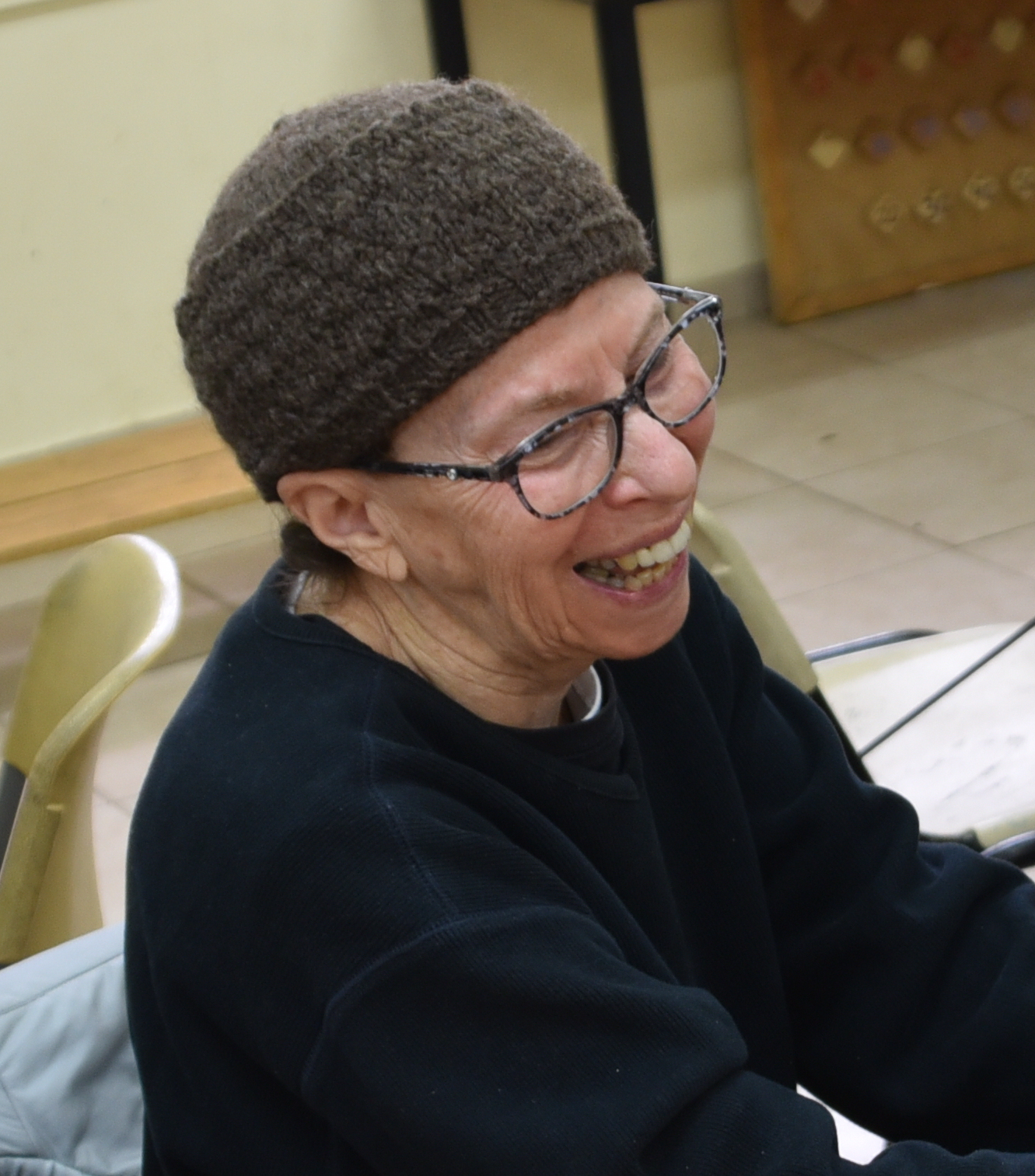
נתניה, ישראל
"
גם אני התחלתי בסבב הנוכחי וב””ה הצלחתי לסיים את רוב המסכתות . בזכות הרבנית מישל משתדלת לפתוח את היום בשיעור הזום בשעה 6:20 .הלימוד הפך להיות חלק משמעותי בחיי ויש ימים בהם אני מצליחה לחזור על הדף עם מלמדים נוספים ששיעוריהם נמצאים במרשתת. שמחה להיות חלק מקהילת לומדות ברחבי העולם. ובמיוחד לשמש דוגמה לנכדותיי שאי””ה יגדלו לדור שלימוד תורה לנשים יהיה משהו שבשגרה. "

נתניה, ישראל
למדתי גמרא מכיתה ז- ט ב Maimonides School ואחרי העליה שלי בגיל 14 לימוד הגמרא, שלא היה כל כך מקובל בימים אלה, היה די ספוראדי. אחרי "ההתגלות” בבנייני האומה התחלתי ללמוד בעיקר בדרך הביתה למדתי מפוקקטסים שונים. לאט לאט ראיתי שאני תמיד חוזרת לרבנית מישל פרבר. באיזה שהוא שלב התחלתי ללמוד בזום בשעה 7:10 .
היום "אין מצב” שאני אתחיל את היום שלי ללא לימוד עם הרבנית מישל עם כוס הקפה שלי!!

חשמונאים, ישראל
התחלתי ללמוד לפני 4.5 שנים, כשהודיה חברה שלי פתחה קבוצת ווטסאפ ללימוד דף יומי בתחילת מסכת סנהדרין. מאז לימוד הדף נכנס לתוך היום-יום שלי והפך לאחד ממגדירי הזהות שלי ממש.

ירושלים, ישראל
התחלתי ללמוד בסבב הנוכחי לפני כשנתיים .הסביבה מתפעלת ותומכת מאוד. אני משתדלת ללמוד מכל ההסכתים הנוספים שיש באתר הדרן. אני עורכת כל סיום מסכת שיעור בביתי לכ20 נשים שמחכות בקוצר רוח למפגשים האלו.

יהוד, ישראל
. לא תמיד נהניתי מלימוד גמרא כילדה.,בל כהתבגרתי התחלתי לאהוב את זה שוב. התחלתי ללמוד מסכת סוטה בדף היומי לפני כחמש עשרה שנה ואז הפסקתי.הגעתי לסיום הגדול של הדרן לפני שנתיים וזה נתן לי השראה. והתחלתי ללמוד למשך כמה ימים ואז היתה לי פריצת דיסק והפסקתי…עד אלול השנה. אז התחלתי עם מסכת ביצה וב”ה אני מצליחה לעמוד בקצב. המשפחה מאוד תומכת בי ויש כמה שגם לומדים את זה במקביל. אני אוהבת שיש עוגן כל יום.

בית שמש, ישראל
הצטרפתי ללומדות בתחילת מסכת תענית. ההתרגשות שלי ושל המשפחה היתה גדולה מאוד, והיא הולכת וגוברת עם כל סיום שאני זוכה לו. במשך שנים רבות רציתי להצטרף ומשום מה זה לא קרה… ב”ה מצאתי לפני מספר חודשים פרסום של הדרן, ומיד הצטרפתי והתאהבתי. הדף היומי שינה את חיי ממש והפך כל יום- ליום של תורה. מודה לכן מקרב ליבי ומאחלת לכולנו לימוד פורה מתוך אהבת התורה ולומדיה.

חיספין רמת הגולן, ישראל
התחלתי ללמוד דף יומי בתחילת מסכת ברכות, עוד לא ידעתי כלום. נחשפתי לסיום הש״ס, ובעצם להתחלה מחדש בתקשורת, הפתיע אותי לטובה שהיה מקום לעיסוק בתורה.
את המסכתות הראשונות למדתי, אבל לא סיימתי (חוץ מעירובין איכשהו). השנה כשהגעתי למדרשה, נכנסתי ללופ, ואני מצליחה להיות חלק, סיימתי עם החברותא שלי את כל המסכתות הקצרות, גם כשהיינו חולות קורונה ובבידודים, למדנו לבד, העיקר לא לצבור פער, ומחכות ליבמות 🙂

מזכרת בתיה, ישראל
התחלתי ללמוד גמרא בבית הספר בגיל צעיר והתאהבתי. המשכתי בכך כל חיי ואף היייתי מורה לגמרא בבית הספר שקד בשדה אליהו (בית הספר בו למדתי בילדותי)בתחילת מחזור דף יומי הנוכחי החלטתי להצטרף ובע”ה מקווה להתמיד ולהמשיך. אני אוהבת את המפגש עם הדף את "דרישות השלום ” שמקבלת מקשרים עם דפים אחרים שלמדתי את הסנכרון שמתחולל בין התכנים.

מעלה גלבוע, ישראל
התחלתי לפני 8 שנים במדרשה. לאחרונה סיימתי מסכת תענית בלמידה עצמית ועכשיו לקראת סיום מסכת מגילה.

רעננה, ישראל
"
גם אני התחלתי בסבב הנוכחי וב””ה הצלחתי לסיים את רוב המסכתות . בזכות הרבנית מישל משתדלת לפתוח את היום בשיעור הזום בשעה 6:20 .הלימוד הפך להיות חלק משמעותי בחיי ויש ימים בהם אני מצליחה לחזור על הדף עם מלמדים נוספים ששיעוריהם נמצאים במרשתת. שמחה להיות חלק מקהילת לומדות ברחבי העולם. ובמיוחד לשמש דוגמה לנכדותיי שאי””ה יגדלו לדור שלימוד תורה לנשים יהיה משהו שבשגרה. "
נתניה, ישראל
התחלתי ללמוד דף יומי כאשר קיבלתי במייל ממכון שטיינזלץ את הדפים הראשונים של מסכת ברכות במייל. קודם לא ידעתי איך לקרוא אותם עד שנתתי להם להדריך אותי. הסביבה שלי לא מודעת לעניין כי אני לא מדברת על כך בפומבי. למדתי מהדפים דברים חדשים, כמו הקשר בין המבנה של בית המקדש והמשכן לגופו של האדם (יומא מה, ע”א) והקשר שלו למשפט מפורסם שמופיע בספר ההינדי "בהגוד-גיתא”. מתברר שזה רעיון כלל עולמי ולא רק יהודי
נשר, ישראל
התחלתי להשתתף בשיעור נשים פעם בשבוע, תכננתי ללמוד רק דפים בודדים, לא האמנתי שאצליח יותר מכך.
לאט לאט נשאבתי פנימה לעולם הלימוד .משתדלת ללמוד כל בוקר ומתחילה את היום בתחושה של מלאות ומתוך התכווננות נכונה יותר.
הלימוד של הדף היומי ממלא אותי בתחושה של חיבור עמוק לעם היהודי ולכל הלומדים בעבר ובהווה.

אפרת, ישראל
באירוע של הדרן בנייני האומה. בהשראתה של אמי שלי שסיימה את הש”ס בסבב הקודם ובעידוד מאיר , אישי, וילדיי וחברותיי ללימוד במכון למנהיגות הלכתית של רשת אור תורה סטון ומורתיי הרבנית ענת נובוסלסקי והרבנית דבורה עברון, ראש המכון למנהיגות הלכתית.
הלימוד מעשיר את יומי, מחזיר אותי גם למסכתות שכבר סיימתי וידוע שאינו דומה מי ששונה פרקו מאה לשונה פרקו מאה ואחת במיוחד מרתקים אותי החיבורים בין המסכתות

מודיעין, ישראל
אחי, שלומד דף יומי ממסכת ברכות, חיפש חברותא ללימוד מסכת ראש השנה והציע לי. החברותא היתה מאתגרת טכנית ורוב הזמן נעשתה דרך הטלפון, כך שבסיום המסכת נפרדו דרכינו. אחי חזר ללמוד לבד, אבל אני כבר נכבשתי בקסם הגמרא ושכנעתי את האיש שלי להצטרף אלי למסכת ביצה. מאז המשכנו הלאה, ועכשיו אנחנו מתרגשים לקראתו של סדר נשים!

נוקדים, ישראל
חולין ט
מֵעִילַּאי נָמֵי קְרָמָא אִיכָּא? אַיְּידֵי דִּמְמַשְׁמְשָׁא יְדָא דְּטַבָּחָא מִפַּתַּת.
from above too there is a membrane that should prevent the forbidden fat from flowing onto the piece of meat even if the forbidden fat is placed directly upon it. The Gemara explains: Since the hand of the slaughterer touches the upper membrane, that membrane disintegrates and the forbidden fat flows onto the meat.
וְאָמַר רַב יְהוּדָה אָמַר רַב: תַּלְמִיד חָכָם צָרִיךְ שֶׁיִּלְמוֹד שְׁלֹשָׁה דְּבָרִים: כְּתָב, שְׁחִיטָה, וּמִילָה. וְרַב חֲנַנְיָא בַּר שֶׁלֶמְיָא מִשְּׁמֵיהּ דְּרַב אָמַר: אַף קֶשֶׁר שֶׁל תְּפִילִּין, וּבִרְכַּת חֲתָנִים, וְצִיצִית. וְאִידַּךְ – הָנֵי שְׁכִיחָן.
§ And Rav Yehuda says that Rav says: A Torah scholar is required to learn the requisite skills to perform three matters: Writing, so that he will be able to write texts on various occasions, ritual slaughter, and circumcision. And Rav Ḥananya bar Shelamya says in the name of Rav: He must also learn to tie the knot of the phylacteries, and to recite the blessing of the grooms by heart and with the traditional intonation, and to tie ritual fringes to the corners of a garment. The Gemara notes: And the other amora, Rav Yehuda, holds that those skills are commonplace and do not require special training.
וְאָמַר רַב יְהוּדָה אָמַר שְׁמוּאֵל: כׇּל טַבָּח שֶׁאֵינוֹ יוֹדֵעַ הִלְכוֹת שְׁחִיטָה אָסוּר לֶאֱכוֹל מִשְּׁחִיטָתוֹ, וְאֵלּוּ הֵן הִלְכוֹת שְׁחִיטָה: שְׁהִיָּיה, דְּרָסָה, חֲלָדָה, הַגְרָמָה, וְעִיקּוּר.
§ And Rav Yehuda says that Shmuel says: With regard to any slaughterer who does not know the halakhot of ritual slaughter, it is prohibited to eat from his slaughter. And these are the halakhot of ritual slaughter: Interrupting the slaughter, pressing the knife, concealing the knife under the windpipe or the gullet in the course of an inverted slaughter, diverting the knife from the place of slaughter, and ripping the simanim from their place before cutting them.
מַאי קָא מַשְׁמַע לַן? כּוּלְּהוּ תְּנִינְהוּ! לָא צְרִיכָא, שֶׁשָּׁחַט לְפָנֵינוּ שְׁתַּיִם וְשָׁלֹשׁ פְּעָמִים וּשְׁחַט שַׁפִּיר; מַהוּ דְּתֵימָא: מִדְּאִידַּךְ שְׁחַט שַׁפִּיר, הַאי נָמֵי שְׁחַט שַׁפִּיר, קָא מַשְׁמַע לַן: כֵּיוָן דְּלָא גְּמִר, זִימְנִין דְּשָׁהֵי וְדָרֵיס וְלָא יָדַע.
The Gemara asks: What is the novelty in what Rav is teaching us? We learned all of them in the mishnayot in the second chapter of this tractate, and therefore it is obvious that a slaughterer who does not know these halakhot is not qualified. The Gemara answers: No, it is necessary in a case where the slaughterer slaughtered before us twice or three times and slaughtered well. Lest you say: From the fact that he slaughtered the other animals well, this animal he also slaughtered well; therefore, Rav teaches us: Since he did not learn the halakhot, sometimes it happens that he interrupts the slaughter or presses the knife, and he does not know that he invalidated the slaughter.
וְאָמַר רַב יְהוּדָה אָמַר שְׁמוּאֵל: הַטַּבָּח צָרִיךְ שֶׁיִּבְדּוֹק בַּסִּימָנִים לְאַחַר שְׁחִיטָה. אָמַר רַב יוֹסֵף: אַף אֲנַן נָמֵי תְּנֵינָא, רַבִּי שִׁמְעוֹן אוֹמֵר: אִם שָׁהָה כְּדֵי בִּיקּוּר. מַאי לָאו כְּדֵי בִּיקּוּר סִימָנִין?
§ And Rav Yehuda says that Shmuel says: The slaughterer must examine the simanim, the windpipe and the gullet, after completing the slaughter. Rav Yosef said: We learn in a mishna (32a) as well: Rabbi Shimon says: The slaughter is not valid if he interrupted the slaughter for an interval equivalent to the duration of an examination. What, is it not an interval equivalent to the duration of an examination of the simanim? Apparently, one is obligated to examine the simanim.
אֲמַר לֵיהּ אַבָּיֵי: לָא, הָכִי אָמַר רַבִּי יוֹחָנָן: כְּדֵי בִּיקּוּר חָכָם. אִם כֵּן, נָתַתָּ דְּבָרֶיךָ לְשִׁיעוּרִים! אֶלָּא, כְּדֵי בִּיקּוּר טַבָּח חָכָם.
Abaye said to him: No, this is what Rabbi Yoḥanan says: It is an interval equivalent to the duration of an examination of the knife, as the Sages instituted that one must take the knife to be examined by a Torah scholar prior to slaughtering the animal. Rav Yosef said to him: If so, you have rendered your statement subject to circumstances, as sometimes the Torah scholar is near and sometimes the Torah scholar is far, and the time required for examination varies accordingly. Rather, it is an interval equivalent to the duration of an examination performed by a slaughterer who is a Torah scholar. In that case, the travel time is not factored, just the time of the examination, which does not vary.
לֹא בָּדַק, מַאי? רַבִּי אֱלִיעֶזֶר בֶּן אַנְטִיגְנוֹס מִשּׁוּם רַבִּי אֶלְעָזָר בְּרַבִּי יַנַּאי אָמַר: טְרֵפָה, וַאֲסוּרָה בַּאֲכִילָה. בְּמַתְנִיתָא תָּנָא: נְבֵלָה, וּמְטַמְּאָה בְּמַשָּׂא.
The Gemara asks: If the slaughterer did not examine the simanim after completing slaughter of the animal, what is the halakha? Rabbi Eliezer ben Antigonus says in the name of Rabbi Elazar, son of Rabbi Yannai: The halakhic status of the slaughtered animal is that of a tereifa, and it is forbidden for consumption, but it does not impart impurity. It was taught in a baraita: Its halakhic status is that of an unslaughtered carcass, and it imparts impurity by means of carrying it.
בְּמַאי קָמִיפַּלְגִי? בִּדְרַב הוּנָא, דְּאָמַר: בְּהֵמָה בְּחַיֶּיהָ בְּחֶזְקַת אִיסּוּר עוֹמֶדֶת, עַד שֶׁיִּוָּדַע לָךְ בַּמֶּה נִשְׁחֲטָה. נִשְׁחֲטָה – הֲרֵי הִיא בְּחֶזְקַת הֶיתֵּר, עַד שֶׁיִּוָּדַע לָךְ בַּמֶּה נִטְרְפָה.
The Gemara asks: With regard to what principle do they disagree? The Gemara answers: They disagree with regard to the application of the halakha stated by Rav Huna, who says: An animal during its lifetime exists with the presumptive status of prohibition, as it is prohibited to eat a living animal, and it continues to have this status even after its death until it will become known to you in what manner it was slaughtered, i.e., whether it was properly slaughtered. Once the animal was slaughtered, it exists with the presumptive status of permissibility until it will become known to you in what manner it was rendered a tereifa.
מָר סָבַר: בְּחֶזְקַת אִיסּוּר קָיְימָא, וְהַשְׁתָּא מֵתָה הִיא; וּמָר סָבַר: בְּחֶזְקַת אִיסּוּר אָמְרִינַן, בְּחֶזְקַת טוּמְאָה לָא אָמְרִינַן.
It is with regard to the application of this halakha that Rabbi Elazar, son of Rabbi Yannai, and the tanna of the baraita disagree in a case where the slaughterer did not examine the simanim after completing the slaughter. One Sage holds: Since it has not been verified that the animal was slaughtered properly, the animal exists with the presumptive status of prohibition, and since now it is dead, it assumes the status of an unslaughtered carcass and imparts impurity. And one Sage holds: With regard to the presumptive status of prohibition, we say that the animal is forbidden until it is verified that it was slaughtered properly; with regard to the presumptive status of ritual impurity we do not say that the animal is impure, as a living animal is not ritually impure.
גּוּפָא, אָמַר רַב הוּנָא: בְּהֵמָה בְּחַיֶּיהָ בְּחֶזְקַת אִיסּוּר עוֹמֶדֶת עַד שֶׁיִּוָּדַע לָךְ בַּמֶּה נִשְׁחֲטָה, נִשְׁחֲטָה – בְּחֶזְקַת הֶיתֵּר עוֹמֶדֶת עַד שֶׁיִּוָּדַע לָךְ בַּמֶּה נִטְרְפָה. וְלֵימָא: ״נִשְׁחֲטָה הוּתְּרָה״! הָא קָא מַשְׁמַע לַן, דְּאַף עַל גַּב דְּאִיתְיְלִיד בַּהּ רֵיעוּתָא.
§ The Gemara proceeds to analyze the matter itself. Rav Huna says: An animal during its lifetime exists with the presumptive status of prohibition until it will become known to you in what manner it was slaughtered. Once the animal was slaughtered, it exists with the presumptive status of permissibility until it will become known to you in what manner it was rendered a tereifa. The Gemara challenges this: And let us say that once the animal was slaughtered, it became permitted, instead of saying that it exists with the presumptive status of permissibility. The Gemara explains: This teaches us that even if a flaw developed in the animal that raises uncertainty with regard to its permitted status, it retains its presumptive status of permissibility.
כְּדִבְעָא מִינֵּיהּ רַבִּי אַבָּא מֵרַב הוּנָא: בָּא זְאֵב וְנָטַל בְּנֵי מֵעַיִם, מַהוּ?
As Rabbi Abba raised a dilemma before Rav Huna: If a wolf came and took the innards of a slaughtered animal, what is the halakha?
נָטַל?! הָא לֵיתַנְהוּ, אֶלָּא נָקַב בְּנֵי מֵעַיִים מַהוּ? נָקַב?! הָא קָא חָזֵינַן דְּהוּא נַקְבִינְהוּ! אֶלָּא נְטָלָן וְהֶחְזִירָן כְּשֶׁהֵן נְקוּבִין, מַהוּ? מִי חָיְישִׁינַן שֶׁמָּא בִּמְקוֹם נֶקֶב נָקַב, אוֹ לָא?
The Gemara asks: Took? In that case the innards are not there, and therefore there is no way of seeing an indication of a flaw. Rather, the dilemma is: In a case where a wolf perforated the innards of a slaughtered animal, what is the halakha? The Gemara challenges: Perforated? We see that the wolf perforated them and in that case too there is no indication of a flaw. Rather, the dilemma is: In a case where a wolf took the innards and returned them when they are perforated, what is the halakha? Are we concerned that perhaps the wolf perforated the innards in the place of a preexisting perforation and the animal was a tereifa from the outset, or is that possibility not a concern?
אֲמַר לֵיהּ: אֵין חוֹשְׁשִׁין שֶׁמָּא בִּמְקוֹם נֶקֶב נָקַב.
Rav Huna said to Rabbi Abba: One is not concerned that perhaps the wolf perforated the innards in the place of a preexisting perforation, because one relies on the presumptive status of permissibility.
אֵיתִיבֵיהּ: רָאָה צִפּוֹר הַמְנַקֵּר בִּתְאֵנָה וְעַכְבָּר הַמְנַקֵּר בָּאֲבַטִּיחִים,
Rabbi Abba raised an objection to the opinion of Rav Huna: If one saw a bird pecking at a fig or a mouse gnawing at melons,
חוֹשְׁשִׁין שֶׁמָּא בִּמְקוֹם נֶקֶב נָקַב.
one is concerned that perhaps the bird or the mouse perforated it in the place of the preexisting perforation caused by a snake, and it is prohibited to eat the fig or the melon, due to the danger that the snake might have left its venom.
אֲמַר לֵיהּ: מִי קָא מְדַמֵּית אִיסּוּרָא לְסַכַּנְתָּא? סַכָּנָה שָׁאנֵי! אֲמַר לֵיהּ רָבָא: מַאי שְׁנָא? סְפֵק סַכַּנְתָּא לְחוּמְרָא? סְפֵק אִיסּוּרָא נָמֵי לְחוּמְרָא!
Rav Huna said to Rabbi Abba: Are you comparing danger to prohibition? Danger is different, and one rules stringently in cases involving danger. Rava said to him: What is different about the fact that the ruling in cases of uncertainty involving danger is stringent, given that in cases of uncertainty involving prohibition the ruling is also stringent?
אֲמַר לֵיהּ אַבָּיֵי: וְלָא שָׁאנֵי בֵּין אִיסּוּרָא לְסַכַּנְתָּא? וְהָא אִילּוּ סְפֵק טוּמְאָה בִּרְשׁוּת הָרַבִּים – סְפֵיקוֹ טָהוֹר, וְאִילּוּ סְפֵק מַיִם מְגוּלִּין – אֲסוּרִין!
Abaye said to Rava: And is there no difference between prohibition and danger? But isn’t it the halakha that in a case of uncertainty involving ritual impurity in the public domain, its uncertain impurity leaves it pure, while in a case of uncertainty involving water that is exposed and therefore susceptible to a snake leaving venom in it, the water is forbidden.
אֲמַר לֵיהּ: הָתָם הִלְכְתָא גְּמִירִי לַהּ מִסּוֹטָה, מָה סוֹטָה בִּרְשׁוּת הַיָּחִיד – אַף טוּמְאָה בִּרְשׁוּת הַיָּחִיד.
Rava said to Abaye: There, in the case of ritual impurity in the public domain, the Sages learned this halakha through tradition from the case of a sota, a woman who enters into seclusion with a particular man after her husband warns her not to. She is forbidden to her husband even though there is uncertainty whether or not she committed adultery. Just as a sota is forbidden only in a case of uncertainty in the private domain, as there is no seclusion in the public domain; so too with regard to ritual impurity, one becomes ritually impure in a case of uncertainty only in the private domain.
מֵתִיב רַב שִׁימִי: שֶׁרֶץ בְּפִי חוּלְדָּה, וְחוּלְדָּה מְהַלֶּכֶת עַל גַּבֵּי כִּכָּרוֹת שֶׁל תְּרוּמָה – סָפֵק נָגַע, סָפֵק לֹא נָגַע – סְפֵיקוֹ טָהוֹר, וְאִילּוּ סְפֵק מַיִם מְגוּלִּין אֲסוּרִין!
Rav Shimi raises an objection to the opinion of Rava from a mishna (Teharot 4:2): If the carcass of a creeping animal was in the mouth of a weasel, and that weasel was walking on loaves of teruma, and there is uncertainty whether the creeping animal touched the loaves and uncertainty whether it did not touch the loaves, its uncertain impurity leaves it pure, while in a case of uncertainty involving water that is exposed and therefore susceptible to a snake leaving venom in it, the water is forbidden.
הָתָם נָמֵי הִלְכְתָא גְּמִירִי לַהּ מִסּוֹטָה: מָה סוֹטָה דָּבָר שֶׁיֵּשׁ בָּהּ דַּעַת לִישָּׁאֵל, אַף הָכָא נָמֵי דָּבָר שֶׁיֵּשׁ בּוֹ דַּעַת לִישָּׁאֵל.
The Gemara answers: There too, the halakha is derived from the case of a sota. Just as the uncertainty in the case of sota involves an entity that has consciousness in order for her to be asked whether she was unfaithful and is forbidden to her husband, so too here, only uncertainty involving an entity that has consciousness in order for it to be asked whether the loaves were rendered impure would become impure. The weasel does not have that consciousness.
אָמַר רַב אָשֵׁי, תָּא שְׁמַע: צְלוֹחִית שֶׁהִנִּיחָהּ מְגוּלָּה וּבָא וּמְצָאָהּ מְכוּסָּה – טְמֵאָה, שֶׁאֲנִי אוֹמֵר: אָדָם טָמֵא נִכְנַס לְשָׁם וְכִיסָּהּ.
Rav Ashi said: Come and hear additional proof that danger is more severe than prohibition (see mishna Para 11:1): In the case of a flask of purification water that one left exposed and he came back and found it covered, it is ritually impure, as I say: An impure man entered into there and covered it, and in the course of doing so he rendered the vessel and its contents impure.
הִנִּיחָהּ מְכוּסָּה וּבָא וּמְצָאָהּ מְגוּלָּה, אִם יְכוֹלָה חוּלְדָּה לִשְׁתּוֹת מִמֶּנָּה, אוֹ נָחָשׁ לְדִבְרֵי רַבָּן גַּמְלִיאֵל, אוֹ שֶׁיָּרַד בָּהּ טַל בַּלַּיְלָה – פְּסוּלָה.
In a case where one left the vessel covered and came back and found it exposed, if it is in a place where a weasel could drink from it, or a snake according to the statement of Rabban Gamliel, or if there is concern that dew fell into it at night, the purification waters are disqualified for sprinkling in the process of purification of a person impure with impurity imparted by a corpse, due to the concern that the saliva of the weasel or the dew, which are unfit for sprinkling, intermingled with it. Nevertheless, the water is not impure.
וְאָמַר רַבִּי יְהוֹשֻׁעַ בֶּן לֵוִי: מָה טַעַם?
And Rabbi Yehoshua ben Levi says: What is the reason that there is no concern that a ritually impure person exposed the waters and rendered them impure?

