







הגמרא עוסקת בדיני תערובות – מתי משערים בטעם? איך משערים בטעם? מתי משערים בששים? אם מולחים את הבשר עם גיד הנשה, האם הבשר אסור? איך מחשיבים את הששים – כולל הדבר האסור או לא כולל? דינים מיוחדים בעטין שבישלו עם בשר (בגלל החלב שבתוכם).
לימוד מסכת חולין מוקדש על ידי ג’ודי פלבר לכבודה של קהילת הדרן. "במהלך המחזור הראשון שלי בדף היומי, בדיוק כשהתחלנו את מסכת חולין, בני נפצע בעת שירותו בצה”ל. לאורך אותם חודשיים וחצי של קושי וחוסר ודאות, חברותיי ללימוד לא עזבו אותי לרגע. תודה רבה לקהילה שעטפה אותי, עודדה אותי ווידאה שאוכל להמשיך ולהתמיד בלימוד הדף גם בימים המאתגרים ההם.”
הלימוד החודש מוקדש ע”י אדם, קרולין, מיכל, ג’וש, בני, איזי, גלי, זואי, ז’קי ויהודה לע”נ גיטל בת קרינדל ובנימין בנציון.
רוצה להקדיש שיעור?

0:00
0:00
כלים
לימוד מסכת חולין מוקדש על ידי ג’ודי פלבר לכבודה של קהילת הדרן. "במהלך המחזור הראשון שלי בדף היומי, בדיוק כשהתחלנו את מסכת חולין, בני נפצע בעת שירותו בצה”ל. לאורך אותם חודשיים וחצי של קושי וחוסר ודאות, חברותיי ללימוד לא עזבו אותי לרגע. תודה רבה לקהילה שעטפה אותי, עודדה אותי ווידאה שאוכל להמשיך ולהתמיד בלימוד הדף גם בימים המאתגרים ההם.”
הלימוד החודש מוקדש ע”י אדם, קרולין, מיכל, ג’וש, בני, איזי, גלי, זואי, ז’קי ויהודה לע”נ גיטל בת קרינדל ובנימין בנציון.
חולין צז
שָׁאנֵי חֵלֶב, דִּמְפַעְפַּע.
The Gemara answers: Forbidden fat is different from the sciatic nerve, because its flavor permeates throughout the animal, unlike that of the sciatic nerve.
וּבְחֵלֶב אָסוּר? וְהָאָמַר רַבָּה בַּר בַּר חָנָה: עוֹבָדָא הֲוָה קַמֵּיהּ דְּרַבִּי יוֹחָנָן בִּכְנִישְׁתָּא דְמָעוֹן, בִּגְדִי שֶׁצְּלָאוֹ בְּחֶלְבּוֹ, וַאֲתוֹ וְשַׁיְילוּהּ לְרַבִּי יוֹחָנָן, וְאָמַר: קוֹלֵף וְאוֹכֵל עַד שֶׁמַּגִּיעַ לְחֶלְבּוֹ! הָהוּא כָּחוּשׁ הֲוָה.
The Gemara challenges Rav Huna’s statement: And in the case of a kid roasted with its forbidden fat, is the meat forbidden? But didn’t Rabba bar bar Ḥana say: There was an incident that came before Rabbi Yoḥanan in the synagogue of the town of Maon, where a young goat was roasted with its fat, and the people came and asked Rabbi Yoḥanan about the status of the meat, and he said: Peel away the meat and eat it until you reach the forbidden fat? This indicates that the flavor of the fat does not permeate the entire animal in which it is roasted. The Gemara answers: That kid was lean and had so little fat that its flavor did not permeate throughout the animal.
רַב הוּנָא בַּר יְהוּדָה אָמַר: כּוּלְיָא בְּחֶלְבָּהּ הֲוָה, וְשַׁרְיַאּ. רָבִין בַּר רַב אַדָּא אָמַר: כִּילְכִּית בְּאִילְפָּס הֲוָה, וַאֲתוֹ שַׁיְילוּהּ לְרַבִּי יוֹחָנָן, וַאֲמַר לְהוּ: לִיטְעֲמֵיהּ קַפִּילָא אֲרַמָּאָה.
Rav Huna bar Yehuda said: That was a case of a kidney of a young goat roasted with its forbidden fat, and Rabbi Yoḥanan permitted it to be eaten because there is a membrane that separates the fat from the kidney and prevents the fat from penetrating the kidney. Ravin bar Rav Adda said: That was a case of a small, non-kosher fish known as kilkhit, which fell into a stewpot [ilpas], and they came to ask Rabbi Yoḥanan about its status. And he said to them: Let a gentile cook [kapeila] taste it in order to determine whether the flavor of the non-kosher fish has permeated the entire mixture.
אָמַר רָבָא: מֵרֵישׁ הֲוָה קָא קַשְׁיָא לִי הָא דְּתַנְיָא: קְדֵרָה שֶׁבִּשֵּׁל בָּהּ בָּשָׂר – לֹא יְבַשֵּׁל בָּהּ חָלָב, וְאִם בִּשֵּׁל – בְּנוֹתֵן טַעַם; תְּרוּמָה – לֹא יְבַשֵּׁל בָּהּ חוּלִּין, וְאִם בִּשֵּׁל – בְּנוֹתֵן טַעַם.
Rava said: Initially that which is taught in the following baraita posed a difficulty for me: With regard to a pot in which one cooked meat, one may not cook milk in it; and if he did cook milk in it, the meat absorbed by the pot renders the milk forbidden if it imparts flavor to the milk. Similarly, if one cooked teruma in a pot, one may not cook non-sacred food in it; and if one did cook non-sacred food in it, the absorbed teruma renders the food in the pot sacred if it imparts flavor to it.
בִּשְׁלָמָא תְּרוּמָה, טָעֵים לַהּ כֹּהֵן, אֶלָּא בָּשָׂר בְּחָלָב – מַאן טָעֵים לֵיהּ? הַשְׁתָּא דְּאָמַר רַבִּי יוֹחָנָן: סָמְכִינַן אַקַּפִּילָא אֲרַמָּאָה, הָכָא נָמֵי סָמְכִינַן אַקַּפִּילָא אֲרַמָּאָה.
Rava explains: Granted, in the case of a pot used for teruma, a priest, who is permitted to partake of teruma, can taste the non-sacred food subsequently cooked in the pot in order to determine whether the teruma imparted flavor to the non-sacred food. But in a case where it is not known whether meat imparted flavor into milk, who can taste it? If the meat did impart flavor to the milk, it would be forbidden for any Jew to consume the milk. But now that Rabbi Yoḥanan said: We rely on a gentile cook in the case of the kilkhit, here also we rely on a gentile cook to taste it and say whether the meat has imparted flavor to the milk.
דְּאָמַר רָבָא: אֲמוּר רַבָּנַן בְּטַעְמָא, וַאֲמוּר רַבָּנַן בְּקַפִּילָא,
The Gemara summarizes the guidelines that determine when an item cooked with another item affects the status of the mixture. Rava said: The Sages said that there are cases where one relies on a Jew tasting the food, and the Sages said that there are some cases where one relies on a gentile cook to taste the food,
וַאֲמוּר רַבָּנַן בְּשִׁשִּׁים. הִלְכָּךְ, מִין בְּשֶׁאֵינוֹ מִינוֹ דְּהֶיתֵּרָא – בְּטַעְמָא, דְּאִיסּוּרָא – בְּקַפִּילָא.
and the Sages said that there are cases where the mixture is permitted if there is sixty times as much permitted food as forbidden food. Therefore, in a case where the mixture is a type of food mixed with food not of its own type, so that there is a difference in taste between the two components, when there are Jews for whom the mixture is permitted, one relies on a Jew tasting the mixture. This is the halakha when teruma is cooked with non-sacred food. When the mixture is potentially forbidden, e.g., in the case of meat cooked with milk, one relies on a gentile cook to taste it.
וּמִין בְּמִינוֹ, דְּלֵיכָּא לְמֵיקַם אַטַּעְמָא, אִי נָמֵי מִין בְּשֶׁאֵינוֹ מִינוֹ דְּאִיסּוּרָא, דְּלֵיכָּא קַפִּילָא – בְּשִׁשִּׁים.
And if the mixture is composed of a type of food mixed with food of its own type, where one cannot ascertain whether the forbidden component has imparted flavor; or if it is composed of a type of food mixed with food not of its own type when the mixture may be forbidden and it is a case where there is no gentile cook available to taste it, the mixture is permitted if there is sixty times as much permitted food as forbidden food.
הָנְהוּ אַטְמָהָתָא דְּאִימְּלִיחוּ בֵּי רֵישׁ גָּלוּתָא בְּגִידָא נַשְׁיָא, רָבִינָא אָסַר, רַב אַחָא בַּר רַב אָשֵׁי שָׁרֵי. אֲתוֹ שַׁיְילוּהּ לְמָר בַּר רַב אָשֵׁי, אֲמַר לְהוּ: אַבָּא שָׁרֵי.
§ The Gemara (96b) cited Shmuel’s opinion with regard to the thigh of an animal that was roasted or cooked with the sciatic nerve still inside. The Gemara relates the following incident: There were those animal thighs that were salted in the home of the Exilarch with the sciatic nerve still inside; Ravina ruled that they were forbidden, whereas Rav Aḥa bar Rav Ashi ruled that they were permitted. They came and asked Mar bar Rav Ashi to render a decision. He said to them: My father permitted the meat in such circumstances.
אֲמַר לֵיהּ רַב אַחָא בַּר רַב לְרָבִינָא: מַאי דַּעְתָּיךְ – דְּאָמַר שְׁמוּאֵל: מָלִיחַ הֲרֵי הוּא כְּרוֹתֵחַ, כָּבוּשׁ הֲרֵי הוּא כִּמְבוּשָּׁל.
Rav Aḥa bar Rav said to Ravina: What is your reasoning in prohibiting the meat? Is it because of what Shmuel said: A salted food item is considered like a boiling hot food item, and a food item marinated in vinegar, brine, or the like is considered like a cooked food item? Perhaps based on this statement of Shmuel you consider the salted thighs as though they have been cooked with their sciatic nerves, in which case they are forbidden.
וְהָאָמַר שְׁמוּאֵל: לֹא שָׁנוּ אֶלָּא שֶׁנִּתְבַּשֵּׁל בָּהּ, אֲבָל נִצְלָה בָּהּ – קוֹלֵף וְאוֹכֵל עַד שֶׁמַּגִּיעַ לַגִּיד.
But didn’t Shmuel also say (96b): They taught that the thigh is entirely forbidden only when it was cooked with the sciatic nerve inside it. But if the sciatic nerve was roasted inside the thigh, one may peel away the meat and eat it until he reaches the sciatic nerve, and then he removes the nerve.
וְכִי תֵּימָא, מַאי כְּרוֹתֵחַ דְּקָאָמַר? כְּרוֹתֵחַ דִּמְבוּשָּׁל! וְהָא מִדְּקָאָמַר כָּבוּשׁ הֲרֵי הוּא כִּמְבוּשָּׁל, מִכְּלָל דְּרוֹתֵחַ דְּצָלִי קָאָמַר. קַשְׁיָא.
And if you would say: What is the meaning of the phrase: Like a boiling hot food item, that Shmuel said? It is like boiling hot food that was cooked rather than hot food that was roasted, and therefore if the thigh was salted with its sciatic nerve the entire thigh becomes forbidden. This is not a convincing claim, because from the fact that Shmuel said: A food item marinated in vinegar, brine, or the like is considered like a cooked food item, it may be understood by inference that when he said that salted food is like boiling hot food he was saying that it is like boiling hot food that is roasted. The Gemara concludes: This poses a difficulty to the opinion of Ravina.
אָמַר רַבִּי חֲנִינָא: כְּשֶׁהֵן מְשַׁעֲרִין, מְשַׁעֲרִין בְּרוֹטֶב וּבַקֵּיפֶה וּבַחֲתִיכוֹת וּבִקְדֵרָה. אִיכָּא דְּאָמְרִי: בִּקְדֵרָה עַצְמָהּ, וְאִיכָּא דְּאָמְרִי: בְּמַאי דְּבָלְעָה קְדֵרָה.
§ The Gemara elaborates on the statement that if permitted and forbidden foods are cooked together and there is sixty times as much permitted food as forbidden food, the mixture is permitted. Rabbi Ḥanina says: When they assess whether or not there is sixty times as much permitted food, they assess the volume of the broth, the deposits [kifa], the pieces of permitted food cooked in the pot, and the pot itself. The Gemara explains this last point: There are those who say this means that one includes the volume of the material of the pot itself, and there are those who say it means that one includes the volume of that which the pot has absorbed from the permitted food. When meat cooks its volume decreases, and some of the meat that constitutes that discrepancy is absorbed into the sides of the pot.
אָמַר רַבִּי אֲבָהוּ אָמַר רַבִּי יוֹחָנָן: כׇּל אִיסּוּרִין שֶׁבַּתּוֹרָה (מְשַׁעֲרִינַן) [מְשַׁעֲרִין אוֹתָן] כְּאִילּוּ הֵן בָּצָל וְקַפְלוֹט.
The Gemara continues its discussion of nullification. Rabbi Abbahu says that Rabbi Yoḥanan says: With regard to all forbidden foods that are prohibited in the Torah, if they are cooked with permitted food and one cannot tell whether they have imparted flavor to the permitted food, we assess the mixture as though the forbidden food were onion or leek [kaflot]. If that amount of onions or leeks would impart flavor to the permitted food, one must assume that the mixture is forbidden.
אֲמַר לֵיהּ רַבִּי אַבָּא לְאַבָּיֵי: וּלְשַׁעֲרִינְהוּ בְּפִלְפְּלִין וְתַבְלִין, דַּאֲפִילּוּ בְּאֶלֶף לֹא בְּטֵלִין! אֲמַר לֵיהּ: שִׁיעֲרוּ חֲכָמִים דְּאֵין נוֹתֵן טַעַם בְּאִיסּוּרִין יוֹתֵר מִבָּצָל וְקַפְלוֹט.
Rabbi Abba said to Abaye: But let one assess the mixture as though the forbidden food were pepper or other spices, which are even more pungent, in which case they would not be nullified even if they were mixed with a thousand times as much permitted food. Abaye said to him: The Sages ascertained that with regard to forbidden foods, there is nothing that imparts more flavor to a mixture than onion and leek.
אָמַר רַב נַחְמָן: גִּיד בְּשִׁשִּׁים, וְאֵין גִּיד מִן הַמִּנְיָן; כְּחָל בְּשִׁשִּׁים, וּכְחָל מִן הַמִּנְיָן; בֵּיצָה בְּשִׁשִּׁים, וְאֵין בֵּיצָה מִן הַמִּנְיָן.
§ The Gemara continues to discuss the nullification of forbidden foods. Rav Naḥman says: A sciatic nerve that was cooked with kosher food is nullified if the mixture contains permitted food that is sixty times the nerve’s volume, and the sciatic nerve itself is not counted in that number, because it cannot nullify itself. If an udder, which is meat but also contains milk, is cooked with other meat, the milk is nullified if the meat is sixty times its volume, and the udder itself is counted with the rest of the meat. If the egg of a non-kosher bird is cooked with kosher food, it is nullified if the permitted food is sixty times its volume, and the egg itself is not counted in that number, as it cannot nullify itself.
אָמַר רַבִּי יִצְחָק בְּרֵיהּ דְּרַב מְשַׁרְשְׁיָא: וּכְחָל עַצְמוֹ אָסוּר, וְאִי נָפַל לִקְדֵרָה אַחֶרֶת – אוֹסֵר.
Rabbi Yitzḥak, son of Rav Mesharshiyya, says: In the case of an udder cooked with meat, even if the meat is sixty times the volume of the milk, so that the meat is permitted, the udder itself is forbidden, because the meat imparts flavor to the milk contained within the udder, which then renders the udder forbidden. And if the udder subsequently falls into another pot, it also renders the contents of that pot forbidden unless they are sixty times the volume of the udder.
אָמַר רַב אָשֵׁי: כִּי הֲוֵינַן בֵּי רַב כָּהֲנָא, אִיבַּעְיָא לַן: כִּי מְשַׁעֲרִינַן בְּדִידֵיהּ מְשַׁעֲרִינַן, אוֹ בְּמַאי דִּנְפַק מִינֵּיהּ מְשַׁעֲרִינַן?
Rav Ashi said: When we were in the study hall of Rav Kahana, a dilemma was raised before us: When we assess whether the contents of the pot are sufficient to nullify the udder, do we assess whether the pot contains sixty times as much permitted food as the entire volume of the meat of the udder itself, or do we assess only that milk which came out from the udder, since the udder itself has been removed from the mixture?
פְּשִׁיטָא דִּבְדִידֵיהּ מְשַׁעֲרִינַן, דְּאִי בְּמָה דִּנְפַק מִינֵּיהּ – מְנָא יָדְעִינַן? אֶלָּא מֵעַתָּה, נָפַל לִקְדֵרָה אַחֶרֶת – לֹא יֶאֱסֹר?
The Gemara responds: It is obvious that we assess the entire volume of the meat of the udder itself, as if we were to attempt to assess only that which came out of it, how would we know how much came out? The Gemara objects: If that is so, then if the udder falls into another pot, it should not render the food in that second pot forbidden, because it has been assumed that all the milk in the udder has been released into the first pot.
כֵּיוָן דְּאָמַר רַב יִצְחָק בְּרֵיהּ דְּרַב מְשַׁרְשְׁיָא: וּכְחָל עַצְמוֹ אָסוּר, שַׁוְּיוּהּ רַבָּנַן כַּחֲתִיכָה דִּנְבֵלָה.
The Gemara explains: Since Rav Yitzḥak, son of Rav Mesharshiyya, says that even if there is sixty times as much meat in the pot as there is milk in the udder, the udder itself is forbidden, clearly the Sages equated the udder with a piece of non-kosher meat. Consequently, the reason the udder renders the contents of the second pot forbidden is that the udder is intrinsically forbidden, not because of the milk that is released into the pot while it is being cooked.
בֵּיצָה בְּשִׁשִּׁים, וְאֵין בֵּיצָה מִן הַמִּנְיָן. אֲמַר לֵיהּ רַב אִידִי בַּר אָבִין לְאַבָּיֵי: לְמֵימְרָא דְּיָהֲבָה טַעְמָא? וְהָא אָמְרִי אִינָשֵׁי: כִּי מַיָּא דְּבֵיעֵי בְּעָלְמָא!
§ The Gemara addresses Rav Naḥman’s statement that if the egg of a non-kosher bird is cooked with kosher food, it is nullified if the permitted food is sixty times its volume, and the egg itself is not counted in that number, as it cannot nullify itself. Rav Idi bar Avin said to Abaye: Is this to say that the forbidden egg imparts flavor to the food with which it is cooked? But isn’t it true that when people want to indicate that food is tasteless, they say: This is like mere egg-water? This indicates that an egg does not impart flavor.
אֲמַר לֵיהּ: הָכָא בְּמַאי עָסְקִינַן?
Abaye said to him: Here we are dealing with
לעקוב 
כלים
העמקה
רוצה להבין מה באמת קורה מתחת לפני השטח של הסוגיה?
שיעורים, פודקאסטים והרחבות של מיטב המורות שלנו יפתחו לך עוד זוויות וכיווני חשיבה.

בן פקועה: איך אפשר לאכול בשר ללא שחיטה?- גפת עם הרבנית חנה גודינגר (דרייפוס)
14.07.2026 | כ״ט בתמוז תשפ״ו
טומאה בלועה – אשת כהן בהריון האם יכולה להיכנס לבית קברות?- גפת עם הרבנית חנה גודינגר (דרייפוס)
09.07.2026 | כ״ד בתמוז תשפ״ו
הביאו עלי כפרה שמיעטתי את הירח – גפת עם הרבנית חנה גודינגר (דרייפוס)
30.06.2026 | ט״ו בתמוז תשפ״ו
האם יכול להיות שיותר קל להיות יהודי מלהיות גוי?- גפת עם הרבנית חנה גודינגר (דרייפוס)
03.06.2026 | י״ח בסיון תשפ״ו
פה קבור הכלב: של מי? על איסור הנאה מחמץ- גפת עם הרבנית חנה גודינגר (דרייפוס)
25.05.2026 | ט׳ בסיון תשפ״ו
חדשה בלימוד הגמרא?
זה הדף הראשון שלך? איזו התרגשות עצומה! יש לנו בדיוק את התכנים והכלים שיעזרו לך לעשות את הצעדים הראשונים ללמידה בקצב וברמה שלך, כך תוכלי להרגיש בנוח גם בתוך הסוגיות המורכבות ומאתגרות.
פסיפס הלומדות שלנו
גלי את קהילת הלומדות שלנו, מגוון נשים, רקעים וסיפורים. כולן חלק מתנועה ומסע מרגש ועוצמתי.
התחלתי ללמוד דף יומי אחרי שחזרתי בתשובה ולמדתי במדרשה במגדל עוז. הלימוד טוב ומספק חומר למחשבה על נושאים הלכתיים ”קטנים” ועד לערכים גדולים ביהדות. חשוב לי להכיר את הגמרא לעומק. והצעד הקטן היום הוא ללמוד אותה בבקיאות, בעזרת השם, ומי יודע אולי גם אגיע לעיון בנושאים מעניינים. נושאים בגמרא מתחברים לחגים, לתפילה, ליחסים שבין אדם לחברו ולמקום ולשאר הדברים שמלווים באורח חיים דתי 🙂

גאיה דיבו
מצפה יריחו, ישראל
ראיתי את הסיום הגדול בבנייני האומה וכל כך התרשמתי ורציתי לקחת חלק.. אבל לקח לי עוד כשנה וחצי )באמצע מסיכת שבת להצטרף..
הלימוד חשוב לי מאוד.. אני תמיד במרדף אחרי הדף וגונבת כל פעם חצי דף כשהילדים עסוקים ומשלימה אח”כ אחרי שכולם הלכו לישון..

אולגה מזרחי
ירושלים, ישראל
אחרי שראיתי את הסיום הנשי של הדף היומי בבנייני האומה זה ריגש אותי ועורר בי את הרצון להצטרף. לא למדתי גמרא קודם לכן בכלל, אז הכל היה לי חדש, ולכן אני לומדת בעיקר מהשיעורים פה בהדרן, בשוטנשטיין או בחוברות ושיננתם.

רבקה שלוס
בית שמש, ישראל
בתחילת הסבב הנוכחי של לימוד הדף היומי, נחשפתי לחגיגות המרגשות באירועי הסיום ברחבי העולם. והבטחתי לעצמי שבקרוב אצטרף גם למעגל הלומדות. הסבב התחיל כאשר הייתי בתחילת דרכי בתוכנית קרן אריאל להכשרת יועצות הלכה של נשמ”ת. לא הצלחתי להוסיף את ההתחייבות לדף היומי על הלימוד האינטנסיבי של תוכנית היועצות. בבוקר למחרת המבחן הסופי בנשמ”ת, התחלתי את לימוד הדף במסכת סוכה ומאז לא הפסקתי.

חנה שחם-רוזבי (ד”ר)
קרית גת, ישראל
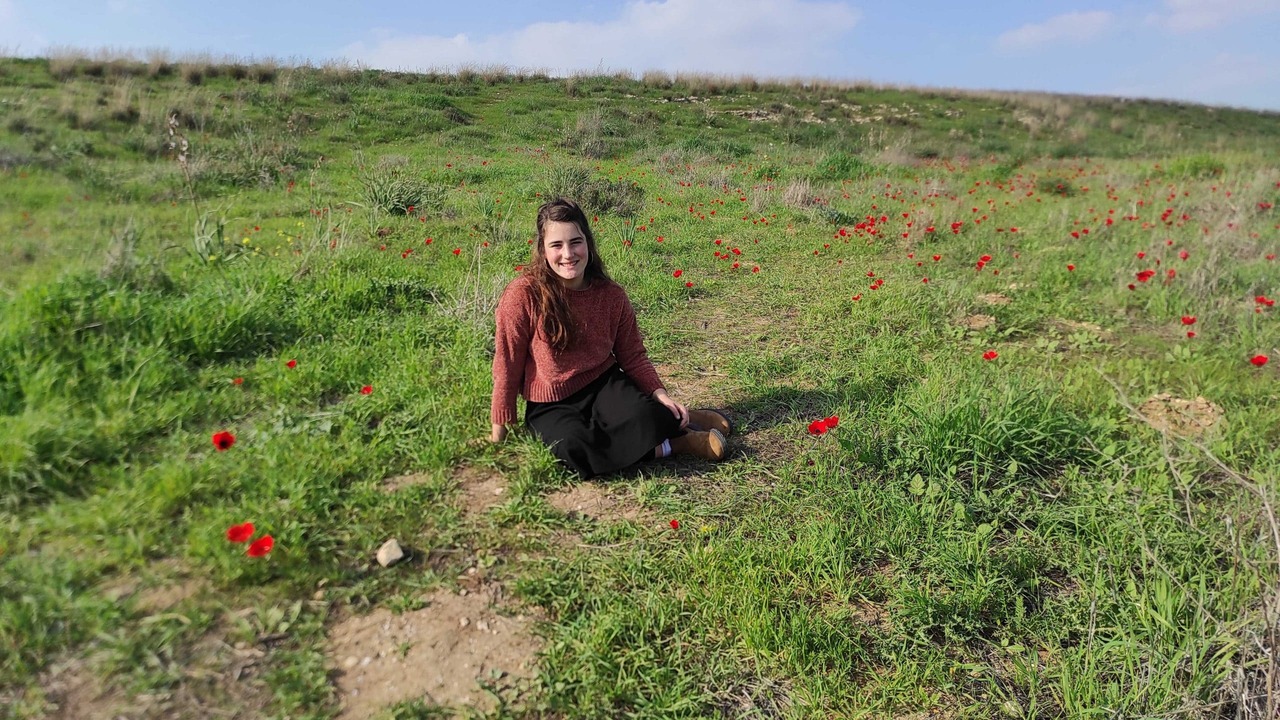
התחלתי ללמוד דף יומי באמצע תקופת הקורונה, שאבא שלי סיפר לי על קבוצה של בנות שתיפתח ביישוב שלנו ותלמד דף יומי כל יום. הרבה זמן רציתי להצטרף לזה וזאת הייתה ההזדמנות בשבילי. הצטרפתי במסכת שקלים ובאמצע הייתה הפסקה קצרה. כיום אני כבר לומדת באולפנה ולומדת דף יומי לבד מתוך גמרא של טיינזלץ.
שבות בראלי
עתניאל, ישראל
התחלתי ללמוד דף יומי בתחילת מסכת ברכות, עוד לא ידעתי כלום. נחשפתי לסיום הש״ס, ובעצם להתחלה מחדש בתקשורת, הפתיע אותי לטובה שהיה מקום לעיסוק בתורה.
את המסכתות הראשונות למדתי, אבל לא סיימתי (חוץ מעירובין איכשהו). השנה כשהגעתי למדרשה, נכנסתי ללופ, ואני מצליחה להיות חלק, סיימתי עם החברותא שלי את כל המסכתות הקצרות, גם כשהיינו חולות קורונה ובבידודים, למדנו לבד, העיקר לא לצבור פער, ומחכות ליבמות 🙂

עדן ישורון
מזכרת בתיה, ישראל
אחי, שלומד דף יומי ממסכת ברכות, חיפש חברותא ללימוד מסכת ראש השנה והציע לי. החברותא היתה מאתגרת טכנית ורוב הזמן נעשתה דרך הטלפון, כך שבסיום המסכת נפרדו דרכינו. אחי חזר ללמוד לבד, אבל אני כבר נכבשתי בקסם הגמרא ושכנעתי את האיש שלי להצטרף אלי למסכת ביצה. מאז המשכנו הלאה, ועכשיו אנחנו מתרגשים לקראתו של סדר נשים!

שולמית סבן
נוקדים, ישראל
התחלתי ללמוד בשנת המדרשה במגדל עוז, בינתיים נהנית מאוד מהלימוד ומהגמרא, מעניין ומשמח מאוד!
משתדלת להצליח לעקוב כל יום, לפעמים משלימה קצת בהמשך השבוע.. מרגישה שיש עוגן מקובע ביום שלי והוא משמח מאוד!

אוריה קסנר
חיפה , ישראל
התחלתי בסיום הש”ס, יצאתי באורות. נשברתי פעמיים, ובשתיהם הרבנית מישל עודדה להמשיך איפה שכולם בסבב ולהשלים כשאוכל, וכך עשיתי וכיום השלמתי הכל. מדהים אותי שאני לומדת כל יום קצת, אפילו בחדר הלידה, בבידוד או בחו”ל. לאט לאט יותר נינוחה בסוגיות. לא כולם מבינים את הרצון, בפרט כפמניסטית. חשה סיפוק גדול להכיר את המושגים וצורת החשיבה. החלום זה להמשיך ולהתמיד ובמקביל ללמוד איך מהסוגיות נוצרה והתפתחה ההלכה.

קרן וינגרטן שרינגטון
מודיעין, ישראל
בתחילת הסבב הנוכחי הצטברו אצלי תחושות שאני לא מבינה מספיק מהי ההלכה אותה אני מקיימת בכל יום. כמו כן, כאמא לבנות רציתי לתת להן מודל נשי של לימוד תורה
שתי הסיבות האלו הובילו אותי להתחיל ללמוד. נתקלתי בתגובות מפרגנות וסקרניות איך אישה לומדת גמרא..
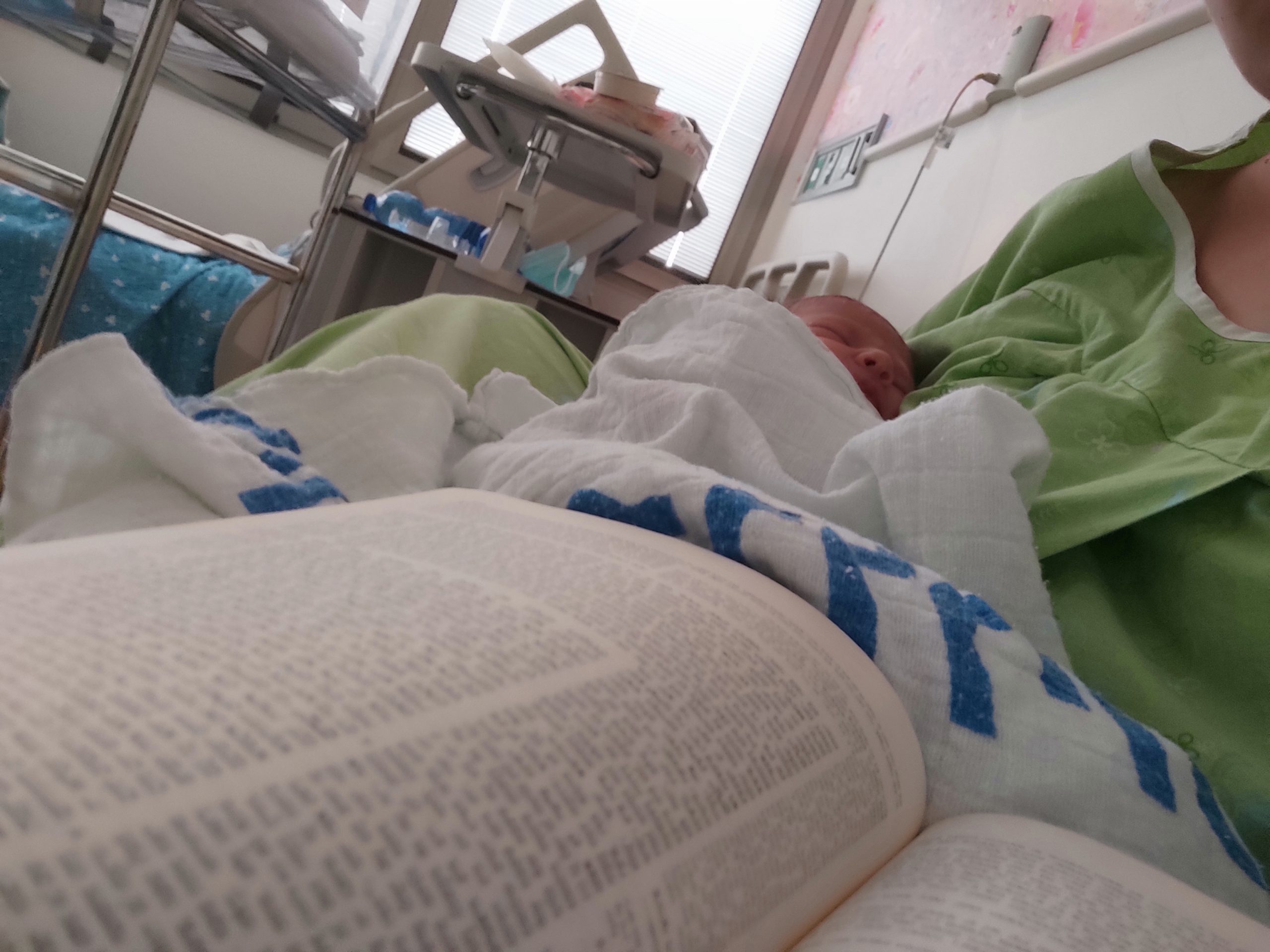
כמו שרואים בתמונה אני ממשיכה ללמוד גם היום ואפילו במחלקת יולדות אחרי לידת ביתי השלישית.
נועה שילה
רבבה, ישראל
התחלתי ללמוד דף יומי באמצע תקופת הקורונה, שאבא שלי סיפר לי על קבוצה של בנות שתיפתח ביישוב שלנו ותלמד דף יומי כל יום. הרבה זמן רציתי להצטרף לזה וזאת הייתה ההזדמנות בשבילי. הצטרפתי במסכת שקלים ובאמצע הייתה הפסקה קצרה. כיום אני כבר לומדת באולפנה ולומדת דף יומי לבד מתוך גמרא של טיינזלץ.
שבות בראלי
עתניאל, ישראל
A life-changing journey started with a Chanukah family tiyul to Zippori, home of the Sanhedrin 2 years ago and continued with the Syum in Binanei Hauma where I was awed by the energy of 3000 women dedicated to learning daf Yomi. Opening my morning daily with a fresh daf, I am excited with the new insights I find enriching my life and opening new and deeper horizons for me.

בקי גולדשטיין
Elazar gush etzion, Israel
התחלתי ללמוד דף יומי שהתחילו מסכת כתובות, לפני 7 שנים, במסגרת קבוצת לימוד שהתפרקה די מהר, ומשם המשכתי לבד בתמיכת האיש שלי. נעזרתי בגמרת שטיינזלץ ובשיעורים מוקלטים.
הסביבה מאד תומכת ואני מקבלת המון מילים טובות לאורך כל הדרך. מאז הסיום הגדול יש תחושה שאני חלק מדבר גדול יותר.
אני לומדת בשיטת ה”7 דפים בשבוע” של הרבנית תרצה קלמן – כלומר, לא נורא אם לא הצלחת ללמוד כל יום, העיקר שגמרת ארבעה דפים בשבוע

רחל גולדשטיין
עתניאל, ישראל
למדתי גמרא מכיתה ז- ט ב Maimonides School ואחרי העליה שלי בגיל 14 לימוד הגמרא, שלא היה כל כך מקובל בימים אלה, היה די ספוראדי. אחרי "ההתגלות” בבנייני האומה התחלתי ללמוד בעיקר בדרך הביתה למדתי מפוקקטסים שונים. לאט לאט ראיתי שאני תמיד חוזרת לרבנית מישל פרבר. באיזה שהוא שלב התחלתי ללמוד בזום בשעה 7:10 .
היום "אין מצב” שאני אתחיל את היום שלי ללא לימוד עם הרבנית מישל עם כוס הקפה שלי!!

דבי גביר
חשמונאים, ישראל
בסוף הסבב הקודם ראיתי את השמחה הגדולה שבסיום הלימוד, בעלי סיים כבר בפעם השלישית וכמובן הסיום הנשי בבנייני האומה וחשבתי שאולי זו הזדמנות עבורי למשהו חדש.
למרות שאני שונה בסביבה שלי, מי ששומע על הלימוד שלי מפרגן מאוד.
אני מנסה ללמוד קצת בכל יום, גם אם לא את כל הדף ובסך הכל אני בדרך כלל עומדת בקצב.
הלימוד מעניק המון משמעות ליום יום ועושה סדר בלמוד תורה, שתמיד היה (ועדיין) שאיפה. אבל אין כמו קביעות

רחלי מנדלסון
טל מנשה, ישראל
התחלתי לפני כמה שנים אבל רק בסבב הזה זכיתי ללמוד יום יום ולסיים מסכתות

סיגל טל
רעננה, ישראל
אחרי שראיתי את הסיום הנשי של הדף היומי בבנייני האומה זה ריגש אותי ועורר בי את הרצון להצטרף. לא למדתי גמרא קודם לכן בכלל, אז הכל היה לי חדש, ולכן אני לומדת בעיקר מהשיעורים פה בהדרן, בשוטנשטיין או בחוברות ושיננתם.
רבקה שלוס
בית שמש, ישראל
רבנית מישל הציתה אש התלמוד בלבבות בביניני האומה ואני נדלקתי. היא פתחה פתח ותמכה במתחילות כמוני ואפשרה לנו להתקדם בצעדים נכונים וטובים. הקימה מערך שלם שמסובב את הלומדות בסביבה תומכת וכך נכנסתי למסלול לימוד מעשיר שאין כמוה. הדרן יצר קהילה גדולה וחזקה שמאפשרת התקדמות מכל נקודת מוצא. יש דיבוק לומדות שמחזק את ההתמדה של כולנו. כל פניה ושאלה נענית בזריזות ויסודיות. תודה גם למגי על כל העזרה.

שרה אבר
נתניה, ישראל
אמא שלי למדה איתי ש”ס משנה, והתחילה ללמוד דף יומי. אני החלטתי שאני רוצה ללמוד גם. בהתחלה למדתי איתה, אח”כ הצטרפתי ללימוד דף יומי שהרב דני וינט מעביר לנוער בנים בעתניאל. במסכת עירובין עוד חברה הצטרפה אלי וכשהתחלנו פסחים הרב דני פתח לנו שעור דף יומי לבנות. מאז אנחנו לומדות איתו קבוע כל יום את הדף היומי (ובשבת אבא שלי מחליף אותו). אני נהנית מהלימוד, הוא מאתגר ומעניין

רננה הלמן
עתניאל, ישראל
התחלתי ללמוד דף יומי ממסכת נידה כי זה היה חומר הלימוד שלי אז. לאחר הסיום הגדול בבנייני האומה החלטתי להמשיך. וב”ה מאז עם הפסקות קטנות של קורונה ולידה אני משתדלת להמשיך ולהיות חלק.
זה משפיע מאוד על היום יום שלי ועל אף שאני עסוקה בלימודי הלכה ותורה כל יום, זאת המסגרת הקבועה והמחייבת ביותר שיש לי.

מוריה תעסן מיכאלי
גבעת הראל, ישראל
חולין צז
שָׁאנֵי חֵלֶב, דִּמְפַעְפַּע.
The Gemara answers: Forbidden fat is different from the sciatic nerve, because its flavor permeates throughout the animal, unlike that of the sciatic nerve.
וּבְחֵלֶב אָסוּר? וְהָאָמַר רַבָּה בַּר בַּר חָנָה: עוֹבָדָא הֲוָה קַמֵּיהּ דְּרַבִּי יוֹחָנָן בִּכְנִישְׁתָּא דְמָעוֹן, בִּגְדִי שֶׁצְּלָאוֹ בְּחֶלְבּוֹ, וַאֲתוֹ וְשַׁיְילוּהּ לְרַבִּי יוֹחָנָן, וְאָמַר: קוֹלֵף וְאוֹכֵל עַד שֶׁמַּגִּיעַ לְחֶלְבּוֹ! הָהוּא כָּחוּשׁ הֲוָה.
The Gemara challenges Rav Huna’s statement: And in the case of a kid roasted with its forbidden fat, is the meat forbidden? But didn’t Rabba bar bar Ḥana say: There was an incident that came before Rabbi Yoḥanan in the synagogue of the town of Maon, where a young goat was roasted with its fat, and the people came and asked Rabbi Yoḥanan about the status of the meat, and he said: Peel away the meat and eat it until you reach the forbidden fat? This indicates that the flavor of the fat does not permeate the entire animal in which it is roasted. The Gemara answers: That kid was lean and had so little fat that its flavor did not permeate throughout the animal.
רַב הוּנָא בַּר יְהוּדָה אָמַר: כּוּלְיָא בְּחֶלְבָּהּ הֲוָה, וְשַׁרְיַאּ. רָבִין בַּר רַב אַדָּא אָמַר: כִּילְכִּית בְּאִילְפָּס הֲוָה, וַאֲתוֹ שַׁיְילוּהּ לְרַבִּי יוֹחָנָן, וַאֲמַר לְהוּ: לִיטְעֲמֵיהּ קַפִּילָא אֲרַמָּאָה.
Rav Huna bar Yehuda said: That was a case of a kidney of a young goat roasted with its forbidden fat, and Rabbi Yoḥanan permitted it to be eaten because there is a membrane that separates the fat from the kidney and prevents the fat from penetrating the kidney. Ravin bar Rav Adda said: That was a case of a small, non-kosher fish known as kilkhit, which fell into a stewpot [ilpas], and they came to ask Rabbi Yoḥanan about its status. And he said to them: Let a gentile cook [kapeila] taste it in order to determine whether the flavor of the non-kosher fish has permeated the entire mixture.
אָמַר רָבָא: מֵרֵישׁ הֲוָה קָא קַשְׁיָא לִי הָא דְּתַנְיָא: קְדֵרָה שֶׁבִּשֵּׁל בָּהּ בָּשָׂר – לֹא יְבַשֵּׁל בָּהּ חָלָב, וְאִם בִּשֵּׁל – בְּנוֹתֵן טַעַם; תְּרוּמָה – לֹא יְבַשֵּׁל בָּהּ חוּלִּין, וְאִם בִּשֵּׁל – בְּנוֹתֵן טַעַם.
Rava said: Initially that which is taught in the following baraita posed a difficulty for me: With regard to a pot in which one cooked meat, one may not cook milk in it; and if he did cook milk in it, the meat absorbed by the pot renders the milk forbidden if it imparts flavor to the milk. Similarly, if one cooked teruma in a pot, one may not cook non-sacred food in it; and if one did cook non-sacred food in it, the absorbed teruma renders the food in the pot sacred if it imparts flavor to it.
בִּשְׁלָמָא תְּרוּמָה, טָעֵים לַהּ כֹּהֵן, אֶלָּא בָּשָׂר בְּחָלָב – מַאן טָעֵים לֵיהּ? הַשְׁתָּא דְּאָמַר רַבִּי יוֹחָנָן: סָמְכִינַן אַקַּפִּילָא אֲרַמָּאָה, הָכָא נָמֵי סָמְכִינַן אַקַּפִּילָא אֲרַמָּאָה.
Rava explains: Granted, in the case of a pot used for teruma, a priest, who is permitted to partake of teruma, can taste the non-sacred food subsequently cooked in the pot in order to determine whether the teruma imparted flavor to the non-sacred food. But in a case where it is not known whether meat imparted flavor into milk, who can taste it? If the meat did impart flavor to the milk, it would be forbidden for any Jew to consume the milk. But now that Rabbi Yoḥanan said: We rely on a gentile cook in the case of the kilkhit, here also we rely on a gentile cook to taste it and say whether the meat has imparted flavor to the milk.
דְּאָמַר רָבָא: אֲמוּר רַבָּנַן בְּטַעְמָא, וַאֲמוּר רַבָּנַן בְּקַפִּילָא,
The Gemara summarizes the guidelines that determine when an item cooked with another item affects the status of the mixture. Rava said: The Sages said that there are cases where one relies on a Jew tasting the food, and the Sages said that there are some cases where one relies on a gentile cook to taste the food,
וַאֲמוּר רַבָּנַן בְּשִׁשִּׁים. הִלְכָּךְ, מִין בְּשֶׁאֵינוֹ מִינוֹ דְּהֶיתֵּרָא – בְּטַעְמָא, דְּאִיסּוּרָא – בְּקַפִּילָא.
and the Sages said that there are cases where the mixture is permitted if there is sixty times as much permitted food as forbidden food. Therefore, in a case where the mixture is a type of food mixed with food not of its own type, so that there is a difference in taste between the two components, when there are Jews for whom the mixture is permitted, one relies on a Jew tasting the mixture. This is the halakha when teruma is cooked with non-sacred food. When the mixture is potentially forbidden, e.g., in the case of meat cooked with milk, one relies on a gentile cook to taste it.
וּמִין בְּמִינוֹ, דְּלֵיכָּא לְמֵיקַם אַטַּעְמָא, אִי נָמֵי מִין בְּשֶׁאֵינוֹ מִינוֹ דְּאִיסּוּרָא, דְּלֵיכָּא קַפִּילָא – בְּשִׁשִּׁים.
And if the mixture is composed of a type of food mixed with food of its own type, where one cannot ascertain whether the forbidden component has imparted flavor; or if it is composed of a type of food mixed with food not of its own type when the mixture may be forbidden and it is a case where there is no gentile cook available to taste it, the mixture is permitted if there is sixty times as much permitted food as forbidden food.
הָנְהוּ אַטְמָהָתָא דְּאִימְּלִיחוּ בֵּי רֵישׁ גָּלוּתָא בְּגִידָא נַשְׁיָא, רָבִינָא אָסַר, רַב אַחָא בַּר רַב אָשֵׁי שָׁרֵי. אֲתוֹ שַׁיְילוּהּ לְמָר בַּר רַב אָשֵׁי, אֲמַר לְהוּ: אַבָּא שָׁרֵי.
§ The Gemara (96b) cited Shmuel’s opinion with regard to the thigh of an animal that was roasted or cooked with the sciatic nerve still inside. The Gemara relates the following incident: There were those animal thighs that were salted in the home of the Exilarch with the sciatic nerve still inside; Ravina ruled that they were forbidden, whereas Rav Aḥa bar Rav Ashi ruled that they were permitted. They came and asked Mar bar Rav Ashi to render a decision. He said to them: My father permitted the meat in such circumstances.
אֲמַר לֵיהּ רַב אַחָא בַּר רַב לְרָבִינָא: מַאי דַּעְתָּיךְ – דְּאָמַר שְׁמוּאֵל: מָלִיחַ הֲרֵי הוּא כְּרוֹתֵחַ, כָּבוּשׁ הֲרֵי הוּא כִּמְבוּשָּׁל.
Rav Aḥa bar Rav said to Ravina: What is your reasoning in prohibiting the meat? Is it because of what Shmuel said: A salted food item is considered like a boiling hot food item, and a food item marinated in vinegar, brine, or the like is considered like a cooked food item? Perhaps based on this statement of Shmuel you consider the salted thighs as though they have been cooked with their sciatic nerves, in which case they are forbidden.
וְהָאָמַר שְׁמוּאֵל: לֹא שָׁנוּ אֶלָּא שֶׁנִּתְבַּשֵּׁל בָּהּ, אֲבָל נִצְלָה בָּהּ – קוֹלֵף וְאוֹכֵל עַד שֶׁמַּגִּיעַ לַגִּיד.
But didn’t Shmuel also say (96b): They taught that the thigh is entirely forbidden only when it was cooked with the sciatic nerve inside it. But if the sciatic nerve was roasted inside the thigh, one may peel away the meat and eat it until he reaches the sciatic nerve, and then he removes the nerve.
וְכִי תֵּימָא, מַאי כְּרוֹתֵחַ דְּקָאָמַר? כְּרוֹתֵחַ דִּמְבוּשָּׁל! וְהָא מִדְּקָאָמַר כָּבוּשׁ הֲרֵי הוּא כִּמְבוּשָּׁל, מִכְּלָל דְּרוֹתֵחַ דְּצָלִי קָאָמַר. קַשְׁיָא.
And if you would say: What is the meaning of the phrase: Like a boiling hot food item, that Shmuel said? It is like boiling hot food that was cooked rather than hot food that was roasted, and therefore if the thigh was salted with its sciatic nerve the entire thigh becomes forbidden. This is not a convincing claim, because from the fact that Shmuel said: A food item marinated in vinegar, brine, or the like is considered like a cooked food item, it may be understood by inference that when he said that salted food is like boiling hot food he was saying that it is like boiling hot food that is roasted. The Gemara concludes: This poses a difficulty to the opinion of Ravina.
אָמַר רַבִּי חֲנִינָא: כְּשֶׁהֵן מְשַׁעֲרִין, מְשַׁעֲרִין בְּרוֹטֶב וּבַקֵּיפֶה וּבַחֲתִיכוֹת וּבִקְדֵרָה. אִיכָּא דְּאָמְרִי: בִּקְדֵרָה עַצְמָהּ, וְאִיכָּא דְּאָמְרִי: בְּמַאי דְּבָלְעָה קְדֵרָה.
§ The Gemara elaborates on the statement that if permitted and forbidden foods are cooked together and there is sixty times as much permitted food as forbidden food, the mixture is permitted. Rabbi Ḥanina says: When they assess whether or not there is sixty times as much permitted food, they assess the volume of the broth, the deposits [kifa], the pieces of permitted food cooked in the pot, and the pot itself. The Gemara explains this last point: There are those who say this means that one includes the volume of the material of the pot itself, and there are those who say it means that one includes the volume of that which the pot has absorbed from the permitted food. When meat cooks its volume decreases, and some of the meat that constitutes that discrepancy is absorbed into the sides of the pot.
אָמַר רַבִּי אֲבָהוּ אָמַר רַבִּי יוֹחָנָן: כׇּל אִיסּוּרִין שֶׁבַּתּוֹרָה (מְשַׁעֲרִינַן) [מְשַׁעֲרִין אוֹתָן] כְּאִילּוּ הֵן בָּצָל וְקַפְלוֹט.
The Gemara continues its discussion of nullification. Rabbi Abbahu says that Rabbi Yoḥanan says: With regard to all forbidden foods that are prohibited in the Torah, if they are cooked with permitted food and one cannot tell whether they have imparted flavor to the permitted food, we assess the mixture as though the forbidden food were onion or leek [kaflot]. If that amount of onions or leeks would impart flavor to the permitted food, one must assume that the mixture is forbidden.
אֲמַר לֵיהּ רַבִּי אַבָּא לְאַבָּיֵי: וּלְשַׁעֲרִינְהוּ בְּפִלְפְּלִין וְתַבְלִין, דַּאֲפִילּוּ בְּאֶלֶף לֹא בְּטֵלִין! אֲמַר לֵיהּ: שִׁיעֲרוּ חֲכָמִים דְּאֵין נוֹתֵן טַעַם בְּאִיסּוּרִין יוֹתֵר מִבָּצָל וְקַפְלוֹט.
Rabbi Abba said to Abaye: But let one assess the mixture as though the forbidden food were pepper or other spices, which are even more pungent, in which case they would not be nullified even if they were mixed with a thousand times as much permitted food. Abaye said to him: The Sages ascertained that with regard to forbidden foods, there is nothing that imparts more flavor to a mixture than onion and leek.
אָמַר רַב נַחְמָן: גִּיד בְּשִׁשִּׁים, וְאֵין גִּיד מִן הַמִּנְיָן; כְּחָל בְּשִׁשִּׁים, וּכְחָל מִן הַמִּנְיָן; בֵּיצָה בְּשִׁשִּׁים, וְאֵין בֵּיצָה מִן הַמִּנְיָן.
§ The Gemara continues to discuss the nullification of forbidden foods. Rav Naḥman says: A sciatic nerve that was cooked with kosher food is nullified if the mixture contains permitted food that is sixty times the nerve’s volume, and the sciatic nerve itself is not counted in that number, because it cannot nullify itself. If an udder, which is meat but also contains milk, is cooked with other meat, the milk is nullified if the meat is sixty times its volume, and the udder itself is counted with the rest of the meat. If the egg of a non-kosher bird is cooked with kosher food, it is nullified if the permitted food is sixty times its volume, and the egg itself is not counted in that number, as it cannot nullify itself.
אָמַר רַבִּי יִצְחָק בְּרֵיהּ דְּרַב מְשַׁרְשְׁיָא: וּכְחָל עַצְמוֹ אָסוּר, וְאִי נָפַל לִקְדֵרָה אַחֶרֶת – אוֹסֵר.
Rabbi Yitzḥak, son of Rav Mesharshiyya, says: In the case of an udder cooked with meat, even if the meat is sixty times the volume of the milk, so that the meat is permitted, the udder itself is forbidden, because the meat imparts flavor to the milk contained within the udder, which then renders the udder forbidden. And if the udder subsequently falls into another pot, it also renders the contents of that pot forbidden unless they are sixty times the volume of the udder.
אָמַר רַב אָשֵׁי: כִּי הֲוֵינַן בֵּי רַב כָּהֲנָא, אִיבַּעְיָא לַן: כִּי מְשַׁעֲרִינַן בְּדִידֵיהּ מְשַׁעֲרִינַן, אוֹ בְּמַאי דִּנְפַק מִינֵּיהּ מְשַׁעֲרִינַן?
Rav Ashi said: When we were in the study hall of Rav Kahana, a dilemma was raised before us: When we assess whether the contents of the pot are sufficient to nullify the udder, do we assess whether the pot contains sixty times as much permitted food as the entire volume of the meat of the udder itself, or do we assess only that milk which came out from the udder, since the udder itself has been removed from the mixture?
פְּשִׁיטָא דִּבְדִידֵיהּ מְשַׁעֲרִינַן, דְּאִי בְּמָה דִּנְפַק מִינֵּיהּ – מְנָא יָדְעִינַן? אֶלָּא מֵעַתָּה, נָפַל לִקְדֵרָה אַחֶרֶת – לֹא יֶאֱסֹר?
The Gemara responds: It is obvious that we assess the entire volume of the meat of the udder itself, as if we were to attempt to assess only that which came out of it, how would we know how much came out? The Gemara objects: If that is so, then if the udder falls into another pot, it should not render the food in that second pot forbidden, because it has been assumed that all the milk in the udder has been released into the first pot.
כֵּיוָן דְּאָמַר רַב יִצְחָק בְּרֵיהּ דְּרַב מְשַׁרְשְׁיָא: וּכְחָל עַצְמוֹ אָסוּר, שַׁוְּיוּהּ רַבָּנַן כַּחֲתִיכָה דִּנְבֵלָה.
The Gemara explains: Since Rav Yitzḥak, son of Rav Mesharshiyya, says that even if there is sixty times as much meat in the pot as there is milk in the udder, the udder itself is forbidden, clearly the Sages equated the udder with a piece of non-kosher meat. Consequently, the reason the udder renders the contents of the second pot forbidden is that the udder is intrinsically forbidden, not because of the milk that is released into the pot while it is being cooked.
בֵּיצָה בְּשִׁשִּׁים, וְאֵין בֵּיצָה מִן הַמִּנְיָן. אֲמַר לֵיהּ רַב אִידִי בַּר אָבִין לְאַבָּיֵי: לְמֵימְרָא דְּיָהֲבָה טַעְמָא? וְהָא אָמְרִי אִינָשֵׁי: כִּי מַיָּא דְּבֵיעֵי בְּעָלְמָא!
§ The Gemara addresses Rav Naḥman’s statement that if the egg of a non-kosher bird is cooked with kosher food, it is nullified if the permitted food is sixty times its volume, and the egg itself is not counted in that number, as it cannot nullify itself. Rav Idi bar Avin said to Abaye: Is this to say that the forbidden egg imparts flavor to the food with which it is cooked? But isn’t it true that when people want to indicate that food is tasteless, they say: This is like mere egg-water? This indicates that an egg does not impart flavor.
אֲמַר לֵיהּ: הָכָא בְּמַאי עָסְקִינַן?
Abaye said to him: Here we are dealing with
לעקוב

