חיפוש

עירובין לט

רוצה להקדיש שיעור?

podcast placeholder

0:00
0:00


תקציר

השיעור היום מוקדש על ידי גבריאל ודניאל אלטמן לכבוד נישואין של אחיין שלהם, אליהו שטרק לאריאלה וייס. 

מה ההבדל בין מי שעירב בפת ומי שעירב ברגליו במקרה של יומיים קודש – הראשון של יום טוב והשני של שבת? איך אנו מתייחסים לשני ימים טובים של ראש השנה? האם זה ספק כמו שאר חגים בחוץ לארץ ואם כן, מותר להתנות "אם היום הראשון קודש והשני חול…” וכנ”ל ביום השני ובכך לערב כל יום בכיוון אחר או להתיר הפשרת תרומות ומעשרות על תנאי או ביצה שנולדה? או אי אפשר כי הכל קדושה אחת? האם גם בנוסח התפילה בראש השנה אומרים שזה ראש חודש "אם היום אם מחר”? האם ר’ יוסי שאוסר להתנות, אוסר רק בראש השנה או גם בשני ימים טובים של גלויות. יש גירסות שונות לגבי דבריו. קרה מעשה בבית ריש גלותא ונוצר עימות בין רב נחמן ורב ששת על עניין זה.

כלים

עירובין לט

לֹא יְטַיֵּיל אָדָם עַל פֶּתַח מְדִינָה כְּדֵי שֶׁיִּכָּנֵס לַמֶּרְחָץ מִיָּד, הָדַר בֵּיהּ!

a person may not stroll at the entrance to the city toward the end of Shabbat or a Festival in order to enter a bathhouse immediately upon the conclusion of Shabbat, then Rabba would have retracted his statement with regard to an eiruv. This baraita indicates that even walking on Shabbat for something one needs after Shabbat falls into the category of prohibited preparation.

וְלָא הִיא, שְׁמִעַ לֵיהּ וְלָא הֲדַר בֵּיהּ. הָתָם — מוֹכְחָא מִילְּתָא, הָכָא — לָאו מוֹכְחָא מִילְּתָא הִיא.

The Gemara rejects this argument: And this is not correct. Rabba heard this baraita but did not retract his ruling, as a distinction can be drawn between the cases. There, in the baraita pertaining to one who walks to the end of his field, or one who strolls at the entrance to the city, it is clear to all observers that he is doing so in order to determine what work the field needs after Shabbat, or to enter the bathhouse immediately after Shabbat, respectively. Whereas here, with regard to an eiruv, it is not clear to others that one’s actions are for the purpose of establishing an eiruv.

אִי צוּרְבָּא מֵרַבָּנַן הוּא, אָמְרִינַן: שְׁמַעְתָּא מְשַׁכְתֵּיהּ. וְאִי עַם הָאָרֶץ הוּא, אָמְרִינַן: חַמְרָא אִירְכַס לֵיהּ.

The Gemara explains: If he is a Torah scholar [tzurva merabbanan], we, the observers, would say: Perhaps his study pulled him, i.e., he was engrossed in his study and was not paying attention to where he was going. And if he is an ignoramus, we would say: Perhaps he lost his donkey and went to look for it. His actions give no indication that he is going to establish an eiruv for the following day, as establishing an eiruv does not require any recognizable action.

גּוּפָא, אָמַר רַב יְהוּדָה: עֵירַב בְּרַגְלָיו בְּיוֹם רִאשׁוֹן — מְעָרֵב בְּרַגְלָיו בְּשֵׁנִי. עֵירַב בְּפַת בְּיוֹם רִאשׁוֹן — מְעָרֵב בְּפַת בְּיוֹם שֵׁנִי.

The Gemara now examines Rav Yehuda’s statement itself, which was cited in the course of the previous discussion. Rav Yehuda said: If one established an eiruv with his feet on the eve of the first day, he may establish an eiruv with his feet on the eve of the second day as well. If he established an eiruv with bread that he deposited in the place where he wishes to acquire his place of rest on the eve of the first day, he may establish an eiruv with bread on the eve of the second day as well.

עֵירַב בְּפַת בָּרִאשׁוֹן — מְעָרֵב בְּרַגְלָיו בַּשֵּׁנִי. עֵירַב בְּרַגְלָיו בָּרִאשׁוֹן — אֵין מְעָרֵב בְּפַת בַּשֵּׁנִי, שֶׁאֵין מְעָרְבִין בַּתְּחִלָּה בְּפַת.

If he established an eiruv with bread on the eve of the first day, and his eiruv was eaten, he may change and establish an eiruv with his feet on the eve of the second day. However, if he established an eiruv with his feet on the eve of the first day, he may not establish an eiruv with bread on the eve of the second day, as one may not initially establish an eiruv with bread on a Festival for the sake of Shabbat because it is prohibited to prepare on a Festival for Shabbat.

עֵירַב בְּפַת בְּיוֹם רִאשׁוֹן מְעָרֵב בְּפַת בְּיוֹם שֵׁנִי, אָמַר שְׁמוּאֵל: וּבְאוֹתָהּ הַפַּת. אָמַר רַב אָשֵׁי: דַּיְקָא נָמֵי מַתְנִיתִין, דְּקָתָנֵי: כֵּיצַד הוּא עוֹשֶׂה? מוֹלִיכוֹ בָּרִאשׁוֹן, וּמַחְשִׁיךְ עָלָיו, וְנוֹטְלוֹ וּבָא לוֹ. בַּשֵּׁנִי, מַחְשִׁיךְ עָלָיו, וְאוֹכְלוֹ וּבָא לוֹ.

With regard to the statement: If he established an eiruv with bread on the eve of the first day, he may establish an eiruv with bread on the eve of the second day, Shmuel said: Only with the same bread. Rav Ashi said: The wording of the mishna is also precise according to this understanding, as we learned: What does he do if a Festival occurs on Friday, and he wishes to establish an eiruv that will be valid for both the Festival and Shabbat? He brings the eiruv to the spot that he wishes to establish as his residence on the eve of the first day, and he stays there with it until nightfall, and then he takes it with him and goes away. On the eve of the second day, he takes the eiruv back to the same place as the day before, and stays there with it until nightfall, and then he may eat the eiruv and go away. The wording of the mishna indicates that he must establish his eiruv for the second day with the same bread that he used for the first day, as argued by Shmuel.

וְרַבָּנַן, דִּילְמָא הָתָם — עֵצָה טוֹבָה קָא מַשְׁמַע לַן.

The Gemara adds: And the Rabbis, who do not accept the opinion of Shmuel, argue that this is no proof, as perhaps there, the mishna is merely teaching us good advice as to how one can rely on a single eiruv and avoid having to prepare an additional eiruv for the second day.

מַתְנִי׳ רַבִּי יְהוּדָה אוֹמֵר: רֹאשׁ הַשָּׁנָה שֶׁהָיָה יָרֵא שֶׁמָּא תִּתְעַבֵּר, מְעָרֵב אָדָם שְׁנֵי עֵירוּבִין, וְאוֹמֵר: עֵירוּבִי בָּרִאשׁוֹן לַמִּזְרָח, וּבַשֵּׁנִי לַמַּעֲרָב. בָּרִאשׁוֹן לַמַּעֲרָב, וּבַשֵּׁנִי לַמִּזְרָח. עֵירוּבִי בָּרִאשׁוֹן, וּבַשֵּׁנִי כִּבְנֵי עִירִי. עֵירוּבִי בַּשֵּׁנִי, וּבְרִאשׁוֹן כִּבְנֵי עִירִי. וְלֹא הוֹדוּ לוֹ חֲכָמִים.

MISHNA: During the time period when the Jewish calendar was established by the court according to the testimony of witnesses who had seen the new moon, Rosh HaShana would be observed for only one day if witnesses arrived on that day, and for two days if witnesses failed to arrive and the month of Elul was declared to be an extended, thirty-day month. Rabbi Yehuda says: With regard to Rosh HaShana, if one feared that the month of Elul might be extended, and he wanted to travel in two different directions on the two days that could be Rosh HaShana, this person may establish two eiruvin and say: My eiruv on the first day shall be to the east and on the second day to the west, or alternatively: On the first day it shall be to the west, and on the second day to the east. Similarly, he may say: My eiruv shall apply on the first day, but on the second day I shall be like the rest of the inhabitants of my town, or alternatively: My eiruv shall apply on the second day, but on the first day I shall be like the rest of the inhabitants of my town. And the Rabbis did not agree with him that the two days of Rosh HaShana can be divided in such a manner.

וְעוֹד אָמַר רַבִּי יְהוּדָה: מַתְנֶה אָדָם עַל הַכַּלְכַּלָּה בְּיוֹם טוֹב רִאשׁוֹן, וְאוֹכְלָהּ בַּשֵּׁנִי.

And Rabbi Yehuda said further, with regard to the two days of Rosh HaShana that one observes because he does not know which is the real day of the Festival: A person may make a condition with regard to a basket of tevel produce on the first day of the Festival and say as follows: If today is the Festival and tomorrow is an ordinary weekday I will separate the teruma and tithes tomorrow, and I have performed nothing today; if today is an ordinary weekday, I hereby separate the appropriate teruma and tithes now. He may then eat the produce on the second day of the Festival, since one of his two acts of tithing was certainly performed on an ordinary weekday.

וְכֵן בֵּיצָה שֶׁנּוֹלְדָה בָּרִאשׁוֹן, תֵּאָכֵל בַּשֵּׁנִי. וְלֹא הוֹדוּ לוֹ חֲכָמִים.

And similarly, an egg that was laid on the first day of the Festival may be eaten on the second day, since one of the days is certainly an ordinary weekday. And the Rabbis did not agree with him even with regard to these two days.

רַבִּי דּוֹסָא בֶּן הַרְכִּינָס אוֹמֵר: הָעוֹבֵר לִפְנֵי הַתֵּיבָה בְּיוֹם טוֹב שֶׁל רֹאשׁ הַשָּׁנָה, אוֹמֵר: ״הַחְלִיצֵנוּ ה׳ אֱלֹהֵינוּ אֶת יוֹם רֹאשׁ הַחֹדֶשׁ הַזֶּה, אִם הַיּוֹם אִם לְמָחָר״. וּלְמָחָר הוּא אוֹמֵר: ״אִם הַיּוֹם אִם אֶמֶשׁ״. וְלֹא הוֹדוּ לוֹ חֲכָמִים.

Rabbi Dosa ben Harekinas says: One who passes before the ark in the synagogue and leads the congregation in prayer on the first day of the festival of Rosh HaShana says: Strengthen us, O Lord our God, on this day of the New Moon, whether it is today or tomorrow. And similarly, on the following day he says: Whether Rosh HaShana is today or yesterday. And the Rabbis did not agree with him that one should formulate his prayer in this conditional manner.

גְּמָ׳ מַאן ״לֹא הוֹדוּ לוֹ״? אָמַר רַב: רַבִּי יוֹסֵי הִיא, דְּתַנְיָא: מוֹדִים חֲכָמִים לְרַבִּי אֱלִיעֶזֶר בְּרֹאשׁ הַשָּׁנָה שֶׁהָיָה יָרֵא שֶׁמָּא תִּתְעַבֵּר, מְעָרֵב אָדָם שְׁנֵי עֵירוּבִין, וְאוֹמֵר: עֵירוּבִי בָּרִאשׁוֹן לַמִּזְרָח, וּבַשֵּׁנִי לַמַּעֲרָב. בָּרִאשׁוֹן לַמַּעֲרָב, וּבַשֵּׁנִי לַמִּזְרָח. עֵירוּבִי בָּרִאשׁוֹן, וּבַשֵּׁנִי כִּבְנֵי עִירִי. עֵירוּבִי בַּשֵּׁנִי, וּבָרִאשׁוֹן כִּבְנֵי עִירִי. רַבִּי יוֹסֵי אוֹסֵר.

GEMARA: Who are the Sages who did not agree with Rabbi Yehuda? Rav said: It is those who follow the opinion of Rabbi Yosei, as it was taught in the Tosefta: Even though the Rabbis disagree with him about a Festival and Shabbat that occur on consecutive days and say that one cannot make two separate eiruvin for the two days, they concede to Rabbi Eliezer with regard to Rosh HaShana that if a person feared that the month of Elul might be extended, he may establish two eiruvin and say: My eiruv on the first day shall be to the east, and on the second day to the west, or: On the first day it shall be to the west, and on the second day to the east, or: My eiruv shall apply on the first day, but on the second day I shall be like the rest of the inhabitants of my town, or: My eiruv shall apply on the second day, but on the first day I shall be like the rest of the inhabitants of my town. But Rabbi Yosei prohibits it.

אָמַר לָהֶן רַבִּי יוֹסֵי: אִי אַתֶּם מוֹדִים שֶׁאִם בָּאוּ עֵדִים מִן הַמִּנְחָה וּלְמַעְלָה, שֶׁנּוֹהֲגִין אוֹתוֹ הַיּוֹם קֹדֶשׁ וּלְמָחָר קֹדֶשׁ?!

Rabbi Yosei said to the Rabbis: Don’t you concede that if witnesses came from the time of minḥa and onwards on the first day of Rosh HaShana and testified that they had seen the new moon, we do not rely on their testimony to sanctify that day as Rosh HaShana; rather, since their testimony was not given on time, we observe that day as sanctified and also the following day as sanctified? This indicates that the two days of Rosh HaShana are not observed out of doubt as to which is the proper day; rather, it is as though the two days are one long day that are imbued with one unified sanctity. Therefore, it should not be possible to divide them.

וְרַבָּנַן, הָתָם כִּי הֵיכִי דְּלָא לְזַלְזוֹלֵי בֵּיהּ.

And the Rabbis hold that there, the first day is not observed as a Festival by Torah law but due to rabbinic decree, so that people will not demean the day in future years and end up desecrating the Festival should the witnesses come on time. However, by Torah law it is an ordinary weekday, and therefore one can establish two separate eiruvin for the two days.

וְעוֹד אָמַר רַבִּי יְהוּדָה וְכוּ׳.

We learned in the mishna that in addition to his ruling with regard to eiruvin for the two days of Rosh HaShana, Rabbi Yehuda said further that the two days can be split with regard to a basket of tevel produce and an egg laid on the first day of the Festival.

וּצְרִיכָא. דְּאִי אַשְׁמְעִינַן רֹאשׁ הַשָּׁנָה — בְּהָא קָאָמַר רַבִּי יְהוּדָה, מִשּׁוּם דְּלָא קָעָבֵיד מִידֵּי. אֲבָל כַּלְכָּלָה, דְּמֶיחְזֵי כִּמְתַקֵּן טִיבְלָא — אֵימָא מוֹדֶה לְהוּ לְרַבָּנַן.

The Gemara comments: And it was necessary to teach us all three laws, as they could not have been derived from one another. As, if he had only taught us the halakha with regard to establishing an eiruv for the two days of Rosh HaShana, one might have said that only in this case does Rabbi Yehuda say his ruling because in this case one does not actually do anything on the Festival itself. But in the case of a basket, where it appears as though one is rendering tevel fit on a Festival, say that Rabbi Yehuda concedes to the Rabbis that it is decreed prohibited.

וְאִי אַשְׁמְעִינַן הָנֵי תַּרְתֵּי — מִשּׁוּם דְּלֵיכָּא לְמִיגְזַר עֲלַיְיהוּ. אֲבָל בֵּיצָה, דְּאִיכָּא לְמִיגְזַר בָּהּ מִשּׁוּם פֵּירוֹת הַנּוֹשְׁרִין וּמִשּׁוּם מַשְׁקִין שֶׁזָּבוּ — אֵימָא מוֹדֶה לְהוּ לְרַבָּנַן, צְרִיכָא.

And had he taught us only these two halakhot, we might have said that Rabbi Yehuda is lenient because there is no reason to issue a decree prohibiting them, as the potential prohibitions involved are not so severe. But in the case of an egg that was laid on the first day of a Festival, where there is reason to issue a decree prohibiting it, as explained in tractate Beitza, because of fruit that fall from a tree or due to liquids that oozed from fruit on a Festival, both of which the Sages prohibited as a safeguard against violating Torah prohibitions, say that Rabbi Yehuda concedes to the opinion of the Rabbis, which maintains that this egg may not be eaten even on the second day of the Festival. It was therefore necessary to teach us all three cases.

תַּנְיָא, כֵּיצַד אָמַר רַבִּי יְהוּדָה מַתְנֶה אָדָם עַל הַכַּלְכָּלָה בְּיוֹם טוֹב רִאשׁוֹן וְאוֹכְלָהּ בַּשֵּׁנִי? הָיוּ לְפָנָיו שְׁתֵּי כַּלְכַּלּוֹת שֶׁל טֶבֶל, אוֹמֵר: אִם הַיּוֹם חוֹל וּלְמָחָר קֹדֶשׁ — תְּהֵא זוֹ תְּרוּמָה עַל זוֹ, וְאִם הַיּוֹם קֹדֶשׁ וּלְמָחָר חוֹל — אֵין בִּדְבָרַי כְּלוּם. וְקוֹרֵא עָלֶיהָ שֵׁם, וּמַנִּיחָהּ.

It was taught in a baraita: How is one to carry out what Rabbi Yehuda said, that a person may make a condition with regard to a basket of tevel produce on the first day of the Festival and then eat the produce on the second day? If there were two baskets of tevel produce before him, he says as follows: If today is an ordinary weekday and tomorrow is sanctified, let this basket be teruma for that basket; and if today is sanctified and tomorrow is an ordinary weekday, my statement has no significance. And he bestows upon the basket the name of teruma, and sets it aside.

וּלְמָחָר הוּא אוֹמֵר: אִם הַיּוֹם חוֹל — תְּהֵא זוֹ תְּרוּמָה עַל זוֹ, וְאִם הַיּוֹם קֹדֶשׁ — אֵין בִּדְבָרַי כְּלוּם. וְקוֹרֵא עָלֶיהָ שֵׁם וְאוֹכְלָהּ. רַבִּי יוֹסֵי אוֹסֵר. וְכֵן הָיָה רַבִּי יוֹסֵי אוֹסֵר בִּשְׁנֵי יָמִים טוֹבִים שֶׁל גָּלִיּוֹת.

And on the next day he says as follows: If today is an ordinary weekday, let this basket be teruma for that basket; and if today is sanctified, my statement has no significance. And He bestows upon the basket the name of teruma, and he may then eat the produce in the other basket, as teruma has definitely been separated on a weekday. Rabbi Yosei prohibits this. And, so too, Rabbi Yosei would prohibit this procedure even on the two Festival days of the Diaspora, even though the second day is only observed because of a doubt as to the proper day on which to observe the Festival.

הָהוּא בַּר טַבְיָא דַּאֲתָא לְבֵי רֵישׁ גָּלוּתָא דְּאִתְּצִיד בְּיוֹם טוֹב רִאשׁוֹן שֶׁל גָּלִיּוֹת, וְאִשְׁתְּחִיט בְּיוֹם טוֹב שֵׁנִי.

The Gemara relates that a particular young deer was brought to the house of the Exilarch. The deer was trapped by a gentile on the first day of a Festival observed in the Diaspora and slaughtered on the second day of the Festival. The question arose whether it was permitted to eat it, based on the fact that one of these two days was certainly an ordinary weekday.

רַב נַחְמָן וְרַב חִסְדָּא אֲכַלוּ, רַב שֵׁשֶׁת לָא אֲכַל. אָמַר רַב נַחְמָן: מַאי אֶעֱבֵיד לֵיהּ לְרַב שֵׁשֶׁת דְּלָא אָכֵיל בִּישְׂרָא דְטַבְיָא? אֲמַר לֵיהּ רַב שֵׁשֶׁת: וְהֵיכִי אֵיכוֹל דְּתָנֵי אִיסִי, וְאָמְרִי לַהּ אִיסִי תָּנֵי: וְכֵן הָיָה רַבִּי יוֹסֵי אוֹסֵר שְׁנֵי יָמִים טוֹבִים שֶׁל גָּלִיּוֹת!

Rav Naḥman and Rav Ḥisda ate from it, but Rav Sheshet did not eat from it. Rav Naḥman said in a jesting manner: What can I do for Rav Sheshet, who does not eat deer meat? Rav Sheshet said to him: How can I eat it, as Isi taught, and some say that this should be read as a question: Didn’t Isi teach: And, so too, Rabbi Yosei would prohibit this procedure even on the two Festival days of the Diaspora?

אָמַר רָבָא: וּמַאי קוּשְׁיָא? דִּילְמָא הָכִי קָאָמַר: וְכֵן הָיָה רַבִּי יוֹסֵי אוֹסֵר בִּשְׁנֵי יָמִים טוֹבִים שֶׁל רֹאשׁ הַשָּׁנָה בַּגּוֹלָה! אִי הָכִי ״שֶׁל גָּלִיּוֹת״ — ״בַּגּוֹלָה״ מִיבְּעֵי לֵיהּ!

Rava said: What is the difficulty? Perhaps this is what he said: And, so too, Rabbi Yosei would prohibit this procedure even on the two Festival days of Rosh HaShana in the Diaspora, but with regard to the two days of other Festivals observed in the Diaspora, he too would agree with Rabbi Yehuda and permit it. They said to him: If so, the phrase of the Diaspora is inappropriate. It should have said in the Diaspora.

אָמַר רַב אַסִּי: וּמַאי קוּשְׁיָא? דִּילְמָא הָכִי קָאָמַר: וְכֵן הָיָה רַבִּי יוֹסֵי עוֹשֶׂה אִיסּוּר שְׁנֵי יָמִים טוֹבִים שֶׁל גָּלִיּוֹת, כִּשְׁנֵי יָמִים טוֹבִים שֶׁל רֹאשׁ הַשָּׁנָה לְרַבָּנַן דְּשָׁרוּ.

Rav Asi said: What is the difficulty? Perhaps this is what he said: And so too, Rabbi Yosei would treat the prohibition of such a procedure on the two Festival days of the Diaspora as on the two Festival days of Rosh HaShana, according to the opinion of the Rabbis, who permit it. In any case, the proof from this baraita is inconclusive.

אַשְׁכְּחֵיהּ רַב שֵׁשֶׁת לְרַבָּה בַּר שְׁמוּאֵל, אֲמַר לֵיהּ: תָּנֵי מָר מִידֵּי בִּקְדוּשּׁוֹת? אֲמַר לֵיהּ תְּנֵינָא: מוֹדֶה רַבִּי יוֹסֵי בִּשְׁנֵי יָמִים טוֹבִים שֶׁל גָּלִיּוֹת. אֲמַר לֵיהּ: אִי מַשְׁכַּחַתְּ לְהוּ, לָא תֵּימָא לְהוּ וְלָא מִידֵּי.

The Gemara further relates that afterward Rav Sheshet met Rabba bar Shmuel and said to him: Has the Master learned anything with regard to the two sanctities of a Festival and the like? Rabba bar Shmuel said to him: We have learned that Rabbi Yosei concedes with regard to the two Festival days of the Diaspora. Rav Sheshet said to him: If you happen to meet Rav Naḥman and Rav Ḥisda, who disagreed with me and ate the deer in the Exilarch’s house, do not tell them anything of what you just told me, lest they use this tannaitic source to embarrass me about my refusal to eat.

אָמַר רַב אָשֵׁי: לְדִידִי אֲמַר לִי אַמֵּימָר: הָהוּא בַּר טַבְיָא לָאו אִיתְּצוּדֵי אִיתְּצִיד,

Rav Ashi said: Ameimar told me that the deer was not trapped on the Festival;

כלים

העמקה

רוצה להבין מה באמת קורה מתחת לפני השטח של הסוגיה?
שיעורים, פודקאסטים והרחבות של מיטב המורות שלנו יפתחו לך עוד זוויות וכיווני חשיבה.

לשיעורי עוד על הדף באנגלית, לחצי כאן

חדשה בלימוד הגמרא?

זה הדף הראשון שלך? איזו התרגשות עצומה! יש לנו בדיוק את התכנים והכלים שיעזרו לך לעשות את הצעדים הראשונים ללמידה בקצב וברמה שלך, כך תוכלי להרגיש בנוח גם בתוך הסוגיות המורכבות ומאתגרות.

פסיפס הלומדות שלנו

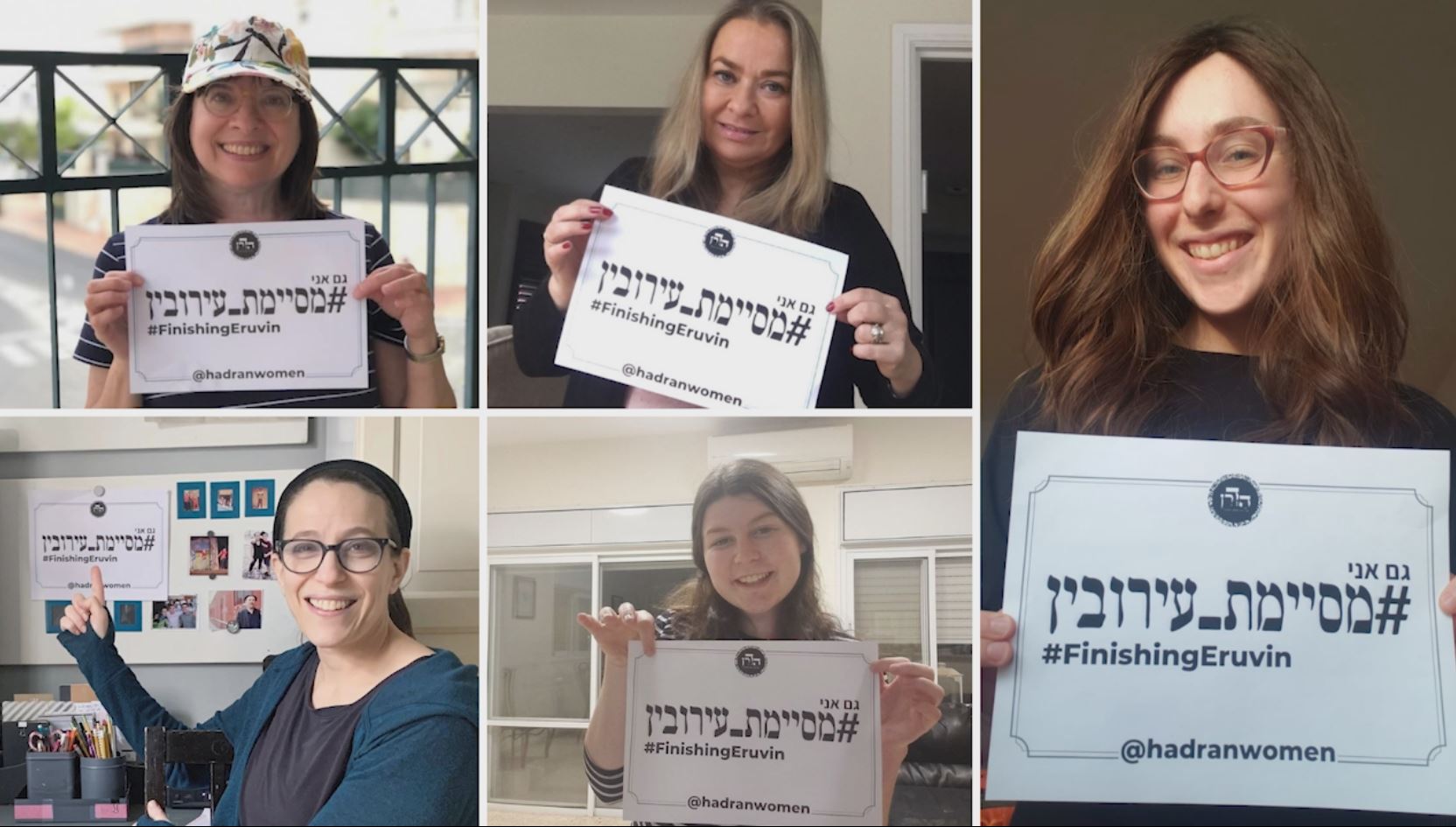
גלי את קהילת הלומדות שלנו, מגוון נשים, רקעים וסיפורים. כולן חלק מתנועה ומסע מרגש ועוצמתי.

בסוף הסבב הקודם ראיתי את השמחה הגדולה שבסיום הלימוד, בעלי סיים כבר בפעם השלישית וכמובן הסיום הנשי בבנייני האומה וחשבתי שאולי זו הזדמנות עבורי למשהו חדש.
למרות שאני שונה בסביבה שלי, מי ששומע על הלימוד שלי מפרגן מאוד.
אני מנסה ללמוד קצת בכל יום, גם אם לא את כל הדף ובסך הכל אני בדרך כלל עומדת בקצב.
הלימוד מעניק המון משמעות ליום יום ועושה סדר בלמוד תורה, שתמיד היה (ועדיין) שאיפה. אבל אין כמו קביעות

Racheli-Mendelson
רחלי מנדלסון

טל מנשה, ישראל

למדתי גמרא מכיתה ז- ט ב Maimonides School ואחרי העליה שלי בגיל 14 לימוד הגמרא, שלא היה כל כך מקובל בימים אלה, היה די ספוראדי. אחרי "ההתגלות” בבנייני האומה התחלתי ללמוד בעיקר בדרך הביתה למדתי מפוקקטסים שונים. לאט לאט ראיתי שאני תמיד חוזרת לרבנית מישל פרבר. באיזה שהוא שלב התחלתי ללמוד בזום בשעה 7:10 .
היום "אין מצב” שאני אתחיל את היום שלי ללא לימוד עם הרבנית מישל עם כוס הקפה שלי!!

selfie-scaled
דבי גביר

חשמונאים, ישראל

A life-changing journey started with a Chanukah family tiyul to Zippori, home of the Sanhedrin 2 years ago and continued with the Syum in Binanei Hauma where I was awed by the energy of 3000 women dedicated to learning daf Yomi. Opening my morning daily with a fresh daf, I am excited with the new insights I find enriching my life and opening new and deeper horizons for me.

Becky Goldstein
בקי גולדשטיין

Elazar gush etzion, Israel

התחלתי ללמוד לפני 4.5 שנים, כשהודיה חברה שלי פתחה קבוצת ווטסאפ ללימוד דף יומי בתחילת מסכת סנהדרין. מאז לימוד הדף נכנס לתוך היום-יום שלי והפך לאחד ממגדירי הזהות שלי ממש.

Rosenberg Foundation
קרן רוזנברג

ירושלים, ישראל

התחלתי להשתתף בשיעור נשים פעם בשבוע, תכננתי ללמוד רק דפים בודדים, לא האמנתי שאצליח יותר מכך.
לאט לאט נשאבתי פנימה לעולם הלימוד .משתדלת ללמוד כל בוקר ומתחילה את היום בתחושה של מלאות ומתוך התכווננות נכונה יותר.
הלימוד של הדף היומי ממלא אותי בתחושה של חיבור עמוק לעם היהודי ולכל הלומדים בעבר ובהווה.

Neely Hayon
נילי חיון

אפרת, ישראל

A friend in the SF Bay Area said in Dec 2019 that she might start listening on her morning drive to work. I mentioned to my husband and we decided to try the Daf when it began in Jan 2020 as part of our preparing to make Aliyah in the summer.

Hana Piotrkovsky
חנה פיוטרקובסקי

ירושלים, Israel

הייתי לפני שנתיים בסיום הדרן נשים בבנייני האומה והחלטתי להתחיל. אפילו רק כמה דפים, אולי רק פרק, אולי רק מסכת… בינתיים סיימתי רבע שס ותכף את כל סדר מועד בה.
הסביבה תומכת ומפרגנת. אני בת יחידה עם ארבעה אחים שכולם לומדים דף יומי. מדי פעם אנחנו עושים סיומים יחד באירועים משפחתיים. ממש מרגש. מסכת שבת סיימנו כולנו יחד עם אבא שלנו!
אני שומעת כל יום פודקאסט בהליכה או בנסיעה ואחכ לומדת את הגמרא.

Edna Gross
עדנה גרוס

מרכז שפירא, ישראל

אחרי שראיתי את הסיום הנשי של הדף היומי בבנייני האומה זה ריגש אותי ועורר בי את הרצון להצטרף. לא למדתי גמרא קודם לכן בכלל, אז הכל היה לי חדש, ולכן אני לומדת בעיקר מהשיעורים פה בהדרן, בשוטנשטיין או בחוברות ושיננתם.

Rebecca Schloss
רבקה שלוס

בית שמש, ישראל

התחלתי ללמוד דף יומי בסבב הקודם. זכיתי לסיים אותו במעמד המרגש של הדרן. בסבב הראשון ליווה אותי הספק, שאולי לא אצליח לעמוד בקצב ולהתמיד. בסבב השני אני לומדת ברוגע, מתוך אמונה ביכולתי ללמוד ולסיים. בסבב הלימוד הראשון ליוותה אותי חוויה מסויימת של בדידות. הדרן העניקה לי קהילת לימוד ואחוות נשים. החוויה של סיום הש”ס במעמד כה גדול כשנשים שאינן מכירות אותי, שמחות ומתרגשות עבורי , היתה חוויה מרוממת נפש

Ilanit Weil
אילנית ווייל

קיבוץ מגדל עוז, ישראל

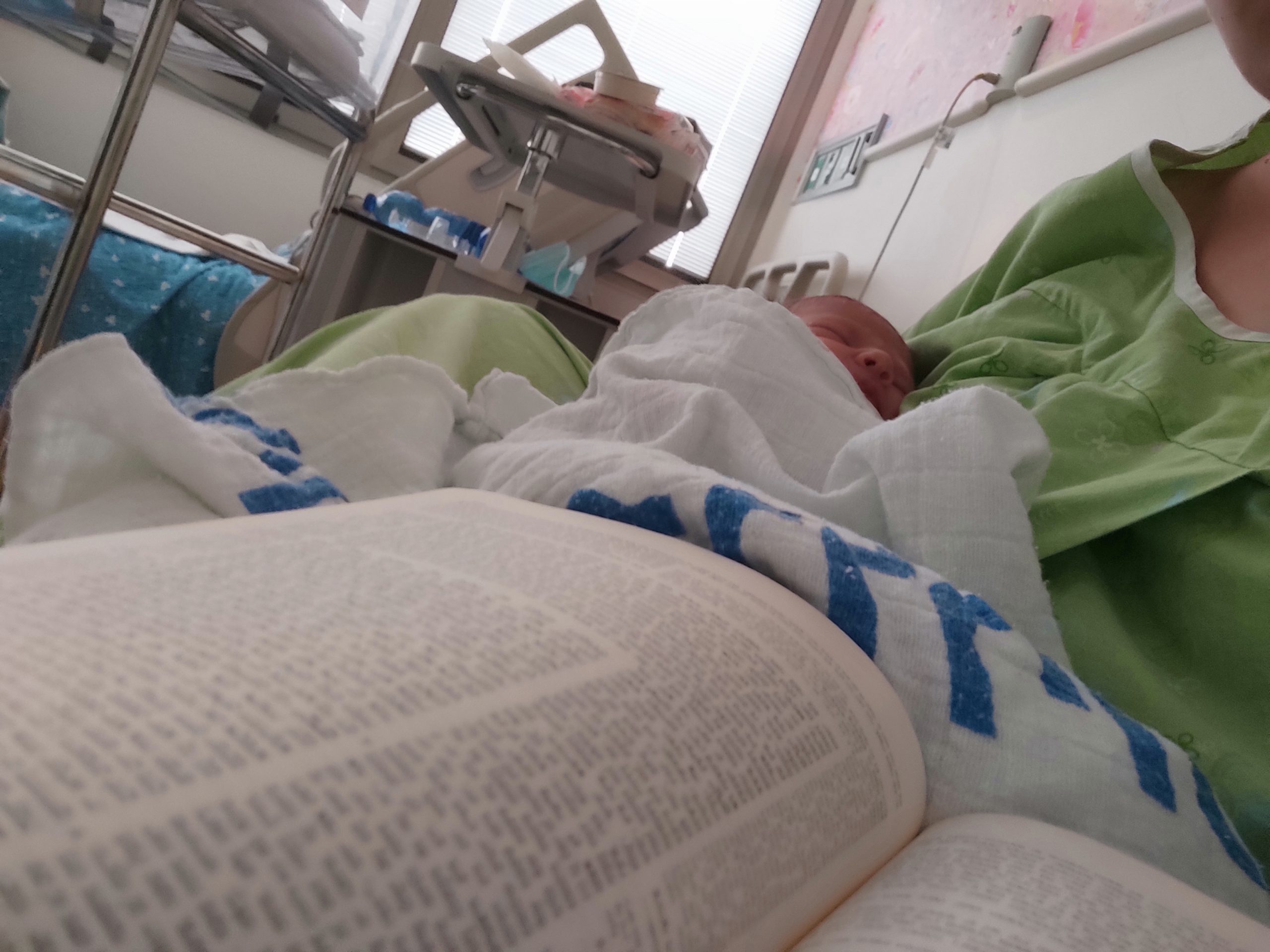
התחלתי בסיום הש”ס, יצאתי באורות. נשברתי פעמיים, ובשתיהם הרבנית מישל עודדה להמשיך איפה שכולם בסבב ולהשלים כשאוכל, וכך עשיתי וכיום השלמתי הכל. מדהים אותי שאני לומדת כל יום קצת, אפילו בחדר הלידה, בבידוד או בחו”ל. לאט לאט יותר נינוחה בסוגיות. לא כולם מבינים את הרצון, בפרט כפמניסטית. חשה סיפוק גדול להכיר את המושגים וצורת החשיבה. החלום זה להמשיך ולהתמיד ובמקביל ללמוד איך מהסוגיות נוצרה והתפתחה ההלכה.

Weingarten Sherrington Foundation
קרן וינגרטן שרינגטון

מודיעין, ישראל

לצערי גדלתי בדור שבו לימוד גמרא לנשים לא היה דבר שבשגרה ושנים שאני חולמת להשלים את הפער הזה.. עד שלפני מספר שבועות, כמעט במקרה, נתקלתי במודעת פרסומת הקוראת להצטרף ללימוד מסכת תענית. כשקראתי את המודעה הרגשתי שהיא כאילו נכתבה עבורי – "תמיד חלמת ללמוד גמרא ולא ידעת איך להתחיל”, "בואי להתנסות במסכת קצרה וקלה” (רק היה חסר שהמודעה תיפתח במילים "מיכי שלום”..). קפצתי למים ו- ב”ה אני בדרך להגשמת החלום:)

Micah Kadosh
מיכי קדוש

מורשת, ישראל

התחלתי מחוג במסכת קידושין שהעבירה הרבנית רייסנר במסגרת בית המדרש כלנה בגבעת שמואל; לאחר מכן התחיל סבב הדף היומי אז הצטרפתי. לסביבה לקח זמן לעכל אבל היום כולם תומכים ומשתתפים איתי. הלימוד לעתים מעניין ומעשיר ולעתים קשה ואף הזוי… אך אני ממשיכה קדימה. הוא משפיע על היומיום שלי קודם כל במרדף אחרי הדף, וגם במושגים הרבים שלמדתי ובידע שהועשרתי בו, חלקו ממש מעשי

Abigail Chrissy
אביגיל כריסי

ראש העין, ישראל

אחרי שראיתי את הסיום הנשי של הדף היומי בבנייני האומה זה ריגש אותי ועורר בי את הרצון להצטרף. לא למדתי גמרא קודם לכן בכלל, אז הכל היה לי חדש, ולכן אני לומדת בעיקר מהשיעורים פה בהדרן, בשוטנשטיין או בחוברות ושיננתם.

Rebecca Schloss
רבקה שלוס

בית שמש, ישראל

התחלתי ללמוד דף לפני קצת יותר מ-5 שנים, כשלמדתי רבנות בישיבת מהר”ת בניו יורק. בדיעבד, עד אז, הייתי בלימוד הגמרא שלי כמו מישהו שאוסף חרוזים משרשרת שהתפזרה, פה משהו ושם משהו, ומאז נפתח עולם ומלואו…. הדף נותן לי לימוד בצורה מאורגנת, שיטתית, יום-יומית, ומלמד אותי לא רק ידע אלא את השפה ודרך החשיבה שלנו. לשמחתי, יש לי סביבה תומכת וההרגשה שלי היא כמו בציטוט שבחרתי: הדף משפיע לטובה על כל היום שלי.

Michal Kahana
מיכל כהנא

חיפה, ישראל

באירוע של הדרן בנייני האומה. בהשראתה של אמי שלי שסיימה את הש”ס בסבב הקודם ובעידוד מאיר , אישי, וילדיי וחברותיי ללימוד במכון למנהיגות הלכתית של רשת אור תורה סטון ומורתיי הרבנית ענת נובוסלסקי והרבנית דבורה עברון, ראש המכון למנהיגות הלכתית.
הלימוד מעשיר את יומי, מחזיר אותי גם למסכתות שכבר סיימתי וידוע שאינו דומה מי ששונה פרקו מאה לשונה פרקו מאה ואחת במיוחד מרתקים אותי החיבורים בין המסכתות

Roit Kalech
רוית קלך

מודיעין, ישראל

סיום השס לנשים נתן לי מוטביציה להתחיל ללמוד דף יומי. עד אז למדתי גמרא בשבתות ועשיתי כמה סיומים. אבל לימוד יומיומי זה שונה לגמרי ופתאום כל דבר שקורה בחיים מתקשר לדף היומי.

Fogel Foundation
קרן פוגל

רתמים, ישראל

התחלתי להשתתף בשיעור נשים פעם בשבוע, תכננתי ללמוד רק דפים בודדים, לא האמנתי שאצליח יותר מכך.
לאט לאט נשאבתי פנימה לעולם הלימוד .משתדלת ללמוד כל בוקר ומתחילה את היום בתחושה של מלאות ומתוך התכווננות נכונה יותר.
הלימוד של הדף היומי ממלא אותי בתחושה של חיבור עמוק לעם היהודי ולכל הלומדים בעבר ובהווה.

Neely Hayon
נילי חיון

אפרת, ישראל

התחלתי ללמוד לפני כשנתיים בשאיפה לסיים לראשונה מסכת אחת במהלך חופשת הלידה.
אחרי מסכת אחת כבר היה קשה להפסיק…

Noa Gallant
נעה גלנט

ירוחם, ישראל

התחלתי ללמוד דף יומי ממסכת נידה כי זה היה חומר הלימוד שלי אז. לאחר הסיום הגדול בבנייני האומה החלטתי להמשיך. וב”ה מאז עם הפסקות קטנות של קורונה ולידה אני משתדלת להמשיך ולהיות חלק.

זה משפיע מאוד על היום יום שלי ועל אף שאני עסוקה בלימודי הלכה ותורה כל יום, זאת המסגרת הקבועה והמחייבת ביותר שיש לי.

Moriah Taesan Michaeli
מוריה תעסן מיכאלי

גבעת הראל, ישראל

שמעתי על הסיום הענק של הדף היומי ע”י נשים בבנייני האומה. רציתי גם.
החלטתי להצטרף. התחלתי ושיכנעתי את בעלי ועוד שתי חברות להצטרף. עכשיו יש לי לימוד משותף איתו בשבת ומפגש חודשי איתן בנושא (והתכתבויות תדירות על דברים מיוחדים שקראנו). הצטרפנו לקבוצות שונות בווטסאפ. אנחנו ממש נהנות. אני שומעת את השיעור מידי יום (בד”כ מהרב יוני גוטמן) וקוראת ומצטרפת לסיומים של הדרן. גם מקפידה על דף משלהן (ונהנית מאד).

Liat Citron
ליאת סיטרון

אפרת, ישראל

עירובין לט

לֹא יְטַיֵּיל אָדָם עַל פֶּתַח מְדִינָה כְּדֵי שֶׁיִּכָּנֵס לַמֶּרְחָץ מִיָּד, הָדַר בֵּיהּ!

a person may not stroll at the entrance to the city toward the end of Shabbat or a Festival in order to enter a bathhouse immediately upon the conclusion of Shabbat, then Rabba would have retracted his statement with regard to an eiruv. This baraita indicates that even walking on Shabbat for something one needs after Shabbat falls into the category of prohibited preparation.

וְלָא הִיא, שְׁמִעַ לֵיהּ וְלָא הֲדַר בֵּיהּ. הָתָם — מוֹכְחָא מִילְּתָא, הָכָא — לָאו מוֹכְחָא מִילְּתָא הִיא.

The Gemara rejects this argument: And this is not correct. Rabba heard this baraita but did not retract his ruling, as a distinction can be drawn between the cases. There, in the baraita pertaining to one who walks to the end of his field, or one who strolls at the entrance to the city, it is clear to all observers that he is doing so in order to determine what work the field needs after Shabbat, or to enter the bathhouse immediately after Shabbat, respectively. Whereas here, with regard to an eiruv, it is not clear to others that one’s actions are for the purpose of establishing an eiruv.

אִי צוּרְבָּא מֵרַבָּנַן הוּא, אָמְרִינַן: שְׁמַעְתָּא מְשַׁכְתֵּיהּ. וְאִי עַם הָאָרֶץ הוּא, אָמְרִינַן: חַמְרָא אִירְכַס לֵיהּ.

The Gemara explains: If he is a Torah scholar [tzurva merabbanan], we, the observers, would say: Perhaps his study pulled him, i.e., he was engrossed in his study and was not paying attention to where he was going. And if he is an ignoramus, we would say: Perhaps he lost his donkey and went to look for it. His actions give no indication that he is going to establish an eiruv for the following day, as establishing an eiruv does not require any recognizable action.

גּוּפָא, אָמַר רַב יְהוּדָה: עֵירַב בְּרַגְלָיו בְּיוֹם רִאשׁוֹן — מְעָרֵב בְּרַגְלָיו בְּשֵׁנִי. עֵירַב בְּפַת בְּיוֹם רִאשׁוֹן — מְעָרֵב בְּפַת בְּיוֹם שֵׁנִי.

The Gemara now examines Rav Yehuda’s statement itself, which was cited in the course of the previous discussion. Rav Yehuda said: If one established an eiruv with his feet on the eve of the first day, he may establish an eiruv with his feet on the eve of the second day as well. If he established an eiruv with bread that he deposited in the place where he wishes to acquire his place of rest on the eve of the first day, he may establish an eiruv with bread on the eve of the second day as well.

עֵירַב בְּפַת בָּרִאשׁוֹן — מְעָרֵב בְּרַגְלָיו בַּשֵּׁנִי. עֵירַב בְּרַגְלָיו בָּרִאשׁוֹן — אֵין מְעָרֵב בְּפַת בַּשֵּׁנִי, שֶׁאֵין מְעָרְבִין בַּתְּחִלָּה בְּפַת.

If he established an eiruv with bread on the eve of the first day, and his eiruv was eaten, he may change and establish an eiruv with his feet on the eve of the second day. However, if he established an eiruv with his feet on the eve of the first day, he may not establish an eiruv with bread on the eve of the second day, as one may not initially establish an eiruv with bread on a Festival for the sake of Shabbat because it is prohibited to prepare on a Festival for Shabbat.

עֵירַב בְּפַת בְּיוֹם רִאשׁוֹן מְעָרֵב בְּפַת בְּיוֹם שֵׁנִי, אָמַר שְׁמוּאֵל: וּבְאוֹתָהּ הַפַּת. אָמַר רַב אָשֵׁי: דַּיְקָא נָמֵי מַתְנִיתִין, דְּקָתָנֵי: כֵּיצַד הוּא עוֹשֶׂה? מוֹלִיכוֹ בָּרִאשׁוֹן, וּמַחְשִׁיךְ עָלָיו, וְנוֹטְלוֹ וּבָא לוֹ. בַּשֵּׁנִי, מַחְשִׁיךְ עָלָיו, וְאוֹכְלוֹ וּבָא לוֹ.

With regard to the statement: If he established an eiruv with bread on the eve of the first day, he may establish an eiruv with bread on the eve of the second day, Shmuel said: Only with the same bread. Rav Ashi said: The wording of the mishna is also precise according to this understanding, as we learned: What does he do if a Festival occurs on Friday, and he wishes to establish an eiruv that will be valid for both the Festival and Shabbat? He brings the eiruv to the spot that he wishes to establish as his residence on the eve of the first day, and he stays there with it until nightfall, and then he takes it with him and goes away. On the eve of the second day, he takes the eiruv back to the same place as the day before, and stays there with it until nightfall, and then he may eat the eiruv and go away. The wording of the mishna indicates that he must establish his eiruv for the second day with the same bread that he used for the first day, as argued by Shmuel.

וְרַבָּנַן, דִּילְמָא הָתָם — עֵצָה טוֹבָה קָא מַשְׁמַע לַן.

The Gemara adds: And the Rabbis, who do not accept the opinion of Shmuel, argue that this is no proof, as perhaps there, the mishna is merely teaching us good advice as to how one can rely on a single eiruv and avoid having to prepare an additional eiruv for the second day.

מַתְנִי׳ רַבִּי יְהוּדָה אוֹמֵר: רֹאשׁ הַשָּׁנָה שֶׁהָיָה יָרֵא שֶׁמָּא תִּתְעַבֵּר, מְעָרֵב אָדָם שְׁנֵי עֵירוּבִין, וְאוֹמֵר: עֵירוּבִי בָּרִאשׁוֹן לַמִּזְרָח, וּבַשֵּׁנִי לַמַּעֲרָב. בָּרִאשׁוֹן לַמַּעֲרָב, וּבַשֵּׁנִי לַמִּזְרָח. עֵירוּבִי בָּרִאשׁוֹן, וּבַשֵּׁנִי כִּבְנֵי עִירִי. עֵירוּבִי בַּשֵּׁנִי, וּבְרִאשׁוֹן כִּבְנֵי עִירִי. וְלֹא הוֹדוּ לוֹ חֲכָמִים.

MISHNA: During the time period when the Jewish calendar was established by the court according to the testimony of witnesses who had seen the new moon, Rosh HaShana would be observed for only one day if witnesses arrived on that day, and for two days if witnesses failed to arrive and the month of Elul was declared to be an extended, thirty-day month. Rabbi Yehuda says: With regard to Rosh HaShana, if one feared that the month of Elul might be extended, and he wanted to travel in two different directions on the two days that could be Rosh HaShana, this person may establish two eiruvin and say: My eiruv on the first day shall be to the east and on the second day to the west, or alternatively: On the first day it shall be to the west, and on the second day to the east. Similarly, he may say: My eiruv shall apply on the first day, but on the second day I shall be like the rest of the inhabitants of my town, or alternatively: My eiruv shall apply on the second day, but on the first day I shall be like the rest of the inhabitants of my town. And the Rabbis did not agree with him that the two days of Rosh HaShana can be divided in such a manner.

וְעוֹד אָמַר רַבִּי יְהוּדָה: מַתְנֶה אָדָם עַל הַכַּלְכַּלָּה בְּיוֹם טוֹב רִאשׁוֹן, וְאוֹכְלָהּ בַּשֵּׁנִי.

And Rabbi Yehuda said further, with regard to the two days of Rosh HaShana that one observes because he does not know which is the real day of the Festival: A person may make a condition with regard to a basket of tevel produce on the first day of the Festival and say as follows: If today is the Festival and tomorrow is an ordinary weekday I will separate the teruma and tithes tomorrow, and I have performed nothing today; if today is an ordinary weekday, I hereby separate the appropriate teruma and tithes now. He may then eat the produce on the second day of the Festival, since one of his two acts of tithing was certainly performed on an ordinary weekday.

וְכֵן בֵּיצָה שֶׁנּוֹלְדָה בָּרִאשׁוֹן, תֵּאָכֵל בַּשֵּׁנִי. וְלֹא הוֹדוּ לוֹ חֲכָמִים.

And similarly, an egg that was laid on the first day of the Festival may be eaten on the second day, since one of the days is certainly an ordinary weekday. And the Rabbis did not agree with him even with regard to these two days.

רַבִּי דּוֹסָא בֶּן הַרְכִּינָס אוֹמֵר: הָעוֹבֵר לִפְנֵי הַתֵּיבָה בְּיוֹם טוֹב שֶׁל רֹאשׁ הַשָּׁנָה, אוֹמֵר: ״הַחְלִיצֵנוּ ה׳ אֱלֹהֵינוּ אֶת יוֹם רֹאשׁ הַחֹדֶשׁ הַזֶּה, אִם הַיּוֹם אִם לְמָחָר״. וּלְמָחָר הוּא אוֹמֵר: ״אִם הַיּוֹם אִם אֶמֶשׁ״. וְלֹא הוֹדוּ לוֹ חֲכָמִים.

Rabbi Dosa ben Harekinas says: One who passes before the ark in the synagogue and leads the congregation in prayer on the first day of the festival of Rosh HaShana says: Strengthen us, O Lord our God, on this day of the New Moon, whether it is today or tomorrow. And similarly, on the following day he says: Whether Rosh HaShana is today or yesterday. And the Rabbis did not agree with him that one should formulate his prayer in this conditional manner.

גְּמָ׳ מַאן ״לֹא הוֹדוּ לוֹ״? אָמַר רַב: רַבִּי יוֹסֵי הִיא, דְּתַנְיָא: מוֹדִים חֲכָמִים לְרַבִּי אֱלִיעֶזֶר בְּרֹאשׁ הַשָּׁנָה שֶׁהָיָה יָרֵא שֶׁמָּא תִּתְעַבֵּר, מְעָרֵב אָדָם שְׁנֵי עֵירוּבִין, וְאוֹמֵר: עֵירוּבִי בָּרִאשׁוֹן לַמִּזְרָח, וּבַשֵּׁנִי לַמַּעֲרָב. בָּרִאשׁוֹן לַמַּעֲרָב, וּבַשֵּׁנִי לַמִּזְרָח. עֵירוּבִי בָּרִאשׁוֹן, וּבַשֵּׁנִי כִּבְנֵי עִירִי. עֵירוּבִי בַּשֵּׁנִי, וּבָרִאשׁוֹן כִּבְנֵי עִירִי. רַבִּי יוֹסֵי אוֹסֵר.

GEMARA: Who are the Sages who did not agree with Rabbi Yehuda? Rav said: It is those who follow the opinion of Rabbi Yosei, as it was taught in the Tosefta: Even though the Rabbis disagree with him about a Festival and Shabbat that occur on consecutive days and say that one cannot make two separate eiruvin for the two days, they concede to Rabbi Eliezer with regard to Rosh HaShana that if a person feared that the month of Elul might be extended, he may establish two eiruvin and say: My eiruv on the first day shall be to the east, and on the second day to the west, or: On the first day it shall be to the west, and on the second day to the east, or: My eiruv shall apply on the first day, but on the second day I shall be like the rest of the inhabitants of my town, or: My eiruv shall apply on the second day, but on the first day I shall be like the rest of the inhabitants of my town. But Rabbi Yosei prohibits it.

אָמַר לָהֶן רַבִּי יוֹסֵי: אִי אַתֶּם מוֹדִים שֶׁאִם בָּאוּ עֵדִים מִן הַמִּנְחָה וּלְמַעְלָה, שֶׁנּוֹהֲגִין אוֹתוֹ הַיּוֹם קֹדֶשׁ וּלְמָחָר קֹדֶשׁ?!

Rabbi Yosei said to the Rabbis: Don’t you concede that if witnesses came from the time of minḥa and onwards on the first day of Rosh HaShana and testified that they had seen the new moon, we do not rely on their testimony to sanctify that day as Rosh HaShana; rather, since their testimony was not given on time, we observe that day as sanctified and also the following day as sanctified? This indicates that the two days of Rosh HaShana are not observed out of doubt as to which is the proper day; rather, it is as though the two days are one long day that are imbued with one unified sanctity. Therefore, it should not be possible to divide them.

וְרַבָּנַן, הָתָם כִּי הֵיכִי דְּלָא לְזַלְזוֹלֵי בֵּיהּ.

And the Rabbis hold that there, the first day is not observed as a Festival by Torah law but due to rabbinic decree, so that people will not demean the day in future years and end up desecrating the Festival should the witnesses come on time. However, by Torah law it is an ordinary weekday, and therefore one can establish two separate eiruvin for the two days.

וְעוֹד אָמַר רַבִּי יְהוּדָה וְכוּ׳.

We learned in the mishna that in addition to his ruling with regard to eiruvin for the two days of Rosh HaShana, Rabbi Yehuda said further that the two days can be split with regard to a basket of tevel produce and an egg laid on the first day of the Festival.

וּצְרִיכָא. דְּאִי אַשְׁמְעִינַן רֹאשׁ הַשָּׁנָה — בְּהָא קָאָמַר רַבִּי יְהוּדָה, מִשּׁוּם דְּלָא קָעָבֵיד מִידֵּי. אֲבָל כַּלְכָּלָה, דְּמֶיחְזֵי כִּמְתַקֵּן טִיבְלָא — אֵימָא מוֹדֶה לְהוּ לְרַבָּנַן.

The Gemara comments: And it was necessary to teach us all three laws, as they could not have been derived from one another. As, if he had only taught us the halakha with regard to establishing an eiruv for the two days of Rosh HaShana, one might have said that only in this case does Rabbi Yehuda say his ruling because in this case one does not actually do anything on the Festival itself. But in the case of a basket, where it appears as though one is rendering tevel fit on a Festival, say that Rabbi Yehuda concedes to the Rabbis that it is decreed prohibited.

וְאִי אַשְׁמְעִינַן הָנֵי תַּרְתֵּי — מִשּׁוּם דְּלֵיכָּא לְמִיגְזַר עֲלַיְיהוּ. אֲבָל בֵּיצָה, דְּאִיכָּא לְמִיגְזַר בָּהּ מִשּׁוּם פֵּירוֹת הַנּוֹשְׁרִין וּמִשּׁוּם מַשְׁקִין שֶׁזָּבוּ — אֵימָא מוֹדֶה לְהוּ לְרַבָּנַן, צְרִיכָא.

And had he taught us only these two halakhot, we might have said that Rabbi Yehuda is lenient because there is no reason to issue a decree prohibiting them, as the potential prohibitions involved are not so severe. But in the case of an egg that was laid on the first day of a Festival, where there is reason to issue a decree prohibiting it, as explained in tractate Beitza, because of fruit that fall from a tree or due to liquids that oozed from fruit on a Festival, both of which the Sages prohibited as a safeguard against violating Torah prohibitions, say that Rabbi Yehuda concedes to the opinion of the Rabbis, which maintains that this egg may not be eaten even on the second day of the Festival. It was therefore necessary to teach us all three cases.

תַּנְיָא, כֵּיצַד אָמַר רַבִּי יְהוּדָה מַתְנֶה אָדָם עַל הַכַּלְכָּלָה בְּיוֹם טוֹב רִאשׁוֹן וְאוֹכְלָהּ בַּשֵּׁנִי? הָיוּ לְפָנָיו שְׁתֵּי כַּלְכַּלּוֹת שֶׁל טֶבֶל, אוֹמֵר: אִם הַיּוֹם חוֹל וּלְמָחָר קֹדֶשׁ — תְּהֵא זוֹ תְּרוּמָה עַל זוֹ, וְאִם הַיּוֹם קֹדֶשׁ וּלְמָחָר חוֹל — אֵין בִּדְבָרַי כְּלוּם. וְקוֹרֵא עָלֶיהָ שֵׁם, וּמַנִּיחָהּ.

It was taught in a baraita: How is one to carry out what Rabbi Yehuda said, that a person may make a condition with regard to a basket of tevel produce on the first day of the Festival and then eat the produce on the second day? If there were two baskets of tevel produce before him, he says as follows: If today is an ordinary weekday and tomorrow is sanctified, let this basket be teruma for that basket; and if today is sanctified and tomorrow is an ordinary weekday, my statement has no significance. And he bestows upon the basket the name of teruma, and sets it aside.

וּלְמָחָר הוּא אוֹמֵר: אִם הַיּוֹם חוֹל — תְּהֵא זוֹ תְּרוּמָה עַל זוֹ, וְאִם הַיּוֹם קֹדֶשׁ — אֵין בִּדְבָרַי כְּלוּם. וְקוֹרֵא עָלֶיהָ שֵׁם וְאוֹכְלָהּ. רַבִּי יוֹסֵי אוֹסֵר. וְכֵן הָיָה רַבִּי יוֹסֵי אוֹסֵר בִּשְׁנֵי יָמִים טוֹבִים שֶׁל גָּלִיּוֹת.

And on the next day he says as follows: If today is an ordinary weekday, let this basket be teruma for that basket; and if today is sanctified, my statement has no significance. And He bestows upon the basket the name of teruma, and he may then eat the produce in the other basket, as teruma has definitely been separated on a weekday. Rabbi Yosei prohibits this. And, so too, Rabbi Yosei would prohibit this procedure even on the two Festival days of the Diaspora, even though the second day is only observed because of a doubt as to the proper day on which to observe the Festival.

הָהוּא בַּר טַבְיָא דַּאֲתָא לְבֵי רֵישׁ גָּלוּתָא דְּאִתְּצִיד בְּיוֹם טוֹב רִאשׁוֹן שֶׁל גָּלִיּוֹת, וְאִשְׁתְּחִיט בְּיוֹם טוֹב שֵׁנִי.

The Gemara relates that a particular young deer was brought to the house of the Exilarch. The deer was trapped by a gentile on the first day of a Festival observed in the Diaspora and slaughtered on the second day of the Festival. The question arose whether it was permitted to eat it, based on the fact that one of these two days was certainly an ordinary weekday.

רַב נַחְמָן וְרַב חִסְדָּא אֲכַלוּ, רַב שֵׁשֶׁת לָא אֲכַל. אָמַר רַב נַחְמָן: מַאי אֶעֱבֵיד לֵיהּ לְרַב שֵׁשֶׁת דְּלָא אָכֵיל בִּישְׂרָא דְטַבְיָא? אֲמַר לֵיהּ רַב שֵׁשֶׁת: וְהֵיכִי אֵיכוֹל דְּתָנֵי אִיסִי, וְאָמְרִי לַהּ אִיסִי תָּנֵי: וְכֵן הָיָה רַבִּי יוֹסֵי אוֹסֵר שְׁנֵי יָמִים טוֹבִים שֶׁל גָּלִיּוֹת!

Rav Naḥman and Rav Ḥisda ate from it, but Rav Sheshet did not eat from it. Rav Naḥman said in a jesting manner: What can I do for Rav Sheshet, who does not eat deer meat? Rav Sheshet said to him: How can I eat it, as Isi taught, and some say that this should be read as a question: Didn’t Isi teach: And, so too, Rabbi Yosei would prohibit this procedure even on the two Festival days of the Diaspora?

אָמַר רָבָא: וּמַאי קוּשְׁיָא? דִּילְמָא הָכִי קָאָמַר: וְכֵן הָיָה רַבִּי יוֹסֵי אוֹסֵר בִּשְׁנֵי יָמִים טוֹבִים שֶׁל רֹאשׁ הַשָּׁנָה בַּגּוֹלָה! אִי הָכִי ״שֶׁל גָּלִיּוֹת״ — ״בַּגּוֹלָה״ מִיבְּעֵי לֵיהּ!

Rava said: What is the difficulty? Perhaps this is what he said: And, so too, Rabbi Yosei would prohibit this procedure even on the two Festival days of Rosh HaShana in the Diaspora, but with regard to the two days of other Festivals observed in the Diaspora, he too would agree with Rabbi Yehuda and permit it. They said to him: If so, the phrase of the Diaspora is inappropriate. It should have said in the Diaspora.

אָמַר רַב אַסִּי: וּמַאי קוּשְׁיָא? דִּילְמָא הָכִי קָאָמַר: וְכֵן הָיָה רַבִּי יוֹסֵי עוֹשֶׂה אִיסּוּר שְׁנֵי יָמִים טוֹבִים שֶׁל גָּלִיּוֹת, כִּשְׁנֵי יָמִים טוֹבִים שֶׁל רֹאשׁ הַשָּׁנָה לְרַבָּנַן דְּשָׁרוּ.

Rav Asi said: What is the difficulty? Perhaps this is what he said: And so too, Rabbi Yosei would treat the prohibition of such a procedure on the two Festival days of the Diaspora as on the two Festival days of Rosh HaShana, according to the opinion of the Rabbis, who permit it. In any case, the proof from this baraita is inconclusive.

אַשְׁכְּחֵיהּ רַב שֵׁשֶׁת לְרַבָּה בַּר שְׁמוּאֵל, אֲמַר לֵיהּ: תָּנֵי מָר מִידֵּי בִּקְדוּשּׁוֹת? אֲמַר לֵיהּ תְּנֵינָא: מוֹדֶה רַבִּי יוֹסֵי בִּשְׁנֵי יָמִים טוֹבִים שֶׁל גָּלִיּוֹת. אֲמַר לֵיהּ: אִי מַשְׁכַּחַתְּ לְהוּ, לָא תֵּימָא לְהוּ וְלָא מִידֵּי.

The Gemara further relates that afterward Rav Sheshet met Rabba bar Shmuel and said to him: Has the Master learned anything with regard to the two sanctities of a Festival and the like? Rabba bar Shmuel said to him: We have learned that Rabbi Yosei concedes with regard to the two Festival days of the Diaspora. Rav Sheshet said to him: If you happen to meet Rav Naḥman and Rav Ḥisda, who disagreed with me and ate the deer in the Exilarch’s house, do not tell them anything of what you just told me, lest they use this tannaitic source to embarrass me about my refusal to eat.

אָמַר רַב אָשֵׁי: לְדִידִי אֲמַר לִי אַמֵּימָר: הָהוּא בַּר טַבְיָא לָאו אִיתְּצוּדֵי אִיתְּצִיד,

Rav Ashi said: Ameimar told me that the deer was not trapped on the Festival;

רוצה לעקוב אחרי התכנים ולהמשיך ללמוד?

ביצירת חשבון עוד היום ניתן לעקוב אחרי ההתקדמות שלך, לסמן מה למדת, ולעקוב אחרי השיעורים שמעניינים אותך.

לנקות את כל הפריטים מהרשימה?

פעולה זו תסיר את כל הפריטים בחלק זה כולל ההתקדמות וההיסטוריה. שימי לב: לא ניתן לשחזר פעולה זו.

ביטול
מחיקה

האם את/ה בטוח/ה שברצונך למחוק פריט זה?

תאבד/י את כל ההתקדמות או ההיסטוריה הקשורות לפריט זה.

ביטול
מחיקה