חיפוש

עירובין נ

רוצה להקדיש שיעור?

podcast placeholder

0:00
0:00


תקציר

השיעור היום מוקדש על ידי גיטה ודוד נויפלד לעילוי נשמת מרוין סטוקר,מאיר בן אריה ליב הלוי ז”ל בשנה לפטירתו. מרוין היה מסור למשפחתו, אהב ללמוד תורה והיה מאוד גאה בזה שסיים מחזור שלם של לימוד הדף היומי. מתגעגעים אליו מאוד! שהלימוד יהיה לזכותו ושבאבי פרן תבדל לחיים טובים. וגם על ידי טובה קסטנבאום לעילוי נשמת סבה, רפאל זאב בן ישראל ואסתר פיגל ע”ה שנפטר בנעילה ביום כיפור בשנת תשל”ג. הוא וסבתה הקדישו חייהם במסירות בכדי לדאוג לכך שילדיהם יקבלו חינוך תורני. כמה נחת היו מקבלים אילו היו יכולים לראות צאצאיהם לומדים תורה וחיים כפי ערכי התורה.

הגמרא מביאה שני נוסחאות בדברי רבה להבין את הפסיקה המחמירה של רב במי שאומר שביתתי תחת העץ – לא אמר כלום. מביאים שלוש קושיות על הנוסח השני ממעשרות, מעשר בהמה ולחמי תודה ומתרצים אותם.מה האורך של תחת האילן שבמקרה זה המשנה אומרת שאין לו כלום – 12 או 8? הגמרא מביאה שתי ברייתות – אחת לחזק את רב ואחת לחזק את שמואל.

עירובין נ

אָמַר רַבָּה: מַאי טַעְמָא דְּרַב — מִשּׁוּם דְּלָא מְסַיַּים אַתְרֵיהּ.

Rabba said: What is the reason for Rav’s statement that one who declares his intention to establish residence beneath a tree has said nothing at all? It is because the place he designated is not precisely defined. Since he did not establish his residence in one particular location, he did not establish it at all.

וְאִיכָּא דְאָמְרִי, אָמַר רַבָּה: מַאי טַעְמָא דְּרַב — מִשּׁוּם דְּקָסָבַר: כׇּל שֶׁאֵינוֹ בְּזֶה אַחַר זֶה — אֲפִילּוּ בְּבַת אַחַת אֵינוֹ.

And some say an alternative version of Rabba’s statement. Rabba said: What is the reason for the statement of Rav? It is Because he maintains: Anything that cannot be accomplished sequentially, due to halakhic or practical considerations, even simultaneously, cannot be accomplished, as one negates the other. In this case, since one cannot establish residence in an area of four cubits on one side of a tree and proceed to establish residence in an area of four cubits on the other side of the tree, neither can he simultaneously establish residence beneath a tree greater than four cubits.

מַאי בֵּינַיְיהוּ? אִיכָּא בֵּינַיְיהוּ דְּאָמַר: ״לִיקְנוֹ לִי בְּאַרְבַּע אַמּוֹת מִגּוֹ שְׁמוֹנֶה״.

The Gemara asks: What is the practical difference between these two versions of Rabba’s statement? The Gemara answers: There is a practical difference between them with regard to a case where he said: Let residence be acquired for me in four cubits of the eight or more cubits beneath that tree.

מַאן דְּאָמַר מִשּׁוּם דְּלָא מְסַיַּים אַתְרֵיהּ — הָא לָא מְסַיַּים אַתְרֵיהּ.

According to the one who said that it is because the place he designated is not precisely defined, here too, the place he designated is not precisely defined, as he failed to specify the precise location of the four cubits in which to establish his residence.

וּמַאן דְּאָמַר מִשּׁוּם ״כׇּל שֶׁאֵינוֹ בְּזֶה אַחַר זֶה אֲפִילּוּ בְּבַת אַחַת אֵינוֹ״ — הַאי כְּאַרְבַּע אַמּוֹת דָּמֵי, דְּהָכָא אַרְבַּע אַמּוֹת קָאָמַר.

And according to the one who said it is because anything that cannot be accomplished sequentially even simultaneously it cannot be accomplished, this is considered as if he established his residence in four cubits, as here he stated that he is designated only four cubits as his place of residence.

גּוּפָא, אָמַר רַבָּה: כׇּל דָּבָר שֶׁאֵינוֹ בְּזֶה אַחַר זֶה — אֲפִילּוּ בְּבַת אַחַת אֵינוֹ, אֵיתִיבֵיהּ אַבָּיֵי לְרַבָּה: הַמַּרְבֶּה בְּמַעַשְׂרוֹת — פֵּירוֹתָיו מְתוּקָּנִין, וּמַעְשְׂרוֹתָיו מְקוּלְקָלִין.

The Gemara proceeds to analyze the matter of Rabba’s statement itself. Rabba said: Anything that cannot be accomplished sequentially even simultaneously it cannot be accomplished. Abaye raised an objection to the opinion of Rabba based on the Tosefta: One who increases tithes, i.e., he tithes two-tenths instead of one-tenth, the remainder of his produce is rendered fit for consumption, as he properly tithed it; however, his tithes are ruined, as the additional tenth is neither a tithe nor is it tithed produce. It is not a tithe because tithe status applies only to one tenth, and neither is it tithed produce as it was not tithed. Since it is unclear which of the two-tenths is the actual tithe and which is not, this produce may neither be treated as a tithe nor as tithed produce.

אַמַּאי? לֵימָא: כׇּל שֶׁאֵינוֹ בְּזֶה אַחַר זֶה — אֲפִילּוּ בְּבַת אַחַת אֵינוֹ!

According to Rabba’s opinion, the question arises: Why should the produce be rendered fit for consumption? Let us say and apply his principle: Anything that cannot be accomplished sequentially; even simultaneously it cannot be accomplished. Since one may not designate two tenths sequentially, one tenth followed by a second tenth, likewise, he should be precluded from simultaneously designating two tenths of his produce as a tithe. Accordingly, it should be considered as though he had not designated any tithe at all, and therefore his produce should not be regarded as tithed.

שָׁאנֵי מַעֲשֵׂר דְּאִיתֵיהּ לַחֲצָאִין, דְּאִי אָמַר: ״תִּקְדּוֹשׁ פַּלְגָא פַּלְגָא דְחִיטְּתָא״ — קָדְשָׁה.

Gemara answers: The case of a tithe is different, as tithe status takes effect partially, i.e., on less than a unit of produce. As if one said: Let half of each grain of wheat be designated as tithed, it is designated. Just as one can designate an entire grain of wheat as a tithe, he can likewise designate half a grain. In this case too, when one tithes two tenths of the produce, the ruling is not that one tenth is actual tithe and the other tenth is untithed produce mixed with the tithe. Instead, half of each grain of the set-aside portion is designated as a tithe, while the other half of each grain is not. Accordingly, the remainder of the produce is tithed, as one tenth of the total has been designated as first tithe. However, the portion designated as the tithe is ruined, because it is impossible to identify which part of each grain is designated.

מַעְשַׂר בְּהֵמָה דְּלֵיתֵיהּ לַחֲצָאִין.

Another objection was raised against Rabba’s opinion: Yet there is the case of the animal tithe, which does take effect partially, as one cannot consecrate half an animal for his tithe. Three times a year, the owner of a herd of kosher animals would gather all the animals born during the preceding period into an enclosure and let them out one by one. Every tenth animal would be marked with red paint to indicate that it was sacred. Only an entire animal could be consecrated as animal tithe, not a part of an animal.

וְאָמַר (רַבָּה): יָצְאוּ שְׁנַיִם בַּעֲשִׂירִי, וּקְרָאָן עֲשִׂירִי — עֲשִׂירִי וְאַחַד עָשָׂר מְעוֹרָבִין זֶה בָּזֶה!

And Rabba said: If two animals emerged from the enclosure together as the tenth, and he designated them both as the tenth, the tenth and eleventh animals are intermingled with each other. One is sacred with the sanctity of the animal tithe, while the other remains a peace-offering, but there is no way to determine which is which. The question arises: If the principle that anything which cannot be accomplished sequentially; even simultaneously it cannot be accomplished applies, neither animal is consecrated, as one cannot designate both the tenth and the eleventh animals as the animal tithe, one after the other.

שָׁאנֵי מַעְשַׂר בְּהֵמָה דְּאִיתֵיהּ בְּזֶה אַחַר זֶה בְּטָעוּת.

The Gemara answers: The animal tithe is different, as two animals can indeed be designated as animal tithe one after the other in the case of an error. Although one cannot designate the tenth and eleventh animals as the animal tithe ab initio, if he did so in error they are both consecrated.

דִּתְנַן: קָרָא לַתְּשִׁיעִי עֲשִׂירִי, וְלָעֲשִׂירִי תְּשִׁיעִי, וְלָאַחַד עָשָׂר עֲשִׂירִי — שְׁלָשְׁתָּן מְקוּדָּשִׁין.

As we learned in a mishna: If one erred and designated the ninth animal as the tenth, and erred again and designated the tenth as the ninth and the eleventh as the tenth, all three animals are consecrated. The first is consecrated because it was designated as the tenth, the second because it actually is the tenth, while the third is also consecrated because it was designated as the tenth. Apparently, more than one animal can be consecrated as the animal tithe, if designated in error. Here too, a modicum of sanctity applies to the two animals that emerged together and were together designated as the tenth.

וַהֲרֵי תּוֹדָה, דְּלֵיתַהּ בְּטָעוּת, וְלֵיתַהּ בְּזֶה אַחַר זֶה, וְאִיתְּמַר: תּוֹדָה שֶׁנִּשְׁחֲטָה עַל שְׁמוֹנִים חַלּוֹת, חִזְקִיָּה אָמַר: קָדְשׁוּ עֲלַהּ אַרְבָּעִים מִתּוֹךְ שְׁמוֹנִים, רַבִּי יוֹחָנָן אָמַר: לֹא קָדְשׁוּ עֲלַהּ אַרְבָּעִים מִתּוֹךְ שְׁמוֹנִים.

The Gemara raises another objection to Rabba’s principle. But there is the case of the forty loaves that accompany a thanks-offering, which are not consecrated if they were designated in error, and likewise are not consecrated if two sets of loaves were designated for the same offering one after the other. And yet it is stated that amora’im disagreed with regard to a thanks-offering that was slaughtered accompanied by eighty loaves, twice the required amount. Ḥizkiya said: Forty of the eighty loaves are consecrated, even though their identity cannot be determined; Rabbi Yoḥanan said: Not even forty of the eighty loaves are consecrated. It would appear that these amora’im disagree whether or not sanctity that cannot take effect in sequence can take effect simultaneously.

הָא אִיתְּמַר עֲלַהּ, אָמַר רַבִּי (זֵירָא): הַכֹּל מוֹדִים הֵיכָא דְּאָמַר ״לִיקְדְּשׁוּ אַרְבָּעִים מִתּוֹךְ שְׁמוֹנִים״ — דְּקָדְשִׁי, ״לֹא יִקְדְּשׁוּ אַרְבָּעִים אֶלָּא אִם כֵּן קָדְשׁוּ שְׁמוֹנִים״ — כּוּלֵּי עָלְמָא לָא פְּלִיגִי דְּלֹא קָדְשׁוּ.

The Gemara rejects this contention. Wasn’t it stated with regard to this dispute that Rabbi Zeira said: Everyone, both Ḥizkiya and Rabbi Yoḥanan, concedes that in a case where the donor said: Let forty of the eighty loaves be consecrated, that the forty are consecrated; and in a case where he said: Let forty loaves only be consecrated if all eighty are consecrated, everyone agrees that they are not consecrated. This is in accordance with Rabba’s opinion.

כִּי פְּלִיגִי בִּסְתָמָא. מָר סָבַר: לְאַחְרָיוּת קָא מְכַוֵּין, וְעַל תְּנַאי אַיְיתִינְהוּ.

When Ḥizkiya and Rabbi Yoḥanan disagree is with regard a case where the donor designated eighty loaves without stipulation how many he wants consecrated. One Sage, Ḥizkiya, maintains: Although he designated eighty loaves, he seeks to consecrate only forty, and when he sets aside eighty loaves, he merely intends to ensure that he will have forty, and he therefore brought the extra loaves on condition that if the first forty loaves are lost or become ritually impure, the second forty will be consecrated in their place. Consequently, the first forty loaves are consecrated.

וּמָר סָבַר: לְקׇרְבָּן גָּדוֹל קָא מְכַוֵּין.

And the other Sage, Rabbi Yoḥanan, maintains: He intends to bring a large offering of eighty loaves, and therefore none of the loaves are consecrated.

אָמַר אַבָּיֵי: לֹא שָׁנוּ אֶלָּא בְּאִילָן שֶׁתַּחְתָּיו שְׁתֵּים עֶשְׂרֵה אַמָּה, אֲבָל בְּאִילָן שֶׁאֵין שְׁתֵּים עֶשְׂרֵה אַמָּה, הֲרֵי מִקְצָת בֵּיתוֹ נִיכָּר.

Abaye said: They only taught Rav’s ruling that one cannot establish residence beneath a tree without precisely defining a particular location, with regard to a tree beneath which there are at least twelve cubits. However, with regard to a tree beneath which there are not twelve cubits, he can establish residence there, as at least part of his residence is conspicuous. In that case, there is a partial overlap between the middle four cubits beneath the tree and the four cubits nearest him and the four cubits farthest from him, and consequently each necessarily contains at least part of his residence.

מַתְקֵיף לַהּ רַב הוּנָא בְּרֵיהּ דְּרַב יְהוֹשֻׁעַ: מִמַּאי דִּבְאַרְבְּעִי מְצִיעָתָא קָא מְסַיַּים, דִּלְמָא בְּאַרְבְּעִי דְּהַאי גִּיסָא וּבְאַרְבְּעִי דְּהַאי גִּיסָא קָמְסַיַּים!

Rav Huna, son of Rav Yehoshua, strongly objects to this: From where is it ascertained that he designates his residence in the four middle cubits, so that there is a partial overlap with both the nearest and the farthest cubits; perhaps he designates it in the four cubits on this side or in the four cubits on the other side? Since he does not know which location he designated as his residence, he did not establish residence anywhere beneath the tree.

אֶלָּא אָמַר רַב הוּנָא בְּרֵיהּ דְּרַב יְהוֹשֻׁעַ: לֹא שָׁנוּ אֶלָּא בְּאִילָן שֶׁתַּחְתָּיו שְׁמוֹנֶה אַמּוֹת, אֲבָל בְּאִילָן שֶׁתַּחְתָּיו שֶׁבַע אַמּוֹת — הֲרֵי מִקְצָת בֵּיתוֹ נִיכָּר.

Rather, Rav Huna, son of Rav Yehoshua, said: Abaye’s statement must be emended. They taught this only with regard to a tree that has at least eight cubits beneath it. However, with regard to a tree that has only seven cubits beneath it, even if one did not establish a particular location, he acquires residence, as at least part of his residence is conspicuous, as any four cubits must include at least one cubit of his residence.

תַּנְיָא כְּווֹתֵיהּ דְּרַב, תַּנְיָא כְּווֹתֵיהּ דִּשְׁמוּאֵל.

With regard to the dispute between Rav and Shmuel, the Gemara notes that one baraita was taught in accordance with the opinion of Rav and another baraita was taught in accordance with the opinion of Shmuel.

תַּנְיָא כְּווֹתֵיהּ דְּרַב: מִי שֶׁבָּא בַּדֶּרֶךְ וְחָשְׁכָה לוֹ, וְהָיָה מַכִּיר אִילָן אוֹ גָדֵר, וְאָמַר: ״שְׁבִיתָתִי תַּחְתָּיו״ — לֹא אָמַר כְּלוּם. אֲבָל אִם אָמַר: ״שְׁבִיתָתִי בְּמָקוֹם פְּלוֹנִי״ — מְהַלֵּךְ עַד שֶׁמַּגִּיעַ לְאוֹתוֹ מָקוֹם. הִגִּיעַ לְאוֹתוֹ מָקוֹם — מְהַלֵּךְ אֶת כּוּלּוֹ וְחוּצָה לוֹ אַלְפַּיִם אַמָּה.

The Gemara elaborates. A baraita was taught in accordance with the opinion of Rav: With regard to one who was coming along the way on Shabbat eve, and it grew dark while he was traveling, and he was familiar with a tree or a fence within two thousand cubits of his current location, and he said: My residence is beneath that tree, he has not said anything of legal consequence. However, if he said: My residence is in such-and-such place, he walks until he reaches that place. Once he reached that place that he established as his residence, he walks through all of it and another two thousand cubits beyond it.

בַּמֶּה דְּבָרִים אֲמוּרִים — בְּמָקוֹם הַמְסוּיָּים, כְּגוֹן שֶׁשָּׁבַת בְּתֵל שֶׁהוּא גָּבוֹהַּ עֲשָׂרָה טְפָחִים, וְהוּא מֵאַרְבַּע אַמּוֹת וְעַד בֵּית סָאתַיִם.

In what case are these matters, that he establishes four cubits as his residence, and another two thousand cubits in each direction, stated? In a case where he selected a well-defined, clearly demarcated place, i.e., a case where he established residence on a mound ten handbreadths high, and its area ranges from a minimum of four cubits to a maximum of two beit se’a.

וְכֵן בִּקְעָה שֶׁהִיא עֲמוּקָּה עֲשָׂרָה, וְהִיא מֵאַרְבַּע אַמּוֹת וְעַד בֵּית סָאתַיִם. אֲבָל בְּמָקוֹם שֶׁאֵין מְסוּיָּים — אֵין לוֹ אֶלָּא אַרְבַּע אַמּוֹת.

And, likewise, that is the halakha when he establishes residence on a plain ten handbreadths deeper than the surrounding area, and its area ranges from a minimum of four cubits to a maximum of two beit se’a. However, if he selected a place that is not defined, e.g., in the middle of a plain, he does not establish residence, and accordingly he has only four cubits in which to move.

הָיוּ שְׁנַיִם, אֶחָד מַכִּיר וְאֶחָד שֶׁאֵינוֹ מַכִּיר — זֶה שֶׁאֵינוֹ מַכִּיר מוֹסֵר שְׁבִיתָתוֹ לַמַּכִּיר, וְהַמַּכִּיר אוֹמֵר: ״שְׁבִיתָתִי בְּמָקוֹם פְּלוֹנִי״.

If two people were walking together, one of whom is familiar with a particular location in the distance, and one of whom is not familiar with it, the one who is not familiar with it entrusts his right to designate his residence to the one who is familiar with it, and the one who is familiar with it says: My residence is in such-and-such place.

בַּמֶּה דְּבָרִים אֲמוּרִים — כְּשֶׁסִּיֵּים אַרְבַּע אַמּוֹת שֶׁקָּבַע. אֲבָל לֹא סִיֵּים אַרְבַּע אַמּוֹת שֶׁקָּבַע — לֹא יָזוּז מִמְּקוֹמוֹ.

In what case are these matters, that he acquires four cubits as his residence and another two thousand cubits in each direction, stated? In a case where he defined the four cubits that he seeks to establish as his residence. However, if he did not define the four cubits that he seeks to establish as his residence, he may not move from his current place, as neither did he seek to establish residence there, nor did he acquire it in the location he sought to establish residence. This baraita is in accordance with the opinion of Rav that one who fails to designate the four cubits he seeks to establish as residence has no residence at all.

לֵימָא תֶּיהְוֵי תְּיוּבְתֵּיהּ דִּשְׁמוּאֵל? אָמַר לָךְ שְׁמוּאֵל: הָכָא בְּמַאי עָסְקִינַן, כְּגוֹן דְּאִיכָּא מִמְּקוֹם רַגְלָיו וְעַד עִיקָּרוֹ תְּרֵי אַלְפֵי וְאַרְבַּע גַּרְמִידֵי, דְּאִי מוֹקְמֵית לֵיהּ בְּאִידַּךְ גִּיסָא דְּאִילָן — קָם לֵיהּ לְבַר מִתְּחוּמָא.

Gemara poses a question: Let us say that this baraita is a conclusive refutation of the opinion of Shmuel? The Gemara answers: There is no difficulty, as Shmuel could have said to you: With what are we dealing here? We are dealing with a special case, where from the place he is standing to the trunk of the tree there is a distance of two thousand and four cubits, so that if you were to establish residence on the other side of the tree, it would be situated outside his Shabbat limit.

אִי סַיֵּים אַרְבַּע אַמּוֹת — מָצֵי אָזֵיל, וְאִי לָא — לָא מָצֵי אָזֵיל.

Consequently, if he designated his four cubits on the near side of the tree he may go there; and if not, he may not go from the place he is standing. In other words, since he did not establish residence in a particular location, the concern is that he sought to establish it beyond his two thousand cubit limit.

תַּנְיָא כְּווֹתֵיהּ דִּשְׁמוּאֵל: טָעָה וְעֵירַב לִשְׁתֵּי רוּחוֹת, כִּמְדוּמֶּה הוּא שֶׁמְּעָרְבִין לוֹ לִשְׁתֵּי רוּחוֹת, אוֹ שֶׁאָמַר לַעֲבָדָיו ״צְאוּ וְעָרְבוּ לִי״, אֶחָד עֵירַב עָלָיו לַצָּפוֹן וְאֶחָד עֵירַב עָלָיו לַדָּרוֹם — מְהַלֵּךְ לַצָּפוֹן כְּעֵירוּבוֹ לַדָּרוֹם, וְלַדָּרוֹם כְּעֵירוּבוֹ לַצָּפוֹן.

A baraita was taught in accordance with the opinion of Shmuel. If one erred and established an eiruv in two directions at once, for example, if in his ignorance he imagined that it is permitted to establish an eiruv in two directions, that he may extend the distance that he may walk on Shabbat in two opposite directions, or if he said to his servants: Go out and establish an eiruv for me, without specifying the direction, and one established an eiruv for him to the north, and one established an eiruv for him to the south, he may walk to the north as far as he is permitted go based on his eiruv to the south, and he may walk to the south as far as he is permitted go based on his eiruv to the north. In other words, the assumption is that he established residence in both directions based on the eiruv in each direction, and he must therefore take both into consideration before moving.

וְאִם מִיצְּעוּ עָלָיו אֶת הַתְּחוּם — לֹא יָזוּז מִמְּקוֹמוֹ.

And consequently, if each eiruv was placed two thousand cubits in opposite directions placing him in the middle of the limit, he may not move from his current location, as it is prohibited to venture beyond either limit. Apparently, even if one did not establish residence in a particular location, as in this case he has acquired residence in both places, nonetheless, the halakha is that residence has been established in his current location, in accordance with the opinion of Shmuel.

לֵימָא תֶּיהְוֵי תְּיוּבְתֵּיהּ דְּרַב? רַב תַּנָּא הוּא וּפָלֵיג.

The Gemara poses a question: Let us say that this baraita is a conclusive refutation of the opinion of Rav? The Gemara answers: This baraita indeed differs with Rav’s ruling. Nevertheless, his opinion is not disqualified, as Rav himself had tanna status and therefore, unlike later amora’im, could disagree with opinions of tanna’im.

אָמַר שְׁבִיתָתִי בְּעִיקָּרוֹ — מְהַלֵּךְ מִמְּקוֹם רַגְלָיו וְעַד עִיקָּרוֹ אַלְפַּיִם אַמָּה, וּמֵעִיקָּרוֹ לְבֵיתוֹ אַלְפַּיִם אַמָּה. נִמְצָא מְהַלֵּךְ מִשֶּׁחָשֵׁיכָה אַרְבַּעַת אֲלָפִים אַמָּה.

We learned in the mishna that if, however, he said: My residence is at the trunk of the tree, he established residence there, and he may walk from the place that he is standing to the trunk of the tree, up to two thousand cubits, and from the trunk of the tree to his house another two thousand cubits. Ultimately, he may walk after nightfall a total distance of four thousand cubits.

העמקה

רוצה להבין מה באמת קורה מתחת לפני השטח של הסוגיה?
שיעורים, פודקאסטים והרחבות של מיטב המורות שלנו יפתחו לך עוד זוויות וכיווני חשיבה.

לשיעורי עוד על הדף באנגלית, לחצי כאן

חדשה בלימוד הגמרא?

זה הדף הראשון שלך? איזו התרגשות עצומה! יש לנו בדיוק את התכנים והכלים שיעזרו לך לעשות את הצעדים הראשונים ללמידה בקצב וברמה שלך, כך תוכלי להרגיש בנוח גם בתוך הסוגיות המורכבות ומאתגרות.

פסיפס הלומדות שלנו

גלי את קהילת הלומדות שלנו, מגוון נשים, רקעים וסיפורים. כולן חלק מתנועה ומסע מרגש ועוצמתי.

בתחילת הסבב הנוכחי של לימוד הדף היומי, נחשפתי לחגיגות המרגשות באירועי הסיום ברחבי העולם. והבטחתי לעצמי שבקרוב אצטרף גם למעגל הלומדות. הסבב התחיל כאשר הייתי בתחילת דרכי בתוכנית קרן אריאל להכשרת יועצות הלכה של נשמ”ת. לא הצלחתי להוסיף את ההתחייבות לדף היומי על הלימוד האינטנסיבי של תוכנית היועצות. בבוקר למחרת המבחן הסופי בנשמ”ת, התחלתי את לימוד הדף במסכת סוכה ומאז לא הפסקתי.

Hana Shaham-Rozby (Dr.)
חנה שחם-רוזבי (ד”ר)

קרית גת, ישראל

סיום השס לנשים נתן לי מוטביציה להתחיל ללמוד דף יומי. עד אז למדתי גמרא בשבתות ועשיתי כמה סיומים. אבל לימוד יומיומי זה שונה לגמרי ופתאום כל דבר שקורה בחיים מתקשר לדף היומי.

Fogel Foundation
קרן פוגל

רתמים, ישראל

לפני 15 שנה, אחרי עשרות שנים של "ג’ינגול” בין משפחה לקריירה תובענית בהייטק, הצטרפתי לשיעורי גמרא במתן רעננה. הלימוד המעמיק והייחודי של הרבנית אושרה קורן יחד עם קבוצת הנשים המגוונת הייתה חוויה מאלפת ומעשירה. לפני כשמונה שנים כאשר מחזור הדף היומי הגיע למסכת תענית הצטרפתי כ”חברותא” לבעלי. זו השעה היומית שלנו ביחד כאשר דפי הגמרא משתלבים בחיי היום יום, משפיעים ומושפעים, וכשלא מספיקים תמיד משלימים בשבת

Yodi Askoff
יודי אסקוף

רעננה, ישראל

"התחלתי ללמוד דף יומי במחזור הזה, בח’ בטבת תש””ף. לקחתי על עצמי את הלימוד כדי ליצור תחום של התמדה יומיומית בחיים, והצטרפתי לקבוצת הלומדים בבית הכנסת בכפר אדומים. המשפחה והסביבה מתפעלים ותומכים.
בלימוד שלי אני מתפעלת בעיקר מכך שכדי ללמוד גמרא יש לדעת ולהכיר את כל הגמרא. זו מעין צבת בצבת עשויה שהיא עצומה בהיקפה.”

Sarah Fox
שרה פוּקס

כפר אדומים, ישראל

התחלתי מעט לפני תחילת הסבב הנוכחי. אני נהנית מהאתגר של להמשיך להתמיד, מרגעים של "אהה, מפה זה הגיע!” ומהאתגר האינטלקטואלי

Eilat-Chen and Deller
אילת-חן ודלר

לוד, ישראל

My explorations into Gemara started a few days into the present cycle. I binged learnt and become addicted. I’m fascinated by the rich "tapestry” of intertwined themes, connections between Masechtot, conversations between generations of Rabbanim and learners past and present all over the world. My life has acquired a golden thread, linking generations with our amazing heritage.
Thank you.

Susan Kasdan
סוזן כשדן

חשמונאים, Israel

A friend in the SF Bay Area said in Dec 2019 that she might start listening on her morning drive to work. I mentioned to my husband and we decided to try the Daf when it began in Jan 2020 as part of our preparing to make Aliyah in the summer.

Hana Piotrkovsky
חנה פיוטרקובסקי

ירושלים, Israel

. לא תמיד נהניתי מלימוד גמרא כילדה.,בל כהתבגרתי התחלתי לאהוב את זה שוב. התחלתי ללמוד מסכת סוטה בדף היומי לפני כחמש עשרה שנה ואז הפסקתי.הגעתי לסיום הגדול של הדרן לפני שנתיים וזה נתן לי השראה. והתחלתי ללמוד למשך כמה ימים ואז היתה לי פריצת דיסק והפסקתי…עד אלול השנה. אז התחלתי עם מסכת ביצה וב”ה אני מצליחה לעמוד בקצב. המשפחה מאוד תומכת בי ויש כמה שגם לומדים את זה במקביל. אני אוהבת שיש עוגן כל יום.

Rebecca Darshan
רבקה דרשן

בית שמש, ישראל

רציתי לקבל ידע בתחום שהרגשתי שהוא גדול וחשוב אך נעלם ממני. הלימוד מעניק אתגר וסיפוק ומעמיק את תחושת השייכות שלי לתורה וליהדות

Ruth Agiv
רות עגיב

עלי זהב – לשם, ישראל

"
גם אני התחלתי בסבב הנוכחי וב””ה הצלחתי לסיים את רוב המסכתות . בזכות הרבנית מישל משתדלת לפתוח את היום בשיעור הזום בשעה 6:20 .הלימוד הפך להיות חלק משמעותי בחיי ויש ימים בהם אני מצליחה לחזור על הדף עם מלמדים נוספים ששיעוריהם נמצאים במרשתת. שמחה להיות חלק מקהילת לומדות ברחבי העולם. ובמיוחד לשמש דוגמה לנכדותיי שאי””ה יגדלו לדור שלימוד תורה לנשים יהיה משהו שבשגרה. "

Ronit Shavit
רונית שביט

נתניה, ישראל

התחלתי ללמוד דף יומי באמצע תקופת הקורונה, שאבא שלי סיפר לי על קבוצה של בנות שתיפתח ביישוב שלנו ותלמד דף יומי כל יום. הרבה זמן רציתי להצטרף לזה וזאת הייתה ההזדמנות בשבילי. הצטרפתי במסכת שקלים ובאמצע הייתה הפסקה קצרה. כיום אני כבר לומדת באולפנה ולומדת דף יומי לבד מתוך גמרא של טיינזלץ.

Saturdays in Raleigh
שבות בראלי

עתניאל, ישראל

התחלתי ללמוד דף לפני קצת יותר מ-5 שנים, כשלמדתי רבנות בישיבת מהר”ת בניו יורק. בדיעבד, עד אז, הייתי בלימוד הגמרא שלי כמו מישהו שאוסף חרוזים משרשרת שהתפזרה, פה משהו ושם משהו, ומאז נפתח עולם ומלואו…. הדף נותן לי לימוד בצורה מאורגנת, שיטתית, יום-יומית, ומלמד אותי לא רק ידע אלא את השפה ודרך החשיבה שלנו. לשמחתי, יש לי סביבה תומכת וההרגשה שלי היא כמו בציטוט שבחרתי: הדף משפיע לטובה על כל היום שלי.

Michal Kahana
מיכל כהנא

חיפה, ישראל

התחלתי ללמוד את הדף היומי מעט אחרי שבני הקטן נולד. בהתחלה בשמיעה ולימוד באמצעות השיעור של הרבנית שפרבר. ובהמשך העזתי וקניתי לעצמי גמרא. מאז ממשיכה יום יום ללמוד עצמאית, ולפעמים בעזרת השיעור של הרבנית, כל יום. כל סיום של מסכת מביא לאושר גדול וסיפוק. הילדים בבית נהיו חלק מהלימוד, אני משתפת בסוגיות מעניינות ונהנית לשמוע את דעתם.

Eliraz Blau
אלירז בלאו

מעלה מכמש, ישראל

התחלתי לפני 8 שנים במדרשה. לאחרונה סיימתי מסכת תענית בלמידה עצמית ועכשיו לקראת סיום מסכת מגילה.

Daniela Baruchim
דניאלה ברוכים

רעננה, ישראל

התחלתי ללמוד דף יומי אחרי שחזרתי בתשובה ולמדתי במדרשה במגדל עוז. הלימוד טוב ומספק חומר למחשבה על נושאים הלכתיים ”קטנים” ועד לערכים גדולים ביהדות. חשוב לי להכיר את הגמרא לעומק. והצעד הקטן היום הוא ללמוד אותה בבקיאות, בעזרת השם, ומי יודע אולי גם אגיע לעיון בנושאים מעניינים. נושאים בגמרא מתחברים לחגים, לתפילה, ליחסים שבין אדם לחברו ולמקום ולשאר הדברים שמלווים באורח חיים דתי 🙂

Gaia Divo
גאיה דיבו

מצפה יריחו, ישראל

התחלתי מחוג במסכת קידושין שהעבירה הרבנית רייסנר במסגרת בית המדרש כלנה בגבעת שמואל; לאחר מכן התחיל סבב הדף היומי אז הצטרפתי. לסביבה לקח זמן לעכל אבל היום כולם תומכים ומשתתפים איתי. הלימוד לעתים מעניין ומעשיר ולעתים קשה ואף הזוי… אך אני ממשיכה קדימה. הוא משפיע על היומיום שלי קודם כל במרדף אחרי הדף, וגם במושגים הרבים שלמדתי ובידע שהועשרתי בו, חלקו ממש מעשי

Abigail Chrissy
אביגיל כריסי

ראש העין, ישראל

שמעתי על הסיום הענק של הדף היומי ע”י נשים בבנייני האומה. רציתי גם.
החלטתי להצטרף. התחלתי ושיכנעתי את בעלי ועוד שתי חברות להצטרף. עכשיו יש לי לימוד משותף איתו בשבת ומפגש חודשי איתן בנושא (והתכתבויות תדירות על דברים מיוחדים שקראנו). הצטרפנו לקבוצות שונות בווטסאפ. אנחנו ממש נהנות. אני שומעת את השיעור מידי יום (בד”כ מהרב יוני גוטמן) וקוראת ומצטרפת לסיומים של הדרן. גם מקפידה על דף משלהן (ונהנית מאד).

Liat Citron
ליאת סיטרון

אפרת, ישראל

בתחילת הסבב הנוכחי הצטברו אצלי תחושות שאני לא מבינה מספיק מהי ההלכה אותה אני מקיימת בכל יום. כמו כן, כאמא לבנות רציתי לתת להן מודל נשי של לימוד תורה
שתי הסיבות האלו הובילו אותי להתחיל ללמוד. נתקלתי בתגובות מפרגנות וסקרניות איך אישה לומדת גמרא..
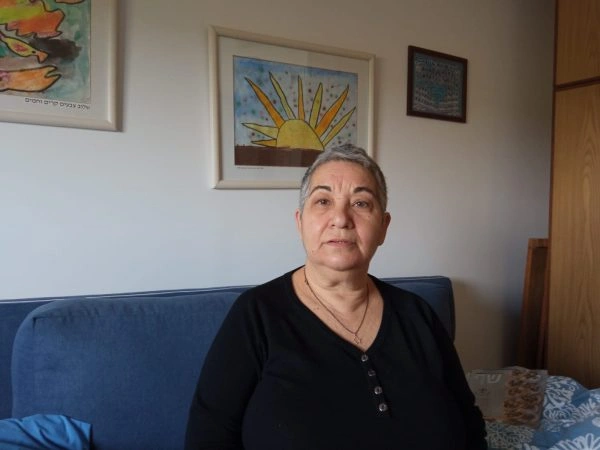
כמו שרואים בתמונה אני ממשיכה ללמוד גם היום ואפילו במחלקת יולדות אחרי לידת ביתי השלישית.

Noa Shiloh
נועה שילה

רבבה, ישראל

התחלתי ללמוד דף יומי בסבב הקודם. זכיתי לסיים אותו במעמד המרגש של הדרן. בסבב הראשון ליווה אותי הספק, שאולי לא אצליח לעמוד בקצב ולהתמיד. בסבב השני אני לומדת ברוגע, מתוך אמונה ביכולתי ללמוד ולסיים. בסבב הלימוד הראשון ליוותה אותי חוויה מסויימת של בדידות. הדרן העניקה לי קהילת לימוד ואחוות נשים. החוויה של סיום הש”ס במעמד כה גדול כשנשים שאינן מכירות אותי, שמחות ומתרגשות עבורי , היתה חוויה מרוממת נפש

Ilanit Weil
אילנית ווייל

קיבוץ מגדל עוז, ישראל

התחלתי ללמוד דף יומי ממסכת נידה כי זה היה חומר הלימוד שלי אז. לאחר הסיום הגדול בבנייני האומה החלטתי להמשיך. וב”ה מאז עם הפסקות קטנות של קורונה ולידה אני משתדלת להמשיך ולהיות חלק.

זה משפיע מאוד על היום יום שלי ועל אף שאני עסוקה בלימודי הלכה ותורה כל יום, זאת המסגרת הקבועה והמחייבת ביותר שיש לי.

Moriah Taesan Michaeli
מוריה תעסן מיכאלי

גבעת הראל, ישראל

עירובין נ

אָמַר רַבָּה: מַאי טַעְמָא דְּרַב — מִשּׁוּם דְּלָא מְסַיַּים אַתְרֵיהּ.

Rabba said: What is the reason for Rav’s statement that one who declares his intention to establish residence beneath a tree has said nothing at all? It is because the place he designated is not precisely defined. Since he did not establish his residence in one particular location, he did not establish it at all.

וְאִיכָּא דְאָמְרִי, אָמַר רַבָּה: מַאי טַעְמָא דְּרַב — מִשּׁוּם דְּקָסָבַר: כׇּל שֶׁאֵינוֹ בְּזֶה אַחַר זֶה — אֲפִילּוּ בְּבַת אַחַת אֵינוֹ.

And some say an alternative version of Rabba’s statement. Rabba said: What is the reason for the statement of Rav? It is Because he maintains: Anything that cannot be accomplished sequentially, due to halakhic or practical considerations, even simultaneously, cannot be accomplished, as one negates the other. In this case, since one cannot establish residence in an area of four cubits on one side of a tree and proceed to establish residence in an area of four cubits on the other side of the tree, neither can he simultaneously establish residence beneath a tree greater than four cubits.

מַאי בֵּינַיְיהוּ? אִיכָּא בֵּינַיְיהוּ דְּאָמַר: ״לִיקְנוֹ לִי בְּאַרְבַּע אַמּוֹת מִגּוֹ שְׁמוֹנֶה״.

The Gemara asks: What is the practical difference between these two versions of Rabba’s statement? The Gemara answers: There is a practical difference between them with regard to a case where he said: Let residence be acquired for me in four cubits of the eight or more cubits beneath that tree.

מַאן דְּאָמַר מִשּׁוּם דְּלָא מְסַיַּים אַתְרֵיהּ — הָא לָא מְסַיַּים אַתְרֵיהּ.

According to the one who said that it is because the place he designated is not precisely defined, here too, the place he designated is not precisely defined, as he failed to specify the precise location of the four cubits in which to establish his residence.

וּמַאן דְּאָמַר מִשּׁוּם ״כׇּל שֶׁאֵינוֹ בְּזֶה אַחַר זֶה אֲפִילּוּ בְּבַת אַחַת אֵינוֹ״ — הַאי כְּאַרְבַּע אַמּוֹת דָּמֵי, דְּהָכָא אַרְבַּע אַמּוֹת קָאָמַר.

And according to the one who said it is because anything that cannot be accomplished sequentially even simultaneously it cannot be accomplished, this is considered as if he established his residence in four cubits, as here he stated that he is designated only four cubits as his place of residence.

גּוּפָא, אָמַר רַבָּה: כׇּל דָּבָר שֶׁאֵינוֹ בְּזֶה אַחַר זֶה — אֲפִילּוּ בְּבַת אַחַת אֵינוֹ, אֵיתִיבֵיהּ אַבָּיֵי לְרַבָּה: הַמַּרְבֶּה בְּמַעַשְׂרוֹת — פֵּירוֹתָיו מְתוּקָּנִין, וּמַעְשְׂרוֹתָיו מְקוּלְקָלִין.

The Gemara proceeds to analyze the matter of Rabba’s statement itself. Rabba said: Anything that cannot be accomplished sequentially even simultaneously it cannot be accomplished. Abaye raised an objection to the opinion of Rabba based on the Tosefta: One who increases tithes, i.e., he tithes two-tenths instead of one-tenth, the remainder of his produce is rendered fit for consumption, as he properly tithed it; however, his tithes are ruined, as the additional tenth is neither a tithe nor is it tithed produce. It is not a tithe because tithe status applies only to one tenth, and neither is it tithed produce as it was not tithed. Since it is unclear which of the two-tenths is the actual tithe and which is not, this produce may neither be treated as a tithe nor as tithed produce.

אַמַּאי? לֵימָא: כׇּל שֶׁאֵינוֹ בְּזֶה אַחַר זֶה — אֲפִילּוּ בְּבַת אַחַת אֵינוֹ!

According to Rabba’s opinion, the question arises: Why should the produce be rendered fit for consumption? Let us say and apply his principle: Anything that cannot be accomplished sequentially; even simultaneously it cannot be accomplished. Since one may not designate two tenths sequentially, one tenth followed by a second tenth, likewise, he should be precluded from simultaneously designating two tenths of his produce as a tithe. Accordingly, it should be considered as though he had not designated any tithe at all, and therefore his produce should not be regarded as tithed.

שָׁאנֵי מַעֲשֵׂר דְּאִיתֵיהּ לַחֲצָאִין, דְּאִי אָמַר: ״תִּקְדּוֹשׁ פַּלְגָא פַּלְגָא דְחִיטְּתָא״ — קָדְשָׁה.

Gemara answers: The case of a tithe is different, as tithe status takes effect partially, i.e., on less than a unit of produce. As if one said: Let half of each grain of wheat be designated as tithed, it is designated. Just as one can designate an entire grain of wheat as a tithe, he can likewise designate half a grain. In this case too, when one tithes two tenths of the produce, the ruling is not that one tenth is actual tithe and the other tenth is untithed produce mixed with the tithe. Instead, half of each grain of the set-aside portion is designated as a tithe, while the other half of each grain is not. Accordingly, the remainder of the produce is tithed, as one tenth of the total has been designated as first tithe. However, the portion designated as the tithe is ruined, because it is impossible to identify which part of each grain is designated.

מַעְשַׂר בְּהֵמָה דְּלֵיתֵיהּ לַחֲצָאִין.

Another objection was raised against Rabba’s opinion: Yet there is the case of the animal tithe, which does take effect partially, as one cannot consecrate half an animal for his tithe. Three times a year, the owner of a herd of kosher animals would gather all the animals born during the preceding period into an enclosure and let them out one by one. Every tenth animal would be marked with red paint to indicate that it was sacred. Only an entire animal could be consecrated as animal tithe, not a part of an animal.

וְאָמַר (רַבָּה): יָצְאוּ שְׁנַיִם בַּעֲשִׂירִי, וּקְרָאָן עֲשִׂירִי — עֲשִׂירִי וְאַחַד עָשָׂר מְעוֹרָבִין זֶה בָּזֶה!

And Rabba said: If two animals emerged from the enclosure together as the tenth, and he designated them both as the tenth, the tenth and eleventh animals are intermingled with each other. One is sacred with the sanctity of the animal tithe, while the other remains a peace-offering, but there is no way to determine which is which. The question arises: If the principle that anything which cannot be accomplished sequentially; even simultaneously it cannot be accomplished applies, neither animal is consecrated, as one cannot designate both the tenth and the eleventh animals as the animal tithe, one after the other.

שָׁאנֵי מַעְשַׂר בְּהֵמָה דְּאִיתֵיהּ בְּזֶה אַחַר זֶה בְּטָעוּת.

The Gemara answers: The animal tithe is different, as two animals can indeed be designated as animal tithe one after the other in the case of an error. Although one cannot designate the tenth and eleventh animals as the animal tithe ab initio, if he did so in error they are both consecrated.

דִּתְנַן: קָרָא לַתְּשִׁיעִי עֲשִׂירִי, וְלָעֲשִׂירִי תְּשִׁיעִי, וְלָאַחַד עָשָׂר עֲשִׂירִי — שְׁלָשְׁתָּן מְקוּדָּשִׁין.

As we learned in a mishna: If one erred and designated the ninth animal as the tenth, and erred again and designated the tenth as the ninth and the eleventh as the tenth, all three animals are consecrated. The first is consecrated because it was designated as the tenth, the second because it actually is the tenth, while the third is also consecrated because it was designated as the tenth. Apparently, more than one animal can be consecrated as the animal tithe, if designated in error. Here too, a modicum of sanctity applies to the two animals that emerged together and were together designated as the tenth.

וַהֲרֵי תּוֹדָה, דְּלֵיתַהּ בְּטָעוּת, וְלֵיתַהּ בְּזֶה אַחַר זֶה, וְאִיתְּמַר: תּוֹדָה שֶׁנִּשְׁחֲטָה עַל שְׁמוֹנִים חַלּוֹת, חִזְקִיָּה אָמַר: קָדְשׁוּ עֲלַהּ אַרְבָּעִים מִתּוֹךְ שְׁמוֹנִים, רַבִּי יוֹחָנָן אָמַר: לֹא קָדְשׁוּ עֲלַהּ אַרְבָּעִים מִתּוֹךְ שְׁמוֹנִים.

The Gemara raises another objection to Rabba’s principle. But there is the case of the forty loaves that accompany a thanks-offering, which are not consecrated if they were designated in error, and likewise are not consecrated if two sets of loaves were designated for the same offering one after the other. And yet it is stated that amora’im disagreed with regard to a thanks-offering that was slaughtered accompanied by eighty loaves, twice the required amount. Ḥizkiya said: Forty of the eighty loaves are consecrated, even though their identity cannot be determined; Rabbi Yoḥanan said: Not even forty of the eighty loaves are consecrated. It would appear that these amora’im disagree whether or not sanctity that cannot take effect in sequence can take effect simultaneously.

הָא אִיתְּמַר עֲלַהּ, אָמַר רַבִּי (זֵירָא): הַכֹּל מוֹדִים הֵיכָא דְּאָמַר ״לִיקְדְּשׁוּ אַרְבָּעִים מִתּוֹךְ שְׁמוֹנִים״ — דְּקָדְשִׁי, ״לֹא יִקְדְּשׁוּ אַרְבָּעִים אֶלָּא אִם כֵּן קָדְשׁוּ שְׁמוֹנִים״ — כּוּלֵּי עָלְמָא לָא פְּלִיגִי דְּלֹא קָדְשׁוּ.

The Gemara rejects this contention. Wasn’t it stated with regard to this dispute that Rabbi Zeira said: Everyone, both Ḥizkiya and Rabbi Yoḥanan, concedes that in a case where the donor said: Let forty of the eighty loaves be consecrated, that the forty are consecrated; and in a case where he said: Let forty loaves only be consecrated if all eighty are consecrated, everyone agrees that they are not consecrated. This is in accordance with Rabba’s opinion.

כִּי פְּלִיגִי בִּסְתָמָא. מָר סָבַר: לְאַחְרָיוּת קָא מְכַוֵּין, וְעַל תְּנַאי אַיְיתִינְהוּ.

When Ḥizkiya and Rabbi Yoḥanan disagree is with regard a case where the donor designated eighty loaves without stipulation how many he wants consecrated. One Sage, Ḥizkiya, maintains: Although he designated eighty loaves, he seeks to consecrate only forty, and when he sets aside eighty loaves, he merely intends to ensure that he will have forty, and he therefore brought the extra loaves on condition that if the first forty loaves are lost or become ritually impure, the second forty will be consecrated in their place. Consequently, the first forty loaves are consecrated.

וּמָר סָבַר: לְקׇרְבָּן גָּדוֹל קָא מְכַוֵּין.

And the other Sage, Rabbi Yoḥanan, maintains: He intends to bring a large offering of eighty loaves, and therefore none of the loaves are consecrated.

אָמַר אַבָּיֵי: לֹא שָׁנוּ אֶלָּא בְּאִילָן שֶׁתַּחְתָּיו שְׁתֵּים עֶשְׂרֵה אַמָּה, אֲבָל בְּאִילָן שֶׁאֵין שְׁתֵּים עֶשְׂרֵה אַמָּה, הֲרֵי מִקְצָת בֵּיתוֹ נִיכָּר.

Abaye said: They only taught Rav’s ruling that one cannot establish residence beneath a tree without precisely defining a particular location, with regard to a tree beneath which there are at least twelve cubits. However, with regard to a tree beneath which there are not twelve cubits, he can establish residence there, as at least part of his residence is conspicuous. In that case, there is a partial overlap between the middle four cubits beneath the tree and the four cubits nearest him and the four cubits farthest from him, and consequently each necessarily contains at least part of his residence.

מַתְקֵיף לַהּ רַב הוּנָא בְּרֵיהּ דְּרַב יְהוֹשֻׁעַ: מִמַּאי דִּבְאַרְבְּעִי מְצִיעָתָא קָא מְסַיַּים, דִּלְמָא בְּאַרְבְּעִי דְּהַאי גִּיסָא וּבְאַרְבְּעִי דְּהַאי גִּיסָא קָמְסַיַּים!

Rav Huna, son of Rav Yehoshua, strongly objects to this: From where is it ascertained that he designates his residence in the four middle cubits, so that there is a partial overlap with both the nearest and the farthest cubits; perhaps he designates it in the four cubits on this side or in the four cubits on the other side? Since he does not know which location he designated as his residence, he did not establish residence anywhere beneath the tree.

אֶלָּא אָמַר רַב הוּנָא בְּרֵיהּ דְּרַב יְהוֹשֻׁעַ: לֹא שָׁנוּ אֶלָּא בְּאִילָן שֶׁתַּחְתָּיו שְׁמוֹנֶה אַמּוֹת, אֲבָל בְּאִילָן שֶׁתַּחְתָּיו שֶׁבַע אַמּוֹת — הֲרֵי מִקְצָת בֵּיתוֹ נִיכָּר.

Rather, Rav Huna, son of Rav Yehoshua, said: Abaye’s statement must be emended. They taught this only with regard to a tree that has at least eight cubits beneath it. However, with regard to a tree that has only seven cubits beneath it, even if one did not establish a particular location, he acquires residence, as at least part of his residence is conspicuous, as any four cubits must include at least one cubit of his residence.

תַּנְיָא כְּווֹתֵיהּ דְּרַב, תַּנְיָא כְּווֹתֵיהּ דִּשְׁמוּאֵל.

With regard to the dispute between Rav and Shmuel, the Gemara notes that one baraita was taught in accordance with the opinion of Rav and another baraita was taught in accordance with the opinion of Shmuel.

תַּנְיָא כְּווֹתֵיהּ דְּרַב: מִי שֶׁבָּא בַּדֶּרֶךְ וְחָשְׁכָה לוֹ, וְהָיָה מַכִּיר אִילָן אוֹ גָדֵר, וְאָמַר: ״שְׁבִיתָתִי תַּחְתָּיו״ — לֹא אָמַר כְּלוּם. אֲבָל אִם אָמַר: ״שְׁבִיתָתִי בְּמָקוֹם פְּלוֹנִי״ — מְהַלֵּךְ עַד שֶׁמַּגִּיעַ לְאוֹתוֹ מָקוֹם. הִגִּיעַ לְאוֹתוֹ מָקוֹם — מְהַלֵּךְ אֶת כּוּלּוֹ וְחוּצָה לוֹ אַלְפַּיִם אַמָּה.

The Gemara elaborates. A baraita was taught in accordance with the opinion of Rav: With regard to one who was coming along the way on Shabbat eve, and it grew dark while he was traveling, and he was familiar with a tree or a fence within two thousand cubits of his current location, and he said: My residence is beneath that tree, he has not said anything of legal consequence. However, if he said: My residence is in such-and-such place, he walks until he reaches that place. Once he reached that place that he established as his residence, he walks through all of it and another two thousand cubits beyond it.

בַּמֶּה דְּבָרִים אֲמוּרִים — בְּמָקוֹם הַמְסוּיָּים, כְּגוֹן שֶׁשָּׁבַת בְּתֵל שֶׁהוּא גָּבוֹהַּ עֲשָׂרָה טְפָחִים, וְהוּא מֵאַרְבַּע אַמּוֹת וְעַד בֵּית סָאתַיִם.

In what case are these matters, that he establishes four cubits as his residence, and another two thousand cubits in each direction, stated? In a case where he selected a well-defined, clearly demarcated place, i.e., a case where he established residence on a mound ten handbreadths high, and its area ranges from a minimum of four cubits to a maximum of two beit se’a.

וְכֵן בִּקְעָה שֶׁהִיא עֲמוּקָּה עֲשָׂרָה, וְהִיא מֵאַרְבַּע אַמּוֹת וְעַד בֵּית סָאתַיִם. אֲבָל בְּמָקוֹם שֶׁאֵין מְסוּיָּים — אֵין לוֹ אֶלָּא אַרְבַּע אַמּוֹת.

And, likewise, that is the halakha when he establishes residence on a plain ten handbreadths deeper than the surrounding area, and its area ranges from a minimum of four cubits to a maximum of two beit se’a. However, if he selected a place that is not defined, e.g., in the middle of a plain, he does not establish residence, and accordingly he has only four cubits in which to move.

הָיוּ שְׁנַיִם, אֶחָד מַכִּיר וְאֶחָד שֶׁאֵינוֹ מַכִּיר — זֶה שֶׁאֵינוֹ מַכִּיר מוֹסֵר שְׁבִיתָתוֹ לַמַּכִּיר, וְהַמַּכִּיר אוֹמֵר: ״שְׁבִיתָתִי בְּמָקוֹם פְּלוֹנִי״.

If two people were walking together, one of whom is familiar with a particular location in the distance, and one of whom is not familiar with it, the one who is not familiar with it entrusts his right to designate his residence to the one who is familiar with it, and the one who is familiar with it says: My residence is in such-and-such place.

בַּמֶּה דְּבָרִים אֲמוּרִים — כְּשֶׁסִּיֵּים אַרְבַּע אַמּוֹת שֶׁקָּבַע. אֲבָל לֹא סִיֵּים אַרְבַּע אַמּוֹת שֶׁקָּבַע — לֹא יָזוּז מִמְּקוֹמוֹ.

In what case are these matters, that he acquires four cubits as his residence and another two thousand cubits in each direction, stated? In a case where he defined the four cubits that he seeks to establish as his residence. However, if he did not define the four cubits that he seeks to establish as his residence, he may not move from his current place, as neither did he seek to establish residence there, nor did he acquire it in the location he sought to establish residence. This baraita is in accordance with the opinion of Rav that one who fails to designate the four cubits he seeks to establish as residence has no residence at all.

לֵימָא תֶּיהְוֵי תְּיוּבְתֵּיהּ דִּשְׁמוּאֵל? אָמַר לָךְ שְׁמוּאֵל: הָכָא בְּמַאי עָסְקִינַן, כְּגוֹן דְּאִיכָּא מִמְּקוֹם רַגְלָיו וְעַד עִיקָּרוֹ תְּרֵי אַלְפֵי וְאַרְבַּע גַּרְמִידֵי, דְּאִי מוֹקְמֵית לֵיהּ בְּאִידַּךְ גִּיסָא דְּאִילָן — קָם לֵיהּ לְבַר מִתְּחוּמָא.

Gemara poses a question: Let us say that this baraita is a conclusive refutation of the opinion of Shmuel? The Gemara answers: There is no difficulty, as Shmuel could have said to you: With what are we dealing here? We are dealing with a special case, where from the place he is standing to the trunk of the tree there is a distance of two thousand and four cubits, so that if you were to establish residence on the other side of the tree, it would be situated outside his Shabbat limit.

אִי סַיֵּים אַרְבַּע אַמּוֹת — מָצֵי אָזֵיל, וְאִי לָא — לָא מָצֵי אָזֵיל.

Consequently, if he designated his four cubits on the near side of the tree he may go there; and if not, he may not go from the place he is standing. In other words, since he did not establish residence in a particular location, the concern is that he sought to establish it beyond his two thousand cubit limit.

תַּנְיָא כְּווֹתֵיהּ דִּשְׁמוּאֵל: טָעָה וְעֵירַב לִשְׁתֵּי רוּחוֹת, כִּמְדוּמֶּה הוּא שֶׁמְּעָרְבִין לוֹ לִשְׁתֵּי רוּחוֹת, אוֹ שֶׁאָמַר לַעֲבָדָיו ״צְאוּ וְעָרְבוּ לִי״, אֶחָד עֵירַב עָלָיו לַצָּפוֹן וְאֶחָד עֵירַב עָלָיו לַדָּרוֹם — מְהַלֵּךְ לַצָּפוֹן כְּעֵירוּבוֹ לַדָּרוֹם, וְלַדָּרוֹם כְּעֵירוּבוֹ לַצָּפוֹן.

A baraita was taught in accordance with the opinion of Shmuel. If one erred and established an eiruv in two directions at once, for example, if in his ignorance he imagined that it is permitted to establish an eiruv in two directions, that he may extend the distance that he may walk on Shabbat in two opposite directions, or if he said to his servants: Go out and establish an eiruv for me, without specifying the direction, and one established an eiruv for him to the north, and one established an eiruv for him to the south, he may walk to the north as far as he is permitted go based on his eiruv to the south, and he may walk to the south as far as he is permitted go based on his eiruv to the north. In other words, the assumption is that he established residence in both directions based on the eiruv in each direction, and he must therefore take both into consideration before moving.

וְאִם מִיצְּעוּ עָלָיו אֶת הַתְּחוּם — לֹא יָזוּז מִמְּקוֹמוֹ.

And consequently, if each eiruv was placed two thousand cubits in opposite directions placing him in the middle of the limit, he may not move from his current location, as it is prohibited to venture beyond either limit. Apparently, even if one did not establish residence in a particular location, as in this case he has acquired residence in both places, nonetheless, the halakha is that residence has been established in his current location, in accordance with the opinion of Shmuel.

לֵימָא תֶּיהְוֵי תְּיוּבְתֵּיהּ דְּרַב? רַב תַּנָּא הוּא וּפָלֵיג.

The Gemara poses a question: Let us say that this baraita is a conclusive refutation of the opinion of Rav? The Gemara answers: This baraita indeed differs with Rav’s ruling. Nevertheless, his opinion is not disqualified, as Rav himself had tanna status and therefore, unlike later amora’im, could disagree with opinions of tanna’im.

אָמַר שְׁבִיתָתִי בְּעִיקָּרוֹ — מְהַלֵּךְ מִמְּקוֹם רַגְלָיו וְעַד עִיקָּרוֹ אַלְפַּיִם אַמָּה, וּמֵעִיקָּרוֹ לְבֵיתוֹ אַלְפַּיִם אַמָּה. נִמְצָא מְהַלֵּךְ מִשֶּׁחָשֵׁיכָה אַרְבַּעַת אֲלָפִים אַמָּה.

We learned in the mishna that if, however, he said: My residence is at the trunk of the tree, he established residence there, and he may walk from the place that he is standing to the trunk of the tree, up to two thousand cubits, and from the trunk of the tree to his house another two thousand cubits. Ultimately, he may walk after nightfall a total distance of four thousand cubits.

רוצה לעקוב אחרי התכנים ולהמשיך ללמוד?

ביצירת חשבון עוד היום ניתן לעקוב אחרי ההתקדמות שלך, לסמן מה למדת, ולעקוב אחרי השיעורים שמעניינים אותך.

לנקות את כל הפריטים מהרשימה?

פעולה זו תסיר את כל הפריטים בחלק זה כולל ההתקדמות וההיסטוריה. שימי לב: לא ניתן לשחזר פעולה זו.

ביטול
מחיקה

האם את/ה בטוח/ה שברצונך למחוק פריט זה?

תאבד/י את כל ההתקדמות או ההיסטוריה הקשורות לפריט זה.

ביטול
מחיקה