חיפוש

גיטין ב

רוצה להקדיש שיעור?

podcast placeholder

0:00
0:00


תקציר

סימניה למסכת גיטין

מסכת גיטין מוקדש ע”י אליין וסול שרייבר לכבוד כלתם, דניאלה, על סיום התואר השני!

הלימוד השבוע מוקדש לכבוד דניאלה שרייבר לכבוד סיום התואר על ידי חברותיה.

הדף היום מוקדש ע”י ג’ודי פלבר לכבוד הרבנית מישל! "תודה על הלימוד ב2711 הדפים האחרונים.”

הדף היום מוקדש ע”י לין קיי, ג’ו נדיס ומאיה זנגר-נדיס לע”נ סבתם, מרלין קורץ זנגר, בסיום השלושים.

באילו מקרים צריך שליח המעביר גט מהבעל לאשה לומר הצהרה שהוא נכתב ונחתם לפניו? באופן כללי, זה נחוץ אם הם מגיעים מחו”ל לארץ. האם זה חל על המביא מערים על גבול ישראל? מהן הגבולות? האם יש צורך להגיד אמירה זו בהבאת גט מישראל לחו”ל? רבא ורבה מציעים כל אחד הסבר אחר מה הסיבה שהשליח צריך להגיד הצהרה זו.לרבא זה בגלל שאם הבעל יבוא לערער בהמשך, יכול להיות שיהיה קשה למצוא עדים קיים את החתימות. לרבה, זה בגלל שאין אנשים בחו”ל בקיאים בהלכה שהגט צריך להיכתב ולהחתם לשמה – לשם אותו האיש ואותה האשה. מהן נפקא מינות בין שני הסברים אלו? לרבה, למה זה מספיק שעד אחד יעיד שנעשה לשמה אם בעדות צריך שני עדים? התשובה שעד אחד נאמן באיסורים. לאחר שמקשים על כלל זה שמבחינים בין מקרה שהדבר מוחזק באיסור לבין מקרה דלא מוחזק באיסור, ובמקרה שלנו היא מוחזקת באיסור אשת איש, אז איך אפשר לסמוך על עד אחד? הגמרא עונה שרוב הסופרים בקיאים בעניין לשמה, ועניין ההצהרה זה רק מדברנן משום חשש וכדי למנוע עגונות (שהבעל לא יצטרך למצוא שני עדים בכדי להעביר את הגט), התירו עד אחד.

גיטין ב

הַמֵּבִיא גֵּט מִמְּדִינַת הַיָּם, צָרִיךְ שֶׁיֹּאמַר בְּפָנַי נִכְתַּב וּבְפָנַי נֶחְתַּם.

MISHNA: An agent who brings a bill of divorce [get] from a husband to his wife from a country overseas, i.e., from outside of Eretz Yisrael to Eretz Yisrael, is required to state the following formula when he hands over the bill of divorce: This bill of divorce was written in my presence and it was signed in my presence.

רַבָּן גַּמְלִיאֵל אוֹמֵר: אַף הַמֵּבִיא מִן הָרְקָם וּמִן הַחֶגֶר. רַבִּי אֱלִיעֶזֶר אוֹמֵר: אֲפִילּוּ מִכְּפַר לוּדִּים לְלוֹד.

Rabban Gamliel says: Even one who brings a bill of divorce from Rekem or from Ḥeger, which are on the periphery of Eretz Yisrael, must make this declaration. Rabbi Eliezer says: Even one who brings a bill of divorce from the village of Ludim to Lod must also make this declaration, despite the fact that these places are only a short distance apart. The reason is that the village of Ludim was not part of the main area settled by Jews in Eretz Yisrael.

וַחֲכָמִים אוֹמְרִים: אֵינוֹ צָרִיךְ שֶׁיֹּאמַר ״בְּפָנַי נִכְתַּב וּבְפָנַי נֶחְתַּם״, אֶלָּא הַמֵּבִיא מִמְּדִינַת הַיָּם וְהַמּוֹלִיךְ. וְהַמֵּבִיא מִמְּדִינָה לִמְדִינָה בִּמְדִינַת הַיָּם, צָרִיךְ שֶׁיֹּאמַר ״בְּפָנַי נִכְתַּב וּבְפָנַי נֶחְתַּם״. רַבָּן שִׁמְעוֹן בֶּן גַּמְלִיאֵל אוֹמֵר: אֲפִילּוּ מֵהֶגְמוֹנְיָא לְהֶגְמוֹנְיָא.

And the Rabbis say that one is required to say: It was written in my presence and it was signed in my presence, only if he brings a bill of divorce from a country overseas to Eretz Yisrael, and the same applies to one who delivers a bill of divorce from Eretz Yisrael to a country overseas. And likewise an agent who brings a bill of divorce from one region to another region within the overseas countries is also required to say: It was written in my presence and it was signed in my presence. Rabban Shimon ben Gamliel says: This halakha applies not only to an agent who brings a bill of divorce from one country to another, but even to one who takes it from one district [hegmonya] to another district in the same country.

רַבִּי יְהוּדָה אוֹמֵר: מֵרְקָם לַמִּזְרָח, וּרְקָם – כַּמִּזְרָח; מֵאַשְׁקְלוֹן לַדָּרוֹם וְאַשְׁקְלוֹן – כַּדָּרוֹם; מֵעַכּוֹ לַצָּפוֹן, וְעַכּוֹ – כַּצָּפוֹן. רַבִּי מֵאִיר אוֹמֵר: עַכּוֹ – כְּאֶרֶץ יִשְׂרָאֵל לְגִיטִּין.

Rabbi Yehuda says: With regard to the borders of Eretz Yisrael, from Rekem eastward is considered to be part of the overseas country, and Rekem itself is like east of Eretz Yisrael, i.e., it is outside of Eretz Yisrael. From Ashkelon southward is outside of Eretz Yisrael, and Ashkelon itself is like south of Eretz Yisrael. Likewise, from Akko northward is outside of Eretz Yisrael, and Akko itself is like north of Eretz Yisrael. Rabbi Meir says: Akko is like Eretz Yisrael with regard to the halakhot of bills of divorce.

הַמֵּבִיא גֵּט בְּאֶרֶץ יִשְׂרָאֵל, אֵינוֹ צָרִיךְ שֶׁיֹּאמַר ״בְּפָנַי נִכְתַּב וּבְפָנַי נֶחְתַּם״. וְאִם יֵשׁ עָלָיו עוֹרְרִים, יִתְקַיֵּים בְּחוֹתְמָיו.

One who brings a bill of divorce from one place to another within Eretz Yisrael is not required to say: It was written in my presence and it was signed in my presence. And if there are those who contest it, i.e., if the husband objects by saying that the bill of divorce is a forgery, it should be ratified through its signatories. The court must authenticate the signatures of the witnesses in order to ratify the document.

גְּמָ׳ מַאי טַעְמָא? רַבָּה אָמַר:

GEMARA: The mishna teaches that one who brings a bill of divorce from a country overseas to Eretz Yisrael must say: It was written in my presence and it was signed in my presence. The Gemara asks: What is the reason for this declaration? Rabba says:

לְפִי שֶׁאֵין בְּקִיאִין לִשְׁמָהּ.

It is because the people who live overseas are not experts in writing a bill of divorce for her sake. It is not sufficient for a bill of divorce to be written in a technically correct manner. It must also be written for the sake of the man and the woman who are divorcing. Therefore, when the witness comes before the court and says that it was written and signed in his presence, he is testifying that the writing and the signing of the bill of divorce were performed for the sake of the man and woman in question.

רָבָא אָמַר: לְפִי שֶׁאֵין עֵדִים מְצוּיִין לְקַיְּימוֹ.

Rava says a different reason: It is because there are no witnesses available to ratify it. Since the bill of divorce was written in a distant place, it is possible that the husband, or someone else, might later claim that the bill of divorce is a forgery. For this reason the agent must say that the bill of divorce was written and signed in his presence, a declaration that bars any subsequent objection on the part of the husband.

מַאי בֵּינַיְיהוּ? אִיכָּא בֵּינַיְיהוּ דְּאַתְיוּהוּ בֵּי תְרֵי. אִי נָמֵי, מִמְּדִינָה לִמְדִינָה בְּאֶרֶץ יִשְׂרָאֵל.

The Gemara asks: What is the difference between these two explanations? The Gemara answers: There is a difference between them with regard to a case where two people brought the bill of divorce. In this case, two witnesses are available to ratify the bill of divorce if someone objects to its validity. Alternatively, the difference concerns a case where the agent brings the bill of divorce from one region to another region within Eretz Yisrael. Here there is no concern that the bill of divorce might not have been written for her sake, as the residents of Eretz Yisrael are aware of this requirement. However, witnesses are not necessarily available to confirm the document.

אִי נָמֵי, בְּאוֹתָהּ מְדִינָה בִּמְדִינַת הַיָּם.

Alternatively, there is a difference between the two explanations in a case where the agent brings the bill of divorce within that same region in a country overseas. According to the opinion of Rabba, who says the concern is that the people there might not know that the document must be written for her sake, this problem is equally relevant in this case. However, according to the opinion of Rava, who says that the reason is because witnesses are not available, if the bill of divorce is brought in the same region then the witnesses will be available to ratify it.

וּלְרַבָּה דְּאָמַר לְפִי שֶׁאֵין בְּקִיאִין לִשְׁמָהּ – לִיבְעֵי תְּרֵי, מִידֵּי דְּהָוֵה אַכֹּל עֵדֻיוֹת שֶׁבַּתּוֹרָה! עֵד אֶחָד נֶאֱמָן בְּאִיסּוּרִין.

The Gemara asks: And according to the opinion of Rabba, who said that the reason is because they are not experts in writing a bill of divorce for her sake, let us require two witnesses to testify about this, just as is the case with regard to all testimonies in the Torah. The Gemara answers: One witness is deemed credible with regard to prohibitions. In other words, if there is uncertainty as to whether a matter is prohibited or permitted, in the case of the heretofore married woman, the testimony of one witness is sufficient.

אֵימוֹר דְּאָמְרִינַן עֵד אֶחָד נֶאֱמָן בְּאִיסּוּרִין, כְּגוֹן חֲתִיכָה סָפֵק שֶׁל חֵלֶב סָפֵק שֶׁל שׁוּמָּן, דְּלָא אִיתַּחְזַק אִיסּוּרָא;

The Gemara asks: One can say that we say one witness is deemed credible with regard to prohibitions in a case such as where there is a piece of fat, and it is uncertain if it is forbidden fat [ḥelev] and uncertain if it is permitted fat. In this situation the piece can be rendered permitted by a single witness, as there is no presumption that it is forbidden. Therefore, as there is an uncertainty, and one witness said it is permitted fat, he is deemed credible.

אֲבָל הָכָא, דְּאִיתַּחְזַק אִיסּוּרָא דְּאֵשֶׁת אִישׁ, הָוֵי דָּבָר שֶׁבָּעֶרְוָה; וְאֵין דָּבָר שֶׁבְּעֶרְוָה פָּחוֹת מִשְּׁנַיִם!

However, here, where there is a presumption that this woman is forbidden, as she is a married woman, a status she retains until it is established that she has received a bill of divorce, if so, this is a matter of forbidden sexual relations, and the general principle is that there is no matter of testimony for forbidden sexual relations that can be attested to by fewer than two witnesses.

רוֹב בְּקִיאִין הֵן. וַאֲפִילּוּ לְרַבִּי מֵאִיר דְּחָיֵישׁ לְמִיעוּטָא – סְתָם סָפְרֵי דְּדַיָּינֵי מִיגְמָר גְּמִירִי, וְרַבָּנַן הוּא דְּאַצְרוּךְ; וְהָכָא

The Gemara answers: Rabba’s concern is not equivalent to a case of uncertainty, as most Jewish people are experts in the requirement that a bill of divorce must be written for the woman’s sake. And this is so even according to the opinion of Rabbi Meir, who is generally concerned about a minority in a matter of forbidden sexual relations. In this case Rabbi Meir concedes that one need not be concerned for the minority, as ordinary judicial scribes, who write bills of divorce, are learned in this halakha, and know that a bill of divorce must be written for the woman’s sake. And it is the Sages who required testimony about this matter, as an extra precaution. And here, with regard to this testimony,

העמקה

רוצה להבין מה באמת קורה מתחת לפני השטח של הסוגיה?
שיעורים, פודקאסטים והרחבות של מיטב המורות שלנו יפתחו לך עוד זוויות וכיווני חשיבה.

לשיעורי עוד על הדף באנגלית, לחצי כאן

חדשה בלימוד הגמרא?

זה הדף הראשון שלך? איזו התרגשות עצומה! יש לנו בדיוק את התכנים והכלים שיעזרו לך לעשות את הצעדים הראשונים ללמידה בקצב וברמה שלך, כך תוכלי להרגיש בנוח גם בתוך הסוגיות המורכבות ומאתגרות.

פסיפס הלומדות שלנו

גלי את קהילת הלומדות שלנו, מגוון נשים, רקעים וסיפורים. כולן חלק מתנועה ומסע מרגש ועוצמתי.

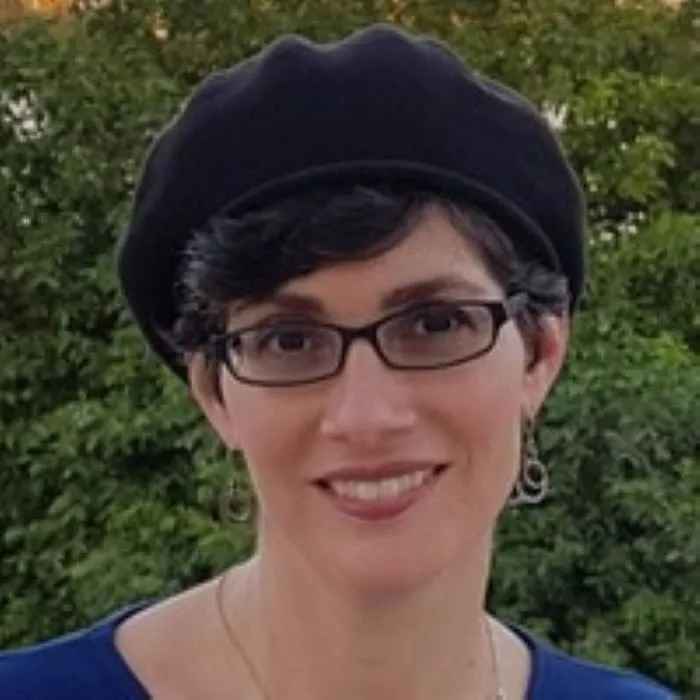
בתחילת הסבב הנוכחי של לימוד הדף היומי, נחשפתי לחגיגות המרגשות באירועי הסיום ברחבי העולם. והבטחתי לעצמי שבקרוב אצטרף גם למעגל הלומדות. הסבב התחיל כאשר הייתי בתחילת דרכי בתוכנית קרן אריאל להכשרת יועצות הלכה של נשמ”ת. לא הצלחתי להוסיף את ההתחייבות לדף היומי על הלימוד האינטנסיבי של תוכנית היועצות. בבוקר למחרת המבחן הסופי בנשמ”ת, התחלתי את לימוד הדף במסכת סוכה ומאז לא הפסקתי.

Hana Shaham-Rozby (Dr.)
חנה שחם-רוזבי (ד”ר)

קרית גת, ישראל

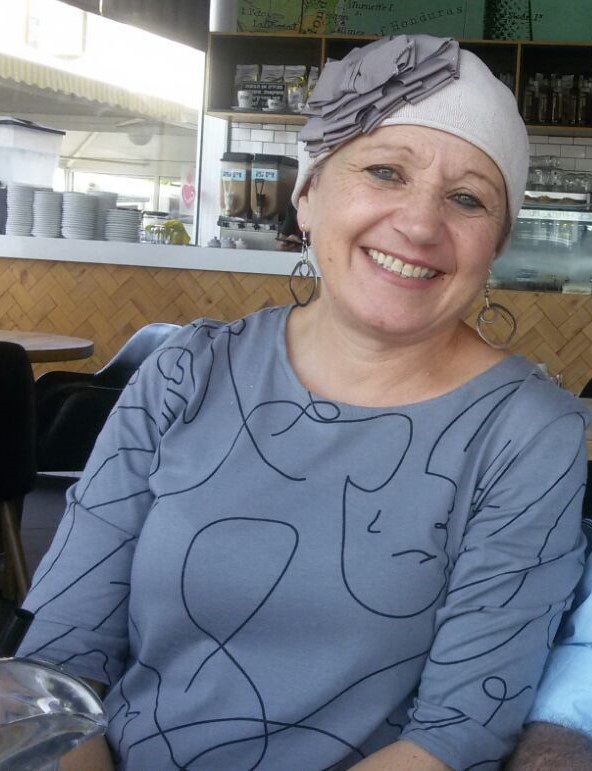
אני לומדת גמרא כעשור במסגרות שונות, ואת הדף היומי התחלתי כשחברה הציעה שאצטרף אליה לסיום בבנייני האומה. מאז אני לומדת עם פודקסט הדרן, משתדלת באופן יומי אך אם לא מספיקה, מדביקה פערים עד ערב שבת. בסבב הזה הלימוד הוא "ממעוף הציפור”, מקשיבה במהירות מוגברת תוך כדי פעילויות כמו בישול או נהיגה, וכך רוכשת היכרות עם הסוגיות ואופן ניתוחם על ידי חז”ל. בע”ה בסבב הבא, ואולי לפני, אצלול לתוכו באופן מעמיק יותר.

Yael Bir
יעל ביר

רמת גן, ישראל

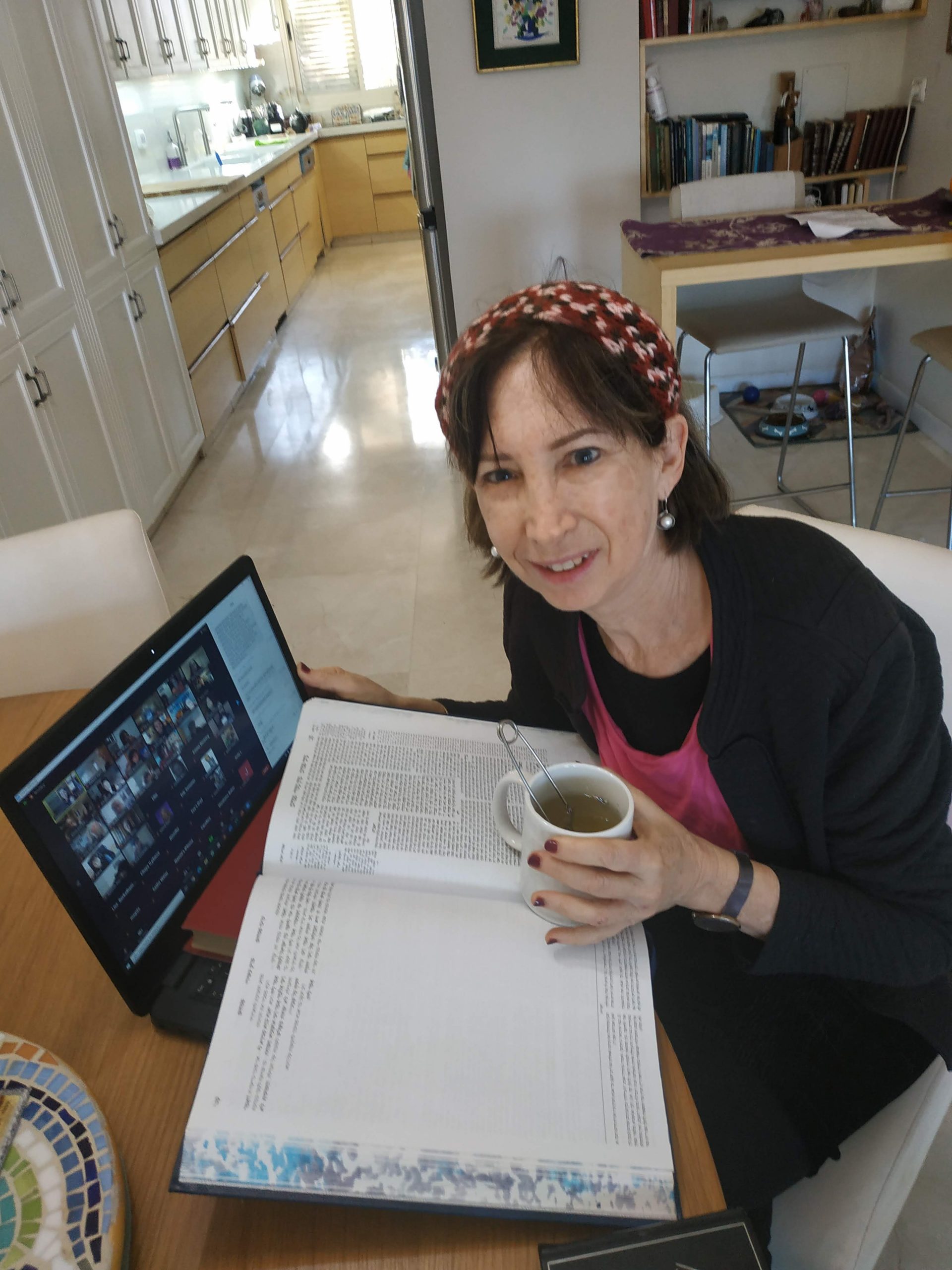
התחלתי מחוג במסכת קידושין שהעבירה הרבנית רייסנר במסגרת בית המדרש כלנה בגבעת שמואל; לאחר מכן התחיל סבב הדף היומי אז הצטרפתי. לסביבה לקח זמן לעכל אבל היום כולם תומכים ומשתתפים איתי. הלימוד לעתים מעניין ומעשיר ולעתים קשה ואף הזוי… אך אני ממשיכה קדימה. הוא משפיע על היומיום שלי קודם כל במרדף אחרי הדף, וגם במושגים הרבים שלמדתי ובידע שהועשרתי בו, חלקו ממש מעשי

Abigail Chrissy
אביגיל כריסי

ראש העין, ישראל

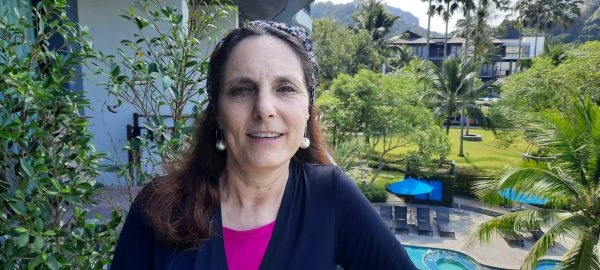
הייתי לפני שנתיים בסיום הדרן נשים בבנייני האומה והחלטתי להתחיל. אפילו רק כמה דפים, אולי רק פרק, אולי רק מסכת… בינתיים סיימתי רבע שס ותכף את כל סדר מועד בה.
הסביבה תומכת ומפרגנת. אני בת יחידה עם ארבעה אחים שכולם לומדים דף יומי. מדי פעם אנחנו עושים סיומים יחד באירועים משפחתיים. ממש מרגש. מסכת שבת סיימנו כולנו יחד עם אבא שלנו!
אני שומעת כל יום פודקאסט בהליכה או בנסיעה ואחכ לומדת את הגמרא.

Edna Gross
עדנה גרוס

מרכז שפירא, ישראל

התחלתי לפני כמה שנים אבל רק בסבב הזה זכיתי ללמוד יום יום ולסיים מסכתות

Sigal Tel
סיגל טל

רעננה, ישראל

התחלתי ללמוד דף לפני קצת יותר מ-5 שנים, כשלמדתי רבנות בישיבת מהר”ת בניו יורק. בדיעבד, עד אז, הייתי בלימוד הגמרא שלי כמו מישהו שאוסף חרוזים משרשרת שהתפזרה, פה משהו ושם משהו, ומאז נפתח עולם ומלואו…. הדף נותן לי לימוד בצורה מאורגנת, שיטתית, יום-יומית, ומלמד אותי לא רק ידע אלא את השפה ודרך החשיבה שלנו. לשמחתי, יש לי סביבה תומכת וההרגשה שלי היא כמו בציטוט שבחרתי: הדף משפיע לטובה על כל היום שלי.

Michal Kahana
מיכל כהנא

חיפה, ישראל

התחלתי לפני 8 שנים במדרשה. לאחרונה סיימתי מסכת תענית בלמידה עצמית ועכשיו לקראת סיום מסכת מגילה.

Daniela Baruchim
דניאלה ברוכים

רעננה, ישראל

התחלתי ללמוד דף יומי שהתחילו מסכת כתובות, לפני 7 שנים, במסגרת קבוצת לימוד שהתפרקה די מהר, ומשם המשכתי לבד בתמיכת האיש שלי. נעזרתי בגמרת שטיינזלץ ובשיעורים מוקלטים.
הסביבה מאד תומכת ואני מקבלת המון מילים טובות לאורך כל הדרך. מאז הסיום הגדול יש תחושה שאני חלק מדבר גדול יותר.
אני לומדת בשיטת ה”7 דפים בשבוע” של הרבנית תרצה קלמן – כלומר, לא נורא אם לא הצלחת ללמוד כל יום, העיקר שגמרת ארבעה דפים בשבוע

Rachel Goldstein
רחל גולדשטיין

עתניאל, ישראל

התחלתי ללמוד גמרא בבית הספר בגיל צעיר והתאהבתי. המשכתי בכך כל חיי ואף היייתי מורה לגמרא בבית הספר שקד בשדה אליהו (בית הספר בו למדתי בילדותי)בתחילת מחזור דף יומי הנוכחי החלטתי להצטרף ובע”ה מקווה להתמיד ולהמשיך. אני אוהבת את המפגש עם הדף את "דרישות השלום ” שמקבלת מקשרים עם דפים אחרים שלמדתי את הסנכרון שמתחולל בין התכנים.

Ariela Bigman
אריאלה ביגמן

מעלה גלבוע, ישראל

התחלתי ללמוד בשנת המדרשה במגדל עוז, בינתיים נהנית מאוד מהלימוד ומהגמרא, מעניין ומשמח מאוד!
משתדלת להצליח לעקוב כל יום, לפעמים משלימה קצת בהמשך השבוע.. מרגישה שיש עוגן מקובע ביום שלי והוא משמח מאוד!

Uriah Kesner
אוריה קסנר

חיפה , ישראל

אני לומדת גמרא כעשור במסגרות שונות, ואת הדף היומי התחלתי כשחברה הציעה שאצטרף אליה לסיום בבנייני האומה. מאז אני לומדת עם פודקסט הדרן, משתדלת באופן יומי אך אם לא מספיקה, מדביקה פערים עד ערב שבת. בסבב הזה הלימוד הוא "ממעוף הציפור”, מקשיבה במהירות מוגברת תוך כדי פעילויות כמו בישול או נהיגה, וכך רוכשת היכרות עם הסוגיות ואופן ניתוחם על ידי חז”ל. בע”ה בסבב הבא, ואולי לפני, אצלול לתוכו באופן מעמיק יותר.

Yael Bir
יעל ביר

רמת גן, ישראל

ראיתי את הסיום הגדול בבנייני האומה וכל כך התרשמתי ורציתי לקחת חלק.. אבל לקח לי עוד כשנה וחצי )באמצע מסיכת שבת להצטרף..
הלימוד חשוב לי מאוד.. אני תמיד במרדף אחרי הדף וגונבת כל פעם חצי דף כשהילדים עסוקים ומשלימה אח”כ אחרי שכולם הלכו לישון..

Olga Mizrahi
אולגה מזרחי

ירושלים, ישראל

התחלתי לפני 8 שנים במדרשה. לאחרונה סיימתי מסכת תענית בלמידה עצמית ועכשיו לקראת סיום מסכת מגילה.

Daniela Baruchim
דניאלה ברוכים

רעננה, ישראל

התחלתי ללמוד לפני כשנתיים בשאיפה לסיים לראשונה מסכת אחת במהלך חופשת הלידה.
אחרי מסכת אחת כבר היה קשה להפסיק…

Noa Gallant
נעה גלנט

ירוחם, ישראל

My explorations into Gemara started a few days into the present cycle. I binged learnt and become addicted. I’m fascinated by the rich "tapestry” of intertwined themes, connections between Masechtot, conversations between generations of Rabbanim and learners past and present all over the world. My life has acquired a golden thread, linking generations with our amazing heritage.
Thank you.

Susan Kasdan
סוזן כשדן

חשמונאים, Israel

התחלתי כשהייתי בחופש, עם הפרסומים על תחילת המחזור, הסביבה קיבלה את זה כמשהו מתמיד ומשמעותי ובהערכה, הלימוד זה עוגן יציב ביום יום, יש שבועות יותר ויש שפחות אבל זה משהו שנמצא שם אמין ובעל משמעות בחיים שלי….

Adi Diamant
עדי דיאמנט

גמזו, ישראל

התחלתי מעט לפני תחילת הסבב הנוכחי. אני נהנית מהאתגר של להמשיך להתמיד, מרגעים של "אהה, מפה זה הגיע!” ומהאתגר האינטלקטואלי

Eilat-Chen and Deller
אילת-חן ודלר

לוד, ישראל

התחלתי ללמוד דף יומי ממסכת נידה כי זה היה חומר הלימוד שלי אז. לאחר הסיום הגדול בבנייני האומה החלטתי להמשיך. וב”ה מאז עם הפסקות קטנות של קורונה ולידה אני משתדלת להמשיך ולהיות חלק.

זה משפיע מאוד על היום יום שלי ועל אף שאני עסוקה בלימודי הלכה ותורה כל יום, זאת המסגרת הקבועה והמחייבת ביותר שיש לי.

Moriah Taesan Michaeli
מוריה תעסן מיכאלי

גבעת הראל, ישראל

הייתי לפני שנתיים בסיום הדרן נשים בבנייני האומה והחלטתי להתחיל. אפילו רק כמה דפים, אולי רק פרק, אולי רק מסכת… בינתיים סיימתי רבע שס ותכף את כל סדר מועד בה.
הסביבה תומכת ומפרגנת. אני בת יחידה עם ארבעה אחים שכולם לומדים דף יומי. מדי פעם אנחנו עושים סיומים יחד באירועים משפחתיים. ממש מרגש. מסכת שבת סיימנו כולנו יחד עם אבא שלנו!
אני שומעת כל יום פודקאסט בהליכה או בנסיעה ואחכ לומדת את הגמרא.

Edna Gross
עדנה גרוס

מרכז שפירא, ישראל

התחלתי ללמוד גמרא בבית הספר בגיל צעיר והתאהבתי. המשכתי בכך כל חיי ואף היייתי מורה לגמרא בבית הספר שקד בשדה אליהו (בית הספר בו למדתי בילדותי)בתחילת מחזור דף יומי הנוכחי החלטתי להצטרף ובע”ה מקווה להתמיד ולהמשיך. אני אוהבת את המפגש עם הדף את "דרישות השלום ” שמקבלת מקשרים עם דפים אחרים שלמדתי את הסנכרון שמתחולל בין התכנים.

Ariela Bigman
אריאלה ביגמן

מעלה גלבוע, ישראל

גיטין ב

הַמֵּבִיא גֵּט מִמְּדִינַת הַיָּם, צָרִיךְ שֶׁיֹּאמַר בְּפָנַי נִכְתַּב וּבְפָנַי נֶחְתַּם.

MISHNA: An agent who brings a bill of divorce [get] from a husband to his wife from a country overseas, i.e., from outside of Eretz Yisrael to Eretz Yisrael, is required to state the following formula when he hands over the bill of divorce: This bill of divorce was written in my presence and it was signed in my presence.

רַבָּן גַּמְלִיאֵל אוֹמֵר: אַף הַמֵּבִיא מִן הָרְקָם וּמִן הַחֶגֶר. רַבִּי אֱלִיעֶזֶר אוֹמֵר: אֲפִילּוּ מִכְּפַר לוּדִּים לְלוֹד.

Rabban Gamliel says: Even one who brings a bill of divorce from Rekem or from Ḥeger, which are on the periphery of Eretz Yisrael, must make this declaration. Rabbi Eliezer says: Even one who brings a bill of divorce from the village of Ludim to Lod must also make this declaration, despite the fact that these places are only a short distance apart. The reason is that the village of Ludim was not part of the main area settled by Jews in Eretz Yisrael.

וַחֲכָמִים אוֹמְרִים: אֵינוֹ צָרִיךְ שֶׁיֹּאמַר ״בְּפָנַי נִכְתַּב וּבְפָנַי נֶחְתַּם״, אֶלָּא הַמֵּבִיא מִמְּדִינַת הַיָּם וְהַמּוֹלִיךְ. וְהַמֵּבִיא מִמְּדִינָה לִמְדִינָה בִּמְדִינַת הַיָּם, צָרִיךְ שֶׁיֹּאמַר ״בְּפָנַי נִכְתַּב וּבְפָנַי נֶחְתַּם״. רַבָּן שִׁמְעוֹן בֶּן גַּמְלִיאֵל אוֹמֵר: אֲפִילּוּ מֵהֶגְמוֹנְיָא לְהֶגְמוֹנְיָא.

And the Rabbis say that one is required to say: It was written in my presence and it was signed in my presence, only if he brings a bill of divorce from a country overseas to Eretz Yisrael, and the same applies to one who delivers a bill of divorce from Eretz Yisrael to a country overseas. And likewise an agent who brings a bill of divorce from one region to another region within the overseas countries is also required to say: It was written in my presence and it was signed in my presence. Rabban Shimon ben Gamliel says: This halakha applies not only to an agent who brings a bill of divorce from one country to another, but even to one who takes it from one district [hegmonya] to another district in the same country.

רַבִּי יְהוּדָה אוֹמֵר: מֵרְקָם לַמִּזְרָח, וּרְקָם – כַּמִּזְרָח; מֵאַשְׁקְלוֹן לַדָּרוֹם וְאַשְׁקְלוֹן – כַּדָּרוֹם; מֵעַכּוֹ לַצָּפוֹן, וְעַכּוֹ – כַּצָּפוֹן. רַבִּי מֵאִיר אוֹמֵר: עַכּוֹ – כְּאֶרֶץ יִשְׂרָאֵל לְגִיטִּין.

Rabbi Yehuda says: With regard to the borders of Eretz Yisrael, from Rekem eastward is considered to be part of the overseas country, and Rekem itself is like east of Eretz Yisrael, i.e., it is outside of Eretz Yisrael. From Ashkelon southward is outside of Eretz Yisrael, and Ashkelon itself is like south of Eretz Yisrael. Likewise, from Akko northward is outside of Eretz Yisrael, and Akko itself is like north of Eretz Yisrael. Rabbi Meir says: Akko is like Eretz Yisrael with regard to the halakhot of bills of divorce.

הַמֵּבִיא גֵּט בְּאֶרֶץ יִשְׂרָאֵל, אֵינוֹ צָרִיךְ שֶׁיֹּאמַר ״בְּפָנַי נִכְתַּב וּבְפָנַי נֶחְתַּם״. וְאִם יֵשׁ עָלָיו עוֹרְרִים, יִתְקַיֵּים בְּחוֹתְמָיו.

One who brings a bill of divorce from one place to another within Eretz Yisrael is not required to say: It was written in my presence and it was signed in my presence. And if there are those who contest it, i.e., if the husband objects by saying that the bill of divorce is a forgery, it should be ratified through its signatories. The court must authenticate the signatures of the witnesses in order to ratify the document.

גְּמָ׳ מַאי טַעְמָא? רַבָּה אָמַר:

GEMARA: The mishna teaches that one who brings a bill of divorce from a country overseas to Eretz Yisrael must say: It was written in my presence and it was signed in my presence. The Gemara asks: What is the reason for this declaration? Rabba says:

לְפִי שֶׁאֵין בְּקִיאִין לִשְׁמָהּ.

It is because the people who live overseas are not experts in writing a bill of divorce for her sake. It is not sufficient for a bill of divorce to be written in a technically correct manner. It must also be written for the sake of the man and the woman who are divorcing. Therefore, when the witness comes before the court and says that it was written and signed in his presence, he is testifying that the writing and the signing of the bill of divorce were performed for the sake of the man and woman in question.

רָבָא אָמַר: לְפִי שֶׁאֵין עֵדִים מְצוּיִין לְקַיְּימוֹ.

Rava says a different reason: It is because there are no witnesses available to ratify it. Since the bill of divorce was written in a distant place, it is possible that the husband, or someone else, might later claim that the bill of divorce is a forgery. For this reason the agent must say that the bill of divorce was written and signed in his presence, a declaration that bars any subsequent objection on the part of the husband.

מַאי בֵּינַיְיהוּ? אִיכָּא בֵּינַיְיהוּ דְּאַתְיוּהוּ בֵּי תְרֵי. אִי נָמֵי, מִמְּדִינָה לִמְדִינָה בְּאֶרֶץ יִשְׂרָאֵל.

The Gemara asks: What is the difference between these two explanations? The Gemara answers: There is a difference between them with regard to a case where two people brought the bill of divorce. In this case, two witnesses are available to ratify the bill of divorce if someone objects to its validity. Alternatively, the difference concerns a case where the agent brings the bill of divorce from one region to another region within Eretz Yisrael. Here there is no concern that the bill of divorce might not have been written for her sake, as the residents of Eretz Yisrael are aware of this requirement. However, witnesses are not necessarily available to confirm the document.

אִי נָמֵי, בְּאוֹתָהּ מְדִינָה בִּמְדִינַת הַיָּם.

Alternatively, there is a difference between the two explanations in a case where the agent brings the bill of divorce within that same region in a country overseas. According to the opinion of Rabba, who says the concern is that the people there might not know that the document must be written for her sake, this problem is equally relevant in this case. However, according to the opinion of Rava, who says that the reason is because witnesses are not available, if the bill of divorce is brought in the same region then the witnesses will be available to ratify it.

וּלְרַבָּה דְּאָמַר לְפִי שֶׁאֵין בְּקִיאִין לִשְׁמָהּ – לִיבְעֵי תְּרֵי, מִידֵּי דְּהָוֵה אַכֹּל עֵדֻיוֹת שֶׁבַּתּוֹרָה! עֵד אֶחָד נֶאֱמָן בְּאִיסּוּרִין.

The Gemara asks: And according to the opinion of Rabba, who said that the reason is because they are not experts in writing a bill of divorce for her sake, let us require two witnesses to testify about this, just as is the case with regard to all testimonies in the Torah. The Gemara answers: One witness is deemed credible with regard to prohibitions. In other words, if there is uncertainty as to whether a matter is prohibited or permitted, in the case of the heretofore married woman, the testimony of one witness is sufficient.

אֵימוֹר דְּאָמְרִינַן עֵד אֶחָד נֶאֱמָן בְּאִיסּוּרִין, כְּגוֹן חֲתִיכָה סָפֵק שֶׁל חֵלֶב סָפֵק שֶׁל שׁוּמָּן, דְּלָא אִיתַּחְזַק אִיסּוּרָא;

The Gemara asks: One can say that we say one witness is deemed credible with regard to prohibitions in a case such as where there is a piece of fat, and it is uncertain if it is forbidden fat [ḥelev] and uncertain if it is permitted fat. In this situation the piece can be rendered permitted by a single witness, as there is no presumption that it is forbidden. Therefore, as there is an uncertainty, and one witness said it is permitted fat, he is deemed credible.

אֲבָל הָכָא, דְּאִיתַּחְזַק אִיסּוּרָא דְּאֵשֶׁת אִישׁ, הָוֵי דָּבָר שֶׁבָּעֶרְוָה; וְאֵין דָּבָר שֶׁבְּעֶרְוָה פָּחוֹת מִשְּׁנַיִם!

However, here, where there is a presumption that this woman is forbidden, as she is a married woman, a status she retains until it is established that she has received a bill of divorce, if so, this is a matter of forbidden sexual relations, and the general principle is that there is no matter of testimony for forbidden sexual relations that can be attested to by fewer than two witnesses.

רוֹב בְּקִיאִין הֵן. וַאֲפִילּוּ לְרַבִּי מֵאִיר דְּחָיֵישׁ לְמִיעוּטָא – סְתָם סָפְרֵי דְּדַיָּינֵי מִיגְמָר גְּמִירִי, וְרַבָּנַן הוּא דְּאַצְרוּךְ; וְהָכָא

The Gemara answers: Rabba’s concern is not equivalent to a case of uncertainty, as most Jewish people are experts in the requirement that a bill of divorce must be written for the woman’s sake. And this is so even according to the opinion of Rabbi Meir, who is generally concerned about a minority in a matter of forbidden sexual relations. In this case Rabbi Meir concedes that one need not be concerned for the minority, as ordinary judicial scribes, who write bills of divorce, are learned in this halakha, and know that a bill of divorce must be written for the woman’s sake. And it is the Sages who required testimony about this matter, as an extra precaution. And here, with regard to this testimony,

רוצה לעקוב אחרי התכנים ולהמשיך ללמוד?

ביצירת חשבון עוד היום ניתן לעקוב אחרי ההתקדמות שלך, לסמן מה למדת, ולעקוב אחרי השיעורים שמעניינים אותך.

לנקות את כל הפריטים מהרשימה?

פעולה זו תסיר את כל הפריטים בחלק זה כולל ההתקדמות וההיסטוריה. שימי לב: לא ניתן לשחזר פעולה זו.

ביטול
מחיקה

האם את/ה בטוח/ה שברצונך למחוק פריט זה?

תאבד/י את כל ההתקדמות או ההיסטוריה הקשורות לפריט זה.

ביטול
מחיקה