







הלימוד השבוע מוקדש על ידי חני פנשטיין וגי’ גי’ הורנבלס לעילוי נשמת מאיר פנשטיין שמאוד אבה ללמוד את הדף היומי והיה מאוד גאה בפעילות של הדרן. הדף היום מוקדש ע”י ליזה הירט וילנר לזכר נשמת סבה, מאיר פנשטיין. "הוא היה מאוד גאה בזה שהיה יכול לשוחח איתי בענייני הדף.”
הלימוד השבוע מוקדש ע”י טינה לם לרפואת מעין ליאורה בת שלומית פייגא
רוצה להקדיש שיעור?
תקציר
כלים
הלימוד השבוע מוקדש ע”י טינה לם לרפואת מעין ליאורה בת שלומית פייגא
כתובות לז
וְסָבַר רַבִּי יְהוּדָה בִּקְדוּשְׁתַּהּ קָיְימָא? וְהָתַנְיָא: הַגִּיּוֹרֶת שֶׁנִּתְגַּיְּירָה וְרָאֲתָה דָּם, רַבִּי יְהוּדָה אוֹמֵר: דַּיָּהּ שְׁעָתָהּ. רַבִּי יוֹסֵי אוֹמֵר: הֲרֵי הִיא כְּכׇל הַנָּשִׁים, וּמְטַמְּאָה מֵעֵת לְעֵת, וּמִפְּקִידָה לִפְקִידָה.
And does Rabbi Yehuda maintain that a captive woman remains in her state of sanctity? But isn’t it taught in a baraita: With regard to a female convert who converted and saw the flow of menstrual blood on that same day, Rabbi Yehuda says: Deeming her impure from the hour that she saw the menstrual flow is sufficient for her. There is no decree of retroactive impurity on objects that she touched earlier, due to the concern that the blood flow might have started earlier. Rabbi Yosei says: Her legal status is like that of all of the Jewish women, and she therefore transmits impurity retroactively for a twenty-four hour period following her conversion, or from examination to examination, i.e., from the last time she examined herself.
וּצְרִיכָה לְהַמְתִּין שְׁלֹשָׁה חֳדָשִׁים, דִּבְרֵי רַבִּי יְהוּדָה. רַבִּי יוֹסֵי מַתִּיר לֵיאָרֵס וְלִינָּשֵׂא מִיָּד. אֲמַר לֵיהּ: גִּיּוֹרֶת אַשְּׁבוּיָהּ קָא רָמֵית? גִּיּוֹרֶת לָא מְנַטְּרָא נַפְשַׁהּ, שְׁבוּיָה מְנַטְּרָא נַפְשַׁהּ.
And a convert is required to wait three months after her conversion before marrying a Jew, due to the concern that she is pregnant, leading to confusion whether the child was conceived before or after her conversion; this is the statement of Rabbi Yehuda. Rabbi Yosei permits her to be betrothed and to be married immediately. Clearly, Rabbi Yehuda is concerned that she engaged in sexual relations prior to her conversion. Rav Yosef said to Rav Pappa bar Shmuel: Are you raising a contradiction from the halakha of a convert to that of a captive woman? A convert does not protect herself from engaging in sexual relations before conversion, whereas a captive protects herself, as she is conscious of the sanctity of the Jewish people and does not want to be violated.
וּרְמִי שְׁבוּיָה אַשְּׁבוּיָהּ, דְּתַנְיָא: הַגִּיּוֹרֶת וְהַשְּׁבוּיָה וְהַשִּׁפְחָה שֶׁנִּפְדּוּ וְשֶׁנִּתְגַּיְּירוּ וְשֶׁנִּשְׁתַּחְרְרוּ יְתֵירוֹת עַל בְּנוֹת שָׁלֹשׁ שָׁנִים וְיוֹם אֶחָד — צְרִיכוֹת לְהַמְתִּין שְׁלֹשָׁה חֳדָשִׁים, דִּבְרֵי רַבִּי יְהוּדָה, רַבִּי יוֹסֵי מַתִּיר לֵיאָרֵס וְלִינָּשֵׂא מִיָּד. אִשְׁתִּיק.
And Rav Pappa bar Shmuel raised a contradiction from one halakha with regard to a captive to another halakha with regard to a captive, as it is taught in a baraita: The convert, or the captive woman or the gentile maidservant, who were redeemed, converted, or emancipated when they were more than three years and one day old, are required to wait three months before marrying; this is the statement of Rabbi Yehuda. Rabbi Yosei permits these women to be betrothed and to be married immediately. Apparently, Rabbi Yehuda is concerned that she engaged in sexual relations prior to her redemption, contradicting his opinion here. Rav Yosef was silent, unable to respond.
אֲמַר לֵיהּ: מִידֵּי שְׁמִיעַ לָךְ בְּהָא? אֲמַר לֵיהּ: הָכִי אָמַר רַב שֵׁשֶׁת, שֶׁרָאוּהָ שֶׁנִּבְעֲלָה. אִי הָכִי מַאי טַעְמָא דְּרַבִּי יוֹסֵי? אָמַר רַבָּה, קָסָבַר רַבִּי יוֹסֵי: אִשָּׁה מְזַנָּה מְשַׁמֶּשֶׁת בְּמוֹךְ, שֶׁלֹּא תִּתְעַבֵּר.
Later, Rav Yosef said to him: Have you heard anything with regard to this matter? Rav Pappa bar Shmuel said to him: This is what Rav Sheshet said: Rabbi Yehuda is referring to a captive whom witnesses saw engage in intercourse. The Gemara asks: If so, what is the rationale for the ruling of Rabbi Yosei that she may marry immediately? Shouldn’t he be concerned lest she is pregnant? Rabba said: Rabbi Yosei holds that a woman who engages in promiscuous sexual relations has relations with a contraceptive resorbent at the entrance of her womb, so that she will not become pregnant.
בִּשְׁלָמָא גִּיּוֹרֶת, כֵּיוָן דְּדַעְתַּהּ לְאִיגַּיּוֹרֵי מְנַטְּרָא נַפְשַׁהּ. שְׁבוּיָה נָמֵי, דְּלָא יָדְעָה הֵיכָא מַמְטוּ לָהּ. שִׁפְחָה נָמֵי, דְּשָׁמְעָה מִפִּי מָרַהּ. אֶלָּא יוֹצְאָה בְּשֵׁן וָעַיִן, מַאי אִיכָּא לְמֵימַר?
The Gemara asks: Granted, a convert uses the resorbent; since it is her intention to convert, she protects herself from pregnancy. A captive too uses the resorbent because she does not know where they are taking her, and she does not want to become pregnant. A maidservant uses the resorbent too, as she heard from her master that he intends to free her, and she seeks to avoid confusion with regard to the lineage of her offspring. However, with regard a maidservant who emerges from slavery with the extraction by her master of her tooth or her eye, what is there to say? She has no advance knowledge that she will be freed and therefore would not take precautions to avoid becoming pregnant, and Rav Sheshet explained that this is a case where she was seen engaging in sexual relations.
וְכִי תֵּימָא כֹּל מִמֵּילָא לָא אָמַר רַבִּי יוֹסֵי, הֲרֵי אֲנוּסָה וּמְפוּתָּה, דְּמִמֵּילָא, וְתַנְיָא: אֲנוּסָה וּמְפוּתָּה צְרִיכוֹת לְהַמְתִּין שְׁלֹשָׁה חֳדָשִׁים, דִּבְרֵי רַבִּי יְהוּדָה. רַבִּי יוֹסֵי מַתִּיר לֵיאָרֵס וְלִינָּשֵׂא מִיָּד!
And if you say that with regard to any situation that occurs on its own, without advance knowledge, Rabbi Yosei concedes to Rabbi Yehuda and did not say that it is permitted for her to marry immediately, that cannot be so. There is the case of a raped or seduced woman, which happens on its own without advance knowledge, and it is taught in a baraita: A raped woman and a seduced woman must wait three months before marrying; this is the statement of Rabbi Yehuda; Rabbi Yosei permits these women to be betrothed and to be married immediately.
אֶלָּא אָמַר רַבָּה: קָסָבַר רַבִּי יוֹסֵי: אִשָּׁה מְזַנָּה מִתְהַפֶּכֶת כְּדֵי שֶׁלֹּא תִּתְעַבֵּר. וְאִידַּךְ? חָיְישִׁינַן שֶׁמָּא לֹא נֶהֶפְכָה יָפֶה יָפֶה.
Rather, Rabba said: The rationale for the ruling of Rabbi Yosei is not because the woman uses a contraceptive resorbent that she inserts before engaging in relations. Rather, Rabbi Yosei holds: A woman who engages in promiscuous sexual relations turns over at the conclusion of the sexual act so that she will not become pregnant. Therefore, even if she engaged in unplanned sexual relations, she can take steps afterward to prevent unwanted pregnancy. The Gemara asks: And how does the other tanna, Rabbi Yehuda respond to this contention? The Gemara answers: We are concerned lest the semen remain in her womb because she did not turn over properly, and she will become pregnant.
שֶׁנֶּאֱמַר וְלֹא יִהְיֶה אָסוֹן עָנוֹשׁ יֵעָנֵשׁ וְכוּ׳. וְהָא מֵהָכָא נָפְקָא? מֵהָתָם נָפְקָא: ״כְּדֵי רִשְׁעָתוֹ״, מִשּׁוּם רִשְׁעָה אַחַת אַתָּה מְחַיְּיבוֹ, וְאִי אַתָּה מְחַיְּיבוֹ מִשּׁוּם שְׁתֵּי רִשְׁעָיוֹת!
§ The mishna states that one liable to receive the death penalty is exempt from payment, as it is stated: “And yet no harm follow, he shall be punished, etc.” (Exodus 21:22). The Gemara asks: And is this principle derived from here? Actually, it is derived from there: “And to be beaten before his face according to the measure of his iniquity” (Deuteronomy 25:2). From the term: His iniquity, it is inferred: You can hold one who performs one action liable for one iniquity, i.e., punishment for violating one prohibition, but you do not hold him liable for two iniquities, i.e., punishments for violating two prohibitions.
חֲדָא בְּמִיתָה וּמָמוֹן, וַחֲדָא בְּמַלְקוֹת וּמָמוֹן. וּצְרִיכָא: דְּאִי אַשְׁמְעִינַן מִיתָה וּמָמוֹן, מִשּׁוּם דְּאִיכָּא אִיבּוּד נְשָׁמָה, אֲבָל מַלְקוֹת וּמָמוֹן, דְּלֵיכָּא אִיבּוּד נְשָׁמָה, אֵימָא לָא.
The Gemara answers: One of these derivations, from the verse “And yet no harm follow” is stated with regard to one who performed an action for which he is liable to receive the death penalty and to pay money, and the liability to be executed exempts him from payment. And one of these derivations, from the verse “According to the measure of his iniquity,” is stated with regard to one who performed an action for which he is liable to receive lashes and to pay money, and he receives only one punishment. The Gemara elaborates: And both derivations are necessary, as if the Torah taught us this halakha only with regard to death and money, one would assert that the exemption from payment is due to the fact that there is loss of life, the ultimate punishment, leaving no room for additional punishment; however, in the case of lashes and money, where there is no loss of life, say no, there is no exemption and he is flogged and pays.
וְאִי אַשְׁמְעִינַן מַלְקוֹת וּמָמוֹן, מִשּׁוּם דְּלָא חֲמִיר אִיסּוּרֵיהּ. אֲבָל מִיתָה וּמָמוֹן, דַּחֲמִיר אִיסּוּרֵיהּ, אֵימָא לָא. צְרִיכָא.
And if the Torah taught us this halakha only with regard to lashes and money, one would assert that the exemption from payment is due to the fact that the prohibition that he violated is not severe, as it is punishable by lashes, and for violating a prohibition that is not severe one does not receive two punishments. However, with regard to death and money, where the prohibition that he violated is severe, say no, he is not exempt from receiving two punishments. Therefore, it was necessary for the Torah to teach both derivations.
וּלְרַבִּי מֵאִיר דְּאָמַר לוֹקֶה וּמְשַׁלֵּם, תַּרְתֵּי לְמָה לִי? חֲדָא בְּמִיתָה וּמָמוֹן,
The Gemara asks: And according to Rabbi Meir, who said that one is flogged and pays in cases where he violated a prohibition punishable by both, why do I require two derivations teaching that one does not receive the death penalty and pay? The Gemara answers: One derivation is with regard to death and money, exempting one liable to be executed from payment,
וַחֲדָא בְּמִיתָה וּמַלְקוֹת. וּצְרִיכָא, דְּאִי אַשְׁמְעִינַן מִיתָה וּמָמוֹן, מִשּׁוּם דַּחֲדָא בְּגוּפֵיהּ וַחֲדָא בְּמָמוֹנֵיהּ לָא עָבְדִינַן. אֲבָל בְּמִיתָה וּמַלְקוֹת, דְּאִידֵּי וְאִידֵּי בְּגוּפֵיהּ, אֵימָא מִיתָה אֲרִיכְתָּא הִיא, וְנַעְבֵּיד בֵּיהּ.
and one derivation is with regard to death and lashes, exempting one liable to be executed from lashes. The Gemara comments: And both verses are necessary, as if the Torah taught us this halakha only with regard to death and monetary payment, one would assert that the exemption from payment is due to the fact that we do not administer one punishment to his body and one to his money. However, with regard to death and lashes, that both this, death, and that, lashes, are administered to his body, say it is an extended death penalty and let us administer lashes and then the death penalty to him so that his death will ensue from affliction.
וְאִי אַשְׁמְעִינַן מִיתָה וּמַלְקוֹת, דְּתַרְתֵּי בְּגוּפֵיהּ לָא עָבְדִינַן. אֲבָל מִיתָה וּמָמוֹן, דַּחֲדָא בְּגוּפֵיהּ וַחֲדָא בְּמָמוֹנֵיהּ, אֵימָא נַעֲבֵיד בֵּיהּ. צְרִיכָא.
And if the Torah taught us this halakha only with regard to death and lashes, one would assert that the exemption from lashes is due to the fact that we do not administer two punishments to his body. However, with regard to death and money, where one is administered to his body and one is administered to his money, say: Let us administer both to him. Therefore, both verses are necessary, to teach that one receives only one punishment in both cases.
״וְלֹא תִקְחוּ כוֹפֶר לְנֶפֶשׁ רוֹצֵחַ״ לְמָה לִי? דְּאָמַר רַחֲמָנָא: לָא תִּשְׁקוֹל מָמוֹנָא מִינֵּיהּ וְתִפְטְרֵיהּ מִקְּטָלָא. ״לֹא תִקְחוּ כוֹפֶר לָנוּס אֶל עִיר מִקְלָטוֹ״ לְמָה לִי? דְּאָמַר רַחֲמָנָא: לָא תִּשְׁקוֹל מָמוֹנָא מִינֵּיהּ וְתִפְטְרֵיהּ מִן גָּלוּת.
The Gemara asks with regard to the verse “And you shall take no ransom for the life of a murderer, who is guilty of death” (Numbers 35:31), which means that one does not take payment from a person sentenced to death, why do I require this verse, if that principle was already derived from another verse? The Gemara explains that the Merciful One says: Do not take money from him and exempt him from the death penalty. Similarly, the following verse: “And you shall take no ransom for him that is fled to his city of refuge” (Numbers 35:32), why do I require this verse? The Gemara explains that the Merciful One says: Do not take money from him and exempt him from exile.
וּתְרֵי קְרָאֵי לְמָה לִי! חַד בְּשׁוֹגֵג וְחַד בְּמֵזִיד. וּצְרִיכִי, דְּאִי אַשְׁמְעִינַן מֵזִיד, מִשּׁוּם דַּחֲמִיר אִיסּוּרֵיהּ. אֲבָל שׁוֹגֵג, דְּלָא חֲמִיר אִיסּוּרֵיהּ — אֵימָא לָא. וְאִי אַשְׁמְעִינַן שׁוֹגֵג, מִשּׁוּם דְּלֵיכָּא אִיבּוּד נְשָׁמָה. אֲבָל מֵזִיד, דְּאִיכָּא אִיבּוּד נְשָׁמָה — אֵימָא לָא. צְרִיכָא.
The Gemara asks: And why do I require two verses to teach the same principle? The Gemara explains: One verse refers to one who killed unwittingly, and one verse refers to one who killed intentionally. The Gemara comments: And both verses are necessary, as if the Torah taught us this halakha only with regard to an intentional murderer, one would assert that payment is not accepted due to the fact that the prohibition that he violated is severe. However, with regard to an unwitting killer, where the prohibition is not severe, say no, he may pay in lieu of exile. And if the Torah taught us this halakha only with regard to an unwitting killer, one would assert that payment is not accepted due to the fact that there is no loss of life, as the killer is not executed, and therefore, there is no reason to allow payment in lieu of exile. However, with regard to an intentional killer, where there is loss of life, as he will be executed, say no, he may pay in lieu of execution. Therefore, both verses are necessary.
״וְלָאָרֶץ לֹא יְכוּפַּר לַדָּם אֲשֶׁר שׁוּפַּךְ בָּהּ כִּי אִם בְּדַם שׁוֹפְכוֹ״ לְמָה לִי?
The Gemara asks with regard to the following verse: “And no expiation can be made for the land for the blood that is shed therein, but by the blood of him that shed it” (Numbers 35:33), which also indicates that he cannot be exempted by money, why do I require another verse to teach that one cannot absolve himself from the death penalty by means of payment?
מִבְּעֵי לֵיהּ לְכִדְתַנְיָא: מִנַּיִן שֶׁאִם נִתְעָרְפָה עֲגָלָה וְאַחַר כָּךְ נִמְצָא הַהוֹרֵג, מִנַּיִן שֶׁאֵין פּוֹטְרִין אוֹתוֹ — שֶׁנֶּאֱמַר: ״וְלָאָרֶץ לֹא יְכוּפַּר לַדָּם אֲשֶׁר שׁוּפַּךְ בָּהּ וְגוֹ׳״.
The Gemara explains: It is necessary to teach that which is taught in a baraita with regard to the matter of the calf that is beheaded. If a corpse whose murderer is unknown is found between two towns, the elders of the town nearest to the corpse bring a heifer and behead it in a riverbed, after which they pray for atonement for this murder. The baraita states: From where is it derived that if the calf was beheaded and the murderer was found thereafter, it is derived that one does not exempt him from punishment? It is as it is stated: “And no expiation can be made for the land for the blood that is shed therein, but by the blood of him that shed it” (Numbers 35:32), from which it is inferred: And not by the blood of the calf.
״וְאַתָּה תְּבַעֵר הַדָּם הַנָּקִי מִקִּרְבֶּךָ״ לְמָה לִי? מִיבְּעֵי לֵיהּ, לְכִדְתַנְיָא: מִנַּיִן לְמוּמָתִים בְּסַיִיף שֶׁהוּא מִן הַצַּוָּאר — תַּלְמוּד לוֹמַר: ״וְאַתָּה תְּבַעֵר הַדָּם הַנָּקִי מִקִּרְבֶּךָ״ — הוּקְשׁוּ כׇּל שׁוֹפְכֵי דָמִים לְעֶגְלָה עֲרוּפָה, מַה לְהַלָּן מִן הַצַּוָּאר — אַף שׁוֹפְכֵי דָמִים מִן הַצַּוָּאר.
The Gemara asks: What about the following verse, from the conclusion of the chapter of the heifer: The verse “And so shall you put away the innocent blood from your midst” (Deuteronomy 21:9) appears to be teaching the very same halakha, that a murderer must be executed. Why do I need it? The Gemara answers that it is necessary to teach that which is taught in a baraita: From where is it derived that with regard to those executed by sword, e.g., murderers, their execution is administered from the neck, and nowhere else? The verse states: “And so shall you put away the innocent blood from your midst” (Deuteronomy 21:9), likening all spillers of blood to the beheaded calf brought for an unresolved murder. Just as there, the calf is beheaded from the neck, so too, murderers are beheaded from the neck.
אִי מָה לְהַלָּן בְּקוֹפִיץ וּמִמּוּל עוֹרֶף, אַף כָּאן בְּקוֹפִיץ וּמִמּוּל עוֹרֶף? אָמַר רַב נַחְמָן אָמַר רַבָּה בַּר אֲבוּהּ, אָמַר קְרָא: ״וְאָהַבְתָּ לְרֵעֲךָ כָּמוֹךָ״, בְּרוֹר לוֹ מִיתָה יָפָה.
The Gemara asks: If so, just as there, in the case of the beheaded calf, it is beheaded with a cleaver [kofitz] and at the nape of the neck, here too the court executes murderers with a cleaver and at the nape of the neck. Rav Naḥman said that Rabba bar Avuh said that the verse says: “And you shall love your neighbor as yourself” (Leviticus 19:18), from which it is derived: Choose for him an agreeable death. It is prohibited to abuse a guilty person while executing him, and chopping off his head with a cleaver is an unseemly death. The murderer is beheaded from the neck, not with a cleaver, and not by the other methods employed in beheading the calf.
״כׇּל חֵרֶם אֲשֶׁר יׇחֳרַם מִן הָאָדָם לֹא יִפָּדֶה״ לְמָה לִי? מִיבְּעֵי לֵיהּ לְכִדְתַנְיָא: מִנַּיִן לַיּוֹצֵא לֵיהָרֵג, וְאָמַר אֶחָד ״עֶרְכּוֹ עָלַי״, מִנַּיִן שֶׁלֹּא אָמַר כְּלוּם —
The Gemara asks with regard to the following verse: “Anything dedicated [ḥerem], that may be dedicated of men, shall not be redeemed; he shall surely be put to death” (Leviticus 27:29), which is interpreted here as: Anyone sentenced to be executed shall not be redeemed; this appears to teach the same halakha as above, so why do I need it? The Gemara explains: It is necessary to teach that which is taught in a baraita: From where is it derived with regard to one taken to be executed, and one person said: His valuation is upon me to donate to the Temple, that he did not say anything and his vow is not binding?
שֶׁנֶּאֱמַר: ״כׇּל חֵרֶם אֲשֶׁר יׇחֳרַם מִן הָאָדָם לֹא יִפָּדֶה״. יָכוֹל אַף קוֹדֶם שֶׁנִּגְמַר דִּינוֹ כֵּן? תַּלְמוּד לוֹמַר: ״מִן הָאָדָם״ — וְלֹא כׇּל הָאָדָם.
It is derived as it is stated: “Anything dedicated [ḥerem], that may be dedicated of men [yoḥoram], shall not be redeemed” (Leviticus 27:29). This verse is taken to mean that anything dedicated, through which a man who is condemned [yoḥoram] is valuated, shall not be redeemed, as the person in question is already considered dead. One might think that even before his verdict is issued this should be so, and that one who said: The valuation of so-and-so on trial for murder is upon me, said nothing of consequence. Therefore, the verse states: “That may be dedicated of men,” implying “of men,” but not entire men. If it is valuation of an entire man, one not yet sentenced to death, it is binding. If it is valuation of a partial man, one sentenced to death, it is not binding.
וּלְרַבִּי חֲנַנְיָא בֶּן עֲקַבְיָא, דְּאָמַר: נֶעֱרָךְ — מִפְּנֵי שֶׁדָּמָיו קְצוּבִין, הַאי ״כׇּל חֵרֶם״ מַאי עָבֵיד לֵיהּ?
The Gemara asks: And according to Rabbi Ḥananya ben Akavya, who said that even a person taken to his execution is valuated, and the vow is binding, because the money of his valuation is fixed. The sum of the valuation established in the Torah is not based on the worth of the individual; rather, there is a fixed sum determined by age and gender. Therefore, one may be valuated as long as he is alive. According to that opinion, the question remains with regard to this verse: “Anything dedicated,” what does he derive from it?
מִיבְּעֵי לֵיהּ לְכִדְתַנְיָא: רַבִּי יִשְׁמָעֵאל בְּנוֹ שֶׁל רַבִּי יוֹחָנָן בֶּן בְּרוֹקָה אוֹמֵר: לְפִי שֶׁמָּצִינוּ לְמוּמָתִים בִּידֵי שָׁמַיִם שֶׁנּוֹתְנִין מָמוֹן וּמִתְכַּפֵּר לָהֶן, שֶׁנֶּאֱמַר: ״אִם כּוֹפֶר יוּשַׁת עָלָיו״. יָכוֹל אַף בִּידֵי אָדָם כֵּן? תַּלְמוּד לוֹמַר: ״חֵרֶם מִן הָאָדָם לֹא יִפָּדֶה״.
The Gemara answers: He requires it to teach that which is taught in a baraita: Rabbi Yishmael, son of Rabbi Yoḥanan ben Beroka, says: Because we found with regard to those executed at the hand of Heaven, and not through court-administered execution, that they give money and their sins are atoned, as it is stated: “The ox shall be stoned, and its owner shall also be put to death. If there be laid upon him a ransom then he shall give for the redemption of his life whatsoever is laid upon him” (Exodus 21:29–30). One whose ox kills a person is essentially liable to receive the death penalty at the hand of Heaven, and pays money instead. You might think that even with regard to those liable to receive the death penalty at the hands of man it is so, and one can pay in lieu of execution. Therefore, the verse states: “Dedicated of men shall not be redeemed” (Leviticus 27:29). One who is executed by man cannot be redeemed with money.
וְאֵין לִי אֶלָּא מִיתוֹת חֲמוּרוֹת שֶׁלֹּא נִיתְּנָה שִׁגְגָתָן לְכַפָּרָה, מִיתוֹת קַלּוֹת שֶׁנִּיתְּנָה שִׁגְגָתָן לְכַפָּרָה, מִנַּיִן? תַּלְמוּד לוֹמַר: ״כׇּל חֵרֶם״.
And I have derived this restriction only with regard to prohibitions punishable by severe penalties of death, e.g., striking one’s father, for which no atonement is designated in the Torah for their unwitting violation. However, with regard to prohibitions punishable by less severe penalties of death, e.g., performing labor on Shabbat, for which atonement, a sin-offering, is designated in the Torah for their unwitting violation, from where is it derived that there is no payment in lieu of execution? The verse states: “Anything dedicated,” to include all prohibitions punishable by court-administered execution.
וְלָא מִמֵּילָא מִ״לֹּא תִּקְחוּ כּוֹפֶר״ שָׁמְעַתְּ מִינַּהּ — לָא תִּשְׁקוֹל מָמוֹנָא מִינֵּיהּ וְתִיפְטְרֵיהּ? ״כׇּל חֵרֶם״ לְמָה לִי? אָמַר רָמֵי בַּר חָמָא: אִיצְטְרִיךְ, סָלְקָא דַּעְתָּךְ אָמֵינָא:
The Gemara asks: And didn’t you incidentally learn the following conclusion from the verse “And you shall take no ransom for the life of a murderer, who is guilty of death” (Numbers 35:31): Do not take money from him and exempt him from death? Why, then, do I require the phrase: Any ḥerem? Rami bar Ḥama said: It is necessary, as it might enter your mind to say
לעקוב 
כלים
העמקה
רוצה להבין מה באמת קורה מתחת לפני השטח של הסוגיה?
שיעורים, פודקאסטים והרחבות של מיטב המורות שלנו יפתחו לך עוד זוויות וכיווני חשיבה.


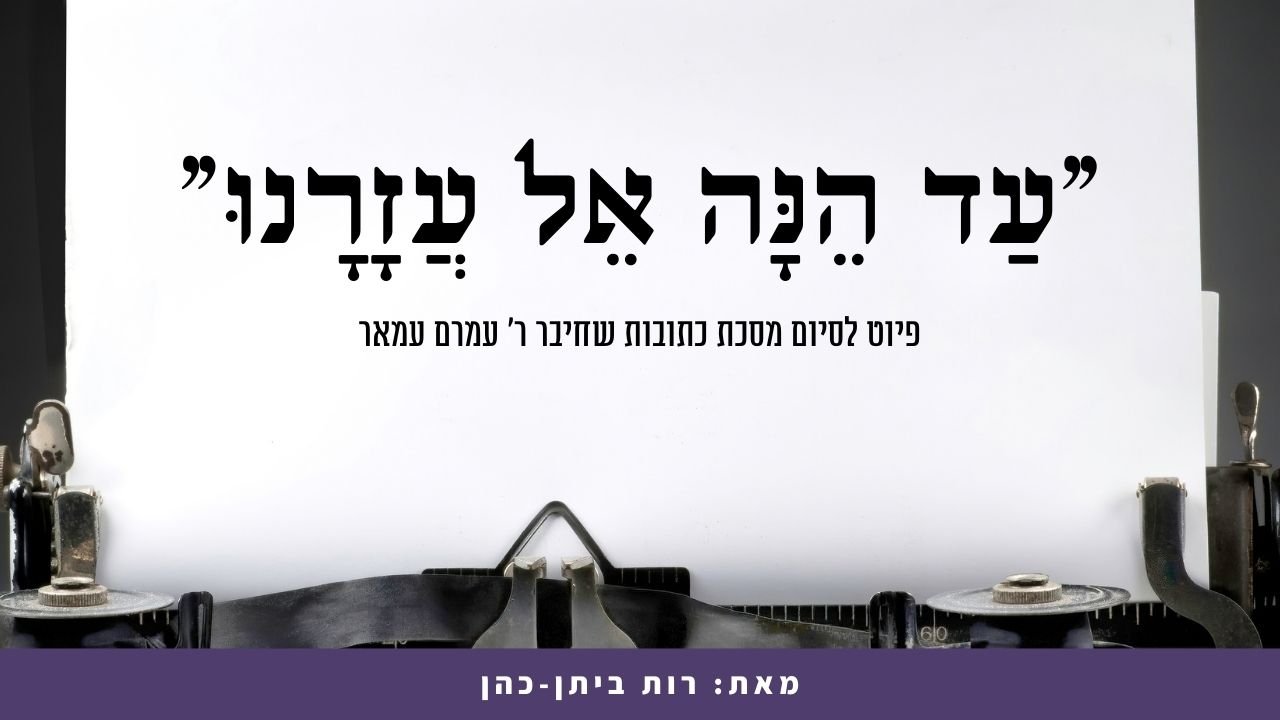
‘עַד הֵנָּה אֵל עֲזָרָנוּ’ – פיוט לסיום מסכת כתובות שחיבר ר’ עמרם עמאר – רות ביתן-כהן
26.10.2022 | א׳ בחשון תשפ״ג









חדשה בלימוד הגמרא?
זה הדף הראשון שלך? איזו התרגשות עצומה! יש לנו בדיוק את התכנים והכלים שיעזרו לך לעשות את הצעדים הראשונים ללמידה בקצב וברמה שלך, כך תוכלי להרגיש בנוח גם בתוך הסוגיות המורכבות ומאתגרות.
פסיפס הלומדות שלנו
גלי את קהילת הלומדות שלנו, מגוון נשים, רקעים וסיפורים. כולן חלק מתנועה ומסע מרגש ועוצמתי.
כבר סיפרתי בסיום של מועד קטן.
הלימוד מאוד משפיעה על היום שלי כי אני לומדת עם רבנית מישל על הבוקר בזום. זה נותן טון לכל היום – בסיס למחשבות שלי .זה זכות גדול להתחיל את היום בלימוד ובתפילה. תודה רבה !

שרה ברלוביץ
ירושלים, ישראל
A friend in the SF Bay Area said in Dec 2019 that she might start listening on her morning drive to work. I mentioned to my husband and we decided to try the Daf when it began in Jan 2020 as part of our preparing to make Aliyah in the summer.

חנה פיוטרקובסקי
ירושלים, Israel
שמעתי על הסיום הענק של הדף היומי ע”י נשים בבנייני האומה. רציתי גם.
החלטתי להצטרף. התחלתי ושיכנעתי את בעלי ועוד שתי חברות להצטרף. עכשיו יש לי לימוד משותף איתו בשבת ומפגש חודשי איתן בנושא (והתכתבויות תדירות על דברים מיוחדים שקראנו). הצטרפנו לקבוצות שונות בווטסאפ. אנחנו ממש נהנות. אני שומעת את השיעור מידי יום (בד”כ מהרב יוני גוטמן) וקוראת ומצטרפת לסיומים של הדרן. גם מקפידה על דף משלהן (ונהנית מאד).

ליאת סיטרון
אפרת, ישראל
התחלתי ללמוד גמרא בבית הספר בגיל צעיר והתאהבתי. המשכתי בכך כל חיי ואף היייתי מורה לגמרא בבית הספר שקד בשדה אליהו (בית הספר בו למדתי בילדותי)בתחילת מחזור דף יומי הנוכחי החלטתי להצטרף ובע”ה מקווה להתמיד ולהמשיך. אני אוהבת את המפגש עם הדף את "דרישות השלום ” שמקבלת מקשרים עם דפים אחרים שלמדתי את הסנכרון שמתחולל בין התכנים.

אריאלה ביגמן
מעלה גלבוע, ישראל
התחלתי ללמוד דף יומי בתחילת מסכת ברכות, עוד לא ידעתי כלום. נחשפתי לסיום הש״ס, ובעצם להתחלה מחדש בתקשורת, הפתיע אותי לטובה שהיה מקום לעיסוק בתורה.
את המסכתות הראשונות למדתי, אבל לא סיימתי (חוץ מעירובין איכשהו). השנה כשהגעתי למדרשה, נכנסתי ללופ, ואני מצליחה להיות חלק, סיימתי עם החברותא שלי את כל המסכתות הקצרות, גם כשהיינו חולות קורונה ובבידודים, למדנו לבד, העיקר לא לצבור פער, ומחכות ליבמות 🙂

עדן ישורון
מזכרת בתיה, ישראל
סיום השס לנשים נתן לי מוטביציה להתחיל ללמוד דף יומי. עד אז למדתי גמרא בשבתות ועשיתי כמה סיומים. אבל לימוד יומיומי זה שונה לגמרי ופתאום כל דבר שקורה בחיים מתקשר לדף היומי.

קרן פוגל
רתמים, ישראל
אמא שלי למדה איתי ש”ס משנה, והתחילה ללמוד דף יומי. אני החלטתי שאני רוצה ללמוד גם. בהתחלה למדתי איתה, אח”כ הצטרפתי ללימוד דף יומי שהרב דני וינט מעביר לנוער בנים בעתניאל. במסכת עירובין עוד חברה הצטרפה אלי וכשהתחלנו פסחים הרב דני פתח לנו שעור דף יומי לבנות. מאז אנחנו לומדות איתו קבוע כל יום את הדף היומי (ובשבת אבא שלי מחליף אותו). אני נהנית מהלימוד, הוא מאתגר ומעניין

רננה הלמן
עתניאל, ישראל
התחלתי מחוג במסכת קידושין שהעבירה הרבנית רייסנר במסגרת בית המדרש כלנה בגבעת שמואל; לאחר מכן התחיל סבב הדף היומי אז הצטרפתי. לסביבה לקח זמן לעכל אבל היום כולם תומכים ומשתתפים איתי. הלימוד לעתים מעניין ומעשיר ולעתים קשה ואף הזוי… אך אני ממשיכה קדימה. הוא משפיע על היומיום שלי קודם כל במרדף אחרי הדף, וגם במושגים הרבים שלמדתי ובידע שהועשרתי בו, חלקו ממש מעשי

אביגיל כריסי
ראש העין, ישראל
בסוף הסבב הקודם ראיתי את השמחה הגדולה שבסיום הלימוד, בעלי סיים כבר בפעם השלישית וכמובן הסיום הנשי בבנייני האומה וחשבתי שאולי זו הזדמנות עבורי למשהו חדש.
למרות שאני שונה בסביבה שלי, מי ששומע על הלימוד שלי מפרגן מאוד.
אני מנסה ללמוד קצת בכל יום, גם אם לא את כל הדף ובסך הכל אני בדרך כלל עומדת בקצב.
הלימוד מעניק המון משמעות ליום יום ועושה סדר בלמוד תורה, שתמיד היה (ועדיין) שאיפה. אבל אין כמו קביעות

רחלי מנדלסון
טל מנשה, ישראל
. לא תמיד נהניתי מלימוד גמרא כילדה.,בל כהתבגרתי התחלתי לאהוב את זה שוב. התחלתי ללמוד מסכת סוטה בדף היומי לפני כחמש עשרה שנה ואז הפסקתי.הגעתי לסיום הגדול של הדרן לפני שנתיים וזה נתן לי השראה. והתחלתי ללמוד למשך כמה ימים ואז היתה לי פריצת דיסק והפסקתי…עד אלול השנה. אז התחלתי עם מסכת ביצה וב”ה אני מצליחה לעמוד בקצב. המשפחה מאוד תומכת בי ויש כמה שגם לומדים את זה במקביל. אני אוהבת שיש עוגן כל יום.

רבקה דרשן
בית שמש, ישראל
התחלתי להשתתף בשיעור נשים פעם בשבוע, תכננתי ללמוד רק דפים בודדים, לא האמנתי שאצליח יותר מכך.
לאט לאט נשאבתי פנימה לעולם הלימוד .משתדלת ללמוד כל בוקר ומתחילה את היום בתחושה של מלאות ומתוך התכווננות נכונה יותר.
הלימוד של הדף היומי ממלא אותי בתחושה של חיבור עמוק לעם היהודי ולכל הלומדים בעבר ובהווה.

נילי חיון
אפרת, ישראל
רציתי לקבל ידע בתחום שהרגשתי שהוא גדול וחשוב אך נעלם ממני. הלימוד מעניק אתגר וסיפוק ומעמיק את תחושת השייכות שלי לתורה וליהדות

רות עגיב
עלי זהב – לשם, ישראל
בתחילת הסבב הנוכחי הצטברו אצלי תחושות שאני לא מבינה מספיק מהי ההלכה אותה אני מקיימת בכל יום. כמו כן, כאמא לבנות רציתי לתת להן מודל נשי של לימוד תורה
שתי הסיבות האלו הובילו אותי להתחיל ללמוד. נתקלתי בתגובות מפרגנות וסקרניות איך אישה לומדת גמרא..
כמו שרואים בתמונה אני ממשיכה ללמוד גם היום ואפילו במחלקת יולדות אחרי לידת ביתי השלישית.

נועה שילה
רבבה, ישראל
"התחלתי ללמוד דף יומי במחזור הזה, בח’ בטבת תש””ף. לקחתי על עצמי את הלימוד כדי ליצור תחום של התמדה יומיומית בחיים, והצטרפתי לקבוצת הלומדים בבית הכנסת בכפר אדומים. המשפחה והסביבה מתפעלים ותומכים.
בלימוד שלי אני מתפעלת בעיקר מכך שכדי ללמוד גמרא יש לדעת ולהכיר את כל הגמרא. זו מעין צבת בצבת עשויה שהיא עצומה בהיקפה.”

שרה פוּקס
כפר אדומים, ישראל
. לא תמיד נהניתי מלימוד גמרא כילדה.,בל כהתבגרתי התחלתי לאהוב את זה שוב. התחלתי ללמוד מסכת סוטה בדף היומי לפני כחמש עשרה שנה ואז הפסקתי.הגעתי לסיום הגדול של הדרן לפני שנתיים וזה נתן לי השראה. והתחלתי ללמוד למשך כמה ימים ואז היתה לי פריצת דיסק והפסקתי…עד אלול השנה. אז התחלתי עם מסכת ביצה וב”ה אני מצליחה לעמוד בקצב. המשפחה מאוד תומכת בי ויש כמה שגם לומדים את זה במקביל. אני אוהבת שיש עוגן כל יום.
רבקה דרשן
בית שמש, ישראל
A life-changing journey started with a Chanukah family tiyul to Zippori, home of the Sanhedrin 2 years ago and continued with the Syum in Binanei Hauma where I was awed by the energy of 3000 women dedicated to learning daf Yomi. Opening my morning daily with a fresh daf, I am excited with the new insights I find enriching my life and opening new and deeper horizons for me.

בקי גולדשטיין
Elazar gush etzion, Israel
הצטרפתי ללומדות בתחילת מסכת תענית. ההתרגשות שלי ושל המשפחה היתה גדולה מאוד, והיא הולכת וגוברת עם כל סיום שאני זוכה לו. במשך שנים רבות רציתי להצטרף ומשום מה זה לא קרה… ב”ה מצאתי לפני מספר חודשים פרסום של הדרן, ומיד הצטרפתי והתאהבתי. הדף היומי שינה את חיי ממש והפך כל יום- ליום של תורה. מודה לכן מקרב ליבי ומאחלת לכולנו לימוד פורה מתוך אהבת התורה ולומדיה.

נעה רוזן
חיספין רמת הגולן, ישראל
התחלתי מחוג במסכת קידושין שהעבירה הרבנית רייסנר במסגרת בית המדרש כלנה בגבעת שמואל; לאחר מכן התחיל סבב הדף היומי אז הצטרפתי. לסביבה לקח זמן לעכל אבל היום כולם תומכים ומשתתפים איתי. הלימוד לעתים מעניין ומעשיר ולעתים קשה ואף הזוי… אך אני ממשיכה קדימה. הוא משפיע על היומיום שלי קודם כל במרדף אחרי הדף, וגם במושגים הרבים שלמדתי ובידע שהועשרתי בו, חלקו ממש מעשי
אביגיל כריסי
ראש העין, ישראל
My explorations into Gemara started a few days into the present cycle. I binged learnt and become addicted. I’m fascinated by the rich "tapestry” of intertwined themes, connections between Masechtot, conversations between generations of Rabbanim and learners past and present all over the world. My life has acquired a golden thread, linking generations with our amazing heritage.
Thank you.

סוזן כשדן
חשמונאים, Israel
בתחילת הסבב הנוכחי של לימוד הדף היומי, נחשפתי לחגיגות המרגשות באירועי הסיום ברחבי העולם. והבטחתי לעצמי שבקרוב אצטרף גם למעגל הלומדות. הסבב התחיל כאשר הייתי בתחילת דרכי בתוכנית קרן אריאל להכשרת יועצות הלכה של נשמ”ת. לא הצלחתי להוסיף את ההתחייבות לדף היומי על הלימוד האינטנסיבי של תוכנית היועצות. בבוקר למחרת המבחן הסופי בנשמ”ת, התחלתי את לימוד הדף במסכת סוכה ומאז לא הפסקתי.

חנה שחם-רוזבי (ד”ר)
קרית גת, ישראל
כתובות לז
וְסָבַר רַבִּי יְהוּדָה בִּקְדוּשְׁתַּהּ קָיְימָא? וְהָתַנְיָא: הַגִּיּוֹרֶת שֶׁנִּתְגַּיְּירָה וְרָאֲתָה דָּם, רַבִּי יְהוּדָה אוֹמֵר: דַּיָּהּ שְׁעָתָהּ. רַבִּי יוֹסֵי אוֹמֵר: הֲרֵי הִיא כְּכׇל הַנָּשִׁים, וּמְטַמְּאָה מֵעֵת לְעֵת, וּמִפְּקִידָה לִפְקִידָה.
And does Rabbi Yehuda maintain that a captive woman remains in her state of sanctity? But isn’t it taught in a baraita: With regard to a female convert who converted and saw the flow of menstrual blood on that same day, Rabbi Yehuda says: Deeming her impure from the hour that she saw the menstrual flow is sufficient for her. There is no decree of retroactive impurity on objects that she touched earlier, due to the concern that the blood flow might have started earlier. Rabbi Yosei says: Her legal status is like that of all of the Jewish women, and she therefore transmits impurity retroactively for a twenty-four hour period following her conversion, or from examination to examination, i.e., from the last time she examined herself.
וּצְרִיכָה לְהַמְתִּין שְׁלֹשָׁה חֳדָשִׁים, דִּבְרֵי רַבִּי יְהוּדָה. רַבִּי יוֹסֵי מַתִּיר לֵיאָרֵס וְלִינָּשֵׂא מִיָּד. אֲמַר לֵיהּ: גִּיּוֹרֶת אַשְּׁבוּיָהּ קָא רָמֵית? גִּיּוֹרֶת לָא מְנַטְּרָא נַפְשַׁהּ, שְׁבוּיָה מְנַטְּרָא נַפְשַׁהּ.
And a convert is required to wait three months after her conversion before marrying a Jew, due to the concern that she is pregnant, leading to confusion whether the child was conceived before or after her conversion; this is the statement of Rabbi Yehuda. Rabbi Yosei permits her to be betrothed and to be married immediately. Clearly, Rabbi Yehuda is concerned that she engaged in sexual relations prior to her conversion. Rav Yosef said to Rav Pappa bar Shmuel: Are you raising a contradiction from the halakha of a convert to that of a captive woman? A convert does not protect herself from engaging in sexual relations before conversion, whereas a captive protects herself, as she is conscious of the sanctity of the Jewish people and does not want to be violated.
וּרְמִי שְׁבוּיָה אַשְּׁבוּיָהּ, דְּתַנְיָא: הַגִּיּוֹרֶת וְהַשְּׁבוּיָה וְהַשִּׁפְחָה שֶׁנִּפְדּוּ וְשֶׁנִּתְגַּיְּירוּ וְשֶׁנִּשְׁתַּחְרְרוּ יְתֵירוֹת עַל בְּנוֹת שָׁלֹשׁ שָׁנִים וְיוֹם אֶחָד — צְרִיכוֹת לְהַמְתִּין שְׁלֹשָׁה חֳדָשִׁים, דִּבְרֵי רַבִּי יְהוּדָה, רַבִּי יוֹסֵי מַתִּיר לֵיאָרֵס וְלִינָּשֵׂא מִיָּד. אִשְׁתִּיק.
And Rav Pappa bar Shmuel raised a contradiction from one halakha with regard to a captive to another halakha with regard to a captive, as it is taught in a baraita: The convert, or the captive woman or the gentile maidservant, who were redeemed, converted, or emancipated when they were more than three years and one day old, are required to wait three months before marrying; this is the statement of Rabbi Yehuda. Rabbi Yosei permits these women to be betrothed and to be married immediately. Apparently, Rabbi Yehuda is concerned that she engaged in sexual relations prior to her redemption, contradicting his opinion here. Rav Yosef was silent, unable to respond.
אֲמַר לֵיהּ: מִידֵּי שְׁמִיעַ לָךְ בְּהָא? אֲמַר לֵיהּ: הָכִי אָמַר רַב שֵׁשֶׁת, שֶׁרָאוּהָ שֶׁנִּבְעֲלָה. אִי הָכִי מַאי טַעְמָא דְּרַבִּי יוֹסֵי? אָמַר רַבָּה, קָסָבַר רַבִּי יוֹסֵי: אִשָּׁה מְזַנָּה מְשַׁמֶּשֶׁת בְּמוֹךְ, שֶׁלֹּא תִּתְעַבֵּר.
Later, Rav Yosef said to him: Have you heard anything with regard to this matter? Rav Pappa bar Shmuel said to him: This is what Rav Sheshet said: Rabbi Yehuda is referring to a captive whom witnesses saw engage in intercourse. The Gemara asks: If so, what is the rationale for the ruling of Rabbi Yosei that she may marry immediately? Shouldn’t he be concerned lest she is pregnant? Rabba said: Rabbi Yosei holds that a woman who engages in promiscuous sexual relations has relations with a contraceptive resorbent at the entrance of her womb, so that she will not become pregnant.
בִּשְׁלָמָא גִּיּוֹרֶת, כֵּיוָן דְּדַעְתַּהּ לְאִיגַּיּוֹרֵי מְנַטְּרָא נַפְשַׁהּ. שְׁבוּיָה נָמֵי, דְּלָא יָדְעָה הֵיכָא מַמְטוּ לָהּ. שִׁפְחָה נָמֵי, דְּשָׁמְעָה מִפִּי מָרַהּ. אֶלָּא יוֹצְאָה בְּשֵׁן וָעַיִן, מַאי אִיכָּא לְמֵימַר?
The Gemara asks: Granted, a convert uses the resorbent; since it is her intention to convert, she protects herself from pregnancy. A captive too uses the resorbent because she does not know where they are taking her, and she does not want to become pregnant. A maidservant uses the resorbent too, as she heard from her master that he intends to free her, and she seeks to avoid confusion with regard to the lineage of her offspring. However, with regard a maidservant who emerges from slavery with the extraction by her master of her tooth or her eye, what is there to say? She has no advance knowledge that she will be freed and therefore would not take precautions to avoid becoming pregnant, and Rav Sheshet explained that this is a case where she was seen engaging in sexual relations.
וְכִי תֵּימָא כֹּל מִמֵּילָא לָא אָמַר רַבִּי יוֹסֵי, הֲרֵי אֲנוּסָה וּמְפוּתָּה, דְּמִמֵּילָא, וְתַנְיָא: אֲנוּסָה וּמְפוּתָּה צְרִיכוֹת לְהַמְתִּין שְׁלֹשָׁה חֳדָשִׁים, דִּבְרֵי רַבִּי יְהוּדָה. רַבִּי יוֹסֵי מַתִּיר לֵיאָרֵס וְלִינָּשֵׂא מִיָּד!
And if you say that with regard to any situation that occurs on its own, without advance knowledge, Rabbi Yosei concedes to Rabbi Yehuda and did not say that it is permitted for her to marry immediately, that cannot be so. There is the case of a raped or seduced woman, which happens on its own without advance knowledge, and it is taught in a baraita: A raped woman and a seduced woman must wait three months before marrying; this is the statement of Rabbi Yehuda; Rabbi Yosei permits these women to be betrothed and to be married immediately.
אֶלָּא אָמַר רַבָּה: קָסָבַר רַבִּי יוֹסֵי: אִשָּׁה מְזַנָּה מִתְהַפֶּכֶת כְּדֵי שֶׁלֹּא תִּתְעַבֵּר. וְאִידַּךְ? חָיְישִׁינַן שֶׁמָּא לֹא נֶהֶפְכָה יָפֶה יָפֶה.
Rather, Rabba said: The rationale for the ruling of Rabbi Yosei is not because the woman uses a contraceptive resorbent that she inserts before engaging in relations. Rather, Rabbi Yosei holds: A woman who engages in promiscuous sexual relations turns over at the conclusion of the sexual act so that she will not become pregnant. Therefore, even if she engaged in unplanned sexual relations, she can take steps afterward to prevent unwanted pregnancy. The Gemara asks: And how does the other tanna, Rabbi Yehuda respond to this contention? The Gemara answers: We are concerned lest the semen remain in her womb because she did not turn over properly, and she will become pregnant.
שֶׁנֶּאֱמַר וְלֹא יִהְיֶה אָסוֹן עָנוֹשׁ יֵעָנֵשׁ וְכוּ׳. וְהָא מֵהָכָא נָפְקָא? מֵהָתָם נָפְקָא: ״כְּדֵי רִשְׁעָתוֹ״, מִשּׁוּם רִשְׁעָה אַחַת אַתָּה מְחַיְּיבוֹ, וְאִי אַתָּה מְחַיְּיבוֹ מִשּׁוּם שְׁתֵּי רִשְׁעָיוֹת!
§ The mishna states that one liable to receive the death penalty is exempt from payment, as it is stated: “And yet no harm follow, he shall be punished, etc.” (Exodus 21:22). The Gemara asks: And is this principle derived from here? Actually, it is derived from there: “And to be beaten before his face according to the measure of his iniquity” (Deuteronomy 25:2). From the term: His iniquity, it is inferred: You can hold one who performs one action liable for one iniquity, i.e., punishment for violating one prohibition, but you do not hold him liable for two iniquities, i.e., punishments for violating two prohibitions.
חֲדָא בְּמִיתָה וּמָמוֹן, וַחֲדָא בְּמַלְקוֹת וּמָמוֹן. וּצְרִיכָא: דְּאִי אַשְׁמְעִינַן מִיתָה וּמָמוֹן, מִשּׁוּם דְּאִיכָּא אִיבּוּד נְשָׁמָה, אֲבָל מַלְקוֹת וּמָמוֹן, דְּלֵיכָּא אִיבּוּד נְשָׁמָה, אֵימָא לָא.
The Gemara answers: One of these derivations, from the verse “And yet no harm follow” is stated with regard to one who performed an action for which he is liable to receive the death penalty and to pay money, and the liability to be executed exempts him from payment. And one of these derivations, from the verse “According to the measure of his iniquity,” is stated with regard to one who performed an action for which he is liable to receive lashes and to pay money, and he receives only one punishment. The Gemara elaborates: And both derivations are necessary, as if the Torah taught us this halakha only with regard to death and money, one would assert that the exemption from payment is due to the fact that there is loss of life, the ultimate punishment, leaving no room for additional punishment; however, in the case of lashes and money, where there is no loss of life, say no, there is no exemption and he is flogged and pays.
וְאִי אַשְׁמְעִינַן מַלְקוֹת וּמָמוֹן, מִשּׁוּם דְּלָא חֲמִיר אִיסּוּרֵיהּ. אֲבָל מִיתָה וּמָמוֹן, דַּחֲמִיר אִיסּוּרֵיהּ, אֵימָא לָא. צְרִיכָא.
And if the Torah taught us this halakha only with regard to lashes and money, one would assert that the exemption from payment is due to the fact that the prohibition that he violated is not severe, as it is punishable by lashes, and for violating a prohibition that is not severe one does not receive two punishments. However, with regard to death and money, where the prohibition that he violated is severe, say no, he is not exempt from receiving two punishments. Therefore, it was necessary for the Torah to teach both derivations.
וּלְרַבִּי מֵאִיר דְּאָמַר לוֹקֶה וּמְשַׁלֵּם, תַּרְתֵּי לְמָה לִי? חֲדָא בְּמִיתָה וּמָמוֹן,
The Gemara asks: And according to Rabbi Meir, who said that one is flogged and pays in cases where he violated a prohibition punishable by both, why do I require two derivations teaching that one does not receive the death penalty and pay? The Gemara answers: One derivation is with regard to death and money, exempting one liable to be executed from payment,
וַחֲדָא בְּמִיתָה וּמַלְקוֹת. וּצְרִיכָא, דְּאִי אַשְׁמְעִינַן מִיתָה וּמָמוֹן, מִשּׁוּם דַּחֲדָא בְּגוּפֵיהּ וַחֲדָא בְּמָמוֹנֵיהּ לָא עָבְדִינַן. אֲבָל בְּמִיתָה וּמַלְקוֹת, דְּאִידֵּי וְאִידֵּי בְּגוּפֵיהּ, אֵימָא מִיתָה אֲרִיכְתָּא הִיא, וְנַעְבֵּיד בֵּיהּ.
and one derivation is with regard to death and lashes, exempting one liable to be executed from lashes. The Gemara comments: And both verses are necessary, as if the Torah taught us this halakha only with regard to death and monetary payment, one would assert that the exemption from payment is due to the fact that we do not administer one punishment to his body and one to his money. However, with regard to death and lashes, that both this, death, and that, lashes, are administered to his body, say it is an extended death penalty and let us administer lashes and then the death penalty to him so that his death will ensue from affliction.
וְאִי אַשְׁמְעִינַן מִיתָה וּמַלְקוֹת, דְּתַרְתֵּי בְּגוּפֵיהּ לָא עָבְדִינַן. אֲבָל מִיתָה וּמָמוֹן, דַּחֲדָא בְּגוּפֵיהּ וַחֲדָא בְּמָמוֹנֵיהּ, אֵימָא נַעֲבֵיד בֵּיהּ. צְרִיכָא.
And if the Torah taught us this halakha only with regard to death and lashes, one would assert that the exemption from lashes is due to the fact that we do not administer two punishments to his body. However, with regard to death and money, where one is administered to his body and one is administered to his money, say: Let us administer both to him. Therefore, both verses are necessary, to teach that one receives only one punishment in both cases.
״וְלֹא תִקְחוּ כוֹפֶר לְנֶפֶשׁ רוֹצֵחַ״ לְמָה לִי? דְּאָמַר רַחֲמָנָא: לָא תִּשְׁקוֹל מָמוֹנָא מִינֵּיהּ וְתִפְטְרֵיהּ מִקְּטָלָא. ״לֹא תִקְחוּ כוֹפֶר לָנוּס אֶל עִיר מִקְלָטוֹ״ לְמָה לִי? דְּאָמַר רַחֲמָנָא: לָא תִּשְׁקוֹל מָמוֹנָא מִינֵּיהּ וְתִפְטְרֵיהּ מִן גָּלוּת.
The Gemara asks with regard to the verse “And you shall take no ransom for the life of a murderer, who is guilty of death” (Numbers 35:31), which means that one does not take payment from a person sentenced to death, why do I require this verse, if that principle was already derived from another verse? The Gemara explains that the Merciful One says: Do not take money from him and exempt him from the death penalty. Similarly, the following verse: “And you shall take no ransom for him that is fled to his city of refuge” (Numbers 35:32), why do I require this verse? The Gemara explains that the Merciful One says: Do not take money from him and exempt him from exile.
וּתְרֵי קְרָאֵי לְמָה לִי! חַד בְּשׁוֹגֵג וְחַד בְּמֵזִיד. וּצְרִיכִי, דְּאִי אַשְׁמְעִינַן מֵזִיד, מִשּׁוּם דַּחֲמִיר אִיסּוּרֵיהּ. אֲבָל שׁוֹגֵג, דְּלָא חֲמִיר אִיסּוּרֵיהּ — אֵימָא לָא. וְאִי אַשְׁמְעִינַן שׁוֹגֵג, מִשּׁוּם דְּלֵיכָּא אִיבּוּד נְשָׁמָה. אֲבָל מֵזִיד, דְּאִיכָּא אִיבּוּד נְשָׁמָה — אֵימָא לָא. צְרִיכָא.
The Gemara asks: And why do I require two verses to teach the same principle? The Gemara explains: One verse refers to one who killed unwittingly, and one verse refers to one who killed intentionally. The Gemara comments: And both verses are necessary, as if the Torah taught us this halakha only with regard to an intentional murderer, one would assert that payment is not accepted due to the fact that the prohibition that he violated is severe. However, with regard to an unwitting killer, where the prohibition is not severe, say no, he may pay in lieu of exile. And if the Torah taught us this halakha only with regard to an unwitting killer, one would assert that payment is not accepted due to the fact that there is no loss of life, as the killer is not executed, and therefore, there is no reason to allow payment in lieu of exile. However, with regard to an intentional killer, where there is loss of life, as he will be executed, say no, he may pay in lieu of execution. Therefore, both verses are necessary.
״וְלָאָרֶץ לֹא יְכוּפַּר לַדָּם אֲשֶׁר שׁוּפַּךְ בָּהּ כִּי אִם בְּדַם שׁוֹפְכוֹ״ לְמָה לִי?
The Gemara asks with regard to the following verse: “And no expiation can be made for the land for the blood that is shed therein, but by the blood of him that shed it” (Numbers 35:33), which also indicates that he cannot be exempted by money, why do I require another verse to teach that one cannot absolve himself from the death penalty by means of payment?
מִבְּעֵי לֵיהּ לְכִדְתַנְיָא: מִנַּיִן שֶׁאִם נִתְעָרְפָה עֲגָלָה וְאַחַר כָּךְ נִמְצָא הַהוֹרֵג, מִנַּיִן שֶׁאֵין פּוֹטְרִין אוֹתוֹ — שֶׁנֶּאֱמַר: ״וְלָאָרֶץ לֹא יְכוּפַּר לַדָּם אֲשֶׁר שׁוּפַּךְ בָּהּ וְגוֹ׳״.
The Gemara explains: It is necessary to teach that which is taught in a baraita with regard to the matter of the calf that is beheaded. If a corpse whose murderer is unknown is found between two towns, the elders of the town nearest to the corpse bring a heifer and behead it in a riverbed, after which they pray for atonement for this murder. The baraita states: From where is it derived that if the calf was beheaded and the murderer was found thereafter, it is derived that one does not exempt him from punishment? It is as it is stated: “And no expiation can be made for the land for the blood that is shed therein, but by the blood of him that shed it” (Numbers 35:32), from which it is inferred: And not by the blood of the calf.
״וְאַתָּה תְּבַעֵר הַדָּם הַנָּקִי מִקִּרְבֶּךָ״ לְמָה לִי? מִיבְּעֵי לֵיהּ, לְכִדְתַנְיָא: מִנַּיִן לְמוּמָתִים בְּסַיִיף שֶׁהוּא מִן הַצַּוָּאר — תַּלְמוּד לוֹמַר: ״וְאַתָּה תְּבַעֵר הַדָּם הַנָּקִי מִקִּרְבֶּךָ״ — הוּקְשׁוּ כׇּל שׁוֹפְכֵי דָמִים לְעֶגְלָה עֲרוּפָה, מַה לְהַלָּן מִן הַצַּוָּאר — אַף שׁוֹפְכֵי דָמִים מִן הַצַּוָּאר.
The Gemara asks: What about the following verse, from the conclusion of the chapter of the heifer: The verse “And so shall you put away the innocent blood from your midst” (Deuteronomy 21:9) appears to be teaching the very same halakha, that a murderer must be executed. Why do I need it? The Gemara answers that it is necessary to teach that which is taught in a baraita: From where is it derived that with regard to those executed by sword, e.g., murderers, their execution is administered from the neck, and nowhere else? The verse states: “And so shall you put away the innocent blood from your midst” (Deuteronomy 21:9), likening all spillers of blood to the beheaded calf brought for an unresolved murder. Just as there, the calf is beheaded from the neck, so too, murderers are beheaded from the neck.
אִי מָה לְהַלָּן בְּקוֹפִיץ וּמִמּוּל עוֹרֶף, אַף כָּאן בְּקוֹפִיץ וּמִמּוּל עוֹרֶף? אָמַר רַב נַחְמָן אָמַר רַבָּה בַּר אֲבוּהּ, אָמַר קְרָא: ״וְאָהַבְתָּ לְרֵעֲךָ כָּמוֹךָ״, בְּרוֹר לוֹ מִיתָה יָפָה.
The Gemara asks: If so, just as there, in the case of the beheaded calf, it is beheaded with a cleaver [kofitz] and at the nape of the neck, here too the court executes murderers with a cleaver and at the nape of the neck. Rav Naḥman said that Rabba bar Avuh said that the verse says: “And you shall love your neighbor as yourself” (Leviticus 19:18), from which it is derived: Choose for him an agreeable death. It is prohibited to abuse a guilty person while executing him, and chopping off his head with a cleaver is an unseemly death. The murderer is beheaded from the neck, not with a cleaver, and not by the other methods employed in beheading the calf.
״כׇּל חֵרֶם אֲשֶׁר יׇחֳרַם מִן הָאָדָם לֹא יִפָּדֶה״ לְמָה לִי? מִיבְּעֵי לֵיהּ לְכִדְתַנְיָא: מִנַּיִן לַיּוֹצֵא לֵיהָרֵג, וְאָמַר אֶחָד ״עֶרְכּוֹ עָלַי״, מִנַּיִן שֶׁלֹּא אָמַר כְּלוּם —
The Gemara asks with regard to the following verse: “Anything dedicated [ḥerem], that may be dedicated of men, shall not be redeemed; he shall surely be put to death” (Leviticus 27:29), which is interpreted here as: Anyone sentenced to be executed shall not be redeemed; this appears to teach the same halakha as above, so why do I need it? The Gemara explains: It is necessary to teach that which is taught in a baraita: From where is it derived with regard to one taken to be executed, and one person said: His valuation is upon me to donate to the Temple, that he did not say anything and his vow is not binding?
שֶׁנֶּאֱמַר: ״כׇּל חֵרֶם אֲשֶׁר יׇחֳרַם מִן הָאָדָם לֹא יִפָּדֶה״. יָכוֹל אַף קוֹדֶם שֶׁנִּגְמַר דִּינוֹ כֵּן? תַּלְמוּד לוֹמַר: ״מִן הָאָדָם״ — וְלֹא כׇּל הָאָדָם.
It is derived as it is stated: “Anything dedicated [ḥerem], that may be dedicated of men [yoḥoram], shall not be redeemed” (Leviticus 27:29). This verse is taken to mean that anything dedicated, through which a man who is condemned [yoḥoram] is valuated, shall not be redeemed, as the person in question is already considered dead. One might think that even before his verdict is issued this should be so, and that one who said: The valuation of so-and-so on trial for murder is upon me, said nothing of consequence. Therefore, the verse states: “That may be dedicated of men,” implying “of men,” but not entire men. If it is valuation of an entire man, one not yet sentenced to death, it is binding. If it is valuation of a partial man, one sentenced to death, it is not binding.
וּלְרַבִּי חֲנַנְיָא בֶּן עֲקַבְיָא, דְּאָמַר: נֶעֱרָךְ — מִפְּנֵי שֶׁדָּמָיו קְצוּבִין, הַאי ״כׇּל חֵרֶם״ מַאי עָבֵיד לֵיהּ?
The Gemara asks: And according to Rabbi Ḥananya ben Akavya, who said that even a person taken to his execution is valuated, and the vow is binding, because the money of his valuation is fixed. The sum of the valuation established in the Torah is not based on the worth of the individual; rather, there is a fixed sum determined by age and gender. Therefore, one may be valuated as long as he is alive. According to that opinion, the question remains with regard to this verse: “Anything dedicated,” what does he derive from it?
מִיבְּעֵי לֵיהּ לְכִדְתַנְיָא: רַבִּי יִשְׁמָעֵאל בְּנוֹ שֶׁל רַבִּי יוֹחָנָן בֶּן בְּרוֹקָה אוֹמֵר: לְפִי שֶׁמָּצִינוּ לְמוּמָתִים בִּידֵי שָׁמַיִם שֶׁנּוֹתְנִין מָמוֹן וּמִתְכַּפֵּר לָהֶן, שֶׁנֶּאֱמַר: ״אִם כּוֹפֶר יוּשַׁת עָלָיו״. יָכוֹל אַף בִּידֵי אָדָם כֵּן? תַּלְמוּד לוֹמַר: ״חֵרֶם מִן הָאָדָם לֹא יִפָּדֶה״.
The Gemara answers: He requires it to teach that which is taught in a baraita: Rabbi Yishmael, son of Rabbi Yoḥanan ben Beroka, says: Because we found with regard to those executed at the hand of Heaven, and not through court-administered execution, that they give money and their sins are atoned, as it is stated: “The ox shall be stoned, and its owner shall also be put to death. If there be laid upon him a ransom then he shall give for the redemption of his life whatsoever is laid upon him” (Exodus 21:29–30). One whose ox kills a person is essentially liable to receive the death penalty at the hand of Heaven, and pays money instead. You might think that even with regard to those liable to receive the death penalty at the hands of man it is so, and one can pay in lieu of execution. Therefore, the verse states: “Dedicated of men shall not be redeemed” (Leviticus 27:29). One who is executed by man cannot be redeemed with money.
וְאֵין לִי אֶלָּא מִיתוֹת חֲמוּרוֹת שֶׁלֹּא נִיתְּנָה שִׁגְגָתָן לְכַפָּרָה, מִיתוֹת קַלּוֹת שֶׁנִּיתְּנָה שִׁגְגָתָן לְכַפָּרָה, מִנַּיִן? תַּלְמוּד לוֹמַר: ״כׇּל חֵרֶם״.
And I have derived this restriction only with regard to prohibitions punishable by severe penalties of death, e.g., striking one’s father, for which no atonement is designated in the Torah for their unwitting violation. However, with regard to prohibitions punishable by less severe penalties of death, e.g., performing labor on Shabbat, for which atonement, a sin-offering, is designated in the Torah for their unwitting violation, from where is it derived that there is no payment in lieu of execution? The verse states: “Anything dedicated,” to include all prohibitions punishable by court-administered execution.
וְלָא מִמֵּילָא מִ״לֹּא תִּקְחוּ כּוֹפֶר״ שָׁמְעַתְּ מִינַּהּ — לָא תִּשְׁקוֹל מָמוֹנָא מִינֵּיהּ וְתִיפְטְרֵיהּ? ״כׇּל חֵרֶם״ לְמָה לִי? אָמַר רָמֵי בַּר חָמָא: אִיצְטְרִיךְ, סָלְקָא דַּעְתָּךְ אָמֵינָא:
The Gemara asks: And didn’t you incidentally learn the following conclusion from the verse “And you shall take no ransom for the life of a murderer, who is guilty of death” (Numbers 35:31): Do not take money from him and exempt him from death? Why, then, do I require the phrase: Any ḥerem? Rami bar Ḥama said: It is necessary, as it might enter your mind to say
לעקוב

