






הלימוד השבוע מוקדש ע”י טינה לם לרפואת מעין ליאורה בת שלומית פייגא
רוצה להקדיש שיעור?


כלים
הלימוד השבוע מוקדש ע”י טינה לם לרפואת מעין ליאורה בת שלומית פייגא
כתובות מד
הָכָא נָמֵי הַיְינוּ טַעְמָא דְּלָא גָּבְיָא, מִדְּלָא כְּתַב לַהּ ״אוֹסֵיפִית לִךְ מֵאָה אַמָּאתַיִם״, אַחוֹלֵי אַחֵילְתֵּיהּ לְשִׁעְבּוּדָא קַמָּא.
Here too, this is the reasoning for the ruling that she does not collect the additional one hundred dinars from the second stipulated time, as he did not write to her in the second marriage contract: I added one hundred dinars to your original marriage contract of two hundred dinars. Evidently, he did not add to the existing marriage contract. Rather, she forgave her rights to the first marriage contract, including the lien on his property from the date it was written, in order to accept the second marriage document.
אָמַר מָר: אִי בָּעֲיָא — בְּהַאי גָּבְיָא, אִי בָּעֲיָא — בְּהַאי גָּבְיָא. לֵימָא פְּלִיגָא דְּרַב נַחְמָן? דְּאָמַר רַב נַחְמָן: שְׁנֵי שְׁטָרוֹת הַיּוֹצְאִין בְּזֶה אַחַר זֶה — בִּיטֵּל שֵׁנִי אֶת הָרִאשׁוֹן.
§ After clarifying Rav Huna’s opinion, the Gemara turns its attention to a more general issue, connected to his last statement. The Master, i.e., Rav Huna, said, as indicated in the above discussion, that if she wishes she can collect the sum specified in this marriage contract, and if she wishes she can collect the sum specified in that marriage contract. The Gemara asks: Shall we say that this opinion disagrees with that of Rav Naḥman? As Rav Naḥman said: With regard to two documents that pertain to the same issue and that are produced one after the other, e.g., a pair of documents that ascribe the transfer of ownership over a particular field to different times, the second, later document nullifies the first. Here too, the second marriage contract should negate the first one entirely.
לָאו מִי אִיתְּמַר עֲלַהּ, אָמַר רַב פָּפָּא: וּמוֹדֶה רַב נַחְמָן דְּאִי אוֹסֵיף בֵּיהּ דִּיקְלָא, לְתוֹסֶפֶת כַּתְבֵיהּ. הָכָא נָמֵי, הָא אוֹסֵיף לַהּ מִידֵּי!
The Gemara refutes this suggestion: Was it not stated with regard to this halakha of Rav Naḥman that Rav Pappa said: And Rav Naḥman concedes that if he added so much as a palm tree in the second document, this shows that he wrote it as an addition, and therefore the second document does not cancel the first, but adds to its sum? Here too, he added something for her, as the sum of money specified in the second marriage contract is larger than that specified in the first.
גּוּפָא. אָמַר רַב נַחְמָן: שְׁנֵי שְׁטָרוֹת הַיּוֹצְאִין בְּזֶה אַחַר זֶה — בִּיטֵּל שֵׁנִי אֶת הָרִאשׁוֹן. אָמַר רַב פָּפָּא: וּמוֹדֶה רַב נַחְמָן דְּאִי אוֹסֵיף בֵּיהּ דִּיקְלָא — לְתוֹסֶפֶת כַּתְבֵיהּ. פְּשִׁיטָא רִאשׁוֹן בְּמֶכֶר וְשֵׁנִי בְּמַתָּנָה, לְיַפּוֹת כֹּחוֹ הוּא דִּכְתַב לֵיהּ — מִשּׁוּם דִּינָא דְּבַר מִצְרָא.
§ Since the Gemara has mentioned the statement of Rav Naḥman, it discusses this matter itself: Rav Naḥman said: With regard to two documents that are produced one after the other, the second nullifies the first. Rav Pappa said: And Rav Naḥman concedes that if he added a palm tree to it, he wrote it as an addition. The Gemara analyzes this halakha in detail. It is obvious that if the first document was a document of a sale, and the second stated that the same field was given as a gift, the second document does not negate the first, as he wrote the additional document of a gift to improve the rights of the recipient due to the halakha of one whose field borders the field of his neighbor.
וְכׇל שֶׁכֵּן רִאשׁוֹן בְּמַתָּנָה וְשֵׁנִי בְּמֶכֶר, דְּאָמְרִינַן מִשּׁוּם דִּינָא דְּבַעַל חוֹב הוּא דִּכְתַב כֵּן.
And all the more so, this is the halakha if he wrote the first document as a gift and the second in the form of a sale, as we say it was due to the halakha of a creditor that he wrote it in this way. Out of concern that his creditor might come and snatch the field from the recipient and leave him without redress, he writes a document of sale for the recipient, so that he can return and collect this sum from him.
אֶלָּא אִי שְׁנֵיהֶם בְּמֶכֶר שְׁנֵיהֶם בְּמַתָּנָה בִּיטֵּל שֵׁנִי אֶת הָרִאשׁוֹן. מַאי טַעְמָא? רַפְרָם אָמַר: אֵימַר אוֹדוֹיֵי אוֹדִי לֵיהּ. רַב אַחָא אָמַר: אֵימַר אַחוֹלֵי אַחְלֵיהּ לְשִׁיעְבּוּדֵיהּ.
Rather, Rav Naḥman meant that if both of them were documents of sale or both of them were documents of gifts, the second nullifies the first. The Gemara asks: What is the reason for this halakha? Amora’im argued over this matter. Rafram said: Say that the recipient of the field admitted to him that the first document was invalid, e.g., it was forged, and he therefore wrote a second, valid document. Rav Aḥa said: Say that the recipient forgave him his lien from the date of the first document. Consequently, if the seller’s creditors collect this field as payment for the debt owed to them, which necessitates the seller reimbursing the buyer for the purchase price of the field, the buyer has a lien only on property owned by the seller from the time of the second document.
מַאי בֵּינַיְיהוּ? אִיכָּא בֵּינַיְיהוּ: אוֹרוֹעֵי סָהֲדֵי.
The Gemara asks: What is the practical difference between these two explanations? The Gemara explains: The practical difference between them involves several cases. First, there is the issue of whether this serves to impair the reliability of the witnesses: According to Rafram, who assumes that the first document was of questionable validity, the witnesses who signed on that document are likewise under suspicion, and therefore their testimony and signature in other cases are of questionable value.
וּלְשַׁלּוֹמֵי פֵּירֵי וּלְטַסְקָא.
And there is also a difference with regard to paying for the produce of the property between the dates specified in the two documents. According to Rafram, the transfer of ownership did not take place at the date specified in the first document. Consequently, the recipient of the field must compensate the original owner for the field’s produce that he consumed between the two dates. According to Rav Aḥa, the transfer of ownership took place at the time specified in the first document. And finally, there is a difference with regard to the payment of the land tax [taska]. If the first document was invalid, the previous owner must pay all taxes due during the period between the two documents.
מַאי הָוֵי עֲלַהּ דִּכְתוּבָּה? תָּא שְׁמַע, דְּאָמַר רַב יְהוּדָה אָמַר שְׁמוּאֵל מִשּׁוּם רַבִּי אֶלְעָזָר בְּרַבִּי שִׁמְעוֹן: מָנֶה מָאתַיִם מִן הָאֵירוּסִין, וְתוֹסֶפֶת מִן הַנִּישּׂוּאִין.
§ The above discussion came in the wake of the dispute between Rav Huna and Rav Asi with regard to whether the lien on a husband’s property to ensure payment of his wife’s marriage contract applies from the time of betrothal or the time of marriage. The Gemara returns to that issue. What halakhic conclusion was reached about this matter of a marriage contract? The Gemara responds: Come and hear the following ruling, as Rav Yehuda said that Shmuel said in the name of Rabbi Elazar, son of Rabbi Shimon: The lien on his property with regard to the one hundred dinars or two hundred dinars that comprise the basic sum of a marriage contract applies from the time of the betrothal, and the lien with regard to the additional sum applies from the time of the marriage.
וַחֲכָמִים אוֹמְרִים: אֶחָד זֶה וְאֶחָד זֶה מִן הַנִּישּׂוּאִין. וְהִלְכְתָא: אֶחָד זֶה וְאֶחָד זֶה מִן הַנִּישּׂוּאִין.
And the Rabbis say: The lien with regard to both this and that takes effect only from the time of the marriage. The Gemara concludes: And the halakha is that with regard to both this and that, the lien takes effect from the time of the marriage, in accordance with the majority opinion of the Rabbis.
מַתְנִי׳ הַגִּיּוֹרֶת שֶׁנִּתְגַּיְּירָה בִּתָּהּ עִמָּהּ וְזִינְּתָה — הֲרֵי זוֹ בְּחֶנֶק, אֵין לָהּ לֹא פֶּתַח בֵּית הָאָב, וְלֹא מֵאָה סֶלַע.
MISHNA: In the case of a female convert whose daughter converted with her and later, as a young woman, the daughter engaged in licentious sexual relations when she was betrothed, she is executed by strangulation, not stoning, the method of execution that would be employed had she been born Jewish. She has neither the halakha of being executed at the entrance to her father’s house, as in the case of a woman who was born Jewish who committed this crime, nor does she receive one hundred sela if her husband defamed her by falsely claiming that she had committed adultery. The reason is that the verses state “Israel” (Deuteronomy 22:19, 21) with regard to these halakhot, indicating that these halakhot apply only to those born as Jews.
הָיְתָה הוֹרָתָהּ שֶׁלֹּא בִּקְדוּשָּׁה וְלֵידָתָהּ בִּקְדוּשָּׁה — הֲרֵי זוֹ בִּסְקִילָה, וְאֵין לָהּ לֹא פֶּתַח בֵּית הָאָב, וְלֹא מֵאָה סֶלַע. הָיְתָה הוֹרָתָהּ וְלֵידָתָהּ בִּקְדוּשָּׁה, הֲרֵי הִיא כְּבַת יִשְׂרָאֵל לְכׇל דְּבָרֶיהָ.
However, if the daughter’s conception occurred when her mother was not yet in a state of sanctity, i.e., when she was still a gentile, but her birth took place when her mother was in a state of sanctity, as her mother converted during her pregnancy, this daughter is punishable by stoning if she committed adultery as a betrothed young woman. However, she has neither the halakha of being executed at the entrance to her father’s house, nor the right to one hundred sela if it turns out that her husband defamed her. If her conception and birth occurred when her mother was in a state of sanctity, i.e., after she converted, she is like a regular Jewish woman in all matters.
יֵשׁ לָהּ אָב וְאֵין לָהּ פֶּתַח בֵּית הָאָב, יֵשׁ לָהּ פֶּתַח בֵּית הָאָב וְאֵין לָהּ אָב — הֲרֵי זוֹ בִּסְקִילָה. לֹא נֶאֱמַר פֶּתַח בֵּית אָב אֶלָּא לְמִצְוָה.
If a young woman who is betrothed commits adultery and she has a father but does not have an entrance to her father’s house, i.e., if her father does not possess a house of his own, or if she has an entrance to her father’s house but does not have a father, as he has passed away, she is nevertheless executed via stoning, as the requirement that she is to be executed at the entrance to her father’s house is stated only for a mitzva but it is not an indispensable requirement.
גְּמָ׳ מְנָא הָנֵי מִילֵּי? אָמַר רֵישׁ לָקִישׁ, דְּאָמַר קְרָא ״וָמֵתָה״, לְרַבּוֹת הוֹרָתָהּ שֶׁלֹּא בִּקְדוּשָּׁה וְלֵידָתָהּ בִּקְדוּשָּׁה.
GEMARA: Since the rulings of the mishna are based on the principle that the special halakhot of a betrothed young woman who committed adultery apply only to a woman who was born Jewish, the Gemara questions the halakha that a woman who was conceived when her mother was a gentile but born when her mother was Jewish is executed via stoning: From where are these matters derived? Reish Lakish said: As the verse states: “And the men of her city shall stone her with stones that she die” (Deuteronomy 22:21). The phrase “that she die” is superfluous and comes to include one whose conception occurred when her mother was not yet in a state of sanctity but her birth took place when her mother was in a state of sanctity.
אִי הָכִי מִילְקָא נָמֵי נִילְקֵי, וּמֵאָה סֶלַע נָמֵי לְשַׁלֵּם! אָמַר קְרָא ״וָמֵתָה״ — לְמִיתָה נִתְרַבְּתָה וְלֹא לִקְנָס. וְאֵימָא לְרַבּוֹת הוֹרָתָהּ וְלֵידָתָהּ בִּקְדוּשָּׁה? הָהִיא יִשְׂרְאֵלִית מְעַלַּיְיתָא הִיא.
The Gemara asks: If so, if the verse equates her to a regular Jewish woman, let her husband also be flogged if he defames her, and let him also pay the one hundred sela. The Gemara answers that the verse states: “That she die” (Deuteronomy 22:21), which indicates that she was included with regard to the death penalty but not with regard to the fine. The Gemara asks another question: Say that this verse comes to include only a girl whose conception and birth both occurred when her mother was in a state of sanctity. The Gemara responds: That girl is a full-fledged Jewish woman, and there is no difference between her and any other Jewish woman.
וְאֵימָא לְרַבּוֹת הוֹרָתָהּ וְלֵידָתָהּ שֶׁלֹּא בִּקְדוּשָּׁה! אִם כֵּן, ״בְּיִשְׂרָאֵל״ מַאי אַהֲנִי לֵיהּ.
The Gemara asks a question from the opposite perspective: And say that the verse comes to include even one whose conception and birth both occurred when her mother was not in a state of sanctity. The Gemara answers: If so, the phrase “in Israel” (Deuteronomy 22:21), what purpose does it serve? This expression indicates that this halakha applies only to a woman who was born Jewish.
אָמַר רַבִּי יוֹסֵי בַּר חֲנִינָא: הַמּוֹצִיא שֵׁם רַע עַל הַיְּתוֹמָה פָּטוּר, שֶׁנֶּאֱמַר: ״וְנָתְנוּ לַאֲבִי הַנַּעֲרָה״ — פְּרָט לְזוֹ שֶׁאֵין לָהּ אָב.
§ Rabbi Yosei bar Ḥanina said: The defamer of an orphan girl is exempt, as it is stated: “And they shall fine him a hundred shekels of silver, and give them to the father of the young woman” (Deuteronomy 22:19), which excludes this one who does not have a father.
מֵתִיב רַבִּי יוֹסֵי בַּר אָבִין, וְאִיתֵּימָא רַבִּי יוֹסֵי בַּר זְבִידָא: ״וְאִם מָאֵן יְמָאֵן אָבִיהָ״ — לְרַבּוֹת יְתוֹמָה לִקְנָס, דִּבְרֵי רַבִּי יוֹסֵי הַגְּלִילִי.
Rabbi Yosei bar Avin, and some say it was Rabbi Yosei bar Zevida, raised an objection to this from the following baraita: The verse states with regard to a seduced young woman: “If her father utterly refuse [ma’en yima’en] to give her to him, he shall pay money according to the dowry of virgins” (Exodus 22:16). The double phrase “utterly refuse [ma’en yima’en]” comes to include an orphan for the fine, i.e., if she does not have a father and she herself refuses to marry her seducer, he must pay her the fine. This is the statement of Rabbi Yosei HaGelili. This proves that the fact that the girl does not have a father does not exempt her seducer from paying the fine.
הוּא מוֹתֵיב לַהּ וְהוּא מְפָרֵק לַהּ: בָּבָא עָלֶיהָ וְאַחַר כָּךְ נִתְיַתְּמָה.
The Gemara states that Rabbi Yosei bar Avin raised the objection and he resolved it: Rabbi Yosei HaGelili refers to one who had intercourse with her and afterward was orphaned. Since she had a father when the incident occurred, he is obligated to pay her the fine.
רָבָא אָמַר: חַיָּיב. מִמַּאי — מִדְּתָנֵי אַמֵּי: בְּתוּלַת יִשְׂרָאֵל, וְלֹא בְּתוּלַת גֵּרִים.
Rava said, in contrast to Rabbi Yosei bar Ḥanina, that one who defames an orphan is obligated to pay the fine. From where does he learn this? He learns this from the fact that Ami taught that the fine applies to one who defamed “a virgin of Israel” (Deuteronomy 22:19) and does not apply to one who defamed a virgin who is a convert.
אִי אָמְרַתְּ בִּשְׁלָמָא כִּי הַאי גַוְונָא בְּיִשְׂרָאֵל מִיחַיַּיב, הַיְינוּ דְּאִיצְטְרִיךְ קְרָא לְמַעוֹטֵי גֵּרִים. אֶלָּא אִי אָמְרַתְּ בְּיִשְׂרָאֵל כְּהַאי גַוְונָא פָּטוּר, הַשְׁתָּא בְּיִשְׂרָאֵל פָּטוּר, בְּגֵרִים מִיבַּעְיָא?!
Rava elaborates: Granted, if you say that in a case like this, where a woman has no father, with regard to a woman who was born as a Jew, he is obligated to pay, that is why it was necessary for the verse to exclude converts. Every convert is considered like an orphan, as the familial connection with her parents is severed upon her conversion, and therefore it is as though she did not have a father. However, if you say that in a case like this involving a woman born as a Jew he is exempt, now if in a case involving a woman born as a Jew he is exempt, is it necessary to derive from a verse that converts are not entitled to the fine? The fact that there is such a derivation in the case of converts indicates that in the case of a Jewish-born orphan, the defamer must pay a fine.
אָמַר רֵישׁ לָקִישׁ: הַמּוֹצִיא שֵׁם רַע עַל הַקְּטַנָּה — פָּטוּר, שֶׁנֶּאֱמַר: ״וְנָתְנוּ לַאֲבִי הַנַּעֲרָה״, ״נַעֲרָה״ מָלֵא דִּבֵּר הַכָּתוּב.
§ Reish Lakish said: The defamer of a minor girl is exempt, as it is stated: “And give them to the father of the young woman [na’ara]” (Deuteronomy 22:19). The word na’ara is written in full, with the letter heh at the end, whereas elsewhere in the Torah it is written without the heh. This indicates that the verse was speaking of a female who has fully attained the status of a young woman, rather than a minor who has not yet reached the state of being a young woman.
מַתְקֵיף לַהּ רַב אַחָא בַּר אַבָּא: טַעְמָא דִּכְתִיב בַּהּ ״הַנַּעֲרָה״, הָא לָאו הָכִי הֲוָה אָמֵינָא אֲפִילּוּ קְטַנָּה?! הָא כְּתִיב: ״וְאִם אֱמֶת הָיָה הַדָּבָר הַזֶּה לֹא נִמְצְאוּ בְתוּלִים לַנַּעֲרָה. וְהוֹצִיאוּ אֶת הַנַּעֲרָה אֶל פֶּתַח בֵּית אָבִיהָ וּסְקָלוּהָ״, וּקְטַנָּה לָאו בַּת עוֹנָשִׁין הִיא!
Rav Aḥa bar Abba strongly objects to this: Is it correct that the reason is that it is written with regard to her “na’ara” in full, but if that were not so, I would say that even a minor is included in this halakha? Isn’t it written: “But if this matter is true, that the tokens of virginity were not found in this young woman, then they shall bring out the young woman to the entrance to her father’s house and the men of her city shall stone her” (Deuteronomy 22:20–21)? And since a minor is not eligible for punishment, this verse evidently is referring to a young woman, not a minor, and therefore there is no need for the aforementioned exposition.
אֶלָּא: כָּאן ״נַעֲרָה״, הָא כׇּל מָקוֹם שֶׁנֶּאֱמַר ״נַעֲרָ״ — אֲפִילּוּ קְטַנָּה בַּמַּשְׁמָע.
Rather, the verse should be understood as follows: Here, where it is evident that the Torah is referring to a young woman, it writes na’ara with a heh, from which it may be inferred that wherever it is stated na’ara without a heh at the end, it indicates that the verse is referring even to a minor girl. The term na’ara without a heh is referring to both a minor and a young woman and excludes only an adult woman.
תָּנֵי שֵׁילָא: שָׁלֹשׁ מִדּוֹת בַּנַּעֲרָה: בָּאוּ לָהּ עֵדִים בְּבֵית חָמִיהָ שֶׁזִּינְּתָה בְּבֵית אָבִיהָ —
Sheila taught in a baraita: There are three different circumstances with regard to a young woman who has been defamed. If witnesses came to testify about her when she was in her father-in-law’s house, i.e., after she was married, and stated that she committed adultery in her father’s house, when she was betrothed,

כלים
העמקה
רוצה להבין מה באמת קורה מתחת לפני השטח של הסוגיה?
שיעורים, פודקאסטים והרחבות של מיטב המורות שלנו יפתחו לך עוד זוויות וכיווני חשיבה.
‘עַד הֵנָּה אֵל עֲזָרָנוּ’ – פיוט לסיום מסכת כתובות שחיבר ר’ עמרם עמאר – רות ביתן-כהן








חדשה בלימוד הגמרא?
זה הדף הראשון שלך? איזו התרגשות עצומה! יש לנו בדיוק את התכנים והכלים שיעזרו לך לעשות את הצעדים הראשונים ללמידה בקצב וברמה שלך, כך תוכלי להרגיש בנוח גם בתוך הסוגיות המורכבות ומאתגרות.
פסיפס הלומדות שלנו
גלי את קהילת הלומדות שלנו, מגוון נשים, רקעים וסיפורים. כולן חלק מתנועה ומסע מרגש ועוצמתי.
רבנית מישל הציתה אש התלמוד בלבבות בביניני האומה ואני נדלקתי. היא פתחה פתח ותמכה במתחילות כמוני ואפשרה לנו להתקדם בצעדים נכונים וטובים. הקימה מערך שלם שמסובב את הלומדות בסביבה תומכת וכך נכנסתי למסלול לימוד מעשיר שאין כמוה. הדרן יצר קהילה גדולה וחזקה שמאפשרת התקדמות מכל נקודת מוצא. יש דיבוק לומדות שמחזק את ההתמדה של כולנו. כל פניה ושאלה נענית בזריזות ויסודיות. תודה גם למגי על כל העזרה.
נתניה, ישראל
התחלתי ללמוד דף לפני קצת יותר מ-5 שנים, כשלמדתי רבנות בישיבת מהר”ת בניו יורק. בדיעבד, עד אז, הייתי בלימוד הגמרא שלי כמו מישהו שאוסף חרוזים משרשרת שהתפזרה, פה משהו ושם משהו, ומאז נפתח עולם ומלואו…. הדף נותן לי לימוד בצורה מאורגנת, שיטתית, יום-יומית, ומלמד אותי לא רק ידע אלא את השפה ודרך החשיבה שלנו. לשמחתי, יש לי סביבה תומכת וההרגשה שלי היא כמו בציטוט שבחרתי: הדף משפיע לטובה על כל היום שלי.

חיפה, ישראל
. לא תמיד נהניתי מלימוד גמרא כילדה.,בל כהתבגרתי התחלתי לאהוב את זה שוב. התחלתי ללמוד מסכת סוטה בדף היומי לפני כחמש עשרה שנה ואז הפסקתי.הגעתי לסיום הגדול של הדרן לפני שנתיים וזה נתן לי השראה. והתחלתי ללמוד למשך כמה ימים ואז היתה לי פריצת דיסק והפסקתי…עד אלול השנה. אז התחלתי עם מסכת ביצה וב”ה אני מצליחה לעמוד בקצב. המשפחה מאוד תומכת בי ויש כמה שגם לומדים את זה במקביל. אני אוהבת שיש עוגן כל יום.

בית שמש, ישראל
אמא שלי למדה איתי ש”ס משנה, והתחילה ללמוד דף יומי. אני החלטתי שאני רוצה ללמוד גם. בהתחלה למדתי איתה, אח”כ הצטרפתי ללימוד דף יומי שהרב דני וינט מעביר לנוער בנים בעתניאל. במסכת עירובין עוד חברה הצטרפה אלי וכשהתחלנו פסחים הרב דני פתח לנו שעור דף יומי לבנות. מאז אנחנו לומדות איתו קבוע כל יום את הדף היומי (ובשבת אבא שלי מחליף אותו). אני נהנית מהלימוד, הוא מאתגר ומעניין

עתניאל, ישראל
התחלתי ללמוד בעידוד שתי חברות אתן למדתי בעבר את הפרק היומי במסגרת 929.
בבית מתלהבים מאוד ובשבת אני לומדת את הדף עם בעלי שזה מפתיע ומשמח מאוד! לימוד הדף הוא חלק בלתי נפרד מהיום שלי. לומדת בצהריים ומחכה לזמן הזה מידי יום…

אפרת, ישראל
אחי, שלומד דף יומי ממסכת ברכות, חיפש חברותא ללימוד מסכת ראש השנה והציע לי. החברותא היתה מאתגרת טכנית ורוב הזמן נעשתה דרך הטלפון, כך שבסיום המסכת נפרדו דרכינו. אחי חזר ללמוד לבד, אבל אני כבר נכבשתי בקסם הגמרא ושכנעתי את האיש שלי להצטרף אלי למסכת ביצה. מאז המשכנו הלאה, ועכשיו אנחנו מתרגשים לקראתו של סדר נשים!

נוקדים, ישראל
אחרי שראיתי את הסיום הנשי של הדף היומי בבנייני האומה זה ריגש אותי ועורר בי את הרצון להצטרף. לא למדתי גמרא קודם לכן בכלל, אז הכל היה לי חדש, ולכן אני לומדת בעיקר מהשיעורים פה בהדרן, בשוטנשטיין או בחוברות ושיננתם.

בית שמש, ישראל
התחלתי ללמוד לפני כשנתיים בשאיפה לסיים לראשונה מסכת אחת במהלך חופשת הלידה.
אחרי מסכת אחת כבר היה קשה להפסיק…

ירוחם, ישראל
שמעתי על הסיום הענק של הדף היומי ע”י נשים בבנייני האומה. רציתי גם.
החלטתי להצטרף. התחלתי ושיכנעתי את בעלי ועוד שתי חברות להצטרף. עכשיו יש לי לימוד משותף איתו בשבת ומפגש חודשי איתן בנושא (והתכתבויות תדירות על דברים מיוחדים שקראנו). הצטרפנו לקבוצות שונות בווטסאפ. אנחנו ממש נהנות. אני שומעת את השיעור מידי יום (בד”כ מהרב יוני גוטמן) וקוראת ומצטרפת לסיומים של הדרן. גם מקפידה על דף משלהן (ונהנית מאד).

אפרת, ישראל
בתחילת הסבב הנוכחי הצטברו אצלי תחושות שאני לא מבינה מספיק מהי ההלכה אותה אני מקיימת בכל יום. כמו כן, כאמא לבנות רציתי לתת להן מודל נשי של לימוד תורה
שתי הסיבות האלו הובילו אותי להתחיל ללמוד. נתקלתי בתגובות מפרגנות וסקרניות איך אישה לומדת גמרא..
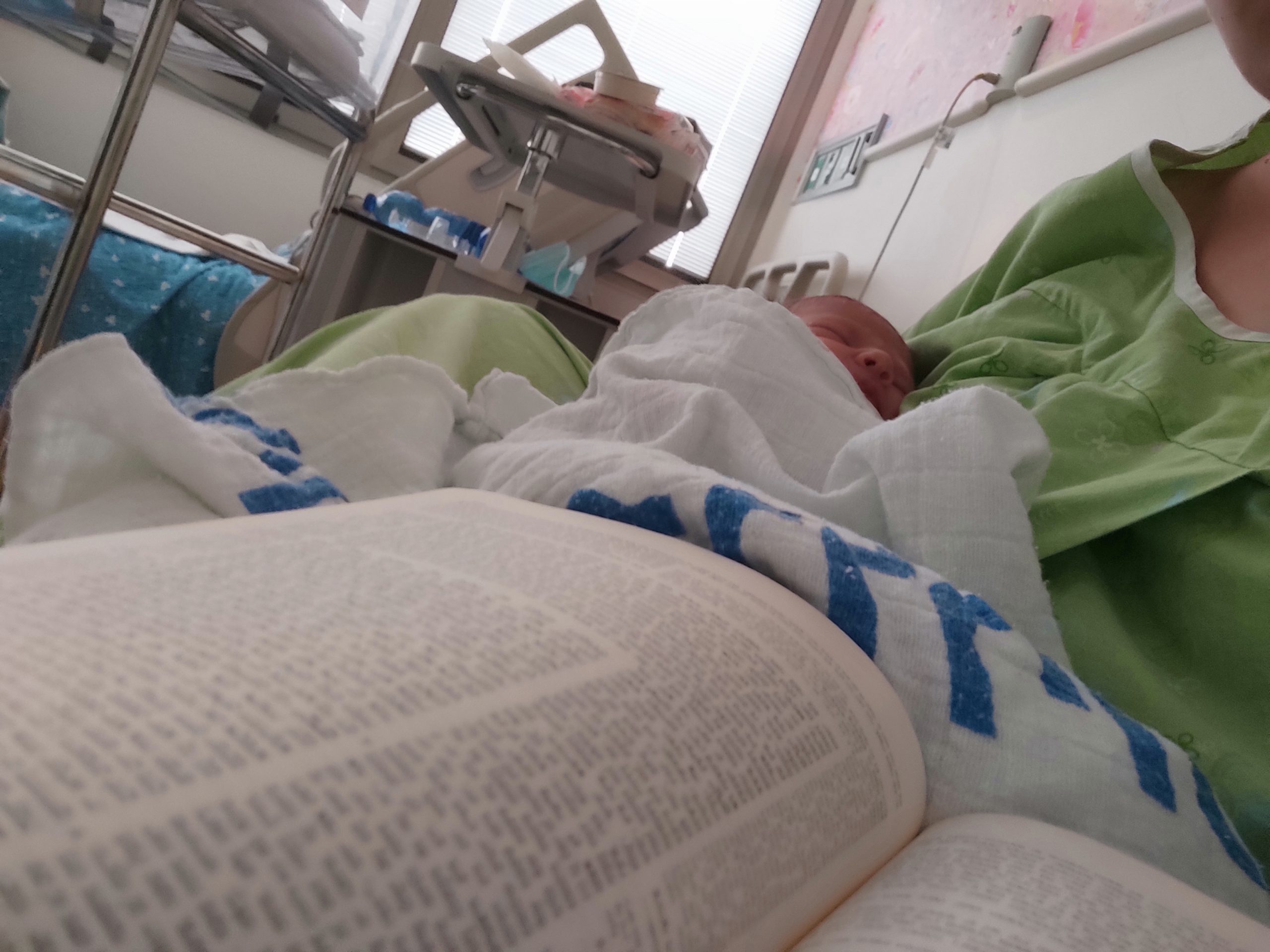
כמו שרואים בתמונה אני ממשיכה ללמוד גם היום ואפילו במחלקת יולדות אחרי לידת ביתי השלישית.
רבבה, ישראל
סיום השס לנשים נתן לי מוטביציה להתחיל ללמוד דף יומי. עד אז למדתי גמרא בשבתות ועשיתי כמה סיומים. אבל לימוד יומיומי זה שונה לגמרי ופתאום כל דבר שקורה בחיים מתקשר לדף היומי.

רתמים, ישראל
התחלתי ללמוד בעידוד שתי חברות אתן למדתי בעבר את הפרק היומי במסגרת 929.
בבית מתלהבים מאוד ובשבת אני לומדת את הדף עם בעלי שזה מפתיע ומשמח מאוד! לימוד הדף הוא חלק בלתי נפרד מהיום שלי. לומדת בצהריים ומחכה לזמן הזה מידי יום…
אפרת, ישראל
התחלתי ללמוד דף יומי בתחילת מסכת ברכות, עוד לא ידעתי כלום. נחשפתי לסיום הש״ס, ובעצם להתחלה מחדש בתקשורת, הפתיע אותי לטובה שהיה מקום לעיסוק בתורה.
את המסכתות הראשונות למדתי, אבל לא סיימתי (חוץ מעירובין איכשהו). השנה כשהגעתי למדרשה, נכנסתי ללופ, ואני מצליחה להיות חלק, סיימתי עם החברותא שלי את כל המסכתות הקצרות, גם כשהיינו חולות קורונה ובבידודים, למדנו לבד, העיקר לא לצבור פער, ומחכות ליבמות 🙂

מזכרת בתיה, ישראל
התחלתי כשהייתי בחופש, עם הפרסומים על תחילת המחזור, הסביבה קיבלה את זה כמשהו מתמיד ומשמעותי ובהערכה, הלימוד זה עוגן יציב ביום יום, יש שבועות יותר ויש שפחות אבל זה משהו שנמצא שם אמין ובעל משמעות בחיים שלי….

גמזו, ישראל
התחלתי בתחילת הסבב, והתמכרתי. זה נותן משמעות נוספת ליומיום ומאוד מחזק לתת לזה מקום בתוך כל שגרת הבית-עבודה השוטפת.

בית שמש, ישראל
התחלתי ללמוד דף יומי באמצע תקופת הקורונה, שאבא שלי סיפר לי על קבוצה של בנות שתיפתח ביישוב שלנו ותלמד דף יומי כל יום. הרבה זמן רציתי להצטרף לזה וזאת הייתה ההזדמנות בשבילי. הצטרפתי במסכת שקלים ובאמצע הייתה הפסקה קצרה. כיום אני כבר לומדת באולפנה ולומדת דף יומי לבד מתוך גמרא של טיינזלץ.

עתניאל, ישראל
רציתי לקבל ידע בתחום שהרגשתי שהוא גדול וחשוב אך נעלם ממני. הלימוד מעניק אתגר וסיפוק ומעמיק את תחושת השייכות שלי לתורה וליהדות

עלי זהב – לשם, ישראל
כבר סיפרתי בסיום של מועד קטן.
הלימוד מאוד משפיעה על היום שלי כי אני לומדת עם רבנית מישל על הבוקר בזום. זה נותן טון לכל היום – בסיס למחשבות שלי .זה זכות גדול להתחיל את היום בלימוד ובתפילה. תודה רבה !

ירושלים, ישראל
בסוף הסבב הקודם ראיתי את השמחה הגדולה שבסיום הלימוד, בעלי סיים כבר בפעם השלישית וכמובן הסיום הנשי בבנייני האומה וחשבתי שאולי זו הזדמנות עבורי למשהו חדש.
למרות שאני שונה בסביבה שלי, מי ששומע על הלימוד שלי מפרגן מאוד.
אני מנסה ללמוד קצת בכל יום, גם אם לא את כל הדף ובסך הכל אני בדרך כלל עומדת בקצב.
הלימוד מעניק המון משמעות ליום יום ועושה סדר בלמוד תורה, שתמיד היה (ועדיין) שאיפה. אבל אין כמו קביעות

טל מנשה, ישראל
. לא תמיד נהניתי מלימוד גמרא כילדה.,בל כהתבגרתי התחלתי לאהוב את זה שוב. התחלתי ללמוד מסכת סוטה בדף היומי לפני כחמש עשרה שנה ואז הפסקתי.הגעתי לסיום הגדול של הדרן לפני שנתיים וזה נתן לי השראה. והתחלתי ללמוד למשך כמה ימים ואז היתה לי פריצת דיסק והפסקתי…עד אלול השנה. אז התחלתי עם מסכת ביצה וב”ה אני מצליחה לעמוד בקצב. המשפחה מאוד תומכת בי ויש כמה שגם לומדים את זה במקביל. אני אוהבת שיש עוגן כל יום.
בית שמש, ישראל
כתובות מד
הָכָא נָמֵי הַיְינוּ טַעְמָא דְּלָא גָּבְיָא, מִדְּלָא כְּתַב לַהּ ״אוֹסֵיפִית לִךְ מֵאָה אַמָּאתַיִם״, אַחוֹלֵי אַחֵילְתֵּיהּ לְשִׁעְבּוּדָא קַמָּא.
Here too, this is the reasoning for the ruling that she does not collect the additional one hundred dinars from the second stipulated time, as he did not write to her in the second marriage contract: I added one hundred dinars to your original marriage contract of two hundred dinars. Evidently, he did not add to the existing marriage contract. Rather, she forgave her rights to the first marriage contract, including the lien on his property from the date it was written, in order to accept the second marriage document.
אָמַר מָר: אִי בָּעֲיָא — בְּהַאי גָּבְיָא, אִי בָּעֲיָא — בְּהַאי גָּבְיָא. לֵימָא פְּלִיגָא דְּרַב נַחְמָן? דְּאָמַר רַב נַחְמָן: שְׁנֵי שְׁטָרוֹת הַיּוֹצְאִין בְּזֶה אַחַר זֶה — בִּיטֵּל שֵׁנִי אֶת הָרִאשׁוֹן.
§ After clarifying Rav Huna’s opinion, the Gemara turns its attention to a more general issue, connected to his last statement. The Master, i.e., Rav Huna, said, as indicated in the above discussion, that if she wishes she can collect the sum specified in this marriage contract, and if she wishes she can collect the sum specified in that marriage contract. The Gemara asks: Shall we say that this opinion disagrees with that of Rav Naḥman? As Rav Naḥman said: With regard to two documents that pertain to the same issue and that are produced one after the other, e.g., a pair of documents that ascribe the transfer of ownership over a particular field to different times, the second, later document nullifies the first. Here too, the second marriage contract should negate the first one entirely.
לָאו מִי אִיתְּמַר עֲלַהּ, אָמַר רַב פָּפָּא: וּמוֹדֶה רַב נַחְמָן דְּאִי אוֹסֵיף בֵּיהּ דִּיקְלָא, לְתוֹסֶפֶת כַּתְבֵיהּ. הָכָא נָמֵי, הָא אוֹסֵיף לַהּ מִידֵּי!
The Gemara refutes this suggestion: Was it not stated with regard to this halakha of Rav Naḥman that Rav Pappa said: And Rav Naḥman concedes that if he added so much as a palm tree in the second document, this shows that he wrote it as an addition, and therefore the second document does not cancel the first, but adds to its sum? Here too, he added something for her, as the sum of money specified in the second marriage contract is larger than that specified in the first.
גּוּפָא. אָמַר רַב נַחְמָן: שְׁנֵי שְׁטָרוֹת הַיּוֹצְאִין בְּזֶה אַחַר זֶה — בִּיטֵּל שֵׁנִי אֶת הָרִאשׁוֹן. אָמַר רַב פָּפָּא: וּמוֹדֶה רַב נַחְמָן דְּאִי אוֹסֵיף בֵּיהּ דִּיקְלָא — לְתוֹסֶפֶת כַּתְבֵיהּ. פְּשִׁיטָא רִאשׁוֹן בְּמֶכֶר וְשֵׁנִי בְּמַתָּנָה, לְיַפּוֹת כֹּחוֹ הוּא דִּכְתַב לֵיהּ — מִשּׁוּם דִּינָא דְּבַר מִצְרָא.
§ Since the Gemara has mentioned the statement of Rav Naḥman, it discusses this matter itself: Rav Naḥman said: With regard to two documents that are produced one after the other, the second nullifies the first. Rav Pappa said: And Rav Naḥman concedes that if he added a palm tree to it, he wrote it as an addition. The Gemara analyzes this halakha in detail. It is obvious that if the first document was a document of a sale, and the second stated that the same field was given as a gift, the second document does not negate the first, as he wrote the additional document of a gift to improve the rights of the recipient due to the halakha of one whose field borders the field of his neighbor.
וְכׇל שֶׁכֵּן רִאשׁוֹן בְּמַתָּנָה וְשֵׁנִי בְּמֶכֶר, דְּאָמְרִינַן מִשּׁוּם דִּינָא דְּבַעַל חוֹב הוּא דִּכְתַב כֵּן.
And all the more so, this is the halakha if he wrote the first document as a gift and the second in the form of a sale, as we say it was due to the halakha of a creditor that he wrote it in this way. Out of concern that his creditor might come and snatch the field from the recipient and leave him without redress, he writes a document of sale for the recipient, so that he can return and collect this sum from him.
אֶלָּא אִי שְׁנֵיהֶם בְּמֶכֶר שְׁנֵיהֶם בְּמַתָּנָה בִּיטֵּל שֵׁנִי אֶת הָרִאשׁוֹן. מַאי טַעְמָא? רַפְרָם אָמַר: אֵימַר אוֹדוֹיֵי אוֹדִי לֵיהּ. רַב אַחָא אָמַר: אֵימַר אַחוֹלֵי אַחְלֵיהּ לְשִׁיעְבּוּדֵיהּ.
Rather, Rav Naḥman meant that if both of them were documents of sale or both of them were documents of gifts, the second nullifies the first. The Gemara asks: What is the reason for this halakha? Amora’im argued over this matter. Rafram said: Say that the recipient of the field admitted to him that the first document was invalid, e.g., it was forged, and he therefore wrote a second, valid document. Rav Aḥa said: Say that the recipient forgave him his lien from the date of the first document. Consequently, if the seller’s creditors collect this field as payment for the debt owed to them, which necessitates the seller reimbursing the buyer for the purchase price of the field, the buyer has a lien only on property owned by the seller from the time of the second document.
מַאי בֵּינַיְיהוּ? אִיכָּא בֵּינַיְיהוּ: אוֹרוֹעֵי סָהֲדֵי.
The Gemara asks: What is the practical difference between these two explanations? The Gemara explains: The practical difference between them involves several cases. First, there is the issue of whether this serves to impair the reliability of the witnesses: According to Rafram, who assumes that the first document was of questionable validity, the witnesses who signed on that document are likewise under suspicion, and therefore their testimony and signature in other cases are of questionable value.
וּלְשַׁלּוֹמֵי פֵּירֵי וּלְטַסְקָא.
And there is also a difference with regard to paying for the produce of the property between the dates specified in the two documents. According to Rafram, the transfer of ownership did not take place at the date specified in the first document. Consequently, the recipient of the field must compensate the original owner for the field’s produce that he consumed between the two dates. According to Rav Aḥa, the transfer of ownership took place at the time specified in the first document. And finally, there is a difference with regard to the payment of the land tax [taska]. If the first document was invalid, the previous owner must pay all taxes due during the period between the two documents.
מַאי הָוֵי עֲלַהּ דִּכְתוּבָּה? תָּא שְׁמַע, דְּאָמַר רַב יְהוּדָה אָמַר שְׁמוּאֵל מִשּׁוּם רַבִּי אֶלְעָזָר בְּרַבִּי שִׁמְעוֹן: מָנֶה מָאתַיִם מִן הָאֵירוּסִין, וְתוֹסֶפֶת מִן הַנִּישּׂוּאִין.
§ The above discussion came in the wake of the dispute between Rav Huna and Rav Asi with regard to whether the lien on a husband’s property to ensure payment of his wife’s marriage contract applies from the time of betrothal or the time of marriage. The Gemara returns to that issue. What halakhic conclusion was reached about this matter of a marriage contract? The Gemara responds: Come and hear the following ruling, as Rav Yehuda said that Shmuel said in the name of Rabbi Elazar, son of Rabbi Shimon: The lien on his property with regard to the one hundred dinars or two hundred dinars that comprise the basic sum of a marriage contract applies from the time of the betrothal, and the lien with regard to the additional sum applies from the time of the marriage.
וַחֲכָמִים אוֹמְרִים: אֶחָד זֶה וְאֶחָד זֶה מִן הַנִּישּׂוּאִין. וְהִלְכְתָא: אֶחָד זֶה וְאֶחָד זֶה מִן הַנִּישּׂוּאִין.
And the Rabbis say: The lien with regard to both this and that takes effect only from the time of the marriage. The Gemara concludes: And the halakha is that with regard to both this and that, the lien takes effect from the time of the marriage, in accordance with the majority opinion of the Rabbis.
מַתְנִי׳ הַגִּיּוֹרֶת שֶׁנִּתְגַּיְּירָה בִּתָּהּ עִמָּהּ וְזִינְּתָה — הֲרֵי זוֹ בְּחֶנֶק, אֵין לָהּ לֹא פֶּתַח בֵּית הָאָב, וְלֹא מֵאָה סֶלַע.
MISHNA: In the case of a female convert whose daughter converted with her and later, as a young woman, the daughter engaged in licentious sexual relations when she was betrothed, she is executed by strangulation, not stoning, the method of execution that would be employed had she been born Jewish. She has neither the halakha of being executed at the entrance to her father’s house, as in the case of a woman who was born Jewish who committed this crime, nor does she receive one hundred sela if her husband defamed her by falsely claiming that she had committed adultery. The reason is that the verses state “Israel” (Deuteronomy 22:19, 21) with regard to these halakhot, indicating that these halakhot apply only to those born as Jews.
הָיְתָה הוֹרָתָהּ שֶׁלֹּא בִּקְדוּשָּׁה וְלֵידָתָהּ בִּקְדוּשָּׁה — הֲרֵי זוֹ בִּסְקִילָה, וְאֵין לָהּ לֹא פֶּתַח בֵּית הָאָב, וְלֹא מֵאָה סֶלַע. הָיְתָה הוֹרָתָהּ וְלֵידָתָהּ בִּקְדוּשָּׁה, הֲרֵי הִיא כְּבַת יִשְׂרָאֵל לְכׇל דְּבָרֶיהָ.
However, if the daughter’s conception occurred when her mother was not yet in a state of sanctity, i.e., when she was still a gentile, but her birth took place when her mother was in a state of sanctity, as her mother converted during her pregnancy, this daughter is punishable by stoning if she committed adultery as a betrothed young woman. However, she has neither the halakha of being executed at the entrance to her father’s house, nor the right to one hundred sela if it turns out that her husband defamed her. If her conception and birth occurred when her mother was in a state of sanctity, i.e., after she converted, she is like a regular Jewish woman in all matters.
יֵשׁ לָהּ אָב וְאֵין לָהּ פֶּתַח בֵּית הָאָב, יֵשׁ לָהּ פֶּתַח בֵּית הָאָב וְאֵין לָהּ אָב — הֲרֵי זוֹ בִּסְקִילָה. לֹא נֶאֱמַר פֶּתַח בֵּית אָב אֶלָּא לְמִצְוָה.
If a young woman who is betrothed commits adultery and she has a father but does not have an entrance to her father’s house, i.e., if her father does not possess a house of his own, or if she has an entrance to her father’s house but does not have a father, as he has passed away, she is nevertheless executed via stoning, as the requirement that she is to be executed at the entrance to her father’s house is stated only for a mitzva but it is not an indispensable requirement.
גְּמָ׳ מְנָא הָנֵי מִילֵּי? אָמַר רֵישׁ לָקִישׁ, דְּאָמַר קְרָא ״וָמֵתָה״, לְרַבּוֹת הוֹרָתָהּ שֶׁלֹּא בִּקְדוּשָּׁה וְלֵידָתָהּ בִּקְדוּשָּׁה.
GEMARA: Since the rulings of the mishna are based on the principle that the special halakhot of a betrothed young woman who committed adultery apply only to a woman who was born Jewish, the Gemara questions the halakha that a woman who was conceived when her mother was a gentile but born when her mother was Jewish is executed via stoning: From where are these matters derived? Reish Lakish said: As the verse states: “And the men of her city shall stone her with stones that she die” (Deuteronomy 22:21). The phrase “that she die” is superfluous and comes to include one whose conception occurred when her mother was not yet in a state of sanctity but her birth took place when her mother was in a state of sanctity.
אִי הָכִי מִילְקָא נָמֵי נִילְקֵי, וּמֵאָה סֶלַע נָמֵי לְשַׁלֵּם! אָמַר קְרָא ״וָמֵתָה״ — לְמִיתָה נִתְרַבְּתָה וְלֹא לִקְנָס. וְאֵימָא לְרַבּוֹת הוֹרָתָהּ וְלֵידָתָהּ בִּקְדוּשָּׁה? הָהִיא יִשְׂרְאֵלִית מְעַלַּיְיתָא הִיא.
The Gemara asks: If so, if the verse equates her to a regular Jewish woman, let her husband also be flogged if he defames her, and let him also pay the one hundred sela. The Gemara answers that the verse states: “That she die” (Deuteronomy 22:21), which indicates that she was included with regard to the death penalty but not with regard to the fine. The Gemara asks another question: Say that this verse comes to include only a girl whose conception and birth both occurred when her mother was in a state of sanctity. The Gemara responds: That girl is a full-fledged Jewish woman, and there is no difference between her and any other Jewish woman.
וְאֵימָא לְרַבּוֹת הוֹרָתָהּ וְלֵידָתָהּ שֶׁלֹּא בִּקְדוּשָּׁה! אִם כֵּן, ״בְּיִשְׂרָאֵל״ מַאי אַהֲנִי לֵיהּ.
The Gemara asks a question from the opposite perspective: And say that the verse comes to include even one whose conception and birth both occurred when her mother was not in a state of sanctity. The Gemara answers: If so, the phrase “in Israel” (Deuteronomy 22:21), what purpose does it serve? This expression indicates that this halakha applies only to a woman who was born Jewish.
אָמַר רַבִּי יוֹסֵי בַּר חֲנִינָא: הַמּוֹצִיא שֵׁם רַע עַל הַיְּתוֹמָה פָּטוּר, שֶׁנֶּאֱמַר: ״וְנָתְנוּ לַאֲבִי הַנַּעֲרָה״ — פְּרָט לְזוֹ שֶׁאֵין לָהּ אָב.
§ Rabbi Yosei bar Ḥanina said: The defamer of an orphan girl is exempt, as it is stated: “And they shall fine him a hundred shekels of silver, and give them to the father of the young woman” (Deuteronomy 22:19), which excludes this one who does not have a father.
מֵתִיב רַבִּי יוֹסֵי בַּר אָבִין, וְאִיתֵּימָא רַבִּי יוֹסֵי בַּר זְבִידָא: ״וְאִם מָאֵן יְמָאֵן אָבִיהָ״ — לְרַבּוֹת יְתוֹמָה לִקְנָס, דִּבְרֵי רַבִּי יוֹסֵי הַגְּלִילִי.
Rabbi Yosei bar Avin, and some say it was Rabbi Yosei bar Zevida, raised an objection to this from the following baraita: The verse states with regard to a seduced young woman: “If her father utterly refuse [ma’en yima’en] to give her to him, he shall pay money according to the dowry of virgins” (Exodus 22:16). The double phrase “utterly refuse [ma’en yima’en]” comes to include an orphan for the fine, i.e., if she does not have a father and she herself refuses to marry her seducer, he must pay her the fine. This is the statement of Rabbi Yosei HaGelili. This proves that the fact that the girl does not have a father does not exempt her seducer from paying the fine.
הוּא מוֹתֵיב לַהּ וְהוּא מְפָרֵק לַהּ: בָּבָא עָלֶיהָ וְאַחַר כָּךְ נִתְיַתְּמָה.
The Gemara states that Rabbi Yosei bar Avin raised the objection and he resolved it: Rabbi Yosei HaGelili refers to one who had intercourse with her and afterward was orphaned. Since she had a father when the incident occurred, he is obligated to pay her the fine.
רָבָא אָמַר: חַיָּיב. מִמַּאי — מִדְּתָנֵי אַמֵּי: בְּתוּלַת יִשְׂרָאֵל, וְלֹא בְּתוּלַת גֵּרִים.
Rava said, in contrast to Rabbi Yosei bar Ḥanina, that one who defames an orphan is obligated to pay the fine. From where does he learn this? He learns this from the fact that Ami taught that the fine applies to one who defamed “a virgin of Israel” (Deuteronomy 22:19) and does not apply to one who defamed a virgin who is a convert.
אִי אָמְרַתְּ בִּשְׁלָמָא כִּי הַאי גַוְונָא בְּיִשְׂרָאֵל מִיחַיַּיב, הַיְינוּ דְּאִיצְטְרִיךְ קְרָא לְמַעוֹטֵי גֵּרִים. אֶלָּא אִי אָמְרַתְּ בְּיִשְׂרָאֵל כְּהַאי גַוְונָא פָּטוּר, הַשְׁתָּא בְּיִשְׂרָאֵל פָּטוּר, בְּגֵרִים מִיבַּעְיָא?!
Rava elaborates: Granted, if you say that in a case like this, where a woman has no father, with regard to a woman who was born as a Jew, he is obligated to pay, that is why it was necessary for the verse to exclude converts. Every convert is considered like an orphan, as the familial connection with her parents is severed upon her conversion, and therefore it is as though she did not have a father. However, if you say that in a case like this involving a woman born as a Jew he is exempt, now if in a case involving a woman born as a Jew he is exempt, is it necessary to derive from a verse that converts are not entitled to the fine? The fact that there is such a derivation in the case of converts indicates that in the case of a Jewish-born orphan, the defamer must pay a fine.
אָמַר רֵישׁ לָקִישׁ: הַמּוֹצִיא שֵׁם רַע עַל הַקְּטַנָּה — פָּטוּר, שֶׁנֶּאֱמַר: ״וְנָתְנוּ לַאֲבִי הַנַּעֲרָה״, ״נַעֲרָה״ מָלֵא דִּבֵּר הַכָּתוּב.
§ Reish Lakish said: The defamer of a minor girl is exempt, as it is stated: “And give them to the father of the young woman [na’ara]” (Deuteronomy 22:19). The word na’ara is written in full, with the letter heh at the end, whereas elsewhere in the Torah it is written without the heh. This indicates that the verse was speaking of a female who has fully attained the status of a young woman, rather than a minor who has not yet reached the state of being a young woman.
מַתְקֵיף לַהּ רַב אַחָא בַּר אַבָּא: טַעְמָא דִּכְתִיב בַּהּ ״הַנַּעֲרָה״, הָא לָאו הָכִי הֲוָה אָמֵינָא אֲפִילּוּ קְטַנָּה?! הָא כְּתִיב: ״וְאִם אֱמֶת הָיָה הַדָּבָר הַזֶּה לֹא נִמְצְאוּ בְתוּלִים לַנַּעֲרָה. וְהוֹצִיאוּ אֶת הַנַּעֲרָה אֶל פֶּתַח בֵּית אָבִיהָ וּסְקָלוּהָ״, וּקְטַנָּה לָאו בַּת עוֹנָשִׁין הִיא!
Rav Aḥa bar Abba strongly objects to this: Is it correct that the reason is that it is written with regard to her “na’ara” in full, but if that were not so, I would say that even a minor is included in this halakha? Isn’t it written: “But if this matter is true, that the tokens of virginity were not found in this young woman, then they shall bring out the young woman to the entrance to her father’s house and the men of her city shall stone her” (Deuteronomy 22:20–21)? And since a minor is not eligible for punishment, this verse evidently is referring to a young woman, not a minor, and therefore there is no need for the aforementioned exposition.
אֶלָּא: כָּאן ״נַעֲרָה״, הָא כׇּל מָקוֹם שֶׁנֶּאֱמַר ״נַעֲרָ״ — אֲפִילּוּ קְטַנָּה בַּמַּשְׁמָע.
Rather, the verse should be understood as follows: Here, where it is evident that the Torah is referring to a young woman, it writes na’ara with a heh, from which it may be inferred that wherever it is stated na’ara without a heh at the end, it indicates that the verse is referring even to a minor girl. The term na’ara without a heh is referring to both a minor and a young woman and excludes only an adult woman.
תָּנֵי שֵׁילָא: שָׁלֹשׁ מִדּוֹת בַּנַּעֲרָה: בָּאוּ לָהּ עֵדִים בְּבֵית חָמִיהָ שֶׁזִּינְּתָה בְּבֵית אָבִיהָ —
Sheila taught in a baraita: There are three different circumstances with regard to a young woman who has been defamed. If witnesses came to testify about her when she was in her father-in-law’s house, i.e., after she was married, and stated that she committed adultery in her father’s house, when she was betrothed,

