הלימוד החודש מוקדש ע”י ג’ולי לנדאו לכבוד בעלה צבי לנדאו.
לימוד השבוע מוקדש ע”י מרק גולדשטיין לכבוד אשתו רינה!
הלימוד השבוע מוקדש לרפואת יהושע דב בן גיטל שרה.
מוכנים להתחיל?
הדף היומי – בכורות לה / 23.10.2026 / י״ב בחשון תשפ״ז



Ready to get started?
הלימוד השבוע מוקדש ע”י טינה לם לרפואת מעין ליאורה בת שלומית פייגא
רוצה להקדיש שיעור?

הלימוד החודש מוקדש ע”י ג’ולי לנדאו לכבוד בעלה צבי לנדאו.
לימוד השבוע מוקדש ע”י מרק גולדשטיין לכבוד אשתו רינה!
הלימוד השבוע מוקדש לרפואת יהושע דב בן גיטל שרה.
הלימוד השבוע מוקדש ע”י טינה לם לרפואת מעין ליאורה בת שלומית פייגא
מִשּׁוּם אֵיבָה.
The Gemara explains: The reason is due to enmity, so that he should not bear a grudge against her for finding articles and withholding them from him, which might lead him to become reluctant to provide her with sustenance.
בְּמַעֲשֵׂה יָדֶיהָ. מְנָלַן? דְּאָמַר רַב הוּנָא אָמַר רַב: מִנַּיִן שֶׁמַּעֲשֵׂה הַבַּת לָאָב, שֶׁנֶּאֱמַר: ״וְכִי יִמְכּוֹר אִישׁ אֶת בִּתּוֹ לְאָמָה״, מָה אָמָה מַעֲשֵׂה יָדֶיהָ לְרַבָּהּ — אַף בַּת מַעֲשֵׂה יָדֶיהָ לְאָבִיהָ. וְאֵימָא הָנֵי מִילֵּי קְטַנָּה, דְּמָצֵי מְזַבֵּן לַהּ, אֲבָל נַעֲרָה, דְּלָא מָצֵי מְזַבֵּן לַהּ — מַעֲשֵׂה יָדֶיהָ דִּידַהּ הָווּ!
§ The mishna further taught that a father is entitled to his daughter’s earnings. The Gemara asks: From where do we derive this? The Gemara answers: As Rav Huna said that Rav said: From where is it derived that the earnings of a daughter belong to her father? As it is stated: “And if a man sell his daughter to be a maidservant” (Exodus 21:7), which indicates that just as with regard to a maidservant, her earnings belong to her master, as she was sold for this purpose, so too with regard to a daughter, her earnings go to her father. The Gemara asks: But one can say that this applies only to a minor, as a father can sell her as a maidservant. However, with regard to a young woman, whom he cannot sell, perhaps her earnings should belong to her.
מִסְתַּבְּרָא דְּאָבִיהָ הָווּ, דְּאִי סָלְקָא דַעְתָּךְ מַעֲשֵׂה יָדֶיהָ לָאו דְּאָבִיהָ, אֶלָּא הָא דְּזַכִּי לֵיהּ רַחֲמָנָא לְאָב לְמִימְסְרַהּ לְחוּפָּה, הֵיכִי מָצֵי מָסַר לַהּ? הָא קָמְבַטֵּל לַהּ מִמַּעֲשֵׂה יָדֶיהָ.
The Gemara responds: It is reasonable that her earnings should go to her father, as, if it should enter your mind to say that her earnings do not belong to her father, what about the fact that the Merciful One entitles a father to bring his daughter, when she is a young woman, to the wedding canopy? How can he bring her to the wedding canopy? Doesn’t he thereby cause her to neglect her earnings at that time, as she cannot work while getting married? If she has the rights to her own earnings, she can object on these grounds.
פָּרֵיךְ רַב אַחַאי: אֵימָא דְּיָהֵיב לַהּ שְׂכַר פְּקַעְתַּהּ. אִי נָמֵי דִּמְסַר לָהּ בְּלֵילְיָא. אִי נָמֵי דִּמְסַר לַהּ בְּשַׁבָּתוֹת וְיָמִים טוֹבִים.
Rav Aḥai refutes this claim: Say that when he brings her to the wedding canopy, he gives her the wages she neglects by taking a break from her work, and therefore the above objection does not apply. Alternatively, it is referring to a case where he brought her to the wedding canopy at night, when she does not work. Alternatively, it means that he brought her to the wedding canopy on Shabbatot or Festivals, when it is prohibited to work.
אֶלָּא: קְטַנָּה לָא צְרִיכָא קְרָא — הַשְׁתָּא זַבּוֹנֵי מְזַבֵּין לַהּ, מַעֲשֵׂה יָדֶיהָ מִיבְּעֵי?! [אֶלָּא] כִּי אִיצְטְרִיךְ קְרָא, לְנַעֲרָה.
Rather, the Gemara reverts to the original exposition based upon the case of a Hebrew maidservant, and argues that with regard to a minor, it is not necessary to derive from a verse that her father is entitled to her earnings, for the following reason: Now, if her father has the right to sell her as a maidservant, is it necessary to state that her earnings belong to him? Rather, when the verse was necessary, it was to teach that the earnings of a young woman also belong to her father.
בַּהֲפָרַת נְדָרֶיהָ. מְנָלַן? דִּכְתִיב: ״בִּנְעוּרֶיהָ בֵּית אָבִיהָ״.
§ The mishna taught that a father is entitled to effect the nullification of his daughter’s vows. The Gemara asks: From where do we derive this? The Gemara answers that it is written: “Being in her youth, in her father’s house” (Numbers 30:17), and the Torah proceeds to explain that during this period a father can nullify his daughter’s vows.
וּמְקַבֵּל אֶת גִּיטָּהּ. מְנָלַן? דִּכְתִיב: ״וְיָצְאָה … וְהָיְתָה״, אִיתַּקּוּשׁ יְצִיאָה לַהֲוָיָיהּ.
The mishna further taught: And he accepts her bill of divorce on her behalf. The Gemara asks: From where do we derive this? The Gemara answers that it is written: “And she departs out of his house and goes and becomes another man’s wife” (Deuteronomy 24:2). This verse juxtaposes departing a marriage and becoming a wife, which teaches that the halakhot of betrothal apply to her departing her husband’s home via a bill of divorce. Consequently, just as a father has the right to accept betrothal on his daughter’s behalf, he can also receive a bill of divorce on her behalf.
וְאֵינוֹ אוֹכֵל פֵּירוֹת בְּחַיֶּיהָ. תָּנוּ רַבָּנַן: הָאָב אֵינוֹ אוֹכֵל פֵּירוֹת בְּחַיֵּי בִתּוֹ. רַבִּי יוֹסֵי בְּרַבִּי יְהוּדָה אוֹמֵר: הָאָב אוֹכֵל פֵּירוֹת בְּחַיֵּי בִתּוֹ. בְּמַאי קָמִיפַּלְגִי? תַּנָּא קַמָּא סָבַר: בִּשְׁלָמָא בַּעַל, תַּקִּינוּ לֵיה רַבָּנַן פֵּירֵי, דְּאִם כֵּן מִימְּנַע וְלָא פָּרֵיק,
§ The mishna taught that a father may not consume the produce of his daughter’s property during her lifetime. The Sages taught in a baraita: A father may not consume the produce of his daughter’s property during his daughter’s lifetime. Rabbi Yosei, son of Rabbi Yehuda, says: A father may consume this produce during his daughter’s lifetime. The Gemara asks: With regard to what principle do they disagree? The Gemara explains that the first tanna holds: Granted, in the case of a husband, the Sages decreed for him that he should consume her produce, as if this were not so, he would refrain from redeeming her if she were captured. The right of a husband to consume the produce of his wife’s property was instituted in order to correspond to his obligation to redeem his wife from captivity.
אֶלָּא אָב, מַאי אִיכָּא לְמֵימַר — דְּמִימְּנַע וְלָא פָּרֵיק? בְּלָאו הָכִי פָּרֵיק לַהּ! וְרַבִּי יוֹסֵי בְּרַבִּי יְהוּדָה סָבַר: אָב נָמֵי מִימְּנַע וְלָא פָּרֵיק. סָבַר: כִּיסָא נְקִיטָא עִילָּוַהּ, תֵּיזִיל וְתִפְרוֹק נַפְשַׁהּ.
However, in the case of a father, what is there to say? That he will refrain from redeeming her? Even without this right to the produce of her property he will redeem her, as she is his daughter and he will certainly not turn a blind eye to his own flesh and blood. And Rabbi Yosei, son of Rabbi Yehuda, holds: If he is deprived of the right to the produce of his daughter’s property, a father will also refrain from redeeming her, as he will reason: A pouch of money is held in her hand for a time of need, so let her go and redeem herself.
נִיסֵּת, יָתֵר עָלָיו הַבַּעַל שֶׁהוּא אוֹכֵל כּוּ׳. תָּנוּ רַבָּנַן: כָּתַב לָהּ פֵּירוֹת, כְּסוּת וְכֵלִים שֶׁיָּבוֹאוּ עִמָּהּ מִבֵּית אָבִיהָ לְבֵית בַּעְלָהּ — מֵתָה, לֹא זָכָה הַבַּעַל בִּדְבָרִים הַלָּלוּ. מִשּׁוּם רַבִּי נָתָן אָמְרוּ: זָכָה הַבַּעַל בִּדְבָרִים הַלָּלוּ.
§ The mishna further taught that if the daughter married, the husband has more rights than her father, as he consumes the produce of her property. The Sages taught in a baraita: If the father wrote for her in her marriage contract that he was providing produce, clothing, and vessels that would come with her as a dowry from her father’s house to her husband’s house, and she died during the betrothal period, the husband does not have the right to these objects. They said in the name of Rabbi Natan: The husband does have the right to these objects.
לֵימָא בִּפְלוּגְתָּא דְּרַבִּי אֶלְעָזָר בֶּן עֲזַרְיָה וְרַבָּנַן קָמִיפַּלְגִי, דִּתְנַן: נִתְאַרְמְלָה אוֹ נִתְגָּרְשָׁה, בֵּין מִן הַנִּשּׂוּאִין בֵּין מִן הָאֵירוּסִין — גּוֹבָה אֶת הַכֹּל. רַבִּי אֶלְעָזָר בֶּן עֲזַרְיָה אוֹמֵר: מִן הַנִּשּׂוּאִין — גּוֹבָה אֶת הַכֹּל, וּמִן הָאֵירוּסִין — בְּתוּלָה גּוֹבָה מָאתַיִם, וְאַלְמָנָה מָנֶה,
The Gemara suggests: Let us say that the dispute of these tanna’im is parallel to the dispute between Rabbi Elazar ben Azarya and the Rabbis. As we learned in a mishna (54b): If a woman was widowed or divorced, whether from marriage or from betrothal, she collects the entire sum specified in her marriage contract, including any extra amount her husband added to the standard sum required by the Sages. Rabbi Elazar ben Azarya says: If she was widowed or divorced from marriage, she collects the entire amount. But if she was widowed or divorced from betrothal, she is entitled to collect only the standard minimum sum required by the Sages: If she was betrothed as a virgin she collects two hundred dinars, and if she was a widow she is entitled to one hundred dinars.
שֶׁלֹּא כָּתַב לָהּ אֶלָּא עַל מְנָת לְכוֹנְסָהּ. לְמַאן דְּאָמַר לֹא זָכָה — כְּרַבִּי אֶלְעָזָר בֶּן עֲזַרְיָה. וּמַאן דְּאָמַר זָכָה — כְּרַבָּנַן.
The reason is that he wrote that she would be entitled to the additional amount only on the condition that he would marry her, and since he did not marry her, she is not entitled to the extra amount. The Gemara compares the respective opinions: The one who says that the husband does not have the right to her dowry holds in accordance with the opinion of Rabbi Elazar ben Azarya, and therefore he rules that just as a husband guarantees his wife an extra sum in her marriage contract only if they actually get married, the wife’s father also gives the dowry only on the condition that the couple marries. And the one who said that the husband does have the right to her dowry holds in accordance with the opinion of the Rabbis, because the document is fully in effect even before marriage.
לָא, דְּכוּלֵּי עָלְמָא כְּרַבִּי אֶלְעָזָר בֶּן עֲזַרְיָה. מַאן דְּאָמַר לֹא זָכָה — כְּרַבִּי אֶלְעָזָר בֶּן עֲזַרְיָה, וּמַאן דְּאָמַר זָכָה — עַד כָּאן לָא קָאָמַר רַבִּי אֶלְעָזָר בֶּן עֲזַרְיָה אֶלָּא מִדִּידֵיהּ לְדִידַהּ, שֶׁלֹּא כָּתַב לָהּ אֶלָּא עַל מְנָת לְכוֹנְסָהּ.
The Gemara refutes this suggestion: No, everyone agrees that the halakha is in accordance with the opinion of Rabbi Elazar ben Azarya, and the explanation is as follows: The one who said that he does not have the right to the dowry clearly holds in accordance with the opinion of Rabbi Elazar ben Azarya, as stated above; and the one who says the husband does have the right to her dowry would distinguish between the two cases: Rabbi Elazar ben Azarya states that the marriage contract is not fully in effect until marriage only with regard to a bestowal from him to her, i.e., the extra sum that the husband adds to her marriage contract, as he wrote it for her only on the condition that he would marry her, and he did not intend to give her anything before she became his wife.
אֲבָל מִדִּידַהּ לְדִידֵיהּ אֲפִילּוּ רַבִּי אֶלְעָזָר בֶּן עֲזַרְיָה מוֹדֵי, דְּמִשּׁוּם אִיחַתּוֹנֵי הוּא, וְהָא אִיחַתַּנֻי לְהוּ.
However, with regard to that which is given from her father to him, i.e., the dowry, even Rabbi Elazar ben Azarya concedes that the husband is entitled to this money, as the gift of a father is due to marriage, i.e., he wants the families to be joined in matrimony, and they have already become linked in marriage. The dowry given by the father has nothing to do with the transition from betrothal to actual marriage.
חַיָּיב בִּמְזוֹנוֹתֶיהָ וְכוּ׳. תָּנוּ רַבָּנַן: תִּיקְּנוּ מְזוֹנוֹתֶיהָ תַּחַת מַעֲשֵׂה יָדֶיהָ, וּקְבוּרָתָהּ תַּחַת כְּתוּבָּתָהּ, לְפִיכָךְ בַּעַל אוֹכֵל פֵּירוֹת.
§ The mishna teaches that a husband is obligated to provide his wife with sustenance, redemption from captivity, and burial. The Sages taught in a baraita: The Rabbis instituted that a husband must provide his wife with her sustenance in exchange for his rights to her earnings, and similarly they decreed that a husband must tend to her burial in exchange for the fact that he inherits the dowry that she brought into the marriage and which is written in her marriage contract. Consequently, the husband may consume the produce of her property.
פֵּירוֹת מַאן דְּכַר שְׁמַיְיהוּ?! חַסּוֹרֵי מְחַסְּרָא, וְהָכִי קָתָנֵי: תִּיקְּנוּ מְזוֹנוֹתֶיהָ תַּחַת מַעֲשֵׂה יָדֶיהָ, וּפִירְקוֹנָהּ תַּחַת פֵּירוֹת, וּקְבוּרָתָהּ תַּחַת כְּתוּבָּתָהּ. לְפִיכָךְ בַּעַל אוֹכֵל פֵּירוֹת.
The Gemara expresses surprise at this last statement: Produce, who mentioned anything about that? The baraita did not previously mention produce at all, so how did it arrive at a halakhic conclusion with regard to produce? The Gemara explains that the baraita is incomplete, and this is what it is teaching: They instituted that a husband must provide his wife with her sustenance in exchange for his rights to her earnings; and it is his duty to provide her with redemption from captivity in exchange for his right to consume the produce of her property; and it is his obligation to attend to her burial in exchange for the fact that he inherits the dowry that she brought into the marriage and which is written in her marriage contract. Consequently, a husband may consume the produce of her property.
מַאי ״לְפִיכָךְ״?
Although the Gemara has explained how the tanna came to speak about produce, the wording of the baraita remains problematic. What is the significance of the word consequently in this context?
מַהוּ דְּתֵימָא: מֵיכָל לָא נֵכְלִינְהוּ, אַנּוֹחֵי נַנְּחִינְהוּ. דְּאִם כֵּן, מִימְּנַע וְלָא פָּרֵיק, קָא מַשְׁמַע לַן דְּהָא עֲדִיפָא. זִימְנִין דְּלָא מָלוּ, וּפָרֵיק לַהּ מִדִּידֵיהּ.
The Gemara explains: Lest you say that the husband should not consume the produce but leave it so that if he requires funds to redeem his wife he will have them available, as, if he is not compelled to do so he will refrain from redeeming her, as he will be unwilling to spend his own money for that purpose; the tanna therefore teaches us that this arrangement is preferable, because sometimes the produce will not amount to the funds necessary to redeem her from captivity, and he would not redeem her if he was expected to use the funds produced by her property. Consequently, the Sages decreed that he consumes the produce immediately and that he must redeem her from his own funds if she is taken into captivity.
וְאֵיפוֹךְ אֲנָא!
After analyzing the language of the baraita, the Gemara turns its attention to the halakha itself. But I can reverse these connections; why does the baraita say that a husband’s obligation to provide his wife with sustenance was instituted in exchange for his right to her earnings, as opposed to another of his rights, e.g., his right to consume the produce of her property?
אָמַר אַבָּיֵי: תִּיקְּנוּ מָצוּי לְמָצוּי, וְשֶׁאֵינוֹ מָצוּי לְשֶׁאֵינוֹ מָצוּי.
Abaye said: The Sages instituted a common obligation in exchange for a common right, and they instituted an uncommon obligation in exchange for an uncommon right. In other words, the Sages instituted a husband’s obligation to provide his wife with sustenance, which is relevant on a regular basis, in exchange for his right to her earnings, which also applies regularly. The other obligations and rights of a husband are relevant less frequently.
אָמַר רָבָא: הַאי תַּנָּא סָבַר מְזוֹנוֹת מִדְּאוֹרָיְיתָא, דְּתַנְיָא: ״שְׁאֵרָהּ״ — אֵלּוּ מְזוֹנוֹת, וְכֵן הוּא אוֹמֵר: ״וַאֲשֶׁר אָכְלוּ שְׁאֵר עַמִּי״. ״כְּסוּתָהּ״ — כְּמַשְׁמָעוֹ. ״עוֹנָתָהּ״ — זוֹ עוֹנָה הָאֲמוּרָה בַּתּוֹרָה, וְכֵן הוּא אוֹמֵר: ״אִם תְּעַנֶּה אֶת בְּנוֹתַי״.
§ Rava said: This tanna, in the baraita cited below, maintains that the obligation of a husband to provide his wife’s sustenance applies by Torah law, as it is taught with regard to the verse pertaining to a husband’s obligations toward his wife: “If he takes another wife for himself, her food [she’era], her clothing [kesuta], and her conjugal rights [onata], he shall not diminish” (Exodus 21:10). “She’era”; this is sustenance, and it likewise states: “Who also eat the flesh [she’er] of my people” (Micah 3:3). “Kesuta” is understood in its literal sense as referring to clothing. “Onata”; this is her conjugal rights, which is stated in the Torah, and so it says: “If you shall afflict [te’aneh] my daughters” (Genesis 31:50), which indicates that a husband may not deprive his wife of her conjugal rights.
רַבִּי אֶלְעָזָר אוֹמֵר: ״שְׁאֵרָהּ״ — זוֹ עוֹנָה. וְכֵן הוּא אוֹמֵר: ״אִישׁ אִישׁ אֶל כׇּל שְׁאֵר בְּשָׂרוֹ לֹא תִקְרְבוּ לְגַלּוֹת עֶרְוָה״. ״כְּסוּתָהּ״ — כְּמַשְׁמָעוֹ. ״עוֹנָתָהּ״ — אֵלּוּ מְזוֹנוֹת, וְכֵן הוּא אוֹמֵר: ״וַיְעַנְּךָ וְיַרְעִיבֶךָ״.
The baraita continues: Rabbi Elazar says: “She’era”; this is her conjugal rights, and so it says: “None of you shall approach to any who is near [she’er] of kin to him, to uncover their nakedness” (Leviticus 18:6), which demonstrates that the word she’er is used in the context of sexual relations. “Kesuta” is understood in its literal sense as referring to clothing. “Onata”; this is sustenance, and so it says: “And He afflicted you [vayanekha], and made you suffer hunger, and fed you with manna” (Deuteronomy 8:3).

רוצה להבין מה באמת קורה מתחת לפני השטח של הסוגיה?
שיעורים, פודקאסטים והרחבות של מיטב המורות שלנו יפתחו לך עוד זוויות וכיווני חשיבה.

זה הדף הראשון שלך? איזו התרגשות עצומה! יש לנו בדיוק את התכנים והכלים שיעזרו לך לעשות את הצעדים הראשונים ללמידה בקצב וברמה שלך, כך תוכלי להרגיש בנוח גם בתוך הסוגיות המורכבות ומאתגרות.
גלי את קהילת הלומדות שלנו, מגוון נשים, רקעים וסיפורים. כולן חלק מתנועה ומסע מרגש ועוצמתי.
התחלתי מחוג במסכת קידושין שהעבירה הרבנית רייסנר במסגרת בית המדרש כלנה בגבעת שמואל; לאחר מכן התחיל סבב הדף היומי אז הצטרפתי. לסביבה לקח זמן לעכל אבל היום כולם תומכים ומשתתפים איתי. הלימוד לעתים מעניין ומעשיר ולעתים קשה ואף הזוי… אך אני ממשיכה קדימה. הוא משפיע על היומיום שלי קודם כל במרדף אחרי הדף, וגם במושגים הרבים שלמדתי ובידע שהועשרתי בו, חלקו ממש מעשי

ראש העין, ישראל
התחלתי לפני 8 שנים במדרשה. לאחרונה סיימתי מסכת תענית בלמידה עצמית ועכשיו לקראת סיום מסכת מגילה.

רעננה, ישראל
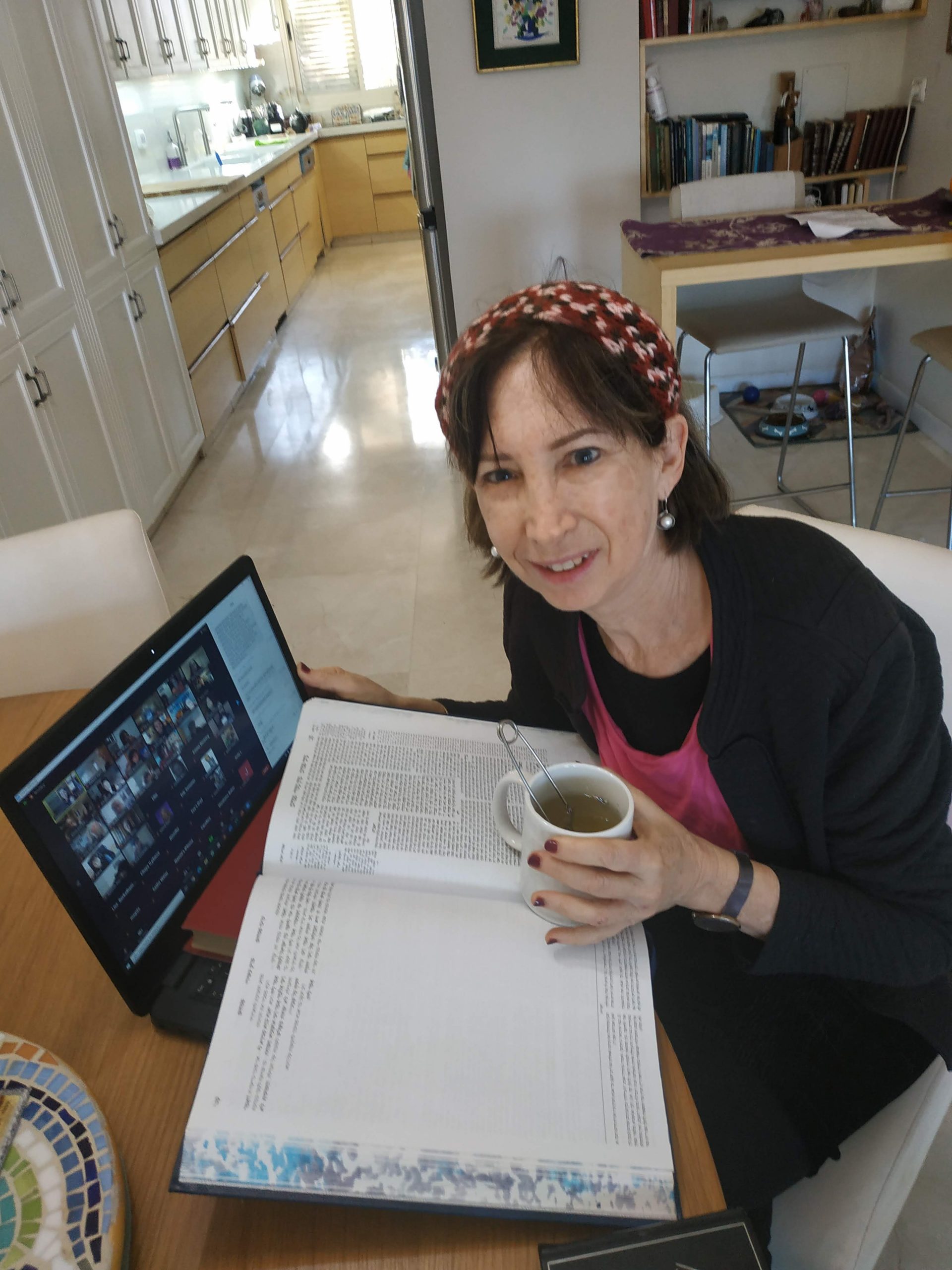
למדתי גמרא מכיתה ז- ט ב Maimonides School ואחרי העליה שלי בגיל 14 לימוד הגמרא, שלא היה כל כך מקובל בימים אלה, היה די ספוראדי. אחרי "ההתגלות” בבנייני האומה התחלתי ללמוד בעיקר בדרך הביתה למדתי מפוקקטסים שונים. לאט לאט ראיתי שאני תמיד חוזרת לרבנית מישל פרבר. באיזה שהוא שלב התחלתי ללמוד בזום בשעה 7:10 .
היום "אין מצב” שאני אתחיל את היום שלי ללא לימוד עם הרבנית מישל עם כוס הקפה שלי!!
חשמונאים, ישראל
כבר סיפרתי בסיום של מועד קטן.
הלימוד מאוד משפיעה על היום שלי כי אני לומדת עם רבנית מישל על הבוקר בזום. זה נותן טון לכל היום – בסיס למחשבות שלי .זה זכות גדול להתחיל את היום בלימוד ובתפילה. תודה רבה !

ירושלים, ישראל
בסוף הסבב הקודם ראיתי את השמחה הגדולה שבסיום הלימוד, בעלי סיים כבר בפעם השלישית וכמובן הסיום הנשי בבנייני האומה וחשבתי שאולי זו הזדמנות עבורי למשהו חדש.
למרות שאני שונה בסביבה שלי, מי ששומע על הלימוד שלי מפרגן מאוד.
אני מנסה ללמוד קצת בכל יום, גם אם לא את כל הדף ובסך הכל אני בדרך כלל עומדת בקצב.
הלימוד מעניק המון משמעות ליום יום ועושה סדר בלמוד תורה, שתמיד היה (ועדיין) שאיפה. אבל אין כמו קביעות

טל מנשה, ישראל
אמא שלי למדה איתי ש”ס משנה, והתחילה ללמוד דף יומי. אני החלטתי שאני רוצה ללמוד גם. בהתחלה למדתי איתה, אח”כ הצטרפתי ללימוד דף יומי שהרב דני וינט מעביר לנוער בנים בעתניאל. במסכת עירובין עוד חברה הצטרפה אלי וכשהתחלנו פסחים הרב דני פתח לנו שעור דף יומי לבנות. מאז אנחנו לומדות איתו קבוע כל יום את הדף היומי (ובשבת אבא שלי מחליף אותו). אני נהנית מהלימוד, הוא מאתגר ומעניין

עתניאל, ישראל
אחרי שראיתי את הסיום הנשי של הדף היומי בבנייני האומה זה ריגש אותי ועורר בי את הרצון להצטרף. לא למדתי גמרא קודם לכן בכלל, אז הכל היה לי חדש, ולכן אני לומדת בעיקר מהשיעורים פה בהדרן, בשוטנשטיין או בחוברות ושיננתם.

בית שמש, ישראל
התחלתי להשתתף בשיעור נשים פעם בשבוע, תכננתי ללמוד רק דפים בודדים, לא האמנתי שאצליח יותר מכך.
לאט לאט נשאבתי פנימה לעולם הלימוד .משתדלת ללמוד כל בוקר ומתחילה את היום בתחושה של מלאות ומתוך התכווננות נכונה יותר.
הלימוד של הדף היומי ממלא אותי בתחושה של חיבור עמוק לעם היהודי ולכל הלומדים בעבר ובהווה.

אפרת, ישראל
הצטרפתי ללומדות בתחילת מסכת תענית. ההתרגשות שלי ושל המשפחה היתה גדולה מאוד, והיא הולכת וגוברת עם כל סיום שאני זוכה לו. במשך שנים רבות רציתי להצטרף ומשום מה זה לא קרה… ב”ה מצאתי לפני מספר חודשים פרסום של הדרן, ומיד הצטרפתי והתאהבתי. הדף היומי שינה את חיי ממש והפך כל יום- ליום של תורה. מודה לכן מקרב ליבי ומאחלת לכולנו לימוד פורה מתוך אהבת התורה ולומדיה.

חיספין רמת הגולן, ישראל
רבנית מישל הציתה אש התלמוד בלבבות בביניני האומה ואני נדלקתי. היא פתחה פתח ותמכה במתחילות כמוני ואפשרה לנו להתקדם בצעדים נכונים וטובים. הקימה מערך שלם שמסובב את הלומדות בסביבה תומכת וכך נכנסתי למסלול לימוד מעשיר שאין כמוה. הדרן יצר קהילה גדולה וחזקה שמאפשרת התקדמות מכל נקודת מוצא. יש דיבוק לומדות שמחזק את ההתמדה של כולנו. כל פניה ושאלה נענית בזריזות ויסודיות. תודה גם למגי על כל העזרה.

נתניה, ישראל
התחלתי לפני 8 שנים במדרשה. לאחרונה סיימתי מסכת תענית בלמידה עצמית ועכשיו לקראת סיום מסכת מגילה.
רעננה, ישראל
באירוע של הדרן בנייני האומה. בהשראתה של אמי שלי שסיימה את הש”ס בסבב הקודם ובעידוד מאיר , אישי, וילדיי וחברותיי ללימוד במכון למנהיגות הלכתית של רשת אור תורה סטון ומורתיי הרבנית ענת נובוסלסקי והרבנית דבורה עברון, ראש המכון למנהיגות הלכתית.
הלימוד מעשיר את יומי, מחזיר אותי גם למסכתות שכבר סיימתי וידוע שאינו דומה מי ששונה פרקו מאה לשונה פרקו מאה ואחת במיוחד מרתקים אותי החיבורים בין המסכתות

מודיעין, ישראל
התחלתי ללמוד דף יומי כאשר קיבלתי במייל ממכון שטיינזלץ את הדפים הראשונים של מסכת ברכות במייל. קודם לא ידעתי איך לקרוא אותם עד שנתתי להם להדריך אותי. הסביבה שלי לא מודעת לעניין כי אני לא מדברת על כך בפומבי. למדתי מהדפים דברים חדשים, כמו הקשר בין המבנה של בית המקדש והמשכן לגופו של האדם (יומא מה, ע”א) והקשר שלו למשפט מפורסם שמופיע בספר ההינדי "בהגוד-גיתא”. מתברר שזה רעיון כלל עולמי ולא רק יהודי

נשר, ישראל
"התחלתי ללמוד דף יומי במחזור הזה, בח’ בטבת תש””ף. לקחתי על עצמי את הלימוד כדי ליצור תחום של התמדה יומיומית בחיים, והצטרפתי לקבוצת הלומדים בבית הכנסת בכפר אדומים. המשפחה והסביבה מתפעלים ותומכים.
בלימוד שלי אני מתפעלת בעיקר מכך שכדי ללמוד גמרא יש לדעת ולהכיר את כל הגמרא. זו מעין צבת בצבת עשויה שהיא עצומה בהיקפה.”

כפר אדומים, ישראל
הייתי לפני שנתיים בסיום הדרן נשים בבנייני האומה והחלטתי להתחיל. אפילו רק כמה דפים, אולי רק פרק, אולי רק מסכת… בינתיים סיימתי רבע שס ותכף את כל סדר מועד בה.
הסביבה תומכת ומפרגנת. אני בת יחידה עם ארבעה אחים שכולם לומדים דף יומי. מדי פעם אנחנו עושים סיומים יחד באירועים משפחתיים. ממש מרגש. מסכת שבת סיימנו כולנו יחד עם אבא שלנו!
אני שומעת כל יום פודקאסט בהליכה או בנסיעה ואחכ לומדת את הגמרא.

מרכז שפירא, ישראל
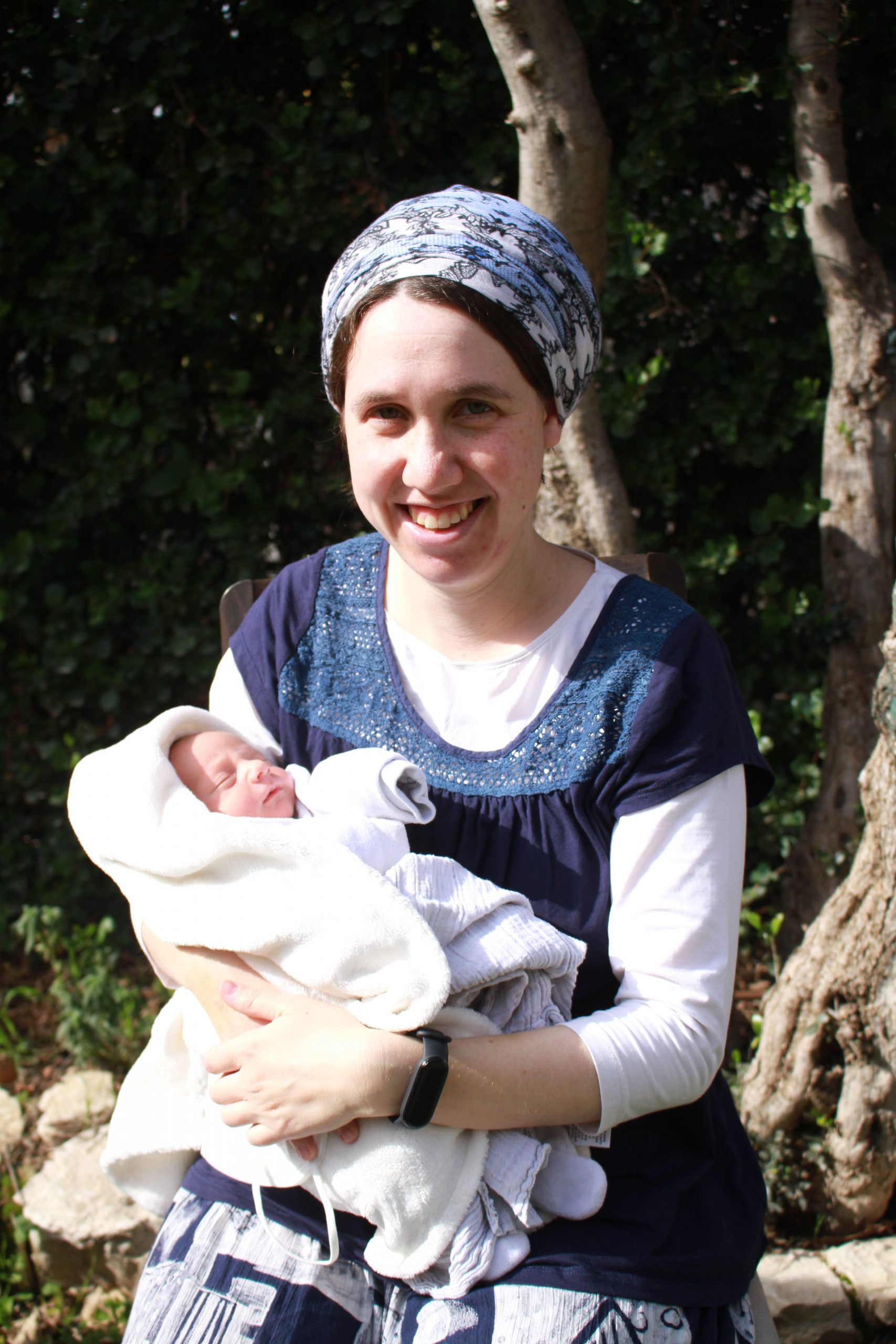
התחלתי בתחילת הסבב, והתמכרתי. זה נותן משמעות נוספת ליומיום ומאוד מחזק לתת לזה מקום בתוך כל שגרת הבית-עבודה השוטפת.
בית שמש, ישראל
My explorations into Gemara started a few days into the present cycle. I binged learnt and become addicted. I’m fascinated by the rich "tapestry” of intertwined themes, connections between Masechtot, conversations between generations of Rabbanim and learners past and present all over the world. My life has acquired a golden thread, linking generations with our amazing heritage.
Thank you.

חשמונאים, Israel
התחלתי ללמוד דף יומי באמצע תקופת הקורונה, שאבא שלי סיפר לי על קבוצה של בנות שתיפתח ביישוב שלנו ותלמד דף יומי כל יום. הרבה זמן רציתי להצטרף לזה וזאת הייתה ההזדמנות בשבילי. הצטרפתי במסכת שקלים ובאמצע הייתה הפסקה קצרה. כיום אני כבר לומדת באולפנה ולומדת דף יומי לבד מתוך גמרא של טיינזלץ.

עתניאל, ישראל
בתחילת הסבב הנוכחי של לימוד הדף היומי, נחשפתי לחגיגות המרגשות באירועי הסיום ברחבי העולם. והבטחתי לעצמי שבקרוב אצטרף גם למעגל הלומדות. הסבב התחיל כאשר הייתי בתחילת דרכי בתוכנית קרן אריאל להכשרת יועצות הלכה של נשמ”ת. לא הצלחתי להוסיף את ההתחייבות לדף היומי על הלימוד האינטנסיבי של תוכנית היועצות. בבוקר למחרת המבחן הסופי בנשמ”ת, התחלתי את לימוד הדף במסכת סוכה ומאז לא הפסקתי.

קרית גת, ישראל
. לא תמיד נהניתי מלימוד גמרא כילדה.,בל כהתבגרתי התחלתי לאהוב את זה שוב. התחלתי ללמוד מסכת סוטה בדף היומי לפני כחמש עשרה שנה ואז הפסקתי.הגעתי לסיום הגדול של הדרן לפני שנתיים וזה נתן לי השראה. והתחלתי ללמוד למשך כמה ימים ואז היתה לי פריצת דיסק והפסקתי…עד אלול השנה. אז התחלתי עם מסכת ביצה וב”ה אני מצליחה לעמוד בקצב. המשפחה מאוד תומכת בי ויש כמה שגם לומדים את זה במקביל. אני אוהבת שיש עוגן כל יום.

בית שמש, ישראל
מִשּׁוּם אֵיבָה.
The Gemara explains: The reason is due to enmity, so that he should not bear a grudge against her for finding articles and withholding them from him, which might lead him to become reluctant to provide her with sustenance.
בְּמַעֲשֵׂה יָדֶיהָ. מְנָלַן? דְּאָמַר רַב הוּנָא אָמַר רַב: מִנַּיִן שֶׁמַּעֲשֵׂה הַבַּת לָאָב, שֶׁנֶּאֱמַר: ״וְכִי יִמְכּוֹר אִישׁ אֶת בִּתּוֹ לְאָמָה״, מָה אָמָה מַעֲשֵׂה יָדֶיהָ לְרַבָּהּ — אַף בַּת מַעֲשֵׂה יָדֶיהָ לְאָבִיהָ. וְאֵימָא הָנֵי מִילֵּי קְטַנָּה, דְּמָצֵי מְזַבֵּן לַהּ, אֲבָל נַעֲרָה, דְּלָא מָצֵי מְזַבֵּן לַהּ — מַעֲשֵׂה יָדֶיהָ דִּידַהּ הָווּ!
§ The mishna further taught that a father is entitled to his daughter’s earnings. The Gemara asks: From where do we derive this? The Gemara answers: As Rav Huna said that Rav said: From where is it derived that the earnings of a daughter belong to her father? As it is stated: “And if a man sell his daughter to be a maidservant” (Exodus 21:7), which indicates that just as with regard to a maidservant, her earnings belong to her master, as she was sold for this purpose, so too with regard to a daughter, her earnings go to her father. The Gemara asks: But one can say that this applies only to a minor, as a father can sell her as a maidservant. However, with regard to a young woman, whom he cannot sell, perhaps her earnings should belong to her.
מִסְתַּבְּרָא דְּאָבִיהָ הָווּ, דְּאִי סָלְקָא דַעְתָּךְ מַעֲשֵׂה יָדֶיהָ לָאו דְּאָבִיהָ, אֶלָּא הָא דְּזַכִּי לֵיהּ רַחֲמָנָא לְאָב לְמִימְסְרַהּ לְחוּפָּה, הֵיכִי מָצֵי מָסַר לַהּ? הָא קָמְבַטֵּל לַהּ מִמַּעֲשֵׂה יָדֶיהָ.
The Gemara responds: It is reasonable that her earnings should go to her father, as, if it should enter your mind to say that her earnings do not belong to her father, what about the fact that the Merciful One entitles a father to bring his daughter, when she is a young woman, to the wedding canopy? How can he bring her to the wedding canopy? Doesn’t he thereby cause her to neglect her earnings at that time, as she cannot work while getting married? If she has the rights to her own earnings, she can object on these grounds.
פָּרֵיךְ רַב אַחַאי: אֵימָא דְּיָהֵיב לַהּ שְׂכַר פְּקַעְתַּהּ. אִי נָמֵי דִּמְסַר לָהּ בְּלֵילְיָא. אִי נָמֵי דִּמְסַר לַהּ בְּשַׁבָּתוֹת וְיָמִים טוֹבִים.
Rav Aḥai refutes this claim: Say that when he brings her to the wedding canopy, he gives her the wages she neglects by taking a break from her work, and therefore the above objection does not apply. Alternatively, it is referring to a case where he brought her to the wedding canopy at night, when she does not work. Alternatively, it means that he brought her to the wedding canopy on Shabbatot or Festivals, when it is prohibited to work.
אֶלָּא: קְטַנָּה לָא צְרִיכָא קְרָא — הַשְׁתָּא זַבּוֹנֵי מְזַבֵּין לַהּ, מַעֲשֵׂה יָדֶיהָ מִיבְּעֵי?! [אֶלָּא] כִּי אִיצְטְרִיךְ קְרָא, לְנַעֲרָה.
Rather, the Gemara reverts to the original exposition based upon the case of a Hebrew maidservant, and argues that with regard to a minor, it is not necessary to derive from a verse that her father is entitled to her earnings, for the following reason: Now, if her father has the right to sell her as a maidservant, is it necessary to state that her earnings belong to him? Rather, when the verse was necessary, it was to teach that the earnings of a young woman also belong to her father.
בַּהֲפָרַת נְדָרֶיהָ. מְנָלַן? דִּכְתִיב: ״בִּנְעוּרֶיהָ בֵּית אָבִיהָ״.
§ The mishna taught that a father is entitled to effect the nullification of his daughter’s vows. The Gemara asks: From where do we derive this? The Gemara answers that it is written: “Being in her youth, in her father’s house” (Numbers 30:17), and the Torah proceeds to explain that during this period a father can nullify his daughter’s vows.
וּמְקַבֵּל אֶת גִּיטָּהּ. מְנָלַן? דִּכְתִיב: ״וְיָצְאָה … וְהָיְתָה״, אִיתַּקּוּשׁ יְצִיאָה לַהֲוָיָיהּ.
The mishna further taught: And he accepts her bill of divorce on her behalf. The Gemara asks: From where do we derive this? The Gemara answers that it is written: “And she departs out of his house and goes and becomes another man’s wife” (Deuteronomy 24:2). This verse juxtaposes departing a marriage and becoming a wife, which teaches that the halakhot of betrothal apply to her departing her husband’s home via a bill of divorce. Consequently, just as a father has the right to accept betrothal on his daughter’s behalf, he can also receive a bill of divorce on her behalf.
וְאֵינוֹ אוֹכֵל פֵּירוֹת בְּחַיֶּיהָ. תָּנוּ רַבָּנַן: הָאָב אֵינוֹ אוֹכֵל פֵּירוֹת בְּחַיֵּי בִתּוֹ. רַבִּי יוֹסֵי בְּרַבִּי יְהוּדָה אוֹמֵר: הָאָב אוֹכֵל פֵּירוֹת בְּחַיֵּי בִתּוֹ. בְּמַאי קָמִיפַּלְגִי? תַּנָּא קַמָּא סָבַר: בִּשְׁלָמָא בַּעַל, תַּקִּינוּ לֵיה רַבָּנַן פֵּירֵי, דְּאִם כֵּן מִימְּנַע וְלָא פָּרֵיק,
§ The mishna taught that a father may not consume the produce of his daughter’s property during her lifetime. The Sages taught in a baraita: A father may not consume the produce of his daughter’s property during his daughter’s lifetime. Rabbi Yosei, son of Rabbi Yehuda, says: A father may consume this produce during his daughter’s lifetime. The Gemara asks: With regard to what principle do they disagree? The Gemara explains that the first tanna holds: Granted, in the case of a husband, the Sages decreed for him that he should consume her produce, as if this were not so, he would refrain from redeeming her if she were captured. The right of a husband to consume the produce of his wife’s property was instituted in order to correspond to his obligation to redeem his wife from captivity.
אֶלָּא אָב, מַאי אִיכָּא לְמֵימַר — דְּמִימְּנַע וְלָא פָּרֵיק? בְּלָאו הָכִי פָּרֵיק לַהּ! וְרַבִּי יוֹסֵי בְּרַבִּי יְהוּדָה סָבַר: אָב נָמֵי מִימְּנַע וְלָא פָּרֵיק. סָבַר: כִּיסָא נְקִיטָא עִילָּוַהּ, תֵּיזִיל וְתִפְרוֹק נַפְשַׁהּ.
However, in the case of a father, what is there to say? That he will refrain from redeeming her? Even without this right to the produce of her property he will redeem her, as she is his daughter and he will certainly not turn a blind eye to his own flesh and blood. And Rabbi Yosei, son of Rabbi Yehuda, holds: If he is deprived of the right to the produce of his daughter’s property, a father will also refrain from redeeming her, as he will reason: A pouch of money is held in her hand for a time of need, so let her go and redeem herself.
נִיסֵּת, יָתֵר עָלָיו הַבַּעַל שֶׁהוּא אוֹכֵל כּוּ׳. תָּנוּ רַבָּנַן: כָּתַב לָהּ פֵּירוֹת, כְּסוּת וְכֵלִים שֶׁיָּבוֹאוּ עִמָּהּ מִבֵּית אָבִיהָ לְבֵית בַּעְלָהּ — מֵתָה, לֹא זָכָה הַבַּעַל בִּדְבָרִים הַלָּלוּ. מִשּׁוּם רַבִּי נָתָן אָמְרוּ: זָכָה הַבַּעַל בִּדְבָרִים הַלָּלוּ.
§ The mishna further taught that if the daughter married, the husband has more rights than her father, as he consumes the produce of her property. The Sages taught in a baraita: If the father wrote for her in her marriage contract that he was providing produce, clothing, and vessels that would come with her as a dowry from her father’s house to her husband’s house, and she died during the betrothal period, the husband does not have the right to these objects. They said in the name of Rabbi Natan: The husband does have the right to these objects.
לֵימָא בִּפְלוּגְתָּא דְּרַבִּי אֶלְעָזָר בֶּן עֲזַרְיָה וְרַבָּנַן קָמִיפַּלְגִי, דִּתְנַן: נִתְאַרְמְלָה אוֹ נִתְגָּרְשָׁה, בֵּין מִן הַנִּשּׂוּאִין בֵּין מִן הָאֵירוּסִין — גּוֹבָה אֶת הַכֹּל. רַבִּי אֶלְעָזָר בֶּן עֲזַרְיָה אוֹמֵר: מִן הַנִּשּׂוּאִין — גּוֹבָה אֶת הַכֹּל, וּמִן הָאֵירוּסִין — בְּתוּלָה גּוֹבָה מָאתַיִם, וְאַלְמָנָה מָנֶה,
The Gemara suggests: Let us say that the dispute of these tanna’im is parallel to the dispute between Rabbi Elazar ben Azarya and the Rabbis. As we learned in a mishna (54b): If a woman was widowed or divorced, whether from marriage or from betrothal, she collects the entire sum specified in her marriage contract, including any extra amount her husband added to the standard sum required by the Sages. Rabbi Elazar ben Azarya says: If she was widowed or divorced from marriage, she collects the entire amount. But if she was widowed or divorced from betrothal, she is entitled to collect only the standard minimum sum required by the Sages: If she was betrothed as a virgin she collects two hundred dinars, and if she was a widow she is entitled to one hundred dinars.
שֶׁלֹּא כָּתַב לָהּ אֶלָּא עַל מְנָת לְכוֹנְסָהּ. לְמַאן דְּאָמַר לֹא זָכָה — כְּרַבִּי אֶלְעָזָר בֶּן עֲזַרְיָה. וּמַאן דְּאָמַר זָכָה — כְּרַבָּנַן.
The reason is that he wrote that she would be entitled to the additional amount only on the condition that he would marry her, and since he did not marry her, she is not entitled to the extra amount. The Gemara compares the respective opinions: The one who says that the husband does not have the right to her dowry holds in accordance with the opinion of Rabbi Elazar ben Azarya, and therefore he rules that just as a husband guarantees his wife an extra sum in her marriage contract only if they actually get married, the wife’s father also gives the dowry only on the condition that the couple marries. And the one who said that the husband does have the right to her dowry holds in accordance with the opinion of the Rabbis, because the document is fully in effect even before marriage.
לָא, דְּכוּלֵּי עָלְמָא כְּרַבִּי אֶלְעָזָר בֶּן עֲזַרְיָה. מַאן דְּאָמַר לֹא זָכָה — כְּרַבִּי אֶלְעָזָר בֶּן עֲזַרְיָה, וּמַאן דְּאָמַר זָכָה — עַד כָּאן לָא קָאָמַר רַבִּי אֶלְעָזָר בֶּן עֲזַרְיָה אֶלָּא מִדִּידֵיהּ לְדִידַהּ, שֶׁלֹּא כָּתַב לָהּ אֶלָּא עַל מְנָת לְכוֹנְסָהּ.
The Gemara refutes this suggestion: No, everyone agrees that the halakha is in accordance with the opinion of Rabbi Elazar ben Azarya, and the explanation is as follows: The one who said that he does not have the right to the dowry clearly holds in accordance with the opinion of Rabbi Elazar ben Azarya, as stated above; and the one who says the husband does have the right to her dowry would distinguish between the two cases: Rabbi Elazar ben Azarya states that the marriage contract is not fully in effect until marriage only with regard to a bestowal from him to her, i.e., the extra sum that the husband adds to her marriage contract, as he wrote it for her only on the condition that he would marry her, and he did not intend to give her anything before she became his wife.
אֲבָל מִדִּידַהּ לְדִידֵיהּ אֲפִילּוּ רַבִּי אֶלְעָזָר בֶּן עֲזַרְיָה מוֹדֵי, דְּמִשּׁוּם אִיחַתּוֹנֵי הוּא, וְהָא אִיחַתַּנֻי לְהוּ.
However, with regard to that which is given from her father to him, i.e., the dowry, even Rabbi Elazar ben Azarya concedes that the husband is entitled to this money, as the gift of a father is due to marriage, i.e., he wants the families to be joined in matrimony, and they have already become linked in marriage. The dowry given by the father has nothing to do with the transition from betrothal to actual marriage.
חַיָּיב בִּמְזוֹנוֹתֶיהָ וְכוּ׳. תָּנוּ רַבָּנַן: תִּיקְּנוּ מְזוֹנוֹתֶיהָ תַּחַת מַעֲשֵׂה יָדֶיהָ, וּקְבוּרָתָהּ תַּחַת כְּתוּבָּתָהּ, לְפִיכָךְ בַּעַל אוֹכֵל פֵּירוֹת.
§ The mishna teaches that a husband is obligated to provide his wife with sustenance, redemption from captivity, and burial. The Sages taught in a baraita: The Rabbis instituted that a husband must provide his wife with her sustenance in exchange for his rights to her earnings, and similarly they decreed that a husband must tend to her burial in exchange for the fact that he inherits the dowry that she brought into the marriage and which is written in her marriage contract. Consequently, the husband may consume the produce of her property.
פֵּירוֹת מַאן דְּכַר שְׁמַיְיהוּ?! חַסּוֹרֵי מְחַסְּרָא, וְהָכִי קָתָנֵי: תִּיקְּנוּ מְזוֹנוֹתֶיהָ תַּחַת מַעֲשֵׂה יָדֶיהָ, וּפִירְקוֹנָהּ תַּחַת פֵּירוֹת, וּקְבוּרָתָהּ תַּחַת כְּתוּבָּתָהּ. לְפִיכָךְ בַּעַל אוֹכֵל פֵּירוֹת.
The Gemara expresses surprise at this last statement: Produce, who mentioned anything about that? The baraita did not previously mention produce at all, so how did it arrive at a halakhic conclusion with regard to produce? The Gemara explains that the baraita is incomplete, and this is what it is teaching: They instituted that a husband must provide his wife with her sustenance in exchange for his rights to her earnings; and it is his duty to provide her with redemption from captivity in exchange for his right to consume the produce of her property; and it is his obligation to attend to her burial in exchange for the fact that he inherits the dowry that she brought into the marriage and which is written in her marriage contract. Consequently, a husband may consume the produce of her property.
מַאי ״לְפִיכָךְ״?
Although the Gemara has explained how the tanna came to speak about produce, the wording of the baraita remains problematic. What is the significance of the word consequently in this context?
מַהוּ דְּתֵימָא: מֵיכָל לָא נֵכְלִינְהוּ, אַנּוֹחֵי נַנְּחִינְהוּ. דְּאִם כֵּן, מִימְּנַע וְלָא פָּרֵיק, קָא מַשְׁמַע לַן דְּהָא עֲדִיפָא. זִימְנִין דְּלָא מָלוּ, וּפָרֵיק לַהּ מִדִּידֵיהּ.
The Gemara explains: Lest you say that the husband should not consume the produce but leave it so that if he requires funds to redeem his wife he will have them available, as, if he is not compelled to do so he will refrain from redeeming her, as he will be unwilling to spend his own money for that purpose; the tanna therefore teaches us that this arrangement is preferable, because sometimes the produce will not amount to the funds necessary to redeem her from captivity, and he would not redeem her if he was expected to use the funds produced by her property. Consequently, the Sages decreed that he consumes the produce immediately and that he must redeem her from his own funds if she is taken into captivity.
וְאֵיפוֹךְ אֲנָא!
After analyzing the language of the baraita, the Gemara turns its attention to the halakha itself. But I can reverse these connections; why does the baraita say that a husband’s obligation to provide his wife with sustenance was instituted in exchange for his right to her earnings, as opposed to another of his rights, e.g., his right to consume the produce of her property?
אָמַר אַבָּיֵי: תִּיקְּנוּ מָצוּי לְמָצוּי, וְשֶׁאֵינוֹ מָצוּי לְשֶׁאֵינוֹ מָצוּי.
Abaye said: The Sages instituted a common obligation in exchange for a common right, and they instituted an uncommon obligation in exchange for an uncommon right. In other words, the Sages instituted a husband’s obligation to provide his wife with sustenance, which is relevant on a regular basis, in exchange for his right to her earnings, which also applies regularly. The other obligations and rights of a husband are relevant less frequently.
אָמַר רָבָא: הַאי תַּנָּא סָבַר מְזוֹנוֹת מִדְּאוֹרָיְיתָא, דְּתַנְיָא: ״שְׁאֵרָהּ״ — אֵלּוּ מְזוֹנוֹת, וְכֵן הוּא אוֹמֵר: ״וַאֲשֶׁר אָכְלוּ שְׁאֵר עַמִּי״. ״כְּסוּתָהּ״ — כְּמַשְׁמָעוֹ. ״עוֹנָתָהּ״ — זוֹ עוֹנָה הָאֲמוּרָה בַּתּוֹרָה, וְכֵן הוּא אוֹמֵר: ״אִם תְּעַנֶּה אֶת בְּנוֹתַי״.
§ Rava said: This tanna, in the baraita cited below, maintains that the obligation of a husband to provide his wife’s sustenance applies by Torah law, as it is taught with regard to the verse pertaining to a husband’s obligations toward his wife: “If he takes another wife for himself, her food [she’era], her clothing [kesuta], and her conjugal rights [onata], he shall not diminish” (Exodus 21:10). “She’era”; this is sustenance, and it likewise states: “Who also eat the flesh [she’er] of my people” (Micah 3:3). “Kesuta” is understood in its literal sense as referring to clothing. “Onata”; this is her conjugal rights, which is stated in the Torah, and so it says: “If you shall afflict [te’aneh] my daughters” (Genesis 31:50), which indicates that a husband may not deprive his wife of her conjugal rights.
רַבִּי אֶלְעָזָר אוֹמֵר: ״שְׁאֵרָהּ״ — זוֹ עוֹנָה. וְכֵן הוּא אוֹמֵר: ״אִישׁ אִישׁ אֶל כׇּל שְׁאֵר בְּשָׂרוֹ לֹא תִקְרְבוּ לְגַלּוֹת עֶרְוָה״. ״כְּסוּתָהּ״ — כְּמַשְׁמָעוֹ. ״עוֹנָתָהּ״ — אֵלּוּ מְזוֹנוֹת, וְכֵן הוּא אוֹמֵר: ״וַיְעַנְּךָ וְיַרְעִיבֶךָ״.
The baraita continues: Rabbi Elazar says: “She’era”; this is her conjugal rights, and so it says: “None of you shall approach to any who is near [she’er] of kin to him, to uncover their nakedness” (Leviticus 18:6), which demonstrates that the word she’er is used in the context of sexual relations. “Kesuta” is understood in its literal sense as referring to clothing. “Onata”; this is sustenance, and so it says: “And He afflicted you [vayanekha], and made you suffer hunger, and fed you with manna” (Deuteronomy 8:3).
פעולה זו תסיר את כל הפריטים בחלק זה כולל ההתקדמות וההיסטוריה. שימי לב: לא ניתן לשחזר פעולה זו.
תאבד/י את כל ההתקדמות או ההיסטוריה הקשורות לפריט זה.