







הדף היום מוקדש ע”י גיטה ודויד ניופלד לע”נ חיה בת אוסנה רחל ושמואל שנפטרה לפני כמה ימים. יהי זכרה ברוך.
הדף היום מוקדש על ידי שרה ברלוביץ לע”נ לעילוי נשמת אמה, קילא בת יהודה שנפטרה לפני 9 שנים בכ”ד אב. "עם השנים הגעגועים רק מתגברים.”
הלימוד השבוע מוקדש ע”י טינה לם לרפואת מעין ליאורה בת שלומית פייגא
רוצה להקדיש שיעור?

0:00
0:00
תקציר
כלים
הלימוד השבוע מוקדש ע”י טינה לם לרפואת מעין ליאורה בת שלומית פייגא
כתובות מט
וְאֵימָא: הֵיכָא דְּהָדְרָא לְבֵי נָשָׁא — הָדְרָא לְמִילְּתָא קַמַּיְיתָא? אָמַר רָבָא: הָהוּא כְּבָר פַּסְקַהּ תַּנָּא דְּבֵי רַבִּי יִשְׁמָעֵאל,
The Gemara asks another question: But say that in a case where she returns to her father’s house, she returns to the previous matter, i.e., her former status, as though she had never left her father’s authority. Rava said: That question has already been resolved by the tanna of the school of Rabbi Yishmael.
דְּתָנָא דְּבֵי רַבִּי יִשְׁמָעֵאל: ״וְנֵדֶר אַלְמָנָה וּגְרוּשָׁה כֹּל אֲשֶׁר אָסְרָה עַל נַפְשָׁהּ יָקוּם עָלֶיהָ״, מָה תַּלְמוּד לוֹמַר? וַהֲלֹא מוּצֵאת מִכְּלַל אָב וּמוּצֵאת מִכְּלַל בַּעַל!
This is as the tanna of the school of Rabbi Yishmael taught: “But the vow of a widow or of a divorcée, everything with which she has bound her soul shall stand against her” (Numbers 30:10). What is the meaning when the verse states this? Is it not already known that if she is widowed or divorced she has already been removed from the category of one under the authority of her father and she has likewise been removed from the category of one under the authority of her husband? Who, then, could possibly nullify her vows?
אֶלָּא, הֲרֵי שֶׁמָּסַר הָאָב לִשְׁלוּחֵי הַבַּעַל, אוֹ שֶׁמָּסְרוּ שְׁלוּחֵי הָאָב לִשְׁלוּחֵי הַבַּעַל, וְנִתְאַרְמְלָה בַּדֶּרֶךְ אוֹ נִתְגָּרְשָׁה, הֵיאַךְ אֲנִי קוֹרֵא בָּהּ: בֵּית אָבִיהָ שֶׁל זוֹ, אוֹ בֵּית בַּעְלָהּ שֶׁל זוֹ? אֶלָּא לוֹמַר לְךָ: כֵּיוָן שֶׁיָּצְאָה שָׁעָה אַחַת מֵרְשׁוּת הָאָב — שׁוּב אֵינוֹ יָכוֹל לְהָפֵר.
Rather, this is referring to a case where the father delivered his daughter to the husband’s messengers or where the father’s messengers delivered her to the husband’s messengers, and she was widowed or divorced on her way to the wedding canopy. How do I consider her? Is she a member of her father’s house, or a member of her husband’s house? Her status is entirely unclear. Rather, this verse comes to tell you: Since she has left her father’s domain for a short time her father is no longer able to nullify her vows, as she is considered a widow or a divorcée in all regards. The same applies to the issue at hand: She retains the status of a married woman even if she returns to her father’s house.
אָמַר רַב פָּפָּא אַף אֲנַן נָמֵי תְּנֵינָא: הַבָּא עַל נַעֲרָה הַמְאוֹרָסָה — אֵינוֹ חַיָּיב עַד שֶׁתְּהֵא נַעֲרָה בְּתוּלָה מְאוֹרָסָה, וְהִיא בְּבֵית אָבִיהָ. בִּשְׁלָמָא ״נַעֲרָה״ — וְלֹא בּוֹגֶרֶת, ״בְּתוּלָה״ — וְלֹא בְּעוּלָה, ״מְאוֹרָסָה״ — וְלֹא נְשׂוּאָה. ״בְּבֵית אָבִיהָ״ לְמַעוֹטֵי מַאי? לָאו לְמַעוֹטֵי מָסַר הָאָב לִשְׁלוּחֵי הַבַּעַל?!
Rav Pappa said: We, too, learn this principle in a mishna (Sanhedrin 66b): One who has intercourse with a young woman betrothed to another is liable to stoning only if she is a virgin, a young woman, betrothed, and she is in her father’s house. The Gemara analyzes this mishna: Granted, the term young woman indicates that this punishment does not apply if she is a grown woman; similarly, this punishment applies only if she is a virgin, but not if she is a non-virgin, and only if she is betrothed, but not if she is a married woman. However, when the mishna states that she is in her father’s house, what does that phrase come to exclude? Does it not serve to exclude a case when the father delivered her to the husband’s messengers, indicating that in such a case the punishment of stoning no longer applies?
אָמַר רַב נַחְמָן בַּר יִצְחָק, אַף אֲנַן נָמֵי תְּנֵינָא: הַבָּא עַל אֵשֶׁת אִישׁ, כֵּיוָן שֶׁנִּכְנְסָה לִרְשׁוּת הַבַּעַל לְנִשּׂוּאִין, אַף עַל פִּי שֶׁלֹּא נִבְעֲלָה — הַבָּא עָלֶיהָ הֲרֵי זֶה בְּחֶנֶק. נִכְנְסָה לִרְשׁוּת הַבַּעַל בְּעָלְמָא שְׁמַע מִינַּהּ.
Rav Naḥman bar Yitzḥak said: We, too, learn this principle in another mishna (Sanhedrin 89a): With regard to one who has intercourse with a married woman, once she has entered her husband’s authority for marriage, even though she has not had intercourse with him, one who has intercourse with her is punished by strangulation, which is the punishment for adultery with a married woman. It is clear that this halakha applies if she merely entered the husband’s authority for the purpose of marriage, even if they have not yet entered the wedding canopy. The Gemara concludes: Indeed, learn from here that this is so.
מַתְנִי׳ הָאָב אֵינוֹ חַיָּיב בִּמְזוֹנוֹת בִּתּוֹ. זֶה מִדְרָשׁ דָּרַשׁ רַבִּי אֶלְעָזָר בֶּן עֲזַרְיָה לִפְנֵי חֲכָמִים בַּכֶּרֶם בְּיַבְנֶה: הַבָּנִים יִירְשׁוּ וְהַבָּנוֹת יִזּוֹנוּ. מָה הַבָּנִים אֵינָן יוֹרְשִׁין אֶלָּא לְאַחַר מִיתַת הָאָב — אַף הַבָּנוֹת אֵין נִיזּוֹנוֹת אֶלָּא לְאַחַר מִיתַת אֲבִיהֶן.
MISHNA: A father is not obligated to provide his daughter’s sustenance. This exposition was expounded by Rabbi Elazar ben Azarya before the Sages in the vineyard of Yavne: Since the Sages instituted that after the father’s death, the sons inherit the sum of money specified in their mother’s marriage contract, and the daughters are sustained from their father’s estate, these the two halakhot are equated: Just as the sons inherit only after the father’s death, not during his lifetime, so too, the daughters are sustained from his property only after their father’s death.
גְּמָ׳ בִּמְזוֹנוֹת בִּתּוֹ הוּא דְּאֵינוֹ חַיָּיב, הָא בִּמְזוֹנוֹת בְּנוֹ — חַיָּיב. בִּתּוֹ נָמֵי: חוֹבָה הוּא דְּלֵיכָּא, הָא מִצְוָה אִיכָּא. מַנִּי מַתְנִיתִין? לָא רַבִּי מֵאִיר, לָא רַבִּי יְהוּדָה, וְלָא רַבִּי יוֹחָנָן בֶּן בְּרוֹקָא.
GEMARA: With regard to the mishna’s statement that a father is not obligated to provide his daughter’s sustenance, the Gemara infers: It is with regard to providing his daughter’s sustenance that he is not obligated, but with regard to providing his son’s sustenance, he is obligated. Furthermore, with regard to his daughter, too, there is no obligation, and therefore the court cannot compel him to provide sustenance for his daughter, but there is a mitzva, i.e., it is proper, for him to do so. With this interpretation in mind, whose opinion is expressed in the mishna? It is not Rabbi Meir, nor Rabbi Yehuda, nor Rabbi Yoḥanan ben Beroka.
דְּתַנְיָא: מִצְוָה לָזוּן אֶת הַבָּנוֹת, קַל וְחוֹמֶר לַבָּנִים — דְּעָסְקִי בַּתּוֹרָה, דִּבְרֵי רַבִּי מֵאִיר. רַבִּי יְהוּדָה אוֹמֵר: מִצְוָה לָזוּן אֶת הַבָּנִים, וְקַל וָחוֹמֶר לַבָּנוֹת — מִשּׁוּם זִילוּתָא. רַבִּי יוֹחָנָן בֶּן בְּרוֹקָא אוֹמֵר: חוֹבָה לָזוּן אֶת הַבָּנוֹת לְאַחַר מִיתַת אֲבִיהֶן, אֲבָל בְּחַיֵּי אֲבִיהֶן — אֵלּוּ וָאֵלּוּ אֵינָן נִיזּוֹנִין.
As it is taught in a baraita, it is a mitzva to sustain daughters, and the same applies by an a fortiori inference to sons, who are engaged in the study of Torah. This is the statement of Rabbi Meir. Rabbi Yehuda says: It is a mitzva to sustain sons, and the same applies by an a fortiori inference with regard to daughters, due to the dishonor they will suffer if they are forced to go around begging. Rabbi Yoḥanan ben Beroka says: It is an obligation to sustain the daughters after their father’s death; however, during their father’s lifetime both these and those, sons and daughters alike, are not sustained.
מַנִּי מַתְנִיתִין? אִי רַבִּי מֵאִיר הָא אָמַר בָּנִים מִצְוָה?! אִי רַבִּי יְהוּדָה, הָא אָמַר בָּנִים נָמֵי מִצְוָה! אִי רַבִּי יוֹחָנָן בֶּן בְּרוֹקָא, אֲפִילּוּ מִצְוָה נָמֵי לֵיכָּא!
The Gemara restates its question: Whose opinion is expressed in the mishna? If you say it is Rabbi Meir, didn’t he say that providing sustenance even to one’s sons is merely a mitzva, not an obligation? If the mishna expresses the opinion of Rabbi Yehuda, didn’t he say that providing sustenance to one’s sons is also a mitzva, not an obligation? If it is Rabbi Yoḥanan ben Beroka, according to his opinion there is not even a mitzva to provide sustenance for one’s daughters. Consequently, none of opinions of the tanna’im of the baraita fits the ruling of the mishna.
אִיבָּעֵית אֵימָא רַבִּי מֵאִיר, אִיבָּעֵית אֵימָא רַבִּי יְהוּדָה, אִיבָּעֵית אֵימָא רַבִּי יוֹחָנָן בֶּן בְּרוֹקָא.
The Gemara answers that the mishna can be explained in several different ways. If you wish, say that the mishna is in accordance with the opinion of Rabbi Meir; if you wish, say that it follows the opinion of Rabbi Yehuda; and if you wish, say it is the opinion of Rabbi Yoḥanan ben Beroka.
אִיבָּעֵית אֵימָא רַבִּי מֵאִיר וְהָכִי קָאָמַר: הָאָב אֵינוֹ חַיָּיב בִּמְזוֹנוֹת בִּתּוֹ, וְהוּא הַדִּין לִבְנוֹ. הָא מִצְוָה בְּבִתּוֹ אִיכָּא, קַל וָחוֹמֶר לַבָּנִים. וְהַאי דְּקָתָנֵי בִּתּוֹ — הָא קָא מַשְׁמַע לַן:
The Gemara explains in detail: If you wish, say it is Rabbi Meir, and this is what he said in the mishna: A father is not obligated to provide his daughter’s sustenance, and the same is true with regard to providing sustenance for his son. This indicates that there is a mitzva, though not an obligation, to provide for his daughter, and by an a fortiori inference it is a mitzva with regard to the sons. And the reason that the mishna teaches only the case of his daughter, and omitted any mention of sons, is not because a father is obligated to feed his sons. Instead, it teaches us this:
דַּאֲפִילּוּ בִּתּוֹ, חוֹבָה הוּא דְּלֵיכָּא, הָא מִצְוָה אִיכָּא.
That even with regard to his daughter, there is no obligation to provide her sustenance, however, there is a mitzva to do so.
וְאִיבָּעֵית אֵימָא רַבִּי יְהוּדָה, וְהָכִי קָאָמַר: הָאָב אֵינוֹ חַיָּיב בִּמְזוֹנוֹת בִּתּוֹ, וְכׇל שֶׁכֵּן לִבְנוֹ. הָא מִצְוָה בִּבְנוֹ אִיכָּא, וְקַל וָחוֹמֶר לַבָּנוֹת. וְהָא דְּקָתָנֵי בִּתּוֹ — הָא קָא מַשְׁמַע לַן דַּאֲפִילּוּ בִּתּוֹ חוֹבָה לֵיכָּא.
And if you wish, say that the mishna is in accordance with the opinion of Rabbi Yehuda, and this what he said in the mishna: A father is not obligated to provide sustenance for his daughter, and all the more so he is not duty-bound to provide for his son. It may be inferred from here that there is at least a mitzva with regard to a son, and the same applies by a fortiori inference with regard to the daughters. And the reason that the mishna teaches the case of his daughter is because it teaches us this: That even with regard to his daughter there is no obligation, despite the mitzva to guard her from dishonor.
וְאִיבָּעֵית אֵימָא רַבִּי יוֹחָנָן בֶּן בְּרוֹקָא, וְהָכִי קָאָמַר: אֵינוֹ חַיָּיב בִּמְזוֹנוֹת בִּתּוֹ, וְהוּא הַדִּין לִבְנוֹ. וְהוּא הַדִּין דַּאֲפִילּוּ מִצְוָה נָמֵי לֵיכָּא, וְאַיְּידֵי דְּבָנוֹת לְאַחַר מִיתַת אֲבִיהֶן חוֹבָה, תְּנָא נָמֵי אֵינוֹ חַיָּיב.
And if you wish, say that the mishna is in accordance with the opinion of Rabbi Yoḥanan ben Beroka, and this is what he said in the mishna: A father is not obligated to provide sustenance for his daughter, and the same is true with regard to providing for his son. And the same is true with regard to a mitzva; there is not even a mitzva to feed either one’s sons or daughters, but since the tanna wanted to say with regard to daughters that after their father’s death there is an obligation to sustain them from his estate, he also taught in a parallel manner that the father is not obligated to provide sustenance for his daughters during his lifetime. Consequently, it is incorrect to infer from here that there is a mitzva to sustain them despite the lack of obligation; rather, the tanna means that there is no obligation and not even a mitzva to do so.
אָמַר רַבִּי אִילְעָא אָמַר רֵישׁ לָקִישׁ מִשּׁוּם רַבִּי יְהוּדָה בַּר חֲנִינָא: בְּאוּשָׁא הִתְקִינוּ שֶׁיְּהֵא אָדָם זָן אֶת בָּנָיו וְאֶת בְּנוֹתָיו כְּשֶׁהֵן קְטַנִּים. אִיבַּעְיָא לְהוּ: הִלְכְתָא כְּווֹתֵיהּ אוֹ אֵין הִלְכְתָא כְּווֹתֵיהּ? תָּא שְׁמַע: כִּי הֲוָה אָתוּ לְקַמֵּיהּ דְּרַב יְהוּדָה אֲמַר לְהוּ: יָארוּד יָלְדָה, וְאַבְּנֵי מָתָא שָׁדְיָא?!
§ Rabbi Ile’a said that Reish Lakish said in the name of Rabbi Yehuda bar Ḥanina: In Usha the Sages instituted that a man should sustain his sons and daughters when they are minors. A dilemma was raised before the Sages: Is the halakha in accordance with his opinion or is the halakha not in accordance with his opinion? Must a man feed his young children in practice or not? The Gemara answers: Come and hear: When they would come before Rav Yehuda to complain about a father who refused to sustain his children, he would say to them: The jackal [yarod] bears offspring and casts the obligation to feed them on the residents of the town? Even a jackal feeds its young, and it is certainly proper for a father to support his children.
כִּי הֲוָה אָתוּ לְקַמֵּיהּ דְּרַב חִסְדָּא, אֲמַר לְהוּ: כְּפוֹ לֵיהּ אֲסִיתָא בְּצִבּוּרָא, וְלֵיקוּם וְלֵימָא: עוֹרְבָא בָּעֵי בְּנֵיהּ וְהָהוּא גַּבְרָא לָא בָּעֵי בְּנֵיהּ?! וְעוֹרְבָא בָּעֵי בְּנֵיהּ? וְהָכְתִיב: ״לִבְנֵי עוֹרֵב אֲשֶׁר יִקְרָאוּ״! לָא קַשְׁיָא, הָא בְּחִיוָּרֵי, הָא בְּאוּכָּמֵי.
When they would come before Rav Ḥisda to register a similar complaint, he would say to them: Turn over a mortar for him in public, as a raised platform, and let that father stand up and say about himself: The raven wants to care for its sons, and yet this man does not want to support his sons. The Gemara questions this statement: And does the raven want to feed its sons? But isn’t it written: “He gives to the beast its food, to the young ravens that cry” (Psalms 147:9)? This verse indicates that the parents of young ravens do not feed them. The Gemara responds: This is not difficult, as in this case it is referring to white ones, and in that case it is referring to black ones. There are different types of ravens, some of which feed their young while others do not.
כִּי הֲוָה אָתֵי לְקַמֵּיהּ דְּרָבָא, אֲמַר לֵיהּ: נִיחָא לָךְ דְּמִיתַּזְנִי בְּנָיךְ מִצְּדָקָה?
The Gemara further relates: When an incident of this kind would come before Rava, he would say to the father: Is it satisfactory to you that your sons are sustained through charity? All these incidents prove that the halakha is not in accordance with the enactment of Usha; although these Sages stated forcefully that it is proper for a father to support his children, they did not force him to do so by the authority of the court.
וְלָא אֲמַרַן, אֶלָּא דְּלָא אֲמִיד, אֲבָל אֲמִיד — כָּפֵינַן לֵיהּ עַל כֻּרְחֵיהּ. כִּי הָא דְּרָבָא כַּפְיֵיהּ לְרַב נָתָן בַּר אַמֵּי וְאַפֵּיק מִינֵּיהּ אַרְבַּע מְאָה זוּזֵי לִצְדָקָה.
The Gemara adds: And we said this halakha only when he is not wealthy and must toil hard to provide food for his children, but if he is wealthy we coerce him against his will to sustain them. Like this case of Rava, who coerced Rav Natan bar Ami, who was a wealthy man, to donate to charity, and collected from him four hundred dinars for charity. This shows that even in the absence of a particular obligation, the court will compel a person to give charity if he can afford it. The same reasoning certainly applies to a man’s own children.
אָמַר רַבִּי אִילְעָא אָמַר רֵישׁ לָקִישׁ: בְּאוּשָׁא הִתְקִינוּ הַכּוֹתֵב כׇּל נְכָסָיו לְבָנָיו — הוּא וְאִשְׁתּוֹ נִזּוֹנִים מֵהֶם.
§ Rabbi Ile’a said that Reish Lakish said: In Usha the Sages instituted that in a case of one who writes a document stating that he is giving all his property as a gift to his sons in his lifetime, he and his wife are sustained from the property until their deaths.
מַתְקֵיף לַהּ רַבִּי זֵירָא וְאִיתֵּימָא רַבִּי שְׁמוּאֵל בַּר נַחְמָנִי: גְּדוֹלָה מִזּוֹ אָמְרוּ, אַלְמְנָתוֹ נִזּוֹנֶת מִנְּכָסָיו, הוּא וְאִשְׁתּוֹ מִיבַּעְיָא?!
Rabbi Zeira objects to this, and some say this objection was raised by Rabbi Shmuel bar Naḥmani: What is the significance of this ruling? After all, the Sages said a greater novelty than that: A man’s widow is sustained from his property even if his estate was inherited by his daughter and therefore belongs to her husband. Although the property is comparable to property from the estate that was sold to a third party, from which a widow is not entitled to claim her sustenance, in this case the Sages decreed that she can claim her livelihood from her late husband’s estate to prevent her from losing out entirely. With this in mind, is it necessary to state that he and his wife, during his lifetime, receive their sustenance from property he gave as a gift to his sons?
דִּשְׁלַח רָבִין בְּאִיגַּרְתֵּיהּ: מִי שֶׁמֵּת וְהִנִּיחַ אַלְמָנָה וּבַת — אַלְמְנָתוֹ נִיזּוֹנֶת מִנְּכָסָיו. נִישֵּׂאת הַבַּת — אַלְמְנָתוֹ נִיזּוֹנֶת מִנְּכָסָיו.
The Gemara provides the background for this ruling: As Ravin sent in his letter to Babylonia: With regard to one who died and left a widow and a daughter, his widow is sustained from his property, as this is a stipulation of the marriage contract. If the daughter, who is her father’s heir, married, the estate is considered usufruct property whose produce belongs to her husband, but even so his widow is sustained from his property.
מֵתָה הַבַּת, אָמַר רַבִּי יְהוּדָה בֶּן אֲחוֹתוֹ שֶׁל רַבִּי יוֹסֵי בַּר חֲנִינָא: עַל יָדִי הָיָה מַעֲשֶׂה, וְאָמְרוּ: אַלְמְנָתוֹ נִיזּוֹנֶת מִנְּכָסָיו. הוּא וְאִשְׁתּוֹ מִיבַּעְיָא?!
If the daughter died and her husband inherited from her, Rabbi Yehuda, son of the sister of Rabbi Yosei bar Ḥanina, said: I was involved in an incident of this kind when this very question came before the Sages for a ruling, and they said: Even in this case, his widow is sustained from his property. The Gemara reiterates: With all that said, is it necessary to state that he and his wife are entitled to receive their sustenance from property he gave his son?
מַהוּ דְּתֵימָא: הָתָם הוּא דְּלֵיכָּא דְּטָרַח, אֲבָל הָכָא — נִטְרַח לְדִידֵיהּ וּלְדִידַהּ, קָא מַשְׁמַע לַן.
The Gemara responds: The ordinance is necessary lest you say that it is in that case there, with regard to a widow, that they instituted this halakha, as there is no one to toil on her behalf, since she is by herself, but here, where the husband is alive, he can toil for himself and for her, i.e., his wife. The ordinance of Usha therefore teaches us that the court does not force him to do so, and they may claim their sustenance from his former property.
אִיבַּעְיָא לְהוּ: הִלְכְתָא כְּווֹתֵיהּ אוֹ לֵית הִלְכְתָא כְּווֹתֵיהּ? תָּא שְׁמַע: דְּרַבִּי חֲנִינָא וְרַבִּי יוֹנָתָן הֲווֹ קָיְימִי, אֲתָא הָהוּא גַּבְרָא גְּחֵין וְנַשְּׁקֵיהּ לְרַבִּי יוֹנָתָן אַכַּרְעֵיהּ, אֲמַר לֵיהּ רַבִּי חֲנִינָא: מַאי הַאי? אֲמַר לֵיהּ: כּוֹתֵב נְכָסָיו לְבָנָיו הוּא,
A dilemma was raised before the scholars: Is the halakha in accordance with the opinion of Rabbi Ile’a, or is the halakha not in accordance with his opinion? The Gemara answers: Come and hear, as Rabbi Ḥanina and Rabbi Yonatan were standing together, and a certain man approached, bent over, and kissed Rabbi Yonatan on his foot. Rabbi Ḥanina said to Rabbi Yonatan: What is this? Why does he owe you such a mark of gratitude? He said to him: He wrote a document stating that he was giving his property to his sons,
לעקוב 
כלים
העמקה
רוצה להבין מה באמת קורה מתחת לפני השטח של הסוגיה?
שיעורים, פודקאסטים והרחבות של מיטב המורות שלנו יפתחו לך עוד זוויות וכיווני חשיבה.



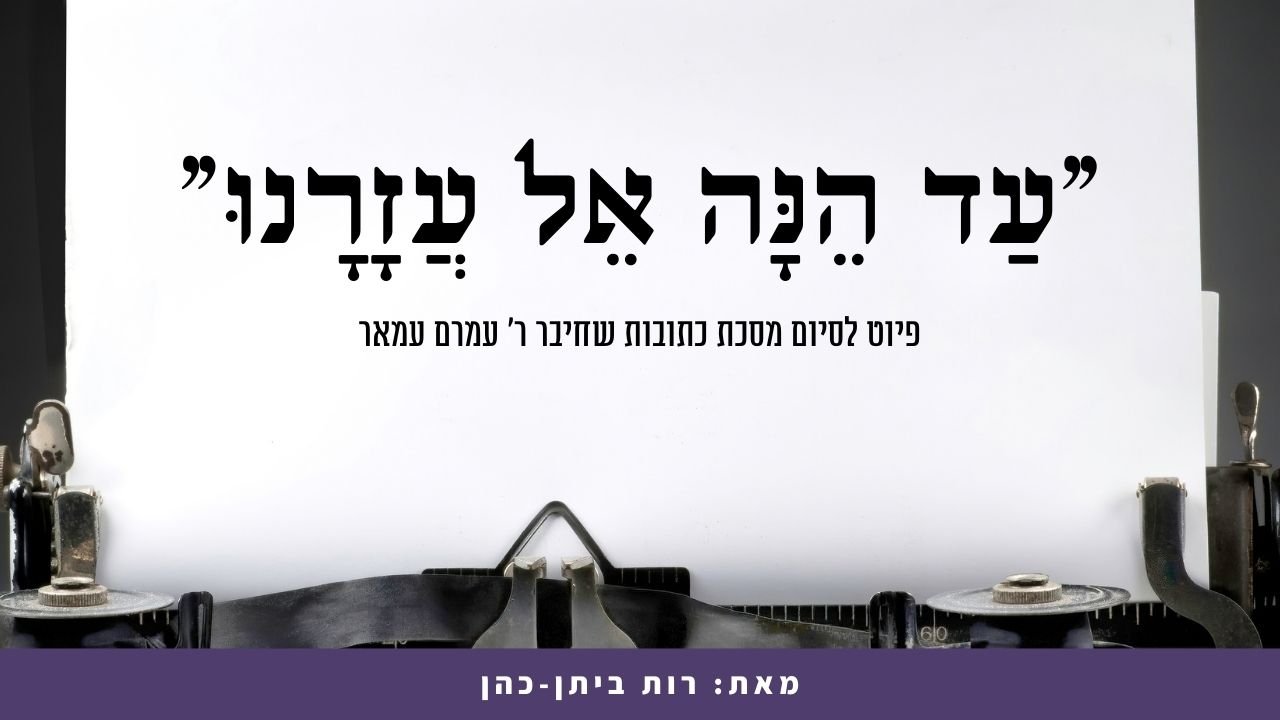
‘עַד הֵנָּה אֵל עֲזָרָנוּ’ – פיוט לסיום מסכת כתובות שחיבר ר’ עמרם עמאר – רות ביתן-כהן
26.10.2022 | א׳ בחשון תשפ״ג








חדשה בלימוד הגמרא?
זה הדף הראשון שלך? איזו התרגשות עצומה! יש לנו בדיוק את התכנים והכלים שיעזרו לך לעשות את הצעדים הראשונים ללמידה בקצב וברמה שלך, כך תוכלי להרגיש בנוח גם בתוך הסוגיות המורכבות ומאתגרות.
פסיפס הלומדות שלנו
גלי את קהילת הלומדות שלנו, מגוון נשים, רקעים וסיפורים. כולן חלק מתנועה ומסע מרגש ועוצמתי.
התחלתי בתחילת הסבב, והתמכרתי. זה נותן משמעות נוספת ליומיום ומאוד מחזק לתת לזה מקום בתוך כל שגרת הבית-עבודה השוטפת.

רעות אברהמי
בית שמש, ישראל
בסוף הסבב הקודם ראיתי את השמחה הגדולה שבסיום הלימוד, בעלי סיים כבר בפעם השלישית וכמובן הסיום הנשי בבנייני האומה וחשבתי שאולי זו הזדמנות עבורי למשהו חדש.
למרות שאני שונה בסביבה שלי, מי ששומע על הלימוד שלי מפרגן מאוד.
אני מנסה ללמוד קצת בכל יום, גם אם לא את כל הדף ובסך הכל אני בדרך כלל עומדת בקצב.
הלימוד מעניק המון משמעות ליום יום ועושה סדר בלמוד תורה, שתמיד היה (ועדיין) שאיפה. אבל אין כמו קביעות

רחלי מנדלסון
טל מנשה, ישראל
התחלתי לפני 8 שנים במדרשה. לאחרונה סיימתי מסכת תענית בלמידה עצמית ועכשיו לקראת סיום מסכת מגילה.

דניאלה ברוכים
רעננה, ישראל
התחלתי ללמוד דף יומי לפני שנתיים, עם מסכת שבת. בהתחלה ההתמדה היתה קשה אבל בזכות הקורונה והסגרים הצלחתי להדביק את הפערים בשבתות הארוכות, לסיים את מסכת שבת ולהמשיך עם המסכתות הבאות. עכשיו אני מסיימת בהתרגשות רבה את מסכת חגיגה וסדר מועד ומחכה לסדר הבא!

אילנה שכנוביץ
מודיעין, ישראל
A life-changing journey started with a Chanukah family tiyul to Zippori, home of the Sanhedrin 2 years ago and continued with the Syum in Binanei Hauma where I was awed by the energy of 3000 women dedicated to learning daf Yomi. Opening my morning daily with a fresh daf, I am excited with the new insights I find enriching my life and opening new and deeper horizons for me.

בקי גולדשטיין
Elazar gush etzion, Israel
התחלתי ללמוד דף יומי שהתחילו מסכת כתובות, לפני 7 שנים, במסגרת קבוצת לימוד שהתפרקה די מהר, ומשם המשכתי לבד בתמיכת האיש שלי. נעזרתי בגמרת שטיינזלץ ובשיעורים מוקלטים.
הסביבה מאד תומכת ואני מקבלת המון מילים טובות לאורך כל הדרך. מאז הסיום הגדול יש תחושה שאני חלק מדבר גדול יותר.
אני לומדת בשיטת ה”7 דפים בשבוע” של הרבנית תרצה קלמן – כלומר, לא נורא אם לא הצלחת ללמוד כל יום, העיקר שגמרת ארבעה דפים בשבוע

רחל גולדשטיין
עתניאל, ישראל
My explorations into Gemara started a few days into the present cycle. I binged learnt and become addicted. I’m fascinated by the rich "tapestry” of intertwined themes, connections between Masechtot, conversations between generations of Rabbanim and learners past and present all over the world. My life has acquired a golden thread, linking generations with our amazing heritage.
Thank you.

סוזן כשדן
חשמונאים, Israel
התחלתי ללמוד דף יומי ממסכת נידה כי זה היה חומר הלימוד שלי אז. לאחר הסיום הגדול בבנייני האומה החלטתי להמשיך. וב”ה מאז עם הפסקות קטנות של קורונה ולידה אני משתדלת להמשיך ולהיות חלק.
זה משפיע מאוד על היום יום שלי ועל אף שאני עסוקה בלימודי הלכה ותורה כל יום, זאת המסגרת הקבועה והמחייבת ביותר שיש לי.

מוריה תעסן מיכאלי
גבעת הראל, ישראל
התחלתי מעט לפני תחילת הסבב הנוכחי. אני נהנית מהאתגר של להמשיך להתמיד, מרגעים של "אהה, מפה זה הגיע!” ומהאתגר האינטלקטואלי

אילת-חן ודלר
לוד, ישראל
רבנית מישל הציתה אש התלמוד בלבבות בביניני האומה ואני נדלקתי. היא פתחה פתח ותמכה במתחילות כמוני ואפשרה לנו להתקדם בצעדים נכונים וטובים. הקימה מערך שלם שמסובב את הלומדות בסביבה תומכת וכך נכנסתי למסלול לימוד מעשיר שאין כמוה. הדרן יצר קהילה גדולה וחזקה שמאפשרת התקדמות מכל נקודת מוצא. יש דיבוק לומדות שמחזק את ההתמדה של כולנו. כל פניה ושאלה נענית בזריזות ויסודיות. תודה גם למגי על כל העזרה.

שרה אבר
נתניה, ישראל
התחלתי בסיום הש”ס, יצאתי באורות. נשברתי פעמיים, ובשתיהם הרבנית מישל עודדה להמשיך איפה שכולם בסבב ולהשלים כשאוכל, וכך עשיתי וכיום השלמתי הכל. מדהים אותי שאני לומדת כל יום קצת, אפילו בחדר הלידה, בבידוד או בחו”ל. לאט לאט יותר נינוחה בסוגיות. לא כולם מבינים את הרצון, בפרט כפמניסטית. חשה סיפוק גדול להכיר את המושגים וצורת החשיבה. החלום זה להמשיך ולהתמיד ובמקביל ללמוד איך מהסוגיות נוצרה והתפתחה ההלכה.

קרן וינגרטן שרינגטון
מודיעין, ישראל
התחלתי מעט לפני תחילת הסבב הנוכחי. אני נהנית מהאתגר של להמשיך להתמיד, מרגעים של "אהה, מפה זה הגיע!” ומהאתגר האינטלקטואלי
אילת-חן ודלר
לוד, ישראל
התחלתי ללמוד דף יומי בסבב הקודם. זכיתי לסיים אותו במעמד המרגש של הדרן. בסבב הראשון ליווה אותי הספק, שאולי לא אצליח לעמוד בקצב ולהתמיד. בסבב השני אני לומדת ברוגע, מתוך אמונה ביכולתי ללמוד ולסיים. בסבב הלימוד הראשון ליוותה אותי חוויה מסויימת של בדידות. הדרן העניקה לי קהילת לימוד ואחוות נשים. החוויה של סיום הש”ס במעמד כה גדול כשנשים שאינן מכירות אותי, שמחות ומתרגשות עבורי , היתה חוויה מרוממת נפש

אילנית ווייל
קיבוץ מגדל עוז, ישראל
כבר סיפרתי בסיום של מועד קטן.
הלימוד מאוד משפיעה על היום שלי כי אני לומדת עם רבנית מישל על הבוקר בזום. זה נותן טון לכל היום – בסיס למחשבות שלי .זה זכות גדול להתחיל את היום בלימוד ובתפילה. תודה רבה !

שרה ברלוביץ
ירושלים, ישראל
אמא שלי למדה איתי ש”ס משנה, והתחילה ללמוד דף יומי. אני החלטתי שאני רוצה ללמוד גם. בהתחלה למדתי איתה, אח”כ הצטרפתי ללימוד דף יומי שהרב דני וינט מעביר לנוער בנים בעתניאל. במסכת עירובין עוד חברה הצטרפה אלי וכשהתחלנו פסחים הרב דני פתח לנו שעור דף יומי לבנות. מאז אנחנו לומדות איתו קבוע כל יום את הדף היומי (ובשבת אבא שלי מחליף אותו). אני נהנית מהלימוד, הוא מאתגר ומעניין

רננה הלמן
עתניאל, ישראל
התחלתי ללמוד דף יומי שהתחילו מסכת כתובות, לפני 7 שנים, במסגרת קבוצת לימוד שהתפרקה די מהר, ומשם המשכתי לבד בתמיכת האיש שלי. נעזרתי בגמרת שטיינזלץ ובשיעורים מוקלטים.
הסביבה מאד תומכת ואני מקבלת המון מילים טובות לאורך כל הדרך. מאז הסיום הגדול יש תחושה שאני חלק מדבר גדול יותר.
אני לומדת בשיטת ה”7 דפים בשבוע” של הרבנית תרצה קלמן – כלומר, לא נורא אם לא הצלחת ללמוד כל יום, העיקר שגמרת ארבעה דפים בשבוע
רחל גולדשטיין
עתניאל, ישראל
"התחלתי ללמוד דף יומי במחזור הזה, בח’ בטבת תש””ף. לקחתי על עצמי את הלימוד כדי ליצור תחום של התמדה יומיומית בחיים, והצטרפתי לקבוצת הלומדים בבית הכנסת בכפר אדומים. המשפחה והסביבה מתפעלים ותומכים.
בלימוד שלי אני מתפעלת בעיקר מכך שכדי ללמוד גמרא יש לדעת ולהכיר את כל הגמרא. זו מעין צבת בצבת עשויה שהיא עצומה בהיקפה.”

שרה פוּקס
כפר אדומים, ישראל
התחלתי ללמוד דף יומי בתחילת מסכת ברכות, עוד לא ידעתי כלום. נחשפתי לסיום הש״ס, ובעצם להתחלה מחדש בתקשורת, הפתיע אותי לטובה שהיה מקום לעיסוק בתורה.
את המסכתות הראשונות למדתי, אבל לא סיימתי (חוץ מעירובין איכשהו). השנה כשהגעתי למדרשה, נכנסתי ללופ, ואני מצליחה להיות חלק, סיימתי עם החברותא שלי את כל המסכתות הקצרות, גם כשהיינו חולות קורונה ובבידודים, למדנו לבד, העיקר לא לצבור פער, ומחכות ליבמות 🙂

עדן ישורון
מזכרת בתיה, ישראל
רציתי לקבל ידע בתחום שהרגשתי שהוא גדול וחשוב אך נעלם ממני. הלימוד מעניק אתגר וסיפוק ומעמיק את תחושת השייכות שלי לתורה וליהדות

רות עגיב
עלי זהב – לשם, ישראל
התחלתי לפני 8 שנים במדרשה. לאחרונה סיימתי מסכת תענית בלמידה עצמית ועכשיו לקראת סיום מסכת מגילה.
דניאלה ברוכים
רעננה, ישראל
כתובות מט
וְאֵימָא: הֵיכָא דְּהָדְרָא לְבֵי נָשָׁא — הָדְרָא לְמִילְּתָא קַמַּיְיתָא? אָמַר רָבָא: הָהוּא כְּבָר פַּסְקַהּ תַּנָּא דְּבֵי רַבִּי יִשְׁמָעֵאל,
The Gemara asks another question: But say that in a case where she returns to her father’s house, she returns to the previous matter, i.e., her former status, as though she had never left her father’s authority. Rava said: That question has already been resolved by the tanna of the school of Rabbi Yishmael.
דְּתָנָא דְּבֵי רַבִּי יִשְׁמָעֵאל: ״וְנֵדֶר אַלְמָנָה וּגְרוּשָׁה כֹּל אֲשֶׁר אָסְרָה עַל נַפְשָׁהּ יָקוּם עָלֶיהָ״, מָה תַּלְמוּד לוֹמַר? וַהֲלֹא מוּצֵאת מִכְּלַל אָב וּמוּצֵאת מִכְּלַל בַּעַל!
This is as the tanna of the school of Rabbi Yishmael taught: “But the vow of a widow or of a divorcée, everything with which she has bound her soul shall stand against her” (Numbers 30:10). What is the meaning when the verse states this? Is it not already known that if she is widowed or divorced she has already been removed from the category of one under the authority of her father and she has likewise been removed from the category of one under the authority of her husband? Who, then, could possibly nullify her vows?
אֶלָּא, הֲרֵי שֶׁמָּסַר הָאָב לִשְׁלוּחֵי הַבַּעַל, אוֹ שֶׁמָּסְרוּ שְׁלוּחֵי הָאָב לִשְׁלוּחֵי הַבַּעַל, וְנִתְאַרְמְלָה בַּדֶּרֶךְ אוֹ נִתְגָּרְשָׁה, הֵיאַךְ אֲנִי קוֹרֵא בָּהּ: בֵּית אָבִיהָ שֶׁל זוֹ, אוֹ בֵּית בַּעְלָהּ שֶׁל זוֹ? אֶלָּא לוֹמַר לְךָ: כֵּיוָן שֶׁיָּצְאָה שָׁעָה אַחַת מֵרְשׁוּת הָאָב — שׁוּב אֵינוֹ יָכוֹל לְהָפֵר.
Rather, this is referring to a case where the father delivered his daughter to the husband’s messengers or where the father’s messengers delivered her to the husband’s messengers, and she was widowed or divorced on her way to the wedding canopy. How do I consider her? Is she a member of her father’s house, or a member of her husband’s house? Her status is entirely unclear. Rather, this verse comes to tell you: Since she has left her father’s domain for a short time her father is no longer able to nullify her vows, as she is considered a widow or a divorcée in all regards. The same applies to the issue at hand: She retains the status of a married woman even if she returns to her father’s house.
אָמַר רַב פָּפָּא אַף אֲנַן נָמֵי תְּנֵינָא: הַבָּא עַל נַעֲרָה הַמְאוֹרָסָה — אֵינוֹ חַיָּיב עַד שֶׁתְּהֵא נַעֲרָה בְּתוּלָה מְאוֹרָסָה, וְהִיא בְּבֵית אָבִיהָ. בִּשְׁלָמָא ״נַעֲרָה״ — וְלֹא בּוֹגֶרֶת, ״בְּתוּלָה״ — וְלֹא בְּעוּלָה, ״מְאוֹרָסָה״ — וְלֹא נְשׂוּאָה. ״בְּבֵית אָבִיהָ״ לְמַעוֹטֵי מַאי? לָאו לְמַעוֹטֵי מָסַר הָאָב לִשְׁלוּחֵי הַבַּעַל?!
Rav Pappa said: We, too, learn this principle in a mishna (Sanhedrin 66b): One who has intercourse with a young woman betrothed to another is liable to stoning only if she is a virgin, a young woman, betrothed, and she is in her father’s house. The Gemara analyzes this mishna: Granted, the term young woman indicates that this punishment does not apply if she is a grown woman; similarly, this punishment applies only if she is a virgin, but not if she is a non-virgin, and only if she is betrothed, but not if she is a married woman. However, when the mishna states that she is in her father’s house, what does that phrase come to exclude? Does it not serve to exclude a case when the father delivered her to the husband’s messengers, indicating that in such a case the punishment of stoning no longer applies?
אָמַר רַב נַחְמָן בַּר יִצְחָק, אַף אֲנַן נָמֵי תְּנֵינָא: הַבָּא עַל אֵשֶׁת אִישׁ, כֵּיוָן שֶׁנִּכְנְסָה לִרְשׁוּת הַבַּעַל לְנִשּׂוּאִין, אַף עַל פִּי שֶׁלֹּא נִבְעֲלָה — הַבָּא עָלֶיהָ הֲרֵי זֶה בְּחֶנֶק. נִכְנְסָה לִרְשׁוּת הַבַּעַל בְּעָלְמָא שְׁמַע מִינַּהּ.
Rav Naḥman bar Yitzḥak said: We, too, learn this principle in another mishna (Sanhedrin 89a): With regard to one who has intercourse with a married woman, once she has entered her husband’s authority for marriage, even though she has not had intercourse with him, one who has intercourse with her is punished by strangulation, which is the punishment for adultery with a married woman. It is clear that this halakha applies if she merely entered the husband’s authority for the purpose of marriage, even if they have not yet entered the wedding canopy. The Gemara concludes: Indeed, learn from here that this is so.
מַתְנִי׳ הָאָב אֵינוֹ חַיָּיב בִּמְזוֹנוֹת בִּתּוֹ. זֶה מִדְרָשׁ דָּרַשׁ רַבִּי אֶלְעָזָר בֶּן עֲזַרְיָה לִפְנֵי חֲכָמִים בַּכֶּרֶם בְּיַבְנֶה: הַבָּנִים יִירְשׁוּ וְהַבָּנוֹת יִזּוֹנוּ. מָה הַבָּנִים אֵינָן יוֹרְשִׁין אֶלָּא לְאַחַר מִיתַת הָאָב — אַף הַבָּנוֹת אֵין נִיזּוֹנוֹת אֶלָּא לְאַחַר מִיתַת אֲבִיהֶן.
MISHNA: A father is not obligated to provide his daughter’s sustenance. This exposition was expounded by Rabbi Elazar ben Azarya before the Sages in the vineyard of Yavne: Since the Sages instituted that after the father’s death, the sons inherit the sum of money specified in their mother’s marriage contract, and the daughters are sustained from their father’s estate, these the two halakhot are equated: Just as the sons inherit only after the father’s death, not during his lifetime, so too, the daughters are sustained from his property only after their father’s death.
גְּמָ׳ בִּמְזוֹנוֹת בִּתּוֹ הוּא דְּאֵינוֹ חַיָּיב, הָא בִּמְזוֹנוֹת בְּנוֹ — חַיָּיב. בִּתּוֹ נָמֵי: חוֹבָה הוּא דְּלֵיכָּא, הָא מִצְוָה אִיכָּא. מַנִּי מַתְנִיתִין? לָא רַבִּי מֵאִיר, לָא רַבִּי יְהוּדָה, וְלָא רַבִּי יוֹחָנָן בֶּן בְּרוֹקָא.
GEMARA: With regard to the mishna’s statement that a father is not obligated to provide his daughter’s sustenance, the Gemara infers: It is with regard to providing his daughter’s sustenance that he is not obligated, but with regard to providing his son’s sustenance, he is obligated. Furthermore, with regard to his daughter, too, there is no obligation, and therefore the court cannot compel him to provide sustenance for his daughter, but there is a mitzva, i.e., it is proper, for him to do so. With this interpretation in mind, whose opinion is expressed in the mishna? It is not Rabbi Meir, nor Rabbi Yehuda, nor Rabbi Yoḥanan ben Beroka.
דְּתַנְיָא: מִצְוָה לָזוּן אֶת הַבָּנוֹת, קַל וְחוֹמֶר לַבָּנִים — דְּעָסְקִי בַּתּוֹרָה, דִּבְרֵי רַבִּי מֵאִיר. רַבִּי יְהוּדָה אוֹמֵר: מִצְוָה לָזוּן אֶת הַבָּנִים, וְקַל וָחוֹמֶר לַבָּנוֹת — מִשּׁוּם זִילוּתָא. רַבִּי יוֹחָנָן בֶּן בְּרוֹקָא אוֹמֵר: חוֹבָה לָזוּן אֶת הַבָּנוֹת לְאַחַר מִיתַת אֲבִיהֶן, אֲבָל בְּחַיֵּי אֲבִיהֶן — אֵלּוּ וָאֵלּוּ אֵינָן נִיזּוֹנִין.
As it is taught in a baraita, it is a mitzva to sustain daughters, and the same applies by an a fortiori inference to sons, who are engaged in the study of Torah. This is the statement of Rabbi Meir. Rabbi Yehuda says: It is a mitzva to sustain sons, and the same applies by an a fortiori inference with regard to daughters, due to the dishonor they will suffer if they are forced to go around begging. Rabbi Yoḥanan ben Beroka says: It is an obligation to sustain the daughters after their father’s death; however, during their father’s lifetime both these and those, sons and daughters alike, are not sustained.
מַנִּי מַתְנִיתִין? אִי רַבִּי מֵאִיר הָא אָמַר בָּנִים מִצְוָה?! אִי רַבִּי יְהוּדָה, הָא אָמַר בָּנִים נָמֵי מִצְוָה! אִי רַבִּי יוֹחָנָן בֶּן בְּרוֹקָא, אֲפִילּוּ מִצְוָה נָמֵי לֵיכָּא!
The Gemara restates its question: Whose opinion is expressed in the mishna? If you say it is Rabbi Meir, didn’t he say that providing sustenance even to one’s sons is merely a mitzva, not an obligation? If the mishna expresses the opinion of Rabbi Yehuda, didn’t he say that providing sustenance to one’s sons is also a mitzva, not an obligation? If it is Rabbi Yoḥanan ben Beroka, according to his opinion there is not even a mitzva to provide sustenance for one’s daughters. Consequently, none of opinions of the tanna’im of the baraita fits the ruling of the mishna.
אִיבָּעֵית אֵימָא רַבִּי מֵאִיר, אִיבָּעֵית אֵימָא רַבִּי יְהוּדָה, אִיבָּעֵית אֵימָא רַבִּי יוֹחָנָן בֶּן בְּרוֹקָא.
The Gemara answers that the mishna can be explained in several different ways. If you wish, say that the mishna is in accordance with the opinion of Rabbi Meir; if you wish, say that it follows the opinion of Rabbi Yehuda; and if you wish, say it is the opinion of Rabbi Yoḥanan ben Beroka.
אִיבָּעֵית אֵימָא רַבִּי מֵאִיר וְהָכִי קָאָמַר: הָאָב אֵינוֹ חַיָּיב בִּמְזוֹנוֹת בִּתּוֹ, וְהוּא הַדִּין לִבְנוֹ. הָא מִצְוָה בְּבִתּוֹ אִיכָּא, קַל וָחוֹמֶר לַבָּנִים. וְהַאי דְּקָתָנֵי בִּתּוֹ — הָא קָא מַשְׁמַע לַן:
The Gemara explains in detail: If you wish, say it is Rabbi Meir, and this is what he said in the mishna: A father is not obligated to provide his daughter’s sustenance, and the same is true with regard to providing sustenance for his son. This indicates that there is a mitzva, though not an obligation, to provide for his daughter, and by an a fortiori inference it is a mitzva with regard to the sons. And the reason that the mishna teaches only the case of his daughter, and omitted any mention of sons, is not because a father is obligated to feed his sons. Instead, it teaches us this:
דַּאֲפִילּוּ בִּתּוֹ, חוֹבָה הוּא דְּלֵיכָּא, הָא מִצְוָה אִיכָּא.
That even with regard to his daughter, there is no obligation to provide her sustenance, however, there is a mitzva to do so.
וְאִיבָּעֵית אֵימָא רַבִּי יְהוּדָה, וְהָכִי קָאָמַר: הָאָב אֵינוֹ חַיָּיב בִּמְזוֹנוֹת בִּתּוֹ, וְכׇל שֶׁכֵּן לִבְנוֹ. הָא מִצְוָה בִּבְנוֹ אִיכָּא, וְקַל וָחוֹמֶר לַבָּנוֹת. וְהָא דְּקָתָנֵי בִּתּוֹ — הָא קָא מַשְׁמַע לַן דַּאֲפִילּוּ בִּתּוֹ חוֹבָה לֵיכָּא.
And if you wish, say that the mishna is in accordance with the opinion of Rabbi Yehuda, and this what he said in the mishna: A father is not obligated to provide sustenance for his daughter, and all the more so he is not duty-bound to provide for his son. It may be inferred from here that there is at least a mitzva with regard to a son, and the same applies by a fortiori inference with regard to the daughters. And the reason that the mishna teaches the case of his daughter is because it teaches us this: That even with regard to his daughter there is no obligation, despite the mitzva to guard her from dishonor.
וְאִיבָּעֵית אֵימָא רַבִּי יוֹחָנָן בֶּן בְּרוֹקָא, וְהָכִי קָאָמַר: אֵינוֹ חַיָּיב בִּמְזוֹנוֹת בִּתּוֹ, וְהוּא הַדִּין לִבְנוֹ. וְהוּא הַדִּין דַּאֲפִילּוּ מִצְוָה נָמֵי לֵיכָּא, וְאַיְּידֵי דְּבָנוֹת לְאַחַר מִיתַת אֲבִיהֶן חוֹבָה, תְּנָא נָמֵי אֵינוֹ חַיָּיב.
And if you wish, say that the mishna is in accordance with the opinion of Rabbi Yoḥanan ben Beroka, and this is what he said in the mishna: A father is not obligated to provide sustenance for his daughter, and the same is true with regard to providing for his son. And the same is true with regard to a mitzva; there is not even a mitzva to feed either one’s sons or daughters, but since the tanna wanted to say with regard to daughters that after their father’s death there is an obligation to sustain them from his estate, he also taught in a parallel manner that the father is not obligated to provide sustenance for his daughters during his lifetime. Consequently, it is incorrect to infer from here that there is a mitzva to sustain them despite the lack of obligation; rather, the tanna means that there is no obligation and not even a mitzva to do so.
אָמַר רַבִּי אִילְעָא אָמַר רֵישׁ לָקִישׁ מִשּׁוּם רַבִּי יְהוּדָה בַּר חֲנִינָא: בְּאוּשָׁא הִתְקִינוּ שֶׁיְּהֵא אָדָם זָן אֶת בָּנָיו וְאֶת בְּנוֹתָיו כְּשֶׁהֵן קְטַנִּים. אִיבַּעְיָא לְהוּ: הִלְכְתָא כְּווֹתֵיהּ אוֹ אֵין הִלְכְתָא כְּווֹתֵיהּ? תָּא שְׁמַע: כִּי הֲוָה אָתוּ לְקַמֵּיהּ דְּרַב יְהוּדָה אֲמַר לְהוּ: יָארוּד יָלְדָה, וְאַבְּנֵי מָתָא שָׁדְיָא?!
§ Rabbi Ile’a said that Reish Lakish said in the name of Rabbi Yehuda bar Ḥanina: In Usha the Sages instituted that a man should sustain his sons and daughters when they are minors. A dilemma was raised before the Sages: Is the halakha in accordance with his opinion or is the halakha not in accordance with his opinion? Must a man feed his young children in practice or not? The Gemara answers: Come and hear: When they would come before Rav Yehuda to complain about a father who refused to sustain his children, he would say to them: The jackal [yarod] bears offspring and casts the obligation to feed them on the residents of the town? Even a jackal feeds its young, and it is certainly proper for a father to support his children.
כִּי הֲוָה אָתוּ לְקַמֵּיהּ דְּרַב חִסְדָּא, אֲמַר לְהוּ: כְּפוֹ לֵיהּ אֲסִיתָא בְּצִבּוּרָא, וְלֵיקוּם וְלֵימָא: עוֹרְבָא בָּעֵי בְּנֵיהּ וְהָהוּא גַּבְרָא לָא בָּעֵי בְּנֵיהּ?! וְעוֹרְבָא בָּעֵי בְּנֵיהּ? וְהָכְתִיב: ״לִבְנֵי עוֹרֵב אֲשֶׁר יִקְרָאוּ״! לָא קַשְׁיָא, הָא בְּחִיוָּרֵי, הָא בְּאוּכָּמֵי.
When they would come before Rav Ḥisda to register a similar complaint, he would say to them: Turn over a mortar for him in public, as a raised platform, and let that father stand up and say about himself: The raven wants to care for its sons, and yet this man does not want to support his sons. The Gemara questions this statement: And does the raven want to feed its sons? But isn’t it written: “He gives to the beast its food, to the young ravens that cry” (Psalms 147:9)? This verse indicates that the parents of young ravens do not feed them. The Gemara responds: This is not difficult, as in this case it is referring to white ones, and in that case it is referring to black ones. There are different types of ravens, some of which feed their young while others do not.
כִּי הֲוָה אָתֵי לְקַמֵּיהּ דְּרָבָא, אֲמַר לֵיהּ: נִיחָא לָךְ דְּמִיתַּזְנִי בְּנָיךְ מִצְּדָקָה?
The Gemara further relates: When an incident of this kind would come before Rava, he would say to the father: Is it satisfactory to you that your sons are sustained through charity? All these incidents prove that the halakha is not in accordance with the enactment of Usha; although these Sages stated forcefully that it is proper for a father to support his children, they did not force him to do so by the authority of the court.
וְלָא אֲמַרַן, אֶלָּא דְּלָא אֲמִיד, אֲבָל אֲמִיד — כָּפֵינַן לֵיהּ עַל כֻּרְחֵיהּ. כִּי הָא דְּרָבָא כַּפְיֵיהּ לְרַב נָתָן בַּר אַמֵּי וְאַפֵּיק מִינֵּיהּ אַרְבַּע מְאָה זוּזֵי לִצְדָקָה.
The Gemara adds: And we said this halakha only when he is not wealthy and must toil hard to provide food for his children, but if he is wealthy we coerce him against his will to sustain them. Like this case of Rava, who coerced Rav Natan bar Ami, who was a wealthy man, to donate to charity, and collected from him four hundred dinars for charity. This shows that even in the absence of a particular obligation, the court will compel a person to give charity if he can afford it. The same reasoning certainly applies to a man’s own children.
אָמַר רַבִּי אִילְעָא אָמַר רֵישׁ לָקִישׁ: בְּאוּשָׁא הִתְקִינוּ הַכּוֹתֵב כׇּל נְכָסָיו לְבָנָיו — הוּא וְאִשְׁתּוֹ נִזּוֹנִים מֵהֶם.
§ Rabbi Ile’a said that Reish Lakish said: In Usha the Sages instituted that in a case of one who writes a document stating that he is giving all his property as a gift to his sons in his lifetime, he and his wife are sustained from the property until their deaths.
מַתְקֵיף לַהּ רַבִּי זֵירָא וְאִיתֵּימָא רַבִּי שְׁמוּאֵל בַּר נַחְמָנִי: גְּדוֹלָה מִזּוֹ אָמְרוּ, אַלְמְנָתוֹ נִזּוֹנֶת מִנְּכָסָיו, הוּא וְאִשְׁתּוֹ מִיבַּעְיָא?!
Rabbi Zeira objects to this, and some say this objection was raised by Rabbi Shmuel bar Naḥmani: What is the significance of this ruling? After all, the Sages said a greater novelty than that: A man’s widow is sustained from his property even if his estate was inherited by his daughter and therefore belongs to her husband. Although the property is comparable to property from the estate that was sold to a third party, from which a widow is not entitled to claim her sustenance, in this case the Sages decreed that she can claim her livelihood from her late husband’s estate to prevent her from losing out entirely. With this in mind, is it necessary to state that he and his wife, during his lifetime, receive their sustenance from property he gave as a gift to his sons?
דִּשְׁלַח רָבִין בְּאִיגַּרְתֵּיהּ: מִי שֶׁמֵּת וְהִנִּיחַ אַלְמָנָה וּבַת — אַלְמְנָתוֹ נִיזּוֹנֶת מִנְּכָסָיו. נִישֵּׂאת הַבַּת — אַלְמְנָתוֹ נִיזּוֹנֶת מִנְּכָסָיו.
The Gemara provides the background for this ruling: As Ravin sent in his letter to Babylonia: With regard to one who died and left a widow and a daughter, his widow is sustained from his property, as this is a stipulation of the marriage contract. If the daughter, who is her father’s heir, married, the estate is considered usufruct property whose produce belongs to her husband, but even so his widow is sustained from his property.
מֵתָה הַבַּת, אָמַר רַבִּי יְהוּדָה בֶּן אֲחוֹתוֹ שֶׁל רַבִּי יוֹסֵי בַּר חֲנִינָא: עַל יָדִי הָיָה מַעֲשֶׂה, וְאָמְרוּ: אַלְמְנָתוֹ נִיזּוֹנֶת מִנְּכָסָיו. הוּא וְאִשְׁתּוֹ מִיבַּעְיָא?!
If the daughter died and her husband inherited from her, Rabbi Yehuda, son of the sister of Rabbi Yosei bar Ḥanina, said: I was involved in an incident of this kind when this very question came before the Sages for a ruling, and they said: Even in this case, his widow is sustained from his property. The Gemara reiterates: With all that said, is it necessary to state that he and his wife are entitled to receive their sustenance from property he gave his son?
מַהוּ דְּתֵימָא: הָתָם הוּא דְּלֵיכָּא דְּטָרַח, אֲבָל הָכָא — נִטְרַח לְדִידֵיהּ וּלְדִידַהּ, קָא מַשְׁמַע לַן.
The Gemara responds: The ordinance is necessary lest you say that it is in that case there, with regard to a widow, that they instituted this halakha, as there is no one to toil on her behalf, since she is by herself, but here, where the husband is alive, he can toil for himself and for her, i.e., his wife. The ordinance of Usha therefore teaches us that the court does not force him to do so, and they may claim their sustenance from his former property.
אִיבַּעְיָא לְהוּ: הִלְכְתָא כְּווֹתֵיהּ אוֹ לֵית הִלְכְתָא כְּווֹתֵיהּ? תָּא שְׁמַע: דְּרַבִּי חֲנִינָא וְרַבִּי יוֹנָתָן הֲווֹ קָיְימִי, אֲתָא הָהוּא גַּבְרָא גְּחֵין וְנַשְּׁקֵיהּ לְרַבִּי יוֹנָתָן אַכַּרְעֵיהּ, אֲמַר לֵיהּ רַבִּי חֲנִינָא: מַאי הַאי? אֲמַר לֵיהּ: כּוֹתֵב נְכָסָיו לְבָנָיו הוּא,
A dilemma was raised before the scholars: Is the halakha in accordance with the opinion of Rabbi Ile’a, or is the halakha not in accordance with his opinion? The Gemara answers: Come and hear, as Rabbi Ḥanina and Rabbi Yonatan were standing together, and a certain man approached, bent over, and kissed Rabbi Yonatan on his foot. Rabbi Ḥanina said to Rabbi Yonatan: What is this? Why does he owe you such a mark of gratitude? He said to him: He wrote a document stating that he was giving his property to his sons,
לעקוב

