חיפוש

קידושין כ

רוצה להקדיש שיעור?

podcast placeholder

0:00
0:00


תקציר

הדף היום מוקדש ע”י מרשה ווסרמן לכבוד בעלה מני.

האם האדון חייב להיות מסוגל להתחתן עם האמה מבחינה הלכתית? מה אם האב התנה את המכירה בכך שלא יוכל להינשא לה? מה אם השפחה נאסרת עליו בנישואין בלאו? מה אם הוא קרוב משפחה שאסור בעונשכרת? אם העבד רוצה לפדות את עצמו ובזמן שהיה עבד, ערכו או עלה או ירד, באיזה ערך הוא נגאל? העבד תמיד מקבל את היתרון הכלכלי. על מה זה מבוסס? האם אפשר לפדות עבד באופן חלקי? האם אפשר לגאול באופן חלקי בית שנמכר בעיר מוקפת חומה?

קידושין כ

לִקְרוֹבִים.

to relatives, e.g., his father, despite the fact that sexual intercourse between them is prohibited.

וַהֲלֹא דִּין הוּא: אִם מוֹכְרָהּ לִפְסוּלִין, לֹא יִמְכְּרֶנָּה לִקְרוֹבִים? מָה לְמוֹכְרָהּ לִפְסוּלִין, שֶׁאִם רָצָה לְיַיעֵד – מְיַיעֵד, יִמְכְּרֶנָּה לִקְרוֹבִים, שֶׁאִם רָצָה לְיַיעֵד – אֵינוֹ מְיַיעֵד? אָמַר קְרָא ״לְאָמָה״ – מְלַמֵּד שֶׁמּוֹכְרָהּ לִקְרוֹבִים.

The baraita asks: Why is it necessary to derive that halakha from the verse? But could this not be derived through logical inference: If he can sell her to people of flawed lineage, can he not sell her to relatives? The baraita answers: The verse is necessary, as what is unique about selling her to people of flawed lineage is that if that master wants to designate her, he can designate her. Although it is prohibited for these people to marry her, nevertheless the betrothal would take effect. Therefore, one cannot learn from this that he can also sell her to relatives. This is a situation where if this master wants to designate her, he cannot designate her, as betrothal is ineffective. Therefore, the verse states “as a maidservant,” which teaches that he can sell her to relatives.

וְרַבִּי מֵאִיר? לִפְסוּלִין, נָפְקָא לֵיהּ מֵהֵיכָא דְּנָפְקָא לֵיהּ לְרַבִּי אֱלִיעֶזֶר. בִּקְרוֹבִים, סָבַר לַהּ כְּרַבָּנַן דְּאָמְרִי אֵין מוֹכְרָהּ לִקְרוֹבִים.

The Gemara asks: And as for Rabbi Meir, who derived from the term “as a maidservant” that one can stipulate that she cannot be designated, how does he know that one can sell her as a maidservant to people of unflawed lineage or relatives? The Gemara answers: He derives that she can be sold to people of flawed lineage from the verse where Rabbi Eliezer derives it: “If she does not please her master” (Exodus 21:8). With regard to relatives, he holds in accordance with the opinion of the Rabbis, who say that he cannot sell her to relatives.

תָּנֵי חֲדָא: מוֹכְרָהּ לְאָבִיו, וְאֵין מוֹכְרָהּ לִבְנוֹ. וְתַנְיָא אִידַּךְ: אֵין מוֹכְרָהּ לֹא לְאָבִיו וְלֹא לִבְנוֹ. בִּשְׁלָמָא אֵינוֹ מוֹכְרָהּ לֹא לְאָבִיו וְלֹא לִבְנוֹ – כְּרַבָּנַן. אֶלָּא מוֹכְרָהּ לְאָבִיו וְאֵין מוֹכְרָהּ לִבְנוֹ, כְּמַאן?

It is taught in one baraita: One can sell his daughter to his father, but he cannot sell her to his son. And it is taught in another baraita: He cannot sell her to his father nor to his son. The Gemara clarifies this issue: Granted, the baraita that states that he cannot sell her to his father nor to his son is in accordance with the opinion of the Rabbis, who say that he cannot sell her to relatives whom she cannot marry. But in accordance with whose opinion is the baraita that states that he can sell her to his father but he cannot sell her to his son?

לָא כְּרַבָּנַן וְלָא כְּרַבִּי אֱלִיעֶזֶר! לְעוֹלָם כְּרַבָּנַן, מוֹדוּ רַבָּנַן הֵיכָא דְּאִיכָּא צַד יִעוּד.

It is not in accordance with the opinion of the Rabbis, who forbid selling her to any relative, and it is not in accordance with the opinion of Rabbi Eliezer, who permits selling her to all relatives. The Gemara answers: Actually, it is in accordance with the opinion of the Rabbis. Although they say he cannot sell her to relatives, the Rabbis concede that he is permitted to do so where there is a possibility of designation. In this case, although the father of the girl’s father cannot marry her, he can designate her as a wife for his other son, who is the girl’s uncle. Since this uncle can marry her, designation is a possibility, and therefore the sale is effective.

תָּנוּ רַבָּנַן: ״אִם בְּגַפּוֹ יָבֹא בְּגַפּוֹ יֵצֵא״ – בְּגוּפוֹ נִכְנַס בְּגוּפוֹ יֵצֵא. רַבִּי אֱלִיעֶזֶר בֶּן יַעֲקֹב אוֹמֵר: יְחִידִי נִכְנַס יְחִידִי יֵצֵא. מַאי בְּגוּפוֹ נִכְנַס בְּגוּפוֹ יֵצֵא? אָמַר רָבָא: לוֹמַר שֶׁאֵינוֹ יוֹצֵא בְּרָאשֵׁי אֵבָרִים כְּעֶבֶד. אֲמַר לֵיהּ אַבָּיֵי: הָהוּא – מִ״לֹּא תֵצֵא כְּצֵאת הָעֲבָדִים״ נָפְקָא.

§ The Sages taught concerning the following verse, which is referring to a Hebrew slave: “If he comes in begappo he shall leave begappo (Exodus 21:3), which means that if he enters with his body [begufo] he shall leave with his body [begufo]. Rabbi Eliezer ben Ya’akov says: If he enters alone he shall leave alone. The Gemara clarifies. What is the meaning of the ruling that if he enters with his body he shall leave with his body? Rava said: This means to say that he is not released through the loss of his extremities like a Canaanite slave (Exodus 21:26), meaning he does not leave his master because of damage done to his body. Abaye said to Rava: This halakha is derived from a different verse: “She shall not go out as the men slaves do” (Exodus 21:7).

אִי מֵהָתָם, הֲוָה אָמֵינָא: נִיתֵּיב לֵיהּ דְּמֵי עֵינֵיהּ וְנִיפּוֹק, קָא מַשְׁמַע לַן.

Rava answers: If this halakha were derived only from there, I would say: The master should give him the value of the eye that he took out and let him be released. In other words, one could say that the verse which states that a Hebrew maidservant does not leave as Canaanite slaves leave, which would serve as the source for the halakha of a Hebrew slave as well, does not mean that she is not released at all due to the loss of her extremities. Rather, it means that unlike Canaanite slaves, she receives compensation for the injury as well as being released. Therefore, the verse: “If he comes in with his body he shall leave with his body,” teaches us that this is not so. Rather, although the master must reimburse him for the loss of his eye, he is not freed as a result of the injury.

רַבִּי אֱלִיעֶזֶר בֶּן יַעֲקֹב אוֹמֵר: יְחִידִי נִכְנַס יְחִידִי יֵצֵא. מַאי יְחִידִי יֵצֵא? אָמַר רַב נַחְמָן בַּר יִצְחָק הָכִי קָאָמַר: יֵשׁ לוֹ אִשָּׁה וּבָנִים – רַבּוֹ מוֹסֵר לוֹ שִׁפְחָה כְּנַעֲנִית, אֵין לוֹ אִשָּׁה וּבָנִים – אֵין רַבּוֹ מוֹסֵר לוֹ שִׁפְחָה כְּנַעֲנִית.

The Gemara discusses the second opinion in the baraita. Rabbi Eliezer ben Ya’akov says: If he enters alone, he shall leave alone. The Gemara asks: What is the meaning of: He shall leave alone? Rav Naḥman bar Yitzḥak said that this is what Rabbi Eliezer ben Ya’akov is saying: If the Hebrew slave has a wife and children when he is purchased, his master may provide him with a Canaanite maidservant. But if he did not have a wife and children, i.e., he enters alone, his master may not provide him with a Canaanite maidservant.

תָּנוּ רַבָּנַן: נִמְכַּר בְּמָנֶה, וְהִשְׁבִּיחַ וְעָמַד עַל מָאתַיִם, מִנַּיִן שֶׁאֵין מְחַשְּׁבִין לוֹ, אֶלָּא מָנֶה – שֶׁנֶּאֱמַר: ״מִכֶּסֶף מִקְנָתוֹ״.

§ The Sages taught: With regard to a slave who was sold for one hundred dinars and increased in value during his term, and his value stood at two hundred dinars, from where is it derived that if he wishes to redeem himself one assesses him, for the payment of the remainder of his service, based only on the calculation of one hundred dinars, his value when originally purchased? As it is stated: “Out of the money that he was bought for” (Leviticus 25:51).

נִמְכַּר בְּמָאתַיִם וְהִכְסִיף וְעָמַד עַל מָנֶה, מִנַּיִן שֶׁאֵין מְחַשְּׁבִין לוֹ אֶלָּא מָנֶה – תַּלְמוּד לוֹמַר: ״כְּפִי שָׁנָיו״.

If he was sold for two hundred dinars and decreased in value and stood at one hundred dinars, from where is it derived that when he is redeemed one assesses him based only on the calculation of one hundred dinars? The verse states: “According to his years he shall give back the price of his redemption” (Leviticus 25:52), meaning that he pays in accordance with the value of his remaining years of service.

אֵין לִי אֶלָּא עֶבֶד הַנִּמְכָּר לְנׇכְרִי, הוֹאִיל וְנִגְאָל בִּקְרוֹבִים – יָדוֹ עַל הַתַּחְתּוֹנָה.

I have derived this halakha only in the case of a slave sold to a gentile, since the Torah is lenient with regard to his redemption, as he may be redeemed even by relatives who pay his money and free him. Consequently, in this case the owner is at a disadvantage, and regardless of whether his value increased or decreased the slave always pays the lower amount.

נִמְכָּר לְיִשְׂרָאֵל מְנָלַן? תַּלְמוּד לוֹמַר: ״שָׂכִיר״ ״שָׂכִיר״ לִגְזֵירָה שָׁוָה.

In a case where the slave was sold to a Jew, from where do we derive that this halakha also applies to him? The verse states with regard to a Hebrew slave sold to a Jew: “As a hired worker and as a settler he shall be with you” (Leviticus 25:40), and it states with regard to one sold to a gentile: “As a hired worker year by year he shall be with him” (Leviticus 25:53), for a verbal analogy. This verbal analogy teaches that the same halakha applies to one sold to a gentile as to one sold to a Jew.

אָמַר אַבָּיֵי: הֲרֵינִי כְּבֶן עַזַּאי בְּשׁוּקֵי טְבֶרְיָא. אֲמַר לֵיהּ הָהוּא מֵרַבָּנַן לְאַבָּיֵי: מִכְּדִי הָנֵי קְרָאֵי אִיכָּא לְמִידְרְשִׁינְהוּ לְקוּלָּא וְאִיכָּא לְמִידְרְשִׁינְהוּ לְחוּמְרָא. מַאי חָזֵית (דְּדַרְשִׁינְהוּ) [לְמִידְרְשִׁינְהוּ] לְקוּלָּא? נִידְרְשִׁינְהוּ לְחוּמְרָא!

When he was in a good mood, Abaye once said: Behold I am like the intellectually sharp ben Azzai, who would regularly expound on the Torah in the markets of Tiberias. I too am ready to answer any question put to me. One of the Sages said to Abaye: After all, with regard to those verses: “Out of the money that he was bought for” and “according to his years,” one could expound them leniently, and assess the cost of redemption at the lower amount. And one could, in equal measure, expound them stringently, i.e., one could say that if a slave was worth more when he was purchased, he pays according to “the money that he was bought for,” and if he increased in value he must pay “according to his years,” i.e., by his present worth. What did you see to cause you to decide to expound them leniently? Let us expound them stringently.

לָא סָלְקָא דַּעְתָּךְ, מִדְּאַקֵּיל רַחֲמָנָא לְגַבֵּיהּ. דְּתַנְיָא: ״כִּי טוֹב לוֹ עִמָּךְ״ – עִמְּךָ בַּמַּאֲכָל וְעִמְּךָ בַּמִּשְׁתֶּה,

Abaye answered: It cannot enter your mind to expound the verses stringently, as indicated from the fact that the Merciful One is lenient with regard to a slave and is concerned about his well-being. As it is taught in a baraita: The verse states concerning a Hebrew slave: “Because he fares well with you” (Deuteronomy 15:16), which teaches that the slave should be with you, i.e., treated as your equal, in food, meaning that his food must be of the same quality as yours, and with you in drink.

שֶׁלֹּא תְּהֵא אַתָּה אוֹכֵל פַּת נְקִיָּה וְהוּא אוֹכֵל פַּת קִיבָּר, אַתָּה שׁוֹתֶה יַיִן יָשָׁן וְהוּא שׁוֹתֶה יַיִן חָדָשׁ, אַתָּה יָשֵׁן עַל גַּבֵּי מוֹכִים וְהוּא יָשֵׁן עַל גַּבֵּי הַתֶּבֶן. מִכָּאן אָמְרוּ: כׇּל הַקּוֹנֶה עֶבֶד עִבְרִי כְּקוֹנֶה אָדוֹן לְעַצְמוֹ.

The baraita continues: This means that there shall not be a situation in which you eat fine bread and he eats inferior bread [kibbar], bread from coarse flour mixed with bran, which is low quality. There shall not be a situation in which you drink aged wine and he drinks inferior new wine. There shall not be a situation in which you sleep comfortably on bedding made from soft sheets and he sleeps on straw. From here the Sages stated: Anyone who acquires a Hebrew slave is considered like one who acquires a master for himself, because he must be careful that the slave’s living conditions are equal to his own.

וְאֵימָא: הָנֵי מִילֵּי לְעִנְיַן אֲכִילָה וּשְׁתִיָּה, כִּי הֵיכִי דְּלָא לִיצְטַעַר לֵיהּ, הָא לְעִנְיַן פִּדְיוֹן נַחְמִיר עֲלֵיהּ. מִדְּרַבִּי יוֹסֵי בְּרַבִּי חֲנִינָא. דְּתַנְיָא: רַבִּי יוֹסֵי בְּרַבִּי חֲנִינָא אוֹמֵר: בֹּא וּרְאֵה כַּמָּה קָשֶׁה אֲבָקָהּ שֶׁל שְׁבִיעִית:

That Sage asked Abaye: But one can say that this leniency in the case of a Hebrew slave applies only to the matter of eating and drinking, so as not to cause him suffering. But with regard to the matter of redemption, perhaps one should be stringent with him. The reason to be stringent is based on a statement of Rabbi Yosei, son of Rabbi Ḥanina. As it is taught in a baraita that Rabbi Yosei, son of Rabbi Ḥanina, says: Come and see how harsh is the violation of even a hint of the Sabbatical Year, i.e., how great are the punishments not just for working the land, but also for treating lightly the sanctity of Sabbatical-Year produce.

אָדָם נוֹשֵׂא וְנוֹתֵן בְּפֵירוֹת שְׁבִיעִית – לְסוֹף מוֹכֵר אֶת מִטַּלְטְלָיו, שֶׁנֶּאֱמַר: ״בִּשְׁנַת הַיּוֹבֵל תָּשֻׁבוּ אִישׁ אֶל אֲחֻזָּתוֹ״, וּסְמִיךְ לֵיהּ: ״וְכִי תִמְכְּרוּ מִמְכָּר לַעֲמִיתֶךָ אוֹ קָנֹה מִיַּד עֲמִיתֶךָ״ – דָּבָר הַנִּקְנֶה מִיָּד לְיָד.

If a person has commercial dealings with Sabbatical-Year produce, which is prohibited, ultimately he will become so poor that he will have to sell his movable property, as it is stated: “In this Jubilee Year you shall return every man to his land” (Leviticus 25:13), and juxtaposed to it is the verse: “And if you sell any item to your neighbor or buy from your neighbor’s hand” (Leviticus 25:14), which is referring to an item acquired by passing it from hand to hand. This teaches that if one sins with regard to the Jubilee Year or the Sabbatical Year, which have many identical halakhot, he will eventually have to sell his movable property.

לֹא הִרְגִּישׁ – לְסוֹף מוֹכֵר אֶת שְׂדוֹתָיו, שֶׁנֶּאֱמַר: ״כִּי יָמוּךְ אָחִיךָ וּמָכַר מֵאֲחֻזָּתוֹ״. לֹא בָּאת לְיָדוֹ עַד שֶׁמּוֹכֵר אֶת בֵּיתוֹ, שֶׁנֶּאֱמַר: ״כִּי יִמְכֹּר בֵּית מוֹשַׁב עִיר חוֹמָה״.

If one does not sense that he is being punished and does not repent, ultimately he will have to sell his fields, as it is stated in an adjacent verse: “If your brother grows poor and sells of his ancestral land” (Leviticus 25:25). If no move toward repentance comes to his hand, he will have to sell his house, as it is stated: “And if a man sells a dwelling-house in a walled city” (Leviticus 25:29).

מַאי שְׁנָא הָתָם דְּאָמַר ״לֹא הִרְגִּישׁ״ וּמַאי שְׁנָא הָכָא דְּאָמַר ״לֹא בָּאת לְיָדוֹ״? כִּדְרַב הוּנָא, דְּאָמַר רַב הוּנָא: כֵּיוָן שֶׁעָבַר אָדָם עֲבֵירָה וְשָׁנָה בָּהּ – הוּתְּרָה לוֹ. הוּתְּרָה לוֹ סָלְקָא דַּעְתָּךְ? אֶלָּא, נַעֲשֵׂית לוֹ כְּהֶיתֵּר.

The Gemara asks: What is different there, in the first sentence, in which the tanna says: He does not sense, and what is different here, in the continuation, in which he says: If no move toward repentance comes to his hand? The Gemara answers that this is in accordance with a statement of Rav Huna. As Rav Huna says: Once a person commits a transgression and repeats it, it is permitted to him. The Gemara is surprised at this: Can it enter your mind that it is permitted to him merely because he has sinned twice? Rather, say that it becomes to him as though it is permitted. Therefore, when he violates a prohibition a second time, the baraita takes for granted that he does not sense that he is performing a sin, and employs a different terminology.

לֹא בָּאת לְיָדוֹ עַד שֶׁמּוֹכֵר אֶת בִּתּוֹ, שֶׁנֶּאֱמַר: ״וְכִי יִמְכֹּר אִישׁ אֶת בִּתּוֹ לְאָמָה״, וְאַף עַל גַּב דְּבִתּוֹ לָא כְּתִיבָא בְּהַאי עִנְיָנָא, הָא קָא מַשְׁמַע לַן: נִיזַבֵּין אִינָשׁ בְּרַתֵּיה וְלָא נֵיזִיף בְּרִיבִּיתָא. מַאי טַעְמָא – בְּרַתֵּיה מְגָרְעָא וְנָפְקָא וְהָא מוֹסְפָא וְאָזְלָא.

The Gemara resumes its citation of the baraita: If no move toward repentance comes to his hand, his poverty will increase until he sells his daughter, as it is stated: “And when a man sells his daughter as a maidservant” (Exodus 21:7). The Gemara comments: And even though “his daughter” is not written with regard to that matter in Leviticus 25 but in Exodus, nevertheless, it teaches us this principle: A person will sell his daughter rather than borrow with interest. What is the reason for this? His daughter can occasionally deduct money from her debt and use it to leave her master, but this interest continuously increases.

לֹא בָּאת לְיָדוֹ עַד שֶׁלֹּוֶה בְּרִבִּית, שֶׁנֶּאֱמַר: ״וְכִי יָמוּךְ אָחִיךָ וּמָטָה יָדוֹ עִמָּךְ״, וּסְמִיךְ לֵיהּ: ״אַל תִּקַּח מֵאִתּוֹ וְגוֹ׳״. לֹא בָּאת לְיָדוֹ עַד שֶׁמּוֹכֵר אֶת עַצְמוֹ, שֶׁנֶּאֱמַר: ״וְכִי יָמוּךְ אָחִיךָ וְנִמְכַּר לָךְ״.

The baraita continues its exposition of the verses in Leviticus: If no move toward repentance comes to his hand, he will eventually need to borrow with interest, as it is stated: “And if your brother grows poor and his means fails with you” (Leviticus 25:35), and juxtaposed to it is the verse: “Take no usury or interest from him” (Leviticus 25:36). If no move toward repentance comes to his hand, he will eventually need to sell himself, as it is stated: “And if your brother grows poor with you and sells himself to you” (Leviticus 25:39).

לֹא לְךָ אֶלָּא לְגֵר, שֶׁנֶּאֱמַר: ״לְגֵר״, וְלֹא לְגֵר צֶדֶק אֶלָּא לְגֵר תּוֹשָׁב שֶׁנֶּאֱמַר: ״גֵּר תּוֹשָׁב״. ״מִשְׁפַּחַת גֵּר״ – זֶה נׇכְרִי. כְּשֶׁהוּא אוֹמֵר: ״לְעֵקֶר״

The baraita further states: Not only will he be sold to you, a born Jew, but he will even be sold to a stranger, as it is stated: “And sells himself to a stranger [ger]” (Leviticus 25:47). And this sale to a ger is not referring to a sale to a righteous convert [ger tzedek], but even to a gentile who resides in Eretz Yisrael and observes the seven Noahide mitzvot [ger toshav], as it is stated: “And sells himself to a stranger who is a settler [ger toshav]” (Leviticus 25:47). With regard to the continuation of the verse, “or to an offshoot of a stranger’s family,” the Gemara expounds: “A stranger’s family”; this is a gentile, i.e., he will reach a state where he has no choice but to sell himself to a gentile. When it says: “To an offshoot of a stranger’s family,”

– זֶה הַנִּמְכָּר לַעֲבוֹדָה זָרָה עַצְמָהּ.

this is referring to one sold for idol worship itself, i.e., he is forced to sell himself as a slave to work in a temple of idol worship. The baraita teaches that it is only due to a person’s sins that he reaches a point where he has to sell himself as a slave. Therefore, one should be stringent with him with regard to his redemption and not allow him to be redeemed easily.

אֲמַר לֵיהּ: הָתָם, הָא אַהְדְּרֵיהּ קְרָא, דְּתָנֵי דְּבֵי רַבִּי יִשְׁמָעֵאל: הוֹאִיל וְהָלַךְ זֶה וְנַעֲשָׂה כּוֹמֶר לַעֲבוֹדָה זָרָה, אֵימָא: לִידְחֵי אֶבֶן אַחַר הַנּוֹפֵל – תַּלְמוּד לוֹמַר: ״אַחֲרֵי נִמְכַּר גְּאֻלָּה תִּהְיֶה לּוֹ אֶחָד מֵאֶחָיו יִגְאָלֶנּוּ״.

Abaye said to that Sage: There, the verse brings him back, i.e., one must strive to redeem a Jew who has been sold as a slave. As the school of Rabbi Yishmael taught: Since this person who sold himself as a slave has gone and become a priest for idol worship, one might say: Let us throw a stone after the fallen, that is, since he has reached this nadir one should abandon him. Therefore, the verse states: “After he is sold he shall be redeemed; one of his brothers may redeem him” (Leviticus 25:48).

וְאֵימָא: ״גְּאוּלָּה תִּהְיֶה לוֹ״ – כִּי הֵיכִי דְּלָא לִיטַּמַּע בֵּין הַנׇּכְרִים, הָא לְעִנְיַן פִּדְיוֹן נַחְמִיר עֲלֵיהּ, מִדְּרַבִּי יוֹסֵי בְּרַבִּי חֲנִינָא!

The Gemara further asks: But one can say as follows: “He shall be redeemed,” so that he will not be assimilated among the gentiles. But with regard to the matter of his redemption and freedom, let us act strictly with him, as derived from that which Rabbi Yosei, son of Rabbi Ḥanina, said, that one is sold as a slave due to his sins.

אָמַר רַב נַחְמָן בַּר יִצְחָק: תְּרֵי קְרָאֵי כְּתִיבִי. כְּתִיב: ״אִם עוֹד רַבּוֹת בַּשָּׁנִים״ וּכְתִיב: ״וְאִם מְעַט נִשְׁאַר בַּשָּׁנִים״. וְכִי יֵשׁ שָׁנִים מְרוּבּוֹת וְיֵשׁ שָׁנִים מוּעָטוֹת? אֶלָּא, נִתְרַבָּה כַּסְפּוֹ – ״מִכֶּסֶף מִקְנָתוֹ״, נִתְמַעֵט כַּסְפּוֹ – ״כְּפִי שָׁנָיו״.

Rav Naḥman bar Yitzḥak said: Two verses are written with regard to the redemption of a slave sold to a gentile. It is written: “If there be yet many of the years, according to them he shall give back the price of his redemption out of the money that he was bought for” (Leviticus 25:51), and it is written: “And if there remain but few of the years until the Jubilee Year, and he shall reckon with him, according to his years” (Leviticus 25:52). But how can there be both many years and few years when, in any case, he will not serve for more than six years? Rather, this means that as the money of his value increased with the passage of time, he is redeemed “out of the money that he was bought for,” i.e., the price for which he was originally sold, which is the lower sum. And if his monetary value decreased over time, one determines his value “according to his years,” i.e., according to his current value.

וְאֵימָא הָכִי קָאָמַר: הֵיכָא דַּעֲבַד תְּרֵי וּפֻשׁ לֵיהּ אַרְבַּע – נִיתֵּיב לֵיהּ אַרְבַּע ״מִכֶּסֶף מִקְנָתוֹ״, עֲבַד אַרְבַּע וּפֻשׁו לֵיהּ תַּרְתֵּי – נִיתֵּיב תַּרְתֵּי ״כְּפִי שָׁנָיו״?

The Gemara asks: But one can say that this is what the Torah is saying: In a case where he served for two years and an additional four years remain for his service, as indicated by the phrase “if there be yet many of the years,” let him give his redemption money for the four years he owes him “out of the money that he was bought for.” If he served four years and two years remain for his service, as is stated “and if there remain but few of the years,” let him give his redemption money the value of the two years, “according to his years.”

אִם כֵּן, נִכְתּוֹב קְרָא: ״אִם עוֹד רַבּוֹת שָׁנִים״, ״אִם מְעַט נִשְׁאַר שָׁנִים״, מַאי ״בַּשָּׁנִים״ – נִתְרַבָּה כַּסְפּוֹ בַּשָּׁנִים, ״מִכֶּסֶף מִקְנָתוֹ״ – נִתְמַעֵט כַּסְפּוֹ בַּשָּׁנִים ״כְּפִי שָׁנָיו״. אָמַר רַב יוֹסֵף: דַּרְשִׁינְהוּ רַב נַחְמָן בַּר יִצְחָק לְהָנֵי קְרָאֵי כְּסִינַי.

The Gemara rejects this suggestion: If so, let the verse write: If there be yet many years, and: If there remain but few years. What is the meaning of the phrase “of the years”? This teaches that if his monetary value increased over the years of his servitude, he is redeemed “out of the money that he was bought for,” which is the lower sum. And if his monetary value decreased over the years of his servitude, one determines his value “according to his years.” Upon hearing this statement, Rav Yosef said: Rav Naḥman bar Yitzḥak homiletically interpreted these verses like Sinai. His exposition reflects the truth of Torah as it was given at Mount Sinai, as every matter is fully resolved.

(סִימַן: עֶבֶד, בַּיִת, חֲצָאִין, בַּיִת עֶבֶד, קְרוֹבִים). בְּעָא מִינֵּיהּ רַב הוּנָא בַּר חִינָּנָא מֵרַב שֵׁשֶׁת: עֶבֶד עִבְרִי הַנִּמְכָּר לְנׇכְרִי, נִגְאָל לַחֲצָאִין, אוֹ אֵינוֹ נִגְאָל לַחֲצָאִין?

The Gemara records a mnemonic device for the upcoming discussions: Slave, house, partial, house, slave, and relatives. Rav Huna bar Ḥinnana raised a dilemma before Rav Sheshet: With regard to a Hebrew slave who is sold to a gentile, can he be partially redeemed, or can he not be partially redeemed? Does this slave have the option of paying part of his value and thereby reducing his remaining period of service?

״גְּאֻלָּתוֹ״ ״גְּאֻלָּתוֹ״ מִשְּׂדֵה אֲחוּזָּה גָּמַר: מָה שְׂדֵה אֲחוּזָּה אֵינוֹ נִגְאָל לַחֲצָאִין – אַף הַאי נָמֵי אֵינוֹ נִגְאָל לַחֲצָאִין, אוֹ דִילְמָא לְקוּלָּא אָמְרִינַן, לְחוּמְרָא לָא אָמְרִינַן?

The Gemara analyzes the sides of the dilemma: With regard to a Hebrew slave sold to a gentile, the verse states: “According to his years he shall give back the price of his redemption [ge’ullato]” (Leviticus 25:52), and the meaning of the term “ge’ullato” can be derived from the same term stated with regard to the redemption of an ancestral field: “And he becomes rich and finds sufficient means to redeem it [ge’ullato]” (Leviticus 25:26). Accordingly, just as an ancestral field cannot be partially redeemed, but is either fully redeemed or not at all, so too, this slave cannot be partially redeemed. Or perhaps we say that he cannot be partially redeemed only if that leads to a leniency, but we do not say that he cannot be redeemed if it leads to a stringency.

אֲמַר לֵיהּ: לָאו אָמְרַתְּ הָתָם: ״נִמְכַּר״ – כּוּלּוֹ וְלֹא חֶצְיוֹ, הָכִי נָמֵי, ״נִגְאָל״ – כּוּלּוֹ וְלֹא חֶצְיוֹ.

Rav Sheshet said to him: Didn’t you say there, with regard to a thief who is sold to repay what he stole, that the verse: “And he is sold” (Exodus 22:2), teaches that all of him is sold but not part of him? If he is worth one thousand, and he owes five hundred for theft, he cannot be sold. So too, in the case of one who was sold to a gentile, the phrase “he is redeemed” (Leviticus 25:49) means all of him and not part of him.

אָמַר אַבָּיֵי: אִם תִּימְצֵי לוֹמַר נִגְאָל לַחֲצָאִין, מַשְׁכַּחַתְּ לַהּ לְקוּלָּא וּלְחוּמְרָא. לְקוּלָּא: זַבְנֵיהּ בִּמְאָה, יְהַב לֵיהּ חַמְשִׁין, פַּלְגָא דְּדָמֵי, וְאַשְׁבַּח וְקָם עַל מָאתַן, אִי אָמְרַתְּ נִגְאָל לַחֲצָאִין – יָהֵיב לֵיהּ מְאָה וְנָפֵיק, וְאִי אָמְרַתְּ אֵין נִגְאָל לַחֲצָאִין – יָהֵיב לֵיהּ מְאָה וְחַמְשִׁין וְנָפֵיק.

Abaye said: If you say that he is partially redeemed, you find elements of leniency and stringency. This ruling can lead to a leniency in the following case: A master purchased a Hebrew slave for one hundred and the redeemer gives him fifty, which is half of his value, and afterward the slave increased in value and stood at two hundred. If you say that he can be partially redeemed he is already half-redeemed. Consequently, the redeemer gives him one hundred, half of his current value, and the slave goes out, i.e., is redeemed. And if you say that he cannot be partially redeemed, the redeemer gives the owner an additional one hundred and fifty and the slave goes out, as the initial fifty serves merely as the first payment, and he is now worth two hundred.

וְהָאָמְרַתְּ נִתְרַבָּה כַּסְפּוֹ – ״מִכֶּסֶף מִקְנָתוֹ״! כְּגוֹן דְּאוֹקִיר וְזָל וְאוֹקִיר.

The Gemara asks: But you said that if the money of his value increased, one always pays “out of the money that he was bought for” (Leviticus 25:51), i.e., one calculates the value of the slave in accordance with his value at the time when he was acquired, even if that is less than his present value. Why, then, should one have to pay the full two hundred? The Gemara answers: This is referring to a case where he initially, before being sold, increased in value, was then sold for two hundred, and afterward decreased in value to one hundred, and subsequently he again increased in value so that he was worth the same amount as he was originally. In this case, his value of two hundred remains determinative.

מַשְׁכַּחַתְּ לַהּ לְחוּמְרָא: זַבְנֵיהּ בְּמָאתַן, יְהַיב מְאָה, פַּלְגֵי דִּדְמֵי, וְאִיכְּסִף וְקָם עַל מְאָה, אִי אָמְרַתְּ נִגְאָל לַחֲצָאִין – יָהֵיב לֵיהּ חַמְשִׁין וְנָפֵיק, וְאִי אָמְרַתְּ אֵין נִגְאָל לַחֲצָאִין – הָנָךְ מְאָה פִּקָּדוֹן נִינְהוּ גַּבֵּיהּ, יָהֵיב לְהוּ נִיהֲלֵיהּ וְנָפֵיק.

Abaye proceeds to describe how you find a case that leads to a stringency. A master purchased a Hebrew slave for two hundred and the redeemer gave one hundred, which is half of his value, and the slave decreased in value and stood at a value of one hundred. If you say that he can be partially redeemed, the redeemer gives fifty and the slave goes out, i.e., is redeemed. And if you say that he cannot be partially redeemed, these one hundred are a deposit with him. Therefore, the redeemer gives it to him at the time of the redemption and the slave goes out. There is no reason to pay him more money, as he is now worth one hundred.

בְּעָא מִינֵּיהּ רַב הוּנָא בַּר חִינָּנָא מֵרַב שֵׁשֶׁת: הַמּוֹכֵר בַּיִת בְּבָתֵּי עָרֵי חוֹמָה, נִגְאָל לַחֲצָאִין, אוֹ אֵינוֹ נִגְאָל לַחֲצָאִין? ״גְּאֻלָּתוֹ״ ״גְּאֻלָּתוֹ״ מִשְּׂדֵה אֲחוּזָּה גָּמַר: מָה שְׂדֵה אֲחוּזָּה אֵינָהּ נִגְאֶלֶת לַחֲצָאִין – אַף הַאי נָמֵי אֵינוֹ נִגְאָל לַחֲצָאִין,

Rav Huna bar Ḥinnana raised a dilemma before Rav Sheshet with regard to a similar topic: In the case of one who sells a house from among the houses of walled cities, which can be redeemed only during the first year after the sale, can it be partially redeemed, or can it not be partially redeemed? The Gemara explains the sides of the dilemma: Does he derive the verbal analogy of ge’ullato (Leviticus 25:29) and ge’ullato (Leviticus 25:26) from the case of an ancestral field and say that just as ancestral land cannot be partially redeemed, so too, this house cannot be partially redeemed?

אוֹ דִילְמָא: הֵיכָא דְּגַלִּי – גַּלִּי, הֵיכָא דְּלָא גַּלִּי – לָא גַּלִּי?

Or perhaps one should say: In a case where the verse explicitly revealed that it cannot be redeemed partially, as it does in the context of an ancestral field, it revealed it. With regard to one who redeems an ancestral field, it is written: “And he becomes rich and finds sufficient means to redeem it” (Leviticus 25:26), indicating that he has enough money to redeem the whole field, not part of it. By contrast, in a case where the Torah did not reveal that it cannot be redeemed, it did not reveal it, and therefore a house from a walled city can be partially redeemed, as the verse does not state this condition in that context.

אֲמַר לֵיהּ: מִמִּדְרָשׁוֹ שֶׁל רַבִּי שִׁמְעוֹן נִשְׁמַע, שֶׁלֹּוֶה וְגוֹאֵל וְגוֹאֵל לַחֲצָאִין, דְּתַנְיָא: ״אִם גָּאֹל יִגְאַל״ – מְלַמֵּד שֶׁלֹּוֶה וְגוֹאֵל וְגוֹאֵל לַחֲצָאִין.

Rav Sheshet said to him: From Rabbi Shimon’s interpretation one learns that with regard to houses in walled cities, one can borrow money and redeem them, and similarly that one can partially redeem them. As it is taught in a baraita with regard to a verse that describes one who consecrates his field: “And if he will redeem [ga’ol yigal] the field” (Leviticus 27:19). The repetition of the verb teaches that one can borrow money and redeem houses in walled cities and that one can also partially redeem them.

אָמַר רַבִּי שִׁמְעוֹן: מָה טַעַם, לְפִי שֶׁמָּצִינוּ בְּמוֹכֵר שְׂדֵה אֲחוּזָּה שֶׁיִּפָּה כֹּחוֹ, שֶׁאִם הִגִּיעַ יוֹבֵל וְלֹא נִגְאֲלָה – חוֹזֶרֶת לִבְעָלֶיהָ בַּיּוֹבֵל, הוֹרַע כֹּחוֹ – שֶׁאֵינוֹ לֹוֶה וְגוֹאֵל וְגוֹאֵל לַחֲצָאִין.

Rabbi Shimon said: What is the reason for this halakha? This is because we find with regard to one who sells his ancestral field that his power is enhanced, as, if the Jubilee Year arrives and it is not redeemed, the ancestral field returns to its owners in the Jubilee Year without them having to pay for it. Therefore, the power of the seller is diminished in that he cannot borrow money and redeem the field but must have the money to do so on his own, and he cannot partially redeem it.

מַקְדִּישׁ, שֶׁהוֹרַע כֹּחוֹ, שֶׁאִם הִגִּיעַ יוֹבֵל וְלֹא נִגְאֲלָה – יוֹצְאָה לְכֹהֲנִים בַּיּוֹבֵל, יִפָּה כֹּחוֹ – שֶׁלֹּוֶה וְגוֹאֵל וְגוֹאֵל לַחֲצָאִין.

By contrast, if one consecrates his field his power is diminished, as, if the Jubilee Year arrives and he did not redeem it in the meantime, and the Temple treasurer sold it to someone else, the ancestral field goes out and becomes the property of the priests in the Jubilee Year and does not return to its original owners. Consequently, in order to offset this stringency his power is enhanced in that he may borrow money and redeem the field, and partially redeem it.

הַאי מוֹכֵר בַּיִת בְּבָתֵּי עָרֵי חוֹמָה נָמֵי, הוֹאִיל וְהוֹרַע כֹּחוֹ, שֶׁאִם מָלְאָה לוֹ שָׁנָה תְּמִימָה וְלֹא נִגְאֲלָה נֶחְלָט – יִפָּה כֹּחוֹ, שֶׁלֹּוֶה וְגוֹאֵל וְגוֹאֵל לַחֲצָאִין.

According to this explanation, with regard to this one who sells a house from among the houses of walled cities, since his power is also diminished, as, if a full year passes and the house has not been redeemed it remains the permanent property of the buyer, in order to offset this stringency, his power should be enhanced in that he may borrow money and redeem the house, and partially redeem it.

אֵיתִיבֵיהּ: ״אִם גָּאֹל יִגְאַל״ – מְלַמֵּד שֶׁלֹּוֶה וְגוֹאֵל וְגוֹאֵל לַחֲצָאִין.

Rava bar Ḥinnana raised an objection to this opinion from a baraita. The verse states with regard to one who consecrates his field: “And if he will redeem [ga’ol yigal] the field” (Leviticus 27:19). This teaches that he may borrow money and redeem it, and partially redeem it.

שֶׁיָּכוֹל, וַהֲלֹא דִּין הוּא: וּמָה מוֹכֵר שְׂדֵה אֲחוּזָּה שֶׁיִּפָּה כֹּחוֹ, שֶׁאִם הִגִּיעַ יוֹבֵל וְלֹא נִגְאֲלָה חוֹזֶרֶת לִבְעָלֶיהָ בַּיּוֹבֵל – הוֹרַע כֹּחוֹ, שֶׁאֵין לֹוֶה וְגוֹאֵל וְגוֹאֵל לַחֲצָאִין, מַקְדִּישׁ, שֶׁהוֹרַע כֹּחוֹ, שֶׁאִם הִגִּיעַ יוֹבֵל וְלֹא נִגְאֲלָה יוֹצְאָה לְכֹהֲנִים בַּיּוֹבֵל – אֵינוֹ דִּין שֶׁהוֹרַע כֹּחוֹ שֶׁאֵין לֹוֶה וְגוֹאֵל וְגוֹאֵל לַחֲצָאִין?

The baraita continues: As one might have thought: Could this not be derived through an a fortiori inference: Just as with regard to one who sells an ancestral field that his power is enhanced, as if the Jubilee Year arrives and it is not redeemed, it returns to its owners in the Jubilee Year, and yet his power is diminished in that he cannot borrow money and redeem the field and he cannot partially redeem it; with regard to one who consecrates a field, where his power is diminished, for if the Jubilee Year arrives and it was not redeemed it goes out to the priests in the Jubilee Year, is it not logical that his power is diminished in that he cannot borrow money and redeem the field and he cannot partially redeem it?

מָה לְמוֹכֵר שְׂדֵה אֲחוּזָּה, שֶׁכֵּן הוֹרַע כֹּחוֹ לִיגָּאֵל מִיָּד, תֹּאמַר בְּמַקְדִּישׁ שֶׁיִּפָּה כֹּחוֹ לִיגָּאֵל מִיָּד.

The baraita raises a difficulty against this a fortiori inference: What is unique about one who sells his ancestral field is that his power is diminished with regard to redeeming it immediately, as he cannot redeem his field right away but must wait at least two years. Shall you say that the same halakhot apply with regard to one who consecrates his field, as his power is enhanced with regard to redeeming it immediately? One who has consecrated his field can redeem it as soon as he has the money to do so. If so, the a fortiori inference is not valid.

מוֹכֵר בַּיִת בְּבָתֵּי עָרֵי חוֹמָה יוֹכִיחַ, שֶׁיִּפָּה כֹּחוֹ לִיגָּאֵל מִיָּד וְאֵין לֹוֶה וְגוֹאֵל וְגוֹאֵל לַחֲצָאִין! לָא קַשְׁיָא:

The baraita responds: The case of one who sells a house from among the houses of walled cities can prove otherwise, as his power is enhanced with regard to redeeming it immediately, and yet he cannot borrow money and redeem the house and he cannot partially redeem it. In any case, with regard to the issue at hand, the baraita indicates the opposite of the previous conclusion: One who sells a house in a walled city cannot partially redeem it. Rav Sheshet answers: This is not difficult.

העמקה

רוצה להבין מה באמת קורה מתחת לפני השטח של הסוגיה?
שיעורים, פודקאסטים והרחבות של מיטב המורות שלנו יפתחו לך עוד זוויות וכיווני חשיבה.

לשיעורי עוד על הדף באנגלית, לחצי כאן

חדשה בלימוד הגמרא?

זה הדף הראשון שלך? איזו התרגשות עצומה! יש לנו בדיוק את התכנים והכלים שיעזרו לך לעשות את הצעדים הראשונים ללמידה בקצב וברמה שלך, כך תוכלי להרגיש בנוח גם בתוך הסוגיות המורכבות ומאתגרות.

פסיפס הלומדות שלנו

גלי את קהילת הלומדות שלנו, מגוון נשים, רקעים וסיפורים. כולן חלק מתנועה ומסע מרגש ועוצמתי.

התחלתי ללמוד לפני כשנתיים בשאיפה לסיים לראשונה מסכת אחת במהלך חופשת הלידה.
אחרי מסכת אחת כבר היה קשה להפסיק…

Noa Gallant
נעה גלנט

ירוחם, ישראל

באירוע של הדרן בנייני האומה. בהשראתה של אמי שלי שסיימה את הש”ס בסבב הקודם ובעידוד מאיר , אישי, וילדיי וחברותיי ללימוד במכון למנהיגות הלכתית של רשת אור תורה סטון ומורתיי הרבנית ענת נובוסלסקי והרבנית דבורה עברון, ראש המכון למנהיגות הלכתית.
הלימוד מעשיר את יומי, מחזיר אותי גם למסכתות שכבר סיימתי וידוע שאינו דומה מי ששונה פרקו מאה לשונה פרקו מאה ואחת במיוחד מרתקים אותי החיבורים בין המסכתות

Roit Kalech
רוית קלך

מודיעין, ישראל

"
גם אני התחלתי בסבב הנוכחי וב””ה הצלחתי לסיים את רוב המסכתות . בזכות הרבנית מישל משתדלת לפתוח את היום בשיעור הזום בשעה 6:20 .הלימוד הפך להיות חלק משמעותי בחיי ויש ימים בהם אני מצליחה לחזור על הדף עם מלמדים נוספים ששיעוריהם נמצאים במרשתת. שמחה להיות חלק מקהילת לומדות ברחבי העולם. ובמיוחד לשמש דוגמה לנכדותיי שאי””ה יגדלו לדור שלימוד תורה לנשים יהיה משהו שבשגרה. "

Ronit Shavit
רונית שביט

נתניה, ישראל

התחלתי ללמוד את הדף היומי מעט אחרי שבני הקטן נולד. בהתחלה בשמיעה ולימוד באמצעות השיעור של הרבנית שפרבר. ובהמשך העזתי וקניתי לעצמי גמרא. מאז ממשיכה יום יום ללמוד עצמאית, ולפעמים בעזרת השיעור של הרבנית, כל יום. כל סיום של מסכת מביא לאושר גדול וסיפוק. הילדים בבית נהיו חלק מהלימוד, אני משתפת בסוגיות מעניינות ונהנית לשמוע את דעתם.

Eliraz Blau
אלירז בלאו

מעלה מכמש, ישראל

התחלתי ללמוד בסבב הנוכחי לפני כשנתיים .הסביבה מתפעלת ותומכת מאוד. אני משתדלת ללמוד מכל ההסכתים הנוספים שיש באתר הדרן. אני עורכת כל סיום מסכת שיעור בביתי לכ20 נשים שמחכות בקוצר רוח למפגשים האלו.

Yael Asher
יעל אשר

יהוד, ישראל

אחרי שראיתי את הסיום הנשי של הדף היומי בבנייני האומה זה ריגש אותי ועורר בי את הרצון להצטרף. לא למדתי גמרא קודם לכן בכלל, אז הכל היה לי חדש, ולכן אני לומדת בעיקר מהשיעורים פה בהדרן, בשוטנשטיין או בחוברות ושיננתם.

Rebecca Schloss
רבקה שלוס

בית שמש, ישראל

כבר סיפרתי בסיום של מועד קטן.
הלימוד מאוד משפיעה על היום שלי כי אני לומדת עם רבנית מישל על הבוקר בזום. זה נותן טון לכל היום – בסיס למחשבות שלי .זה זכות גדול להתחיל את היום בלימוד ובתפילה. תודה רבה !

שרה-ברלוביץ
שרה ברלוביץ

ירושלים, ישראל

לצערי גדלתי בדור שבו לימוד גמרא לנשים לא היה דבר שבשגרה ושנים שאני חולמת להשלים את הפער הזה.. עד שלפני מספר שבועות, כמעט במקרה, נתקלתי במודעת פרסומת הקוראת להצטרף ללימוד מסכת תענית. כשקראתי את המודעה הרגשתי שהיא כאילו נכתבה עבורי – "תמיד חלמת ללמוד גמרא ולא ידעת איך להתחיל”, "בואי להתנסות במסכת קצרה וקלה” (רק היה חסר שהמודעה תיפתח במילים "מיכי שלום”..). קפצתי למים ו- ב”ה אני בדרך להגשמת החלום:)

Micah Kadosh
מיכי קדוש

מורשת, ישראל

התחלתי ללמוד לפני 4.5 שנים, כשהודיה חברה שלי פתחה קבוצת ווטסאפ ללימוד דף יומי בתחילת מסכת סנהדרין. מאז לימוד הדף נכנס לתוך היום-יום שלי והפך לאחד ממגדירי הזהות שלי ממש.

Rosenberg Foundation
קרן רוזנברג

ירושלים, ישראל

שמעתי על הסיום הענק של הדף היומי ע”י נשים בבנייני האומה. רציתי גם.
החלטתי להצטרף. התחלתי ושיכנעתי את בעלי ועוד שתי חברות להצטרף. עכשיו יש לי לימוד משותף איתו בשבת ומפגש חודשי איתן בנושא (והתכתבויות תדירות על דברים מיוחדים שקראנו). הצטרפנו לקבוצות שונות בווטסאפ. אנחנו ממש נהנות. אני שומעת את השיעור מידי יום (בד”כ מהרב יוני גוטמן) וקוראת ומצטרפת לסיומים של הדרן. גם מקפידה על דף משלהן (ונהנית מאד).

Liat Citron
ליאת סיטרון

אפרת, ישראל

בתחילת הסבב הנוכחי הצטברו אצלי תחושות שאני לא מבינה מספיק מהי ההלכה אותה אני מקיימת בכל יום. כמו כן, כאמא לבנות רציתי לתת להן מודל נשי של לימוד תורה
שתי הסיבות האלו הובילו אותי להתחיל ללמוד. נתקלתי בתגובות מפרגנות וסקרניות איך אישה לומדת גמרא..
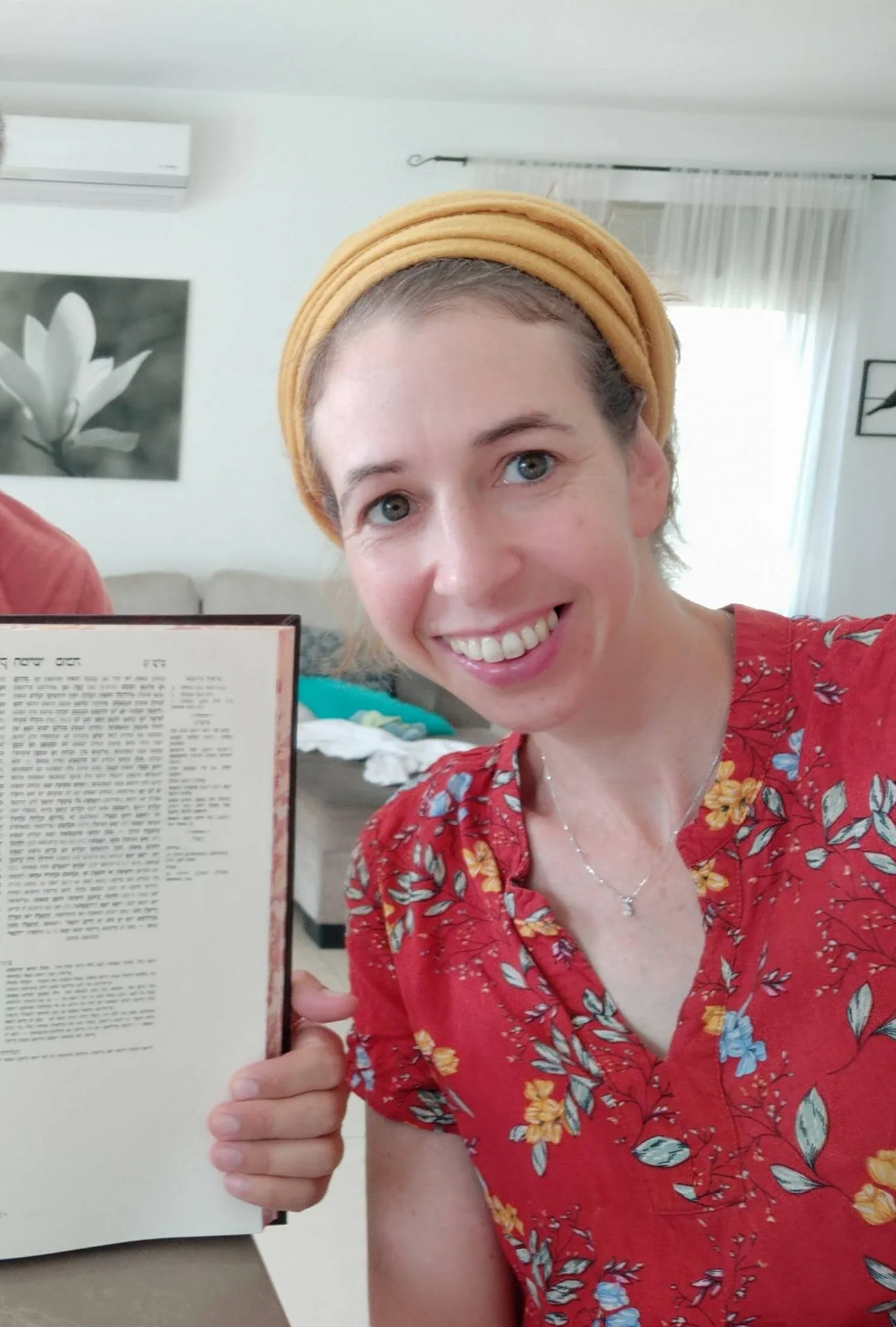
כמו שרואים בתמונה אני ממשיכה ללמוד גם היום ואפילו במחלקת יולדות אחרי לידת ביתי השלישית.

Noa Shiloh
נועה שילה

רבבה, ישראל

התחלתי בסיום הש”ס, יצאתי באורות. נשברתי פעמיים, ובשתיהם הרבנית מישל עודדה להמשיך איפה שכולם בסבב ולהשלים כשאוכל, וכך עשיתי וכיום השלמתי הכל. מדהים אותי שאני לומדת כל יום קצת, אפילו בחדר הלידה, בבידוד או בחו”ל. לאט לאט יותר נינוחה בסוגיות. לא כולם מבינים את הרצון, בפרט כפמניסטית. חשה סיפוק גדול להכיר את המושגים וצורת החשיבה. החלום זה להמשיך ולהתמיד ובמקביל ללמוד איך מהסוגיות נוצרה והתפתחה ההלכה.

Weingarten Sherrington Foundation
קרן וינגרטן שרינגטון

מודיעין, ישראל

התחלתי מעט לפני תחילת הסבב הנוכחי. אני נהנית מהאתגר של להמשיך להתמיד, מרגעים של "אהה, מפה זה הגיע!” ומהאתגר האינטלקטואלי

Eilat-Chen and Deller
אילת-חן ודלר

לוד, ישראל

התחלתי ללמוד גמרא בבית הספר בגיל צעיר והתאהבתי. המשכתי בכך כל חיי ואף היייתי מורה לגמרא בבית הספר שקד בשדה אליהו (בית הספר בו למדתי בילדותי)בתחילת מחזור דף יומי הנוכחי החלטתי להצטרף ובע”ה מקווה להתמיד ולהמשיך. אני אוהבת את המפגש עם הדף את "דרישות השלום ” שמקבלת מקשרים עם דפים אחרים שלמדתי את הסנכרון שמתחולל בין התכנים.

Ariela Bigman
אריאלה ביגמן

מעלה גלבוע, ישראל

אחי, שלומד דף יומי ממסכת ברכות, חיפש חברותא ללימוד מסכת ראש השנה והציע לי. החברותא היתה מאתגרת טכנית ורוב הזמן נעשתה דרך הטלפון, כך שבסיום המסכת נפרדו דרכינו. אחי חזר ללמוד לבד, אבל אני כבר נכבשתי בקסם הגמרא ושכנעתי את האיש שלי להצטרף אלי למסכת ביצה. מאז המשכנו הלאה, ועכשיו אנחנו מתרגשים לקראתו של סדר נשים!

Shulamit Saban
שולמית סבן

נוקדים, ישראל

התחלתי ללמוד בשנת המדרשה במגדל עוז, בינתיים נהנית מאוד מהלימוד ומהגמרא, מעניין ומשמח מאוד!
משתדלת להצליח לעקוב כל יום, לפעמים משלימה קצת בהמשך השבוע.. מרגישה שיש עוגן מקובע ביום שלי והוא משמח מאוד!

Uriah Kesner
אוריה קסנר

חיפה , ישראל

"התחלתי ללמוד דף יומי במחזור הזה, בח’ בטבת תש””ף. לקחתי על עצמי את הלימוד כדי ליצור תחום של התמדה יומיומית בחיים, והצטרפתי לקבוצת הלומדים בבית הכנסת בכפר אדומים. המשפחה והסביבה מתפעלים ותומכים.
בלימוד שלי אני מתפעלת בעיקר מכך שכדי ללמוד גמרא יש לדעת ולהכיר את כל הגמרא. זו מעין צבת בצבת עשויה שהיא עצומה בהיקפה.”

Sarah Fox
שרה פוּקס

כפר אדומים, ישראל

A friend in the SF Bay Area said in Dec 2019 that she might start listening on her morning drive to work. I mentioned to my husband and we decided to try the Daf when it began in Jan 2020 as part of our preparing to make Aliyah in the summer.

Hana Piotrkovsky
חנה פיוטרקובסקי

ירושלים, Israel

התחלתי בתחילת הסבב, והתמכרתי. זה נותן משמעות נוספת ליומיום ומאוד מחזק לתת לזה מקום בתוך כל שגרת הבית-עבודה השוטפת.

Reut Abrahami
רעות אברהמי

בית שמש, ישראל

רציתי לקבל ידע בתחום שהרגשתי שהוא גדול וחשוב אך נעלם ממני. הלימוד מעניק אתגר וסיפוק ומעמיק את תחושת השייכות שלי לתורה וליהדות

Ruth Agiv
רות עגיב

עלי זהב – לשם, ישראל

קידושין כ

לִקְרוֹבִים.

to relatives, e.g., his father, despite the fact that sexual intercourse between them is prohibited.

וַהֲלֹא דִּין הוּא: אִם מוֹכְרָהּ לִפְסוּלִין, לֹא יִמְכְּרֶנָּה לִקְרוֹבִים? מָה לְמוֹכְרָהּ לִפְסוּלִין, שֶׁאִם רָצָה לְיַיעֵד – מְיַיעֵד, יִמְכְּרֶנָּה לִקְרוֹבִים, שֶׁאִם רָצָה לְיַיעֵד – אֵינוֹ מְיַיעֵד? אָמַר קְרָא ״לְאָמָה״ – מְלַמֵּד שֶׁמּוֹכְרָהּ לִקְרוֹבִים.

The baraita asks: Why is it necessary to derive that halakha from the verse? But could this not be derived through logical inference: If he can sell her to people of flawed lineage, can he not sell her to relatives? The baraita answers: The verse is necessary, as what is unique about selling her to people of flawed lineage is that if that master wants to designate her, he can designate her. Although it is prohibited for these people to marry her, nevertheless the betrothal would take effect. Therefore, one cannot learn from this that he can also sell her to relatives. This is a situation where if this master wants to designate her, he cannot designate her, as betrothal is ineffective. Therefore, the verse states “as a maidservant,” which teaches that he can sell her to relatives.

וְרַבִּי מֵאִיר? לִפְסוּלִין, נָפְקָא לֵיהּ מֵהֵיכָא דְּנָפְקָא לֵיהּ לְרַבִּי אֱלִיעֶזֶר. בִּקְרוֹבִים, סָבַר לַהּ כְּרַבָּנַן דְּאָמְרִי אֵין מוֹכְרָהּ לִקְרוֹבִים.

The Gemara asks: And as for Rabbi Meir, who derived from the term “as a maidservant” that one can stipulate that she cannot be designated, how does he know that one can sell her as a maidservant to people of unflawed lineage or relatives? The Gemara answers: He derives that she can be sold to people of flawed lineage from the verse where Rabbi Eliezer derives it: “If she does not please her master” (Exodus 21:8). With regard to relatives, he holds in accordance with the opinion of the Rabbis, who say that he cannot sell her to relatives.

תָּנֵי חֲדָא: מוֹכְרָהּ לְאָבִיו, וְאֵין מוֹכְרָהּ לִבְנוֹ. וְתַנְיָא אִידַּךְ: אֵין מוֹכְרָהּ לֹא לְאָבִיו וְלֹא לִבְנוֹ. בִּשְׁלָמָא אֵינוֹ מוֹכְרָהּ לֹא לְאָבִיו וְלֹא לִבְנוֹ – כְּרַבָּנַן. אֶלָּא מוֹכְרָהּ לְאָבִיו וְאֵין מוֹכְרָהּ לִבְנוֹ, כְּמַאן?

It is taught in one baraita: One can sell his daughter to his father, but he cannot sell her to his son. And it is taught in another baraita: He cannot sell her to his father nor to his son. The Gemara clarifies this issue: Granted, the baraita that states that he cannot sell her to his father nor to his son is in accordance with the opinion of the Rabbis, who say that he cannot sell her to relatives whom she cannot marry. But in accordance with whose opinion is the baraita that states that he can sell her to his father but he cannot sell her to his son?

לָא כְּרַבָּנַן וְלָא כְּרַבִּי אֱלִיעֶזֶר! לְעוֹלָם כְּרַבָּנַן, מוֹדוּ רַבָּנַן הֵיכָא דְּאִיכָּא צַד יִעוּד.

It is not in accordance with the opinion of the Rabbis, who forbid selling her to any relative, and it is not in accordance with the opinion of Rabbi Eliezer, who permits selling her to all relatives. The Gemara answers: Actually, it is in accordance with the opinion of the Rabbis. Although they say he cannot sell her to relatives, the Rabbis concede that he is permitted to do so where there is a possibility of designation. In this case, although the father of the girl’s father cannot marry her, he can designate her as a wife for his other son, who is the girl’s uncle. Since this uncle can marry her, designation is a possibility, and therefore the sale is effective.

תָּנוּ רַבָּנַן: ״אִם בְּגַפּוֹ יָבֹא בְּגַפּוֹ יֵצֵא״ – בְּגוּפוֹ נִכְנַס בְּגוּפוֹ יֵצֵא. רַבִּי אֱלִיעֶזֶר בֶּן יַעֲקֹב אוֹמֵר: יְחִידִי נִכְנַס יְחִידִי יֵצֵא. מַאי בְּגוּפוֹ נִכְנַס בְּגוּפוֹ יֵצֵא? אָמַר רָבָא: לוֹמַר שֶׁאֵינוֹ יוֹצֵא בְּרָאשֵׁי אֵבָרִים כְּעֶבֶד. אֲמַר לֵיהּ אַבָּיֵי: הָהוּא – מִ״לֹּא תֵצֵא כְּצֵאת הָעֲבָדִים״ נָפְקָא.

§ The Sages taught concerning the following verse, which is referring to a Hebrew slave: “If he comes in begappo he shall leave begappo (Exodus 21:3), which means that if he enters with his body [begufo] he shall leave with his body [begufo]. Rabbi Eliezer ben Ya’akov says: If he enters alone he shall leave alone. The Gemara clarifies. What is the meaning of the ruling that if he enters with his body he shall leave with his body? Rava said: This means to say that he is not released through the loss of his extremities like a Canaanite slave (Exodus 21:26), meaning he does not leave his master because of damage done to his body. Abaye said to Rava: This halakha is derived from a different verse: “She shall not go out as the men slaves do” (Exodus 21:7).

אִי מֵהָתָם, הֲוָה אָמֵינָא: נִיתֵּיב לֵיהּ דְּמֵי עֵינֵיהּ וְנִיפּוֹק, קָא מַשְׁמַע לַן.

Rava answers: If this halakha were derived only from there, I would say: The master should give him the value of the eye that he took out and let him be released. In other words, one could say that the verse which states that a Hebrew maidservant does not leave as Canaanite slaves leave, which would serve as the source for the halakha of a Hebrew slave as well, does not mean that she is not released at all due to the loss of her extremities. Rather, it means that unlike Canaanite slaves, she receives compensation for the injury as well as being released. Therefore, the verse: “If he comes in with his body he shall leave with his body,” teaches us that this is not so. Rather, although the master must reimburse him for the loss of his eye, he is not freed as a result of the injury.

רַבִּי אֱלִיעֶזֶר בֶּן יַעֲקֹב אוֹמֵר: יְחִידִי נִכְנַס יְחִידִי יֵצֵא. מַאי יְחִידִי יֵצֵא? אָמַר רַב נַחְמָן בַּר יִצְחָק הָכִי קָאָמַר: יֵשׁ לוֹ אִשָּׁה וּבָנִים – רַבּוֹ מוֹסֵר לוֹ שִׁפְחָה כְּנַעֲנִית, אֵין לוֹ אִשָּׁה וּבָנִים – אֵין רַבּוֹ מוֹסֵר לוֹ שִׁפְחָה כְּנַעֲנִית.

The Gemara discusses the second opinion in the baraita. Rabbi Eliezer ben Ya’akov says: If he enters alone, he shall leave alone. The Gemara asks: What is the meaning of: He shall leave alone? Rav Naḥman bar Yitzḥak said that this is what Rabbi Eliezer ben Ya’akov is saying: If the Hebrew slave has a wife and children when he is purchased, his master may provide him with a Canaanite maidservant. But if he did not have a wife and children, i.e., he enters alone, his master may not provide him with a Canaanite maidservant.

תָּנוּ רַבָּנַן: נִמְכַּר בְּמָנֶה, וְהִשְׁבִּיחַ וְעָמַד עַל מָאתַיִם, מִנַּיִן שֶׁאֵין מְחַשְּׁבִין לוֹ, אֶלָּא מָנֶה – שֶׁנֶּאֱמַר: ״מִכֶּסֶף מִקְנָתוֹ״.

§ The Sages taught: With regard to a slave who was sold for one hundred dinars and increased in value during his term, and his value stood at two hundred dinars, from where is it derived that if he wishes to redeem himself one assesses him, for the payment of the remainder of his service, based only on the calculation of one hundred dinars, his value when originally purchased? As it is stated: “Out of the money that he was bought for” (Leviticus 25:51).

נִמְכַּר בְּמָאתַיִם וְהִכְסִיף וְעָמַד עַל מָנֶה, מִנַּיִן שֶׁאֵין מְחַשְּׁבִין לוֹ אֶלָּא מָנֶה – תַּלְמוּד לוֹמַר: ״כְּפִי שָׁנָיו״.

If he was sold for two hundred dinars and decreased in value and stood at one hundred dinars, from where is it derived that when he is redeemed one assesses him based only on the calculation of one hundred dinars? The verse states: “According to his years he shall give back the price of his redemption” (Leviticus 25:52), meaning that he pays in accordance with the value of his remaining years of service.

אֵין לִי אֶלָּא עֶבֶד הַנִּמְכָּר לְנׇכְרִי, הוֹאִיל וְנִגְאָל בִּקְרוֹבִים – יָדוֹ עַל הַתַּחְתּוֹנָה.

I have derived this halakha only in the case of a slave sold to a gentile, since the Torah is lenient with regard to his redemption, as he may be redeemed even by relatives who pay his money and free him. Consequently, in this case the owner is at a disadvantage, and regardless of whether his value increased or decreased the slave always pays the lower amount.

נִמְכָּר לְיִשְׂרָאֵל מְנָלַן? תַּלְמוּד לוֹמַר: ״שָׂכִיר״ ״שָׂכִיר״ לִגְזֵירָה שָׁוָה.

In a case where the slave was sold to a Jew, from where do we derive that this halakha also applies to him? The verse states with regard to a Hebrew slave sold to a Jew: “As a hired worker and as a settler he shall be with you” (Leviticus 25:40), and it states with regard to one sold to a gentile: “As a hired worker year by year he shall be with him” (Leviticus 25:53), for a verbal analogy. This verbal analogy teaches that the same halakha applies to one sold to a gentile as to one sold to a Jew.

אָמַר אַבָּיֵי: הֲרֵינִי כְּבֶן עַזַּאי בְּשׁוּקֵי טְבֶרְיָא. אֲמַר לֵיהּ הָהוּא מֵרַבָּנַן לְאַבָּיֵי: מִכְּדִי הָנֵי קְרָאֵי אִיכָּא לְמִידְרְשִׁינְהוּ לְקוּלָּא וְאִיכָּא לְמִידְרְשִׁינְהוּ לְחוּמְרָא. מַאי חָזֵית (דְּדַרְשִׁינְהוּ) [לְמִידְרְשִׁינְהוּ] לְקוּלָּא? נִידְרְשִׁינְהוּ לְחוּמְרָא!

When he was in a good mood, Abaye once said: Behold I am like the intellectually sharp ben Azzai, who would regularly expound on the Torah in the markets of Tiberias. I too am ready to answer any question put to me. One of the Sages said to Abaye: After all, with regard to those verses: “Out of the money that he was bought for” and “according to his years,” one could expound them leniently, and assess the cost of redemption at the lower amount. And one could, in equal measure, expound them stringently, i.e., one could say that if a slave was worth more when he was purchased, he pays according to “the money that he was bought for,” and if he increased in value he must pay “according to his years,” i.e., by his present worth. What did you see to cause you to decide to expound them leniently? Let us expound them stringently.

לָא סָלְקָא דַּעְתָּךְ, מִדְּאַקֵּיל רַחֲמָנָא לְגַבֵּיהּ. דְּתַנְיָא: ״כִּי טוֹב לוֹ עִמָּךְ״ – עִמְּךָ בַּמַּאֲכָל וְעִמְּךָ בַּמִּשְׁתֶּה,

Abaye answered: It cannot enter your mind to expound the verses stringently, as indicated from the fact that the Merciful One is lenient with regard to a slave and is concerned about his well-being. As it is taught in a baraita: The verse states concerning a Hebrew slave: “Because he fares well with you” (Deuteronomy 15:16), which teaches that the slave should be with you, i.e., treated as your equal, in food, meaning that his food must be of the same quality as yours, and with you in drink.

שֶׁלֹּא תְּהֵא אַתָּה אוֹכֵל פַּת נְקִיָּה וְהוּא אוֹכֵל פַּת קִיבָּר, אַתָּה שׁוֹתֶה יַיִן יָשָׁן וְהוּא שׁוֹתֶה יַיִן חָדָשׁ, אַתָּה יָשֵׁן עַל גַּבֵּי מוֹכִים וְהוּא יָשֵׁן עַל גַּבֵּי הַתֶּבֶן. מִכָּאן אָמְרוּ: כׇּל הַקּוֹנֶה עֶבֶד עִבְרִי כְּקוֹנֶה אָדוֹן לְעַצְמוֹ.

The baraita continues: This means that there shall not be a situation in which you eat fine bread and he eats inferior bread [kibbar], bread from coarse flour mixed with bran, which is low quality. There shall not be a situation in which you drink aged wine and he drinks inferior new wine. There shall not be a situation in which you sleep comfortably on bedding made from soft sheets and he sleeps on straw. From here the Sages stated: Anyone who acquires a Hebrew slave is considered like one who acquires a master for himself, because he must be careful that the slave’s living conditions are equal to his own.

וְאֵימָא: הָנֵי מִילֵּי לְעִנְיַן אֲכִילָה וּשְׁתִיָּה, כִּי הֵיכִי דְּלָא לִיצְטַעַר לֵיהּ, הָא לְעִנְיַן פִּדְיוֹן נַחְמִיר עֲלֵיהּ. מִדְּרַבִּי יוֹסֵי בְּרַבִּי חֲנִינָא. דְּתַנְיָא: רַבִּי יוֹסֵי בְּרַבִּי חֲנִינָא אוֹמֵר: בֹּא וּרְאֵה כַּמָּה קָשֶׁה אֲבָקָהּ שֶׁל שְׁבִיעִית:

That Sage asked Abaye: But one can say that this leniency in the case of a Hebrew slave applies only to the matter of eating and drinking, so as not to cause him suffering. But with regard to the matter of redemption, perhaps one should be stringent with him. The reason to be stringent is based on a statement of Rabbi Yosei, son of Rabbi Ḥanina. As it is taught in a baraita that Rabbi Yosei, son of Rabbi Ḥanina, says: Come and see how harsh is the violation of even a hint of the Sabbatical Year, i.e., how great are the punishments not just for working the land, but also for treating lightly the sanctity of Sabbatical-Year produce.

אָדָם נוֹשֵׂא וְנוֹתֵן בְּפֵירוֹת שְׁבִיעִית – לְסוֹף מוֹכֵר אֶת מִטַּלְטְלָיו, שֶׁנֶּאֱמַר: ״בִּשְׁנַת הַיּוֹבֵל תָּשֻׁבוּ אִישׁ אֶל אֲחֻזָּתוֹ״, וּסְמִיךְ לֵיהּ: ״וְכִי תִמְכְּרוּ מִמְכָּר לַעֲמִיתֶךָ אוֹ קָנֹה מִיַּד עֲמִיתֶךָ״ – דָּבָר הַנִּקְנֶה מִיָּד לְיָד.

If a person has commercial dealings with Sabbatical-Year produce, which is prohibited, ultimately he will become so poor that he will have to sell his movable property, as it is stated: “In this Jubilee Year you shall return every man to his land” (Leviticus 25:13), and juxtaposed to it is the verse: “And if you sell any item to your neighbor or buy from your neighbor’s hand” (Leviticus 25:14), which is referring to an item acquired by passing it from hand to hand. This teaches that if one sins with regard to the Jubilee Year or the Sabbatical Year, which have many identical halakhot, he will eventually have to sell his movable property.

לֹא הִרְגִּישׁ – לְסוֹף מוֹכֵר אֶת שְׂדוֹתָיו, שֶׁנֶּאֱמַר: ״כִּי יָמוּךְ אָחִיךָ וּמָכַר מֵאֲחֻזָּתוֹ״. לֹא בָּאת לְיָדוֹ עַד שֶׁמּוֹכֵר אֶת בֵּיתוֹ, שֶׁנֶּאֱמַר: ״כִּי יִמְכֹּר בֵּית מוֹשַׁב עִיר חוֹמָה״.

If one does not sense that he is being punished and does not repent, ultimately he will have to sell his fields, as it is stated in an adjacent verse: “If your brother grows poor and sells of his ancestral land” (Leviticus 25:25). If no move toward repentance comes to his hand, he will have to sell his house, as it is stated: “And if a man sells a dwelling-house in a walled city” (Leviticus 25:29).

מַאי שְׁנָא הָתָם דְּאָמַר ״לֹא הִרְגִּישׁ״ וּמַאי שְׁנָא הָכָא דְּאָמַר ״לֹא בָּאת לְיָדוֹ״? כִּדְרַב הוּנָא, דְּאָמַר רַב הוּנָא: כֵּיוָן שֶׁעָבַר אָדָם עֲבֵירָה וְשָׁנָה בָּהּ – הוּתְּרָה לוֹ. הוּתְּרָה לוֹ סָלְקָא דַּעְתָּךְ? אֶלָּא, נַעֲשֵׂית לוֹ כְּהֶיתֵּר.

The Gemara asks: What is different there, in the first sentence, in which the tanna says: He does not sense, and what is different here, in the continuation, in which he says: If no move toward repentance comes to his hand? The Gemara answers that this is in accordance with a statement of Rav Huna. As Rav Huna says: Once a person commits a transgression and repeats it, it is permitted to him. The Gemara is surprised at this: Can it enter your mind that it is permitted to him merely because he has sinned twice? Rather, say that it becomes to him as though it is permitted. Therefore, when he violates a prohibition a second time, the baraita takes for granted that he does not sense that he is performing a sin, and employs a different terminology.

לֹא בָּאת לְיָדוֹ עַד שֶׁמּוֹכֵר אֶת בִּתּוֹ, שֶׁנֶּאֱמַר: ״וְכִי יִמְכֹּר אִישׁ אֶת בִּתּוֹ לְאָמָה״, וְאַף עַל גַּב דְּבִתּוֹ לָא כְּתִיבָא בְּהַאי עִנְיָנָא, הָא קָא מַשְׁמַע לַן: נִיזַבֵּין אִינָשׁ בְּרַתֵּיה וְלָא נֵיזִיף בְּרִיבִּיתָא. מַאי טַעְמָא – בְּרַתֵּיה מְגָרְעָא וְנָפְקָא וְהָא מוֹסְפָא וְאָזְלָא.

The Gemara resumes its citation of the baraita: If no move toward repentance comes to his hand, his poverty will increase until he sells his daughter, as it is stated: “And when a man sells his daughter as a maidservant” (Exodus 21:7). The Gemara comments: And even though “his daughter” is not written with regard to that matter in Leviticus 25 but in Exodus, nevertheless, it teaches us this principle: A person will sell his daughter rather than borrow with interest. What is the reason for this? His daughter can occasionally deduct money from her debt and use it to leave her master, but this interest continuously increases.

לֹא בָּאת לְיָדוֹ עַד שֶׁלֹּוֶה בְּרִבִּית, שֶׁנֶּאֱמַר: ״וְכִי יָמוּךְ אָחִיךָ וּמָטָה יָדוֹ עִמָּךְ״, וּסְמִיךְ לֵיהּ: ״אַל תִּקַּח מֵאִתּוֹ וְגוֹ׳״. לֹא בָּאת לְיָדוֹ עַד שֶׁמּוֹכֵר אֶת עַצְמוֹ, שֶׁנֶּאֱמַר: ״וְכִי יָמוּךְ אָחִיךָ וְנִמְכַּר לָךְ״.

The baraita continues its exposition of the verses in Leviticus: If no move toward repentance comes to his hand, he will eventually need to borrow with interest, as it is stated: “And if your brother grows poor and his means fails with you” (Leviticus 25:35), and juxtaposed to it is the verse: “Take no usury or interest from him” (Leviticus 25:36). If no move toward repentance comes to his hand, he will eventually need to sell himself, as it is stated: “And if your brother grows poor with you and sells himself to you” (Leviticus 25:39).

לֹא לְךָ אֶלָּא לְגֵר, שֶׁנֶּאֱמַר: ״לְגֵר״, וְלֹא לְגֵר צֶדֶק אֶלָּא לְגֵר תּוֹשָׁב שֶׁנֶּאֱמַר: ״גֵּר תּוֹשָׁב״. ״מִשְׁפַּחַת גֵּר״ – זֶה נׇכְרִי. כְּשֶׁהוּא אוֹמֵר: ״לְעֵקֶר״

The baraita further states: Not only will he be sold to you, a born Jew, but he will even be sold to a stranger, as it is stated: “And sells himself to a stranger [ger]” (Leviticus 25:47). And this sale to a ger is not referring to a sale to a righteous convert [ger tzedek], but even to a gentile who resides in Eretz Yisrael and observes the seven Noahide mitzvot [ger toshav], as it is stated: “And sells himself to a stranger who is a settler [ger toshav]” (Leviticus 25:47). With regard to the continuation of the verse, “or to an offshoot of a stranger’s family,” the Gemara expounds: “A stranger’s family”; this is a gentile, i.e., he will reach a state where he has no choice but to sell himself to a gentile. When it says: “To an offshoot of a stranger’s family,”

– זֶה הַנִּמְכָּר לַעֲבוֹדָה זָרָה עַצְמָהּ.

this is referring to one sold for idol worship itself, i.e., he is forced to sell himself as a slave to work in a temple of idol worship. The baraita teaches that it is only due to a person’s sins that he reaches a point where he has to sell himself as a slave. Therefore, one should be stringent with him with regard to his redemption and not allow him to be redeemed easily.

אֲמַר לֵיהּ: הָתָם, הָא אַהְדְּרֵיהּ קְרָא, דְּתָנֵי דְּבֵי רַבִּי יִשְׁמָעֵאל: הוֹאִיל וְהָלַךְ זֶה וְנַעֲשָׂה כּוֹמֶר לַעֲבוֹדָה זָרָה, אֵימָא: לִידְחֵי אֶבֶן אַחַר הַנּוֹפֵל – תַּלְמוּד לוֹמַר: ״אַחֲרֵי נִמְכַּר גְּאֻלָּה תִּהְיֶה לּוֹ אֶחָד מֵאֶחָיו יִגְאָלֶנּוּ״.

Abaye said to that Sage: There, the verse brings him back, i.e., one must strive to redeem a Jew who has been sold as a slave. As the school of Rabbi Yishmael taught: Since this person who sold himself as a slave has gone and become a priest for idol worship, one might say: Let us throw a stone after the fallen, that is, since he has reached this nadir one should abandon him. Therefore, the verse states: “After he is sold he shall be redeemed; one of his brothers may redeem him” (Leviticus 25:48).

וְאֵימָא: ״גְּאוּלָּה תִּהְיֶה לוֹ״ – כִּי הֵיכִי דְּלָא לִיטַּמַּע בֵּין הַנׇּכְרִים, הָא לְעִנְיַן פִּדְיוֹן נַחְמִיר עֲלֵיהּ, מִדְּרַבִּי יוֹסֵי בְּרַבִּי חֲנִינָא!

The Gemara further asks: But one can say as follows: “He shall be redeemed,” so that he will not be assimilated among the gentiles. But with regard to the matter of his redemption and freedom, let us act strictly with him, as derived from that which Rabbi Yosei, son of Rabbi Ḥanina, said, that one is sold as a slave due to his sins.

אָמַר רַב נַחְמָן בַּר יִצְחָק: תְּרֵי קְרָאֵי כְּתִיבִי. כְּתִיב: ״אִם עוֹד רַבּוֹת בַּשָּׁנִים״ וּכְתִיב: ״וְאִם מְעַט נִשְׁאַר בַּשָּׁנִים״. וְכִי יֵשׁ שָׁנִים מְרוּבּוֹת וְיֵשׁ שָׁנִים מוּעָטוֹת? אֶלָּא, נִתְרַבָּה כַּסְפּוֹ – ״מִכֶּסֶף מִקְנָתוֹ״, נִתְמַעֵט כַּסְפּוֹ – ״כְּפִי שָׁנָיו״.

Rav Naḥman bar Yitzḥak said: Two verses are written with regard to the redemption of a slave sold to a gentile. It is written: “If there be yet many of the years, according to them he shall give back the price of his redemption out of the money that he was bought for” (Leviticus 25:51), and it is written: “And if there remain but few of the years until the Jubilee Year, and he shall reckon with him, according to his years” (Leviticus 25:52). But how can there be both many years and few years when, in any case, he will not serve for more than six years? Rather, this means that as the money of his value increased with the passage of time, he is redeemed “out of the money that he was bought for,” i.e., the price for which he was originally sold, which is the lower sum. And if his monetary value decreased over time, one determines his value “according to his years,” i.e., according to his current value.

וְאֵימָא הָכִי קָאָמַר: הֵיכָא דַּעֲבַד תְּרֵי וּפֻשׁ לֵיהּ אַרְבַּע – נִיתֵּיב לֵיהּ אַרְבַּע ״מִכֶּסֶף מִקְנָתוֹ״, עֲבַד אַרְבַּע וּפֻשׁו לֵיהּ תַּרְתֵּי – נִיתֵּיב תַּרְתֵּי ״כְּפִי שָׁנָיו״?

The Gemara asks: But one can say that this is what the Torah is saying: In a case where he served for two years and an additional four years remain for his service, as indicated by the phrase “if there be yet many of the years,” let him give his redemption money for the four years he owes him “out of the money that he was bought for.” If he served four years and two years remain for his service, as is stated “and if there remain but few of the years,” let him give his redemption money the value of the two years, “according to his years.”

אִם כֵּן, נִכְתּוֹב קְרָא: ״אִם עוֹד רַבּוֹת שָׁנִים״, ״אִם מְעַט נִשְׁאַר שָׁנִים״, מַאי ״בַּשָּׁנִים״ – נִתְרַבָּה כַּסְפּוֹ בַּשָּׁנִים, ״מִכֶּסֶף מִקְנָתוֹ״ – נִתְמַעֵט כַּסְפּוֹ בַּשָּׁנִים ״כְּפִי שָׁנָיו״. אָמַר רַב יוֹסֵף: דַּרְשִׁינְהוּ רַב נַחְמָן בַּר יִצְחָק לְהָנֵי קְרָאֵי כְּסִינַי.

The Gemara rejects this suggestion: If so, let the verse write: If there be yet many years, and: If there remain but few years. What is the meaning of the phrase “of the years”? This teaches that if his monetary value increased over the years of his servitude, he is redeemed “out of the money that he was bought for,” which is the lower sum. And if his monetary value decreased over the years of his servitude, one determines his value “according to his years.” Upon hearing this statement, Rav Yosef said: Rav Naḥman bar Yitzḥak homiletically interpreted these verses like Sinai. His exposition reflects the truth of Torah as it was given at Mount Sinai, as every matter is fully resolved.

(סִימַן: עֶבֶד, בַּיִת, חֲצָאִין, בַּיִת עֶבֶד, קְרוֹבִים). בְּעָא מִינֵּיהּ רַב הוּנָא בַּר חִינָּנָא מֵרַב שֵׁשֶׁת: עֶבֶד עִבְרִי הַנִּמְכָּר לְנׇכְרִי, נִגְאָל לַחֲצָאִין, אוֹ אֵינוֹ נִגְאָל לַחֲצָאִין?

The Gemara records a mnemonic device for the upcoming discussions: Slave, house, partial, house, slave, and relatives. Rav Huna bar Ḥinnana raised a dilemma before Rav Sheshet: With regard to a Hebrew slave who is sold to a gentile, can he be partially redeemed, or can he not be partially redeemed? Does this slave have the option of paying part of his value and thereby reducing his remaining period of service?

״גְּאֻלָּתוֹ״ ״גְּאֻלָּתוֹ״ מִשְּׂדֵה אֲחוּזָּה גָּמַר: מָה שְׂדֵה אֲחוּזָּה אֵינוֹ נִגְאָל לַחֲצָאִין – אַף הַאי נָמֵי אֵינוֹ נִגְאָל לַחֲצָאִין, אוֹ דִילְמָא לְקוּלָּא אָמְרִינַן, לְחוּמְרָא לָא אָמְרִינַן?

The Gemara analyzes the sides of the dilemma: With regard to a Hebrew slave sold to a gentile, the verse states: “According to his years he shall give back the price of his redemption [ge’ullato]” (Leviticus 25:52), and the meaning of the term “ge’ullato” can be derived from the same term stated with regard to the redemption of an ancestral field: “And he becomes rich and finds sufficient means to redeem it [ge’ullato]” (Leviticus 25:26). Accordingly, just as an ancestral field cannot be partially redeemed, but is either fully redeemed or not at all, so too, this slave cannot be partially redeemed. Or perhaps we say that he cannot be partially redeemed only if that leads to a leniency, but we do not say that he cannot be redeemed if it leads to a stringency.

אֲמַר לֵיהּ: לָאו אָמְרַתְּ הָתָם: ״נִמְכַּר״ – כּוּלּוֹ וְלֹא חֶצְיוֹ, הָכִי נָמֵי, ״נִגְאָל״ – כּוּלּוֹ וְלֹא חֶצְיוֹ.

Rav Sheshet said to him: Didn’t you say there, with regard to a thief who is sold to repay what he stole, that the verse: “And he is sold” (Exodus 22:2), teaches that all of him is sold but not part of him? If he is worth one thousand, and he owes five hundred for theft, he cannot be sold. So too, in the case of one who was sold to a gentile, the phrase “he is redeemed” (Leviticus 25:49) means all of him and not part of him.

אָמַר אַבָּיֵי: אִם תִּימְצֵי לוֹמַר נִגְאָל לַחֲצָאִין, מַשְׁכַּחַתְּ לַהּ לְקוּלָּא וּלְחוּמְרָא. לְקוּלָּא: זַבְנֵיהּ בִּמְאָה, יְהַב לֵיהּ חַמְשִׁין, פַּלְגָא דְּדָמֵי, וְאַשְׁבַּח וְקָם עַל מָאתַן, אִי אָמְרַתְּ נִגְאָל לַחֲצָאִין – יָהֵיב לֵיהּ מְאָה וְנָפֵיק, וְאִי אָמְרַתְּ אֵין נִגְאָל לַחֲצָאִין – יָהֵיב לֵיהּ מְאָה וְחַמְשִׁין וְנָפֵיק.

Abaye said: If you say that he is partially redeemed, you find elements of leniency and stringency. This ruling can lead to a leniency in the following case: A master purchased a Hebrew slave for one hundred and the redeemer gives him fifty, which is half of his value, and afterward the slave increased in value and stood at two hundred. If you say that he can be partially redeemed he is already half-redeemed. Consequently, the redeemer gives him one hundred, half of his current value, and the slave goes out, i.e., is redeemed. And if you say that he cannot be partially redeemed, the redeemer gives the owner an additional one hundred and fifty and the slave goes out, as the initial fifty serves merely as the first payment, and he is now worth two hundred.

וְהָאָמְרַתְּ נִתְרַבָּה כַּסְפּוֹ – ״מִכֶּסֶף מִקְנָתוֹ״! כְּגוֹן דְּאוֹקִיר וְזָל וְאוֹקִיר.

The Gemara asks: But you said that if the money of his value increased, one always pays “out of the money that he was bought for” (Leviticus 25:51), i.e., one calculates the value of the slave in accordance with his value at the time when he was acquired, even if that is less than his present value. Why, then, should one have to pay the full two hundred? The Gemara answers: This is referring to a case where he initially, before being sold, increased in value, was then sold for two hundred, and afterward decreased in value to one hundred, and subsequently he again increased in value so that he was worth the same amount as he was originally. In this case, his value of two hundred remains determinative.

מַשְׁכַּחַתְּ לַהּ לְחוּמְרָא: זַבְנֵיהּ בְּמָאתַן, יְהַיב מְאָה, פַּלְגֵי דִּדְמֵי, וְאִיכְּסִף וְקָם עַל מְאָה, אִי אָמְרַתְּ נִגְאָל לַחֲצָאִין – יָהֵיב לֵיהּ חַמְשִׁין וְנָפֵיק, וְאִי אָמְרַתְּ אֵין נִגְאָל לַחֲצָאִין – הָנָךְ מְאָה פִּקָּדוֹן נִינְהוּ גַּבֵּיהּ, יָהֵיב לְהוּ נִיהֲלֵיהּ וְנָפֵיק.

Abaye proceeds to describe how you find a case that leads to a stringency. A master purchased a Hebrew slave for two hundred and the redeemer gave one hundred, which is half of his value, and the slave decreased in value and stood at a value of one hundred. If you say that he can be partially redeemed, the redeemer gives fifty and the slave goes out, i.e., is redeemed. And if you say that he cannot be partially redeemed, these one hundred are a deposit with him. Therefore, the redeemer gives it to him at the time of the redemption and the slave goes out. There is no reason to pay him more money, as he is now worth one hundred.

בְּעָא מִינֵּיהּ רַב הוּנָא בַּר חִינָּנָא מֵרַב שֵׁשֶׁת: הַמּוֹכֵר בַּיִת בְּבָתֵּי עָרֵי חוֹמָה, נִגְאָל לַחֲצָאִין, אוֹ אֵינוֹ נִגְאָל לַחֲצָאִין? ״גְּאֻלָּתוֹ״ ״גְּאֻלָּתוֹ״ מִשְּׂדֵה אֲחוּזָּה גָּמַר: מָה שְׂדֵה אֲחוּזָּה אֵינָהּ נִגְאֶלֶת לַחֲצָאִין – אַף הַאי נָמֵי אֵינוֹ נִגְאָל לַחֲצָאִין,

Rav Huna bar Ḥinnana raised a dilemma before Rav Sheshet with regard to a similar topic: In the case of one who sells a house from among the houses of walled cities, which can be redeemed only during the first year after the sale, can it be partially redeemed, or can it not be partially redeemed? The Gemara explains the sides of the dilemma: Does he derive the verbal analogy of ge’ullato (Leviticus 25:29) and ge’ullato (Leviticus 25:26) from the case of an ancestral field and say that just as ancestral land cannot be partially redeemed, so too, this house cannot be partially redeemed?

אוֹ דִילְמָא: הֵיכָא דְּגַלִּי – גַּלִּי, הֵיכָא דְּלָא גַּלִּי – לָא גַּלִּי?

Or perhaps one should say: In a case where the verse explicitly revealed that it cannot be redeemed partially, as it does in the context of an ancestral field, it revealed it. With regard to one who redeems an ancestral field, it is written: “And he becomes rich and finds sufficient means to redeem it” (Leviticus 25:26), indicating that he has enough money to redeem the whole field, not part of it. By contrast, in a case where the Torah did not reveal that it cannot be redeemed, it did not reveal it, and therefore a house from a walled city can be partially redeemed, as the verse does not state this condition in that context.

אֲמַר לֵיהּ: מִמִּדְרָשׁוֹ שֶׁל רַבִּי שִׁמְעוֹן נִשְׁמַע, שֶׁלֹּוֶה וְגוֹאֵל וְגוֹאֵל לַחֲצָאִין, דְּתַנְיָא: ״אִם גָּאֹל יִגְאַל״ – מְלַמֵּד שֶׁלֹּוֶה וְגוֹאֵל וְגוֹאֵל לַחֲצָאִין.

Rav Sheshet said to him: From Rabbi Shimon’s interpretation one learns that with regard to houses in walled cities, one can borrow money and redeem them, and similarly that one can partially redeem them. As it is taught in a baraita with regard to a verse that describes one who consecrates his field: “And if he will redeem [ga’ol yigal] the field” (Leviticus 27:19). The repetition of the verb teaches that one can borrow money and redeem houses in walled cities and that one can also partially redeem them.

אָמַר רַבִּי שִׁמְעוֹן: מָה טַעַם, לְפִי שֶׁמָּצִינוּ בְּמוֹכֵר שְׂדֵה אֲחוּזָּה שֶׁיִּפָּה כֹּחוֹ, שֶׁאִם הִגִּיעַ יוֹבֵל וְלֹא נִגְאֲלָה – חוֹזֶרֶת לִבְעָלֶיהָ בַּיּוֹבֵל, הוֹרַע כֹּחוֹ – שֶׁאֵינוֹ לֹוֶה וְגוֹאֵל וְגוֹאֵל לַחֲצָאִין.

Rabbi Shimon said: What is the reason for this halakha? This is because we find with regard to one who sells his ancestral field that his power is enhanced, as, if the Jubilee Year arrives and it is not redeemed, the ancestral field returns to its owners in the Jubilee Year without them having to pay for it. Therefore, the power of the seller is diminished in that he cannot borrow money and redeem the field but must have the money to do so on his own, and he cannot partially redeem it.

מַקְדִּישׁ, שֶׁהוֹרַע כֹּחוֹ, שֶׁאִם הִגִּיעַ יוֹבֵל וְלֹא נִגְאֲלָה – יוֹצְאָה לְכֹהֲנִים בַּיּוֹבֵל, יִפָּה כֹּחוֹ – שֶׁלֹּוֶה וְגוֹאֵל וְגוֹאֵל לַחֲצָאִין.

By contrast, if one consecrates his field his power is diminished, as, if the Jubilee Year arrives and he did not redeem it in the meantime, and the Temple treasurer sold it to someone else, the ancestral field goes out and becomes the property of the priests in the Jubilee Year and does not return to its original owners. Consequently, in order to offset this stringency his power is enhanced in that he may borrow money and redeem the field, and partially redeem it.

הַאי מוֹכֵר בַּיִת בְּבָתֵּי עָרֵי חוֹמָה נָמֵי, הוֹאִיל וְהוֹרַע כֹּחוֹ, שֶׁאִם מָלְאָה לוֹ שָׁנָה תְּמִימָה וְלֹא נִגְאֲלָה נֶחְלָט – יִפָּה כֹּחוֹ, שֶׁלֹּוֶה וְגוֹאֵל וְגוֹאֵל לַחֲצָאִין.

According to this explanation, with regard to this one who sells a house from among the houses of walled cities, since his power is also diminished, as, if a full year passes and the house has not been redeemed it remains the permanent property of the buyer, in order to offset this stringency, his power should be enhanced in that he may borrow money and redeem the house, and partially redeem it.

אֵיתִיבֵיהּ: ״אִם גָּאֹל יִגְאַל״ – מְלַמֵּד שֶׁלֹּוֶה וְגוֹאֵל וְגוֹאֵל לַחֲצָאִין.

Rava bar Ḥinnana raised an objection to this opinion from a baraita. The verse states with regard to one who consecrates his field: “And if he will redeem [ga’ol yigal] the field” (Leviticus 27:19). This teaches that he may borrow money and redeem it, and partially redeem it.

שֶׁיָּכוֹל, וַהֲלֹא דִּין הוּא: וּמָה מוֹכֵר שְׂדֵה אֲחוּזָּה שֶׁיִּפָּה כֹּחוֹ, שֶׁאִם הִגִּיעַ יוֹבֵל וְלֹא נִגְאֲלָה חוֹזֶרֶת לִבְעָלֶיהָ בַּיּוֹבֵל – הוֹרַע כֹּחוֹ, שֶׁאֵין לֹוֶה וְגוֹאֵל וְגוֹאֵל לַחֲצָאִין, מַקְדִּישׁ, שֶׁהוֹרַע כֹּחוֹ, שֶׁאִם הִגִּיעַ יוֹבֵל וְלֹא נִגְאֲלָה יוֹצְאָה לְכֹהֲנִים בַּיּוֹבֵל – אֵינוֹ דִּין שֶׁהוֹרַע כֹּחוֹ שֶׁאֵין לֹוֶה וְגוֹאֵל וְגוֹאֵל לַחֲצָאִין?

The baraita continues: As one might have thought: Could this not be derived through an a fortiori inference: Just as with regard to one who sells an ancestral field that his power is enhanced, as if the Jubilee Year arrives and it is not redeemed, it returns to its owners in the Jubilee Year, and yet his power is diminished in that he cannot borrow money and redeem the field and he cannot partially redeem it; with regard to one who consecrates a field, where his power is diminished, for if the Jubilee Year arrives and it was not redeemed it goes out to the priests in the Jubilee Year, is it not logical that his power is diminished in that he cannot borrow money and redeem the field and he cannot partially redeem it?

מָה לְמוֹכֵר שְׂדֵה אֲחוּזָּה, שֶׁכֵּן הוֹרַע כֹּחוֹ לִיגָּאֵל מִיָּד, תֹּאמַר בְּמַקְדִּישׁ שֶׁיִּפָּה כֹּחוֹ לִיגָּאֵל מִיָּד.

The baraita raises a difficulty against this a fortiori inference: What is unique about one who sells his ancestral field is that his power is diminished with regard to redeeming it immediately, as he cannot redeem his field right away but must wait at least two years. Shall you say that the same halakhot apply with regard to one who consecrates his field, as his power is enhanced with regard to redeeming it immediately? One who has consecrated his field can redeem it as soon as he has the money to do so. If so, the a fortiori inference is not valid.

מוֹכֵר בַּיִת בְּבָתֵּי עָרֵי חוֹמָה יוֹכִיחַ, שֶׁיִּפָּה כֹּחוֹ לִיגָּאֵל מִיָּד וְאֵין לֹוֶה וְגוֹאֵל וְגוֹאֵל לַחֲצָאִין! לָא קַשְׁיָא:

The baraita responds: The case of one who sells a house from among the houses of walled cities can prove otherwise, as his power is enhanced with regard to redeeming it immediately, and yet he cannot borrow money and redeem the house and he cannot partially redeem it. In any case, with regard to the issue at hand, the baraita indicates the opposite of the previous conclusion: One who sells a house in a walled city cannot partially redeem it. Rav Sheshet answers: This is not difficult.

רוצה לעקוב אחרי התכנים ולהמשיך ללמוד?

ביצירת חשבון עוד היום ניתן לעקוב אחרי ההתקדמות שלך, לסמן מה למדת, ולעקוב אחרי השיעורים שמעניינים אותך.

לנקות את כל הפריטים מהרשימה?

פעולה זו תסיר את כל הפריטים בחלק זה כולל ההתקדמות וההיסטוריה. שימי לב: לא ניתן לשחזר פעולה זו.

ביטול
מחיקה

האם את/ה בטוח/ה שברצונך למחוק פריט זה?

תאבד/י את כל ההתקדמות או ההיסטוריה הקשורות לפריט זה.

ביטול
מחיקה