חיפוש

קידושין כח

רוצה להקדיש שיעור?

podcast placeholder

0:00
0:00


תקציר

הלימוד השבוע מוקדש ע”י אלנה סטורץ’ לכבוד רבנית מישל וצוות הדרן!

הדף היום מוקדש ע”י קבוצת הדרן בזום לכבוד הנישואין של חנה לדניאל, בתה של ג’ולי מנדלסון.

המקור לגילגול שבוע הוא מהסוטה. איך נוכל ללמוד משם לדיני ממונות? איך לומדים שזה גם תקף במקרה שטענת התובע הוא טענת ספק? רב מביא מקרה הקיצוני ביותר שבו דין גילגול שבועה תקף. רבא מנסה להסביר מדוע מקרה זה הוא מקרה קיצוני. ניתן לרכוש מטלטלין באמצעות קניין חליפין. האם זה יכול להיעשות עם כסף, אוכל, או רק כלי? המשנה דנה בקניין חליפין אך מובאות שלוש הצעות שונות כיצד לקרוא/להבין את המשנה. לחפצים שנרכשו על ידי בית המקדש יש דינים שונים מאשר לפריטים רגילים. ניתן לרכוש חפצים רגילים רק באמצעות משיכה ואילו חפצים לבית המקדש נרכשים בכסף. מי שאומר שבהמה או חפץ יהיה קדוש, דביו תקפים באופן מיידי כאילו משך (בדיני הדיוטות) והוא נחשב מיד להקדש (לרכוש בית המקדש).

קידושין כח

שֶׁלֹּא נִיתְּנָה לְהִתָּבַע בְּעֵד אֶחָד – מְגַלְגְּלִין, מָמוֹן, שֶׁנִּיתָּן לְהִתָּבַע בְּעֵד אֶחָד – אֵינוֹ דִּין שֶׁמְגַלְגְּלִין?

where an oath cannot be imposed by one witness, as two witnesses must testify that the wife secluded herself with the man concerning whom she was warned in order for her to be obligated to take the oath of a sota, and yet one can extend her oath, is it not logical that with regard to a claim involving money, where an oath can be imposed by the testimony of one witness, that one can extend the oath?

אַשְׁכְּחַן בְּוַדַּאי, סָפֵק מְנָלַן?

The Gemara asks: We found a source for the extension of an oath in the case of a definite claim, i.e., when the plaintiff is certain of his claim. From where do we derive that this halakha of the extension of an oath applies also to uncertain claims, when the plaintiff is not sure the defendant owes him money but merely suspects this to be the case?

תַּנְיָא, רַבִּי שִׁמְעוֹן בֶּן יוֹחַאי אוֹמֵר: נֶאֶמְרָה שְׁבוּעָה בַּחוּץ, וְנֶאֶמְרָה שְׁבוּעָה בִּפְנִים. מָה שְׁבוּעָה הָאֲמוּרָה בִּפְנִים – עָשָׂה בָּהּ סָפֵק כְּוַדַּאי, אַף שְׁבוּעָה הָאֲמוּרָה בַּחוּץ – עָשָׂה בָּהּ סָפֵק כְּוַדַּאי.

The Gemara answers: It is taught in a baraita that Rabbi Shimon ben Yoḥai says: The Torah states an external oath, i.e., an oath administered outside of the Temple, and it states an internal oath, an oath administered inside the Temple courtyard, i.e., the oath of a sota. Just as with regard to an oath stated in the Torah that is taken inside the Temple, the Torah rendered uncertainty like certainty, as in the case of a sota the husband’s claim is based on suspicion and yet he can extend that oath; so too, with regard to an oath stated in the Torah that is taken outside the Temple, the Torah rendered uncertainty to be like certainty, i.e., all oaths can be extended to include even uncertain claims.

עַד הֵיכָן גִּלְגּוּל שְׁבוּעָה? אָמַר רַב יְהוּדָה אָמַר רַב: דְּאָמַר לֵיהּ: ״הִישָּׁבַע לִי שֶׁאֵין עַבְדִּי אַתָּה״.

§ The Gemara asks: Until where does the extension of an oath reach? It has been established that a plaintiff can attach other claims to the oath that the defendant is required to take, even if they do not relate to the current claim submitted in court. To what extent can the plaintiff impose additional oaths? Rav Yehuda said that Rav said: The halakha is that a plaintiff can even say to a defendant: Take an oath to me that you are not my Canaanite slave. If the defendant is required to take an oath, e.g., concerning denial of a debt, he can be forced to take an oath about this matter as well.

הָהוּא שַׁמּוֹתֵי מְשַׁמְּתִינַן לֵיהּ! דְּתַנְיָא: הַקּוֹרֵא לַחֲבֵירוֹ ״עֶבֶד״ – יְהֵא בְּנִידּוּי. ״מַמְזֵר״ – סוֹפֵג אֶת הָאַרְבָּעִים. ״רָשָׁע״ – יוֹרֵד עִמּוֹ לְחַיָּיו!

The Gemara asks: But the court ostracizes one who says this to another, as it is taught in a baraita: One who calls another a slave shall be ostracized. One who calls another a mamzer incurs the punishment of forty lashes. If one calls another a wicked person then the insulted person may harass him in all aspects of his life. In light of this halakha, it is clear that the court will not force the accused to respond to this insult by taking an oath.

אֶלָּא אָמַר רָבָא: הִישָּׁבַע לִי שֶׁלֹּא נִמְכַּרְתָּ לִי בְּעֶבֶד עִבְרִי. הַאי טַעַנְתָּא מְעַלַּיְיתָא הִיא, מָמוֹנָא אִית לֵיהּ גַּבֵּיהּ! רָבָא לְטַעְמֵיהּ, דְּאָמַר רָבָא: עֶבֶד עִבְרִי גּוּפוֹ קָנוּי.

Rather, Rava said that the plaintiff can extend an oath by stating: Take an oath to me that you were not sold to me as a Hebrew slave. In this case the plaintiff is not questioning the man’s lineage, as he is simply claiming that he was sold to him as a slave and must work for him. The Gemara asks: But there is nothing novel about this halakha, as this is a proper claim that there is money owed to him by the accused. The sale and service of a Hebrew slave can be assessed in monetary terms, and is analogous to all claims of debt, which can be imposed by extension of an oath. The Gemara answers: Rava conforms to his line of reasoning, as Rava says: The Hebrew slave himself is acquired by his master. Consequently, this claim involves not just money but ownership over his person as well.

אִי הָכִי, הַיְינוּ קַרְקַע! מַהוּ דְּתֵימָא: קַרְקַע הוּא דְּעָבְדִי אִינָשֵׁי דִּמְזַבְּנִי בְּצִינְעָא, אִם אִיתָא דְּזַבֵּין – לֵית לֵיהּ קָלָא.

The Gemara asks: If so, this is similar to a claim concerning ownership of land, and the mishna already taught that an oath can be extended to include a claim concerning land. The Gemara answers: This ruling is necessary lest you say: It is land that people are likely to sell privately, and if it is so that the plaintiff had sold it to him, the sale would not have generated publicity, and the public would not know about it. Therefore, the plaintiff’s claim that the defendant sold land to him is reasonable.

הַאי, אִם אִיתָא דְּזַבֵּין – קָלָא אִית לֵיהּ, קָא מַשְׁמַע לַן.

By contrast, in this case, where the plaintiff claims that he purchased the defendant as a Hebrew slave, if it is so that he purchased him as a slave, the sale would have generated publicity. Since this supposed sale is not common knowledge, one might have thought that the defendant cannot be forced to take an oath to deny this claim. Therefore, Rava teaches us that despite the absence of public knowledge, one can extend an oath to this claim as well.

מַתְנִי׳ כׇּל הַנַּעֲשֶׂה דָּמִים בְּאַחֵר, כֵּיוָן שֶׁזָּכָה זֶה – נִתְחַיֵּיב זֶה בַּחֲלִיפָיו. כֵּיצַד? הֶחְלִיף שׁוֹר בְּפָרָה אוֹ חֲמוֹר בְּשׁוֹר, כֵּיוָן שֶׁזָּכָה זֶה – נִתְחַיֵּיב זֶה בַּחֲלִיפָיו.

MISHNA: The mishna discusses a transaction involving the barter of two items. With regard to all items used as monetary value for another item, i.e., instead of a buyer paying money to the seller, they exchange items of value with each other, once one party in the transaction acquires the item he is receiving, this party is obligated with regard to the item being exchanged for it. Therefore, if it is destroyed or lost, he incurs the loss. How so? If one exchanges an ox for a cow, or a donkey for an ox, once this party acquires the animal that he is receiving, this party is obligated with regard to the item being exchanged for it.

גְּמָ׳ חֲלִיפִין מַאי נִיהוּ? – מַטְבֵּעַ, שְׁמַע מִינַּהּ: מַטְבֵּעַ נַעֲשֶׂה חֲלִיפִין? אָמַר רַב יְהוּדָה: הָכִי קָאָמַר: כׇּל הַנִּישּׁוֹם דָּמִים בְּאַחֵר,

GEMARA: The Gemara asks: What is the item given in exchange mentioned in the mishna? If it is referring to a coin, for which property is usually exchanged, can one learn from the mishna that a coin can effect exchange, i.e., it is possible to perform the act of acquisition of exchange, either a standard exchange or a symbolic exchange, using coins? This is problematic, as the halakha is that coins cannot be used for this act of acquisition. Rav Yehuda said: The phrase: All items used as monetary value for another item, is not referring to a coin. Rather, this is what the mishna is saying: With regard to all items that can be appraised when used as monetary value for another item, i.e., that their value can be appraised relative to the value of another item, excluding a coin, whose value is apparent,

כֵּיוָן שֶׁזָּכָה זֶה נִתְחַיֵּיב בַּחֲלִיפִין. דַּיְקָא נָמֵי, דְּקָתָנֵי: כֵּיצַד? הֶחְלִיף שׁוֹר בְּפָרָה אוֹ חֲמוֹר בְּשׁוֹר. שְׁמַע מִינַּהּ.

once one party in the transaction acquires the item he is receiving, this party is obligated with regard to the item being exchanged for it. The novelty of the mishna is that all items, not only vessels, can be used to perform the act of acquisition of exchange. Therefore, one should not infer that the same is the halakha with regard to coins. The Gemara comments: The language of the mishna is also precise, as it teaches afterward: How so? If one exchanges an ox for a cow, or a donkey for an ox, once this party acquires the animal that he is receiving, this party is obligated with regard to the item being exchanged for it. This clause apparently explains the previous clause, and employs the example of animals, not coins. The Gemara summarizes: Learn from this clause that the mishna is referring to acquisition through the exchange of items, not money.

וּלְמַאי דִּסְלֵיק אַדַּעְתִּין מֵעִיקָּרָא דְּמַטְבֵּעַ נַעֲשֶׂה חֲלִיפִין, מַאי כֵּיצַד? הָכִי קָאָמַר: פֵּירוֹת נָמֵי עָבְדִי חֲלִיפִין. כֵּיצַד? הֶחְלִיף בְּשַׂר שׁוֹר בְּפָרָה אוֹ בְּשַׂר חֲמוֹר בְּשׁוֹר, כֵּיוָן שֶׁזָּכָה זֶה נִתְחַיֵּיב בַּחֲלִיפִין.

The Gemara asks: And with regard to what entered our minds initially, that a coin effects symbolic exchange, what is the meaning of the clause: How so, if one exchanged an ox for a cow, once this party acquires the animal that he is receiving, this party is obligated with regard to the item being exchanged for it. This example does not involve a coin. The Gemara explains that it was assumed that this is what the mishna is saying: Not only can a coin be used in the act of acquisition of exchange, but produce can also effect exchange. How so? If one exchanged meat of an ox for a cow, or the meat of a donkey for an ox, once this party acquires the item that he is receiving, this party is obligated with regard to the item being exchanged for it.

הָנִיחָא לְרַב שֵׁשֶׁת, דְּאָמַר: פֵּירוֹת עָבְדִי חֲלִיפִין. אֶלָּא לְרַב נַחְמָן דְּאָמַר: פֵּירוֹת לָא עָבְדִי חֲלִיפִין, מַאי אִיכָּא לְמֵימַר?

The Gemara asks: This works out well according to the opinion of Rav Sheshet, who says: Produce effects exchange, i.e., the mode of acquisition of exchange applies not only to vessels but also to produce and animals. But according to the opinion of Rav Naḥman, who says: Produce does not effect exchange, what can be said?

הָכִי קָאָמַר: יֵשׁ דָּמִים שֶׁהֵן כַּחֲלִיפִין, כֵּיצַד? הֶחְלִיף דְּמֵי שׁוֹר בְּפָרָה אוֹ דְּמֵי חֲמוֹר בְּשׁוֹר.

The Gemara answers: According to this opinion, the mishna is dealing with money alone, and this is what the mishna is saying: There is a transaction involving money that is like an exchange. How so? If one exchanged the monetary value of an ox for a cow, or the monetary value of a donkey for an ox, the transaction is effective. In this case, one sold his ox to another for an agreed sum of money, and after the buyer acquired the ox by pulling it, he then offered to give the seller his cow in exchange for the money that he owes him. In this case the cow is acquired without the seller having to pull it. Although this acquisition initially was to be an exchange, it is ultimately a purchase for money, as the second animal is acquired as a result of the forgiving of the monetary debt.

מַאי טַעְמָא? סָבַר לַהּ כְּרַבִּי יוֹחָנָן, דְּאָמַר: דְּבַר תּוֹרָה, מָעוֹת קוֹנוֹת. וּמָה טַעַם אָמְרוּ מְשִׁיכָה קוֹנָה? גְּזֵירָה שֶׁמָּא יֹאמַר לוֹ: ״נִשְׂרְפוּ חִיטֶּיךָ בָּעֲלִיָּיה״.

What is the reason for this ruling in light of the halakha that one cannot acquire movable property by means of money alone? The Gemara explains that Rav Naḥman holds in accordance with the opinion of Rabbi Yoḥanan, who said: By Torah law money effects acquisition, i.e., when one pays money he acquires the item, even if he has not yet performed another act of acquisition. And what is the reason that the Sages said that pulling acquires an item and money does not? This is a rabbinic decree lest the seller say to the buyer after receiving the money: Your wheat was burned in the loft. If a fire breaks out or some other mishap occurs after a seller receives the money, he will not bother to save the goods in his house because they no longer belong to him, and the buyer may incur a loss.

מִילְּתָא דִשְׁכִיחָ[א] גְּזַרוּ בַּהּ רַבָּנַן, מִילְּתָא דְּלָא שְׁכִיחָ[א] לָא גְּזַרוּ בַּהּ רַבָּנַן.

The Sages therefore decreed that acquisition takes effect only when a buyer pulls the item. The reason that the mishna allows a transaction that indicates that one can effect acquisition using only money is because that case of the mishna as explained by Rav Naḥman is an uncommon occurrence. It is rare for one who has sold his animal in exchange for money to change his mind and request an animal from the purchaser instead. With regard to a common occurrence, the Sages issued a decree, whereas in the case of an uncommon occurrence, the Sages did not issue a decree. Consequently, the Sages did not apply their decree to this situation.

וּלְרֵישׁ לָקִישׁ דְּאָמַר: מְשִׁיכָה מְפוֹרֶשֶׁת מִן הַתּוֹרָה, הָנִיחָא אִי סָבַר לַהּ כְּרַב שֵׁשֶׁת דְּאָמַר פֵּירוֹת עָבְדִי חֲלִיפִין, מְתָרֵץ כְּרַב שֵׁשֶׁת.

The Gemara asks: And how is the mishna explained according to the opinion of Reish Lakish, who disagrees with Rabbi Yoḥanan and says that pulling is explicitly stated in the Torah? Reish Lakish maintains that the acquisition of movable property cannot be performed with money by Torah law, and therefore there can be no distinction between common and uncommon cases. This works out well if Reish Lakish holds in accordance with the opinion of Rav Sheshet, who says that produce effects exchange. If so, he can explain the mishna in accordance with the opinion of Rav Sheshet.

אֶלָּא אִי סָבַר לַהּ כְּרַב נַחְמָן דְּאָמַר פֵּירוֹת לָא עָבְדִי חֲלִיפִין, וּמַטְבֵּעַ לָא קָנֵי, בְּמַאי מוֹקֵי לַהּ? עַל כֻּרְחָךְ, כְּרַב שֵׁשֶׁת סְבִירָא לֵיהּ.

But if he holds in accordance with the opinion of Rav Naḥman, who says that produce does not effect exchange and a coin does not effect acquisition by Torah law or by rabbinic law, in what manner does he establish the mishna? The Gemara answers: Perforce Reish Lakish holds in accordance with the opinion of Rav Sheshet.

מַתְנִי׳ רְשׁוּת הַגָּבוֹהַּ בְּכֶסֶף, וּרְשׁוּת הַהֶדְיוֹט בַּחֲזָקָה. אֲמִירָתוֹ לְגָבוֹהַּ – כִּמְסִירָתוֹ לְהֶדְיוֹט.

MISHNA: The authority of the Temple treasury effects acquisition by means of money to the seller. And the authority, i.e., the mode of acquisition, of a commoner [hedyot] is by possession. Furthermore, one’s declaration to the Most High, i.e., when one consecrates an item through speech, is equivalent to transferring an item to a common person, and the item is acquired by the Temple treasury through his mere speech.

גְּמָ׳ תָּנוּ רַבָּנַן: כֵּיצַד רְשׁוּת הַגָּבוֹהַּ בְּכֶסֶף? גִּיזְבָּר שֶׁנָּתַן מָעוֹת בִּבְהֵמָה, אֲפִילּוּ בְּהֵמָה בְּסוֹף הָעוֹלָם – קָנָה. וּבַהֶדְיוֹט – לֹא קָנָה עַד שֶׁיִּמְשׁוֹךְ.

GEMARA: The Sages taught in a baraita (Tosefta 1:6): How does the authority of the Temple treasury effect acquisition by means of money? With regard to the Temple treasurer who gives coins for an animal, even if the animal is at the other end of the world, he acquires it immediately. And with regard to a commoner, he does not acquire the animal until he pulls it.

כֵּיצַד אֲמִירָתוֹ לַגָּבוֹהַּ כִּמְסִירָתוֹ לַהֶדְיוֹט? הָאוֹמֵר ״שׁוֹר זֶה עוֹלָה״, ״בַּיִת זֶה הֶקְדֵּשׁ״, אֲפִילּוּ בְּסוֹף הָעוֹלָם – קָנָה. בַּהֶדְיוֹט – לֹא קָנָה

How is one’s declaration to the Most High equivalent to transferring an item to a common person? With regard to one who says: This ox is a burnt-offering, or: This house is consecrated property, the Temple treasury acquires these even if they are at the other end of the world. There is no need for a further act of acquisition, as that statement alone is sufficient. Whereas with regard to a commoner, he does not acquire property in this manner

העמקה

רוצה להבין מה באמת קורה מתחת לפני השטח של הסוגיה?
שיעורים, פודקאסטים והרחבות של מיטב המורות שלנו יפתחו לך עוד זוויות וכיווני חשיבה.

לשיעורי עוד על הדף באנגלית, לחצי כאן

חדשה בלימוד הגמרא?

זה הדף הראשון שלך? איזו התרגשות עצומה! יש לנו בדיוק את התכנים והכלים שיעזרו לך לעשות את הצעדים הראשונים ללמידה בקצב וברמה שלך, כך תוכלי להרגיש בנוח גם בתוך הסוגיות המורכבות ומאתגרות.

פסיפס הלומדות שלנו

גלי את קהילת הלומדות שלנו, מגוון נשים, רקעים וסיפורים. כולן חלק מתנועה ומסע מרגש ועוצמתי.

בתחילת הסבב הנוכחי של לימוד הדף היומי, נחשפתי לחגיגות המרגשות באירועי הסיום ברחבי העולם. והבטחתי לעצמי שבקרוב אצטרף גם למעגל הלומדות. הסבב התחיל כאשר הייתי בתחילת דרכי בתוכנית קרן אריאל להכשרת יועצות הלכה של נשמ”ת. לא הצלחתי להוסיף את ההתחייבות לדף היומי על הלימוד האינטנסיבי של תוכנית היועצות. בבוקר למחרת המבחן הסופי בנשמ”ת, התחלתי את לימוד הדף במסכת סוכה ומאז לא הפסקתי.

Hana Shaham-Rozby (Dr.)
חנה שחם-רוזבי (ד”ר)

קרית גת, ישראל

הייתי לפני שנתיים בסיום הדרן נשים בבנייני האומה והחלטתי להתחיל. אפילו רק כמה דפים, אולי רק פרק, אולי רק מסכת… בינתיים סיימתי רבע שס ותכף את כל סדר מועד בה.
הסביבה תומכת ומפרגנת. אני בת יחידה עם ארבעה אחים שכולם לומדים דף יומי. מדי פעם אנחנו עושים סיומים יחד באירועים משפחתיים. ממש מרגש. מסכת שבת סיימנו כולנו יחד עם אבא שלנו!
אני שומעת כל יום פודקאסט בהליכה או בנסיעה ואחכ לומדת את הגמרא.

Edna Gross
עדנה גרוס

מרכז שפירא, ישראל

אחי, שלומד דף יומי ממסכת ברכות, חיפש חברותא ללימוד מסכת ראש השנה והציע לי. החברותא היתה מאתגרת טכנית ורוב הזמן נעשתה דרך הטלפון, כך שבסיום המסכת נפרדו דרכינו. אחי חזר ללמוד לבד, אבל אני כבר נכבשתי בקסם הגמרא ושכנעתי את האיש שלי להצטרף אלי למסכת ביצה. מאז המשכנו הלאה, ועכשיו אנחנו מתרגשים לקראתו של סדר נשים!

Shulamit Saban
שולמית סבן

נוקדים, ישראל

התחלתי ללמוד בשנת המדרשה במגדל עוז, בינתיים נהנית מאוד מהלימוד ומהגמרא, מעניין ומשמח מאוד!
משתדלת להצליח לעקוב כל יום, לפעמים משלימה קצת בהמשך השבוע.. מרגישה שיש עוגן מקובע ביום שלי והוא משמח מאוד!

Uriah Kesner
אוריה קסנר

חיפה , ישראל

התחלתי לפני 8 שנים במדרשה. לאחרונה סיימתי מסכת תענית בלמידה עצמית ועכשיו לקראת סיום מסכת מגילה.

Daniela Baruchim
דניאלה ברוכים

רעננה, ישראל

A life-changing journey started with a Chanukah family tiyul to Zippori, home of the Sanhedrin 2 years ago and continued with the Syum in Binanei Hauma where I was awed by the energy of 3000 women dedicated to learning daf Yomi. Opening my morning daily with a fresh daf, I am excited with the new insights I find enriching my life and opening new and deeper horizons for me.

Becky Goldstein
בקי גולדשטיין

Elazar gush etzion, Israel

שמעתי על הסיום הענק של הדף היומי ע”י נשים בבנייני האומה. רציתי גם.
החלטתי להצטרף. התחלתי ושיכנעתי את בעלי ועוד שתי חברות להצטרף. עכשיו יש לי לימוד משותף איתו בשבת ומפגש חודשי איתן בנושא (והתכתבויות תדירות על דברים מיוחדים שקראנו). הצטרפנו לקבוצות שונות בווטסאפ. אנחנו ממש נהנות. אני שומעת את השיעור מידי יום (בד”כ מהרב יוני גוטמן) וקוראת ומצטרפת לסיומים של הדרן. גם מקפידה על דף משלהן (ונהנית מאד).

Liat Citron
ליאת סיטרון

אפרת, ישראל

התחלתי ללמוד לפני כשנתיים בשאיפה לסיים לראשונה מסכת אחת במהלך חופשת הלידה.
אחרי מסכת אחת כבר היה קשה להפסיק…

Noa Gallant
נעה גלנט

ירוחם, ישראל

ראיתי את הסיום הגדול בבנייני האומה וכל כך התרשמתי ורציתי לקחת חלק.. אבל לקח לי עוד כשנה וחצי )באמצע מסיכת שבת להצטרף..
הלימוד חשוב לי מאוד.. אני תמיד במרדף אחרי הדף וגונבת כל פעם חצי דף כשהילדים עסוקים ומשלימה אח”כ אחרי שכולם הלכו לישון..

Olga Mizrahi
אולגה מזרחי

ירושלים, ישראל

התחלתי מעט לפני תחילת הסבב הנוכחי. אני נהנית מהאתגר של להמשיך להתמיד, מרגעים של "אהה, מפה זה הגיע!” ומהאתגר האינטלקטואלי

Eilat-Chen and Deller
אילת-חן ודלר

לוד, ישראל

התחלתי ללמוד לפני כשנתיים בשאיפה לסיים לראשונה מסכת אחת במהלך חופשת הלידה.
אחרי מסכת אחת כבר היה קשה להפסיק…

Noa Gallant
נעה גלנט

ירוחם, ישראל

התחלתי ללמוד בסבב הנוכחי לפני כשנתיים .הסביבה מתפעלת ותומכת מאוד. אני משתדלת ללמוד מכל ההסכתים הנוספים שיש באתר הדרן. אני עורכת כל סיום מסכת שיעור בביתי לכ20 נשים שמחכות בקוצר רוח למפגשים האלו.

Yael Asher
יעל אשר

יהוד, ישראל

A friend in the SF Bay Area said in Dec 2019 that she might start listening on her morning drive to work. I mentioned to my husband and we decided to try the Daf when it began in Jan 2020 as part of our preparing to make Aliyah in the summer.

Hana Piotrkovsky
חנה פיוטרקובסקי

ירושלים, Israel

אני לומדת גמרא כעשור במסגרות שונות, ואת הדף היומי התחלתי כשחברה הציעה שאצטרף אליה לסיום בבנייני האומה. מאז אני לומדת עם פודקסט הדרן, משתדלת באופן יומי אך אם לא מספיקה, מדביקה פערים עד ערב שבת. בסבב הזה הלימוד הוא "ממעוף הציפור”, מקשיבה במהירות מוגברת תוך כדי פעילויות כמו בישול או נהיגה, וכך רוכשת היכרות עם הסוגיות ואופן ניתוחם על ידי חז”ל. בע”ה בסבב הבא, ואולי לפני, אצלול לתוכו באופן מעמיק יותר.

Yael Bir
יעל ביר

רמת גן, ישראל

התחלתי ללמוד דף יומי בסבב הקודם. זכיתי לסיים אותו במעמד המרגש של הדרן. בסבב הראשון ליווה אותי הספק, שאולי לא אצליח לעמוד בקצב ולהתמיד. בסבב השני אני לומדת ברוגע, מתוך אמונה ביכולתי ללמוד ולסיים. בסבב הלימוד הראשון ליוותה אותי חוויה מסויימת של בדידות. הדרן העניקה לי קהילת לימוד ואחוות נשים. החוויה של סיום הש”ס במעמד כה גדול כשנשים שאינן מכירות אותי, שמחות ומתרגשות עבורי , היתה חוויה מרוממת נפש

Ilanit Weil
אילנית ווייל

קיבוץ מגדל עוז, ישראל

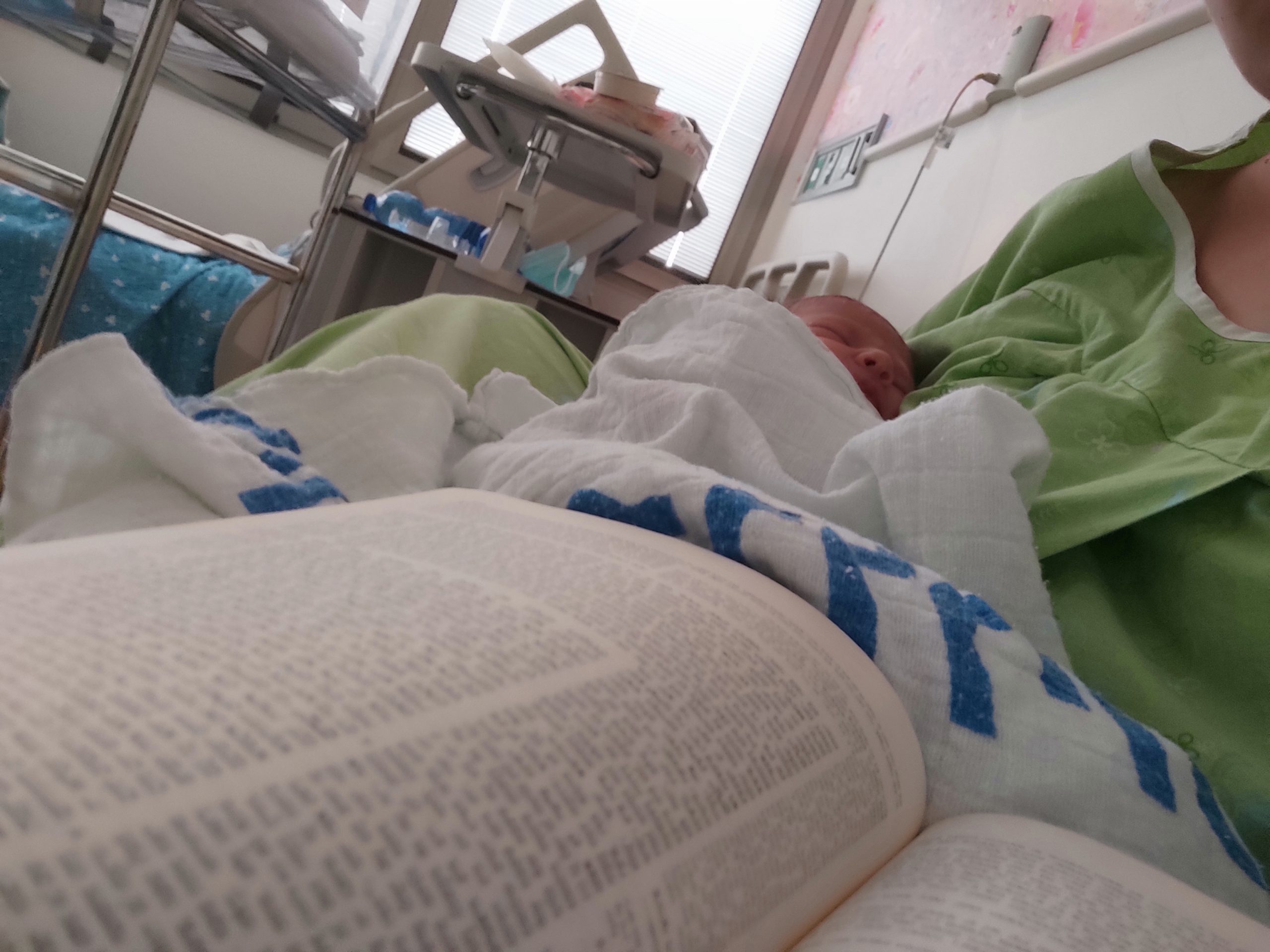
בתחילת הסבב הנוכחי הצטברו אצלי תחושות שאני לא מבינה מספיק מהי ההלכה אותה אני מקיימת בכל יום. כמו כן, כאמא לבנות רציתי לתת להן מודל נשי של לימוד תורה
שתי הסיבות האלו הובילו אותי להתחיל ללמוד. נתקלתי בתגובות מפרגנות וסקרניות איך אישה לומדת גמרא..
כמו שרואים בתמונה אני ממשיכה ללמוד גם היום ואפילו במחלקת יולדות אחרי לידת ביתי השלישית.

Noa Shiloh
נועה שילה

רבבה, ישראל

התחלתי ללמוד דף יומי אחרי שחזרתי בתשובה ולמדתי במדרשה במגדל עוז. הלימוד טוב ומספק חומר למחשבה על נושאים הלכתיים ”קטנים” ועד לערכים גדולים ביהדות. חשוב לי להכיר את הגמרא לעומק. והצעד הקטן היום הוא ללמוד אותה בבקיאות, בעזרת השם, ומי יודע אולי גם אגיע לעיון בנושאים מעניינים. נושאים בגמרא מתחברים לחגים, לתפילה, ליחסים שבין אדם לחברו ולמקום ולשאר הדברים שמלווים באורח חיים דתי 🙂

Gaia Divo
גאיה דיבו

מצפה יריחו, ישראל

התחלתי לפני 8 שנים במדרשה. לאחרונה סיימתי מסכת תענית בלמידה עצמית ועכשיו לקראת סיום מסכת מגילה.

Daniela Baruchim
דניאלה ברוכים

רעננה, ישראל

התחלתי ללמוד דף לפני קצת יותר מ-5 שנים, כשלמדתי רבנות בישיבת מהר”ת בניו יורק. בדיעבד, עד אז, הייתי בלימוד הגמרא שלי כמו מישהו שאוסף חרוזים משרשרת שהתפזרה, פה משהו ושם משהו, ומאז נפתח עולם ומלואו…. הדף נותן לי לימוד בצורה מאורגנת, שיטתית, יום-יומית, ומלמד אותי לא רק ידע אלא את השפה ודרך החשיבה שלנו. לשמחתי, יש לי סביבה תומכת וההרגשה שלי היא כמו בציטוט שבחרתי: הדף משפיע לטובה על כל היום שלי.

Michal Kahana
מיכל כהנא

חיפה, ישראל

שמעתי על הסיום הענק של הדף היומי ע”י נשים בבנייני האומה. רציתי גם.
החלטתי להצטרף. התחלתי ושיכנעתי את בעלי ועוד שתי חברות להצטרף. עכשיו יש לי לימוד משותף איתו בשבת ומפגש חודשי איתן בנושא (והתכתבויות תדירות על דברים מיוחדים שקראנו). הצטרפנו לקבוצות שונות בווטסאפ. אנחנו ממש נהנות. אני שומעת את השיעור מידי יום (בד”כ מהרב יוני גוטמן) וקוראת ומצטרפת לסיומים של הדרן. גם מקפידה על דף משלהן (ונהנית מאד).

Liat Citron
ליאת סיטרון

אפרת, ישראל

קידושין כח

שֶׁלֹּא נִיתְּנָה לְהִתָּבַע בְּעֵד אֶחָד – מְגַלְגְּלִין, מָמוֹן, שֶׁנִּיתָּן לְהִתָּבַע בְּעֵד אֶחָד – אֵינוֹ דִּין שֶׁמְגַלְגְּלִין?

where an oath cannot be imposed by one witness, as two witnesses must testify that the wife secluded herself with the man concerning whom she was warned in order for her to be obligated to take the oath of a sota, and yet one can extend her oath, is it not logical that with regard to a claim involving money, where an oath can be imposed by the testimony of one witness, that one can extend the oath?

אַשְׁכְּחַן בְּוַדַּאי, סָפֵק מְנָלַן?

The Gemara asks: We found a source for the extension of an oath in the case of a definite claim, i.e., when the plaintiff is certain of his claim. From where do we derive that this halakha of the extension of an oath applies also to uncertain claims, when the plaintiff is not sure the defendant owes him money but merely suspects this to be the case?

תַּנְיָא, רַבִּי שִׁמְעוֹן בֶּן יוֹחַאי אוֹמֵר: נֶאֶמְרָה שְׁבוּעָה בַּחוּץ, וְנֶאֶמְרָה שְׁבוּעָה בִּפְנִים. מָה שְׁבוּעָה הָאֲמוּרָה בִּפְנִים – עָשָׂה בָּהּ סָפֵק כְּוַדַּאי, אַף שְׁבוּעָה הָאֲמוּרָה בַּחוּץ – עָשָׂה בָּהּ סָפֵק כְּוַדַּאי.

The Gemara answers: It is taught in a baraita that Rabbi Shimon ben Yoḥai says: The Torah states an external oath, i.e., an oath administered outside of the Temple, and it states an internal oath, an oath administered inside the Temple courtyard, i.e., the oath of a sota. Just as with regard to an oath stated in the Torah that is taken inside the Temple, the Torah rendered uncertainty like certainty, as in the case of a sota the husband’s claim is based on suspicion and yet he can extend that oath; so too, with regard to an oath stated in the Torah that is taken outside the Temple, the Torah rendered uncertainty to be like certainty, i.e., all oaths can be extended to include even uncertain claims.

עַד הֵיכָן גִּלְגּוּל שְׁבוּעָה? אָמַר רַב יְהוּדָה אָמַר רַב: דְּאָמַר לֵיהּ: ״הִישָּׁבַע לִי שֶׁאֵין עַבְדִּי אַתָּה״.

§ The Gemara asks: Until where does the extension of an oath reach? It has been established that a plaintiff can attach other claims to the oath that the defendant is required to take, even if they do not relate to the current claim submitted in court. To what extent can the plaintiff impose additional oaths? Rav Yehuda said that Rav said: The halakha is that a plaintiff can even say to a defendant: Take an oath to me that you are not my Canaanite slave. If the defendant is required to take an oath, e.g., concerning denial of a debt, he can be forced to take an oath about this matter as well.

הָהוּא שַׁמּוֹתֵי מְשַׁמְּתִינַן לֵיהּ! דְּתַנְיָא: הַקּוֹרֵא לַחֲבֵירוֹ ״עֶבֶד״ – יְהֵא בְּנִידּוּי. ״מַמְזֵר״ – סוֹפֵג אֶת הָאַרְבָּעִים. ״רָשָׁע״ – יוֹרֵד עִמּוֹ לְחַיָּיו!

The Gemara asks: But the court ostracizes one who says this to another, as it is taught in a baraita: One who calls another a slave shall be ostracized. One who calls another a mamzer incurs the punishment of forty lashes. If one calls another a wicked person then the insulted person may harass him in all aspects of his life. In light of this halakha, it is clear that the court will not force the accused to respond to this insult by taking an oath.

אֶלָּא אָמַר רָבָא: הִישָּׁבַע לִי שֶׁלֹּא נִמְכַּרְתָּ לִי בְּעֶבֶד עִבְרִי. הַאי טַעַנְתָּא מְעַלַּיְיתָא הִיא, מָמוֹנָא אִית לֵיהּ גַּבֵּיהּ! רָבָא לְטַעְמֵיהּ, דְּאָמַר רָבָא: עֶבֶד עִבְרִי גּוּפוֹ קָנוּי.

Rather, Rava said that the plaintiff can extend an oath by stating: Take an oath to me that you were not sold to me as a Hebrew slave. In this case the plaintiff is not questioning the man’s lineage, as he is simply claiming that he was sold to him as a slave and must work for him. The Gemara asks: But there is nothing novel about this halakha, as this is a proper claim that there is money owed to him by the accused. The sale and service of a Hebrew slave can be assessed in monetary terms, and is analogous to all claims of debt, which can be imposed by extension of an oath. The Gemara answers: Rava conforms to his line of reasoning, as Rava says: The Hebrew slave himself is acquired by his master. Consequently, this claim involves not just money but ownership over his person as well.

אִי הָכִי, הַיְינוּ קַרְקַע! מַהוּ דְּתֵימָא: קַרְקַע הוּא דְּעָבְדִי אִינָשֵׁי דִּמְזַבְּנִי בְּצִינְעָא, אִם אִיתָא דְּזַבֵּין – לֵית לֵיהּ קָלָא.

The Gemara asks: If so, this is similar to a claim concerning ownership of land, and the mishna already taught that an oath can be extended to include a claim concerning land. The Gemara answers: This ruling is necessary lest you say: It is land that people are likely to sell privately, and if it is so that the plaintiff had sold it to him, the sale would not have generated publicity, and the public would not know about it. Therefore, the plaintiff’s claim that the defendant sold land to him is reasonable.

הַאי, אִם אִיתָא דְּזַבֵּין – קָלָא אִית לֵיהּ, קָא מַשְׁמַע לַן.

By contrast, in this case, where the plaintiff claims that he purchased the defendant as a Hebrew slave, if it is so that he purchased him as a slave, the sale would have generated publicity. Since this supposed sale is not common knowledge, one might have thought that the defendant cannot be forced to take an oath to deny this claim. Therefore, Rava teaches us that despite the absence of public knowledge, one can extend an oath to this claim as well.

מַתְנִי׳ כׇּל הַנַּעֲשֶׂה דָּמִים בְּאַחֵר, כֵּיוָן שֶׁזָּכָה זֶה – נִתְחַיֵּיב זֶה בַּחֲלִיפָיו. כֵּיצַד? הֶחְלִיף שׁוֹר בְּפָרָה אוֹ חֲמוֹר בְּשׁוֹר, כֵּיוָן שֶׁזָּכָה זֶה – נִתְחַיֵּיב זֶה בַּחֲלִיפָיו.

MISHNA: The mishna discusses a transaction involving the barter of two items. With regard to all items used as monetary value for another item, i.e., instead of a buyer paying money to the seller, they exchange items of value with each other, once one party in the transaction acquires the item he is receiving, this party is obligated with regard to the item being exchanged for it. Therefore, if it is destroyed or lost, he incurs the loss. How so? If one exchanges an ox for a cow, or a donkey for an ox, once this party acquires the animal that he is receiving, this party is obligated with regard to the item being exchanged for it.

גְּמָ׳ חֲלִיפִין מַאי נִיהוּ? – מַטְבֵּעַ, שְׁמַע מִינַּהּ: מַטְבֵּעַ נַעֲשֶׂה חֲלִיפִין? אָמַר רַב יְהוּדָה: הָכִי קָאָמַר: כׇּל הַנִּישּׁוֹם דָּמִים בְּאַחֵר,

GEMARA: The Gemara asks: What is the item given in exchange mentioned in the mishna? If it is referring to a coin, for which property is usually exchanged, can one learn from the mishna that a coin can effect exchange, i.e., it is possible to perform the act of acquisition of exchange, either a standard exchange or a symbolic exchange, using coins? This is problematic, as the halakha is that coins cannot be used for this act of acquisition. Rav Yehuda said: The phrase: All items used as monetary value for another item, is not referring to a coin. Rather, this is what the mishna is saying: With regard to all items that can be appraised when used as monetary value for another item, i.e., that their value can be appraised relative to the value of another item, excluding a coin, whose value is apparent,

כֵּיוָן שֶׁזָּכָה זֶה נִתְחַיֵּיב בַּחֲלִיפִין. דַּיְקָא נָמֵי, דְּקָתָנֵי: כֵּיצַד? הֶחְלִיף שׁוֹר בְּפָרָה אוֹ חֲמוֹר בְּשׁוֹר. שְׁמַע מִינַּהּ.

once one party in the transaction acquires the item he is receiving, this party is obligated with regard to the item being exchanged for it. The novelty of the mishna is that all items, not only vessels, can be used to perform the act of acquisition of exchange. Therefore, one should not infer that the same is the halakha with regard to coins. The Gemara comments: The language of the mishna is also precise, as it teaches afterward: How so? If one exchanges an ox for a cow, or a donkey for an ox, once this party acquires the animal that he is receiving, this party is obligated with regard to the item being exchanged for it. This clause apparently explains the previous clause, and employs the example of animals, not coins. The Gemara summarizes: Learn from this clause that the mishna is referring to acquisition through the exchange of items, not money.

וּלְמַאי דִּסְלֵיק אַדַּעְתִּין מֵעִיקָּרָא דְּמַטְבֵּעַ נַעֲשֶׂה חֲלִיפִין, מַאי כֵּיצַד? הָכִי קָאָמַר: פֵּירוֹת נָמֵי עָבְדִי חֲלִיפִין. כֵּיצַד? הֶחְלִיף בְּשַׂר שׁוֹר בְּפָרָה אוֹ בְּשַׂר חֲמוֹר בְּשׁוֹר, כֵּיוָן שֶׁזָּכָה זֶה נִתְחַיֵּיב בַּחֲלִיפִין.

The Gemara asks: And with regard to what entered our minds initially, that a coin effects symbolic exchange, what is the meaning of the clause: How so, if one exchanged an ox for a cow, once this party acquires the animal that he is receiving, this party is obligated with regard to the item being exchanged for it. This example does not involve a coin. The Gemara explains that it was assumed that this is what the mishna is saying: Not only can a coin be used in the act of acquisition of exchange, but produce can also effect exchange. How so? If one exchanged meat of an ox for a cow, or the meat of a donkey for an ox, once this party acquires the item that he is receiving, this party is obligated with regard to the item being exchanged for it.

הָנִיחָא לְרַב שֵׁשֶׁת, דְּאָמַר: פֵּירוֹת עָבְדִי חֲלִיפִין. אֶלָּא לְרַב נַחְמָן דְּאָמַר: פֵּירוֹת לָא עָבְדִי חֲלִיפִין, מַאי אִיכָּא לְמֵימַר?

The Gemara asks: This works out well according to the opinion of Rav Sheshet, who says: Produce effects exchange, i.e., the mode of acquisition of exchange applies not only to vessels but also to produce and animals. But according to the opinion of Rav Naḥman, who says: Produce does not effect exchange, what can be said?

הָכִי קָאָמַר: יֵשׁ דָּמִים שֶׁהֵן כַּחֲלִיפִין, כֵּיצַד? הֶחְלִיף דְּמֵי שׁוֹר בְּפָרָה אוֹ דְּמֵי חֲמוֹר בְּשׁוֹר.

The Gemara answers: According to this opinion, the mishna is dealing with money alone, and this is what the mishna is saying: There is a transaction involving money that is like an exchange. How so? If one exchanged the monetary value of an ox for a cow, or the monetary value of a donkey for an ox, the transaction is effective. In this case, one sold his ox to another for an agreed sum of money, and after the buyer acquired the ox by pulling it, he then offered to give the seller his cow in exchange for the money that he owes him. In this case the cow is acquired without the seller having to pull it. Although this acquisition initially was to be an exchange, it is ultimately a purchase for money, as the second animal is acquired as a result of the forgiving of the monetary debt.

מַאי טַעְמָא? סָבַר לַהּ כְּרַבִּי יוֹחָנָן, דְּאָמַר: דְּבַר תּוֹרָה, מָעוֹת קוֹנוֹת. וּמָה טַעַם אָמְרוּ מְשִׁיכָה קוֹנָה? גְּזֵירָה שֶׁמָּא יֹאמַר לוֹ: ״נִשְׂרְפוּ חִיטֶּיךָ בָּעֲלִיָּיה״.

What is the reason for this ruling in light of the halakha that one cannot acquire movable property by means of money alone? The Gemara explains that Rav Naḥman holds in accordance with the opinion of Rabbi Yoḥanan, who said: By Torah law money effects acquisition, i.e., when one pays money he acquires the item, even if he has not yet performed another act of acquisition. And what is the reason that the Sages said that pulling acquires an item and money does not? This is a rabbinic decree lest the seller say to the buyer after receiving the money: Your wheat was burned in the loft. If a fire breaks out or some other mishap occurs after a seller receives the money, he will not bother to save the goods in his house because they no longer belong to him, and the buyer may incur a loss.

מִילְּתָא דִשְׁכִיחָ[א] גְּזַרוּ בַּהּ רַבָּנַן, מִילְּתָא דְּלָא שְׁכִיחָ[א] לָא גְּזַרוּ בַּהּ רַבָּנַן.

The Sages therefore decreed that acquisition takes effect only when a buyer pulls the item. The reason that the mishna allows a transaction that indicates that one can effect acquisition using only money is because that case of the mishna as explained by Rav Naḥman is an uncommon occurrence. It is rare for one who has sold his animal in exchange for money to change his mind and request an animal from the purchaser instead. With regard to a common occurrence, the Sages issued a decree, whereas in the case of an uncommon occurrence, the Sages did not issue a decree. Consequently, the Sages did not apply their decree to this situation.

וּלְרֵישׁ לָקִישׁ דְּאָמַר: מְשִׁיכָה מְפוֹרֶשֶׁת מִן הַתּוֹרָה, הָנִיחָא אִי סָבַר לַהּ כְּרַב שֵׁשֶׁת דְּאָמַר פֵּירוֹת עָבְדִי חֲלִיפִין, מְתָרֵץ כְּרַב שֵׁשֶׁת.

The Gemara asks: And how is the mishna explained according to the opinion of Reish Lakish, who disagrees with Rabbi Yoḥanan and says that pulling is explicitly stated in the Torah? Reish Lakish maintains that the acquisition of movable property cannot be performed with money by Torah law, and therefore there can be no distinction between common and uncommon cases. This works out well if Reish Lakish holds in accordance with the opinion of Rav Sheshet, who says that produce effects exchange. If so, he can explain the mishna in accordance with the opinion of Rav Sheshet.

אֶלָּא אִי סָבַר לַהּ כְּרַב נַחְמָן דְּאָמַר פֵּירוֹת לָא עָבְדִי חֲלִיפִין, וּמַטְבֵּעַ לָא קָנֵי, בְּמַאי מוֹקֵי לַהּ? עַל כֻּרְחָךְ, כְּרַב שֵׁשֶׁת סְבִירָא לֵיהּ.

But if he holds in accordance with the opinion of Rav Naḥman, who says that produce does not effect exchange and a coin does not effect acquisition by Torah law or by rabbinic law, in what manner does he establish the mishna? The Gemara answers: Perforce Reish Lakish holds in accordance with the opinion of Rav Sheshet.

מַתְנִי׳ רְשׁוּת הַגָּבוֹהַּ בְּכֶסֶף, וּרְשׁוּת הַהֶדְיוֹט בַּחֲזָקָה. אֲמִירָתוֹ לְגָבוֹהַּ – כִּמְסִירָתוֹ לְהֶדְיוֹט.

MISHNA: The authority of the Temple treasury effects acquisition by means of money to the seller. And the authority, i.e., the mode of acquisition, of a commoner [hedyot] is by possession. Furthermore, one’s declaration to the Most High, i.e., when one consecrates an item through speech, is equivalent to transferring an item to a common person, and the item is acquired by the Temple treasury through his mere speech.

גְּמָ׳ תָּנוּ רַבָּנַן: כֵּיצַד רְשׁוּת הַגָּבוֹהַּ בְּכֶסֶף? גִּיזְבָּר שֶׁנָּתַן מָעוֹת בִּבְהֵמָה, אֲפִילּוּ בְּהֵמָה בְּסוֹף הָעוֹלָם – קָנָה. וּבַהֶדְיוֹט – לֹא קָנָה עַד שֶׁיִּמְשׁוֹךְ.

GEMARA: The Sages taught in a baraita (Tosefta 1:6): How does the authority of the Temple treasury effect acquisition by means of money? With regard to the Temple treasurer who gives coins for an animal, even if the animal is at the other end of the world, he acquires it immediately. And with regard to a commoner, he does not acquire the animal until he pulls it.

כֵּיצַד אֲמִירָתוֹ לַגָּבוֹהַּ כִּמְסִירָתוֹ לַהֶדְיוֹט? הָאוֹמֵר ״שׁוֹר זֶה עוֹלָה״, ״בַּיִת זֶה הֶקְדֵּשׁ״, אֲפִילּוּ בְּסוֹף הָעוֹלָם – קָנָה. בַּהֶדְיוֹט – לֹא קָנָה

How is one’s declaration to the Most High equivalent to transferring an item to a common person? With regard to one who says: This ox is a burnt-offering, or: This house is consecrated property, the Temple treasury acquires these even if they are at the other end of the world. There is no need for a further act of acquisition, as that statement alone is sufficient. Whereas with regard to a commoner, he does not acquire property in this manner

רוצה לעקוב אחרי התכנים ולהמשיך ללמוד?

ביצירת חשבון עוד היום ניתן לעקוב אחרי ההתקדמות שלך, לסמן מה למדת, ולעקוב אחרי השיעורים שמעניינים אותך.

לנקות את כל הפריטים מהרשימה?

פעולה זו תסיר את כל הפריטים בחלק זה כולל ההתקדמות וההיסטוריה. שימי לב: לא ניתן לשחזר פעולה זו.

ביטול
מחיקה

האם את/ה בטוח/ה שברצונך למחוק פריט זה?

תאבד/י את כל ההתקדמות או ההיסטוריה הקשורות לפריט זה.

ביטול
מחיקה