חיפוש

קידושין לא

רוצה להקדיש שיעור?

podcast placeholder

0:00
0:00


תקציר

הדף היום מוקדש ע”י אור אליאסיאן לע”נ מיכל בת ששה חוה.

הדף היום מוקדש ע”י לאה גולדפורד לכבוד גיטה ניופלד.

הדף היום מוקדש לרפואת שלמה גבריאל בן אסתר. 

כיצד קשורה מצוות כיבוד הורים למצוות כיבוד ה’? דמא בן נתינה היה אינו יהודי שכיבד את אביו בצורה יוצאת דופן ומעשיו מובאים כדוגמה לאופן קיום המצווה. מובאות דוגמאות נוספות לרבנים שקיימו את מצוות כיבוד הוריהם – חלקם זוכים לשבחים ואחרים זוכים לביקורת. איך מכבדים את ההורים לאחר מותם?


קידושין לא

שֶׁמְּשַׁדַּלְתּוֹ בִּדְבָרִים, לְפִיכָךְ הִקְדִּים הַקָּדוֹשׁ בָּרוּךְ הוּא כִּיבּוּד אָב לְכִיבּוּד אֵם. וְגָלוּי וְיָדוּעַ לִפְנֵי מִי שֶׁאָמַר וְהָיָה הָעוֹלָם שֶׁהַבֵּן מִתְיָירֵא מֵאָבִיו יוֹתֵר מֵאִמּוֹ, מִפְּנֵי שֶׁמְּלַמְּדוֹ תּוֹרָה, לְפִיכָךְ הִקְדִּים הַקָּדוֹשׁ בָּרוּךְ הוּא מוֹרָא הָאֵם לְמוֹרָא הָאָב.

she persuades him with many statements of encouragement and does not treat him harshly. Therefore, in the mitzva of: “Honor your father and your mother” (Exodus 20:11), the Holy One, Blessed be He, preceded the mention of the honor due one’s father before mentioning the honor due one’s mother. The verse emphasizes the duty that does not come naturally. Similarly, it is revealed and known before the One Who spoke and the world came into being that a son fears his father more than his mother, because his father teaches him Torah, and consequently he is strict with him. Therefore, in the verse: “A man shall fear his mother and his father” (Leviticus 19:3), the Holy One, Blessed be He, preceded the mention of fear of the mother before the mention of fear of the father.

תָּנֵי תַּנָּא קַמֵּיהּ דְּרַב נַחְמָן: בִּזְמַן שֶׁאָדָם מְצַעֵר אֶת אָבִיו וְאֶת אִמּוֹ אָמַר הַקָּדוֹשׁ בָּרוּךְ הוּא: יָפֶה עָשִׂיתִי שֶׁלֹּא דַּרְתִּי בֵּינֵיהֶם, שֶׁאִלְמָלֵי דַּרְתִּי בֵּינֵיהֶם, צִיעֲרוּנִי. אָמַר רַבִּי יִצְחָק: כׇּל הָעוֹבֵר עֲבֵירָה בַּסֵּתֶר – כְּאִילּוּ דּוֹחֵק רַגְלֵי שְׁכִינָה. שֶׁנֶּאֱמַר: ״כֹּה אָמַר ה׳ הַשָּׁמַיִם כִּסְאִי וְהָאָרֶץ הֲדֹם רַגְלָי״.

A tanna taught a baraita before Rav Naḥman: When a person causes his father and mother suffering, the Holy One, Blessed be He, says: I did well in not dwelling among them, for if I had dwelled among them they would have caused Me suffering as well, as it were. Rabbi Yitzḥak says: Anyone who transgresses in private, it is considered as though he is pushing away the feet of the Divine Presence, i.e., he distances God from him, so to speak. As it is stated: “So says the Lord: The heaven is My throne and the earth is My footstool” (Isaiah 66:1). When someone sins in secret, he demonstrates that he thinks God is absent from that place, and it is as though he pushes His feet away from the earth.

אָמַר רַבִּי יְהוֹשֻׁעַ בֶּן לֵוִי: אָסוּר לְאָדָם שֶׁיְּהַלֵּךְ אַרְבַּע אַמּוֹת בְּקוֹמָה זְקוּפָה, שֶׁנֶּאֱמַר: ״מְלֹא כׇל הָאָרֶץ כְּבוֹדוֹ״. רַב הוּנָא בְּרֵיהּ דְּרַב יְהוֹשֻׁעַ לָא מְסַגֵּי אַרְבַּע אַמּוֹת בְּגִילּוּי הָרֹאשׁ. אָמַר: שְׁכִינָה לְמַעְלָה מֵרֹאשִׁי.

With regard to the same issue, Rabbi Yehoshua ben Levi says: It is prohibited for a person to walk even four cubits with an upright posture, which is considered an arrogant manner, as it is stated: “The entire world is full of His glory” (Isaiah 6:3). One who walks in an arrogant manner indicates a lack of regard for the glory and honor of God that is surrounding him, and thereby chases God from that place, as it were. The Gemara relates: Rav Huna, son of Rav Yehoshua, would not walk four cubits with an uncovered head. He said: The Divine Presence is above my head, and I must act respectfully.

שָׁאַל בֶּן אַלְמָנָה אַחַת אֶת רַבִּי אֱלִיעֶזֶר: אַבָּא אוֹמֵר: ״הַשְׁקֵינִי מַיִם״ וְאִימָּא אוֹמֶרֶת: ״הַשְׁקֵינִי מַיִם״, אֵיזֶה מֵהֶם קוֹדֵם? אֲמַר לֵיהּ: הַנַּח כְּבוֹד אִמְּךָ וַעֲשֵׂה כְּבוֹד אָבִיךָ, שֶׁאַתָּה וְאִמְּךָ חַיָּיבִים בִּכְבוֹד אָבִיךָ. בָּא לִפְנֵי רַבִּי יְהוֹשֻׁעַ, אָמַר לוֹ כָּךְ.

The son of one widow asked Rabbi Eliezer: If my father says to me: Give me water to drink, and my mother also says to me: Give me water to drink, which of them should I honor first? Rabbi Eliezer said to him: Set aside the honor of your mother, and perform the honor of your father, as you and your mother are both obligated in the honor of your father. He came before Rabbi Yehoshua and asked him the same question, and Rabbi Yehoshua said this same answer to him.

אָמַר לוֹ: רַבִּי, נִתְגָּרְשָׁה מַהוּ? אֲמַר לֵיהּ: מִבֵּין רִיסֵי עֵינֶיךָ נִיכָּר שֶׁבֶּן אַלְמָנָה אַתָּה. הַטֵּל לָהֶן מַיִם בְּסֵפֶל וְקַעְקֵעַ לָהֶן כְּתַרְנְגוֹלִין.

The man said to him: My teacher, if one’s mother is divorced, what is the halakha? Rabbi Yehoshua said to him: From your eyelashes, which are filled with tears, it is evident that you are the son of a widow, and you have no father. Why, then, are you asking this question as though it were relevant for you? Consequently, Rabbi Yehoshua answered him sarcastically: Pour water for them into a pitcher and squawk at them as one does to summon chickens. In other words, if one’s mother is divorced, the same honor is due to both parents, and neither takes precedence.

דָּרֵשׁ עוּלָּא רַבָּה אַפִּיתְחָא דְּבֵי נְשִׂיאָה: מַאי דִּכְתִיב: ״יוֹדוּךָ ה׳ כׇּל מַלְכֵי אָרֶץ כִּי שָׁמְעוּ אִמְרֵי פִיךָ״ – ״מַאֲמַר פִּיךָ״ לֹא נֶאֱמַר, אֶלָּא ״אִמְרֵי פִיךָ״ – בְּשָׁעָה שֶׁאָמַר הַקָּדוֹשׁ בָּרוּךְ הוּא ״אָנֹכִי״ וְ״לֹא יִהְיֶה לְךָ״, אֲמַרוּ אוּמּוֹת הָעוֹלָם: לִכְבוֹד עַצְמוֹ הוּא דּוֹרֵשׁ.

§ Ulla the Great interpreted a verse homiletically at the entrance to the house of the Nasi. What is the meaning of that which is written: “All the kings of the earth shall give You thanks, O Lord, for they have heard the words of Your mouth” (Psalms 138:4)? It is not stated: The word of Your mouth, in the singular. Rather, the verse uses the expression: “The words of Your mouth,” in the plural. To what is this phrase referring? When the Holy One, Blessed be He, said: “I am the Lord your God” (Exodus 20:2), and, in the same verse: “You shall have no other gods before Me,” the nations of the world said: He teaches this for His own honor, as both statements entail respect for God.

כֵּיוָן שֶׁאָמַר: ״כַּבֵּד אֶת אָבִיךָ וְאֶת אִמֶּךָ״ חָזְרוּ וְהוֹדוּ לְמַאֲמָרוֹת הָרִאשׁוֹנוֹת. רָבָא אָמַר: מֵהָכָא: ״רֹאשׁ דְּבָרְךָ אֱמֶת״ – ״רֹאשׁ דְּבָרְךָ״ וְלֹא ״סוֹף דְּבָרְךָ״? אֶלָּא מִסּוֹף דְּבָרְךָ נִיכָּר שֶׁרֹאשׁ דְּבָרְךָ אֱמֶת.

Once He said: “Honor your father and your mother” (Exodus 20:11), they returned and conceded the truth of the first statements, which is why the verse uses the plural expression: “Words of Your mouth,” i.e., all the words of God’s mouth. Rava said: This can be derived from here: “The beginning of Your word is truth” (Psalms 119:160). Is the beginning of Your word truth but not the end of Your word? Rather, from the end of Your word it is apparent to everyone that the beginning of Your word is truth.

בְּעוֹ מִינֵּיהּ מֵרַב עוּלָּא: עַד הֵיכָן כִּיבּוּד אָב וָאֵם? אָמַר לָהֶם: צְאוּ וּרְאוּ מָה עָשָׂה נׇכְרִי אֶחָד בְּאַשְׁקְלוֹן, וְדָמָא בֶּן נְתִינָה שְׁמוֹ. פַּעַם אַחַת בִּקְּשׁוּ חֲכָמִים פְּרַקְמַטְיָא בְּשִׁשִּׁים רִיבּוֹא שָׂכָר, וְהָיָה מַפְתֵּחַ מוּנָּח תַּחַת מְרַאֲשׁוֹתָיו שֶׁל אָבִיו, וְלֹא צִיעֲרוֹ.

The Sages raised a dilemma before Rav Ulla: How far must one go to fulfill the mitzva of honoring one’s father and mother? Rav Ulla said to them: Go and see what one gentile did in Ashkelon, and his name was Dama ben Netina. Once the Sages sought to purchase merchandise [perakmatya] from him for six hundred thousand gold dinars’ profit, but the key for the container in which the merchandise was kept was placed under his father’s head, and he was sleeping at the time. And Dama ben Netina would not disturb his father by waking him, although he could have made a substantial profit.

אָמַר רַב יְהוּדָה אָמַר שְׁמוּאֵל: שָׁאֲלוּ אֶת רַבִּי אֱלִיעֶזֶר: עַד הֵיכָן כִּיבּוּד אָב וָאֵם? אָמַר לָהֶם: צְאוּ וּרְאוּ מָה עָשָׂה נׇכְרִי אֶחָד לְאָבִיו בְּאַשְׁקְלוֹן, וְדָמָא בֶּן נְתִינָה שְׁמוֹ. בִּקְּשׁוּ מִמֶּנּוּ חֲכָמִים אֲבָנִים לָאֵפוֹד בְּשִׁשִּׁים רִיבּוֹא שָׂכָר, וְרַב כָּהֲנָא מַתְנֵי בִּשְׁמוֹנִים רִיבּוֹא, וְהָיָה מַפְתֵּחַ מוּנָּח תַּחַת מְרַאֲשׁוֹתָיו שֶׁל אָבִיו, וְלֹא צִיעֲרוֹ.

Rav Yehuda says that Shmuel says: They asked Rabbi Eliezer: How far must one go to fulfill the mitzva of honoring one’s father and mother? Rabbi Eliezer said to them: Go and see what one gentile did for his father in Ashkelon, and the name of the son was Dama ben Netina. Once the Sages wished to purchase precious stones from him for the ephod of the High Priest for six hundred thousand gold dinars’ profit, and Rav Kahana taught that it was eight hundred thousand gold dinars’ profit. And the key to the chest holding the jewels was placed under his father’s head, and he would not disturb him.

לְשָׁנָה הָאַחֶרֶת נָתַן הַקָּדוֹשׁ בָּרוּךְ הוּא שְׂכָרוֹ, שֶׁנּוֹלְדָה לוֹ פָּרָה אֲדֻמָּה בְּעֶדְרוֹ. נִכְנְסוּ חַכְמֵי יִשְׂרָאֵל אֶצְלוֹ, אָמַר לָהֶם: יוֹדֵעַ אֲנִי בָּכֶם שֶׁאִם אֲנִי מְבַקֵּשׁ מִכֶּם כׇּל מָמוֹן שֶׁבָּעוֹלָם אַתֶּם נוֹתְנִין לִי, אֶלָּא אֵין אֲנִי מְבַקֵּשׁ מִכֶּם אֶלָּא אוֹתוֹ מָמוֹן שֶׁהִפְסַדְתִּי בִּשְׁבִיל כְּבוֹד אַבָּא.

The next year the Holy One, Blessed be He, gave Dama ben Netina his reward, as a red heifer was born in his herd, and the Jews needed it. When the Sages of Israel came to him he said to them: I know, concerning you, that if I were to ask for all the money in the world you would give it to me. But I ask only that money that I lost due to the honor of Father.

וְאָמַר רַבִּי חֲנִינָא: וּמָה מִי שֶׁאֵינוֹ מְצֻוֶּוה וְעוֹשֶׂה – כָּךְ, מְצֻוֶּוה וְעוֹשֶׂה – עַל אַחַת כַּמָּה וְכַמָּה. דְּאָמַר רַבִּי חֲנִינָא: גָּדוֹל מְצֻוֶּוה וְעוֹשֶׂה מִמִּי שֶׁאֵינוֹ מְצֻוֶּוה וְעוֹשֶׂה.

And Rabbi Ḥanina says: And if this is related about one who is not commanded by the Torah to honor his father, as Dama was a gentile, and nevertheless when he performs the mitzva he is given this great reward, all the more so is one rewarded who is commanded to fulfill a mitzva and performs it. As Rabbi Ḥanina says: Greater is one who is commanded to do a mitzva and performs it than one who is not commanded to do a mitzva and performs it.

אָמַר רַב יוֹסֵף: מֵרֵישׁ הֲוָה אָמֵינָא: מַאן דַּהֲוָה אָמַר לִי הֲלָכָה כְּרַבִּי יְהוּדָה דְּאָמַר: סוֹמֵא פָּטוּר מִן הַמִּצְוֹת – עָבֵידְנָא יוֹמָא טָבָא לְרַבָּנַן, דְּהָא לָא מִיפְּקִידְנָא וְהָא עָבֵידְנָא. הַשְׁתָּא דְּשַׁמְעִיתַהּ לְהָא דְּאָמַר רַבִּי חֲנִינָא: גָּדוֹל מְצֻוֶּוה וְעוֹשֶׂה יוֹתֵר מִמִּי שֶׁאֵינוֹ מְצֻוֶּוה וְעוֹשֶׂה, אַדְּרַבָּה: מַאן דְּאָמַר לִי דְּאֵין הֲלָכָה כְּרַבִּי יְהוּדָה עָבֵידְנָא יוֹמָא טָבָא לְרַבָּנַן.

Rav Yosef, who was blind, said: At first I would say: If someone would tell me that the halakha is in accordance with the opinion of Rabbi Yehuda, who says: A blind person is exempt from fulfilling the mitzvot, I would make a festive day for the rabbis, as I am not commanded and yet I perform the mitzvot. This means my reward is very great. Now that I have heard that which Rabbi Ḥanina says: Greater is one who is commanded to do a mitzva and performs it than one who is not commanded to do a mitzva and performs it, on the contrary: If someone would tell me that the halakha is not in accordance with the opinion of Rabbi Yehuda, and a blind person is obligated in mitzvot, I would make a festive day for the rabbis.

כִּי אֲתָא רַב דִּימִי אָמַר: פַּעַם אַחַת הָיָה לָבוּשׁ סִירְקוֹן שֶׁל זָהָב, וְהָיָה יוֹשֵׁב בֵּין גְּדוֹלֵי רוֹמִי. וּבָאתָה אִמּוֹ וּקְרָעַתּוּ מִמֶּנּוּ, וְטָפְחָה לוֹ עַל רֹאשׁוֹ, וְיָרְקָה לוֹ בְּפָנָיו, וְלֹא הִכְלִימָהּ.

When Rav Dimi came from Eretz Yisrael to Babylonia, he said: Once Dama ben Netina was wearing a fine cloak [sirkon] of gold, and was sitting among the nobles of Rome. And his mother came to him and tore his garment from him and smacked him on the head and spat in his face, and yet he did not embarrass her.

תָּנֵי אֲבִימִי בְּרֵיהּ דְּרַבִּי אֲבָהוּ: יֵשׁ מַאֲכִיל לְאָבִיו פַּסְיוֹנֵי וְטוֹרְדוֹ מִן הָעוֹלָם, וְיֵשׁ מַטְחִינוֹ בָּרֵיחַיִם

Avimi, son of Rabbi Abbahu, taught: There is a type of son who feeds his father pheasant [pasyonei] and yet this behavior causes him to be removed from the World, i.e., the World-to-Come; and there is one who makes him grind with a millstone, which is difficult work,

וּמְבִיאוֹ לְחַיֵּי הָעוֹלָם הַבָּא.

and this action brings him to the life of the World-to-Come.

אָמַר רַבִּי אֲבָהוּ: כְּגוֹן אֲבִימִי בְּרִי קִיֵּים מִצְוַת כִּיבּוּד. חַמְשָׁה בְּנֵי סְמִיכִי הֲוָה לֵיהּ לַאֲבִימִי בְּחַיֵּי אָבִיו, וְכִי הֲוָה אֲתָא רַבִּי אֲבָהוּ, קָרֵי אַבָּבָא, רָהֵיט וְאָזֵיל וּפָתַח לֵיהּ וְאָמַר: אִין, אִין, עַד דְּמָטֵאי הָתָם.

Rabbi Abbahu said: One such as Avimi, my son, properly fulfilled the mitzva of honoring his parents. The Gemara relates: Avimi had five sons during his father’s lifetime who were ordained to issue halakhic rulings, and he too was ordained. And yet when Rabbi Abbahu, his father, came and called at the gate to enter, Avimi would himself run and go to open the door for him. And before he arrived there, he would already say: Yes, yes, so that his father would not think that he was being ignored.

יוֹמָא חַד אֲמַר לֵיהּ: אַשְׁקְיַין מַיָּא. אַדְּאַיְיתִי לֵיהּ נַמְנֵם. גָּחֵין קָאֵי עֲלֵיהּ עַד דְּאִיתְּעַר. אִיסְתַּיַּיעָא מִילְּתֵיהּ וּדְרַשׁ אֲבִימִי ״מִזְמוֹר לְאָסָף״.

One day Rabbi Abbahu said to Avimi his son: Give me water to drink. Before he brought him the water, Rabbi Abbahu dozed off. Avimi bent over and stood over him until his father awoke. The performance of this mitzva aided him, i.e., as a reward God helped him in his studies, and Avimi succeeded in homiletically interpreting the psalm: “A song to Asaph (Psalms 79).

אֲמַר לֵיהּ רַב יַעֲקֹב בַּר אֲבוּהּ לְאַבָּיֵי: כְּגוֹן אֲנָא, דְּעַד דְּאָתֵינָא מִבֵּי רַב אַבָּא מְדַלֵּי לִי כָּסָא וְאִמָּא מָזְגָה לִי, הֵיכִי אֶיעֱבֵיד? אֲמַר לֵיהּ: מֵאִמָּךְ קַבֵּיל, וּמֵאֲבוּךְ לָא תְּקַבֵּל דְּכֵיוָן דְּבַר תּוֹרָה הוּא חָלְשָׁה דַּעְתֵּיהּ.

Rav Ya’akov bar Avuh said to Abaye: With regard to one such as I, so beloved by my parents that before I return from the study hall my father brings me a cup and my mother pours for me, how should I act? Is it disrespectful to accept this honor from them? Abaye said to him: Accept it from your mother, but do not accept it from your father, as, since he is a Torah scholar he will be disheartened if his son does not show him the proper level of respect.

רַבִּי טַרְפוֹן הֲוָה לֵיהּ הָהִיא אִמָּא דְּכֹל אֵימַת דַּהֲוָת בָּעֲיָא לְמֵיסֵק לְפוּרְיָא גָּחִין וּסְלִיק לַהּ, וְכֹל אֵימַת דֵּהוָת נָחִית, נֶחְתַּת עֲלוּיָה. אֲתָא וְקָא מִשְׁתַּבַּח בֵּי מִדְרְשָׁא. אָמְרֵי לֵיהּ: עֲדָיִין לֹא הִגַּעְתָּ לַחֲצִי כִּיבּוּד. כְּלוּם זָרְקָה אַרְנָקִי בְּפָנֶיךָ לַיָּם וְלֹא הִכְלַמְתָּהּ?

The Gemara relates: Rabbi Tarfon had a certain manner of treating his mother, that whenever she wished to ascend into her bed he would bend over and help her to ascend, and whenever she wished to descend from the bed, she would descend onto him. He came and praised himself in the study hall for performing the mitzva of honoring one’s father and mother so thoroughly. They said to him: You still have not reached even half of the honor due to her. Has it ever happened that she threw a purse into the sea in front of you, and you did not embarrass her?

רַב יוֹסֵף כִּי הֲוָה שָׁמַע קָל כַּרְעָא דְאִמֵּיהּ, אָמַר: אֵיקוּם מִקַּמֵּי שְׁכִינָה דְּאָתְיָא. אָמַר רַבִּי יוֹחָנָן: אַשְׁרֵי מִי שֶׁלֹּא חֲמָאָן. רַבִּי יוֹחָנָן כִּי עִבְּרַתּוּ אִמּוֹ – מֵת אָבִיו, יְלָדַתּוּ – מֵתָה אִמּוֹ. וְכֵן אַבָּיֵי. אִינִי? וְהָאָמַר אַבָּיֵי: אֲמַרָה לִי אֵם! הָהִיא מְרַבְּיָנְתֵּיהּ הֲוַאי.

When Rav Yosef heard his mother’s footsteps, he would say: I will stand before the arriving Divine Presence. Rabbi Yoḥanan said: Fortunate is one who never saw his father and mother, as it is so difficult to honor them appropriately. The Gemara relates that Rabbi Yoḥanan himself never saw his parents. When his mother was pregnant with him, his father died; and when she gave birth to him, his mother died. And the same is true of Abaye. The Gemara asks: Is that so, that Abaye never saw his mother? But didn’t Abaye say on many occasions: My mother told me? The Gemara answers: That mother was actually his foster mother, not his birth mother.

רַב אַסִּי הֲוָה לֵיהּ הָהִיא אִמָּא זְקֵינָה. אֲמַרָה לֵיהּ: בָּעֲיָנָא תַּכְשִׁיטִין. עֲבַד לַהּ. בָּעֲיָנָא גַּבְרָא: נְיעַיֵּין לָךְ. בָּעֲיָנָא גַּבְרָא דְּשַׁפִּיר כְּוָתָךְ, שַׁבְקַהּ וַאֲזַל לְאַרְעָא דְיִשְׂרָאֵל.

Rav Asi had an elderly mother. She said to him: I want jewelry, and he made jewelry for her. She said to him: I want a man whom I can marry, and he said to her: I will seek one for you. She said to him: I want a husband who is as handsome as you. At this point, he realized that she was senile, and that he would be unable to fulfill all her requests. Therefore, he left her and went to Eretz Yisrael.

שְׁמַע דְּקָא אָזְלָה אַבָּתְרֵיהּ. אֲתָא לְקַמֵּיהּ דְּרַבִּי יוֹחָנָן, אֲמַר לֵיהּ: מַהוּ לָצֵאת מֵאֶרֶץ לְחוּצָה לָאָרֶץ? אֲמַר לֵיהּ: אָסוּר. לִקְרַאת אִמָּא מַהוּ? אֲמַר לֵיהּ: אֵינִי יוֹדֵעַ. אִתָּרַח פּוּרְתָּא, הֲדַר אֲתָא. אֲמַר לֵיהּ: אַסִּי, נִתְרַצֵּיתָ לָצֵאת – הַמָּקוֹם יַחֲזִירְךָ לְשָׁלוֹם.

Rav Asi heard that she was following him to Eretz Yisrael. He came before Rabbi Yoḥanan and said to him: What is the halakha with regard to leaving Eretz Yisrael to go outside of Eretz Yisrael? Rabbi Yoḥanan said to him: It is prohibited. Rav Asi further asked: If one is going to greet his mother, what is the halakha? Rabbi Yoḥanan said to him: I do not know. Rav Asi waited a little while, and then came back to him. Rabbi Yoḥanan said to him: Asi, you are evidently determined to leave. May the Omnipresent return you in peace, and he said no more.

אֲתָא לְקַמֵּיהּ דְּרַבִּי אֶלְעָזָר. אֲמַר לֵיהּ: חַס וְשָׁלוֹם, דִּלְמָא מִירְתָּח רָתַח? אֲמַר לֵיהּ: מַאי אֲמַר לָךְ? אֲמַר לֵיהּ: הַמָּקוֹם יַחֲזִירְךָ לְשָׁלוֹם. אֲמַר לֵיהּ: וְאִם אִיתָא דְּרָתַח – לָא הֲוָה מְבָרֵךְ לֵךְ. אַדְּהָכִי וְהָכִי שְׁמַע לַאֲרוֹנַאּ דְּקָאָתֵי. אָמַר: אִי יְדַעִי לָא נְפַקִי.

Rav Asi came before Rabbi Elazar, because he did not know how to interpret Rabbi Yoḥanan’s statement. He said to Rabbi Elazar: God forbid, perhaps he is angry with me that I wished to leave? Rabbi Elazar said to him: What exactly did he say to you? Rav Asi said to him: May the Omnipresent return you in peace. Rabbi Elazar said to him: If it is so that he was angry, he would not have blessed you. Rabbi Yoḥanan certainly gave you permission to leave. In the meantime, while he was traveling to meet her, Rav Asi heard that her coffin was coming, i.e., his mother had died and her coffin was being brought to Eretz Yisrael. He said: Had I known I would not have left, as after his mother’s death he was not obligated to leave Eretz Yisrael to honor her.

תָּנוּ רַבָּנַן: מְכַבְּדוֹ בְּחַיָּיו, וּמְכַבְּדוֹ בְּמוֹתוֹ. בְּחַיָּיו כֵּיצַד? הַנִּשְׁמָע בִּדְבַר אָבִיו לְמָקוֹם, לֹא יֹאמַר: ״שַׁלְּחוּנִי בִּשְׁבִיל עַצְמִי״, ״מַהֲרוּנִי בִּשְׁבִיל עַצְמִי״, ״פִּטְרוּנִי בִּשְׁבִיל עַצְמִי״. אֶלָּא כּוּלְּהוּ: ״בִּשְׁבִיל אַבָּא״.

The Sages taught: One honors his father in his life and honors him in his death. How does he honor him in his life? One who goes to a place on the command of his father should not say to the people to whom he has been sent, to hurry them along: Send me on my journey on my own behalf, or: Hurry up on my own behalf, or: Allow me to take leave of this business on my own behalf. Rather, he should say all of the above in the following manner: Act in this manner on Father’s behalf, as a mark of respect for his father.

בְּמוֹתוֹ כֵּיצַד? הָיָה אוֹמֵר דָּבָר שְׁמוּעָה מִפִּיו, לֹא יֹאמַר: ״כָּךְ אָמַר אַבָּא״, אֶלָּא: ״כָּךְ אָמַר אַבָּא מָרִי, הֲרֵינִי כַּפָּרַת מִשְׁכָּבוֹ״. וְהָנֵי מִילֵּי תּוֹךְ שְׁנֵים עָשָׂר חֹדֶשׁ, מִכָּאן וְאֵילָךְ אוֹמֵר: ״זִכְרוֹנוֹ לִבְרָכָה לְחַיֵּי הָעוֹלָם הַבָּא״.

How does he honor him in his death? If he says a matter he heard from his father’s mouth, he should not say: So said Father. Rather, he should say: So said Father, my teacher, may I be an atonement for his resting soul. And this halakha applies within twelve months of his death. From this time onward he says: May his memory be for a blessing, for the life of the World-to-Come.

תָּנוּ רַבָּנַן: חָכָם – מְשַׁנֶּה שֵׁם אָבִיו וְשֵׁם רַבּוֹ. תּוּרְגְּמָן – אֵינוֹ מְשַׁנֶּה לֹא שֵׁם אָבִיו וְלֹא שֵׁם רַבּוֹ. אֲבוּהּ דְּמַאן? אִילֵימָא אֲבוּהּ דִּמְתוּרְגְּמָן – אַטּוּ תּוּרְגְּמָן לָאו בַּר חִיּוּבָא הוּא?

The Sages taught: A Sage who lectures in public must change the name of his father, i.e., when he quotes his father he should not mention him by name. And similarly, he changes the name of his teacher. The disseminator, who explains the statements of a Sage to the audience, changes neither the name of his father nor the name of his teacher. The Gemara asks: To whose father is this referring? If we say it is referring to the father of the disseminator, whom the Sage mentioned in his lecture, is that to say that the disseminator is not obligated to observe the mitzva of honoring one’s father? How can a disseminator mention his own father by name?

אֶלָּא אָמַר רָבָא: שֵׁם אָבִיו שֶׁל חָכָם, וְשֵׁם רַבּוֹ שֶׁל חָכָם. כִּי הָא דְּמָר בַּר רַב אָשֵׁי כִּי הֲוָה דָּרֵישׁ בְּפִירְקָא, אִיהוּ אָמַר: אַבָּא מָרִי, וְאָמוֹרֵיהּ אָמַר: הָכִי אָמַר רַב אָשֵׁי.

Rather, Rava said: This is referring to the name of the Sage’s father and the name of the Sage’s teacher. This is like that which Mar bar Rav Ashi would do, as when he would teach Torah at his regular lecture and would mention a halakha in the name of his father, Rav Ashi, he would say: So said my father, my teacher; and his disseminator would say: So said Rav Ashi. Although a son may not mention his father’s name, the disseminator of his lecture may do so.

תָּנוּ רַבָּנַן: אֵיזֶהוּ מוֹרָא וְאֵיזֶהוּ כִּיבּוּד? מוֹרָא – לֹא עוֹמֵד בִּמְקוֹמוֹ, וְלֹא יוֹשֵׁב בִּמְקוֹמוֹ, וְלֹא סוֹתֵר אֶת דְּבָרָיו, וְלֹא מַכְרִיעוֹ. כִּיבּוּד – מַאֲכִיל וּמַשְׁקֶה, מַלְבִּישׁ וּמְכַסֶּה, מַכְנִיס וּמוֹצִיא.

The Sages taught: What is fear and what is honor? Fear of one’s father includes the following: One may not stand in his father’s fixed place, and may not sit in his place, and may not contradict his statements by expressing an opinion contrary to that of his father, and he may not choose sides when his father argues with someone else. What is considered honor? He gives his father food and drink, dresses and covers him, and brings him in and takes him out for all his household needs.

אִיבַּעְיָא לְהוּ:

A dilemma was raised before the Sages:

העמקה

רוצה להבין מה באמת קורה מתחת לפני השטח של הסוגיה?
שיעורים, פודקאסטים והרחבות של מיטב המורות שלנו יפתחו לך עוד זוויות וכיווני חשיבה.

לשיעורי עוד על הדף באנגלית, לחצי כאן

חדשה בלימוד הגמרא?

זה הדף הראשון שלך? איזו התרגשות עצומה! יש לנו בדיוק את התכנים והכלים שיעזרו לך לעשות את הצעדים הראשונים ללמידה בקצב וברמה שלך, כך תוכלי להרגיש בנוח גם בתוך הסוגיות המורכבות ומאתגרות.

פסיפס הלומדות שלנו

גלי את קהילת הלומדות שלנו, מגוון נשים, רקעים וסיפורים. כולן חלק מתנועה ומסע מרגש ועוצמתי.

שמעתי על הסיום הענק של הדף היומי ע”י נשים בבנייני האומה. רציתי גם.
החלטתי להצטרף. התחלתי ושיכנעתי את בעלי ועוד שתי חברות להצטרף. עכשיו יש לי לימוד משותף איתו בשבת ומפגש חודשי איתן בנושא (והתכתבויות תדירות על דברים מיוחדים שקראנו). הצטרפנו לקבוצות שונות בווטסאפ. אנחנו ממש נהנות. אני שומעת את השיעור מידי יום (בד”כ מהרב יוני גוטמן) וקוראת ומצטרפת לסיומים של הדרן. גם מקפידה על דף משלהן (ונהנית מאד).

Liat Citron
ליאת סיטרון

אפרת, ישראל

התחלתי מחוג במסכת קידושין שהעבירה הרבנית רייסנר במסגרת בית המדרש כלנה בגבעת שמואל; לאחר מכן התחיל סבב הדף היומי אז הצטרפתי. לסביבה לקח זמן לעכל אבל היום כולם תומכים ומשתתפים איתי. הלימוד לעתים מעניין ומעשיר ולעתים קשה ואף הזוי… אך אני ממשיכה קדימה. הוא משפיע על היומיום שלי קודם כל במרדף אחרי הדף, וגם במושגים הרבים שלמדתי ובידע שהועשרתי בו, חלקו ממש מעשי

Abigail Chrissy
אביגיל כריסי

ראש העין, ישראל

התחלתי ללמוד דף יומי באמצע תקופת הקורונה, שאבא שלי סיפר לי על קבוצה של בנות שתיפתח ביישוב שלנו ותלמד דף יומי כל יום. הרבה זמן רציתי להצטרף לזה וזאת הייתה ההזדמנות בשבילי. הצטרפתי במסכת שקלים ובאמצע הייתה הפסקה קצרה. כיום אני כבר לומדת באולפנה ולומדת דף יומי לבד מתוך גמרא של טיינזלץ.

Saturdays in Raleigh
שבות בראלי

עתניאל, ישראל

בסוף הסבב הקודם ראיתי את השמחה הגדולה שבסיום הלימוד, בעלי סיים כבר בפעם השלישית וכמובן הסיום הנשי בבנייני האומה וחשבתי שאולי זו הזדמנות עבורי למשהו חדש.
למרות שאני שונה בסביבה שלי, מי ששומע על הלימוד שלי מפרגן מאוד.
אני מנסה ללמוד קצת בכל יום, גם אם לא את כל הדף ובסך הכל אני בדרך כלל עומדת בקצב.
הלימוד מעניק המון משמעות ליום יום ועושה סדר בלמוד תורה, שתמיד היה (ועדיין) שאיפה. אבל אין כמו קביעות

Racheli-Mendelson
רחלי מנדלסון

טל מנשה, ישראל

בתחילת הסבב הנוכחי הצטברו אצלי תחושות שאני לא מבינה מספיק מהי ההלכה אותה אני מקיימת בכל יום. כמו כן, כאמא לבנות רציתי לתת להן מודל נשי של לימוד תורה
שתי הסיבות האלו הובילו אותי להתחיל ללמוד. נתקלתי בתגובות מפרגנות וסקרניות איך אישה לומדת גמרא..
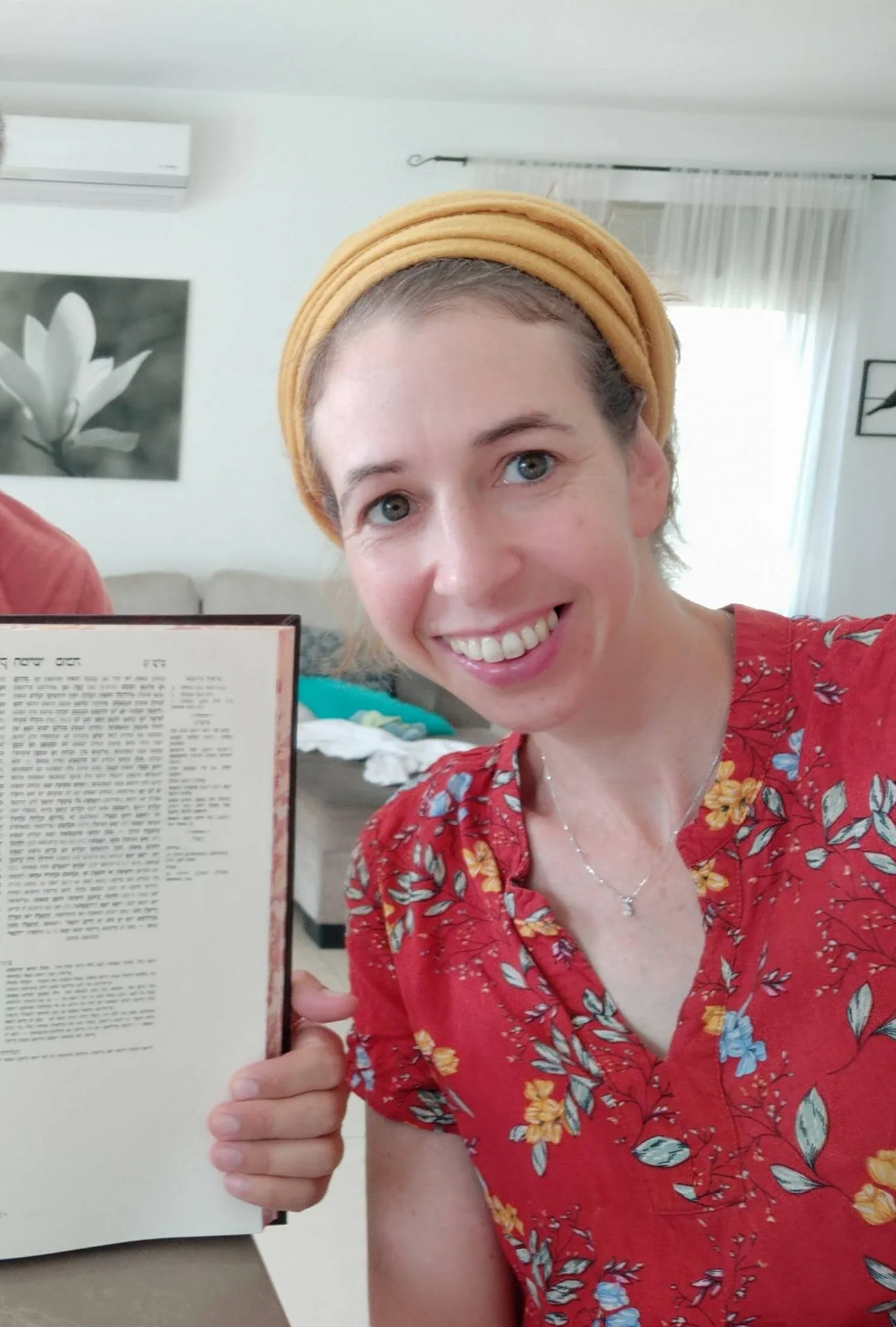
כמו שרואים בתמונה אני ממשיכה ללמוד גם היום ואפילו במחלקת יולדות אחרי לידת ביתי השלישית.

Noa Shiloh
נועה שילה

רבבה, ישראל

בתחילת הסבב הנוכחי של לימוד הדף היומי, נחשפתי לחגיגות המרגשות באירועי הסיום ברחבי העולם. והבטחתי לעצמי שבקרוב אצטרף גם למעגל הלומדות. הסבב התחיל כאשר הייתי בתחילת דרכי בתוכנית קרן אריאל להכשרת יועצות הלכה של נשמ”ת. לא הצלחתי להוסיף את ההתחייבות לדף היומי על הלימוד האינטנסיבי של תוכנית היועצות. בבוקר למחרת המבחן הסופי בנשמ”ת, התחלתי את לימוד הדף במסכת סוכה ומאז לא הפסקתי.

Hana Shaham-Rozby (Dr.)
חנה שחם-רוזבי (ד”ר)

קרית גת, ישראל

לפני 15 שנה, אחרי עשרות שנים של "ג’ינגול” בין משפחה לקריירה תובענית בהייטק, הצטרפתי לשיעורי גמרא במתן רעננה. הלימוד המעמיק והייחודי של הרבנית אושרה קורן יחד עם קבוצת הנשים המגוונת הייתה חוויה מאלפת ומעשירה. לפני כשמונה שנים כאשר מחזור הדף היומי הגיע למסכת תענית הצטרפתי כ”חברותא” לבעלי. זו השעה היומית שלנו ביחד כאשר דפי הגמרא משתלבים בחיי היום יום, משפיעים ומושפעים, וכשלא מספיקים תמיד משלימים בשבת

Yodi Askoff
יודי אסקוף

רעננה, ישראל

התחלתי בתחילת הסבב, והתמכרתי. זה נותן משמעות נוספת ליומיום ומאוד מחזק לתת לזה מקום בתוך כל שגרת הבית-עבודה השוטפת.

Reut Abrahami
רעות אברהמי

בית שמש, ישראל

למדתי גמרא מכיתה ז- ט ב Maimonides School ואחרי העליה שלי בגיל 14 לימוד הגמרא, שלא היה כל כך מקובל בימים אלה, היה די ספוראדי. אחרי "ההתגלות” בבנייני האומה התחלתי ללמוד בעיקר בדרך הביתה למדתי מפוקקטסים שונים. לאט לאט ראיתי שאני תמיד חוזרת לרבנית מישל פרבר. באיזה שהוא שלב התחלתי ללמוד בזום בשעה 7:10 .
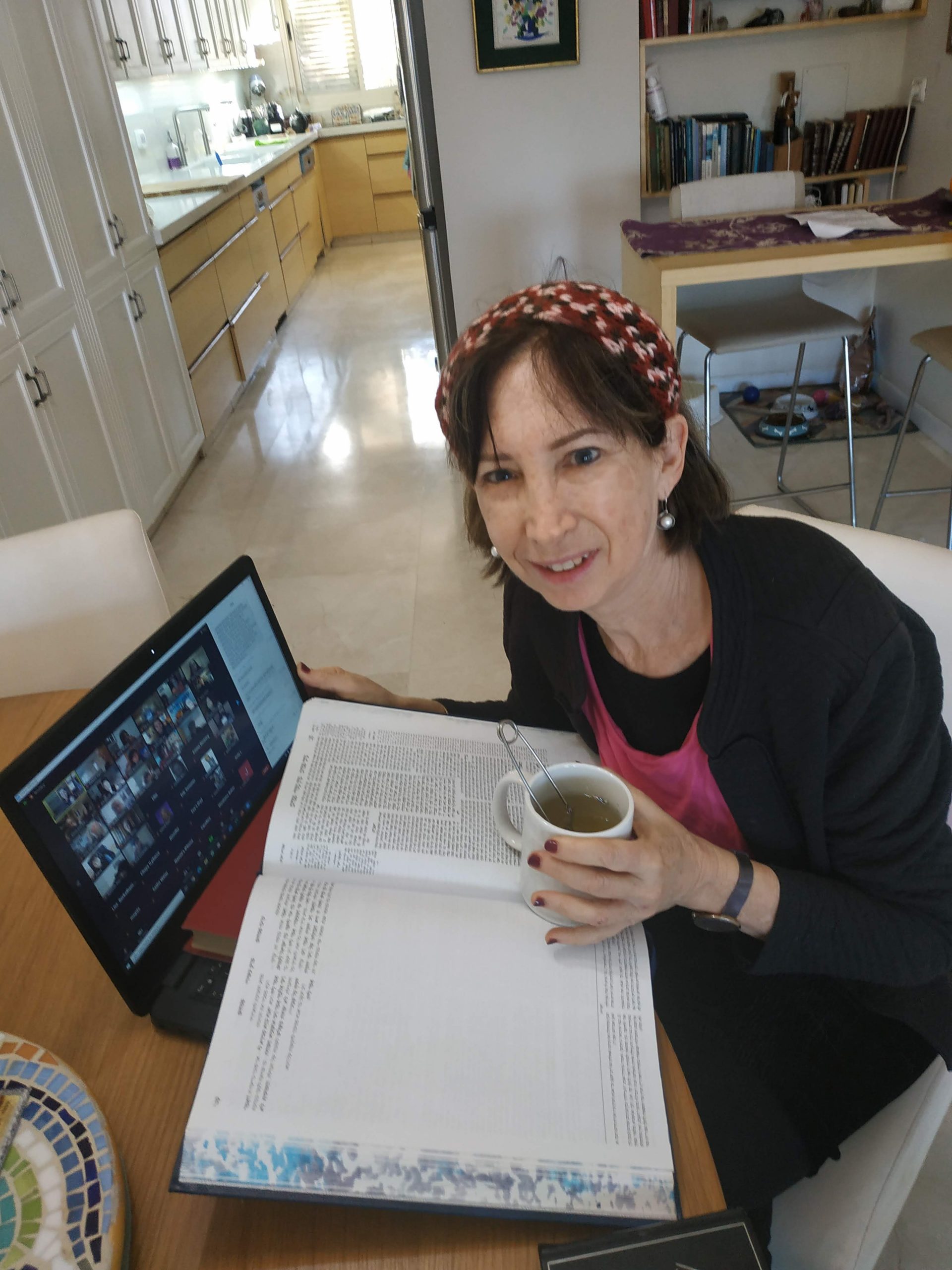
היום "אין מצב” שאני אתחיל את היום שלי ללא לימוד עם הרבנית מישל עם כוס הקפה שלי!!

selfie-scaled
דבי גביר

חשמונאים, ישראל

באירוע של הדרן בנייני האומה. בהשראתה של אמי שלי שסיימה את הש”ס בסבב הקודם ובעידוד מאיר , אישי, וילדיי וחברותיי ללימוד במכון למנהיגות הלכתית של רשת אור תורה סטון ומורתיי הרבנית ענת נובוסלסקי והרבנית דבורה עברון, ראש המכון למנהיגות הלכתית.
הלימוד מעשיר את יומי, מחזיר אותי גם למסכתות שכבר סיימתי וידוע שאינו דומה מי ששונה פרקו מאה לשונה פרקו מאה ואחת במיוחד מרתקים אותי החיבורים בין המסכתות

Roit Kalech
רוית קלך

מודיעין, ישראל

התחלתי מעט לפני תחילת הסבב הנוכחי. אני נהנית מהאתגר של להמשיך להתמיד, מרגעים של "אהה, מפה זה הגיע!” ומהאתגר האינטלקטואלי

Eilat-Chen and Deller
אילת-חן ודלר

לוד, ישראל

התחלתי ללמוד דף יומי כאשר קיבלתי במייל ממכון שטיינזלץ את הדפים הראשונים של מסכת ברכות במייל. קודם לא ידעתי איך לקרוא אותם עד שנתתי להם להדריך אותי. הסביבה שלי לא מודעת לעניין כי אני לא מדברת על כך בפומבי. למדתי מהדפים דברים חדשים, כמו הקשר בין המבנה של בית המקדש והמשכן לגופו של האדם (יומא מה, ע”א) והקשר שלו למשפט מפורסם שמופיע בספר ההינדי "בהגוד-גיתא”. מתברר שזה רעיון כלל עולמי ולא רק יהודי

Elena Arenburg
אלנה ארנבורג

נשר, ישראל

התחלתי ללמוד דף יומי בתחילת מסכת ברכות, עוד לא ידעתי כלום. נחשפתי לסיום הש״ס, ובעצם להתחלה מחדש בתקשורת, הפתיע אותי לטובה שהיה מקום לעיסוק בתורה.
את המסכתות הראשונות למדתי, אבל לא סיימתי (חוץ מעירובין איכשהו). השנה כשהגעתי למדרשה, נכנסתי ללופ, ואני מצליחה להיות חלק, סיימתי עם החברותא שלי את כל המסכתות הקצרות, גם כשהיינו חולות קורונה ובבידודים, למדנו לבד, העיקר לא לצבור פער, ומחכות ליבמות 🙂

Eden Yeshuron
עדן ישורון

מזכרת בתיה, ישראל

"התחלתי ללמוד דף יומי במחזור הזה, בח’ בטבת תש””ף. לקחתי על עצמי את הלימוד כדי ליצור תחום של התמדה יומיומית בחיים, והצטרפתי לקבוצת הלומדים בבית הכנסת בכפר אדומים. המשפחה והסביבה מתפעלים ותומכים.
בלימוד שלי אני מתפעלת בעיקר מכך שכדי ללמוד גמרא יש לדעת ולהכיר את כל הגמרא. זו מעין צבת בצבת עשויה שהיא עצומה בהיקפה.”

Sarah Fox
שרה פוּקס

כפר אדומים, ישראל

A life-changing journey started with a Chanukah family tiyul to Zippori, home of the Sanhedrin 2 years ago and continued with the Syum in Binanei Hauma where I was awed by the energy of 3000 women dedicated to learning daf Yomi. Opening my morning daily with a fresh daf, I am excited with the new insights I find enriching my life and opening new and deeper horizons for me.

Becky Goldstein
בקי גולדשטיין

Elazar gush etzion, Israel

התחלתי מחוג במסכת קידושין שהעבירה הרבנית רייסנר במסגרת בית המדרש כלנה בגבעת שמואל; לאחר מכן התחיל סבב הדף היומי אז הצטרפתי. לסביבה לקח זמן לעכל אבל היום כולם תומכים ומשתתפים איתי. הלימוד לעתים מעניין ומעשיר ולעתים קשה ואף הזוי… אך אני ממשיכה קדימה. הוא משפיע על היומיום שלי קודם כל במרדף אחרי הדף, וגם במושגים הרבים שלמדתי ובידע שהועשרתי בו, חלקו ממש מעשי

Abigail Chrissy
אביגיל כריסי

ראש העין, ישראל

התחלתי להשתתף בשיעור נשים פעם בשבוע, תכננתי ללמוד רק דפים בודדים, לא האמנתי שאצליח יותר מכך.
לאט לאט נשאבתי פנימה לעולם הלימוד .משתדלת ללמוד כל בוקר ומתחילה את היום בתחושה של מלאות ומתוך התכווננות נכונה יותר.
הלימוד של הדף היומי ממלא אותי בתחושה של חיבור עמוק לעם היהודי ולכל הלומדים בעבר ובהווה.

Neely Hayon
נילי חיון

אפרת, ישראל

רציתי לקבל ידע בתחום שהרגשתי שהוא גדול וחשוב אך נעלם ממני. הלימוד מעניק אתגר וסיפוק ומעמיק את תחושת השייכות שלי לתורה וליהדות

Ruth Agiv
רות עגיב

עלי זהב – לשם, ישראל

לפני 15 שנה, אחרי עשרות שנים של "ג’ינגול” בין משפחה לקריירה תובענית בהייטק, הצטרפתי לשיעורי גמרא במתן רעננה. הלימוד המעמיק והייחודי של הרבנית אושרה קורן יחד עם קבוצת הנשים המגוונת הייתה חוויה מאלפת ומעשירה. לפני כשמונה שנים כאשר מחזור הדף היומי הגיע למסכת תענית הצטרפתי כ”חברותא” לבעלי. זו השעה היומית שלנו ביחד כאשר דפי הגמרא משתלבים בחיי היום יום, משפיעים ומושפעים, וכשלא מספיקים תמיד משלימים בשבת

Yodi Askoff
יודי אסקוף

רעננה, ישראל

ראיתי את הסיום הגדול בבנייני האומה וכל כך התרשמתי ורציתי לקחת חלק.. אבל לקח לי עוד כשנה וחצי )באמצע מסיכת שבת להצטרף..
הלימוד חשוב לי מאוד.. אני תמיד במרדף אחרי הדף וגונבת כל פעם חצי דף כשהילדים עסוקים ומשלימה אח”כ אחרי שכולם הלכו לישון..

Olga Mizrahi
אולגה מזרחי

ירושלים, ישראל

קידושין לא

שֶׁמְּשַׁדַּלְתּוֹ בִּדְבָרִים, לְפִיכָךְ הִקְדִּים הַקָּדוֹשׁ בָּרוּךְ הוּא כִּיבּוּד אָב לְכִיבּוּד אֵם. וְגָלוּי וְיָדוּעַ לִפְנֵי מִי שֶׁאָמַר וְהָיָה הָעוֹלָם שֶׁהַבֵּן מִתְיָירֵא מֵאָבִיו יוֹתֵר מֵאִמּוֹ, מִפְּנֵי שֶׁמְּלַמְּדוֹ תּוֹרָה, לְפִיכָךְ הִקְדִּים הַקָּדוֹשׁ בָּרוּךְ הוּא מוֹרָא הָאֵם לְמוֹרָא הָאָב.

she persuades him with many statements of encouragement and does not treat him harshly. Therefore, in the mitzva of: “Honor your father and your mother” (Exodus 20:11), the Holy One, Blessed be He, preceded the mention of the honor due one’s father before mentioning the honor due one’s mother. The verse emphasizes the duty that does not come naturally. Similarly, it is revealed and known before the One Who spoke and the world came into being that a son fears his father more than his mother, because his father teaches him Torah, and consequently he is strict with him. Therefore, in the verse: “A man shall fear his mother and his father” (Leviticus 19:3), the Holy One, Blessed be He, preceded the mention of fear of the mother before the mention of fear of the father.

תָּנֵי תַּנָּא קַמֵּיהּ דְּרַב נַחְמָן: בִּזְמַן שֶׁאָדָם מְצַעֵר אֶת אָבִיו וְאֶת אִמּוֹ אָמַר הַקָּדוֹשׁ בָּרוּךְ הוּא: יָפֶה עָשִׂיתִי שֶׁלֹּא דַּרְתִּי בֵּינֵיהֶם, שֶׁאִלְמָלֵי דַּרְתִּי בֵּינֵיהֶם, צִיעֲרוּנִי. אָמַר רַבִּי יִצְחָק: כׇּל הָעוֹבֵר עֲבֵירָה בַּסֵּתֶר – כְּאִילּוּ דּוֹחֵק רַגְלֵי שְׁכִינָה. שֶׁנֶּאֱמַר: ״כֹּה אָמַר ה׳ הַשָּׁמַיִם כִּסְאִי וְהָאָרֶץ הֲדֹם רַגְלָי״.

A tanna taught a baraita before Rav Naḥman: When a person causes his father and mother suffering, the Holy One, Blessed be He, says: I did well in not dwelling among them, for if I had dwelled among them they would have caused Me suffering as well, as it were. Rabbi Yitzḥak says: Anyone who transgresses in private, it is considered as though he is pushing away the feet of the Divine Presence, i.e., he distances God from him, so to speak. As it is stated: “So says the Lord: The heaven is My throne and the earth is My footstool” (Isaiah 66:1). When someone sins in secret, he demonstrates that he thinks God is absent from that place, and it is as though he pushes His feet away from the earth.

אָמַר רַבִּי יְהוֹשֻׁעַ בֶּן לֵוִי: אָסוּר לְאָדָם שֶׁיְּהַלֵּךְ אַרְבַּע אַמּוֹת בְּקוֹמָה זְקוּפָה, שֶׁנֶּאֱמַר: ״מְלֹא כׇל הָאָרֶץ כְּבוֹדוֹ״. רַב הוּנָא בְּרֵיהּ דְּרַב יְהוֹשֻׁעַ לָא מְסַגֵּי אַרְבַּע אַמּוֹת בְּגִילּוּי הָרֹאשׁ. אָמַר: שְׁכִינָה לְמַעְלָה מֵרֹאשִׁי.

With regard to the same issue, Rabbi Yehoshua ben Levi says: It is prohibited for a person to walk even four cubits with an upright posture, which is considered an arrogant manner, as it is stated: “The entire world is full of His glory” (Isaiah 6:3). One who walks in an arrogant manner indicates a lack of regard for the glory and honor of God that is surrounding him, and thereby chases God from that place, as it were. The Gemara relates: Rav Huna, son of Rav Yehoshua, would not walk four cubits with an uncovered head. He said: The Divine Presence is above my head, and I must act respectfully.

שָׁאַל בֶּן אַלְמָנָה אַחַת אֶת רַבִּי אֱלִיעֶזֶר: אַבָּא אוֹמֵר: ״הַשְׁקֵינִי מַיִם״ וְאִימָּא אוֹמֶרֶת: ״הַשְׁקֵינִי מַיִם״, אֵיזֶה מֵהֶם קוֹדֵם? אֲמַר לֵיהּ: הַנַּח כְּבוֹד אִמְּךָ וַעֲשֵׂה כְּבוֹד אָבִיךָ, שֶׁאַתָּה וְאִמְּךָ חַיָּיבִים בִּכְבוֹד אָבִיךָ. בָּא לִפְנֵי רַבִּי יְהוֹשֻׁעַ, אָמַר לוֹ כָּךְ.

The son of one widow asked Rabbi Eliezer: If my father says to me: Give me water to drink, and my mother also says to me: Give me water to drink, which of them should I honor first? Rabbi Eliezer said to him: Set aside the honor of your mother, and perform the honor of your father, as you and your mother are both obligated in the honor of your father. He came before Rabbi Yehoshua and asked him the same question, and Rabbi Yehoshua said this same answer to him.

אָמַר לוֹ: רַבִּי, נִתְגָּרְשָׁה מַהוּ? אֲמַר לֵיהּ: מִבֵּין רִיסֵי עֵינֶיךָ נִיכָּר שֶׁבֶּן אַלְמָנָה אַתָּה. הַטֵּל לָהֶן מַיִם בְּסֵפֶל וְקַעְקֵעַ לָהֶן כְּתַרְנְגוֹלִין.

The man said to him: My teacher, if one’s mother is divorced, what is the halakha? Rabbi Yehoshua said to him: From your eyelashes, which are filled with tears, it is evident that you are the son of a widow, and you have no father. Why, then, are you asking this question as though it were relevant for you? Consequently, Rabbi Yehoshua answered him sarcastically: Pour water for them into a pitcher and squawk at them as one does to summon chickens. In other words, if one’s mother is divorced, the same honor is due to both parents, and neither takes precedence.

דָּרֵשׁ עוּלָּא רַבָּה אַפִּיתְחָא דְּבֵי נְשִׂיאָה: מַאי דִּכְתִיב: ״יוֹדוּךָ ה׳ כׇּל מַלְכֵי אָרֶץ כִּי שָׁמְעוּ אִמְרֵי פִיךָ״ – ״מַאֲמַר פִּיךָ״ לֹא נֶאֱמַר, אֶלָּא ״אִמְרֵי פִיךָ״ – בְּשָׁעָה שֶׁאָמַר הַקָּדוֹשׁ בָּרוּךְ הוּא ״אָנֹכִי״ וְ״לֹא יִהְיֶה לְךָ״, אֲמַרוּ אוּמּוֹת הָעוֹלָם: לִכְבוֹד עַצְמוֹ הוּא דּוֹרֵשׁ.

§ Ulla the Great interpreted a verse homiletically at the entrance to the house of the Nasi. What is the meaning of that which is written: “All the kings of the earth shall give You thanks, O Lord, for they have heard the words of Your mouth” (Psalms 138:4)? It is not stated: The word of Your mouth, in the singular. Rather, the verse uses the expression: “The words of Your mouth,” in the plural. To what is this phrase referring? When the Holy One, Blessed be He, said: “I am the Lord your God” (Exodus 20:2), and, in the same verse: “You shall have no other gods before Me,” the nations of the world said: He teaches this for His own honor, as both statements entail respect for God.

כֵּיוָן שֶׁאָמַר: ״כַּבֵּד אֶת אָבִיךָ וְאֶת אִמֶּךָ״ חָזְרוּ וְהוֹדוּ לְמַאֲמָרוֹת הָרִאשׁוֹנוֹת. רָבָא אָמַר: מֵהָכָא: ״רֹאשׁ דְּבָרְךָ אֱמֶת״ – ״רֹאשׁ דְּבָרְךָ״ וְלֹא ״סוֹף דְּבָרְךָ״? אֶלָּא מִסּוֹף דְּבָרְךָ נִיכָּר שֶׁרֹאשׁ דְּבָרְךָ אֱמֶת.

Once He said: “Honor your father and your mother” (Exodus 20:11), they returned and conceded the truth of the first statements, which is why the verse uses the plural expression: “Words of Your mouth,” i.e., all the words of God’s mouth. Rava said: This can be derived from here: “The beginning of Your word is truth” (Psalms 119:160). Is the beginning of Your word truth but not the end of Your word? Rather, from the end of Your word it is apparent to everyone that the beginning of Your word is truth.

בְּעוֹ מִינֵּיהּ מֵרַב עוּלָּא: עַד הֵיכָן כִּיבּוּד אָב וָאֵם? אָמַר לָהֶם: צְאוּ וּרְאוּ מָה עָשָׂה נׇכְרִי אֶחָד בְּאַשְׁקְלוֹן, וְדָמָא בֶּן נְתִינָה שְׁמוֹ. פַּעַם אַחַת בִּקְּשׁוּ חֲכָמִים פְּרַקְמַטְיָא בְּשִׁשִּׁים רִיבּוֹא שָׂכָר, וְהָיָה מַפְתֵּחַ מוּנָּח תַּחַת מְרַאֲשׁוֹתָיו שֶׁל אָבִיו, וְלֹא צִיעֲרוֹ.

The Sages raised a dilemma before Rav Ulla: How far must one go to fulfill the mitzva of honoring one’s father and mother? Rav Ulla said to them: Go and see what one gentile did in Ashkelon, and his name was Dama ben Netina. Once the Sages sought to purchase merchandise [perakmatya] from him for six hundred thousand gold dinars’ profit, but the key for the container in which the merchandise was kept was placed under his father’s head, and he was sleeping at the time. And Dama ben Netina would not disturb his father by waking him, although he could have made a substantial profit.

אָמַר רַב יְהוּדָה אָמַר שְׁמוּאֵל: שָׁאֲלוּ אֶת רַבִּי אֱלִיעֶזֶר: עַד הֵיכָן כִּיבּוּד אָב וָאֵם? אָמַר לָהֶם: צְאוּ וּרְאוּ מָה עָשָׂה נׇכְרִי אֶחָד לְאָבִיו בְּאַשְׁקְלוֹן, וְדָמָא בֶּן נְתִינָה שְׁמוֹ. בִּקְּשׁוּ מִמֶּנּוּ חֲכָמִים אֲבָנִים לָאֵפוֹד בְּשִׁשִּׁים רִיבּוֹא שָׂכָר, וְרַב כָּהֲנָא מַתְנֵי בִּשְׁמוֹנִים רִיבּוֹא, וְהָיָה מַפְתֵּחַ מוּנָּח תַּחַת מְרַאֲשׁוֹתָיו שֶׁל אָבִיו, וְלֹא צִיעֲרוֹ.

Rav Yehuda says that Shmuel says: They asked Rabbi Eliezer: How far must one go to fulfill the mitzva of honoring one’s father and mother? Rabbi Eliezer said to them: Go and see what one gentile did for his father in Ashkelon, and the name of the son was Dama ben Netina. Once the Sages wished to purchase precious stones from him for the ephod of the High Priest for six hundred thousand gold dinars’ profit, and Rav Kahana taught that it was eight hundred thousand gold dinars’ profit. And the key to the chest holding the jewels was placed under his father’s head, and he would not disturb him.

לְשָׁנָה הָאַחֶרֶת נָתַן הַקָּדוֹשׁ בָּרוּךְ הוּא שְׂכָרוֹ, שֶׁנּוֹלְדָה לוֹ פָּרָה אֲדֻמָּה בְּעֶדְרוֹ. נִכְנְסוּ חַכְמֵי יִשְׂרָאֵל אֶצְלוֹ, אָמַר לָהֶם: יוֹדֵעַ אֲנִי בָּכֶם שֶׁאִם אֲנִי מְבַקֵּשׁ מִכֶּם כׇּל מָמוֹן שֶׁבָּעוֹלָם אַתֶּם נוֹתְנִין לִי, אֶלָּא אֵין אֲנִי מְבַקֵּשׁ מִכֶּם אֶלָּא אוֹתוֹ מָמוֹן שֶׁהִפְסַדְתִּי בִּשְׁבִיל כְּבוֹד אַבָּא.

The next year the Holy One, Blessed be He, gave Dama ben Netina his reward, as a red heifer was born in his herd, and the Jews needed it. When the Sages of Israel came to him he said to them: I know, concerning you, that if I were to ask for all the money in the world you would give it to me. But I ask only that money that I lost due to the honor of Father.

וְאָמַר רַבִּי חֲנִינָא: וּמָה מִי שֶׁאֵינוֹ מְצֻוֶּוה וְעוֹשֶׂה – כָּךְ, מְצֻוֶּוה וְעוֹשֶׂה – עַל אַחַת כַּמָּה וְכַמָּה. דְּאָמַר רַבִּי חֲנִינָא: גָּדוֹל מְצֻוֶּוה וְעוֹשֶׂה מִמִּי שֶׁאֵינוֹ מְצֻוֶּוה וְעוֹשֶׂה.

And Rabbi Ḥanina says: And if this is related about one who is not commanded by the Torah to honor his father, as Dama was a gentile, and nevertheless when he performs the mitzva he is given this great reward, all the more so is one rewarded who is commanded to fulfill a mitzva and performs it. As Rabbi Ḥanina says: Greater is one who is commanded to do a mitzva and performs it than one who is not commanded to do a mitzva and performs it.

אָמַר רַב יוֹסֵף: מֵרֵישׁ הֲוָה אָמֵינָא: מַאן דַּהֲוָה אָמַר לִי הֲלָכָה כְּרַבִּי יְהוּדָה דְּאָמַר: סוֹמֵא פָּטוּר מִן הַמִּצְוֹת – עָבֵידְנָא יוֹמָא טָבָא לְרַבָּנַן, דְּהָא לָא מִיפְּקִידְנָא וְהָא עָבֵידְנָא. הַשְׁתָּא דְּשַׁמְעִיתַהּ לְהָא דְּאָמַר רַבִּי חֲנִינָא: גָּדוֹל מְצֻוֶּוה וְעוֹשֶׂה יוֹתֵר מִמִּי שֶׁאֵינוֹ מְצֻוֶּוה וְעוֹשֶׂה, אַדְּרַבָּה: מַאן דְּאָמַר לִי דְּאֵין הֲלָכָה כְּרַבִּי יְהוּדָה עָבֵידְנָא יוֹמָא טָבָא לְרַבָּנַן.

Rav Yosef, who was blind, said: At first I would say: If someone would tell me that the halakha is in accordance with the opinion of Rabbi Yehuda, who says: A blind person is exempt from fulfilling the mitzvot, I would make a festive day for the rabbis, as I am not commanded and yet I perform the mitzvot. This means my reward is very great. Now that I have heard that which Rabbi Ḥanina says: Greater is one who is commanded to do a mitzva and performs it than one who is not commanded to do a mitzva and performs it, on the contrary: If someone would tell me that the halakha is not in accordance with the opinion of Rabbi Yehuda, and a blind person is obligated in mitzvot, I would make a festive day for the rabbis.

כִּי אֲתָא רַב דִּימִי אָמַר: פַּעַם אַחַת הָיָה לָבוּשׁ סִירְקוֹן שֶׁל זָהָב, וְהָיָה יוֹשֵׁב בֵּין גְּדוֹלֵי רוֹמִי. וּבָאתָה אִמּוֹ וּקְרָעַתּוּ מִמֶּנּוּ, וְטָפְחָה לוֹ עַל רֹאשׁוֹ, וְיָרְקָה לוֹ בְּפָנָיו, וְלֹא הִכְלִימָהּ.

When Rav Dimi came from Eretz Yisrael to Babylonia, he said: Once Dama ben Netina was wearing a fine cloak [sirkon] of gold, and was sitting among the nobles of Rome. And his mother came to him and tore his garment from him and smacked him on the head and spat in his face, and yet he did not embarrass her.

תָּנֵי אֲבִימִי בְּרֵיהּ דְּרַבִּי אֲבָהוּ: יֵשׁ מַאֲכִיל לְאָבִיו פַּסְיוֹנֵי וְטוֹרְדוֹ מִן הָעוֹלָם, וְיֵשׁ מַטְחִינוֹ בָּרֵיחַיִם

Avimi, son of Rabbi Abbahu, taught: There is a type of son who feeds his father pheasant [pasyonei] and yet this behavior causes him to be removed from the World, i.e., the World-to-Come; and there is one who makes him grind with a millstone, which is difficult work,

וּמְבִיאוֹ לְחַיֵּי הָעוֹלָם הַבָּא.

and this action brings him to the life of the World-to-Come.

אָמַר רַבִּי אֲבָהוּ: כְּגוֹן אֲבִימִי בְּרִי קִיֵּים מִצְוַת כִּיבּוּד. חַמְשָׁה בְּנֵי סְמִיכִי הֲוָה לֵיהּ לַאֲבִימִי בְּחַיֵּי אָבִיו, וְכִי הֲוָה אֲתָא רַבִּי אֲבָהוּ, קָרֵי אַבָּבָא, רָהֵיט וְאָזֵיל וּפָתַח לֵיהּ וְאָמַר: אִין, אִין, עַד דְּמָטֵאי הָתָם.

Rabbi Abbahu said: One such as Avimi, my son, properly fulfilled the mitzva of honoring his parents. The Gemara relates: Avimi had five sons during his father’s lifetime who were ordained to issue halakhic rulings, and he too was ordained. And yet when Rabbi Abbahu, his father, came and called at the gate to enter, Avimi would himself run and go to open the door for him. And before he arrived there, he would already say: Yes, yes, so that his father would not think that he was being ignored.

יוֹמָא חַד אֲמַר לֵיהּ: אַשְׁקְיַין מַיָּא. אַדְּאַיְיתִי לֵיהּ נַמְנֵם. גָּחֵין קָאֵי עֲלֵיהּ עַד דְּאִיתְּעַר. אִיסְתַּיַּיעָא מִילְּתֵיהּ וּדְרַשׁ אֲבִימִי ״מִזְמוֹר לְאָסָף״.

One day Rabbi Abbahu said to Avimi his son: Give me water to drink. Before he brought him the water, Rabbi Abbahu dozed off. Avimi bent over and stood over him until his father awoke. The performance of this mitzva aided him, i.e., as a reward God helped him in his studies, and Avimi succeeded in homiletically interpreting the psalm: “A song to Asaph (Psalms 79).

אֲמַר לֵיהּ רַב יַעֲקֹב בַּר אֲבוּהּ לְאַבָּיֵי: כְּגוֹן אֲנָא, דְּעַד דְּאָתֵינָא מִבֵּי רַב אַבָּא מְדַלֵּי לִי כָּסָא וְאִמָּא מָזְגָה לִי, הֵיכִי אֶיעֱבֵיד? אֲמַר לֵיהּ: מֵאִמָּךְ קַבֵּיל, וּמֵאֲבוּךְ לָא תְּקַבֵּל דְּכֵיוָן דְּבַר תּוֹרָה הוּא חָלְשָׁה דַּעְתֵּיהּ.

Rav Ya’akov bar Avuh said to Abaye: With regard to one such as I, so beloved by my parents that before I return from the study hall my father brings me a cup and my mother pours for me, how should I act? Is it disrespectful to accept this honor from them? Abaye said to him: Accept it from your mother, but do not accept it from your father, as, since he is a Torah scholar he will be disheartened if his son does not show him the proper level of respect.

רַבִּי טַרְפוֹן הֲוָה לֵיהּ הָהִיא אִמָּא דְּכֹל אֵימַת דַּהֲוָת בָּעֲיָא לְמֵיסֵק לְפוּרְיָא גָּחִין וּסְלִיק לַהּ, וְכֹל אֵימַת דֵּהוָת נָחִית, נֶחְתַּת עֲלוּיָה. אֲתָא וְקָא מִשְׁתַּבַּח בֵּי מִדְרְשָׁא. אָמְרֵי לֵיהּ: עֲדָיִין לֹא הִגַּעְתָּ לַחֲצִי כִּיבּוּד. כְּלוּם זָרְקָה אַרְנָקִי בְּפָנֶיךָ לַיָּם וְלֹא הִכְלַמְתָּהּ?

The Gemara relates: Rabbi Tarfon had a certain manner of treating his mother, that whenever she wished to ascend into her bed he would bend over and help her to ascend, and whenever she wished to descend from the bed, she would descend onto him. He came and praised himself in the study hall for performing the mitzva of honoring one’s father and mother so thoroughly. They said to him: You still have not reached even half of the honor due to her. Has it ever happened that she threw a purse into the sea in front of you, and you did not embarrass her?

רַב יוֹסֵף כִּי הֲוָה שָׁמַע קָל כַּרְעָא דְאִמֵּיהּ, אָמַר: אֵיקוּם מִקַּמֵּי שְׁכִינָה דְּאָתְיָא. אָמַר רַבִּי יוֹחָנָן: אַשְׁרֵי מִי שֶׁלֹּא חֲמָאָן. רַבִּי יוֹחָנָן כִּי עִבְּרַתּוּ אִמּוֹ – מֵת אָבִיו, יְלָדַתּוּ – מֵתָה אִמּוֹ. וְכֵן אַבָּיֵי. אִינִי? וְהָאָמַר אַבָּיֵי: אֲמַרָה לִי אֵם! הָהִיא מְרַבְּיָנְתֵּיהּ הֲוַאי.

When Rav Yosef heard his mother’s footsteps, he would say: I will stand before the arriving Divine Presence. Rabbi Yoḥanan said: Fortunate is one who never saw his father and mother, as it is so difficult to honor them appropriately. The Gemara relates that Rabbi Yoḥanan himself never saw his parents. When his mother was pregnant with him, his father died; and when she gave birth to him, his mother died. And the same is true of Abaye. The Gemara asks: Is that so, that Abaye never saw his mother? But didn’t Abaye say on many occasions: My mother told me? The Gemara answers: That mother was actually his foster mother, not his birth mother.

רַב אַסִּי הֲוָה לֵיהּ הָהִיא אִמָּא זְקֵינָה. אֲמַרָה לֵיהּ: בָּעֲיָנָא תַּכְשִׁיטִין. עֲבַד לַהּ. בָּעֲיָנָא גַּבְרָא: נְיעַיֵּין לָךְ. בָּעֲיָנָא גַּבְרָא דְּשַׁפִּיר כְּוָתָךְ, שַׁבְקַהּ וַאֲזַל לְאַרְעָא דְיִשְׂרָאֵל.

Rav Asi had an elderly mother. She said to him: I want jewelry, and he made jewelry for her. She said to him: I want a man whom I can marry, and he said to her: I will seek one for you. She said to him: I want a husband who is as handsome as you. At this point, he realized that she was senile, and that he would be unable to fulfill all her requests. Therefore, he left her and went to Eretz Yisrael.

שְׁמַע דְּקָא אָזְלָה אַבָּתְרֵיהּ. אֲתָא לְקַמֵּיהּ דְּרַבִּי יוֹחָנָן, אֲמַר לֵיהּ: מַהוּ לָצֵאת מֵאֶרֶץ לְחוּצָה לָאָרֶץ? אֲמַר לֵיהּ: אָסוּר. לִקְרַאת אִמָּא מַהוּ? אֲמַר לֵיהּ: אֵינִי יוֹדֵעַ. אִתָּרַח פּוּרְתָּא, הֲדַר אֲתָא. אֲמַר לֵיהּ: אַסִּי, נִתְרַצֵּיתָ לָצֵאת – הַמָּקוֹם יַחֲזִירְךָ לְשָׁלוֹם.

Rav Asi heard that she was following him to Eretz Yisrael. He came before Rabbi Yoḥanan and said to him: What is the halakha with regard to leaving Eretz Yisrael to go outside of Eretz Yisrael? Rabbi Yoḥanan said to him: It is prohibited. Rav Asi further asked: If one is going to greet his mother, what is the halakha? Rabbi Yoḥanan said to him: I do not know. Rav Asi waited a little while, and then came back to him. Rabbi Yoḥanan said to him: Asi, you are evidently determined to leave. May the Omnipresent return you in peace, and he said no more.

אֲתָא לְקַמֵּיהּ דְּרַבִּי אֶלְעָזָר. אֲמַר לֵיהּ: חַס וְשָׁלוֹם, דִּלְמָא מִירְתָּח רָתַח? אֲמַר לֵיהּ: מַאי אֲמַר לָךְ? אֲמַר לֵיהּ: הַמָּקוֹם יַחֲזִירְךָ לְשָׁלוֹם. אֲמַר לֵיהּ: וְאִם אִיתָא דְּרָתַח – לָא הֲוָה מְבָרֵךְ לֵךְ. אַדְּהָכִי וְהָכִי שְׁמַע לַאֲרוֹנַאּ דְּקָאָתֵי. אָמַר: אִי יְדַעִי לָא נְפַקִי.

Rav Asi came before Rabbi Elazar, because he did not know how to interpret Rabbi Yoḥanan’s statement. He said to Rabbi Elazar: God forbid, perhaps he is angry with me that I wished to leave? Rabbi Elazar said to him: What exactly did he say to you? Rav Asi said to him: May the Omnipresent return you in peace. Rabbi Elazar said to him: If it is so that he was angry, he would not have blessed you. Rabbi Yoḥanan certainly gave you permission to leave. In the meantime, while he was traveling to meet her, Rav Asi heard that her coffin was coming, i.e., his mother had died and her coffin was being brought to Eretz Yisrael. He said: Had I known I would not have left, as after his mother’s death he was not obligated to leave Eretz Yisrael to honor her.

תָּנוּ רַבָּנַן: מְכַבְּדוֹ בְּחַיָּיו, וּמְכַבְּדוֹ בְּמוֹתוֹ. בְּחַיָּיו כֵּיצַד? הַנִּשְׁמָע בִּדְבַר אָבִיו לְמָקוֹם, לֹא יֹאמַר: ״שַׁלְּחוּנִי בִּשְׁבִיל עַצְמִי״, ״מַהֲרוּנִי בִּשְׁבִיל עַצְמִי״, ״פִּטְרוּנִי בִּשְׁבִיל עַצְמִי״. אֶלָּא כּוּלְּהוּ: ״בִּשְׁבִיל אַבָּא״.

The Sages taught: One honors his father in his life and honors him in his death. How does he honor him in his life? One who goes to a place on the command of his father should not say to the people to whom he has been sent, to hurry them along: Send me on my journey on my own behalf, or: Hurry up on my own behalf, or: Allow me to take leave of this business on my own behalf. Rather, he should say all of the above in the following manner: Act in this manner on Father’s behalf, as a mark of respect for his father.

בְּמוֹתוֹ כֵּיצַד? הָיָה אוֹמֵר דָּבָר שְׁמוּעָה מִפִּיו, לֹא יֹאמַר: ״כָּךְ אָמַר אַבָּא״, אֶלָּא: ״כָּךְ אָמַר אַבָּא מָרִי, הֲרֵינִי כַּפָּרַת מִשְׁכָּבוֹ״. וְהָנֵי מִילֵּי תּוֹךְ שְׁנֵים עָשָׂר חֹדֶשׁ, מִכָּאן וְאֵילָךְ אוֹמֵר: ״זִכְרוֹנוֹ לִבְרָכָה לְחַיֵּי הָעוֹלָם הַבָּא״.

How does he honor him in his death? If he says a matter he heard from his father’s mouth, he should not say: So said Father. Rather, he should say: So said Father, my teacher, may I be an atonement for his resting soul. And this halakha applies within twelve months of his death. From this time onward he says: May his memory be for a blessing, for the life of the World-to-Come.

תָּנוּ רַבָּנַן: חָכָם – מְשַׁנֶּה שֵׁם אָבִיו וְשֵׁם רַבּוֹ. תּוּרְגְּמָן – אֵינוֹ מְשַׁנֶּה לֹא שֵׁם אָבִיו וְלֹא שֵׁם רַבּוֹ. אֲבוּהּ דְּמַאן? אִילֵימָא אֲבוּהּ דִּמְתוּרְגְּמָן – אַטּוּ תּוּרְגְּמָן לָאו בַּר חִיּוּבָא הוּא?

The Sages taught: A Sage who lectures in public must change the name of his father, i.e., when he quotes his father he should not mention him by name. And similarly, he changes the name of his teacher. The disseminator, who explains the statements of a Sage to the audience, changes neither the name of his father nor the name of his teacher. The Gemara asks: To whose father is this referring? If we say it is referring to the father of the disseminator, whom the Sage mentioned in his lecture, is that to say that the disseminator is not obligated to observe the mitzva of honoring one’s father? How can a disseminator mention his own father by name?

אֶלָּא אָמַר רָבָא: שֵׁם אָבִיו שֶׁל חָכָם, וְשֵׁם רַבּוֹ שֶׁל חָכָם. כִּי הָא דְּמָר בַּר רַב אָשֵׁי כִּי הֲוָה דָּרֵישׁ בְּפִירְקָא, אִיהוּ אָמַר: אַבָּא מָרִי, וְאָמוֹרֵיהּ אָמַר: הָכִי אָמַר רַב אָשֵׁי.

Rather, Rava said: This is referring to the name of the Sage’s father and the name of the Sage’s teacher. This is like that which Mar bar Rav Ashi would do, as when he would teach Torah at his regular lecture and would mention a halakha in the name of his father, Rav Ashi, he would say: So said my father, my teacher; and his disseminator would say: So said Rav Ashi. Although a son may not mention his father’s name, the disseminator of his lecture may do so.

תָּנוּ רַבָּנַן: אֵיזֶהוּ מוֹרָא וְאֵיזֶהוּ כִּיבּוּד? מוֹרָא – לֹא עוֹמֵד בִּמְקוֹמוֹ, וְלֹא יוֹשֵׁב בִּמְקוֹמוֹ, וְלֹא סוֹתֵר אֶת דְּבָרָיו, וְלֹא מַכְרִיעוֹ. כִּיבּוּד – מַאֲכִיל וּמַשְׁקֶה, מַלְבִּישׁ וּמְכַסֶּה, מַכְנִיס וּמוֹצִיא.

The Sages taught: What is fear and what is honor? Fear of one’s father includes the following: One may not stand in his father’s fixed place, and may not sit in his place, and may not contradict his statements by expressing an opinion contrary to that of his father, and he may not choose sides when his father argues with someone else. What is considered honor? He gives his father food and drink, dresses and covers him, and brings him in and takes him out for all his household needs.

אִיבַּעְיָא לְהוּ:

A dilemma was raised before the Sages:

רוצה לעקוב אחרי התכנים ולהמשיך ללמוד?

ביצירת חשבון עוד היום ניתן לעקוב אחרי ההתקדמות שלך, לסמן מה למדת, ולעקוב אחרי השיעורים שמעניינים אותך.

לנקות את כל הפריטים מהרשימה?

פעולה זו תסיר את כל הפריטים בחלק זה כולל ההתקדמות וההיסטוריה. שימי לב: לא ניתן לשחזר פעולה זו.
ביטול
מחיקה

האם את/ה בטוח/ה שברצונך למחוק פריט זה?

תאבד/י את כל ההתקדמות או ההיסטוריה הקשורות לפריט זה.

ביטול
מחיקה