חיפוש

קידושין מב

רוצה להקדיש שיעור?

podcast placeholder

0:00
0:00


תקציר

הלימוד השבוע מוקדש ע”י ג’ניפר באומר לכבוד הרבנית מישל!

הדף היום מוקדש ע”י דבי פיין לע”נ פייגה בת משה מרדכי ושרה רבקה.

מניין לר’ יונתן דין שליחות בקדשים? ציטטו בשם רב מקור אחר, מחלוקת הנחלות על ידי הנשיאים, שמשם לומדים שליחות. אבל לאחר שמעלים על המקור הזה שתי קושיות, מציעים דרכים אחרות להבין את דברי רב שלמד מהנשיאים. למסקנה, זה בא ללמד על חלוקת יתומים בנכסי אביהם על ידי אפוטרופסים. רב נחמן ושמואל חלקו בעניין זה – אם אפוטרוספים חלקו נכסי יתומים, האם היתומים יכולים למחות כשהם גדולים? האם יש סתירה בין דברי רב נחמן אלו ופסיקתו בסוגיה אחרת לגבי שום הדיינים? רב נחמן אומר שיש דיני אונאה ביתומים המחלקים נכסי אביהם, אך רבא מגביל את דבריו. הגמרא מביאה ברייתא שממנה לומדים שאין שליח לדבר עבירה – אם שולחים שליח לחטוא, העונש על השליח ולא המשלח (לא אומרים שלוחו של אדם כמותו). אך למה לא לומדים מדיני מעילה ששם יש שליח לדבר עבירה?!

קידושין מב

בְּפֶסַח אֶחָד? שֶׁנֶּאֱמַר: ״וְשָׁחֲטוּ אֹתוֹ כֹּל קְהַל עֲדַת יִשְׂרָאֵל בֵּין הָעַרְבָּיִם״, וְכִי כׇּל הַקָּהָל כּוּלָּם שׁוֹחֲטִים? וַהֲלֹא אֵינוֹ שׁוֹחֵט אֶלָּא אֶחָד! אֶלָּא מִכָּאן שֶׁכׇּל יִשְׂרָאֵל יוֹצְאִים בְּפֶסַח אֶחָד – שָׁלִיחַ בְּקָדָשִׁים מְנָא לֵיהּ?

with one Paschal offering? Although it is impossible for all of the Jewish people to each eat an olive-bulk from one offering, they nevertheless fulfill their obligation to sacrifice the Paschal offering by sacrificing one animal, as it is stated with regard to the Paschal offering: “And the whole assembly of the congregation of Israel shall slaughter it in the afternoon” (Exodus 12:6). Is it so that the whole assembly slaughters it? But only one person from each group slaughters. Rather, it can be derived from here that all of the Jews can fulfill their obligations with one Paschal offering, despite the fact that not everyone will be able to eat from it. Since Rabbi Yonatan derives from this verse that one offering suffices, from where does he derive the halakha of agency with regard to offerings?

– מִינֵּיהּ. וְדִילְמָא שָׁאנֵי הָתָם, דְּאִית לֵיהּ שׁוּתָּפוּת בְּגַוַּיְיהוּ.

The Gemara answers: He derives it from that very same verse, as it can be seen that one person slaughters the animal on behalf of the rest of the assembly. The Gemara rejects this: But perhaps it is different there, since the one slaughtering the animal has partnership with them in the offering. This does not prove that there is agency when the agent has no share in the offering.

אֶלָּא מֵהָכָא: ״וְיִקְחוּ לָהֶם אִישׁ שֶׂה לְבֵית אָבֹת שֶׂה לַבָּיִת״. וְדִילְמָא הָתָם נָמֵי, דְּאִית לֵיהּ שׁוּתָּפוּת בְּגַוַּיְיהוּ? אִם כֵּן תְּרֵי קְרָאֵי לְמָה לִי? אִם אֵינוֹ עִנְיָן לְהֵיכָא דְּשָׁיֵיךְ תְּנֵיהוּ עִנְיָן לְהֵיכָא דְּלָא שָׁיֵיךְ.

Rather, he derives agency with regard to offerings from here: “And they shall take to them every man a lamb, according to their fathers’ houses, a lamb for a household” (Exodus 12:3). This demonstrates that one person takes a lamb and slaughters it on behalf of the entire family. The Gemara asks: But perhaps there too there is agency since the one slaughtering the animal has partnership with them? The Gemara rejects this: If so, why do I need two verses to teach the same halakha? If the halakha stated in this verse is not applicable for where it belongs, i.e., with regard to an agent who is a partner in the offering, apply it to where it does not belong, so that even one who does not have a share in the offering can act as an agent.

הַאי מִיבְּעֵי לֵיהּ לְכִדְרַבִּי יִצְחָק. דְּאָמַר רַבִּי יִצְחָק: ״אִישׁ״ זוֹכֶה, וְלֹא הַקָּטָן זוֹכֶה. הָהוּא מֵ״אִישׁ לְפִי אׇכְלוֹ״ נָפְקָא.

The Gemara rejects this: This verse is required for him to teach another halakha, that of Rabbi Yitzḥak, as Rabbi Yitzḥak says: This verse is the source for the halakha that a man, i.e., an adult, can acquire an item on behalf of others, but that a minor cannot acquire an item on behalf of others. The Gemara answers: That halakha, that only an adult can acquire an item on behalf of others, is derived from the verse: “According to every man’s eating you shall make your count for the lamb” (Exodus 12:4). By employing the term “man,” which indicates an adult, the verse teaches that only an adult can acquire an item on behalf of others.

וְאַכַּתִּי מִיבְּעֵי לֵיהּ דְּשׁוֹחֲטִין אֶת הַפֶּסַח עַל הַיָּחִיד. סָבַר לַהּ כְּמַאן דְּאָמַר: אֵין שׁוֹחֲטִין אֶת הַפֶּסַח עַל הַיָּחִיד.

The Gemara asks another question: And still the verse “according to every man’s eating” is required for him to teach the halakha that one may slaughter a Paschal offering for an individual. It does not have to be “a lamb, according to their fathers’ houses,” as implied by the previous verse. A lamb may be slaughtered even by one person, i.e., “every man” for himself. The Gemara answers: Rabbi Yonatan holds in accordance with the opinion of the one who says that one may not slaughter a Paschal offering for an individual.

וְאֶלָּא הָא דְּאָמַר רַב גִּידֵּל אָמַר רַב: מִנַּיִן שֶׁשְּׁלוּחוֹ שֶׁל אָדָם כְּמוֹתוֹ? שֶׁנֶּאֱמַר: ״וְנָשִׂיא אֶחָד נָשִׂיא אֶחָד מִמַּטֶּה״. תִּיפּוֹק לֵיהּ שְׁלִיחוּת מֵהָכָא! וְתִיסְבְּרָא דְּהָא שְׁלִיחוּת הוּא? וְהָא קְטַנִּים לָאו בְּנֵי שְׁלִיחוּת נִינְהוּ!

The Gemara asks a question from a different source: But consider that which Rav Giddel says that Rav says: From where is it derived that the legal status of a person’s agent is like that of himself? It is as it is stated with regard to the division of Eretz Yisrael among the Jewish people: “And you shall take one prince of every tribe, to take possession of the land” (Numbers 34:18). This indicates that the prince of each tribe acted as the agent to claim the land for each member of his tribe. Let the halakha of agency be derived from here; why is there a need to have the sources quoted above? The Gemara answers: And how can you understand that this process of the princes claiming the land was due to agency? But minors cannot be involved in agency, and the princes claimed the land for all members of their tribe, adults and minors alike.

אֶלָּא, כִּי הָא דְּרָבָא בַּר רַב הוּנָא. דְּאָמַר רָבָא בַּר רַב הוּנָא אָמַר רַב גִּידֵּל אָמַר רַב: מִנַּיִן שֶׁזָּכִין לְאָדָם שֶׁלֹּא בְּפָנָיו? שֶׁנֶּאֱמַר: ״וְנָשִׂיא אֶחָד נָשִׂיא אֶחָד״. וְתִיסְבְּרַאּ זְכוּת הִיא? הָא חוֹבָה נָמֵי אִיכָּא, דְּאִיכָּא דְּנִיחָא לֵיהּ בְּהַר, וְלָא נִיחָא לֵיהּ בְּבִקְעָה, וְאִיכָּא דְּנִיחָא לֵיהּ בְּבִקְעָה וְלָא נִיחָא לֵיהּ בְּהַר!

Rather, the distribution of the land by the princes follows a different principle, like that statement of Rava bar Rav Huna, as Rava bar Rav Huna says that Rav Giddel says that Rav says: From where is it derived that one can act in a person’s interest in his absence? It is as it is stated: “And you shall take one prince.” The princes were not appointed as agents and could act for the benefit of the minors. The Gemara asks: And how can you understand that it is a benefit? But it was also to their disadvantage, as there is one person for whom it is preferable to him to receive a portion on a hill and it is not preferable to him to receive a portion in a valley, and there is one person for whom it is preferable to him to receive a portion in a valley and it is not preferable to him to receive a portion on a hill. The prince might claim land for members of his tribe that they do not want, and one cannot act to another’s disadvantage in his absence.

וְאֶלָּא כִּדְרָבָא בַּר רַב הוּנָא. דְּאָמַר רָבָא בַּר רַב הוּנָא אָמַר רַב גִּידֵּל אָמַר רַב: מִנַּיִן לִיתוֹמִים שֶׁבָּאוּ לַחֲלוֹק בְּנִכְסֵי אֲבִיהֶן שֶׁבֵּית דִּין מַעֲמִידִין לָהֶם אַפּוֹטְרוֹפּוֹס לָחוּב וְלִזְכּוֹת? ״לָחוּב״ אַמַּאי? אֶלָּא: ״לָחוּב עַל מְנָת לִזְכּוֹת״ – תַּלְמוּד לוֹמַר: ״וְנָשִׂיא אֶחָד נָשִׂיא אֶחָד מִמַּטֶּה תִּקְחוּ״.

Rather, the verse is required to teach a different halakha, like that statement of Rava bar Rav Huna, as Rava bar Rav Huna says that Rav Giddel says that Rav says: From where is it derived that if orphans came to divide their father’s property, that the court appoints a steward for them, both to their disadvantage and to their benefit? Before the Gemara completes the quote, it analyzes the statement: Why would the court appoint a steward to their disadvantage? Rather, it means to their disadvantage in order to achieve their eventual benefit. Once a steward has been appointed to control the orphans’ estate, he has the authority to act to their temporary disadvantage if they are ultimately likely to benefit from the action. And the source of this halakha is as the verse states: “And you shall take one prince of every tribe” (Numbers 34:18).

אָמַר רַב נַחְמָן אָמַר שְׁמוּאֵל: יְתוֹמִים שֶׁבָּאוּ לַחְלוֹק בְּנִכְסֵי אֲבִיהֶם – בֵּית דִּין מַעֲמִידִים לָהֶם אַפּוֹטְרוֹפּוֹס, וּבוֹרְרִים לָהֶם חֵלֶק יָפֶה, וְאִם הִגְדִּילוּ – יְכוֹלִים לְמַחוֹת. וְרַב נַחְמָן דִּידֵיהּ אָמַר: אִם הִגְדִּילוּ אֵינָם יְכוֹלִים לְמַחוֹת, דְּאִם כֵּן מָה כֹּחַ בֵּית דִּין יָפֶה?

§ With regard to the halakhot of stewardship, Rav Naḥman says that Shmuel says: If orphans came to divide their father’s property, the court appoints a steward for them, and they select for them, i.e., for each of the orphans, a fine portion. And when they have grown up, the orphans can protest the division and demand redistribution of the property. And Rav Naḥman said his own statement: When they have grown up, they cannot protest, as if so, what advantage is there to the power of the court over an ordinary person? In other words, to strengthen the authority of the court, it is required that its decisions not be questioned later on.

וּמִי אִית לֵיהּ לְרַב נַחְמָן ״אִם כֵּן מָה כֹּחַ בֵּית דִּין יָפֶה״? וְהָתְנַן: שׁוּם הַדַּיָּינִים שֶׁפִּיחֲתוּ שְׁתוּת אוֹ הוֹתִירוּ שְׁתוּת – מִכְרָן בָּטֵל. רַבָּן שִׁמְעוֹן בֶּן גַּמְלִיאֵל אוֹמֵר: מִכְרָן קַיָּים. (וְאָמַר רַבָּן שִׁמְעוֹן בֶּן גַּמְלִיאֵל): אִם כֵּן – מָה כֹּחַ בֵּית דִּין יָפֶה! וְאָמַר רַב הוּנָא בַּר חִינָּנָא אָמַר רַב נַחְמָן: הֲלָכָה כְּדִבְרֵי חֲכָמִים.

The Gemara asks: And is Rav Naḥman of the opinion that there is a consideration of: If so, what advantage does the court have over an ordinary person? But didn’t we learn in a mishna (Ketubot 99b): The halakha with regard to the appraisal by the judges of the value of a piece of property in order to sell it is as follows: Where they decreased the price by one-sixth of its market value or added one-sixth to its market value, their sale is void. Rabban Shimon ben Gamliel says: Their sale is valid. And Rabban Shimon ben Gamliel said: If so, if the sale is void, then what advantage is there to the power of the court over an ordinary person? And Rav Huna bar Ḥinnana says that Rav Naḥman says: The halakha is in accordance with the statement of the Rabbis. This indicates that Rav Naḥman does not accept the consideration of: What advantage is there to the power of the court over an ordinary person?

לָא קַשְׁיָא:

The Gemara answers: This is not difficult.

הָא – דִּטְעוֹ, הָא – דְּלָא טְעוֹ. אִי דְּלָא טְעוֹ, מַאי יְכוֹלִים לְמַחוֹת? יְכוֹלִים לְמַחוֹת בְּרוּחוֹת.

In this case, where Rav Naḥman ruled that their transaction is void, in accordance with the Rabbis, the court erred by one-sixth. But in that case, where Rav Naḥman ruled that the orphans cannot protest when they grow up, they did not err by one-sixth. The Gemara asks: If Rav Naḥman’s ruling that the orphans cannot protest is referring to a case where they did not err by one-sixth, why did Shmuel say that they can later protest; what is the nature of their protest? The Gemara answers: They can protest with regard to the locations. One of the orphans can contend that he prefers property in a different location than he was given.

אָמַר רַב נַחְמָן: הָאַחִין שֶׁחָלְקוּ הֲרֵי הֵן כְּלָקוֹחוֹת. פָּחוֹת מִשְּׁתוּת – נִקְנֶה מִקָּח. יָתֵר עַל שְׁתוּת – בָּטֵל מִקָּח. שְׁתוּת – קָנָה, וּמַחְזִיר אוֹנָאָה.

§ Rav Naḥman says: With regard to brothers who divided property received as an inheritance, they are considered like they are purchasers from each other, and the halakhot of fraud are like those for regular transactions: If there was an error of less than one-sixth in the distribution, the transaction is acquired, i.e., valid. If it was more than one-sixth, the transaction is void. If the error was precisely one-sixth, it is acquired, and the one who received more than his fair share must return the amount of the fraud.

אָמַר רָבָא: הָא דַּאֲמַרַן ״פָּחוֹת מִשְּׁתוּת – נִקְנֶה מִקָּח״ – לָא אֲמַרַן אֶלָּא דְּלָא שַׁוְּיֵהּ שָׁלִיחַ, אֲבָל שַׁוְּיֵהּ שָׁלִיחַ, אָמַר: לְתַקּוֹנֵי שַׁדַּרְתָּיךָ וְלָא לְעַוּוֹתֵי.

Rava says: That which we said, that with regard to less than one-sixth the transaction is valid and the item is acquired, we said only in a case where the brother receiving a smaller share did not appoint an agent to deal with the distribution on his behalf. But if the brother receiving a smaller share appointed an agent, this halakha does not apply, as the one who appointed the agent can say: I sent you to act for my benefit and not to my detriment. The agent’s right to act in this capacity did not extend to a case where it was to the detriment of the one who appointed him.

וְהָא דַּאֲמַרַן ״יָתֵר מִשְּׁתוּת – בָּטֵל מִקָּח״ – לָא אֲמַרַן אֶלָּא דְּלָא אָמַר (נִיפְלִיגַן) [נִפְלוֹג] בְּשׁוּמָא דְּבֵי דִינָא, אֲבָל אָמַר נִפְלוֹג בְּשׁוּמָא דְּבֵי דִינָא – מִכְרָן קַיָּים, דִּתְנַן: שׁוּם הַדַּיָּינִים שֶׁפִּיחֲתוּ שְׁתוּת אוֹ הוֹתִירוּ שְׁתוּת – מִכְרָן בָּטֵל. רַבָּן שִׁמְעוֹן בֶּן גַּמְלִיאֵל אוֹמֵר: מִכְרָן קַיָּים.

Rava continues: And that which we said, that if the brothers erred by more than one-sixth the transaction is void, we said only when the brother receiving a smaller share did not say: Let us divide the estate by an appraisal of the court. But if he said: Let us divide it by an appraisal of the court, the transaction is valid, as we learned in a mishna (Ketubot 99b): This is the halakha with regard to the appraisal of an article’s value in order to sell it, as done by the judges: In a case where they decreased the price by one-sixth of its market value or added one-sixth to its market value, their sale is void. Rabban Shimon ben Gamliel says: Their sale is valid.

וְהָא דַּאֲמַרַן ״שְׁתוּת – קָנָה, וּמַחְזִיר אוֹנָאָה״ – לָא אֲמַרַן אֶלָּא בְּמִטַּלְטְלֵי, אֲבָל בִּמְקַרְקְעֵי – אֵין אוֹנָאָה לְקַרְקָעוֹת. וּבִמְקַרְקְעֵי לָא אֲמַרַן, אֶלָּא דִּפְלוּג בְּעִילּוּיָא, אֲבָל פְּלוּג בְּמִשְׁחֲתָא – לָא, כִּדְרַבָּה. דְּאָמַר רַבָּה: כׇּל דָּבָר שֶׁבְּמִדָּה וְשֶׁבְּמִשְׁקָל וְשֶׁבְּמִנְיָן, אֲפִילּוּ פָּחוֹת מִכְּדֵי אוֹנָאָה – נָמֵי חוֹזֵר.

Rava continues: And that which we said, that if the brothers erred by one-sixth the one receiving a larger share acquired it and he must return the amount of the fraud, we said only with regard to movable property. But with regard to land, the halakha is that there is no fraud with regard to land. And with regard to land, we said that the halakha of fraud does not apply only when they divided it according to the value of the land. But if they divided it by measure and erred in the measurement, we do not say that there is no fraud. This is in accordance with the statement of Rabba, as Rabba said: Any matter that is according to measure, or according to weight, or according to number, if it turned out to be in error, even if the error was less than the amount that constitutes fraud, it is also returned.

וְהָא דִּתְנַן: הַשּׁוֹלֵחַ אֶת הַבְּעֵירָה בְּיַד חֵרֵשׁ שׁוֹטֶה וְקָטָן – פָּטוּר מִדִּינֵי אָדָם, וְחַיָּיב בְּדִינֵי שָׁמַיִם. שִׁילַּח בְּיַד פִּיקֵּחַ – פִּיקֵּחַ חַיָּיב.

§ The Gemara returns to discuss various aspects of agency. And there is a difficulty from that which we learned in a mishna (Bava Kamma 59b): In the case of one who sends an item that causes a fire in the hands of a deaf-mute, an imbecile, or a minor, the one who sent it is exempt according to human laws but liable according to the laws of Heaven. If he sent it in the hands of a halakhically competent person, only the halakhically competent person is liable.

וְאַמַּאי? נֵימָא: שְׁלוּחוֹ שֶׁל אָדָם כְּמוֹתוֹ! שָׁאנֵי הָתָם דְּאֵין שָׁלִיחַ לִדְבַר עֲבֵירָה. דְּאָמְרִינַן: דִּבְרֵי הָרַב וְדִבְרֵי תַּלְמִיד – דִּבְרֵי מִי שׁוֹמְעִים?

But why is the halakhically competent person liable? Let us say that the legal status of a person’s agent is like that of himself. The Gemara answers: There it is different, as there is no agency for transgression, as we say: When there is a conflict between the words of the Master, i.e., God, and the words of the student, i.e., a human being, whose words should be listened to? Consequently, the agent is considered to have acted of his own accord, and the one who sent him bears no responsibility.

וְהָדְתַנְיָא: שָׁלִיחַ שֶׁלֹּא עָשָׂה שְׁלִיחוּתוֹ – שָׁלִיחַ מָעַל, עָשָׂה שְׁלִיחוּתוֹ – בַּעַל הַבַּיִת מָעַל. כִּי עָשָׂה שְׁלִיחוּתוֹ דְּבַעַל הַבַּיִת – בַּעַל הַבַּיִת מִיהָא מָעַל. אַמַּאי? נֵימָא: אֵין שָׁלִיחַ לִדְבַר עֲבֵירָה!

The Gemara comments: And there is a difficulty from that which is taught in a baraita with regard to the halakhot of misuse of consecrated property: In the case of an agent who did not perform his agency but deviated from the instructions of the one who appointed him and made use of consecrated property, the agent has misused consecrated property and is liable to bring the guilt-offering for that sin. In the case of an agent who performed his agency, the owner has misused consecrated property and is liable to bring the offering. The Gemara asks: The baraita states that when the agent performed the agency of the owner, the owner has in any event misused consecrated property. Why? Let us say that there is no agency for transgression.

שָׁאנֵי מְעִילָה, דְּיָלְפָא ״חֵטְא״ ״חֵטְא״ מִתְּרוּמָה: מָה תְּרוּמָה מְשַׁוֵּי שָׁלִיחַ – אַף מְעִילָה מְשַׁוֵּי שָׁלִיחַ.

The Gemara answers: The case of misuse of consecrated property is different, as it is derived by means of a verbal analogy of “sin” in this case and “sin” from teruma, as the verse states: “And sin through error” (Leviticus 5:15), with regard to misuse of consecrated property, and it states: “Lest they bear sin for it” (Leviticus 22:9) with regard to teruma: Just as with teruma one can appoint an agent, so too with misuse of consecrated property one can appoint an agent, although the latter is a transgression.

וְנֵילַף מִינַּהּ! מִשּׁוּם דְּהָוֵי מְעִילָה וּשְׁלִיחוּת יָד שְׁנֵי כְּתוּבִים הַבָּאִים כְּאֶחָד, וְכֹל שְׁנֵי כְתוּבִים הַבָּאִים כְּאֶחָד אֵין מְלַמְּדִין. מְעִילָה – הָא דַּאֲמַרַן. שְׁלִיחוּת יָד מַאי הִיא?

The Gemara suggests: And let us derive a principle from misuse of consecrated property, that one can appoint an agent even to perform a transgression. The Gemara explains: This is not done because misuse of consecrated property and misappropriation of a deposit, i.e., a bailee using an item that was deposited with him, are two verses that come as one, i.e., they teach the same matter, that an agent can be appointed to perform a transgression. And any two verses that come as one do not teach their common aspect to apply to other cases. The Gemara clarifies this statement: The verse pertaining to misuse of consecrated property is that which we said, but what is the verse pertaining to misappropriation?

דְּתַנְיָא: ״עַל כׇּל דְּבַר פֶּשַׁע״, בֵּית שַׁמַּאי אוֹמְרִים: לְחַיֵּיב עַל הַמַּחְשָׁבָה כְּמַעֲשֶׂה. וּבֵית הִלֵּל אוֹמְרִים: אֵינוֹ חַיָּיב עַד שֶׁיִּשְׁלַח בּוֹ יָד, שֶׁנֶּאֱמַר: ״אִם לֹא שָׁלַח יָדוֹ וְגוֹ׳״.

This is as it is taught in a baraita: The Torah uses the inclusive term “every” with regard to one suspected of misappropriating a deposit: “For every matter of trespass” (Exodus 22:8). Beit Shammai say: This inclusive term “every” serves to render one liable for speech and thought, i.e., intent to misappropriate, like action. And Beit Hillel say: One is liable only if he actually misappropriates it, as it is stated: “Whether he has not put his hand unto his neighbor’s goods” (Exodus 22:7).

אָמְרוּ בֵּית שַׁמַּאי לְבֵית הִלֵּל: וַהֲלֹא נֶאֱמַר ״עַל כׇּל דְּבַר פֶּשַׁע״! אָמְרוּ לָהֶם בֵּית הִלֵּל לְבֵית שַׁמַּאי: וַהֲלֹא נֶאֱמַר ״אִם לֹא שָׁלַח יָדוֹ בִּמְלֶאכֶת רֵעֵהוּ״! אָמְרוּ בֵּית שַׁמַּאי לְבֵית הִלֵּל: אִם כֵּן, ״עַל כׇּל דְּבַר פֶּשַׁע״ לְמָה לִי? שֶׁיָּכוֹל אֵין לִי אֶלָּא הוּא, אָמַר לְעַבְדּוֹ וְלִשְׁלוּחוֹ מִנַּיִן – תַּלְמוּד לוֹמַר: ״עַל כׇּל דְּבַר פֶּשַׁע״.

Beit Shammai said to Beit Hillel: But isn’t it stated: “For every matter of trespass,” which indicates that one is liable without actually misappropriating the deposit? Beit Hillel said to Beit Shammai: But isn’t it stated: “Whether he has not put his hand unto his neighbor’s goods”? Beit Shammai said to Beit Hillel: If so, if one is liable only for actual misappropriation, why do I need: “For every matter of trespass”? Beit Hillel replied: It is necessary, as one might have thought that I have derived liability only if he himself misappropriated it; from where do I derive that he is liable also if he told his slave or his agent to do so? The verse states: “For every matter of trespass,” to teach that the bailee is liable if one acting on his behalf misappropriates the deposit.

הָנִיחָא לְבֵית הִלֵּל. אֶלָּא לְבֵית שַׁמַּאי, דְּמוֹקְמִי לֵיהּ לְהַאי קְרָא בְּמַחְשָׁבָה כְּמַעֲשֶׂה,

The Gemara explains further: This answer, that misuse of consecrated property and misappropriation are two verses that come to teach the same matter, works out well according to the opinion of Beit Hillel. But according to the opinion of Beit Shammai, who establish this verse as rendering one liable for thought like action and do not learn from here that the bailee is liable if one acting on his behalf misappropriates the deposit,

העמקה

רוצה להבין מה באמת קורה מתחת לפני השטח של הסוגיה?
שיעורים, פודקאסטים והרחבות של מיטב המורות שלנו יפתחו לך עוד זוויות וכיווני חשיבה.

לשיעורי עוד על הדף באנגלית, לחצי כאן

חדשה בלימוד הגמרא?

זה הדף הראשון שלך? איזו התרגשות עצומה! יש לנו בדיוק את התכנים והכלים שיעזרו לך לעשות את הצעדים הראשונים ללמידה בקצב וברמה שלך, כך תוכלי להרגיש בנוח גם בתוך הסוגיות המורכבות ומאתגרות.

פסיפס הלומדות שלנו

גלי את קהילת הלומדות שלנו, מגוון נשים, רקעים וסיפורים. כולן חלק מתנועה ומסע מרגש ועוצמתי.

רבנית מישל הציתה אש התלמוד בלבבות בביניני האומה ואני נדלקתי. היא פתחה פתח ותמכה במתחילות כמוני ואפשרה לנו להתקדם בצעדים נכונים וטובים. הקימה מערך שלם שמסובב את הלומדות בסביבה תומכת וכך נכנסתי למסלול לימוד מעשיר שאין כמוה. הדרן יצר קהילה גדולה וחזקה שמאפשרת התקדמות מכל נקודת מוצא. יש דיבוק לומדות שמחזק את ההתמדה של כולנו. כל פניה ושאלה נענית בזריזות ויסודיות. תודה גם למגי על כל העזרה.

Sarah Aber
שרה אבר

נתניה, ישראל

הייתי לפני שנתיים בסיום הדרן נשים בבנייני האומה והחלטתי להתחיל. אפילו רק כמה דפים, אולי רק פרק, אולי רק מסכת… בינתיים סיימתי רבע שס ותכף את כל סדר מועד בה.
הסביבה תומכת ומפרגנת. אני בת יחידה עם ארבעה אחים שכולם לומדים דף יומי. מדי פעם אנחנו עושים סיומים יחד באירועים משפחתיים. ממש מרגש. מסכת שבת סיימנו כולנו יחד עם אבא שלנו!
אני שומעת כל יום פודקאסט בהליכה או בנסיעה ואחכ לומדת את הגמרא.

Edna Gross
עדנה גרוס

מרכז שפירא, ישראל

התחלתי ללמוד דף יומי באמצע תקופת הקורונה, שאבא שלי סיפר לי על קבוצה של בנות שתיפתח ביישוב שלנו ותלמד דף יומי כל יום. הרבה זמן רציתי להצטרף לזה וזאת הייתה ההזדמנות בשבילי. הצטרפתי במסכת שקלים ובאמצע הייתה הפסקה קצרה. כיום אני כבר לומדת באולפנה ולומדת דף יומי לבד מתוך גמרא של טיינזלץ.

Saturdays in Raleigh
שבות בראלי

עתניאל, ישראל

הצטרפתי ללומדות בתחילת מסכת תענית. ההתרגשות שלי ושל המשפחה היתה גדולה מאוד, והיא הולכת וגוברת עם כל סיום שאני זוכה לו. במשך שנים רבות רציתי להצטרף ומשום מה זה לא קרה… ב”ה מצאתי לפני מספר חודשים פרסום של הדרן, ומיד הצטרפתי והתאהבתי. הדף היומי שינה את חיי ממש והפך כל יום- ליום של תורה. מודה לכן מקרב ליבי ומאחלת לכולנו לימוד פורה מתוך אהבת התורה ולומדיה.

Noa Rosen
נעה רוזן

חיספין רמת הגולן, ישראל

התחלתי ללמוד בעידוד שתי חברות אתן למדתי בעבר את הפרק היומי במסגרת 929.
בבית מתלהבים מאוד ובשבת אני לומדת את הדף עם בעלי שזה מפתיע ומשמח מאוד! לימוד הדף הוא חלק בלתי נפרד מהיום שלי. לומדת בצהריים ומחכה לזמן הזה מידי יום…

Miriam Wengerover
מרים ונגרובר

אפרת, ישראל

אני לומדת גמרא כעשור במסגרות שונות, ואת הדף היומי התחלתי כשחברה הציעה שאצטרף אליה לסיום בבנייני האומה. מאז אני לומדת עם פודקסט הדרן, משתדלת באופן יומי אך אם לא מספיקה, מדביקה פערים עד ערב שבת. בסבב הזה הלימוד הוא "ממעוף הציפור”, מקשיבה במהירות מוגברת תוך כדי פעילויות כמו בישול או נהיגה, וכך רוכשת היכרות עם הסוגיות ואופן ניתוחם על ידי חז”ל. בע”ה בסבב הבא, ואולי לפני, אצלול לתוכו באופן מעמיק יותר.

Yael Bir
יעל ביר

רמת גן, ישראל

לצערי גדלתי בדור שבו לימוד גמרא לנשים לא היה דבר שבשגרה ושנים שאני חולמת להשלים את הפער הזה.. עד שלפני מספר שבועות, כמעט במקרה, נתקלתי במודעת פרסומת הקוראת להצטרף ללימוד מסכת תענית. כשקראתי את המודעה הרגשתי שהיא כאילו נכתבה עבורי – "תמיד חלמת ללמוד גמרא ולא ידעת איך להתחיל”, "בואי להתנסות במסכת קצרה וקלה” (רק היה חסר שהמודעה תיפתח במילים "מיכי שלום”..). קפצתי למים ו- ב”ה אני בדרך להגשמת החלום:)

Micah Kadosh
מיכי קדוש

מורשת, ישראל

באירוע של הדרן בנייני האומה. בהשראתה של אמי שלי שסיימה את הש”ס בסבב הקודם ובעידוד מאיר , אישי, וילדיי וחברותיי ללימוד במכון למנהיגות הלכתית של רשת אור תורה סטון ומורתיי הרבנית ענת נובוסלסקי והרבנית דבורה עברון, ראש המכון למנהיגות הלכתית.
הלימוד מעשיר את יומי, מחזיר אותי גם למסכתות שכבר סיימתי וידוע שאינו דומה מי ששונה פרקו מאה לשונה פרקו מאה ואחת במיוחד מרתקים אותי החיבורים בין המסכתות

Roit Kalech
רוית קלך

מודיעין, ישראל

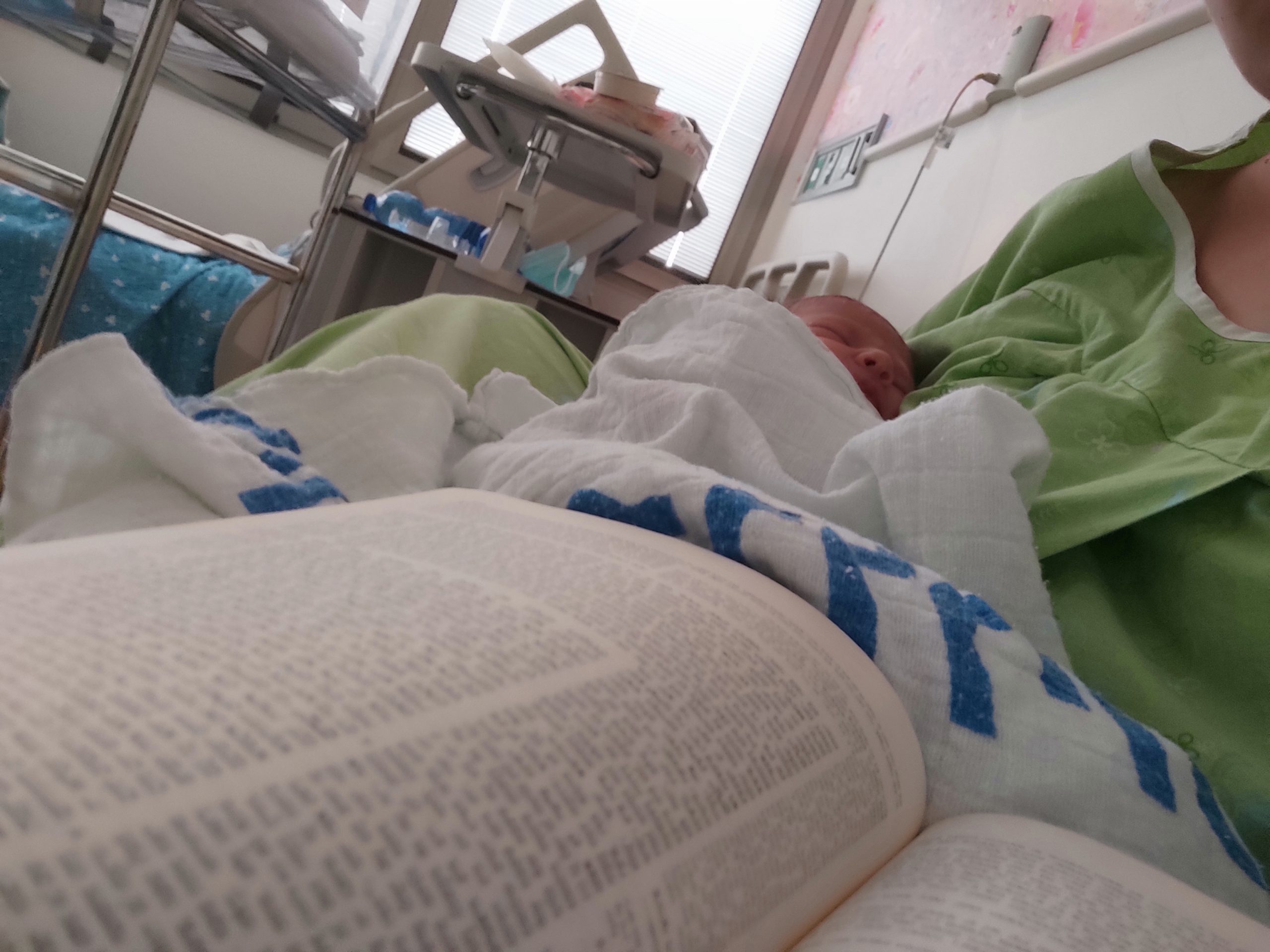
התחלתי ללמוד לפני כשנתיים בשאיפה לסיים לראשונה מסכת אחת במהלך חופשת הלידה.
אחרי מסכת אחת כבר היה קשה להפסיק…

Noa Gallant
נעה גלנט

ירוחם, ישראל

למדתי גמרא מכיתה ז- ט ב Maimonides School ואחרי העליה שלי בגיל 14 לימוד הגמרא, שלא היה כל כך מקובל בימים אלה, היה די ספוראדי. אחרי "ההתגלות” בבנייני האומה התחלתי ללמוד בעיקר בדרך הביתה למדתי מפוקקטסים שונים. לאט לאט ראיתי שאני תמיד חוזרת לרבנית מישל פרבר. באיזה שהוא שלב התחלתי ללמוד בזום בשעה 7:10 .
היום "אין מצב” שאני אתחיל את היום שלי ללא לימוד עם הרבנית מישל עם כוס הקפה שלי!!

selfie-scaled
דבי גביר

חשמונאים, ישראל

התחלתי ללמוד את הדף היומי מעט אחרי שבני הקטן נולד. בהתחלה בשמיעה ולימוד באמצעות השיעור של הרבנית שפרבר. ובהמשך העזתי וקניתי לעצמי גמרא. מאז ממשיכה יום יום ללמוד עצמאית, ולפעמים בעזרת השיעור של הרבנית, כל יום. כל סיום של מסכת מביא לאושר גדול וסיפוק. הילדים בבית נהיו חלק מהלימוד, אני משתפת בסוגיות מעניינות ונהנית לשמוע את דעתם.

Eliraz Blau
אלירז בלאו

מעלה מכמש, ישראל

"
גם אני התחלתי בסבב הנוכחי וב””ה הצלחתי לסיים את רוב המסכתות . בזכות הרבנית מישל משתדלת לפתוח את היום בשיעור הזום בשעה 6:20 .הלימוד הפך להיות חלק משמעותי בחיי ויש ימים בהם אני מצליחה לחזור על הדף עם מלמדים נוספים ששיעוריהם נמצאים במרשתת. שמחה להיות חלק מקהילת לומדות ברחבי העולם. ובמיוחד לשמש דוגמה לנכדותיי שאי””ה יגדלו לדור שלימוד תורה לנשים יהיה משהו שבשגרה. "

Ronit Shavit
רונית שביט

נתניה, ישראל

לפני 15 שנה, אחרי עשרות שנים של "ג’ינגול” בין משפחה לקריירה תובענית בהייטק, הצטרפתי לשיעורי גמרא במתן רעננה. הלימוד המעמיק והייחודי של הרבנית אושרה קורן יחד עם קבוצת הנשים המגוונת הייתה חוויה מאלפת ומעשירה. לפני כשמונה שנים כאשר מחזור הדף היומי הגיע למסכת תענית הצטרפתי כ”חברותא” לבעלי. זו השעה היומית שלנו ביחד כאשר דפי הגמרא משתלבים בחיי היום יום, משפיעים ומושפעים, וכשלא מספיקים תמיד משלימים בשבת

Yodi Askoff
יודי אסקוף

רעננה, ישראל

התחלתי ללמוד דף יומי שהתחילו מסכת כתובות, לפני 7 שנים, במסגרת קבוצת לימוד שהתפרקה די מהר, ומשם המשכתי לבד בתמיכת האיש שלי. נעזרתי בגמרת שטיינזלץ ובשיעורים מוקלטים.
הסביבה מאד תומכת ואני מקבלת המון מילים טובות לאורך כל הדרך. מאז הסיום הגדול יש תחושה שאני חלק מדבר גדול יותר.
אני לומדת בשיטת ה”7 דפים בשבוע” של הרבנית תרצה קלמן – כלומר, לא נורא אם לא הצלחת ללמוד כל יום, העיקר שגמרת ארבעה דפים בשבוע

Rachel Goldstein
רחל גולדשטיין

עתניאל, ישראל

. לא תמיד נהניתי מלימוד גמרא כילדה.,בל כהתבגרתי התחלתי לאהוב את זה שוב. התחלתי ללמוד מסכת סוטה בדף היומי לפני כחמש עשרה שנה ואז הפסקתי.הגעתי לסיום הגדול של הדרן לפני שנתיים וזה נתן לי השראה. והתחלתי ללמוד למשך כמה ימים ואז היתה לי פריצת דיסק והפסקתי…עד אלול השנה. אז התחלתי עם מסכת ביצה וב”ה אני מצליחה לעמוד בקצב. המשפחה מאוד תומכת בי ויש כמה שגם לומדים את זה במקביל. אני אוהבת שיש עוגן כל יום.

Rebecca Darshan
רבקה דרשן

בית שמש, ישראל

למדתי גמרא מכיתה ז- ט ב Maimonides School ואחרי העליה שלי בגיל 14 לימוד הגמרא, שלא היה כל כך מקובל בימים אלה, היה די ספוראדי. אחרי "ההתגלות” בבנייני האומה התחלתי ללמוד בעיקר בדרך הביתה למדתי מפוקקטסים שונים. לאט לאט ראיתי שאני תמיד חוזרת לרבנית מישל פרבר. באיזה שהוא שלב התחלתי ללמוד בזום בשעה 7:10 .
היום "אין מצב” שאני אתחיל את היום שלי ללא לימוד עם הרבנית מישל עם כוס הקפה שלי!!

selfie-scaled
דבי גביר

חשמונאים, ישראל

ראיתי את הסיום הגדול בבנייני האומה וכל כך התרשמתי ורציתי לקחת חלק.. אבל לקח לי עוד כשנה וחצי )באמצע מסיכת שבת להצטרף..
הלימוד חשוב לי מאוד.. אני תמיד במרדף אחרי הדף וגונבת כל פעם חצי דף כשהילדים עסוקים ומשלימה אח”כ אחרי שכולם הלכו לישון..

Olga Mizrahi
אולגה מזרחי

ירושלים, ישראל

התחלתי ללמוד בשנת המדרשה במגדל עוז, בינתיים נהנית מאוד מהלימוד ומהגמרא, מעניין ומשמח מאוד!
משתדלת להצליח לעקוב כל יום, לפעמים משלימה קצת בהמשך השבוע.. מרגישה שיש עוגן מקובע ביום שלי והוא משמח מאוד!

Uriah Kesner
אוריה קסנר

חיפה , ישראל

התחלתי ללמוד בסבב הנוכחי לפני כשנתיים .הסביבה מתפעלת ותומכת מאוד. אני משתדלת ללמוד מכל ההסכתים הנוספים שיש באתר הדרן. אני עורכת כל סיום מסכת שיעור בביתי לכ20 נשים שמחכות בקוצר רוח למפגשים האלו.

Yael Asher
יעל אשר

יהוד, ישראל

התחלתי ללמוד דף יומי ממסכת נידה כי זה היה חומר הלימוד שלי אז. לאחר הסיום הגדול בבנייני האומה החלטתי להמשיך. וב”ה מאז עם הפסקות קטנות של קורונה ולידה אני משתדלת להמשיך ולהיות חלק.

זה משפיע מאוד על היום יום שלי ועל אף שאני עסוקה בלימודי הלכה ותורה כל יום, זאת המסגרת הקבועה והמחייבת ביותר שיש לי.

Moriah Taesan Michaeli
מוריה תעסן מיכאלי

גבעת הראל, ישראל

קידושין מב

בְּפֶסַח אֶחָד? שֶׁנֶּאֱמַר: ״וְשָׁחֲטוּ אֹתוֹ כֹּל קְהַל עֲדַת יִשְׂרָאֵל בֵּין הָעַרְבָּיִם״, וְכִי כׇּל הַקָּהָל כּוּלָּם שׁוֹחֲטִים? וַהֲלֹא אֵינוֹ שׁוֹחֵט אֶלָּא אֶחָד! אֶלָּא מִכָּאן שֶׁכׇּל יִשְׂרָאֵל יוֹצְאִים בְּפֶסַח אֶחָד – שָׁלִיחַ בְּקָדָשִׁים מְנָא לֵיהּ?

with one Paschal offering? Although it is impossible for all of the Jewish people to each eat an olive-bulk from one offering, they nevertheless fulfill their obligation to sacrifice the Paschal offering by sacrificing one animal, as it is stated with regard to the Paschal offering: “And the whole assembly of the congregation of Israel shall slaughter it in the afternoon” (Exodus 12:6). Is it so that the whole assembly slaughters it? But only one person from each group slaughters. Rather, it can be derived from here that all of the Jews can fulfill their obligations with one Paschal offering, despite the fact that not everyone will be able to eat from it. Since Rabbi Yonatan derives from this verse that one offering suffices, from where does he derive the halakha of agency with regard to offerings?

– מִינֵּיהּ. וְדִילְמָא שָׁאנֵי הָתָם, דְּאִית לֵיהּ שׁוּתָּפוּת בְּגַוַּיְיהוּ.

The Gemara answers: He derives it from that very same verse, as it can be seen that one person slaughters the animal on behalf of the rest of the assembly. The Gemara rejects this: But perhaps it is different there, since the one slaughtering the animal has partnership with them in the offering. This does not prove that there is agency when the agent has no share in the offering.

אֶלָּא מֵהָכָא: ״וְיִקְחוּ לָהֶם אִישׁ שֶׂה לְבֵית אָבֹת שֶׂה לַבָּיִת״. וְדִילְמָא הָתָם נָמֵי, דְּאִית לֵיהּ שׁוּתָּפוּת בְּגַוַּיְיהוּ? אִם כֵּן תְּרֵי קְרָאֵי לְמָה לִי? אִם אֵינוֹ עִנְיָן לְהֵיכָא דְּשָׁיֵיךְ תְּנֵיהוּ עִנְיָן לְהֵיכָא דְּלָא שָׁיֵיךְ.

Rather, he derives agency with regard to offerings from here: “And they shall take to them every man a lamb, according to their fathers’ houses, a lamb for a household” (Exodus 12:3). This demonstrates that one person takes a lamb and slaughters it on behalf of the entire family. The Gemara asks: But perhaps there too there is agency since the one slaughtering the animal has partnership with them? The Gemara rejects this: If so, why do I need two verses to teach the same halakha? If the halakha stated in this verse is not applicable for where it belongs, i.e., with regard to an agent who is a partner in the offering, apply it to where it does not belong, so that even one who does not have a share in the offering can act as an agent.

הַאי מִיבְּעֵי לֵיהּ לְכִדְרַבִּי יִצְחָק. דְּאָמַר רַבִּי יִצְחָק: ״אִישׁ״ זוֹכֶה, וְלֹא הַקָּטָן זוֹכֶה. הָהוּא מֵ״אִישׁ לְפִי אׇכְלוֹ״ נָפְקָא.

The Gemara rejects this: This verse is required for him to teach another halakha, that of Rabbi Yitzḥak, as Rabbi Yitzḥak says: This verse is the source for the halakha that a man, i.e., an adult, can acquire an item on behalf of others, but that a minor cannot acquire an item on behalf of others. The Gemara answers: That halakha, that only an adult can acquire an item on behalf of others, is derived from the verse: “According to every man’s eating you shall make your count for the lamb” (Exodus 12:4). By employing the term “man,” which indicates an adult, the verse teaches that only an adult can acquire an item on behalf of others.

וְאַכַּתִּי מִיבְּעֵי לֵיהּ דְּשׁוֹחֲטִין אֶת הַפֶּסַח עַל הַיָּחִיד. סָבַר לַהּ כְּמַאן דְּאָמַר: אֵין שׁוֹחֲטִין אֶת הַפֶּסַח עַל הַיָּחִיד.

The Gemara asks another question: And still the verse “according to every man’s eating” is required for him to teach the halakha that one may slaughter a Paschal offering for an individual. It does not have to be “a lamb, according to their fathers’ houses,” as implied by the previous verse. A lamb may be slaughtered even by one person, i.e., “every man” for himself. The Gemara answers: Rabbi Yonatan holds in accordance with the opinion of the one who says that one may not slaughter a Paschal offering for an individual.

וְאֶלָּא הָא דְּאָמַר רַב גִּידֵּל אָמַר רַב: מִנַּיִן שֶׁשְּׁלוּחוֹ שֶׁל אָדָם כְּמוֹתוֹ? שֶׁנֶּאֱמַר: ״וְנָשִׂיא אֶחָד נָשִׂיא אֶחָד מִמַּטֶּה״. תִּיפּוֹק לֵיהּ שְׁלִיחוּת מֵהָכָא! וְתִיסְבְּרָא דְּהָא שְׁלִיחוּת הוּא? וְהָא קְטַנִּים לָאו בְּנֵי שְׁלִיחוּת נִינְהוּ!

The Gemara asks a question from a different source: But consider that which Rav Giddel says that Rav says: From where is it derived that the legal status of a person’s agent is like that of himself? It is as it is stated with regard to the division of Eretz Yisrael among the Jewish people: “And you shall take one prince of every tribe, to take possession of the land” (Numbers 34:18). This indicates that the prince of each tribe acted as the agent to claim the land for each member of his tribe. Let the halakha of agency be derived from here; why is there a need to have the sources quoted above? The Gemara answers: And how can you understand that this process of the princes claiming the land was due to agency? But minors cannot be involved in agency, and the princes claimed the land for all members of their tribe, adults and minors alike.

אֶלָּא, כִּי הָא דְּרָבָא בַּר רַב הוּנָא. דְּאָמַר רָבָא בַּר רַב הוּנָא אָמַר רַב גִּידֵּל אָמַר רַב: מִנַּיִן שֶׁזָּכִין לְאָדָם שֶׁלֹּא בְּפָנָיו? שֶׁנֶּאֱמַר: ״וְנָשִׂיא אֶחָד נָשִׂיא אֶחָד״. וְתִיסְבְּרַאּ זְכוּת הִיא? הָא חוֹבָה נָמֵי אִיכָּא, דְּאִיכָּא דְּנִיחָא לֵיהּ בְּהַר, וְלָא נִיחָא לֵיהּ בְּבִקְעָה, וְאִיכָּא דְּנִיחָא לֵיהּ בְּבִקְעָה וְלָא נִיחָא לֵיהּ בְּהַר!

Rather, the distribution of the land by the princes follows a different principle, like that statement of Rava bar Rav Huna, as Rava bar Rav Huna says that Rav Giddel says that Rav says: From where is it derived that one can act in a person’s interest in his absence? It is as it is stated: “And you shall take one prince.” The princes were not appointed as agents and could act for the benefit of the minors. The Gemara asks: And how can you understand that it is a benefit? But it was also to their disadvantage, as there is one person for whom it is preferable to him to receive a portion on a hill and it is not preferable to him to receive a portion in a valley, and there is one person for whom it is preferable to him to receive a portion in a valley and it is not preferable to him to receive a portion on a hill. The prince might claim land for members of his tribe that they do not want, and one cannot act to another’s disadvantage in his absence.

וְאֶלָּא כִּדְרָבָא בַּר רַב הוּנָא. דְּאָמַר רָבָא בַּר רַב הוּנָא אָמַר רַב גִּידֵּל אָמַר רַב: מִנַּיִן לִיתוֹמִים שֶׁבָּאוּ לַחֲלוֹק בְּנִכְסֵי אֲבִיהֶן שֶׁבֵּית דִּין מַעֲמִידִין לָהֶם אַפּוֹטְרוֹפּוֹס לָחוּב וְלִזְכּוֹת? ״לָחוּב״ אַמַּאי? אֶלָּא: ״לָחוּב עַל מְנָת לִזְכּוֹת״ – תַּלְמוּד לוֹמַר: ״וְנָשִׂיא אֶחָד נָשִׂיא אֶחָד מִמַּטֶּה תִּקְחוּ״.

Rather, the verse is required to teach a different halakha, like that statement of Rava bar Rav Huna, as Rava bar Rav Huna says that Rav Giddel says that Rav says: From where is it derived that if orphans came to divide their father’s property, that the court appoints a steward for them, both to their disadvantage and to their benefit? Before the Gemara completes the quote, it analyzes the statement: Why would the court appoint a steward to their disadvantage? Rather, it means to their disadvantage in order to achieve their eventual benefit. Once a steward has been appointed to control the orphans’ estate, he has the authority to act to their temporary disadvantage if they are ultimately likely to benefit from the action. And the source of this halakha is as the verse states: “And you shall take one prince of every tribe” (Numbers 34:18).

אָמַר רַב נַחְמָן אָמַר שְׁמוּאֵל: יְתוֹמִים שֶׁבָּאוּ לַחְלוֹק בְּנִכְסֵי אֲבִיהֶם – בֵּית דִּין מַעֲמִידִים לָהֶם אַפּוֹטְרוֹפּוֹס, וּבוֹרְרִים לָהֶם חֵלֶק יָפֶה, וְאִם הִגְדִּילוּ – יְכוֹלִים לְמַחוֹת. וְרַב נַחְמָן דִּידֵיהּ אָמַר: אִם הִגְדִּילוּ אֵינָם יְכוֹלִים לְמַחוֹת, דְּאִם כֵּן מָה כֹּחַ בֵּית דִּין יָפֶה?

§ With regard to the halakhot of stewardship, Rav Naḥman says that Shmuel says: If orphans came to divide their father’s property, the court appoints a steward for them, and they select for them, i.e., for each of the orphans, a fine portion. And when they have grown up, the orphans can protest the division and demand redistribution of the property. And Rav Naḥman said his own statement: When they have grown up, they cannot protest, as if so, what advantage is there to the power of the court over an ordinary person? In other words, to strengthen the authority of the court, it is required that its decisions not be questioned later on.

וּמִי אִית לֵיהּ לְרַב נַחְמָן ״אִם כֵּן מָה כֹּחַ בֵּית דִּין יָפֶה״? וְהָתְנַן: שׁוּם הַדַּיָּינִים שֶׁפִּיחֲתוּ שְׁתוּת אוֹ הוֹתִירוּ שְׁתוּת – מִכְרָן בָּטֵל. רַבָּן שִׁמְעוֹן בֶּן גַּמְלִיאֵל אוֹמֵר: מִכְרָן קַיָּים. (וְאָמַר רַבָּן שִׁמְעוֹן בֶּן גַּמְלִיאֵל): אִם כֵּן – מָה כֹּחַ בֵּית דִּין יָפֶה! וְאָמַר רַב הוּנָא בַּר חִינָּנָא אָמַר רַב נַחְמָן: הֲלָכָה כְּדִבְרֵי חֲכָמִים.

The Gemara asks: And is Rav Naḥman of the opinion that there is a consideration of: If so, what advantage does the court have over an ordinary person? But didn’t we learn in a mishna (Ketubot 99b): The halakha with regard to the appraisal by the judges of the value of a piece of property in order to sell it is as follows: Where they decreased the price by one-sixth of its market value or added one-sixth to its market value, their sale is void. Rabban Shimon ben Gamliel says: Their sale is valid. And Rabban Shimon ben Gamliel said: If so, if the sale is void, then what advantage is there to the power of the court over an ordinary person? And Rav Huna bar Ḥinnana says that Rav Naḥman says: The halakha is in accordance with the statement of the Rabbis. This indicates that Rav Naḥman does not accept the consideration of: What advantage is there to the power of the court over an ordinary person?

לָא קַשְׁיָא:

The Gemara answers: This is not difficult.

הָא – דִּטְעוֹ, הָא – דְּלָא טְעוֹ. אִי דְּלָא טְעוֹ, מַאי יְכוֹלִים לְמַחוֹת? יְכוֹלִים לְמַחוֹת בְּרוּחוֹת.

In this case, where Rav Naḥman ruled that their transaction is void, in accordance with the Rabbis, the court erred by one-sixth. But in that case, where Rav Naḥman ruled that the orphans cannot protest when they grow up, they did not err by one-sixth. The Gemara asks: If Rav Naḥman’s ruling that the orphans cannot protest is referring to a case where they did not err by one-sixth, why did Shmuel say that they can later protest; what is the nature of their protest? The Gemara answers: They can protest with regard to the locations. One of the orphans can contend that he prefers property in a different location than he was given.

אָמַר רַב נַחְמָן: הָאַחִין שֶׁחָלְקוּ הֲרֵי הֵן כְּלָקוֹחוֹת. פָּחוֹת מִשְּׁתוּת – נִקְנֶה מִקָּח. יָתֵר עַל שְׁתוּת – בָּטֵל מִקָּח. שְׁתוּת – קָנָה, וּמַחְזִיר אוֹנָאָה.

§ Rav Naḥman says: With regard to brothers who divided property received as an inheritance, they are considered like they are purchasers from each other, and the halakhot of fraud are like those for regular transactions: If there was an error of less than one-sixth in the distribution, the transaction is acquired, i.e., valid. If it was more than one-sixth, the transaction is void. If the error was precisely one-sixth, it is acquired, and the one who received more than his fair share must return the amount of the fraud.

אָמַר רָבָא: הָא דַּאֲמַרַן ״פָּחוֹת מִשְּׁתוּת – נִקְנֶה מִקָּח״ – לָא אֲמַרַן אֶלָּא דְּלָא שַׁוְּיֵהּ שָׁלִיחַ, אֲבָל שַׁוְּיֵהּ שָׁלִיחַ, אָמַר: לְתַקּוֹנֵי שַׁדַּרְתָּיךָ וְלָא לְעַוּוֹתֵי.

Rava says: That which we said, that with regard to less than one-sixth the transaction is valid and the item is acquired, we said only in a case where the brother receiving a smaller share did not appoint an agent to deal with the distribution on his behalf. But if the brother receiving a smaller share appointed an agent, this halakha does not apply, as the one who appointed the agent can say: I sent you to act for my benefit and not to my detriment. The agent’s right to act in this capacity did not extend to a case where it was to the detriment of the one who appointed him.

וְהָא דַּאֲמַרַן ״יָתֵר מִשְּׁתוּת – בָּטֵל מִקָּח״ – לָא אֲמַרַן אֶלָּא דְּלָא אָמַר (נִיפְלִיגַן) [נִפְלוֹג] בְּשׁוּמָא דְּבֵי דִינָא, אֲבָל אָמַר נִפְלוֹג בְּשׁוּמָא דְּבֵי דִינָא – מִכְרָן קַיָּים, דִּתְנַן: שׁוּם הַדַּיָּינִים שֶׁפִּיחֲתוּ שְׁתוּת אוֹ הוֹתִירוּ שְׁתוּת – מִכְרָן בָּטֵל. רַבָּן שִׁמְעוֹן בֶּן גַּמְלִיאֵל אוֹמֵר: מִכְרָן קַיָּים.

Rava continues: And that which we said, that if the brothers erred by more than one-sixth the transaction is void, we said only when the brother receiving a smaller share did not say: Let us divide the estate by an appraisal of the court. But if he said: Let us divide it by an appraisal of the court, the transaction is valid, as we learned in a mishna (Ketubot 99b): This is the halakha with regard to the appraisal of an article’s value in order to sell it, as done by the judges: In a case where they decreased the price by one-sixth of its market value or added one-sixth to its market value, their sale is void. Rabban Shimon ben Gamliel says: Their sale is valid.

וְהָא דַּאֲמַרַן ״שְׁתוּת – קָנָה, וּמַחְזִיר אוֹנָאָה״ – לָא אֲמַרַן אֶלָּא בְּמִטַּלְטְלֵי, אֲבָל בִּמְקַרְקְעֵי – אֵין אוֹנָאָה לְקַרְקָעוֹת. וּבִמְקַרְקְעֵי לָא אֲמַרַן, אֶלָּא דִּפְלוּג בְּעִילּוּיָא, אֲבָל פְּלוּג בְּמִשְׁחֲתָא – לָא, כִּדְרַבָּה. דְּאָמַר רַבָּה: כׇּל דָּבָר שֶׁבְּמִדָּה וְשֶׁבְּמִשְׁקָל וְשֶׁבְּמִנְיָן, אֲפִילּוּ פָּחוֹת מִכְּדֵי אוֹנָאָה – נָמֵי חוֹזֵר.

Rava continues: And that which we said, that if the brothers erred by one-sixth the one receiving a larger share acquired it and he must return the amount of the fraud, we said only with regard to movable property. But with regard to land, the halakha is that there is no fraud with regard to land. And with regard to land, we said that the halakha of fraud does not apply only when they divided it according to the value of the land. But if they divided it by measure and erred in the measurement, we do not say that there is no fraud. This is in accordance with the statement of Rabba, as Rabba said: Any matter that is according to measure, or according to weight, or according to number, if it turned out to be in error, even if the error was less than the amount that constitutes fraud, it is also returned.

וְהָא דִּתְנַן: הַשּׁוֹלֵחַ אֶת הַבְּעֵירָה בְּיַד חֵרֵשׁ שׁוֹטֶה וְקָטָן – פָּטוּר מִדִּינֵי אָדָם, וְחַיָּיב בְּדִינֵי שָׁמַיִם. שִׁילַּח בְּיַד פִּיקֵּחַ – פִּיקֵּחַ חַיָּיב.

§ The Gemara returns to discuss various aspects of agency. And there is a difficulty from that which we learned in a mishna (Bava Kamma 59b): In the case of one who sends an item that causes a fire in the hands of a deaf-mute, an imbecile, or a minor, the one who sent it is exempt according to human laws but liable according to the laws of Heaven. If he sent it in the hands of a halakhically competent person, only the halakhically competent person is liable.

וְאַמַּאי? נֵימָא: שְׁלוּחוֹ שֶׁל אָדָם כְּמוֹתוֹ! שָׁאנֵי הָתָם דְּאֵין שָׁלִיחַ לִדְבַר עֲבֵירָה. דְּאָמְרִינַן: דִּבְרֵי הָרַב וְדִבְרֵי תַּלְמִיד – דִּבְרֵי מִי שׁוֹמְעִים?

But why is the halakhically competent person liable? Let us say that the legal status of a person’s agent is like that of himself. The Gemara answers: There it is different, as there is no agency for transgression, as we say: When there is a conflict between the words of the Master, i.e., God, and the words of the student, i.e., a human being, whose words should be listened to? Consequently, the agent is considered to have acted of his own accord, and the one who sent him bears no responsibility.

וְהָדְתַנְיָא: שָׁלִיחַ שֶׁלֹּא עָשָׂה שְׁלִיחוּתוֹ – שָׁלִיחַ מָעַל, עָשָׂה שְׁלִיחוּתוֹ – בַּעַל הַבַּיִת מָעַל. כִּי עָשָׂה שְׁלִיחוּתוֹ דְּבַעַל הַבַּיִת – בַּעַל הַבַּיִת מִיהָא מָעַל. אַמַּאי? נֵימָא: אֵין שָׁלִיחַ לִדְבַר עֲבֵירָה!

The Gemara comments: And there is a difficulty from that which is taught in a baraita with regard to the halakhot of misuse of consecrated property: In the case of an agent who did not perform his agency but deviated from the instructions of the one who appointed him and made use of consecrated property, the agent has misused consecrated property and is liable to bring the guilt-offering for that sin. In the case of an agent who performed his agency, the owner has misused consecrated property and is liable to bring the offering. The Gemara asks: The baraita states that when the agent performed the agency of the owner, the owner has in any event misused consecrated property. Why? Let us say that there is no agency for transgression.

שָׁאנֵי מְעִילָה, דְּיָלְפָא ״חֵטְא״ ״חֵטְא״ מִתְּרוּמָה: מָה תְּרוּמָה מְשַׁוֵּי שָׁלִיחַ – אַף מְעִילָה מְשַׁוֵּי שָׁלִיחַ.

The Gemara answers: The case of misuse of consecrated property is different, as it is derived by means of a verbal analogy of “sin” in this case and “sin” from teruma, as the verse states: “And sin through error” (Leviticus 5:15), with regard to misuse of consecrated property, and it states: “Lest they bear sin for it” (Leviticus 22:9) with regard to teruma: Just as with teruma one can appoint an agent, so too with misuse of consecrated property one can appoint an agent, although the latter is a transgression.

וְנֵילַף מִינַּהּ! מִשּׁוּם דְּהָוֵי מְעִילָה וּשְׁלִיחוּת יָד שְׁנֵי כְּתוּבִים הַבָּאִים כְּאֶחָד, וְכֹל שְׁנֵי כְתוּבִים הַבָּאִים כְּאֶחָד אֵין מְלַמְּדִין. מְעִילָה – הָא דַּאֲמַרַן. שְׁלִיחוּת יָד מַאי הִיא?

The Gemara suggests: And let us derive a principle from misuse of consecrated property, that one can appoint an agent even to perform a transgression. The Gemara explains: This is not done because misuse of consecrated property and misappropriation of a deposit, i.e., a bailee using an item that was deposited with him, are two verses that come as one, i.e., they teach the same matter, that an agent can be appointed to perform a transgression. And any two verses that come as one do not teach their common aspect to apply to other cases. The Gemara clarifies this statement: The verse pertaining to misuse of consecrated property is that which we said, but what is the verse pertaining to misappropriation?

דְּתַנְיָא: ״עַל כׇּל דְּבַר פֶּשַׁע״, בֵּית שַׁמַּאי אוֹמְרִים: לְחַיֵּיב עַל הַמַּחְשָׁבָה כְּמַעֲשֶׂה. וּבֵית הִלֵּל אוֹמְרִים: אֵינוֹ חַיָּיב עַד שֶׁיִּשְׁלַח בּוֹ יָד, שֶׁנֶּאֱמַר: ״אִם לֹא שָׁלַח יָדוֹ וְגוֹ׳״.

This is as it is taught in a baraita: The Torah uses the inclusive term “every” with regard to one suspected of misappropriating a deposit: “For every matter of trespass” (Exodus 22:8). Beit Shammai say: This inclusive term “every” serves to render one liable for speech and thought, i.e., intent to misappropriate, like action. And Beit Hillel say: One is liable only if he actually misappropriates it, as it is stated: “Whether he has not put his hand unto his neighbor’s goods” (Exodus 22:7).

אָמְרוּ בֵּית שַׁמַּאי לְבֵית הִלֵּל: וַהֲלֹא נֶאֱמַר ״עַל כׇּל דְּבַר פֶּשַׁע״! אָמְרוּ לָהֶם בֵּית הִלֵּל לְבֵית שַׁמַּאי: וַהֲלֹא נֶאֱמַר ״אִם לֹא שָׁלַח יָדוֹ בִּמְלֶאכֶת רֵעֵהוּ״! אָמְרוּ בֵּית שַׁמַּאי לְבֵית הִלֵּל: אִם כֵּן, ״עַל כׇּל דְּבַר פֶּשַׁע״ לְמָה לִי? שֶׁיָּכוֹל אֵין לִי אֶלָּא הוּא, אָמַר לְעַבְדּוֹ וְלִשְׁלוּחוֹ מִנַּיִן – תַּלְמוּד לוֹמַר: ״עַל כׇּל דְּבַר פֶּשַׁע״.

Beit Shammai said to Beit Hillel: But isn’t it stated: “For every matter of trespass,” which indicates that one is liable without actually misappropriating the deposit? Beit Hillel said to Beit Shammai: But isn’t it stated: “Whether he has not put his hand unto his neighbor’s goods”? Beit Shammai said to Beit Hillel: If so, if one is liable only for actual misappropriation, why do I need: “For every matter of trespass”? Beit Hillel replied: It is necessary, as one might have thought that I have derived liability only if he himself misappropriated it; from where do I derive that he is liable also if he told his slave or his agent to do so? The verse states: “For every matter of trespass,” to teach that the bailee is liable if one acting on his behalf misappropriates the deposit.

הָנִיחָא לְבֵית הִלֵּל. אֶלָּא לְבֵית שַׁמַּאי, דְּמוֹקְמִי לֵיהּ לְהַאי קְרָא בְּמַחְשָׁבָה כְּמַעֲשֶׂה,

The Gemara explains further: This answer, that misuse of consecrated property and misappropriation are two verses that come to teach the same matter, works out well according to the opinion of Beit Hillel. But according to the opinion of Beit Shammai, who establish this verse as rendering one liable for thought like action and do not learn from here that the bailee is liable if one acting on his behalf misappropriates the deposit,

רוצה לעקוב אחרי התכנים ולהמשיך ללמוד?

ביצירת חשבון עוד היום ניתן לעקוב אחרי ההתקדמות שלך, לסמן מה למדת, ולעקוב אחרי השיעורים שמעניינים אותך.

לנקות את כל הפריטים מהרשימה?

פעולה זו תסיר את כל הפריטים בחלק זה כולל ההתקדמות וההיסטוריה. שימי לב: לא ניתן לשחזר פעולה זו.

ביטול
מחיקה

האם את/ה בטוח/ה שברצונך למחוק פריט זה?

תאבד/י את כל ההתקדמות או ההיסטוריה הקשורות לפריט זה.

ביטול
מחיקה