







אם קידש אחד שתי נשים בו-זמנית ששניהם אסורים לו זו מטעם זה, כגון אשה ואחותה או אשה ואמה, אף קידושין אינם תקפים. רמי בר חמא ורבה מביאים כל אחד הסבר אחר לכך. הבסיס להסברו של רבה הוא שאם אדם אינו יכול לקדש את השנייה בזה אחר זה, אז אם הוא מקדש אותן בו זמנית, הקידושין אינם תקפים. מעלים קושיות נגד עקרון זה של רבא משלושה תחומים אחרים – מעשר, מעשר בהמה, ולחמי קרבן תודה – שבכל מקרה יש סיטואציה דומה, שלא תקף בזה אחר זה, אבל זה דווקא מועיל כשעושים בו זמנית! לרבא ולאביי יש חילוקי דעות לגבי קידושין בין גבר ואשה במצב שבו בני הזוג אינם יכולים לקיים יחסים (כמו במקרה שלעיל בו כל אשה אסורה לבעל בגלל האחר – אחות של אישה שהוא ספק מקודש לה). רבא סובר שהקידושין אינם תקפים ואביי קובע שהקידושין תקפים (והיא צריכה לקבל ממנו גט בכדי לאפשר לה להתחתן עם מישהו אחר). הגמרא מביאה קושיות משניות, כולל משנתנו, נגד עמדתו של רבא, אך כל קושי נפתר.
הלימוד החודש מוקדש ע”י מרכי גלזר לע”נ רחל אביבה בת דבורה חנה
רוצה להקדיש שיעור?

כלים
הלימוד החודש מוקדש ע”י מרכי גלזר לע”נ רחל אביבה בת דבורה חנה
קידושין נא
הַמַּרְבֶּה בַּמַּעֲשֵׂר – פֵּירוֹתָיו מְתוּקָּנִים וּמַעְשְׂרוֹתָיו מְקוּלְקָלִין. וְאַמַּאי? נֵימָא: כֹּל שֶׁאֵינוֹ בְּזֶה אַחַר זֶה אֲפִילּוּ בְּבַת אַחַת אֵינוֹ.
In the case of one who increases tithes, i.e., he tithes two-tenths instead of one-tenth of his produce, the remainder of his produce is rendered fit for consumption, as he tithed it properly, but the tithes are ruined, as the additional tithe is neither a tithe nor tithed produce. Since it is unclear which of the two-tenths is the actual tithe and which is not, the entire two-tenths may be treated neither as a tithe nor as tithed produce. But according to Rabba’s opinion, why is this produce rendered fit for consumption? Let us say that any matters that cannot be accomplished sequentially cannot be accomplished even if one performs them simultaneously. Since one cannot designate a tithe of two-tenths sequentially, one-tenth followed by a second tenth, he should be precluded from simultaneously designating two-tenths of his produce as a tithe. Accordingly, it should be considered as though he had not designated any tithe at all, and his produce should not be regarded as tithed.
אֲמַר לֵיהּ: שָׁאנֵי מַעֲשֵׂר, דְּאִיתֵיהּ לַחֲצָאִים, דְּאִי אָמַר: ״תִּיקְדּוֹשׁ פַּלְגָא דְחִיטְּתָא״ – קָדְשָׁה.
Rabba said to him: The case of tithe is different, as tithe status takes effect partially, i.e., on less than a unit of produce. As, if one said: Let half of each grain of wheat be designated as tithe, he has designated it. Just as one can designate an entire grain of wheat as a tithe, he can likewise designate a half a grain. In this case too, when one tithes two-tenths of the produce, the ruling is not that one-tenth is the actual tithe and the other tenth is untithed produce. Instead, half of each grain of the designated portion is tithe, while the other half of each grain is not. Accordingly, the remainder of the produce is tithed, as one-tenth of the total has been designated as first tithe. The portion designated as the tithe is ruined, because it is impossible to identify which part of each grain is designated.
וַהֲרֵי מַעְשַׂר בְּהֵמָה, דְּלֵיכָּא לַחֲצָאִין, וְלֵיכָּא בְּזֶה אַחַר זֶה. וְאָמַר רָבָא: יָצְאוּ שְׁנַיִם בַּעֲשִׂירִי, וּקְרָאָן ״עֲשִׂירִי״ – עֲשִׂירִי וְאַחַד עָשָׂר מְעוֹרָבִים זֶה בָּזֶה.
The Gemara raises another objection to Rabba’s opinion: But isn’t there the case of animal tithe, which does not take effect partially, as one cannot consecrate half an animal for his tithe. And likewise there is no possibility to separate animals sequentially, as once one has designated one animal as animal tithe he cannot designate another animal for the same purpose. And Rava says: If two animals emerged from the enclosure together as the tenth, and he called them both the tenth, the tenth and eleventh animals are intermingled with each other. One is consecrated with the sanctity of animal tithe while the other remains a peace-offering, but there is no way to determine which is which. The question arises: If the principle that any matters that cannot be accomplished sequentially cannot be accomplished even if one performs them simultaneously is correct, neither animal is consecrated, as one cannot designate both the tenth and the eleventh animals as animal tithe, one after the other.
שָׁאנֵי מַעְשַׂר בְּהֵמָה, דְּאִיתֵיהּ בְּטָעוּת. דִּתְנַן: קָרָא לַתְּשִׁיעִי ״עֲשִׂירִי״, וְלָעֲשִׂירִי ״תְּשִׁיעִי״, וְלָאַחַד עָשָׂר ״עֲשִׂירִי״ – שְׁלָשְׁתָּן מְקוּדָּשִׁין.
The Gemara rejects this: Animal tithe is different, as two animals can be designated as animal tithe one after the other in the case of an error. Although one cannot designate the tenth and eleventh animals as the animal tithe ab initio, if he did so in error they are both consecrated. As we learned in a mishna (Bekhorot 60a): If one erred and called the ninth animal the tenth, and erred again and called the tenth animal the ninth and the eleventh animal the tenth, all three animals are consecrated. The first is consecrated because it was designated as the tenth, the second because it actually is the tenth, and the third because it was designated as the tenth. Apparently, more than one animal can be consecrated as the animal tithe, if designated in error. In Rava’s example as well, a modicum of sanctity applies to the two animals that emerged together and were together designated as the tenth.
הֲרֵי תּוֹדָה, דְּלֵיתַהּ בְּטָעוּת, וְלֵיתַהּ נָמֵי בְּזֶה אַחַר זֶה, וְאִיתְּמַר: תּוֹדָה שֶׁנִּשְׁחֲטָה עַל שְׁמוֹנִים חַלּוֹת, חִזְקִיָּה אָמַר: קָדְשִׁי לַהּ אַרְבָּעִים מִתּוֹךְ שְׁמוֹנִים. וְרַבִּי יוֹחָנָן אָמַר: לָא קָדְשִׁי לַהּ אַרְבָּעִים מִתּוֹךְ שְׁמוֹנִים.
The Gemara raises another objection to Rabba’s principle. There is the case of the forty loaves that accompany a thanks-offering, which are not consecrated if they were designated in error, and are also not consecrated if two sets of loaves were designated for the same offering sequentially. And yet it was stated that amora’im disagreed with regard to a thanks-offering that was slaughtered accompanied by eighty loaves, twice the required amount. Ḥizkiyya said: Forty of the eighty loaves are consecrated, even though their identity cannot be determined. And Rabbi Yoḥanan said: Not even forty of the eighty loaves are consecrated. It would appear that these amora’im disagree with regard to whether or not sanctity that cannot take effect in sequence can take effect simultaneously.
לָאו אִיתְּמַר עֲלַהּ, אָמַר רַבִּי יְהוֹשֻׁעַ בֶּן לֵוִי: הַכֹּל מוֹדִים כֹּל הֵיכָא דְּאָמַר: ״קָדְשִׁי לַהּ אַרְבָּעִים מִתּוֹךְ שְׁמוֹנִים״ – קָדְשִׁי, ״לֹא יִקְדְּשׁוּ אַרְבָּעִים אֶלָּא אִם כֵּן קָדְשִׁי שְׁמוֹנִים״ – לָא קָדְשִׁי.
The Gemara rejects this contention: Wasn’t it stated with regard to this dispute that Rabbi Yehoshua ben Levi said: All, both Ḥizkiyya and Rabbi Yoḥanan, concede that anywhere that the one bringing the thanks-offering said: Let forty of the eighty loaves be consecrated, the forty are consecrated; and in a case where he said: Forty loaves should not be consecrated unless all eighty are consecrated, everyone agrees that they are not consecrated.
לֹא נֶחְלְקוּ אֶלָּא בִּסְתָם, מָר סָבַר: לְאַחְרָיוּת קָא מִיכַּוַּון. וּמָר סָבַר: לְקׇרְבָּן גָּדוֹל קָא מִיכַּוַּון.
They disagree only with regard to a case where the one bringing the thanks-offering designates eighty loaves without specification of how many loaves he wants consecrated. One Sage, Ḥizkiyya, holds: Although he designated eighty loaves, he wants to consecrate only forty, and when he sets aside eighty loaves, he merely intends to ensure that he will have forty. He therefore brought the extra loaves so that if the first forty loaves are lost or become ritually impure the second forty will be consecrated in their place. Consequently, the first forty loaves are consecrated. And one Sage, Rabbi Yoḥanan, holds: He intends to bring a large offering of eighty loaves, and therefore none of the loaves are consecrated. Rabbi Yehoshua ben Levi’s explanation of the dispute accords with Rabba’s opinion.
וְרָבָא, לְמָה לֵיהּ לְשַׁנּוֹיֵי כְּרַבָּה? תִּיפּוֹק לֵיהּ קִידּוּשִׁין שֶׁאֵין מְסוּרִין לְבִיאָה נִינְהוּ.
The Gemara turns from its analysis of Rabba’s opinion to the original issue: And why does Rava explain the mishna in accordance with the opinion of Rabba? Let him derive the halakha in accordance with a principle of his own, as elsewhere (9a) he establishes that betrothal that is not given to consummation is not betrothal at all, and all of these cases are in this category. Any betrothal in which it is prohibited for the couple to engage in sexual intercourse is not considered betrothal at all. Following this principle, the ruling of the mishna can be explained as follows: Since both women would be forbidden to the man in the event that they were both betrothed to him, as each would be the relative of his betrothed, the betrothals are not given to consummation. Therefore, they do not take effect at all.
לִדְבָרָיו דְּרָמֵי בַּר חָמָא קָאָמַר.
The Gemara answers: Rava could have explained the mishna this way, but he stated his explanation in accordance with the statement of Rami bar Ḥama. Rava should be understood as saying: Your opinion that the ruling of the mishna is derived from a verse is incorrect, as the verse is referring only to one who betroths the two sisters or the mother and daughter sequentially. Instead, you should explain the mishna as referring to one who betroths them at the same time, with the reason being that any matters that cannot be accomplished sequentially cannot be accomplished even if one performs them simultaneously.
אִיתְּמַר: קִידּוּשִׁין שֶׁאֵין מְסוּרִין לְבִיאָה, אַבָּיֵי אָמַר: הָווּ קִידּוּשִׁין. רָבָא אָמַר: לָא הָווּ קִידּוּשִׁין. אָמַר רָבָא: בַּר אֲהִינָא אַסְבְּרַהּ לִי: ״כִּי יִקַּח אִישׁ אִשָּׁה וּבְעָלָהּ״, קִידּוּשִׁין הַמְסוּרִין לְבִיאָה – הָווּ קִידּוּשִׁין, קִידּוּשִׁין שֶׁאֵין מְסוּרִין לְבִיאָה – לָא הָווּ קִידּוּשִׁין.
§ It was stated that amora’im had a dispute: With regard to betrothal that is not given to consummation, Abaye says it is betrothal, since the prohibition against engaging in sexual intercourse does not affect the betrothal itself. Rava says: It is not betrothal. Rava says: The Sage bar Ahina explained to me that this halakha is derived from the verse: “When a man takes a woman and engages in sexual intercourse with her” (Deuteronomy 24:1), as it indicates that betrothal that is given to permitted consummation is betrothal, whereas betrothal that is not given to consummation is not betrothal.
תְּנַן: הַמְקַדֵּשׁ אִשָּׁה וּבִתָּהּ אוֹ אִשָּׁה וַאֲחוֹתָהּ כְּאַחַת – אֵינָן מְקוּדָּשׁוֹת. הָא אַחַת מֵאִשָּׁה וּבִתָּהּ אוֹ מֵאִשָּׁה וַאֲחוֹתָהּ – מְקוּדֶּשֶׁת. וְאַמַּאי? קִידּוּשִׁין שֶׁאֵין מְסוּרִין לְבִיאָה נִינְהוּ! תְּיוּבְתָּא דְּרָבָא!
The Gemara proceeds to analyze these two opinions. We learned in the mishna: In the case of one who betroths a woman and her daughter or a woman and her sister in one act of betrothal neither of them is betrothed. The Gemara analyzes this: But if he said he is betrothing only one of this pair, i.e., the woman or her daughter, or one of that pair, i.e., the woman or her sister, without specifying which of them, she is betrothed. Nevertheless, in practice it is prohibited for him to engage in intercourse with either of them, as it cannot be determined which woman he betrothed and which woman is the relative of his betrothed. But why should the betrothal take effect? These are each a betrothal that is not given to consummation, and should not be valid according to Rava. Shall we say this is a conclusive refutation to the opinion of Rava?
אָמַר לָךְ רָבָא: וּלְטַעְמָיךְ, אֵימָא סֵיפָא: מַעֲשֶׂה בְּחָמֵשׁ נָשִׁים וּבָהֶן שְׁתֵּי אֲחָיוֹת, וְלִיקֵּט אֶחָד כַּלְכַּלָּה שֶׁל תְּאֵנִים, וְשֶׁלָּהֶן הָיְתָה, וְשֶׁל שְׁבִיעִית הָיְתָה, וְאָמַר: ״הֲרֵי כּוּלְּכֶם מְקוּדָּשׁוֹת לִי בְּכַלְכַּלָּה זוֹ״. וְאָמְרוּ חֲכָמִים: אֵין אֲחָיוֹת מְקוּדָּשׁוֹת. אֲחָיוֹת הוּא דְּאֵינָן מְקוּדָּשׁוֹת, הָא נָכְרִיּוֹת – מְקוּדָּשׁוֹת.
The Gemara answers: Rava could have said to you in response: And according to your reasoning that a betrothal that is not given to consummation is still betrothal, say the latter clause of the mishna: An incident occurred involving five women, and among them were two sisters. And one man gathered a basket of figs that were from their field, and the fruit was of the Sabbatical Year. And he said: You are hereby all betrothed to me with this basket, and one of them accepted it on behalf of all of them. And the Sages said: The sisters are not betrothed. This indicates that it is the sisters who are not betrothed, but the unrelated women, the other three women who are not related to each other, are betrothed.
הֵיכִי דָמֵי? אִילֵימָא דְּאָמַר ״כּוּלְּכֶם״ – ״קְנִי אַתְּ וַחֲמוֹר״ הוּא, וְ״אַתְּ וַחֲמוֹר״ לֹא קָנָה.
The Gemara continues to explain what Rava could have said. What are the circumstances? If we say that he said: You are all betrothed to me, this is comparable to one who gives something to another and says: Let you and the donkey acquire this item. And in a situation where someone would say: Let you and the donkey acquire it, the recipient has not acquired the item. Since the donkey cannot acquire items the person does not acquire it either, because the owner linked the two acquisitions. Here too, since he tried to give the item of the betrothal to all of the women, some of whom, the sisters, he cannot betroth together, the betrothal should not take effect even with the other women despite the fact that they are suitable for him.
אֶלָּא לָאו דַּאֲמַר לְהוּ: ״אַחַת מִכֶּם״ וְקָתָנֵי: אֵין אֲחָיוֹת מְקוּדָּשׁוֹת? לְרָבָא קַשְׁיָא רֵישָׁא, לְאַבָּיֵי קַשְׁיָא סֵיפָא. אַבָּיֵי מְתָרֵץ לְטַעְמֵיהּ, רָבָא מְתָרֵץ לְטַעְמֵיהּ.
Rather, is it not referring to a case where he said to them: One of you is betrothed, and it teaches that the sisters are not betrothed, because with regard to the sisters the betrothal is not given to consummation? The Gemara comments: If so, the first clause of the mishna is difficult for Rava, while the last clause is difficult for Abaye. The Gemara presents a resolution: Abaye explains the last clause according to his line of reasoning, and Rava explains the first clause according to his line of reasoning.
אַבָּיֵי מְתָרֵץ לְטַעְמֵיהּ: הַמְקַדֵּשׁ אִשָּׁה וּבִתָּהּ, אוֹ אִשָּׁה וַאֲחוֹתָהּ כְּאַחַת – אֵינָן מְקוּדָּשׁוֹת. הָא אַחַת מֵאִשָּׁה וּבִתָּהּ, מֵאִשָּׁה וַאֲחוֹתָהּ – מְקוּדֶּשֶׁת.
Abaye explains it according to his line of reasoning, as follows: In the case of one who betroths a woman and her daughter or a woman and her sister in one act of betrothal neither of them is betrothed. But if he betrothed one of a pair consisting of a woman and her daughter or a woman and her sister by saying: One of you is betrothed to me, each of them is betrothed as a matter of uncertainty and requires a bill of divorce, despite the fact that the betrothal is not given to consummation, in case he is in fact betrothed to the other one.
וְאִם אָמַר: ״הָרְאוּיָה לְבִיאָה תִּתְקַדֵּשׁ לִי״ – אֵינָהּ מְקוּדֶּשֶׁת. וּמַעֲשֶׂה נָמֵי בְּחָמֵשׁ נָשִׁים וּבָהֶן שְׁתֵּי אֲחָיוֹת, וְלִיקֵּט אֶחָד כַּלְכַּלָּה שֶׁל תְּאֵנִים וְאָמַר: ״הָרְאוּיָה לִי מִכֶּם תִּתְקַדֵּשׁ לִי״, וְאָמְרוּ חֲכָמִים: אֵין אֲחָיוֹת מְקוּדָּשׁוֹת.
The Gemara continues Abaye’s explanation: And if he explicitly said: The one of you fit for sexual intercourse shall be betrothed to me, neither of them is betrothed, as he cannot engage in intercourse with either, not knowing which of them is his betrothed and which is his betrothed’s relative. And an incident also occurred involving five women, and among them were two sisters. And one man gathered a basket of figs and said: The one among you fit for intercourse with me shall be betrothed to me with this basket, and the Sages said: The sisters are not betrothed.
וְרָבָא מְתָרֵץ לְטַעְמֵיהּ: הַמְקַדֵּשׁ אַחַת מֵאִשָּׁה וּבִתָּהּ אוֹ אַחַת מֵאִשָּׁה וַאֲחוֹתָהּ – נַעֲשָׂה כְּמִי שֶׁקִּידֵּשׁ אִשָּׁה וּבִתָּהּ, אוֹ אִשָּׁה וַאֲחוֹתָהּ כְּאַחַת, וְאֵינָן מְקוּדָּשׁוֹת. וּמַעֲשֶׂה נָמֵי בְּחָמֵשׁ נָשִׁים וּבָהֶם שְׁתֵּי אֲחָיוֹת, וְלִיקֵּט אֶחָד כַּלְכַּלָּה שֶׁל תְּאֵנִים וְאָמַר: הֲרֵי כּוּלְּכֶם וְאַחַת מִשְׁתֵּי אֲחָיוֹת מְקוּדָּשׁוֹת לִי בְּכַלְכַּלָּה זוֹ, וְאָמְרוּ חֲכָמִים: אֵין אֲחָיוֹת מְקוּדָּשׁוֹת.
And Rava explains according to his line of reasoning: In the case of one who betroths one of a pair consisting of a woman and her daughter or one of a pair consisting of a woman and her sister it becomes as one who simultaneously betrothed a woman and her daughter or a woman and her sister, and they are not betrothed, since betrothal that is not given to consummation is not considered betrothal. And an incident also occurred involving five women, and among them were two sisters. And one man gathered a basket of figs and said: All of you, and one of the two sisters, are hereby betrothed to me with this basket. And the Sages said: The sisters are not betrothed. Since the mishna can be read in either of these two ways, nothing can be proven from it with regard to the issue of betrothal that is not given to consummation.
תָּא שְׁמַע: הַמְקַדֵּשׁ אֶת בִּתּוֹ סְתָם – אֵין הַבּוֹגְרוֹת בַּכְּלָל. הָא קְטַנּוֹת בַּכְּלָל. וְאַמַּאי? קִידּוּשִׁין שֶׁאֵין מְסוּרִין לְבִיאָה נִינְהוּ, וּתְיוּבְתָּא דְּרָבָא!
The Gemara suggests: Come and hear a proof from a mishna (64b): In the case of one who betroths his daughter to a man without specification, i.e., without specifying which daughter he meant, the grown women are not included among those who might be betrothed, since he does not have the right to betroth them. The Gemara analyzes this: One can infer that the minor daughters are included, and each is betrothed as a matter of uncertainty. But why are the minor daughters betrothed? Each of these betrothals is a betrothal that is not given to consummation, since he did not specify which of his minor daughters he had in mind. Therefore, according to Rava betrothal should not take effect with regard to any of them, and this is a conclusive refutation of the opinion of Rava.
אָמַר לָךְ רָבָא: הָכָא בְּמַאי עָסְקִינַן, כְּשֶׁאֵין שָׁם אֶלָּא גְּדוֹלָה וּקְטַנָּה.
The Gemara answers: Rava could have said to you: With what are we dealing here? It is when there is only one adult daughter and one minor daughter. Consequently, once the adult daughter is removed from consideration, it is clear that the father has betrothed the minor daughter, and the betrothal is given to consummation.
הָא בּוֹגְרוֹת קָתָנֵי! מַאי בּוֹגְרוֹת – בּוֹגְרוֹת דְּעָלְמָא. אִי הָכִי מַאי לְמֵימְרָא?
The Gemara questions this explanation: But that mishna teaches: Grown women, in the plural. The Gemara answers: What is the meaning of grown women? Grown women in general. In other words, whenever people betroth their daughters without further specification, only the minor daughters, and not the adult daughters, are included. The Gemara asks: If so, that there are only two daughters, what is the purpose of stating this; what novel halakha does it teach?
הָכָא בְּמַאי עָסְקִינַן, דְּשַׁוִּיתֵיהּ שָׁלִיחַ. מַהוּ דְּתֵימָא כִּי מְקַבֵּל קִידּוּשֵׁי – אַדַּעְתַּהּ דִּידַהּ קָא מְקַבֵּל, קָא מַשְׁמַע לַן דְּלָא שָׁבֵיק אִינִישׁ מִידֵּי דְּאִית לֵיהּ הֲנָאָה מִינֵּיהּ.
The Gemara answers: With what are we dealing here? It is a situation where his adult daughter designated him as her agent to betroth her. Lest you say that when he accepts betrothal from someone on behalf of his daughter without further specification he accepts it with her in mind, and he intended to betroth her rather than his minor daughter, the mishna therefore teaches us that a person does not set aside something from which he has benefit, e.g., the betrothal of his minor daughter, where he keeps the betrothal money, in favor of something from which he has no benefit, e.g., the betrothal of his adult daughter, where she keeps the betrothal money.
מִי לָא עָסְקִינַן דְּאָמְרָה לֵיהּ ״קִידּוּשַׁי לְדִידָךְ״? אֲפִילּוּ הָכִי, לָא שָׁבֵיק אִינִישׁ מִצְוָה דְּרַמְיָא עֲלֵיהּ וְעָבֵיד מִצְוָה דְּלָא רַמְיָא עֲלֵיהּ.
The Gemara raises a difficulty: Aren’t we also dealing with a case where the adult daughter said to him: When you betroth me, my betrothal money is for you? Accordingly, he derives benefit from her betrothal as well. The Gemara explains: Even so, the father would not have intended to betroth his adult daughter, since a person does not set aside a mitzva that is incumbent upon him, e.g., the betrothal of his minor daughter, and perform a mitzva that is not incumbent upon him, e.g., the betrothal of his adult daughter.
תָּא שְׁמַע: מִי שֶׁיֵּשׁ לוֹ שְׁתֵּי כִּתֵּי בָנוֹת מִשְׁתֵּי נָשִׁים, וְאָמַר: ״קִידַּשְׁתִּי אֶת בִּתִּי הַגְּדוֹלָה, וְאֵינִי יוֹדֵעַ אִם גְּדוֹלָה שֶׁבַּגְּדוֹלוֹת וְאִם גְּדוֹלָה שֶׁבַּקְּטַנּוֹת, אִם קְטַנָּה שֶׁבַּגְּדוֹלוֹת שֶׁהִיא גְּדוֹלָה מִן הַגְּדוֹלָה שֶׁבַּקְּטַנּוֹת״ – כּוּלָּן אֲסוּרוֹת, חוּץ מִקְּטַנָּה שֶׁבַּקְּטַנּוֹת, דִּבְרֵי רַבִּי מֵאִיר.
The Gemara further suggests: Come and hear a proof from a mishna (64b): With regard to one who has two groups of daughters from two women, e.g., he has multiple daughters from his first wife, and after his first wife died he remarried and had multiple daughters with his second wife, and he said: I betrothed my elder daughter to someone, but I do not know if it was the eldest of the older group of daughters or if it was the eldest of the younger group of daughters, or if it was the youngest of the older group, who is nevertheless older than the eldest of the younger group; all the daughters are prohibited from marrying someone else without first receiving a bill of divorce, except for the youngest of the younger group, who is certainly not betrothed. This is the statement of Rabbi Meir. This betrothal is not given to consummation, since each daughter could be the sister of his actual betrothed, and yet the betrothal is considered valid, as otherwise they would all be permitted to marry without requiring a bill of divorce.
הָכָא בְּמַאי עָסְקִינַן, כְּשֶׁהוּכְּרוּ וּלְבַסּוֹף נִתְעָרְבוּ. דַּיְקָא נָמֵי דְּקָתָנֵי: ״אֵינִי יוֹדֵעַ״, וְלָא קָתָנֵי ״אֵין יָדוּעַ״, שְׁמַע מִינַּהּ.
The Gemara rejects this: With what are we dealing here? It is a situation where they were identified and later intermingled. In other words, this mishna is not dealing with one who betrothed a daughter without specifying which one; rather, he initially stated which daughter he intended to betroth but subsequently forgot. The actual betrothal is given to consummation, so the daughters are betrothed due to the uncertainty. The Gemara comments: The language of the mishna is also precise, as it teaches that he said: I do not know, in the first person and in the present tense, indicating that he did know who it was at one point but does not know now, and it does not teach that he said: It is not known. The Gemara affirms: Learn from the language of the mishna that we are indeed dealing with a case where the daughters were intermingled after they were identified.
אִי הָכִי מַאי לְמֵימְרָא? לְאַפּוֹקֵי מִדְּרַבִּי יוֹסֵי, דְּאָמַר: לָא מַחֵית אִינִישׁ נַפְשֵׁיהּ לִסְפֵיקָא. קָא מַשְׁמַע לַן דְּמַחֵית אִינִישׁ נַפְשֵׁיהּ לִסְפֵיקָא.
The Gemara asks: If so, what is the purpose of stating this; what novel halakha does it teach? The Gemara answers: The mishna serves to exclude the opinion of Rabbi Yosei, who says: A person does not place himself into a situation of uncertainty, and when he said elder daughter he must have meant the eldest of the older group, who is the absolute eldest. Rabbi Meir teaches us that a person does place himself into a situation of uncertainty, and the uncertainty applies to each of his daughters, except for the youngest of the younger group.
תָּא שְׁמַע: מִי שֶׁקִּידֵּשׁ אַחַת מִשְׁתֵּי אֲחָיוֹת וְאֵינוֹ יוֹדֵעַ אֵיזוֹ קִידֵּשׁ – נוֹתֵן גֵּט לָזוֹ וְגֵט לָזוֹ. הָכָא בְּמַאי עָסְקִינַן, כְּשֶׁהוּכְּרוּ וּלְבַסּוֹף נִתְעָרְבוּ. דַּיְקָא נָמֵי, דְּקָתָנֵי: ״אֵינוֹ יוֹדֵעַ״, וְלָא קָתָנֵי: ״אֵינוֹ יָדוּעַ״.
The Gemara further suggests: Come and hear a proof from a mishna (Yevamot 23b): In the case of one who betrothed one of two sisters and he does not know which one he betrothed, he must give a bill of divorce to this one and a bill of divorce to that one, due to the uncertainty. This betrothal is not given to consummation, so why do they require bills of divorce? The Gemara answers: With what are we dealing here? It is when they were identified and later intermingled. The actual betrothal was given to consummation, so the sisters are betrothed due to the uncertainty. The Gemara comments: The language of the mishna is also precise, as it teaches the phrase: He does not know, indicating that he did know who it was at one point but now does not know, and it does not teach the phrase: It is not known.
אִי הָכִי מַאי לְמֵימְרָא? סֵיפָא אִיצְטְרִיכָא לֵיהּ: מֵת וְלוֹ אָח אֶחָד, חוֹלֵץ לִשְׁתֵּיהֶן. הָיוּ לוֹ שְׁנַיִם – אֶחָד חוֹלֵץ וְאֶחָד מְיַיבֵּם. אִם קָדְמוּ וְכָנְסוּ, אֵין מוֹצִיאִין אוֹתָם מִיָּדָם.
The Gemara poses a question: If so, what is the purpose of stating this; what novel halakha does it teach? The Gemara answers: It was necessary to teach the latter clause of that mishna: If this man died and he had one brother, the brother performs ḥalitza with both of the sisters, but he cannot perform levirate marriage with either because one of them is the sister of his yevama, who is forbidden to him by rabbinic law. If he had two brothers, one of them performs ḥalitza with one of the sisters but may not take her in levirate marriage, due to the possibility that she is the sister of a woman with whom he has a levirate bond. And then one takes the other in levirate marriage if he so desires. If both brothers married the sisters before consulting the court, the court does not remove them from their marriage and they are permitted to remain married. Although the first couple should have performed ḥalitza, the court does not force them to divorce.
דַּוְקָא מִיחְלָץ וַהֲדַר יַבּוֹמֵי, אֲבָל יַבּוֹמֵי וַהֲדַר מִיחְלָץ – לָא, דְּקָא פָּגַע בַּאֲחוֹת זְקוּקָתוֹ.
The Gemara explains the novelty of the latter clause: This is effective specifically if one brother first performs ḥalitza and afterward the second brother performs levirate marriage, but if one brother first performs levirate marriage and afterward the other brother performs ḥalitza, the levirate marriage would not take effect, as he is possibly encountering the sister of the woman bound to him by ties of levirate marriage. Until the yevama is released through ḥalitza, her sister is considered, to a certain extent, the sister of his wife, due to the ties of levirate marriage. The one who performs levirate marriage might have chosen the sister of the woman betrothed by the dead brother.
תָּא שְׁמַע: שְׁנַיִם שֶׁקִּדְּשׁוּ שְׁתֵּי אֲחָיוֹת, זֶה אֵינוֹ יוֹדֵעַ אֵיזוֹ קִידֵּשׁ וְזֶה אֵינוֹ יוֹדֵעַ אֵיזוֹ קִידֵּשׁ – זֶה נוֹתֵן שְׁנֵי גִטִּין, וְזֶה נוֹתֵן שְׁנֵי גִטִּין! הָכָא נָמֵי, שֶׁהוּכְּרוּ וּלְבַסּוֹף נִתְעָרְבוּ. דַּיְקָא נָמֵי דְּקָתָנֵי: ״אֵינוֹ יוֹדֵעַ״, וְלָא קָתָנֵי: ״אֵין יָדוּעַ״, שְׁמַע מִינַּהּ.
The Gemara further suggests: Come and hear a proof from the continuation of that mishna: In the case of two unrelated men who betrothed two sisters, where this one does not know which sister he betrothed and that one does not know which sister he betrothed, this one gives two bills of divorce, one to each of the women, and that one gives two bills of divorce. Their betrothal is not given to consummation, so according to Rava why do they require a bill of divorce? The Gemara answers: Here too, it is discussing a case where they were identified and later intermingled. The actual betrothal was given to consummation, so the sisters are betrothed due to the uncertainty. The Gemara comments: The language of the mishna is also precise, as it teaches using the phrase: Does not know, indicating that at one point he did know who it was but now does not know, and it does not teach: It is not known. The Gemara affirms: Learn from it that we are indeed dealing with a case where the sisters were identified and later intermingled.
אִי הָכִי, מַאי לְמֵימְרָא? סֵיפָא אִיצְטְרִיכָא לֵיהּ: מֵת, וְלָזֶה אָח וְלָזֶה אָח – זֶה חוֹלֵץ לִשְׁתֵּיהֶן וְזֶה חוֹלֵץ לִשְׁתֵּיהֶן. לָזֶה אֶחָד וְלָזֶה שְׁנַיִם –
The Gemara asks: If so, what is the purpose of stating this; what novel halakha does it teach? The Gemara answers: It was necessary to teach the latter clause of that mishna: If each man died before he divorced, and this one had a brother and that one had a brother, then this brother performs ḥalitza with both of them, and that brother performs ḥalitza with both of them. Neither man may perform levirate marriage, lest he perform levirate marriage with the sister of his yevama. If this one had one brother and that one had two brothers,

כלים
העמקה
רוצה להבין מה באמת קורה מתחת לפני השטח של הסוגיה?
שיעורים, פודקאסטים והרחבות של מיטב המורות שלנו יפתחו לך עוד זוויות וכיווני חשיבה.

לימוד תורה לנשים:(ה) פסיקות האחרונים חב”ד, הרב אריאל וחיתום- נשים עם בפני עצמן: עולמן ההלכתי של נשים









מצווה בו יותר מבשלוחו: האם מישהי אחרת יכולה להיות אני? – שבט שיעור 3

שליחות במצוות: האם מישהי אחרת יכולה להיות אני? – שבט שיעור 2

Extempore Effusions — Kidushin Perek Bet — האיש מקדש
חדשה בלימוד הגמרא?
זה הדף הראשון שלך? איזו התרגשות עצומה! יש לנו בדיוק את התכנים והכלים שיעזרו לך לעשות את הצעדים הראשונים ללמידה בקצב וברמה שלך, כך תוכלי להרגיש בנוח גם בתוך הסוגיות המורכבות ומאתגרות.
פסיפס הלומדות שלנו
גלי את קהילת הלומדות שלנו, מגוון נשים, רקעים וסיפורים. כולן חלק מתנועה ומסע מרגש ועוצמתי.
התחלתי להשתתף בשיעור נשים פעם בשבוע, תכננתי ללמוד רק דפים בודדים, לא האמנתי שאצליח יותר מכך.
לאט לאט נשאבתי פנימה לעולם הלימוד .משתדלת ללמוד כל בוקר ומתחילה את היום בתחושה של מלאות ומתוך התכווננות נכונה יותר.
הלימוד של הדף היומי ממלא אותי בתחושה של חיבור עמוק לעם היהודי ולכל הלומדים בעבר ובהווה.

אפרת, ישראל
אמא שלי למדה איתי ש”ס משנה, והתחילה ללמוד דף יומי. אני החלטתי שאני רוצה ללמוד גם. בהתחלה למדתי איתה, אח”כ הצטרפתי ללימוד דף יומי שהרב דני וינט מעביר לנוער בנים בעתניאל. במסכת עירובין עוד חברה הצטרפה אלי וכשהתחלנו פסחים הרב דני פתח לנו שעור דף יומי לבנות. מאז אנחנו לומדות איתו קבוע כל יום את הדף היומי (ובשבת אבא שלי מחליף אותו). אני נהנית מהלימוד, הוא מאתגר ומעניין

עתניאל, ישראל
הייתי לפני שנתיים בסיום הדרן נשים בבנייני האומה והחלטתי להתחיל. אפילו רק כמה דפים, אולי רק פרק, אולי רק מסכת… בינתיים סיימתי רבע שס ותכף את כל סדר מועד בה.
הסביבה תומכת ומפרגנת. אני בת יחידה עם ארבעה אחים שכולם לומדים דף יומי. מדי פעם אנחנו עושים סיומים יחד באירועים משפחתיים. ממש מרגש. מסכת שבת סיימנו כולנו יחד עם אבא שלנו!
אני שומעת כל יום פודקאסט בהליכה או בנסיעה ואחכ לומדת את הגמרא.

מרכז שפירא, ישראל
התחלתי ללמוד דף יומי בתחילת מסכת ברכות, עוד לא ידעתי כלום. נחשפתי לסיום הש״ס, ובעצם להתחלה מחדש בתקשורת, הפתיע אותי לטובה שהיה מקום לעיסוק בתורה.
את המסכתות הראשונות למדתי, אבל לא סיימתי (חוץ מעירובין איכשהו). השנה כשהגעתי למדרשה, נכנסתי ללופ, ואני מצליחה להיות חלק, סיימתי עם החברותא שלי את כל המסכתות הקצרות, גם כשהיינו חולות קורונה ובבידודים, למדנו לבד, העיקר לא לצבור פער, ומחכות ליבמות 🙂

מזכרת בתיה, ישראל
אחי, שלומד דף יומי ממסכת ברכות, חיפש חברותא ללימוד מסכת ראש השנה והציע לי. החברותא היתה מאתגרת טכנית ורוב הזמן נעשתה דרך הטלפון, כך שבסיום המסכת נפרדו דרכינו. אחי חזר ללמוד לבד, אבל אני כבר נכבשתי בקסם הגמרא ושכנעתי את האיש שלי להצטרף אלי למסכת ביצה. מאז המשכנו הלאה, ועכשיו אנחנו מתרגשים לקראתו של סדר נשים!

נוקדים, ישראל
התחלתי ללמוד את הדף היומי מעט אחרי שבני הקטן נולד. בהתחלה בשמיעה ולימוד באמצעות השיעור של הרבנית שפרבר. ובהמשך העזתי וקניתי לעצמי גמרא. מאז ממשיכה יום יום ללמוד עצמאית, ולפעמים בעזרת השיעור של הרבנית, כל יום. כל סיום של מסכת מביא לאושר גדול וסיפוק. הילדים בבית נהיו חלק מהלימוד, אני משתפת בסוגיות מעניינות ונהנית לשמוע את דעתם.

מעלה מכמש, ישראל
התחלתי ללמוד דף יומי לפני שנתיים, עם מסכת שבת. בהתחלה ההתמדה היתה קשה אבל בזכות הקורונה והסגרים הצלחתי להדביק את הפערים בשבתות הארוכות, לסיים את מסכת שבת ולהמשיך עם המסכתות הבאות. עכשיו אני מסיימת בהתרגשות רבה את מסכת חגיגה וסדר מועד ומחכה לסדר הבא!

מודיעין, ישראל
התחלתי ללמוד דף יומי כאשר קיבלתי במייל ממכון שטיינזלץ את הדפים הראשונים של מסכת ברכות במייל. קודם לא ידעתי איך לקרוא אותם עד שנתתי להם להדריך אותי. הסביבה שלי לא מודעת לעניין כי אני לא מדברת על כך בפומבי. למדתי מהדפים דברים חדשים, כמו הקשר בין המבנה של בית המקדש והמשכן לגופו של האדם (יומא מה, ע”א) והקשר שלו למשפט מפורסם שמופיע בספר ההינדי "בהגוד-גיתא”. מתברר שזה רעיון כלל עולמי ולא רק יהודי

נשר, ישראל
בסוף הסבב הקודם ראיתי את השמחה הגדולה שבסיום הלימוד, בעלי סיים כבר בפעם השלישית וכמובן הסיום הנשי בבנייני האומה וחשבתי שאולי זו הזדמנות עבורי למשהו חדש.
למרות שאני שונה בסביבה שלי, מי ששומע על הלימוד שלי מפרגן מאוד.
אני מנסה ללמוד קצת בכל יום, גם אם לא את כל הדף ובסך הכל אני בדרך כלל עומדת בקצב.
הלימוד מעניק המון משמעות ליום יום ועושה סדר בלמוד תורה, שתמיד היה (ועדיין) שאיפה. אבל אין כמו קביעות

טל מנשה, ישראל
התחלתי ללמוד לפני כשנתיים בשאיפה לסיים לראשונה מסכת אחת במהלך חופשת הלידה.
אחרי מסכת אחת כבר היה קשה להפסיק…

ירוחם, ישראל
התחלתי ללמוד לפני כשנתיים בשאיפה לסיים לראשונה מסכת אחת במהלך חופשת הלידה.
אחרי מסכת אחת כבר היה קשה להפסיק…
ירוחם, ישראל
למדתי גמרא מכיתה ז- ט ב Maimonides School ואחרי העליה שלי בגיל 14 לימוד הגמרא, שלא היה כל כך מקובל בימים אלה, היה די ספוראדי. אחרי "ההתגלות” בבנייני האומה התחלתי ללמוד בעיקר בדרך הביתה למדתי מפוקקטסים שונים. לאט לאט ראיתי שאני תמיד חוזרת לרבנית מישל פרבר. באיזה שהוא שלב התחלתי ללמוד בזום בשעה 7:10 .
היום "אין מצב” שאני אתחיל את היום שלי ללא לימוד עם הרבנית מישל עם כוס הקפה שלי!!

חשמונאים, ישראל
אמא שלי למדה איתי ש”ס משנה, והתחילה ללמוד דף יומי. אני החלטתי שאני רוצה ללמוד גם. בהתחלה למדתי איתה, אח”כ הצטרפתי ללימוד דף יומי שהרב דני וינט מעביר לנוער בנים בעתניאל. במסכת עירובין עוד חברה הצטרפה אלי וכשהתחלנו פסחים הרב דני פתח לנו שעור דף יומי לבנות. מאז אנחנו לומדות איתו קבוע כל יום את הדף היומי (ובשבת אבא שלי מחליף אותו). אני נהנית מהלימוד, הוא מאתגר ומעניין
עתניאל, ישראל
התחלתי מעט לפני תחילת הסבב הנוכחי. אני נהנית מהאתגר של להמשיך להתמיד, מרגעים של "אהה, מפה זה הגיע!” ומהאתגר האינטלקטואלי

לוד, ישראל
התחלתי כשהייתי בחופש, עם הפרסומים על תחילת המחזור, הסביבה קיבלה את זה כמשהו מתמיד ומשמעותי ובהערכה, הלימוד זה עוגן יציב ביום יום, יש שבועות יותר ויש שפחות אבל זה משהו שנמצא שם אמין ובעל משמעות בחיים שלי….

גמזו, ישראל
התחלתי בסיום הש”ס, יצאתי באורות. נשברתי פעמיים, ובשתיהם הרבנית מישל עודדה להמשיך איפה שכולם בסבב ולהשלים כשאוכל, וכך עשיתי וכיום השלמתי הכל. מדהים אותי שאני לומדת כל יום קצת, אפילו בחדר הלידה, בבידוד או בחו”ל. לאט לאט יותר נינוחה בסוגיות. לא כולם מבינים את הרצון, בפרט כפמניסטית. חשה סיפוק גדול להכיר את המושגים וצורת החשיבה. החלום זה להמשיך ולהתמיד ובמקביל ללמוד איך מהסוגיות נוצרה והתפתחה ההלכה.

מודיעין, ישראל
התחלתי לפני 8 שנים במדרשה. לאחרונה סיימתי מסכת תענית בלמידה עצמית ועכשיו לקראת סיום מסכת מגילה.

רעננה, ישראל
בתחילת הסבב הנוכחי הצטברו אצלי תחושות שאני לא מבינה מספיק מהי ההלכה אותה אני מקיימת בכל יום. כמו כן, כאמא לבנות רציתי לתת להן מודל נשי של לימוד תורה
שתי הסיבות האלו הובילו אותי להתחיל ללמוד. נתקלתי בתגובות מפרגנות וסקרניות איך אישה לומדת גמרא..
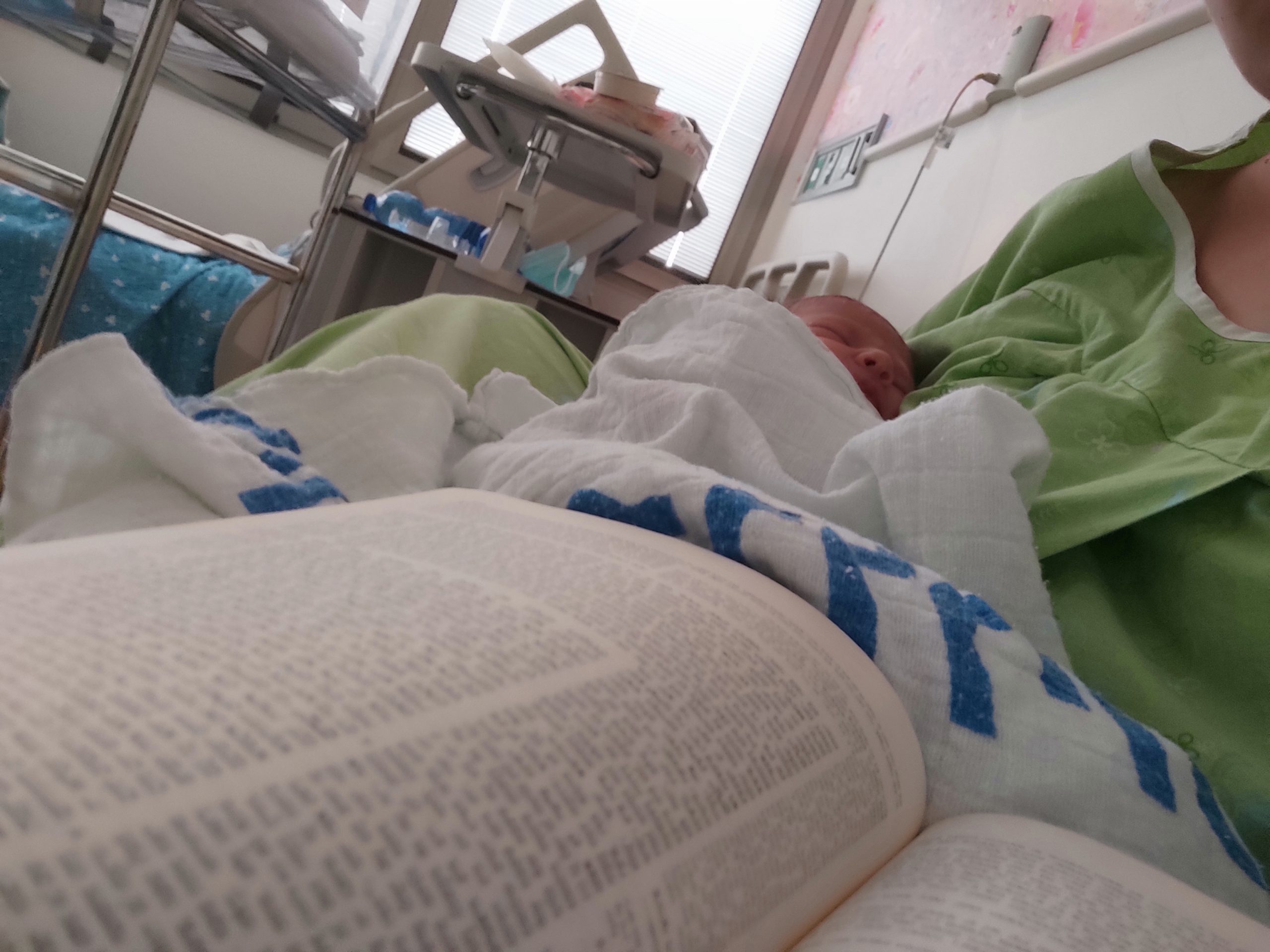
כמו שרואים בתמונה אני ממשיכה ללמוד גם היום ואפילו במחלקת יולדות אחרי לידת ביתי השלישית.
רבבה, ישראל
התחלתי ללמוד בעידוד שתי חברות אתן למדתי בעבר את הפרק היומי במסגרת 929.
בבית מתלהבים מאוד ובשבת אני לומדת את הדף עם בעלי שזה מפתיע ומשמח מאוד! לימוד הדף הוא חלק בלתי נפרד מהיום שלי. לומדת בצהריים ומחכה לזמן הזה מידי יום…

אפרת, ישראל
. לא תמיד נהניתי מלימוד גמרא כילדה.,בל כהתבגרתי התחלתי לאהוב את זה שוב. התחלתי ללמוד מסכת סוטה בדף היומי לפני כחמש עשרה שנה ואז הפסקתי.הגעתי לסיום הגדול של הדרן לפני שנתיים וזה נתן לי השראה. והתחלתי ללמוד למשך כמה ימים ואז היתה לי פריצת דיסק והפסקתי…עד אלול השנה. אז התחלתי עם מסכת ביצה וב”ה אני מצליחה לעמוד בקצב. המשפחה מאוד תומכת בי ויש כמה שגם לומדים את זה במקביל. אני אוהבת שיש עוגן כל יום.

בית שמש, ישראל
קידושין נא
הַמַּרְבֶּה בַּמַּעֲשֵׂר – פֵּירוֹתָיו מְתוּקָּנִים וּמַעְשְׂרוֹתָיו מְקוּלְקָלִין. וְאַמַּאי? נֵימָא: כֹּל שֶׁאֵינוֹ בְּזֶה אַחַר זֶה אֲפִילּוּ בְּבַת אַחַת אֵינוֹ.
In the case of one who increases tithes, i.e., he tithes two-tenths instead of one-tenth of his produce, the remainder of his produce is rendered fit for consumption, as he tithed it properly, but the tithes are ruined, as the additional tithe is neither a tithe nor tithed produce. Since it is unclear which of the two-tenths is the actual tithe and which is not, the entire two-tenths may be treated neither as a tithe nor as tithed produce. But according to Rabba’s opinion, why is this produce rendered fit for consumption? Let us say that any matters that cannot be accomplished sequentially cannot be accomplished even if one performs them simultaneously. Since one cannot designate a tithe of two-tenths sequentially, one-tenth followed by a second tenth, he should be precluded from simultaneously designating two-tenths of his produce as a tithe. Accordingly, it should be considered as though he had not designated any tithe at all, and his produce should not be regarded as tithed.
אֲמַר לֵיהּ: שָׁאנֵי מַעֲשֵׂר, דְּאִיתֵיהּ לַחֲצָאִים, דְּאִי אָמַר: ״תִּיקְדּוֹשׁ פַּלְגָא דְחִיטְּתָא״ – קָדְשָׁה.
Rabba said to him: The case of tithe is different, as tithe status takes effect partially, i.e., on less than a unit of produce. As, if one said: Let half of each grain of wheat be designated as tithe, he has designated it. Just as one can designate an entire grain of wheat as a tithe, he can likewise designate a half a grain. In this case too, when one tithes two-tenths of the produce, the ruling is not that one-tenth is the actual tithe and the other tenth is untithed produce. Instead, half of each grain of the designated portion is tithe, while the other half of each grain is not. Accordingly, the remainder of the produce is tithed, as one-tenth of the total has been designated as first tithe. The portion designated as the tithe is ruined, because it is impossible to identify which part of each grain is designated.
וַהֲרֵי מַעְשַׂר בְּהֵמָה, דְּלֵיכָּא לַחֲצָאִין, וְלֵיכָּא בְּזֶה אַחַר זֶה. וְאָמַר רָבָא: יָצְאוּ שְׁנַיִם בַּעֲשִׂירִי, וּקְרָאָן ״עֲשִׂירִי״ – עֲשִׂירִי וְאַחַד עָשָׂר מְעוֹרָבִים זֶה בָּזֶה.
The Gemara raises another objection to Rabba’s opinion: But isn’t there the case of animal tithe, which does not take effect partially, as one cannot consecrate half an animal for his tithe. And likewise there is no possibility to separate animals sequentially, as once one has designated one animal as animal tithe he cannot designate another animal for the same purpose. And Rava says: If two animals emerged from the enclosure together as the tenth, and he called them both the tenth, the tenth and eleventh animals are intermingled with each other. One is consecrated with the sanctity of animal tithe while the other remains a peace-offering, but there is no way to determine which is which. The question arises: If the principle that any matters that cannot be accomplished sequentially cannot be accomplished even if one performs them simultaneously is correct, neither animal is consecrated, as one cannot designate both the tenth and the eleventh animals as animal tithe, one after the other.
שָׁאנֵי מַעְשַׂר בְּהֵמָה, דְּאִיתֵיהּ בְּטָעוּת. דִּתְנַן: קָרָא לַתְּשִׁיעִי ״עֲשִׂירִי״, וְלָעֲשִׂירִי ״תְּשִׁיעִי״, וְלָאַחַד עָשָׂר ״עֲשִׂירִי״ – שְׁלָשְׁתָּן מְקוּדָּשִׁין.
The Gemara rejects this: Animal tithe is different, as two animals can be designated as animal tithe one after the other in the case of an error. Although one cannot designate the tenth and eleventh animals as the animal tithe ab initio, if he did so in error they are both consecrated. As we learned in a mishna (Bekhorot 60a): If one erred and called the ninth animal the tenth, and erred again and called the tenth animal the ninth and the eleventh animal the tenth, all three animals are consecrated. The first is consecrated because it was designated as the tenth, the second because it actually is the tenth, and the third because it was designated as the tenth. Apparently, more than one animal can be consecrated as the animal tithe, if designated in error. In Rava’s example as well, a modicum of sanctity applies to the two animals that emerged together and were together designated as the tenth.
הֲרֵי תּוֹדָה, דְּלֵיתַהּ בְּטָעוּת, וְלֵיתַהּ נָמֵי בְּזֶה אַחַר זֶה, וְאִיתְּמַר: תּוֹדָה שֶׁנִּשְׁחֲטָה עַל שְׁמוֹנִים חַלּוֹת, חִזְקִיָּה אָמַר: קָדְשִׁי לַהּ אַרְבָּעִים מִתּוֹךְ שְׁמוֹנִים. וְרַבִּי יוֹחָנָן אָמַר: לָא קָדְשִׁי לַהּ אַרְבָּעִים מִתּוֹךְ שְׁמוֹנִים.
The Gemara raises another objection to Rabba’s principle. There is the case of the forty loaves that accompany a thanks-offering, which are not consecrated if they were designated in error, and are also not consecrated if two sets of loaves were designated for the same offering sequentially. And yet it was stated that amora’im disagreed with regard to a thanks-offering that was slaughtered accompanied by eighty loaves, twice the required amount. Ḥizkiyya said: Forty of the eighty loaves are consecrated, even though their identity cannot be determined. And Rabbi Yoḥanan said: Not even forty of the eighty loaves are consecrated. It would appear that these amora’im disagree with regard to whether or not sanctity that cannot take effect in sequence can take effect simultaneously.
לָאו אִיתְּמַר עֲלַהּ, אָמַר רַבִּי יְהוֹשֻׁעַ בֶּן לֵוִי: הַכֹּל מוֹדִים כֹּל הֵיכָא דְּאָמַר: ״קָדְשִׁי לַהּ אַרְבָּעִים מִתּוֹךְ שְׁמוֹנִים״ – קָדְשִׁי, ״לֹא יִקְדְּשׁוּ אַרְבָּעִים אֶלָּא אִם כֵּן קָדְשִׁי שְׁמוֹנִים״ – לָא קָדְשִׁי.
The Gemara rejects this contention: Wasn’t it stated with regard to this dispute that Rabbi Yehoshua ben Levi said: All, both Ḥizkiyya and Rabbi Yoḥanan, concede that anywhere that the one bringing the thanks-offering said: Let forty of the eighty loaves be consecrated, the forty are consecrated; and in a case where he said: Forty loaves should not be consecrated unless all eighty are consecrated, everyone agrees that they are not consecrated.
לֹא נֶחְלְקוּ אֶלָּא בִּסְתָם, מָר סָבַר: לְאַחְרָיוּת קָא מִיכַּוַּון. וּמָר סָבַר: לְקׇרְבָּן גָּדוֹל קָא מִיכַּוַּון.
They disagree only with regard to a case where the one bringing the thanks-offering designates eighty loaves without specification of how many loaves he wants consecrated. One Sage, Ḥizkiyya, holds: Although he designated eighty loaves, he wants to consecrate only forty, and when he sets aside eighty loaves, he merely intends to ensure that he will have forty. He therefore brought the extra loaves so that if the first forty loaves are lost or become ritually impure the second forty will be consecrated in their place. Consequently, the first forty loaves are consecrated. And one Sage, Rabbi Yoḥanan, holds: He intends to bring a large offering of eighty loaves, and therefore none of the loaves are consecrated. Rabbi Yehoshua ben Levi’s explanation of the dispute accords with Rabba’s opinion.
וְרָבָא, לְמָה לֵיהּ לְשַׁנּוֹיֵי כְּרַבָּה? תִּיפּוֹק לֵיהּ קִידּוּשִׁין שֶׁאֵין מְסוּרִין לְבִיאָה נִינְהוּ.
The Gemara turns from its analysis of Rabba’s opinion to the original issue: And why does Rava explain the mishna in accordance with the opinion of Rabba? Let him derive the halakha in accordance with a principle of his own, as elsewhere (9a) he establishes that betrothal that is not given to consummation is not betrothal at all, and all of these cases are in this category. Any betrothal in which it is prohibited for the couple to engage in sexual intercourse is not considered betrothal at all. Following this principle, the ruling of the mishna can be explained as follows: Since both women would be forbidden to the man in the event that they were both betrothed to him, as each would be the relative of his betrothed, the betrothals are not given to consummation. Therefore, they do not take effect at all.
לִדְבָרָיו דְּרָמֵי בַּר חָמָא קָאָמַר.
The Gemara answers: Rava could have explained the mishna this way, but he stated his explanation in accordance with the statement of Rami bar Ḥama. Rava should be understood as saying: Your opinion that the ruling of the mishna is derived from a verse is incorrect, as the verse is referring only to one who betroths the two sisters or the mother and daughter sequentially. Instead, you should explain the mishna as referring to one who betroths them at the same time, with the reason being that any matters that cannot be accomplished sequentially cannot be accomplished even if one performs them simultaneously.
אִיתְּמַר: קִידּוּשִׁין שֶׁאֵין מְסוּרִין לְבִיאָה, אַבָּיֵי אָמַר: הָווּ קִידּוּשִׁין. רָבָא אָמַר: לָא הָווּ קִידּוּשִׁין. אָמַר רָבָא: בַּר אֲהִינָא אַסְבְּרַהּ לִי: ״כִּי יִקַּח אִישׁ אִשָּׁה וּבְעָלָהּ״, קִידּוּשִׁין הַמְסוּרִין לְבִיאָה – הָווּ קִידּוּשִׁין, קִידּוּשִׁין שֶׁאֵין מְסוּרִין לְבִיאָה – לָא הָווּ קִידּוּשִׁין.
§ It was stated that amora’im had a dispute: With regard to betrothal that is not given to consummation, Abaye says it is betrothal, since the prohibition against engaging in sexual intercourse does not affect the betrothal itself. Rava says: It is not betrothal. Rava says: The Sage bar Ahina explained to me that this halakha is derived from the verse: “When a man takes a woman and engages in sexual intercourse with her” (Deuteronomy 24:1), as it indicates that betrothal that is given to permitted consummation is betrothal, whereas betrothal that is not given to consummation is not betrothal.
תְּנַן: הַמְקַדֵּשׁ אִשָּׁה וּבִתָּהּ אוֹ אִשָּׁה וַאֲחוֹתָהּ כְּאַחַת – אֵינָן מְקוּדָּשׁוֹת. הָא אַחַת מֵאִשָּׁה וּבִתָּהּ אוֹ מֵאִשָּׁה וַאֲחוֹתָהּ – מְקוּדֶּשֶׁת. וְאַמַּאי? קִידּוּשִׁין שֶׁאֵין מְסוּרִין לְבִיאָה נִינְהוּ! תְּיוּבְתָּא דְּרָבָא!
The Gemara proceeds to analyze these two opinions. We learned in the mishna: In the case of one who betroths a woman and her daughter or a woman and her sister in one act of betrothal neither of them is betrothed. The Gemara analyzes this: But if he said he is betrothing only one of this pair, i.e., the woman or her daughter, or one of that pair, i.e., the woman or her sister, without specifying which of them, she is betrothed. Nevertheless, in practice it is prohibited for him to engage in intercourse with either of them, as it cannot be determined which woman he betrothed and which woman is the relative of his betrothed. But why should the betrothal take effect? These are each a betrothal that is not given to consummation, and should not be valid according to Rava. Shall we say this is a conclusive refutation to the opinion of Rava?
אָמַר לָךְ רָבָא: וּלְטַעְמָיךְ, אֵימָא סֵיפָא: מַעֲשֶׂה בְּחָמֵשׁ נָשִׁים וּבָהֶן שְׁתֵּי אֲחָיוֹת, וְלִיקֵּט אֶחָד כַּלְכַּלָּה שֶׁל תְּאֵנִים, וְשֶׁלָּהֶן הָיְתָה, וְשֶׁל שְׁבִיעִית הָיְתָה, וְאָמַר: ״הֲרֵי כּוּלְּכֶם מְקוּדָּשׁוֹת לִי בְּכַלְכַּלָּה זוֹ״. וְאָמְרוּ חֲכָמִים: אֵין אֲחָיוֹת מְקוּדָּשׁוֹת. אֲחָיוֹת הוּא דְּאֵינָן מְקוּדָּשׁוֹת, הָא נָכְרִיּוֹת – מְקוּדָּשׁוֹת.
The Gemara answers: Rava could have said to you in response: And according to your reasoning that a betrothal that is not given to consummation is still betrothal, say the latter clause of the mishna: An incident occurred involving five women, and among them were two sisters. And one man gathered a basket of figs that were from their field, and the fruit was of the Sabbatical Year. And he said: You are hereby all betrothed to me with this basket, and one of them accepted it on behalf of all of them. And the Sages said: The sisters are not betrothed. This indicates that it is the sisters who are not betrothed, but the unrelated women, the other three women who are not related to each other, are betrothed.
הֵיכִי דָמֵי? אִילֵימָא דְּאָמַר ״כּוּלְּכֶם״ – ״קְנִי אַתְּ וַחֲמוֹר״ הוּא, וְ״אַתְּ וַחֲמוֹר״ לֹא קָנָה.
The Gemara continues to explain what Rava could have said. What are the circumstances? If we say that he said: You are all betrothed to me, this is comparable to one who gives something to another and says: Let you and the donkey acquire this item. And in a situation where someone would say: Let you and the donkey acquire it, the recipient has not acquired the item. Since the donkey cannot acquire items the person does not acquire it either, because the owner linked the two acquisitions. Here too, since he tried to give the item of the betrothal to all of the women, some of whom, the sisters, he cannot betroth together, the betrothal should not take effect even with the other women despite the fact that they are suitable for him.
אֶלָּא לָאו דַּאֲמַר לְהוּ: ״אַחַת מִכֶּם״ וְקָתָנֵי: אֵין אֲחָיוֹת מְקוּדָּשׁוֹת? לְרָבָא קַשְׁיָא רֵישָׁא, לְאַבָּיֵי קַשְׁיָא סֵיפָא. אַבָּיֵי מְתָרֵץ לְטַעְמֵיהּ, רָבָא מְתָרֵץ לְטַעְמֵיהּ.
Rather, is it not referring to a case where he said to them: One of you is betrothed, and it teaches that the sisters are not betrothed, because with regard to the sisters the betrothal is not given to consummation? The Gemara comments: If so, the first clause of the mishna is difficult for Rava, while the last clause is difficult for Abaye. The Gemara presents a resolution: Abaye explains the last clause according to his line of reasoning, and Rava explains the first clause according to his line of reasoning.
אַבָּיֵי מְתָרֵץ לְטַעְמֵיהּ: הַמְקַדֵּשׁ אִשָּׁה וּבִתָּהּ, אוֹ אִשָּׁה וַאֲחוֹתָהּ כְּאַחַת – אֵינָן מְקוּדָּשׁוֹת. הָא אַחַת מֵאִשָּׁה וּבִתָּהּ, מֵאִשָּׁה וַאֲחוֹתָהּ – מְקוּדֶּשֶׁת.
Abaye explains it according to his line of reasoning, as follows: In the case of one who betroths a woman and her daughter or a woman and her sister in one act of betrothal neither of them is betrothed. But if he betrothed one of a pair consisting of a woman and her daughter or a woman and her sister by saying: One of you is betrothed to me, each of them is betrothed as a matter of uncertainty and requires a bill of divorce, despite the fact that the betrothal is not given to consummation, in case he is in fact betrothed to the other one.
וְאִם אָמַר: ״הָרְאוּיָה לְבִיאָה תִּתְקַדֵּשׁ לִי״ – אֵינָהּ מְקוּדֶּשֶׁת. וּמַעֲשֶׂה נָמֵי בְּחָמֵשׁ נָשִׁים וּבָהֶן שְׁתֵּי אֲחָיוֹת, וְלִיקֵּט אֶחָד כַּלְכַּלָּה שֶׁל תְּאֵנִים וְאָמַר: ״הָרְאוּיָה לִי מִכֶּם תִּתְקַדֵּשׁ לִי״, וְאָמְרוּ חֲכָמִים: אֵין אֲחָיוֹת מְקוּדָּשׁוֹת.
The Gemara continues Abaye’s explanation: And if he explicitly said: The one of you fit for sexual intercourse shall be betrothed to me, neither of them is betrothed, as he cannot engage in intercourse with either, not knowing which of them is his betrothed and which is his betrothed’s relative. And an incident also occurred involving five women, and among them were two sisters. And one man gathered a basket of figs and said: The one among you fit for intercourse with me shall be betrothed to me with this basket, and the Sages said: The sisters are not betrothed.
וְרָבָא מְתָרֵץ לְטַעְמֵיהּ: הַמְקַדֵּשׁ אַחַת מֵאִשָּׁה וּבִתָּהּ אוֹ אַחַת מֵאִשָּׁה וַאֲחוֹתָהּ – נַעֲשָׂה כְּמִי שֶׁקִּידֵּשׁ אִשָּׁה וּבִתָּהּ, אוֹ אִשָּׁה וַאֲחוֹתָהּ כְּאַחַת, וְאֵינָן מְקוּדָּשׁוֹת. וּמַעֲשֶׂה נָמֵי בְּחָמֵשׁ נָשִׁים וּבָהֶם שְׁתֵּי אֲחָיוֹת, וְלִיקֵּט אֶחָד כַּלְכַּלָּה שֶׁל תְּאֵנִים וְאָמַר: הֲרֵי כּוּלְּכֶם וְאַחַת מִשְׁתֵּי אֲחָיוֹת מְקוּדָּשׁוֹת לִי בְּכַלְכַּלָּה זוֹ, וְאָמְרוּ חֲכָמִים: אֵין אֲחָיוֹת מְקוּדָּשׁוֹת.
And Rava explains according to his line of reasoning: In the case of one who betroths one of a pair consisting of a woman and her daughter or one of a pair consisting of a woman and her sister it becomes as one who simultaneously betrothed a woman and her daughter or a woman and her sister, and they are not betrothed, since betrothal that is not given to consummation is not considered betrothal. And an incident also occurred involving five women, and among them were two sisters. And one man gathered a basket of figs and said: All of you, and one of the two sisters, are hereby betrothed to me with this basket. And the Sages said: The sisters are not betrothed. Since the mishna can be read in either of these two ways, nothing can be proven from it with regard to the issue of betrothal that is not given to consummation.
תָּא שְׁמַע: הַמְקַדֵּשׁ אֶת בִּתּוֹ סְתָם – אֵין הַבּוֹגְרוֹת בַּכְּלָל. הָא קְטַנּוֹת בַּכְּלָל. וְאַמַּאי? קִידּוּשִׁין שֶׁאֵין מְסוּרִין לְבִיאָה נִינְהוּ, וּתְיוּבְתָּא דְּרָבָא!
The Gemara suggests: Come and hear a proof from a mishna (64b): In the case of one who betroths his daughter to a man without specification, i.e., without specifying which daughter he meant, the grown women are not included among those who might be betrothed, since he does not have the right to betroth them. The Gemara analyzes this: One can infer that the minor daughters are included, and each is betrothed as a matter of uncertainty. But why are the minor daughters betrothed? Each of these betrothals is a betrothal that is not given to consummation, since he did not specify which of his minor daughters he had in mind. Therefore, according to Rava betrothal should not take effect with regard to any of them, and this is a conclusive refutation of the opinion of Rava.
אָמַר לָךְ רָבָא: הָכָא בְּמַאי עָסְקִינַן, כְּשֶׁאֵין שָׁם אֶלָּא גְּדוֹלָה וּקְטַנָּה.
The Gemara answers: Rava could have said to you: With what are we dealing here? It is when there is only one adult daughter and one minor daughter. Consequently, once the adult daughter is removed from consideration, it is clear that the father has betrothed the minor daughter, and the betrothal is given to consummation.
הָא בּוֹגְרוֹת קָתָנֵי! מַאי בּוֹגְרוֹת – בּוֹגְרוֹת דְּעָלְמָא. אִי הָכִי מַאי לְמֵימְרָא?
The Gemara questions this explanation: But that mishna teaches: Grown women, in the plural. The Gemara answers: What is the meaning of grown women? Grown women in general. In other words, whenever people betroth their daughters without further specification, only the minor daughters, and not the adult daughters, are included. The Gemara asks: If so, that there are only two daughters, what is the purpose of stating this; what novel halakha does it teach?
הָכָא בְּמַאי עָסְקִינַן, דְּשַׁוִּיתֵיהּ שָׁלִיחַ. מַהוּ דְּתֵימָא כִּי מְקַבֵּל קִידּוּשֵׁי – אַדַּעְתַּהּ דִּידַהּ קָא מְקַבֵּל, קָא מַשְׁמַע לַן דְּלָא שָׁבֵיק אִינִישׁ מִידֵּי דְּאִית לֵיהּ הֲנָאָה מִינֵּיהּ.
The Gemara answers: With what are we dealing here? It is a situation where his adult daughter designated him as her agent to betroth her. Lest you say that when he accepts betrothal from someone on behalf of his daughter without further specification he accepts it with her in mind, and he intended to betroth her rather than his minor daughter, the mishna therefore teaches us that a person does not set aside something from which he has benefit, e.g., the betrothal of his minor daughter, where he keeps the betrothal money, in favor of something from which he has no benefit, e.g., the betrothal of his adult daughter, where she keeps the betrothal money.
מִי לָא עָסְקִינַן דְּאָמְרָה לֵיהּ ״קִידּוּשַׁי לְדִידָךְ״? אֲפִילּוּ הָכִי, לָא שָׁבֵיק אִינִישׁ מִצְוָה דְּרַמְיָא עֲלֵיהּ וְעָבֵיד מִצְוָה דְּלָא רַמְיָא עֲלֵיהּ.
The Gemara raises a difficulty: Aren’t we also dealing with a case where the adult daughter said to him: When you betroth me, my betrothal money is for you? Accordingly, he derives benefit from her betrothal as well. The Gemara explains: Even so, the father would not have intended to betroth his adult daughter, since a person does not set aside a mitzva that is incumbent upon him, e.g., the betrothal of his minor daughter, and perform a mitzva that is not incumbent upon him, e.g., the betrothal of his adult daughter.
תָּא שְׁמַע: מִי שֶׁיֵּשׁ לוֹ שְׁתֵּי כִּתֵּי בָנוֹת מִשְׁתֵּי נָשִׁים, וְאָמַר: ״קִידַּשְׁתִּי אֶת בִּתִּי הַגְּדוֹלָה, וְאֵינִי יוֹדֵעַ אִם גְּדוֹלָה שֶׁבַּגְּדוֹלוֹת וְאִם גְּדוֹלָה שֶׁבַּקְּטַנּוֹת, אִם קְטַנָּה שֶׁבַּגְּדוֹלוֹת שֶׁהִיא גְּדוֹלָה מִן הַגְּדוֹלָה שֶׁבַּקְּטַנּוֹת״ – כּוּלָּן אֲסוּרוֹת, חוּץ מִקְּטַנָּה שֶׁבַּקְּטַנּוֹת, דִּבְרֵי רַבִּי מֵאִיר.
The Gemara further suggests: Come and hear a proof from a mishna (64b): With regard to one who has two groups of daughters from two women, e.g., he has multiple daughters from his first wife, and after his first wife died he remarried and had multiple daughters with his second wife, and he said: I betrothed my elder daughter to someone, but I do not know if it was the eldest of the older group of daughters or if it was the eldest of the younger group of daughters, or if it was the youngest of the older group, who is nevertheless older than the eldest of the younger group; all the daughters are prohibited from marrying someone else without first receiving a bill of divorce, except for the youngest of the younger group, who is certainly not betrothed. This is the statement of Rabbi Meir. This betrothal is not given to consummation, since each daughter could be the sister of his actual betrothed, and yet the betrothal is considered valid, as otherwise they would all be permitted to marry without requiring a bill of divorce.
הָכָא בְּמַאי עָסְקִינַן, כְּשֶׁהוּכְּרוּ וּלְבַסּוֹף נִתְעָרְבוּ. דַּיְקָא נָמֵי דְּקָתָנֵי: ״אֵינִי יוֹדֵעַ״, וְלָא קָתָנֵי ״אֵין יָדוּעַ״, שְׁמַע מִינַּהּ.
The Gemara rejects this: With what are we dealing here? It is a situation where they were identified and later intermingled. In other words, this mishna is not dealing with one who betrothed a daughter without specifying which one; rather, he initially stated which daughter he intended to betroth but subsequently forgot. The actual betrothal is given to consummation, so the daughters are betrothed due to the uncertainty. The Gemara comments: The language of the mishna is also precise, as it teaches that he said: I do not know, in the first person and in the present tense, indicating that he did know who it was at one point but does not know now, and it does not teach that he said: It is not known. The Gemara affirms: Learn from the language of the mishna that we are indeed dealing with a case where the daughters were intermingled after they were identified.
אִי הָכִי מַאי לְמֵימְרָא? לְאַפּוֹקֵי מִדְּרַבִּי יוֹסֵי, דְּאָמַר: לָא מַחֵית אִינִישׁ נַפְשֵׁיהּ לִסְפֵיקָא. קָא מַשְׁמַע לַן דְּמַחֵית אִינִישׁ נַפְשֵׁיהּ לִסְפֵיקָא.
The Gemara asks: If so, what is the purpose of stating this; what novel halakha does it teach? The Gemara answers: The mishna serves to exclude the opinion of Rabbi Yosei, who says: A person does not place himself into a situation of uncertainty, and when he said elder daughter he must have meant the eldest of the older group, who is the absolute eldest. Rabbi Meir teaches us that a person does place himself into a situation of uncertainty, and the uncertainty applies to each of his daughters, except for the youngest of the younger group.
תָּא שְׁמַע: מִי שֶׁקִּידֵּשׁ אַחַת מִשְׁתֵּי אֲחָיוֹת וְאֵינוֹ יוֹדֵעַ אֵיזוֹ קִידֵּשׁ – נוֹתֵן גֵּט לָזוֹ וְגֵט לָזוֹ. הָכָא בְּמַאי עָסְקִינַן, כְּשֶׁהוּכְּרוּ וּלְבַסּוֹף נִתְעָרְבוּ. דַּיְקָא נָמֵי, דְּקָתָנֵי: ״אֵינוֹ יוֹדֵעַ״, וְלָא קָתָנֵי: ״אֵינוֹ יָדוּעַ״.
The Gemara further suggests: Come and hear a proof from a mishna (Yevamot 23b): In the case of one who betrothed one of two sisters and he does not know which one he betrothed, he must give a bill of divorce to this one and a bill of divorce to that one, due to the uncertainty. This betrothal is not given to consummation, so why do they require bills of divorce? The Gemara answers: With what are we dealing here? It is when they were identified and later intermingled. The actual betrothal was given to consummation, so the sisters are betrothed due to the uncertainty. The Gemara comments: The language of the mishna is also precise, as it teaches the phrase: He does not know, indicating that he did know who it was at one point but now does not know, and it does not teach the phrase: It is not known.
אִי הָכִי מַאי לְמֵימְרָא? סֵיפָא אִיצְטְרִיכָא לֵיהּ: מֵת וְלוֹ אָח אֶחָד, חוֹלֵץ לִשְׁתֵּיהֶן. הָיוּ לוֹ שְׁנַיִם – אֶחָד חוֹלֵץ וְאֶחָד מְיַיבֵּם. אִם קָדְמוּ וְכָנְסוּ, אֵין מוֹצִיאִין אוֹתָם מִיָּדָם.
The Gemara poses a question: If so, what is the purpose of stating this; what novel halakha does it teach? The Gemara answers: It was necessary to teach the latter clause of that mishna: If this man died and he had one brother, the brother performs ḥalitza with both of the sisters, but he cannot perform levirate marriage with either because one of them is the sister of his yevama, who is forbidden to him by rabbinic law. If he had two brothers, one of them performs ḥalitza with one of the sisters but may not take her in levirate marriage, due to the possibility that she is the sister of a woman with whom he has a levirate bond. And then one takes the other in levirate marriage if he so desires. If both brothers married the sisters before consulting the court, the court does not remove them from their marriage and they are permitted to remain married. Although the first couple should have performed ḥalitza, the court does not force them to divorce.
דַּוְקָא מִיחְלָץ וַהֲדַר יַבּוֹמֵי, אֲבָל יַבּוֹמֵי וַהֲדַר מִיחְלָץ – לָא, דְּקָא פָּגַע בַּאֲחוֹת זְקוּקָתוֹ.
The Gemara explains the novelty of the latter clause: This is effective specifically if one brother first performs ḥalitza and afterward the second brother performs levirate marriage, but if one brother first performs levirate marriage and afterward the other brother performs ḥalitza, the levirate marriage would not take effect, as he is possibly encountering the sister of the woman bound to him by ties of levirate marriage. Until the yevama is released through ḥalitza, her sister is considered, to a certain extent, the sister of his wife, due to the ties of levirate marriage. The one who performs levirate marriage might have chosen the sister of the woman betrothed by the dead brother.
תָּא שְׁמַע: שְׁנַיִם שֶׁקִּדְּשׁוּ שְׁתֵּי אֲחָיוֹת, זֶה אֵינוֹ יוֹדֵעַ אֵיזוֹ קִידֵּשׁ וְזֶה אֵינוֹ יוֹדֵעַ אֵיזוֹ קִידֵּשׁ – זֶה נוֹתֵן שְׁנֵי גִטִּין, וְזֶה נוֹתֵן שְׁנֵי גִטִּין! הָכָא נָמֵי, שֶׁהוּכְּרוּ וּלְבַסּוֹף נִתְעָרְבוּ. דַּיְקָא נָמֵי דְּקָתָנֵי: ״אֵינוֹ יוֹדֵעַ״, וְלָא קָתָנֵי: ״אֵין יָדוּעַ״, שְׁמַע מִינַּהּ.
The Gemara further suggests: Come and hear a proof from the continuation of that mishna: In the case of two unrelated men who betrothed two sisters, where this one does not know which sister he betrothed and that one does not know which sister he betrothed, this one gives two bills of divorce, one to each of the women, and that one gives two bills of divorce. Their betrothal is not given to consummation, so according to Rava why do they require a bill of divorce? The Gemara answers: Here too, it is discussing a case where they were identified and later intermingled. The actual betrothal was given to consummation, so the sisters are betrothed due to the uncertainty. The Gemara comments: The language of the mishna is also precise, as it teaches using the phrase: Does not know, indicating that at one point he did know who it was but now does not know, and it does not teach: It is not known. The Gemara affirms: Learn from it that we are indeed dealing with a case where the sisters were identified and later intermingled.
אִי הָכִי, מַאי לְמֵימְרָא? סֵיפָא אִיצְטְרִיכָא לֵיהּ: מֵת, וְלָזֶה אָח וְלָזֶה אָח – זֶה חוֹלֵץ לִשְׁתֵּיהֶן וְזֶה חוֹלֵץ לִשְׁתֵּיהֶן. לָזֶה אֶחָד וְלָזֶה שְׁנַיִם –
The Gemara asks: If so, what is the purpose of stating this; what novel halakha does it teach? The Gemara answers: It was necessary to teach the latter clause of that mishna: If each man died before he divorced, and this one had a brother and that one had a brother, then this brother performs ḥalitza with both of them, and that brother performs ḥalitza with both of them. Neither man may perform levirate marriage, lest he perform levirate marriage with the sister of his yevama. If this one had one brother and that one had two brothers,

