חיפוש

קידושין נד

רוצה להקדיש שיעור?

podcast placeholder

0:00
0:00


תקציר

הדף היום מוקדש ע”י בלימה שטורחיין סלוצקי לע”נ אחותה, רבקה בת טינה ויצחק צבי. 

הדף היום מוקדש ע”י גיטה ודוד ניופלד לע”נ איידל בת נתן ושרה.

הדף היום מוקדש ע”י סלביה קליין לע”נ לאה בת יוסף ופרשה.

ישנם שני הסברים שונים לדעתו של רבי מאיר לגבי מכירה/קידושין שנעשו עם כספי הקדש בשגגה – האם זה נחשב למעילה או לא ואם כן, האם קידושין לאשה תקפים או לא? דעותיהם מנותחות ומתעוררות נגדם קושיות. לאחר מכן קובעת הגמרא את ההלכה לקודושין שנעשו באמצעות מעשר שני וקידושין הנעשו עם הקדש – במעשר שני, כר’ מאיר ובהקדש ר’ יהודה. מועלות קושיות נגד הפסיקה כר’ יהודה במעשר שני על פי מקורות תנאיים.

קידושין נד

חָזַרְנוּ עַל כׇּל צְדָדִים שֶׁל רַבִּי מֵאִיר, וְלֹא מָצִינוּ הֶקְדֵּשׁ בְּשׁוֹגֵג אֵין מִתְחַלֵּל, בְּמֵזִיד מִתְחַלֵּל.

We reviewed all angles of the opinion of Rabbi Meir, i.e., we have examined all of Rabbi Meir’s statements with regard to consecrated property, and we did not find that he holds that consecrated property is not desacralized if it is misused unwittingly but it is desacralized if misused intentionally.

וּמִשְׁנָתֵינוּ בְּכׇתְנוֹת כְּהוּנָּה שֶׁלֹּא בָּלוּ, הוֹאִיל וְנִיתְּנוּ לֵיהָנוֹת בָּהֶן, לְפִי שֶׁלֹּא נִיתְּנָה תּוֹרָה לְמַלְאֲכֵי הַשָּׁרֵת.

And as for our mishna, which indicates that this is Rabbi Meir’s opinion, it should not be understood as Rabbi Meir’s opinion with regard to consecrated property in general, but with regard to a case where a priest betrothed a woman using priestly tunics that have not worn out and that can still be worn during the Temple service. If a priest betrothed a woman with such garments, Rabbi Meir holds that if he did so unwittingly she is not betrothed, since clothes of this kind are not desacralized, and do not become hers. This is because they were initially given on the condition that the priests may benefit from them even when not performing the Temple service, since the Torah was not given to the ministering angels. It is impossible for a priest to wear the garments only at the moment he is performing the service and at no other time. Therefore, these garments are desacralized only if he intended to desacralize them.

תָּא שְׁמַע: כׇּתְנוֹת כְּהוּנָּה שֶׁבָּלוּ מוֹעֲלִין בָּהֶם, דִּבְרֵי רַבִּי מֵאִיר. מַאי לָאו אֲפִילּוּ לֹא בָּלוּ? לָא, בָּלוּ דַּוְקָא.

The Gemara raises a difficulty with Rav’s statement. Come and hear: With regard to priestly tunics that have worn out, one misuses property consecrated to the Temple by using them; this is the statement of Rabbi Meir. What, is it not so that this halakha would apply even if they had not worn out, and the tanna wanted to teach the additional halakha that it is still a transgression even after they are no longer fit for use? The Gemara rejects this: No, this halakha applies specifically to garments that have worn out. Since these cannot be used by priests, the permission to use them for non-sacred purposes lapses, and they are like other consecrated property that is subject to the halakhot of misuse.

תָּא שְׁמַע: מוֹעֲלִים בְּחַדְתִין וְאֵין מוֹעֲלִים בְּעַתִּיקִים. דִּבְרֵי רַבִּי יְהוּדָה. רַבִּי מֵאִיר אוֹמֵר: מוֹעֲלִין אַף בְּעַתִּיקִים, שֶׁהָיָה רַבִּי מֵאִיר אוֹמֵר: מוֹעֲלִין בִּשְׁיָרֵי הַלִּשְׁכָּה.

The Gemara raises a difficulty with the explanation of Rabbi Meir’s statement. Come and hear: One is liable for misuse of property consecrated to the Temple by using new shekels, i.e., those given this year, which are used to purchase animals for this year’s offerings, but one is not liable for misuse of property consecrated to the Temple by using old shekels, given by those who failed to give the previous year’s half-shekel, since these old shekels are used not to purchase offerings but for Temple maintenance; this is the statement of Rabbi Yehuda. Rabbi Meir says: One is liable for misuse of property consecrated to the Temple even by using old shekels, as Rabbi Meir would say: One is liable for misuse of property consecrated to the Temple not only by using money designated to purchase offerings, but even with the remainder of the chamber, i.e., the money that remained in the chamber after money was taken to purchase the animals used in communal offerings.

וְאַמַּאי? נֵימָא: הוֹאִיל וְנִיתְּנוּ לֵיהָנוֹת, לְפִי שֶׁלֹּא נִיתְּנָה תּוֹרָה לְמַלְאֲכֵי הַשָּׁרֵת, דְּהָא חוֹמַת הָעִיר וּמִגְדְּלוֹתֶיהָ מִשְּׁיָרֵי הַלִּשְׁכָּה אָתוּ, דִּתְנַן: חוֹמַת הָעִיר וּמִגְדְּלוֹתֶיהָ, וְכׇל צׇרְכֵי הָעִיר בָּאִין מִשְּׁיָרֵי הַלִּשְׁכָּה. לָא תֵּימָא רַבִּי מֵאִיר, אֶלָּא אֵימָא רַבִּי יְהוּדָה.

The Gemara continues the question: But why should one be liable for using the old shekels? Let us say the same logic: One is not liable, because they were initially given on the condition that people may benefit from them, since the Torah was not given to the ministering angels and people could not help but benefit from them. This is as the money to repair the wall of the city and its towers comes from the remainder of the chamber, as we learned in a mishna (Shekalim 4:2): The wall of the city, its towers, and all of the requirements of the city of Jerusalem come from the remainder of the chamber. It is not possible for passersby to avoid benefiting from the shade provided by the walls of the city. The Gemara answers: Do not say that the opinion that one is liable for misuse of property consecrated to the Temple by using money from the remainder of the chamber is that of Rabbi Meir. Rather, emend the mishna and say that it is the opinion of Rabbi Yehuda.

תָּא שְׁמַע: דְּתַנְיָא, אָמַר רַבִּי יִשְׁמָעֵאל בַּר רַבִּי יִצְחָק: אַבְנֵי יְרוּשָׁלַיִם שֶׁנָּשְׁרוּ מוֹעֲלִים בָּהֶם, דִּבְרֵי רַבִּי מֵאִיר. לָא תֵּימָא רַבִּי מֵאִיר, אֶלָּא אֵימָא רַבִּי יְהוּדָה.

Come and hear another proof: As it is taught in a baraita: Rabbi Yishmael bar Rabbi Yitzḥak said: With regard to stones of the walls and towers of Jerusalem that fell, one is liable for misuse of property consecrated to the Temple by using them; this is the statement of Rabbi Meir. This indicates that according to Rabbi Meir, the use of even such stones renders one liable, despite the fact that it is not possible for people to avoid benefiting from them. The Gemara again answers: Do not say that this baraita is recording the statement of Rabbi Meir. Rather, emend the baraita and say that it is in accordance with the opinion of Rabbi Yehuda.

אִי רַבִּי יְהוּדָה, יְרוּשָׁלַיִם מִי מִיקַּדְּשָׁא? וְהָתְנַן: כְּאִימְּרָא, כַּדִּירִים, כָּעֵצִים, כָּאִישִּׁים, כַּהֵיכָל, כַּמִּזְבֵּחַ, כִּירוּשָׁלַיִם. רַבִּי יְהוּדָה אוֹמֵר: כׇּל הָאוֹמֵר: ״יְרוּשָׁלַיִם״ לֹא אָמַר כְּלוּם.

The Gemara challenges this explanation: If it is in accordance with the opinion of Rabbi Yehuda, is Jerusalem consecrated at all? But didn’t we learn in a mishna (Nedarim 10b): If one says that an item shall be considered like the lamb of the daily offering, like the animals designated as offerings and kept in special enclosures, like the wood of the altar, like the fires on the altar, like the Sanctuary, like the altar, or like Jerusalem, it is a vow and he is prohibited to derive benefit from the item, as he has compared it to something consecrated. The essence of a vow creating a prohibition is the statement that a certain item shall be like a consecrated item. Rabbi Yehuda says: Anyone who says that an item shall be considered Jerusalem has not said anything, indicating that Rabbi Yehuda holds that Jerusalem is not consecrated.

וְכִי תֵּימָא, מִשּׁוּם דְּלֹא אָמַר: ״כִּירוּשָׁלַיִם״, וְהָתַנְיָא, רַבִּי יְהוּדָה אוֹמֵר: כׇּל הָאוֹמֵר ״כִּירוּשָׁלַיִם״ – לֹא אָמַר כְּלוּם, עַד שֶׁיִּדּוֹר בְּדָבָר הַקָּרֵב בִּירוּשָׁלַיִם!

And if you would say that Rabbi Yehuda’s reason is not that he holds that Jerusalem is not consecrated, but because the one stating the vow did not say: Like Jerusalem, but stated only that the item shall be considered Jerusalem, which is not a clear expression of a vow, but isn’t it taught in a baraita (Tosefta, Nedarim 1:6) that Rabbi Yehuda says: Anyone who says that an item shall be considered like Jerusalem has not said anything, until he vows by comparing the item to an item that is sacrificed in Jerusalem. This indicates that he holds that Jerusalem itself is not consecrated.

תְּרֵי תַּנָּאֵי נִינְהוּ וְאַלִּיבָּא דְּרַבִּי יְהוּדָה.

The Gemara answers: The baraita and the mishna in tractate Nedarim are two tanna’im and they disagree with regard to the opinion of Rabbi Yehuda concerning whether or not he holds that Jerusalem itself was sanctified.

אָמַר עוּלָּא מִשְּׁמֵיהּ דְּבַר פְּדָא, אוֹמֵר הָיָה רַבִּי מֵאִיר: הֶקְדֵּשׁ בְּמֵזִיד – מִתְחַלֵּל, בְּשׁוֹגֵג – אֵין מִתְחַלֵּל. וְלֹא אָמְרוּ בְּשׁוֹגֵג מִתְחַלֵּל אֶלָּא לְעִנְיַן קׇרְבָּן בִּלְבָד. וְכִי מֵאַחַר דְּאֵין מִתְחַלֵּל, קׇרְבָּן בְּמַאי מִחַיַּיב?!

Ulla said a different opinion in the name of bar Padda: Rabbi Meir would say: Consecrated property is desacralized if misused intentionally; it is not desacralized if misused unwittingly. And they said that consecrated property that is misused unwittingly is desacralized only with regard to an offering, i.e., the one who misused it is liable to bring a guilt-offering for his action, but the property remains consecrated. The Gemara asks: But since it is not desacralized when misused unwittingly, for what reason is he rendered liable to bring an offering, as the action had no effect?

אֶלָּא כִּי אֲתָא רָבִין פָּרֵישׁ מִשְּׁמֵיהּ דְּבַר פְּדָא, אוֹמֵר הָיָה רַבִּי מֵאִיר: הֶקְדֵּשׁ בְּמֵזִיד – מִתְחַלֵּל, בְּשׁוֹגֵג – אֵין מִתְחַלֵּל. וְלֹא אָמְרוּ בְּשׁוֹגֵג מִתְחַלֵּל אֶלָּא לְעִנְיַן אֲכִילָה בִּלְבָד.

Rather, when Ravin came from Eretz Yisrael he explained it this way in the name of bar Padda: Rabbi Meir would say: Consecrated property is desacralized if misused intentionally; it is not desacralized if misused unwittingly. And they said that consecrated property that is misused unwittingly is desacralized only with regard to eating. If one ate consecrated food, thereby consuming it completely, he is liable to bring an offering. If he merely misused consecrated money it retains its sanctity and is not desacralized, and he is not liable to bring an offering.

אָמַר רַב נַחְמָן אָמַר רַב אַדָּא בַּר אַהֲבָה: הֲלָכָה כְּרַבִּי מֵאִיר בְּמַעֲשֵׂר הוֹאִיל וּסְתַם לַן תְּנָא כְּוָתֵיהּ, וַהֲלָכָה כְּרַבִּי יְהוּדָה בְּהֶקְדֵּשׁ הוֹאִיל וּסְתַם לַן תְּנָא כְּוָתֵיהּ.

§ Rav Naḥman says that Rav Adda bar Ahava says: The halakha is in accordance with the opinion of Rabbi Meir with regard to second tithe in that it is considered consecrated, as the tanna taught us an unattributed mishna in accordance with his opinion. And the halakha is in accordance with the opinion of Rabbi Yehuda with regard to consecrated property, as the tanna taught us an unattributed mishna in accordance with his opinion.

כְּרַבִּי מֵאִיר בְּמַעֲשֵׂר, מַאי הִיא – דִּתְנַן: כֶּרֶם רְבָעִי, בֵּית שַׁמַּאי אוֹמְרִים: אֵין לוֹ חוֹמֶשׁ וְאֵין לוֹ בִּיעוּר. וּבֵית הִלֵּל אוֹמְרִים: יֵשׁ לוֹ.

The Gemara clarifies this statement: What is the unattributed mishna that is in accordance with the opinion of Rabbi Meir with regard to second tithe? It is as we learned (Pe’a 7:6): It is prohibited to eat or derive benefit from fruit during the first three years after the tree is planted. The fruit of the fourth year is to be taken to Jerusalem and eaten there. With regard to a vineyard in its fourth year, Beit Shammai say: It does not have the halakha of adding one-fifth, i.e., if the owner himself redeems the fruit to bring money to Jerusalem to spend on food there, as one may also do with second tithe, he does not add one-fifth to its value but redeems it for its true value. And it also does not have the halakha of disposal, i.e., there is no obligation to dispose of it on the eve of Passover of the fourth year of the Sabbatical cycle, when all tithes that have not yet been separated must be disposed of. And Beit Hillel say: It does have the halakha of adding one-fifth and the halakha of disposal.

בֵּית שַׁמַּאי אוֹמְרִים: יֵשׁ לוֹ פֶּרֶט וְיֵשׁ לוֹ עוֹלֵלוֹת. וּבֵית הִלֵּל אוֹמְרִים: כּוּלּוֹ לַגַּת.

That mishna continues: Furthermore, Beit Shammai say: It has the mitzva requiring the owner of the vineyard to leave individual fallen grapes for the poor [peret], and it has the mitzva requiring the owner to leave incompletely formed clusters of grapes for the poor [olelot]. Since the vineyard is considered the owner’s property during this year, he must leave these gifts for the poor. And Beit Hillel say: All of it goes to the winepress to make wine. Since the grapes have sanctity, he is not obligated to leave these gifts for the poor.

מַאי טַעְמָא דְּבֵית הִלֵּל – גָּמְרִי ״קֹדֶשׁ״ ״קֹדֶשׁ״ מִמַּעֲשֵׂר, מָה מַעֲשֵׂר יֵשׁ לוֹ חוֹמֶשׁ וְיֵשׁ לוֹ בִּיעוּר – אַף כֶּרֶם רְבָעִי יֵשׁ לוֹ חוֹמֶשׁ וְיֵשׁ לוֹ בִּיעוּר. וּבֵית שַׁמַּאי לָא גָּמְרִי ״קֹדֶשׁ״ ״קֹדֶשׁ״ מִמַּעֲשֵׂר.

The Gemara explains: What is the reason for the opinion of Beit Hillel? They derive a verbal analogy from the word “holy” stated with regard to a fourth-year vineyard, as the verse states: “Holy, for giving praise to the Lord” (Leviticus 19:24), from “holy” stated with regard to second tithe, as the verse states: “Holy to the Lord” (Leviticus 27:30). This verbal analogy teaches the following: Just as second tithe has the halakha of adding one-fifth and it has the halakha of disposal, so too, the fourth-year vineyard has the halakha of adding one-fifth and it has the halakha of disposal. And Beit Shammai do not derive the verbal analogy of “holy” with regard to a fourth-year vineyard and “holy” from second tithe.

וּבֵית הִלֵּל אוֹמְרִים כְּמַעֲשֵׂר, כְּמַאן סְבִירָא לְהוּ? אִי כְּרַבִּי יְהוּדָה, אַמַּאי כּוּלּוֹ לַגַּת? הָאָמַר מַעֲשֵׂר מָמוֹן הֶדְיוֹט הוּא! אֶלָּא לָאו כְּרַבִּי מֵאִיר!

The Gemara proceeds to clarify the opinions of Beit Hillel and Beit Shammai with regard to the obligation to leave peret and olelot from a fourth-year vineyard. And with regard to Beit Hillel, who say that the halakha of fourth-year produce is like the halakha of second tithe, in accordance with whose opinion do they hold with regard to second tithe? If they hold in accordance with the opinion of Rabbi Yehuda, why does all of it go to the winepress? Didn’t Rabbi Yehuda say that second tithe is itself common, i.e., non-sacred, property, and the owner must therefore leave peret and olelot? Rather, is it not the case that they hold in accordance with the opinion of Rabbi Meir, who says that second tithe is consecrated property? The mishna aligning the opinion of Beit Hillel with that of Rabbi Meir is tantamount to there being an unattributed mishna in accordance with Rabbi Meir’s opinion, as the halakha is generally in accordance with the opinion of Beit Hillel.

כְּרַבִּי יְהוּדָה בְּהֶקְדֵּשׁ מַאי הִיא – דִּתְנַן: שִׁילַּח בְּיַד פִּיקֵּחַ וְנִזְכַּר עַד שֶׁלֹּא הִגִּיעַ אֵצֶל חֶנְווֹנִי – חֶנְווֹנִי מָעַל לִכְשֶׁיּוֹצִיא.

The Gemara continues with the explanation of Rav Naḥman’s statement: What is the unattributed mishna that is in accordance with the opinion of Rabbi Yehuda with regard to consecrated property? As we learned (Me’ila 21a): In a case where one sent an agent to buy something on his behalf and unwittingly gave him consecrated money to use, if he sent it in the possession of a halakhically competent person and remembered that it was consecrated money before the agent reached the storekeeper, the storekeeper will have misused consecrated property when he will later spend the money. This indicates that one is liable for misuse of consecrated property even when one acts unwittingly, as the storekeeper did.

וּכְרַבִּי יְהוּדָה בְּמַעֲשֵׂר מִי לָא תְּנַן? וְהָתְנַן: הַפּוֹדֶה מַעֲשֵׂר שֵׁנִי שֶׁלּוֹ – מוֹסִיף עָלָיו חֲמִישִׁיתוֹ, בֵּין מִשֶּׁלּוֹ בֵּין שֶׁנִּיתַּן לוֹ בְּמַתָּנָה. מַנִּי? אִילֵימָא רַבִּי מֵאִיר הִיא – מִי מָצֵי יָהֵיב לֵיהּ בְּמַתָּנָה? וְהָאָמַר: מַעֲשֵׂר מָמוֹן גָּבוֹהַּ הוּא! אֶלָּא לָאו רַבִּי יְהוּדָה!

The Gemara asks: But didn’t we learn an unattributed mishna in accordance with the opinion of Rabbi Yehuda with regard to second tithe? But didn’t we learn (Ma’aser Sheni 4:3): With regard to one who redeems his own second tithe, he adds to it its one-fifth, whether the tithe was from his crop or given to him as a gift. The Gemara clarifies: In accordance with whose opinion is this mishna? If we say it is in accordance with the opinion of Rabbi Meir, can one give second tithe to another as a gift? But didn’t he say that second tithe is property belonging to the Most High, which means it is not one’s own to give to another as a gift? Rather, is it not in accordance with the opinion of Rabbi Yehuda, who holds that second tithe is common property, and consequently this unattributed mishna is in accordance with the opinion of Rabbi Yehuda with regard to second tithe?

לָא, לְעוֹלָם רַבִּי מֵאִיר וְהָכָא בְּמַאי עָסְקִינַן, כְּגוֹן דְּיָהֵיב נִיהֲלֵיהּ בְּטִיבְלֵיהּ, וְקָסָבַר: מַתָּנוֹת שֶׁלֹּא הוּרְמוּ כְּמִי שֶׁלֹּא הוּרְמוּ דָּמְיָין.

The Gemara answers: No, actually it is in accordance with the opinion of Rabbi Meir, and with what are we dealing here? It is not a situation where one gave second tithe itself as a gift, but where he gave him his entire crop in its state of being untithed produce. Consequently, the portion he gave him included tithes that had not yet been separated, and he holds that gifts that have not been separated are not considered as though they have been separated. One does not categorize the untithed produce as a mixture of regular produce and tithes, but as a non-sacred category in and of itself. Since the second tithe has not yet been separated, the produce has no sanctity, and he can give it as a gift.

תָּא שְׁמַע: הַפּוֹדֶה נֶטַע רְבָעִי שֶׁלּוֹ – מוֹסִיף עָלָיו חֲמִישִׁיתוֹ, בֵּין מִשֶּׁלּוֹ, בֵּין שֶׁנִּיתַּן לוֹ בְּמַתָּנָה. מַנִּי? אִילֵימָא רַבִּי מֵאִיר – מִי מָצֵי יָהֵיב לֵיהּ? וְהָא גָּמְרִי ״קֹדֶשׁ״ ״קֹדֶשׁ״ מִמַּעֲשֵׂר! אֶלָּא לָאו רַבִּי יְהוּדָה?

The Gemara continues its line of inquiry: Come and hear another unattributed mishna in accordance with the opinion of Rabbi Yehuda (Ma’aser Sheni 4:6): With regard to one who redeems his own fourth-year produce, he adds to it its one-fifth, whether the produce was from his crop or was given to him as a gift. The Gemara inquires: In accordance with whose opinion is this mishna? If we say it is in accordance with the opinion of Rabbi Meir, can one give produce of the fourth year to another as a gift? But didn’t he derive that one must add one-fifth from the verbal analogy of “holy” for fourth-year fruit from “holy” from second tithe? This would mean that fourth-year fruit, like second tithe, is property of the Most High and cannot be given as a gift. Rather, is it not in accordance with the opinion of Rabbi Yehuda?

לְעוֹלָם רַבִּי מֵאִיר, וְהָכָא בְּמַאי עָסְקִינַן, כְּגוֹן דְּיָהֵיב כְּשֶׁהוּא סְמָדַר. וּדְלָא כְּרַבִּי יוֹסֵי, דְּאָמַר: סְמָדַר אָסוּר, מִפְּנֵי שֶׁהוּא פֶּרִי.

The Gemara answers: Actually, it is in accordance with the opinion of Rabbi Meir, and with what are we dealing here? It is not a situation where one gave fully grown fourth-year fruit but where he gave him the fruit when it was a bud. And this is not in accordance with the opinion of Rabbi Yosei, who says: A bud of a fruit is forbidden as orla, because it is already considered a fruit. Rabbi Meir, by contrast, holds that a fruit bud is not considered fruit. Therefore, the halakhot of orla and fourth-year fruit apply only to fruit that has grown, whereas beforehand it can be given as a gift.

תָּא שְׁמַע: מָשַׁךְ הֵימֶנּוּ מַעֲשֵׂר בְּסֶלַע וְלֹא הִסְפִּיק לִפְדּוֹתוֹ עַד שֶׁעָמַד בִּשְׁתַּיִם – נוֹתֵן סֶלַע, וּמִשְׂתַּכֵּר בְּסֶלַע, וּמַעֲשֵׂר שֵׁנִי שֶׁלּוֹ. מַנִּי? אִילֵימָא רַבִּי מֵאִיר, אַמַּאי מִשְׂתַּכֵּר בְּסֶלַע? ״וְנָתַן אֶת הַכֶּסֶף וְקָם לוֹ״ אָמַר רַחֲמָנָא! אֶלָּא לָאו רַבִּי יְהוּדָה!

The Gemara continues its line of inquiry: Come and hear another unattributed mishna in accordance with the opinion of Rabbi Yehuda (Ma’aser Sheni 4:6): If one was selling second-tithe produce, and the buyer pulled tithe worth a sela from him, thereby acquiring it, and did not manage to redeem it until its value stood at two sela, and he had not yet paid the seller, the buyer gives a sela to the seller, and he thereby gains a sela and the second tithe is his, since he acquired it when he pulled it and the price was fixed at that point. The Gemara inquires: In accordance with whose opinion is this mishna? If we say it is in accordance with the opinion of Rabbi Meir, why does the buyer gain a sela? The Merciful One states in the Torah with regard to the redemption of consecrated property: And he will give the money and it will be assured to him (see Leviticus 27:19), from which it is derived that one acquires consecrated property only after paying money. This means that the value of the second tithe increased before he acquired it. Rather, is it not in accordance with the opinion of Rabbi Yehuda, who holds that second tithe is common property, and it is acquired from the moment he pulled it?

לְעוֹלָם רַבִּי יְהוּדָה, וְהָכָא חַד סְתָמָא, וְהָכָא תְּרֵי סְתָמֵי.

The Gemara confirms: Actually, this mishna is in accordance with the opinion of Rabbi Yehuda. Nevertheless, Rav Naḥman’s statement that the halakha with regard to second tithe is in accordance with the opinion of Rabbi Meir is still correct, as here there is one unattributed mishna that is in accordance with the opinion of Rabbi Yehuda, while here there are two unattributed mishnayot that indicate that Beit Hillel’s opinion is in accordance with the opinion of Rabbi Meir, the one in tractate Ma’aser Sheni, and one in tractate Eduyyot (4:2).

וְאִי סְתָמָא דַּוְקָא, מָה לִי חַד סְתָמָא מָה לִי תְּרֵי סְתָמֵי?! אָמַר רַב נַחְמָן בַּר יִצְחָק: הֲלָכָה כְּרַבִּי מֵאִיר הוֹאִיל וּתְנַן בִּבְחִירָתָא כְּווֹתֵיהּ.

The Gemara asks: But if an unattributed mishna is stated that way specifically to teach the halakha, what difference is there to me if it is one unattributed mishna or two unattributed mishnayot? The Gemara suggests an alternate reasoning. Rav Naḥman bar Yitzḥak said: The halakha is in accordance with the opinion of Rabbi Meir, since we learned in a mishna in the preferred tractate, Eduyyot, in accordance with his opinion. Since the halakha is ruled in accordance with all of the mishnayot in Eduyyot, the fact that the opinion of Beit Hillel in that tractate is in accordance with the opinion of Rabbi Meir means that the halakha should be decided accordingly.

העמקה

רוצה להבין מה באמת קורה מתחת לפני השטח של הסוגיה?
שיעורים, פודקאסטים והרחבות של מיטב המורות שלנו יפתחו לך עוד זוויות וכיווני חשיבה.

לשיעורי עוד על הדף באנגלית, לחצי כאן

חדשה בלימוד הגמרא?

זה הדף הראשון שלך? איזו התרגשות עצומה! יש לנו בדיוק את התכנים והכלים שיעזרו לך לעשות את הצעדים הראשונים ללמידה בקצב וברמה שלך, כך תוכלי להרגיש בנוח גם בתוך הסוגיות המורכבות ומאתגרות.

פסיפס הלומדות שלנו

גלי את קהילת הלומדות שלנו, מגוון נשים, רקעים וסיפורים. כולן חלק מתנועה ומסע מרגש ועוצמתי.

התחלתי ללמוד דף יומי בסבב הקודם. זכיתי לסיים אותו במעמד המרגש של הדרן. בסבב הראשון ליווה אותי הספק, שאולי לא אצליח לעמוד בקצב ולהתמיד. בסבב השני אני לומדת ברוגע, מתוך אמונה ביכולתי ללמוד ולסיים. בסבב הלימוד הראשון ליוותה אותי חוויה מסויימת של בדידות. הדרן העניקה לי קהילת לימוד ואחוות נשים. החוויה של סיום הש”ס במעמד כה גדול כשנשים שאינן מכירות אותי, שמחות ומתרגשות עבורי , היתה חוויה מרוממת נפש

Ilanit Weil
אילנית ווייל

קיבוץ מגדל עוז, ישראל

התחלתי בסיום הש”ס, יצאתי באורות. נשברתי פעמיים, ובשתיהם הרבנית מישל עודדה להמשיך איפה שכולם בסבב ולהשלים כשאוכל, וכך עשיתי וכיום השלמתי הכל. מדהים אותי שאני לומדת כל יום קצת, אפילו בחדר הלידה, בבידוד או בחו”ל. לאט לאט יותר נינוחה בסוגיות. לא כולם מבינים את הרצון, בפרט כפמניסטית. חשה סיפוק גדול להכיר את המושגים וצורת החשיבה. החלום זה להמשיך ולהתמיד ובמקביל ללמוד איך מהסוגיות נוצרה והתפתחה ההלכה.

Weingarten Sherrington Foundation
קרן וינגרטן שרינגטון

מודיעין, ישראל

. לא תמיד נהניתי מלימוד גמרא כילדה.,בל כהתבגרתי התחלתי לאהוב את זה שוב. התחלתי ללמוד מסכת סוטה בדף היומי לפני כחמש עשרה שנה ואז הפסקתי.הגעתי לסיום הגדול של הדרן לפני שנתיים וזה נתן לי השראה. והתחלתי ללמוד למשך כמה ימים ואז היתה לי פריצת דיסק והפסקתי…עד אלול השנה. אז התחלתי עם מסכת ביצה וב”ה אני מצליחה לעמוד בקצב. המשפחה מאוד תומכת בי ויש כמה שגם לומדים את זה במקביל. אני אוהבת שיש עוגן כל יום.

Rebecca Darshan
רבקה דרשן

בית שמש, ישראל

התחלתי ללמוד גמרא בבית הספר בגיל צעיר והתאהבתי. המשכתי בכך כל חיי ואף היייתי מורה לגמרא בבית הספר שקד בשדה אליהו (בית הספר בו למדתי בילדותי)בתחילת מחזור דף יומי הנוכחי החלטתי להצטרף ובע”ה מקווה להתמיד ולהמשיך. אני אוהבת את המפגש עם הדף את "דרישות השלום ” שמקבלת מקשרים עם דפים אחרים שלמדתי את הסנכרון שמתחולל בין התכנים.

Ariela Bigman
אריאלה ביגמן

מעלה גלבוע, ישראל

רבנית מישל הציתה אש התלמוד בלבבות בביניני האומה ואני נדלקתי. היא פתחה פתח ותמכה במתחילות כמוני ואפשרה לנו להתקדם בצעדים נכונים וטובים. הקימה מערך שלם שמסובב את הלומדות בסביבה תומכת וכך נכנסתי למסלול לימוד מעשיר שאין כמוה. הדרן יצר קהילה גדולה וחזקה שמאפשרת התקדמות מכל נקודת מוצא. יש דיבוק לומדות שמחזק את ההתמדה של כולנו. כל פניה ושאלה נענית בזריזות ויסודיות. תודה גם למגי על כל העזרה.

Sarah Aber
שרה אבר

נתניה, ישראל

"התחלתי ללמוד דף יומי במחזור הזה, בח’ בטבת תש””ף. לקחתי על עצמי את הלימוד כדי ליצור תחום של התמדה יומיומית בחיים, והצטרפתי לקבוצת הלומדים בבית הכנסת בכפר אדומים. המשפחה והסביבה מתפעלים ותומכים.
בלימוד שלי אני מתפעלת בעיקר מכך שכדי ללמוד גמרא יש לדעת ולהכיר את כל הגמרא. זו מעין צבת בצבת עשויה שהיא עצומה בהיקפה.”

Sarah Fox
שרה פוּקס

כפר אדומים, ישראל

רציתי לקבל ידע בתחום שהרגשתי שהוא גדול וחשוב אך נעלם ממני. הלימוד מעניק אתגר וסיפוק ומעמיק את תחושת השייכות שלי לתורה וליהדות

Ruth Agiv
רות עגיב

עלי זהב – לשם, ישראל

My explorations into Gemara started a few days into the present cycle. I binged learnt and become addicted. I’m fascinated by the rich "tapestry” of intertwined themes, connections between Masechtot, conversations between generations of Rabbanim and learners past and present all over the world. My life has acquired a golden thread, linking generations with our amazing heritage.
Thank you.

Susan Kasdan
סוזן כשדן

חשמונאים, Israel

התחלתי כשהייתי בחופש, עם הפרסומים על תחילת המחזור, הסביבה קיבלה את זה כמשהו מתמיד ומשמעותי ובהערכה, הלימוד זה עוגן יציב ביום יום, יש שבועות יותר ויש שפחות אבל זה משהו שנמצא שם אמין ובעל משמעות בחיים שלי….

Adi Diamant
עדי דיאמנט

גמזו, ישראל

התחלתי ללמוד דף יומי בתחילת מסכת ברכות, עוד לא ידעתי כלום. נחשפתי לסיום הש״ס, ובעצם להתחלה מחדש בתקשורת, הפתיע אותי לטובה שהיה מקום לעיסוק בתורה.
את המסכתות הראשונות למדתי, אבל לא סיימתי (חוץ מעירובין איכשהו). השנה כשהגעתי למדרשה, נכנסתי ללופ, ואני מצליחה להיות חלק, סיימתי עם החברותא שלי את כל המסכתות הקצרות, גם כשהיינו חולות קורונה ובבידודים, למדנו לבד, העיקר לא לצבור פער, ומחכות ליבמות 🙂

Eden Yeshuron
עדן ישורון

מזכרת בתיה, ישראל

התחלתי כשהייתי בחופש, עם הפרסומים על תחילת המחזור, הסביבה קיבלה את זה כמשהו מתמיד ומשמעותי ובהערכה, הלימוד זה עוגן יציב ביום יום, יש שבועות יותר ויש שפחות אבל זה משהו שנמצא שם אמין ובעל משמעות בחיים שלי….

Adi Diamant
עדי דיאמנט

גמזו, ישראל

באירוע של הדרן בנייני האומה. בהשראתה של אמי שלי שסיימה את הש”ס בסבב הקודם ובעידוד מאיר , אישי, וילדיי וחברותיי ללימוד במכון למנהיגות הלכתית של רשת אור תורה סטון ומורתיי הרבנית ענת נובוסלסקי והרבנית דבורה עברון, ראש המכון למנהיגות הלכתית.
הלימוד מעשיר את יומי, מחזיר אותי גם למסכתות שכבר סיימתי וידוע שאינו דומה מי ששונה פרקו מאה לשונה פרקו מאה ואחת במיוחד מרתקים אותי החיבורים בין המסכתות

Roit Kalech
רוית קלך

מודיעין, ישראל

רציתי לקבל ידע בתחום שהרגשתי שהוא גדול וחשוב אך נעלם ממני. הלימוד מעניק אתגר וסיפוק ומעמיק את תחושת השייכות שלי לתורה וליהדות

Ruth Agiv
רות עגיב

עלי זהב – לשם, ישראל

אמא שלי למדה איתי ש”ס משנה, והתחילה ללמוד דף יומי. אני החלטתי שאני רוצה ללמוד גם. בהתחלה למדתי איתה, אח”כ הצטרפתי ללימוד דף יומי שהרב דני וינט מעביר לנוער בנים בעתניאל. במסכת עירובין עוד חברה הצטרפה אלי וכשהתחלנו פסחים הרב דני פתח לנו שעור דף יומי לבנות. מאז אנחנו לומדות איתו קבוע כל יום את הדף היומי (ובשבת אבא שלי מחליף אותו). אני נהנית מהלימוד, הוא מאתגר ומעניין

Renana Hellman
רננה הלמן

עתניאל, ישראל

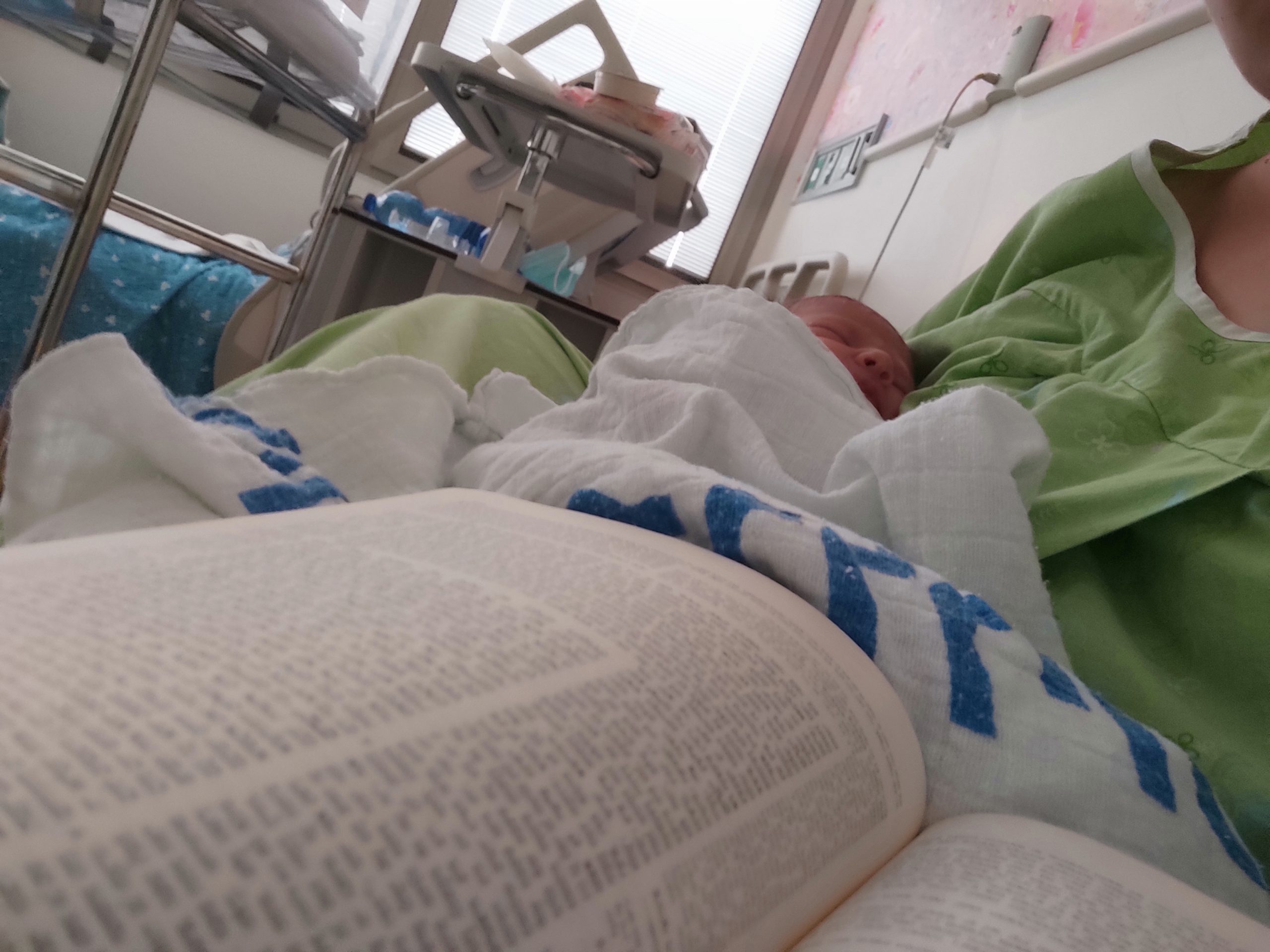
בתחילת הסבב הנוכחי הצטברו אצלי תחושות שאני לא מבינה מספיק מהי ההלכה אותה אני מקיימת בכל יום. כמו כן, כאמא לבנות רציתי לתת להן מודל נשי של לימוד תורה
שתי הסיבות האלו הובילו אותי להתחיל ללמוד. נתקלתי בתגובות מפרגנות וסקרניות איך אישה לומדת גמרא..
כמו שרואים בתמונה אני ממשיכה ללמוד גם היום ואפילו במחלקת יולדות אחרי לידת ביתי השלישית.

Noa Shiloh
נועה שילה

רבבה, ישראל

אחרי שראיתי את הסיום הנשי של הדף היומי בבנייני האומה זה ריגש אותי ועורר בי את הרצון להצטרף. לא למדתי גמרא קודם לכן בכלל, אז הכל היה לי חדש, ולכן אני לומדת בעיקר מהשיעורים פה בהדרן, בשוטנשטיין או בחוברות ושיננתם.

Rebecca Schloss
רבקה שלוס

בית שמש, ישראל

התחלתי ללמוד דף יומי בתחילת מסכת ברכות, עוד לא ידעתי כלום. נחשפתי לסיום הש״ס, ובעצם להתחלה מחדש בתקשורת, הפתיע אותי לטובה שהיה מקום לעיסוק בתורה.
את המסכתות הראשונות למדתי, אבל לא סיימתי (חוץ מעירובין איכשהו). השנה כשהגעתי למדרשה, נכנסתי ללופ, ואני מצליחה להיות חלק, סיימתי עם החברותא שלי את כל המסכתות הקצרות, גם כשהיינו חולות קורונה ובבידודים, למדנו לבד, העיקר לא לצבור פער, ומחכות ליבמות 🙂

Eden Yeshuron
עדן ישורון

מזכרת בתיה, ישראל

בסוף הסבב הקודם ראיתי את השמחה הגדולה שבסיום הלימוד, בעלי סיים כבר בפעם השלישית וכמובן הסיום הנשי בבנייני האומה וחשבתי שאולי זו הזדמנות עבורי למשהו חדש.
למרות שאני שונה בסביבה שלי, מי ששומע על הלימוד שלי מפרגן מאוד.
אני מנסה ללמוד קצת בכל יום, גם אם לא את כל הדף ובסך הכל אני בדרך כלל עומדת בקצב.
הלימוד מעניק המון משמעות ליום יום ועושה סדר בלמוד תורה, שתמיד היה (ועדיין) שאיפה. אבל אין כמו קביעות

Racheli-Mendelson
רחלי מנדלסון

טל מנשה, ישראל

התחלתי ללמוד דף לפני קצת יותר מ-5 שנים, כשלמדתי רבנות בישיבת מהר”ת בניו יורק. בדיעבד, עד אז, הייתי בלימוד הגמרא שלי כמו מישהו שאוסף חרוזים משרשרת שהתפזרה, פה משהו ושם משהו, ומאז נפתח עולם ומלואו…. הדף נותן לי לימוד בצורה מאורגנת, שיטתית, יום-יומית, ומלמד אותי לא רק ידע אלא את השפה ודרך החשיבה שלנו. לשמחתי, יש לי סביבה תומכת וההרגשה שלי היא כמו בציטוט שבחרתי: הדף משפיע לטובה על כל היום שלי.

Michal Kahana
מיכל כהנא

חיפה, ישראל

התחלתי מעט לפני תחילת הסבב הנוכחי. אני נהנית מהאתגר של להמשיך להתמיד, מרגעים של "אהה, מפה זה הגיע!” ומהאתגר האינטלקטואלי

Eilat-Chen and Deller
אילת-חן ודלר

לוד, ישראל

קידושין נד

חָזַרְנוּ עַל כׇּל צְדָדִים שֶׁל רַבִּי מֵאִיר, וְלֹא מָצִינוּ הֶקְדֵּשׁ בְּשׁוֹגֵג אֵין מִתְחַלֵּל, בְּמֵזִיד מִתְחַלֵּל.

We reviewed all angles of the opinion of Rabbi Meir, i.e., we have examined all of Rabbi Meir’s statements with regard to consecrated property, and we did not find that he holds that consecrated property is not desacralized if it is misused unwittingly but it is desacralized if misused intentionally.

וּמִשְׁנָתֵינוּ בְּכׇתְנוֹת כְּהוּנָּה שֶׁלֹּא בָּלוּ, הוֹאִיל וְנִיתְּנוּ לֵיהָנוֹת בָּהֶן, לְפִי שֶׁלֹּא נִיתְּנָה תּוֹרָה לְמַלְאֲכֵי הַשָּׁרֵת.

And as for our mishna, which indicates that this is Rabbi Meir’s opinion, it should not be understood as Rabbi Meir’s opinion with regard to consecrated property in general, but with regard to a case where a priest betrothed a woman using priestly tunics that have not worn out and that can still be worn during the Temple service. If a priest betrothed a woman with such garments, Rabbi Meir holds that if he did so unwittingly she is not betrothed, since clothes of this kind are not desacralized, and do not become hers. This is because they were initially given on the condition that the priests may benefit from them even when not performing the Temple service, since the Torah was not given to the ministering angels. It is impossible for a priest to wear the garments only at the moment he is performing the service and at no other time. Therefore, these garments are desacralized only if he intended to desacralize them.

תָּא שְׁמַע: כׇּתְנוֹת כְּהוּנָּה שֶׁבָּלוּ מוֹעֲלִין בָּהֶם, דִּבְרֵי רַבִּי מֵאִיר. מַאי לָאו אֲפִילּוּ לֹא בָּלוּ? לָא, בָּלוּ דַּוְקָא.

The Gemara raises a difficulty with Rav’s statement. Come and hear: With regard to priestly tunics that have worn out, one misuses property consecrated to the Temple by using them; this is the statement of Rabbi Meir. What, is it not so that this halakha would apply even if they had not worn out, and the tanna wanted to teach the additional halakha that it is still a transgression even after they are no longer fit for use? The Gemara rejects this: No, this halakha applies specifically to garments that have worn out. Since these cannot be used by priests, the permission to use them for non-sacred purposes lapses, and they are like other consecrated property that is subject to the halakhot of misuse.

תָּא שְׁמַע: מוֹעֲלִים בְּחַדְתִין וְאֵין מוֹעֲלִים בְּעַתִּיקִים. דִּבְרֵי רַבִּי יְהוּדָה. רַבִּי מֵאִיר אוֹמֵר: מוֹעֲלִין אַף בְּעַתִּיקִים, שֶׁהָיָה רַבִּי מֵאִיר אוֹמֵר: מוֹעֲלִין בִּשְׁיָרֵי הַלִּשְׁכָּה.

The Gemara raises a difficulty with the explanation of Rabbi Meir’s statement. Come and hear: One is liable for misuse of property consecrated to the Temple by using new shekels, i.e., those given this year, which are used to purchase animals for this year’s offerings, but one is not liable for misuse of property consecrated to the Temple by using old shekels, given by those who failed to give the previous year’s half-shekel, since these old shekels are used not to purchase offerings but for Temple maintenance; this is the statement of Rabbi Yehuda. Rabbi Meir says: One is liable for misuse of property consecrated to the Temple even by using old shekels, as Rabbi Meir would say: One is liable for misuse of property consecrated to the Temple not only by using money designated to purchase offerings, but even with the remainder of the chamber, i.e., the money that remained in the chamber after money was taken to purchase the animals used in communal offerings.

וְאַמַּאי? נֵימָא: הוֹאִיל וְנִיתְּנוּ לֵיהָנוֹת, לְפִי שֶׁלֹּא נִיתְּנָה תּוֹרָה לְמַלְאֲכֵי הַשָּׁרֵת, דְּהָא חוֹמַת הָעִיר וּמִגְדְּלוֹתֶיהָ מִשְּׁיָרֵי הַלִּשְׁכָּה אָתוּ, דִּתְנַן: חוֹמַת הָעִיר וּמִגְדְּלוֹתֶיהָ, וְכׇל צׇרְכֵי הָעִיר בָּאִין מִשְּׁיָרֵי הַלִּשְׁכָּה. לָא תֵּימָא רַבִּי מֵאִיר, אֶלָּא אֵימָא רַבִּי יְהוּדָה.

The Gemara continues the question: But why should one be liable for using the old shekels? Let us say the same logic: One is not liable, because they were initially given on the condition that people may benefit from them, since the Torah was not given to the ministering angels and people could not help but benefit from them. This is as the money to repair the wall of the city and its towers comes from the remainder of the chamber, as we learned in a mishna (Shekalim 4:2): The wall of the city, its towers, and all of the requirements of the city of Jerusalem come from the remainder of the chamber. It is not possible for passersby to avoid benefiting from the shade provided by the walls of the city. The Gemara answers: Do not say that the opinion that one is liable for misuse of property consecrated to the Temple by using money from the remainder of the chamber is that of Rabbi Meir. Rather, emend the mishna and say that it is the opinion of Rabbi Yehuda.

תָּא שְׁמַע: דְּתַנְיָא, אָמַר רַבִּי יִשְׁמָעֵאל בַּר רַבִּי יִצְחָק: אַבְנֵי יְרוּשָׁלַיִם שֶׁנָּשְׁרוּ מוֹעֲלִים בָּהֶם, דִּבְרֵי רַבִּי מֵאִיר. לָא תֵּימָא רַבִּי מֵאִיר, אֶלָּא אֵימָא רַבִּי יְהוּדָה.

Come and hear another proof: As it is taught in a baraita: Rabbi Yishmael bar Rabbi Yitzḥak said: With regard to stones of the walls and towers of Jerusalem that fell, one is liable for misuse of property consecrated to the Temple by using them; this is the statement of Rabbi Meir. This indicates that according to Rabbi Meir, the use of even such stones renders one liable, despite the fact that it is not possible for people to avoid benefiting from them. The Gemara again answers: Do not say that this baraita is recording the statement of Rabbi Meir. Rather, emend the baraita and say that it is in accordance with the opinion of Rabbi Yehuda.

אִי רַבִּי יְהוּדָה, יְרוּשָׁלַיִם מִי מִיקַּדְּשָׁא? וְהָתְנַן: כְּאִימְּרָא, כַּדִּירִים, כָּעֵצִים, כָּאִישִּׁים, כַּהֵיכָל, כַּמִּזְבֵּחַ, כִּירוּשָׁלַיִם. רַבִּי יְהוּדָה אוֹמֵר: כׇּל הָאוֹמֵר: ״יְרוּשָׁלַיִם״ לֹא אָמַר כְּלוּם.

The Gemara challenges this explanation: If it is in accordance with the opinion of Rabbi Yehuda, is Jerusalem consecrated at all? But didn’t we learn in a mishna (Nedarim 10b): If one says that an item shall be considered like the lamb of the daily offering, like the animals designated as offerings and kept in special enclosures, like the wood of the altar, like the fires on the altar, like the Sanctuary, like the altar, or like Jerusalem, it is a vow and he is prohibited to derive benefit from the item, as he has compared it to something consecrated. The essence of a vow creating a prohibition is the statement that a certain item shall be like a consecrated item. Rabbi Yehuda says: Anyone who says that an item shall be considered Jerusalem has not said anything, indicating that Rabbi Yehuda holds that Jerusalem is not consecrated.

וְכִי תֵּימָא, מִשּׁוּם דְּלֹא אָמַר: ״כִּירוּשָׁלַיִם״, וְהָתַנְיָא, רַבִּי יְהוּדָה אוֹמֵר: כׇּל הָאוֹמֵר ״כִּירוּשָׁלַיִם״ – לֹא אָמַר כְּלוּם, עַד שֶׁיִּדּוֹר בְּדָבָר הַקָּרֵב בִּירוּשָׁלַיִם!

And if you would say that Rabbi Yehuda’s reason is not that he holds that Jerusalem is not consecrated, but because the one stating the vow did not say: Like Jerusalem, but stated only that the item shall be considered Jerusalem, which is not a clear expression of a vow, but isn’t it taught in a baraita (Tosefta, Nedarim 1:6) that Rabbi Yehuda says: Anyone who says that an item shall be considered like Jerusalem has not said anything, until he vows by comparing the item to an item that is sacrificed in Jerusalem. This indicates that he holds that Jerusalem itself is not consecrated.

תְּרֵי תַּנָּאֵי נִינְהוּ וְאַלִּיבָּא דְּרַבִּי יְהוּדָה.

The Gemara answers: The baraita and the mishna in tractate Nedarim are two tanna’im and they disagree with regard to the opinion of Rabbi Yehuda concerning whether or not he holds that Jerusalem itself was sanctified.

אָמַר עוּלָּא מִשְּׁמֵיהּ דְּבַר פְּדָא, אוֹמֵר הָיָה רַבִּי מֵאִיר: הֶקְדֵּשׁ בְּמֵזִיד – מִתְחַלֵּל, בְּשׁוֹגֵג – אֵין מִתְחַלֵּל. וְלֹא אָמְרוּ בְּשׁוֹגֵג מִתְחַלֵּל אֶלָּא לְעִנְיַן קׇרְבָּן בִּלְבָד. וְכִי מֵאַחַר דְּאֵין מִתְחַלֵּל, קׇרְבָּן בְּמַאי מִחַיַּיב?!

Ulla said a different opinion in the name of bar Padda: Rabbi Meir would say: Consecrated property is desacralized if misused intentionally; it is not desacralized if misused unwittingly. And they said that consecrated property that is misused unwittingly is desacralized only with regard to an offering, i.e., the one who misused it is liable to bring a guilt-offering for his action, but the property remains consecrated. The Gemara asks: But since it is not desacralized when misused unwittingly, for what reason is he rendered liable to bring an offering, as the action had no effect?

אֶלָּא כִּי אֲתָא רָבִין פָּרֵישׁ מִשְּׁמֵיהּ דְּבַר פְּדָא, אוֹמֵר הָיָה רַבִּי מֵאִיר: הֶקְדֵּשׁ בְּמֵזִיד – מִתְחַלֵּל, בְּשׁוֹגֵג – אֵין מִתְחַלֵּל. וְלֹא אָמְרוּ בְּשׁוֹגֵג מִתְחַלֵּל אֶלָּא לְעִנְיַן אֲכִילָה בִּלְבָד.

Rather, when Ravin came from Eretz Yisrael he explained it this way in the name of bar Padda: Rabbi Meir would say: Consecrated property is desacralized if misused intentionally; it is not desacralized if misused unwittingly. And they said that consecrated property that is misused unwittingly is desacralized only with regard to eating. If one ate consecrated food, thereby consuming it completely, he is liable to bring an offering. If he merely misused consecrated money it retains its sanctity and is not desacralized, and he is not liable to bring an offering.

אָמַר רַב נַחְמָן אָמַר רַב אַדָּא בַּר אַהֲבָה: הֲלָכָה כְּרַבִּי מֵאִיר בְּמַעֲשֵׂר הוֹאִיל וּסְתַם לַן תְּנָא כְּוָתֵיהּ, וַהֲלָכָה כְּרַבִּי יְהוּדָה בְּהֶקְדֵּשׁ הוֹאִיל וּסְתַם לַן תְּנָא כְּוָתֵיהּ.

§ Rav Naḥman says that Rav Adda bar Ahava says: The halakha is in accordance with the opinion of Rabbi Meir with regard to second tithe in that it is considered consecrated, as the tanna taught us an unattributed mishna in accordance with his opinion. And the halakha is in accordance with the opinion of Rabbi Yehuda with regard to consecrated property, as the tanna taught us an unattributed mishna in accordance with his opinion.

כְּרַבִּי מֵאִיר בְּמַעֲשֵׂר, מַאי הִיא – דִּתְנַן: כֶּרֶם רְבָעִי, בֵּית שַׁמַּאי אוֹמְרִים: אֵין לוֹ חוֹמֶשׁ וְאֵין לוֹ בִּיעוּר. וּבֵית הִלֵּל אוֹמְרִים: יֵשׁ לוֹ.

The Gemara clarifies this statement: What is the unattributed mishna that is in accordance with the opinion of Rabbi Meir with regard to second tithe? It is as we learned (Pe’a 7:6): It is prohibited to eat or derive benefit from fruit during the first three years after the tree is planted. The fruit of the fourth year is to be taken to Jerusalem and eaten there. With regard to a vineyard in its fourth year, Beit Shammai say: It does not have the halakha of adding one-fifth, i.e., if the owner himself redeems the fruit to bring money to Jerusalem to spend on food there, as one may also do with second tithe, he does not add one-fifth to its value but redeems it for its true value. And it also does not have the halakha of disposal, i.e., there is no obligation to dispose of it on the eve of Passover of the fourth year of the Sabbatical cycle, when all tithes that have not yet been separated must be disposed of. And Beit Hillel say: It does have the halakha of adding one-fifth and the halakha of disposal.

בֵּית שַׁמַּאי אוֹמְרִים: יֵשׁ לוֹ פֶּרֶט וְיֵשׁ לוֹ עוֹלֵלוֹת. וּבֵית הִלֵּל אוֹמְרִים: כּוּלּוֹ לַגַּת.

That mishna continues: Furthermore, Beit Shammai say: It has the mitzva requiring the owner of the vineyard to leave individual fallen grapes for the poor [peret], and it has the mitzva requiring the owner to leave incompletely formed clusters of grapes for the poor [olelot]. Since the vineyard is considered the owner’s property during this year, he must leave these gifts for the poor. And Beit Hillel say: All of it goes to the winepress to make wine. Since the grapes have sanctity, he is not obligated to leave these gifts for the poor.

מַאי טַעְמָא דְּבֵית הִלֵּל – גָּמְרִי ״קֹדֶשׁ״ ״קֹדֶשׁ״ מִמַּעֲשֵׂר, מָה מַעֲשֵׂר יֵשׁ לוֹ חוֹמֶשׁ וְיֵשׁ לוֹ בִּיעוּר – אַף כֶּרֶם רְבָעִי יֵשׁ לוֹ חוֹמֶשׁ וְיֵשׁ לוֹ בִּיעוּר. וּבֵית שַׁמַּאי לָא גָּמְרִי ״קֹדֶשׁ״ ״קֹדֶשׁ״ מִמַּעֲשֵׂר.

The Gemara explains: What is the reason for the opinion of Beit Hillel? They derive a verbal analogy from the word “holy” stated with regard to a fourth-year vineyard, as the verse states: “Holy, for giving praise to the Lord” (Leviticus 19:24), from “holy” stated with regard to second tithe, as the verse states: “Holy to the Lord” (Leviticus 27:30). This verbal analogy teaches the following: Just as second tithe has the halakha of adding one-fifth and it has the halakha of disposal, so too, the fourth-year vineyard has the halakha of adding one-fifth and it has the halakha of disposal. And Beit Shammai do not derive the verbal analogy of “holy” with regard to a fourth-year vineyard and “holy” from second tithe.

וּבֵית הִלֵּל אוֹמְרִים כְּמַעֲשֵׂר, כְּמַאן סְבִירָא לְהוּ? אִי כְּרַבִּי יְהוּדָה, אַמַּאי כּוּלּוֹ לַגַּת? הָאָמַר מַעֲשֵׂר מָמוֹן הֶדְיוֹט הוּא! אֶלָּא לָאו כְּרַבִּי מֵאִיר!

The Gemara proceeds to clarify the opinions of Beit Hillel and Beit Shammai with regard to the obligation to leave peret and olelot from a fourth-year vineyard. And with regard to Beit Hillel, who say that the halakha of fourth-year produce is like the halakha of second tithe, in accordance with whose opinion do they hold with regard to second tithe? If they hold in accordance with the opinion of Rabbi Yehuda, why does all of it go to the winepress? Didn’t Rabbi Yehuda say that second tithe is itself common, i.e., non-sacred, property, and the owner must therefore leave peret and olelot? Rather, is it not the case that they hold in accordance with the opinion of Rabbi Meir, who says that second tithe is consecrated property? The mishna aligning the opinion of Beit Hillel with that of Rabbi Meir is tantamount to there being an unattributed mishna in accordance with Rabbi Meir’s opinion, as the halakha is generally in accordance with the opinion of Beit Hillel.

כְּרַבִּי יְהוּדָה בְּהֶקְדֵּשׁ מַאי הִיא – דִּתְנַן: שִׁילַּח בְּיַד פִּיקֵּחַ וְנִזְכַּר עַד שֶׁלֹּא הִגִּיעַ אֵצֶל חֶנְווֹנִי – חֶנְווֹנִי מָעַל לִכְשֶׁיּוֹצִיא.

The Gemara continues with the explanation of Rav Naḥman’s statement: What is the unattributed mishna that is in accordance with the opinion of Rabbi Yehuda with regard to consecrated property? As we learned (Me’ila 21a): In a case where one sent an agent to buy something on his behalf and unwittingly gave him consecrated money to use, if he sent it in the possession of a halakhically competent person and remembered that it was consecrated money before the agent reached the storekeeper, the storekeeper will have misused consecrated property when he will later spend the money. This indicates that one is liable for misuse of consecrated property even when one acts unwittingly, as the storekeeper did.

וּכְרַבִּי יְהוּדָה בְּמַעֲשֵׂר מִי לָא תְּנַן? וְהָתְנַן: הַפּוֹדֶה מַעֲשֵׂר שֵׁנִי שֶׁלּוֹ – מוֹסִיף עָלָיו חֲמִישִׁיתוֹ, בֵּין מִשֶּׁלּוֹ בֵּין שֶׁנִּיתַּן לוֹ בְּמַתָּנָה. מַנִּי? אִילֵימָא רַבִּי מֵאִיר הִיא – מִי מָצֵי יָהֵיב לֵיהּ בְּמַתָּנָה? וְהָאָמַר: מַעֲשֵׂר מָמוֹן גָּבוֹהַּ הוּא! אֶלָּא לָאו רַבִּי יְהוּדָה!

The Gemara asks: But didn’t we learn an unattributed mishna in accordance with the opinion of Rabbi Yehuda with regard to second tithe? But didn’t we learn (Ma’aser Sheni 4:3): With regard to one who redeems his own second tithe, he adds to it its one-fifth, whether the tithe was from his crop or given to him as a gift. The Gemara clarifies: In accordance with whose opinion is this mishna? If we say it is in accordance with the opinion of Rabbi Meir, can one give second tithe to another as a gift? But didn’t he say that second tithe is property belonging to the Most High, which means it is not one’s own to give to another as a gift? Rather, is it not in accordance with the opinion of Rabbi Yehuda, who holds that second tithe is common property, and consequently this unattributed mishna is in accordance with the opinion of Rabbi Yehuda with regard to second tithe?

לָא, לְעוֹלָם רַבִּי מֵאִיר וְהָכָא בְּמַאי עָסְקִינַן, כְּגוֹן דְּיָהֵיב נִיהֲלֵיהּ בְּטִיבְלֵיהּ, וְקָסָבַר: מַתָּנוֹת שֶׁלֹּא הוּרְמוּ כְּמִי שֶׁלֹּא הוּרְמוּ דָּמְיָין.

The Gemara answers: No, actually it is in accordance with the opinion of Rabbi Meir, and with what are we dealing here? It is not a situation where one gave second tithe itself as a gift, but where he gave him his entire crop in its state of being untithed produce. Consequently, the portion he gave him included tithes that had not yet been separated, and he holds that gifts that have not been separated are not considered as though they have been separated. One does not categorize the untithed produce as a mixture of regular produce and tithes, but as a non-sacred category in and of itself. Since the second tithe has not yet been separated, the produce has no sanctity, and he can give it as a gift.

תָּא שְׁמַע: הַפּוֹדֶה נֶטַע רְבָעִי שֶׁלּוֹ – מוֹסִיף עָלָיו חֲמִישִׁיתוֹ, בֵּין מִשֶּׁלּוֹ, בֵּין שֶׁנִּיתַּן לוֹ בְּמַתָּנָה. מַנִּי? אִילֵימָא רַבִּי מֵאִיר – מִי מָצֵי יָהֵיב לֵיהּ? וְהָא גָּמְרִי ״קֹדֶשׁ״ ״קֹדֶשׁ״ מִמַּעֲשֵׂר! אֶלָּא לָאו רַבִּי יְהוּדָה?

The Gemara continues its line of inquiry: Come and hear another unattributed mishna in accordance with the opinion of Rabbi Yehuda (Ma’aser Sheni 4:6): With regard to one who redeems his own fourth-year produce, he adds to it its one-fifth, whether the produce was from his crop or was given to him as a gift. The Gemara inquires: In accordance with whose opinion is this mishna? If we say it is in accordance with the opinion of Rabbi Meir, can one give produce of the fourth year to another as a gift? But didn’t he derive that one must add one-fifth from the verbal analogy of “holy” for fourth-year fruit from “holy” from second tithe? This would mean that fourth-year fruit, like second tithe, is property of the Most High and cannot be given as a gift. Rather, is it not in accordance with the opinion of Rabbi Yehuda?

לְעוֹלָם רַבִּי מֵאִיר, וְהָכָא בְּמַאי עָסְקִינַן, כְּגוֹן דְּיָהֵיב כְּשֶׁהוּא סְמָדַר. וּדְלָא כְּרַבִּי יוֹסֵי, דְּאָמַר: סְמָדַר אָסוּר, מִפְּנֵי שֶׁהוּא פֶּרִי.

The Gemara answers: Actually, it is in accordance with the opinion of Rabbi Meir, and with what are we dealing here? It is not a situation where one gave fully grown fourth-year fruit but where he gave him the fruit when it was a bud. And this is not in accordance with the opinion of Rabbi Yosei, who says: A bud of a fruit is forbidden as orla, because it is already considered a fruit. Rabbi Meir, by contrast, holds that a fruit bud is not considered fruit. Therefore, the halakhot of orla and fourth-year fruit apply only to fruit that has grown, whereas beforehand it can be given as a gift.

תָּא שְׁמַע: מָשַׁךְ הֵימֶנּוּ מַעֲשֵׂר בְּסֶלַע וְלֹא הִסְפִּיק לִפְדּוֹתוֹ עַד שֶׁעָמַד בִּשְׁתַּיִם – נוֹתֵן סֶלַע, וּמִשְׂתַּכֵּר בְּסֶלַע, וּמַעֲשֵׂר שֵׁנִי שֶׁלּוֹ. מַנִּי? אִילֵימָא רַבִּי מֵאִיר, אַמַּאי מִשְׂתַּכֵּר בְּסֶלַע? ״וְנָתַן אֶת הַכֶּסֶף וְקָם לוֹ״ אָמַר רַחֲמָנָא! אֶלָּא לָאו רַבִּי יְהוּדָה!

The Gemara continues its line of inquiry: Come and hear another unattributed mishna in accordance with the opinion of Rabbi Yehuda (Ma’aser Sheni 4:6): If one was selling second-tithe produce, and the buyer pulled tithe worth a sela from him, thereby acquiring it, and did not manage to redeem it until its value stood at two sela, and he had not yet paid the seller, the buyer gives a sela to the seller, and he thereby gains a sela and the second tithe is his, since he acquired it when he pulled it and the price was fixed at that point. The Gemara inquires: In accordance with whose opinion is this mishna? If we say it is in accordance with the opinion of Rabbi Meir, why does the buyer gain a sela? The Merciful One states in the Torah with regard to the redemption of consecrated property: And he will give the money and it will be assured to him (see Leviticus 27:19), from which it is derived that one acquires consecrated property only after paying money. This means that the value of the second tithe increased before he acquired it. Rather, is it not in accordance with the opinion of Rabbi Yehuda, who holds that second tithe is common property, and it is acquired from the moment he pulled it?

לְעוֹלָם רַבִּי יְהוּדָה, וְהָכָא חַד סְתָמָא, וְהָכָא תְּרֵי סְתָמֵי.

The Gemara confirms: Actually, this mishna is in accordance with the opinion of Rabbi Yehuda. Nevertheless, Rav Naḥman’s statement that the halakha with regard to second tithe is in accordance with the opinion of Rabbi Meir is still correct, as here there is one unattributed mishna that is in accordance with the opinion of Rabbi Yehuda, while here there are two unattributed mishnayot that indicate that Beit Hillel’s opinion is in accordance with the opinion of Rabbi Meir, the one in tractate Ma’aser Sheni, and one in tractate Eduyyot (4:2).

וְאִי סְתָמָא דַּוְקָא, מָה לִי חַד סְתָמָא מָה לִי תְּרֵי סְתָמֵי?! אָמַר רַב נַחְמָן בַּר יִצְחָק: הֲלָכָה כְּרַבִּי מֵאִיר הוֹאִיל וּתְנַן בִּבְחִירָתָא כְּווֹתֵיהּ.

The Gemara asks: But if an unattributed mishna is stated that way specifically to teach the halakha, what difference is there to me if it is one unattributed mishna or two unattributed mishnayot? The Gemara suggests an alternate reasoning. Rav Naḥman bar Yitzḥak said: The halakha is in accordance with the opinion of Rabbi Meir, since we learned in a mishna in the preferred tractate, Eduyyot, in accordance with his opinion. Since the halakha is ruled in accordance with all of the mishnayot in Eduyyot, the fact that the opinion of Beit Hillel in that tractate is in accordance with the opinion of Rabbi Meir means that the halakha should be decided accordingly.

רוצה לעקוב אחרי התכנים ולהמשיך ללמוד?

ביצירת חשבון עוד היום ניתן לעקוב אחרי ההתקדמות שלך, לסמן מה למדת, ולעקוב אחרי השיעורים שמעניינים אותך.

לנקות את כל הפריטים מהרשימה?

פעולה זו תסיר את כל הפריטים בחלק זה כולל ההתקדמות וההיסטוריה. שימי לב: לא ניתן לשחזר פעולה זו.

ביטול
מחיקה

האם את/ה בטוח/ה שברצונך למחוק פריט זה?

תאבד/י את כל ההתקדמות או ההיסטוריה הקשורות לפריט זה.

ביטול
מחיקה