






הלימוד השבוע מוקדש ע”י טינה לם לרפואת מעין ליאורה בת שלומית פייגא
רוצה להקדיש שיעור?

תקציר

רב חסדא הסביר שאם אדם שח בין הנחת תפילין של יד לתפילין של ראש, עליו לברך ברכה נוספת על הנחת תפילין של ראש. מדבריו ניתן להסיק שאם לא שח ביניהן, מברכים ברכה אחת בלבד. אולם, הדבר קשה לאור קביעתו של רבי יוחנן שישנה ברכה נפרדת להנחת תפילין של יד ותפילין של ראש. אביי ורבא מיישבים את הקושי, אך יישובם מתפרש בשני אופנים שונים על ידי רש”י ורבנו תם, מה שמוביל לשני מנהגים שונים.
תחילה מניחים תפילין של יד ואחר כך של ראש. בעת חליצתם, קודם חולצים את התפילין של ראש ואחר כך את של היד. סדר ספציפי זה נלמד מהפסוק בתורה, דברים ו:ח.
אם אדם מניח תפילין מוקדם בבוקר, לפני זמן תפילין, הוא מברך ברגע שמתחיל החיוב, המוגדר בברכות ט’ ע”ב כזמן שבו נהיה מספיק אור כדי שיוכל לזהות מישהו ממרחק ארבע אמות.
קיימות שלוש דעות שונות בנוגע לעד מתי יש להניח תפילין – עד השקיעה, עד הזמן שבו אחרוני האנשים עוזבים את השוק (עד שתכלה רגל מן השוק), או עד שהולכים לישון. ישנן שתי גרסאות לפסיקתו של רב נחמן בנושא זה – או כעמדת האמצע, או נגד עמדת האמצע. פסיקה זו או נתמכת על ידי רב חסדא ורבה בר רב הונא שהיו מתפללים ערבית עם תפילין, או חולקת עליהם.
קושי מועלה על הנהגתו של רבה בר רב הונא מתוך אמירה שהוא עצמו אמר, המרמזת שיש לחלוץ את התפילין עם רדת החשכה. אולם, הדבר מיושב על ידי ההסבר שאותה אמירה התייחסה לשבת. קיימים שני מקורות שונים ללימוד הפטור מתפילין בשבת – האחד קשור לפטור מהנחת תפילין בלילה, בעוד השני אינו קשור לכך.
אסור להניח תפילין בלילה. אבל יש מחלוקת בין רבי אלעזר ורבי יוחנן אם עובר אדם על מצוות עשה או על מצוות לא תעשה.
על האדם למשמש בתפילין בזמן שהוא לובש אותם כדי להיות מודע אליהם תמיד (שלא יהיה היסח הדעת). דבר זה נלמד בקל וחומר מהציץ.
מניחים תפילין על יד שמאל, כפי שנדרש מפסוקים שונים ש”יד” מתייחסת ליד שמאל.
כלים
הלימוד השבוע מוקדש ע”י טינה לם לרפואת מעין ליאורה בת שלומית פייגא
הדף היום מוקדש ע”י ארט גולד לע”נ הודה בת משה.
הדף היום מוקדש ע”י פיליס ויוסי הכט לע”נ אביה, הרב ירחמיאל בנימין בן הרב זלמן צבי וויטקין.
מנחות לו
אָמַר רַב חִסְדָּא: סָח בֵּין תְּפִילָּה לִתְפִילָּה חוֹזֵר וּמְבָרֵךְ.
§ Rav Ḥisda says: If one spoke between donning the phylacteries of the arm and the phylacteries of the head, he must recite the blessing again when donning the phylacteries of the head.
סָח – אִין, לֹא סָח – לָא? וְהָא שְׁלַח רַב חִיָּיא בְּרֵיהּ דְּרַב הוּנָא מִשְּׁמֵיהּ דְּרַבִּי יוֹחָנָן: עַל תְּפִילָּה שֶׁל יָד אוֹמֵר ״בָּרוּךְ אֲשֶׁר קִדְּשָׁנוּ בְּמִצְוֹתָיו וְצִוָּנוּ לְהַנִּיחַ תְּפִילִּין״, עַל תְּפִילִּין שֶׁל רֹאשׁ אוֹמֵר ״בָּרוּךְ אֲשֶׁר קִדְּשָׁנוּ בְּמִצְוֹתָיו וְצִוָּנוּ עַל מִצְוַת תְּפִילִּין״.
The Gemara notes: One can infer that if he spoke, yes, he must recite a blessing when donning the phylacteries of the head, but if he did not speak, he does not recite a blessing. The Gemara challenges this: But Rav Ḥiyya, son of Rav Huna, sent a ruling in the name of Rabbi Yoḥanan: On the phylacteries of the arm one says the blessing: Blessed are You, Lord our God, King of the Universe, Who has sanctified us through His mitzvot and commanded us to don phylacteries. On the phylacteries of the head one says the blessing: Blessed are You, Lord our God, King of the Universe, Who has sanctified us through His mitzvot and commanded us concerning the mitzva of phylacteries. This indicates that one always recites a blessing when donning the phylacteries of the head.
אַבָּיֵי וְרָבָא דְּאָמְרִי תַּרְוַיְיהוּ: לֹא סָח – מְבָרֵךְ אַחַת, סָח – מְבָרֵךְ שְׁתַּיִם.
Abaye and Rava both say, to resolve this apparent contradiction: Rabbi Yoḥanan meant that if one did not speak, he recites one blessing; if he spoke, he recites two blessings, when donning the phylacteries of the head as well as when donning the phylacteries of the arm.
תָּנָא: סָח בֵּין תְּפִילָּה לִתְפִילָּה – עֲבֵירָה הִיא בְּיָדוֹ, וְחוֹזֵר עָלֶיהָ מֵעֶרְכֵי הַמִּלְחָמָה.
Concerning this, it is taught in a baraita: If one spoke between donning the phylacteries of the arm and the phylacteries of the head, he has a sin, and due to that sin he returns from the ranks of soldiers waging war. This is referring to the preparation for war, when the officers announce: “What man is there who is fearful and fainthearted? Let him go and return to his house” (Deuteronomy 20:8). The Sages explained that this is referring to one who is fearful due to his transgressions.
תָּנָא: כְּשֶׁהוּא מַנִּיחַ – מַנִּיחַ שֶׁל יָד, וְאַחַר כָּךְ מַנִּיחַ שֶׁל רֹאשׁ, וּכְשֶׁהוּא חוֹלֵץ – חוֹלֵץ שֶׁל רֹאשׁ, וְאַחַר כָּךְ חוֹלֵץ שֶׁל יָד. בִּשְׁלָמָא כְּשֶׁהוּא מַנִּיחַ – מַנִּיחַ שֶׁל יָד וְאַחַר כָּךְ מַנִּיחַ שֶׁל רֹאשׁ, דִּכְתִיב: ״וּקְשַׁרְתָּם לְאוֹת עַל יָדֶךָ״, וַהֲדַר ״וְהָיוּ לְטוֹטָפֹת בֵּין עֵינֶיךָ״.
It is further taught in a baraita: When one dons phylacteries, he first dons the phylacteries of the arm and afterward dons the phylacteries of the head. And when he removes his phylacteries, he first removes the phylacteries of the head and afterward removes the phylacteries of the arm. The Gemara asks: Granted, the ruling that when one dons phylacteries he first dons the phylacteries of the arm and afterward dons the phylacteries of the head is understood, as it is first written: “And you shall bind them for a sign upon your arm,” and then it is written: “And they shall be for frontlets between your eyes” (Deuteronomy 6:8).
אֶלָּא כְּשֶׁהוּא חוֹלֵץ, חוֹלֵץ שֶׁל רֹאשׁ וְאַחַר כָּךְ חוֹלֵץ שֶׁל יָד, מְנָלַן? אָמַר רַבָּה: רַב הוּנָא אַסְבְּרַאּ לִי, אָמַר קְרָא: ״וְהָיוּ לְטוֹטָפֹת בֵּין עֵינֶיךָ״, כׇּל זְמַן שֶׁבֵּין עֵינֶיךָ יְהוּ שְׁתַּיִם.
But from where do we derive the halakha that when he removes his phylacteries, he first removes the phylacteries of the head and afterward he removes the phylacteries of the arm? Rabba said in explanation: Rav Huna explained to me the source of this halakha. The verse states: “And you shall bind them for a sign upon your arm and they shall be for frontlets between your eyes,” and it is derived from here: As long as the phylacteries of the head are between your eyes, the number of phylacteries you are wearing shall be two.
תָּנוּ רַבָּנַן: תְּפִילִּין מֵאֵימָתַי מְבָרֵךְ עֲלֵיהֶן? מִשְּׁעַת הַנָּחָתָן. כֵּיצַד? הָיָה מַשְׁכִּים לָצֵאת לַדֶּרֶךְ וּמִתְיָירֵא שֶׁמָּא יֹאבֵדוּ – מַנִּיחָן, וּכְשֶׁיַּגִּיעַ זְמַנָּן מְמַשְׁמֵשׁ בָּהֶן וּמְבָרֵךְ עֲלֵיהֶן.
The Sages taught in a baraita: With regard to phylacteries, from when does one recite a blessing over them? From when the time arrives to don them. How so? If one is rising early to leave his home to travel on the road and is afraid lest his phylacteries become lost during the journey, he dons them even at night, despite the fact that this is not the proper time for the mitzva of phylacteries. And when the time for their mitzva arrives, in the morning, he touches them and recites a blessing over them.
וְעַד מָתַי מַנִּיחָן? עַד שֶׁתִּשְׁקַע הַחַמָּה. רַבִּי יַעֲקֹב אוֹמֵר: עַד שֶׁתִּכְלֶה רֶגֶל מִן הַשּׁוּק, וַחֲכָמִים אוֹמְרִים: עַד זְמַן שֵׁינָה. וּמוֹדִים חֲכָמִים לְרַבִּי יַעֲקֹב שֶׁאִם חֲלָצָן לָצֵאת לְבֵית הַכִּסֵּא אוֹ לִיכָּנֵס לְבֵית הַמֶּרְחָץ וְשָׁקְעָה חַמָּה – שׁוּב אֵינוֹ חוֹזֵר וּמַנִּיחָן.
And until when does one wear them? Until the sun sets. Rabbi Ya’akov says: Until traffic in the marketplace ceases. And the Rabbis say: Until the time of sleep. And the Rabbis concede to Rabbi Ya’akov that if one removed them to go out to the bathroom or to enter the bathhouse and the sun set, one does not don them again.
אָמַר רַב נַחְמָן: הֲלָכָה כְּרַבִּי יַעֲקֹב. רַב חִסְדָּא וְרַבָּה בַּר רַב הוּנָא מְצַלּוּ בְּהוּ בְּאוּרְתָּא. אִיכָּא דְּאָמְרִי: אֵין הֲלָכָה כְּרַבִּי יַעֲקֹב.
Rav Naḥman says: The halakha is in accordance with the opinion of Rabbi Ya’akov. The Gemara likewise relates that Rav Ḥisda and Rabba bar Rav Huna would pray in the evening, i.e., the evening service, with phylacteries. Some say that Rav Naḥman ruled that the halakha is not in accordance with the opinion of Rabbi Ya’akov but in accordance with the opinion of the first tanna that the mitzva of phylacteries ends at sunset.
וְהָא רַב חִסְדָּא וְרַבָּה בַּר רַב הוּנָא מְצַלּוּ בְּהוּ בְּאוּרְתָּא? הָהוּא פְּלִיגָא.
The Gemara raises a difficulty: But Rav Ḥisda and Rabba bar Rav Huna would pray in the evening with phylacteries. The Gemara explains: That opinion represented in this incident disagrees with the ruling of Rav Naḥman.
וּמִי אָמַר רַבָּה בַּר רַב הוּנָא הָכִי? וְהָא אָמַר רַבָּה בַּר רַב הוּנָא: סָפֵק חֲשֵׁיכָה סָפֵק (לָא) [אֵין] חֲשֵׁיכָה – לֹא חוֹלֵץ וְלֹא מַנִּיחַ, הָא וַדַּאי חֲשֵׁיכָה – חוֹלֵץ! הָתָם בְּעֶרֶב שַׁבָּת אִיתְּמַר.
The Gemara asks: And did Rabba bar Rav Huna actually say this, that the mitzva of phylacteries applies at night? But doesn’t Rabba bar Rav Huna say: If it is uncertain whether it is nightfall or whether it is not nightfall, one neither removes his phylacteries, as it is not yet definitely night, nor dons them ab initio. This indicates that if it is definitely nightfall, one removes his phylacteries. The Gemara answers: Rabba bar Rav Huna’s ruling there was stated with regard to Shabbat eve, as one may not don phylacteries on Shabbat, when the mitzva does not apply.
מַאי קָסָבַר? אִי קָסָבַר לַיְלָה זְמַן תְּפִילִּין, שַׁבָּת נָמֵי זְמַן תְּפִילִּין. אִי קָסָבַר שַׁבָּת לָאו זְמַן תְּפִילִּין, לַיְלָה נָמֵי לָאו זְמַן תְּפִילִּין, דְּמֵהֵיכָא דְּמִמַּעֲטָא שַׁבָּת מֵהָתָם מִמַּעֲטִי לֵילוֹת.
The Gemara raises a difficulty with regard to this answer: What does Rabba bar Rav Huna hold? If he holds that night is a time when one performs the mitzva of wearing phylacteries, then Shabbat is also a time when one performs the mitzva of wearing phylacteries. If he holds that Shabbat is not a time when one performs the mitzva of wearing phylacteries, then night is also not a time when one performs the mitzva of wearing phylacteries. The reason for this statement is that from the source where Shabbat is excluded from the mitzva of phylacteries, nights are excluded from there as well.
דְּתַנְיָא: ״וְשָׁמַרְתָּ אֶת הַחֻקָּה הַזֹּאת לְמוֹעֲדָהּ מִיָּמִים יָמִימָה״ – ״יָמִים״ וְלֹא לֵילוֹת, ״מִיָּמִים״ וְלֹא כׇּל יָמִים, פְּרָט לְשַׁבָּתוֹת וְיָמִים טוֹבִים, דִּבְרֵי רַבִּי יוֹסֵי הַגְּלִילִי. רַבִּי עֲקִיבָא אוֹמֵר: לֹא נֶאֶמְרָה חוּקָּה זוֹ אֶלָּא לְפֶסַח בִּלְבָד.
As it is taught in a baraita with regard to the end of the passage of the Torah that discusses both the mitzvot of the Paschal offering and phylacteries: “And you shall observe this ordinance in its season from year [miyamim] to year” (Exodus 13:10). This indicates that these mitzvot apply during the days [yamim] but not during the nights. Furthermore, the letter mem, meaning from, in the term: “From year [miyamim],” teaches: These mitzvot apply on some days, but not on all days. This excludes Shabbatot and Festivals, on which phylacteries are not worn. This is the statement of Rabbi Yosei HaGelili. Rabbi Akiva says: This verse, mentioning an ordinance, is stated only with regard to the Paschal offering, and it is not referring to phylacteries at all. Evidently, Rabbi Yosei HaGelili, who says that at night one is exempt from the obligation of donning phylacteries, says that on Shabbat one is exempt as well.
נָפְקָא לֵיהּ מֵהֵיכָא דְּנָפְקָא לֵיהּ לְרַבִּי עֲקִיבָא, דְּתַנְיָא: רַבִּי עֲקִיבָא אוֹמֵר: יָכוֹל יַנִּיחַ אָדָם תְּפִילִּין בְּשַׁבָּתוֹת וּבְיָמִים טוֹבִים? תַּלְמוּד לוֹמַר: ״וְהָיָה לְאוֹת עַל יָדְךָ וּלְטוֹטָפֹת בֵּין עֵינֶיךָ״ – מִי שֶׁצְּרִיכִין אוֹת, יָצְאוּ שַׁבָּתוֹת וְיָמִים טוֹבִים שֶׁהֵן גּוּפָן אוֹת.
The Gemara answers: Rabba bar Rav Huna derives the exemption from the obligation to don phylacteries on Shabbat from a different source, the source where Rabbi Akiva derives it from, as it is taught in a baraita that Rabbi Akiva says: One might have thought that a person should don phylacteries on Shabbatot and Festivals. To counter this, the verse states: “And it shall be for a sign for you on your arm, and for a remembrance between your eyes, so that God’s law shall be in your mouth; for with a strong arm God brought you out of Egypt” (Exodus 13:9). This teaches that the obligation to don phylacteries applies when the Jewish people require a sign to assert their status as God’s nation, i.e., during the week. This serves to exclude Shabbatot and Festivals, as they themselves are signs of the Jewish people’s status as God’s nation and a remembrance of the exodus from Egypt. Consequently, no further sign is required on these days.
אָמַר רַבִּי אֶלְעָזָר: כׇּל הַמַּנִּיחַ תְּפִילִּין אַחַר שְׁקִיעַת הַחַמָּה עוֹבֵר בַּעֲשֵׂה, וְרַבִּי יוֹחָנָן אָמַר: עוֹבֵר בְּלָאו. לֵימָא בְּרַבִּי אָבִין אָמַר רַבִּי אִילְעָא קָא מִיפַּלְגִי, דְּאָמַר רַבִּי אָבִין אָמַר רַבִּי אִילְעָא: כׇּל מָקוֹם שֶׁנֶּאֱמַר ״הִשָּׁמֶר״ ״פֶּן״ וְ״אַל״ אֵינוֹ אֶלָּא לֹא תַעֲשֶׂה.
Rabbi Elazar says: Anyone who dons phylacteries after sunset violates a positive mitzva. And Rabbi Yoḥanan says: He violates a prohibition. The Gemara suggests: Let us say that these Sages disagree with regard to the principle that Rabbi Avin says that Rabbi Ile’a says. As Rabbi Avin says that Rabbi Ile’a says: Any place where it is stated in the Torah any of the terms: Observe, or: Lest, or: Do not, this means nothing other than a prohibition, as these are negative terms.
דְּמָר אִית לֵיהּ דְּרַבִּי אָבִין, וּמָר לֵית לֵיהּ דְּרַבִּי אָבִין.
The Gemara explains this suggestion: As this Sage, Rabbi Yoḥanan, is of the opinion that the ruling is in accordance with the opinion of Rabbi Avin, and therefore the verse: “And you shall observe this ordinance in its season from year to year,” from which the exclusion of nights is derived, is a prohibition, as it employs the term “observe.” And that Sage, Rabbi Elazar, is of the opinion that the ruling is not in accordance with the opinion of Rabbi Avin, and therefore the term: “And you shall observe,” is a positive mitzva.
לָא, דְּכוּלֵּי עָלְמָא אִית לְהוּ דְּרַבִּי אָבִין אָמַר רַבִּי אִילְעָא, וְהָכָא בְּהָא קָא מִיפַּלְגִי: מָר סָבַר ״הִשָּׁמֶר״ דְּלָאו – לָאו, וְ״הִשָּׁמֶר״ דַּעֲשֵׂה – עֲשֵׂה, וּמָר סָבַר ״הִשָּׁמֶר״ דַּעֲשֵׂה נָמֵי לָאו.
The Gemara counters: No, everyone is of the opinion that the ruling is in accordance with the opinion that Rabbi Avin says that Rabbi Ile’a says, and here they disagree with regard to this: One Sage, Rabbi Elazar, holds that the term “observe” written with regard to a prohibition has the status of a prohibition, whereas that same term “observe” written with regard to a positive mitzva has the status of a positive mitzva, as the Torah is issuing a warning to take special care in the observance of a mitzva. Accordingly, the command with regard to the positive mitzva of phylacteries is a positive mitzva. And one Sage, Rabbi Yoḥanan, holds that the term “observe” written with regard to a positive mitzva is also a prohibition.
וְאָמַר רַבִּי אֶלְעָזָר: וְאִם לְשׇׁמְרָן – מוּתָּר. וְאָמַר רָבִינָא: הֲוָה יָתֵיבְנָא קַמֵּיהּ דְּרַב אָשֵׁי וְחָשַׁךְ, וְהִנִּיחַ תְּפִילִּין, וַאֲמַרִי לֵיהּ: לְשׇׁמְרָן קָא בָעֵי לְהוּ מָר? וַאֲמַר לִי: אִין. וַחֲזֵיתֵיהּ לְדַעְתֵּיהּ דְּלָאו לְשׇׁמְרָן הוּא בָּעֵי, קָסָבַר: הֲלָכָה וְאֵין מוֹרִין כֵּן.
And Rabbi Elazar says: And although it is prohibited to don phylacteries at night, if one does so in order to safeguard them from theft and the like, it is permitted. And Ravina said: I was sitting before Rav Ashi and it grew dark, and he donned phylacteries. And I said to him: Does the Master need to safeguard them? And he said to me: Yes. But I saw that his intention in donning them was not that he needed to safeguard them; rather, Rav Ashi holds: This is the halakha, that night is an appropriate time for phylacteries, but a public ruling is not issued to that effect.
אָמַר רַבָּה בַּר רַב הוּנָא: חַיָּיב אָדָם לְמַשְׁמֵשׁ בַּתְּפִילִּין בְּכׇל שָׁעָה, קַל וָחוֹמֶר מִצִּיץ, וּמָה צִיץ שֶׁאֵין בּוֹ אֶלָּא אַזְכָּרָה אַחַת, אָמְרָה תּוֹרָה: ״וְהָיָה עַל מִצְחוֹ תָּמִיד״, שֶׁלֹּא (תַּסִּיחַ) [יַסִּיחַ] דַּעְתּוֹ מִמֶּנּוּ, תְּפִילִּין שֶׁיֵּשׁ בָּהֶן אַזְכָּרוֹת הַרְבֵּה, עַל אַחַת כַּמָּה וְכַמָּה!
Rabba bar Rav Huna says: A person is obligated to touch his phylacteries regularly for the entire time that he is wearing them. This is derived from an a fortiori inference from the frontplate of the High Priest, as follows: And if with regard to the frontplate, which has only one mention of God’s name, the Torah states: “And it should be always upon his forehead” (Exodus 28:38), which means that the High Priest must always be aware that the frontplate is placed on his head and that he should not be distracted from it, then with regard to phylacteries, which have numerous mentions of God’s name, all the more so one must always be aware of them.
תָּנוּ רַבָּנַן: ״יָדְךָ״ – זוֹ שְׂמֹאל. אַתָּה אוֹמֵר שְׂמֹאל, אוֹ אֵינוֹ אֶלָּא יָמִין? תַּלְמוּד לוֹמַר: ״אַף יָדִי יָסְדָה אֶרֶץ וִימִינִי טִפְּחָה שָׁמָיִם״, וְאוֹמֵר: ״יָדָהּ לַיָּתֵד תִּשְׁלַחְנָה וִימִינָהּ לְהַלְמוּת עֲמֵלִים״, וְאוֹמֵר: ״לָמָּה תָשִׁיב יָדְךָ וִימִינֶךָ מִקֶּרֶב חֵיקְךָ כַלֵּה״.
§ The Sages taught with regard to the verse: “And it shall be for a sign for you on your arm [yadkha]” (Exodus 13:9), that this is referring to the left arm. Do you say it means the left arm, or is it only the right arm? The verse states: “Even My hand [yadi] has laid the foundation of the earth, and My right hand [vimini] has spread out the heavens” (Isaiah 48:13). And another verse states: “Her hand [yadah] she put to the tent pin, and her right hand [viminah] to the workmen’s hammer” (Judges 5:26), and another verse states: “Why do You withdraw Your hand [yadkha], even Your right hand [viminekha]? Draw it out of Your bosom and consume them” (Psalms 74:11). All these verses employ the term yad with regard to the left hand, and use the term yamin, literally, right, without the term yad, to indicate the right hand.

כלים
העמקה
רוצה להבין מה באמת קורה מתחת לפני השטח של הסוגיה?
שיעורים, פודקאסטים והרחבות של מיטב המורות שלנו יפתחו לך עוד זוויות וכיווני חשיבה.





השקעה כיד המלך או זהירות בכספי ציבור? – גפת עם הרבנית חנה גודינגר (דרייפוס)
חציצה בהנפת המנחה: בין פתרון מציאותי לפתרון למדני – גפת עם הרבנית חנה גודינגר (דרייפוס)
חדשה בלימוד הגמרא?
זה הדף הראשון שלך? איזו התרגשות עצומה! יש לנו בדיוק את התכנים והכלים שיעזרו לך לעשות את הצעדים הראשונים ללמידה בקצב וברמה שלך, כך תוכלי להרגיש בנוח גם בתוך הסוגיות המורכבות ומאתגרות.
פסיפס הלומדות שלנו
גלי את קהילת הלומדות שלנו, מגוון נשים, רקעים וסיפורים. כולן חלק מתנועה ומסע מרגש ועוצמתי.
התחלתי ללמוד דף יומי ממסכת נידה כי זה היה חומר הלימוד שלי אז. לאחר הסיום הגדול בבנייני האומה החלטתי להמשיך. וב”ה מאז עם הפסקות קטנות של קורונה ולידה אני משתדלת להמשיך ולהיות חלק.
זה משפיע מאוד על היום יום שלי ועל אף שאני עסוקה בלימודי הלכה ותורה כל יום, זאת המסגרת הקבועה והמחייבת ביותר שיש לי.

גבעת הראל, ישראל
התחלתי ללמוד בשנת המדרשה במגדל עוז, בינתיים נהנית מאוד מהלימוד ומהגמרא, מעניין ומשמח מאוד!
משתדלת להצליח לעקוב כל יום, לפעמים משלימה קצת בהמשך השבוע.. מרגישה שיש עוגן מקובע ביום שלי והוא משמח מאוד!

חיפה , ישראל
בתחילת הסבב הנוכחי הצטברו אצלי תחושות שאני לא מבינה מספיק מהי ההלכה אותה אני מקיימת בכל יום. כמו כן, כאמא לבנות רציתי לתת להן מודל נשי של לימוד תורה
שתי הסיבות האלו הובילו אותי להתחיל ללמוד. נתקלתי בתגובות מפרגנות וסקרניות איך אישה לומדת גמרא..
כמו שרואים בתמונה אני ממשיכה ללמוד גם היום ואפילו במחלקת יולדות אחרי לידת ביתי השלישית.
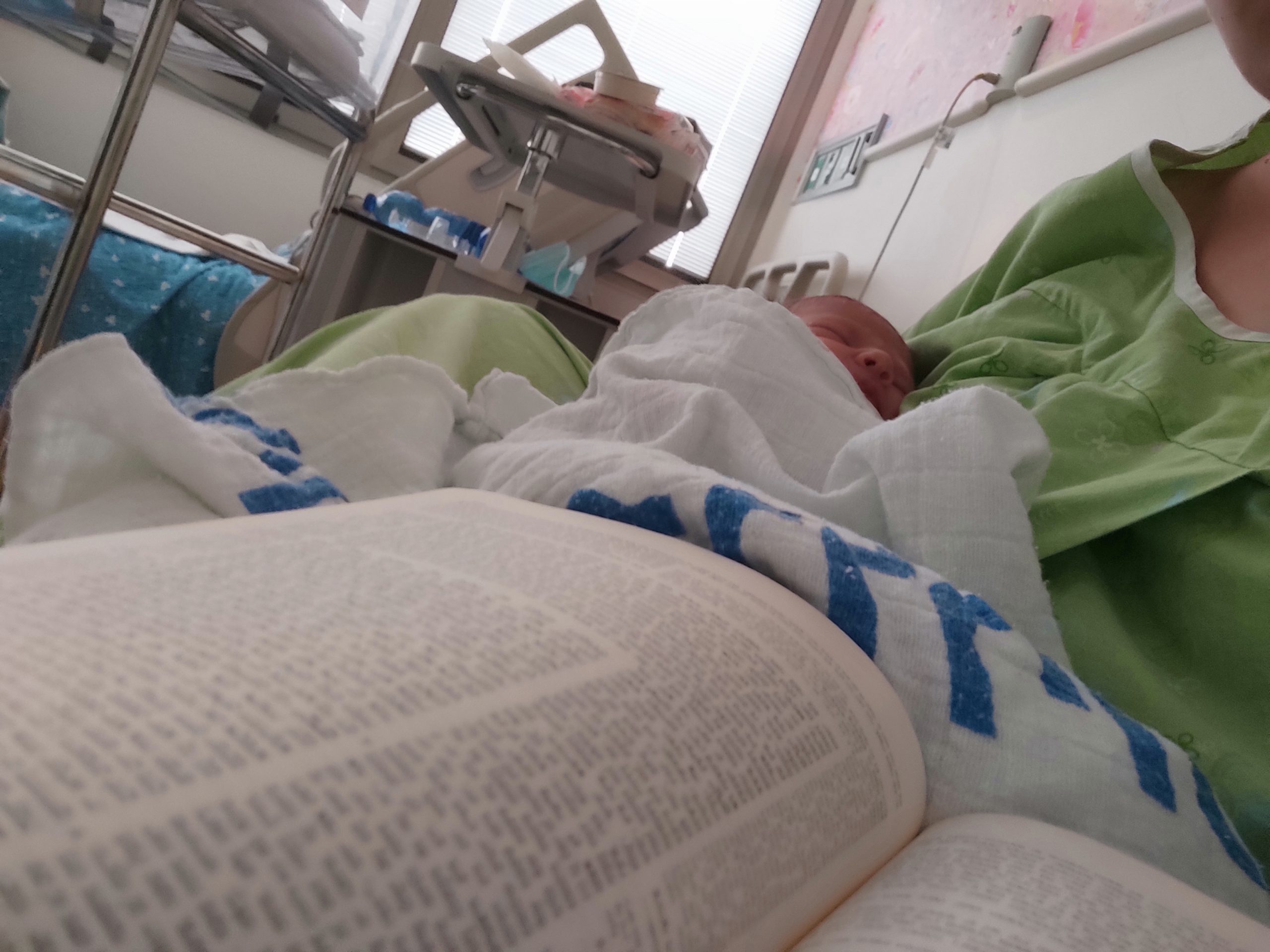
רבבה, ישראל
התחלתי לפני כמה שנים אבל רק בסבב הזה זכיתי ללמוד יום יום ולסיים מסכתות

רעננה, ישראל
בתחילת הסבב הנוכחי של לימוד הדף היומי, נחשפתי לחגיגות המרגשות באירועי הסיום ברחבי העולם. והבטחתי לעצמי שבקרוב אצטרף גם למעגל הלומדות. הסבב התחיל כאשר הייתי בתחילת דרכי בתוכנית קרן אריאל להכשרת יועצות הלכה של נשמ”ת. לא הצלחתי להוסיף את ההתחייבות לדף היומי על הלימוד האינטנסיבי של תוכנית היועצות. בבוקר למחרת המבחן הסופי בנשמ”ת, התחלתי את לימוד הדף במסכת סוכה ומאז לא הפסקתי.

קרית גת, ישראל
אחי, שלומד דף יומי ממסכת ברכות, חיפש חברותא ללימוד מסכת ראש השנה והציע לי. החברותא היתה מאתגרת טכנית ורוב הזמן נעשתה דרך הטלפון, כך שבסיום המסכת נפרדו דרכינו. אחי חזר ללמוד לבד, אבל אני כבר נכבשתי בקסם הגמרא ושכנעתי את האיש שלי להצטרף אלי למסכת ביצה. מאז המשכנו הלאה, ועכשיו אנחנו מתרגשים לקראתו של סדר נשים!

נוקדים, ישראל
לצערי גדלתי בדור שבו לימוד גמרא לנשים לא היה דבר שבשגרה ושנים שאני חולמת להשלים את הפער הזה.. עד שלפני מספר שבועות, כמעט במקרה, נתקלתי במודעת פרסומת הקוראת להצטרף ללימוד מסכת תענית. כשקראתי את המודעה הרגשתי שהיא כאילו נכתבה עבורי – "תמיד חלמת ללמוד גמרא ולא ידעת איך להתחיל”, "בואי להתנסות במסכת קצרה וקלה” (רק היה חסר שהמודעה תיפתח במילים "מיכי שלום”..). קפצתי למים ו- ב”ה אני בדרך להגשמת החלום:)

מורשת, ישראל
התחלתי ללמוד בעידוד שתי חברות אתן למדתי בעבר את הפרק היומי במסגרת 929.
בבית מתלהבים מאוד ובשבת אני לומדת את הדף עם בעלי שזה מפתיע ומשמח מאוד! לימוד הדף הוא חלק בלתי נפרד מהיום שלי. לומדת בצהריים ומחכה לזמן הזה מידי יום…

אפרת, ישראל
התחלתי ללמוד דף יומי כאשר קיבלתי במייל ממכון שטיינזלץ את הדפים הראשונים של מסכת ברכות במייל. קודם לא ידעתי איך לקרוא אותם עד שנתתי להם להדריך אותי. הסביבה שלי לא מודעת לעניין כי אני לא מדברת על כך בפומבי. למדתי מהדפים דברים חדשים, כמו הקשר בין המבנה של בית המקדש והמשכן לגופו של האדם (יומא מה, ע”א) והקשר שלו למשפט מפורסם שמופיע בספר ההינדי "בהגוד-גיתא”. מתברר שזה רעיון כלל עולמי ולא רק יהודי

נשר, ישראל
כבר סיפרתי בסיום של מועד קטן.
הלימוד מאוד משפיעה על היום שלי כי אני לומדת עם רבנית מישל על הבוקר בזום. זה נותן טון לכל היום – בסיס למחשבות שלי .זה זכות גדול להתחיל את היום בלימוד ובתפילה. תודה רבה !

ירושלים, ישראל
התחלתי ללמוד דף יומי כאשר קיבלתי במייל ממכון שטיינזלץ את הדפים הראשונים של מסכת ברכות במייל. קודם לא ידעתי איך לקרוא אותם עד שנתתי להם להדריך אותי. הסביבה שלי לא מודעת לעניין כי אני לא מדברת על כך בפומבי. למדתי מהדפים דברים חדשים, כמו הקשר בין המבנה של בית המקדש והמשכן לגופו של האדם (יומא מה, ע”א) והקשר שלו למשפט מפורסם שמופיע בספר ההינדי "בהגוד-גיתא”. מתברר שזה רעיון כלל עולמי ולא רק יהודי
נשר, ישראל
התחלתי להשתתף בשיעור נשים פעם בשבוע, תכננתי ללמוד רק דפים בודדים, לא האמנתי שאצליח יותר מכך.
לאט לאט נשאבתי פנימה לעולם הלימוד .משתדלת ללמוד כל בוקר ומתחילה את היום בתחושה של מלאות ומתוך התכווננות נכונה יותר.
הלימוד של הדף היומי ממלא אותי בתחושה של חיבור עמוק לעם היהודי ולכל הלומדים בעבר ובהווה.

אפרת, ישראל
התחלתי כשהייתי בחופש, עם הפרסומים על תחילת המחזור, הסביבה קיבלה את זה כמשהו מתמיד ומשמעותי ובהערכה, הלימוד זה עוגן יציב ביום יום, יש שבועות יותר ויש שפחות אבל זה משהו שנמצא שם אמין ובעל משמעות בחיים שלי….

גמזו, ישראל
אני לומדת גמרא כעשור במסגרות שונות, ואת הדף היומי התחלתי כשחברה הציעה שאצטרף אליה לסיום בבנייני האומה. מאז אני לומדת עם פודקסט הדרן, משתדלת באופן יומי אך אם לא מספיקה, מדביקה פערים עד ערב שבת. בסבב הזה הלימוד הוא "ממעוף הציפור”, מקשיבה במהירות מוגברת תוך כדי פעילויות כמו בישול או נהיגה, וכך רוכשת היכרות עם הסוגיות ואופן ניתוחם על ידי חז”ל. בע”ה בסבב הבא, ואולי לפני, אצלול לתוכו באופן מעמיק יותר.

רמת גן, ישראל
התחלתי לפני כמה שנים אבל רק בסבב הזה זכיתי ללמוד יום יום ולסיים מסכתות
רעננה, ישראל
My explorations into Gemara started a few days into the present cycle. I binged learnt and become addicted. I’m fascinated by the rich "tapestry” of intertwined themes, connections between Masechtot, conversations between generations of Rabbanim and learners past and present all over the world. My life has acquired a golden thread, linking generations with our amazing heritage.
Thank you.

חשמונאים, Israel
הצטרפתי ללומדות בתחילת מסכת תענית. ההתרגשות שלי ושל המשפחה היתה גדולה מאוד, והיא הולכת וגוברת עם כל סיום שאני זוכה לו. במשך שנים רבות רציתי להצטרף ומשום מה זה לא קרה… ב”ה מצאתי לפני מספר חודשים פרסום של הדרן, ומיד הצטרפתי והתאהבתי. הדף היומי שינה את חיי ממש והפך כל יום- ליום של תורה. מודה לכן מקרב ליבי ומאחלת לכולנו לימוד פורה מתוך אהבת התורה ולומדיה.

חיספין רמת הגולן, ישראל
בסוף הסבב הקודם ראיתי את השמחה הגדולה שבסיום הלימוד, בעלי סיים כבר בפעם השלישית וכמובן הסיום הנשי בבנייני האומה וחשבתי שאולי זו הזדמנות עבורי למשהו חדש.
למרות שאני שונה בסביבה שלי, מי ששומע על הלימוד שלי מפרגן מאוד.
אני מנסה ללמוד קצת בכל יום, גם אם לא את כל הדף ובסך הכל אני בדרך כלל עומדת בקצב.
הלימוד מעניק המון משמעות ליום יום ועושה סדר בלמוד תורה, שתמיד היה (ועדיין) שאיפה. אבל אין כמו קביעות

טל מנשה, ישראל
התחלתי ללמוד לפני כשנתיים בשאיפה לסיים לראשונה מסכת אחת במהלך חופשת הלידה.
אחרי מסכת אחת כבר היה קשה להפסיק…

ירוחם, ישראל
לצערי גדלתי בדור שבו לימוד גמרא לנשים לא היה דבר שבשגרה ושנים שאני חולמת להשלים את הפער הזה.. עד שלפני מספר שבועות, כמעט במקרה, נתקלתי במודעת פרסומת הקוראת להצטרף ללימוד מסכת תענית. כשקראתי את המודעה הרגשתי שהיא כאילו נכתבה עבורי – "תמיד חלמת ללמוד גמרא ולא ידעת איך להתחיל”, "בואי להתנסות במסכת קצרה וקלה” (רק היה חסר שהמודעה תיפתח במילים "מיכי שלום”..). קפצתי למים ו- ב”ה אני בדרך להגשמת החלום:)
מורשת, ישראל
מנחות לו
אָמַר רַב חִסְדָּא: סָח בֵּין תְּפִילָּה לִתְפִילָּה חוֹזֵר וּמְבָרֵךְ.
§ Rav Ḥisda says: If one spoke between donning the phylacteries of the arm and the phylacteries of the head, he must recite the blessing again when donning the phylacteries of the head.
סָח – אִין, לֹא סָח – לָא? וְהָא שְׁלַח רַב חִיָּיא בְּרֵיהּ דְּרַב הוּנָא מִשְּׁמֵיהּ דְּרַבִּי יוֹחָנָן: עַל תְּפִילָּה שֶׁל יָד אוֹמֵר ״בָּרוּךְ אֲשֶׁר קִדְּשָׁנוּ בְּמִצְוֹתָיו וְצִוָּנוּ לְהַנִּיחַ תְּפִילִּין״, עַל תְּפִילִּין שֶׁל רֹאשׁ אוֹמֵר ״בָּרוּךְ אֲשֶׁר קִדְּשָׁנוּ בְּמִצְוֹתָיו וְצִוָּנוּ עַל מִצְוַת תְּפִילִּין״.
The Gemara notes: One can infer that if he spoke, yes, he must recite a blessing when donning the phylacteries of the head, but if he did not speak, he does not recite a blessing. The Gemara challenges this: But Rav Ḥiyya, son of Rav Huna, sent a ruling in the name of Rabbi Yoḥanan: On the phylacteries of the arm one says the blessing: Blessed are You, Lord our God, King of the Universe, Who has sanctified us through His mitzvot and commanded us to don phylacteries. On the phylacteries of the head one says the blessing: Blessed are You, Lord our God, King of the Universe, Who has sanctified us through His mitzvot and commanded us concerning the mitzva of phylacteries. This indicates that one always recites a blessing when donning the phylacteries of the head.
אַבָּיֵי וְרָבָא דְּאָמְרִי תַּרְוַיְיהוּ: לֹא סָח – מְבָרֵךְ אַחַת, סָח – מְבָרֵךְ שְׁתַּיִם.
Abaye and Rava both say, to resolve this apparent contradiction: Rabbi Yoḥanan meant that if one did not speak, he recites one blessing; if he spoke, he recites two blessings, when donning the phylacteries of the head as well as when donning the phylacteries of the arm.
תָּנָא: סָח בֵּין תְּפִילָּה לִתְפִילָּה – עֲבֵירָה הִיא בְּיָדוֹ, וְחוֹזֵר עָלֶיהָ מֵעֶרְכֵי הַמִּלְחָמָה.
Concerning this, it is taught in a baraita: If one spoke between donning the phylacteries of the arm and the phylacteries of the head, he has a sin, and due to that sin he returns from the ranks of soldiers waging war. This is referring to the preparation for war, when the officers announce: “What man is there who is fearful and fainthearted? Let him go and return to his house” (Deuteronomy 20:8). The Sages explained that this is referring to one who is fearful due to his transgressions.
תָּנָא: כְּשֶׁהוּא מַנִּיחַ – מַנִּיחַ שֶׁל יָד, וְאַחַר כָּךְ מַנִּיחַ שֶׁל רֹאשׁ, וּכְשֶׁהוּא חוֹלֵץ – חוֹלֵץ שֶׁל רֹאשׁ, וְאַחַר כָּךְ חוֹלֵץ שֶׁל יָד. בִּשְׁלָמָא כְּשֶׁהוּא מַנִּיחַ – מַנִּיחַ שֶׁל יָד וְאַחַר כָּךְ מַנִּיחַ שֶׁל רֹאשׁ, דִּכְתִיב: ״וּקְשַׁרְתָּם לְאוֹת עַל יָדֶךָ״, וַהֲדַר ״וְהָיוּ לְטוֹטָפֹת בֵּין עֵינֶיךָ״.
It is further taught in a baraita: When one dons phylacteries, he first dons the phylacteries of the arm and afterward dons the phylacteries of the head. And when he removes his phylacteries, he first removes the phylacteries of the head and afterward removes the phylacteries of the arm. The Gemara asks: Granted, the ruling that when one dons phylacteries he first dons the phylacteries of the arm and afterward dons the phylacteries of the head is understood, as it is first written: “And you shall bind them for a sign upon your arm,” and then it is written: “And they shall be for frontlets between your eyes” (Deuteronomy 6:8).
אֶלָּא כְּשֶׁהוּא חוֹלֵץ, חוֹלֵץ שֶׁל רֹאשׁ וְאַחַר כָּךְ חוֹלֵץ שֶׁל יָד, מְנָלַן? אָמַר רַבָּה: רַב הוּנָא אַסְבְּרַאּ לִי, אָמַר קְרָא: ״וְהָיוּ לְטוֹטָפֹת בֵּין עֵינֶיךָ״, כׇּל זְמַן שֶׁבֵּין עֵינֶיךָ יְהוּ שְׁתַּיִם.
But from where do we derive the halakha that when he removes his phylacteries, he first removes the phylacteries of the head and afterward he removes the phylacteries of the arm? Rabba said in explanation: Rav Huna explained to me the source of this halakha. The verse states: “And you shall bind them for a sign upon your arm and they shall be for frontlets between your eyes,” and it is derived from here: As long as the phylacteries of the head are between your eyes, the number of phylacteries you are wearing shall be two.
תָּנוּ רַבָּנַן: תְּפִילִּין מֵאֵימָתַי מְבָרֵךְ עֲלֵיהֶן? מִשְּׁעַת הַנָּחָתָן. כֵּיצַד? הָיָה מַשְׁכִּים לָצֵאת לַדֶּרֶךְ וּמִתְיָירֵא שֶׁמָּא יֹאבֵדוּ – מַנִּיחָן, וּכְשֶׁיַּגִּיעַ זְמַנָּן מְמַשְׁמֵשׁ בָּהֶן וּמְבָרֵךְ עֲלֵיהֶן.
The Sages taught in a baraita: With regard to phylacteries, from when does one recite a blessing over them? From when the time arrives to don them. How so? If one is rising early to leave his home to travel on the road and is afraid lest his phylacteries become lost during the journey, he dons them even at night, despite the fact that this is not the proper time for the mitzva of phylacteries. And when the time for their mitzva arrives, in the morning, he touches them and recites a blessing over them.
וְעַד מָתַי מַנִּיחָן? עַד שֶׁתִּשְׁקַע הַחַמָּה. רַבִּי יַעֲקֹב אוֹמֵר: עַד שֶׁתִּכְלֶה רֶגֶל מִן הַשּׁוּק, וַחֲכָמִים אוֹמְרִים: עַד זְמַן שֵׁינָה. וּמוֹדִים חֲכָמִים לְרַבִּי יַעֲקֹב שֶׁאִם חֲלָצָן לָצֵאת לְבֵית הַכִּסֵּא אוֹ לִיכָּנֵס לְבֵית הַמֶּרְחָץ וְשָׁקְעָה חַמָּה – שׁוּב אֵינוֹ חוֹזֵר וּמַנִּיחָן.
And until when does one wear them? Until the sun sets. Rabbi Ya’akov says: Until traffic in the marketplace ceases. And the Rabbis say: Until the time of sleep. And the Rabbis concede to Rabbi Ya’akov that if one removed them to go out to the bathroom or to enter the bathhouse and the sun set, one does not don them again.
אָמַר רַב נַחְמָן: הֲלָכָה כְּרַבִּי יַעֲקֹב. רַב חִסְדָּא וְרַבָּה בַּר רַב הוּנָא מְצַלּוּ בְּהוּ בְּאוּרְתָּא. אִיכָּא דְּאָמְרִי: אֵין הֲלָכָה כְּרַבִּי יַעֲקֹב.
Rav Naḥman says: The halakha is in accordance with the opinion of Rabbi Ya’akov. The Gemara likewise relates that Rav Ḥisda and Rabba bar Rav Huna would pray in the evening, i.e., the evening service, with phylacteries. Some say that Rav Naḥman ruled that the halakha is not in accordance with the opinion of Rabbi Ya’akov but in accordance with the opinion of the first tanna that the mitzva of phylacteries ends at sunset.
וְהָא רַב חִסְדָּא וְרַבָּה בַּר רַב הוּנָא מְצַלּוּ בְּהוּ בְּאוּרְתָּא? הָהוּא פְּלִיגָא.
The Gemara raises a difficulty: But Rav Ḥisda and Rabba bar Rav Huna would pray in the evening with phylacteries. The Gemara explains: That opinion represented in this incident disagrees with the ruling of Rav Naḥman.
וּמִי אָמַר רַבָּה בַּר רַב הוּנָא הָכִי? וְהָא אָמַר רַבָּה בַּר רַב הוּנָא: סָפֵק חֲשֵׁיכָה סָפֵק (לָא) [אֵין] חֲשֵׁיכָה – לֹא חוֹלֵץ וְלֹא מַנִּיחַ, הָא וַדַּאי חֲשֵׁיכָה – חוֹלֵץ! הָתָם בְּעֶרֶב שַׁבָּת אִיתְּמַר.
The Gemara asks: And did Rabba bar Rav Huna actually say this, that the mitzva of phylacteries applies at night? But doesn’t Rabba bar Rav Huna say: If it is uncertain whether it is nightfall or whether it is not nightfall, one neither removes his phylacteries, as it is not yet definitely night, nor dons them ab initio. This indicates that if it is definitely nightfall, one removes his phylacteries. The Gemara answers: Rabba bar Rav Huna’s ruling there was stated with regard to Shabbat eve, as one may not don phylacteries on Shabbat, when the mitzva does not apply.
מַאי קָסָבַר? אִי קָסָבַר לַיְלָה זְמַן תְּפִילִּין, שַׁבָּת נָמֵי זְמַן תְּפִילִּין. אִי קָסָבַר שַׁבָּת לָאו זְמַן תְּפִילִּין, לַיְלָה נָמֵי לָאו זְמַן תְּפִילִּין, דְּמֵהֵיכָא דְּמִמַּעֲטָא שַׁבָּת מֵהָתָם מִמַּעֲטִי לֵילוֹת.
The Gemara raises a difficulty with regard to this answer: What does Rabba bar Rav Huna hold? If he holds that night is a time when one performs the mitzva of wearing phylacteries, then Shabbat is also a time when one performs the mitzva of wearing phylacteries. If he holds that Shabbat is not a time when one performs the mitzva of wearing phylacteries, then night is also not a time when one performs the mitzva of wearing phylacteries. The reason for this statement is that from the source where Shabbat is excluded from the mitzva of phylacteries, nights are excluded from there as well.
דְּתַנְיָא: ״וְשָׁמַרְתָּ אֶת הַחֻקָּה הַזֹּאת לְמוֹעֲדָהּ מִיָּמִים יָמִימָה״ – ״יָמִים״ וְלֹא לֵילוֹת, ״מִיָּמִים״ וְלֹא כׇּל יָמִים, פְּרָט לְשַׁבָּתוֹת וְיָמִים טוֹבִים, דִּבְרֵי רַבִּי יוֹסֵי הַגְּלִילִי. רַבִּי עֲקִיבָא אוֹמֵר: לֹא נֶאֶמְרָה חוּקָּה זוֹ אֶלָּא לְפֶסַח בִּלְבָד.
As it is taught in a baraita with regard to the end of the passage of the Torah that discusses both the mitzvot of the Paschal offering and phylacteries: “And you shall observe this ordinance in its season from year [miyamim] to year” (Exodus 13:10). This indicates that these mitzvot apply during the days [yamim] but not during the nights. Furthermore, the letter mem, meaning from, in the term: “From year [miyamim],” teaches: These mitzvot apply on some days, but not on all days. This excludes Shabbatot and Festivals, on which phylacteries are not worn. This is the statement of Rabbi Yosei HaGelili. Rabbi Akiva says: This verse, mentioning an ordinance, is stated only with regard to the Paschal offering, and it is not referring to phylacteries at all. Evidently, Rabbi Yosei HaGelili, who says that at night one is exempt from the obligation of donning phylacteries, says that on Shabbat one is exempt as well.
נָפְקָא לֵיהּ מֵהֵיכָא דְּנָפְקָא לֵיהּ לְרַבִּי עֲקִיבָא, דְּתַנְיָא: רַבִּי עֲקִיבָא אוֹמֵר: יָכוֹל יַנִּיחַ אָדָם תְּפִילִּין בְּשַׁבָּתוֹת וּבְיָמִים טוֹבִים? תַּלְמוּד לוֹמַר: ״וְהָיָה לְאוֹת עַל יָדְךָ וּלְטוֹטָפֹת בֵּין עֵינֶיךָ״ – מִי שֶׁצְּרִיכִין אוֹת, יָצְאוּ שַׁבָּתוֹת וְיָמִים טוֹבִים שֶׁהֵן גּוּפָן אוֹת.
The Gemara answers: Rabba bar Rav Huna derives the exemption from the obligation to don phylacteries on Shabbat from a different source, the source where Rabbi Akiva derives it from, as it is taught in a baraita that Rabbi Akiva says: One might have thought that a person should don phylacteries on Shabbatot and Festivals. To counter this, the verse states: “And it shall be for a sign for you on your arm, and for a remembrance between your eyes, so that God’s law shall be in your mouth; for with a strong arm God brought you out of Egypt” (Exodus 13:9). This teaches that the obligation to don phylacteries applies when the Jewish people require a sign to assert their status as God’s nation, i.e., during the week. This serves to exclude Shabbatot and Festivals, as they themselves are signs of the Jewish people’s status as God’s nation and a remembrance of the exodus from Egypt. Consequently, no further sign is required on these days.
אָמַר רַבִּי אֶלְעָזָר: כׇּל הַמַּנִּיחַ תְּפִילִּין אַחַר שְׁקִיעַת הַחַמָּה עוֹבֵר בַּעֲשֵׂה, וְרַבִּי יוֹחָנָן אָמַר: עוֹבֵר בְּלָאו. לֵימָא בְּרַבִּי אָבִין אָמַר רַבִּי אִילְעָא קָא מִיפַּלְגִי, דְּאָמַר רַבִּי אָבִין אָמַר רַבִּי אִילְעָא: כׇּל מָקוֹם שֶׁנֶּאֱמַר ״הִשָּׁמֶר״ ״פֶּן״ וְ״אַל״ אֵינוֹ אֶלָּא לֹא תַעֲשֶׂה.
Rabbi Elazar says: Anyone who dons phylacteries after sunset violates a positive mitzva. And Rabbi Yoḥanan says: He violates a prohibition. The Gemara suggests: Let us say that these Sages disagree with regard to the principle that Rabbi Avin says that Rabbi Ile’a says. As Rabbi Avin says that Rabbi Ile’a says: Any place where it is stated in the Torah any of the terms: Observe, or: Lest, or: Do not, this means nothing other than a prohibition, as these are negative terms.
דְּמָר אִית לֵיהּ דְּרַבִּי אָבִין, וּמָר לֵית לֵיהּ דְּרַבִּי אָבִין.
The Gemara explains this suggestion: As this Sage, Rabbi Yoḥanan, is of the opinion that the ruling is in accordance with the opinion of Rabbi Avin, and therefore the verse: “And you shall observe this ordinance in its season from year to year,” from which the exclusion of nights is derived, is a prohibition, as it employs the term “observe.” And that Sage, Rabbi Elazar, is of the opinion that the ruling is not in accordance with the opinion of Rabbi Avin, and therefore the term: “And you shall observe,” is a positive mitzva.
לָא, דְּכוּלֵּי עָלְמָא אִית לְהוּ דְּרַבִּי אָבִין אָמַר רַבִּי אִילְעָא, וְהָכָא בְּהָא קָא מִיפַּלְגִי: מָר סָבַר ״הִשָּׁמֶר״ דְּלָאו – לָאו, וְ״הִשָּׁמֶר״ דַּעֲשֵׂה – עֲשֵׂה, וּמָר סָבַר ״הִשָּׁמֶר״ דַּעֲשֵׂה נָמֵי לָאו.
The Gemara counters: No, everyone is of the opinion that the ruling is in accordance with the opinion that Rabbi Avin says that Rabbi Ile’a says, and here they disagree with regard to this: One Sage, Rabbi Elazar, holds that the term “observe” written with regard to a prohibition has the status of a prohibition, whereas that same term “observe” written with regard to a positive mitzva has the status of a positive mitzva, as the Torah is issuing a warning to take special care in the observance of a mitzva. Accordingly, the command with regard to the positive mitzva of phylacteries is a positive mitzva. And one Sage, Rabbi Yoḥanan, holds that the term “observe” written with regard to a positive mitzva is also a prohibition.
וְאָמַר רַבִּי אֶלְעָזָר: וְאִם לְשׇׁמְרָן – מוּתָּר. וְאָמַר רָבִינָא: הֲוָה יָתֵיבְנָא קַמֵּיהּ דְּרַב אָשֵׁי וְחָשַׁךְ, וְהִנִּיחַ תְּפִילִּין, וַאֲמַרִי לֵיהּ: לְשׇׁמְרָן קָא בָעֵי לְהוּ מָר? וַאֲמַר לִי: אִין. וַחֲזֵיתֵיהּ לְדַעְתֵּיהּ דְּלָאו לְשׇׁמְרָן הוּא בָּעֵי, קָסָבַר: הֲלָכָה וְאֵין מוֹרִין כֵּן.
And Rabbi Elazar says: And although it is prohibited to don phylacteries at night, if one does so in order to safeguard them from theft and the like, it is permitted. And Ravina said: I was sitting before Rav Ashi and it grew dark, and he donned phylacteries. And I said to him: Does the Master need to safeguard them? And he said to me: Yes. But I saw that his intention in donning them was not that he needed to safeguard them; rather, Rav Ashi holds: This is the halakha, that night is an appropriate time for phylacteries, but a public ruling is not issued to that effect.
אָמַר רַבָּה בַּר רַב הוּנָא: חַיָּיב אָדָם לְמַשְׁמֵשׁ בַּתְּפִילִּין בְּכׇל שָׁעָה, קַל וָחוֹמֶר מִצִּיץ, וּמָה צִיץ שֶׁאֵין בּוֹ אֶלָּא אַזְכָּרָה אַחַת, אָמְרָה תּוֹרָה: ״וְהָיָה עַל מִצְחוֹ תָּמִיד״, שֶׁלֹּא (תַּסִּיחַ) [יַסִּיחַ] דַּעְתּוֹ מִמֶּנּוּ, תְּפִילִּין שֶׁיֵּשׁ בָּהֶן אַזְכָּרוֹת הַרְבֵּה, עַל אַחַת כַּמָּה וְכַמָּה!
Rabba bar Rav Huna says: A person is obligated to touch his phylacteries regularly for the entire time that he is wearing them. This is derived from an a fortiori inference from the frontplate of the High Priest, as follows: And if with regard to the frontplate, which has only one mention of God’s name, the Torah states: “And it should be always upon his forehead” (Exodus 28:38), which means that the High Priest must always be aware that the frontplate is placed on his head and that he should not be distracted from it, then with regard to phylacteries, which have numerous mentions of God’s name, all the more so one must always be aware of them.
תָּנוּ רַבָּנַן: ״יָדְךָ״ – זוֹ שְׂמֹאל. אַתָּה אוֹמֵר שְׂמֹאל, אוֹ אֵינוֹ אֶלָּא יָמִין? תַּלְמוּד לוֹמַר: ״אַף יָדִי יָסְדָה אֶרֶץ וִימִינִי טִפְּחָה שָׁמָיִם״, וְאוֹמֵר: ״יָדָהּ לַיָּתֵד תִּשְׁלַחְנָה וִימִינָהּ לְהַלְמוּת עֲמֵלִים״, וְאוֹמֵר: ״לָמָּה תָשִׁיב יָדְךָ וִימִינֶךָ מִקֶּרֶב חֵיקְךָ כַלֵּה״.
§ The Sages taught with regard to the verse: “And it shall be for a sign for you on your arm [yadkha]” (Exodus 13:9), that this is referring to the left arm. Do you say it means the left arm, or is it only the right arm? The verse states: “Even My hand [yadi] has laid the foundation of the earth, and My right hand [vimini] has spread out the heavens” (Isaiah 48:13). And another verse states: “Her hand [yadah] she put to the tent pin, and her right hand [viminah] to the workmen’s hammer” (Judges 5:26), and another verse states: “Why do You withdraw Your hand [yadkha], even Your right hand [viminekha]? Draw it out of Your bosom and consume them” (Psalms 74:11). All these verses employ the term yad with regard to the left hand, and use the term yamin, literally, right, without the term yad, to indicate the right hand.

