חיפוש

נדרים נג

רוצה להקדיש שיעור?

podcast placeholder

0:00
0:00


תקציר

 זה הדף של שבת. לצפייה בדף של שישי, לחצו כאן.

אם נודרים לא לאכול תמרים, האם זה כולל דבש תמרים? האם נדר מסתוניות זה כולל חומץ העשוי מסתוניות? לגבי מקרים אלו ישנן שלוש דעות במשנה. השפה שבה משתמשים לנדר כולל דברים שבשימוש המקובל במילה במקום בו מתגוררים. המשנה והברייתות מביאות מספר דוגמאות. אחת הדוגמאות קשורה למילה ‘ירקות’ והאם היא כוללת ירקות גינה או ירקות השדה (אלו שגדלו מאליהם)? הדבר תלוי באיזו שנה במחזור השמיטה נדר. זה גם תלוי באיפה הנודר גם – אם גר במקום שהביאו בשנת השמיטה ירקות רגילים מחו”ל או לא. מדוע בחלק מהמקומות לא הביאו ירקות מחו”ל? המשנה מביאה יותר מקרים של נוסח נדרים – מונח כללי יכלול סוג ספציפי יותר, אבל מונח ספציפי לא יכלול את הכללי. מה ההבדל בין אמירת ‘חיטה’ ביחיד או בצורת רבים? ‘גריס’ ביחיד או ברבים?

נדרים נג

מַתְנִי׳ הַנּוֹדֵר מִן הַתְּמָרִים — מוּתָּר בִּדְבַשׁ תְּמָרִים. מִסִּתְוָנִיּוֹת — מוּתָּר בְּחוֹמֶץ סִתְוָנִיּוֹת. רַבִּי יְהוּדָה בֶּן בְּתֵירָא אוֹמֵר: כׇּל שֶׁשֵּׁם תּוֹלַדְתּוֹ קְרוּיָה עָלָיו, וְנוֹדֵר הֵימֶנּוּ — אָסוּר בַּיּוֹצֵא הֵימֶנּוּ, וַחֲכָמִים מַתִּירִים.

MISHNA: One who vows that dates are forbidden to him is permitted to eat date honey. One who vows that late grapes are forbidden to him is permitted to eat vinegar of late grapes. Rabbi Yehuda ben Beteira says: In the case of any food that the name of its derivative is called after its name, i.e., the liquid that emerges from it bears its name, e.g., date honey or vinegar of late grapes, and one vows that the item itself, e.g., the grape, is forbidden to him, he is also prohibited from consuming the liquid that emerges from it. But the Rabbis permit this.

גְּמָ׳ [חֲכָמִים] הַיְינוּ תַּנָּא קַמָּא?

GEMARA: The statement of the Rabbis is identical to the statement of the first tanna of the mishna, who rules that one who vows that dates are forbidden to him is permitted to eat date honey. What is the difference between them?

אִיכָּא בֵּינַיְיהוּ הָדָא דְּתַנְיָא: כְּלָל זֶה אָמַר רַבִּי שִׁמְעוֹן בֶּן אֶלְעָזָר: כֹּל שֶׁדַּרְכּוֹ לֶאֱכוֹל, וְדֶרֶךְ הַיּוֹצֵא מִמֶּנּוּ לֶאֱכוֹל. כְּגוֹן תְּמָרִים וּדְבַשׁ תְּמָרִים, נָדַר בּוֹ — אָסוּר בַּיּוֹצֵא מִמֶּנּוּ, נוֹדֵר מִיּוֹצֵא מִמֶּנּוּ — אָסוּר בּוֹ.

The Gemara answers: There is a difference between them with regard to that which is taught in a baraita: Rabbi Shimon ben Elazar said this principle: With regard to anything that is commonly eaten in its existing form, and it is also common to eat the liquid that emerges from it, for example, dates and date honey, if one vowed that it is forbidden to him, he is also prohibited from consuming the liquid that emerges from it. Similarly, if one vows that the liquid that emerges from it is forbidden to him, he is also prohibited from partaking of it.

כֹּל שֶׁאֵין דַּרְכּוֹ לֶאֱכוֹל, וְדֶרֶךְ הַיּוֹצֵא מִמֶּנּוּ לֶאֱכוֹל, נוֹדֵר בּוֹ — אֵין אָסוּר אֶלָּא בַּיּוֹצֵא מִמֶּנּוּ, שֶׁלֹּא נִתְכַּוֵּון זֶה אֶלָּא לַיּוֹצֵא מִמֶּנּוּ.

The baraita continues: Conversely, with regard to anything that is not commonly eaten as it is, and it is common to eat the liquid that emerges from it, if one vowed that he will not eat from it, he is prohibited from consuming only the liquid that emerges from it, as this person intended to prohibit himself from eating only from the liquid that emerges from it. The first tanna does not distinguish between dates, which are commonly eaten in their original state, and late grapes, which are not. In both cases, he rules that the produce itself is forbidden and the derivative is permitted. By contrast, the Rabbis agree with Rabbi Shimon ben Elazar’s ruling with regard to produce that is not commonly eaten in its original state. They permit the produce itself and prohibit that which has emerged from it. Therefore, in the last case of the mishna, they permit eating the late grapes and prohibit eating their vinegar, whereas in the first case they prohibit both dates and date honey.

מַתְנִי׳ הַנּוֹדֵר מִן הַיַּיִן — מוּתָּר בְּיֵין תַּפּוּחִים. מִן הַשֶּׁמֶן — מוּתָּר בְּשֶׁמֶן שׁוּמְשְׁמִין. מִן הַדְּבַשׁ — מוּתָּר בִּדְבַשׁ תְּמָרִים.

MISHNA: One who vows that wine is forbidden to him is permitted to partake of apple wine, i.e., cider, as the unspecified term wine refers only to grape wine. One who vows that oil is forbidden to him is permitted to partake of sesame oil, as the unspecified term oil refers only to olive oil. One who vows that honey is forbidden to him is permitted to eat date honey, as the unspecified term honey refers only to bee honey.

מִן הַחוֹמֶץ — מוּתָּר בְּחוֹמֶץ סִתְוָנִיּוֹת. מִן הַכְּרֵישִׁין — מוּתָּר בְּקַפְלוֹטוֹת. מִן הַיָּרָק — מוּתָּר בְּיַרְקוֹת הַשָּׂדֶה, שֶׁהוּא שֵׁם לָווּיי.

One who vows that vinegar is forbidden to him is permitted to partake of vinegar of late grapes, as vinegar is typically made from wine. One who vows that leeks are forbidden to him is permitted to eat kaflutot, a type of leek. One who vows that vegetables are forbidden to him is permitted to eat wild field vegetables, as this type of vegetable has a modifier and is not referred to by the unspecified term vegetable.

גְּמָ׳ תַּנְיָא: הַנּוֹדֵר מִן הַשֶּׁמֶן, בְּאֶרֶץ יִשְׂרָאֵל — מוּתָּר בְּשֶׁמֶן שׁוּמְשְׁמִין, וְאָסוּר בְּשֶׁמֶן זַיִת. וּבְבָבֶל — אָסוּר בְּשֶׁמֶן שׁוּמְשְׁמִין, וּמוּתָּר בְּשֶׁמֶן זַיִת. מָקוֹם שֶׁמִּסְתַּפְּקִין מִזֶּה וּמִזֶּה — אָסוּר בָּזֶה וּבָזֶה.

GEMARA: It is taught in a baraita: With regard to one who vows that oil is forbidden to him, if he is in Eretz Yisrael he is permitted to eat sesame oil and is prohibited from eating olive oil, as in Eretz Yisrael the unspecified term oil refers to olive oil. And if he took the vow in Babylonia, sesame oil is forbidden to him, as oil in Babylonia was generally made from sesame seeds, and it is permitted for him to eat olive oil, which was rarely used there. If he takes the vow in a locale where people use both this type of oil and that type, he is prohibited from eating both this type and that.

פְּשִׁיטָא! לָא צְרִיכָא, דְּרוּבָּא מִן חַד מִסְתַּפְּקִין. מַהוּ דְּתֵימָא: אֵיזִיל בָּתַר רוּבָּא, קָא מַשְׁמַע לַן סָפֵק אִיסּוּרָא לְחוּמְרָא.

The Gemara asks with regard to the last statement: Isn’t it obvious that he is prohibited from eating both types of oil? The statement seems superfluous. The Gemara answers: No, it is not superfluous. It is necessary only to teach that this is the halakha even where most people use only one type of oil. Lest you say: I should follow the majority and permit the other kind of oil, the baraita teaches us that an uncertain Torah prohibition is treated stringently. Therefore, the other type is forbidden as well, as it is possibly included in the meaning of the vow, although it is used only by a minority of the residents.

הַנּוֹדֵר מִן הַיָּרָק, בִּשְׁאָר שְׁנֵי שָׁבוּעַ — אָסוּר בְּיַרְקוֹת הַגִּינָּה, וּמוּתָּר בְּיַרְקוֹת הַשָּׂדֶה. וּבַשְּׁבִיעִית — אָסוּר בְּיַרְקוֹת הַשָּׂדֶה, וּמוּתָּר בְּיַרְקוֹת הַגִּינָּה. אָמַר רַבִּי אֲבָהוּ מִשּׁוּם רַבִּי חֲנִינָא בֶּן גַּמְלִיאֵל:

The baraita continues: With regard to one who vows that vegetables are forbidden to him, if he takes the vow during the first six years of the seven-year Sabbatical cycle, he is prohibited from eating garden vegetables and permitted to eat field vegetables. But if he takes the vow during the Sabbatical Year, he is prohibited from eating field vegetables, which are commonly eaten in the Sabbatical Year, and he is permitted to eat garden vegetables, which are rarely consumed during that period, as it is prohibited to work the land. Rabbi Abbahu said in the name of Rabbi Ḥanina ben Gamliel:

לֹא שָׁנוּ אֶלָּא בִּמְקוֹם שֶׁאֵין מְבִיאִין יָרָק מֵחוּצָה לָאָרֶץ לָאָרֶץ. אֲבָל בְּמָקוֹם שֶׁמְּבִיאִין יָרָק מֵחוּצָה לָאָרֶץ לָאָרֶץ — אָסוּר.

They taught that if he takes the vow in the Sabbatical Year he is permitted to eat garden vegetables only if he is in a place where people do not bring vegetables from outside of Eretz Yisrael to Eretz Yisrael. However, in a place where people bring vegetables from outside of Eretz Yisrael, where the halakhot of the Sabbatical Year do not apply, to Eretz Yisrael, he is prohibited from eating garden vegetables as well, as they are widely available, and therefore included in the unspecified word vegetable.

כְּתַנָּאֵי: אֵין מְבִיאִין יָרָק מִן חוּצָה לָאָרֶץ לָאָרֶץ, רַבִּי חֲנַנְיָה בֶּן גַּמְלִיאֵל אוֹמֵר: מְבִיאִין יָרָק מֵחוּצָה לָאָרֶץ לָאָרֶץ. מַאי טַעְמֵיהּ דְּמַאן דְּאָמַר אֵין מְבִיאִין? אָמַר רַבִּי יִרְמְיָה: מִשּׁוּם גּוּשׁ.

The Gemara comments that this distinction is like a dispute between tanna’im cited in a baraita: One may not bring vegetables from outside of Eretz Yisrael to Eretz Yisrael. Rabbi Ḥananya ben Gamliel says: One may bring vegetables from outside of Eretz Yisrael to Eretz Yisrael. The Gemara asks: What is the reason of the one who said that one may not bring vegetables from outside of Eretz Yisrael? Rabbi Yirmeya said: It is because a clod of earth might be brought with the vegetables to Eretz Yisrael. Earth from outside of Eretz Yisrael is ritually impure, and bringing it to Eretz Yisrael would spread ritual impurity in the land.

מַתְנִי׳ מִן הַכְּרוּב — אָסוּר בְּאִיסְפַּרְגוֹס, מִן הָאִיסְפַּרְגוֹס — מוּתָּר בִּכְרוּב.

MISHNA: One who vows that cabbage is forbidden to him is prohibited from eating ispargus, as that is a type of cabbage. However, one who vows that ispargus is forbidden to him is permitted to eat cabbage.

מִן הַגְּרִיסִין — אָסוּר בְּמִקְפָּה, וְרַבִּי יוֹסֵי מַתִּיר. מִן הַמִּקְפָּה — מוּתָּר בִּגְרִיסִין. מִן הַמִּקְפָּה — אָסוּר בִּשּׁוּם, וְרַבִּי יוֹסֵי מַתִּיר. מִן הַשּׁוּם — מוּתָּר בְּמִקְפָּה.

One who vows that pounded beans are forbidden to him is prohibited from eating pounded bean stew [mikpa]. However, Rabbi Yosei rules that he is permitted to eat it. One who vows that pounded bean stew is forbidden to him is permitted to eat pounded beans according to all opinions. One who vows that stew is forbidden to him is prohibited from eating the garlic of the stew. However, Rabbi Yosei rules that he is permitted to eat the garlic. One who vows that garlic is forbidden to him is permitted to eat stew.

מִן הָעֲדָשִׁים — אָסוּר בַּאֲשִׁישִׁים, רַבִּי יוֹסֵי מַתִּיר. מִן הָאֲשִׁישִׁים — מוּתָּר בַּעֲדָשִׁים.

One who vows that lentils are forbidden to him is prohibited from eating ashishim, a dish made from lentils. However, Rabbi Yosei permits it. It is agreed by all opinions that one who vows that ashishim is forbidden to him is permitted to eat lentils.

״חִטָּה חִטִּין שֶׁאֲנִי טוֹעֵם״ — אָסוּר בָּהֶן בֵּין קֶמַח בֵּין הַפַּת. ״גְּרִיס גְּרִיסִין שֶׁאֲנִי טוֹעֵם״ — אָסוּר בָּהֶן בֵּין חַיִּין בֵּין מְבוּשָּׁלִין. רַבִּי יְהוּדָה אוֹמֵר: ״קֻוֽנָּם גְּרִיס אוֹ חִטָּה שֶׁאֲנִי טוֹעֵם״ — מוּתָּר לָכוֹס חַיִּים.

If one says: Ḥitta, wheat in singular form, or ḥittim, wheat in plural form, are konam for me, and for that reason I will not taste them, he is prohibited from eating wheat, whether as flour or bread. If one says: Pounded bean or pounded beans are konam for me, and for that reason I will not taste them, he is prohibited from eating them, whether raw or cooked. Rabbi Yehuda says that if one says: Pounded bean or ḥitta is konam for me, and for that reason I will not taste them, he is permitted to chew them raw, as that is not the normal way to eat them, and therefore was not included in the intention of the vow.

גְּמָ׳ תַּנְיָא רַבִּי שִׁמְעוֹן בֶּן גַּמְלִיאֵל אוֹמֵר: ״חִטָּה שֶׁאֲנִי טוֹעֵם״ — אָסוּר לֶאֱפוֹת וּמוּתָּר לָכוֹס. ״חִטִּים שֶׁאֲנִי טוֹעֵם״ — אָסוּר לָכוֹס וּמוּתָּר לֶאֱפוֹת. ״חִטָּה חִטִּין שֶׁאֲנִי טוֹעֵם״ — אָסוּר בֵּין לָכוֹס בֵּין לֶאֱפוֹת.

GEMARA: It is taught in a baraita that Rabbi Shimon ben Gamliel says that if one vows: Ḥitta is konam for me, and for that reason I will not taste it, he is prohibited from eating baked wheat, i.e., baked wheat bread, but he is permitted to chew wheat grains. If one says: Ḥittim are konam for me, and for that reason I will not taste them, he is prohibited from chewing wheat grains but is permitted to bake them, as this term is referring to grains of wheat. If one says: Ḥitta or ḥittin are konam for me, and for that reason I will not taste them ,he is prohibited both from chewing wheat grains and from baking wheat bread.

״גְּרִיס שֶׁאֲנִי טוֹעֵם״ — אָסוּר לְבַשֵּׁל וּמוּתָּר לָכוֹס. ״גְּרִיסִין שֶׁאֲנִי טוֹעֵם״ — אָסוּר לָכוֹס וּמוּתָּר לְבַשֵּׁל. ״גְּרִיס גְּרִיסִין שֶׁאֲנִי טוֹעֵם״ — אָסוּר בֵּין לְבַשֵּׁל בֵּין לָכוֹס.

Similarly, if one says: Pounded bean is konam for me, and for that reason I will not taste it, he is prohibited from cooking pounded bean, i.e., from eating a dish of cooked pounded beans, as that is what the word pounded bean commonly means, but he is permitted to chew raw pounded beans. If one says: Pounded beans are konam for me, and for that reason I will not taste them, he is prohibited from chewing pounded beans but is permitted to cook them. If one says: Pounded bean or pounded beans are konam for me, and for that reason I will not taste them, he is prohibited from both cooking and chewing pounded beans.


הֲדַרַן עֲלָךְ הַנּוֹדֵר מִן הַמְבוּשָּׁל

העמקה

רוצה להבין מה באמת קורה מתחת לפני השטח של הסוגיה?
שיעורים, פודקאסטים והרחבות של מיטב המורות שלנו יפתחו לך עוד זוויות וכיווני חשיבה.

לשיעורי עוד על הדף באנגלית, לחצי כאן

חדשה בלימוד הגמרא?

זה הדף הראשון שלך? איזו התרגשות עצומה! יש לנו בדיוק את התכנים והכלים שיעזרו לך לעשות את הצעדים הראשונים ללמידה בקצב וברמה שלך, כך תוכלי להרגיש בנוח גם בתוך הסוגיות המורכבות ומאתגרות.

פסיפס הלומדות שלנו

גלי את קהילת הלומדות שלנו, מגוון נשים, רקעים וסיפורים. כולן חלק מתנועה ומסע מרגש ועוצמתי.

התחלתי ללמוד לפני כשנתיים בשאיפה לסיים לראשונה מסכת אחת במהלך חופשת הלידה.
אחרי מסכת אחת כבר היה קשה להפסיק…

Noa Gallant
נעה גלנט

ירוחם, ישראל

הייתי לפני שנתיים בסיום הדרן נשים בבנייני האומה והחלטתי להתחיל. אפילו רק כמה דפים, אולי רק פרק, אולי רק מסכת… בינתיים סיימתי רבע שס ותכף את כל סדר מועד בה.
הסביבה תומכת ומפרגנת. אני בת יחידה עם ארבעה אחים שכולם לומדים דף יומי. מדי פעם אנחנו עושים סיומים יחד באירועים משפחתיים. ממש מרגש. מסכת שבת סיימנו כולנו יחד עם אבא שלנו!
אני שומעת כל יום פודקאסט בהליכה או בנסיעה ואחכ לומדת את הגמרא.

Edna Gross
עדנה גרוס

מרכז שפירא, ישראל

התחלתי ללמוד דף יומי שהתחילו מסכת כתובות, לפני 7 שנים, במסגרת קבוצת לימוד שהתפרקה די מהר, ומשם המשכתי לבד בתמיכת האיש שלי. נעזרתי בגמרת שטיינזלץ ובשיעורים מוקלטים.
הסביבה מאד תומכת ואני מקבלת המון מילים טובות לאורך כל הדרך. מאז הסיום הגדול יש תחושה שאני חלק מדבר גדול יותר.
אני לומדת בשיטת ה”7 דפים בשבוע” של הרבנית תרצה קלמן – כלומר, לא נורא אם לא הצלחת ללמוד כל יום, העיקר שגמרת ארבעה דפים בשבוע

Rachel Goldstein
רחל גולדשטיין

עתניאל, ישראל

"התחלתי ללמוד דף יומי במחזור הזה, בח’ בטבת תש””ף. לקחתי על עצמי את הלימוד כדי ליצור תחום של התמדה יומיומית בחיים, והצטרפתי לקבוצת הלומדים בבית הכנסת בכפר אדומים. המשפחה והסביבה מתפעלים ותומכים.
בלימוד שלי אני מתפעלת בעיקר מכך שכדי ללמוד גמרא יש לדעת ולהכיר את כל הגמרא. זו מעין צבת בצבת עשויה שהיא עצומה בהיקפה.”

Sarah Fox
שרה פוּקס

כפר אדומים, ישראל

התחלתי מחוג במסכת קידושין שהעבירה הרבנית רייסנר במסגרת בית המדרש כלנה בגבעת שמואל; לאחר מכן התחיל סבב הדף היומי אז הצטרפתי. לסביבה לקח זמן לעכל אבל היום כולם תומכים ומשתתפים איתי. הלימוד לעתים מעניין ומעשיר ולעתים קשה ואף הזוי… אך אני ממשיכה קדימה. הוא משפיע על היומיום שלי קודם כל במרדף אחרי הדף, וגם במושגים הרבים שלמדתי ובידע שהועשרתי בו, חלקו ממש מעשי

Abigail Chrissy
אביגיל כריסי

ראש העין, ישראל

באירוע של הדרן בנייני האומה. בהשראתה של אמי שלי שסיימה את הש”ס בסבב הקודם ובעידוד מאיר , אישי, וילדיי וחברותיי ללימוד במכון למנהיגות הלכתית של רשת אור תורה סטון ומורתיי הרבנית ענת נובוסלסקי והרבנית דבורה עברון, ראש המכון למנהיגות הלכתית.
הלימוד מעשיר את יומי, מחזיר אותי גם למסכתות שכבר סיימתי וידוע שאינו דומה מי ששונה פרקו מאה לשונה פרקו מאה ואחת במיוחד מרתקים אותי החיבורים בין המסכתות

Roit Kalech
רוית קלך

מודיעין, ישראל

התחלתי מעט לפני תחילת הסבב הנוכחי. אני נהנית מהאתגר של להמשיך להתמיד, מרגעים של "אהה, מפה זה הגיע!” ומהאתגר האינטלקטואלי

Eilat-Chen and Deller
אילת-חן ודלר

לוד, ישראל

. לא תמיד נהניתי מלימוד גמרא כילדה.,בל כהתבגרתי התחלתי לאהוב את זה שוב. התחלתי ללמוד מסכת סוטה בדף היומי לפני כחמש עשרה שנה ואז הפסקתי.הגעתי לסיום הגדול של הדרן לפני שנתיים וזה נתן לי השראה. והתחלתי ללמוד למשך כמה ימים ואז היתה לי פריצת דיסק והפסקתי…עד אלול השנה. אז התחלתי עם מסכת ביצה וב”ה אני מצליחה לעמוד בקצב. המשפחה מאוד תומכת בי ויש כמה שגם לומדים את זה במקביל. אני אוהבת שיש עוגן כל יום.

Rebecca Darshan
רבקה דרשן

בית שמש, ישראל

"
גם אני התחלתי בסבב הנוכחי וב””ה הצלחתי לסיים את רוב המסכתות . בזכות הרבנית מישל משתדלת לפתוח את היום בשיעור הזום בשעה 6:20 .הלימוד הפך להיות חלק משמעותי בחיי ויש ימים בהם אני מצליחה לחזור על הדף עם מלמדים נוספים ששיעוריהם נמצאים במרשתת. שמחה להיות חלק מקהילת לומדות ברחבי העולם. ובמיוחד לשמש דוגמה לנכדותיי שאי””ה יגדלו לדור שלימוד תורה לנשים יהיה משהו שבשגרה. "

Ronit Shavit
רונית שביט

נתניה, ישראל

התחלתי ללמוד דף יומי אחרי שחזרתי בתשובה ולמדתי במדרשה במגדל עוז. הלימוד טוב ומספק חומר למחשבה על נושאים הלכתיים ”קטנים” ועד לערכים גדולים ביהדות. חשוב לי להכיר את הגמרא לעומק. והצעד הקטן היום הוא ללמוד אותה בבקיאות, בעזרת השם, ומי יודע אולי גם אגיע לעיון בנושאים מעניינים. נושאים בגמרא מתחברים לחגים, לתפילה, ליחסים שבין אדם לחברו ולמקום ולשאר הדברים שמלווים באורח חיים דתי 🙂

Gaia Divo
גאיה דיבו

מצפה יריחו, ישראל

התחלתי ללמוד בשנת המדרשה במגדל עוז, בינתיים נהנית מאוד מהלימוד ומהגמרא, מעניין ומשמח מאוד!
משתדלת להצליח לעקוב כל יום, לפעמים משלימה קצת בהמשך השבוע.. מרגישה שיש עוגן מקובע ביום שלי והוא משמח מאוד!

Uriah Kesner
אוריה קסנר

חיפה , ישראל

My explorations into Gemara started a few days into the present cycle. I binged learnt and become addicted. I’m fascinated by the rich "tapestry” of intertwined themes, connections between Masechtot, conversations between generations of Rabbanim and learners past and present all over the world. My life has acquired a golden thread, linking generations with our amazing heritage.
Thank you.

Susan Kasdan
סוזן כשדן

חשמונאים, Israel

אמא שלי למדה איתי ש”ס משנה, והתחילה ללמוד דף יומי. אני החלטתי שאני רוצה ללמוד גם. בהתחלה למדתי איתה, אח”כ הצטרפתי ללימוד דף יומי שהרב דני וינט מעביר לנוער בנים בעתניאל. במסכת עירובין עוד חברה הצטרפה אלי וכשהתחלנו פסחים הרב דני פתח לנו שעור דף יומי לבנות. מאז אנחנו לומדות איתו קבוע כל יום את הדף היומי (ובשבת אבא שלי מחליף אותו). אני נהנית מהלימוד, הוא מאתגר ומעניין

Renana Hellman
רננה הלמן

עתניאל, ישראל

התחלתי ללמוד דף יומי בסבב הקודם. זכיתי לסיים אותו במעמד המרגש של הדרן. בסבב הראשון ליווה אותי הספק, שאולי לא אצליח לעמוד בקצב ולהתמיד. בסבב השני אני לומדת ברוגע, מתוך אמונה ביכולתי ללמוד ולסיים. בסבב הלימוד הראשון ליוותה אותי חוויה מסויימת של בדידות. הדרן העניקה לי קהילת לימוד ואחוות נשים. החוויה של סיום הש”ס במעמד כה גדול כשנשים שאינן מכירות אותי, שמחות ומתרגשות עבורי , היתה חוויה מרוממת נפש

Ilanit Weil
אילנית ווייל

קיבוץ מגדל עוז, ישראל

התחלתי ללמוד דף יומי אחרי שחזרתי בתשובה ולמדתי במדרשה במגדל עוז. הלימוד טוב ומספק חומר למחשבה על נושאים הלכתיים ”קטנים” ועד לערכים גדולים ביהדות. חשוב לי להכיר את הגמרא לעומק. והצעד הקטן היום הוא ללמוד אותה בבקיאות, בעזרת השם, ומי יודע אולי גם אגיע לעיון בנושאים מעניינים. נושאים בגמרא מתחברים לחגים, לתפילה, ליחסים שבין אדם לחברו ולמקום ולשאר הדברים שמלווים באורח חיים דתי 🙂

Gaia Divo
גאיה דיבו

מצפה יריחו, ישראל

"
גם אני התחלתי בסבב הנוכחי וב””ה הצלחתי לסיים את רוב המסכתות . בזכות הרבנית מישל משתדלת לפתוח את היום בשיעור הזום בשעה 6:20 .הלימוד הפך להיות חלק משמעותי בחיי ויש ימים בהם אני מצליחה לחזור על הדף עם מלמדים נוספים ששיעוריהם נמצאים במרשתת. שמחה להיות חלק מקהילת לומדות ברחבי העולם. ובמיוחד לשמש דוגמה לנכדותיי שאי””ה יגדלו לדור שלימוד תורה לנשים יהיה משהו שבשגרה. "

Ronit Shavit
רונית שביט

נתניה, ישראל

באירוע של הדרן בנייני האומה. בהשראתה של אמי שלי שסיימה את הש”ס בסבב הקודם ובעידוד מאיר , אישי, וילדיי וחברותיי ללימוד במכון למנהיגות הלכתית של רשת אור תורה סטון ומורתיי הרבנית ענת נובוסלסקי והרבנית דבורה עברון, ראש המכון למנהיגות הלכתית.
הלימוד מעשיר את יומי, מחזיר אותי גם למסכתות שכבר סיימתי וידוע שאינו דומה מי ששונה פרקו מאה לשונה פרקו מאה ואחת במיוחד מרתקים אותי החיבורים בין המסכתות

Roit Kalech
רוית קלך

מודיעין, ישראל

בתחילת הסבב הנוכחי הצטברו אצלי תחושות שאני לא מבינה מספיק מהי ההלכה אותה אני מקיימת בכל יום. כמו כן, כאמא לבנות רציתי לתת להן מודל נשי של לימוד תורה
שתי הסיבות האלו הובילו אותי להתחיל ללמוד. נתקלתי בתגובות מפרגנות וסקרניות איך אישה לומדת גמרא..
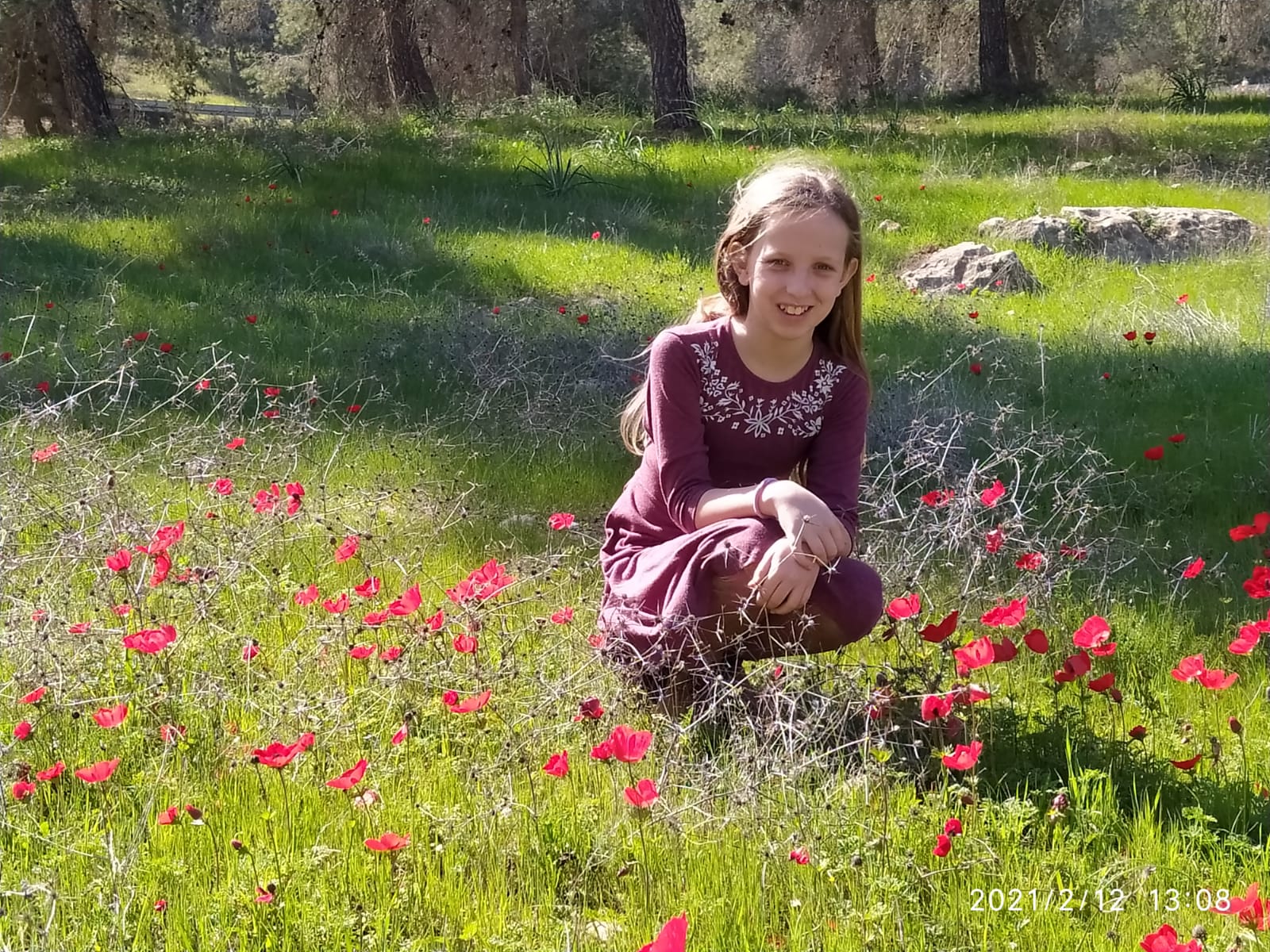
כמו שרואים בתמונה אני ממשיכה ללמוד גם היום ואפילו במחלקת יולדות אחרי לידת ביתי השלישית.

Noa Shiloh
נועה שילה

רבבה, ישראל

אחי, שלומד דף יומי ממסכת ברכות, חיפש חברותא ללימוד מסכת ראש השנה והציע לי. החברותא היתה מאתגרת טכנית ורוב הזמן נעשתה דרך הטלפון, כך שבסיום המסכת נפרדו דרכינו. אחי חזר ללמוד לבד, אבל אני כבר נכבשתי בקסם הגמרא ושכנעתי את האיש שלי להצטרף אלי למסכת ביצה. מאז המשכנו הלאה, ועכשיו אנחנו מתרגשים לקראתו של סדר נשים!

Shulamit Saban
שולמית סבן

נוקדים, ישראל

. לא תמיד נהניתי מלימוד גמרא כילדה.,בל כהתבגרתי התחלתי לאהוב את זה שוב. התחלתי ללמוד מסכת סוטה בדף היומי לפני כחמש עשרה שנה ואז הפסקתי.הגעתי לסיום הגדול של הדרן לפני שנתיים וזה נתן לי השראה. והתחלתי ללמוד למשך כמה ימים ואז היתה לי פריצת דיסק והפסקתי…עד אלול השנה. אז התחלתי עם מסכת ביצה וב”ה אני מצליחה לעמוד בקצב. המשפחה מאוד תומכת בי ויש כמה שגם לומדים את זה במקביל. אני אוהבת שיש עוגן כל יום.

Rebecca Darshan
רבקה דרשן

בית שמש, ישראל

נדרים נג

מַתְנִי׳ הַנּוֹדֵר מִן הַתְּמָרִים — מוּתָּר בִּדְבַשׁ תְּמָרִים. מִסִּתְוָנִיּוֹת — מוּתָּר בְּחוֹמֶץ סִתְוָנִיּוֹת. רַבִּי יְהוּדָה בֶּן בְּתֵירָא אוֹמֵר: כׇּל שֶׁשֵּׁם תּוֹלַדְתּוֹ קְרוּיָה עָלָיו, וְנוֹדֵר הֵימֶנּוּ — אָסוּר בַּיּוֹצֵא הֵימֶנּוּ, וַחֲכָמִים מַתִּירִים.

MISHNA: One who vows that dates are forbidden to him is permitted to eat date honey. One who vows that late grapes are forbidden to him is permitted to eat vinegar of late grapes. Rabbi Yehuda ben Beteira says: In the case of any food that the name of its derivative is called after its name, i.e., the liquid that emerges from it bears its name, e.g., date honey or vinegar of late grapes, and one vows that the item itself, e.g., the grape, is forbidden to him, he is also prohibited from consuming the liquid that emerges from it. But the Rabbis permit this.

גְּמָ׳ [חֲכָמִים] הַיְינוּ תַּנָּא קַמָּא?

GEMARA: The statement of the Rabbis is identical to the statement of the first tanna of the mishna, who rules that one who vows that dates are forbidden to him is permitted to eat date honey. What is the difference between them?

אִיכָּא בֵּינַיְיהוּ הָדָא דְּתַנְיָא: כְּלָל זֶה אָמַר רַבִּי שִׁמְעוֹן בֶּן אֶלְעָזָר: כֹּל שֶׁדַּרְכּוֹ לֶאֱכוֹל, וְדֶרֶךְ הַיּוֹצֵא מִמֶּנּוּ לֶאֱכוֹל. כְּגוֹן תְּמָרִים וּדְבַשׁ תְּמָרִים, נָדַר בּוֹ — אָסוּר בַּיּוֹצֵא מִמֶּנּוּ, נוֹדֵר מִיּוֹצֵא מִמֶּנּוּ — אָסוּר בּוֹ.

The Gemara answers: There is a difference between them with regard to that which is taught in a baraita: Rabbi Shimon ben Elazar said this principle: With regard to anything that is commonly eaten in its existing form, and it is also common to eat the liquid that emerges from it, for example, dates and date honey, if one vowed that it is forbidden to him, he is also prohibited from consuming the liquid that emerges from it. Similarly, if one vows that the liquid that emerges from it is forbidden to him, he is also prohibited from partaking of it.

כֹּל שֶׁאֵין דַּרְכּוֹ לֶאֱכוֹל, וְדֶרֶךְ הַיּוֹצֵא מִמֶּנּוּ לֶאֱכוֹל, נוֹדֵר בּוֹ — אֵין אָסוּר אֶלָּא בַּיּוֹצֵא מִמֶּנּוּ, שֶׁלֹּא נִתְכַּוֵּון זֶה אֶלָּא לַיּוֹצֵא מִמֶּנּוּ.

The baraita continues: Conversely, with regard to anything that is not commonly eaten as it is, and it is common to eat the liquid that emerges from it, if one vowed that he will not eat from it, he is prohibited from consuming only the liquid that emerges from it, as this person intended to prohibit himself from eating only from the liquid that emerges from it. The first tanna does not distinguish between dates, which are commonly eaten in their original state, and late grapes, which are not. In both cases, he rules that the produce itself is forbidden and the derivative is permitted. By contrast, the Rabbis agree with Rabbi Shimon ben Elazar’s ruling with regard to produce that is not commonly eaten in its original state. They permit the produce itself and prohibit that which has emerged from it. Therefore, in the last case of the mishna, they permit eating the late grapes and prohibit eating their vinegar, whereas in the first case they prohibit both dates and date honey.

מַתְנִי׳ הַנּוֹדֵר מִן הַיַּיִן — מוּתָּר בְּיֵין תַּפּוּחִים. מִן הַשֶּׁמֶן — מוּתָּר בְּשֶׁמֶן שׁוּמְשְׁמִין. מִן הַדְּבַשׁ — מוּתָּר בִּדְבַשׁ תְּמָרִים.

MISHNA: One who vows that wine is forbidden to him is permitted to partake of apple wine, i.e., cider, as the unspecified term wine refers only to grape wine. One who vows that oil is forbidden to him is permitted to partake of sesame oil, as the unspecified term oil refers only to olive oil. One who vows that honey is forbidden to him is permitted to eat date honey, as the unspecified term honey refers only to bee honey.

מִן הַחוֹמֶץ — מוּתָּר בְּחוֹמֶץ סִתְוָנִיּוֹת. מִן הַכְּרֵישִׁין — מוּתָּר בְּקַפְלוֹטוֹת. מִן הַיָּרָק — מוּתָּר בְּיַרְקוֹת הַשָּׂדֶה, שֶׁהוּא שֵׁם לָווּיי.

One who vows that vinegar is forbidden to him is permitted to partake of vinegar of late grapes, as vinegar is typically made from wine. One who vows that leeks are forbidden to him is permitted to eat kaflutot, a type of leek. One who vows that vegetables are forbidden to him is permitted to eat wild field vegetables, as this type of vegetable has a modifier and is not referred to by the unspecified term vegetable.

גְּמָ׳ תַּנְיָא: הַנּוֹדֵר מִן הַשֶּׁמֶן, בְּאֶרֶץ יִשְׂרָאֵל — מוּתָּר בְּשֶׁמֶן שׁוּמְשְׁמִין, וְאָסוּר בְּשֶׁמֶן זַיִת. וּבְבָבֶל — אָסוּר בְּשֶׁמֶן שׁוּמְשְׁמִין, וּמוּתָּר בְּשֶׁמֶן זַיִת. מָקוֹם שֶׁמִּסְתַּפְּקִין מִזֶּה וּמִזֶּה — אָסוּר בָּזֶה וּבָזֶה.

GEMARA: It is taught in a baraita: With regard to one who vows that oil is forbidden to him, if he is in Eretz Yisrael he is permitted to eat sesame oil and is prohibited from eating olive oil, as in Eretz Yisrael the unspecified term oil refers to olive oil. And if he took the vow in Babylonia, sesame oil is forbidden to him, as oil in Babylonia was generally made from sesame seeds, and it is permitted for him to eat olive oil, which was rarely used there. If he takes the vow in a locale where people use both this type of oil and that type, he is prohibited from eating both this type and that.

פְּשִׁיטָא! לָא צְרִיכָא, דְּרוּבָּא מִן חַד מִסְתַּפְּקִין. מַהוּ דְּתֵימָא: אֵיזִיל בָּתַר רוּבָּא, קָא מַשְׁמַע לַן סָפֵק אִיסּוּרָא לְחוּמְרָא.

The Gemara asks with regard to the last statement: Isn’t it obvious that he is prohibited from eating both types of oil? The statement seems superfluous. The Gemara answers: No, it is not superfluous. It is necessary only to teach that this is the halakha even where most people use only one type of oil. Lest you say: I should follow the majority and permit the other kind of oil, the baraita teaches us that an uncertain Torah prohibition is treated stringently. Therefore, the other type is forbidden as well, as it is possibly included in the meaning of the vow, although it is used only by a minority of the residents.

הַנּוֹדֵר מִן הַיָּרָק, בִּשְׁאָר שְׁנֵי שָׁבוּעַ — אָסוּר בְּיַרְקוֹת הַגִּינָּה, וּמוּתָּר בְּיַרְקוֹת הַשָּׂדֶה. וּבַשְּׁבִיעִית — אָסוּר בְּיַרְקוֹת הַשָּׂדֶה, וּמוּתָּר בְּיַרְקוֹת הַגִּינָּה. אָמַר רַבִּי אֲבָהוּ מִשּׁוּם רַבִּי חֲנִינָא בֶּן גַּמְלִיאֵל:

The baraita continues: With regard to one who vows that vegetables are forbidden to him, if he takes the vow during the first six years of the seven-year Sabbatical cycle, he is prohibited from eating garden vegetables and permitted to eat field vegetables. But if he takes the vow during the Sabbatical Year, he is prohibited from eating field vegetables, which are commonly eaten in the Sabbatical Year, and he is permitted to eat garden vegetables, which are rarely consumed during that period, as it is prohibited to work the land. Rabbi Abbahu said in the name of Rabbi Ḥanina ben Gamliel:

לֹא שָׁנוּ אֶלָּא בִּמְקוֹם שֶׁאֵין מְבִיאִין יָרָק מֵחוּצָה לָאָרֶץ לָאָרֶץ. אֲבָל בְּמָקוֹם שֶׁמְּבִיאִין יָרָק מֵחוּצָה לָאָרֶץ לָאָרֶץ — אָסוּר.

They taught that if he takes the vow in the Sabbatical Year he is permitted to eat garden vegetables only if he is in a place where people do not bring vegetables from outside of Eretz Yisrael to Eretz Yisrael. However, in a place where people bring vegetables from outside of Eretz Yisrael, where the halakhot of the Sabbatical Year do not apply, to Eretz Yisrael, he is prohibited from eating garden vegetables as well, as they are widely available, and therefore included in the unspecified word vegetable.

כְּתַנָּאֵי: אֵין מְבִיאִין יָרָק מִן חוּצָה לָאָרֶץ לָאָרֶץ, רַבִּי חֲנַנְיָה בֶּן גַּמְלִיאֵל אוֹמֵר: מְבִיאִין יָרָק מֵחוּצָה לָאָרֶץ לָאָרֶץ. מַאי טַעְמֵיהּ דְּמַאן דְּאָמַר אֵין מְבִיאִין? אָמַר רַבִּי יִרְמְיָה: מִשּׁוּם גּוּשׁ.

The Gemara comments that this distinction is like a dispute between tanna’im cited in a baraita: One may not bring vegetables from outside of Eretz Yisrael to Eretz Yisrael. Rabbi Ḥananya ben Gamliel says: One may bring vegetables from outside of Eretz Yisrael to Eretz Yisrael. The Gemara asks: What is the reason of the one who said that one may not bring vegetables from outside of Eretz Yisrael? Rabbi Yirmeya said: It is because a clod of earth might be brought with the vegetables to Eretz Yisrael. Earth from outside of Eretz Yisrael is ritually impure, and bringing it to Eretz Yisrael would spread ritual impurity in the land.

מַתְנִי׳ מִן הַכְּרוּב — אָסוּר בְּאִיסְפַּרְגוֹס, מִן הָאִיסְפַּרְגוֹס — מוּתָּר בִּכְרוּב.

MISHNA: One who vows that cabbage is forbidden to him is prohibited from eating ispargus, as that is a type of cabbage. However, one who vows that ispargus is forbidden to him is permitted to eat cabbage.

מִן הַגְּרִיסִין — אָסוּר בְּמִקְפָּה, וְרַבִּי יוֹסֵי מַתִּיר. מִן הַמִּקְפָּה — מוּתָּר בִּגְרִיסִין. מִן הַמִּקְפָּה — אָסוּר בִּשּׁוּם, וְרַבִּי יוֹסֵי מַתִּיר. מִן הַשּׁוּם — מוּתָּר בְּמִקְפָּה.

One who vows that pounded beans are forbidden to him is prohibited from eating pounded bean stew [mikpa]. However, Rabbi Yosei rules that he is permitted to eat it. One who vows that pounded bean stew is forbidden to him is permitted to eat pounded beans according to all opinions. One who vows that stew is forbidden to him is prohibited from eating the garlic of the stew. However, Rabbi Yosei rules that he is permitted to eat the garlic. One who vows that garlic is forbidden to him is permitted to eat stew.

מִן הָעֲדָשִׁים — אָסוּר בַּאֲשִׁישִׁים, רַבִּי יוֹסֵי מַתִּיר. מִן הָאֲשִׁישִׁים — מוּתָּר בַּעֲדָשִׁים.

One who vows that lentils are forbidden to him is prohibited from eating ashishim, a dish made from lentils. However, Rabbi Yosei permits it. It is agreed by all opinions that one who vows that ashishim is forbidden to him is permitted to eat lentils.

״חִטָּה חִטִּין שֶׁאֲנִי טוֹעֵם״ — אָסוּר בָּהֶן בֵּין קֶמַח בֵּין הַפַּת. ״גְּרִיס גְּרִיסִין שֶׁאֲנִי טוֹעֵם״ — אָסוּר בָּהֶן בֵּין חַיִּין בֵּין מְבוּשָּׁלִין. רַבִּי יְהוּדָה אוֹמֵר: ״קֻוֽנָּם גְּרִיס אוֹ חִטָּה שֶׁאֲנִי טוֹעֵם״ — מוּתָּר לָכוֹס חַיִּים.

If one says: Ḥitta, wheat in singular form, or ḥittim, wheat in plural form, are konam for me, and for that reason I will not taste them, he is prohibited from eating wheat, whether as flour or bread. If one says: Pounded bean or pounded beans are konam for me, and for that reason I will not taste them, he is prohibited from eating them, whether raw or cooked. Rabbi Yehuda says that if one says: Pounded bean or ḥitta is konam for me, and for that reason I will not taste them, he is permitted to chew them raw, as that is not the normal way to eat them, and therefore was not included in the intention of the vow.

גְּמָ׳ תַּנְיָא רַבִּי שִׁמְעוֹן בֶּן גַּמְלִיאֵל אוֹמֵר: ״חִטָּה שֶׁאֲנִי טוֹעֵם״ — אָסוּר לֶאֱפוֹת וּמוּתָּר לָכוֹס. ״חִטִּים שֶׁאֲנִי טוֹעֵם״ — אָסוּר לָכוֹס וּמוּתָּר לֶאֱפוֹת. ״חִטָּה חִטִּין שֶׁאֲנִי טוֹעֵם״ — אָסוּר בֵּין לָכוֹס בֵּין לֶאֱפוֹת.

GEMARA: It is taught in a baraita that Rabbi Shimon ben Gamliel says that if one vows: Ḥitta is konam for me, and for that reason I will not taste it, he is prohibited from eating baked wheat, i.e., baked wheat bread, but he is permitted to chew wheat grains. If one says: Ḥittim are konam for me, and for that reason I will not taste them, he is prohibited from chewing wheat grains but is permitted to bake them, as this term is referring to grains of wheat. If one says: Ḥitta or ḥittin are konam for me, and for that reason I will not taste them ,he is prohibited both from chewing wheat grains and from baking wheat bread.

״גְּרִיס שֶׁאֲנִי טוֹעֵם״ — אָסוּר לְבַשֵּׁל וּמוּתָּר לָכוֹס. ״גְּרִיסִין שֶׁאֲנִי טוֹעֵם״ — אָסוּר לָכוֹס וּמוּתָּר לְבַשֵּׁל. ״גְּרִיס גְּרִיסִין שֶׁאֲנִי טוֹעֵם״ — אָסוּר בֵּין לְבַשֵּׁל בֵּין לָכוֹס.

Similarly, if one says: Pounded bean is konam for me, and for that reason I will not taste it, he is prohibited from cooking pounded bean, i.e., from eating a dish of cooked pounded beans, as that is what the word pounded bean commonly means, but he is permitted to chew raw pounded beans. If one says: Pounded beans are konam for me, and for that reason I will not taste them, he is prohibited from chewing pounded beans but is permitted to cook them. If one says: Pounded bean or pounded beans are konam for me, and for that reason I will not taste them, he is prohibited from both cooking and chewing pounded beans.

הֲדַרַן עֲלָךְ הַנּוֹדֵר מִן הַמְבוּשָּׁל

רוצה לעקוב אחרי התכנים ולהמשיך ללמוד?

ביצירת חשבון עוד היום ניתן לעקוב אחרי ההתקדמות שלך, לסמן מה למדת, ולעקוב אחרי השיעורים שמעניינים אותך.

לנקות את כל הפריטים מהרשימה?

פעולה זו תסיר את כל הפריטים בחלק זה כולל ההתקדמות וההיסטוריה. שימי לב: לא ניתן לשחזר פעולה זו.

ביטול
מחיקה

האם את/ה בטוח/ה שברצונך למחוק פריט זה?

תאבד/י את כל ההתקדמות או ההיסטוריה הקשורות לפריט זה.

ביטול
מחיקה