







אם נדר עד שנת היובל, האם זה כולל את שנת היובל או לא? זה תלוי במחלוקת כללי יותר לגבי שנת היובל – האם היא נחשבת לסיום המחזור הקודם של שבעה מחזורי שמיטה וגם שנה הראשונה במחזור השמיטה הבא או רק כשנה אחרונה ולא כשנה ראשונה למחזור הבא. כיצד משתמש כל אחד בפסוקי התורה להוכחת דעתו? אם אמרו ‘עד לפני פסח’ יש מחלוקת אם זה אומר עד שיתחיל או עד שיגמר. המחלוקת מבוססת על השאלה אם אתה סבור שאדם מכניס את עצמו למצבים של ספק או לא. אולם, הדבר עומד בסתירה גמורה למשנה בקידושין סד: שבה כל אחד מהרבנים במשנתנו מחזיק בעמדה הפוכה. הדבר נפתר על ידי הצעה שהדעות במשנתנו מתהפכות. באיזה אופן אנו מבדילים בין מי שהגביל את זמן הנדר למשהו שיש לו זמן מוגדר (כמו חג) או משהו שאין לו זמן מוגדר (כמו הקציר)?
הלימוד השבוע מוקדש ע”י טינה לם לרפואת מעין ליאורה בת שלומית פייגא
רוצה להקדיש שיעור?

0:00
0:00
כלים
הלימוד השבוע מוקדש ע”י טינה לם לרפואת מעין ליאורה בת שלומית פייגא
נדרים סא
אִילֵּימָא כִּדְקָתָנֵי — לְמָה לִי לְמֵימְרָא? אֶלָּא לָאו, דַּאֲמַר ״שָׁנָה״. אַלְמָא ״שָׁנָה״ כְּ״הַשָּׁנָה״ דָּמֵי, וְ״יוֹם״ נָמֵי כְּ״הַיּוֹם״ דִּינֵיהּ.
If we say that it is exactly as it teaches, why do I need to state this halakha? It is obvious that a year means that entire year, even if it is a leap year. Rather, is it not referring to a case where he did not say that the vow applies this year, but rather, he said that it applies for a year, and the mishna teaches that the vow applies for the remainder of that year? Apparently, saying that a vow applies for a year is comparable to saying it applies this year; and similarly, the halakha in a case where one accepts a vow for a day should also be like the halakha in a case where one accepts a vow for today.
לָא, לְעוֹלָם דְּאָמַר ״הַשָּׁנָה״, וּמַהוּ דְּתֵימָא: הַלֵּךְ אַחַר רוֹב הַשָּׁנִים, וְלָא אִית בְּהוּ עִיבּוּר, קָא מַשְׁמַע לַן.
The Gemara refutes this argument: No, actually, the case in the mishna is that he said his vow should apply this year, and it was necessary to state this halakha lest you say: Follow the majority of years, which do not have an intercalated month, and his vow should be understood as referring to a twelve month period. The tanna therefore teaches us that the phrase this year means that the vow should last until the end of the year.
אִיבַּעְיָא לְהוּ: אָמַר ״יַיִן שֶׁאֲנִי טוֹעֵם יוֹבֵל״ מַאי? שְׁנַת חֲמִשִּׁים כְּלִפְנֵי חֲמִשִּׁים, אוֹ כִּלְאַחַר חֲמִשִּׁים?
A dilemma was raised before the Sages: If one said: Any wine that I taste for a Jubilee is hereby forbidden to me, what is the halakha? Is the fiftieth year considered as before fifty, i.e., is it included in the vow, or is it considered as after fifty, in which case it is not included in the vow?
תָּא שְׁמַע, דְּתַנְיָא פְּלוּגְתָּא דְּרַבִּי יְהוּדָה וְרַבָּנַן: ״וְקִדַּשְׁתֶּם אֵת שְׁנַת הַחֲמִשִּׁים שָׁנָה״. שְׁנַת הַחֲמִשִּׁים אַתָּה מוֹנֶה, וְאִי אַתָּה מוֹנֶה שְׁנַת חֲמִשִּׁים וְאַחַת. מִכָּאן אָמְרוּ: יוֹבֵל אֵינוֹ עוֹלֶה לְמִנְיַן שָׁבוּעַ. רַבִּי יְהוּדָה אוֹמֵר: יוֹבֵל עוֹלֶה לְמִנְיַן שָׁבוּעַ.
The Gemara answers: Come and hear, as it is taught in a baraita that there is a dispute between Rabbi Yehuda and the Rabbis: The verse states: “And you shall sanctify the fiftieth year” (Leviticus 25:10), from which it is derived: You count it as the fiftieth year, i.e., the Jubilee Year, but you do not count it as both the fiftieth year and the first year of the next Sabbatical and Jubilee cycles. From here they stated: The Jubilee Year is not included in the counting of the seven-year cycle of the Sabbatical Year. Rather, the year following the Jubilee Year is considered the first year of the next seven-year cycle. Rabbi Yehuda says: The Jubilee Year is included in the counting of the following seven-year cycle of the Sabbatical Year.
אָמְרוּ לוֹ לְרַבִּי יְהוּדָה: הֲרֵי הוּא אוֹמֵר ״שֵׁשׁ שָׁנִים תִּזְרַע שָׂדֶךָ״, וְאֵין כָּאן אֶלָּא חָמֵשׁ!
The Rabbis said to Rabbi Yehuda: Doesn’t the verse state: “Six years you shall sow your field” (Leviticus 25:3)? But according to your opinion there are only five years here, in the Sabbatical cycle following the Jubilee Year, as the first year would be the Jubilee Year, when it is forbidden to sow one’s field.
אָמַר לָהֶם: לְדִבְרֵיכֶם, הֲרֵי הוּא אוֹמֵר ״וְעָשָׂת אֶת הַתְּבוּאָה לִשְׁלֹשׁ הַשָּׁנִים״. הֲרֵי כָּאן אַרְבַּע!
Rabbi Yehuda said to them: There is a difficulty according to your statement as well. Doesn’t the verse state: “And it shall bring forth produce for the three years” (Leviticus 25:21)? The Torah promises the Jewish people that in the year preceding the Sabbatical Year, the land will bring forth enough produce to last for the duration of that year, for the Sabbatical Year, and for part of the following year, until the new produce grows. However, in the case of the Jubilee, there are four years to account for, as agricultural labor is prohibited in the forty-ninth year, which is a Sabbatical Year, and in the following year, which is the Jubilee Year.
אֶלָּא — אִיכָּא לְאוֹקֹמַהּ בִּשְׁאָר שְׁנֵי שָׁבוּעַ, דִילִי נָמֵי אִיכָּא לְאוֹקֹמַהּ בִּשְׁאָר שְׁנֵי שָׁבוּעַ.
Rather, you must say that it is possible to establish the verse as referring to the other years of seven-year cycles, i.e., other Sabbatical Years apart from the Sabbatical Year right before the Jubilee Year. With regard to my opinion also, it is possible to establish the verse you presented as a difficulty as referring to the other years of seven-year cycles, i.e., other Sabbatical cycles apart from the cycle immediately following the Jubilee. With regard to the dilemma cited previously, according to the Rabbis, just as the Jubilee Year does not count as part of the ensuing Jubilee cycle because it is considered the end of the previous Jubilee cycle, if one takes a vow and states that it applies for the Jubilee cycle, the Jubilee Year is included in the vow. According to Rabbi Yehuda, the Jubilee Year itself actually begins the next Jubilee cycle, and therefore if one takes a vow for the current Jubilee cycle, the Jubilee Year itself is not included.
״עַד הַפֶּסַח״ — אָסוּר כּוּ׳. לְמֵימְרָא דְּרַבִּי מֵאִיר סָבַר: לָא מְעַיֵּיל אִינִישׁ נַפְשֵׁיהּ
§ It was taught in the mishna that if one vows that wine is forbidden to him until Passover, he is prohibited from drinking wine until the Festival arrives. However, if one vows that wine is forbidden to him until before Passover, there is a dispute as to whether the vow remains in effect until the beginning or the end of the Festival. The Gemara asks: Is this to say that Rabbi Meir, who holds that it is prohibited only until the beginning of Passover, maintains that a person does not place himself
לִסְפֵיקָא, וְרַבִּי יוֹסֵי סָבַר: מְעַיֵּיל אִינִישׁ נַפְשֵׁיהּ לִסְפֵיקָא.
in a position of uncertainty, and Rabbi Yosei holds that a person does place himself in a position of uncertainty?
וּרְמִינְהִי: מִי שֶׁיֵּשׁ לוֹ שְׁתֵּי כִּיתֵּי בָנוֹת מִשְׁתֵּי נָשִׁים, וְאָמַר: קִדַּשְׁתִּי אֶת בִּתִּי הַגְּדוֹלָה, וְאֵינִי יוֹדֵעַ אִם גְּדוֹלָה שֶׁבַּגְּדוֹלוֹת, אִם גְּדוֹלָה שֶׁבַּקְּטַנּוֹת, וְאִם קְטַנָּה שֶׁבַּגְּדוֹלוֹת שֶׁהִיא גְּדוֹלָה מִן הַגְּדוֹלָה שֶׁבַּקְּטַנּוֹת — כּוּלָּן אֲסוּרוֹת, דִּבְרֵי רַבִּי מֵאִיר. חוּץ מִן הַקְּטַנָּה שֶׁבַּקְּטַנּוֹת.
The Gemara raises a contradiction from the following mishna (Kiddushin 64b): In the case of one who has two groups of two daughters born to him from two women, e.g., he has two daughters from his first wife, and after his first wife died he remarried and had two daughters with his second wife, and he said: I betrothed my older daughter to someone, but I do not know if I meant the older of the older group of daughters; or if I meant the older daughter of the younger group; or if I meant the younger daughter of the older group, who is nevertheless older than the older daughter of the younger group, then all three of those daughters are prohibited to marry another man due to the uncertainty, as he failed to clarify which daughter was betrothed. This applies to all the daughters apart from the younger daughter of the younger group, who is certainly not betrothed. This is the statement of Rabbi Meir.
רַבִּי יוֹסֵי אוֹמֵר: כּוּלָּן מוּתָּרוֹת, חוּץ מִן הַגְּדוֹלָה שֶׁבַּגְּדוֹלוֹת.
Rabbi Yosei says: They are all permitted to marry, apart from the older daughter of the older group. This demonstrates that according to Rabbi Meir, one must take into account any of the possible meanings of the imprecise expression: My older daughter, whereas Rabbi Yosei maintains that only the narrowest possible meaning of the phrase is taken into account. This contradicts the mishna here.
אָמַר רַבִּי חֲנִינָא בַּר אַבְדִּימִי אָמַר רַב: מוּחְלֶפֶת הַשִּׁיטָה. וְהָתַנְיָא, זֶה הַכְּלָל: כֹּל שֶׁזְּמַנּוֹ קָבוּעַ וְאָמַר ״עַד לִפְנֵי״ — רַבִּי מֵאִיר אוֹמֵר: עַד שֶׁיֵּצֵא, וְרַבִּי יוֹסֵי אוֹמֵר: עַד שֶׁיַּגִּיעַ.
In response to this question, Rabbi Ḥanina bar Avdimi said that Rav said: The attribution of the opinions is reversed, i.e., the views stated in the mishna here must be reversed in order to reconcile them with the mishna in Kiddushin. And it is indeed taught in a baraita that this is the principle: With regard to any vow which specifies a fixed time, i.e., an event that occurs on a particular date, and one said that the vow applies until before that event, Rabbi Meir says the vow applies until the event ends, and Rabbi Yosei says that the vow is in effect only until the event arrives. This is another proof that the opinions in the mishna here must be reversed.
מַתְנִי׳ ״עַד הַקָּצִיר״, ״עַד הַבָּצִיר״, ״עַד הַמָּסִיק״ — אֵינוֹ אָסוּר אֶלָּא עַד שֶׁיַּגִּיעַ. זֶה הַכְּלָל: כֹּל שֶׁזְּמַנּוֹ קָבוּעַ, וְאָמַר: ״עַד שֶׁיַּגִּיעַ״ — אָסוּר עַד שֶׁיַּגִּיעַ. אָמַר: ״עַד שֶׁיְּהֵא״ — אָסוּר עַד שֶׁיֵּצֵא. וְכֹל שֶׁאֵין זְמַנּוֹ קָבוּעַ, בֵּין אָמַר ״עַד שֶׁיְּהֵא״, בֵּין אָמַר ״עַד שֶׁיַּגִּיעַ״ — אֵינוֹ אָסוּר אֶלָּא עַד שֶׁיַּגִּיעַ.
MISHNA: If one takes a vow that something is forbidden to him until the grain harvest, or until the grape harvest, or until the olive harvest, it is forbidden to him only until the arrival of that season. This is the principle: With regard to any occasion whose time is fixed, and one said: Until it arrives, it is forbidden to him until the specified occasion arrives. If he said: Until it will be, it is forbidden to him until the specified occasion ends. And with regard to any occasion whose time is not fixed, i.e., it does not fall on a precise date, whether he said: Until it will be, or: Until it arrives, it is forbidden to him only until the specified occasion arrives.
״עַד הַקַּיִץ״, ״עַד שֶׁיְּהֵא הַקַּיִץ״ — עַד שֶׁיַּתְחִילוּ הָעָם לְהַכְנִיס בְּכַלְכַּלּוֹת. ״עֵד שֶׁיַּעֲבוֹר הַקַּיִץ״ — עַד שֶׁיַּקְפִּילוּ הַמִּקְצוֹעוֹת.
If he said: Until the summer [kayitz], or: Until it will be summer, the vow remains in effect until the people begin to bring fruit into their houses in baskets. If he said: Until the summer has passed, the vow remains in effect until the people set aside [yakpilu] the knives [hamaktzuot] with which the figs are cut after being harvested, and return them to their place of storage.
גְּמָ׳ תָּנָא: ״כַּלְכַּלָּה״ שֶׁאָמְרוּ — כַּלְכַּלָּה שֶׁל תְּאֵנִים, וְלֹא כַּלְכַּלָּה שֶׁל עֲנָבִים. תַּנְיָא: הַנּוֹדֵר מִפֵּירוֹת הַקַּיִץ — אֵין אָסוּר אֶלָּא בִּתְאֵנִים. רַבָּן שִׁמְעוֹן בֶּן גַּמְלִיאֵל אוֹמֵר: עֲנָבִים בִּכְלַל תְּאֵנִים.
GEMARA: The Sage taught: The basket about which they spoke in the mishna is a basket of figs, and not a basket of grapes, which are gathered later than figs. It is taught in a baraita: One who vows that summer [kayitz] produce is forbidden to him is prohibited from partaking only of figs, as the fig harvest is called kayitz. Rabban Shimon ben Gamliel says: Grapes are included in the category of the summer produce, along with figs.
מַאי טַעְמָא דְּתַנָּא קַמָּא? קָסָבַר: תְּאֵנִים מִיקַּצְצָן בִּידָא, עֲנָבִים לָא מִיקַּצְצָן בִּידָא. רַבָּן שִׁמְעוֹן בֶּן גַּמְלִיאֵל סָבַר: עֲנָבִים נָמֵי, כִּי מִירַדְּדָן — מִיקַּצְצָן בִּידָא.
The Gemara asks: What is the reason of the first tanna? The Gemara answers: He holds that since figs are plucked [mikkatzetzan] by hand, while grapes are plucked not by hand but with tools, it is only figs that are considered summer [kayitz] produce. Conversely, Rabban Shimon ben Gamliel holds that grapes, too, when they are sufficiently ripe, are plucked by hand. Therefore, they can be considered summer produce as well.
״עַד שֶׁיַּעֲבוֹר הַקַּיִץ״, עַד שֶׁיִּכָּפְלוּ הַמַּקְצוּעוֹת. תָּנָא: עַד שֶׁיַּכְפִּילוּ רוֹב הַמַּקְצוּעוֹת.
§ The mishna states that if one said: Until the summer has passed, then the vow remains in effect until the people set aside the knives used to cut the figs. It was taught: This means until most people set aside their knives, even if there are still some individuals who have yet to do so.
לעקוב 
כלים
העמקה
רוצה להבין מה באמת קורה מתחת לפני השטח של הסוגיה?
שיעורים, פודקאסטים והרחבות של מיטב המורות שלנו יפתחו לך עוד זוויות וכיווני חשיבה.

















חדשה בלימוד הגמרא?
זה הדף הראשון שלך? איזו התרגשות עצומה! יש לנו בדיוק את התכנים והכלים שיעזרו לך לעשות את הצעדים הראשונים ללמידה בקצב וברמה שלך, כך תוכלי להרגיש בנוח גם בתוך הסוגיות המורכבות ומאתגרות.
פסיפס הלומדות שלנו
גלי את קהילת הלומדות שלנו, מגוון נשים, רקעים וסיפורים. כולן חלק מתנועה ומסע מרגש ועוצמתי.
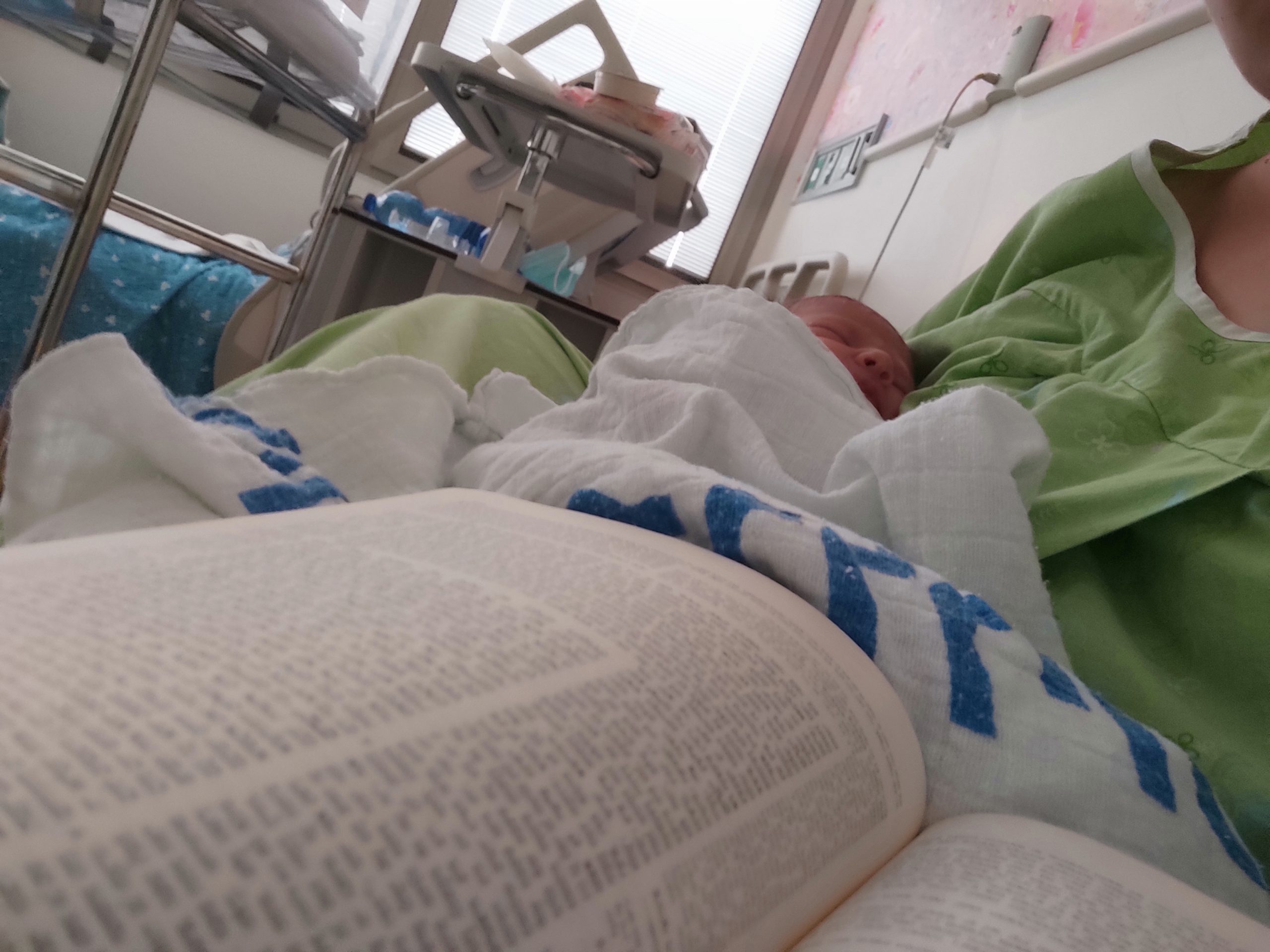
בתחילת הסבב הנוכחי הצטברו אצלי תחושות שאני לא מבינה מספיק מהי ההלכה אותה אני מקיימת בכל יום. כמו כן, כאמא לבנות רציתי לתת להן מודל נשי של לימוד תורה
שתי הסיבות האלו הובילו אותי להתחיל ללמוד. נתקלתי בתגובות מפרגנות וסקרניות איך אישה לומדת גמרא..
כמו שרואים בתמונה אני ממשיכה ללמוד גם היום ואפילו במחלקת יולדות אחרי לידת ביתי השלישית.
נועה שילה
רבבה, ישראל
התחלתי בסיום הש”ס, יצאתי באורות. נשברתי פעמיים, ובשתיהם הרבנית מישל עודדה להמשיך איפה שכולם בסבב ולהשלים כשאוכל, וכך עשיתי וכיום השלמתי הכל. מדהים אותי שאני לומדת כל יום קצת, אפילו בחדר הלידה, בבידוד או בחו”ל. לאט לאט יותר נינוחה בסוגיות. לא כולם מבינים את הרצון, בפרט כפמניסטית. חשה סיפוק גדול להכיר את המושגים וצורת החשיבה. החלום זה להמשיך ולהתמיד ובמקביל ללמוד איך מהסוגיות נוצרה והתפתחה ההלכה.

קרן וינגרטן שרינגטון
מודיעין, ישראל
התחלתי ללמוד דף יומי כאשר קיבלתי במייל ממכון שטיינזלץ את הדפים הראשונים של מסכת ברכות במייל. קודם לא ידעתי איך לקרוא אותם עד שנתתי להם להדריך אותי. הסביבה שלי לא מודעת לעניין כי אני לא מדברת על כך בפומבי. למדתי מהדפים דברים חדשים, כמו הקשר בין המבנה של בית המקדש והמשכן לגופו של האדם (יומא מה, ע”א) והקשר שלו למשפט מפורסם שמופיע בספר ההינדי "בהגוד-גיתא”. מתברר שזה רעיון כלל עולמי ולא רק יהודי

אלנה ארנבורג
נשר, ישראל
הצטרפתי ללומדות בתחילת מסכת תענית. ההתרגשות שלי ושל המשפחה היתה גדולה מאוד, והיא הולכת וגוברת עם כל סיום שאני זוכה לו. במשך שנים רבות רציתי להצטרף ומשום מה זה לא קרה… ב”ה מצאתי לפני מספר חודשים פרסום של הדרן, ומיד הצטרפתי והתאהבתי. הדף היומי שינה את חיי ממש והפך כל יום- ליום של תורה. מודה לכן מקרב ליבי ומאחלת לכולנו לימוד פורה מתוך אהבת התורה ולומדיה.

נעה רוזן
חיספין רמת הגולן, ישראל
רבנית מישל הציתה אש התלמוד בלבבות בביניני האומה ואני נדלקתי. היא פתחה פתח ותמכה במתחילות כמוני ואפשרה לנו להתקדם בצעדים נכונים וטובים. הקימה מערך שלם שמסובב את הלומדות בסביבה תומכת וכך נכנסתי למסלול לימוד מעשיר שאין כמוה. הדרן יצר קהילה גדולה וחזקה שמאפשרת התקדמות מכל נקודת מוצא. יש דיבוק לומדות שמחזק את ההתמדה של כולנו. כל פניה ושאלה נענית בזריזות ויסודיות. תודה גם למגי על כל העזרה.

שרה אבר
נתניה, ישראל
התחלתי כשהייתי בחופש, עם הפרסומים על תחילת המחזור, הסביבה קיבלה את זה כמשהו מתמיד ומשמעותי ובהערכה, הלימוד זה עוגן יציב ביום יום, יש שבועות יותר ויש שפחות אבל זה משהו שנמצא שם אמין ובעל משמעות בחיים שלי….

עדי דיאמנט
גמזו, ישראל
התחלתי להשתתף בשיעור נשים פעם בשבוע, תכננתי ללמוד רק דפים בודדים, לא האמנתי שאצליח יותר מכך.
לאט לאט נשאבתי פנימה לעולם הלימוד .משתדלת ללמוד כל בוקר ומתחילה את היום בתחושה של מלאות ומתוך התכווננות נכונה יותר.
הלימוד של הדף היומי ממלא אותי בתחושה של חיבור עמוק לעם היהודי ולכל הלומדים בעבר ובהווה.

נילי חיון
אפרת, ישראל
My explorations into Gemara started a few days into the present cycle. I binged learnt and become addicted. I’m fascinated by the rich "tapestry” of intertwined themes, connections between Masechtot, conversations between generations of Rabbanim and learners past and present all over the world. My life has acquired a golden thread, linking generations with our amazing heritage.
Thank you.

סוזן כשדן
חשמונאים, Israel
אחי, שלומד דף יומי ממסכת ברכות, חיפש חברותא ללימוד מסכת ראש השנה והציע לי. החברותא היתה מאתגרת טכנית ורוב הזמן נעשתה דרך הטלפון, כך שבסיום המסכת נפרדו דרכינו. אחי חזר ללמוד לבד, אבל אני כבר נכבשתי בקסם הגמרא ושכנעתי את האיש שלי להצטרף אלי למסכת ביצה. מאז המשכנו הלאה, ועכשיו אנחנו מתרגשים לקראתו של סדר נשים!
שולמית סבן
נוקדים, ישראל
התחלתי ללמוד לפני כשנתיים בשאיפה לסיים לראשונה מסכת אחת במהלך חופשת הלידה.
אחרי מסכת אחת כבר היה קשה להפסיק…

נעה גלנט
ירוחם, ישראל
. לא תמיד נהניתי מלימוד גמרא כילדה.,בל כהתבגרתי התחלתי לאהוב את זה שוב. התחלתי ללמוד מסכת סוטה בדף היומי לפני כחמש עשרה שנה ואז הפסקתי.הגעתי לסיום הגדול של הדרן לפני שנתיים וזה נתן לי השראה. והתחלתי ללמוד למשך כמה ימים ואז היתה לי פריצת דיסק והפסקתי…עד אלול השנה. אז התחלתי עם מסכת ביצה וב”ה אני מצליחה לעמוד בקצב. המשפחה מאוד תומכת בי ויש כמה שגם לומדים את זה במקביל. אני אוהבת שיש עוגן כל יום.

רבקה דרשן
בית שמש, ישראל
"
גם אני התחלתי בסבב הנוכחי וב””ה הצלחתי לסיים את רוב המסכתות . בזכות הרבנית מישל משתדלת לפתוח את היום בשיעור הזום בשעה 6:20 .הלימוד הפך להיות חלק משמעותי בחיי ויש ימים בהם אני מצליחה לחזור על הדף עם מלמדים נוספים ששיעוריהם נמצאים במרשתת. שמחה להיות חלק מקהילת לומדות ברחבי העולם. ובמיוחד לשמש דוגמה לנכדותיי שאי””ה יגדלו לדור שלימוד תורה לנשים יהיה משהו שבשגרה. "

רונית שביט
נתניה, ישראל
התחלתי ללמוד דף לפני קצת יותר מ-5 שנים, כשלמדתי רבנות בישיבת מהר”ת בניו יורק. בדיעבד, עד אז, הייתי בלימוד הגמרא שלי כמו מישהו שאוסף חרוזים משרשרת שהתפזרה, פה משהו ושם משהו, ומאז נפתח עולם ומלואו…. הדף נותן לי לימוד בצורה מאורגנת, שיטתית, יום-יומית, ומלמד אותי לא רק ידע אלא את השפה ודרך החשיבה שלנו. לשמחתי, יש לי סביבה תומכת וההרגשה שלי היא כמו בציטוט שבחרתי: הדף משפיע לטובה על כל היום שלי.

מיכל כהנא
חיפה, ישראל
התחלתי כשהייתי בחופש, עם הפרסומים על תחילת המחזור, הסביבה קיבלה את זה כמשהו מתמיד ומשמעותי ובהערכה, הלימוד זה עוגן יציב ביום יום, יש שבועות יותר ויש שפחות אבל זה משהו שנמצא שם אמין ובעל משמעות בחיים שלי….
עדי דיאמנט
גמזו, ישראל
התחלתי מעט לפני תחילת הסבב הנוכחי. אני נהנית מהאתגר של להמשיך להתמיד, מרגעים של "אהה, מפה זה הגיע!” ומהאתגר האינטלקטואלי

אילת-חן ודלר
לוד, ישראל
רבנית מישל הציתה אש התלמוד בלבבות בביניני האומה ואני נדלקתי. היא פתחה פתח ותמכה במתחילות כמוני ואפשרה לנו להתקדם בצעדים נכונים וטובים. הקימה מערך שלם שמסובב את הלומדות בסביבה תומכת וכך נכנסתי למסלול לימוד מעשיר שאין כמוה. הדרן יצר קהילה גדולה וחזקה שמאפשרת התקדמות מכל נקודת מוצא. יש דיבוק לומדות שמחזק את ההתמדה של כולנו. כל פניה ושאלה נענית בזריזות ויסודיות. תודה גם למגי על כל העזרה.
שרה אבר
נתניה, ישראל
בסוף הסבב הקודם ראיתי את השמחה הגדולה שבסיום הלימוד, בעלי סיים כבר בפעם השלישית וכמובן הסיום הנשי בבנייני האומה וחשבתי שאולי זו הזדמנות עבורי למשהו חדש.
למרות שאני שונה בסביבה שלי, מי ששומע על הלימוד שלי מפרגן מאוד.
אני מנסה ללמוד קצת בכל יום, גם אם לא את כל הדף ובסך הכל אני בדרך כלל עומדת בקצב.
הלימוד מעניק המון משמעות ליום יום ועושה סדר בלמוד תורה, שתמיד היה (ועדיין) שאיפה. אבל אין כמו קביעות

רחלי מנדלסון
טל מנשה, ישראל
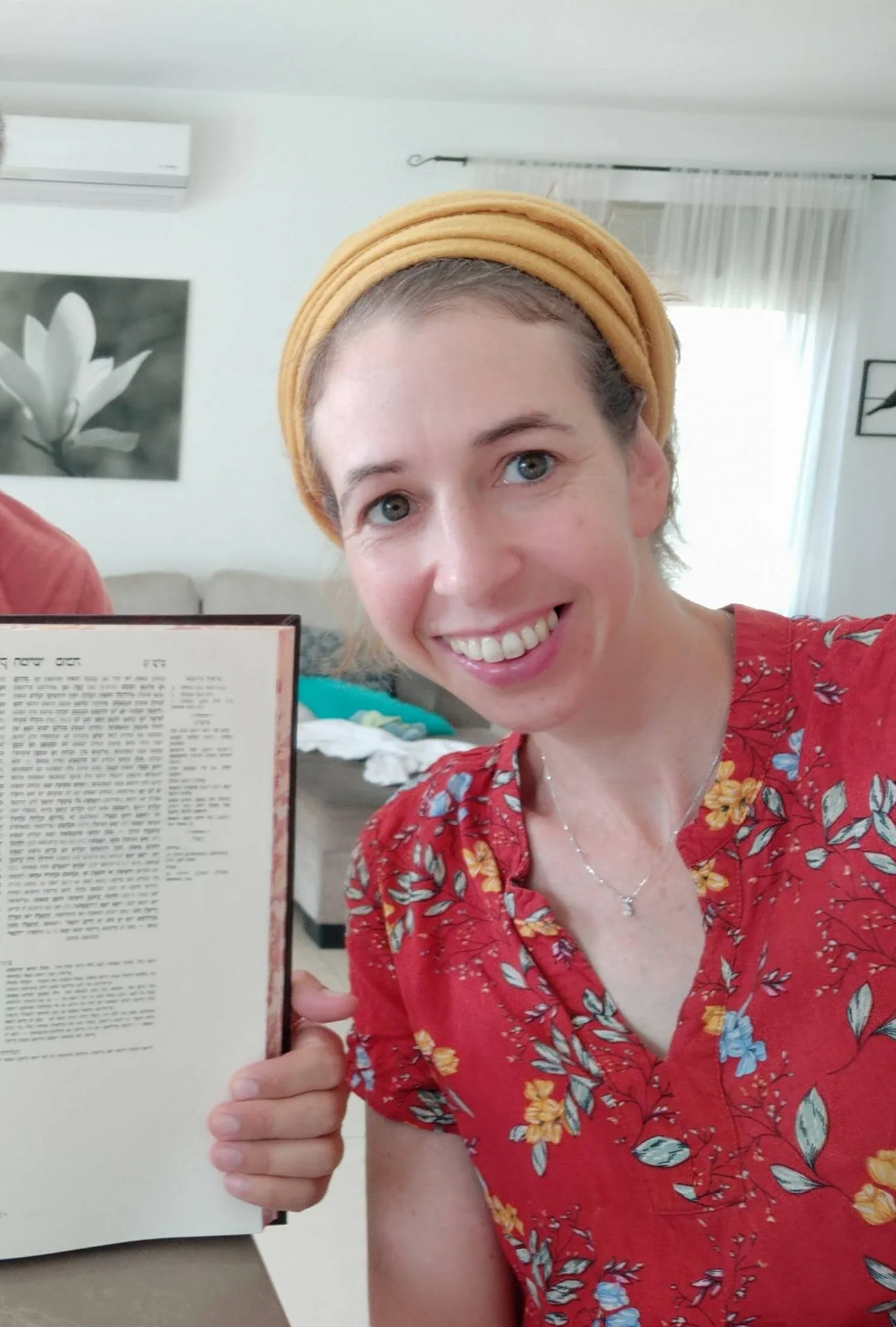
רציתי לקבל ידע בתחום שהרגשתי שהוא גדול וחשוב אך נעלם ממני. הלימוד מעניק אתגר וסיפוק ומעמיק את תחושת השייכות שלי לתורה וליהדות
רות עגיב
עלי זהב – לשם, ישראל
A friend in the SF Bay Area said in Dec 2019 that she might start listening on her morning drive to work. I mentioned to my husband and we decided to try the Daf when it began in Jan 2020 as part of our preparing to make Aliyah in the summer.

חנה פיוטרקובסקי
ירושלים, Israel
התחלתי ללמוד דף יומי ממסכת נידה כי זה היה חומר הלימוד שלי אז. לאחר הסיום הגדול בבנייני האומה החלטתי להמשיך. וב”ה מאז עם הפסקות קטנות של קורונה ולידה אני משתדלת להמשיך ולהיות חלק.
זה משפיע מאוד על היום יום שלי ועל אף שאני עסוקה בלימודי הלכה ותורה כל יום, זאת המסגרת הקבועה והמחייבת ביותר שיש לי.

מוריה תעסן מיכאלי
גבעת הראל, ישראל
נדרים סא
אִילֵּימָא כִּדְקָתָנֵי — לְמָה לִי לְמֵימְרָא? אֶלָּא לָאו, דַּאֲמַר ״שָׁנָה״. אַלְמָא ״שָׁנָה״ כְּ״הַשָּׁנָה״ דָּמֵי, וְ״יוֹם״ נָמֵי כְּ״הַיּוֹם״ דִּינֵיהּ.
If we say that it is exactly as it teaches, why do I need to state this halakha? It is obvious that a year means that entire year, even if it is a leap year. Rather, is it not referring to a case where he did not say that the vow applies this year, but rather, he said that it applies for a year, and the mishna teaches that the vow applies for the remainder of that year? Apparently, saying that a vow applies for a year is comparable to saying it applies this year; and similarly, the halakha in a case where one accepts a vow for a day should also be like the halakha in a case where one accepts a vow for today.
לָא, לְעוֹלָם דְּאָמַר ״הַשָּׁנָה״, וּמַהוּ דְּתֵימָא: הַלֵּךְ אַחַר רוֹב הַשָּׁנִים, וְלָא אִית בְּהוּ עִיבּוּר, קָא מַשְׁמַע לַן.
The Gemara refutes this argument: No, actually, the case in the mishna is that he said his vow should apply this year, and it was necessary to state this halakha lest you say: Follow the majority of years, which do not have an intercalated month, and his vow should be understood as referring to a twelve month period. The tanna therefore teaches us that the phrase this year means that the vow should last until the end of the year.
אִיבַּעְיָא לְהוּ: אָמַר ״יַיִן שֶׁאֲנִי טוֹעֵם יוֹבֵל״ מַאי? שְׁנַת חֲמִשִּׁים כְּלִפְנֵי חֲמִשִּׁים, אוֹ כִּלְאַחַר חֲמִשִּׁים?
A dilemma was raised before the Sages: If one said: Any wine that I taste for a Jubilee is hereby forbidden to me, what is the halakha? Is the fiftieth year considered as before fifty, i.e., is it included in the vow, or is it considered as after fifty, in which case it is not included in the vow?
תָּא שְׁמַע, דְּתַנְיָא פְּלוּגְתָּא דְּרַבִּי יְהוּדָה וְרַבָּנַן: ״וְקִדַּשְׁתֶּם אֵת שְׁנַת הַחֲמִשִּׁים שָׁנָה״. שְׁנַת הַחֲמִשִּׁים אַתָּה מוֹנֶה, וְאִי אַתָּה מוֹנֶה שְׁנַת חֲמִשִּׁים וְאַחַת. מִכָּאן אָמְרוּ: יוֹבֵל אֵינוֹ עוֹלֶה לְמִנְיַן שָׁבוּעַ. רַבִּי יְהוּדָה אוֹמֵר: יוֹבֵל עוֹלֶה לְמִנְיַן שָׁבוּעַ.
The Gemara answers: Come and hear, as it is taught in a baraita that there is a dispute between Rabbi Yehuda and the Rabbis: The verse states: “And you shall sanctify the fiftieth year” (Leviticus 25:10), from which it is derived: You count it as the fiftieth year, i.e., the Jubilee Year, but you do not count it as both the fiftieth year and the first year of the next Sabbatical and Jubilee cycles. From here they stated: The Jubilee Year is not included in the counting of the seven-year cycle of the Sabbatical Year. Rather, the year following the Jubilee Year is considered the first year of the next seven-year cycle. Rabbi Yehuda says: The Jubilee Year is included in the counting of the following seven-year cycle of the Sabbatical Year.
אָמְרוּ לוֹ לְרַבִּי יְהוּדָה: הֲרֵי הוּא אוֹמֵר ״שֵׁשׁ שָׁנִים תִּזְרַע שָׂדֶךָ״, וְאֵין כָּאן אֶלָּא חָמֵשׁ!
The Rabbis said to Rabbi Yehuda: Doesn’t the verse state: “Six years you shall sow your field” (Leviticus 25:3)? But according to your opinion there are only five years here, in the Sabbatical cycle following the Jubilee Year, as the first year would be the Jubilee Year, when it is forbidden to sow one’s field.
אָמַר לָהֶם: לְדִבְרֵיכֶם, הֲרֵי הוּא אוֹמֵר ״וְעָשָׂת אֶת הַתְּבוּאָה לִשְׁלֹשׁ הַשָּׁנִים״. הֲרֵי כָּאן אַרְבַּע!
Rabbi Yehuda said to them: There is a difficulty according to your statement as well. Doesn’t the verse state: “And it shall bring forth produce for the three years” (Leviticus 25:21)? The Torah promises the Jewish people that in the year preceding the Sabbatical Year, the land will bring forth enough produce to last for the duration of that year, for the Sabbatical Year, and for part of the following year, until the new produce grows. However, in the case of the Jubilee, there are four years to account for, as agricultural labor is prohibited in the forty-ninth year, which is a Sabbatical Year, and in the following year, which is the Jubilee Year.
אֶלָּא — אִיכָּא לְאוֹקֹמַהּ בִּשְׁאָר שְׁנֵי שָׁבוּעַ, דִילִי נָמֵי אִיכָּא לְאוֹקֹמַהּ בִּשְׁאָר שְׁנֵי שָׁבוּעַ.
Rather, you must say that it is possible to establish the verse as referring to the other years of seven-year cycles, i.e., other Sabbatical Years apart from the Sabbatical Year right before the Jubilee Year. With regard to my opinion also, it is possible to establish the verse you presented as a difficulty as referring to the other years of seven-year cycles, i.e., other Sabbatical cycles apart from the cycle immediately following the Jubilee. With regard to the dilemma cited previously, according to the Rabbis, just as the Jubilee Year does not count as part of the ensuing Jubilee cycle because it is considered the end of the previous Jubilee cycle, if one takes a vow and states that it applies for the Jubilee cycle, the Jubilee Year is included in the vow. According to Rabbi Yehuda, the Jubilee Year itself actually begins the next Jubilee cycle, and therefore if one takes a vow for the current Jubilee cycle, the Jubilee Year itself is not included.
״עַד הַפֶּסַח״ — אָסוּר כּוּ׳. לְמֵימְרָא דְּרַבִּי מֵאִיר סָבַר: לָא מְעַיֵּיל אִינִישׁ נַפְשֵׁיהּ
§ It was taught in the mishna that if one vows that wine is forbidden to him until Passover, he is prohibited from drinking wine until the Festival arrives. However, if one vows that wine is forbidden to him until before Passover, there is a dispute as to whether the vow remains in effect until the beginning or the end of the Festival. The Gemara asks: Is this to say that Rabbi Meir, who holds that it is prohibited only until the beginning of Passover, maintains that a person does not place himself
לִסְפֵיקָא, וְרַבִּי יוֹסֵי סָבַר: מְעַיֵּיל אִינִישׁ נַפְשֵׁיהּ לִסְפֵיקָא.
in a position of uncertainty, and Rabbi Yosei holds that a person does place himself in a position of uncertainty?
וּרְמִינְהִי: מִי שֶׁיֵּשׁ לוֹ שְׁתֵּי כִּיתֵּי בָנוֹת מִשְׁתֵּי נָשִׁים, וְאָמַר: קִדַּשְׁתִּי אֶת בִּתִּי הַגְּדוֹלָה, וְאֵינִי יוֹדֵעַ אִם גְּדוֹלָה שֶׁבַּגְּדוֹלוֹת, אִם גְּדוֹלָה שֶׁבַּקְּטַנּוֹת, וְאִם קְטַנָּה שֶׁבַּגְּדוֹלוֹת שֶׁהִיא גְּדוֹלָה מִן הַגְּדוֹלָה שֶׁבַּקְּטַנּוֹת — כּוּלָּן אֲסוּרוֹת, דִּבְרֵי רַבִּי מֵאִיר. חוּץ מִן הַקְּטַנָּה שֶׁבַּקְּטַנּוֹת.
The Gemara raises a contradiction from the following mishna (Kiddushin 64b): In the case of one who has two groups of two daughters born to him from two women, e.g., he has two daughters from his first wife, and after his first wife died he remarried and had two daughters with his second wife, and he said: I betrothed my older daughter to someone, but I do not know if I meant the older of the older group of daughters; or if I meant the older daughter of the younger group; or if I meant the younger daughter of the older group, who is nevertheless older than the older daughter of the younger group, then all three of those daughters are prohibited to marry another man due to the uncertainty, as he failed to clarify which daughter was betrothed. This applies to all the daughters apart from the younger daughter of the younger group, who is certainly not betrothed. This is the statement of Rabbi Meir.
רַבִּי יוֹסֵי אוֹמֵר: כּוּלָּן מוּתָּרוֹת, חוּץ מִן הַגְּדוֹלָה שֶׁבַּגְּדוֹלוֹת.
Rabbi Yosei says: They are all permitted to marry, apart from the older daughter of the older group. This demonstrates that according to Rabbi Meir, one must take into account any of the possible meanings of the imprecise expression: My older daughter, whereas Rabbi Yosei maintains that only the narrowest possible meaning of the phrase is taken into account. This contradicts the mishna here.
אָמַר רַבִּי חֲנִינָא בַּר אַבְדִּימִי אָמַר רַב: מוּחְלֶפֶת הַשִּׁיטָה. וְהָתַנְיָא, זֶה הַכְּלָל: כֹּל שֶׁזְּמַנּוֹ קָבוּעַ וְאָמַר ״עַד לִפְנֵי״ — רַבִּי מֵאִיר אוֹמֵר: עַד שֶׁיֵּצֵא, וְרַבִּי יוֹסֵי אוֹמֵר: עַד שֶׁיַּגִּיעַ.
In response to this question, Rabbi Ḥanina bar Avdimi said that Rav said: The attribution of the opinions is reversed, i.e., the views stated in the mishna here must be reversed in order to reconcile them with the mishna in Kiddushin. And it is indeed taught in a baraita that this is the principle: With regard to any vow which specifies a fixed time, i.e., an event that occurs on a particular date, and one said that the vow applies until before that event, Rabbi Meir says the vow applies until the event ends, and Rabbi Yosei says that the vow is in effect only until the event arrives. This is another proof that the opinions in the mishna here must be reversed.
מַתְנִי׳ ״עַד הַקָּצִיר״, ״עַד הַבָּצִיר״, ״עַד הַמָּסִיק״ — אֵינוֹ אָסוּר אֶלָּא עַד שֶׁיַּגִּיעַ. זֶה הַכְּלָל: כֹּל שֶׁזְּמַנּוֹ קָבוּעַ, וְאָמַר: ״עַד שֶׁיַּגִּיעַ״ — אָסוּר עַד שֶׁיַּגִּיעַ. אָמַר: ״עַד שֶׁיְּהֵא״ — אָסוּר עַד שֶׁיֵּצֵא. וְכֹל שֶׁאֵין זְמַנּוֹ קָבוּעַ, בֵּין אָמַר ״עַד שֶׁיְּהֵא״, בֵּין אָמַר ״עַד שֶׁיַּגִּיעַ״ — אֵינוֹ אָסוּר אֶלָּא עַד שֶׁיַּגִּיעַ.
MISHNA: If one takes a vow that something is forbidden to him until the grain harvest, or until the grape harvest, or until the olive harvest, it is forbidden to him only until the arrival of that season. This is the principle: With regard to any occasion whose time is fixed, and one said: Until it arrives, it is forbidden to him until the specified occasion arrives. If he said: Until it will be, it is forbidden to him until the specified occasion ends. And with regard to any occasion whose time is not fixed, i.e., it does not fall on a precise date, whether he said: Until it will be, or: Until it arrives, it is forbidden to him only until the specified occasion arrives.
״עַד הַקַּיִץ״, ״עַד שֶׁיְּהֵא הַקַּיִץ״ — עַד שֶׁיַּתְחִילוּ הָעָם לְהַכְנִיס בְּכַלְכַּלּוֹת. ״עֵד שֶׁיַּעֲבוֹר הַקַּיִץ״ — עַד שֶׁיַּקְפִּילוּ הַמִּקְצוֹעוֹת.
If he said: Until the summer [kayitz], or: Until it will be summer, the vow remains in effect until the people begin to bring fruit into their houses in baskets. If he said: Until the summer has passed, the vow remains in effect until the people set aside [yakpilu] the knives [hamaktzuot] with which the figs are cut after being harvested, and return them to their place of storage.
גְּמָ׳ תָּנָא: ״כַּלְכַּלָּה״ שֶׁאָמְרוּ — כַּלְכַּלָּה שֶׁל תְּאֵנִים, וְלֹא כַּלְכַּלָּה שֶׁל עֲנָבִים. תַּנְיָא: הַנּוֹדֵר מִפֵּירוֹת הַקַּיִץ — אֵין אָסוּר אֶלָּא בִּתְאֵנִים. רַבָּן שִׁמְעוֹן בֶּן גַּמְלִיאֵל אוֹמֵר: עֲנָבִים בִּכְלַל תְּאֵנִים.
GEMARA: The Sage taught: The basket about which they spoke in the mishna is a basket of figs, and not a basket of grapes, which are gathered later than figs. It is taught in a baraita: One who vows that summer [kayitz] produce is forbidden to him is prohibited from partaking only of figs, as the fig harvest is called kayitz. Rabban Shimon ben Gamliel says: Grapes are included in the category of the summer produce, along with figs.
מַאי טַעְמָא דְּתַנָּא קַמָּא? קָסָבַר: תְּאֵנִים מִיקַּצְצָן בִּידָא, עֲנָבִים לָא מִיקַּצְצָן בִּידָא. רַבָּן שִׁמְעוֹן בֶּן גַּמְלִיאֵל סָבַר: עֲנָבִים נָמֵי, כִּי מִירַדְּדָן — מִיקַּצְצָן בִּידָא.
The Gemara asks: What is the reason of the first tanna? The Gemara answers: He holds that since figs are plucked [mikkatzetzan] by hand, while grapes are plucked not by hand but with tools, it is only figs that are considered summer [kayitz] produce. Conversely, Rabban Shimon ben Gamliel holds that grapes, too, when they are sufficiently ripe, are plucked by hand. Therefore, they can be considered summer produce as well.
״עַד שֶׁיַּעֲבוֹר הַקַּיִץ״, עַד שֶׁיִּכָּפְלוּ הַמַּקְצוּעוֹת. תָּנָא: עַד שֶׁיַּכְפִּילוּ רוֹב הַמַּקְצוּעוֹת.
§ The mishna states that if one said: Until the summer has passed, then the vow remains in effect until the people set aside the knives used to cut the figs. It was taught: This means until most people set aside their knives, even if there are still some individuals who have yet to do so.
לעקוב

