







אביי סבר שידיים שאינן מוכיחות נחשבים לידיים. הגמרא מביאה קושיות משתי ברייתות על שיטתו. רב פפא שואל: האם יש דין יד בקידושין או בפאה? הגמרא מסבירה מה המקרה שבו יכול להיות יד בקידושין או בפאה? אין תשובה לשאלתו. האם ניתן להסיק מהדוגמה שאפשר לעשות את כל שדהו פאה? מניין נובע ההתלבטות לגבי יד לפאה?
הלימוד השבוע מוקדש ע”י טינה לם לרפואת מעין ליאורה בת שלומית פייגא
רוצה להקדיש שיעור?

0:00
0:00
כלים
הלימוד השבוע מוקדש ע”י טינה לם לרפואת מעין ליאורה בת שלומית פייגא
נדרים ו
דְּאֵין אָדָם מְגָרֵשׁ אֶת אֵשֶׁת חֲבֵירוֹ, אֲבָל בְּעָלְמָא — מִי שָׁמְעַתְּ לְהוּ?
as a man does not divorce the wife of his fellow, so it is obvious that he is writing the bill of divorce to his wife. However, did you hear them state generally that ambiguous intimations are valid intimations?
מֵיתִיבִי: ״הֲרֵי הוּא עָלַי״, ״הֲרֵי זֶה [עָלַי]״ — אָסוּר, מִפְּנֵי שֶׁהוּא יָד לְקׇרְבָּן. טַעְמָא דְּאָמַר ״עָלַי״ — הוּא דְּאָסוּר, אֲבָל לָא אָמַר ״עָלַי״ — לָא. תְּיוּבְתָּא דְאַבָּיֵי!
The Gemara raises an objection based upon the following baraita: If one says with regard to an object lying before him: It is upon me, or: This is hereby upon me, it is forbidden, because it is an intimation that he is rendering the object forbidden to himself like an offering. This baraita indicates that the reason it is forbidden is that he specifically said: Upon me. However, if he did not say: Upon me, no, it is not forbidden, because this expression is an ambiguous intimation. This is a conclusive refutation of the opinion of Abaye, who holds that even ambiguous intimations are valid intimations.
אָמַר לָךְ אַבָּיֵי: טַעְמָא דְּאָמַר ״עָלַי״ — הוּא דְּאָסוּר. אֲבָל אָמַר ״הֲרֵי הוּא״, וְלָא אָמַר ״עָלַי״, ״הֲרֵי הוּא דְּהֶפְקֵר״ ״הֲרֵי הוּא דִּצְדָקָה״ קָאָמַר. וְהָא ״מִפְּנֵי שֶׁהוּא יָד לְקׇרְבָּן״ קָתָנֵי!
The Gemara answers: Abaye could have said to you that the reason it is forbidden is that he specifically said: Upon me. However, if he said: It is hereby, and did not say: Upon me, his statement is not considered an intimation of a vow at all, as he could have been saying: It is hereby ownerless property, or: It is hereby charity. The Gemara asks: But the baraita teaches that the object is forbidden because his statement is an intimation that he is rendering the object forbidden to himself like an offering. With regard to consecrating an offering, even the statement: This is, without the additional phrase: Upon me, is considered an intimation. Nevertheless, the baraita indicates that if one does not say: Upon me, the vow does not take effect. This must be because an ambiguous intimation is not a vow.
אֶלָּא אֵימָא: טַעְמָא דְּאָמַר ״עָלַי״ — הוּא אָסוּר וַחֲבֵירוֹ מוּתָּר, אֲבָל אָמַר ״הֲרֵי הוּא״ — שְׁנֵיהֶן אֲסוּרִין, דְּדִלְמָא ״הֲרֵי הוּא הֶקְדֵּשׁ״ קָאָמַר.
Rather, say the following: The reason is that he specifically said: Upon me; consequently, he is prohibited from benefiting from the object, but another person is permitted to benefit from it. However, if he said: It is hereby, and did not add the expression: Upon me, both of them are prohibited from benefiting from it because perhaps he is saying: It is hereby consecrated property. In other words, there is concern that he may have actually consecrated the object rather than taking a vow that it is forbidden to him as though it were consecrated.
מֵיתִיבִי: ״הֲרֵי זוֹ חַטָּאת״ ״הֲרֵי זוֹ אָשָׁם״, אַף עַל פִּי שֶׁהוּא חַיָּיב חַטָּאת וְאָשָׁם — לֹא אָמַר כְּלוּם. ״הֲרֵי זוֹ חַטָּאתִי״ ״הֲרֵי זוֹ אֲשָׁמִי״, אִם הָיָה מְחוּיָּב — דְּבָרָיו קַיָּימִין. תְּיוּבְתָּא דְּאַבָּיֵי!
The Gemara raises an objection to this on the basis of the following baraita: If one says: This is hereby a sin-offering, or: This is hereby a guilt-offering, then even if he is liable to bring a sin-offering or guilt-offering he has said nothing, as this is an ambiguous intimation. However, if he said: This is hereby my sin-offering, or: This is hereby my guilt-offering, then if he was liable to bring that offering his statement takes effect, because this is an obvious intimation. This is a conclusive refutation of the opinion of Abaye.
אָמַר לָךְ אַבָּיֵי: הָא מַנִּי — רַבִּי יְהוּדָה הִיא. וְהָא אַבָּיֵי הוּא דְּאָמַר: אֲנָא דַּאֲמַרִי — אֲפִילּוּ לְרַבִּי יְהוּדָה! הֲדַר בֵּיהּ.
The Gemara answers: Abaye could have said to you: In accordance with whose opinion is this baraita? It is in accordance with the opinion of Rabbi Yehuda, who holds that ambiguous intimations are not intimations. The Gemara asks: Wasn’t it Abaye who said: I say that ambiguous intimations are valid intimations even according to the opinion of Rabbi Yehuda? The Gemara answers: He retracted this statement and admitted that Rabbi Yehuda holds that ambiguous intimations are not valid intimations.
אֶלָּא לֵימָא, רָבָא דְּאָמַר כְּרַבִּי יְהוּדָה?
The Gemara asks: But shall we say that just as Abaye retracted his statement that his opinion can be stated even according to Rabbi Yehuda, Rava, who said that ambiguous intimations are not valid intimations, also retracted his initial statement and admitted that his opinion is only in accordance with the opinion of Rabbi Yehuda and is not in accordance with the opinion of the Rabbis?
אָמַר לָךְ רָבָא: אֲנָא דַּאֲמַרִי — אֲפִילּוּ לְרַבָּנַן. עַד כָּאן לָא קָאָמְרִי רַבָּנַן דְּלָא בָּעִינַן יָדַיִם מוֹכִיחוֹת אֶלָּא גַּבֵּי גֵּט, דְּאֵין אָדָם מְגָרֵשׁ אֶת אֵשֶׁת חֲבֵירוֹ. אֲבָל בְּעָלְמָא בָּעִינַן יָדַיִם מוֹכִיחוֹת.
The Gemara answers: Rava could have said to you: I say my statement even according to the opinion of the Rabbis. The Rabbis say that we do not require obvious intimations only with regard to a bill of divorce, as a man does not divorce the wife of his fellow, so it is obvious that he is writing the bill of divorce to his wife. However, generally we require obvious intimations.
בָּעֵי רַב פָּפָּא: יֵשׁ יָד לְקִידּוּשִׁין, אוֹ לָא? הֵיכִי דָמֵי: אִילֵימָא דְּאָמַר לַהּ לְאִשָּׁה ״הֲרֵי אַתְּ מְקוּדֶּשֶׁת לִי״, וְאָמַר לַחֲבֶירְתָּהּ ״וְאַתְּ נָמֵי״ — פְּשִׁיטָא הַיְינוּ קִידּוּשִׁין עַצְמָן! אֶלָּא כְּגוֹן דְּאָמַר לַהּ לְאִשָּׁה ״הֲרֵי אַתְּ מְקוּדֶּשֶׁת לִי״, וְאָמַר לַהּ לַחֲבֶירְתָּהּ ״וְאַתְּ״. מִי אָמְרִינַן ״וְאַתְּ נָמֵי״ אֲמַר לַהּ לַחֲבֶירְתָּהּ, וְתָפְסִי בַּהּ קִידּוּשִׁין לַחֲבֶירְתָּהּ, אוֹ דִּלְמָא: ״וְאַתְּ חֲזַאי״ אֲמַר לַהּ לַחֲבֶירְתַּהּ, וְלָא תָּפְסִי בָּהּ קִידּוּשִׁין בַּחֲבֶירְתַּהּ.
§ Rav Pappa raised a dilemma: Is there intimation for betrothal or not? Does betrothal take effect via an incomplete statement? The Gemara asks: What are the circumstances of such a case? If we say it is a case where one said to a woman: You are hereby betrothed to me, and he said to another woman: And you too, isn’t it obvious that this is betrothal itself, and it takes effect? Rather, it is a case where one said to a woman: You are hereby betrothed to me, and he said to another woman: And you. Do we say that he said the other woman: And you too are betrothed, and betrothal takes effect with regard to the other woman, or perhaps he said to the other woman: And you see that I am betrothing this woman, and betrothal does not take effect with regard to the other woman?
וּמִי מִיבְּעֵי לֵיהּ לְרַב פָּפָּא? וְהָא מִדַּאֲמַר לֵיהּ רַב פָּפָּא לְאַבָּיֵי: מִי סָבַר שְׁמוּאֵל יָדַיִם שֶׁאֵין מוֹכִיחוֹת הָוְיָין יָדַיִם, מִכְּלָל דִּסְבִירָא לֵיהּ לְרַב פָּפָּא דְּיֵשׁ יָד לְקִידּוּשִׁין! חֲדָא מִגּוֹ מַאי דִּסְבִירָא לֵיהּ לִשְׁמוּאֵל אֲמַר לֵיהּ לְאַבָּיֵי.
The Gemara asks: Did Rav Pappa raise this as a dilemma? But from the fact that Rav Pappa said to Abaye in a case concerning betrothal (see Kiddushin 5b): Does Shmuel hold that ambiguous intimations are valid intimations, it can be proven by inference that Rav Pappa holds that there is intimation for betrothal. The Gemara answers: Rav Pappa spoke to Abaye about one of the opinions that Shmuel held. Shmuel had ruled that even an ambiguous intimation was sufficient in the case of betrothal, and Rav Pappa questioned this ruling without expressing his own opinion that even obvious intimations are not valid with regard to betrothal.
בָּעֵי רַב פָּפָּא: יֵשׁ יָד לְפֵאָה, אוֹ אֵין יָד לְפֵאָה? הֵיכִי דָמֵי: אִילֵימָא דְּאָמַר ״הָדֵין אוּגְיָא לֶיהֱוֵי פֵּאָה, וְהָדֵין נָמֵי״ — הָהִיא פֵּיאָה מְעַלַּיְיתָא הִיא. כִּי קָא מִיבַּעְיָא לֵיהּ, כְּגוֹן דְּאָמַר ״וְהָדֵין״ וְלָא אָמַר ״נָמֵי״, מַאי?
§ Rav Pappa raised another dilemma: Is there intimation for pe’a, the produce in the corner of a field that must be left for the poor, or is there no intimation for pe’a? The Gemara asks: What are the circumstances of the case? If we say it is a case where one said: This furrow [ugeya] shall be pe’a and this one too, this is a full-fledged declaration of pe’a. The Gemara explains: He raises the dilemma with regard to a case where he said: And this, and he did not say: And this one too, and therefore his statement can be interpreted to mean that this other furrow should remain his and not be included in the pe’a (Tosafot). What is the halakha in this case?
מִכְּלָל, דְּכִי אָמַר ״שָׂדֶה כּוּלָּהּ תֶּיהְוֵי פֵּאָה״, הָוְיָא פֵּאָה?
The Gemara interrupts this train of thought and wonders: Does this prove by inference that in a case where one said: The entire field shall be pe’a, it would all be rendered pe’a? The case must be one where the first furrow was large enough to serve as pe’a for the entire field, because if that were not the case, it would be clear that he meant that the second furrow should also be pe’a. Consequently, it is clear from Rav Pappa’s question that one can designate as pe’a a larger portion of the field than one is absolutely required to designate.
אִין, וְהָתַנְיָא: מִנַּיִן שֶׁאִם רוֹצֶה לַעֲשׂוֹת כׇּל שָׂדֵהוּ פֵּאָה — עוֹשֶׂה, תַּלְמוּד לוֹמַר: ״פְּאַת שָׂדְךָ״.
The Gemara answers: Yes, and it is taught in the following baraita: From where is it derived that if one wants to render his entire field pe’a, he may do so? The verse states: “You shall not wholly reap the corner of your field” (Leviticus 19:9). This is expounded to mean that the entirety of “your field” may be designated as the “corner” that is left for the poor.
מִי אָמְרִינַן: כֵּיוָן דְּאִיתַּקַּשׁ לְקׇרְבְּנוֹת; מָה קׇרְבָּנוֹת יֵשׁ לָהֶם יָד, אַף פֵּאָה יֵשׁ לָהּ יָד. אוֹ דִלְמָא: כִּי אִיתַּקַּשׁ — לְ״בַל תְּאַחֵר״ הוּא דְּאִיתַּקַּשׁ. וְהֵיכָא אִיתַּקַּשׁ? דְּתַנְיָא:
The Gemara returns to its discussion of Rav Pappa’s dilemma. Do we say that since pe’a is juxtaposed to offerings, just as offerings have intimation, so too, pe’a has intimation? Or perhaps when pe’a is juxtaposed to offerings, it is juxtaposed to indicate only that it is subject to the prohibition: You shall not delay? The Gemara clarifies: And where is it juxtaposed? As it is taught in a baraita:
לעקוב 
כלים
העמקה
רוצה להבין מה באמת קורה מתחת לפני השטח של הסוגיה?
שיעורים, פודקאסטים והרחבות של מיטב המורות שלנו יפתחו לך עוד זוויות וכיווני חשיבה.


















חדשה בלימוד הגמרא?
זה הדף הראשון שלך? איזו התרגשות עצומה! יש לנו בדיוק את התכנים והכלים שיעזרו לך לעשות את הצעדים הראשונים ללמידה בקצב וברמה שלך, כך תוכלי להרגיש בנוח גם בתוך הסוגיות המורכבות ומאתגרות.
פסיפס הלומדות שלנו
גלי את קהילת הלומדות שלנו, מגוון נשים, רקעים וסיפורים. כולן חלק מתנועה ומסע מרגש ועוצמתי.
רבנית מישל הציתה אש התלמוד בלבבות בביניני האומה ואני נדלקתי. היא פתחה פתח ותמכה במתחילות כמוני ואפשרה לנו להתקדם בצעדים נכונים וטובים. הקימה מערך שלם שמסובב את הלומדות בסביבה תומכת וכך נכנסתי למסלול לימוד מעשיר שאין כמוה. הדרן יצר קהילה גדולה וחזקה שמאפשרת התקדמות מכל נקודת מוצא. יש דיבוק לומדות שמחזק את ההתמדה של כולנו. כל פניה ושאלה נענית בזריזות ויסודיות. תודה גם למגי על כל העזרה.
שרה אבר
נתניה, ישראל
התחלתי ללמוד דף יומי ממסכת נידה כי זה היה חומר הלימוד שלי אז. לאחר הסיום הגדול בבנייני האומה החלטתי להמשיך. וב”ה מאז עם הפסקות קטנות של קורונה ולידה אני משתדלת להמשיך ולהיות חלק.
זה משפיע מאוד על היום יום שלי ועל אף שאני עסוקה בלימודי הלכה ותורה כל יום, זאת המסגרת הקבועה והמחייבת ביותר שיש לי.

מוריה תעסן מיכאלי
גבעת הראל, ישראל
התחלתי ללמוד דף לפני קצת יותר מ-5 שנים, כשלמדתי רבנות בישיבת מהר”ת בניו יורק. בדיעבד, עד אז, הייתי בלימוד הגמרא שלי כמו מישהו שאוסף חרוזים משרשרת שהתפזרה, פה משהו ושם משהו, ומאז נפתח עולם ומלואו…. הדף נותן לי לימוד בצורה מאורגנת, שיטתית, יום-יומית, ומלמד אותי לא רק ידע אלא את השפה ודרך החשיבה שלנו. לשמחתי, יש לי סביבה תומכת וההרגשה שלי היא כמו בציטוט שבחרתי: הדף משפיע לטובה על כל היום שלי.

מיכל כהנא
חיפה, ישראל
A life-changing journey started with a Chanukah family tiyul to Zippori, home of the Sanhedrin 2 years ago and continued with the Syum in Binanei Hauma where I was awed by the energy of 3000 women dedicated to learning daf Yomi. Opening my morning daily with a fresh daf, I am excited with the new insights I find enriching my life and opening new and deeper horizons for me.

בקי גולדשטיין
Elazar gush etzion, Israel
הצטרפתי ללומדות בתחילת מסכת תענית. ההתרגשות שלי ושל המשפחה היתה גדולה מאוד, והיא הולכת וגוברת עם כל סיום שאני זוכה לו. במשך שנים רבות רציתי להצטרף ומשום מה זה לא קרה… ב”ה מצאתי לפני מספר חודשים פרסום של הדרן, ומיד הצטרפתי והתאהבתי. הדף היומי שינה את חיי ממש והפך כל יום- ליום של תורה. מודה לכן מקרב ליבי ומאחלת לכולנו לימוד פורה מתוך אהבת התורה ולומדיה.

נעה רוזן
חיספין רמת הגולן, ישראל
בתחילת הסבב הנוכחי הצטברו אצלי תחושות שאני לא מבינה מספיק מהי ההלכה אותה אני מקיימת בכל יום. כמו כן, כאמא לבנות רציתי לתת להן מודל נשי של לימוד תורה
שתי הסיבות האלו הובילו אותי להתחיל ללמוד. נתקלתי בתגובות מפרגנות וסקרניות איך אישה לומדת גמרא..
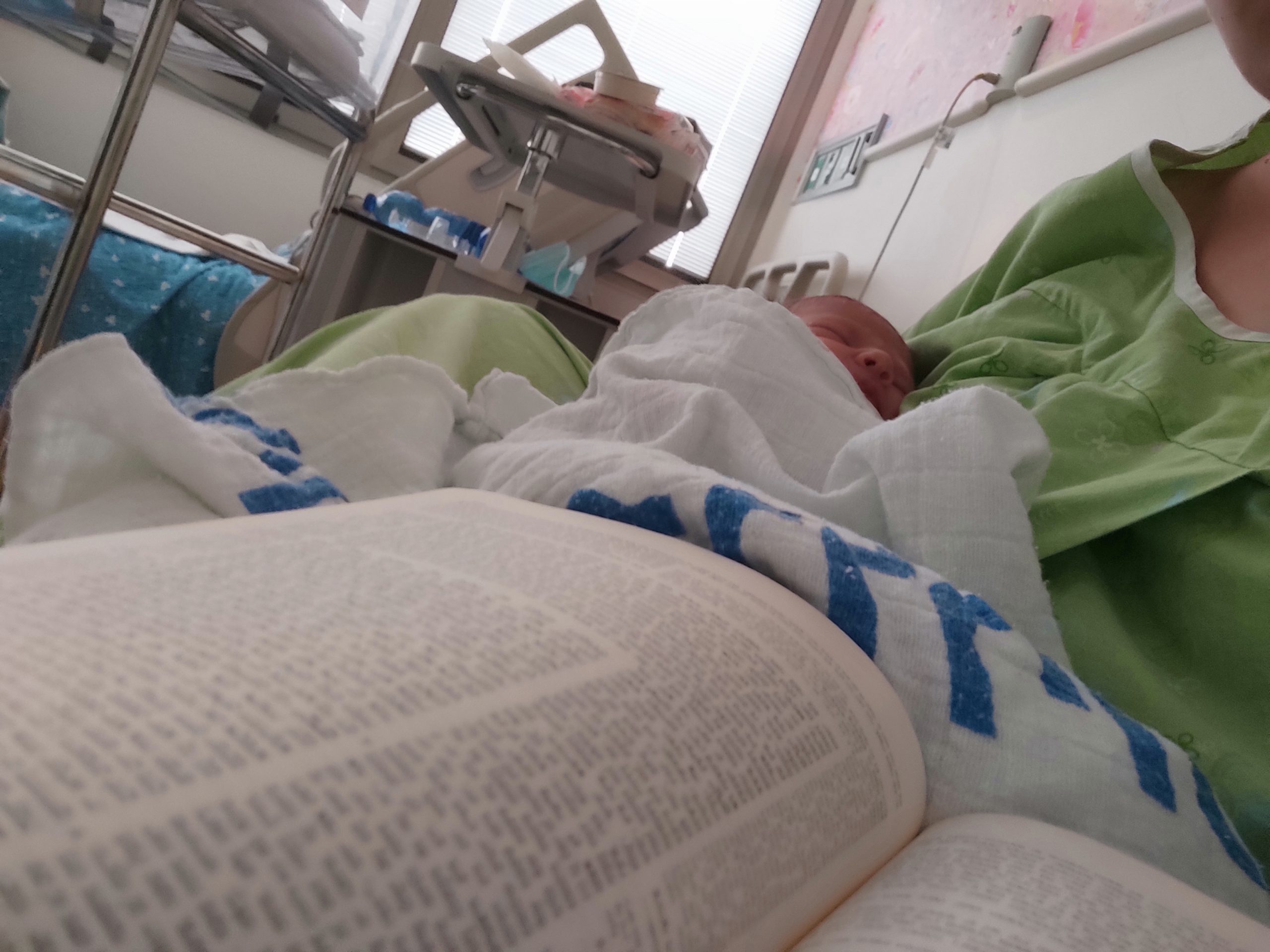
כמו שרואים בתמונה אני ממשיכה ללמוד גם היום ואפילו במחלקת יולדות אחרי לידת ביתי השלישית.
נועה שילה
רבבה, ישראל
לפני 15 שנה, אחרי עשרות שנים של "ג’ינגול” בין משפחה לקריירה תובענית בהייטק, הצטרפתי לשיעורי גמרא במתן רעננה. הלימוד המעמיק והייחודי של הרבנית אושרה קורן יחד עם קבוצת הנשים המגוונת הייתה חוויה מאלפת ומעשירה. לפני כשמונה שנים כאשר מחזור הדף היומי הגיע למסכת תענית הצטרפתי כ”חברותא” לבעלי. זו השעה היומית שלנו ביחד כאשר דפי הגמרא משתלבים בחיי היום יום, משפיעים ומושפעים, וכשלא מספיקים תמיד משלימים בשבת

יודי אסקוף
רעננה, ישראל
התחלתי ללמוד דף יומי אחרי שחזרתי בתשובה ולמדתי במדרשה במגדל עוז. הלימוד טוב ומספק חומר למחשבה על נושאים הלכתיים ”קטנים” ועד לערכים גדולים ביהדות. חשוב לי להכיר את הגמרא לעומק. והצעד הקטן היום הוא ללמוד אותה בבקיאות, בעזרת השם, ומי יודע אולי גם אגיע לעיון בנושאים מעניינים. נושאים בגמרא מתחברים לחגים, לתפילה, ליחסים שבין אדם לחברו ולמקום ולשאר הדברים שמלווים באורח חיים דתי 🙂

גאיה דיבו
מצפה יריחו, ישראל
אני לומדת גמרא כעשור במסגרות שונות, ואת הדף היומי התחלתי כשחברה הציעה שאצטרף אליה לסיום בבנייני האומה. מאז אני לומדת עם פודקסט הדרן, משתדלת באופן יומי אך אם לא מספיקה, מדביקה פערים עד ערב שבת. בסבב הזה הלימוד הוא "ממעוף הציפור”, מקשיבה במהירות מוגברת תוך כדי פעילויות כמו בישול או נהיגה, וכך רוכשת היכרות עם הסוגיות ואופן ניתוחם על ידי חז”ל. בע”ה בסבב הבא, ואולי לפני, אצלול לתוכו באופן מעמיק יותר.

יעל ביר
רמת גן, ישראל
אמא שלי למדה איתי ש”ס משנה, והתחילה ללמוד דף יומי. אני החלטתי שאני רוצה ללמוד גם. בהתחלה למדתי איתה, אח”כ הצטרפתי ללימוד דף יומי שהרב דני וינט מעביר לנוער בנים בעתניאל. במסכת עירובין עוד חברה הצטרפה אלי וכשהתחלנו פסחים הרב דני פתח לנו שעור דף יומי לבנות. מאז אנחנו לומדות איתו קבוע כל יום את הדף היומי (ובשבת אבא שלי מחליף אותו). אני נהנית מהלימוד, הוא מאתגר ומעניין

רננה הלמן
עתניאל, ישראל
התחלתי ללמוד דף יומי בתחילת מסכת ברכות, עוד לא ידעתי כלום. נחשפתי לסיום הש״ס, ובעצם להתחלה מחדש בתקשורת, הפתיע אותי לטובה שהיה מקום לעיסוק בתורה.
את המסכתות הראשונות למדתי, אבל לא סיימתי (חוץ מעירובין איכשהו). השנה כשהגעתי למדרשה, נכנסתי ללופ, ואני מצליחה להיות חלק, סיימתי עם החברותא שלי את כל המסכתות הקצרות, גם כשהיינו חולות קורונה ובבידודים, למדנו לבד, העיקר לא לצבור פער, ומחכות ליבמות 🙂

עדן ישורון
מזכרת בתיה, ישראל
התחלתי כשהייתי בחופש, עם הפרסומים על תחילת המחזור, הסביבה קיבלה את זה כמשהו מתמיד ומשמעותי ובהערכה, הלימוד זה עוגן יציב ביום יום, יש שבועות יותר ויש שפחות אבל זה משהו שנמצא שם אמין ובעל משמעות בחיים שלי….

עדי דיאמנט
גמזו, ישראל
התחלתי ללמוד דף יומי באמצע תקופת הקורונה, שאבא שלי סיפר לי על קבוצה של בנות שתיפתח ביישוב שלנו ותלמד דף יומי כל יום. הרבה זמן רציתי להצטרף לזה וזאת הייתה ההזדמנות בשבילי. הצטרפתי במסכת שקלים ובאמצע הייתה הפסקה קצרה. כיום אני כבר לומדת באולפנה ולומדת דף יומי לבד מתוך גמרא של טיינזלץ.

שבות בראלי
עתניאל, ישראל
שמעתי על הסיום הענק של הדף היומי ע”י נשים בבנייני האומה. רציתי גם.
החלטתי להצטרף. התחלתי ושיכנעתי את בעלי ועוד שתי חברות להצטרף. עכשיו יש לי לימוד משותף איתו בשבת ומפגש חודשי איתן בנושא (והתכתבויות תדירות על דברים מיוחדים שקראנו). הצטרפנו לקבוצות שונות בווטסאפ. אנחנו ממש נהנות. אני שומעת את השיעור מידי יום (בד”כ מהרב יוני גוטמן) וקוראת ומצטרפת לסיומים של הדרן. גם מקפידה על דף משלהן (ונהנית מאד).

ליאת סיטרון
אפרת, ישראל
למדתי גמרא מכיתה ז- ט ב Maimonides School ואחרי העליה שלי בגיל 14 לימוד הגמרא, שלא היה כל כך מקובל בימים אלה, היה די ספוראדי. אחרי "ההתגלות” בבנייני האומה התחלתי ללמוד בעיקר בדרך הביתה למדתי מפוקקטסים שונים. לאט לאט ראיתי שאני תמיד חוזרת לרבנית מישל פרבר. באיזה שהוא שלב התחלתי ללמוד בזום בשעה 7:10 .
היום "אין מצב” שאני אתחיל את היום שלי ללא לימוד עם הרבנית מישל עם כוס הקפה שלי!!

דבי גביר
חשמונאים, ישראל
רבנית מישל הציתה אש התלמוד בלבבות בביניני האומה ואני נדלקתי. היא פתחה פתח ותמכה במתחילות כמוני ואפשרה לנו להתקדם בצעדים נכונים וטובים. הקימה מערך שלם שמסובב את הלומדות בסביבה תומכת וכך נכנסתי למסלול לימוד מעשיר שאין כמוה. הדרן יצר קהילה גדולה וחזקה שמאפשרת התקדמות מכל נקודת מוצא. יש דיבוק לומדות שמחזק את ההתמדה של כולנו. כל פניה ושאלה נענית בזריזות ויסודיות. תודה גם למגי על כל העזרה.
שרה אבר
נתניה, ישראל
התחלתי ללמוד דף יומי כאשר קיבלתי במייל ממכון שטיינזלץ את הדפים הראשונים של מסכת ברכות במייל. קודם לא ידעתי איך לקרוא אותם עד שנתתי להם להדריך אותי. הסביבה שלי לא מודעת לעניין כי אני לא מדברת על כך בפומבי. למדתי מהדפים דברים חדשים, כמו הקשר בין המבנה של בית המקדש והמשכן לגופו של האדם (יומא מה, ע”א) והקשר שלו למשפט מפורסם שמופיע בספר ההינדי "בהגוד-גיתא”. מתברר שזה רעיון כלל עולמי ולא רק יהודי

אלנה ארנבורג
נשר, ישראל
אחי, שלומד דף יומי ממסכת ברכות, חיפש חברותא ללימוד מסכת ראש השנה והציע לי. החברותא היתה מאתגרת טכנית ורוב הזמן נעשתה דרך הטלפון, כך שבסיום המסכת נפרדו דרכינו. אחי חזר ללמוד לבד, אבל אני כבר נכבשתי בקסם הגמרא ושכנעתי את האיש שלי להצטרף אלי למסכת ביצה. מאז המשכנו הלאה, ועכשיו אנחנו מתרגשים לקראתו של סדר נשים!

שולמית סבן
נוקדים, ישראל
התחלתי מעט לפני תחילת הסבב הנוכחי. אני נהנית מהאתגר של להמשיך להתמיד, מרגעים של "אהה, מפה זה הגיע!” ומהאתגר האינטלקטואלי

אילת-חן ודלר
לוד, ישראל
התחלתי לפני 8 שנים במדרשה. לאחרונה סיימתי מסכת תענית בלמידה עצמית ועכשיו לקראת סיום מסכת מגילה.

דניאלה ברוכים
רעננה, ישראל
נדרים ו
דְּאֵין אָדָם מְגָרֵשׁ אֶת אֵשֶׁת חֲבֵירוֹ, אֲבָל בְּעָלְמָא — מִי שָׁמְעַתְּ לְהוּ?
as a man does not divorce the wife of his fellow, so it is obvious that he is writing the bill of divorce to his wife. However, did you hear them state generally that ambiguous intimations are valid intimations?
מֵיתִיבִי: ״הֲרֵי הוּא עָלַי״, ״הֲרֵי זֶה [עָלַי]״ — אָסוּר, מִפְּנֵי שֶׁהוּא יָד לְקׇרְבָּן. טַעְמָא דְּאָמַר ״עָלַי״ — הוּא דְּאָסוּר, אֲבָל לָא אָמַר ״עָלַי״ — לָא. תְּיוּבְתָּא דְאַבָּיֵי!
The Gemara raises an objection based upon the following baraita: If one says with regard to an object lying before him: It is upon me, or: This is hereby upon me, it is forbidden, because it is an intimation that he is rendering the object forbidden to himself like an offering. This baraita indicates that the reason it is forbidden is that he specifically said: Upon me. However, if he did not say: Upon me, no, it is not forbidden, because this expression is an ambiguous intimation. This is a conclusive refutation of the opinion of Abaye, who holds that even ambiguous intimations are valid intimations.
אָמַר לָךְ אַבָּיֵי: טַעְמָא דְּאָמַר ״עָלַי״ — הוּא דְּאָסוּר. אֲבָל אָמַר ״הֲרֵי הוּא״, וְלָא אָמַר ״עָלַי״, ״הֲרֵי הוּא דְּהֶפְקֵר״ ״הֲרֵי הוּא דִּצְדָקָה״ קָאָמַר. וְהָא ״מִפְּנֵי שֶׁהוּא יָד לְקׇרְבָּן״ קָתָנֵי!
The Gemara answers: Abaye could have said to you that the reason it is forbidden is that he specifically said: Upon me. However, if he said: It is hereby, and did not say: Upon me, his statement is not considered an intimation of a vow at all, as he could have been saying: It is hereby ownerless property, or: It is hereby charity. The Gemara asks: But the baraita teaches that the object is forbidden because his statement is an intimation that he is rendering the object forbidden to himself like an offering. With regard to consecrating an offering, even the statement: This is, without the additional phrase: Upon me, is considered an intimation. Nevertheless, the baraita indicates that if one does not say: Upon me, the vow does not take effect. This must be because an ambiguous intimation is not a vow.
אֶלָּא אֵימָא: טַעְמָא דְּאָמַר ״עָלַי״ — הוּא אָסוּר וַחֲבֵירוֹ מוּתָּר, אֲבָל אָמַר ״הֲרֵי הוּא״ — שְׁנֵיהֶן אֲסוּרִין, דְּדִלְמָא ״הֲרֵי הוּא הֶקְדֵּשׁ״ קָאָמַר.
Rather, say the following: The reason is that he specifically said: Upon me; consequently, he is prohibited from benefiting from the object, but another person is permitted to benefit from it. However, if he said: It is hereby, and did not add the expression: Upon me, both of them are prohibited from benefiting from it because perhaps he is saying: It is hereby consecrated property. In other words, there is concern that he may have actually consecrated the object rather than taking a vow that it is forbidden to him as though it were consecrated.
מֵיתִיבִי: ״הֲרֵי זוֹ חַטָּאת״ ״הֲרֵי זוֹ אָשָׁם״, אַף עַל פִּי שֶׁהוּא חַיָּיב חַטָּאת וְאָשָׁם — לֹא אָמַר כְּלוּם. ״הֲרֵי זוֹ חַטָּאתִי״ ״הֲרֵי זוֹ אֲשָׁמִי״, אִם הָיָה מְחוּיָּב — דְּבָרָיו קַיָּימִין. תְּיוּבְתָּא דְּאַבָּיֵי!
The Gemara raises an objection to this on the basis of the following baraita: If one says: This is hereby a sin-offering, or: This is hereby a guilt-offering, then even if he is liable to bring a sin-offering or guilt-offering he has said nothing, as this is an ambiguous intimation. However, if he said: This is hereby my sin-offering, or: This is hereby my guilt-offering, then if he was liable to bring that offering his statement takes effect, because this is an obvious intimation. This is a conclusive refutation of the opinion of Abaye.
אָמַר לָךְ אַבָּיֵי: הָא מַנִּי — רַבִּי יְהוּדָה הִיא. וְהָא אַבָּיֵי הוּא דְּאָמַר: אֲנָא דַּאֲמַרִי — אֲפִילּוּ לְרַבִּי יְהוּדָה! הֲדַר בֵּיהּ.
The Gemara answers: Abaye could have said to you: In accordance with whose opinion is this baraita? It is in accordance with the opinion of Rabbi Yehuda, who holds that ambiguous intimations are not intimations. The Gemara asks: Wasn’t it Abaye who said: I say that ambiguous intimations are valid intimations even according to the opinion of Rabbi Yehuda? The Gemara answers: He retracted this statement and admitted that Rabbi Yehuda holds that ambiguous intimations are not valid intimations.
אֶלָּא לֵימָא, רָבָא דְּאָמַר כְּרַבִּי יְהוּדָה?
The Gemara asks: But shall we say that just as Abaye retracted his statement that his opinion can be stated even according to Rabbi Yehuda, Rava, who said that ambiguous intimations are not valid intimations, also retracted his initial statement and admitted that his opinion is only in accordance with the opinion of Rabbi Yehuda and is not in accordance with the opinion of the Rabbis?
אָמַר לָךְ רָבָא: אֲנָא דַּאֲמַרִי — אֲפִילּוּ לְרַבָּנַן. עַד כָּאן לָא קָאָמְרִי רַבָּנַן דְּלָא בָּעִינַן יָדַיִם מוֹכִיחוֹת אֶלָּא גַּבֵּי גֵּט, דְּאֵין אָדָם מְגָרֵשׁ אֶת אֵשֶׁת חֲבֵירוֹ. אֲבָל בְּעָלְמָא בָּעִינַן יָדַיִם מוֹכִיחוֹת.
The Gemara answers: Rava could have said to you: I say my statement even according to the opinion of the Rabbis. The Rabbis say that we do not require obvious intimations only with regard to a bill of divorce, as a man does not divorce the wife of his fellow, so it is obvious that he is writing the bill of divorce to his wife. However, generally we require obvious intimations.
בָּעֵי רַב פָּפָּא: יֵשׁ יָד לְקִידּוּשִׁין, אוֹ לָא? הֵיכִי דָמֵי: אִילֵימָא דְּאָמַר לַהּ לְאִשָּׁה ״הֲרֵי אַתְּ מְקוּדֶּשֶׁת לִי״, וְאָמַר לַחֲבֶירְתָּהּ ״וְאַתְּ נָמֵי״ — פְּשִׁיטָא הַיְינוּ קִידּוּשִׁין עַצְמָן! אֶלָּא כְּגוֹן דְּאָמַר לַהּ לְאִשָּׁה ״הֲרֵי אַתְּ מְקוּדֶּשֶׁת לִי״, וְאָמַר לַהּ לַחֲבֶירְתָּהּ ״וְאַתְּ״. מִי אָמְרִינַן ״וְאַתְּ נָמֵי״ אֲמַר לַהּ לַחֲבֶירְתָּהּ, וְתָפְסִי בַּהּ קִידּוּשִׁין לַחֲבֶירְתָּהּ, אוֹ דִּלְמָא: ״וְאַתְּ חֲזַאי״ אֲמַר לַהּ לַחֲבֶירְתַּהּ, וְלָא תָּפְסִי בָּהּ קִידּוּשִׁין בַּחֲבֶירְתַּהּ.
§ Rav Pappa raised a dilemma: Is there intimation for betrothal or not? Does betrothal take effect via an incomplete statement? The Gemara asks: What are the circumstances of such a case? If we say it is a case where one said to a woman: You are hereby betrothed to me, and he said to another woman: And you too, isn’t it obvious that this is betrothal itself, and it takes effect? Rather, it is a case where one said to a woman: You are hereby betrothed to me, and he said to another woman: And you. Do we say that he said the other woman: And you too are betrothed, and betrothal takes effect with regard to the other woman, or perhaps he said to the other woman: And you see that I am betrothing this woman, and betrothal does not take effect with regard to the other woman?
וּמִי מִיבְּעֵי לֵיהּ לְרַב פָּפָּא? וְהָא מִדַּאֲמַר לֵיהּ רַב פָּפָּא לְאַבָּיֵי: מִי סָבַר שְׁמוּאֵל יָדַיִם שֶׁאֵין מוֹכִיחוֹת הָוְיָין יָדַיִם, מִכְּלָל דִּסְבִירָא לֵיהּ לְרַב פָּפָּא דְּיֵשׁ יָד לְקִידּוּשִׁין! חֲדָא מִגּוֹ מַאי דִּסְבִירָא לֵיהּ לִשְׁמוּאֵל אֲמַר לֵיהּ לְאַבָּיֵי.
The Gemara asks: Did Rav Pappa raise this as a dilemma? But from the fact that Rav Pappa said to Abaye in a case concerning betrothal (see Kiddushin 5b): Does Shmuel hold that ambiguous intimations are valid intimations, it can be proven by inference that Rav Pappa holds that there is intimation for betrothal. The Gemara answers: Rav Pappa spoke to Abaye about one of the opinions that Shmuel held. Shmuel had ruled that even an ambiguous intimation was sufficient in the case of betrothal, and Rav Pappa questioned this ruling without expressing his own opinion that even obvious intimations are not valid with regard to betrothal.
בָּעֵי רַב פָּפָּא: יֵשׁ יָד לְפֵאָה, אוֹ אֵין יָד לְפֵאָה? הֵיכִי דָמֵי: אִילֵימָא דְּאָמַר ״הָדֵין אוּגְיָא לֶיהֱוֵי פֵּאָה, וְהָדֵין נָמֵי״ — הָהִיא פֵּיאָה מְעַלַּיְיתָא הִיא. כִּי קָא מִיבַּעְיָא לֵיהּ, כְּגוֹן דְּאָמַר ״וְהָדֵין״ וְלָא אָמַר ״נָמֵי״, מַאי?
§ Rav Pappa raised another dilemma: Is there intimation for pe’a, the produce in the corner of a field that must be left for the poor, or is there no intimation for pe’a? The Gemara asks: What are the circumstances of the case? If we say it is a case where one said: This furrow [ugeya] shall be pe’a and this one too, this is a full-fledged declaration of pe’a. The Gemara explains: He raises the dilemma with regard to a case where he said: And this, and he did not say: And this one too, and therefore his statement can be interpreted to mean that this other furrow should remain his and not be included in the pe’a (Tosafot). What is the halakha in this case?
מִכְּלָל, דְּכִי אָמַר ״שָׂדֶה כּוּלָּהּ תֶּיהְוֵי פֵּאָה״, הָוְיָא פֵּאָה?
The Gemara interrupts this train of thought and wonders: Does this prove by inference that in a case where one said: The entire field shall be pe’a, it would all be rendered pe’a? The case must be one where the first furrow was large enough to serve as pe’a for the entire field, because if that were not the case, it would be clear that he meant that the second furrow should also be pe’a. Consequently, it is clear from Rav Pappa’s question that one can designate as pe’a a larger portion of the field than one is absolutely required to designate.
אִין, וְהָתַנְיָא: מִנַּיִן שֶׁאִם רוֹצֶה לַעֲשׂוֹת כׇּל שָׂדֵהוּ פֵּאָה — עוֹשֶׂה, תַּלְמוּד לוֹמַר: ״פְּאַת שָׂדְךָ״.
The Gemara answers: Yes, and it is taught in the following baraita: From where is it derived that if one wants to render his entire field pe’a, he may do so? The verse states: “You shall not wholly reap the corner of your field” (Leviticus 19:9). This is expounded to mean that the entirety of “your field” may be designated as the “corner” that is left for the poor.
מִי אָמְרִינַן: כֵּיוָן דְּאִיתַּקַּשׁ לְקׇרְבְּנוֹת; מָה קׇרְבָּנוֹת יֵשׁ לָהֶם יָד, אַף פֵּאָה יֵשׁ לָהּ יָד. אוֹ דִלְמָא: כִּי אִיתַּקַּשׁ — לְ״בַל תְּאַחֵר״ הוּא דְּאִיתַּקַּשׁ. וְהֵיכָא אִיתַּקַּשׁ? דְּתַנְיָא:
The Gemara returns to its discussion of Rav Pappa’s dilemma. Do we say that since pe’a is juxtaposed to offerings, just as offerings have intimation, so too, pe’a has intimation? Or perhaps when pe’a is juxtaposed to offerings, it is juxtaposed to indicate only that it is subject to the prohibition: You shall not delay? The Gemara clarifies: And where is it juxtaposed? As it is taught in a baraita:
לעקוב

