







הגמרא ממשיכה להקשות על שיטות רב ולוי בקשר להבדל בין דם טמא ודם טהור – האם ממעין אחד או שני מעיינות – ממקורות תנאיים. מה הסטטוס של אשה שרואה דם בימי נדתה לסוף ההריון ויחד עם הדימום יש צירי לידה? מה ההבדל אם היא רואה בימי זיבה? מסופר סיפור על רב אסי שלא הבין נכון את דברי רב ובטעות הכניס שילא בר אבינא לנידוי והמעשה גרם למיתת שניהם.
הלימוד החודש מוקדש ע”י מרכי גלזר לע”נ רחל אביבה בת דבורה חנה.
לימוד החודש מוקדש ע”י מרכי גלזר לע”נ רחל אביבה בת דבורה חנה
רוצה להקדיש שיעור?
English
עברית

0:00
0:00
0:00
0:00
כלים
הלימוד החודש מוקדש ע”י מרכי גלזר לע”נ רחל אביבה בת דבורה חנה.
לימוד החודש מוקדש ע”י מרכי גלזר לע”נ רחל אביבה בת דבורה חנה
נדה לו
אֶלָּא לְלֵוִי דְּאָמַר שְׁנֵי מַעְיָנוֹת הֵן, לְמָה לִי שִׁבְעָה? בְּמַשֶּׁהוּ סַגִּיא!
But according to Levi, who said there are two sources, why do I need this woman to wait seven clean days? It should be enough for her to wait seven days after experiencing any amount of cleanliness from the conclusion of her days of impurity. After all, according to Levi, once the blood ceases to flow from her days of impurity, any blood emitted thereafter is from the source of pure blood. Consequently, even if she experiences a flow of blood during the seven clean days this should not negate her count.
הָכִי קָאָמַר: צְרִיכָה שֶׁתִּפְסוֹק מַשֶּׁהוּ, שֶׁיַּעֲלוּ לָהּ לְשִׁבְעָה נְקִיִּים.
The Gemara explains that this is what the baraita is saying: She requires that the blood flow should stop for any amount of time after her days of impurity, so that she will have entered her days of purity, and consequently, the next seven days will be considered for her as the seven clean days required by a zava.
תָּא שְׁמַע: יְמֵי עִיבּוּרָהּ עוֹלִים לָהּ לִימֵי מְנִיקוּתָהּ, וִימֵי מְנִיקוּתָהּ עוֹלִים לָהּ לִימֵי עִיבּוּרָהּ.
The Gemara suggests: Come and hear a baraita: There are certain women with regard to whom the halakha is that if they notice an emission of menstrual blood they are deemed impure only from when they saw the blood, and one is not concerned they might have experienced the emission from an earlier time. Two such women are one who is pregnant and one who is nursing. This applies only to a pregnant woman who has been noticeably pregnant for three periods, each thirty days in length, and has not experienced bleeding during the three periods; and to a nursing woman who has been nursing for three periods, each also thirty days in length, and did not experience bleeding during that time. With regard to this the baraita teaches: The days of her pregnancy in which she saw no blood count for her toward the days of her nursing in which she saw no blood, to complete three periods, and likewise, the days of her nursing count for her toward the days of her pregnancy.
כֵּיצַד הִפְסִיקָה שְׁתַּיִם בִּימֵי עִיבּוּרָהּ, וְאַחַת בִּימֵי מְנִיקוּתָהּ; שְׁתַּיִם בִּימֵי מְנִיקוּתָהּ, וְאַחַת בִּימֵי עִיבּוּרָהּ; אַחַת וּמֶחֱצָה בִּימֵי עִיבּוּרָהּ, וְאַחַת וּמֶחֱצָה בִּימֵי מְנִיקוּתָהּ — עוֹלִין לָהּ לְשָׁלֹשׁ עוֹנוֹת.
The baraita elaborates: How so? If a woman stopped experiencing bleeding for two periods during her days of pregnancy and one period during her days of nursing; or if she did not experience bleeding for two periods during her days of nursing and one period during her days of pregnancy; or if she did not experience bleeding for one and a half periods during her days of pregnancy and one and a half periods during her days of nursing, the days count for her as three periods in which she did not experience bleeding, and if she experiences bleeding she is deemed impure only from the hour that she saw the blood.
בִּשְׁלָמָא לְרַב דְּאָמַר: מַעְיָן אֶחָד הוּא, מִשּׁוּם הָכִי בָּעֵי הֶפְסֵק שָׁלֹשׁ עוֹנוֹת, אֶלָּא לְלֵוִי דְּאָמַר: שְׁנֵי מַעְיָנוֹת הֵן, לְמָה לִי הֶפְסֵק שָׁלֹשׁ עוֹנוֹת? בְּמַשֶּׁהוּ סַגִּי!
The Gemara analyzes this baraita: Granted, the baraita is clear according to Rav, who said there is one source, as it is due to that reason that the woman requires a cessation of menstrual emissions for three periods in order that she may be considered a woman whose menstrual emissions have ceased. But according to Levi, who said there are two sources, why do I need a cessation of menstrual emissions for three periods? Provided the woman’s menstrual emissions cease for any amount of time at the completion of her days of impurity, it should be enough, as any blood she may emit thereafter is pure and should not negate her count of three periods.
הָכִי קָאָמַר: צְרִיכָה שֶׁתִּפְסוֹק מַשֶּׁהוּ, כְּדֵי שֶׁיַּעֲלוּ לָהּ לְשָׁלֹשׁ עוֹנוֹת.
The Gemara explains that this is what the baraita is saying: She requires that the blood flow should stop for any amount of time at the conclusion of her days of impurity, in order that her days of purity will be counted for her as part of the three periods, even if she experiences bleeding during her days of purity.
תָּא שְׁמַע: וְשָׁוִין בְּרוֹאָה אַחַר דַּם טוֹהַר, שֶׁדַּיָּהּ שְׁעָתָהּ.
The Gemara suggests: Come and hear a baraita: And although Shammai and Hillel disagree with regard to all women who experience bleeding (see 2a), as Shammai maintains they are impure only from when they saw the blood while Hillel holds that they assume ritual impurity status retroactively from the last time they examined themselves and were found to be pure, they agree with regard to a woman who sees blood after seeing blood during her days of purity, that it is sufficient for her to be considered impure from the hour of her seeing the blood.
בִּשְׁלָמָא לְלֵוִי דְּאָמַר: שְׁנֵי מַעְיָנוֹת הֵן, מִשּׁוּם הָכִי דַּיָּהּ שְׁעָתָהּ, אֶלָּא לְרַב דְּאָמַר: מַעְיָן אֶחָד הוּא, אַמַּאי דַּיָּה שְׁעָתָהּ? תְּטַמֵּא מֵעֵת לְעֵת!
The Gemara analyzes the baraita: Granted, the baraita is clear according to Levi, who said there are two sources, as it is due to that reason that it is sufficient for her to be considered impure from the hour of her seeing the blood. In other words, although she experienced bleeding during her days of purity, until this emission she was still considered a woman whose menstrual emissions have ceased. But according to Rav, who said there is one source, if this woman experienced bleeding during her days of purity, she cannot be considered a woman whose menstrual emissions have ceased. If so, why is it sufficient for her to be considered impure from the hour of her seeing the blood? She should be considered impure retroactively for a twenty-four-hour period, like all other women.
דְּלֵיכָּא שְׁהוּת.
The Gemara responds: The baraita is referring to a case where there is no time between the conclusion of her days of purity and the subsequent emission of blood. In such a situation, she cannot be considered impure retroactively for a twenty-four-hour period, as the previous twenty-four hours are part of her days of purity.
וּתְטַמֵּא מִפְּקִידָה לִפְקִידָה! כֵּיוָן דִּמְעֵת לְעֵת לֵיכָּא, מִפְּקִידָה לִפְקִידָה נָמֵי לָא גְּזַרוּ בַּהּ רַבָּנַן.
The Gemara raises a difficulty: But still, why is she impure only from when she sees the blood? She should be considered impure from examination to examination, i.e., from the last time she examined herself and found that she was pure. The Gemara responds: Since there is no possibility of her being impure retroactively for a twenty-four-hour period, with regard to impurity from examination to examination as well, the Sages did not decree impurity with regard to her.
תָּא שְׁמַע: יוֹלֶדֶת בְּזוֹב שֶׁסָּפְרָה וְלֹא טָבְלָה וְרָאֲתָה, הָלְכוּ בֵּית שַׁמַּאי לְשִׁיטָתָן, וּבֵית הִלֵּל לְשִׁיטָתָן.
The Gemara further suggests: Come and hear a baraita: With regard to a woman who gives birth as a zava, who counted seven clean days after the conclusion of her days of impurity but did not yet immerse, and subsequently saw blood, Beit Shammai follow their opinion with regard to any woman who gave birth and concluded her days of impurity but did not yet immerse, and Beit Hillel likewise follow their opinion. In other words, according to Beit Shammai her blood imparts impurity only while moist, whereas according to Beit Hillel it imparts impurity whether it is moist or dry.
בִּשְׁלָמָא לְרַב, דְּאָמַר: מַעְיָן אֶחָד הוּא, מִשּׁוּם הָכִי מְטַמֵּא לַח וְיָבֵשׁ. אֶלָּא לְלֵוִי, דְּאָמַר: שְׁנֵי מַעְיָנוֹת הֵן, אַמַּאי מְטַמֵּא לַח וְיָבֵשׁ?
The Gemara analyzes the baraita: Granted, the baraita is clear according to Rav, who said there is one source, as it is due to that reason Beit Hillel maintain that the blood imparts impurity whether it is moist or dry. In other words, as she has not yet immersed, the Torah does not deem pure her menstrual emissions. But according to Levi, who said there are two sources, any blood she may emit after counting seven clean days must have come from the source of pure blood. If so, why does it impart impurity whether it is moist or dry?
אָמַר לָךְ לֵוִי: אֲנָא דַּאֲמַרִי — כְּתַנָּא דְּשָׁוִין.
The Gemara explains that Levi could say to you: I say my opinion in accordance with the opinion of the tanna of the baraita cited above, that Shammai and Hillel agree that with regard to a woman who experiences bleeding after experiencing bleeding during her days of purity, it is sufficient for her to be considered impure from the hour that she saw the blood. That baraita apparently indicates that there are in fact two sources.
וְאִיבָּעֵית אֵימָא: בְּשׁוֹפַעַת, וְהָא ״סָפְרָה״ קָתָנֵי!
And if you wish, say instead that this baraita is referring to a woman who continuously discharges menstrual blood from within her days of impurity into her days of purity. Accordingly, the blood she sees during her days of purity is still from the source of impure blood. The Gemara objects: But the baraita teaches that the woman counted seven clean days.
הָכָא בְּיוֹלֶדֶת נְקֵבָה בְּזוֹב עָסְקִינַן, דְּשָׁבוּעַ קַמָּא פָּסְקָה, שָׁבוּעַ בָּתְרָא לָא פָּסְקָה, וְקָסָבַר: יְמֵי לֵידָתָהּ שֶׁאֵין רוֹאֶה בָּהֶן — עוֹלִין לָהּ לִסְפִירַת זִיבָתָהּ.
The Gemara explains: Here we are dealing with a woman who gave birth to a female as a zava, and therefore her days of impurity are two weeks in length. And this is a case where in the first week her menstrual emissions ceased, and in the latter week her menstrual emissions did not cease, and they continued until her days of purity. And the tanna of this baraita holds: The days of her birth, i.e., the days of impurity, in which she does not see blood, count for her toward the counting of her ziva. Accordingly, although she is considered to have counted seven clean days, the blood emitted during her days of purity is from the source of impure blood.
אֲמַר לֵיהּ רָבִינָא לְרַב אָשֵׁי: אָמַר לַן רַב שֶׁמֶן מִסִּכְרָא: אִקְּלַע מָר זוּטְרָא לְאַתְרִין, וּדְרַשׁ: הִילְכְתָא כְּוָותֵיהּ דְּרַב לְחוּמְרָא, וְהִלְכְתָא כְּוָותֵיהּ דְּלֵוִי לְחוּמְרָא.
§ With regard to the dispute between Rav and Levi, Ravina said to Rav Ashi: Rav Shemen from Sikhra said to us: Mar Zutra happened to come to our locale, and he taught that the halakha is in accordance with the opinion of Rav as a stringency, and the halakha is in accordance with the opinion of Levi as a stringency. In other words, if a woman continuously discharges menstrual blood from within her days of purity until sometime after the conclusion of her days of purity, the blood emitted after her days of purity is impure, in accordance with the opinion of Rav. By contrast, if she continuously discharges menstrual blood from within her days of impurity into her days of purity, the blood emitted during her days of purity is impure, in accordance with the opinion of Levi.
רַב אָשֵׁי אָמַר: הִלְכְתָא כְּוָותֵיהּ דְּרַב, בֵּין לְקוּלָּא בֵּין לְחוּמְרָא. דָּרֵישׁ מָרִימָר: הִלְכְתָא כְּוָותֵיהּ דְּרַב, בֵּין לְקוּלָּא בֵּין לְחוּמְרָא. וְהִלְכְתָא כְּוָותֵיהּ דְּרַב, בֵּין לְקוּלָּא בֵּין לְחוּמְרָא.
Rav Ashi said: The halakha is in accordance with the opinion of Rav, whether as a leniency or as a stringency. Likewise, Mareimar taught: The halakha is in accordance with the opinion of Rav, whether as a leniency or as a stringency. The Gemara concludes: And the halakha is in accordance with the opinion of Rav, whether as a leniency or as a stringency.
מַתְנִי’ הַמְקַשָּׁה — נִדָּה. קִשְּׁתָה שְׁלֹשָׁה יָמִים בְּתוֹךְ אַחַד עָשָׂר יוֹם, וְשָׁפְתָה מֵעֵת לְעֵת, וְיָלְדָה — הֲרֵי זוֹ יוֹלֶדֶת בְּזוֹב, דִּבְרֵי רַבִּי אֱלִיעֶזֶר.
MISHNA: With regard to a pregnant woman who experiences labor pains, and they are accompanied by an emission of blood, her status is that of a menstruating woman. If she experienced these pains accompanied by emissions of blood for three consecutive days within the eleven days between periods of menstruation, during which time emissions of blood render a woman a zava, and she rested from labor for a twenty-four-hour period, i.e., the pangs subsided, and she then gave birth, it indicates that the emissions were not due to her imminent labor, and this woman is considered one who gives birth as a zava. This is the statement of Rabbi Eliezer.
רַבִּי יְהוֹשֻׁעַ אוֹמֵר: לַיְלָה וָיוֹם כְּלִילֵי שַׁבָּת וְיוֹמוֹ, שֶׁשָּׁפְתָה מִן הַצַּעַר וְלֹא מִן הַדָּם.
Rabbi Yehoshua says: She is considered a zava only if the pangs subsided for a twenty-four-hour period of a night and the following day, like Shabbat evening and its accompanying day. Additionally, she is considered a zava in a case where she rested from the pain of labor but not necessarily from the flow of blood. In other words, the presence of labor pangs determines whether this blood is due to labor or the impure blood of ziva. Accordingly, if the pangs cease for twenty-four hours, she is considered a zava even if blood was discharging continuously from when she experienced her labor pains.
כַּמָּה הִיא קִישּׁוּיָהּ? רַבִּי מֵאִיר אוֹמֵר: אֲפִילּוּ אַרְבָּעִים וַחֲמִשִּׁים יוֹם. רַבִּי יְהוּדָה אוֹמֵר: דַּיָּהּ חׇדְשָׁהּ. רַבִּי יוֹסֵי וְרַבִּי שִׁמְעוֹן אוֹמְרִים: אֵין קִישּׁוּי יוֹתֵר מִשְּׁתֵּי שַׁבָּתוֹת.
How long before birth is pain attributable to her labor pains, which means that the blood is not considered blood of ziva? Rabbi Meir says: Even forty or fifty days before the birth, any blood she sees during the eleven days of ziva is not considered blood of ziva. Rabbi Yehuda says: It is sufficient that this halakha applies only from within one month of her due date. Rabbi Yosei and Rabbi Shimon say: Labor pains do not occur more than two weeks before birth. Accordingly, if she experiences bleeding for three consecutive days during eleven days of ziva that occur before this time, she is a zava.
גְּמָ’ אַטּוּ כׇּל הַמְקַשָּׁה נִדָּה הִיא?
GEMARA: The mishna teaches that a pregnant woman who experiences an emission of menstrual blood due to labor pains is considered a menstruating woman. This statement apparently applies to all blood due to labor. The Gemara therefore asks: Is this to say that any woman who experiences an emission due to labor pains is a menstruating woman? But if a woman experiences an emission due to labor pains in the eleven days of ziva, she is not rendered a zava, nor can this render her a menstruating woman.
אָמַר רַב: נִדָּה לְיוֹמָא. וּשְׁמוּאֵל אָמַר: חָיְישִׁינַן שֶׁמָּא תִּשְׁפֶּה.
Rav said: It is correct that a woman who experiences an emission of blood due to labor during the eleven days of ziva is not rendered a zava, or even a lesser zava, who must observe one clean day for the day she experienced an emission. But she is a menstruating woman for one day, i.e., she is prohibited to her husband on the day of the emission, and in the evening she may immerse and become permitted to him. And Shmuel said: It is a rabbinic decree that she must observe a clean day, as we are concerned lest she rest from labor and thereby be rendered a lesser zava, as the cessation of pangs would indicate that her emission was not due to her imminent labor.
וְרַבִּי יִצְחָק אָמַר: הַמְקַשָּׁה אֵינָהּ כְּלוּם. וְהָקָתָנֵי: הַמְקַשָּׁה נִדָּה!
And Rabbi Yitzḥak said: A woman who experiences labor pains during the eleven days of ziva is nothing, i.e., she is completely pure and is permitted to her husband. The Gemara asks: But isn’t it taught in the mishna that a woman who experiences labor pains is a menstruating woman? This apparently includes all women who experience an emission due to labor, even if it occurs during the eleven days of ziva.
אָמַר רָבָא: בִּימֵי נִדָּה — נִדָּה, בִּימֵי זִיבָה — טְהוֹרָה. וְהָתַנְיָא: הַמְקַשָּׁה בִּימֵי נִדָּה — נִדָּה, בִּימֵי זִיבָה — טְהוֹרָה.
Rava said: The mishna means that if she experienced an emission due to labor during the days of menstruation, she is considered a menstruating woman; if she experienced the emission during the days of ziva, she is pure. And it is taught likewise in a baraita: A woman who experiences labor pains during the days of menstruation is a menstruating woman; if she experiences them during the days of ziva, she is pure.
כֵּיצַד? קִשְּׁתָה יוֹם אֶחָד, וְשָׁפְתָה שְׁנַיִם, אוֹ שֶׁקִּשְּׁתָה שְׁנַיִם וְשָׁפְתָה יוֹם אֶחָד, אוֹ שֶׁשָּׁפְתָה וְקִשְּׁתָה וְחָזְרָה וְשָׁפְתָה — הֲרֵי זוֹ יוֹלֶדֶת בְּזוֹב.
The baraita continues: How so, i.e., when does an emission during the eleven days of ziva render a woman one who gives birth as a zava? If she experienced labor pains for one day and then rested from labor for two days, and she experienced an emission on all three days; or if she experienced labor pains for two days and rested from labor for one day, and she experienced bleeding on all three days; or if she rested from labor for one day and she then experienced labor pains for one day, and again rested from labor for one day, and she experienced bleeding on all three days; in each of these cases this woman is considered one who gives birth as a zava, as the cessation of labor pains indicates that the emission of blood is not due to her imminent labor.
אֲבָל שָׁפְתָה יוֹם אֶחָד וְקִשְּׁתָה שְׁנַיִם, אוֹ שֶׁשָּׁפְתָה שְׁנַיִם וְקִשְּׁתָה יוֹם אֶחָד, אוֹ שֶׁקִּשְּׁתָה וְשָׁפְתָה וְחָזְרָה וְקִשְּׁתָה — אֵין זוֹ יוֹלֶדֶת בְּזוֹב. כְּלָלוֹ שֶׁל דָּבָר: קוֹשִׁי סָמוּךְ לַלֵּידָה — אֵין זוֹ יוֹלֶדֶת בְּזוֹב, שׁוֹפִי סָמוּךְ לַלֵּידָה — הֲרֵי זוֹ יוֹלֶדֶת בְּזוֹב.
But if she rested from labor for one day and then experienced labor pains for two days; or if she rested from labor for two days and experienced labor pains for one day; or if she experienced labor pains for one day and then rested from labor for one day, and again experienced labor pains for one day; this woman is not considered one who gives birth as a zava, since the labor pains indicate that the blood is due to her imminent labor. This is the principle of the matter: If she experienced labor pains adjacent to giving birth, this woman is not considered one who gives birth as a zava; if she was resting from labor adjacent to giving birth, this woman is considered one who gives birth as a zava.
חֲנַנְיָא בֶּן אֲחִי רַבִּי יְהוֹשֻׁעַ אוֹמֵר: כֹּל שֶׁחָל קִישּׁוּיָהּ בַּשְּׁלִישִׁי שֶׁלָּהּ, אֲפִילּוּ כׇּל הַיּוֹם כּוּלּוֹ בְּשׁוֹפִי — אֵין זוֹ יוֹלֶדֶת בְּזוֹב.
Ḥananya, son of Rabbi Yehoshua’s brother, says: In any situation where she experiences an emission due to her labor pains that occur on her third day, she is not a zava. Even if she was in a state of resting from labor for the entire third day, with the exception of one hour of labor pains, this woman is not considered one who gives birth as a zava, since a woman is considered to be resting from labor on the third day only if she was resting for the entire day.
״כְּלָלוֹ שֶׁל דָּבָר״ לְאֵתוֹיֵי מַאי? לְאֵתוֹיֵי דַּחֲנַנְיָא.
The Gemara asks: The statement that this is the principle of the matter serves to add what? The Gemara answers: It serves to add the ruling of Ḥananya, son of Rabbi Yehoshua’s brother, that for a woman to be considered one who gives birth as a zava, she must have rested from labor for the entire third day.
מְנָא הָנֵי מִילֵּי? דְּתָנוּ רַבָּנַן: ״דָּמָהּ״ — דָּמָהּ מֵחֲמַת עַצְמָהּ, וְלֹא מֵחֲמַת וָלָד.
§ The mishna teaches that if a woman experiences bleeding due to labor pains during the eleven days of ziva she is not considered a zava. The Gemara asks: From where are these matters derived? As the Sages taught in a baraita: The verse states with regard to a zava: “And if a woman has an issue of her blood many days” (Leviticus 15:25). The term “her blood” indicates that only her blood that comes due to herself is impure as blood of ziva, but not blood that comes due to her child.
אַתָּה אוֹמֵר מֵחֲמַת וָלָד, אוֹ אֵינוֹ אֶלָּא מֵחֲמַת אוֹנֶס? כְּשֶׁהוּא אוֹמֵר ״וְאִשָּׁה כִּי יָזוּב זוֹב דָּמָהּ״, הֲרֵי אוֹנֶס אָמוּר. הָא מָה אֲנִי מְקַיֵּים ״דָּמָהּ״? דָּמָהּ מֵחֲמַת עַצְמָהּ, וְלֹא מֵחֲמַת וָלָד.
The Gemara analyzes the baraita: Do you say the verse excludes blood that comes due to her child? Or is it only excluding blood that comes due to circumstances beyond her control? When the verse states: “And if a woman has an issue of her blood,” the inclusion of ziva due to circumstances beyond her control is already stated in the inclusive phrase: Has an issue. If so, how do I realize the meaning of the term “her blood”? The verse is teaching that only her blood that comes due to herself is impure as blood of ziva, but not blood that comes due to her child.
וּמָה רָאִיתָ לְטַהֵר אֶת הַוָּלָד וּלְטַמֵּא בְּאוֹנֶס? מְטַהֵר אֲנִי בַּוָּלָד — שֶׁיֵּשׁ טׇהֳרָה אַחֲרָיו, וּמְטַמֵּא אֲנִי בְּאוֹנֶס — שֶׁאֵין טׇהֳרָה אַחֲרָיו.
The Gemara asks: But given that the verse contains both an inclusion and an exclusion, what did you see to deem pure the blood emitted due to the child, and to deem impure the blood she sees due to circumstances beyond her control? Perhaps the opposite is the case, that blood emitted due to circumstances beyond her control is pure, whereas blood caused by labor is impure. The Gemara answers: I deem pure the blood emitted due to the child, as there is a period of purity after it, i.e., her days of purity following her days of impurity; and I deem impure the blood she sees due to circumstances beyond her control, as there is no period of purity after it.
אַדְּרַבָּה, מְטַהֵר אֲנִי בְּאוֹנֶס, שֶׁכֵּן אוֹנֶס בְּזָב טָהוֹר! הַשְׁתָּא מִיהָא בְּאִשָּׁה קָיְימִינַן, וְאוֹנֶס בְּאִשָּׁה לָא אַשְׁכְּחַן.
The Gemara objects: On the contrary, I should deem the blood pure in a case where it was emitted due to circumstances beyond her control, as an emission of ziva due to circumstances beyond one’s control in the case of a male zav is pure. The Gemara explains: Now, in any event, we are dealing with the halakha of a woman, and in the case of a woman we do not find that an emission caused by circumstances beyond her control is pure. It is therefore preferable to deem impure an emission caused by circumstances beyond her control, and to deem pure an emission due to childbirth.
וְאִיבָּעֵית אֵימָא: מַאי דַּעְתָּיךְ לְטַהוֹרֵי בְּאוֹנֶס, וּלְטַמּוֹיֵי בְּוָלָד? אֵין לָךְ אוֹנֶס גָּדוֹל מִזֶּה!
The Gemara adds: And if you wish, say instead: What is your opinion, that one should deem the blood pure in a case where it was emitted due to circumstances beyond her control, and deem the blood impure in a case where it was emitted due to the child? But you have no greater instance of circumstances beyond her control than this, the experience of labor pains.
אִי הָכִי, נִדָּה נָמֵי נֵימָא: ״זָבָה״ — זוֹבָהּ מֵחֲמַת עַצְמָהּ, וְלֹא מֵחֲמַת וָלָד.
The Gemara objects: If it is so that the above verse is interpreted in such a manner, then in the case a menstruating woman as well, with regard to whom the verse states: “And a woman, if she has an issue, and her issue in her flesh is blood, she shall be in her menstruation seven days” (Leviticus 15:19), let us say that when the verse states “her issue” this indicates that only her issue that comes due to herself renders her a menstruating woman, but not an issue that comes due to her child.
אַתָּה אוֹמֵר וָלָד, אוֹ אֵינוֹ אֶלָּא אוֹנֶס? כְּשֶׁהוּא אוֹמֵר ״וְאִשָּׁה כִּי תִהְיֶה זָבָה״ — הֲרֵי אוֹנֶס אָמוּר, הָא מָה אֲנִי מְקַיֵּים ״זָבָה״? זוֹבָהּ מֵחֲמַת עַצְמָהּ, וְלֹא מֵחֲמַת וָלָד!
The Gemara elaborates: Do you say that the verse excludes an issue that comes due to her child? Or is it excluding only an issue that comes due to circumstances beyond her control? When the verse states: “And a woman if she has an issue,” the inclusion of an issue due to circumstances beyond her control is already stated. If so, how do I realize the meaning of the term “her issue”? The verse is teaching that only her issue that comes due to herself renders her a menstruating woman, but not an issue that comes due to her child. If the verse can be interpreted in this manner, why does the baraita teach that a woman who experiences labor pains during the days of menstruation is considered a menstruating woman?
אָמַר רֵישׁ לָקִישׁ: אֲמַר קְרָא ״תֵּשֵׁב״, יֵשׁ לְךָ יְשִׁיבָה אַחֶרֶת שֶׁהִיא כָּזוֹ, וְאֵיזוֹ זוֹ? קוֹשִׁי בִּימֵי זִיבָה. וְאֵימָא: זוֹ קוֹשִׁי בִּימֵי נִדָּה!
Reish Lakish said: The verse states with regard to the days of purity after childbirth: “She shall observe the blood of purity” (Leviticus 12:5). This indicates that you have another instance of an observance that is like this one, i.e., where the woman is not rendered impure by an emission of blood. And which is this other case? This is the case of blood that is emitted due to labor pains during the eleven days of ziva. An emission during the days of menstruation, by contrast, renders the woman a menstruating woman. The Gemara asks: But one can say that this other case is where a woman has an emission of blood due to labor pains during the days of menstruation, not where she experiences an emission during the days of ziva.
אֶלָּא אָמַר אֲבוּהּ דִּשְׁמוּאֵל: אָמַר קְרָא ״וּטְמֵאָה שְׁבֻעַיִם כְּנִדָּתָהּ״ וְלֹא כְּזִיבָתָהּ, מִכְּלָל דְּזִיבָתָהּ טָהוֹר, וְאֵיזוֹ זוֹ — קוֹשִׁי בִּימֵי זִיבָה.
Rather, Shmuel’s father said the verse states: “And she shall be impure two weeks, as in her menstruation” (Leviticus 12:5), and not: As in her ziva. By inference, one may conclude that there is an instance in which an emission of blood that occurs during her days of ziva is pure. And which case is this? This is the case of blood that is emitted due to labor pains during the eleven days of ziva.
וְהַשְׁתָּא דִּכְתִיב ״וְטָמְאָה שְׁבוּעַיִם כְּנִדָּתָהּ״, ״דָּמָהּ״ לְמָה לִי? אִי לָאו ״דָּמָהּ״, הֲוָה אָמֵינָא כְּנִדָּתָהּ וְלֹא כְּזִיבָתָהּ, וַאֲפִילּוּ בְּשׁוֹפִי. קָא מַשְׁמַע לַן.
The Gemara asks: And now that it is written: “And she shall be impure two weeks as in her menstruation,” why do I need the term “her blood” (Leviticus 15:25) from which it is likewise derived that blood emitted due to labor pains during the eleven days of ziva is pure? The Gemara answers: If not for the term “her blood,” I would say the verse is teaching that a woman who gives birth is impure as in her menstruation, and not as in her ziva, and therefore, even if she experienced bleeding during her days of ziva in a state of resting from labor pains, she remains pure. Consequently, the term “her blood” teaches us that this halakha applies only if she experiences bleeding due to labor pains.
שֵׁילָא בַּר אֲבִינָא עֲבַד עוֹבָדָא כְּוָותֵיהּ דְּרַב. כִּי קָא נָח נַפְשֵׁיהּ דְּרַב אֲמַר לֵיהּ לְרַב אַסִּי: זִיל צַנְּעֵיהּ, וְאִי לָא צָיֵית — גָּרְיֵיהּ. הוּא סָבַר ״גַּדְּיֵיהּ״ אֲמַר לֵיהּ.
§ According to Rav, a woman who emits blood during the eleven days of ziva due to labor pains is considered like a menstruating woman for that day, i.e., she is prohibited to her husband until she immerses in the evening. The Gemara relates that Sheila bar Avina ruled in an actual case in accordance with the opinion of Rav. The Gemara further relates that when Rav was dying, he said to Rav Asi: Go and hide this halakha, i.e., inform Sheila bar Avina that my ruling is incorrect. And if he does not listen to you, drag him [garyei] to your side with convincing claims. Rav Asi misheard and thought that Rav said to him gadyei, excommunicate him.
בָּתַר דְּנָח נַפְשֵׁיהּ דְּרַב, אָמַר לֵיהּ: ״הֲדַר בָּךְ״, דַּהֲדַר בֵּיהּ רַב. אֲמַר לֵיהּ: אִם אִיתָא דַּהֲדַר בֵּיהּ, לְדִידִי הֲוָה אָמַר לִי. לָא צָיֵית גַּדְּיֵיהּ. אֲמַר לֵיהּ: וְלָא מִסְתְּפֵי מָר מִדְּלֵיקְתָּא?
After Rav died, Rav Asi went to Sheila bar Avina and said to him: Retract your ruling, as Rav himself retracted his opinion. Sheila bar Avina said to Rav Asi: If it is so, that he retracted his opinion, he would have told me, as I was his student; he would not have sent a messenger to inform me of such a retraction. Consequently, Sheila bar Avina did not listen to Rav Asi. Rav Asi excommunicated him, as he thought that this was Rav’s instruction. Sheila bar Avina said to Rav Asi: But is the Master not afraid of the fire, i.e., of a punishment for offending me?
אֲמַר לֵיהּ: אֲנָא אִיסִי בֶּן יְהוּדָה, דְּהוּא אִיסִי בֶּן גּוּר אַרְיֵה, דְּהוּא אִיסִי בֶּן גַּמְלִיאֵל, דְּהוּא אִיסִי בֶּן מַהֲלַלְאֵל — אֲסִיתָא דִּנְחָשָׁא דְּלָא שָׁלֵיט בֵּיהּ רִקְבָּא. אֲמַר לֵיהּ: וַאֲנָא שֵׁילָא בַּר אֲבִינָא — בּוּכְנָא דְּפַרְזְלָא דִּמְתַבַּר אֲסִיתָא דִּנְחָשָׁא.
Rav Asi said to him, linking in a fanciful manner his own name to the various names of an important tanna: I am Isi ben Yehuda, who is Isi ben Gur Arye, who is Isi ben Gamliel, who is Isi ben Mahalalel, and this name alludes to a copper mortar [asita], over which rot has no power, i.e., no harm will befall me. Sheila bar Avina said to Rav Asi: And I am Sheila bar Avina, and my father’s name alludes to an iron pestle [bukhna], which smashes a copper mortar, i.e., harm may befall you through the merit of my ancestors.
חֲלַשׁ רַב אַסִּי. עַיְּילוּהּ בְּחַמִּימֵי אַפְּקוּהּ מִקָּרִירֵי, עַיְּילוּהּ בְּקָרִירֵי אַפְּקוּהּ מֵחַמִּימֵי, נָח נַפְשֵׁיהּ דְּרַב אַסִּי.
The Gemara relates that Rav Asi fell ill and contracted one sickness after another, so that when he entered the heat of a fever, he exited a sickness where he felt cold, and when he entered into a sickness where he felt cold, he exited the heat of a fever. Eventually, Rav Asi died.
לעקוב 
כלים
העמקה
רוצה להבין מה באמת קורה מתחת לפני השטח של הסוגיה?
שיעורים, פודקאסטים והרחבות של מיטב המורות שלנו יפתחו לך עוד זוויות וכיווני חשיבה.


‘עַד הֵנָּה אֵל עֲזָרָנוּ’ – פיוט לסיום מסכת כתובות שחיבר ר’ עמרם עמאר – רות ביתן-כהן
26.10.2022 | א׳ בחשון תשפ״ג
שלושה פנים רוחניים בקרבן בעלי חיים: היתר אכילת בשר- על מה ולמה?– במחשבה שניה
17.11.2025 | כ״ו בחשון תשפ״ו







חדשה בלימוד הגמרא?
זה הדף הראשון שלך? איזו התרגשות עצומה! יש לנו בדיוק את התכנים והכלים שיעזרו לך לעשות את הצעדים הראשונים ללמידה בקצב וברמה שלך, כך תוכלי להרגיש בנוח גם בתוך הסוגיות המורכבות ומאתגרות.
פסיפס הלומדות שלנו
גלי את קהילת הלומדות שלנו, מגוון נשים, רקעים וסיפורים. כולן חלק מתנועה ומסע מרגש ועוצמתי.
התחלתי ללמוד דף יומי שהתחילו מסכת כתובות, לפני 7 שנים, במסגרת קבוצת לימוד שהתפרקה די מהר, ומשם המשכתי לבד בתמיכת האיש שלי. נעזרתי בגמרת שטיינזלץ ובשיעורים מוקלטים.
הסביבה מאד תומכת ואני מקבלת המון מילים טובות לאורך כל הדרך. מאז הסיום הגדול יש תחושה שאני חלק מדבר גדול יותר.
אני לומדת בשיטת ה”7 דפים בשבוע” של הרבנית תרצה קלמן – כלומר, לא נורא אם לא הצלחת ללמוד כל יום, העיקר שגמרת ארבעה דפים בשבוע

רחל גולדשטיין
עתניאל, ישראל
התחלתי ללמוד לפני 4.5 שנים, כשהודיה חברה שלי פתחה קבוצת ווטסאפ ללימוד דף יומי בתחילת מסכת סנהדרין. מאז לימוד הדף נכנס לתוך היום-יום שלי והפך לאחד ממגדירי הזהות שלי ממש.

קרן רוזנברג
ירושלים, ישראל
My explorations into Gemara started a few days into the present cycle. I binged learnt and become addicted. I’m fascinated by the rich "tapestry” of intertwined themes, connections between Masechtot, conversations between generations of Rabbanim and learners past and present all over the world. My life has acquired a golden thread, linking generations with our amazing heritage.
Thank you.

סוזן כשדן
חשמונאים, Israel
רבנית מישל הציתה אש התלמוד בלבבות בביניני האומה ואני נדלקתי. היא פתחה פתח ותמכה במתחילות כמוני ואפשרה לנו להתקדם בצעדים נכונים וטובים. הקימה מערך שלם שמסובב את הלומדות בסביבה תומכת וכך נכנסתי למסלול לימוד מעשיר שאין כמוה. הדרן יצר קהילה גדולה וחזקה שמאפשרת התקדמות מכל נקודת מוצא. יש דיבוק לומדות שמחזק את ההתמדה של כולנו. כל פניה ושאלה נענית בזריזות ויסודיות. תודה גם למגי על כל העזרה.

שרה אבר
נתניה, ישראל
התחלתי מחוג במסכת קידושין שהעבירה הרבנית רייסנר במסגרת בית המדרש כלנה בגבעת שמואל; לאחר מכן התחיל סבב הדף היומי אז הצטרפתי. לסביבה לקח זמן לעכל אבל היום כולם תומכים ומשתתפים איתי. הלימוד לעתים מעניין ומעשיר ולעתים קשה ואף הזוי… אך אני ממשיכה קדימה. הוא משפיע על היומיום שלי קודם כל במרדף אחרי הדף, וגם במושגים הרבים שלמדתי ובידע שהועשרתי בו, חלקו ממש מעשי

אביגיל כריסי
ראש העין, ישראל
בתחילת הסבב הנוכחי של לימוד הדף היומי, נחשפתי לחגיגות המרגשות באירועי הסיום ברחבי העולם. והבטחתי לעצמי שבקרוב אצטרף גם למעגל הלומדות. הסבב התחיל כאשר הייתי בתחילת דרכי בתוכנית קרן אריאל להכשרת יועצות הלכה של נשמ”ת. לא הצלחתי להוסיף את ההתחייבות לדף היומי על הלימוד האינטנסיבי של תוכנית היועצות. בבוקר למחרת המבחן הסופי בנשמ”ת, התחלתי את לימוד הדף במסכת סוכה ומאז לא הפסקתי.

חנה שחם-רוזבי (ד”ר)
קרית גת, ישראל
התחלתי ללמוד דף יומי בתחילת מסכת ברכות, עוד לא ידעתי כלום. נחשפתי לסיום הש״ס, ובעצם להתחלה מחדש בתקשורת, הפתיע אותי לטובה שהיה מקום לעיסוק בתורה.
את המסכתות הראשונות למדתי, אבל לא סיימתי (חוץ מעירובין איכשהו). השנה כשהגעתי למדרשה, נכנסתי ללופ, ואני מצליחה להיות חלק, סיימתי עם החברותא שלי את כל המסכתות הקצרות, גם כשהיינו חולות קורונה ובבידודים, למדנו לבד, העיקר לא לצבור פער, ומחכות ליבמות 🙂

עדן ישורון
מזכרת בתיה, ישראל
למדתי גמרא מכיתה ז- ט ב Maimonides School ואחרי העליה שלי בגיל 14 לימוד הגמרא, שלא היה כל כך מקובל בימים אלה, היה די ספוראדי. אחרי "ההתגלות” בבנייני האומה התחלתי ללמוד בעיקר בדרך הביתה למדתי מפוקקטסים שונים. לאט לאט ראיתי שאני תמיד חוזרת לרבנית מישל פרבר. באיזה שהוא שלב התחלתי ללמוד בזום בשעה 7:10 .
היום "אין מצב” שאני אתחיל את היום שלי ללא לימוד עם הרבנית מישל עם כוס הקפה שלי!!

דבי גביר
חשמונאים, ישראל
כבר סיפרתי בסיום של מועד קטן.
הלימוד מאוד משפיעה על היום שלי כי אני לומדת עם רבנית מישל על הבוקר בזום. זה נותן טון לכל היום – בסיס למחשבות שלי .זה זכות גדול להתחיל את היום בלימוד ובתפילה. תודה רבה !

שרה ברלוביץ
ירושלים, ישראל
התחלתי ללמוד דף יומי ממסכת נידה כי זה היה חומר הלימוד שלי אז. לאחר הסיום הגדול בבנייני האומה החלטתי להמשיך. וב”ה מאז עם הפסקות קטנות של קורונה ולידה אני משתדלת להמשיך ולהיות חלק.
זה משפיע מאוד על היום יום שלי ועל אף שאני עסוקה בלימודי הלכה ותורה כל יום, זאת המסגרת הקבועה והמחייבת ביותר שיש לי.

מוריה תעסן מיכאלי
גבעת הראל, ישראל
הייתי לפני שנתיים בסיום הדרן נשים בבנייני האומה והחלטתי להתחיל. אפילו רק כמה דפים, אולי רק פרק, אולי רק מסכת… בינתיים סיימתי רבע שס ותכף את כל סדר מועד בה.
הסביבה תומכת ומפרגנת. אני בת יחידה עם ארבעה אחים שכולם לומדים דף יומי. מדי פעם אנחנו עושים סיומים יחד באירועים משפחתיים. ממש מרגש. מסכת שבת סיימנו כולנו יחד עם אבא שלנו!
אני שומעת כל יום פודקאסט בהליכה או בנסיעה ואחכ לומדת את הגמרא.

עדנה גרוס
מרכז שפירא, ישראל
הצטרפתי ללומדות בתחילת מסכת תענית. ההתרגשות שלי ושל המשפחה היתה גדולה מאוד, והיא הולכת וגוברת עם כל סיום שאני זוכה לו. במשך שנים רבות רציתי להצטרף ומשום מה זה לא קרה… ב”ה מצאתי לפני מספר חודשים פרסום של הדרן, ומיד הצטרפתי והתאהבתי. הדף היומי שינה את חיי ממש והפך כל יום- ליום של תורה. מודה לכן מקרב ליבי ומאחלת לכולנו לימוד פורה מתוך אהבת התורה ולומדיה.

נעה רוזן
חיספין רמת הגולן, ישראל
התחלתי לפני 8 שנים במדרשה. לאחרונה סיימתי מסכת תענית בלמידה עצמית ועכשיו לקראת סיום מסכת מגילה.

דניאלה ברוכים
רעננה, ישראל
התחלתי ללמוד דף לפני קצת יותר מ-5 שנים, כשלמדתי רבנות בישיבת מהר”ת בניו יורק. בדיעבד, עד אז, הייתי בלימוד הגמרא שלי כמו מישהו שאוסף חרוזים משרשרת שהתפזרה, פה משהו ושם משהו, ומאז נפתח עולם ומלואו…. הדף נותן לי לימוד בצורה מאורגנת, שיטתית, יום-יומית, ומלמד אותי לא רק ידע אלא את השפה ודרך החשיבה שלנו. לשמחתי, יש לי סביבה תומכת וההרגשה שלי היא כמו בציטוט שבחרתי: הדף משפיע לטובה על כל היום שלי.

מיכל כהנא
חיפה, ישראל
התחלתי בתחילת הסבב, והתמכרתי. זה נותן משמעות נוספת ליומיום ומאוד מחזק לתת לזה מקום בתוך כל שגרת הבית-עבודה השוטפת.
רעות אברהמי
בית שמש, ישראל
סיום השס לנשים נתן לי מוטביציה להתחיל ללמוד דף יומי. עד אז למדתי גמרא בשבתות ועשיתי כמה סיומים. אבל לימוד יומיומי זה שונה לגמרי ופתאום כל דבר שקורה בחיים מתקשר לדף היומי.

קרן פוגל
רתמים, ישראל
התחלתי מעט לפני תחילת הסבב הנוכחי. אני נהנית מהאתגר של להמשיך להתמיד, מרגעים של "אהה, מפה זה הגיע!” ומהאתגר האינטלקטואלי

אילת-חן ודלר
לוד, ישראל
בתחילת הסבב הנוכחי הצטברו אצלי תחושות שאני לא מבינה מספיק מהי ההלכה אותה אני מקיימת בכל יום. כמו כן, כאמא לבנות רציתי לתת להן מודל נשי של לימוד תורה
שתי הסיבות האלו הובילו אותי להתחיל ללמוד. נתקלתי בתגובות מפרגנות וסקרניות איך אישה לומדת גמרא..
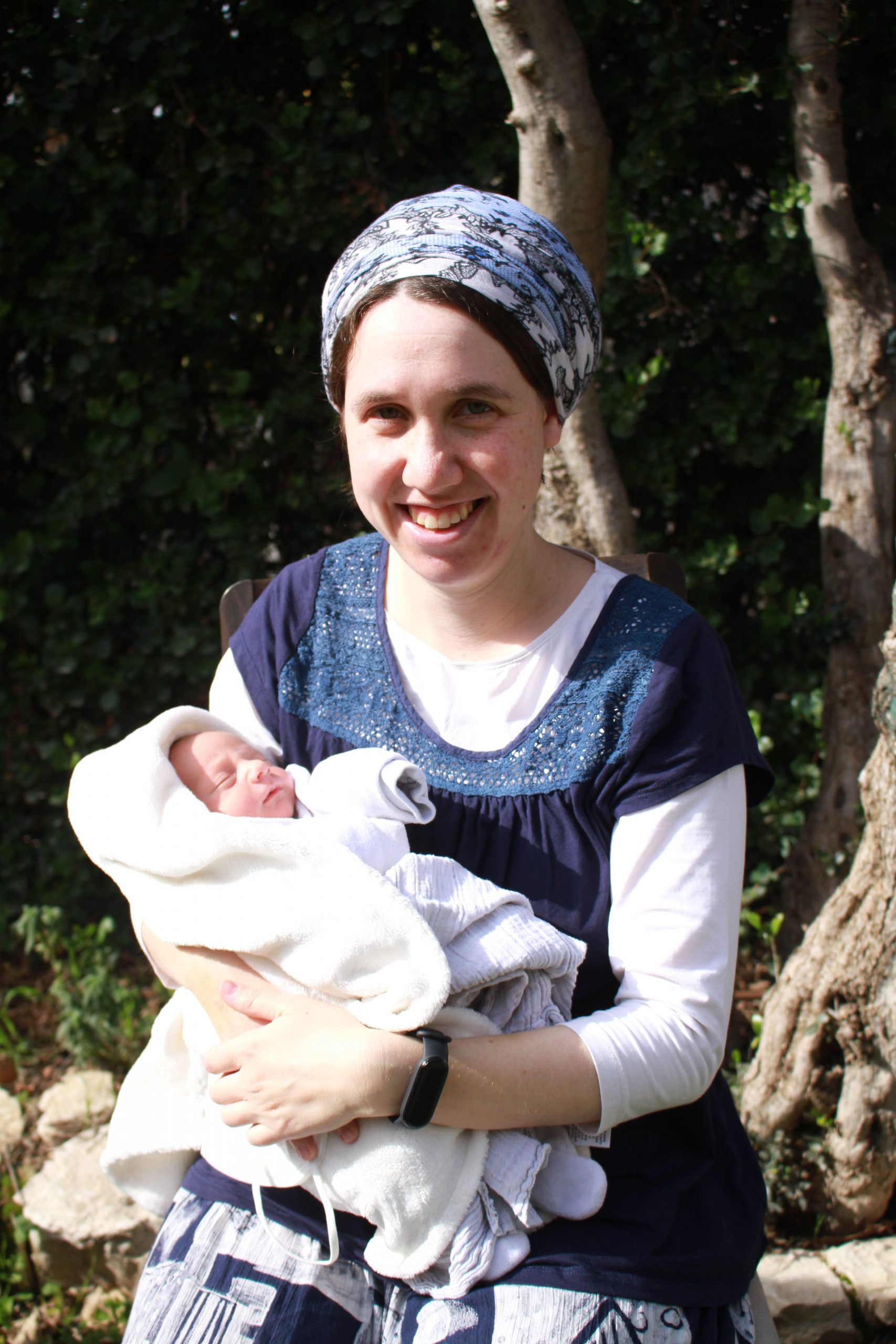
כמו שרואים בתמונה אני ממשיכה ללמוד גם היום ואפילו במחלקת יולדות אחרי לידת ביתי השלישית.

נועה שילה
רבבה, ישראל
התחלתי לפני כמה שנים אבל רק בסבב הזה זכיתי ללמוד יום יום ולסיים מסכתות

סיגל טל
רעננה, ישראל
A friend in the SF Bay Area said in Dec 2019 that she might start listening on her morning drive to work. I mentioned to my husband and we decided to try the Daf when it began in Jan 2020 as part of our preparing to make Aliyah in the summer.

חנה פיוטרקובסקי
ירושלים, Israel
נדה לו
אֶלָּא לְלֵוִי דְּאָמַר שְׁנֵי מַעְיָנוֹת הֵן, לְמָה לִי שִׁבְעָה? בְּמַשֶּׁהוּ סַגִּיא!
But according to Levi, who said there are two sources, why do I need this woman to wait seven clean days? It should be enough for her to wait seven days after experiencing any amount of cleanliness from the conclusion of her days of impurity. After all, according to Levi, once the blood ceases to flow from her days of impurity, any blood emitted thereafter is from the source of pure blood. Consequently, even if she experiences a flow of blood during the seven clean days this should not negate her count.
הָכִי קָאָמַר: צְרִיכָה שֶׁתִּפְסוֹק מַשֶּׁהוּ, שֶׁיַּעֲלוּ לָהּ לְשִׁבְעָה נְקִיִּים.
The Gemara explains that this is what the baraita is saying: She requires that the blood flow should stop for any amount of time after her days of impurity, so that she will have entered her days of purity, and consequently, the next seven days will be considered for her as the seven clean days required by a zava.
תָּא שְׁמַע: יְמֵי עִיבּוּרָהּ עוֹלִים לָהּ לִימֵי מְנִיקוּתָהּ, וִימֵי מְנִיקוּתָהּ עוֹלִים לָהּ לִימֵי עִיבּוּרָהּ.
The Gemara suggests: Come and hear a baraita: There are certain women with regard to whom the halakha is that if they notice an emission of menstrual blood they are deemed impure only from when they saw the blood, and one is not concerned they might have experienced the emission from an earlier time. Two such women are one who is pregnant and one who is nursing. This applies only to a pregnant woman who has been noticeably pregnant for three periods, each thirty days in length, and has not experienced bleeding during the three periods; and to a nursing woman who has been nursing for three periods, each also thirty days in length, and did not experience bleeding during that time. With regard to this the baraita teaches: The days of her pregnancy in which she saw no blood count for her toward the days of her nursing in which she saw no blood, to complete three periods, and likewise, the days of her nursing count for her toward the days of her pregnancy.
כֵּיצַד הִפְסִיקָה שְׁתַּיִם בִּימֵי עִיבּוּרָהּ, וְאַחַת בִּימֵי מְנִיקוּתָהּ; שְׁתַּיִם בִּימֵי מְנִיקוּתָהּ, וְאַחַת בִּימֵי עִיבּוּרָהּ; אַחַת וּמֶחֱצָה בִּימֵי עִיבּוּרָהּ, וְאַחַת וּמֶחֱצָה בִּימֵי מְנִיקוּתָהּ — עוֹלִין לָהּ לְשָׁלֹשׁ עוֹנוֹת.
The baraita elaborates: How so? If a woman stopped experiencing bleeding for two periods during her days of pregnancy and one period during her days of nursing; or if she did not experience bleeding for two periods during her days of nursing and one period during her days of pregnancy; or if she did not experience bleeding for one and a half periods during her days of pregnancy and one and a half periods during her days of nursing, the days count for her as three periods in which she did not experience bleeding, and if she experiences bleeding she is deemed impure only from the hour that she saw the blood.
בִּשְׁלָמָא לְרַב דְּאָמַר: מַעְיָן אֶחָד הוּא, מִשּׁוּם הָכִי בָּעֵי הֶפְסֵק שָׁלֹשׁ עוֹנוֹת, אֶלָּא לְלֵוִי דְּאָמַר: שְׁנֵי מַעְיָנוֹת הֵן, לְמָה לִי הֶפְסֵק שָׁלֹשׁ עוֹנוֹת? בְּמַשֶּׁהוּ סַגִּי!
The Gemara analyzes this baraita: Granted, the baraita is clear according to Rav, who said there is one source, as it is due to that reason that the woman requires a cessation of menstrual emissions for three periods in order that she may be considered a woman whose menstrual emissions have ceased. But according to Levi, who said there are two sources, why do I need a cessation of menstrual emissions for three periods? Provided the woman’s menstrual emissions cease for any amount of time at the completion of her days of impurity, it should be enough, as any blood she may emit thereafter is pure and should not negate her count of three periods.
הָכִי קָאָמַר: צְרִיכָה שֶׁתִּפְסוֹק מַשֶּׁהוּ, כְּדֵי שֶׁיַּעֲלוּ לָהּ לְשָׁלֹשׁ עוֹנוֹת.
The Gemara explains that this is what the baraita is saying: She requires that the blood flow should stop for any amount of time at the conclusion of her days of impurity, in order that her days of purity will be counted for her as part of the three periods, even if she experiences bleeding during her days of purity.
תָּא שְׁמַע: וְשָׁוִין בְּרוֹאָה אַחַר דַּם טוֹהַר, שֶׁדַּיָּהּ שְׁעָתָהּ.
The Gemara suggests: Come and hear a baraita: And although Shammai and Hillel disagree with regard to all women who experience bleeding (see 2a), as Shammai maintains they are impure only from when they saw the blood while Hillel holds that they assume ritual impurity status retroactively from the last time they examined themselves and were found to be pure, they agree with regard to a woman who sees blood after seeing blood during her days of purity, that it is sufficient for her to be considered impure from the hour of her seeing the blood.
בִּשְׁלָמָא לְלֵוִי דְּאָמַר: שְׁנֵי מַעְיָנוֹת הֵן, מִשּׁוּם הָכִי דַּיָּהּ שְׁעָתָהּ, אֶלָּא לְרַב דְּאָמַר: מַעְיָן אֶחָד הוּא, אַמַּאי דַּיָּה שְׁעָתָהּ? תְּטַמֵּא מֵעֵת לְעֵת!
The Gemara analyzes the baraita: Granted, the baraita is clear according to Levi, who said there are two sources, as it is due to that reason that it is sufficient for her to be considered impure from the hour of her seeing the blood. In other words, although she experienced bleeding during her days of purity, until this emission she was still considered a woman whose menstrual emissions have ceased. But according to Rav, who said there is one source, if this woman experienced bleeding during her days of purity, she cannot be considered a woman whose menstrual emissions have ceased. If so, why is it sufficient for her to be considered impure from the hour of her seeing the blood? She should be considered impure retroactively for a twenty-four-hour period, like all other women.
דְּלֵיכָּא שְׁהוּת.
The Gemara responds: The baraita is referring to a case where there is no time between the conclusion of her days of purity and the subsequent emission of blood. In such a situation, she cannot be considered impure retroactively for a twenty-four-hour period, as the previous twenty-four hours are part of her days of purity.
וּתְטַמֵּא מִפְּקִידָה לִפְקִידָה! כֵּיוָן דִּמְעֵת לְעֵת לֵיכָּא, מִפְּקִידָה לִפְקִידָה נָמֵי לָא גְּזַרוּ בַּהּ רַבָּנַן.
The Gemara raises a difficulty: But still, why is she impure only from when she sees the blood? She should be considered impure from examination to examination, i.e., from the last time she examined herself and found that she was pure. The Gemara responds: Since there is no possibility of her being impure retroactively for a twenty-four-hour period, with regard to impurity from examination to examination as well, the Sages did not decree impurity with regard to her.
תָּא שְׁמַע: יוֹלֶדֶת בְּזוֹב שֶׁסָּפְרָה וְלֹא טָבְלָה וְרָאֲתָה, הָלְכוּ בֵּית שַׁמַּאי לְשִׁיטָתָן, וּבֵית הִלֵּל לְשִׁיטָתָן.
The Gemara further suggests: Come and hear a baraita: With regard to a woman who gives birth as a zava, who counted seven clean days after the conclusion of her days of impurity but did not yet immerse, and subsequently saw blood, Beit Shammai follow their opinion with regard to any woman who gave birth and concluded her days of impurity but did not yet immerse, and Beit Hillel likewise follow their opinion. In other words, according to Beit Shammai her blood imparts impurity only while moist, whereas according to Beit Hillel it imparts impurity whether it is moist or dry.
בִּשְׁלָמָא לְרַב, דְּאָמַר: מַעְיָן אֶחָד הוּא, מִשּׁוּם הָכִי מְטַמֵּא לַח וְיָבֵשׁ. אֶלָּא לְלֵוִי, דְּאָמַר: שְׁנֵי מַעְיָנוֹת הֵן, אַמַּאי מְטַמֵּא לַח וְיָבֵשׁ?
The Gemara analyzes the baraita: Granted, the baraita is clear according to Rav, who said there is one source, as it is due to that reason Beit Hillel maintain that the blood imparts impurity whether it is moist or dry. In other words, as she has not yet immersed, the Torah does not deem pure her menstrual emissions. But according to Levi, who said there are two sources, any blood she may emit after counting seven clean days must have come from the source of pure blood. If so, why does it impart impurity whether it is moist or dry?
אָמַר לָךְ לֵוִי: אֲנָא דַּאֲמַרִי — כְּתַנָּא דְּשָׁוִין.
The Gemara explains that Levi could say to you: I say my opinion in accordance with the opinion of the tanna of the baraita cited above, that Shammai and Hillel agree that with regard to a woman who experiences bleeding after experiencing bleeding during her days of purity, it is sufficient for her to be considered impure from the hour that she saw the blood. That baraita apparently indicates that there are in fact two sources.
וְאִיבָּעֵית אֵימָא: בְּשׁוֹפַעַת, וְהָא ״סָפְרָה״ קָתָנֵי!
And if you wish, say instead that this baraita is referring to a woman who continuously discharges menstrual blood from within her days of impurity into her days of purity. Accordingly, the blood she sees during her days of purity is still from the source of impure blood. The Gemara objects: But the baraita teaches that the woman counted seven clean days.
הָכָא בְּיוֹלֶדֶת נְקֵבָה בְּזוֹב עָסְקִינַן, דְּשָׁבוּעַ קַמָּא פָּסְקָה, שָׁבוּעַ בָּתְרָא לָא פָּסְקָה, וְקָסָבַר: יְמֵי לֵידָתָהּ שֶׁאֵין רוֹאֶה בָּהֶן — עוֹלִין לָהּ לִסְפִירַת זִיבָתָהּ.
The Gemara explains: Here we are dealing with a woman who gave birth to a female as a zava, and therefore her days of impurity are two weeks in length. And this is a case where in the first week her menstrual emissions ceased, and in the latter week her menstrual emissions did not cease, and they continued until her days of purity. And the tanna of this baraita holds: The days of her birth, i.e., the days of impurity, in which she does not see blood, count for her toward the counting of her ziva. Accordingly, although she is considered to have counted seven clean days, the blood emitted during her days of purity is from the source of impure blood.
אֲמַר לֵיהּ רָבִינָא לְרַב אָשֵׁי: אָמַר לַן רַב שֶׁמֶן מִסִּכְרָא: אִקְּלַע מָר זוּטְרָא לְאַתְרִין, וּדְרַשׁ: הִילְכְתָא כְּוָותֵיהּ דְּרַב לְחוּמְרָא, וְהִלְכְתָא כְּוָותֵיהּ דְּלֵוִי לְחוּמְרָא.
§ With regard to the dispute between Rav and Levi, Ravina said to Rav Ashi: Rav Shemen from Sikhra said to us: Mar Zutra happened to come to our locale, and he taught that the halakha is in accordance with the opinion of Rav as a stringency, and the halakha is in accordance with the opinion of Levi as a stringency. In other words, if a woman continuously discharges menstrual blood from within her days of purity until sometime after the conclusion of her days of purity, the blood emitted after her days of purity is impure, in accordance with the opinion of Rav. By contrast, if she continuously discharges menstrual blood from within her days of impurity into her days of purity, the blood emitted during her days of purity is impure, in accordance with the opinion of Levi.
רַב אָשֵׁי אָמַר: הִלְכְתָא כְּוָותֵיהּ דְּרַב, בֵּין לְקוּלָּא בֵּין לְחוּמְרָא. דָּרֵישׁ מָרִימָר: הִלְכְתָא כְּוָותֵיהּ דְּרַב, בֵּין לְקוּלָּא בֵּין לְחוּמְרָא. וְהִלְכְתָא כְּוָותֵיהּ דְּרַב, בֵּין לְקוּלָּא בֵּין לְחוּמְרָא.
Rav Ashi said: The halakha is in accordance with the opinion of Rav, whether as a leniency or as a stringency. Likewise, Mareimar taught: The halakha is in accordance with the opinion of Rav, whether as a leniency or as a stringency. The Gemara concludes: And the halakha is in accordance with the opinion of Rav, whether as a leniency or as a stringency.
מַתְנִי’ הַמְקַשָּׁה — נִדָּה. קִשְּׁתָה שְׁלֹשָׁה יָמִים בְּתוֹךְ אַחַד עָשָׂר יוֹם, וְשָׁפְתָה מֵעֵת לְעֵת, וְיָלְדָה — הֲרֵי זוֹ יוֹלֶדֶת בְּזוֹב, דִּבְרֵי רַבִּי אֱלִיעֶזֶר.
MISHNA: With regard to a pregnant woman who experiences labor pains, and they are accompanied by an emission of blood, her status is that of a menstruating woman. If she experienced these pains accompanied by emissions of blood for three consecutive days within the eleven days between periods of menstruation, during which time emissions of blood render a woman a zava, and she rested from labor for a twenty-four-hour period, i.e., the pangs subsided, and she then gave birth, it indicates that the emissions were not due to her imminent labor, and this woman is considered one who gives birth as a zava. This is the statement of Rabbi Eliezer.
רַבִּי יְהוֹשֻׁעַ אוֹמֵר: לַיְלָה וָיוֹם כְּלִילֵי שַׁבָּת וְיוֹמוֹ, שֶׁשָּׁפְתָה מִן הַצַּעַר וְלֹא מִן הַדָּם.
Rabbi Yehoshua says: She is considered a zava only if the pangs subsided for a twenty-four-hour period of a night and the following day, like Shabbat evening and its accompanying day. Additionally, she is considered a zava in a case where she rested from the pain of labor but not necessarily from the flow of blood. In other words, the presence of labor pangs determines whether this blood is due to labor or the impure blood of ziva. Accordingly, if the pangs cease for twenty-four hours, she is considered a zava even if blood was discharging continuously from when she experienced her labor pains.
כַּמָּה הִיא קִישּׁוּיָהּ? רַבִּי מֵאִיר אוֹמֵר: אֲפִילּוּ אַרְבָּעִים וַחֲמִשִּׁים יוֹם. רַבִּי יְהוּדָה אוֹמֵר: דַּיָּהּ חׇדְשָׁהּ. רַבִּי יוֹסֵי וְרַבִּי שִׁמְעוֹן אוֹמְרִים: אֵין קִישּׁוּי יוֹתֵר מִשְּׁתֵּי שַׁבָּתוֹת.
How long before birth is pain attributable to her labor pains, which means that the blood is not considered blood of ziva? Rabbi Meir says: Even forty or fifty days before the birth, any blood she sees during the eleven days of ziva is not considered blood of ziva. Rabbi Yehuda says: It is sufficient that this halakha applies only from within one month of her due date. Rabbi Yosei and Rabbi Shimon say: Labor pains do not occur more than two weeks before birth. Accordingly, if she experiences bleeding for three consecutive days during eleven days of ziva that occur before this time, she is a zava.
גְּמָ’ אַטּוּ כׇּל הַמְקַשָּׁה נִדָּה הִיא?
GEMARA: The mishna teaches that a pregnant woman who experiences an emission of menstrual blood due to labor pains is considered a menstruating woman. This statement apparently applies to all blood due to labor. The Gemara therefore asks: Is this to say that any woman who experiences an emission due to labor pains is a menstruating woman? But if a woman experiences an emission due to labor pains in the eleven days of ziva, she is not rendered a zava, nor can this render her a menstruating woman.
אָמַר רַב: נִדָּה לְיוֹמָא. וּשְׁמוּאֵל אָמַר: חָיְישִׁינַן שֶׁמָּא תִּשְׁפֶּה.
Rav said: It is correct that a woman who experiences an emission of blood due to labor during the eleven days of ziva is not rendered a zava, or even a lesser zava, who must observe one clean day for the day she experienced an emission. But she is a menstruating woman for one day, i.e., she is prohibited to her husband on the day of the emission, and in the evening she may immerse and become permitted to him. And Shmuel said: It is a rabbinic decree that she must observe a clean day, as we are concerned lest she rest from labor and thereby be rendered a lesser zava, as the cessation of pangs would indicate that her emission was not due to her imminent labor.
וְרַבִּי יִצְחָק אָמַר: הַמְקַשָּׁה אֵינָהּ כְּלוּם. וְהָקָתָנֵי: הַמְקַשָּׁה נִדָּה!
And Rabbi Yitzḥak said: A woman who experiences labor pains during the eleven days of ziva is nothing, i.e., she is completely pure and is permitted to her husband. The Gemara asks: But isn’t it taught in the mishna that a woman who experiences labor pains is a menstruating woman? This apparently includes all women who experience an emission due to labor, even if it occurs during the eleven days of ziva.
אָמַר רָבָא: בִּימֵי נִדָּה — נִדָּה, בִּימֵי זִיבָה — טְהוֹרָה. וְהָתַנְיָא: הַמְקַשָּׁה בִּימֵי נִדָּה — נִדָּה, בִּימֵי זִיבָה — טְהוֹרָה.
Rava said: The mishna means that if she experienced an emission due to labor during the days of menstruation, she is considered a menstruating woman; if she experienced the emission during the days of ziva, she is pure. And it is taught likewise in a baraita: A woman who experiences labor pains during the days of menstruation is a menstruating woman; if she experiences them during the days of ziva, she is pure.
כֵּיצַד? קִשְּׁתָה יוֹם אֶחָד, וְשָׁפְתָה שְׁנַיִם, אוֹ שֶׁקִּשְּׁתָה שְׁנַיִם וְשָׁפְתָה יוֹם אֶחָד, אוֹ שֶׁשָּׁפְתָה וְקִשְּׁתָה וְחָזְרָה וְשָׁפְתָה — הֲרֵי זוֹ יוֹלֶדֶת בְּזוֹב.
The baraita continues: How so, i.e., when does an emission during the eleven days of ziva render a woman one who gives birth as a zava? If she experienced labor pains for one day and then rested from labor for two days, and she experienced an emission on all three days; or if she experienced labor pains for two days and rested from labor for one day, and she experienced bleeding on all three days; or if she rested from labor for one day and she then experienced labor pains for one day, and again rested from labor for one day, and she experienced bleeding on all three days; in each of these cases this woman is considered one who gives birth as a zava, as the cessation of labor pains indicates that the emission of blood is not due to her imminent labor.
אֲבָל שָׁפְתָה יוֹם אֶחָד וְקִשְּׁתָה שְׁנַיִם, אוֹ שֶׁשָּׁפְתָה שְׁנַיִם וְקִשְּׁתָה יוֹם אֶחָד, אוֹ שֶׁקִּשְּׁתָה וְשָׁפְתָה וְחָזְרָה וְקִשְּׁתָה — אֵין זוֹ יוֹלֶדֶת בְּזוֹב. כְּלָלוֹ שֶׁל דָּבָר: קוֹשִׁי סָמוּךְ לַלֵּידָה — אֵין זוֹ יוֹלֶדֶת בְּזוֹב, שׁוֹפִי סָמוּךְ לַלֵּידָה — הֲרֵי זוֹ יוֹלֶדֶת בְּזוֹב.
But if she rested from labor for one day and then experienced labor pains for two days; or if she rested from labor for two days and experienced labor pains for one day; or if she experienced labor pains for one day and then rested from labor for one day, and again experienced labor pains for one day; this woman is not considered one who gives birth as a zava, since the labor pains indicate that the blood is due to her imminent labor. This is the principle of the matter: If she experienced labor pains adjacent to giving birth, this woman is not considered one who gives birth as a zava; if she was resting from labor adjacent to giving birth, this woman is considered one who gives birth as a zava.
חֲנַנְיָא בֶּן אֲחִי רַבִּי יְהוֹשֻׁעַ אוֹמֵר: כֹּל שֶׁחָל קִישּׁוּיָהּ בַּשְּׁלִישִׁי שֶׁלָּהּ, אֲפִילּוּ כׇּל הַיּוֹם כּוּלּוֹ בְּשׁוֹפִי — אֵין זוֹ יוֹלֶדֶת בְּזוֹב.
Ḥananya, son of Rabbi Yehoshua’s brother, says: In any situation where she experiences an emission due to her labor pains that occur on her third day, she is not a zava. Even if she was in a state of resting from labor for the entire third day, with the exception of one hour of labor pains, this woman is not considered one who gives birth as a zava, since a woman is considered to be resting from labor on the third day only if she was resting for the entire day.
״כְּלָלוֹ שֶׁל דָּבָר״ לְאֵתוֹיֵי מַאי? לְאֵתוֹיֵי דַּחֲנַנְיָא.
The Gemara asks: The statement that this is the principle of the matter serves to add what? The Gemara answers: It serves to add the ruling of Ḥananya, son of Rabbi Yehoshua’s brother, that for a woman to be considered one who gives birth as a zava, she must have rested from labor for the entire third day.
מְנָא הָנֵי מִילֵּי? דְּתָנוּ רַבָּנַן: ״דָּמָהּ״ — דָּמָהּ מֵחֲמַת עַצְמָהּ, וְלֹא מֵחֲמַת וָלָד.
§ The mishna teaches that if a woman experiences bleeding due to labor pains during the eleven days of ziva she is not considered a zava. The Gemara asks: From where are these matters derived? As the Sages taught in a baraita: The verse states with regard to a zava: “And if a woman has an issue of her blood many days” (Leviticus 15:25). The term “her blood” indicates that only her blood that comes due to herself is impure as blood of ziva, but not blood that comes due to her child.
אַתָּה אוֹמֵר מֵחֲמַת וָלָד, אוֹ אֵינוֹ אֶלָּא מֵחֲמַת אוֹנֶס? כְּשֶׁהוּא אוֹמֵר ״וְאִשָּׁה כִּי יָזוּב זוֹב דָּמָהּ״, הֲרֵי אוֹנֶס אָמוּר. הָא מָה אֲנִי מְקַיֵּים ״דָּמָהּ״? דָּמָהּ מֵחֲמַת עַצְמָהּ, וְלֹא מֵחֲמַת וָלָד.
The Gemara analyzes the baraita: Do you say the verse excludes blood that comes due to her child? Or is it only excluding blood that comes due to circumstances beyond her control? When the verse states: “And if a woman has an issue of her blood,” the inclusion of ziva due to circumstances beyond her control is already stated in the inclusive phrase: Has an issue. If so, how do I realize the meaning of the term “her blood”? The verse is teaching that only her blood that comes due to herself is impure as blood of ziva, but not blood that comes due to her child.
וּמָה רָאִיתָ לְטַהֵר אֶת הַוָּלָד וּלְטַמֵּא בְּאוֹנֶס? מְטַהֵר אֲנִי בַּוָּלָד — שֶׁיֵּשׁ טׇהֳרָה אַחֲרָיו, וּמְטַמֵּא אֲנִי בְּאוֹנֶס — שֶׁאֵין טׇהֳרָה אַחֲרָיו.
The Gemara asks: But given that the verse contains both an inclusion and an exclusion, what did you see to deem pure the blood emitted due to the child, and to deem impure the blood she sees due to circumstances beyond her control? Perhaps the opposite is the case, that blood emitted due to circumstances beyond her control is pure, whereas blood caused by labor is impure. The Gemara answers: I deem pure the blood emitted due to the child, as there is a period of purity after it, i.e., her days of purity following her days of impurity; and I deem impure the blood she sees due to circumstances beyond her control, as there is no period of purity after it.
אַדְּרַבָּה, מְטַהֵר אֲנִי בְּאוֹנֶס, שֶׁכֵּן אוֹנֶס בְּזָב טָהוֹר! הַשְׁתָּא מִיהָא בְּאִשָּׁה קָיְימִינַן, וְאוֹנֶס בְּאִשָּׁה לָא אַשְׁכְּחַן.
The Gemara objects: On the contrary, I should deem the blood pure in a case where it was emitted due to circumstances beyond her control, as an emission of ziva due to circumstances beyond one’s control in the case of a male zav is pure. The Gemara explains: Now, in any event, we are dealing with the halakha of a woman, and in the case of a woman we do not find that an emission caused by circumstances beyond her control is pure. It is therefore preferable to deem impure an emission caused by circumstances beyond her control, and to deem pure an emission due to childbirth.
וְאִיבָּעֵית אֵימָא: מַאי דַּעְתָּיךְ לְטַהוֹרֵי בְּאוֹנֶס, וּלְטַמּוֹיֵי בְּוָלָד? אֵין לָךְ אוֹנֶס גָּדוֹל מִזֶּה!
The Gemara adds: And if you wish, say instead: What is your opinion, that one should deem the blood pure in a case where it was emitted due to circumstances beyond her control, and deem the blood impure in a case where it was emitted due to the child? But you have no greater instance of circumstances beyond her control than this, the experience of labor pains.
אִי הָכִי, נִדָּה נָמֵי נֵימָא: ״זָבָה״ — זוֹבָהּ מֵחֲמַת עַצְמָהּ, וְלֹא מֵחֲמַת וָלָד.
The Gemara objects: If it is so that the above verse is interpreted in such a manner, then in the case a menstruating woman as well, with regard to whom the verse states: “And a woman, if she has an issue, and her issue in her flesh is blood, she shall be in her menstruation seven days” (Leviticus 15:19), let us say that when the verse states “her issue” this indicates that only her issue that comes due to herself renders her a menstruating woman, but not an issue that comes due to her child.
אַתָּה אוֹמֵר וָלָד, אוֹ אֵינוֹ אֶלָּא אוֹנֶס? כְּשֶׁהוּא אוֹמֵר ״וְאִשָּׁה כִּי תִהְיֶה זָבָה״ — הֲרֵי אוֹנֶס אָמוּר, הָא מָה אֲנִי מְקַיֵּים ״זָבָה״? זוֹבָהּ מֵחֲמַת עַצְמָהּ, וְלֹא מֵחֲמַת וָלָד!
The Gemara elaborates: Do you say that the verse excludes an issue that comes due to her child? Or is it excluding only an issue that comes due to circumstances beyond her control? When the verse states: “And a woman if she has an issue,” the inclusion of an issue due to circumstances beyond her control is already stated. If so, how do I realize the meaning of the term “her issue”? The verse is teaching that only her issue that comes due to herself renders her a menstruating woman, but not an issue that comes due to her child. If the verse can be interpreted in this manner, why does the baraita teach that a woman who experiences labor pains during the days of menstruation is considered a menstruating woman?
אָמַר רֵישׁ לָקִישׁ: אֲמַר קְרָא ״תֵּשֵׁב״, יֵשׁ לְךָ יְשִׁיבָה אַחֶרֶת שֶׁהִיא כָּזוֹ, וְאֵיזוֹ זוֹ? קוֹשִׁי בִּימֵי זִיבָה. וְאֵימָא: זוֹ קוֹשִׁי בִּימֵי נִדָּה!
Reish Lakish said: The verse states with regard to the days of purity after childbirth: “She shall observe the blood of purity” (Leviticus 12:5). This indicates that you have another instance of an observance that is like this one, i.e., where the woman is not rendered impure by an emission of blood. And which is this other case? This is the case of blood that is emitted due to labor pains during the eleven days of ziva. An emission during the days of menstruation, by contrast, renders the woman a menstruating woman. The Gemara asks: But one can say that this other case is where a woman has an emission of blood due to labor pains during the days of menstruation, not where she experiences an emission during the days of ziva.
אֶלָּא אָמַר אֲבוּהּ דִּשְׁמוּאֵל: אָמַר קְרָא ״וּטְמֵאָה שְׁבֻעַיִם כְּנִדָּתָהּ״ וְלֹא כְּזִיבָתָהּ, מִכְּלָל דְּזִיבָתָהּ טָהוֹר, וְאֵיזוֹ זוֹ — קוֹשִׁי בִּימֵי זִיבָה.
Rather, Shmuel’s father said the verse states: “And she shall be impure two weeks, as in her menstruation” (Leviticus 12:5), and not: As in her ziva. By inference, one may conclude that there is an instance in which an emission of blood that occurs during her days of ziva is pure. And which case is this? This is the case of blood that is emitted due to labor pains during the eleven days of ziva.
וְהַשְׁתָּא דִּכְתִיב ״וְטָמְאָה שְׁבוּעַיִם כְּנִדָּתָהּ״, ״דָּמָהּ״ לְמָה לִי? אִי לָאו ״דָּמָהּ״, הֲוָה אָמֵינָא כְּנִדָּתָהּ וְלֹא כְּזִיבָתָהּ, וַאֲפִילּוּ בְּשׁוֹפִי. קָא מַשְׁמַע לַן.
The Gemara asks: And now that it is written: “And she shall be impure two weeks as in her menstruation,” why do I need the term “her blood” (Leviticus 15:25) from which it is likewise derived that blood emitted due to labor pains during the eleven days of ziva is pure? The Gemara answers: If not for the term “her blood,” I would say the verse is teaching that a woman who gives birth is impure as in her menstruation, and not as in her ziva, and therefore, even if she experienced bleeding during her days of ziva in a state of resting from labor pains, she remains pure. Consequently, the term “her blood” teaches us that this halakha applies only if she experiences bleeding due to labor pains.
שֵׁילָא בַּר אֲבִינָא עֲבַד עוֹבָדָא כְּוָותֵיהּ דְּרַב. כִּי קָא נָח נַפְשֵׁיהּ דְּרַב אֲמַר לֵיהּ לְרַב אַסִּי: זִיל צַנְּעֵיהּ, וְאִי לָא צָיֵית — גָּרְיֵיהּ. הוּא סָבַר ״גַּדְּיֵיהּ״ אֲמַר לֵיהּ.
§ According to Rav, a woman who emits blood during the eleven days of ziva due to labor pains is considered like a menstruating woman for that day, i.e., she is prohibited to her husband until she immerses in the evening. The Gemara relates that Sheila bar Avina ruled in an actual case in accordance with the opinion of Rav. The Gemara further relates that when Rav was dying, he said to Rav Asi: Go and hide this halakha, i.e., inform Sheila bar Avina that my ruling is incorrect. And if he does not listen to you, drag him [garyei] to your side with convincing claims. Rav Asi misheard and thought that Rav said to him gadyei, excommunicate him.
בָּתַר דְּנָח נַפְשֵׁיהּ דְּרַב, אָמַר לֵיהּ: ״הֲדַר בָּךְ״, דַּהֲדַר בֵּיהּ רַב. אֲמַר לֵיהּ: אִם אִיתָא דַּהֲדַר בֵּיהּ, לְדִידִי הֲוָה אָמַר לִי. לָא צָיֵית גַּדְּיֵיהּ. אֲמַר לֵיהּ: וְלָא מִסְתְּפֵי מָר מִדְּלֵיקְתָּא?
After Rav died, Rav Asi went to Sheila bar Avina and said to him: Retract your ruling, as Rav himself retracted his opinion. Sheila bar Avina said to Rav Asi: If it is so, that he retracted his opinion, he would have told me, as I was his student; he would not have sent a messenger to inform me of such a retraction. Consequently, Sheila bar Avina did not listen to Rav Asi. Rav Asi excommunicated him, as he thought that this was Rav’s instruction. Sheila bar Avina said to Rav Asi: But is the Master not afraid of the fire, i.e., of a punishment for offending me?
אֲמַר לֵיהּ: אֲנָא אִיסִי בֶּן יְהוּדָה, דְּהוּא אִיסִי בֶּן גּוּר אַרְיֵה, דְּהוּא אִיסִי בֶּן גַּמְלִיאֵל, דְּהוּא אִיסִי בֶּן מַהֲלַלְאֵל — אֲסִיתָא דִּנְחָשָׁא דְּלָא שָׁלֵיט בֵּיהּ רִקְבָּא. אֲמַר לֵיהּ: וַאֲנָא שֵׁילָא בַּר אֲבִינָא — בּוּכְנָא דְּפַרְזְלָא דִּמְתַבַּר אֲסִיתָא דִּנְחָשָׁא.
Rav Asi said to him, linking in a fanciful manner his own name to the various names of an important tanna: I am Isi ben Yehuda, who is Isi ben Gur Arye, who is Isi ben Gamliel, who is Isi ben Mahalalel, and this name alludes to a copper mortar [asita], over which rot has no power, i.e., no harm will befall me. Sheila bar Avina said to Rav Asi: And I am Sheila bar Avina, and my father’s name alludes to an iron pestle [bukhna], which smashes a copper mortar, i.e., harm may befall you through the merit of my ancestors.
חֲלַשׁ רַב אַסִּי. עַיְּילוּהּ בְּחַמִּימֵי אַפְּקוּהּ מִקָּרִירֵי, עַיְּילוּהּ בְּקָרִירֵי אַפְּקוּהּ מֵחַמִּימֵי, נָח נַפְשֵׁיהּ דְּרַב אַסִּי.
The Gemara relates that Rav Asi fell ill and contracted one sickness after another, so that when he entered the heat of a fever, he exited a sickness where he felt cold, and when he entered into a sickness where he felt cold, he exited the heat of a fever. Eventually, Rav Asi died.
לעקוב

