







האם באמת יש הוכחה מהברייתא לדברי ר’ יוחנן שר’ שמעון לא מחשיב לידת בהמה כלידה לעניין קרבן? איך מתייחסים לדמים שיוצאים עם או לפני לידה קיסרי? הגמרא מביאה ברייתא בעניין ולא בטוח אם מדובר על דם שיוצא דרך דופן או דם שיוצא דרך רחם? יש שלושה פירושים שונים לקטע השני של הברייתא. מה נחשב בית החיצון – האיזור בתוך הגוף של האשה שברגע שמגיע דם לשם האשה טמאה? האם הדין הזה תקף גם לפולטת שכבת זרע? או האם זה כמו טומאת קרי – מטמא אותה רק כשיוצא החוצה?
הלימוד החודש מוקדש ע”י מרכי גלזר לע”נ רחל אביבה בת דבורה חנה.
לימוד החודש מוקדש ע”י מרכי גלזר לע”נ רחל אביבה בת דבורה חנה
רוצה להקדיש שיעור?
English
עברית

0:00
0:00
0:00
0:00
כלים
הלימוד החודש מוקדש ע”י מרכי גלזר לע”נ רחל אביבה בת דבורה חנה.
לימוד החודש מוקדש ע”י מרכי גלזר לע”נ רחל אביבה בת דבורה חנה
נדה מא
אַחַר שֶׁרִיבָּה הַכָּתוּב וּמִיעֵט, אָמַרְתָּ: מְרַבֶּה אֲנִי אֶת אֵלּוּ שֶׁהָיָה פְּסוּלָן בַּקֹּדֶשׁ, וּמוֹצִיא אֲנִי אֶת אֵלּוּ שֶׁלֹּא הָיָה פְּסוּלָן בַּקֹּדֶשׁ.
Rabbi Shimon explains: After the verse both included some disqualified offerings in this principle and excluded others, you should say: I include in the items that should not be taken down if they had been placed on the altar those whose disqualification occurred in the sacred area, i.e., the Temple courtyard, in the course of the sacrificial service, e.g., an offering that was slaughtered at night, or whose blood spilled before sprinkling. And I exclude those whose disqualification was not in the sacred area, such as an animal that copulated with a person, as these animals were disqualified before their sacrificial process began. This concludes the baraita.
קָתָנֵי מִיהַת יוֹצֵא דּוֹפֶן דְּלָא, מַאי לַָאו יוֹצֵא דּוֹפֶן דְּקָדָשִׁים? אָמַר רַב הוּנָא בְּרֵיהּ דְּרַב נָתָן: לָא, יוֹצֵא דּוֹפֶן דִּבְכוֹר.
The Gemara explains how this baraita supports the opinion of Rabbi Yoḥanan. The baraita teaches, in any event, that an animal born by caesarean section is not fit for sacrifice. What, is it not referring to one who consecrates an animal born by caesarean section and renders it a sacrificial animal? Evidently, although Rabbi Shimon maintains that a human birth by caesarean section has the halakhic status of a regular birth, he concedes that animals born in this manner are unfit for sacrifice. Rav Huna, son of Rav Natan, said: No, the baraita is dealing with a firstborn animal born by caesarean section, and it is this animal that is disqualified as an offering. A firstborn animal is sacred only if it emerged from the womb.
בְּכוֹר — מִ״פֶּטֶר רֶחֶם״ נָפְקָא!
The Gemara objects to this interpretation of the baraita: How can it be referring to a firstborn animal? The halakha that firstborn status does not apply to an animal born by caesarean section is derived from the phrase “opens the womb,” which teaches that only animals born in the natural manner are endowed with the sanctity of firstborn animals and may be sacrificed on the altar. Since an animal born by caesarean section is not sacred at all, and it is clear that a non-sacred animal cannot be sacrificed upon the altar, it is obvious that the animal must be taken down if it was placed there in error.
אֶלָּא מַאי, דְּקָדָשִׁים? מֵ״אִמּוֹ״ ״אִמּוֹ״ נָפְקָא!
The Gemara responds to this objection: Rather, what would you say? Would you say that the baraita is referring to an ordinary animal, not a firstborn, that had been consecrated as a sacrificial animal? But this animal is not sacred either, as derived from the verbal analogy of the term “its mother” stated with regard to the firstborn and the term “its mother” stated in connection with consecrated animals, as Rabbi Yoḥanan taught earlier. If one seeks to consecrate as an offering an animal that was born by caesarean section, it is not rendered sacred at all. Accordingly, the same reasoning applies as before: It is evident that a non-sacred animal may not be placed on the altar, and it must be removed if placed there in error.
הַאי מַאי? אִי אָמְרַתְּ בִּשְׁלָמָא דְּקָדָשִׁים — הַיְינוּ דְּאִצְטְרִיכִי תְּרֵי קְרָאֵי; חַד לְבֶהֱמַת חוּלִּין דְּאוֹלִיד דֶּרֶךְ דּוֹפֶן וְאַקְדְּשַׁהּ,
The Gemara rejects this response: What is this comparison between firstborn animals and consecrated animals? Granted, if you say that the baraita is referring to animals that are consecrated to be offerings, that is why two verses are necessary: One verse, the verbal analogy between consecrated animals and firstborn animals, teaches that a non-sacred animal whose mother gave birth to it by caesarean section and whose owner subsequently consecrated it as an offering is not sacred at all, and must therefore be removed from the altar if it was placed there in error.
וְחַד לְבֶהֱמַת קָדָשִׁים דְּאוֹלִיד דֶּרֶךְ דּוֹפֶן, וְקָסָבַר וַלְדוֹת קָדָשִׁים בַּהֲוָיָיתָן הֵן קְדוֹשִׁים. אֶלָּא אִי אָמְרַתְּ דִּבְכוֹר — מִ״פֶּטֶר רֶחֶם״ נָפְקָא!
And one verse: “This is the law of the burnt offering; that is the burnt offering that goes up on the pyre upon the altar” (Leviticus 6:2), teaches with regard to a sacrificial animal that gave birth by caesarean section, that although the offspring is sacred by virtue of its mother’s sanctity, it may not be sacrificed and must be removed from the altar if placed there in error. And the tanna of this baraita maintains that the offspring of sacrificial animals are automatically sacred upon their emergence from the womb. But if you say that the baraita is referring to a firstborn animal that was born by caesarean section, the halakha that this animal is not sacred is derived from the phrase “opens the womb.”
הָכִי נָמֵי מִסְתַּבְּרָא, מִדְּקָתָנֵי: ״הָרוֹבֵעַ וְהַנִּרְבָּע וְהַמּוּקְצֶה וְהַנֶּעֱבָד וְהַכִּלְאַיִם״.
The Gemara adds: So too, it is reasonable to interpret the baraita in this manner, that it is referring to an offspring born to a sacrificial animal by caesarean section, from the fact that the baraita teaches that an animal that copulated with a person, and an animal that was the object of bestiality, and an animal that was set aside for idol worship, and an animal that was worshipped as a deity, and an animal that is an offspring of diverse kinds, must all be removed from the altar if placed there in error.
הָנֵי מֵהָכָא נָפְקָא? מֵהָתָם נָפְקָא! ״מִן הַבְּהֵמָה״ — לְהוֹצִיא הָרוֹבֵעַ וְהַנִּרְבָּע, ״מִן הַבָּקָר״ — לְהוֹצִיא אֶת הַנֶּעֱבָד, ״מִן הַצֹּאן״ — לְהוֹצִיא אֶת הַמּוּקְצֶה, ״וּמִן הַצֹּאן״ — לְהוֹצִיא אֶת הַנּוֹגֵחַ.
The Gemara explains: Now are these disqualifications derived from here, from the verse adduced by the baraita? No, they are derived from elsewhere, as taught in a baraita: The verse states: “You shall bring your offering from the cattle, even from the herd or from the flock” (Leviticus 1:2). The expression “from the cattle” serves to exclude from eligibility as an offering an animal that copulated with a person and an animal that was the object of bestiality. The expression “from the herd” serves to exclude an animal that was worshipped as a deity. “From the flock” serves to exclude an animal set aside for idol worship. The word “or” in the expression “or from the flock” serves to exclude an animal that gored a person, killing him. In all these cases the animal cannot be consecrated at all, and therefore it is not necessary for the Torah to teach that they must be removed from the altar if placed there in error.
וְתוּ, כִּלְאַיִם מֵהָכָא נָפְקָא? מֵהָתָם נָפְקָא: ״שׁוֹר אוֹ כֶשֶׂב אוֹ עֵז״ — ״שׁוֹר״ פְּרָט לְכִלְאַיִם, ״אוֹ עֵז״ פְּרָט לְנִדְמֶה!
And furthermore, is the disqualification of an animal born of a mixture of diverse kinds derived from here? No, it is derived from elsewhere, as taught in a baraita: The verse states: “When a bull or a sheep or a goat is born, it shall be seven days under its mother; but from the eighth day and onward it may be accepted for an offering” (Leviticus 22:27). The term “a bull” serves to exclude an offspring of diverse kinds from being used as an offering, The phrase “or a goat” serves to exclude an animal that resembles another, i.e., a sheep that is the offspring of sheep but that looks like a goat, or vice versa. Once again, as these animals cannot be consecrated at all, it is not necessary for the Torah to teach that they must be removed from the altar if placed there in error.
אֶלָּא, אִצְטְרִיכוּ תְּרֵי קְרָאֵי: חַד לְבֶהֱמַת חוּלִּין, וְחַד לְבֶהֱמַת קָדָשִׁים. הָכָא נָמֵי: אִיצְטְרִיךְ תְּרֵי קְרָאֵי.
Rather, it must be that two verses are necessary for each of these cases: One to teach that a non-sacred animal that is subject to any of these disqualifications cannot be consecrated, and the other one to teach that with regard to a sacrificial animal that was born with this status by virtue of its mother’s sanctity, if it is subject to one of these disqualifications it may not be sacrificed and must be removed from the altar if placed there in error. Accordingly, it stands to reason that here too, in the case of an animal born by caesarean section, two verses are necessary for the same reason: One for a non-sacred animal, to teach that it cannot be consecrated, and another for the offspring of a sacrificial animal.
תָּנוּ רַבָּנַן: הַמְקַשָּׁה שְׁלֹשָׁה יָמִים, וְיָצָא וָלָד דֶּרֶךְ דּוֹפֶן — הֲרֵי זוֹ יוֹלֶדֶת בְּזוֹב, וְרַבִּי שִׁמְעוֹן אוֹמֵר: אֵין זוֹ יוֹלֶדֶת בְּזוֹב, וְדָם הַיּוֹצֵא מִשָּׁם טָמֵא, וְרַבִּי שִׁמְעוֹן מְטַהֵר.
§ The Sages taught in a baraita: Although a woman who experiences a discharge of uterine blood after her menstrual period is rendered a zava and must count seven clean days before immersing and purifying herself, if a pregnant woman experiences birth pangs accompanied by bleeding for three days after her menstrual period, at the end of which she gives birth, she is not rendered a zava, as the bleeding is attributed to the childbirth. And if the offspring emerged by caesarean section, she is considered one who has given birth during a period of ziva. But Rabbi Shimon says: She is not considered one who has given birth during a period of ziva. And the blood that emerges from there is ritually impure, but Rabbi Shimon deems it pure.
בִּשְׁלָמָא רֵישָׁא — רַבִּי שִׁמְעוֹן לְטַעְמֵיהּ וְרַבָּנַן לְטַעְמַיְיהוּ, אֶלָּא סֵיפָא בְּמַאי פְּלִיגִי? אָמַר רָבִינָא: כְּגוֹן שֶׁיָּצָא וָלָד דֶּרֶךְ דּוֹפֶן
The Gemara analyzes the baraita: Granted, the first clause of the baraita is clear: Rabbi Shimon conforms to his line of reasoning, cited in the mishna, that birth via caesarean section has the halakhic status of childbirth; and the Rabbis, i.e., the first tanna, conform to their line of reasoning, that birth via caesarean section does not have the halakhic status of childbirth. But in the latter clause, with regard to what matter do they disagree? Ravina said: The latter clause is referring to a case where the offspring emerged by caesarean section,
וְדָם דֶּרֶךְ רֶחֶם, וְאַזְדָּא רַבִּי שִׁמְעוֹן לְטַעְמֵיהּ וְרַבָּנַן לְטַעְמַיְיהוּ.
and blood emerged through the womb, i.e., vaginally, during the three days preceding the birth. And Rabbi Shimon conforms to his line of reasoning, that a caesarean birth is a full-fledged birth, and therefore the blood that emerged prior to the birth is ritually pure, and the Rabbis conform to their line of reasoning, that a caesarean birth is not halakhically considered a birth, which means that the blood which emerged beforehand is considered the blood of ziva, and is ritually impure.
מַתְקֵיף לַהּ רַב יוֹסֵף: חֲדָא — דְּהַיְינוּ רֵישָׁא, וְעוֹד — ״מִשָּׁם״ מְקוֹם וָלָד מַשְׁמַע!
Rav Yosef objects to this explanation: One difficulty is that according to this interpretation, the latter clause of the baraita is superfluous, as the dispute recorded there is identical to that of the first clause. And furthermore, the words: From there, in the phrase: The blood that emerges from there, indicate that this is referring to a place already mentioned in the baraita, i.e., the place from which the offspring emerged, which is the abdominal incision of the caesarean section, not the vagina.
אֶלָּא אָמַר רַב יוֹסֵף: כְּגוֹן שֶׁיָּצָא וָלָד וְדָם דֶּרֶךְ דּוֹפֶן,
Rather, Rav Yosef said that this is the explanation of the latter clause of the baraita: It is referring to a situation where both the offspring and blood emerged through the incision in the abdomen. It is in such a case that the first tanna deems the blood which emerged impure and Rabbi Shimon deems it pure.
וּבְמָקוֹר מְקוֹמוֹ טָמֵא קָמִיפַּלְגִי; מָר סָבַר: מָקוֹר מְקוֹמוֹ טָמֵא, וּמָר סָבַר: מָקוֹר מְקוֹמוֹ טָהוֹר.
And the matter with regard to which they disagree is whether or not the location of a woman’s source, i.e., her uterus, is ritually impure. One Sage, the first tanna, holds that the location of a woman’s source is ritually impure, and therefore any blood that emerges from it, regardless of how it came out of her body, is impure as well. And one Sage, Rabbi Shimon, holds that the location of a woman’s source is pure, and blood that emerges from there is also pure. Only uterine blood which emerges vaginally is impure.
אָמַר רֵישׁ לָקִישׁ: לְדִבְרֵי הַמְטַמֵּא בַּדָּם — מְטַמֵּא בָּאִשָּׁה, לְדִבְרֵי הַמְטַהֵר בַּדָּם — מְטַהֵר בָּאִשָּׁה. וְרַבִּי יוֹחָנָן אָמַר: אַף לְדִבְרֵי הַמְטַמֵּא בַּדָּם — מְטַהֵר בָּאִשָּׁה.
§ Reish Lakish says: According to the statement of the one who deems the blood impure, the first tanna, he deems the woman impure as well, as though it were blood of menstruation. Likewise, according to the statement of the one who deems the blood pure, Rabbi Shimon, he deems the woman pure as well. But Rabbi Yoḥanan says: Even according to the statement of the one who deems the blood impure, the first tanna, he deems the woman pure.
וְאַזְדָּא רַבִּי יוֹחָנָן לְטַעְמֵיהּ, דְּאָמַר רַבִּי יוֹחָנָן מִשּׁוּם רַבִּי שִׁמְעוֹן בֶּן יוֹחַי: מִנַּיִן שֶׁאֵין אִשָּׁה טְמֵאָה עַד שֶׁיֵּצֵא מַדְוֶהָ דֶּרֶךְ עֶרְוָתָהּ? שֶׁנֶּאֱמַר: ״וְאִישׁ אֲשֶׁר יִשְׁכַּב אֶת אִשָּׁה דָּוָה וְגִלָּה אֶת עֶרְוָתָהּ אֶת מְקוֹרָהּ הֶעֱרָה״, מְלַמֵּד שֶׁאֵין אִשָּׁה טְמֵאָה עַד שֶׁיֵּצֵא מַדְוֶהָ דֶּרֶךְ עֶרְוָתָהּ.
And Rabbi Yoḥanan follows his standard line of reasoning here, as Rabbi Yoḥanan said in the name of Rabbi Shimon ben Yoḥai: From where is it derived that a woman does not become impure due to menstruation unless the flow of blood emerges from her nakedness, i.e., genitalia? As it is stated: “And a man who lies with a woman having her flow, and shall uncover her nakedness, he has made naked her source” (Leviticus 20:18) This teaches that a woman is not impure due to menstruation unless the flow emerges from her nakedness.
אָמַר רֵישׁ לָקִישׁ מִשּׁוּם רַבִּי יְהוּדָה נְשִׂיאָה: מָקוֹר שֶׁנֶּעֱקַר וְנָפַל לָאָרֶץ — טְמֵאָה, שֶׁנֶּאֱמַר: ״יַעַן הִשָּׁפֵךְ נְחֻשְׁתֵּךְ וַתִּגָּלֶה עֶרְוָתֵךְ״.
Reish Lakish says in the name of Rabbi Yehuda Nesia: If a woman’s source, i.e., her uterus, became dislodged and fell out of her body onto the ground, she is ritually impure, as it is stated: “Because your foundation was poured out, and your nakedness was uncovered” (Ezekiel 16:36). The word “foundation” alludes to the uterus, and the verse is referring to it after it has been “poured out,” i.e., detached, as an uncovering of nakedness, which indicates that it is still a source of impurity even after it has been detached from its place.
לְמַאי? אִילֵימָא לְטוּמְאַת שִׁבְעָה — דָּם אָמַר רַחֲמָנָא, וְלֹא חֲתִיכָה! אֶלָּא לְטוּמְאַת עֶרֶב.
The Gemara asks: To what kind of impurity is this woman subject in this situation? If we say that she is subject to the impurity of seven days of menstruating women, that is impossible, as the Merciful One states in the Torah that such impurity is caused by “blood” (Leviticus 15:19), and not a piece of flesh. Rather, she is subject to impurity that lasts until the evening, as a result of the surface of her body having come into contact with the uterus, which is a source of impurity.
אָמַר רַבִּי יוֹחָנָן: מָקוֹר שֶׁהִזִּיעַ כִּשְׁתֵּי טִיפֵּי מַרְגָּלִיּוֹת — טְמֵאָה. לְמַאי? אִילֵימָא לְטוּמְאַת שִׁבְעָה — חֲמִשָּׁה דָּמִים טְמֵאִין בָּאִשָּׁה וְתוּ לָא! אֶלָּא לְטוּמְאַת עֶרֶב. וְדַוְוקָא תַּרְתֵּי, אֲבָל חֲדָא — אֵימָא מֵעָלְמָא אָתְיָא.
Rabbi Yoḥanan says: In the case of a woman’s source that discharged two whitish, clear, pearl-like [margaliyyot] drops, she is impure. The Gemara asks: To what kind of impurity is this woman subject in this situation? If we say that she is subject to the impurity of seven days of menstruating women, that is impossible, as the mishna (Nidda 19a) states that there are five distinct colors of ritually impure blood in a woman, but no more, and pearly white is not one of those colors. Rather, she is subject to impurity that lasts until the evening, as a result of her body having come into contact with a discharge from the uterus, which is a source of impurity. And this is the halakha specifically if there were two drops, but if there was only one such drop she is not impure, as I can say that the drop came from elsewhere, not from the uterus.
כׇּל הַנָּשִׁים מְטַמְּאִין בַּבַּיִת הַחִיצוֹן. הֵי נִיהוּ בַּיִת הַחִיצוֹן? אָמַר רֵישׁ לָקִישׁ: כֹּל שֶׁתִּינוֹקֶת יוֹשֶׁבֶת וְנִרְאַת.
§ The mishna teaches: All women become ritually impure with the flow of blood from the uterus into the outer chamber, i.e., the vagina, as it is stated: “And her issue in her flesh shall be blood” (Leviticus 15:19). The Gemara asks: What exactly is the outer chamber? Reish Lakish says: Any place which can be seen when a little girl sits with her legs spread. When the blood reaches that area in the vagina, the woman becomes ritually impure.
אֲמַר לֵיהּ רַבִּי יוֹחָנָן: אוֹתוֹ מָקוֹם גָּלוּי הוּא אֵצֶל שֶׁרֶץ! אֶלָּא אָמַר רַבִּי יוֹחָנָן: עַד בֵּין הַשִּׁינַּיִם.
Rabbi Yoḥanan said to Reish Lakish in objection: That place is considered exposed even with regard to contact with the carcass of a creeping animal. If one comes into contact with the carcass of a creeping animal he becomes impure. This is the halakha only if the animal touches a part of the body that is exposed, not an internal cavity such as the inside of the mouth. Since the area of the vagina described by Reish Lakish is considered an exposed part of the body for the purposes of the impurity imparted by the carcass of a creeping animal, it should not be necessary for the mishna to derive the halakha of her impurity from the expression “in her flesh.” Rather, Rabbi Yoḥanan says: The term outer chamber extends until the area between the teeth-like projections inside the vagina.
אִיבַּעְיָא לְהוּ: בֵּין הַשִּׁינַּיִם כְּלִפְנִים אוֹ כְּלַחוּץ? תָּא שְׁמַע, דְּתָנֵי רַבִּי זַכַּאי: עַד בֵּין הַשִּׁינַּיִם, בֵּין הַשִּׁינַּיִם עַצְמָן כְּלִפְנִים.
A dilemma was raised before the Sages: Is the area between the teeth-like projections itself considered as internal, which would mean that blood there would not render the woman impure, or as external? Come and hear a resolution, as Rabbi Zakkai teaches a baraita: The term outer chamber extends to the area between the teeth-like projections, but the area between the teeth-like projections themselves is considered as internal.
בְּמַתְנִיתָא תָּנָא: מְקוֹם דִּישָׁה. מַאי ״מְקוֹם דִּישָׁה״? אָמַר רַב יְהוּדָה: מְקוֹם שֶׁהַשַּׁמָּשׁ דָּשׁ.
It was taught in a baraita that a woman becomes impure when the blood reaches the place of threshing, which is a euphemism. The Gemara asks: What is the meaning of this euphemism, the place of threshing? Rav Yehuda says: It is referring to the place in the vagina where the penis threshes, i.e., reaches, during intercourse.
תָּנוּ רַבָּנַן: ״בִּבְשָׂרָהּ״ — מְלַמֵּד שֶׁמְּטַמְּאָה בִּפְנִים כְּבַחוּץ, וְאֵין לִי אֶלָּא נִדָּה, זָבָה מִנַּיִן? תַּלְמוּד לוֹמַר ״זָבָה בִּבְשָׂרָהּ״.
§ The Sages taught in a baraita: It is written concerning a menstruating woman: “And if a woman has an issue, and her flow in her flesh shall be blood, she shall be in her menstruation seven days” (Leviticus 15:19). The term “in her flesh” teaches that she becomes impure while the blood is still inside her flesh just as when the blood emerges outside her body. I have derived only that this applies in the case of a menstruating woman. From where is it derived that it applies to a zava as well? The same verse states: “Her flow [zovah] in her flesh.”
פּוֹלֶטֶת שִׁכְבַת זֶרַע, מִנַּיִן? תַּלְמוּד לוֹמַר ״יִהְיֶה״. וְרַבִּי שִׁמְעוֹן אוֹמֵר: דַּיָּהּ כְּבוֹעֲלָהּ — מָה בּוֹעֲלָהּ אֵינוֹ מְטַמֵּא עַד שֶׁתֵּצֵא טוּמְאָה לַחוּץ, אַף הִיא אֵינָהּ מְטַמְּאָה עַד שֶׁתֵּצֵא טוּמְאָתָהּ לַחוּץ.
From where is it derived that this also applies to a woman who discharges semen after intercourse? The same verse states the apparently superfluous term “shall be.” And Rabbi Shimon says: In the case of discharging semen, it is sufficient for her to be like the man who engaged in intercourse with her: Just as the man who engaged in intercourse with her does not become impure until the source of impurity, the semen, emerges outside his body, so too, she does not become impure until her source of impurity, the semen, emerges outside her body. It does not render her impure while it is still inside her body.
וְסָבַר רַבִּי שִׁמְעוֹן דַּיָּהּ כְּבוֹעֲלָהּ? וְהָתַנְיָא: ״וְרָחֲצוּ בַמַּיִם וְטָמְאוּ עַד הָעָרֶב״, אָמַר רַבִּי שִׁמְעוֹן: וְכִי מָה בָּא זֶה לְלַמְּדֵנוּ? אִם לְעִנְיַן נוֹגֵעַ בְּשִׁכְבַת זֶרַע — הֲרֵי כְּבָר נֶאֱמַר לְמַטָּה: ״אוֹ אִישׁ״.
The Gemara asks: And does Rabbi Shimon in fact hold that it is sufficient for her to be like the man who engaged in intercourse with her? But isn’t it taught to the contrary in a baraita: The verse states: “The woman also with whom a man shall lie carnally, they shall both bathe themselves in water, and be impure until the evening” (Leviticus 15:18). Rabbi Shimon said: And what does this verse come to teach us? If it teaches with regard to one who comes into contact with semen that they are impure, it is already stated below (Leviticus 22:4): “Or a man from whom the flow of seed goes out,” from which it is derived that coming into contact with semen renders one impure.
אֶלָּא, מִפְּנֵי שֶׁטּוּמְאַת בֵּית הַסְּתָרִים הִיא, וְטוּמְאַת בֵּית הַסְּתָרִים אֵינָהּ מְטַמְּאָה, אֶלָּא שֶׁגְּזֵרַת הַכָּתוּב הִיא!
Rather, this verse is necessary because in the case of intercourse the contact with the source of impurity occurs in a concealed part of the body, and contact with impurity by a concealed part of the body generally does not render one impure. But here it is a Torah edict that the woman does become impure in this manner. This baraita proves that according to Rabbi Shimon a woman is rendered impure by semen even when it is inside her body.
לָא קַשְׁיָא — כָּאן בִּמְשַׁמֶּשֶׁת, כָּאן בְּפוֹלֶטֶת.
The Gemara answers that this is not difficult. Here, this second baraita is dealing with a woman who engages in intercourse, whereas there, the first baraita is dealing with a woman who discharges semen after intercourse. It is only during the act of intercourse that a woman becomes impure due to the semen. If she later discharges semen, she does not become impure, according to Rabbi Shimon, until the semen leaves her body and touches her on the outside.
פּוֹלֶטֶת — תִּיפּוֹק לֵיהּ, דְּהָא שִׁמְּשָׁה! בְּשֶׁטָּבְלָה לְשִׁמּוּשָׁהּ.
The Gemara objects: But in the case of a woman who discharges semen, one can derive that she is impure due to the fact that she engaged in intercourse prior to the discharge. The Gemara answers: Rabbi Shimon is referring to a case where she immersed herself, thereby purifying herself from the impurity from her intercourse, and she subsequently discharged semen.
לְמֵימְרָא דִּמְשַׁמֶּשֶׁת בְּטוּמְאַת עֶרֶב סַגִּי לַהּ? וְהָא אָמַר רָבָא: מְשַׁמֶּשֶׁת — כׇּל שְׁלֹשָׁה יָמִים אֲסוּרָה לֶאֱכוֹל בִּתְרוּמָה, שֶׁאִי אֶפְשָׁר לָהּ שֶׁלֹּא תִּפְלוֹט.
The Gemara asks: Is this to say that in the case of a woman who engages in intercourse it is sufficient for her to simply immerse herself, and then she is in a state of impurity only until evening? But didn’t Rava say: A woman who engages in intercourse is prohibited from partaking of teruma, even if she is married to a priest, for the entire three days following the intercourse, as it is impossible for her not to discharge semen throughout this period, and teruma may not be consumed by one who is impure?
הָכָא בְמַאי עָסְקִינַן? שֶׁהִטְבִּילוּהָ בַּמִּטָּה, מִכְּלָל דְּכִי קָאָמַר רָבָא דְּאָזְלָה אִיהִי בְּכַרְעַהּ וְטָבְלָה, דִּילְמָא בַּהֲדֵי דְּקָאָזְלָה שְׁדֵיתֵאּ?
The Gemara answers: Here we are dealing with a case where others immersed the woman while she was still in bed, and she remained there. If she remains lying down, it is possible for her not to discharge semen following intercourse, and the immersion after intercourse purifies her. The Gemara asks: By inference, one can conclude that when Rava said that a woman is in a constant state of impurity for three days after intercourse, he was referring to a case where she walked to the ritual bath by foot and immersed herself. But if so, perhaps while she was walking she released all the semen in her body even before the three days were over, and therefore will not subsequently become impure.
לעקוב 
כלים
העמקה
רוצה להבין מה באמת קורה מתחת לפני השטח של הסוגיה?
שיעורים, פודקאסטים והרחבות של מיטב המורות שלנו יפתחו לך עוד זוויות וכיווני חשיבה.
















חדשה בלימוד הגמרא?
זה הדף הראשון שלך? איזו התרגשות עצומה! יש לנו בדיוק את התכנים והכלים שיעזרו לך לעשות את הצעדים הראשונים ללמידה בקצב וברמה שלך, כך תוכלי להרגיש בנוח גם בתוך הסוגיות המורכבות ומאתגרות.
פסיפס הלומדות שלנו
גלי את קהילת הלומדות שלנו, מגוון נשים, רקעים וסיפורים. כולן חלק מתנועה ומסע מרגש ועוצמתי.
התחלתי לפני כמה שנים אבל רק בסבב הזה זכיתי ללמוד יום יום ולסיים מסכתות

סיגל טל
רעננה, ישראל
בתחילת הסבב הנוכחי הצטברו אצלי תחושות שאני לא מבינה מספיק מהי ההלכה אותה אני מקיימת בכל יום. כמו כן, כאמא לבנות רציתי לתת להן מודל נשי של לימוד תורה
שתי הסיבות האלו הובילו אותי להתחיל ללמוד. נתקלתי בתגובות מפרגנות וסקרניות איך אישה לומדת גמרא..
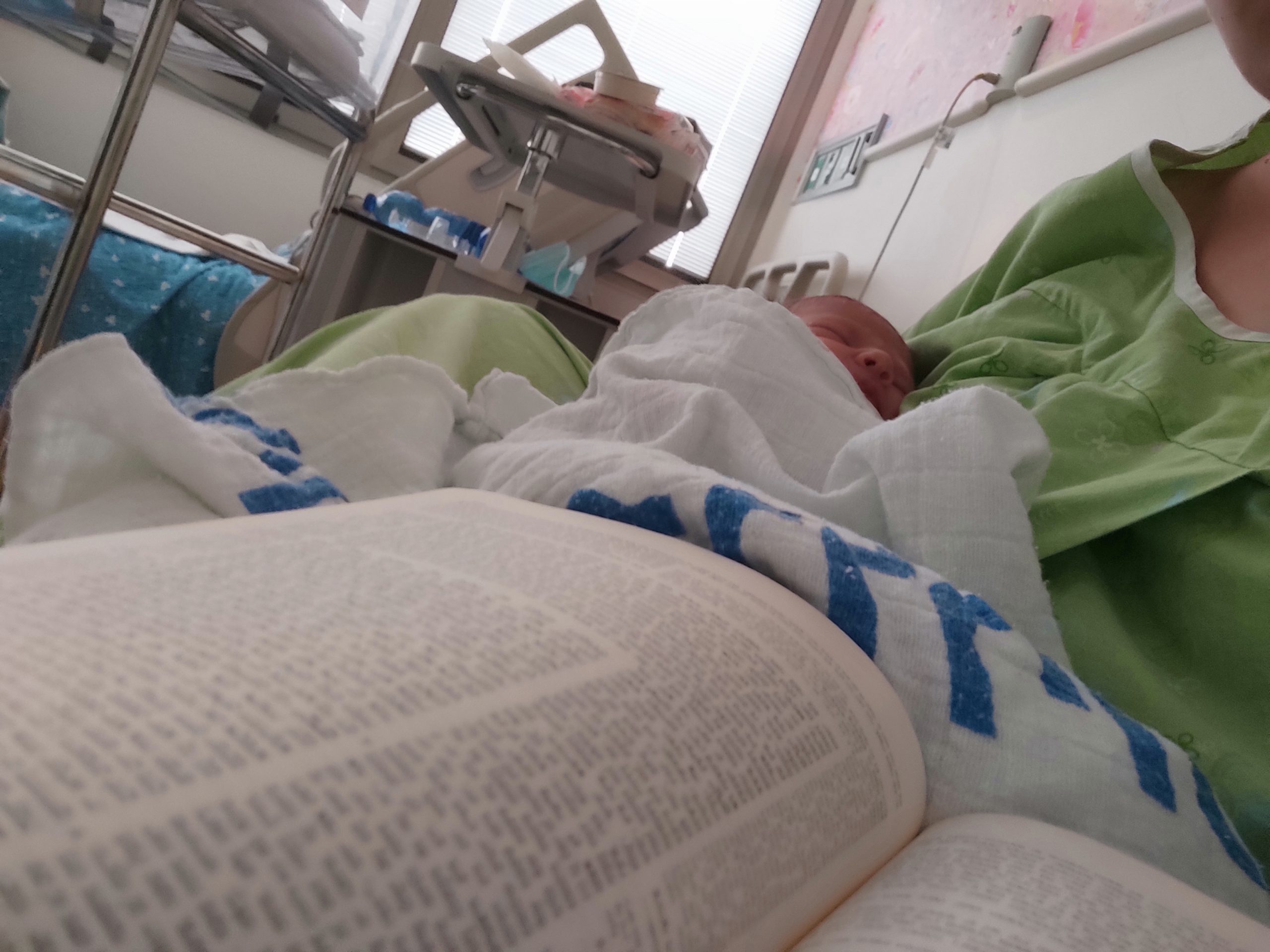
כמו שרואים בתמונה אני ממשיכה ללמוד גם היום ואפילו במחלקת יולדות אחרי לידת ביתי השלישית.
נועה שילה
רבבה, ישראל
כבר סיפרתי בסיום של מועד קטן.
הלימוד מאוד משפיעה על היום שלי כי אני לומדת עם רבנית מישל על הבוקר בזום. זה נותן טון לכל היום – בסיס למחשבות שלי .זה זכות גדול להתחיל את היום בלימוד ובתפילה. תודה רבה !

שרה ברלוביץ
ירושלים, ישראל
התחלתי ללמוד את הדף היומי מעט אחרי שבני הקטן נולד. בהתחלה בשמיעה ולימוד באמצעות השיעור של הרבנית שפרבר. ובהמשך העזתי וקניתי לעצמי גמרא. מאז ממשיכה יום יום ללמוד עצמאית, ולפעמים בעזרת השיעור של הרבנית, כל יום. כל סיום של מסכת מביא לאושר גדול וסיפוק. הילדים בבית נהיו חלק מהלימוד, אני משתפת בסוגיות מעניינות ונהנית לשמוע את דעתם.

אלירז בלאו
מעלה מכמש, ישראל
התחלתי להשתתף בשיעור נשים פעם בשבוע, תכננתי ללמוד רק דפים בודדים, לא האמנתי שאצליח יותר מכך.
לאט לאט נשאבתי פנימה לעולם הלימוד .משתדלת ללמוד כל בוקר ומתחילה את היום בתחושה של מלאות ומתוך התכווננות נכונה יותר.
הלימוד של הדף היומי ממלא אותי בתחושה של חיבור עמוק לעם היהודי ולכל הלומדים בעבר ובהווה.

נילי חיון
אפרת, ישראל
"
גם אני התחלתי בסבב הנוכחי וב””ה הצלחתי לסיים את רוב המסכתות . בזכות הרבנית מישל משתדלת לפתוח את היום בשיעור הזום בשעה 6:20 .הלימוד הפך להיות חלק משמעותי בחיי ויש ימים בהם אני מצליחה לחזור על הדף עם מלמדים נוספים ששיעוריהם נמצאים במרשתת. שמחה להיות חלק מקהילת לומדות ברחבי העולם. ובמיוחד לשמש דוגמה לנכדותיי שאי””ה יגדלו לדור שלימוד תורה לנשים יהיה משהו שבשגרה. "

רונית שביט
נתניה, ישראל
לצערי גדלתי בדור שבו לימוד גמרא לנשים לא היה דבר שבשגרה ושנים שאני חולמת להשלים את הפער הזה.. עד שלפני מספר שבועות, כמעט במקרה, נתקלתי במודעת פרסומת הקוראת להצטרף ללימוד מסכת תענית. כשקראתי את המודעה הרגשתי שהיא כאילו נכתבה עבורי – "תמיד חלמת ללמוד גמרא ולא ידעת איך להתחיל”, "בואי להתנסות במסכת קצרה וקלה” (רק היה חסר שהמודעה תיפתח במילים "מיכי שלום”..). קפצתי למים ו- ב”ה אני בדרך להגשמת החלום:)

מיכי קדוש
מורשת, ישראל
A life-changing journey started with a Chanukah family tiyul to Zippori, home of the Sanhedrin 2 years ago and continued with the Syum in Binanei Hauma where I was awed by the energy of 3000 women dedicated to learning daf Yomi. Opening my morning daily with a fresh daf, I am excited with the new insights I find enriching my life and opening new and deeper horizons for me.

בקי גולדשטיין
Elazar gush etzion, Israel
התחלתי ללמוד בעידוד שתי חברות אתן למדתי בעבר את הפרק היומי במסגרת 929.
בבית מתלהבים מאוד ובשבת אני לומדת את הדף עם בעלי שזה מפתיע ומשמח מאוד! לימוד הדף הוא חלק בלתי נפרד מהיום שלי. לומדת בצהריים ומחכה לזמן הזה מידי יום…

מרים ונגרובר
אפרת, ישראל
הייתי לפני שנתיים בסיום הדרן נשים בבנייני האומה והחלטתי להתחיל. אפילו רק כמה דפים, אולי רק פרק, אולי רק מסכת… בינתיים סיימתי רבע שס ותכף את כל סדר מועד בה.
הסביבה תומכת ומפרגנת. אני בת יחידה עם ארבעה אחים שכולם לומדים דף יומי. מדי פעם אנחנו עושים סיומים יחד באירועים משפחתיים. ממש מרגש. מסכת שבת סיימנו כולנו יחד עם אבא שלנו!
אני שומעת כל יום פודקאסט בהליכה או בנסיעה ואחכ לומדת את הגמרא.
עדנה גרוס
מרכז שפירא, ישראל
הייתי לפני שנתיים בסיום הדרן נשים בבנייני האומה והחלטתי להתחיל. אפילו רק כמה דפים, אולי רק פרק, אולי רק מסכת… בינתיים סיימתי רבע שס ותכף את כל סדר מועד בה.
הסביבה תומכת ומפרגנת. אני בת יחידה עם ארבעה אחים שכולם לומדים דף יומי. מדי פעם אנחנו עושים סיומים יחד באירועים משפחתיים. ממש מרגש. מסכת שבת סיימנו כולנו יחד עם אבא שלנו!
אני שומעת כל יום פודקאסט בהליכה או בנסיעה ואחכ לומדת את הגמרא.
עדנה גרוס
מרכז שפירא, ישראל
"התחלתי ללמוד דף יומי במחזור הזה, בח’ בטבת תש””ף. לקחתי על עצמי את הלימוד כדי ליצור תחום של התמדה יומיומית בחיים, והצטרפתי לקבוצת הלומדים בבית הכנסת בכפר אדומים. המשפחה והסביבה מתפעלים ותומכים.
בלימוד שלי אני מתפעלת בעיקר מכך שכדי ללמוד גמרא יש לדעת ולהכיר את כל הגמרא. זו מעין צבת בצבת עשויה שהיא עצומה בהיקפה.”

שרה פוּקס
כפר אדומים, ישראל
התחלתי ללמוד דף יומי כאשר קיבלתי במייל ממכון שטיינזלץ את הדפים הראשונים של מסכת ברכות במייל. קודם לא ידעתי איך לקרוא אותם עד שנתתי להם להדריך אותי. הסביבה שלי לא מודעת לעניין כי אני לא מדברת על כך בפומבי. למדתי מהדפים דברים חדשים, כמו הקשר בין המבנה של בית המקדש והמשכן לגופו של האדם (יומא מה, ע”א) והקשר שלו למשפט מפורסם שמופיע בספר ההינדי "בהגוד-גיתא”. מתברר שזה רעיון כלל עולמי ולא רק יהודי

אלנה ארנבורג
נשר, ישראל
התחלתי ללמוד בשנת המדרשה במגדל עוז, בינתיים נהנית מאוד מהלימוד ומהגמרא, מעניין ומשמח מאוד!
משתדלת להצליח לעקוב כל יום, לפעמים משלימה קצת בהמשך השבוע.. מרגישה שיש עוגן מקובע ביום שלי והוא משמח מאוד!

אוריה קסנר
חיפה , ישראל
התחלתי ללמוד בעידוד שתי חברות אתן למדתי בעבר את הפרק היומי במסגרת 929.
בבית מתלהבים מאוד ובשבת אני לומדת את הדף עם בעלי שזה מפתיע ומשמח מאוד! לימוד הדף הוא חלק בלתי נפרד מהיום שלי. לומדת בצהריים ומחכה לזמן הזה מידי יום…
מרים ונגרובר
אפרת, ישראל
אחרי שראיתי את הסיום הנשי של הדף היומי בבנייני האומה זה ריגש אותי ועורר בי את הרצון להצטרף. לא למדתי גמרא קודם לכן בכלל, אז הכל היה לי חדש, ולכן אני לומדת בעיקר מהשיעורים פה בהדרן, בשוטנשטיין או בחוברות ושיננתם.

רבקה שלוס
בית שמש, ישראל
התחלתי בסיום הש”ס, יצאתי באורות. נשברתי פעמיים, ובשתיהם הרבנית מישל עודדה להמשיך איפה שכולם בסבב ולהשלים כשאוכל, וכך עשיתי וכיום השלמתי הכל. מדהים אותי שאני לומדת כל יום קצת, אפילו בחדר הלידה, בבידוד או בחו”ל. לאט לאט יותר נינוחה בסוגיות. לא כולם מבינים את הרצון, בפרט כפמניסטית. חשה סיפוק גדול להכיר את המושגים וצורת החשיבה. החלום זה להמשיך ולהתמיד ובמקביל ללמוד איך מהסוגיות נוצרה והתפתחה ההלכה.

קרן וינגרטן שרינגטון
מודיעין, ישראל
הצטרפתי ללומדות בתחילת מסכת תענית. ההתרגשות שלי ושל המשפחה היתה גדולה מאוד, והיא הולכת וגוברת עם כל סיום שאני זוכה לו. במשך שנים רבות רציתי להצטרף ומשום מה זה לא קרה… ב”ה מצאתי לפני מספר חודשים פרסום של הדרן, ומיד הצטרפתי והתאהבתי. הדף היומי שינה את חיי ממש והפך כל יום- ליום של תורה. מודה לכן מקרב ליבי ומאחלת לכולנו לימוד פורה מתוך אהבת התורה ולומדיה.

נעה רוזן
חיספין רמת הגולן, ישראל
התחלתי ללמוד לפני כשנתיים בשאיפה לסיים לראשונה מסכת אחת במהלך חופשת הלידה.
אחרי מסכת אחת כבר היה קשה להפסיק…

נעה גלנט
ירוחם, ישראל
למדתי גמרא מכיתה ז- ט ב Maimonides School ואחרי העליה שלי בגיל 14 לימוד הגמרא, שלא היה כל כך מקובל בימים אלה, היה די ספוראדי. אחרי "ההתגלות” בבנייני האומה התחלתי ללמוד בעיקר בדרך הביתה למדתי מפוקקטסים שונים. לאט לאט ראיתי שאני תמיד חוזרת לרבנית מישל פרבר. באיזה שהוא שלב התחלתי ללמוד בזום בשעה 7:10 .
היום "אין מצב” שאני אתחיל את היום שלי ללא לימוד עם הרבנית מישל עם כוס הקפה שלי!!

דבי גביר
חשמונאים, ישראל
נדה מא
אַחַר שֶׁרִיבָּה הַכָּתוּב וּמִיעֵט, אָמַרְתָּ: מְרַבֶּה אֲנִי אֶת אֵלּוּ שֶׁהָיָה פְּסוּלָן בַּקֹּדֶשׁ, וּמוֹצִיא אֲנִי אֶת אֵלּוּ שֶׁלֹּא הָיָה פְּסוּלָן בַּקֹּדֶשׁ.
Rabbi Shimon explains: After the verse both included some disqualified offerings in this principle and excluded others, you should say: I include in the items that should not be taken down if they had been placed on the altar those whose disqualification occurred in the sacred area, i.e., the Temple courtyard, in the course of the sacrificial service, e.g., an offering that was slaughtered at night, or whose blood spilled before sprinkling. And I exclude those whose disqualification was not in the sacred area, such as an animal that copulated with a person, as these animals were disqualified before their sacrificial process began. This concludes the baraita.
קָתָנֵי מִיהַת יוֹצֵא דּוֹפֶן דְּלָא, מַאי לַָאו יוֹצֵא דּוֹפֶן דְּקָדָשִׁים? אָמַר רַב הוּנָא בְּרֵיהּ דְּרַב נָתָן: לָא, יוֹצֵא דּוֹפֶן דִּבְכוֹר.
The Gemara explains how this baraita supports the opinion of Rabbi Yoḥanan. The baraita teaches, in any event, that an animal born by caesarean section is not fit for sacrifice. What, is it not referring to one who consecrates an animal born by caesarean section and renders it a sacrificial animal? Evidently, although Rabbi Shimon maintains that a human birth by caesarean section has the halakhic status of a regular birth, he concedes that animals born in this manner are unfit for sacrifice. Rav Huna, son of Rav Natan, said: No, the baraita is dealing with a firstborn animal born by caesarean section, and it is this animal that is disqualified as an offering. A firstborn animal is sacred only if it emerged from the womb.
בְּכוֹר — מִ״פֶּטֶר רֶחֶם״ נָפְקָא!
The Gemara objects to this interpretation of the baraita: How can it be referring to a firstborn animal? The halakha that firstborn status does not apply to an animal born by caesarean section is derived from the phrase “opens the womb,” which teaches that only animals born in the natural manner are endowed with the sanctity of firstborn animals and may be sacrificed on the altar. Since an animal born by caesarean section is not sacred at all, and it is clear that a non-sacred animal cannot be sacrificed upon the altar, it is obvious that the animal must be taken down if it was placed there in error.
אֶלָּא מַאי, דְּקָדָשִׁים? מֵ״אִמּוֹ״ ״אִמּוֹ״ נָפְקָא!
The Gemara responds to this objection: Rather, what would you say? Would you say that the baraita is referring to an ordinary animal, not a firstborn, that had been consecrated as a sacrificial animal? But this animal is not sacred either, as derived from the verbal analogy of the term “its mother” stated with regard to the firstborn and the term “its mother” stated in connection with consecrated animals, as Rabbi Yoḥanan taught earlier. If one seeks to consecrate as an offering an animal that was born by caesarean section, it is not rendered sacred at all. Accordingly, the same reasoning applies as before: It is evident that a non-sacred animal may not be placed on the altar, and it must be removed if placed there in error.
הַאי מַאי? אִי אָמְרַתְּ בִּשְׁלָמָא דְּקָדָשִׁים — הַיְינוּ דְּאִצְטְרִיכִי תְּרֵי קְרָאֵי; חַד לְבֶהֱמַת חוּלִּין דְּאוֹלִיד דֶּרֶךְ דּוֹפֶן וְאַקְדְּשַׁהּ,
The Gemara rejects this response: What is this comparison between firstborn animals and consecrated animals? Granted, if you say that the baraita is referring to animals that are consecrated to be offerings, that is why two verses are necessary: One verse, the verbal analogy between consecrated animals and firstborn animals, teaches that a non-sacred animal whose mother gave birth to it by caesarean section and whose owner subsequently consecrated it as an offering is not sacred at all, and must therefore be removed from the altar if it was placed there in error.
וְחַד לְבֶהֱמַת קָדָשִׁים דְּאוֹלִיד דֶּרֶךְ דּוֹפֶן, וְקָסָבַר וַלְדוֹת קָדָשִׁים בַּהֲוָיָיתָן הֵן קְדוֹשִׁים. אֶלָּא אִי אָמְרַתְּ דִּבְכוֹר — מִ״פֶּטֶר רֶחֶם״ נָפְקָא!
And one verse: “This is the law of the burnt offering; that is the burnt offering that goes up on the pyre upon the altar” (Leviticus 6:2), teaches with regard to a sacrificial animal that gave birth by caesarean section, that although the offspring is sacred by virtue of its mother’s sanctity, it may not be sacrificed and must be removed from the altar if placed there in error. And the tanna of this baraita maintains that the offspring of sacrificial animals are automatically sacred upon their emergence from the womb. But if you say that the baraita is referring to a firstborn animal that was born by caesarean section, the halakha that this animal is not sacred is derived from the phrase “opens the womb.”
הָכִי נָמֵי מִסְתַּבְּרָא, מִדְּקָתָנֵי: ״הָרוֹבֵעַ וְהַנִּרְבָּע וְהַמּוּקְצֶה וְהַנֶּעֱבָד וְהַכִּלְאַיִם״.
The Gemara adds: So too, it is reasonable to interpret the baraita in this manner, that it is referring to an offspring born to a sacrificial animal by caesarean section, from the fact that the baraita teaches that an animal that copulated with a person, and an animal that was the object of bestiality, and an animal that was set aside for idol worship, and an animal that was worshipped as a deity, and an animal that is an offspring of diverse kinds, must all be removed from the altar if placed there in error.
הָנֵי מֵהָכָא נָפְקָא? מֵהָתָם נָפְקָא! ״מִן הַבְּהֵמָה״ — לְהוֹצִיא הָרוֹבֵעַ וְהַנִּרְבָּע, ״מִן הַבָּקָר״ — לְהוֹצִיא אֶת הַנֶּעֱבָד, ״מִן הַצֹּאן״ — לְהוֹצִיא אֶת הַמּוּקְצֶה, ״וּמִן הַצֹּאן״ — לְהוֹצִיא אֶת הַנּוֹגֵחַ.
The Gemara explains: Now are these disqualifications derived from here, from the verse adduced by the baraita? No, they are derived from elsewhere, as taught in a baraita: The verse states: “You shall bring your offering from the cattle, even from the herd or from the flock” (Leviticus 1:2). The expression “from the cattle” serves to exclude from eligibility as an offering an animal that copulated with a person and an animal that was the object of bestiality. The expression “from the herd” serves to exclude an animal that was worshipped as a deity. “From the flock” serves to exclude an animal set aside for idol worship. The word “or” in the expression “or from the flock” serves to exclude an animal that gored a person, killing him. In all these cases the animal cannot be consecrated at all, and therefore it is not necessary for the Torah to teach that they must be removed from the altar if placed there in error.
וְתוּ, כִּלְאַיִם מֵהָכָא נָפְקָא? מֵהָתָם נָפְקָא: ״שׁוֹר אוֹ כֶשֶׂב אוֹ עֵז״ — ״שׁוֹר״ פְּרָט לְכִלְאַיִם, ״אוֹ עֵז״ פְּרָט לְנִדְמֶה!
And furthermore, is the disqualification of an animal born of a mixture of diverse kinds derived from here? No, it is derived from elsewhere, as taught in a baraita: The verse states: “When a bull or a sheep or a goat is born, it shall be seven days under its mother; but from the eighth day and onward it may be accepted for an offering” (Leviticus 22:27). The term “a bull” serves to exclude an offspring of diverse kinds from being used as an offering, The phrase “or a goat” serves to exclude an animal that resembles another, i.e., a sheep that is the offspring of sheep but that looks like a goat, or vice versa. Once again, as these animals cannot be consecrated at all, it is not necessary for the Torah to teach that they must be removed from the altar if placed there in error.
אֶלָּא, אִצְטְרִיכוּ תְּרֵי קְרָאֵי: חַד לְבֶהֱמַת חוּלִּין, וְחַד לְבֶהֱמַת קָדָשִׁים. הָכָא נָמֵי: אִיצְטְרִיךְ תְּרֵי קְרָאֵי.
Rather, it must be that two verses are necessary for each of these cases: One to teach that a non-sacred animal that is subject to any of these disqualifications cannot be consecrated, and the other one to teach that with regard to a sacrificial animal that was born with this status by virtue of its mother’s sanctity, if it is subject to one of these disqualifications it may not be sacrificed and must be removed from the altar if placed there in error. Accordingly, it stands to reason that here too, in the case of an animal born by caesarean section, two verses are necessary for the same reason: One for a non-sacred animal, to teach that it cannot be consecrated, and another for the offspring of a sacrificial animal.
תָּנוּ רַבָּנַן: הַמְקַשָּׁה שְׁלֹשָׁה יָמִים, וְיָצָא וָלָד דֶּרֶךְ דּוֹפֶן — הֲרֵי זוֹ יוֹלֶדֶת בְּזוֹב, וְרַבִּי שִׁמְעוֹן אוֹמֵר: אֵין זוֹ יוֹלֶדֶת בְּזוֹב, וְדָם הַיּוֹצֵא מִשָּׁם טָמֵא, וְרַבִּי שִׁמְעוֹן מְטַהֵר.
§ The Sages taught in a baraita: Although a woman who experiences a discharge of uterine blood after her menstrual period is rendered a zava and must count seven clean days before immersing and purifying herself, if a pregnant woman experiences birth pangs accompanied by bleeding for three days after her menstrual period, at the end of which she gives birth, she is not rendered a zava, as the bleeding is attributed to the childbirth. And if the offspring emerged by caesarean section, she is considered one who has given birth during a period of ziva. But Rabbi Shimon says: She is not considered one who has given birth during a period of ziva. And the blood that emerges from there is ritually impure, but Rabbi Shimon deems it pure.
בִּשְׁלָמָא רֵישָׁא — רַבִּי שִׁמְעוֹן לְטַעְמֵיהּ וְרַבָּנַן לְטַעְמַיְיהוּ, אֶלָּא סֵיפָא בְּמַאי פְּלִיגִי? אָמַר רָבִינָא: כְּגוֹן שֶׁיָּצָא וָלָד דֶּרֶךְ דּוֹפֶן
The Gemara analyzes the baraita: Granted, the first clause of the baraita is clear: Rabbi Shimon conforms to his line of reasoning, cited in the mishna, that birth via caesarean section has the halakhic status of childbirth; and the Rabbis, i.e., the first tanna, conform to their line of reasoning, that birth via caesarean section does not have the halakhic status of childbirth. But in the latter clause, with regard to what matter do they disagree? Ravina said: The latter clause is referring to a case where the offspring emerged by caesarean section,
וְדָם דֶּרֶךְ רֶחֶם, וְאַזְדָּא רַבִּי שִׁמְעוֹן לְטַעְמֵיהּ וְרַבָּנַן לְטַעְמַיְיהוּ.
and blood emerged through the womb, i.e., vaginally, during the three days preceding the birth. And Rabbi Shimon conforms to his line of reasoning, that a caesarean birth is a full-fledged birth, and therefore the blood that emerged prior to the birth is ritually pure, and the Rabbis conform to their line of reasoning, that a caesarean birth is not halakhically considered a birth, which means that the blood which emerged beforehand is considered the blood of ziva, and is ritually impure.
מַתְקֵיף לַהּ רַב יוֹסֵף: חֲדָא — דְּהַיְינוּ רֵישָׁא, וְעוֹד — ״מִשָּׁם״ מְקוֹם וָלָד מַשְׁמַע!
Rav Yosef objects to this explanation: One difficulty is that according to this interpretation, the latter clause of the baraita is superfluous, as the dispute recorded there is identical to that of the first clause. And furthermore, the words: From there, in the phrase: The blood that emerges from there, indicate that this is referring to a place already mentioned in the baraita, i.e., the place from which the offspring emerged, which is the abdominal incision of the caesarean section, not the vagina.
אֶלָּא אָמַר רַב יוֹסֵף: כְּגוֹן שֶׁיָּצָא וָלָד וְדָם דֶּרֶךְ דּוֹפֶן,
Rather, Rav Yosef said that this is the explanation of the latter clause of the baraita: It is referring to a situation where both the offspring and blood emerged through the incision in the abdomen. It is in such a case that the first tanna deems the blood which emerged impure and Rabbi Shimon deems it pure.
וּבְמָקוֹר מְקוֹמוֹ טָמֵא קָמִיפַּלְגִי; מָר סָבַר: מָקוֹר מְקוֹמוֹ טָמֵא, וּמָר סָבַר: מָקוֹר מְקוֹמוֹ טָהוֹר.
And the matter with regard to which they disagree is whether or not the location of a woman’s source, i.e., her uterus, is ritually impure. One Sage, the first tanna, holds that the location of a woman’s source is ritually impure, and therefore any blood that emerges from it, regardless of how it came out of her body, is impure as well. And one Sage, Rabbi Shimon, holds that the location of a woman’s source is pure, and blood that emerges from there is also pure. Only uterine blood which emerges vaginally is impure.
אָמַר רֵישׁ לָקִישׁ: לְדִבְרֵי הַמְטַמֵּא בַּדָּם — מְטַמֵּא בָּאִשָּׁה, לְדִבְרֵי הַמְטַהֵר בַּדָּם — מְטַהֵר בָּאִשָּׁה. וְרַבִּי יוֹחָנָן אָמַר: אַף לְדִבְרֵי הַמְטַמֵּא בַּדָּם — מְטַהֵר בָּאִשָּׁה.
§ Reish Lakish says: According to the statement of the one who deems the blood impure, the first tanna, he deems the woman impure as well, as though it were blood of menstruation. Likewise, according to the statement of the one who deems the blood pure, Rabbi Shimon, he deems the woman pure as well. But Rabbi Yoḥanan says: Even according to the statement of the one who deems the blood impure, the first tanna, he deems the woman pure.
וְאַזְדָּא רַבִּי יוֹחָנָן לְטַעְמֵיהּ, דְּאָמַר רַבִּי יוֹחָנָן מִשּׁוּם רַבִּי שִׁמְעוֹן בֶּן יוֹחַי: מִנַּיִן שֶׁאֵין אִשָּׁה טְמֵאָה עַד שֶׁיֵּצֵא מַדְוֶהָ דֶּרֶךְ עֶרְוָתָהּ? שֶׁנֶּאֱמַר: ״וְאִישׁ אֲשֶׁר יִשְׁכַּב אֶת אִשָּׁה דָּוָה וְגִלָּה אֶת עֶרְוָתָהּ אֶת מְקוֹרָהּ הֶעֱרָה״, מְלַמֵּד שֶׁאֵין אִשָּׁה טְמֵאָה עַד שֶׁיֵּצֵא מַדְוֶהָ דֶּרֶךְ עֶרְוָתָהּ.
And Rabbi Yoḥanan follows his standard line of reasoning here, as Rabbi Yoḥanan said in the name of Rabbi Shimon ben Yoḥai: From where is it derived that a woman does not become impure due to menstruation unless the flow of blood emerges from her nakedness, i.e., genitalia? As it is stated: “And a man who lies with a woman having her flow, and shall uncover her nakedness, he has made naked her source” (Leviticus 20:18) This teaches that a woman is not impure due to menstruation unless the flow emerges from her nakedness.
אָמַר רֵישׁ לָקִישׁ מִשּׁוּם רַבִּי יְהוּדָה נְשִׂיאָה: מָקוֹר שֶׁנֶּעֱקַר וְנָפַל לָאָרֶץ — טְמֵאָה, שֶׁנֶּאֱמַר: ״יַעַן הִשָּׁפֵךְ נְחֻשְׁתֵּךְ וַתִּגָּלֶה עֶרְוָתֵךְ״.
Reish Lakish says in the name of Rabbi Yehuda Nesia: If a woman’s source, i.e., her uterus, became dislodged and fell out of her body onto the ground, she is ritually impure, as it is stated: “Because your foundation was poured out, and your nakedness was uncovered” (Ezekiel 16:36). The word “foundation” alludes to the uterus, and the verse is referring to it after it has been “poured out,” i.e., detached, as an uncovering of nakedness, which indicates that it is still a source of impurity even after it has been detached from its place.
לְמַאי? אִילֵימָא לְטוּמְאַת שִׁבְעָה — דָּם אָמַר רַחֲמָנָא, וְלֹא חֲתִיכָה! אֶלָּא לְטוּמְאַת עֶרֶב.
The Gemara asks: To what kind of impurity is this woman subject in this situation? If we say that she is subject to the impurity of seven days of menstruating women, that is impossible, as the Merciful One states in the Torah that such impurity is caused by “blood” (Leviticus 15:19), and not a piece of flesh. Rather, she is subject to impurity that lasts until the evening, as a result of the surface of her body having come into contact with the uterus, which is a source of impurity.
אָמַר רַבִּי יוֹחָנָן: מָקוֹר שֶׁהִזִּיעַ כִּשְׁתֵּי טִיפֵּי מַרְגָּלִיּוֹת — טְמֵאָה. לְמַאי? אִילֵימָא לְטוּמְאַת שִׁבְעָה — חֲמִשָּׁה דָּמִים טְמֵאִין בָּאִשָּׁה וְתוּ לָא! אֶלָּא לְטוּמְאַת עֶרֶב. וְדַוְוקָא תַּרְתֵּי, אֲבָל חֲדָא — אֵימָא מֵעָלְמָא אָתְיָא.
Rabbi Yoḥanan says: In the case of a woman’s source that discharged two whitish, clear, pearl-like [margaliyyot] drops, she is impure. The Gemara asks: To what kind of impurity is this woman subject in this situation? If we say that she is subject to the impurity of seven days of menstruating women, that is impossible, as the mishna (Nidda 19a) states that there are five distinct colors of ritually impure blood in a woman, but no more, and pearly white is not one of those colors. Rather, she is subject to impurity that lasts until the evening, as a result of her body having come into contact with a discharge from the uterus, which is a source of impurity. And this is the halakha specifically if there were two drops, but if there was only one such drop she is not impure, as I can say that the drop came from elsewhere, not from the uterus.
כׇּל הַנָּשִׁים מְטַמְּאִין בַּבַּיִת הַחִיצוֹן. הֵי נִיהוּ בַּיִת הַחִיצוֹן? אָמַר רֵישׁ לָקִישׁ: כֹּל שֶׁתִּינוֹקֶת יוֹשֶׁבֶת וְנִרְאַת.
§ The mishna teaches: All women become ritually impure with the flow of blood from the uterus into the outer chamber, i.e., the vagina, as it is stated: “And her issue in her flesh shall be blood” (Leviticus 15:19). The Gemara asks: What exactly is the outer chamber? Reish Lakish says: Any place which can be seen when a little girl sits with her legs spread. When the blood reaches that area in the vagina, the woman becomes ritually impure.
אֲמַר לֵיהּ רַבִּי יוֹחָנָן: אוֹתוֹ מָקוֹם גָּלוּי הוּא אֵצֶל שֶׁרֶץ! אֶלָּא אָמַר רַבִּי יוֹחָנָן: עַד בֵּין הַשִּׁינַּיִם.
Rabbi Yoḥanan said to Reish Lakish in objection: That place is considered exposed even with regard to contact with the carcass of a creeping animal. If one comes into contact with the carcass of a creeping animal he becomes impure. This is the halakha only if the animal touches a part of the body that is exposed, not an internal cavity such as the inside of the mouth. Since the area of the vagina described by Reish Lakish is considered an exposed part of the body for the purposes of the impurity imparted by the carcass of a creeping animal, it should not be necessary for the mishna to derive the halakha of her impurity from the expression “in her flesh.” Rather, Rabbi Yoḥanan says: The term outer chamber extends until the area between the teeth-like projections inside the vagina.
אִיבַּעְיָא לְהוּ: בֵּין הַשִּׁינַּיִם כְּלִפְנִים אוֹ כְּלַחוּץ? תָּא שְׁמַע, דְּתָנֵי רַבִּי זַכַּאי: עַד בֵּין הַשִּׁינַּיִם, בֵּין הַשִּׁינַּיִם עַצְמָן כְּלִפְנִים.
A dilemma was raised before the Sages: Is the area between the teeth-like projections itself considered as internal, which would mean that blood there would not render the woman impure, or as external? Come and hear a resolution, as Rabbi Zakkai teaches a baraita: The term outer chamber extends to the area between the teeth-like projections, but the area between the teeth-like projections themselves is considered as internal.
בְּמַתְנִיתָא תָּנָא: מְקוֹם דִּישָׁה. מַאי ״מְקוֹם דִּישָׁה״? אָמַר רַב יְהוּדָה: מְקוֹם שֶׁהַשַּׁמָּשׁ דָּשׁ.
It was taught in a baraita that a woman becomes impure when the blood reaches the place of threshing, which is a euphemism. The Gemara asks: What is the meaning of this euphemism, the place of threshing? Rav Yehuda says: It is referring to the place in the vagina where the penis threshes, i.e., reaches, during intercourse.
תָּנוּ רַבָּנַן: ״בִּבְשָׂרָהּ״ — מְלַמֵּד שֶׁמְּטַמְּאָה בִּפְנִים כְּבַחוּץ, וְאֵין לִי אֶלָּא נִדָּה, זָבָה מִנַּיִן? תַּלְמוּד לוֹמַר ״זָבָה בִּבְשָׂרָהּ״.
§ The Sages taught in a baraita: It is written concerning a menstruating woman: “And if a woman has an issue, and her flow in her flesh shall be blood, she shall be in her menstruation seven days” (Leviticus 15:19). The term “in her flesh” teaches that she becomes impure while the blood is still inside her flesh just as when the blood emerges outside her body. I have derived only that this applies in the case of a menstruating woman. From where is it derived that it applies to a zava as well? The same verse states: “Her flow [zovah] in her flesh.”
פּוֹלֶטֶת שִׁכְבַת זֶרַע, מִנַּיִן? תַּלְמוּד לוֹמַר ״יִהְיֶה״. וְרַבִּי שִׁמְעוֹן אוֹמֵר: דַּיָּהּ כְּבוֹעֲלָהּ — מָה בּוֹעֲלָהּ אֵינוֹ מְטַמֵּא עַד שֶׁתֵּצֵא טוּמְאָה לַחוּץ, אַף הִיא אֵינָהּ מְטַמְּאָה עַד שֶׁתֵּצֵא טוּמְאָתָהּ לַחוּץ.
From where is it derived that this also applies to a woman who discharges semen after intercourse? The same verse states the apparently superfluous term “shall be.” And Rabbi Shimon says: In the case of discharging semen, it is sufficient for her to be like the man who engaged in intercourse with her: Just as the man who engaged in intercourse with her does not become impure until the source of impurity, the semen, emerges outside his body, so too, she does not become impure until her source of impurity, the semen, emerges outside her body. It does not render her impure while it is still inside her body.
וְסָבַר רַבִּי שִׁמְעוֹן דַּיָּהּ כְּבוֹעֲלָהּ? וְהָתַנְיָא: ״וְרָחֲצוּ בַמַּיִם וְטָמְאוּ עַד הָעָרֶב״, אָמַר רַבִּי שִׁמְעוֹן: וְכִי מָה בָּא זֶה לְלַמְּדֵנוּ? אִם לְעִנְיַן נוֹגֵעַ בְּשִׁכְבַת זֶרַע — הֲרֵי כְּבָר נֶאֱמַר לְמַטָּה: ״אוֹ אִישׁ״.
The Gemara asks: And does Rabbi Shimon in fact hold that it is sufficient for her to be like the man who engaged in intercourse with her? But isn’t it taught to the contrary in a baraita: The verse states: “The woman also with whom a man shall lie carnally, they shall both bathe themselves in water, and be impure until the evening” (Leviticus 15:18). Rabbi Shimon said: And what does this verse come to teach us? If it teaches with regard to one who comes into contact with semen that they are impure, it is already stated below (Leviticus 22:4): “Or a man from whom the flow of seed goes out,” from which it is derived that coming into contact with semen renders one impure.
אֶלָּא, מִפְּנֵי שֶׁטּוּמְאַת בֵּית הַסְּתָרִים הִיא, וְטוּמְאַת בֵּית הַסְּתָרִים אֵינָהּ מְטַמְּאָה, אֶלָּא שֶׁגְּזֵרַת הַכָּתוּב הִיא!
Rather, this verse is necessary because in the case of intercourse the contact with the source of impurity occurs in a concealed part of the body, and contact with impurity by a concealed part of the body generally does not render one impure. But here it is a Torah edict that the woman does become impure in this manner. This baraita proves that according to Rabbi Shimon a woman is rendered impure by semen even when it is inside her body.
לָא קַשְׁיָא — כָּאן בִּמְשַׁמֶּשֶׁת, כָּאן בְּפוֹלֶטֶת.
The Gemara answers that this is not difficult. Here, this second baraita is dealing with a woman who engages in intercourse, whereas there, the first baraita is dealing with a woman who discharges semen after intercourse. It is only during the act of intercourse that a woman becomes impure due to the semen. If she later discharges semen, she does not become impure, according to Rabbi Shimon, until the semen leaves her body and touches her on the outside.
פּוֹלֶטֶת — תִּיפּוֹק לֵיהּ, דְּהָא שִׁמְּשָׁה! בְּשֶׁטָּבְלָה לְשִׁמּוּשָׁהּ.
The Gemara objects: But in the case of a woman who discharges semen, one can derive that she is impure due to the fact that she engaged in intercourse prior to the discharge. The Gemara answers: Rabbi Shimon is referring to a case where she immersed herself, thereby purifying herself from the impurity from her intercourse, and she subsequently discharged semen.
לְמֵימְרָא דִּמְשַׁמֶּשֶׁת בְּטוּמְאַת עֶרֶב סַגִּי לַהּ? וְהָא אָמַר רָבָא: מְשַׁמֶּשֶׁת — כׇּל שְׁלֹשָׁה יָמִים אֲסוּרָה לֶאֱכוֹל בִּתְרוּמָה, שֶׁאִי אֶפְשָׁר לָהּ שֶׁלֹּא תִּפְלוֹט.
The Gemara asks: Is this to say that in the case of a woman who engages in intercourse it is sufficient for her to simply immerse herself, and then she is in a state of impurity only until evening? But didn’t Rava say: A woman who engages in intercourse is prohibited from partaking of teruma, even if she is married to a priest, for the entire three days following the intercourse, as it is impossible for her not to discharge semen throughout this period, and teruma may not be consumed by one who is impure?
הָכָא בְמַאי עָסְקִינַן? שֶׁהִטְבִּילוּהָ בַּמִּטָּה, מִכְּלָל דְּכִי קָאָמַר רָבָא דְּאָזְלָה אִיהִי בְּכַרְעַהּ וְטָבְלָה, דִּילְמָא בַּהֲדֵי דְּקָאָזְלָה שְׁדֵיתֵאּ?
The Gemara answers: Here we are dealing with a case where others immersed the woman while she was still in bed, and she remained there. If she remains lying down, it is possible for her not to discharge semen following intercourse, and the immersion after intercourse purifies her. The Gemara asks: By inference, one can conclude that when Rava said that a woman is in a constant state of impurity for three days after intercourse, he was referring to a case where she walked to the ritual bath by foot and immersed herself. But if so, perhaps while she was walking she released all the semen in her body even before the three days were over, and therefore will not subsequently become impure.
לעקוב

