








האם ילדים מחויבים לשתות ארבע כוסות יין ואם לא, מה הם עושים במקום? איך מקיימים מצוות השמחה ביום טוב? האם יש הבדל בין גברים לנשים? מה השטח של כלי שיכול להכיל רבע לוג יין? כיצד יכול להיות חובה לשתות ארבע כוסות יין אם ארבע במספר זוגי וידוע כי שתייה בזוגות עלולה להוביל לסכנה מכיוון שהן גורמות לשדים לבוא ולהזיק? הגמרא מביאה שלושה תירוצים.
פסחים קט
קְלָיוֹת וֶאֱגוֹזִין בְּעֶרֶב פֶּסַח כְּדֵי שֶׁלֹּא יִשְׁנוּ, וְיִשְׁאֲלוּ. אָמְרוּ עָלָיו עַל רַבִּי עֲקִיבָא שֶׁהָיָה מְחַלֵּק קְלָיוֹת וֶאֱגוֹזִין לְתִינוֹקוֹת בְּעֶרֶב פֶּסַח כְּדֵי שֶׁלֹּא יִשְׁנוּ, וְיִשְׁאֲלוּ. תַּנְיָא, רַבִּי אֱלִיעֶזֶר אוֹמֵר: חוֹטְפִין מַצּוֹת בְּלֵילֵי פְּסָחִים בִּשְׁבִיל תִּינוֹקוֹת שֶׁלֹּא יִשְׁנוּ.
roasted grains and nuts on Passover eve, so that they will not sleep and also so they will ask the four questions at night. They said about Rabbi Akiva that he would distribute roasted grains and nuts to children on Passover eve, so that they would not sleep and so they would ask. It was taught in a baraita that Rabbi Eliezer says: One grabs the matzot on the nights of Passover. One should eat them very quickly on account of the children, so that, due to the hasty consumption of the meal, they will not sleep and they will inquire into the meaning of this unusual practice.
תַּנְיָא, אָמְרוּ עָלָיו עַל רַבִּי עֲקִיבָא: מִיָּמָיו לֹא אָמַר הִגִּיעַ עֵת לַעֲמוֹד בְּבֵית הַמִּדְרָשׁ, חוּץ מֵעַרְבֵי פְסָחִים וְעֶרֶב יוֹם הַכִּפּוּרִים. בְּעֶרֶב פֶּסַח — בִּשְׁבִיל תִּינוֹקוֹת, כְּדֵי שֶׁלֹּא יִשְׁנוּ. וְעֶרֶב יוֹם הַכִּפּוּרִים — כְּדֵי שֶׁיַּאֲכִילוּ אֶת בְּנֵיהֶם.
It was taught in a baraita: They said about Rabbi Akiva that in all his days he never said to his students that the time had come to arise from their learning in the study hall. Instead, he would continue to teach as long as they were willing to listen. This was true except for the eves of Passover and the eve of Yom Kippur, when he would stop teaching. The Gemara explains the reasons for these exceptions: On the eve of Passover, he would stop on account of the children, so that they would go to sleep during the day, so that they would not be tired and sleep at night. And on the eve of Yom Kippur, he would stop so that his students would remember to feed their children.
תָּנוּ רַבָּנַן: חַיָּיב אָדָם לְשַׂמֵּחַ בָּנָיו וּבְנֵי בֵיתוֹ בָּרֶגֶל, שֶׁנֶּאֱמַר: ״וְשָׂמַחְתָּ בְּחַגֶּךָ״. בַּמֶּה מְשַׂמְּחָם — בְּיַיִן.
The Sages taught: A man is obligated to gladden his children and the members of his household on a Festival, as it is stated: “And you shall rejoice on your Festival, you, and your son, and your daughter, and your manservant, and your maidservant, and the Levite, and the stranger, and the fatherless, and the widow that are within your gates” (Deuteronomy 16:14). With what should one make them rejoice? With wine.
רַבִּי יְהוּדָה אוֹמֵר: אֲנָשִׁים בָּרָאוּי לָהֶם, וְנָשִׁים בָּרָאוּי לָהֶן. אֲנָשִׁים בָּרָאוּי לָהֶם — בְּיַיִן. וְנָשִׁים בְּמַאי? תָּנֵי רַב יוֹסֵף: בְּבָבֶל — בְּבִגְדֵי צִבְעוֹנִין, בְּאֶרֶץ יִשְׂרָאֵל — בְּבִגְדֵי פִּשְׁתָּן מְגוֹהָצִין.
Rabbi Yehuda says: One should enable each member of his household to rejoice with an item that pleases them, men with what is fit for them and women with what is fit for them. Rabbi Yehuda elaborates: Men with what is fit for them, i.e., with wine. And as for the women, with what should one cause them to rejoice? Rav Yosef teaches: One should delight them with new clothes, in Babylonia with colored clothes and in Eretz Yisrael with the pressed linen clothes that are manufactured there.
תַּנְיָא, רַבִּי יְהוּדָה בֶּן בְּתֵירָא אוֹמֵר: בִּזְמַן שֶׁבֵּית הַמִּקְדָּשׁ קַיָּים אֵין שִׂמְחָה אֶלָּא בְּבָשָׂר, שֶׁנֶּאֱמַר: ״וְזָבַחְתָּ שְׁלָמִים וְאָכַלְתָּ שָּׁם וְשָׂמַחְתָּ לִפְנֵי ה׳ אֱלֹהֶיךָ״, וְעַכְשָׁיו שֶׁאֵין בֵּית הַמִּקְדָּשׁ קַיָּים, אֵין שִׂמְחָה אֶלָּא בְּיַיִן, שֶׁנֶּאֱמַר: ״וְיַיִן יְשַׂמַּח לְבַב אֱנוֹשׁ״.
It was taught in a baraita that Rabbi Yehuda ben Beteira says: When the Temple is standing, rejoicing is only through the eating of sacrificial meat, as it is stated: “And you shall sacrifice peace-offerings and you shall eat there and you shall rejoice before the Lord your God” (Deuteronomy 27:7). And now that the Temple is not standing and one cannot eat sacrificial meat, he can fulfill the mitzva of rejoicing on a Festival only by drinking wine, as it is stated: “And wine that gladdens the heart of man” (Psalms 104:15).
אָמַר רַבִּי יִצְחָק: קִסְתָּא דְמוּרְיְסָא דַּהֲוָה בְּצִיפּוֹרִי הִיא הֲוָת כְּמִין לוּגָּא דְּמַקְדְּשָׁא, וּבָהּ מְשַׁעֲרִין רְבִיעִית שֶׁל פֶּסַח. אָמַר רַבִּי יוֹחָנָן: תְּמָנְיָיתָא קַדְמָיְיתָא דַּהֲוָה בִּטְבֶרְיָא הֲוָת יַתִּירָה עַל דָּא רִיבְעָא, וּבָהּ מְשַׁעֲרִין רְבִיעִית שֶׁל פֶּסַח.
Rabbi Yitzḥak said: The vessel used for measuring brine [moraysa] that was in Tzippori was the same volume as the log in the Temple, and with it the Sages would measure the quarter–log of Passover. They would fill this vessel and then divide the liquid it contained into four equal parts. The result was one quarter-log, which is the minimum measure of wine for the four cups on Passover and for certain other halakhot. Rabbi Yoḥanan said: The old eighth measure that was in use in Tiberias was greater than this eighth measure by one quarter–log, and with it we measure the quarter–log of Passover. When the old measure is filled and poured into the newer version, the amount left in the original vessel is one quarter-log.
אָמַר רַב חִסְדָּא: רְבִיעִית שֶׁל תּוֹרָה אֶצְבָּעַיִם עַל אֶצְבָּעַיִם בְּרוּם אֶצְבָּעַיִם וַחֲצִי אֶצְבַּע וְחוֹמֶשׁ אֶצְבַּע. כִּדְתַנְיָא: ״וְרָחַץ בַּמַּיִם אֶת כָּל בְּשָׂרוֹ״ — שֶׁלֹּא יְהֵא דָּבָר חוֹצֵץ בֵּין בְּשָׂרוֹ לַמַּיִם. ״בַּמַּיִם״ — בְּמֵי מִקְוֶה. ״אֶת כׇּל בְּשָׂרוֹ״ — מַיִם שֶׁכׇּל גּוּפוֹ עוֹלֶה בָּהֶן, וְכַמָּה הֵן?
Rav Ḥisda said: The quarter–log measurement of the Torah is two fingerbreadths by two fingerbreadths in volume, by the height of two fingerbreadths and one half fingerbreadth and one-fifth of a fingerbreadth. This statement is as it was taught in a baraita concerning a ritual bath, about which the verse states: “And he shall bathe all his flesh in the water” (Leviticus 15:16), from which the Sages expounded: This phrase teaches that there should be nothing interposing between one’s flesh and the water. The expression “in the water” indicates that the verse is referring to a specific body of water, i.e., in the water of a ritual bath. The phrase “all his flesh” teaches that one must immerse in water that his whole body can enter at once. And how much is that?
אַמָּה עַל אַמָּה בְּרוּם שָׁלֹשׁ אַמּוֹת, וְשִׁיעֲרוּ חֲכָמִים שִׁיעוּר מֵי מִקְוֶה אַרְבָּעִים סְאָה.
A cubit, by a cubit, by a height of three cubits. And the Sages measured the measure of the water necessary for a ritual bath at forty se’a.
אָמַר רַב אָשֵׁי: אָמַר לִי רָבִין בַּר חִינָּנָא, שׁוּלְחָן שֶׁל מִקְדָּשׁ — שֶׁל פְּרָקִים הֲוָה, דְּאִי סָלְקָא דַּעְתָּךְ הַדּוֹקֵי הֲוָה מִיהַדַּק, אַמְּתָא בְּאַמְּתָא הֵיכִי מַטְבְּלֵיהּ?!
The Gemara cites a discussion related to the topic of measurements. Rav Ashi said: Ravin bar Ḥinnana said to me: The table of the Temple, upon which the shewbread was placed, was comprised of assembled parts. For if it should enter your mind that the table was firmly connected and could not be taken apart, how could the priests immerse a cubit in a cubit? The dimensions of the table were two cubits by one cubit, with a height of one and a half cubits. If the table contracted ritual impurity, it had to be immersed in a ritual bath. If a ritual bath contains an area of one cubit by one cubit, the table can fit inside only if it is dismantled.
מַאי קוּשְׁיָא? דִּילְמָא בְּיָם שֶׁעָשָׂה שְׁלֹמֹה הֲוָה מַטְבֵּיל לֵיהּ. דְּתָנֵי רַבִּי חִיָּיא: יָם שֶׁעָשָׂה שְׁלֹמֹה מַחֲזִיק מֵאָה וַחֲמִשִּׁים מִקְוֵה טׇהֳרָה.
The Gemara responds: What is the difficulty? Perhaps the priest would immerse it in the sea that King Solomon built, which was a very wide ritual bath, as it states: “And he made the molten sea of ten cubits from brim to brim, round in compass” (I Kings 7:23). As Rabbi Ḥiyya taught: The sea that Solomon built contained the volume of water of one hundred and fifty ritual purification baths. It was certainly possible to immerse even large vessels in this sea.
וְלֹא יִפְחֲתוּ לוֹ מֵאַרְבָּעָה. הֵיכִי מְתַקְּנִי רַבָּנַן מִידֵּי דְּאָתֵי בֵּהּ לִידֵי סַכָּנָה, וְהָתַנְיָא: לֹא יֹאכַל אָדָם תְּרֵי, וְלֹא יִשְׁתֶּה תְּרֵי, וְלֹא יְקַנַּח תְּרֵי, וְלֹא יַעֲשֶׂה צְרָכָיו תְּרֵי?
We learned in the mishna that even with regard to the poorest of Jews, the charity distributors should not give him less than four cups of wine. The Gemara asks: How could the Sages establish a matter through which one will come to expose himself to danger? But wasn’t it taught in a baraita: A person should not eat pairs, i.e., an even number of food items; and he should not drink pairs of cups; and he should not wipe himself with pairs; and he should not attend to his sexual needs in pairs. The concern was that one who uses pairs exposes himself to sorcery or demons. Why would the Sages require one to drink an even number of cups and thereby place himself in a position of danger?
אָמַר רַב נַחְמָן, אָמַר קְרָא: ״לֵיל שִׁמּוּרִים״ — לַיִל הַמְשׁוּמָּר וּבָא מִן הַמַּזִּיקִין.
Rav Naḥman said that the verse said: “It was a night of watching to the Lord” (Exodus 12:42), which indicates that Passover night is a night that remains guarded from demons and harmful spirits of all kinds. Therefore, there is no cause for concern about this form of danger on this particular night.
רָבָא אָמַר: כּוֹס שֶׁל בְּרָכָה מִצְטָרֵף לְטוֹבָה, וְאֵינוֹ מִצְטָרֵף לְרָעָה. רָבִינָא אָמַר: אַרְבָּעָה כָּסֵי תַּקִּינוּ רַבָּנַן דֶּרֶךְ חֵירוּת, כׇּל חַד וְחַד
Rava said a different answer: The cup of blessing for Grace after Meals on Passover night is used in the performance of an additional mitzva and is not simply an expression of freedom. Therefore, it combines with the other cups for the good, i.e., to fulfill the mitzva to drink four cups, and it does not combine for the bad. With regard to the danger of drinking pairs of cups, it is as though one drinks only three cups. Ravina said: The Sages instituted four separate cups, each of which is consumed in a manner that demonstrates freedom. Therefore, each and every one
לעקוב

כלים
העמקה
רוצה להבין מה באמת קורה מתחת לפני השטח של הסוגיה?
שיעורים, פודקאסטים והרחבות של מיטב המורות שלנו יפתחו לך עוד זוויות וכיווני חשיבה.



"נשים עצלניות הן” בדיקת חמץ – נשים עם בפני עצמן: עולמן ההלכתי של נשים
24.03.2025 | כ״ד באדר תשפ״ה
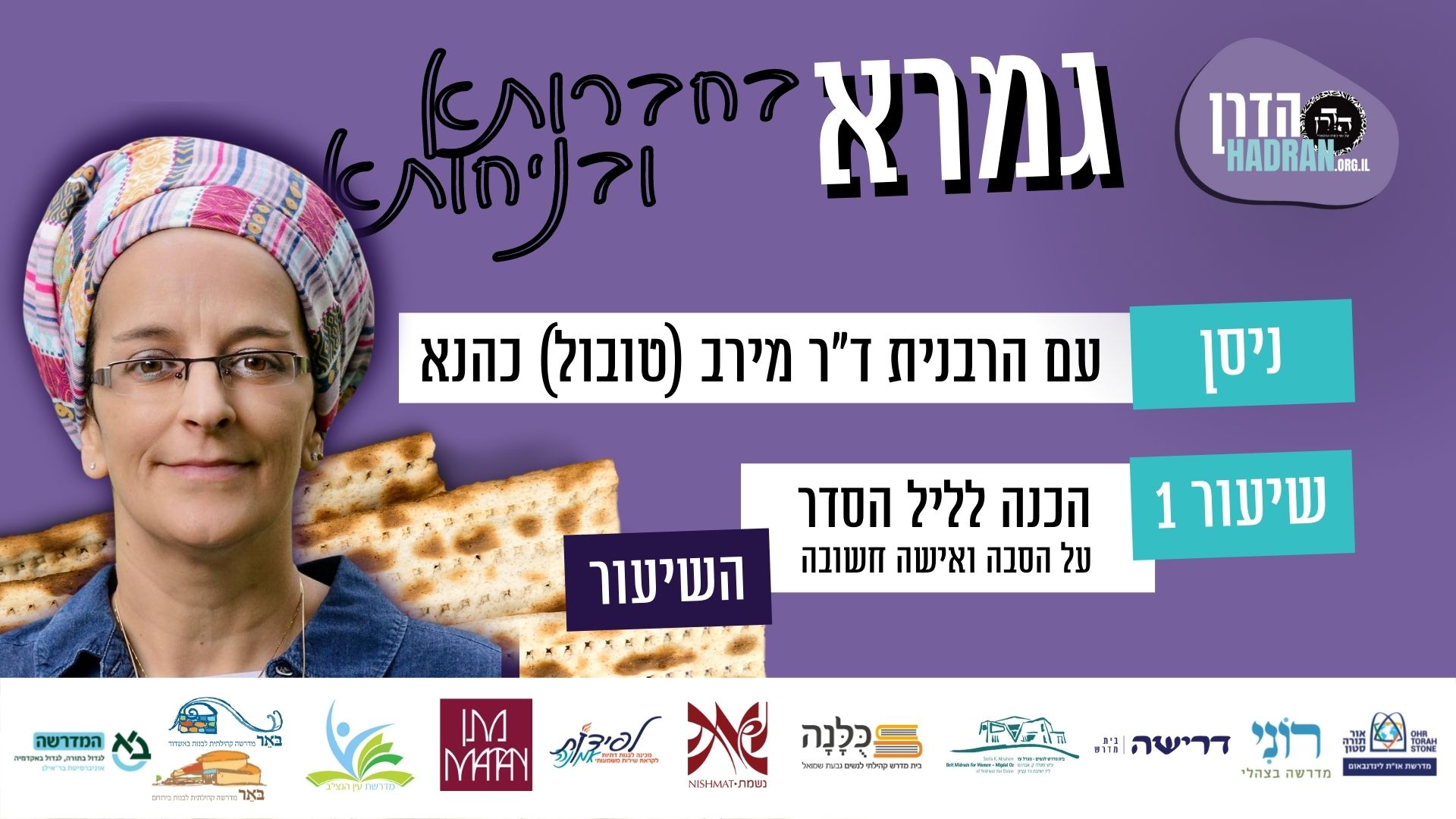
הכנה לליל הסדר: על הסבה ואישה חשובה- סוגיות נבחרות (ניסן שיעור א)
31.03.2022 | כ״ח באדר ב׳ תשפ״ב












חדשה בלימוד הגמרא?
זה הדף הראשון שלך? איזו התרגשות עצומה! יש לנו בדיוק את התכנים והכלים שיעזרו לך לעשות את הצעדים הראשונים ללמידה בקצב וברמה שלך, כך תוכלי להרגיש בנוח גם בתוך הסוגיות המורכבות ומאתגרות.
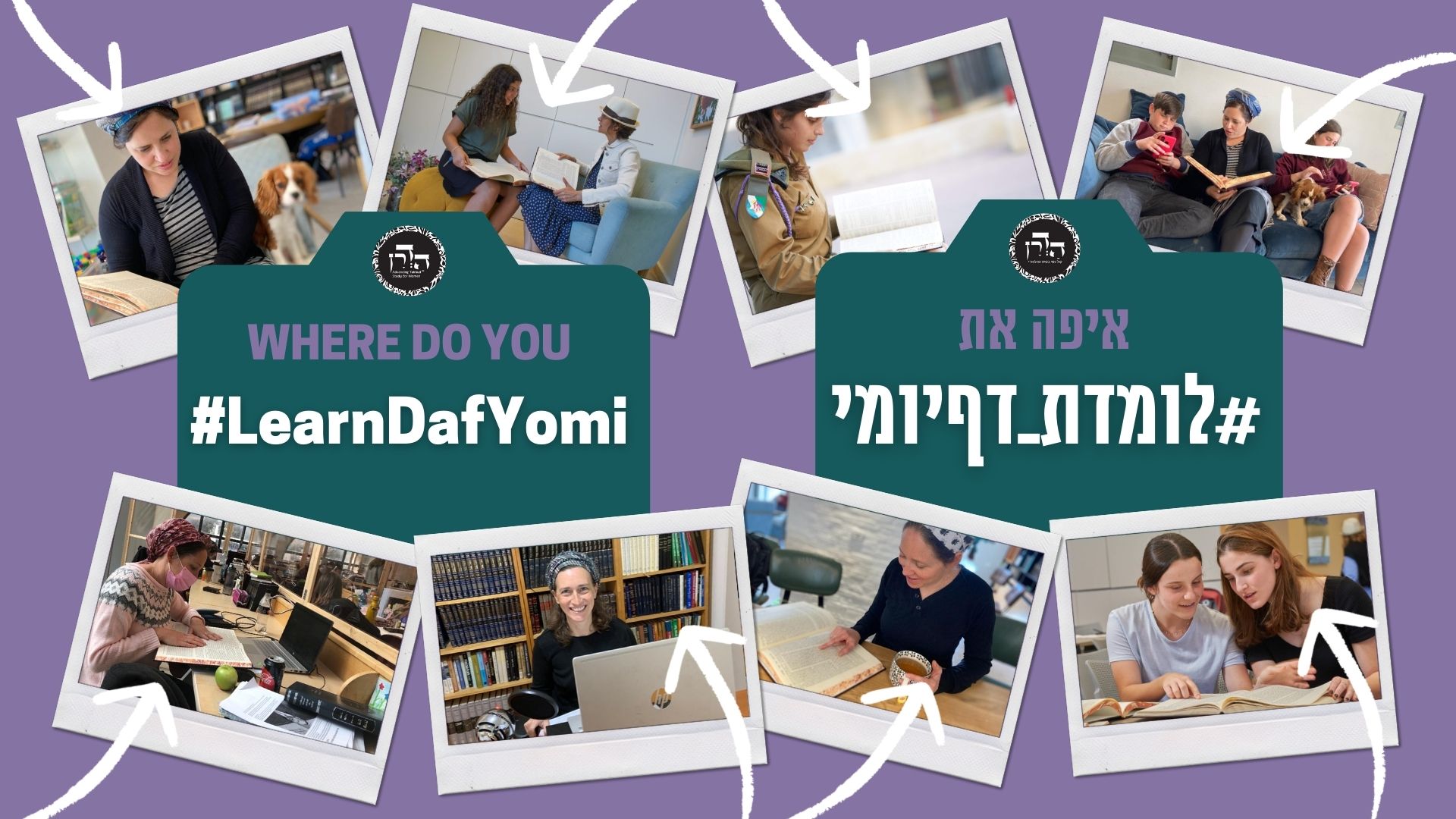
פסיפס הלומדות שלנו
גלי את קהילת הלומדות שלנו, מגוון נשים, רקעים וסיפורים. כולן חלק מתנועה ומסע מרגש ועוצמתי.
התחלתי ללמוד דף יומי כאשר קיבלתי במייל ממכון שטיינזלץ את הדפים הראשונים של מסכת ברכות במייל. קודם לא ידעתי איך לקרוא אותם עד שנתתי להם להדריך אותי. הסביבה שלי לא מודעת לעניין כי אני לא מדברת על כך בפומבי. למדתי מהדפים דברים חדשים, כמו הקשר בין המבנה של בית המקדש והמשכן לגופו של האדם (יומא מה, ע”א) והקשר שלו למשפט מפורסם שמופיע בספר ההינדי "בהגוד-גיתא”. מתברר שזה רעיון כלל עולמי ולא רק יהודי

אלנה ארנבורג
נשר, ישראל
לפני 15 שנה, אחרי עשרות שנים של "ג’ינגול” בין משפחה לקריירה תובענית בהייטק, הצטרפתי לשיעורי גמרא במתן רעננה. הלימוד המעמיק והייחודי של הרבנית אושרה קורן יחד עם קבוצת הנשים המגוונת הייתה חוויה מאלפת ומעשירה. לפני כשמונה שנים כאשר מחזור הדף היומי הגיע למסכת תענית הצטרפתי כ”חברותא” לבעלי. זו השעה היומית שלנו ביחד כאשר דפי הגמרא משתלבים בחיי היום יום, משפיעים ומושפעים, וכשלא מספיקים תמיד משלימים בשבת

יודי אסקוף
רעננה, ישראל
התחלתי ללמוד דף יומי באמצע תקופת הקורונה, שאבא שלי סיפר לי על קבוצה של בנות שתיפתח ביישוב שלנו ותלמד דף יומי כל יום. הרבה זמן רציתי להצטרף לזה וזאת הייתה ההזדמנות בשבילי. הצטרפתי במסכת שקלים ובאמצע הייתה הפסקה קצרה. כיום אני כבר לומדת באולפנה ולומדת דף יומי לבד מתוך גמרא של טיינזלץ.

שבות בראלי
עתניאל, ישראל
בתחילת הסבב הנוכחי הצטברו אצלי תחושות שאני לא מבינה מספיק מהי ההלכה אותה אני מקיימת בכל יום. כמו כן, כאמא לבנות רציתי לתת להן מודל נשי של לימוד תורה
שתי הסיבות האלו הובילו אותי להתחיל ללמוד. נתקלתי בתגובות מפרגנות וסקרניות איך אישה לומדת גמרא..
כמו שרואים בתמונה אני ממשיכה ללמוד גם היום ואפילו במחלקת יולדות אחרי לידת ביתי השלישית.

נועה שילה
רבבה, ישראל
התחלתי ללמוד גמרא בבית הספר בגיל צעיר והתאהבתי. המשכתי בכך כל חיי ואף היייתי מורה לגמרא בבית הספר שקד בשדה אליהו (בית הספר בו למדתי בילדותי)בתחילת מחזור דף יומי הנוכחי החלטתי להצטרף ובע”ה מקווה להתמיד ולהמשיך. אני אוהבת את המפגש עם הדף את "דרישות השלום ” שמקבלת מקשרים עם דפים אחרים שלמדתי את הסנכרון שמתחולל בין התכנים.

אריאלה ביגמן
מעלה גלבוע, ישראל
הצטרפתי ללומדות בתחילת מסכת תענית. ההתרגשות שלי ושל המשפחה היתה גדולה מאוד, והיא הולכת וגוברת עם כל סיום שאני זוכה לו. במשך שנים רבות רציתי להצטרף ומשום מה זה לא קרה… ב”ה מצאתי לפני מספר חודשים פרסום של הדרן, ומיד הצטרפתי והתאהבתי. הדף היומי שינה את חיי ממש והפך כל יום- ליום של תורה. מודה לכן מקרב ליבי ומאחלת לכולנו לימוד פורה מתוך אהבת התורה ולומדיה.

נעה רוזן
חיספין רמת הגולן, ישראל
. לא תמיד נהניתי מלימוד גמרא כילדה.,בל כהתבגרתי התחלתי לאהוב את זה שוב. התחלתי ללמוד מסכת סוטה בדף היומי לפני כחמש עשרה שנה ואז הפסקתי.הגעתי לסיום הגדול של הדרן לפני שנתיים וזה נתן לי השראה. והתחלתי ללמוד למשך כמה ימים ואז היתה לי פריצת דיסק והפסקתי…עד אלול השנה. אז התחלתי עם מסכת ביצה וב”ה אני מצליחה לעמוד בקצב. המשפחה מאוד תומכת בי ויש כמה שגם לומדים את זה במקביל. אני אוהבת שיש עוגן כל יום.

רבקה דרשן
בית שמש, ישראל
רציתי לקבל ידע בתחום שהרגשתי שהוא גדול וחשוב אך נעלם ממני. הלימוד מעניק אתגר וסיפוק ומעמיק את תחושת השייכות שלי לתורה וליהדות

רות עגיב
עלי זהב – לשם, ישראל
התחלתי ללמוד דף יומי ממסכת נידה כי זה היה חומר הלימוד שלי אז. לאחר הסיום הגדול בבנייני האומה החלטתי להמשיך. וב”ה מאז עם הפסקות קטנות של קורונה ולידה אני משתדלת להמשיך ולהיות חלק.
זה משפיע מאוד על היום יום שלי ועל אף שאני עסוקה בלימודי הלכה ותורה כל יום, זאת המסגרת הקבועה והמחייבת ביותר שיש לי.

מוריה תעסן מיכאלי
גבעת הראל, ישראל
הייתי לפני שנתיים בסיום הדרן נשים בבנייני האומה והחלטתי להתחיל. אפילו רק כמה דפים, אולי רק פרק, אולי רק מסכת… בינתיים סיימתי רבע שס ותכף את כל סדר מועד בה.
הסביבה תומכת ומפרגנת. אני בת יחידה עם ארבעה אחים שכולם לומדים דף יומי. מדי פעם אנחנו עושים סיומים יחד באירועים משפחתיים. ממש מרגש. מסכת שבת סיימנו כולנו יחד עם אבא שלנו!
אני שומעת כל יום פודקאסט בהליכה או בנסיעה ואחכ לומדת את הגמרא.

עדנה גרוס
מרכז שפירא, ישראל
אני לומדת גמרא כעשור במסגרות שונות, ואת הדף היומי התחלתי כשחברה הציעה שאצטרף אליה לסיום בבנייני האומה. מאז אני לומדת עם פודקסט הדרן, משתדלת באופן יומי אך אם לא מספיקה, מדביקה פערים עד ערב שבת. בסבב הזה הלימוד הוא "ממעוף הציפור”, מקשיבה במהירות מוגברת תוך כדי פעילויות כמו בישול או נהיגה, וכך רוכשת היכרות עם הסוגיות ואופן ניתוחם על ידי חז”ל. בע”ה בסבב הבא, ואולי לפני, אצלול לתוכו באופן מעמיק יותר.

יעל ביר
רמת גן, ישראל
התחלתי ללמוד בסבב הנוכחי לפני כשנתיים .הסביבה מתפעלת ותומכת מאוד. אני משתדלת ללמוד מכל ההסכתים הנוספים שיש באתר הדרן. אני עורכת כל סיום מסכת שיעור בביתי לכ20 נשים שמחכות בקוצר רוח למפגשים האלו.

יעל אשר
יהוד, ישראל
אחי, שלומד דף יומי ממסכת ברכות, חיפש חברותא ללימוד מסכת ראש השנה והציע לי. החברותא היתה מאתגרת טכנית ורוב הזמן נעשתה דרך הטלפון, כך שבסיום המסכת נפרדו דרכינו. אחי חזר ללמוד לבד, אבל אני כבר נכבשתי בקסם הגמרא ושכנעתי את האיש שלי להצטרף אלי למסכת ביצה. מאז המשכנו הלאה, ועכשיו אנחנו מתרגשים לקראתו של סדר נשים!

שולמית סבן
נוקדים, ישראל
A friend in the SF Bay Area said in Dec 2019 that she might start listening on her morning drive to work. I mentioned to my husband and we decided to try the Daf when it began in Jan 2020 as part of our preparing to make Aliyah in the summer.

חנה פיוטרקובסקי
ירושלים, Israel
התחלתי ללמוד דף יומי בסבב הקודם. זכיתי לסיים אותו במעמד המרגש של הדרן. בסבב הראשון ליווה אותי הספק, שאולי לא אצליח לעמוד בקצב ולהתמיד. בסבב השני אני לומדת ברוגע, מתוך אמונה ביכולתי ללמוד ולסיים. בסבב הלימוד הראשון ליוותה אותי חוויה מסויימת של בדידות. הדרן העניקה לי קהילת לימוד ואחוות נשים. החוויה של סיום הש”ס במעמד כה גדול כשנשים שאינן מכירות אותי, שמחות ומתרגשות עבורי , היתה חוויה מרוממת נפש
אילנית ווייל
קיבוץ מגדל עוז, ישראל
התחלתי ללמוד דף יומי באמצע תקופת הקורונה, שאבא שלי סיפר לי על קבוצה של בנות שתיפתח ביישוב שלנו ותלמד דף יומי כל יום. הרבה זמן רציתי להצטרף לזה וזאת הייתה ההזדמנות בשבילי. הצטרפתי במסכת שקלים ובאמצע הייתה הפסקה קצרה. כיום אני כבר לומדת באולפנה ולומדת דף יומי לבד מתוך גמרא של טיינזלץ.
שבות בראלי
עתניאל, ישראל
באירוע של הדרן בנייני האומה. בהשראתה של אמי שלי שסיימה את הש”ס בסבב הקודם ובעידוד מאיר , אישי, וילדיי וחברותיי ללימוד במכון למנהיגות הלכתית של רשת אור תורה סטון ומורתיי הרבנית ענת נובוסלסקי והרבנית דבורה עברון, ראש המכון למנהיגות הלכתית.
הלימוד מעשיר את יומי, מחזיר אותי גם למסכתות שכבר סיימתי וידוע שאינו דומה מי ששונה פרקו מאה לשונה פרקו מאה ואחת במיוחד מרתקים אותי החיבורים בין המסכתות

רוית קלך
מודיעין, ישראל
התחלתי ללמוד דף יומי לפני שנתיים, עם מסכת שבת. בהתחלה ההתמדה היתה קשה אבל בזכות הקורונה והסגרים הצלחתי להדביק את הפערים בשבתות הארוכות, לסיים את מסכת שבת ולהמשיך עם המסכתות הבאות. עכשיו אני מסיימת בהתרגשות רבה את מסכת חגיגה וסדר מועד ומחכה לסדר הבא!

אילנה שכנוביץ
מודיעין, ישראל
A life-changing journey started with a Chanukah family tiyul to Zippori, home of the Sanhedrin 2 years ago and continued with the Syum in Binanei Hauma where I was awed by the energy of 3000 women dedicated to learning daf Yomi. Opening my morning daily with a fresh daf, I am excited with the new insights I find enriching my life and opening new and deeper horizons for me.

בקי גולדשטיין
Elazar gush etzion, Israel
"התחלתי ללמוד דף יומי במחזור הזה, בח’ בטבת תש””ף. לקחתי על עצמי את הלימוד כדי ליצור תחום של התמדה יומיומית בחיים, והצטרפתי לקבוצת הלומדים בבית הכנסת בכפר אדומים. המשפחה והסביבה מתפעלים ותומכים.
בלימוד שלי אני מתפעלת בעיקר מכך שכדי ללמוד גמרא יש לדעת ולהכיר את כל הגמרא. זו מעין צבת בצבת עשויה שהיא עצומה בהיקפה.”

שרה פוּקס
כפר אדומים, ישראל
פסחים קט
קְלָיוֹת וֶאֱגוֹזִין בְּעֶרֶב פֶּסַח כְּדֵי שֶׁלֹּא יִשְׁנוּ, וְיִשְׁאֲלוּ. אָמְרוּ עָלָיו עַל רַבִּי עֲקִיבָא שֶׁהָיָה מְחַלֵּק קְלָיוֹת וֶאֱגוֹזִין לְתִינוֹקוֹת בְּעֶרֶב פֶּסַח כְּדֵי שֶׁלֹּא יִשְׁנוּ, וְיִשְׁאֲלוּ. תַּנְיָא, רַבִּי אֱלִיעֶזֶר אוֹמֵר: חוֹטְפִין מַצּוֹת בְּלֵילֵי פְּסָחִים בִּשְׁבִיל תִּינוֹקוֹת שֶׁלֹּא יִשְׁנוּ.
roasted grains and nuts on Passover eve, so that they will not sleep and also so they will ask the four questions at night. They said about Rabbi Akiva that he would distribute roasted grains and nuts to children on Passover eve, so that they would not sleep and so they would ask. It was taught in a baraita that Rabbi Eliezer says: One grabs the matzot on the nights of Passover. One should eat them very quickly on account of the children, so that, due to the hasty consumption of the meal, they will not sleep and they will inquire into the meaning of this unusual practice.
תַּנְיָא, אָמְרוּ עָלָיו עַל רַבִּי עֲקִיבָא: מִיָּמָיו לֹא אָמַר הִגִּיעַ עֵת לַעֲמוֹד בְּבֵית הַמִּדְרָשׁ, חוּץ מֵעַרְבֵי פְסָחִים וְעֶרֶב יוֹם הַכִּפּוּרִים. בְּעֶרֶב פֶּסַח — בִּשְׁבִיל תִּינוֹקוֹת, כְּדֵי שֶׁלֹּא יִשְׁנוּ. וְעֶרֶב יוֹם הַכִּפּוּרִים — כְּדֵי שֶׁיַּאֲכִילוּ אֶת בְּנֵיהֶם.
It was taught in a baraita: They said about Rabbi Akiva that in all his days he never said to his students that the time had come to arise from their learning in the study hall. Instead, he would continue to teach as long as they were willing to listen. This was true except for the eves of Passover and the eve of Yom Kippur, when he would stop teaching. The Gemara explains the reasons for these exceptions: On the eve of Passover, he would stop on account of the children, so that they would go to sleep during the day, so that they would not be tired and sleep at night. And on the eve of Yom Kippur, he would stop so that his students would remember to feed their children.
תָּנוּ רַבָּנַן: חַיָּיב אָדָם לְשַׂמֵּחַ בָּנָיו וּבְנֵי בֵיתוֹ בָּרֶגֶל, שֶׁנֶּאֱמַר: ״וְשָׂמַחְתָּ בְּחַגֶּךָ״. בַּמֶּה מְשַׂמְּחָם — בְּיַיִן.
The Sages taught: A man is obligated to gladden his children and the members of his household on a Festival, as it is stated: “And you shall rejoice on your Festival, you, and your son, and your daughter, and your manservant, and your maidservant, and the Levite, and the stranger, and the fatherless, and the widow that are within your gates” (Deuteronomy 16:14). With what should one make them rejoice? With wine.
רַבִּי יְהוּדָה אוֹמֵר: אֲנָשִׁים בָּרָאוּי לָהֶם, וְנָשִׁים בָּרָאוּי לָהֶן. אֲנָשִׁים בָּרָאוּי לָהֶם — בְּיַיִן. וְנָשִׁים בְּמַאי? תָּנֵי רַב יוֹסֵף: בְּבָבֶל — בְּבִגְדֵי צִבְעוֹנִין, בְּאֶרֶץ יִשְׂרָאֵל — בְּבִגְדֵי פִּשְׁתָּן מְגוֹהָצִין.
Rabbi Yehuda says: One should enable each member of his household to rejoice with an item that pleases them, men with what is fit for them and women with what is fit for them. Rabbi Yehuda elaborates: Men with what is fit for them, i.e., with wine. And as for the women, with what should one cause them to rejoice? Rav Yosef teaches: One should delight them with new clothes, in Babylonia with colored clothes and in Eretz Yisrael with the pressed linen clothes that are manufactured there.
תַּנְיָא, רַבִּי יְהוּדָה בֶּן בְּתֵירָא אוֹמֵר: בִּזְמַן שֶׁבֵּית הַמִּקְדָּשׁ קַיָּים אֵין שִׂמְחָה אֶלָּא בְּבָשָׂר, שֶׁנֶּאֱמַר: ״וְזָבַחְתָּ שְׁלָמִים וְאָכַלְתָּ שָּׁם וְשָׂמַחְתָּ לִפְנֵי ה׳ אֱלֹהֶיךָ״, וְעַכְשָׁיו שֶׁאֵין בֵּית הַמִּקְדָּשׁ קַיָּים, אֵין שִׂמְחָה אֶלָּא בְּיַיִן, שֶׁנֶּאֱמַר: ״וְיַיִן יְשַׂמַּח לְבַב אֱנוֹשׁ״.
It was taught in a baraita that Rabbi Yehuda ben Beteira says: When the Temple is standing, rejoicing is only through the eating of sacrificial meat, as it is stated: “And you shall sacrifice peace-offerings and you shall eat there and you shall rejoice before the Lord your God” (Deuteronomy 27:7). And now that the Temple is not standing and one cannot eat sacrificial meat, he can fulfill the mitzva of rejoicing on a Festival only by drinking wine, as it is stated: “And wine that gladdens the heart of man” (Psalms 104:15).
אָמַר רַבִּי יִצְחָק: קִסְתָּא דְמוּרְיְסָא דַּהֲוָה בְּצִיפּוֹרִי הִיא הֲוָת כְּמִין לוּגָּא דְּמַקְדְּשָׁא, וּבָהּ מְשַׁעֲרִין רְבִיעִית שֶׁל פֶּסַח. אָמַר רַבִּי יוֹחָנָן: תְּמָנְיָיתָא קַדְמָיְיתָא דַּהֲוָה בִּטְבֶרְיָא הֲוָת יַתִּירָה עַל דָּא רִיבְעָא, וּבָהּ מְשַׁעֲרִין רְבִיעִית שֶׁל פֶּסַח.
Rabbi Yitzḥak said: The vessel used for measuring brine [moraysa] that was in Tzippori was the same volume as the log in the Temple, and with it the Sages would measure the quarter–log of Passover. They would fill this vessel and then divide the liquid it contained into four equal parts. The result was one quarter-log, which is the minimum measure of wine for the four cups on Passover and for certain other halakhot. Rabbi Yoḥanan said: The old eighth measure that was in use in Tiberias was greater than this eighth measure by one quarter–log, and with it we measure the quarter–log of Passover. When the old measure is filled and poured into the newer version, the amount left in the original vessel is one quarter-log.
אָמַר רַב חִסְדָּא: רְבִיעִית שֶׁל תּוֹרָה אֶצְבָּעַיִם עַל אֶצְבָּעַיִם בְּרוּם אֶצְבָּעַיִם וַחֲצִי אֶצְבַּע וְחוֹמֶשׁ אֶצְבַּע. כִּדְתַנְיָא: ״וְרָחַץ בַּמַּיִם אֶת כָּל בְּשָׂרוֹ״ — שֶׁלֹּא יְהֵא דָּבָר חוֹצֵץ בֵּין בְּשָׂרוֹ לַמַּיִם. ״בַּמַּיִם״ — בְּמֵי מִקְוֶה. ״אֶת כׇּל בְּשָׂרוֹ״ — מַיִם שֶׁכׇּל גּוּפוֹ עוֹלֶה בָּהֶן, וְכַמָּה הֵן?
Rav Ḥisda said: The quarter–log measurement of the Torah is two fingerbreadths by two fingerbreadths in volume, by the height of two fingerbreadths and one half fingerbreadth and one-fifth of a fingerbreadth. This statement is as it was taught in a baraita concerning a ritual bath, about which the verse states: “And he shall bathe all his flesh in the water” (Leviticus 15:16), from which the Sages expounded: This phrase teaches that there should be nothing interposing between one’s flesh and the water. The expression “in the water” indicates that the verse is referring to a specific body of water, i.e., in the water of a ritual bath. The phrase “all his flesh” teaches that one must immerse in water that his whole body can enter at once. And how much is that?
אַמָּה עַל אַמָּה בְּרוּם שָׁלֹשׁ אַמּוֹת, וְשִׁיעֲרוּ חֲכָמִים שִׁיעוּר מֵי מִקְוֶה אַרְבָּעִים סְאָה.
A cubit, by a cubit, by a height of three cubits. And the Sages measured the measure of the water necessary for a ritual bath at forty se’a.
אָמַר רַב אָשֵׁי: אָמַר לִי רָבִין בַּר חִינָּנָא, שׁוּלְחָן שֶׁל מִקְדָּשׁ — שֶׁל פְּרָקִים הֲוָה, דְּאִי סָלְקָא דַּעְתָּךְ הַדּוֹקֵי הֲוָה מִיהַדַּק, אַמְּתָא בְּאַמְּתָא הֵיכִי מַטְבְּלֵיהּ?!
The Gemara cites a discussion related to the topic of measurements. Rav Ashi said: Ravin bar Ḥinnana said to me: The table of the Temple, upon which the shewbread was placed, was comprised of assembled parts. For if it should enter your mind that the table was firmly connected and could not be taken apart, how could the priests immerse a cubit in a cubit? The dimensions of the table were two cubits by one cubit, with a height of one and a half cubits. If the table contracted ritual impurity, it had to be immersed in a ritual bath. If a ritual bath contains an area of one cubit by one cubit, the table can fit inside only if it is dismantled.
מַאי קוּשְׁיָא? דִּילְמָא בְּיָם שֶׁעָשָׂה שְׁלֹמֹה הֲוָה מַטְבֵּיל לֵיהּ. דְּתָנֵי רַבִּי חִיָּיא: יָם שֶׁעָשָׂה שְׁלֹמֹה מַחֲזִיק מֵאָה וַחֲמִשִּׁים מִקְוֵה טׇהֳרָה.
The Gemara responds: What is the difficulty? Perhaps the priest would immerse it in the sea that King Solomon built, which was a very wide ritual bath, as it states: “And he made the molten sea of ten cubits from brim to brim, round in compass” (I Kings 7:23). As Rabbi Ḥiyya taught: The sea that Solomon built contained the volume of water of one hundred and fifty ritual purification baths. It was certainly possible to immerse even large vessels in this sea.
וְלֹא יִפְחֲתוּ לוֹ מֵאַרְבָּעָה. הֵיכִי מְתַקְּנִי רַבָּנַן מִידֵּי דְּאָתֵי בֵּהּ לִידֵי סַכָּנָה, וְהָתַנְיָא: לֹא יֹאכַל אָדָם תְּרֵי, וְלֹא יִשְׁתֶּה תְּרֵי, וְלֹא יְקַנַּח תְּרֵי, וְלֹא יַעֲשֶׂה צְרָכָיו תְּרֵי?
We learned in the mishna that even with regard to the poorest of Jews, the charity distributors should not give him less than four cups of wine. The Gemara asks: How could the Sages establish a matter through which one will come to expose himself to danger? But wasn’t it taught in a baraita: A person should not eat pairs, i.e., an even number of food items; and he should not drink pairs of cups; and he should not wipe himself with pairs; and he should not attend to his sexual needs in pairs. The concern was that one who uses pairs exposes himself to sorcery or demons. Why would the Sages require one to drink an even number of cups and thereby place himself in a position of danger?
אָמַר רַב נַחְמָן, אָמַר קְרָא: ״לֵיל שִׁמּוּרִים״ — לַיִל הַמְשׁוּמָּר וּבָא מִן הַמַּזִּיקִין.
Rav Naḥman said that the verse said: “It was a night of watching to the Lord” (Exodus 12:42), which indicates that Passover night is a night that remains guarded from demons and harmful spirits of all kinds. Therefore, there is no cause for concern about this form of danger on this particular night.
רָבָא אָמַר: כּוֹס שֶׁל בְּרָכָה מִצְטָרֵף לְטוֹבָה, וְאֵינוֹ מִצְטָרֵף לְרָעָה. רָבִינָא אָמַר: אַרְבָּעָה כָּסֵי תַּקִּינוּ רַבָּנַן דֶּרֶךְ חֵירוּת, כׇּל חַד וְחַד
Rava said a different answer: The cup of blessing for Grace after Meals on Passover night is used in the performance of an additional mitzva and is not simply an expression of freedom. Therefore, it combines with the other cups for the good, i.e., to fulfill the mitzva to drink four cups, and it does not combine for the bad. With regard to the danger of drinking pairs of cups, it is as though one drinks only three cups. Ravina said: The Sages instituted four separate cups, each of which is consumed in a manner that demonstrates freedom. Therefore, each and every one
לעקוב

