חיפוש

פסחים קכ

רוצה להקדיש שיעור?

podcast placeholder

0:00
0:00


תקציר

הדף היום מוקדש ע”י לכבוד סבינה ויצמן לכבוד בעלה מיכאל צ’יימבר, "בן אהוב, אח, בעל, ואב – שמעודד אותי בכל מיני דברים. אני מודה לקב”ה על שברך אותי במתנה של האיש הנפלא הזה.”

האם אסור לאכול אחרי מצת אפיקומן? ישנן שתי גרסאות שונות של מה שמואל אמר על כך. הגמרא מביאה משנה ועוד ברייתא להקשות/לתמוך בכל קריאה. לפי הגרסה הראשונה, המשנה מובאת כקושי והברייתא לתמיכה ולהיפך לגרסה השנייה. כל תמיכה/קושי נדחית מכיוון שניתן לפרש את המקור באופן שונה. האם מצוות אכילת מצה ומרור לאחר חורבן בית המקדש היא ציווי מדאורייתא או מדרבנן? יש ויכוח בעניין מצה, בעוד שכולם מסכימים כי מרור הוא מדרבנן. מביאים פסוקים שממנו למד כל אחד את דעתו. אם כמה מחברי החבורה (קבוצת אנשים שאוכלים את הקרבן ביחד) נרדמים, האם הם יכולים להמשיך לאכול את הבשר כשהם מתעוררים? מה אם כולם נרדמים? האם יש הבדל בין אם הם נמנמו או נפלו לשינה עמוקה? עד מתי אפשר לאכול את בשר קרבן הפסח? רבי אלעזר בן עזריה ורבי עקיבא חלוקים ביניהם – האם חצות או עלות השחר? כל אחד מהם לומד את ההלכה מפסוק אחר בתורה ומסביר את פסוקו של השני באופן אחר.

כלים

פסחים קכ

בָּרִאשׁוֹנָה לָא. לָא מִיבַּעְיָא קָאָמַר. לָא מִיבַּעְיָא בָּרִאשׁוֹנָה — דְּקָאָכֵיל לְתֵיאָבוֹן, אֲבָל בָּאַחֲרוֹנָה דִּילְמָא אָתֵי לְמֵיכַל אֲכִילָה גַּסָּה — אֵימָא לָא, קָא מַשְׁמַע לַן.

However, if one eats matza before these other foods, no, one may not start eating other foods after matza. The mishna apparently supports Rav Yehuda’s opinion. The Gemara rejects this proof: The Tosefta is stated in the style of: Needless to say. Needless to say, one fulfills his obligation if he eats matza before other foods, as he eats it with an appetite. However, if one eats matza after eating other foods, perhaps he will come to eat it in the manner of excessive eating, as he is compelled to eat when he is not hungry. Consequently, you might say that one does not fulfill his obligation if he eats matza after all those other foods. Therefore, the Tosefta teaches us that one may eat matza even after consuming those foods.

מָר זוּטְרָא מַתְנֵי הָכִי: אָמַר רַב יוֹסֵף אָמַר רַב יְהוּדָה אָמַר שְׁמוּאֵל: מַפְטִירִין אַחַר הַמַּצָּה אֲפִיקוֹמָן. נֵימָא מְסַיַּיע לֵיהּ, אֵין מַפְטִירִין אַחַר הַפֶּסַח אֲפִיקוֹמָן: אַחַר הַפֶּסַח דְּלָא, אֲבָל אַחַר מַצָּה — מַפְטִירִין.

This is how Mar Zutra taught this discussion: Rav Yosef said that Rav Yehuda said that Shmuel said: One may conclude after the matza with an afikoman. The Gemara suggests: Let us say that the mishna supports his opinion: One does not conclude after the Paschal lamb with an afikoman. The Gemara infers: It is after the Paschal lamb that one may not conclude with an afikoman; however, after matza one may conclude with an afikoman.

לָא מִיבַּעְיָא קָאָמַר. לָא מִיבַּעְיָא אַחַר מַצָּה — דְּלָא נְפִישׁ טַעְמֵיהּ, אֲבָל לְאַחַר פֶּסַח — אֵימָא לָא, קָא מַשְׁמַע לַן.

The Gemara rejects this contention: The mishna is stated in the style of: Needless to say. Needless to say, one may not conclude with an afikoman after eating matza, as the taste of matza is slight; however, after the Paschal lamb, one might say that this prohibition does not apply. Therefore, the mishna teaches us that it is prohibited to conclude with an afikoman after the Paschal lamb as well.

מֵיתִיבִי: הַסּוּפְגָּנִין וְהַדּוּבְשָׁנִין וְהָאִיסְקְרִיטִין אָדָם מְמַלֵּא כְּרֵיסוֹ מֵהֶן וּבִלְבַד שֶׁיֹּאכַל (אֲכִילַת) כְּזַיִת מַצָּה בָּאַחֲרוֹנָה. בָּאַחֲרוֹנָה אִין, בָּרִאשׁוֹנָה לָא!

The Gemara raises an objection: With regard to unleavened sponge cakes, cakes fried in oil and honey, and honey cakes, a person may fill his stomach with them on Passover night, provided that he eats an olive-bulk of matza after consuming them. The Gemara infers from here that if he eats matza after those cakes, yes, this is permitted; however, if one eats matza before these other foods, no, this is not an acceptable practice.

לָא מִיבַּעְיָא קָאָמַר. לָא מִיבַּעְיָא בָּרִאשׁוֹנָה — דְּקָאָכֵיל לְתֵיאָבוֹן, אֲבָל בָּאַחֲרוֹנָה דְּאָתֵי לְמֵיכְלַהּ אֲכִילָה גַּסָּה — אֵימָא לָא, קָא מַשְׁמַע לַן.

The Gemara answers: As explained above, the Tosefta is stated in the style of: Needless to say. Needless to say, one fulfills his obligation if he eats matza before other foods, as he eats it with an appetite. However, if he eats matza after eating other foods, when he might come to eat it in the manner of an excessive eating, you might say that one does not fulfill his obligation if he eats matza after all those other foods. Therefore, the Tosefta teaches us that one may eat matza even after consuming those foods.

אָמַר רָבָא: מַצָּה בִּזְמַן הַזֶּה דְּאוֹרָיְיתָא, וּמָרוֹר דְּרַבָּנַן. וּמַאי שְׁנָא מָרוֹר, דִּכְתִיב: ״עַל מַצּוֹת וּמְרוֹרִים״, בִּזְמַן דְּאִיכָּא פֶּסַח — יֵשׁ מָרוֹר, וּבִזְמַן דְּלֵיכָּא פֶּסַח — לֵיכָּא מָרוֹר.

Rava said: The mitzva of matza nowadays, even after the destruction of the Temple, applies by Torah law; but the mitzva to eat bitter herbs applies by rabbinic law. The Gemara asks: And in what way is the mitzva of bitter herbs different from matza? As it is written, with regard to the Paschal lamb: “They shall eat it with matzot and bitter herbs” (Numbers 9:11), from which it is derived: When there is an obligation to eat the Paschal lamb, there is likewise a mitzva to eat bitter herbs; and when there is no obligation to eat the Paschal lamb, there is also no mitzva to eat bitter herbs.

מַצָּה נָמֵי, הָא כְּתִיב: ״עַל מַצּוֹת וּמְרוֹרִים״! מַצָּה מִיהְדָּר הָדַר בֵּיהּ קְרָא: ״בָּעֶרֶב תֹּאכְלוּ מַצּוֹת״. וְרַב אַחָא בַּר יַעֲקֹב אָמַר: אֶחָד זֶה וְאֶחָד זֶה דְּרַבָּנַן.

The Gemara asks: But if so, the same reasoning should apply to matza as well, as it is written: “With matzot and bitter herbs.” The mitzva of matza should also depend on the obligation of the Paschal lamb. The Gemara rejects this contention: The verse repeats the obligation to eat matza, as it states: “In the first month, on the fourteenth day of the month in the evening, you shall eat matzot (Exodus 12:18). This verse establishes a separate obligation to eat matza, unrelated to the Paschal lamb. And Rav Aḥa bar Ya’akov said: Nowadays, both this, the mitzva to eat matza, and that, the mitzva to eat bitter herbs, apply by rabbinic law, as the Torah obligation to eat these foods is in effect only when the Paschal lamb is sacrificed.

אֶלָּא הָכְתִיב: ״בָּעֶרֶב תֹּאכְלוּ מַצּוֹת״! הָהִיא מִיבְּעֵי לֵיהּ לְטָמֵא וְשֶׁהָיָה בְּדֶרֶךְ רְחוֹקָה, דְּסָלְקָא דַּעְתָּךְ אָמֵינָא כֵּיוָן דְּפֶסַח לָא אָכְלִי — מַצָּה וּמָרוֹר נָמֵי לָא נֵיכוֹל, קָא מַשְׁמַע לַן.

The Gemara challenges: But isn’t it written: “In the evening, you shall eat matzot”? The Gemara answers: Rav Aḥa bar Ya’akov needs that verse for the following halakha: When the Temple was standing, one who was ritually impure or one who was on a distant road was nonetheless obligated to eat matza. As it could enter your mind to say that since these two categories of people do not eat the Paschal lamb on the first Pesaḥ, they also do not eat matza and bitter herbs. According to Rav Aḥa bar Ya’akov, this verse teaches us that even one who was ritually impure and one who was on a distant road are obligated to eat matza and bitter herbs, as these mitzvot do not depend on one’s eligibility to sacrifice the Paschal lamb on the first Pesaḥ.

וְרָבָא אָמַר לָךְ: טָמֵא וְשֶׁהָיָה בְּדֶרֶךְ רְחוֹקָה לָא צְרִיךְ קָרָא, דְּלָא גָּרְעִי מֵעָרֵל וּבֶן נֵכָר. דְּתַנְיָא: ״כׇּל עָרֵל לֹא יֹאכַל בּוֹ״ — ״בּוֹ״ אֵינוֹ אוֹכֵל, אֲבָל אוֹכֵל בְּמַצָּה וּמָרוֹר.

The Gemara asks: And Rava, who maintains that it is a mitzva from the Torah to eat matza nowadays, how could he respond to that interpretation of the verse? Rava could have said to you: I do not require a special verse to teach that a ritually impure person and a person who was on a distant road are obligated to eat matza. These people are obligated because they are no worse than an uncircumcised man or an alien, i.e., one who does not observe the mitzvot, who are obligated to eat matza despite the fact that they do not sacrifice the Paschal lamb. As it was taught in a baraita: “But no uncircumcised man shall eat from it” (Exodus 12:48). “From it” indicates that he may not eat from the Paschal lamb; however, he does eat matza and bitter herbs. The same is true for anyone else who is prevented from eating the Paschal lamb.

וְאִידַּךְ? כְּתִיב בְּהַאי וּכְתִיב בְּהַאי, וּצְרִיכִי.

The Gemara asks: And the other, Rav Aḥa bar Ya’akov, how does he respond to this argument? The Gemara answers: According to Rav Aḥa bar Ya’akov, the halakha that one must eat matza and bitter herbs despite being unable to partake of the Paschal lamb was written with regard to this person, an uncircumcised man, and it was written also with regard to that one, a ritually impure person, and both verses are necessary. We cannot learn the halakha of a ritually impure person from that of an uncircumcised man, or vice versa, as is explained in several places.

תַּנְיָא כְּווֹתֵיהּ דְּרָבָא: ״שֵׁשֶׁת יָמִים תֹּאכַל מַצּוֹת וּבַיּוֹם הַשְּׁבִיעִי עֲצֶרֶת לַה׳ אֱלֹהֶיךָ״. מָה שְׁבִיעִי רְשׁוּת, אַף שֵׁשֶׁת יָמִים רְשׁוּת.

The Gemara comments: It was taught in a baraita in accordance with the opinion of Rava: “Six days you shall eat matzot, and on the seventh day shall be a solemn assembly to the Lord your God” (Deuteronomy 16:8). Just as eating matza on the seventh day is merely optional, i.e., there is no obligation to eat matza on the last day of Passover, but only to avoid eating leavened bread, as the verse states: “Six days you shall eat matzot,” so too, eating matza during the first six days is optional.

מַאי טַעְמָא? הָוֵי דָּבָר שֶׁהָיָה בַּכְּלָל, וְיָצָא מִן הַכְּלָל לְלַמֵּד, לֹא לְלַמֵּד עַל עַצְמוֹ יָצָא, אֶלָּא לְלַמֵּד עַל הַכְּלָל כּוּלּוֹ יָצָא.

What is the reason that it is optional to eat matza on the first six days of Passover as well as the seventh? The seventh day of Passover is something that was included in a generalization but was explicitly singled out to teach. According to the rules of exegesis, it was intended to teach not just about itself but about the entire generalization. In other words, the seventh day of Passover was initially included in the verse: “You shall eat matzot for seven days” (Exodus 12:15), but was excluded from this generalization by the verse: “Six days you shall eat matzot.” In accordance with the above principle, the halakha of the seventh day applies to all the other days of Passover as well. That means there is no obligation to eat matza for all seven days of the Festival, but only on the first day.

יָכוֹל אַף לַיְלָה הָרִאשׁוֹן רְשׁוּת, תַּלְמוּד לוֹמַר: ״עַל מַצּוֹת וּמְרוֹרִים יֹאכְלוּהוּ״.

The baraita continues: I might have thought that even the mitzva to eat matza on the first night of Passover is included by the above principle, and it too is merely optional; therefore, the verse states: “They shall eat it with matzot and bitter herbs” (Numbers 9:11).

אֵין לִי אֶלָּא בִּזְמַן שֶׁבֵּית הַמִּקְדָּשׁ קַיָּים, בִּזְמַן שֶׁאֵין בֵּית הַמִּקְדָּשׁ קַיָּים מִנַּיִן? תַּלְמוּד לוֹמַר: ״בָּעֶרֶב תֹּאכְלוּ מַצּוֹת״, הַכָּתוּב קְבָעוֹ חוֹבָה.

I have derived nothing other than that one is obligated to eat matza when the Temple is standing. From where is it derived that one is obligated to eat matza on the first night of Passover even when the Temple is not standing? The verse states: “In the evening you shall eat matzot.” The verse here establishes the mitzva of matza as obligatory, in accordance with the opinion of Rava.

מַתְנִי׳ יָשְׁנוּ מִקְצָתָן — יֹאכֵלוּ. כּוּלָּן — לֹא יֹאכֵלוּ.

MISHNA: If some of the participants at the seder fell asleep, thereby interrupting their meal, they may eat from the Paschal lamb when they awake. If the entire company fell asleep, they may not eat any more. If they all fall asleep, this is considered a complete interruption, and if they were to resume their meal it would be akin to eating the offering in two different places.

רַבִּי יוֹסֵי אוֹמֵר: נִתְנַמְנְמוּ — יֹאכֵלוּ, נִרְדְּמוּ — לֹא יֹאכֵלוּ. הַפֶּסַח אַחַר חֲצוֹת מְטַמֵּא אֶת הַיָּדַיִם. הַפִּגּוּל וְהַנּוֹתָר מְטַמְּאִין אֶת הַיָּדַיִם.

Rabbi Yosei says: If they dozed they may eat from the Paschal lamb when they awake, but if they fell fast asleep they may not eat from it. The Sages further said: The Paschal lamb after midnight renders one’s hands ritually impure, as it becomes notar, an offering that remained after the time when they may be eaten has expired; and the Sages ruled that both piggul, offerings that were invalidated due to inappropriate intent while being sacrificed, and notar render one’s hands ritually impure.

גְּמָ׳ רַבִּי יוֹסֵי אוֹמֵר: נִתְנַמְנְמוּ — יֹאכֵלוּ, נִרְדְּמוּ — לֹא יֹאכֵלוּ. הֵיכִי דָּמֵי נִתְנַמְנֵם? אָמַר רַב אָשֵׁי: נִים וְלָא נִים, תִּיר וְלָא תִּיר. כְּגוֹן דְּקָרֵי לֵיהּ וְעָנֵי, וְלָא יָדַע לְאַהְדּוֹרֵי סְבָרָא, וְכִי מַדְכְּרוּ לֵיהּ — מִדְּכַר.

GEMARA: We learned in the mishna that Rabbi Yosei says: If they dozed they may eat from the Paschal lamb, but if they fell asleep they may not eat from it. The Gemara asks: What are the circumstances of dozing? Rav Ashi said: One is asleep but not asleep, awake but not awake, when, if they call him, he will answer, but he is unable to provide a reasonable answer. And when they later inform him of what happened, he remembers it.

אַבָּיֵי הֲוָה יָתֵיב קַמֵּיהּ דְּרַבָּה. חֲזָא דְּקָא נַמְנֵם, אֲמַר לֵיהּ: מֵינָם קָא נָאֵים מָר. אֲמַר לֵיהּ: מֵינוֹמֵי קָא (מְנַמְנֵם) [מְנַמְנַמְנָא], וּתְנַן: נִתְנַמְנְמוּ — יֹאכֵלוּ, נִרְדְּמוּ — לֹא יֹאכֵלוּ.

The Gemara cites a related episode: Abaye was sitting before Rabba, and he saw that Rabba was dozing off after he had begun to eat the final obligatory piece of matza. He said to him: Is the Master sleeping? Rabba said to him: I am dozing, and we learned in the mishna: If they dozed, they may eat from the Paschal lamb, but if they fell fast asleep they may not eat from it.

הַפֶּסַח אַחַר חֲצוֹת מְטַמֵּא אֶת הַיָּדַיִם וְכוּ׳. אַלְמָא מֵחֲצוֹת הָוֵה לֵיהּ נוֹתָר. מַאן תַּנָּא?

We learned in the mishna that the Paschal lamb after midnight renders one’s hands ritually impure. The Gemara infers: Apparently, from midnight and onward the Paschal lamb is classified as notar. The Gemara asks: Who is the tanna who maintains this opinion?

אָמַר רַב יוֹסֵף: רַבִּי אֶלְעָזָר בֶּן עֲזַרְיָה הוּא, דְּתַנְיָא: ״וְאָכְלוּ אֶת הַבָּשָׂר בַּלַּיְלָה הַזֶּה״, רַבִּי אֶלְעָזָר בֶּן עֲזַרְיָה אוֹמֵר: נֶאֱמַר כָּאן ״בַּלַּיְלָה הַזֶּה״, וְנֶאֱמַר לְהַלָּן ״וְעָבַרְתִּי בְאֶרֶץ מִצְרַיִם בַּלַּיְלָה הַזֶּה״.

Rav Yosef said: It is Rabbi Elazar ben Azarya, as it was taught in a baraita: With regard to the verse “And they shall eat of the meat on that night” (Exodus 12:8), Rabbi Elazar ben Azarya says: Here it is stated “on that night,” from which it cannot be determined when the night ends. And below it is stated: “And I will pass through the land of Egypt on that night and I will strike every firstborn in the land of Egypt” (Exodus 12:12). The Torah states with regard to the death of the firstborns: “Thus said the Lord: At about midnight, I will go out into the midst of Egypt and every firstborn in Egypt shall die” (Exodus 11:4–5).

מַה לְהַלָּן — עַד חֲצוֹת, אַף כָּאן — עַד חֲצוֹת.

The baraita continues: Just as in the verse below, the striking of the firstborns took place until midnight, as stated explicitly in the verse, so too, in the verse here, the mitzva to eat the Paschal lamb continues until midnight but not beyond. Evidently, the Paschal lamb may not be eaten after midnight.

אָמַר לוֹ רַבִּי עֲקִיבָא: וַהֲלֹא נֶאֱמַר ״חִפָּזוֹן״ — עַד שְׁעַת חִפָּזוֹן.

Rabbi Akiva said to Rabbi Elazar ben Azarya: But wasn’t it already stated: “Thus you shall eat it, with your loins girded, your shoes on your feet, your staffs in your hands, and you will eat it in haste, for it is the Paschal offering for the Lord” (Exodus 12:11)? This verse indicates that the Paschal lamb may be eaten until the time of haste, i.e., until dawn, as the Jewish people left Egypt the next day.

אִם כֵּן, מָה תַּלְמוּד לוֹמַר ״בַּלַּיְלָה״? יָכוֹל יְהֵא נֶאֱכָל כַּקֳּדָשִׁים בַּיּוֹם — תַּלְמוּד לוֹמַר: ״בַּלַּיְלָה״, בַּלַּיְלָה הוּא נֶאֱכָל, וְאֵינוֹ נֶאֱכָל בְּיוֹם.

Rabbi Akiva continues: If that is so, what is the meaning when the verse states: “On that night,” with regard to eating the Paschal lamb? The Gemara explains that this phrase is necessary, as I might have thought that the Paschal lamb is eaten during the day, like all other offerings, which must be slaughtered and eaten during the day. Therefore, the verse states: “On that night,” to underscore that this particular offering is eaten at night, and it is not eaten during the day.

וְרַבִּי עֲקִיבָא, הַאי ״הַזֶּה״ מַאי עָבֵיד לֵיהּ? מִיבְּעֵי לֵיהּ לְמַעוֹטֵי לַיְלָה אַחֵר הוּא דַּאֲתָא. סָלְקָא דַּעְתָּךְ אָמֵינָא: הוֹאִיל וּפֶסַח קָדָשִׁים קַלִּים, וּשְׁלָמִים קָדָשִׁים קַלִּים — מָה שְׁלָמִים נֶאֱכָלִים לִשְׁנֵי יָמִים וְלַיְלָה אֶחָד, אַף פֶּסַח;

The Gemara asks: And Rabbi Akiva, what does he do with the word “that”? As he doesn’t use it for a verbal analogy, what does Rabbi Akiva learn from this word? The Gemara answers: He needs it to exclude another night. It could enter your mind to say that since the Paschal lamb falls into the category of offerings of lesser sanctity, and peace-offerings are also offerings of lesser sanctity, just as peace-offerings may be eaten for two days and one night, i.e., the day they are sacrificed through the following day, as stated in the Torah, so too, the same halakha should apply to the Paschal lamb.

אוֹקֵים לֵילוֹת בִּמְקוֹם יָמִים, וִיהֵא נֶאֱכָל לִשְׁנֵי לֵילוֹת וְיוֹם אֶחָד, כְּתַב רַחֲמָנָא: ״הַזֶּה״.

The Gemara explains the previous statement. How could the Paschal lamb be eaten for two days and one night if one starts eating it at night? The Gemara explains: One may say: I will substitute the nights that the Paschal lamb may be eaten instead of the days that a peace-offering is eaten. And accordingly, the Paschal lamb may be eaten for two nights and one day. Therefore, the Torah wrote the word “that,” to teach that the Paschal lamb may be eaten only on that one night.

וְרַבִּי אֶלְעָזָר בֶּן עֲזַרְיָה אָמַר לָךְ: מִ״לֹּא תוֹתִירוּ עַד בֹּקֶר״ נָפְקָא הָא.

And Rabbi Elazar ben Azarya, from where might he derive the halakha that the Paschal lamb may not be eaten for two nights? Rabbi Elazar ben Azarya could have said to you: This halakha is derived from the verse: “You shall let nothing of it remain until the morning; and that of it which remains until the morning you shall burn with fire” (Exodus 12:10). If it is prohibited to leave any part of the Paschal lamb until the morning, it is certainly prohibited to leave any of it until the following night. Therefore, it is unnecessary to cite an additional source to teach that the Paschal lamb may be eaten only on the first night.

וְרַבִּי עֲקִיבָא אָמַר לָךְ: אִי לָא כְּתַב רַחֲמָנָא ״הַזֶּה״, הֲוָה אָמֵינָא: מַאי ״בֹּקֶר״ — בֹּקֶר שֵׁנִי. וְרַבִּי אֶלְעָזָר אָמַר לָךְ: כׇּל הֵיכָא דִּכְתַב ״בֹּקֶר״ — בֹּקֶר רִאשׁוֹן הוּא.

And Rabbi Akiva could have said to you, in response to this argument: If the Torah hadn’t written “on that night,” I would have said: What is indicated by the word “morning” in that verse? It means the second morning after the Festival, the day of the sixteenth of Nisan. Therefore, it was necessary for the Torah to write that one may eat the Paschal lamb only on that night and no other. And Rabbi Elazar could have said to you in response: Anywhere that the Torah writes “morning,” it is referring to the first, i.e., the next morning. If that were not the case, no biblical text could have any definitive meaning.

אָמַר רָבָא: אָכַל מַצָּה בִּזְמַן הַזֶּה אַחַר חֲצוֹת, לְרַבִּי אֶלְעָזָר בֶּן עֲזַרְיָה לֹא יָצָא יְדֵי חוֹבָתוֹ. פְּשִׁיטָא! דְּכֵיוָן דְּאִיתַּקַּשׁ לְפֶסַח — כְּפֶסַח דָּמֵי.

Rava said: Nowadays, if one ate matza after midnight, according to the opinion of Rabbi Elazar ben Azarya, he has not fulfilled his obligation. The Gemara expresses surprise at this statement: It is obvious that this is the case, for since the verse juxtaposes matza to the Paschal lamb, it is considered like the Paschal lamb, and therefore matza may also be eaten only until midnight.

מַהוּ דְּתֵימָא: הָא אַפְּקֵיהּ קְרָא מֵהֶיקֵּישָׁא. קָמַשְׁמַע לַן דְּכִי אַהְדְּרֵיהּ קְרָא — לְמִילְּתָא קַמַּיְיתָא אַהְדְּרֵיהּ.

The Gemara answers: Rava’s statement is necessary, lest you say that the verse has removed the halakha of matza from this juxtaposition, as Rava maintains that eating matza is a distinct mitzva that applies even nowadays. One might therefore have thought that the halakhot of eating matza differ entirely from those of the Paschal lamb. Rava therefore teaches us that when the verse repeats the mitzva to eat matza on the first night, it restores this mitzva to its original status, which means that one may eat matza only at a time when he may also eat the Paschal lamb.

הַפִּיגּוּל וְהַנּוֹתָר מְטַמֵּא אֶת הַיָּדַיִם וְכוּ׳. רַב הוּנָא וְרַב חִסְדָּא, חַד אָמַר: מִשּׁוּם חֲשֵׁדֵי כְהוּנָּה, וְחַד אָמַר: מִשּׁוּם עֲצֵלֵי כְהוּנָּה. חַד אָמַר: כְּזַיִת, וְחַד אָמַר: כְּבֵיצָה.

The mishna taught that piggul and notar render one’s hands ritually impure. This issue is subject to a dispute between Rav Huna and Rav Ḥisda. One of them said: The reason for this enactment is due to suspected priests, i.e., priests who were suspected of invalidating offerings; and the other one said the reason is due to lazy priests. Rav Huna and Rav Ḥisda also disagree about another matter: One of them said that the ritual impurity of notar and piggul applies even to an olive-bulk of the meat; and one of them said it applies only to an egg-bulk.

כלים

העמקה

רוצה להבין מה באמת קורה מתחת לפני השטח של הסוגיה?
שיעורים, פודקאסטים והרחבות של מיטב המורות שלנו יפתחו לך עוד זוויות וכיווני חשיבה.

לשיעורי עוד על הדף באנגלית, לחצי כאן

חדשה בלימוד הגמרא?

זה הדף הראשון שלך? איזו התרגשות עצומה! יש לנו בדיוק את התכנים והכלים שיעזרו לך לעשות את הצעדים הראשונים ללמידה בקצב וברמה שלך, כך תוכלי להרגיש בנוח גם בתוך הסוגיות המורכבות ומאתגרות.

פסיפס הלומדות שלנו

גלי את קהילת הלומדות שלנו, מגוון נשים, רקעים וסיפורים. כולן חלק מתנועה ומסע מרגש ועוצמתי.

התחלתי ללמוד דף יומי לפני שנתיים, עם מסכת שבת. בהתחלה ההתמדה היתה קשה אבל בזכות הקורונה והסגרים הצלחתי להדביק את הפערים בשבתות הארוכות, לסיים את מסכת שבת ולהמשיך עם המסכתות הבאות. עכשיו אני מסיימת בהתרגשות רבה את מסכת חגיגה וסדר מועד ומחכה לסדר הבא!

Ilana-Shachnowitz
אילנה שכנוביץ

מודיעין, ישראל

התחלתי ללמוד דף לפני קצת יותר מ-5 שנים, כשלמדתי רבנות בישיבת מהר”ת בניו יורק. בדיעבד, עד אז, הייתי בלימוד הגמרא שלי כמו מישהו שאוסף חרוזים משרשרת שהתפזרה, פה משהו ושם משהו, ומאז נפתח עולם ומלואו…. הדף נותן לי לימוד בצורה מאורגנת, שיטתית, יום-יומית, ומלמד אותי לא רק ידע אלא את השפה ודרך החשיבה שלנו. לשמחתי, יש לי סביבה תומכת וההרגשה שלי היא כמו בציטוט שבחרתי: הדף משפיע לטובה על כל היום שלי.

Michal Kahana
מיכל כהנא

חיפה, ישראל

התחלתי ללמוד דף יומי בסבב הקודם. זכיתי לסיים אותו במעמד המרגש של הדרן. בסבב הראשון ליווה אותי הספק, שאולי לא אצליח לעמוד בקצב ולהתמיד. בסבב השני אני לומדת ברוגע, מתוך אמונה ביכולתי ללמוד ולסיים. בסבב הלימוד הראשון ליוותה אותי חוויה מסויימת של בדידות. הדרן העניקה לי קהילת לימוד ואחוות נשים. החוויה של סיום הש”ס במעמד כה גדול כשנשים שאינן מכירות אותי, שמחות ומתרגשות עבורי , היתה חוויה מרוממת נפש

Ilanit Weil
אילנית ווייל

קיבוץ מגדל עוז, ישראל

התחלתי ללמוד דף יומי ממסכת נידה כי זה היה חומר הלימוד שלי אז. לאחר הסיום הגדול בבנייני האומה החלטתי להמשיך. וב”ה מאז עם הפסקות קטנות של קורונה ולידה אני משתדלת להמשיך ולהיות חלק.

זה משפיע מאוד על היום יום שלי ועל אף שאני עסוקה בלימודי הלכה ותורה כל יום, זאת המסגרת הקבועה והמחייבת ביותר שיש לי.

Moriah Taesan Michaeli
מוריה תעסן מיכאלי

גבעת הראל, ישראל

התחלתי ללמוד בעידוד שתי חברות אתן למדתי בעבר את הפרק היומי במסגרת 929.
בבית מתלהבים מאוד ובשבת אני לומדת את הדף עם בעלי שזה מפתיע ומשמח מאוד! לימוד הדף הוא חלק בלתי נפרד מהיום שלי. לומדת בצהריים ומחכה לזמן הזה מידי יום…

Miriam Wengerover
מרים ונגרובר

אפרת, ישראל

התחלתי כשהייתי בחופש, עם הפרסומים על תחילת המחזור, הסביבה קיבלה את זה כמשהו מתמיד ומשמעותי ובהערכה, הלימוד זה עוגן יציב ביום יום, יש שבועות יותר ויש שפחות אבל זה משהו שנמצא שם אמין ובעל משמעות בחיים שלי….

Adi Diamant
עדי דיאמנט

גמזו, ישראל

My explorations into Gemara started a few days into the present cycle. I binged learnt and become addicted. I’m fascinated by the rich "tapestry” of intertwined themes, connections between Masechtot, conversations between generations of Rabbanim and learners past and present all over the world. My life has acquired a golden thread, linking generations with our amazing heritage.
Thank you.

Susan Kasdan
סוזן כשדן

חשמונאים, Israel

אמא שלי למדה איתי ש”ס משנה, והתחילה ללמוד דף יומי. אני החלטתי שאני רוצה ללמוד גם. בהתחלה למדתי איתה, אח”כ הצטרפתי ללימוד דף יומי שהרב דני וינט מעביר לנוער בנים בעתניאל. במסכת עירובין עוד חברה הצטרפה אלי וכשהתחלנו פסחים הרב דני פתח לנו שעור דף יומי לבנות. מאז אנחנו לומדות איתו קבוע כל יום את הדף היומי (ובשבת אבא שלי מחליף אותו). אני נהנית מהלימוד, הוא מאתגר ומעניין

Renana Hellman
רננה הלמן

עתניאל, ישראל

התחלתי ללמוד דף יומי אחרי שחזרתי בתשובה ולמדתי במדרשה במגדל עוז. הלימוד טוב ומספק חומר למחשבה על נושאים הלכתיים ”קטנים” ועד לערכים גדולים ביהדות. חשוב לי להכיר את הגמרא לעומק. והצעד הקטן היום הוא ללמוד אותה בבקיאות, בעזרת השם, ומי יודע אולי גם אגיע לעיון בנושאים מעניינים. נושאים בגמרא מתחברים לחגים, לתפילה, ליחסים שבין אדם לחברו ולמקום ולשאר הדברים שמלווים באורח חיים דתי 🙂

Gaia Divo
גאיה דיבו

מצפה יריחו, ישראל

שמעתי על הסיום הענק של הדף היומי ע”י נשים בבנייני האומה. רציתי גם.
החלטתי להצטרף. התחלתי ושיכנעתי את בעלי ועוד שתי חברות להצטרף. עכשיו יש לי לימוד משותף איתו בשבת ומפגש חודשי איתן בנושא (והתכתבויות תדירות על דברים מיוחדים שקראנו). הצטרפנו לקבוצות שונות בווטסאפ. אנחנו ממש נהנות. אני שומעת את השיעור מידי יום (בד”כ מהרב יוני גוטמן) וקוראת ומצטרפת לסיומים של הדרן. גם מקפידה על דף משלהן (ונהנית מאד).

Liat Citron
ליאת סיטרון

אפרת, ישראל

רציתי לקבל ידע בתחום שהרגשתי שהוא גדול וחשוב אך נעלם ממני. הלימוד מעניק אתגר וסיפוק ומעמיק את תחושת השייכות שלי לתורה וליהדות

Ruth Agiv
רות עגיב

עלי זהב – לשם, ישראל

לפני 15 שנה, אחרי עשרות שנים של "ג’ינגול” בין משפחה לקריירה תובענית בהייטק, הצטרפתי לשיעורי גמרא במתן רעננה. הלימוד המעמיק והייחודי של הרבנית אושרה קורן יחד עם קבוצת הנשים המגוונת הייתה חוויה מאלפת ומעשירה. לפני כשמונה שנים כאשר מחזור הדף היומי הגיע למסכת תענית הצטרפתי כ”חברותא” לבעלי. זו השעה היומית שלנו ביחד כאשר דפי הגמרא משתלבים בחיי היום יום, משפיעים ומושפעים, וכשלא מספיקים תמיד משלימים בשבת

Yodi Askoff
יודי אסקוף

רעננה, ישראל

התחלתי ללמוד דף יומי בסבב הקודם. זכיתי לסיים אותו במעמד המרגש של הדרן. בסבב הראשון ליווה אותי הספק, שאולי לא אצליח לעמוד בקצב ולהתמיד. בסבב השני אני לומדת ברוגע, מתוך אמונה ביכולתי ללמוד ולסיים. בסבב הלימוד הראשון ליוותה אותי חוויה מסויימת של בדידות. הדרן העניקה לי קהילת לימוד ואחוות נשים. החוויה של סיום הש”ס במעמד כה גדול כשנשים שאינן מכירות אותי, שמחות ומתרגשות עבורי , היתה חוויה מרוממת נפש

Ilanit Weil
אילנית ווייל

קיבוץ מגדל עוז, ישראל

התחלתי ללמוד דף יומי ממסכת נידה כי זה היה חומר הלימוד שלי אז. לאחר הסיום הגדול בבנייני האומה החלטתי להמשיך. וב”ה מאז עם הפסקות קטנות של קורונה ולידה אני משתדלת להמשיך ולהיות חלק.

זה משפיע מאוד על היום יום שלי ועל אף שאני עסוקה בלימודי הלכה ותורה כל יום, זאת המסגרת הקבועה והמחייבת ביותר שיש לי.

Moriah Taesan Michaeli
מוריה תעסן מיכאלי

גבעת הראל, ישראל

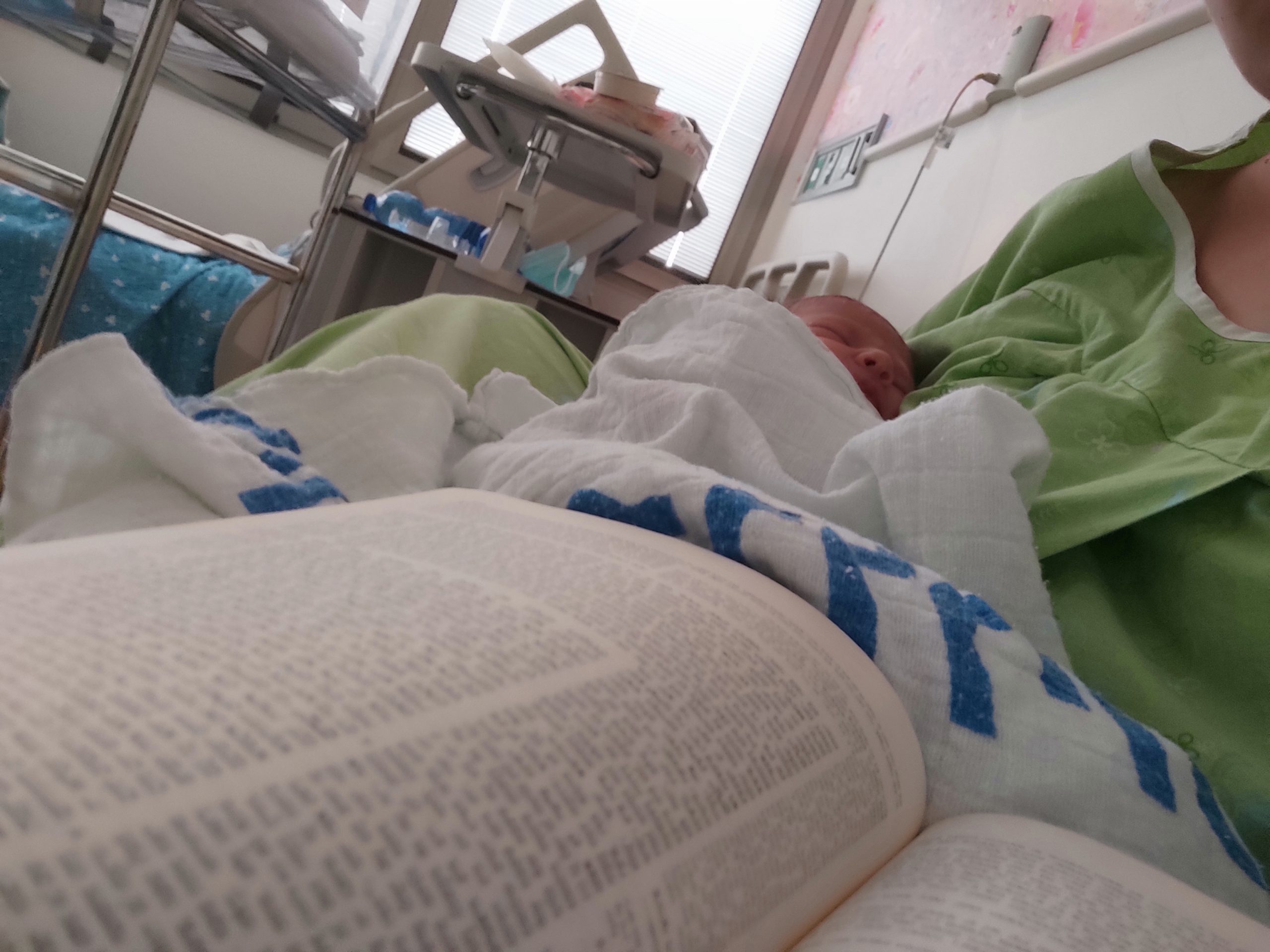
למדתי גמרא מכיתה ז- ט ב Maimonides School ואחרי העליה שלי בגיל 14 לימוד הגמרא, שלא היה כל כך מקובל בימים אלה, היה די ספוראדי. אחרי "ההתגלות” בבנייני האומה התחלתי ללמוד בעיקר בדרך הביתה למדתי מפוקקטסים שונים. לאט לאט ראיתי שאני תמיד חוזרת לרבנית מישל פרבר. באיזה שהוא שלב התחלתי ללמוד בזום בשעה 7:10 .
היום "אין מצב” שאני אתחיל את היום שלי ללא לימוד עם הרבנית מישל עם כוס הקפה שלי!!

selfie-scaled
דבי גביר

חשמונאים, ישראל

התחלתי ללמוד דף יומי לפני שנתיים, עם מסכת שבת. בהתחלה ההתמדה היתה קשה אבל בזכות הקורונה והסגרים הצלחתי להדביק את הפערים בשבתות הארוכות, לסיים את מסכת שבת ולהמשיך עם המסכתות הבאות. עכשיו אני מסיימת בהתרגשות רבה את מסכת חגיגה וסדר מועד ומחכה לסדר הבא!

Ilana-Shachnowitz
אילנה שכנוביץ

מודיעין, ישראל

התחלתי ללמוד לפני כשנתיים בשאיפה לסיים לראשונה מסכת אחת במהלך חופשת הלידה.
אחרי מסכת אחת כבר היה קשה להפסיק…

Noa Gallant
נעה גלנט

ירוחם, ישראל

אני לומדת גמרא כעשור במסגרות שונות, ואת הדף היומי התחלתי כשחברה הציעה שאצטרף אליה לסיום בבנייני האומה. מאז אני לומדת עם פודקסט הדרן, משתדלת באופן יומי אך אם לא מספיקה, מדביקה פערים עד ערב שבת. בסבב הזה הלימוד הוא "ממעוף הציפור”, מקשיבה במהירות מוגברת תוך כדי פעילויות כמו בישול או נהיגה, וכך רוכשת היכרות עם הסוגיות ואופן ניתוחם על ידי חז”ל. בע”ה בסבב הבא, ואולי לפני, אצלול לתוכו באופן מעמיק יותר.

Yael Bir
יעל ביר

רמת גן, ישראל

התחלתי ללמוד דף יומי שהתחילו מסכת כתובות, לפני 7 שנים, במסגרת קבוצת לימוד שהתפרקה די מהר, ומשם המשכתי לבד בתמיכת האיש שלי. נעזרתי בגמרת שטיינזלץ ובשיעורים מוקלטים.
הסביבה מאד תומכת ואני מקבלת המון מילים טובות לאורך כל הדרך. מאז הסיום הגדול יש תחושה שאני חלק מדבר גדול יותר.
אני לומדת בשיטת ה”7 דפים בשבוע” של הרבנית תרצה קלמן – כלומר, לא נורא אם לא הצלחת ללמוד כל יום, העיקר שגמרת ארבעה דפים בשבוע

Rachel Goldstein
רחל גולדשטיין

עתניאל, ישראל

התחלתי ללמוד דף יומי כאשר קיבלתי במייל ממכון שטיינזלץ את הדפים הראשונים של מסכת ברכות במייל. קודם לא ידעתי איך לקרוא אותם עד שנתתי להם להדריך אותי. הסביבה שלי לא מודעת לעניין כי אני לא מדברת על כך בפומבי. למדתי מהדפים דברים חדשים, כמו הקשר בין המבנה של בית המקדש והמשכן לגופו של האדם (יומא מה, ע”א) והקשר שלו למשפט מפורסם שמופיע בספר ההינדי "בהגוד-גיתא”. מתברר שזה רעיון כלל עולמי ולא רק יהודי

Elena Arenburg
אלנה ארנבורג

נשר, ישראל

פסחים קכ

בָּרִאשׁוֹנָה לָא. לָא מִיבַּעְיָא קָאָמַר. לָא מִיבַּעְיָא בָּרִאשׁוֹנָה — דְּקָאָכֵיל לְתֵיאָבוֹן, אֲבָל בָּאַחֲרוֹנָה דִּילְמָא אָתֵי לְמֵיכַל אֲכִילָה גַּסָּה — אֵימָא לָא, קָא מַשְׁמַע לַן.

However, if one eats matza before these other foods, no, one may not start eating other foods after matza. The mishna apparently supports Rav Yehuda’s opinion. The Gemara rejects this proof: The Tosefta is stated in the style of: Needless to say. Needless to say, one fulfills his obligation if he eats matza before other foods, as he eats it with an appetite. However, if one eats matza after eating other foods, perhaps he will come to eat it in the manner of excessive eating, as he is compelled to eat when he is not hungry. Consequently, you might say that one does not fulfill his obligation if he eats matza after all those other foods. Therefore, the Tosefta teaches us that one may eat matza even after consuming those foods.

מָר זוּטְרָא מַתְנֵי הָכִי: אָמַר רַב יוֹסֵף אָמַר רַב יְהוּדָה אָמַר שְׁמוּאֵל: מַפְטִירִין אַחַר הַמַּצָּה אֲפִיקוֹמָן. נֵימָא מְסַיַּיע לֵיהּ, אֵין מַפְטִירִין אַחַר הַפֶּסַח אֲפִיקוֹמָן: אַחַר הַפֶּסַח דְּלָא, אֲבָל אַחַר מַצָּה — מַפְטִירִין.

This is how Mar Zutra taught this discussion: Rav Yosef said that Rav Yehuda said that Shmuel said: One may conclude after the matza with an afikoman. The Gemara suggests: Let us say that the mishna supports his opinion: One does not conclude after the Paschal lamb with an afikoman. The Gemara infers: It is after the Paschal lamb that one may not conclude with an afikoman; however, after matza one may conclude with an afikoman.

לָא מִיבַּעְיָא קָאָמַר. לָא מִיבַּעְיָא אַחַר מַצָּה — דְּלָא נְפִישׁ טַעְמֵיהּ, אֲבָל לְאַחַר פֶּסַח — אֵימָא לָא, קָא מַשְׁמַע לַן.

The Gemara rejects this contention: The mishna is stated in the style of: Needless to say. Needless to say, one may not conclude with an afikoman after eating matza, as the taste of matza is slight; however, after the Paschal lamb, one might say that this prohibition does not apply. Therefore, the mishna teaches us that it is prohibited to conclude with an afikoman after the Paschal lamb as well.

מֵיתִיבִי: הַסּוּפְגָּנִין וְהַדּוּבְשָׁנִין וְהָאִיסְקְרִיטִין אָדָם מְמַלֵּא כְּרֵיסוֹ מֵהֶן וּבִלְבַד שֶׁיֹּאכַל (אֲכִילַת) כְּזַיִת מַצָּה בָּאַחֲרוֹנָה. בָּאַחֲרוֹנָה אִין, בָּרִאשׁוֹנָה לָא!

The Gemara raises an objection: With regard to unleavened sponge cakes, cakes fried in oil and honey, and honey cakes, a person may fill his stomach with them on Passover night, provided that he eats an olive-bulk of matza after consuming them. The Gemara infers from here that if he eats matza after those cakes, yes, this is permitted; however, if one eats matza before these other foods, no, this is not an acceptable practice.

לָא מִיבַּעְיָא קָאָמַר. לָא מִיבַּעְיָא בָּרִאשׁוֹנָה — דְּקָאָכֵיל לְתֵיאָבוֹן, אֲבָל בָּאַחֲרוֹנָה דְּאָתֵי לְמֵיכְלַהּ אֲכִילָה גַּסָּה — אֵימָא לָא, קָא מַשְׁמַע לַן.

The Gemara answers: As explained above, the Tosefta is stated in the style of: Needless to say. Needless to say, one fulfills his obligation if he eats matza before other foods, as he eats it with an appetite. However, if he eats matza after eating other foods, when he might come to eat it in the manner of an excessive eating, you might say that one does not fulfill his obligation if he eats matza after all those other foods. Therefore, the Tosefta teaches us that one may eat matza even after consuming those foods.

אָמַר רָבָא: מַצָּה בִּזְמַן הַזֶּה דְּאוֹרָיְיתָא, וּמָרוֹר דְּרַבָּנַן. וּמַאי שְׁנָא מָרוֹר, דִּכְתִיב: ״עַל מַצּוֹת וּמְרוֹרִים״, בִּזְמַן דְּאִיכָּא פֶּסַח — יֵשׁ מָרוֹר, וּבִזְמַן דְּלֵיכָּא פֶּסַח — לֵיכָּא מָרוֹר.

Rava said: The mitzva of matza nowadays, even after the destruction of the Temple, applies by Torah law; but the mitzva to eat bitter herbs applies by rabbinic law. The Gemara asks: And in what way is the mitzva of bitter herbs different from matza? As it is written, with regard to the Paschal lamb: “They shall eat it with matzot and bitter herbs” (Numbers 9:11), from which it is derived: When there is an obligation to eat the Paschal lamb, there is likewise a mitzva to eat bitter herbs; and when there is no obligation to eat the Paschal lamb, there is also no mitzva to eat bitter herbs.

מַצָּה נָמֵי, הָא כְּתִיב: ״עַל מַצּוֹת וּמְרוֹרִים״! מַצָּה מִיהְדָּר הָדַר בֵּיהּ קְרָא: ״בָּעֶרֶב תֹּאכְלוּ מַצּוֹת״. וְרַב אַחָא בַּר יַעֲקֹב אָמַר: אֶחָד זֶה וְאֶחָד זֶה דְּרַבָּנַן.

The Gemara asks: But if so, the same reasoning should apply to matza as well, as it is written: “With matzot and bitter herbs.” The mitzva of matza should also depend on the obligation of the Paschal lamb. The Gemara rejects this contention: The verse repeats the obligation to eat matza, as it states: “In the first month, on the fourteenth day of the month in the evening, you shall eat matzot (Exodus 12:18). This verse establishes a separate obligation to eat matza, unrelated to the Paschal lamb. And Rav Aḥa bar Ya’akov said: Nowadays, both this, the mitzva to eat matza, and that, the mitzva to eat bitter herbs, apply by rabbinic law, as the Torah obligation to eat these foods is in effect only when the Paschal lamb is sacrificed.

אֶלָּא הָכְתִיב: ״בָּעֶרֶב תֹּאכְלוּ מַצּוֹת״! הָהִיא מִיבְּעֵי לֵיהּ לְטָמֵא וְשֶׁהָיָה בְּדֶרֶךְ רְחוֹקָה, דְּסָלְקָא דַּעְתָּךְ אָמֵינָא כֵּיוָן דְּפֶסַח לָא אָכְלִי — מַצָּה וּמָרוֹר נָמֵי לָא נֵיכוֹל, קָא מַשְׁמַע לַן.

The Gemara challenges: But isn’t it written: “In the evening, you shall eat matzot”? The Gemara answers: Rav Aḥa bar Ya’akov needs that verse for the following halakha: When the Temple was standing, one who was ritually impure or one who was on a distant road was nonetheless obligated to eat matza. As it could enter your mind to say that since these two categories of people do not eat the Paschal lamb on the first Pesaḥ, they also do not eat matza and bitter herbs. According to Rav Aḥa bar Ya’akov, this verse teaches us that even one who was ritually impure and one who was on a distant road are obligated to eat matza and bitter herbs, as these mitzvot do not depend on one’s eligibility to sacrifice the Paschal lamb on the first Pesaḥ.

וְרָבָא אָמַר לָךְ: טָמֵא וְשֶׁהָיָה בְּדֶרֶךְ רְחוֹקָה לָא צְרִיךְ קָרָא, דְּלָא גָּרְעִי מֵעָרֵל וּבֶן נֵכָר. דְּתַנְיָא: ״כׇּל עָרֵל לֹא יֹאכַל בּוֹ״ — ״בּוֹ״ אֵינוֹ אוֹכֵל, אֲבָל אוֹכֵל בְּמַצָּה וּמָרוֹר.

The Gemara asks: And Rava, who maintains that it is a mitzva from the Torah to eat matza nowadays, how could he respond to that interpretation of the verse? Rava could have said to you: I do not require a special verse to teach that a ritually impure person and a person who was on a distant road are obligated to eat matza. These people are obligated because they are no worse than an uncircumcised man or an alien, i.e., one who does not observe the mitzvot, who are obligated to eat matza despite the fact that they do not sacrifice the Paschal lamb. As it was taught in a baraita: “But no uncircumcised man shall eat from it” (Exodus 12:48). “From it” indicates that he may not eat from the Paschal lamb; however, he does eat matza and bitter herbs. The same is true for anyone else who is prevented from eating the Paschal lamb.

וְאִידַּךְ? כְּתִיב בְּהַאי וּכְתִיב בְּהַאי, וּצְרִיכִי.

The Gemara asks: And the other, Rav Aḥa bar Ya’akov, how does he respond to this argument? The Gemara answers: According to Rav Aḥa bar Ya’akov, the halakha that one must eat matza and bitter herbs despite being unable to partake of the Paschal lamb was written with regard to this person, an uncircumcised man, and it was written also with regard to that one, a ritually impure person, and both verses are necessary. We cannot learn the halakha of a ritually impure person from that of an uncircumcised man, or vice versa, as is explained in several places.

תַּנְיָא כְּווֹתֵיהּ דְּרָבָא: ״שֵׁשֶׁת יָמִים תֹּאכַל מַצּוֹת וּבַיּוֹם הַשְּׁבִיעִי עֲצֶרֶת לַה׳ אֱלֹהֶיךָ״. מָה שְׁבִיעִי רְשׁוּת, אַף שֵׁשֶׁת יָמִים רְשׁוּת.

The Gemara comments: It was taught in a baraita in accordance with the opinion of Rava: “Six days you shall eat matzot, and on the seventh day shall be a solemn assembly to the Lord your God” (Deuteronomy 16:8). Just as eating matza on the seventh day is merely optional, i.e., there is no obligation to eat matza on the last day of Passover, but only to avoid eating leavened bread, as the verse states: “Six days you shall eat matzot,” so too, eating matza during the first six days is optional.

מַאי טַעְמָא? הָוֵי דָּבָר שֶׁהָיָה בַּכְּלָל, וְיָצָא מִן הַכְּלָל לְלַמֵּד, לֹא לְלַמֵּד עַל עַצְמוֹ יָצָא, אֶלָּא לְלַמֵּד עַל הַכְּלָל כּוּלּוֹ יָצָא.

What is the reason that it is optional to eat matza on the first six days of Passover as well as the seventh? The seventh day of Passover is something that was included in a generalization but was explicitly singled out to teach. According to the rules of exegesis, it was intended to teach not just about itself but about the entire generalization. In other words, the seventh day of Passover was initially included in the verse: “You shall eat matzot for seven days” (Exodus 12:15), but was excluded from this generalization by the verse: “Six days you shall eat matzot.” In accordance with the above principle, the halakha of the seventh day applies to all the other days of Passover as well. That means there is no obligation to eat matza for all seven days of the Festival, but only on the first day.

יָכוֹל אַף לַיְלָה הָרִאשׁוֹן רְשׁוּת, תַּלְמוּד לוֹמַר: ״עַל מַצּוֹת וּמְרוֹרִים יֹאכְלוּהוּ״.

The baraita continues: I might have thought that even the mitzva to eat matza on the first night of Passover is included by the above principle, and it too is merely optional; therefore, the verse states: “They shall eat it with matzot and bitter herbs” (Numbers 9:11).

אֵין לִי אֶלָּא בִּזְמַן שֶׁבֵּית הַמִּקְדָּשׁ קַיָּים, בִּזְמַן שֶׁאֵין בֵּית הַמִּקְדָּשׁ קַיָּים מִנַּיִן? תַּלְמוּד לוֹמַר: ״בָּעֶרֶב תֹּאכְלוּ מַצּוֹת״, הַכָּתוּב קְבָעוֹ חוֹבָה.

I have derived nothing other than that one is obligated to eat matza when the Temple is standing. From where is it derived that one is obligated to eat matza on the first night of Passover even when the Temple is not standing? The verse states: “In the evening you shall eat matzot.” The verse here establishes the mitzva of matza as obligatory, in accordance with the opinion of Rava.

מַתְנִי׳ יָשְׁנוּ מִקְצָתָן — יֹאכֵלוּ. כּוּלָּן — לֹא יֹאכֵלוּ.

MISHNA: If some of the participants at the seder fell asleep, thereby interrupting their meal, they may eat from the Paschal lamb when they awake. If the entire company fell asleep, they may not eat any more. If they all fall asleep, this is considered a complete interruption, and if they were to resume their meal it would be akin to eating the offering in two different places.

רַבִּי יוֹסֵי אוֹמֵר: נִתְנַמְנְמוּ — יֹאכֵלוּ, נִרְדְּמוּ — לֹא יֹאכֵלוּ. הַפֶּסַח אַחַר חֲצוֹת מְטַמֵּא אֶת הַיָּדַיִם. הַפִּגּוּל וְהַנּוֹתָר מְטַמְּאִין אֶת הַיָּדַיִם.

Rabbi Yosei says: If they dozed they may eat from the Paschal lamb when they awake, but if they fell fast asleep they may not eat from it. The Sages further said: The Paschal lamb after midnight renders one’s hands ritually impure, as it becomes notar, an offering that remained after the time when they may be eaten has expired; and the Sages ruled that both piggul, offerings that were invalidated due to inappropriate intent while being sacrificed, and notar render one’s hands ritually impure.

גְּמָ׳ רַבִּי יוֹסֵי אוֹמֵר: נִתְנַמְנְמוּ — יֹאכֵלוּ, נִרְדְּמוּ — לֹא יֹאכֵלוּ. הֵיכִי דָּמֵי נִתְנַמְנֵם? אָמַר רַב אָשֵׁי: נִים וְלָא נִים, תִּיר וְלָא תִּיר. כְּגוֹן דְּקָרֵי לֵיהּ וְעָנֵי, וְלָא יָדַע לְאַהְדּוֹרֵי סְבָרָא, וְכִי מַדְכְּרוּ לֵיהּ — מִדְּכַר.

GEMARA: We learned in the mishna that Rabbi Yosei says: If they dozed they may eat from the Paschal lamb, but if they fell asleep they may not eat from it. The Gemara asks: What are the circumstances of dozing? Rav Ashi said: One is asleep but not asleep, awake but not awake, when, if they call him, he will answer, but he is unable to provide a reasonable answer. And when they later inform him of what happened, he remembers it.

אַבָּיֵי הֲוָה יָתֵיב קַמֵּיהּ דְּרַבָּה. חֲזָא דְּקָא נַמְנֵם, אֲמַר לֵיהּ: מֵינָם קָא נָאֵים מָר. אֲמַר לֵיהּ: מֵינוֹמֵי קָא (מְנַמְנֵם) [מְנַמְנַמְנָא], וּתְנַן: נִתְנַמְנְמוּ — יֹאכֵלוּ, נִרְדְּמוּ — לֹא יֹאכֵלוּ.

The Gemara cites a related episode: Abaye was sitting before Rabba, and he saw that Rabba was dozing off after he had begun to eat the final obligatory piece of matza. He said to him: Is the Master sleeping? Rabba said to him: I am dozing, and we learned in the mishna: If they dozed, they may eat from the Paschal lamb, but if they fell fast asleep they may not eat from it.

הַפֶּסַח אַחַר חֲצוֹת מְטַמֵּא אֶת הַיָּדַיִם וְכוּ׳. אַלְמָא מֵחֲצוֹת הָוֵה לֵיהּ נוֹתָר. מַאן תַּנָּא?

We learned in the mishna that the Paschal lamb after midnight renders one’s hands ritually impure. The Gemara infers: Apparently, from midnight and onward the Paschal lamb is classified as notar. The Gemara asks: Who is the tanna who maintains this opinion?

אָמַר רַב יוֹסֵף: רַבִּי אֶלְעָזָר בֶּן עֲזַרְיָה הוּא, דְּתַנְיָא: ״וְאָכְלוּ אֶת הַבָּשָׂר בַּלַּיְלָה הַזֶּה״, רַבִּי אֶלְעָזָר בֶּן עֲזַרְיָה אוֹמֵר: נֶאֱמַר כָּאן ״בַּלַּיְלָה הַזֶּה״, וְנֶאֱמַר לְהַלָּן ״וְעָבַרְתִּי בְאֶרֶץ מִצְרַיִם בַּלַּיְלָה הַזֶּה״.

Rav Yosef said: It is Rabbi Elazar ben Azarya, as it was taught in a baraita: With regard to the verse “And they shall eat of the meat on that night” (Exodus 12:8), Rabbi Elazar ben Azarya says: Here it is stated “on that night,” from which it cannot be determined when the night ends. And below it is stated: “And I will pass through the land of Egypt on that night and I will strike every firstborn in the land of Egypt” (Exodus 12:12). The Torah states with regard to the death of the firstborns: “Thus said the Lord: At about midnight, I will go out into the midst of Egypt and every firstborn in Egypt shall die” (Exodus 11:4–5).

מַה לְהַלָּן — עַד חֲצוֹת, אַף כָּאן — עַד חֲצוֹת.

The baraita continues: Just as in the verse below, the striking of the firstborns took place until midnight, as stated explicitly in the verse, so too, in the verse here, the mitzva to eat the Paschal lamb continues until midnight but not beyond. Evidently, the Paschal lamb may not be eaten after midnight.

אָמַר לוֹ רַבִּי עֲקִיבָא: וַהֲלֹא נֶאֱמַר ״חִפָּזוֹן״ — עַד שְׁעַת חִפָּזוֹן.

Rabbi Akiva said to Rabbi Elazar ben Azarya: But wasn’t it already stated: “Thus you shall eat it, with your loins girded, your shoes on your feet, your staffs in your hands, and you will eat it in haste, for it is the Paschal offering for the Lord” (Exodus 12:11)? This verse indicates that the Paschal lamb may be eaten until the time of haste, i.e., until dawn, as the Jewish people left Egypt the next day.

אִם כֵּן, מָה תַּלְמוּד לוֹמַר ״בַּלַּיְלָה״? יָכוֹל יְהֵא נֶאֱכָל כַּקֳּדָשִׁים בַּיּוֹם — תַּלְמוּד לוֹמַר: ״בַּלַּיְלָה״, בַּלַּיְלָה הוּא נֶאֱכָל, וְאֵינוֹ נֶאֱכָל בְּיוֹם.

Rabbi Akiva continues: If that is so, what is the meaning when the verse states: “On that night,” with regard to eating the Paschal lamb? The Gemara explains that this phrase is necessary, as I might have thought that the Paschal lamb is eaten during the day, like all other offerings, which must be slaughtered and eaten during the day. Therefore, the verse states: “On that night,” to underscore that this particular offering is eaten at night, and it is not eaten during the day.

וְרַבִּי עֲקִיבָא, הַאי ״הַזֶּה״ מַאי עָבֵיד לֵיהּ? מִיבְּעֵי לֵיהּ לְמַעוֹטֵי לַיְלָה אַחֵר הוּא דַּאֲתָא. סָלְקָא דַּעְתָּךְ אָמֵינָא: הוֹאִיל וּפֶסַח קָדָשִׁים קַלִּים, וּשְׁלָמִים קָדָשִׁים קַלִּים — מָה שְׁלָמִים נֶאֱכָלִים לִשְׁנֵי יָמִים וְלַיְלָה אֶחָד, אַף פֶּסַח;

The Gemara asks: And Rabbi Akiva, what does he do with the word “that”? As he doesn’t use it for a verbal analogy, what does Rabbi Akiva learn from this word? The Gemara answers: He needs it to exclude another night. It could enter your mind to say that since the Paschal lamb falls into the category of offerings of lesser sanctity, and peace-offerings are also offerings of lesser sanctity, just as peace-offerings may be eaten for two days and one night, i.e., the day they are sacrificed through the following day, as stated in the Torah, so too, the same halakha should apply to the Paschal lamb.

אוֹקֵים לֵילוֹת בִּמְקוֹם יָמִים, וִיהֵא נֶאֱכָל לִשְׁנֵי לֵילוֹת וְיוֹם אֶחָד, כְּתַב רַחֲמָנָא: ״הַזֶּה״.

The Gemara explains the previous statement. How could the Paschal lamb be eaten for two days and one night if one starts eating it at night? The Gemara explains: One may say: I will substitute the nights that the Paschal lamb may be eaten instead of the days that a peace-offering is eaten. And accordingly, the Paschal lamb may be eaten for two nights and one day. Therefore, the Torah wrote the word “that,” to teach that the Paschal lamb may be eaten only on that one night.

וְרַבִּי אֶלְעָזָר בֶּן עֲזַרְיָה אָמַר לָךְ: מִ״לֹּא תוֹתִירוּ עַד בֹּקֶר״ נָפְקָא הָא.

And Rabbi Elazar ben Azarya, from where might he derive the halakha that the Paschal lamb may not be eaten for two nights? Rabbi Elazar ben Azarya could have said to you: This halakha is derived from the verse: “You shall let nothing of it remain until the morning; and that of it which remains until the morning you shall burn with fire” (Exodus 12:10). If it is prohibited to leave any part of the Paschal lamb until the morning, it is certainly prohibited to leave any of it until the following night. Therefore, it is unnecessary to cite an additional source to teach that the Paschal lamb may be eaten only on the first night.

וְרַבִּי עֲקִיבָא אָמַר לָךְ: אִי לָא כְּתַב רַחֲמָנָא ״הַזֶּה״, הֲוָה אָמֵינָא: מַאי ״בֹּקֶר״ — בֹּקֶר שֵׁנִי. וְרַבִּי אֶלְעָזָר אָמַר לָךְ: כׇּל הֵיכָא דִּכְתַב ״בֹּקֶר״ — בֹּקֶר רִאשׁוֹן הוּא.

And Rabbi Akiva could have said to you, in response to this argument: If the Torah hadn’t written “on that night,” I would have said: What is indicated by the word “morning” in that verse? It means the second morning after the Festival, the day of the sixteenth of Nisan. Therefore, it was necessary for the Torah to write that one may eat the Paschal lamb only on that night and no other. And Rabbi Elazar could have said to you in response: Anywhere that the Torah writes “morning,” it is referring to the first, i.e., the next morning. If that were not the case, no biblical text could have any definitive meaning.

אָמַר רָבָא: אָכַל מַצָּה בִּזְמַן הַזֶּה אַחַר חֲצוֹת, לְרַבִּי אֶלְעָזָר בֶּן עֲזַרְיָה לֹא יָצָא יְדֵי חוֹבָתוֹ. פְּשִׁיטָא! דְּכֵיוָן דְּאִיתַּקַּשׁ לְפֶסַח — כְּפֶסַח דָּמֵי.

Rava said: Nowadays, if one ate matza after midnight, according to the opinion of Rabbi Elazar ben Azarya, he has not fulfilled his obligation. The Gemara expresses surprise at this statement: It is obvious that this is the case, for since the verse juxtaposes matza to the Paschal lamb, it is considered like the Paschal lamb, and therefore matza may also be eaten only until midnight.

מַהוּ דְּתֵימָא: הָא אַפְּקֵיהּ קְרָא מֵהֶיקֵּישָׁא. קָמַשְׁמַע לַן דְּכִי אַהְדְּרֵיהּ קְרָא — לְמִילְּתָא קַמַּיְיתָא אַהְדְּרֵיהּ.

The Gemara answers: Rava’s statement is necessary, lest you say that the verse has removed the halakha of matza from this juxtaposition, as Rava maintains that eating matza is a distinct mitzva that applies even nowadays. One might therefore have thought that the halakhot of eating matza differ entirely from those of the Paschal lamb. Rava therefore teaches us that when the verse repeats the mitzva to eat matza on the first night, it restores this mitzva to its original status, which means that one may eat matza only at a time when he may also eat the Paschal lamb.

הַפִּיגּוּל וְהַנּוֹתָר מְטַמֵּא אֶת הַיָּדַיִם וְכוּ׳. רַב הוּנָא וְרַב חִסְדָּא, חַד אָמַר: מִשּׁוּם חֲשֵׁדֵי כְהוּנָּה, וְחַד אָמַר: מִשּׁוּם עֲצֵלֵי כְהוּנָּה. חַד אָמַר: כְּזַיִת, וְחַד אָמַר: כְּבֵיצָה.

The mishna taught that piggul and notar render one’s hands ritually impure. This issue is subject to a dispute between Rav Huna and Rav Ḥisda. One of them said: The reason for this enactment is due to suspected priests, i.e., priests who were suspected of invalidating offerings; and the other one said the reason is due to lazy priests. Rav Huna and Rav Ḥisda also disagree about another matter: One of them said that the ritual impurity of notar and piggul applies even to an olive-bulk of the meat; and one of them said it applies only to an egg-bulk.

רוצה לעקוב אחרי התכנים ולהמשיך ללמוד?

ביצירת חשבון עוד היום ניתן לעקוב אחרי ההתקדמות שלך, לסמן מה למדת, ולעקוב אחרי השיעורים שמעניינים אותך.

לנקות את כל הפריטים מהרשימה?

פעולה זו תסיר את כל הפריטים בחלק זה כולל ההתקדמות וההיסטוריה. שימי לב: לא ניתן לשחזר פעולה זו.

ביטול
מחיקה

האם את/ה בטוח/ה שברצונך למחוק פריט זה?

תאבד/י את כל ההתקדמות או ההיסטוריה הקשורות לפריט זה.

ביטול
מחיקה