חיפוש

ראש השנה ב

רוצה להקדיש שיעור?

podcast placeholder

0:00
0:00


תקציר

מסכת ראש השנה מוקדשת באנונימיות לכבוד הרבנית מישל פרבר שמסורה ללימוד הדף היומי וממשיכה להשפיע על כל כך הרבה נשים וגברים מסביב לעולם.

שבוע של לימוד מוקדש על ידי רביא ואוליבר מיטשל לכבוד בתם אלין מיטשל קופר על סיום לימודיה כיועצת הלכה. "אנו מאוד גאים בך ובהקדשת חייך לכלל ישראל. חזק חזק ונתחזק!”

ישנם תאריכים שונים הנחשבים לתחילת השנה (ראשי שנה) לדברים שונים. ראשון בניסן הוא היום הראשון בשנה למלכים ולרגלים. הראשון באלול הוא למעשר בהמה, אבל רבי אלעזר ורבי שמעון אומרים שזה הראשון בתשרי. הראשון בתשרי הוא לספירת שנים, שמיטה ויובל, למניין ערלה ומעשר ירקות. בית שמאי ובית הלל חולקים על ראש השנה לאילנות (לדיני מעשרות) אם זה הראשון או ה -15 בשבט. הגמרא מתחילה להסביר את הרלוונטיות של המקרים במשנה. הראשון בשנה למלכים רלוונטי לשטרות כדי לדעת אם שטר הלוואה עם תאריך השגוי ייפסל או לא. אם השטר מוקדם, זה פסול ואם מאוחר, כשר. אבל איך יודעים אם זה מאוחר או מוקדם אם כל מלך מונין לחודש תחילת עבודתו! לכן קבעו תאריך אחד לתחילת שנה. מובאת ברייתא שיש בה כמה מקרים הקשורים למניין לשנות המלך בא’ בניסן. גם אם מלך היה מתחיל את שלטונו ביום האחרון לפני ניסן, ברגע שמגיע הראשון בניסן, הוא כבר נחשב שבנת שתיים למלכותו. אם שני מלכים שולטים באותה שנה, אפשר לספור לפי מי שרוצים. אם אחד מת באדר והשני מתחיל בניסן, השנה הראשונה נחשבת למלך הראשון והשנה השנייה לשנה הבאה. הגמרא שואלת את כל המקרים הללו – פשיטא! זה כל כך פשוט – למה היו צריכים ללמד מקרים אלו? עונים שכל אחד מהם מובא ללמד פרט מסוים. רבי יוחנן מביא פסוק ללמד את העובדה שאנו סופרים מניסן כי שהוא עורף היקש בין שנות ליציאת מצרים לשנות מלכותו של המלך שלמה (מפסוק במלכים). יציאת מצרים מניסן, כך גם למלכים.  מאיפה אנחנו יודעים שספירת יציאת מצרים היא מניסן ולא תשרי? זה נלמד מפסוקים על מות אהרן ונאום משה לעם לפני מיתתו.

כלים

ראש השנה ב

אַרְבָּעָה רָאשֵׁי שָׁנִים הֵם, בְּאֶחָד בְּנִיסָן — רֹאשׁ הַשָּׁנָה לַמְּלָכִים וְלָרְגָלִים.

MISHNA: They are four days in the year that serve as the New Year, each for a different purpose: On the first of Nisan is the New Year for kings; it is from this date that the years of a king’s rule are counted. And the first of Nisan is also the New Year for the order of the Festivals, as it determines which is considered the first Festival of the year and which the last.

בְּאֶחָד בֶּאֱלוּל — רֹאשׁ הַשָּׁנָה לְמַעְשַׂר בְּהֵמָה. רַבִּי אֶלְעָזָר וְרַבִּי שִׁמְעוֹן אוֹמְרִים: בְּאֶחָד בְּתִשְׁרִי.

On the first of Elul is the New Year for animal tithes; all the animals born prior to that date belong to the previous tithe year and are tithed as a single unit, whereas those born after that date belong to the next tithe year. Rabbi Elazar and Rabbi Shimon say: The New Year for animal tithes is on the first of Tishrei.

בְּאֶחָד בְּתִשְׁרִי — רֹאשׁ הַשָּׁנָה לַשָּׁנִים וְלַשְּׁמִיטִּין וְלַיּוֹבְלוֹת, לִנְטִיעָה וְלִירָקוֹת.

On the first of Tishrei is the New Year for counting years, as will be explained in the Gemara; for calculating Sabbatical Years and Jubilee Years, i.e., from the first of Tishrei there is a biblical prohibition to work the land during these years; for planting, for determining the years of orla, the three-year period from when a tree has been planted during which time its fruit is forbidden; and for tithing vegetables, as vegetables picked prior to that date cannot be tithed together with vegetables picked after that date.

בְּאֶחָד בִּשְׁבָט — רֹאשׁ הַשָּׁנָה לָאִילָן כְּדִבְרֵי בֵּית שַׁמַּאי. בֵּית הִלֵּל אוֹמְרִים: בַּחֲמִשָּׁה עָשָׂר בּוֹ.

On the first of Shevat is the New Year for the tree; the fruit of a tree that was formed prior to that date belong to the previous tithe year and cannot be tithed together with fruit that was formed after that date; this ruling is in accordance with the statement of Beit Shammai. But Beit Hillel say: The New Year for trees is on the fifteenth of Shevat.

גְּמָ׳ לַמְּלָכִים, לְמַאי הִלְכְתָא? אָמַר רַב חִסְדָּא: לִשְׁטָרוֹת.

GEMARA: The New Year for kings; with regard to what halakha is it mentioned in the mishna? Why is it necessary to set a specific date to count the years of a king’s rule, rather than counting them from the day that he ascends to the throne? Rav Ḥisda said: It is for determining the validity of documents.

דִּתְנַן: שִׁטְרֵי חוֹב הַמּוּקְדָּמִין — פְּסוּלִין, וְהַמְאוּחָרִין — כְּשֵׁרִין.

It was the common practice to date documents in accordance with the years of the king’s rule; therefore, it was important that these years begin at a fixed time, so that one knows whether a particular document was antedated or postdated, as we learned in a mishna: Antedated promissory notes, i.e., promissory notes dated prior to the date on which the loan actually took place, are invalid because a loan document creates a lien on the borrower’s property. By dating the document earlier than the loan itself, the lender has a fraudulent mortgage on the property, which can be used against any future purchaser. Therefore, the Sages ordained that an antedated promissory note does not establish a lien, even from the true date of the loan. But postdated promissory notes bearing a date that is later than the date when the loan actually took place are valid, as postdating the note presents no opportunity for defrauding a purchaser.

תָּנוּ רַבָּנַן: מֶלֶךְ שֶׁעָמַד בְּעֶשְׂרִים וְתִשְׁעָה בַּאֲדָר, כֵּיוָן שֶׁהִגִּיעַ אֶחָד בְּנִיסָן — עָלְתָה לוֹ שָׁנָה. וְאִם לֹא עָמַד אֶלָּא בְּאֶחָד בְּנִיסָן — אֵין מוֹנִין לוֹ שָׁנָה עַד שֶׁיַּגִּיעַ נִיסָן אַחֵר.

The Sages taught in a baraita: If a king ascended to the throne on the twenty-ninth of Adar, the month preceding Nisan, once the first of Nisan arrives, although he reigned for only one day, a year is counted toward his reign; his first year of rule is completed from the first of Nisan. But if he ascended to the throne only on the first of Nisan, one counts an additional year toward his reign only when the next Nisan arrives.

אָמַר מָר: מֶלֶךְ שֶׁעָמַד בְּעֶשְׂרִים וְתִשְׁעָה בַּאֲדָר, כֵּיוָן שֶׁהִגִּיעַ אֶחָד בְּנִיסָן — עָלְתָה לוֹ שָׁנָה. הָא

The Master said, citing the baraita: If a king ascended to the throne on the twenty-ninth of Adar, once the first of Nisan arrives a year is counted toward his reign. The Gemara comments: This

קָא מַשְׁמַע לַן דְּנִיסָן רֹאשׁ הַשָּׁנָה לִמְלָכִים, וְיוֹם אֶחָד בַּשָּׁנָה חָשׁוּב שָׁנָה. וְאִם לֹא עָמַד אֶלָּא בְּאֶחָד בְּנִיסָן, אֵין מוֹנִין לוֹ שָׁנָה עַד שֶׁיַּגִּיעַ נִיסָן אַחֵר. פְּשִׁיטָא!

teaches us that Nisan is the New Year for kings, and it also teaches us that one day in a year is considered a year; although this king ruled for only one day, a full year is counted toward his reign. The Gemara asks: Consider the next clause of the baraita: But if he ascended to the throne only on the first of Nisan, a year is not counted toward his reign until the next first of Nisan arrives. Isn’t this obvious?

לָא צְרִיכָא, דְּאִימְּנוֹ עֲלֵיהּ מֵאֲדָר. מַהוּ דְּתֵימָא, נִימְנוֹ לֵיהּ תַּרְתֵּין שְׁנִין, קָא מַשְׁמַע לַן.

The Gemara explains: No, it is necessary for a case where the princes agreed to appoint him as king already in the month of Adar. Lest you say that since the decision to appoint him king was made already in Adar, once the first of Nisan arrives they should count it the second year of his reign, therefore the baraita teaches us that the count begins only from when he actually began his rule.

תָּנוּ רַבָּנַן: מֵת בַּאֲדָר וְעָמַד אַחֵר תַּחְתָּיו בַּאֲדָר — מוֹנִין שָׁנָה לְזֶה וְלָזֶה. מֵת בְּנִיסָן וְעָמַד אַחֵר תַּחְתָּיו בְּנִיסָן — מוֹנִין שָׁנָה לְזֶה וְלָזֶה. מֵת בַּאֲדָר וְעָמַד אַחֵר תַּחְתָּיו בְּנִיסָן — מוֹנִין רִאשׁוֹנָה לָרִאשׁוֹן, וּשְׁנִיָּה לַשֵּׁנִי.

§ The Sages taught in a baraita: If the king died in the month of Adar and another king succeeded him to the throne in that same Adar, one counts the year to this one, i.e., the previous king, as his final year, and to that one, i.e., the new king who began his reign in Adar. If the first king died in the month of Nisan and another king succeeded him in that same Nisan, one counts the year to this one, the previous king, and to that one, the new king. But if the first king died in Adar and another king succeeded him in Nisan, one counts the first year to the first king as his final year, and the second year to the second king as the first year of his reign.

אָמַר מַר: מֵת בַּאֲדָר וְעָמַד אַחֵר תַּחְתָּיו בַּאֲדָר — מוֹנִין שָׁנָה לְזֶה וְלָזֶה. פְּשִׁיטָא! מַהוּ דְּתֵימָא: שַׁתָּא לְבֵי תְרֵי לָא מָנִינַן, קָא מַשְׁמַע לַן.

The Master said: If the king died in Adar and another king succeeded him to the throne in that same Adar, one counts the year to this one, i.e., the previous king, as his final year, and to that one, i.e., the new king, as the first year of his reign. The Gemara asks: Isn’t this obvious? The Gemara explains: Lest you say that one year cannot be counted toward two kings, and so the entire year should be counted only toward the previous king, the baraita therefore teaches us that the years of two kings can overlap and be counted in a single year.

מֵת בְּנִיסָן וְעָמַד אַחֵר תַּחְתָּיו בְּנִיסָן — מוֹנִין שָׁנָה לְזֶה וְלָזֶה. פְּשִׁיטָא! מַהוּ דְּתֵימָא: כִּי אָמְרִינַן יוֹם אֶחָד בַּשָּׁנָה חָשׁוּב שָׁנָה — בְּסוֹף שָׁנָה. אֲבָל בִּתְחִלַּת שָׁנָה — לָא אָמְרִינַן, קָא מַשְׁמַע לַן.

The Gemara cites the next phrase of the baraita: If the first king died in Nisan and another king succeeded him in that same Nisan, one counts the year to this one, the previous king, and to that one, the new king. The Gemara asks: Isn’t this obvious? The Gemara explains: Lest you say that when we say that one day in a year is considered a full year, this only applies when the day is at the end of the year, i.e., since his reign will continue in the coming year the day is considered like a whole year, but if the day is at the beginning of the year we should not say that the beginning of Nisan is counted as another year for the previous king; therefore, it teaches us that there is no such a distinction.

מֵת בַּאֲדָר וְעָמַד אַחֵר תַּחְתָּיו בְּנִיסָן — מוֹנִין רִאשׁוֹנָה לָרִאשׁוֹן וּשְׁנִיָּה לַשֵּׁנִי. פְּשִׁיטָא! לָא צְרִיכָא, דְּאִימְּנוֹ עֲלֵיהּ מֵאֲדָר, וּמֶלֶךְ בֶּן מֶלֶךְ הוּא, מַהוּ דְּתֵימָא: נִימְנוֹ לֵיהּ תַּרְתֵּין שְׁנִין, קָא מַשְׁמַע לַן.

It was further taught in the baraita: But if the first king died in Adar and another king succeeded him in Nisan, one counts the first year to the first king as his final year, and the second year to the second king as the first year of his reign. The Gemara asks: Isn’t this obvious? The Gemara explains: No, it is necessary for a case where the princes decided to appoint him as king in Adar, and he is also a king, son of the previous king, so that his succession to the throne is automatic. Lest you say that by the time the first of Nisan arrives, two years should be counted toward his reign, it therefore teaches us that one counts only from Nisan, when he actually succeeded his father to the throne.

אָמַר רַבִּי יוֹחָנָן: מִנַּיִן לַמְּלָכִים שֶׁאֵין מוֹנִין לָהֶם אֶלָּא מִנִּיסָן — שֶׁנֶּאֱמַר: ״וַיְהִי בִשְׁמוֹנִים שָׁנָה וְאַרְבַּע מֵאוֹת שָׁנָה לְצֵאת בְּנֵי יִשְׂרָאֵל מֵאֶרֶץ מִצְרַיִם בַּשָּׁנָה הָרְבִיעִית בְּחֹדֶשׁ זִיו הוּא הַחֹדֶשׁ הַשֵּׁנִי לִמְלֹךְ שְׁלֹמֹה עַל יִשְׂרָאֵל״. מַקִּישׁ מַלְכוּת שְׁלֹמֹה לִיצִיאַת מִצְרַיִם: מָה יְצִיאַת מִצְרַיִם מִנִּיסָן — אַף מַלְכוּת שְׁלֹמֹה מִנִּיסָן.

§ Rabbi Yoḥanan said: From where is it derived that one counts the years of kings’ reigns only from Nisan? As it is stated: “And it came to pass in the four hundred and eightieth year after the children of Israel were come out of the land of Egypt, in the fourth year of Solomon’s reign over Israel, in the month Ziv, which is the second month, that he began to build the house of the Lord” (I Kings 6:1). This verse juxtaposes the reign of Solomon to the exodus from Egypt: Just as one counts the years since the exodus from Egypt from Nisan, when the Jewish people left Egypt, so too, one counts the years of Solomon’s reign from Nisan.

וִיצִיאַת מִצְרַיִם גּוּפַהּ מְנָלַן דְּמִנִּיסָן מָנִינַן? דִּילְמָא מִתִּשְׁרִי מָנִינַן!

The Gemara asks: And from where do we derive that we count the years from the exodus from Egypt themselves from Nisan? Perhaps we count them from Tishrei.

לָא סָלְקָא דַּעְתָּךְ, דִּכְתִיב: ״וַיַּעַל אַהֲרֹן הַכֹּהֵן אֶל הֹר הָהָר עַל פִּי ה׳ וַיָּמׇת שָׁם בִּשְׁנַת הָאַרְבָּעִים לְצֵאת בְּנֵי יִשְׂרָאֵל מֵאֶרֶץ מִצְרַיִם בַּחֹדֶשׁ הַחֲמִישִׁי בְּאֶחָד לַחֹדֶשׁ״, וּכְתִיב: ״וַיְהִי בְּאַרְבָּעִים שָׁנָה בְּעַשְׁתֵּי עָשָׂר חֹדֶשׁ בְּאֶחָד לַחֹדֶשׁ דִּבֶּר מֹשֶׁה וְגוֹ׳״. מִדְּקָאֵי בְּאָב וְקָרֵי לַהּ ״שְׁנַת אַרְבָּעִים״, וְקָאֵי בִּשְׁבָט וְקָרֵי לַהּ ״שְׁנַת אַרְבָּעִים״ — מִכְּלָל דְּרֹאשׁ הַשָּׁנָה לָאו תִּשְׁרֵי הוּא.

The Gemara answers: It should not enter your mind to say this, as it is written: “And Aaron the priest went up to Mount Hor at the commandment of the Lord, and died there, in the fortieth year after the children of Israel were come out of the land of Egypt, in the fifth month, on the first day of the month” (Numbers 33:38), and it is later written: “And it came to pass in the fortieth year, in the eleventh month, on the first of the month, that Moses spoke to the children of Israel” (Deuteronomy 1:3). From the fact that when the Bible speaks of the month of Av, which is the fifth month, it calls that year “the fortieth year,” and when it speaks of the following Shevat, it also calls that year “the fortieth year,” the implication is that the New Year does not begin in Tishrei. Were it the case that the New Year begins in Tishrei, Av and the following Shevat would not be in the same year because the year would have changed in Tishrei.

בִּשְׁלָמָא הַיְאךְ — מְפָרֵשׁ דְּלִיצִיאַת מִצְרַיִם, אֶלָּא הַאי, מִמַּאי דְּלִיצִיאַת מִצְרַיִם, דִּילְמָא לַהֲקָמַת הַמִּשְׁכָּן?

The Gemara raises an objection: Granted, in this case of Aaron’s death it is explicitly stated that the year is counted from the exodus from Egypt, as it states: “In the fortieth year after the children of Israel were come out of the land of Egypt.” But with regard to this other incident of Moses’ oration, from where is it known that the year is counted from the exodus from Egypt? Perhaps it is forty years since the establishment of the Tabernacle in the wilderness.

כִּדְאָמַר רַב פָּפָּא: ״שְׁנַת עֶשְׂרִים״ ״שְׁנַת עֶשְׂרִים״ — לִגְזֵרָה שָׁוָה, הָכָא נָמֵי: ״שְׁנַת אַרְבָּעִים״ ״שְׁנַת אַרְבָּעִים״ — לִגְזֵרָה שָׁוָה: מָה כָּאן לִיצִיאַת מִצְרַיִם — אַף כָּאן לִיצִיאַת מִצְרַיִם.

The Gemara answers: In accordance with what Rav Pappa said in a different context, that the meaning of one instance of the expression “the twentieth year” may be inferred from another instance of the expression “the twentieth year” by way of a verbal analogy, here too, the meaning of one instance of the expression “the fortieth year” may be inferred from another instance of the expression “the fortieth year” by way of a verbal analogy: Just as here, with regard to Aaron’s death, the count is from the exodus from Egypt, so too, here, with regard to Moses’ oration, although this is not stated explicitly, the count is from the exodus from Egypt.

וּמִמַּאי דְּמַעֲשֶׂה דְּאָב קָדֵים, דִּילְמָא מַעֲשֶׂה דִּשְׁבָט קָדֵים!

The Gemara raises another question: Even if this serves as proof that these two events both took place in the fortieth year from the exodus from Egypt, from where is it known that the incident of Aaron’s death in Av took place first? Perhaps the incident of Moses’ oration in Shevat took place first, in which case it is possible that the years from the Exodus are counted not from Nisan, but from Tishrei.

לָא סָלְקָא דַּעְתָּךְ, דִּכְתִיב: ״אַחֲרֵי הַכֹּתוֹ אֶת סִיחוֹן״, וְכִי נָח נַפְשֵׁיהּ דְּאַהֲרֹן אַכַּתִּי הֲוָה סִיחוֹן קַיָּים, דִּכְתִיב:

The Gemara rejects this argument: It should not enter your mind to say this, as it is written that Moses delivered his oration “after he had slain Sihon” (Deuteronomy 1:4), and when Aaron died Sihon was still alive, as it is written:

כלים

העמקה

רוצה להבין מה באמת קורה מתחת לפני השטח של הסוגיה?
שיעורים, פודקאסטים והרחבות של מיטב המורות שלנו יפתחו לך עוד זוויות וכיווני חשיבה.

לשיעורי עוד על הדף באנגלית, לחצי כאן

חדשה בלימוד הגמרא?

זה הדף הראשון שלך? איזו התרגשות עצומה! יש לנו בדיוק את התכנים והכלים שיעזרו לך לעשות את הצעדים הראשונים ללמידה בקצב וברמה שלך, כך תוכלי להרגיש בנוח גם בתוך הסוגיות המורכבות ומאתגרות.

פסיפס הלומדות שלנו

גלי את קהילת הלומדות שלנו, מגוון נשים, רקעים וסיפורים. כולן חלק מתנועה ומסע מרגש ועוצמתי.

בתחילת הסבב הנוכחי הצטברו אצלי תחושות שאני לא מבינה מספיק מהי ההלכה אותה אני מקיימת בכל יום. כמו כן, כאמא לבנות רציתי לתת להן מודל נשי של לימוד תורה
שתי הסיבות האלו הובילו אותי להתחיל ללמוד. נתקלתי בתגובות מפרגנות וסקרניות איך אישה לומדת גמרא..
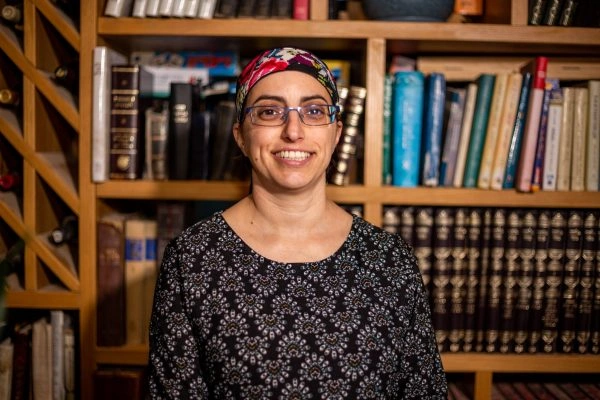
כמו שרואים בתמונה אני ממשיכה ללמוד גם היום ואפילו במחלקת יולדות אחרי לידת ביתי השלישית.

Noa Shiloh
נועה שילה

רבבה, ישראל

באירוע של הדרן בנייני האומה. בהשראתה של אמי שלי שסיימה את הש”ס בסבב הקודם ובעידוד מאיר , אישי, וילדיי וחברותיי ללימוד במכון למנהיגות הלכתית של רשת אור תורה סטון ומורתיי הרבנית ענת נובוסלסקי והרבנית דבורה עברון, ראש המכון למנהיגות הלכתית.
הלימוד מעשיר את יומי, מחזיר אותי גם למסכתות שכבר סיימתי וידוע שאינו דומה מי ששונה פרקו מאה לשונה פרקו מאה ואחת במיוחד מרתקים אותי החיבורים בין המסכתות

Roit Kalech
רוית קלך

מודיעין, ישראל

הצטרפתי ללומדות בתחילת מסכת תענית. ההתרגשות שלי ושל המשפחה היתה גדולה מאוד, והיא הולכת וגוברת עם כל סיום שאני זוכה לו. במשך שנים רבות רציתי להצטרף ומשום מה זה לא קרה… ב”ה מצאתי לפני מספר חודשים פרסום של הדרן, ומיד הצטרפתי והתאהבתי. הדף היומי שינה את חיי ממש והפך כל יום- ליום של תורה. מודה לכן מקרב ליבי ומאחלת לכולנו לימוד פורה מתוך אהבת התורה ולומדיה.

Noa Rosen
נעה רוזן

חיספין רמת הגולן, ישראל

התחלתי מחוג במסכת קידושין שהעבירה הרבנית רייסנר במסגרת בית המדרש כלנה בגבעת שמואל; לאחר מכן התחיל סבב הדף היומי אז הצטרפתי. לסביבה לקח זמן לעכל אבל היום כולם תומכים ומשתתפים איתי. הלימוד לעתים מעניין ומעשיר ולעתים קשה ואף הזוי… אך אני ממשיכה קדימה. הוא משפיע על היומיום שלי קודם כל במרדף אחרי הדף, וגם במושגים הרבים שלמדתי ובידע שהועשרתי בו, חלקו ממש מעשי

Abigail Chrissy
אביגיל כריסי

ראש העין, ישראל

התחלתי ללמוד דף יומי בתחילת מסכת ברכות, עוד לא ידעתי כלום. נחשפתי לסיום הש״ס, ובעצם להתחלה מחדש בתקשורת, הפתיע אותי לטובה שהיה מקום לעיסוק בתורה.
את המסכתות הראשונות למדתי, אבל לא סיימתי (חוץ מעירובין איכשהו). השנה כשהגעתי למדרשה, נכנסתי ללופ, ואני מצליחה להיות חלק, סיימתי עם החברותא שלי את כל המסכתות הקצרות, גם כשהיינו חולות קורונה ובבידודים, למדנו לבד, העיקר לא לצבור פער, ומחכות ליבמות 🙂

Eden Yeshuron
עדן ישורון

מזכרת בתיה, ישראל

התחלתי ללמוד בסבב הנוכחי לפני כשנתיים .הסביבה מתפעלת ותומכת מאוד. אני משתדלת ללמוד מכל ההסכתים הנוספים שיש באתר הדרן. אני עורכת כל סיום מסכת שיעור בביתי לכ20 נשים שמחכות בקוצר רוח למפגשים האלו.

Yael Asher
יעל אשר

יהוד, ישראל

כבר סיפרתי בסיום של מועד קטן.
הלימוד מאוד משפיעה על היום שלי כי אני לומדת עם רבנית מישל על הבוקר בזום. זה נותן טון לכל היום – בסיס למחשבות שלי .זה זכות גדול להתחיל את היום בלימוד ובתפילה. תודה רבה !

שרה-ברלוביץ
שרה ברלוביץ

ירושלים, ישראל

התחלתי ללמוד גמרא בבית הספר בגיל צעיר והתאהבתי. המשכתי בכך כל חיי ואף היייתי מורה לגמרא בבית הספר שקד בשדה אליהו (בית הספר בו למדתי בילדותי)בתחילת מחזור דף יומי הנוכחי החלטתי להצטרף ובע”ה מקווה להתמיד ולהמשיך. אני אוהבת את המפגש עם הדף את "דרישות השלום ” שמקבלת מקשרים עם דפים אחרים שלמדתי את הסנכרון שמתחולל בין התכנים.

Ariela Bigman
אריאלה ביגמן

מעלה גלבוע, ישראל

התחלתי כשהייתי בחופש, עם הפרסומים על תחילת המחזור, הסביבה קיבלה את זה כמשהו מתמיד ומשמעותי ובהערכה, הלימוד זה עוגן יציב ביום יום, יש שבועות יותר ויש שפחות אבל זה משהו שנמצא שם אמין ובעל משמעות בחיים שלי….

Adi Diamant
עדי דיאמנט

גמזו, ישראל

התחלתי ללמוד את הדף היומי מעט אחרי שבני הקטן נולד. בהתחלה בשמיעה ולימוד באמצעות השיעור של הרבנית שפרבר. ובהמשך העזתי וקניתי לעצמי גמרא. מאז ממשיכה יום יום ללמוד עצמאית, ולפעמים בעזרת השיעור של הרבנית, כל יום. כל סיום של מסכת מביא לאושר גדול וסיפוק. הילדים בבית נהיו חלק מהלימוד, אני משתפת בסוגיות מעניינות ונהנית לשמוע את דעתם.

Eliraz Blau
אלירז בלאו

מעלה מכמש, ישראל

התחלתי ללמוד לפני כשנתיים בשאיפה לסיים לראשונה מסכת אחת במהלך חופשת הלידה.
אחרי מסכת אחת כבר היה קשה להפסיק…

Noa Gallant
נעה גלנט

ירוחם, ישראל

בסוף הסבב הקודם ראיתי את השמחה הגדולה שבסיום הלימוד, בעלי סיים כבר בפעם השלישית וכמובן הסיום הנשי בבנייני האומה וחשבתי שאולי זו הזדמנות עבורי למשהו חדש.
למרות שאני שונה בסביבה שלי, מי ששומע על הלימוד שלי מפרגן מאוד.
אני מנסה ללמוד קצת בכל יום, גם אם לא את כל הדף ובסך הכל אני בדרך כלל עומדת בקצב.
הלימוד מעניק המון משמעות ליום יום ועושה סדר בלמוד תורה, שתמיד היה (ועדיין) שאיפה. אבל אין כמו קביעות

Racheli-Mendelson
רחלי מנדלסון

טל מנשה, ישראל

התחלתי ללמוד לפני 4.5 שנים, כשהודיה חברה שלי פתחה קבוצת ווטסאפ ללימוד דף יומי בתחילת מסכת סנהדרין. מאז לימוד הדף נכנס לתוך היום-יום שלי והפך לאחד ממגדירי הזהות שלי ממש.

Rosenberg Foundation
קרן רוזנברג

ירושלים, ישראל

התחלתי ללמוד את הדף היומי מעט אחרי שבני הקטן נולד. בהתחלה בשמיעה ולימוד באמצעות השיעור של הרבנית שפרבר. ובהמשך העזתי וקניתי לעצמי גמרא. מאז ממשיכה יום יום ללמוד עצמאית, ולפעמים בעזרת השיעור של הרבנית, כל יום. כל סיום של מסכת מביא לאושר גדול וסיפוק. הילדים בבית נהיו חלק מהלימוד, אני משתפת בסוגיות מעניינות ונהנית לשמוע את דעתם.

Eliraz Blau
אלירז בלאו

מעלה מכמש, ישראל

ראיתי את הסיום הגדול בבנייני האומה וכל כך התרשמתי ורציתי לקחת חלק.. אבל לקח לי עוד כשנה וחצי )באמצע מסיכת שבת להצטרף..
הלימוד חשוב לי מאוד.. אני תמיד במרדף אחרי הדף וגונבת כל פעם חצי דף כשהילדים עסוקים ומשלימה אח”כ אחרי שכולם הלכו לישון..

Olga Mizrahi
אולגה מזרחי

ירושלים, ישראל

. לא תמיד נהניתי מלימוד גמרא כילדה.,בל כהתבגרתי התחלתי לאהוב את זה שוב. התחלתי ללמוד מסכת סוטה בדף היומי לפני כחמש עשרה שנה ואז הפסקתי.הגעתי לסיום הגדול של הדרן לפני שנתיים וזה נתן לי השראה. והתחלתי ללמוד למשך כמה ימים ואז היתה לי פריצת דיסק והפסקתי…עד אלול השנה. אז התחלתי עם מסכת ביצה וב”ה אני מצליחה לעמוד בקצב. המשפחה מאוד תומכת בי ויש כמה שגם לומדים את זה במקביל. אני אוהבת שיש עוגן כל יום.

Rebecca Darshan
רבקה דרשן

בית שמש, ישראל

אמא שלי למדה איתי ש”ס משנה, והתחילה ללמוד דף יומי. אני החלטתי שאני רוצה ללמוד גם. בהתחלה למדתי איתה, אח”כ הצטרפתי ללימוד דף יומי שהרב דני וינט מעביר לנוער בנים בעתניאל. במסכת עירובין עוד חברה הצטרפה אלי וכשהתחלנו פסחים הרב דני פתח לנו שעור דף יומי לבנות. מאז אנחנו לומדות איתו קבוע כל יום את הדף היומי (ובשבת אבא שלי מחליף אותו). אני נהנית מהלימוד, הוא מאתגר ומעניין

Renana Hellman
רננה הלמן

עתניאל, ישראל

התחלתי בתחילת הסבב, והתמכרתי. זה נותן משמעות נוספת ליומיום ומאוד מחזק לתת לזה מקום בתוך כל שגרת הבית-עבודה השוטפת.

Reut Abrahami
רעות אברהמי

בית שמש, ישראל

אחרי שראיתי את הסיום הנשי של הדף היומי בבנייני האומה זה ריגש אותי ועורר בי את הרצון להצטרף. לא למדתי גמרא קודם לכן בכלל, אז הכל היה לי חדש, ולכן אני לומדת בעיקר מהשיעורים פה בהדרן, בשוטנשטיין או בחוברות ושיננתם.

Rebecca Schloss
רבקה שלוס

בית שמש, ישראל

אחי, שלומד דף יומי ממסכת ברכות, חיפש חברותא ללימוד מסכת ראש השנה והציע לי. החברותא היתה מאתגרת טכנית ורוב הזמן נעשתה דרך הטלפון, כך שבסיום המסכת נפרדו דרכינו. אחי חזר ללמוד לבד, אבל אני כבר נכבשתי בקסם הגמרא ושכנעתי את האיש שלי להצטרף אלי למסכת ביצה. מאז המשכנו הלאה, ועכשיו אנחנו מתרגשים לקראתו של סדר נשים!

Shulamit Saban
שולמית סבן

נוקדים, ישראל

ראש השנה ב

אַרְבָּעָה רָאשֵׁי שָׁנִים הֵם, בְּאֶחָד בְּנִיסָן — רֹאשׁ הַשָּׁנָה לַמְּלָכִים וְלָרְגָלִים.

MISHNA: They are four days in the year that serve as the New Year, each for a different purpose: On the first of Nisan is the New Year for kings; it is from this date that the years of a king’s rule are counted. And the first of Nisan is also the New Year for the order of the Festivals, as it determines which is considered the first Festival of the year and which the last.

בְּאֶחָד בֶּאֱלוּל — רֹאשׁ הַשָּׁנָה לְמַעְשַׂר בְּהֵמָה. רַבִּי אֶלְעָזָר וְרַבִּי שִׁמְעוֹן אוֹמְרִים: בְּאֶחָד בְּתִשְׁרִי.

On the first of Elul is the New Year for animal tithes; all the animals born prior to that date belong to the previous tithe year and are tithed as a single unit, whereas those born after that date belong to the next tithe year. Rabbi Elazar and Rabbi Shimon say: The New Year for animal tithes is on the first of Tishrei.

בְּאֶחָד בְּתִשְׁרִי — רֹאשׁ הַשָּׁנָה לַשָּׁנִים וְלַשְּׁמִיטִּין וְלַיּוֹבְלוֹת, לִנְטִיעָה וְלִירָקוֹת.

On the first of Tishrei is the New Year for counting years, as will be explained in the Gemara; for calculating Sabbatical Years and Jubilee Years, i.e., from the first of Tishrei there is a biblical prohibition to work the land during these years; for planting, for determining the years of orla, the three-year period from when a tree has been planted during which time its fruit is forbidden; and for tithing vegetables, as vegetables picked prior to that date cannot be tithed together with vegetables picked after that date.

בְּאֶחָד בִּשְׁבָט — רֹאשׁ הַשָּׁנָה לָאִילָן כְּדִבְרֵי בֵּית שַׁמַּאי. בֵּית הִלֵּל אוֹמְרִים: בַּחֲמִשָּׁה עָשָׂר בּוֹ.

On the first of Shevat is the New Year for the tree; the fruit of a tree that was formed prior to that date belong to the previous tithe year and cannot be tithed together with fruit that was formed after that date; this ruling is in accordance with the statement of Beit Shammai. But Beit Hillel say: The New Year for trees is on the fifteenth of Shevat.

גְּמָ׳ לַמְּלָכִים, לְמַאי הִלְכְתָא? אָמַר רַב חִסְדָּא: לִשְׁטָרוֹת.

GEMARA: The New Year for kings; with regard to what halakha is it mentioned in the mishna? Why is it necessary to set a specific date to count the years of a king’s rule, rather than counting them from the day that he ascends to the throne? Rav Ḥisda said: It is for determining the validity of documents.

דִּתְנַן: שִׁטְרֵי חוֹב הַמּוּקְדָּמִין — פְּסוּלִין, וְהַמְאוּחָרִין — כְּשֵׁרִין.

It was the common practice to date documents in accordance with the years of the king’s rule; therefore, it was important that these years begin at a fixed time, so that one knows whether a particular document was antedated or postdated, as we learned in a mishna: Antedated promissory notes, i.e., promissory notes dated prior to the date on which the loan actually took place, are invalid because a loan document creates a lien on the borrower’s property. By dating the document earlier than the loan itself, the lender has a fraudulent mortgage on the property, which can be used against any future purchaser. Therefore, the Sages ordained that an antedated promissory note does not establish a lien, even from the true date of the loan. But postdated promissory notes bearing a date that is later than the date when the loan actually took place are valid, as postdating the note presents no opportunity for defrauding a purchaser.

תָּנוּ רַבָּנַן: מֶלֶךְ שֶׁעָמַד בְּעֶשְׂרִים וְתִשְׁעָה בַּאֲדָר, כֵּיוָן שֶׁהִגִּיעַ אֶחָד בְּנִיסָן — עָלְתָה לוֹ שָׁנָה. וְאִם לֹא עָמַד אֶלָּא בְּאֶחָד בְּנִיסָן — אֵין מוֹנִין לוֹ שָׁנָה עַד שֶׁיַּגִּיעַ נִיסָן אַחֵר.

The Sages taught in a baraita: If a king ascended to the throne on the twenty-ninth of Adar, the month preceding Nisan, once the first of Nisan arrives, although he reigned for only one day, a year is counted toward his reign; his first year of rule is completed from the first of Nisan. But if he ascended to the throne only on the first of Nisan, one counts an additional year toward his reign only when the next Nisan arrives.

אָמַר מָר: מֶלֶךְ שֶׁעָמַד בְּעֶשְׂרִים וְתִשְׁעָה בַּאֲדָר, כֵּיוָן שֶׁהִגִּיעַ אֶחָד בְּנִיסָן — עָלְתָה לוֹ שָׁנָה. הָא

The Master said, citing the baraita: If a king ascended to the throne on the twenty-ninth of Adar, once the first of Nisan arrives a year is counted toward his reign. The Gemara comments: This

קָא מַשְׁמַע לַן דְּנִיסָן רֹאשׁ הַשָּׁנָה לִמְלָכִים, וְיוֹם אֶחָד בַּשָּׁנָה חָשׁוּב שָׁנָה. וְאִם לֹא עָמַד אֶלָּא בְּאֶחָד בְּנִיסָן, אֵין מוֹנִין לוֹ שָׁנָה עַד שֶׁיַּגִּיעַ נִיסָן אַחֵר. פְּשִׁיטָא!

teaches us that Nisan is the New Year for kings, and it also teaches us that one day in a year is considered a year; although this king ruled for only one day, a full year is counted toward his reign. The Gemara asks: Consider the next clause of the baraita: But if he ascended to the throne only on the first of Nisan, a year is not counted toward his reign until the next first of Nisan arrives. Isn’t this obvious?

לָא צְרִיכָא, דְּאִימְּנוֹ עֲלֵיהּ מֵאֲדָר. מַהוּ דְּתֵימָא, נִימְנוֹ לֵיהּ תַּרְתֵּין שְׁנִין, קָא מַשְׁמַע לַן.

The Gemara explains: No, it is necessary for a case where the princes agreed to appoint him as king already in the month of Adar. Lest you say that since the decision to appoint him king was made already in Adar, once the first of Nisan arrives they should count it the second year of his reign, therefore the baraita teaches us that the count begins only from when he actually began his rule.

תָּנוּ רַבָּנַן: מֵת בַּאֲדָר וְעָמַד אַחֵר תַּחְתָּיו בַּאֲדָר — מוֹנִין שָׁנָה לְזֶה וְלָזֶה. מֵת בְּנִיסָן וְעָמַד אַחֵר תַּחְתָּיו בְּנִיסָן — מוֹנִין שָׁנָה לְזֶה וְלָזֶה. מֵת בַּאֲדָר וְעָמַד אַחֵר תַּחְתָּיו בְּנִיסָן — מוֹנִין רִאשׁוֹנָה לָרִאשׁוֹן, וּשְׁנִיָּה לַשֵּׁנִי.

§ The Sages taught in a baraita: If the king died in the month of Adar and another king succeeded him to the throne in that same Adar, one counts the year to this one, i.e., the previous king, as his final year, and to that one, i.e., the new king who began his reign in Adar. If the first king died in the month of Nisan and another king succeeded him in that same Nisan, one counts the year to this one, the previous king, and to that one, the new king. But if the first king died in Adar and another king succeeded him in Nisan, one counts the first year to the first king as his final year, and the second year to the second king as the first year of his reign.

אָמַר מַר: מֵת בַּאֲדָר וְעָמַד אַחֵר תַּחְתָּיו בַּאֲדָר — מוֹנִין שָׁנָה לְזֶה וְלָזֶה. פְּשִׁיטָא! מַהוּ דְּתֵימָא: שַׁתָּא לְבֵי תְרֵי לָא מָנִינַן, קָא מַשְׁמַע לַן.

The Master said: If the king died in Adar and another king succeeded him to the throne in that same Adar, one counts the year to this one, i.e., the previous king, as his final year, and to that one, i.e., the new king, as the first year of his reign. The Gemara asks: Isn’t this obvious? The Gemara explains: Lest you say that one year cannot be counted toward two kings, and so the entire year should be counted only toward the previous king, the baraita therefore teaches us that the years of two kings can overlap and be counted in a single year.

מֵת בְּנִיסָן וְעָמַד אַחֵר תַּחְתָּיו בְּנִיסָן — מוֹנִין שָׁנָה לְזֶה וְלָזֶה. פְּשִׁיטָא! מַהוּ דְּתֵימָא: כִּי אָמְרִינַן יוֹם אֶחָד בַּשָּׁנָה חָשׁוּב שָׁנָה — בְּסוֹף שָׁנָה. אֲבָל בִּתְחִלַּת שָׁנָה — לָא אָמְרִינַן, קָא מַשְׁמַע לַן.

The Gemara cites the next phrase of the baraita: If the first king died in Nisan and another king succeeded him in that same Nisan, one counts the year to this one, the previous king, and to that one, the new king. The Gemara asks: Isn’t this obvious? The Gemara explains: Lest you say that when we say that one day in a year is considered a full year, this only applies when the day is at the end of the year, i.e., since his reign will continue in the coming year the day is considered like a whole year, but if the day is at the beginning of the year we should not say that the beginning of Nisan is counted as another year for the previous king; therefore, it teaches us that there is no such a distinction.

מֵת בַּאֲדָר וְעָמַד אַחֵר תַּחְתָּיו בְּנִיסָן — מוֹנִין רִאשׁוֹנָה לָרִאשׁוֹן וּשְׁנִיָּה לַשֵּׁנִי. פְּשִׁיטָא! לָא צְרִיכָא, דְּאִימְּנוֹ עֲלֵיהּ מֵאֲדָר, וּמֶלֶךְ בֶּן מֶלֶךְ הוּא, מַהוּ דְּתֵימָא: נִימְנוֹ לֵיהּ תַּרְתֵּין שְׁנִין, קָא מַשְׁמַע לַן.

It was further taught in the baraita: But if the first king died in Adar and another king succeeded him in Nisan, one counts the first year to the first king as his final year, and the second year to the second king as the first year of his reign. The Gemara asks: Isn’t this obvious? The Gemara explains: No, it is necessary for a case where the princes decided to appoint him as king in Adar, and he is also a king, son of the previous king, so that his succession to the throne is automatic. Lest you say that by the time the first of Nisan arrives, two years should be counted toward his reign, it therefore teaches us that one counts only from Nisan, when he actually succeeded his father to the throne.

אָמַר רַבִּי יוֹחָנָן: מִנַּיִן לַמְּלָכִים שֶׁאֵין מוֹנִין לָהֶם אֶלָּא מִנִּיסָן — שֶׁנֶּאֱמַר: ״וַיְהִי בִשְׁמוֹנִים שָׁנָה וְאַרְבַּע מֵאוֹת שָׁנָה לְצֵאת בְּנֵי יִשְׂרָאֵל מֵאֶרֶץ מִצְרַיִם בַּשָּׁנָה הָרְבִיעִית בְּחֹדֶשׁ זִיו הוּא הַחֹדֶשׁ הַשֵּׁנִי לִמְלֹךְ שְׁלֹמֹה עַל יִשְׂרָאֵל״. מַקִּישׁ מַלְכוּת שְׁלֹמֹה לִיצִיאַת מִצְרַיִם: מָה יְצִיאַת מִצְרַיִם מִנִּיסָן — אַף מַלְכוּת שְׁלֹמֹה מִנִּיסָן.

§ Rabbi Yoḥanan said: From where is it derived that one counts the years of kings’ reigns only from Nisan? As it is stated: “And it came to pass in the four hundred and eightieth year after the children of Israel were come out of the land of Egypt, in the fourth year of Solomon’s reign over Israel, in the month Ziv, which is the second month, that he began to build the house of the Lord” (I Kings 6:1). This verse juxtaposes the reign of Solomon to the exodus from Egypt: Just as one counts the years since the exodus from Egypt from Nisan, when the Jewish people left Egypt, so too, one counts the years of Solomon’s reign from Nisan.

וִיצִיאַת מִצְרַיִם גּוּפַהּ מְנָלַן דְּמִנִּיסָן מָנִינַן? דִּילְמָא מִתִּשְׁרִי מָנִינַן!

The Gemara asks: And from where do we derive that we count the years from the exodus from Egypt themselves from Nisan? Perhaps we count them from Tishrei.

לָא סָלְקָא דַּעְתָּךְ, דִּכְתִיב: ״וַיַּעַל אַהֲרֹן הַכֹּהֵן אֶל הֹר הָהָר עַל פִּי ה׳ וַיָּמׇת שָׁם בִּשְׁנַת הָאַרְבָּעִים לְצֵאת בְּנֵי יִשְׂרָאֵל מֵאֶרֶץ מִצְרַיִם בַּחֹדֶשׁ הַחֲמִישִׁי בְּאֶחָד לַחֹדֶשׁ״, וּכְתִיב: ״וַיְהִי בְּאַרְבָּעִים שָׁנָה בְּעַשְׁתֵּי עָשָׂר חֹדֶשׁ בְּאֶחָד לַחֹדֶשׁ דִּבֶּר מֹשֶׁה וְגוֹ׳״. מִדְּקָאֵי בְּאָב וְקָרֵי לַהּ ״שְׁנַת אַרְבָּעִים״, וְקָאֵי בִּשְׁבָט וְקָרֵי לַהּ ״שְׁנַת אַרְבָּעִים״ — מִכְּלָל דְּרֹאשׁ הַשָּׁנָה לָאו תִּשְׁרֵי הוּא.

The Gemara answers: It should not enter your mind to say this, as it is written: “And Aaron the priest went up to Mount Hor at the commandment of the Lord, and died there, in the fortieth year after the children of Israel were come out of the land of Egypt, in the fifth month, on the first day of the month” (Numbers 33:38), and it is later written: “And it came to pass in the fortieth year, in the eleventh month, on the first of the month, that Moses spoke to the children of Israel” (Deuteronomy 1:3). From the fact that when the Bible speaks of the month of Av, which is the fifth month, it calls that year “the fortieth year,” and when it speaks of the following Shevat, it also calls that year “the fortieth year,” the implication is that the New Year does not begin in Tishrei. Were it the case that the New Year begins in Tishrei, Av and the following Shevat would not be in the same year because the year would have changed in Tishrei.

בִּשְׁלָמָא הַיְאךְ — מְפָרֵשׁ דְּלִיצִיאַת מִצְרַיִם, אֶלָּא הַאי, מִמַּאי דְּלִיצִיאַת מִצְרַיִם, דִּילְמָא לַהֲקָמַת הַמִּשְׁכָּן?

The Gemara raises an objection: Granted, in this case of Aaron’s death it is explicitly stated that the year is counted from the exodus from Egypt, as it states: “In the fortieth year after the children of Israel were come out of the land of Egypt.” But with regard to this other incident of Moses’ oration, from where is it known that the year is counted from the exodus from Egypt? Perhaps it is forty years since the establishment of the Tabernacle in the wilderness.

כִּדְאָמַר רַב פָּפָּא: ״שְׁנַת עֶשְׂרִים״ ״שְׁנַת עֶשְׂרִים״ — לִגְזֵרָה שָׁוָה, הָכָא נָמֵי: ״שְׁנַת אַרְבָּעִים״ ״שְׁנַת אַרְבָּעִים״ — לִגְזֵרָה שָׁוָה: מָה כָּאן לִיצִיאַת מִצְרַיִם — אַף כָּאן לִיצִיאַת מִצְרַיִם.

The Gemara answers: In accordance with what Rav Pappa said in a different context, that the meaning of one instance of the expression “the twentieth year” may be inferred from another instance of the expression “the twentieth year” by way of a verbal analogy, here too, the meaning of one instance of the expression “the fortieth year” may be inferred from another instance of the expression “the fortieth year” by way of a verbal analogy: Just as here, with regard to Aaron’s death, the count is from the exodus from Egypt, so too, here, with regard to Moses’ oration, although this is not stated explicitly, the count is from the exodus from Egypt.

וּמִמַּאי דְּמַעֲשֶׂה דְּאָב קָדֵים, דִּילְמָא מַעֲשֶׂה דִּשְׁבָט קָדֵים!

The Gemara raises another question: Even if this serves as proof that these two events both took place in the fortieth year from the exodus from Egypt, from where is it known that the incident of Aaron’s death in Av took place first? Perhaps the incident of Moses’ oration in Shevat took place first, in which case it is possible that the years from the Exodus are counted not from Nisan, but from Tishrei.

לָא סָלְקָא דַּעְתָּךְ, דִּכְתִיב: ״אַחֲרֵי הַכֹּתוֹ אֶת סִיחוֹן״, וְכִי נָח נַפְשֵׁיהּ דְּאַהֲרֹן אַכַּתִּי הֲוָה סִיחוֹן קַיָּים, דִּכְתִיב:

The Gemara rejects this argument: It should not enter your mind to say this, as it is written that Moses delivered his oration “after he had slain Sihon” (Deuteronomy 1:4), and when Aaron died Sihon was still alive, as it is written:

רוצה לעקוב אחרי התכנים ולהמשיך ללמוד?

ביצירת חשבון עוד היום ניתן לעקוב אחרי ההתקדמות שלך, לסמן מה למדת, ולעקוב אחרי השיעורים שמעניינים אותך.

לנקות את כל הפריטים מהרשימה?

פעולה זו תסיר את כל הפריטים בחלק זה כולל ההתקדמות וההיסטוריה. שימי לב: לא ניתן לשחזר פעולה זו.

ביטול
מחיקה

האם את/ה בטוח/ה שברצונך למחוק פריט זה?

תאבד/י את כל ההתקדמות או ההיסטוריה הקשורות לפריט זה.

ביטול
מחיקה