חיפוש

סנהדרין סח

רוצה להקדיש שיעור?

podcast placeholder

0:00
0:00


תקציר

הדף היום מוקדש לע”נ שירי ביבס, ולכבוד שחרורם של טל שהם, עומר ונקרט, עומר שם טוב ואלי-ה כהן ששוחררו מהשבי אחרי 505 ימים והישאם א-סייד ואברה מנגיסטו ששוחררו אחרי יותר מעשור. יהי רצון שתהיה להם רפואה שלמה ושנזכה לשחרורם המהיר של כל שאר החטופים!

המשנה מצטטת את רבי עקיבא שאמר בשם רבי יהושע ששניים יכולים ללקט קישואים – אחד בכישוף ויהיה חייב, והאחד באחיזת עיניים, ופטור. הגמרא מביאה את סיפור מותו של רבי אליעזר בן הורקנוס כדי להקשות על זה, שכן בהקשר של אותו סיפור דרמטי, מסופר מקרה אחר שבו רבי אליעזר מראה לרבי עקיבא כיצד באמצעות כישוף אפשר ללקט קישואים. איך פותרים את הקושי?

עם מותו, רצו החכמים לראות אם רבי אליעזר בן הורקנוס שינה את דעתו ויוכלו לבטל את הנידוי שהטילו עליו. אולם, הוא עדיין החזיק בחוזקה בעמדתו. אך מכיוון שהמילה "טהור” הייתה על שפתיו כשמת (יצאה נשמתו בטהרה), הם ראו בזה סימן שהם יכולים לבטל את הנידוי.

בן סורר ומורה יכול להיות מורשע רק אם הגיע לגיל בגרות ועד שיצמח הרבה שערות בגיד. רב יהודה בשם רב לומד זאת מהפסוק בתורה לגבי בן סורר ומורה שמצמיד את המילים בן ואיש. רב חסדא לומד דרשה אחרת מאותו פסוק, שאם אבי הילד היה קטין כשהבן נולד, הוא לא יכול להיות בן סורר ומורה. כיצד ניתן ללמוד את שניהם מהפסוק? רבה חולק על רב חסדא כי הוא סובר שקטין אינו מסוגל להוליד ילד.

סנהדרין סח

וְהָא רַבִּי עֲקִיבָא מֵרַבִּי יְהוֹשֻׁעַ גְּמִיר לַהּ? וְהָתַנְיָא: כְּשֶׁחָלָה רַבִּי אֱלִיעֶזֶר, נִכְנְסוּ רַבִּי עֲקִיבָא וַחֲבֵירָיו לְבַקְּרוֹ. הוּא יוֹשֵׁב בְּקִינוֹף שֶׁלּוֹ, וְהֵן יוֹשְׁבִין בִּטְרַקְלִין שֶׁלּוֹ.

The Gemara asks: And did Rabbi Akiva learn these halakhot from Rabbi Yehoshua? But isn’t it taught in a baraita: When Rabbi Eliezer took ill, Rabbi Akiva and his colleagues came to visit him. He was sitting on his canopied bed [bekinof ], and they were sitting in his parlor [biteraklin]; they did not know if he would be able to receive them, due to his illness.

וְאוֹתוֹ הַיּוֹם עֶרֶב שַׁבָּת הָיָה, וְנִכְנַס הוּרְקָנוֹס בְּנוֹ לַחְלוֹץ תְּפִלָּיו. גָּעַר בּוֹ וְיָצָא בִּנְזִיפָה. אָמַר לָהֶן לַחֲבֵירָיו: כִּמְדוּמֶּה אֲנִי שֶׁדַּעְתּוֹ שֶׁל אַבָּא נִטְרְפָה. אָמַר לָהֶן: דַּעְתּוֹ וְדַעַת אִמּוֹ נִטְרְפָה! הֵיאַךְ מַנִּיחִין אִיסּוּר סְקִילָה וְעוֹסְקִין בְּאִיסּוּר שְׁבוּת?

And that day was Shabbat eve, and Rabbi Eliezer’s son Hyrcanus entered to remove his phylacteries, as phylacteries are not worn on Shabbat. His father berated him, and he left reprimanded. Hyrcanus said to his father’s colleagues: It appears to me that father went insane, since he berated me for no reason. Rabbi Eliezer heard this and said to them: He, Hyrcanus, and his mother went insane. How can they neglect Shabbat preparations with regard to prohibitions punishable by stoning, such as lighting the candles and preparing hot food, and engage in preparations concerning prohibitions by rabbinic decree, such as wearing phylacteries on Shabbat?

כֵּיוָן שֶׁרָאוּ חֲכָמִים שֶׁדַּעְתּוֹ מְיוּשֶּׁבֶת עָלָיו, נִכְנְסוּ וְיָשְׁבוּ לְפָנָיו מֵרָחוֹק אַרְבַּע אַמּוֹת.

Since the Sages perceived from this retort that his mind was stable, they entered and sat before him at a distance of four cubits, as he was ostracized (see Bava Metzia 59b). It is forbidden to sit within four cubits of an ostracized person.

אָמַר לָהֶם: לָמָּה בָּאתֶם? אָמְרוּ לוֹ: לִלְמוֹד תּוֹרָה בָּאנוּ. אָמַר לָהֶם: וְעַד עַכְשָׁיו לָמָּה לֹא בָּאתֶם? אָמְרוּ לוֹ: לֹא הָיָה לָנוּ פְּנַאי. אָמַר לָהֶן: תָּמֵיהַּ אֲנִי אִם יָמוּתוּ מִיתַת עַצְמָן. אָמַר לוֹ רַבִּי עֲקִיבָא: שֶׁלִּי מַהוּ? אָמַר לוֹ: שֶׁלְּךָ קָשָׁה מִשֶּׁלָּהֶן.

Rabbi Eliezer said to them: Why have you come? They said to him: We have come to study Torah, as they did not want to say that they came to visit him due to his illness. Rabbi Eliezer said to them: And why have you not come until now? They said to him: We did not have spare time. Rabbi Eliezer said to them: I would be surprised if these Sages die their own death, i.e., a natural death. Rather, they will be tortured to death by the Romans. Rabbi Akiva said to him: How will my death come about? Rabbi Eliezer said to him: Your death will be worse than theirs, as you were my primary student and you did not come to study.

נָטַל שְׁתֵּי זְרוֹעוֹתָיו וְהִנִּיחָן עַל לִבּוֹ, אָמַר: אוֹי לָכֶם שְׁתֵּי זְרוֹעוֹתַיי, שֶׁהֵן כִּשְׁתֵּי סִפְרֵי תוֹרָה שֶׁנִּגְלָלִין! הַרְבֵּה תּוֹרָה לָמַדְתִּי, וְהַרְבֵּה תּוֹרָה לִימַּדְתִּי. הַרְבֵּה תּוֹרָה לָמַדְתִּי, וְלֹא חִסַּרְתִּי מֵרַבּוֹתַי אֲפִילּוּ כַּכֶּלֶב הַמְּלַקֵּק מִן הַיָּם. הַרְבֵּה תּוֹרָה לִימַּדְתִּי, וְלֹא חִסְּרוּנִי תַּלְמִידַי אֶלָּא כְּמִכְחוֹל בִּשְׁפוֹפֶרֶת.

Rabbi Eliezer raised his two arms and placed them on his heart, and he said: Woe to you, my two arms, as they are like two Torah scrolls that are now being rolled up, and will never be opened again. I have learned much Torah, and I have taught much Torah. I have learned much Torah, and I have not taken away from my teachers, i.e., I have not received from their wisdom, even like a dog lapping from the sea. I have taught much Torah, and my students have taken away from me, i.e., they have received from my wisdom, only like the tiny amount that a paintbrush removes from a tube of paint.

וְלֹא עוֹד, אֶלָּא שֶׁאֲנִי שׁוֹנֶה שְׁלֹשׁ מֵאוֹת הֲלָכוֹת בְּבַהֶרֶת עַזָּה, וְלֹא הָיָה אָדָם שׁוֹאֲלֵנִי בָּהֶן דָּבָר מֵעוֹלָם. וְלֹא עוֹד, אֶלָּא שֶׁאֲנִי שׁוֹנֶה שְׁלֹשׁ מֵאוֹת הֲלָכוֹת, וְאָמְרִי לַהּ: שְׁלֹשֶׁת אֲלָפִים הֲלָכוֹת, בִּנְטִיעַת קִשּׁוּאִין, וְלֹא הָיָה אָדָם שׁוֹאֲלֵנִי בָּהֶן דָּבָר מֵעוֹלָם, חוּץ מֵעֲקִיבָא בֶּן יוֹסֵף.

Moreover, I can teach three hundred halakhot with regard to a snow-white leprous mark [bebaheret], but no person has ever asked me anything about them. He could not find a student who could fully understand him in those matters. Moreover, I can teach three hundred halakhot, and some say that Rabbi Eliezer said three thousand halakhot, with regard to the planting of cucumbers by sorcery, but no person has ever asked me anything about them, besides Akiva ben Yosef.

פַּעַם אַחַת אֲנִי וָהוּא מְהַלְּכִין הָיִינוּ בַּדֶּרֶךְ, אָמַר לִי: רַבִּי, לַמְּדֵנִי בִּנְטִיעַת קִשּׁוּאִין. אָמַרְתִּי דָּבָר אֶחָד, נִתְמַלְּאָה כׇּל הַשָּׂדֶה קִשּׁוּאִין. אֲמַר לִי: רַבִּי, לִמַּדְתַּנִי נְטִיעָתָן, לַמְּדֵנִי עֲקִירָתָן. אָמַרְתִּי דָּבָר אֶחָד, נִתְקַבְּצוּ כּוּלָּן לְמָקוֹם אֶחָד.

Rabbi Eliezer described the incident: Once he and I were walking along the way, and he said to me: My teacher, teach me about the planting of cucumbers. I said one statement of sorcery, and the entire field became filled with cucumbers. He said to me: My teacher, you have taught me about planting them; teach me about uprooting them. I said one statement and they all were gathered to one place.

אָמְרוּ לוֹ: הַכַּדּוּר וְהָאִמּוּם וְהַקָּמֵיעַ וּצְרוֹר הַמַּרְגָּלִיּוֹת וּמִשְׁקוֹלֶת קְטַנָּה, מַהוּ? אָמַר לָהֶן: הֵן טְמֵאִין, וְטַהֲרָתָן בְּמָה שֶׁהֵן.

After these comments, the Sages asked him questions of halakha: What is the halakha, with regard to ritual impurity, of a ball made of leather and stuffed with rags, and likewise a last, the frame on which a shoe is fashioned, which is made of leather and stuffed with rags, and likewise an amulet wrapped in leather, and a pouch for pearls, wrapped in leather, and a small weight, which is wrapped in leather? Rabbi Eliezer said to them: They are susceptible to impurity, and their purification is effected by immersing them in a ritual bath as they are, as there is no need to open them up.

מִנְעָל שֶׁעַל גַּבֵּי הָאִמּוּם, מַהוּ? אָמַר לָהֶן: הוּא טָהוֹר, וְיָצְאָה נִשְׁמָתוֹ בְּטׇהֳרָה. עָמַד רַבִּי יְהוֹשֻׁעַ עַל רַגְלָיו וְאָמַר: הוּתַּר הַנֶּדֶר, הוּתַּר הַנֶּדֶר!

They asked him further: What is the halakha with regard to a shoe that is on a last? Is it considered a complete vessel, which needs no further preparation, and is therefore susceptible to impurity? Rabbi Eliezer said to them: It is pure, and with this word, his soul left him in purity. Rabbi Yehoshua stood on his feet and said: The vow is permitted; the vow is permitted; i.e., the ostracism that was placed on Rabbi Eliezer is removed.

לְמוֹצָאֵי שַׁבָּת פָּגַע בּוֹ רַבִּי עֲקִיבָא בֵּין קֵסָרִי לְלוֹד. הָיָה מַכֶּה בִּבְשָׂרוֹ עַד שֶׁדָּמוֹ שׁוֹתֵת לָאָרֶץ. פָּתַח עָלָיו בְּשׁוּרָה וְאָמַר: אָבִי אָבִי רֶכֶב יִשְׂרָאֵל וּפָרָשָׁיו. הַרְבֵּה מָעוֹת יֵשׁ לִי וְאֵין לִי שׁוּלְחָנִי לְהַרְצוֹתָן.

Rabbi Akiva was not present at the time of his death. At the conclusion of Shabbat, Rabbi Akiva encountered the funeral procession on his way from Caesarea to Lod. Rabbi Akiva was striking his flesh in terrible anguish and regret until his blood flowed to the earth. He began to eulogize Rabbi Eliezer in the row of those comforting the mourners, and said: “My father, my father, the chariot of Israel and its horsemen” (II Kings 2:12). I have many coins, but I do not have a money changer to whom to give them, i.e., I have many questions, but after your death I have no one who can answer them.

אַלְמָא, מֵרַבִּי אֱלִיעֶזֶר גַּמְרַהּ? גַּמְרַהּ מֵרַבִּי אֱלִיעֶזֶר וְלָא סַבְרַהּ. הֲדַר גַּמְרַהּ מֵרַבִּי יְהוֹשֻׁעַ, וְאַסְבְּרַהּ נִיהֲלֵיהּ.

The Gemara returns to the matter at hand: Apparently, Rabbi Akiva learned the halakhot of gathering cucumbers through sorcery from Rabbi Eliezer, not from Rabbi Yehoshua. The Gemara answers: He learned it from Rabbi Eliezer but he did not understand it. Later he learned it from Rabbi Yehoshua, and Rabbi Yehoshua explained it to him.

הֵיכִי עָבֵיד הָכִי? וְהָאֲנַן תְּנַן: הָעוֹשֶׂה מַעֲשֶׂה – חַיָּיב! לְהִתְלַמֵּד שָׁאנֵי, דְּאָמַר מָר: ״לֹא תִלְמַד לַעֲשׂוֹת״ – לַעֲשׂוֹת אִי אַתָּה לָמֵד, אֲבָל אַתָּה לָמֵד לְהָבִין וּלְהוֹרוֹת.

The Gemara asks: How could Rabbi Eliezer have performed that act of sorcery? But didn’t we learn in the mishna that one who performs an act of sorcery is liable? The Gemara answers: Performing sorcery not in order to use it, but in order to teach oneself the halakhot is different, and it is permitted; as the Master says that it is derived from the verse: “You shall not learn to do like the abominations of those nations. There shall not be found among you…one who uses divination, a soothsayer, an enchanter, or a sorcerer” (Deuteronomy 18:9–10), so that you shall not learn, i.e., it is prohibited for you to learn, in order to do, but you may learn, i.e., it is permitted for you to learn, in order to understand the matter yourself and teach it to others.

הֲדַרַן עֲלָךְ אַרְבַּע מִיתוֹת

MISHNA: The Torah describes the punishment given to a son who steals money from his parents to eat a gluttonous meal of meat and wine in the company of lowly men. If his parents bring him to court for this act, he is exhorted to desist and is punished with lashes. If he repeats the same misdeed and is again brought to court by his parents within the same three-month period, he is considered a stubborn and rebellious son [ben sorer umoreh]. He is liable to receive the death penalty, which in this case is execution by stoning. From when does a stubborn and rebellious son become liable to receive the death penalty imposed upon a stubborn and rebellious son?

מַתְנִי׳ בֵּן סוֹרֵר וּמוֹרֶה, מֵאֵימָתַי נַעֲשֶׂה בֵּן סוֹרֵר וּמוֹרֶה?

From when he grows two pubic hairs, which are a sign of puberty and from which time he is considered an adult, until he has grown a beard around. The reference here is to the lower beard surrounding his genitals, and not the upper beard, i.e., his facial hair, but the Sages spoke in euphemistic terms. As it is stated: “If a man has a stubborn and rebellious son” (Deuteronomy 21:18), which indicates that the penalty for rebelliousness is imposed upon a son, but not upon a daughter; and upon a son, but not upon a fully grown man. A minor under the age of thirteen is exempt from the penalty imposed upon a stubborn and rebellious son, because he has not yet reached the age of inclusion in mitzvot.

מִשֶּׁיָּבִיא שְׁתֵּי שְׂעָרוֹת, וְעַד שֶׁיַּקִּיף זָקָן הַתַּחְתּוֹן וְלֹא הָעֶלְיוֹן, אֶלָּא שֶׁדִּבְּרוּ חֲכָמִים בִּלְשׁוֹן נְקִיָּה. שֶׁנֶּאֱמַר: ״כִּי יִהְיֶה לְאִישׁ בֵּן״ – בֵּן וְלֹא בַּת, בֵּן וְלֹא אִישׁ. קָטָן פָּטוּר, שֶׁלֹּא בָּא לִכְלַל מִצְוֹת.

GEMARA: The Gemara inquires about the source of the halakha taught in the mishna: From where do we derive that a minor is exempt from the punishment imposed upon a stubborn and rebellious son? The Gemara comments: This question is puzzling: From where do we derive this halakha? The reason is as is taught in the mishna: Because he has not yet reached the age of inclusion in mitzvot. And furthermore, where do we find that the verse punishes a minor, so that a special verse should be required here in order to exempt him?

גְּמָ׳ קָטָן מְנָלַן דְּפָטוּר? מְנָלַן?! כִּדְקָתָנֵי טַעְמָא: שֶׁלֹּא בָּא לִכְלַל מִצְוֹת! וְתוּ, הֵיכָא אַשְׁכְּחַן דְּעָנַשׁ הַכָּתוּב, דְּהָכָא לִיבְעֵי קְרָא לְמִיפְטְרֵיהּ?

The Gemara clarifies: This is what we are saying: Is this to say that a stubborn and rebellious son is killed for a sin that he already committed? But, as will be explained (71b), he is killed for what he will become in the end. The Torah understands that since the boy has already embarked on an evil path, he will continue to be drawn after his natural tendencies and commit many offenses that are more severe. It is therefore preferable that he should be killed now so that he may die in relative innocence, rather than be put to death in the future bearing much more guilt. And since he is executed for what he will become in the end, one might have thought that even a minor as well can be sentenced to the death penalty as a stubborn and rebellious son. And furthermore, the exclusion: “A son,” but not a man, indicates that a minor is in fact included in the halakha, as he is not yet a man.

אֲנַן הָכִי קָאָמְרִינַן: אַטּוּ בֵּן סוֹרֵר וּמוֹרֶה עַל חֶטְאוֹ נֶהֱרָג? עַל שֵׁם סוֹפוֹ נֶהֱרָג! וְכֵיוָן דְּעַל שֵׁם סוֹפוֹ נֶהֱרָג, אֲפִילּוּ קָטָן נָמֵי? וְעוֹד, ״בֵּן״ וְלֹא אִישׁ – קָטָן מַשְׁמַע!

Rav Yehuda says that Rav says: A minor is exempt from the punishment imposed upon a stubborn and rebellious son, as the verse states: “If a man has a son” (Deuteronomy 21:18), which indicates that the halakha applies to a son who is close to the stage of having the strength of a man, i.e., close to full maturity, but not to a younger boy.

אָמַר רַב יְהוּדָה אָמַר רַב: דְּאָמַר קְרָא, ״וְכִי יִהְיֶה לְאִישׁ בֵּן״ – בֵּן הַסָּמוּךְ לִגְבוּרָתוֹ שֶׁל אִישׁ.

§ The mishna teaches that a boy can be sentenced as a stubborn and rebellious son only until he has grown a lower beard. Rabbi Ḥiyya teaches a baraita that states: Until the hair surrounds the corona. When Rav Dimi came from Eretz Yisrael to Babylonia he said in explanation of Rabbi Ḥiyya’s statement: The reference in the mishna is to hair surrounding the penis and not to hair surrounding the sac holding the testicles, which grows later.

וְעַד שֶׁיַּקִּיף זָקָן הַתַּחְתּוֹן כּוּ׳. תָּנֵי רַבִּי חִיָּיא: עַד שֶׁיַּקִּיף עֲטָרָה. כִּי אֲתָא רַב דִּימִי אָמַר: הַקָּפַת גִּיד, וְלֹא הַקָּפַת בֵּיצִים.

§ Rav Ḥisda says: In the case of a minor who fathered a child, his son cannot become a stubborn and rebellious son, as it is stated: “If a man has a stubborn and rebellious son,” which indicates that the halakha applies only if a man has a son, but not if a son, i.e., one who is not yet a man, has a son. The Gemara asks: How can Rav Ḥisda derive his halakha from this verse? Doesn’t he require this verse to teach us that which Rav Yehuda says that Rav says, namely, that a minor is exempt from the punishment imposed upon a stubborn and rebellious son? The Gemara answers: This verse teaches two halakhot, as, were the intention to teach only the halakha that a minor is exempt, let the verse say: If there be a son to a man. For what reason does the verse introduce a change into the normal word order and state: “If a man has a son”? Conclude from it that the verse serves to teach the ruling of Rav Ḥisda.

אָמַר רַב חִסְדָּא: קָטָן שֶׁהוֹלִיד, אֵין בְּנוֹ נַעֲשֶׂה בֵּן סוֹרֵר וּמוֹרֶה, שֶׁנֶּאֱמַר: ״כִּי יִהְיֶה לְאִישׁ בֵּן״ – לְאִישׁ בֵּן, וְלֹא לְבֵן בֵּן. הַאי מִיבְּעֵי לֵיהּ לְכִדְרַב יְהוּדָה אָמַר רַב! אִם כֵּן, לֵימָא קְרָא: ״כִּי יִהְיֶה בֵּן לְאִישׁ״. מַאי ״כִּי יִהְיֶה לְאִישׁ בֵּן״? שְׁמַע מִינַּהּ לְכִדְרַב חִסְדָּא.

The Gemara asks: If so, say that the entire verse comes to teach us this, i.e., what Rav Ḥisda said, and that it does not teach that a minor is not included in the halakha of a stubborn and rebellious son. The Gemara answers: If so, the verse should have stated: If there be the son of a man. What is the meaning of: “If a man has a son”? Conclude two conclusions from it, both that a minor cannot become a stubborn and rebellious son and that if a minor fathered a son, the son cannot become a stubborn and rebellious son.

וְאֵימָא: כּוּלֵּיהּ לְהָכִי הוּא דַּאֲתָא? אִם כֵּן, נֵימָא קְרָא ״בֶּן אִישׁ״. מַאי ״לְאִישׁ בֵּן״? שְׁמַע מִינַּהּ תַּרְתֵּי.

The Gemara comments: And Rav Ḥisda’s statement disagrees with the opinion of Rabba, as Rabba says in connection with one who returns stolen property after having taken a false oath that he did not steal it: A minor cannot father a child, as it is stated: “But if the man has no relative to whom restitution may be made, let the trespass that is recompensed to the Lord be the priest’s” (Numbers 5:8). And is there any man in the Jewish people who does not have a relative? All members of the Jewish people are related, as they all descend from the patriarch Jacob, and therefore every person has a relative who is fit to inherit from him.

וּפְלִיגָא דְּרַבָּה, דְּאָמַר רַבָּה: קָטָן אֵינוֹ מוֹלִיד, שֶׁנֶּאֱמַר: ״וְאִם אֵין לָאִישׁ גֹּאֵל״. וְכִי יֵשׁ לְךָ אָדָם בְּיִשְׂרָאֵל שֶׁאֵין לוֹ גּוֹאֵל?

Rather, the verse is speaking of the robbery of a convert, who is treated like a newborn child and considered to have no ties to his natural parents or relatives. If he did not father any children after his conversion, he is a man with no relatives at all, and therefore if he dies, property that had been stolen from him must be returned to a priest.

אֶלָּא, בְּגֶזֶל הַגֵּר הַכָּתוּב מְדַבֵּר.

העמקה

רוצה להבין מה באמת קורה מתחת לפני השטח של הסוגיה?
שיעורים, פודקאסטים והרחבות של מיטב המורות שלנו יפתחו לך עוד זוויות וכיווני חשיבה.

לשיעורי עוד על הדף באנגלית, לחצי כאן

חדשה בלימוד הגמרא?

זה הדף הראשון שלך? איזו התרגשות עצומה! יש לנו בדיוק את התכנים והכלים שיעזרו לך לעשות את הצעדים הראשונים ללמידה בקצב וברמה שלך, כך תוכלי להרגיש בנוח גם בתוך הסוגיות המורכבות ומאתגרות.

פסיפס הלומדות שלנו

גלי את קהילת הלומדות שלנו, מגוון נשים, רקעים וסיפורים. כולן חלק מתנועה ומסע מרגש ועוצמתי.

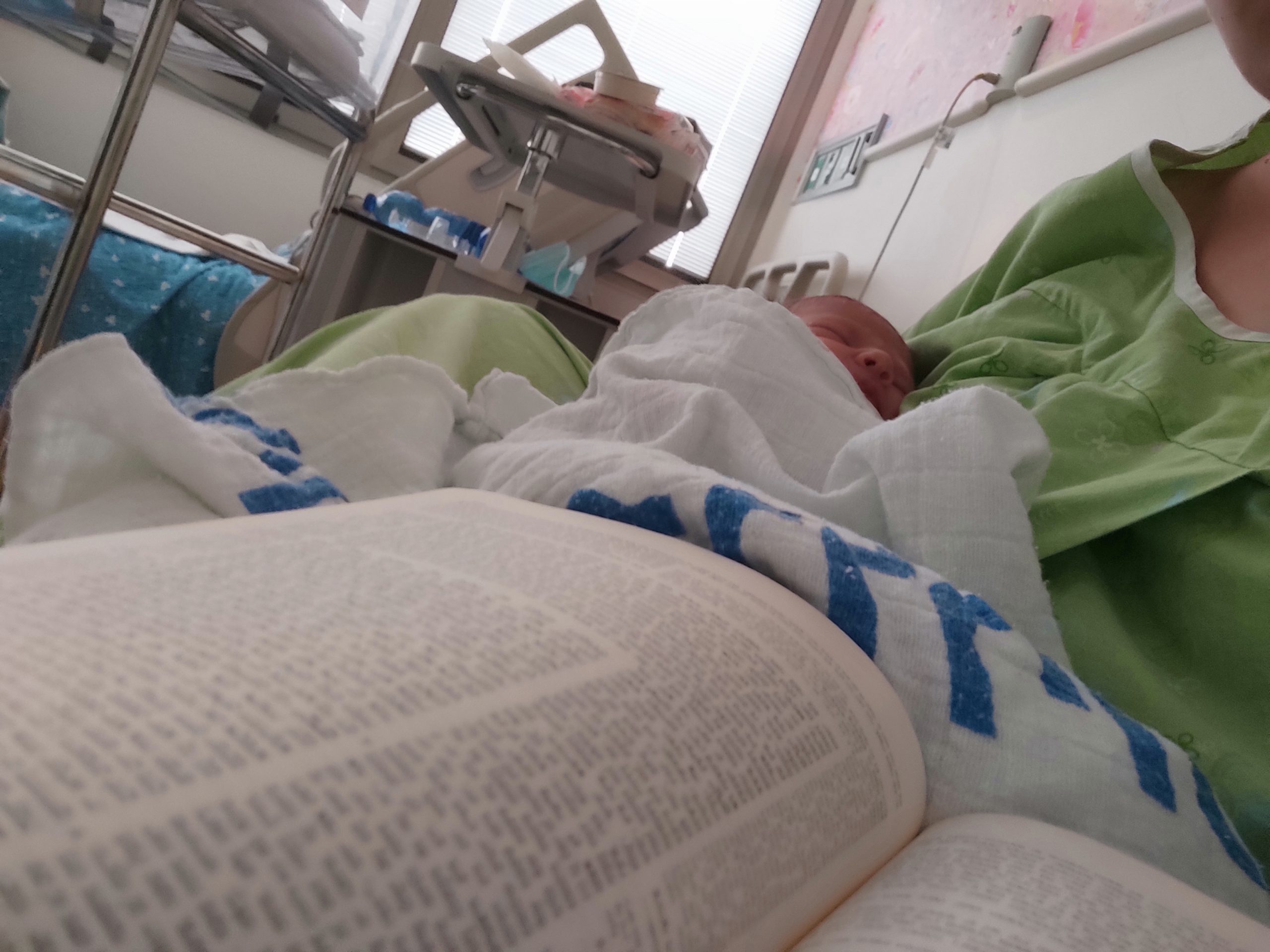
בתחילת הסבב הנוכחי הצטברו אצלי תחושות שאני לא מבינה מספיק מהי ההלכה אותה אני מקיימת בכל יום. כמו כן, כאמא לבנות רציתי לתת להן מודל נשי של לימוד תורה
שתי הסיבות האלו הובילו אותי להתחיל ללמוד. נתקלתי בתגובות מפרגנות וסקרניות איך אישה לומדת גמרא..
כמו שרואים בתמונה אני ממשיכה ללמוד גם היום ואפילו במחלקת יולדות אחרי לידת ביתי השלישית.

Noa Shiloh
נועה שילה

רבבה, ישראל

התחלתי כשהייתי בחופש, עם הפרסומים על תחילת המחזור, הסביבה קיבלה את זה כמשהו מתמיד ומשמעותי ובהערכה, הלימוד זה עוגן יציב ביום יום, יש שבועות יותר ויש שפחות אבל זה משהו שנמצא שם אמין ובעל משמעות בחיים שלי….

Adi Diamant
עדי דיאמנט

גמזו, ישראל

כבר סיפרתי בסיום של מועד קטן.
הלימוד מאוד משפיעה על היום שלי כי אני לומדת עם רבנית מישל על הבוקר בזום. זה נותן טון לכל היום – בסיס למחשבות שלי .זה זכות גדול להתחיל את היום בלימוד ובתפילה. תודה רבה !

שרה-ברלוביץ
שרה ברלוביץ

ירושלים, ישראל

אמא שלי למדה איתי ש”ס משנה, והתחילה ללמוד דף יומי. אני החלטתי שאני רוצה ללמוד גם. בהתחלה למדתי איתה, אח”כ הצטרפתי ללימוד דף יומי שהרב דני וינט מעביר לנוער בנים בעתניאל. במסכת עירובין עוד חברה הצטרפה אלי וכשהתחלנו פסחים הרב דני פתח לנו שעור דף יומי לבנות. מאז אנחנו לומדות איתו קבוע כל יום את הדף היומי (ובשבת אבא שלי מחליף אותו). אני נהנית מהלימוד, הוא מאתגר ומעניין

Renana Hellman
רננה הלמן

עתניאל, ישראל

. לא תמיד נהניתי מלימוד גמרא כילדה.,בל כהתבגרתי התחלתי לאהוב את זה שוב. התחלתי ללמוד מסכת סוטה בדף היומי לפני כחמש עשרה שנה ואז הפסקתי.הגעתי לסיום הגדול של הדרן לפני שנתיים וזה נתן לי השראה. והתחלתי ללמוד למשך כמה ימים ואז היתה לי פריצת דיסק והפסקתי…עד אלול השנה. אז התחלתי עם מסכת ביצה וב”ה אני מצליחה לעמוד בקצב. המשפחה מאוד תומכת בי ויש כמה שגם לומדים את זה במקביל. אני אוהבת שיש עוגן כל יום.

Rebecca Darshan
רבקה דרשן

בית שמש, ישראל

התחלתי ללמוד בסבב הנוכחי לפני כשנתיים .הסביבה מתפעלת ותומכת מאוד. אני משתדלת ללמוד מכל ההסכתים הנוספים שיש באתר הדרן. אני עורכת כל סיום מסכת שיעור בביתי לכ20 נשים שמחכות בקוצר רוח למפגשים האלו.

Yael Asher
יעל אשר

יהוד, ישראל

למדתי גמרא מכיתה ז- ט ב Maimonides School ואחרי העליה שלי בגיל 14 לימוד הגמרא, שלא היה כל כך מקובל בימים אלה, היה די ספוראדי. אחרי "ההתגלות” בבנייני האומה התחלתי ללמוד בעיקר בדרך הביתה למדתי מפוקקטסים שונים. לאט לאט ראיתי שאני תמיד חוזרת לרבנית מישל פרבר. באיזה שהוא שלב התחלתי ללמוד בזום בשעה 7:10 .
היום "אין מצב” שאני אתחיל את היום שלי ללא לימוד עם הרבנית מישל עם כוס הקפה שלי!!

selfie-scaled
דבי גביר

חשמונאים, ישראל

התחלתי ללמוד דף יומי אחרי שחזרתי בתשובה ולמדתי במדרשה במגדל עוז. הלימוד טוב ומספק חומר למחשבה על נושאים הלכתיים ”קטנים” ועד לערכים גדולים ביהדות. חשוב לי להכיר את הגמרא לעומק. והצעד הקטן היום הוא ללמוד אותה בבקיאות, בעזרת השם, ומי יודע אולי גם אגיע לעיון בנושאים מעניינים. נושאים בגמרא מתחברים לחגים, לתפילה, ליחסים שבין אדם לחברו ולמקום ולשאר הדברים שמלווים באורח חיים דתי 🙂

Gaia Divo
גאיה דיבו

מצפה יריחו, ישראל

אחרי שראיתי את הסיום הנשי של הדף היומי בבנייני האומה זה ריגש אותי ועורר בי את הרצון להצטרף. לא למדתי גמרא קודם לכן בכלל, אז הכל היה לי חדש, ולכן אני לומדת בעיקר מהשיעורים פה בהדרן, בשוטנשטיין או בחוברות ושיננתם.

Rebecca Schloss
רבקה שלוס

בית שמש, ישראל

לצערי גדלתי בדור שבו לימוד גמרא לנשים לא היה דבר שבשגרה ושנים שאני חולמת להשלים את הפער הזה.. עד שלפני מספר שבועות, כמעט במקרה, נתקלתי במודעת פרסומת הקוראת להצטרף ללימוד מסכת תענית. כשקראתי את המודעה הרגשתי שהיא כאילו נכתבה עבורי – "תמיד חלמת ללמוד גמרא ולא ידעת איך להתחיל”, "בואי להתנסות במסכת קצרה וקלה” (רק היה חסר שהמודעה תיפתח במילים "מיכי שלום”..). קפצתי למים ו- ב”ה אני בדרך להגשמת החלום:)

Micah Kadosh
מיכי קדוש

מורשת, ישראל

"התחלתי ללמוד דף יומי במחזור הזה, בח’ בטבת תש””ף. לקחתי על עצמי את הלימוד כדי ליצור תחום של התמדה יומיומית בחיים, והצטרפתי לקבוצת הלומדים בבית הכנסת בכפר אדומים. המשפחה והסביבה מתפעלים ותומכים.
בלימוד שלי אני מתפעלת בעיקר מכך שכדי ללמוד גמרא יש לדעת ולהכיר את כל הגמרא. זו מעין צבת בצבת עשויה שהיא עצומה בהיקפה.”

Sarah Fox
שרה פוּקס

כפר אדומים, ישראל

התחלתי ללמוד דף יומי בתחילת מסכת ברכות, עוד לא ידעתי כלום. נחשפתי לסיום הש״ס, ובעצם להתחלה מחדש בתקשורת, הפתיע אותי לטובה שהיה מקום לעיסוק בתורה.
את המסכתות הראשונות למדתי, אבל לא סיימתי (חוץ מעירובין איכשהו). השנה כשהגעתי למדרשה, נכנסתי ללופ, ואני מצליחה להיות חלק, סיימתי עם החברותא שלי את כל המסכתות הקצרות, גם כשהיינו חולות קורונה ובבידודים, למדנו לבד, העיקר לא לצבור פער, ומחכות ליבמות 🙂

Eden Yeshuron
עדן ישורון

מזכרת בתיה, ישראל

התחלתי ללמוד דף יומי לפני שנתיים, עם מסכת שבת. בהתחלה ההתמדה היתה קשה אבל בזכות הקורונה והסגרים הצלחתי להדביק את הפערים בשבתות הארוכות, לסיים את מסכת שבת ולהמשיך עם המסכתות הבאות. עכשיו אני מסיימת בהתרגשות רבה את מסכת חגיגה וסדר מועד ומחכה לסדר הבא!

Ilana-Shachnowitz
אילנה שכנוביץ

מודיעין, ישראל

רבנית מישל הציתה אש התלמוד בלבבות בביניני האומה ואני נדלקתי. היא פתחה פתח ותמכה במתחילות כמוני ואפשרה לנו להתקדם בצעדים נכונים וטובים. הקימה מערך שלם שמסובב את הלומדות בסביבה תומכת וכך נכנסתי למסלול לימוד מעשיר שאין כמוה. הדרן יצר קהילה גדולה וחזקה שמאפשרת התקדמות מכל נקודת מוצא. יש דיבוק לומדות שמחזק את ההתמדה של כולנו. כל פניה ושאלה נענית בזריזות ויסודיות. תודה גם למגי על כל העזרה.

Sarah Aber
שרה אבר

נתניה, ישראל

התחלתי ללמוד דף לפני קצת יותר מ-5 שנים, כשלמדתי רבנות בישיבת מהר”ת בניו יורק. בדיעבד, עד אז, הייתי בלימוד הגמרא שלי כמו מישהו שאוסף חרוזים משרשרת שהתפזרה, פה משהו ושם משהו, ומאז נפתח עולם ומלואו…. הדף נותן לי לימוד בצורה מאורגנת, שיטתית, יום-יומית, ומלמד אותי לא רק ידע אלא את השפה ודרך החשיבה שלנו. לשמחתי, יש לי סביבה תומכת וההרגשה שלי היא כמו בציטוט שבחרתי: הדף משפיע לטובה על כל היום שלי.

Michal Kahana
מיכל כהנא

חיפה, ישראל

התחלתי כשהייתי בחופש, עם הפרסומים על תחילת המחזור, הסביבה קיבלה את זה כמשהו מתמיד ומשמעותי ובהערכה, הלימוד זה עוגן יציב ביום יום, יש שבועות יותר ויש שפחות אבל זה משהו שנמצא שם אמין ובעל משמעות בחיים שלי….

Adi Diamant
עדי דיאמנט

גמזו, ישראל

התחלתי ללמוד בסבב הנוכחי לפני כשנתיים .הסביבה מתפעלת ותומכת מאוד. אני משתדלת ללמוד מכל ההסכתים הנוספים שיש באתר הדרן. אני עורכת כל סיום מסכת שיעור בביתי לכ20 נשים שמחכות בקוצר רוח למפגשים האלו.

Yael Asher
יעל אשר

יהוד, ישראל

התחלתי ללמוד בשנת המדרשה במגדל עוז, בינתיים נהנית מאוד מהלימוד ומהגמרא, מעניין ומשמח מאוד!
משתדלת להצליח לעקוב כל יום, לפעמים משלימה קצת בהמשך השבוע.. מרגישה שיש עוגן מקובע ביום שלי והוא משמח מאוד!

Uriah Kesner
אוריה קסנר

חיפה , ישראל

התחלתי ללמוד דף יומי אחרי שחזרתי בתשובה ולמדתי במדרשה במגדל עוז. הלימוד טוב ומספק חומר למחשבה על נושאים הלכתיים ”קטנים” ועד לערכים גדולים ביהדות. חשוב לי להכיר את הגמרא לעומק. והצעד הקטן היום הוא ללמוד אותה בבקיאות, בעזרת השם, ומי יודע אולי גם אגיע לעיון בנושאים מעניינים. נושאים בגמרא מתחברים לחגים, לתפילה, ליחסים שבין אדם לחברו ולמקום ולשאר הדברים שמלווים באורח חיים דתי 🙂

Gaia Divo
גאיה דיבו

מצפה יריחו, ישראל

התחלתי מעט לפני תחילת הסבב הנוכחי. אני נהנית מהאתגר של להמשיך להתמיד, מרגעים של "אהה, מפה זה הגיע!” ומהאתגר האינטלקטואלי

Eilat-Chen and Deller
אילת-חן ודלר

לוד, ישראל

סנהדרין סח

וְהָא רַבִּי עֲקִיבָא מֵרַבִּי יְהוֹשֻׁעַ גְּמִיר לַהּ? וְהָתַנְיָא: כְּשֶׁחָלָה רַבִּי אֱלִיעֶזֶר, נִכְנְסוּ רַבִּי עֲקִיבָא וַחֲבֵירָיו לְבַקְּרוֹ. הוּא יוֹשֵׁב בְּקִינוֹף שֶׁלּוֹ, וְהֵן יוֹשְׁבִין בִּטְרַקְלִין שֶׁלּוֹ.

The Gemara asks: And did Rabbi Akiva learn these halakhot from Rabbi Yehoshua? But isn’t it taught in a baraita: When Rabbi Eliezer took ill, Rabbi Akiva and his colleagues came to visit him. He was sitting on his canopied bed [bekinof ], and they were sitting in his parlor [biteraklin]; they did not know if he would be able to receive them, due to his illness.

וְאוֹתוֹ הַיּוֹם עֶרֶב שַׁבָּת הָיָה, וְנִכְנַס הוּרְקָנוֹס בְּנוֹ לַחְלוֹץ תְּפִלָּיו. גָּעַר בּוֹ וְיָצָא בִּנְזִיפָה. אָמַר לָהֶן לַחֲבֵירָיו: כִּמְדוּמֶּה אֲנִי שֶׁדַּעְתּוֹ שֶׁל אַבָּא נִטְרְפָה. אָמַר לָהֶן: דַּעְתּוֹ וְדַעַת אִמּוֹ נִטְרְפָה! הֵיאַךְ מַנִּיחִין אִיסּוּר סְקִילָה וְעוֹסְקִין בְּאִיסּוּר שְׁבוּת?

And that day was Shabbat eve, and Rabbi Eliezer’s son Hyrcanus entered to remove his phylacteries, as phylacteries are not worn on Shabbat. His father berated him, and he left reprimanded. Hyrcanus said to his father’s colleagues: It appears to me that father went insane, since he berated me for no reason. Rabbi Eliezer heard this and said to them: He, Hyrcanus, and his mother went insane. How can they neglect Shabbat preparations with regard to prohibitions punishable by stoning, such as lighting the candles and preparing hot food, and engage in preparations concerning prohibitions by rabbinic decree, such as wearing phylacteries on Shabbat?

כֵּיוָן שֶׁרָאוּ חֲכָמִים שֶׁדַּעְתּוֹ מְיוּשֶּׁבֶת עָלָיו, נִכְנְסוּ וְיָשְׁבוּ לְפָנָיו מֵרָחוֹק אַרְבַּע אַמּוֹת.

Since the Sages perceived from this retort that his mind was stable, they entered and sat before him at a distance of four cubits, as he was ostracized (see Bava Metzia 59b). It is forbidden to sit within four cubits of an ostracized person.

אָמַר לָהֶם: לָמָּה בָּאתֶם? אָמְרוּ לוֹ: לִלְמוֹד תּוֹרָה בָּאנוּ. אָמַר לָהֶם: וְעַד עַכְשָׁיו לָמָּה לֹא בָּאתֶם? אָמְרוּ לוֹ: לֹא הָיָה לָנוּ פְּנַאי. אָמַר לָהֶן: תָּמֵיהַּ אֲנִי אִם יָמוּתוּ מִיתַת עַצְמָן. אָמַר לוֹ רַבִּי עֲקִיבָא: שֶׁלִּי מַהוּ? אָמַר לוֹ: שֶׁלְּךָ קָשָׁה מִשֶּׁלָּהֶן.

Rabbi Eliezer said to them: Why have you come? They said to him: We have come to study Torah, as they did not want to say that they came to visit him due to his illness. Rabbi Eliezer said to them: And why have you not come until now? They said to him: We did not have spare time. Rabbi Eliezer said to them: I would be surprised if these Sages die their own death, i.e., a natural death. Rather, they will be tortured to death by the Romans. Rabbi Akiva said to him: How will my death come about? Rabbi Eliezer said to him: Your death will be worse than theirs, as you were my primary student and you did not come to study.

נָטַל שְׁתֵּי זְרוֹעוֹתָיו וְהִנִּיחָן עַל לִבּוֹ, אָמַר: אוֹי לָכֶם שְׁתֵּי זְרוֹעוֹתַיי, שֶׁהֵן כִּשְׁתֵּי סִפְרֵי תוֹרָה שֶׁנִּגְלָלִין! הַרְבֵּה תּוֹרָה לָמַדְתִּי, וְהַרְבֵּה תּוֹרָה לִימַּדְתִּי. הַרְבֵּה תּוֹרָה לָמַדְתִּי, וְלֹא חִסַּרְתִּי מֵרַבּוֹתַי אֲפִילּוּ כַּכֶּלֶב הַמְּלַקֵּק מִן הַיָּם. הַרְבֵּה תּוֹרָה לִימַּדְתִּי, וְלֹא חִסְּרוּנִי תַּלְמִידַי אֶלָּא כְּמִכְחוֹל בִּשְׁפוֹפֶרֶת.

Rabbi Eliezer raised his two arms and placed them on his heart, and he said: Woe to you, my two arms, as they are like two Torah scrolls that are now being rolled up, and will never be opened again. I have learned much Torah, and I have taught much Torah. I have learned much Torah, and I have not taken away from my teachers, i.e., I have not received from their wisdom, even like a dog lapping from the sea. I have taught much Torah, and my students have taken away from me, i.e., they have received from my wisdom, only like the tiny amount that a paintbrush removes from a tube of paint.

וְלֹא עוֹד, אֶלָּא שֶׁאֲנִי שׁוֹנֶה שְׁלֹשׁ מֵאוֹת הֲלָכוֹת בְּבַהֶרֶת עַזָּה, וְלֹא הָיָה אָדָם שׁוֹאֲלֵנִי בָּהֶן דָּבָר מֵעוֹלָם. וְלֹא עוֹד, אֶלָּא שֶׁאֲנִי שׁוֹנֶה שְׁלֹשׁ מֵאוֹת הֲלָכוֹת, וְאָמְרִי לַהּ: שְׁלֹשֶׁת אֲלָפִים הֲלָכוֹת, בִּנְטִיעַת קִשּׁוּאִין, וְלֹא הָיָה אָדָם שׁוֹאֲלֵנִי בָּהֶן דָּבָר מֵעוֹלָם, חוּץ מֵעֲקִיבָא בֶּן יוֹסֵף.

Moreover, I can teach three hundred halakhot with regard to a snow-white leprous mark [bebaheret], but no person has ever asked me anything about them. He could not find a student who could fully understand him in those matters. Moreover, I can teach three hundred halakhot, and some say that Rabbi Eliezer said three thousand halakhot, with regard to the planting of cucumbers by sorcery, but no person has ever asked me anything about them, besides Akiva ben Yosef.

פַּעַם אַחַת אֲנִי וָהוּא מְהַלְּכִין הָיִינוּ בַּדֶּרֶךְ, אָמַר לִי: רַבִּי, לַמְּדֵנִי בִּנְטִיעַת קִשּׁוּאִין. אָמַרְתִּי דָּבָר אֶחָד, נִתְמַלְּאָה כׇּל הַשָּׂדֶה קִשּׁוּאִין. אֲמַר לִי: רַבִּי, לִמַּדְתַּנִי נְטִיעָתָן, לַמְּדֵנִי עֲקִירָתָן. אָמַרְתִּי דָּבָר אֶחָד, נִתְקַבְּצוּ כּוּלָּן לְמָקוֹם אֶחָד.

Rabbi Eliezer described the incident: Once he and I were walking along the way, and he said to me: My teacher, teach me about the planting of cucumbers. I said one statement of sorcery, and the entire field became filled with cucumbers. He said to me: My teacher, you have taught me about planting them; teach me about uprooting them. I said one statement and they all were gathered to one place.

אָמְרוּ לוֹ: הַכַּדּוּר וְהָאִמּוּם וְהַקָּמֵיעַ וּצְרוֹר הַמַּרְגָּלִיּוֹת וּמִשְׁקוֹלֶת קְטַנָּה, מַהוּ? אָמַר לָהֶן: הֵן טְמֵאִין, וְטַהֲרָתָן בְּמָה שֶׁהֵן.

After these comments, the Sages asked him questions of halakha: What is the halakha, with regard to ritual impurity, of a ball made of leather and stuffed with rags, and likewise a last, the frame on which a shoe is fashioned, which is made of leather and stuffed with rags, and likewise an amulet wrapped in leather, and a pouch for pearls, wrapped in leather, and a small weight, which is wrapped in leather? Rabbi Eliezer said to them: They are susceptible to impurity, and their purification is effected by immersing them in a ritual bath as they are, as there is no need to open them up.

מִנְעָל שֶׁעַל גַּבֵּי הָאִמּוּם, מַהוּ? אָמַר לָהֶן: הוּא טָהוֹר, וְיָצְאָה נִשְׁמָתוֹ בְּטׇהֳרָה. עָמַד רַבִּי יְהוֹשֻׁעַ עַל רַגְלָיו וְאָמַר: הוּתַּר הַנֶּדֶר, הוּתַּר הַנֶּדֶר!

They asked him further: What is the halakha with regard to a shoe that is on a last? Is it considered a complete vessel, which needs no further preparation, and is therefore susceptible to impurity? Rabbi Eliezer said to them: It is pure, and with this word, his soul left him in purity. Rabbi Yehoshua stood on his feet and said: The vow is permitted; the vow is permitted; i.e., the ostracism that was placed on Rabbi Eliezer is removed.

לְמוֹצָאֵי שַׁבָּת פָּגַע בּוֹ רַבִּי עֲקִיבָא בֵּין קֵסָרִי לְלוֹד. הָיָה מַכֶּה בִּבְשָׂרוֹ עַד שֶׁדָּמוֹ שׁוֹתֵת לָאָרֶץ. פָּתַח עָלָיו בְּשׁוּרָה וְאָמַר: אָבִי אָבִי רֶכֶב יִשְׂרָאֵל וּפָרָשָׁיו. הַרְבֵּה מָעוֹת יֵשׁ לִי וְאֵין לִי שׁוּלְחָנִי לְהַרְצוֹתָן.

Rabbi Akiva was not present at the time of his death. At the conclusion of Shabbat, Rabbi Akiva encountered the funeral procession on his way from Caesarea to Lod. Rabbi Akiva was striking his flesh in terrible anguish and regret until his blood flowed to the earth. He began to eulogize Rabbi Eliezer in the row of those comforting the mourners, and said: “My father, my father, the chariot of Israel and its horsemen” (II Kings 2:12). I have many coins, but I do not have a money changer to whom to give them, i.e., I have many questions, but after your death I have no one who can answer them.

אַלְמָא, מֵרַבִּי אֱלִיעֶזֶר גַּמְרַהּ? גַּמְרַהּ מֵרַבִּי אֱלִיעֶזֶר וְלָא סַבְרַהּ. הֲדַר גַּמְרַהּ מֵרַבִּי יְהוֹשֻׁעַ, וְאַסְבְּרַהּ נִיהֲלֵיהּ.

The Gemara returns to the matter at hand: Apparently, Rabbi Akiva learned the halakhot of gathering cucumbers through sorcery from Rabbi Eliezer, not from Rabbi Yehoshua. The Gemara answers: He learned it from Rabbi Eliezer but he did not understand it. Later he learned it from Rabbi Yehoshua, and Rabbi Yehoshua explained it to him.

הֵיכִי עָבֵיד הָכִי? וְהָאֲנַן תְּנַן: הָעוֹשֶׂה מַעֲשֶׂה – חַיָּיב! לְהִתְלַמֵּד שָׁאנֵי, דְּאָמַר מָר: ״לֹא תִלְמַד לַעֲשׂוֹת״ – לַעֲשׂוֹת אִי אַתָּה לָמֵד, אֲבָל אַתָּה לָמֵד לְהָבִין וּלְהוֹרוֹת.

The Gemara asks: How could Rabbi Eliezer have performed that act of sorcery? But didn’t we learn in the mishna that one who performs an act of sorcery is liable? The Gemara answers: Performing sorcery not in order to use it, but in order to teach oneself the halakhot is different, and it is permitted; as the Master says that it is derived from the verse: “You shall not learn to do like the abominations of those nations. There shall not be found among you…one who uses divination, a soothsayer, an enchanter, or a sorcerer” (Deuteronomy 18:9–10), so that you shall not learn, i.e., it is prohibited for you to learn, in order to do, but you may learn, i.e., it is permitted for you to learn, in order to understand the matter yourself and teach it to others.

הֲדַרַן עֲלָךְ אַרְבַּע מִיתוֹת

MISHNA: The Torah describes the punishment given to a son who steals money from his parents to eat a gluttonous meal of meat and wine in the company of lowly men. If his parents bring him to court for this act, he is exhorted to desist and is punished with lashes. If he repeats the same misdeed and is again brought to court by his parents within the same three-month period, he is considered a stubborn and rebellious son [ben sorer umoreh]. He is liable to receive the death penalty, which in this case is execution by stoning. From when does a stubborn and rebellious son become liable to receive the death penalty imposed upon a stubborn and rebellious son?

מַתְנִי׳ בֵּן סוֹרֵר וּמוֹרֶה, מֵאֵימָתַי נַעֲשֶׂה בֵּן סוֹרֵר וּמוֹרֶה?

From when he grows two pubic hairs, which are a sign of puberty and from which time he is considered an adult, until he has grown a beard around. The reference here is to the lower beard surrounding his genitals, and not the upper beard, i.e., his facial hair, but the Sages spoke in euphemistic terms. As it is stated: “If a man has a stubborn and rebellious son” (Deuteronomy 21:18), which indicates that the penalty for rebelliousness is imposed upon a son, but not upon a daughter; and upon a son, but not upon a fully grown man. A minor under the age of thirteen is exempt from the penalty imposed upon a stubborn and rebellious son, because he has not yet reached the age of inclusion in mitzvot.

מִשֶּׁיָּבִיא שְׁתֵּי שְׂעָרוֹת, וְעַד שֶׁיַּקִּיף זָקָן הַתַּחְתּוֹן וְלֹא הָעֶלְיוֹן, אֶלָּא שֶׁדִּבְּרוּ חֲכָמִים בִּלְשׁוֹן נְקִיָּה. שֶׁנֶּאֱמַר: ״כִּי יִהְיֶה לְאִישׁ בֵּן״ – בֵּן וְלֹא בַּת, בֵּן וְלֹא אִישׁ. קָטָן פָּטוּר, שֶׁלֹּא בָּא לִכְלַל מִצְוֹת.

GEMARA: The Gemara inquires about the source of the halakha taught in the mishna: From where do we derive that a minor is exempt from the punishment imposed upon a stubborn and rebellious son? The Gemara comments: This question is puzzling: From where do we derive this halakha? The reason is as is taught in the mishna: Because he has not yet reached the age of inclusion in mitzvot. And furthermore, where do we find that the verse punishes a minor, so that a special verse should be required here in order to exempt him?

גְּמָ׳ קָטָן מְנָלַן דְּפָטוּר? מְנָלַן?! כִּדְקָתָנֵי טַעְמָא: שֶׁלֹּא בָּא לִכְלַל מִצְוֹת! וְתוּ, הֵיכָא אַשְׁכְּחַן דְּעָנַשׁ הַכָּתוּב, דְּהָכָא לִיבְעֵי קְרָא לְמִיפְטְרֵיהּ?

The Gemara clarifies: This is what we are saying: Is this to say that a stubborn and rebellious son is killed for a sin that he already committed? But, as will be explained (71b), he is killed for what he will become in the end. The Torah understands that since the boy has already embarked on an evil path, he will continue to be drawn after his natural tendencies and commit many offenses that are more severe. It is therefore preferable that he should be killed now so that he may die in relative innocence, rather than be put to death in the future bearing much more guilt. And since he is executed for what he will become in the end, one might have thought that even a minor as well can be sentenced to the death penalty as a stubborn and rebellious son. And furthermore, the exclusion: “A son,” but not a man, indicates that a minor is in fact included in the halakha, as he is not yet a man.

אֲנַן הָכִי קָאָמְרִינַן: אַטּוּ בֵּן סוֹרֵר וּמוֹרֶה עַל חֶטְאוֹ נֶהֱרָג? עַל שֵׁם סוֹפוֹ נֶהֱרָג! וְכֵיוָן דְּעַל שֵׁם סוֹפוֹ נֶהֱרָג, אֲפִילּוּ קָטָן נָמֵי? וְעוֹד, ״בֵּן״ וְלֹא אִישׁ – קָטָן מַשְׁמַע!

Rav Yehuda says that Rav says: A minor is exempt from the punishment imposed upon a stubborn and rebellious son, as the verse states: “If a man has a son” (Deuteronomy 21:18), which indicates that the halakha applies to a son who is close to the stage of having the strength of a man, i.e., close to full maturity, but not to a younger boy.

אָמַר רַב יְהוּדָה אָמַר רַב: דְּאָמַר קְרָא, ״וְכִי יִהְיֶה לְאִישׁ בֵּן״ – בֵּן הַסָּמוּךְ לִגְבוּרָתוֹ שֶׁל אִישׁ.

§ The mishna teaches that a boy can be sentenced as a stubborn and rebellious son only until he has grown a lower beard. Rabbi Ḥiyya teaches a baraita that states: Until the hair surrounds the corona. When Rav Dimi came from Eretz Yisrael to Babylonia he said in explanation of Rabbi Ḥiyya’s statement: The reference in the mishna is to hair surrounding the penis and not to hair surrounding the sac holding the testicles, which grows later.

וְעַד שֶׁיַּקִּיף זָקָן הַתַּחְתּוֹן כּוּ׳. תָּנֵי רַבִּי חִיָּיא: עַד שֶׁיַּקִּיף עֲטָרָה. כִּי אֲתָא רַב דִּימִי אָמַר: הַקָּפַת גִּיד, וְלֹא הַקָּפַת בֵּיצִים.

§ Rav Ḥisda says: In the case of a minor who fathered a child, his son cannot become a stubborn and rebellious son, as it is stated: “If a man has a stubborn and rebellious son,” which indicates that the halakha applies only if a man has a son, but not if a son, i.e., one who is not yet a man, has a son. The Gemara asks: How can Rav Ḥisda derive his halakha from this verse? Doesn’t he require this verse to teach us that which Rav Yehuda says that Rav says, namely, that a minor is exempt from the punishment imposed upon a stubborn and rebellious son? The Gemara answers: This verse teaches two halakhot, as, were the intention to teach only the halakha that a minor is exempt, let the verse say: If there be a son to a man. For what reason does the verse introduce a change into the normal word order and state: “If a man has a son”? Conclude from it that the verse serves to teach the ruling of Rav Ḥisda.

אָמַר רַב חִסְדָּא: קָטָן שֶׁהוֹלִיד, אֵין בְּנוֹ נַעֲשֶׂה בֵּן סוֹרֵר וּמוֹרֶה, שֶׁנֶּאֱמַר: ״כִּי יִהְיֶה לְאִישׁ בֵּן״ – לְאִישׁ בֵּן, וְלֹא לְבֵן בֵּן. הַאי מִיבְּעֵי לֵיהּ לְכִדְרַב יְהוּדָה אָמַר רַב! אִם כֵּן, לֵימָא קְרָא: ״כִּי יִהְיֶה בֵּן לְאִישׁ״. מַאי ״כִּי יִהְיֶה לְאִישׁ בֵּן״? שְׁמַע מִינַּהּ לְכִדְרַב חִסְדָּא.

The Gemara asks: If so, say that the entire verse comes to teach us this, i.e., what Rav Ḥisda said, and that it does not teach that a minor is not included in the halakha of a stubborn and rebellious son. The Gemara answers: If so, the verse should have stated: If there be the son of a man. What is the meaning of: “If a man has a son”? Conclude two conclusions from it, both that a minor cannot become a stubborn and rebellious son and that if a minor fathered a son, the son cannot become a stubborn and rebellious son.

וְאֵימָא: כּוּלֵּיהּ לְהָכִי הוּא דַּאֲתָא? אִם כֵּן, נֵימָא קְרָא ״בֶּן אִישׁ״. מַאי ״לְאִישׁ בֵּן״? שְׁמַע מִינַּהּ תַּרְתֵּי.

The Gemara comments: And Rav Ḥisda’s statement disagrees with the opinion of Rabba, as Rabba says in connection with one who returns stolen property after having taken a false oath that he did not steal it: A minor cannot father a child, as it is stated: “But if the man has no relative to whom restitution may be made, let the trespass that is recompensed to the Lord be the priest’s” (Numbers 5:8). And is there any man in the Jewish people who does not have a relative? All members of the Jewish people are related, as they all descend from the patriarch Jacob, and therefore every person has a relative who is fit to inherit from him.

וּפְלִיגָא דְּרַבָּה, דְּאָמַר רַבָּה: קָטָן אֵינוֹ מוֹלִיד, שֶׁנֶּאֱמַר: ״וְאִם אֵין לָאִישׁ גֹּאֵל״. וְכִי יֵשׁ לְךָ אָדָם בְּיִשְׂרָאֵל שֶׁאֵין לוֹ גּוֹאֵל?

Rather, the verse is speaking of the robbery of a convert, who is treated like a newborn child and considered to have no ties to his natural parents or relatives. If he did not father any children after his conversion, he is a man with no relatives at all, and therefore if he dies, property that had been stolen from him must be returned to a priest.

אֶלָּא, בְּגֶזֶל הַגֵּר הַכָּתוּב מְדַבֵּר.

רוצה לעקוב אחרי התכנים ולהמשיך ללמוד?

ביצירת חשבון עוד היום ניתן לעקוב אחרי ההתקדמות שלך, לסמן מה למדת, ולעקוב אחרי השיעורים שמעניינים אותך.

לנקות את כל הפריטים מהרשימה?

פעולה זו תסיר את כל הפריטים בחלק זה כולל ההתקדמות וההיסטוריה. שימי לב: לא ניתן לשחזר פעולה זו.

ביטול
מחיקה

האם את/ה בטוח/ה שברצונך למחוק פריט זה?

תאבד/י את כל ההתקדמות או ההיסטוריה הקשורות לפריט זה.

ביטול
מחיקה