חיפוש

שבת קמג

רוצה להקדיש שיעור?

podcast placeholder

0:00
0:00


תקציר

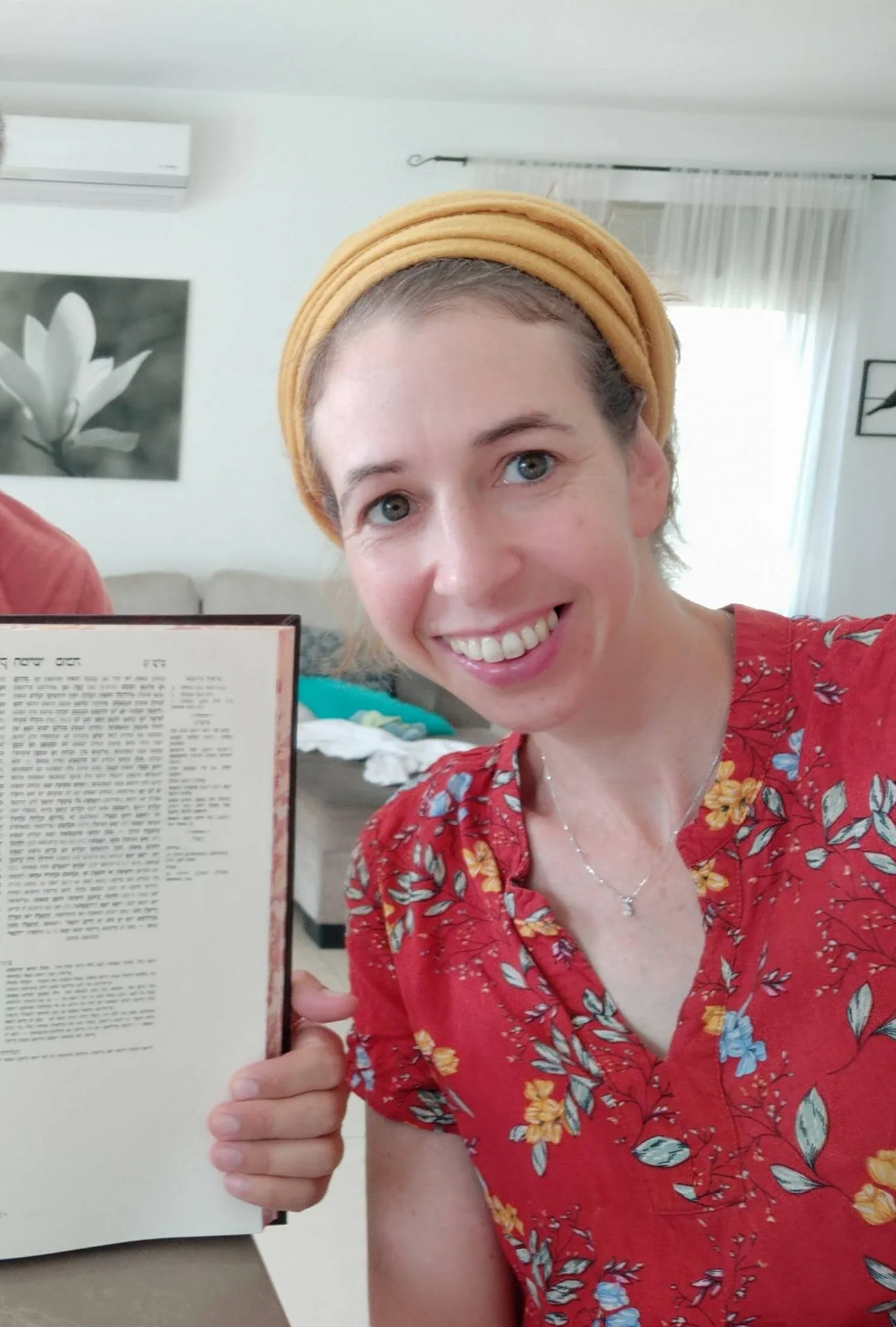
השיעור היום מוקדש על ידי קרוליין בן ארי לכבוד טליה בראון על הסמכתה למורה להלכה. הרבה מזל טוב לך ולמשפחתך.

האם אפשר לפנות קליפות ועצמות מהשלחן בשבת? יש מחלוקת בית שמאי ובית הלל בנושא ובית שמאי מקילים. לפי רב נחמן, זה אמור להיות הפוך. האם אפשר לקנח בספוג? האם צריך לחשוש מסחיטה? האם מאכלים שראויים למאכל בהמה מותרים בטלטול? חבית יין שנשברה, מה מותר לעשות כדי להציל את היין? ממה צריכים להיזהר? יש מחלוקת ר’ יהודה וחכמים לגבי סחיטת פירות – לר’ יהודה מותר אם הפרי עומדת לאכילה, המשקה שיוצא מאליו מותר. יש גם מחלוקת דומה לעניין דבש. הגמרא מדברת על דברים שאסורים מדין ספיגה וגם משום עובדא דחול. יש דעות שונות לגבי מחלוקת ר’ יהודה וחכמים לעניין סחיטת פירות – באיזה סוגים של פירות חולקים ובאיזה סוגים אין ביניהם מחלוקת?

כלים

שבת קמג

הָתָם כֵּיוָן דְּמַסְרַח, דַּעְתֵּיהּ עִילָּוֵיהּ מֵאֶתְמוֹל.

The Gemara answers: There, since the intestines will putrefy as time passes, they are on his mind from yesterday. Since Shabbat eve, he has had in mind to feed them to the cat.

הָכִי נָמֵי מִסְתַּבְּרָא דְּרָבָא כְּרַבִּי יְהוּדָה סְבִירָא לֵיהּ, דְּדָרֵשׁ רָבָא: אִשָּׁה לֹא תִּכָּנֵס לְבֵית הָעֵצִים לִיטּוֹל מֵהֶן אוּד. וְאוּד שֶׁנִּשְׁבַּר — אָסוּר לְהַסִּיקוֹ בְּיוֹם טוֹב, לְפִי שֶׁמַּסִּיקִין בְּכֵלִים וְאֵין מַסִּיקִין בְּשִׁבְרֵי כֵלִים. שְׁמַע מִינַּהּ.

The Gemara adds: So too, it is reasonable to say that Rava holds in accordance with the opinion of Rabbi Yehuda, as Rava taught: A woman may not enter the wood storehouse to take a wooden poker to stoke a fire on a Festival. And with regard to a poker that broke, it is prohibited to kindle a fire with it on a Festival, as one may kindle a fire on a Festival with vessels that may be moved, but one may not kindle a fire with broken vessels that broke during the Festival. They are set-aside and prohibited. Conclude from it that Rava ruled in accordance with the opinion of Rabbi Yehuda with regard to the halakhot of set-aside.

מַתְנִי׳ בֵּית שַׁמַּאי אוֹמְרִים: מַעֲבִירִין מֵעַל הַשֻּׁלְחָן עֲצָמוֹת וּקְלִיפִּין. וּבֵית הִלֵּל אוֹמְרִים: מְסַלֵּק אֶת הַטַּבְלָא כּוּלָּהּ וּמְנַעֲרָהּ.

MISHNA: Beit Shammai say: One may clear bones and shells left from the Shabbat meal from the table with his hand. And Beit Hillel say: One may remove the entire board [tavla] that is the table surface and shake the bones and shells off of it, but he may not lift them with his hand because they are set-aside and may not be moved.

מַעֲבִירִין מִלִּפְנֵי הַשֻּׁלְחָן פֵּירוּרִין פָּחוֹת מִכְּזַיִת, וְשֵׂעָר שֶׁל אֲפוּנִין וּשְׂעַר עֲדָשִׁים, מִפְּנֵי שֶׁהוּא מַאֲכַל בְּהֵמָה.

One may clear bread crumbs from the table, even if they are less than an olive-bulk, and pea and lentil pods. Even though it is not fit for human consumption, it may be moved because it is animal fodder.

סְפוֹג, אִם יֵשׁ לוֹ עוֹר בֵּית אֲחִיזָה — מְקַנְּחִין בּוֹ, וְאִם לָאו — אֵין מְקַנְּחִין בּוֹ. וַחֲכָמִים אוֹמְרִים: בֵּין כָּךְ וּבֵין כָּךְ נִיטָּל בְּשַׁבָּת, וְאֵינוֹ מְקַבֵּל טוּמְאָה.

With regard to a sponge, if it has leather as a handle, one may wipe the table with it, and if not, one may not wipe the table with it lest he come to squeeze liquid from it. And the Rabbis say: Both this, a dry sponge with a handle, and that, one without a handle, may be moved on Shabbat and it does not become ritually impure. A sponge is not among the substances that can become ritually impure, neither by Torah law nor by rabbinic decree.

גְּמָ׳ אָמַר רַב נַחְמָן: אָנוּ אֵין לָנוּ אֶלָּא: בֵּית שַׁמַּאי כְּרַבִּי יְהוּדָה, וּבֵית הִלֵּל כְּרַבִּי שִׁמְעוֹן.

GEMARA: Rav Naḥman said: Reverse the two opinions, as we have only Beit Shammai in accordance with the opinion of Rabbi Yehuda, who prohibits moving set-aside items, and Beit Hillel in accordance with the opinion of Rabbi Shimon, who permits doing so.

מַעֲבִירִין מִלִּפְנֵי הַשֻּׁלְחָן פֵּירוּרִין. מְסַיַּיע לֵיהּ לְרַבִּי יוֹחָנָן, דְּאָמַר רַבִּי יוֹחָנָן: פֵּירוּרִין שֶׁאֵין בָּהֶן כְּזַיִת — אָסוּר לְאַבְּדָן בַּיָּד.

We learned in the mishna: One may clear bread crumbs from the table. The Gemara comments: This supports the opinion of Rabbi Yoḥanan, as Rabbi Yoḥanan said: With regard to crumbs that are less than an olive-bulk, it is prohibited to destroy them by hand in deference to the food.

שֵׂעָר שֶׁל אֲפוּנִין. מַנִּי? — רַבִּי שִׁמְעוֹן הִיא, דְּלֵית לֵיהּ מוּקְצֶה.

We learned in the mishna: One may clear pea and lentil pods from the table on Shabbat. The Gemara asks: Whose opinion is it in the mishna? It is the opinion of Rabbi Shimon, who is not of the opinion that there is a prohibition of set-aside.

אֵימָא סֵיפָא: סְפוֹג, אִם יֵשׁ לוֹ בֵּית אֲחִיזָה — מְקַנְּחִין בּוֹ, וְאִם לָאו אֵין מְקַנְּחִין בּוֹ. אֲתָאן לְרַבִּי יְהוּדָה, דְּאָמַר: דָּבָר שֶׁאֵין מִתְכַּוֵּין — אָסוּר!

Say the latter clause of the mishna: With regard to a sponge, if it has leather as a handle, one may wipe the table with it, and if not, one may not wipe the table with it. We have arrived at the opinion of Rabbi Yehuda, who said: An unintentional act is prohibited, as he certainly does not intend to squeeze liquid from the sponge.

בְּהָא אֲפִילּוּ רַבִּי שִׁמְעוֹן מוֹדֶה, דְּאַבָּיֵי וְרָבָא דְּאָמְרִי תַּרְוַיְיהוּ: מוֹדֶה רַבִּי שִׁמְעוֹן בִּ״פְסִיק רֵישֵׁיהּ וְלָא יְמוּת״.

The Gemara answers: In that case, even Rabbi Shimon agrees that it is prohibited, as it is Abaye and Rava who both say: Rabbi Shimon agrees in a case of: Cut off its head will it not die, i.e., inevitable consequences. When the prohibited outcome that ensues from the unintentional action is inevitable, Rabbi Shimon agrees that it is prohibited. Squeezing liquid from a sponge is an inevitable consequence.

הָנֵי גַּרְעִינִין דְּתַמְרֵי אֲרַמָּיָיתָא שְׁרוּ לְטַלְטוֹלִינְהוּ, הוֹאִיל וְחַזְיָין אַגַּב אִמָּן. וּדְפָרְסְיָיתָא — אָסוּר.

With regard to those pits of Aramean dates, which are low quality and occasionally fed to animals, it is permitted to move the pits since they are fit for use due to their origin, i.e., the dates that were prepared as animal feed beforehand. And moving pits of Persian dates is prohibited. Since those dates are high quality and are not prepared for animals, their pits, too, are not prepared for that use.

שְׁמוּאֵל מְטַלְטֵל לְהוּ אַגַּב רִיפְתָּא. (שרנ״ם שפ״ז סִימָן.) שְׁמוּאֵל לְטַעְמֵיהּ, דְּאָמַר שְׁמוּאֵל: עוֹשֶׂה אָדָם כׇּל צָרְכּוֹ בְּפַת.

The Gemara relates that Shmuel would carry them along with bread. The letters shin, resh, nun, mem, shin, peh, zayin are a mnemonic of the Sages whose opinions are cited below: Shmuel, Rabba, Huna, Ameimar, Sheshet, Pappa, Zekharya. The Gemara comments: Shmuel’s statement is consistent with his reasoning, as Shmuel said: A man may perform all his needs with bread. As long as the bread remains edible, he need not be concerned that he is treating the bread contemptuously.

רַבָּה מְטַלְטֵל לְהוּ אַגַּב לָקָנָא דְמַיָּא. רַב הוּנָא בְּרֵיהּ דְּרַב יְהוֹשֻׁעַ עָבֵיד לְהוּ כִּגְרָף שֶׁל רֶיעִי. אֲמַר לֵיהּ רַב אָשֵׁי לְאַמֵּימָר: וְכִי עוֹשִׂין גְּרָף שֶׁל רֶיעִי לְכַתְּחִילָּה?

Rabba would move them along with a pitcher of water. Rav Huna, son of Rav Yehoshua, would render them a chamber pot with excrement. The Sages permitted moving repulsive vessels. Here, too, he would collect all the date pits and then move them out because they were disgusting. Rav Ashi said to Ameimar: And may one create a chamber pot with excrement ab initio? Although the Sages permitted moving a container of excrement, they did not permit creating one ab initio so that it would be permitted to move it.

רַב שֵׁשֶׁת זָרֵיק לְהוּ בְּלִישָּׁנֵיהּ. רַב פָּפָּא זָרֵיק לְהוּ אֲחוֹרֵי הַמִּטָּה. אָמְרוּ עָלָיו עַל רַבִּי זְכַרְיָה בֶּן אַבְקוּלָס שֶׁהָיָה מַחֲזִיר פָּנָיו אֲחוֹרֵי הַמִּטָּה וְזוֹרְקָן.

Rav Sheshet would dispose of the pits with his tongue. Rav Pappa would dispose of them behind the divan on which he sat while eating because he did not want to move them in another manner. They said about Rabbi Zekharya ben Avkolas that he would turn his face toward the back of the divan and dispose of them.


הדרן עלך נוטל אדם את בנו

MISHNA: From a barrel of wine or oil that broke on Shabbat, one may rescue from it food sufficient for three meals, and one may also say to others: Come and rescue food for yourselves. This applies provided that one does not soak up the wine or oil with a sponge or rag, due to the prohibition of squeezing. One may not squeeze fruits on Shabbat in order to extract liquids from them. And if liquids seeped out on their own, it is prohibited to use them on Shabbat. Rabbi Yehuda says: If the fruits were designated for eating, the liquid that seeps from them on Shabbat is permitted. There is no concern lest one purposely squeeze liquids from fruit that is designated for eating. And if the fruits were originally designated for liquids, the liquids that seep from them on Shabbat are prohibited. In the case of honeycombs that one crushed on Shabbat eve, and honey and wax seeped from them on their own on Shabbat, they are prohibited, and Rabbi Eliezer permits using them.

מַתְנִי׳ חָבִית שֶׁנִּשְׁבְּרָה מַצִּילִין הֵימֶנָּה מְזוֹן שָׁלֹשׁ סְעוּדוֹת, וְאוֹמֵר לַאֲחֵרִים: בֹּאוּ וְהַצִּילוּ לָכֶם. וּבִלְבַד שֶׁלֹּא יִסְפּוֹג. אֵין סוֹחֲטִין אֶת הַפֵּירוֹת לְהוֹצִיא מֵהֶן מַשְׁקִין, וְאִם יָצְאוּ מֵעַצְמָן — אֲסוּרִין. רַבִּי יְהוּדָה אוֹמֵר: אִם לָאוֹכָלִין — הַיּוֹצֵא מֵהֶן מוּתָּר. וְאִם לְמַשְׁקִין — הַיּוֹצֵא מֵהֶן אָסוּר. חַלּוֹת דְּבַשׁ שֶׁרִיסְּקָן מֵעֶרֶב שַׁבָּת, וְיָצְאוּ מֵעַצְמָן — אֲסוּרִין, וְרַבִּי אֱלִיעֶזֶר מַתִּיר.

GEMARA: It was taught in the Tosefta: One may not soak up wine and one may not collect oil in his hand, so that one will not conduct himself on Shabbat in the manner that he conducts himself during the week. The Sages taught in a baraita: If one’s fruit was scattered in a courtyard on Shabbat, one may collect them from hand to hand, a little at a time, and eat them immediately. However, one may not collect them into a basket or into a box, so that one will not conduct himself on Shabbat in the manner that he conducts himself during the week.

גְּמָ׳ תָּנָא: לֹא יִסְפּוֹג בְּיַיִן וְלֹא יְטַפֵּחַ בְּשֶׁמֶן, שֶׁלֹּא יַעֲשֶׂה כְּדֶרֶךְ שֶׁהוּא עוֹשֶׂה בַּחוֹל. תָּנוּ רַבָּנַן: נִתְפַּזְּרוּ לוֹ פֵּירוֹת בֶּחָצֵר — מְלַקֵּט עַל יָד עַל יָד, וְאוֹכֵל, אֲבָל לֹא לְתוֹךְ הַסַּל וְלֹא לְתוֹךְ הַקּוּפָּה, שֶׁלֹּא יַעֲשֶׂה כְּדֶרֶךְ שֶׁהוּא עוֹשֶׂה בַּחוֹל.

We learned in the mishna: One may not squeeze fruit on Shabbat, and the liquid that seeps from fruit on its own is prohibited. Rabbi Yehuda, however, distinguishes between fruit that is designated for eating, in which case the liquid that seeps out on its own is permitted, and fruit that is designated for juicing, in which case the liquid that seeps out on its own on Shabbat is prohibited. Rav Yehuda said that Shmuel said: Rabbi Yehuda concedes to the Rabbis with regard to olives and grapes. Even if they were designated for eating, the liquid that seeps from them on its own on Shabbat is prohibited. What is the reason for this? Since they are generally used for squeezing, one had in mind from the outset that these would serve that purpose as well, even if he designated them for eating. And Ulla said that Rav said: Rabbi Yehuda was in disagreement even with regard to olives and grapes. And Rabbi Yoḥanan said: The halakha is in accordance with the opinion of Rabbi Yehuda with regard to other fruits, and the halakha is not in accordance with the opinion of Rabbi Yehuda with regard to olives and grapes.

אֵין סוֹחֲטִין אֶת הַפֵּירוֹת. אָמַר רַב יְהוּדָה אָמַר שְׁמוּאֵל: מוֹדֶה הָיָה רַבִּי יְהוּדָה לַחֲכָמִים בְּזֵיתִים וַעֲנָבִים. מַאי טַעְמָא? כֵּיוָן דְּלִסְחִיטָה נִינְהוּ — יָהֵיב דַּעְתֵּיהּ. וְעוּלָּא אָמַר רַב: חָלוּק הָיָה רַבִּי יְהוּדָה אַף בְּזֵיתִים וַעֲנָבִים. וְרַבִּי יוֹחָנָן אָמַר: הֲלָכָה כְּרַבִּי יְהוּדָה בִּשְׁאָר פֵּירוֹת, וְאֵין הֲלָכָה כְּרַבִּי יְהוּדָה בְּזֵיתִים וַעֲנָבִים.

Rabba said that Rav Yehuda said that Shmuel said as follows: Rabbi Yehuda would concede to the Rabbis with regard to olives and grapes, and the Rabbis would concede to Rabbi Yehuda with regard to other fruit.

אָמַר רַבָּה אָמַר רַב יְהוּדָה אָמַר שְׁמוּאֵל: מוֹדֶה הָיָה רַבִּי יְהוּדָה לַחֲכָמִים בְּזֵיתִים וַעֲנָבִים, וּמוֹדִים חֲכָמִים לְרַבִּי יְהוּדָה בִּשְׁאָר פֵּירוֹת.

Rabbi Yirmeya said to Rabbi Abba: If it is true that they agree with each other, with regard to what do they disagree? He said to him: When you find it, i.e., examine this matter and you will find areas in which they disagree. Rav Naḥman bar Yitzḥak said: It stands to reason that they disagree with regard to mulberries and pomegranates, which have intermediate status, between olives and grapes, which are always considered designated for juicing, and other fruits, which are not.

אֲמַר לֵיהּ רַבִּי יִרְמְיָה לְרַבִּי אַבָּא: אֶלָּא בְּמַאי פְּלִיגִי? אֲמַר לֵיהּ: לְכִי תַּשְׁכַּח. אָמַר רַב נַחְמָן בַּר יִצְחָק: מִסְתַּבְּרָא בְּתוּתִים וְרִמּוֹנִים פְּלִיגִי.

As it was taught in a baraita: With regard to olives from which one squeezed oil and grapes from which one squeezed wine before Shabbat (Tosafot), and he subsequently brought them into his house, whether he brought them in for use as food or whether he brought them in for use of their liquids, that which seeps from them on its own on Shabbat is prohibited. However, with regard to mulberries from which one squeezed water, i.e., juice, and pomegranates from which one squeezed wine, i.e., pomegranate juice, and he brought them into the house, if he originally brought them in for use as food, what seeps from them is permitted. And if he brought them in for use of their liquids, and similarly, if he brought them in without specifying his intention, what seeps from them is prohibited. This is the statement of Rabbi Yehuda. And the Rabbis say: Whether he brought them into the house for use as food or whether he brought them in for use of their liquids, what seeps from them is prohibited.

דְּתַנְיָא: זֵיתִים שֶׁמָּשַׁךְ מֵהֶן שֶׁמֶן וַעֲנָבִים שֶׁמָּשַׁךְ מֵהֶן יַיִן, וְהִכְנִיסָן, בֵּין לְאוֹכֶל בֵּין לְמַשְׁקִין — הַיּוֹצֵא מֵהֶן אָסוּר. תּוּתִים שֶׁמָּשַׁךְ מֵהֶן מַיִם וְרִמּוֹנִים שֶׁמָּשַׁךְ מֵהֶן יַיִן, וְהִכְנִיסָן, לָאוֹכָלִין — הַיּוֹצֵא מֵהֶן מוּתָּר, לְמַשְׁקִין וְלִסְתָם — הַיּוֹצֵא מֵהֶן אָסוּר, דִּבְרֵי רַבִּי יְהוּדָה. וַחֲכָמִים אוֹמְרִים: בֵּין לָאוֹכָלִין בֵּין לְמַשְׁקִין — הַיּוֹצֵא מֵהֶן אָסוּר.

The Gemara questions this baraita: And does Rabbi Yehuda maintain that in the case of undesignated fruit that was not designated for a specific purpose, the liquid that seeps on its own is prohibited? Didn’t we learn in a mishna: A woman’s milk is considered a liquid and therefore renders food susceptible to ritual impurity, whether the milk was expressed volitionally and whether it was expressed unvolitionally? On the other hand, milk of an animal only renders food susceptible to ritual impurity if it was milked volitionally but not if it drips out on its own.

וְסָבַר רַבִּי יְהוּדָה סְתָם אָסוּר?! וְהָתְנַן: חֲלֵב הָאִשָּׁה מְטַמֵּא לְרָצוֹן וְשֶׁלֹּא לְרָצוֹן. חֲלֵב בְּהֵמָה אֵינוֹ מְטַמֵּא אֶלָּא לְרָצוֹן.

Rabbi Akiva said: It is an a fortiori inference that this is incorrect: Just as a woman’s milk, which is intended only for young children, is considered a liquid and renders food susceptible to ritual impurity both if the milk is expressed volitionally and if it is expressed unvolitionally, the milk of an animal, which is intended for both young and old, is it not logical that it should render food susceptible to ritual impurity, both if it was expressed volitionally and if it was expressed unvolitionally? They said to him that this a fortiori inference can be refuted in the following way: If a woman’s milk renders food susceptible to ritual impurity even when the milk was expressed unvolitionally, as the status of the blood of her wound is also that of a liquid that renders food susceptible to ritual impurity, that does not mean that the milk of an animal renders food susceptible to ritual impurity

אָמַר רַבִּי עֲקִיבָא: קַל וָחוֹמֶר הוּא, וּמֶה חֲלֵב הָאִשָּׁה שֶׁאֵינוֹ מְיוּחָד אֶלָּא לִקְטַנִּים — מְטַמֵּא לְרָצוֹן וְשֶׁלֹּא לְרָצוֹן, חֲלֵב הַבְּהֵמָה שֶׁמְיוּחָד בֵּין לִקְטַנִּים בֵּין לִגְדוֹלִים, אֵינוֹ דִּין שֶׁיְּטַמֵּא בֵּין לְרָצוֹן וּבֵין שֶׁלֹּא לְרָצוֹן? אָמְרוּ לוֹ: אִם טָמֵא חֲלֵב הָאִשָּׁה שֶׁלֹּא לְרָצוֹן, שֶׁדַּם מַגֵּפָתָהּ טָמֵא, יְטַמֵּא חֲלֵב הַבְּהֵמָה

כלים

העמקה

רוצה להבין מה באמת קורה מתחת לפני השטח של הסוגיה?
שיעורים, פודקאסטים והרחבות של מיטב המורות שלנו יפתחו לך עוד זוויות וכיווני חשיבה.

לשיעורי עוד על הדף באנגלית, לחצי כאן

חדשה בלימוד הגמרא?

זה הדף הראשון שלך? איזו התרגשות עצומה! יש לנו בדיוק את התכנים והכלים שיעזרו לך לעשות את הצעדים הראשונים ללמידה בקצב וברמה שלך, כך תוכלי להרגיש בנוח גם בתוך הסוגיות המורכבות ומאתגרות.

פסיפס הלומדות שלנו

גלי את קהילת הלומדות שלנו, מגוון נשים, רקעים וסיפורים. כולן חלק מתנועה ומסע מרגש ועוצמתי.

A life-changing journey started with a Chanukah family tiyul to Zippori, home of the Sanhedrin 2 years ago and continued with the Syum in Binanei Hauma where I was awed by the energy of 3000 women dedicated to learning daf Yomi. Opening my morning daily with a fresh daf, I am excited with the new insights I find enriching my life and opening new and deeper horizons for me.

Becky Goldstein
בקי גולדשטיין

Elazar gush etzion, Israel

באירוע של הדרן בנייני האומה. בהשראתה של אמי שלי שסיימה את הש”ס בסבב הקודם ובעידוד מאיר , אישי, וילדיי וחברותיי ללימוד במכון למנהיגות הלכתית של רשת אור תורה סטון ומורתיי הרבנית ענת נובוסלסקי והרבנית דבורה עברון, ראש המכון למנהיגות הלכתית.
הלימוד מעשיר את יומי, מחזיר אותי גם למסכתות שכבר סיימתי וידוע שאינו דומה מי ששונה פרקו מאה לשונה פרקו מאה ואחת במיוחד מרתקים אותי החיבורים בין המסכתות

Roit Kalech
רוית קלך

מודיעין, ישראל

בתחילת הסבב הנוכחי של לימוד הדף היומי, נחשפתי לחגיגות המרגשות באירועי הסיום ברחבי העולם. והבטחתי לעצמי שבקרוב אצטרף גם למעגל הלומדות. הסבב התחיל כאשר הייתי בתחילת דרכי בתוכנית קרן אריאל להכשרת יועצות הלכה של נשמ”ת. לא הצלחתי להוסיף את ההתחייבות לדף היומי על הלימוד האינטנסיבי של תוכנית היועצות. בבוקר למחרת המבחן הסופי בנשמ”ת, התחלתי את לימוד הדף במסכת סוכה ומאז לא הפסקתי.

Hana Shaham-Rozby (Dr.)
חנה שחם-רוזבי (ד”ר)

קרית גת, ישראל

התחלתי ללמוד לפני כשנתיים בשאיפה לסיים לראשונה מסכת אחת במהלך חופשת הלידה.
אחרי מסכת אחת כבר היה קשה להפסיק…

Noa Gallant
נעה גלנט

ירוחם, ישראל

A friend in the SF Bay Area said in Dec 2019 that she might start listening on her morning drive to work. I mentioned to my husband and we decided to try the Daf when it began in Jan 2020 as part of our preparing to make Aliyah in the summer.

Hana Piotrkovsky
חנה פיוטרקובסקי

ירושלים, Israel

התחלתי כשהייתי בחופש, עם הפרסומים על תחילת המחזור, הסביבה קיבלה את זה כמשהו מתמיד ומשמעותי ובהערכה, הלימוד זה עוגן יציב ביום יום, יש שבועות יותר ויש שפחות אבל זה משהו שנמצא שם אמין ובעל משמעות בחיים שלי….

Adi Diamant
עדי דיאמנט

גמזו, ישראל

התחלתי ללמוד בעידוד שתי חברות אתן למדתי בעבר את הפרק היומי במסגרת 929.
בבית מתלהבים מאוד ובשבת אני לומדת את הדף עם בעלי שזה מפתיע ומשמח מאוד! לימוד הדף הוא חלק בלתי נפרד מהיום שלי. לומדת בצהריים ומחכה לזמן הזה מידי יום…

Miriam Wengerover
מרים ונגרובר

אפרת, ישראל

התחלתי ללמוד בשנת המדרשה במגדל עוז, בינתיים נהנית מאוד מהלימוד ומהגמרא, מעניין ומשמח מאוד!
משתדלת להצליח לעקוב כל יום, לפעמים משלימה קצת בהמשך השבוע.. מרגישה שיש עוגן מקובע ביום שלי והוא משמח מאוד!

Uriah Kesner
אוריה קסנר

חיפה , ישראל

אני לומדת גמרא כעשור במסגרות שונות, ואת הדף היומי התחלתי כשחברה הציעה שאצטרף אליה לסיום בבנייני האומה. מאז אני לומדת עם פודקסט הדרן, משתדלת באופן יומי אך אם לא מספיקה, מדביקה פערים עד ערב שבת. בסבב הזה הלימוד הוא "ממעוף הציפור”, מקשיבה במהירות מוגברת תוך כדי פעילויות כמו בישול או נהיגה, וכך רוכשת היכרות עם הסוגיות ואופן ניתוחם על ידי חז”ל. בע”ה בסבב הבא, ואולי לפני, אצלול לתוכו באופן מעמיק יותר.

Yael Bir
יעל ביר

רמת גן, ישראל

ראיתי את הסיום הגדול בבנייני האומה וכל כך התרשמתי ורציתי לקחת חלק.. אבל לקח לי עוד כשנה וחצי )באמצע מסיכת שבת להצטרף..
הלימוד חשוב לי מאוד.. אני תמיד במרדף אחרי הדף וגונבת כל פעם חצי דף כשהילדים עסוקים ומשלימה אח”כ אחרי שכולם הלכו לישון..

Olga Mizrahi
אולגה מזרחי

ירושלים, ישראל

התחלתי לפני 8 שנים במדרשה. לאחרונה סיימתי מסכת תענית בלמידה עצמית ועכשיו לקראת סיום מסכת מגילה.

Daniela Baruchim
דניאלה ברוכים

רעננה, ישראל

התחלתי ללמוד גמרא בבית הספר בגיל צעיר והתאהבתי. המשכתי בכך כל חיי ואף היייתי מורה לגמרא בבית הספר שקד בשדה אליהו (בית הספר בו למדתי בילדותי)בתחילת מחזור דף יומי הנוכחי החלטתי להצטרף ובע”ה מקווה להתמיד ולהמשיך. אני אוהבת את המפגש עם הדף את "דרישות השלום ” שמקבלת מקשרים עם דפים אחרים שלמדתי את הסנכרון שמתחולל בין התכנים.

Ariela Bigman
אריאלה ביגמן

מעלה גלבוע, ישראל

לפני 15 שנה, אחרי עשרות שנים של "ג’ינגול” בין משפחה לקריירה תובענית בהייטק, הצטרפתי לשיעורי גמרא במתן רעננה. הלימוד המעמיק והייחודי של הרבנית אושרה קורן יחד עם קבוצת הנשים המגוונת הייתה חוויה מאלפת ומעשירה. לפני כשמונה שנים כאשר מחזור הדף היומי הגיע למסכת תענית הצטרפתי כ”חברותא” לבעלי. זו השעה היומית שלנו ביחד כאשר דפי הגמרא משתלבים בחיי היום יום, משפיעים ומושפעים, וכשלא מספיקים תמיד משלימים בשבת

Yodi Askoff
יודי אסקוף

רעננה, ישראל

. לא תמיד נהניתי מלימוד גמרא כילדה.,בל כהתבגרתי התחלתי לאהוב את זה שוב. התחלתי ללמוד מסכת סוטה בדף היומי לפני כחמש עשרה שנה ואז הפסקתי.הגעתי לסיום הגדול של הדרן לפני שנתיים וזה נתן לי השראה. והתחלתי ללמוד למשך כמה ימים ואז היתה לי פריצת דיסק והפסקתי…עד אלול השנה. אז התחלתי עם מסכת ביצה וב”ה אני מצליחה לעמוד בקצב. המשפחה מאוד תומכת בי ויש כמה שגם לומדים את זה במקביל. אני אוהבת שיש עוגן כל יום.

Rebecca Darshan
רבקה דרשן

בית שמש, ישראל

באירוע של הדרן בנייני האומה. בהשראתה של אמי שלי שסיימה את הש”ס בסבב הקודם ובעידוד מאיר , אישי, וילדיי וחברותיי ללימוד במכון למנהיגות הלכתית של רשת אור תורה סטון ומורתיי הרבנית ענת נובוסלסקי והרבנית דבורה עברון, ראש המכון למנהיגות הלכתית.
הלימוד מעשיר את יומי, מחזיר אותי גם למסכתות שכבר סיימתי וידוע שאינו דומה מי ששונה פרקו מאה לשונה פרקו מאה ואחת במיוחד מרתקים אותי החיבורים בין המסכתות

Roit Kalech
רוית קלך

מודיעין, ישראל

אחרי שראיתי את הסיום הנשי של הדף היומי בבנייני האומה זה ריגש אותי ועורר בי את הרצון להצטרף. לא למדתי גמרא קודם לכן בכלל, אז הכל היה לי חדש, ולכן אני לומדת בעיקר מהשיעורים פה בהדרן, בשוטנשטיין או בחוברות ושיננתם.

Rebecca Schloss
רבקה שלוס

בית שמש, ישראל

התחלתי ללמוד דף יומי באמצע תקופת הקורונה, שאבא שלי סיפר לי על קבוצה של בנות שתיפתח ביישוב שלנו ותלמד דף יומי כל יום. הרבה זמן רציתי להצטרף לזה וזאת הייתה ההזדמנות בשבילי. הצטרפתי במסכת שקלים ובאמצע הייתה הפסקה קצרה. כיום אני כבר לומדת באולפנה ולומדת דף יומי לבד מתוך גמרא של טיינזלץ.

Saturdays in Raleigh
שבות בראלי

עתניאל, ישראל

אמא שלי למדה איתי ש”ס משנה, והתחילה ללמוד דף יומי. אני החלטתי שאני רוצה ללמוד גם. בהתחלה למדתי איתה, אח”כ הצטרפתי ללימוד דף יומי שהרב דני וינט מעביר לנוער בנים בעתניאל. במסכת עירובין עוד חברה הצטרפה אלי וכשהתחלנו פסחים הרב דני פתח לנו שעור דף יומי לבנות. מאז אנחנו לומדות איתו קבוע כל יום את הדף היומי (ובשבת אבא שלי מחליף אותו). אני נהנית מהלימוד, הוא מאתגר ומעניין

Renana Hellman
רננה הלמן

עתניאל, ישראל

"
גם אני התחלתי בסבב הנוכחי וב””ה הצלחתי לסיים את רוב המסכתות . בזכות הרבנית מישל משתדלת לפתוח את היום בשיעור הזום בשעה 6:20 .הלימוד הפך להיות חלק משמעותי בחיי ויש ימים בהם אני מצליחה לחזור על הדף עם מלמדים נוספים ששיעוריהם נמצאים במרשתת. שמחה להיות חלק מקהילת לומדות ברחבי העולם. ובמיוחד לשמש דוגמה לנכדותיי שאי””ה יגדלו לדור שלימוד תורה לנשים יהיה משהו שבשגרה. "

Ronit Shavit
רונית שביט

נתניה, ישראל

התחלתי ללמוד דף יומי בתחילת מסכת ברכות, עוד לא ידעתי כלום. נחשפתי לסיום הש״ס, ובעצם להתחלה מחדש בתקשורת, הפתיע אותי לטובה שהיה מקום לעיסוק בתורה.
את המסכתות הראשונות למדתי, אבל לא סיימתי (חוץ מעירובין איכשהו). השנה כשהגעתי למדרשה, נכנסתי ללופ, ואני מצליחה להיות חלק, סיימתי עם החברותא שלי את כל המסכתות הקצרות, גם כשהיינו חולות קורונה ובבידודים, למדנו לבד, העיקר לא לצבור פער, ומחכות ליבמות 🙂

Eden Yeshuron
עדן ישורון

מזכרת בתיה, ישראל

שבת קמג

הָתָם כֵּיוָן דְּמַסְרַח, דַּעְתֵּיהּ עִילָּוֵיהּ מֵאֶתְמוֹל.

The Gemara answers: There, since the intestines will putrefy as time passes, they are on his mind from yesterday. Since Shabbat eve, he has had in mind to feed them to the cat.

הָכִי נָמֵי מִסְתַּבְּרָא דְּרָבָא כְּרַבִּי יְהוּדָה סְבִירָא לֵיהּ, דְּדָרֵשׁ רָבָא: אִשָּׁה לֹא תִּכָּנֵס לְבֵית הָעֵצִים לִיטּוֹל מֵהֶן אוּד. וְאוּד שֶׁנִּשְׁבַּר — אָסוּר לְהַסִּיקוֹ בְּיוֹם טוֹב, לְפִי שֶׁמַּסִּיקִין בְּכֵלִים וְאֵין מַסִּיקִין בְּשִׁבְרֵי כֵלִים. שְׁמַע מִינַּהּ.

The Gemara adds: So too, it is reasonable to say that Rava holds in accordance with the opinion of Rabbi Yehuda, as Rava taught: A woman may not enter the wood storehouse to take a wooden poker to stoke a fire on a Festival. And with regard to a poker that broke, it is prohibited to kindle a fire with it on a Festival, as one may kindle a fire on a Festival with vessels that may be moved, but one may not kindle a fire with broken vessels that broke during the Festival. They are set-aside and prohibited. Conclude from it that Rava ruled in accordance with the opinion of Rabbi Yehuda with regard to the halakhot of set-aside.

מַתְנִי׳ בֵּית שַׁמַּאי אוֹמְרִים: מַעֲבִירִין מֵעַל הַשֻּׁלְחָן עֲצָמוֹת וּקְלִיפִּין. וּבֵית הִלֵּל אוֹמְרִים: מְסַלֵּק אֶת הַטַּבְלָא כּוּלָּהּ וּמְנַעֲרָהּ.

MISHNA: Beit Shammai say: One may clear bones and shells left from the Shabbat meal from the table with his hand. And Beit Hillel say: One may remove the entire board [tavla] that is the table surface and shake the bones and shells off of it, but he may not lift them with his hand because they are set-aside and may not be moved.

מַעֲבִירִין מִלִּפְנֵי הַשֻּׁלְחָן פֵּירוּרִין פָּחוֹת מִכְּזַיִת, וְשֵׂעָר שֶׁל אֲפוּנִין וּשְׂעַר עֲדָשִׁים, מִפְּנֵי שֶׁהוּא מַאֲכַל בְּהֵמָה.

One may clear bread crumbs from the table, even if they are less than an olive-bulk, and pea and lentil pods. Even though it is not fit for human consumption, it may be moved because it is animal fodder.

סְפוֹג, אִם יֵשׁ לוֹ עוֹר בֵּית אֲחִיזָה — מְקַנְּחִין בּוֹ, וְאִם לָאו — אֵין מְקַנְּחִין בּוֹ. וַחֲכָמִים אוֹמְרִים: בֵּין כָּךְ וּבֵין כָּךְ נִיטָּל בְּשַׁבָּת, וְאֵינוֹ מְקַבֵּל טוּמְאָה.

With regard to a sponge, if it has leather as a handle, one may wipe the table with it, and if not, one may not wipe the table with it lest he come to squeeze liquid from it. And the Rabbis say: Both this, a dry sponge with a handle, and that, one without a handle, may be moved on Shabbat and it does not become ritually impure. A sponge is not among the substances that can become ritually impure, neither by Torah law nor by rabbinic decree.

גְּמָ׳ אָמַר רַב נַחְמָן: אָנוּ אֵין לָנוּ אֶלָּא: בֵּית שַׁמַּאי כְּרַבִּי יְהוּדָה, וּבֵית הִלֵּל כְּרַבִּי שִׁמְעוֹן.

GEMARA: Rav Naḥman said: Reverse the two opinions, as we have only Beit Shammai in accordance with the opinion of Rabbi Yehuda, who prohibits moving set-aside items, and Beit Hillel in accordance with the opinion of Rabbi Shimon, who permits doing so.

מַעֲבִירִין מִלִּפְנֵי הַשֻּׁלְחָן פֵּירוּרִין. מְסַיַּיע לֵיהּ לְרַבִּי יוֹחָנָן, דְּאָמַר רַבִּי יוֹחָנָן: פֵּירוּרִין שֶׁאֵין בָּהֶן כְּזַיִת — אָסוּר לְאַבְּדָן בַּיָּד.

We learned in the mishna: One may clear bread crumbs from the table. The Gemara comments: This supports the opinion of Rabbi Yoḥanan, as Rabbi Yoḥanan said: With regard to crumbs that are less than an olive-bulk, it is prohibited to destroy them by hand in deference to the food.

שֵׂעָר שֶׁל אֲפוּנִין. מַנִּי? — רַבִּי שִׁמְעוֹן הִיא, דְּלֵית לֵיהּ מוּקְצֶה.

We learned in the mishna: One may clear pea and lentil pods from the table on Shabbat. The Gemara asks: Whose opinion is it in the mishna? It is the opinion of Rabbi Shimon, who is not of the opinion that there is a prohibition of set-aside.

אֵימָא סֵיפָא: סְפוֹג, אִם יֵשׁ לוֹ בֵּית אֲחִיזָה — מְקַנְּחִין בּוֹ, וְאִם לָאו אֵין מְקַנְּחִין בּוֹ. אֲתָאן לְרַבִּי יְהוּדָה, דְּאָמַר: דָּבָר שֶׁאֵין מִתְכַּוֵּין — אָסוּר!

Say the latter clause of the mishna: With regard to a sponge, if it has leather as a handle, one may wipe the table with it, and if not, one may not wipe the table with it. We have arrived at the opinion of Rabbi Yehuda, who said: An unintentional act is prohibited, as he certainly does not intend to squeeze liquid from the sponge.

בְּהָא אֲפִילּוּ רַבִּי שִׁמְעוֹן מוֹדֶה, דְּאַבָּיֵי וְרָבָא דְּאָמְרִי תַּרְוַיְיהוּ: מוֹדֶה רַבִּי שִׁמְעוֹן בִּ״פְסִיק רֵישֵׁיהּ וְלָא יְמוּת״.

The Gemara answers: In that case, even Rabbi Shimon agrees that it is prohibited, as it is Abaye and Rava who both say: Rabbi Shimon agrees in a case of: Cut off its head will it not die, i.e., inevitable consequences. When the prohibited outcome that ensues from the unintentional action is inevitable, Rabbi Shimon agrees that it is prohibited. Squeezing liquid from a sponge is an inevitable consequence.

הָנֵי גַּרְעִינִין דְּתַמְרֵי אֲרַמָּיָיתָא שְׁרוּ לְטַלְטוֹלִינְהוּ, הוֹאִיל וְחַזְיָין אַגַּב אִמָּן. וּדְפָרְסְיָיתָא — אָסוּר.

With regard to those pits of Aramean dates, which are low quality and occasionally fed to animals, it is permitted to move the pits since they are fit for use due to their origin, i.e., the dates that were prepared as animal feed beforehand. And moving pits of Persian dates is prohibited. Since those dates are high quality and are not prepared for animals, their pits, too, are not prepared for that use.

שְׁמוּאֵל מְטַלְטֵל לְהוּ אַגַּב רִיפְתָּא. (שרנ״ם שפ״ז סִימָן.) שְׁמוּאֵל לְטַעְמֵיהּ, דְּאָמַר שְׁמוּאֵל: עוֹשֶׂה אָדָם כׇּל צָרְכּוֹ בְּפַת.

The Gemara relates that Shmuel would carry them along with bread. The letters shin, resh, nun, mem, shin, peh, zayin are a mnemonic of the Sages whose opinions are cited below: Shmuel, Rabba, Huna, Ameimar, Sheshet, Pappa, Zekharya. The Gemara comments: Shmuel’s statement is consistent with his reasoning, as Shmuel said: A man may perform all his needs with bread. As long as the bread remains edible, he need not be concerned that he is treating the bread contemptuously.

רַבָּה מְטַלְטֵל לְהוּ אַגַּב לָקָנָא דְמַיָּא. רַב הוּנָא בְּרֵיהּ דְּרַב יְהוֹשֻׁעַ עָבֵיד לְהוּ כִּגְרָף שֶׁל רֶיעִי. אֲמַר לֵיהּ רַב אָשֵׁי לְאַמֵּימָר: וְכִי עוֹשִׂין גְּרָף שֶׁל רֶיעִי לְכַתְּחִילָּה?

Rabba would move them along with a pitcher of water. Rav Huna, son of Rav Yehoshua, would render them a chamber pot with excrement. The Sages permitted moving repulsive vessels. Here, too, he would collect all the date pits and then move them out because they were disgusting. Rav Ashi said to Ameimar: And may one create a chamber pot with excrement ab initio? Although the Sages permitted moving a container of excrement, they did not permit creating one ab initio so that it would be permitted to move it.

רַב שֵׁשֶׁת זָרֵיק לְהוּ בְּלִישָּׁנֵיהּ. רַב פָּפָּא זָרֵיק לְהוּ אֲחוֹרֵי הַמִּטָּה. אָמְרוּ עָלָיו עַל רַבִּי זְכַרְיָה בֶּן אַבְקוּלָס שֶׁהָיָה מַחֲזִיר פָּנָיו אֲחוֹרֵי הַמִּטָּה וְזוֹרְקָן.

Rav Sheshet would dispose of the pits with his tongue. Rav Pappa would dispose of them behind the divan on which he sat while eating because he did not want to move them in another manner. They said about Rabbi Zekharya ben Avkolas that he would turn his face toward the back of the divan and dispose of them.

הדרן עלך נוטל אדם את בנו

MISHNA: From a barrel of wine or oil that broke on Shabbat, one may rescue from it food sufficient for three meals, and one may also say to others: Come and rescue food for yourselves. This applies provided that one does not soak up the wine or oil with a sponge or rag, due to the prohibition of squeezing. One may not squeeze fruits on Shabbat in order to extract liquids from them. And if liquids seeped out on their own, it is prohibited to use them on Shabbat. Rabbi Yehuda says: If the fruits were designated for eating, the liquid that seeps from them on Shabbat is permitted. There is no concern lest one purposely squeeze liquids from fruit that is designated for eating. And if the fruits were originally designated for liquids, the liquids that seep from them on Shabbat are prohibited. In the case of honeycombs that one crushed on Shabbat eve, and honey and wax seeped from them on their own on Shabbat, they are prohibited, and Rabbi Eliezer permits using them.

מַתְנִי׳ חָבִית שֶׁנִּשְׁבְּרָה מַצִּילִין הֵימֶנָּה מְזוֹן שָׁלֹשׁ סְעוּדוֹת, וְאוֹמֵר לַאֲחֵרִים: בֹּאוּ וְהַצִּילוּ לָכֶם. וּבִלְבַד שֶׁלֹּא יִסְפּוֹג. אֵין סוֹחֲטִין אֶת הַפֵּירוֹת לְהוֹצִיא מֵהֶן מַשְׁקִין, וְאִם יָצְאוּ מֵעַצְמָן — אֲסוּרִין. רַבִּי יְהוּדָה אוֹמֵר: אִם לָאוֹכָלִין — הַיּוֹצֵא מֵהֶן מוּתָּר. וְאִם לְמַשְׁקִין — הַיּוֹצֵא מֵהֶן אָסוּר. חַלּוֹת דְּבַשׁ שֶׁרִיסְּקָן מֵעֶרֶב שַׁבָּת, וְיָצְאוּ מֵעַצְמָן — אֲסוּרִין, וְרַבִּי אֱלִיעֶזֶר מַתִּיר.

GEMARA: It was taught in the Tosefta: One may not soak up wine and one may not collect oil in his hand, so that one will not conduct himself on Shabbat in the manner that he conducts himself during the week. The Sages taught in a baraita: If one’s fruit was scattered in a courtyard on Shabbat, one may collect them from hand to hand, a little at a time, and eat them immediately. However, one may not collect them into a basket or into a box, so that one will not conduct himself on Shabbat in the manner that he conducts himself during the week.

גְּמָ׳ תָּנָא: לֹא יִסְפּוֹג בְּיַיִן וְלֹא יְטַפֵּחַ בְּשֶׁמֶן, שֶׁלֹּא יַעֲשֶׂה כְּדֶרֶךְ שֶׁהוּא עוֹשֶׂה בַּחוֹל. תָּנוּ רַבָּנַן: נִתְפַּזְּרוּ לוֹ פֵּירוֹת בֶּחָצֵר — מְלַקֵּט עַל יָד עַל יָד, וְאוֹכֵל, אֲבָל לֹא לְתוֹךְ הַסַּל וְלֹא לְתוֹךְ הַקּוּפָּה, שֶׁלֹּא יַעֲשֶׂה כְּדֶרֶךְ שֶׁהוּא עוֹשֶׂה בַּחוֹל.

We learned in the mishna: One may not squeeze fruit on Shabbat, and the liquid that seeps from fruit on its own is prohibited. Rabbi Yehuda, however, distinguishes between fruit that is designated for eating, in which case the liquid that seeps out on its own is permitted, and fruit that is designated for juicing, in which case the liquid that seeps out on its own on Shabbat is prohibited. Rav Yehuda said that Shmuel said: Rabbi Yehuda concedes to the Rabbis with regard to olives and grapes. Even if they were designated for eating, the liquid that seeps from them on its own on Shabbat is prohibited. What is the reason for this? Since they are generally used for squeezing, one had in mind from the outset that these would serve that purpose as well, even if he designated them for eating. And Ulla said that Rav said: Rabbi Yehuda was in disagreement even with regard to olives and grapes. And Rabbi Yoḥanan said: The halakha is in accordance with the opinion of Rabbi Yehuda with regard to other fruits, and the halakha is not in accordance with the opinion of Rabbi Yehuda with regard to olives and grapes.

אֵין סוֹחֲטִין אֶת הַפֵּירוֹת. אָמַר רַב יְהוּדָה אָמַר שְׁמוּאֵל: מוֹדֶה הָיָה רַבִּי יְהוּדָה לַחֲכָמִים בְּזֵיתִים וַעֲנָבִים. מַאי טַעְמָא? כֵּיוָן דְּלִסְחִיטָה נִינְהוּ — יָהֵיב דַּעְתֵּיהּ. וְעוּלָּא אָמַר רַב: חָלוּק הָיָה רַבִּי יְהוּדָה אַף בְּזֵיתִים וַעֲנָבִים. וְרַבִּי יוֹחָנָן אָמַר: הֲלָכָה כְּרַבִּי יְהוּדָה בִּשְׁאָר פֵּירוֹת, וְאֵין הֲלָכָה כְּרַבִּי יְהוּדָה בְּזֵיתִים וַעֲנָבִים.

Rabba said that Rav Yehuda said that Shmuel said as follows: Rabbi Yehuda would concede to the Rabbis with regard to olives and grapes, and the Rabbis would concede to Rabbi Yehuda with regard to other fruit.

אָמַר רַבָּה אָמַר רַב יְהוּדָה אָמַר שְׁמוּאֵל: מוֹדֶה הָיָה רַבִּי יְהוּדָה לַחֲכָמִים בְּזֵיתִים וַעֲנָבִים, וּמוֹדִים חֲכָמִים לְרַבִּי יְהוּדָה בִּשְׁאָר פֵּירוֹת.

Rabbi Yirmeya said to Rabbi Abba: If it is true that they agree with each other, with regard to what do they disagree? He said to him: When you find it, i.e., examine this matter and you will find areas in which they disagree. Rav Naḥman bar Yitzḥak said: It stands to reason that they disagree with regard to mulberries and pomegranates, which have intermediate status, between olives and grapes, which are always considered designated for juicing, and other fruits, which are not.

אֲמַר לֵיהּ רַבִּי יִרְמְיָה לְרַבִּי אַבָּא: אֶלָּא בְּמַאי פְּלִיגִי? אֲמַר לֵיהּ: לְכִי תַּשְׁכַּח. אָמַר רַב נַחְמָן בַּר יִצְחָק: מִסְתַּבְּרָא בְּתוּתִים וְרִמּוֹנִים פְּלִיגִי.

As it was taught in a baraita: With regard to olives from which one squeezed oil and grapes from which one squeezed wine before Shabbat (Tosafot), and he subsequently brought them into his house, whether he brought them in for use as food or whether he brought them in for use of their liquids, that which seeps from them on its own on Shabbat is prohibited. However, with regard to mulberries from which one squeezed water, i.e., juice, and pomegranates from which one squeezed wine, i.e., pomegranate juice, and he brought them into the house, if he originally brought them in for use as food, what seeps from them is permitted. And if he brought them in for use of their liquids, and similarly, if he brought them in without specifying his intention, what seeps from them is prohibited. This is the statement of Rabbi Yehuda. And the Rabbis say: Whether he brought them into the house for use as food or whether he brought them in for use of their liquids, what seeps from them is prohibited.

דְּתַנְיָא: זֵיתִים שֶׁמָּשַׁךְ מֵהֶן שֶׁמֶן וַעֲנָבִים שֶׁמָּשַׁךְ מֵהֶן יַיִן, וְהִכְנִיסָן, בֵּין לְאוֹכֶל בֵּין לְמַשְׁקִין — הַיּוֹצֵא מֵהֶן אָסוּר. תּוּתִים שֶׁמָּשַׁךְ מֵהֶן מַיִם וְרִמּוֹנִים שֶׁמָּשַׁךְ מֵהֶן יַיִן, וְהִכְנִיסָן, לָאוֹכָלִין — הַיּוֹצֵא מֵהֶן מוּתָּר, לְמַשְׁקִין וְלִסְתָם — הַיּוֹצֵא מֵהֶן אָסוּר, דִּבְרֵי רַבִּי יְהוּדָה. וַחֲכָמִים אוֹמְרִים: בֵּין לָאוֹכָלִין בֵּין לְמַשְׁקִין — הַיּוֹצֵא מֵהֶן אָסוּר.

The Gemara questions this baraita: And does Rabbi Yehuda maintain that in the case of undesignated fruit that was not designated for a specific purpose, the liquid that seeps on its own is prohibited? Didn’t we learn in a mishna: A woman’s milk is considered a liquid and therefore renders food susceptible to ritual impurity, whether the milk was expressed volitionally and whether it was expressed unvolitionally? On the other hand, milk of an animal only renders food susceptible to ritual impurity if it was milked volitionally but not if it drips out on its own.

וְסָבַר רַבִּי יְהוּדָה סְתָם אָסוּר?! וְהָתְנַן: חֲלֵב הָאִשָּׁה מְטַמֵּא לְרָצוֹן וְשֶׁלֹּא לְרָצוֹן. חֲלֵב בְּהֵמָה אֵינוֹ מְטַמֵּא אֶלָּא לְרָצוֹן.

Rabbi Akiva said: It is an a fortiori inference that this is incorrect: Just as a woman’s milk, which is intended only for young children, is considered a liquid and renders food susceptible to ritual impurity both if the milk is expressed volitionally and if it is expressed unvolitionally, the milk of an animal, which is intended for both young and old, is it not logical that it should render food susceptible to ritual impurity, both if it was expressed volitionally and if it was expressed unvolitionally? They said to him that this a fortiori inference can be refuted in the following way: If a woman’s milk renders food susceptible to ritual impurity even when the milk was expressed unvolitionally, as the status of the blood of her wound is also that of a liquid that renders food susceptible to ritual impurity, that does not mean that the milk of an animal renders food susceptible to ritual impurity

אָמַר רַבִּי עֲקִיבָא: קַל וָחוֹמֶר הוּא, וּמֶה חֲלֵב הָאִשָּׁה שֶׁאֵינוֹ מְיוּחָד אֶלָּא לִקְטַנִּים — מְטַמֵּא לְרָצוֹן וְשֶׁלֹּא לְרָצוֹן, חֲלֵב הַבְּהֵמָה שֶׁמְיוּחָד בֵּין לִקְטַנִּים בֵּין לִגְדוֹלִים, אֵינוֹ דִּין שֶׁיְּטַמֵּא בֵּין לְרָצוֹן וּבֵין שֶׁלֹּא לְרָצוֹן? אָמְרוּ לוֹ: אִם טָמֵא חֲלֵב הָאִשָּׁה שֶׁלֹּא לְרָצוֹן, שֶׁדַּם מַגֵּפָתָהּ טָמֵא, יְטַמֵּא חֲלֵב הַבְּהֵמָה

רוצה לעקוב אחרי התכנים ולהמשיך ללמוד?

ביצירת חשבון עוד היום ניתן לעקוב אחרי ההתקדמות שלך, לסמן מה למדת, ולעקוב אחרי השיעורים שמעניינים אותך.

לנקות את כל הפריטים מהרשימה?

פעולה זו תסיר את כל הפריטים בחלק זה כולל ההתקדמות וההיסטוריה. שימי לב: לא ניתן לשחזר פעולה זו.

ביטול
מחיקה

האם את/ה בטוח/ה שברצונך למחוק פריט זה?

תאבד/י את כל ההתקדמות או ההיסטוריה הקשורות לפריט זה.

ביטול
מחיקה