חיפוש

שבת קנ

רוצה להקדיש שיעור?

podcast placeholder

0:00
0:00


תקציר

השיעור היום מוקדש על ידי הרב דוד יונג לכבוד בחברותות שלו הרבנים גרינגרס, וייס, לינדר. רוזנקרנץ ולאופר. 

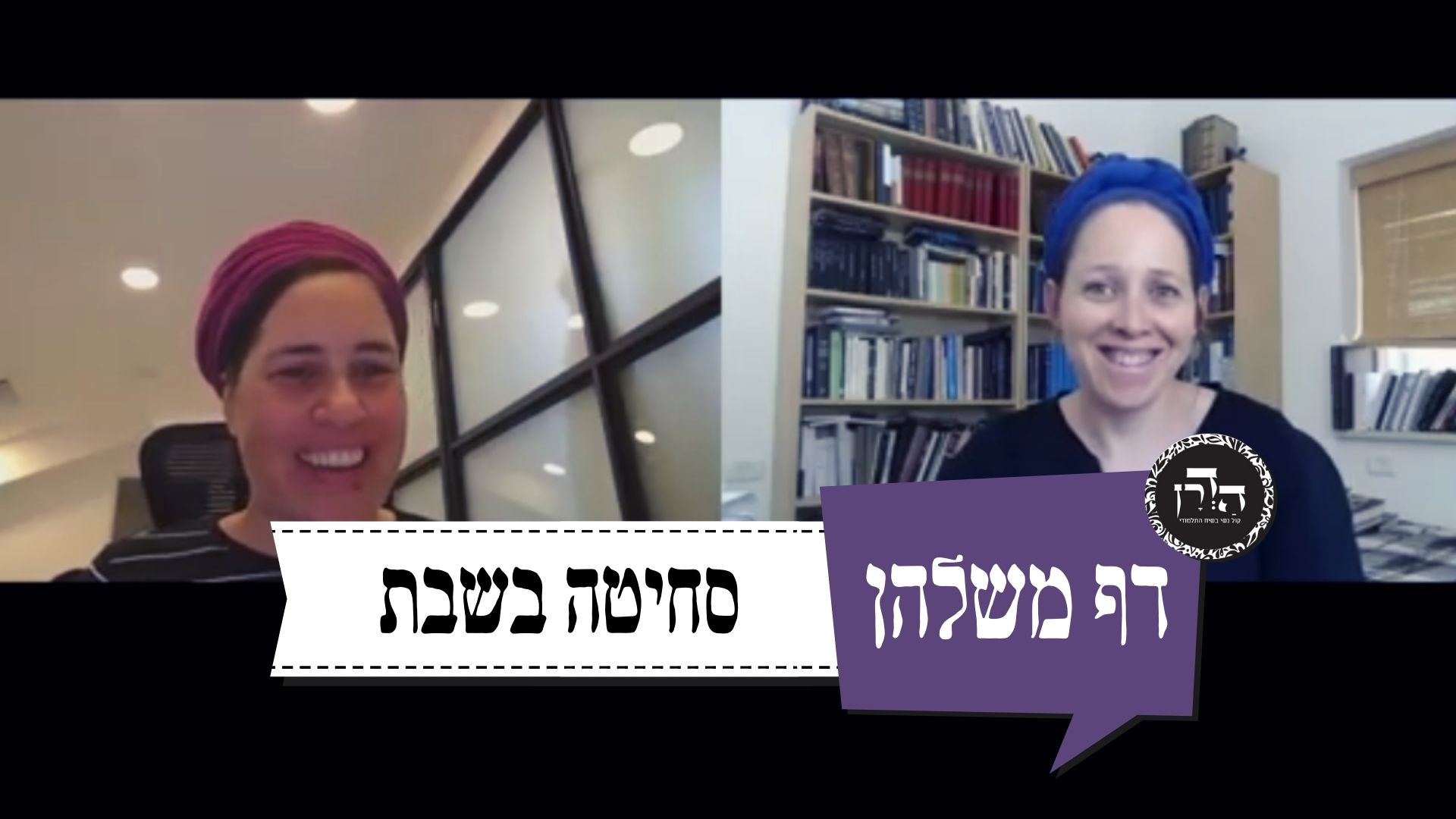
האם מותר להשכיר פועלים בשבת או להגיד למישהו אחר לעשות? האם מדובר באמירה לנכרי או ליהודי? האם מותר ללכת לסוף התחום לקראת סוף שבת ולחכות שם לצאת שבת כדי ישר לצאת מחוץ לתחום כשיצא שבת? תלוי מה כוונתך לעשות לאחר שבת – האם זה פעולה שאסורה בשבת או מותרת? האם אפשר לחשב חשבונות בשבת? להתאסף לדון בצרכי ציבור? אם לא הבדיל בסוף שבת, האם מותר לעשות מלאכה?

כלים

שבת קנ

מְדוֹד וְהָבֵא. וְאִיכָּא דְאָמְרִי, שֶׁאָמְרָה ״מְאֹד מְאֹד הָבֵיא בְּלֹא מִדָּה״.

Measure and bring a lot of money, has ceased. And some say that the meaning of the statement is that this nation said: Bring very, very much, without measure.

״וּרְבוּ יַתִּירָה הוּסְפַת לִי״, אָמַר רַב יְהוּדָה אָמַר רַב יִרְמְיָה בַּר אַבָּא: מְלַמֵּד שֶׁרָכַב עַל אֲרִי זָכָר, וְקָשַׁר תַּנִּין בְּרֹאשׁוֹ, לְקַיֵּים מַה שֶּׁנֶּאֱמַר: ״וְגַם אֶת חַיַּת הַשָּׂדֶה נָתַתִּי לוֹ לְעׇבְדוֹ״.

The Gemara cites another verse pertaining to Nebuchadnezzar: “And surpassing greatness was added unto me” (Daniel 4:33), about which Rav Yehuda said that Rav Yirmeya bar Abba said: This teaches that Nebuchadnezzar rode atop a male lion and tied a serpent to its head, fulfilling what was said of him: “And the beasts of the field I have also given him to serve him” (Jeremiah 27:6).

מַתְנִי׳ לֹא יִשְׂכּוֹר אָדָם פּוֹעֲלִים בְּשַׁבָּת. וְלֹא יֹאמַר אָדָם לַחֲבֵירוֹ לִשְׂכּוֹר לוֹ פּוֹעֲלִים. אֵין מַחְשִׁיכִין עַל הַתְּחוּם לִשְׂכּוֹר לוֹ פּוֹעֲלִים וּלְהָבִיא פֵּירוֹת, אֲבָל מַחְשִׁיךְ הוּא לִשְׁמוֹר, וּמֵבִיא פֵּירוֹת בְּיָדוֹ. כְּלָל אָמַר אַבָּא שָׁאוּל: כׇּל שֶׁאֲנִי זַכַּאי בַּאֲמִירָתוֹ — רַשַּׁאי אֲנִי לְהַחְשִׁיךְ עָלָיו.

MISHNA: A person may not hire workers on Shabbat to work for him after Shabbat because even speaking about weekday matters is prohibited on Shabbat. Similarly, a person may not tell another on Shabbat to hire workers for him. One may not even wait for nightfall at the edge of the Shabbat boundary in order to leave the boundary immediately after Shabbat to hire workers for himself or to bring produce from his field. But he may wait for nightfall at the edge of the Shabbat boundary in order to guard his produce that is outside the Shabbat boundary, and he may then bring produce back in his hand, since he did not initially intend to wait at the edge of the boundary for this purpose. Abba Shaul stated a general principle: With regard to anything that I am permitted to discuss on Shabbat, I am permitted to wait for nightfall at the edge of the Shabbat boundary for its sake.

גְּמָ׳ פְּשִׁיטָא מַאי שְׁנָא הוּא וּמַאי שְׁנָא חֲבֵירוֹ? אָמַר רַב פָּפָּא: חָבֵר גּוֹי. מַתְקֵיף לַהּ רַב אָשֵׁי: אֲמִירָה לְגוֹי שְׁבוּת!

GEMARA: The beginning of the mishna taught that one may not hire workers on Shabbat, and one may not tell another to hire workers for him. The Gemara finds this puzzling and states: This is obvious. What is the difference between him and another? Just as he is prohibited from hiring workers on Shabbat, others are also prohibited from doing so. Rav Pappa said: Another is referring to a gentile. Rav Ashi strongly objects to this: This is itself a prohibition, for telling a gentile to do something that is prohibited for a Jew on Shabbat violates a rabbinic prohibition.

אֶלָּא אָמַר רַב אָשֵׁי: אֲפִילּוּ תֵּימָא חֲבֵירוֹ יִשְׂרָאֵל, הָא קָא מַשְׁמַע לַן: לֹא יֹאמַר אָדָם לַחֲבֵירוֹ ״שְׂכוֹר לִי פּוֹעֲלִים״, אֲבָל אוֹמֵר אָדָם לַחֲבֵירוֹ ״הֲנִרְאֶה שֶׁתַּעֲמוֹד עִמִּי לָעֶרֶב?״ וּמַתְנִיתִין מַנִּי — כְּרַבִּי יְהוֹשֻׁעַ בֶּן קׇרְחָה. דְּתַנְיָא: לֹא יֹאמַר אָדָם לַחֲבֵירוֹ ״הֲנִרְאֶה שֶׁתַּעֲמוֹד עִמִּי לָעֶרֶב״. רַבִּי יְהוֹשֻׁעַ בֶּן קׇרְחָה אוֹמֵר: אוֹמֵר אָדָם לַחֲבֵירוֹ ״הֲנִרְאֶה שֶׁתַּעֲמוֹד עִמִּי לָעֶרֶב״.

Rather, Rav Ashi said: Even if you say that it is referring to another Jew, it can be said that the novel element of this ruling is not the statement itself but what can be derived from it. This is what it is teaching us: One may not say to another explicitly on Shabbat: Hire workers for me, but one may say to another: Does it seem that you will join me this evening? This is permitted even though both of them understand that the questioner intends to hire the other person to work for him. And in accordance with whose opinion is the mishna? It is in accordance with the opinion of Rabbi Yehoshua ben Korḥa; as it was taught in a baraita: A person may not say to another on Shabbat: Does it seem that you will join me this evening? Rabbi Yehoshua ben Korḥa says: A person may say to another on Shabbat: Does it seem that you will join me this evening?

אָמַר רַבָּה בַּר בַּר חָנָה אָמַר רַבִּי יוֹחָנָן: הֲלָכָה כְּרַבִּי יְהוֹשֻׁעַ בֶּן קׇרְחָה. וְאָמַר רַבָּה בַּר בַּר חָנָה אָמַר רַבִּי יוֹחָנָן: מַאי טַעְמָא דְּרַבִּי יְהוֹשֻׁעַ בֶּן קׇרְחָה — דִּכְתִיב: ״מִמְּצוֹא חֶפְצְךָ וְדַבֵּר דָּבָר״. דִּיבּוּר — אָסוּר, הִרְהוּר — מוּתָּר.

Rabba bar bar Ḥana said that Rabbi Yoḥanan said: The halakha is in accordance with the opinion of Rabbi Yehoshua ben Korḥa. And Rabba bar bar Ḥana said that Rabbi Yoḥanan said: What is the reason for Rabbi Yehoshua ben Korḥa’s ruling? As it is written in the verse from which we derive the prohibition to speak on Shabbat about activities that one may not perform on that day: “And you shall honor it by not doing your ways, nor pursuing your business, nor speaking of it” (Isaiah 58:13). We derive from this verse that speaking is prohibited, but merely contemplating these matters is permitted.

רָמֵי לֵיהּ רַב אַחָא בַּר רַב הוּנָא לְרָבָא: מִי אָמַר רַבִּי יוֹחָנָן דִּיבּוּר אָסוּר הִרְהוּר מוּתָּר — אַלְמָא הִרְהוּר לָאו כְּדִיבּוּר דָּמֵי? וְהָאָמַר רַבָּה בַּר בַּר חָנָה אָמַר רַבִּי יוֹחָנָן: בְּכׇל מָקוֹם מוּתָּר לְהַרְהֵר, חוּץ מִבֵּית הַמֶּרְחָץ וּמִבֵּית הַכִּסֵּא! שָׁאנֵי הָתָם, דְּבָעֵינַן ״וְהָיָה מַחֲנֶיךָ קָדוֹשׁ״, וְלֵיכָּא.

Rav Aḥa bar Rav Huna raised a contradiction to Rava: Did Rabbi Yoḥanan really state as a general principle that speaking is prohibited, but contemplating is permitted? Consequently, we can derive from here that contemplation is not tantamount to speech. But Rabba bar bar Ḥana said that Rabbi Yoḥanan said: It is permitted to think about Torah in any place except for a bathhouse and a bathroom. This statement indicates that contemplation is tantamount to speech, as even thought is prohibited in these locations. The Gemara answers: It is different there, for with regard to Torah we need to fulfill the verse: “For the Lord your God walks in the midst of your camp to deliver you and to give your enemies before you; therefore, your camp shall be sacred so that He see no unseemly thing in you and turn away from you” (Deuteronomy 23:15); and the requirement to be sacred is not fulfilled if one thinks about Torah while in the bathhouse or bathroom.

הָכָא נָמֵי, כְּתִיב: ״וְלֹא יִרְאֶה בְךָ עֶרְוַת דָּבָר״? הַהוּא, מִיבְּעֵי לֵיהּ לְכִדְרַב יְהוּדָה. דְּאָמַר רַב יְהוּדָה גּוֹי עָרוֹם — אָסוּר לִקְרוֹת קְרִיַּת שְׁמַע כְּנֶגְדּוֹ.

The Gemara challenges this: But here, too, with regard to a bathhouse and a bathroom, it is written: “So that He see no unseemly thing [davar] in you” (Deuteronomy 23:15). We can infer that this prohibits speech [dibbur] but not contemplation. The Gemara answers: That verse is not referring to speech. It is needed for the ruling of Rav Yehuda, for Rav Yehuda said: Opposite a naked gentile, it is prohibited to recite Shema, as this is included in the prohibition of unseemly things mentioned above.

מַאי אִירְיָא גּוֹי, אֲפִילּוּ יִשְׂרָאֵל נָמֵי?! ״לָא מִיבַּעְיָא״ קָאָמַר: לָא מִיבַּעְיָא יִשְׂרָאֵל דְאָסוּר, אֲבָל גּוֹי, כֵּיוָן דִּכְתִיב בֵּיהּ: ״אֲשֶׁר בְּשַׂר חֲמוֹרִים בְּשָׂרָם״, אֵימָא שַׁפִּיר דָּמֵי, קָא מַשְׁמַע לַן.

The Gemara asks: Why did Rav Yehuda teach this prohibition particularly with regard to a gentile? Even in the presence of a naked Jew, reciting Shema is also prohibited. The Gemara answers: That ruling is stated employing the style of: There is no need. The Gemara explains: There is no need to state this halakha with regard to a Jew, as it is certainly prohibited to recite Shema in the presence of a naked Jew. However, with regard to a gentile, since it is written about him: “Whose flesh is as the flesh of donkeys” (Ezekiel 23:20), perhaps his flesh is not considered nakedness, and one may say that it seems well and permitted. Therefore, Rav Yehuda teaches us that it is also prohibited to recite Shema before a naked gentile.

אֵימָא הָכִי נָמֵי?! אָמַר קְרָא: ״וְעֶרְוַת אֲבִיהֶם לֹא רָאוּ״.

The Gemara asks: Why not say that it is indeed so, that gentile flesh is not considered nakedness? The Gemara rejects this idea: The verse already said with regard to the sons of Noah: “And they walked backward and covered their father’s nakedness, and their faces were turned backward, and they did not see their father’s nakedness” (Genesis 9:23). The verse uses the term nakedness with regard to Noah, who was a gentile.

וְדִיבּוּר מִי אֲסִיר? וְהָא רַב חִסְדָּא וְרַב הַמְנוּנָא דְאָמְרִי תַּרְוַיְיהוּ: חֶשְׁבּוֹנוֹת שֶׁל מִצְוָה — מוּתָּר לְחַשְּׁבָן בְּשַׁבָּת. וְאָמַר רַבִּי אֶלְעָזָר: פּוֹסְקִים צְדָקָה לַעֲנִיִּים בְּשַׁבָּת. וְאָמַר רַבִּי יַעֲקֹב בַּר אִידֵּי אָמַר רַבִּי יוֹחָנָן: מְפַקְּחִין פִּיקּוּחַ נֶפֶשׁ וּפִיקּוּחַ רַבִּים בְּשַׁבָּת, וְהוֹלְכִין לְבָתֵּי כְנֵסִיּוֹת לְפַקֵּחַ עַל עִסְקֵי רַבִּים בְּשַׁבָּת.

The Gemara addresses the basis of the halakha mentioned above: And is it speaking about proscribed activities prohibited on Shabbat? But Rav Ḥisda and Rav Hamnuna both said: It is permitted to make calculations pertaining to a mitzva on Shabbat, and Rabbi Elazar said that this means that one may apportion charity for the poor on Shabbat. And Rabbi Ya’akov bar Idi said that Rabbi Yoḥanan said: One may attend to activities necessary for saving a life or for communal needs on Shabbat, and one may go to a synagogue to attend to communal affairs on Shabbat.

וְאָמַר רַבִּי שְׁמוּאֵל בַּר נַחְמָנִי אָמַר רַבִּי יוֹחָנָן: הוֹלְכִין לְטֵרַטְיָאוֹת וּלְקִרְקְסָאוֹת וּלְבָסִילְקָאוֹת לְפַקֵּחַ עַל עִסְקֵי רַבִּים בְּשַׁבָּת. וְתָנָא דְבֵי מְנַשֶּׁה: מְשַׁדְּכִין עַל הַתִּינוֹקוֹת לֵיאָרֵס בְּשַׁבָּת, וְעַל הַתִּינוֹק לְלַמְּדוֹ סֵפֶר וּלְלַמְּדוֹ אוּמָּנוּת?! אָמַר קְרָא: ״מִמְּצוֹא חֶפְצְךָ וְדַבֵּר דָּבָר״ — חֲפָצֶיךָ אֲסוּרִים, חֶפְצֵי שָׁמַיִם מוּתָּרִין.

And Rabbi Shmuel bar Naḥmani said that Rabbi Yoḥanan said: One may go to theaters [tarteiot], and circus performances [kirkesaot], and courthouses [basilkaot] to attend to communal affairs on Shabbat. And one of the Sages in the school of Menashe taught: One may make the necessary arrangements to pair off children so that they will be betrothed on Shabbat, and one may likewise make arrangements for a child by finding someone to teach him how to read books and to teach him a craft. If speaking about monetary matters is prohibited on Shabbat, how is it possible to participate in all these activities? The Gemara answers that although speaking about similar things is generally prohibited on Shabbat, it is permitted in these cases because the verse said: “Nor pursuing your business, nor speaking of it” (Isaiah 58:13), which indicates that your business matters are prohibited to speak of on Shabbat, but the business of Heaven, matters which have religious significance, is permitted to speak of.

אָמַר רַב יְהוּדָה אָמַר שְׁמוּאֵל: חֶשְׁבּוֹנוֹת שֶׁל [מַלָּךְ] וְשֶׁל מַה בְּכָךְ — מוּתָּר לְחַשְּׁבָן בְּשַׁבָּת. תַּנְיָא נָמֵי הָכִי: חֶשְׁבּוֹנוֹת שֶׁעָבְרוּ וְשֶׁעֲתִידִין לִהְיוֹת — אָסוּר לְחַשְּׁבָן. שֶׁל מַלָּךְ

Rav Yehuda said that Shmuel said: With regard to calculations of: What is it to you, [mallakh], calculations that are in no way relevant to the person making them, and of: What significance does it have [ma bekhakh], calculations that do not have any practical significance, it is permitted to make them on Shabbat. This was also taught in the Tosefta: Calculations with regard to matters that have passed or that will be in the future may not be calculated on Shabbat. However, with regard to calculations of: What is it to you,

וְשֶׁל מַה בְּכָךְ — מוּתָּר לְחַשְּׁבָן.

and of: What significance does it have, it is permitted to calculate them.

וּרְמִינְהוּ: חוֹשְׁבִין חֶשְׁבּוֹנוֹת שֶׁאֵינָן צְרִיכִין, וְאֵין מְחַשְּׁבִין חֶשְׁבּוֹנוֹת שֶׁצְּרִיכִין, בְּשַׁבָּת. כֵּיצַד? אוֹמֵר אָדָם לַחֲבֵירוֹ: ״כָּךְ וְכָךְ פּוֹעֲלִים הוֹצֵאתִי עַל שָׂדֶה זוֹ, כָּךְ וְכָךְ דִּינָרִין הוֹצֵאתִי עַל דִּירָה זוֹ״. אֲבָל לֹא יֹאמַר לוֹ: ״כָּךְ וְכָךְ הוֹצֵאתִי, וְכָךְ וְכָךְ אֲנִי עָתִיד לְהוֹצִיא״!

The Gemara raises a contradiction based on what was taught in another baraita: One may make calculations that are unnecessary, but one may not make calculations that are necessary on Shabbat. How so? One may say to another: I sent out such and such number of workers to this field, and I spent such and such number of dinar for this home. But he may not say to him: I spent such and such amount of money, and I am going to spend such and such amount in the future. Apparently, one is permitted to calculate one’s previous expenditures on Shabbat.

וּלְטַעְמָיךְ, קַשְׁיָא לָךְ הִיא גּוּפַהּ! אֶלָּא: הָא — דְּאִיכָּא אַגְרָא דַאֲגִירָא גַּבֵּיהּ. הָא — דְּלֵיכָּא אַגְרָא דַאֲגִירָא גַּבֵּיהּ.

The Gemara responds: And according to your reasoning, it itself, the Tosefta quoted previously, is difficult for you, for it prohibits calculating past expenditures while allowing one to make calculations that do not have practical significance. Rather, it must be explained in the following manner: This Tosefta, which taught that it is prohibited to calculate past expenses, is referring to a case in which he has payment with him that he still owes his workers. Therefore, although his calculation pertains to projects that have already been completed, it is still relevant in a practical manner. And this baraita, which taught that it is permitted to calculate past expenses, is referring to a case in which he does not have payment with him that he must still pay his workers, and therefore his calculation does not have practical significance.

אֵין מַחְשִׁיכִין. תָּנוּ רַבָּנַן: מַעֲשֶׂה בְּחָסִיד אֶחָד שֶׁנִּפְרְצָה לוֹ פִּרְצָה בְּתוֹךְ שָׂדֵהוּ וְנִמְלַךְ עָלֶיהָ לְגוֹדְרָהּ, וְנִזְכַּר שֶׁשַּׁבָּת הוּא, וְנִמְנַע אוֹתוֹ חָסִיד וְלֹא גְּדָרָהּ, וְנַעֲשָׂה לוֹ נֵס וְעָלְתָה בּוֹ צָלָף, וּמִמֶּנָּה הָיְתָה פַּרְנָסָתוֹ וּפַרְנָסַת אַנְשֵׁי בֵיתוֹ.

We learned in the mishna that one may not wait for nightfall at the edge of the Shabbat boundary in order to hire workers or bring produce from outside of the boundary immediately after Shabbat. The Sages taught: There was an incident with a pious man in which a breach was made in the fence around his field, and when he saw it he decided to fence it in. And then he remembered that it was Shabbat. And that pious man refrained from fixing the fence forever because he had thought about fixing it on Shabbat. And a miracle was done for him, and a caper bush grew in the breach, thereby closing it up. And from it and its produce he then received his livelihood and the livelihood of the members of his household.

אָמַר רַב יְהוּדָה אָמַר שְׁמוּאֵל: מוּתָּר לָאָדָם לוֹמַר לַחֲבֵירוֹ ״לִכְרַךְ פְּלוֹנִי אֲנִי הוֹלֵךְ לְמָחָר״, שֶׁאִם יֵשׁ בּוּרְגָּנִין — הוֹלֵךְ.

Rav Yehuda said that Shmuel said: A person is permitted to say to another on Shabbat: I am going to such and such city tomorrow, for if there were small guardhouses [burganin] one would be permitted to walk. If small guardhouses, from which the surrounding area and fields could be watched, were located along the way one needs to travel, the entire area would attain the status of a single city, and walking from one part to the other on Shabbat would be permitted ab initio. Since it would be permitted to traverse this area on Shabbat with burganin present, it is permitted to talk about such a journey on Shabbat, even when these guardhouses are not present. This is because it is permitted to speak about or prepare for something that can be done in a permitted fashion on Shabbat, even in the absence of the conditions that make it permitted.

תְּנַן: אֵין מַחְשִׁיכִין עַל הַתְּחוּם לִשְׂכּוֹר פּוֹעֲלִים וּלְהָבִיא פֵּירוֹת. בִּשְׁלָמָא לִשְׂכּוֹר פּוֹעֲלִים דִּבְשַׁבָּת לָא מָצֵי אָגַר, אֶלָּא לְהָבִיא פֵּירוֹת? לֵימָא: שֶׁאִם יֵשׁ שָׁם מְחִיצּוֹת — מֵבִיא! מַשְׁכַּחַתְּ לַהּ בְּפֵירוֹת הַמְחוּבָּרִים.

We learned in the mishna: One may not wait for nightfall at the edge of the Shabbat boundary in order to hire workers or bring produce after Shabbat from the other side of the boundary. Granted, it makes sense that it is prohibited to wait at the Shabbat boundary in order to hire workers, as one may not hire workers under any circumstances on Shabbat. But if one waits there in order to bring produce, why is it prohibited? Let us say that since one would be permitted to bring produce at the edge of the boundary on Shabbat ab initio if there were partitions there, one may wait for nightfall at the border to bring produce even when there are not partitions present, in accordance with Rav Yehuda’s ruling mentioned above. The Gemara answers: You find a case where bringing produce is not permitted under any circumstances; that is when the produce is still attached to the ground, as there is no permitted way to pick produce on Shabbat.

וְהָתָנֵי רַבִּי אוֹשַׁעְיָא: אֵין מַחְשִׁיכִין עַל הַתְּחוּם לְהָבִיא תֶּבֶן וָקַשׁ. בִּשְׁלָמָא קַשׁ מַשְׁכַּחַתְּ לַהּ בִּמְחוּבָּר. אֶלָּא תֶּבֶן, הֵיכִי מַשְׁכַּחַתְּ לַהּ? בְּתִיבְנָא סַרְיָא.

The Gemara again questions Rav Yehuda’s ruling: But Rabbi Oshaya taught: One may not wait for nightfall at the edge of the Shabbat boundary in order to bring in hay and straw after Shabbat. Granted, Rabbi Oshaya taught that it is prohibited in the case of straw; you find the case of straw that is still attached to the ground, which it is clearly prohibited to pick under any circumstances. But hay, which has already been detached from the ground, how do you find a case in which it would be prohibited to carry it on Shabbat, even with partitions present? The Gemara answers: Rabbi Oshaya’s ruling referred to rotten straw, which may not be carried on Shabbat because it is considered set-aside [muktze].

תָּא שְׁמַע: מַחְשִׁיכִין עַל הַתְּחוּם לְפַקֵּחַ עַל עִסְקֵי כַלָּה וְעַל עִסְקֵי הַמֵּת. עַל עִסְקֵי כַלָּה וָמֵת — אִין, עַל עִסְקֵי אַחֵר — לָא.

Come and hear a proof with regard to this matter based on what was taught elsewhere: One may wait for nightfall at the edge of the Shabbat boundary in order to attend to the needs of a bride or the needs of a corpse. The Gemara infers from this that for the needs of a bride or a corpse, yes, one is permitted to wait for nightfall at the edge of the Shabbat boundary, but for the needs of another person, no, it is not permitted.

בִּשְׁלָמָא אַחֵר דּוּמְיָא דְכַלָּה מַשְׁכַּחַתְּ לַהּ לְמֵיגַז לֵיהּ אַסָּא. אֶלָּא מֵת מַאי נִיהוּ? — לְהָבִיא לוֹ אָרוֹן וְתַכְרִיכִין. וְקָתָנֵי מֵת — אִין, אֲבָל אַחֵר — לָא.

Granted, with regard to attending to the needs of another in a manner similar to attending to the needs of a bride, you find a case where it is prohibited to cut him a myrtle branch as was customarily done for brides because this is absolutely prohibited on Shabbat. But with regard to a corpse, what is it that one might do which would be prohibited to do for others? To bring for it a coffin and shrouds. And it teaches that for a corpse, yes, it is permitted, but for another it is not.

וְאַמַּאי? לֵימָא: שֶׁאִם יֵשׁ שָׁם מְחִיצּוֹת — מֵבִיא! מֵת נָמֵי מַשְׁכַּחַתְּ לַהּ לְמֵיגַז לֵיהּ גְּלִימָא.

And why is it prohibited to do so for others? Let us say that since one would be permitted to bring these items on Shabbat if there were partitions there, one may wait for nightfall at the edge of the border to bring these items after Shabbat, in accordance with the ruling of Rav Yehuda. The Gemara answers: In the case of a corpse, you also find a case where bringing an item is prohibited under any circumstance, e.g., if one is waiting to cut a garment for the corpse to use as shrouds. There is no permissible way to do that on Shabbat. In that case, it would be prohibited to wait at the edge of the Shabbat boundary for this purpose if not for the fact that it is for the sake of a corpse, as it is a mitzva to attend to the needs of a corpse.

אֲבָל מַחְשִׁיכִין. וְאַף עַל גַּב דְּלָא אַבְדֵּיל וְהָאָמַר רַבִּי אֶלְעָזָר בֶּן אַנְטִיגְנוֹס מִשּׁוּם רַבִּי אֱלִיעֶזֶר בֶּן יַעֲקֹב: אָסוּר לוֹ לָאָדָם שֶׁיַּעֲשֶׂה חֲפָצָיו קוֹדֶם שֶׁיַּבְדִּיל! וְכִי תֵּימָא דְּאַבְדֵּיל בִּתְפִלָּה — וְהָאָמַר רַב יְהוּדָה אָמַר שְׁמוּאֵל: הַמַּבְדִּיל בַּתְּפִלָּה צָרִיךְ שֶׁיַּבְדִּיל עַל הַכּוֹס! וְכִי תֵּימָא דְּאַבְדֵּיל עַל הַכּוֹס, כּוֹס בַּשָּׂדֶה מִי אִיכָּא?! תַּרְגְּמָא רַבִּי נָתָן בַּר אַמֵּי קַמֵּיהּ דְּרָבָא בֵּין הַגִּיתּוֹת שָׁנוּ.

We learned in the mishna: But one may wait for nightfall at the Shabbat boundary in order to guard one’s produce. The Gemara asks: And is this the case even if he has not recited the blessing of distinction [havdala] marking the end of Shabbat? But didn’t Rabbi Elazar ben Antigonos say in the name of Rabbi Eliezer ben Ya’akov that it is prohibited for a person to tend to his weekday affairs after Shabbat before he recites havdala? And if you say that this is referring to a case in which one already recited havdala during prayer, as formulated by the Sages in the blessing of: Who graciously grants knowledge, didn’t Rav Yehuda say that Shmuel said that one who recites havdala in prayer must still recite havdala over a cup of wine? And if you say that this is an instance in which one already recited havdala over a cup of wine, does one have a cup of wine in the field? Rabbi Natan bar Ami explained this before Rava: They taught this halakha with regard to a unique case in which the edge of the Shabbat boundary was situated among wine presses, and one took wine from the wine press and recited havdala over it.

אֲמַר לֵיהּ רַבִּי אַבָּא לְרַב אָשֵׁי: בְּמַעְרְבָא אָמְרִינַן הָכִי: ״הַמַּבְדִּיל בֵּין קוֹדֶשׁ לְחוֹל״ וְעָבְדִינַן צוּרְכִּין. אָמַר רַב אָשֵׁי: כִּי הֲוֵינָא בֵּי רַב כָּהֲנָא הֲוָה אָמַר ״הַמַּבְדִּיל בֵּין קוֹדֶשׁ לְחוֹל״ וּמְסַלְּתִינַן סִילְתֵי.

Rabbi Abba said another explanation to Rav Ashi: In the West, in Eretz Yisrael, we say this at the end of Shabbat: The One who distinguishes between the sacred and the mundane, and then we attend to our needs, as reciting havdala over a cup is unnecessary in order to begin doing labor after Shabbat. It is therefore possible that the mishna addressed a similar case. Similarly, Rav Ashi said: When I was in the house of Rav Kahana, he would say: The One who distinguishes between the sacred and the mundane, at the end of Shabbat, and we would cut wood to burn for light and heat.

כְּלָל אָמַר אַבָּא שָׁאוּל: כֹּל שֶׁאֲנִי וְכוּ׳. אִיבַּעְיָא לְהוּ: אַבָּא שָׁאוּל אַהֵיָיא? אִילֵּימָא אַרֵישָׁא קָאֵי: ״אֵין מַחְשִׁיכִין עַל הַתְּחוּם לִשְׂכּוֹר פּוֹעֲלִים לְהָבִיא פֵּירוֹת״ —

We learned in the mishna: Abba Shaul stated a general principle: With regard to anything that I am permitted to discuss on Shabbat, I am permitted to wait for nightfall at the edge of the Shabbat boundary for its sake. The Gemara raises a dilemma: To which part of the mishna did Abba Shaul’s statement refer? If you say that it relates to the first clause of the mishna, which taught: One may not wait for nightfall at the edge of the Shabbat boundary in order to hire workers or to bring produce,

כלים

העמקה

רוצה להבין מה באמת קורה מתחת לפני השטח של הסוגיה?
שיעורים, פודקאסטים והרחבות של מיטב המורות שלנו יפתחו לך עוד זוויות וכיווני חשיבה.

לשיעורי עוד על הדף באנגלית, לחצי כאן

חדשה בלימוד הגמרא?

זה הדף הראשון שלך? איזו התרגשות עצומה! יש לנו בדיוק את התכנים והכלים שיעזרו לך לעשות את הצעדים הראשונים ללמידה בקצב וברמה שלך, כך תוכלי להרגיש בנוח גם בתוך הסוגיות המורכבות ומאתגרות.

פסיפס הלומדות שלנו

גלי את קהילת הלומדות שלנו, מגוון נשים, רקעים וסיפורים. כולן חלק מתנועה ומסע מרגש ועוצמתי.

סיום השס לנשים נתן לי מוטביציה להתחיל ללמוד דף יומי. עד אז למדתי גמרא בשבתות ועשיתי כמה סיומים. אבל לימוד יומיומי זה שונה לגמרי ופתאום כל דבר שקורה בחיים מתקשר לדף היומי.

Fogel Foundation
קרן פוגל

רתמים, ישראל

לצערי גדלתי בדור שבו לימוד גמרא לנשים לא היה דבר שבשגרה ושנים שאני חולמת להשלים את הפער הזה.. עד שלפני מספר שבועות, כמעט במקרה, נתקלתי במודעת פרסומת הקוראת להצטרף ללימוד מסכת תענית. כשקראתי את המודעה הרגשתי שהיא כאילו נכתבה עבורי – "תמיד חלמת ללמוד גמרא ולא ידעת איך להתחיל”, "בואי להתנסות במסכת קצרה וקלה” (רק היה חסר שהמודעה תיפתח במילים "מיכי שלום”..). קפצתי למים ו- ב”ה אני בדרך להגשמת החלום:)

Micah Kadosh
מיכי קדוש

מורשת, ישראל

התחלתי ללמוד לפני כשנתיים בשאיפה לסיים לראשונה מסכת אחת במהלך חופשת הלידה.
אחרי מסכת אחת כבר היה קשה להפסיק…

Noa Gallant
נעה גלנט

ירוחם, ישראל

התחלתי ללמוד גמרא בבית הספר בגיל צעיר והתאהבתי. המשכתי בכך כל חיי ואף היייתי מורה לגמרא בבית הספר שקד בשדה אליהו (בית הספר בו למדתי בילדותי)בתחילת מחזור דף יומי הנוכחי החלטתי להצטרף ובע”ה מקווה להתמיד ולהמשיך. אני אוהבת את המפגש עם הדף את "דרישות השלום ” שמקבלת מקשרים עם דפים אחרים שלמדתי את הסנכרון שמתחולל בין התכנים.

Ariela Bigman
אריאלה ביגמן

מעלה גלבוע, ישראל

הייתי לפני שנתיים בסיום הדרן נשים בבנייני האומה והחלטתי להתחיל. אפילו רק כמה דפים, אולי רק פרק, אולי רק מסכת… בינתיים סיימתי רבע שס ותכף את כל סדר מועד בה.
הסביבה תומכת ומפרגנת. אני בת יחידה עם ארבעה אחים שכולם לומדים דף יומי. מדי פעם אנחנו עושים סיומים יחד באירועים משפחתיים. ממש מרגש. מסכת שבת סיימנו כולנו יחד עם אבא שלנו!
אני שומעת כל יום פודקאסט בהליכה או בנסיעה ואחכ לומדת את הגמרא.

Edna Gross
עדנה גרוס

מרכז שפירא, ישראל

למדתי גמרא מכיתה ז- ט ב Maimonides School ואחרי העליה שלי בגיל 14 לימוד הגמרא, שלא היה כל כך מקובל בימים אלה, היה די ספוראדי. אחרי "ההתגלות” בבנייני האומה התחלתי ללמוד בעיקר בדרך הביתה למדתי מפוקקטסים שונים. לאט לאט ראיתי שאני תמיד חוזרת לרבנית מישל פרבר. באיזה שהוא שלב התחלתי ללמוד בזום בשעה 7:10 .
היום "אין מצב” שאני אתחיל את היום שלי ללא לימוד עם הרבנית מישל עם כוס הקפה שלי!!

selfie-scaled
דבי גביר

חשמונאים, ישראל

התחלתי ללמוד בשנת המדרשה במגדל עוז, בינתיים נהנית מאוד מהלימוד ומהגמרא, מעניין ומשמח מאוד!
משתדלת להצליח לעקוב כל יום, לפעמים משלימה קצת בהמשך השבוע.. מרגישה שיש עוגן מקובע ביום שלי והוא משמח מאוד!

Uriah Kesner
אוריה קסנר

חיפה , ישראל

"התחלתי ללמוד דף יומי במחזור הזה, בח’ בטבת תש””ף. לקחתי על עצמי את הלימוד כדי ליצור תחום של התמדה יומיומית בחיים, והצטרפתי לקבוצת הלומדים בבית הכנסת בכפר אדומים. המשפחה והסביבה מתפעלים ותומכים.
בלימוד שלי אני מתפעלת בעיקר מכך שכדי ללמוד גמרא יש לדעת ולהכיר את כל הגמרא. זו מעין צבת בצבת עשויה שהיא עצומה בהיקפה.”

Sarah Fox
שרה פוּקס

כפר אדומים, ישראל

התחלתי מחוג במסכת קידושין שהעבירה הרבנית רייסנר במסגרת בית המדרש כלנה בגבעת שמואל; לאחר מכן התחיל סבב הדף היומי אז הצטרפתי. לסביבה לקח זמן לעכל אבל היום כולם תומכים ומשתתפים איתי. הלימוד לעתים מעניין ומעשיר ולעתים קשה ואף הזוי… אך אני ממשיכה קדימה. הוא משפיע על היומיום שלי קודם כל במרדף אחרי הדף, וגם במושגים הרבים שלמדתי ובידע שהועשרתי בו, חלקו ממש מעשי

Abigail Chrissy
אביגיל כריסי

ראש העין, ישראל

התחלתי ללמוד דף יומי לפני שנתיים, עם מסכת שבת. בהתחלה ההתמדה היתה קשה אבל בזכות הקורונה והסגרים הצלחתי להדביק את הפערים בשבתות הארוכות, לסיים את מסכת שבת ולהמשיך עם המסכתות הבאות. עכשיו אני מסיימת בהתרגשות רבה את מסכת חגיגה וסדר מועד ומחכה לסדר הבא!

Ilana-Shachnowitz
אילנה שכנוביץ

מודיעין, ישראל

התחלתי ללמוד גמרא בבית הספר בגיל צעיר והתאהבתי. המשכתי בכך כל חיי ואף היייתי מורה לגמרא בבית הספר שקד בשדה אליהו (בית הספר בו למדתי בילדותי)בתחילת מחזור דף יומי הנוכחי החלטתי להצטרף ובע”ה מקווה להתמיד ולהמשיך. אני אוהבת את המפגש עם הדף את "דרישות השלום ” שמקבלת מקשרים עם דפים אחרים שלמדתי את הסנכרון שמתחולל בין התכנים.

Ariela Bigman
אריאלה ביגמן

מעלה גלבוע, ישראל

A life-changing journey started with a Chanukah family tiyul to Zippori, home of the Sanhedrin 2 years ago and continued with the Syum in Binanei Hauma where I was awed by the energy of 3000 women dedicated to learning daf Yomi. Opening my morning daily with a fresh daf, I am excited with the new insights I find enriching my life and opening new and deeper horizons for me.

Becky Goldstein
בקי גולדשטיין

Elazar gush etzion, Israel

התחלתי ללמוד דף יומי באמצע תקופת הקורונה, שאבא שלי סיפר לי על קבוצה של בנות שתיפתח ביישוב שלנו ותלמד דף יומי כל יום. הרבה זמן רציתי להצטרף לזה וזאת הייתה ההזדמנות בשבילי. הצטרפתי במסכת שקלים ובאמצע הייתה הפסקה קצרה. כיום אני כבר לומדת באולפנה ולומדת דף יומי לבד מתוך גמרא של טיינזלץ.

Saturdays in Raleigh
שבות בראלי

עתניאל, ישראל

"
גם אני התחלתי בסבב הנוכחי וב””ה הצלחתי לסיים את רוב המסכתות . בזכות הרבנית מישל משתדלת לפתוח את היום בשיעור הזום בשעה 6:20 .הלימוד הפך להיות חלק משמעותי בחיי ויש ימים בהם אני מצליחה לחזור על הדף עם מלמדים נוספים ששיעוריהם נמצאים במרשתת. שמחה להיות חלק מקהילת לומדות ברחבי העולם. ובמיוחד לשמש דוגמה לנכדותיי שאי””ה יגדלו לדור שלימוד תורה לנשים יהיה משהו שבשגרה. "

Ronit Shavit
רונית שביט

נתניה, ישראל

A friend in the SF Bay Area said in Dec 2019 that she might start listening on her morning drive to work. I mentioned to my husband and we decided to try the Daf when it began in Jan 2020 as part of our preparing to make Aliyah in the summer.

Hana Piotrkovsky
חנה פיוטרקובסקי

ירושלים, Israel

התחלתי בסיום הש”ס, יצאתי באורות. נשברתי פעמיים, ובשתיהם הרבנית מישל עודדה להמשיך איפה שכולם בסבב ולהשלים כשאוכל, וכך עשיתי וכיום השלמתי הכל. מדהים אותי שאני לומדת כל יום קצת, אפילו בחדר הלידה, בבידוד או בחו”ל. לאט לאט יותר נינוחה בסוגיות. לא כולם מבינים את הרצון, בפרט כפמניסטית. חשה סיפוק גדול להכיר את המושגים וצורת החשיבה. החלום זה להמשיך ולהתמיד ובמקביל ללמוד איך מהסוגיות נוצרה והתפתחה ההלכה.

Weingarten Sherrington Foundation
קרן וינגרטן שרינגטון

מודיעין, ישראל

התחלתי ללמוד דף יומי שהתחילו מסכת כתובות, לפני 7 שנים, במסגרת קבוצת לימוד שהתפרקה די מהר, ומשם המשכתי לבד בתמיכת האיש שלי. נעזרתי בגמרת שטיינזלץ ובשיעורים מוקלטים.
הסביבה מאד תומכת ואני מקבלת המון מילים טובות לאורך כל הדרך. מאז הסיום הגדול יש תחושה שאני חלק מדבר גדול יותר.
אני לומדת בשיטת ה”7 דפים בשבוע” של הרבנית תרצה קלמן – כלומר, לא נורא אם לא הצלחת ללמוד כל יום, העיקר שגמרת ארבעה דפים בשבוע

Rachel Goldstein
רחל גולדשטיין

עתניאל, ישראל

הייתי לפני שנתיים בסיום הדרן נשים בבנייני האומה והחלטתי להתחיל. אפילו רק כמה דפים, אולי רק פרק, אולי רק מסכת… בינתיים סיימתי רבע שס ותכף את כל סדר מועד בה.
הסביבה תומכת ומפרגנת. אני בת יחידה עם ארבעה אחים שכולם לומדים דף יומי. מדי פעם אנחנו עושים סיומים יחד באירועים משפחתיים. ממש מרגש. מסכת שבת סיימנו כולנו יחד עם אבא שלנו!
אני שומעת כל יום פודקאסט בהליכה או בנסיעה ואחכ לומדת את הגמרא.

Edna Gross
עדנה גרוס

מרכז שפירא, ישראל

. לא תמיד נהניתי מלימוד גמרא כילדה.,בל כהתבגרתי התחלתי לאהוב את זה שוב. התחלתי ללמוד מסכת סוטה בדף היומי לפני כחמש עשרה שנה ואז הפסקתי.הגעתי לסיום הגדול של הדרן לפני שנתיים וזה נתן לי השראה. והתחלתי ללמוד למשך כמה ימים ואז היתה לי פריצת דיסק והפסקתי…עד אלול השנה. אז התחלתי עם מסכת ביצה וב”ה אני מצליחה לעמוד בקצב. המשפחה מאוד תומכת בי ויש כמה שגם לומדים את זה במקביל. אני אוהבת שיש עוגן כל יום.

Rebecca Darshan
רבקה דרשן

בית שמש, ישראל

התחלתי ללמוד דף יומי כאשר קיבלתי במייל ממכון שטיינזלץ את הדפים הראשונים של מסכת ברכות במייל. קודם לא ידעתי איך לקרוא אותם עד שנתתי להם להדריך אותי. הסביבה שלי לא מודעת לעניין כי אני לא מדברת על כך בפומבי. למדתי מהדפים דברים חדשים, כמו הקשר בין המבנה של בית המקדש והמשכן לגופו של האדם (יומא מה, ע”א) והקשר שלו למשפט מפורסם שמופיע בספר ההינדי "בהגוד-גיתא”. מתברר שזה רעיון כלל עולמי ולא רק יהודי

Elena Arenburg
אלנה ארנבורג

נשר, ישראל

שבת קנ

מְדוֹד וְהָבֵא. וְאִיכָּא דְאָמְרִי, שֶׁאָמְרָה ״מְאֹד מְאֹד הָבֵיא בְּלֹא מִדָּה״.

Measure and bring a lot of money, has ceased. And some say that the meaning of the statement is that this nation said: Bring very, very much, without measure.

״וּרְבוּ יַתִּירָה הוּסְפַת לִי״, אָמַר רַב יְהוּדָה אָמַר רַב יִרְמְיָה בַּר אַבָּא: מְלַמֵּד שֶׁרָכַב עַל אֲרִי זָכָר, וְקָשַׁר תַּנִּין בְּרֹאשׁוֹ, לְקַיֵּים מַה שֶּׁנֶּאֱמַר: ״וְגַם אֶת חַיַּת הַשָּׂדֶה נָתַתִּי לוֹ לְעׇבְדוֹ״.

The Gemara cites another verse pertaining to Nebuchadnezzar: “And surpassing greatness was added unto me” (Daniel 4:33), about which Rav Yehuda said that Rav Yirmeya bar Abba said: This teaches that Nebuchadnezzar rode atop a male lion and tied a serpent to its head, fulfilling what was said of him: “And the beasts of the field I have also given him to serve him” (Jeremiah 27:6).

מַתְנִי׳ לֹא יִשְׂכּוֹר אָדָם פּוֹעֲלִים בְּשַׁבָּת. וְלֹא יֹאמַר אָדָם לַחֲבֵירוֹ לִשְׂכּוֹר לוֹ פּוֹעֲלִים. אֵין מַחְשִׁיכִין עַל הַתְּחוּם לִשְׂכּוֹר לוֹ פּוֹעֲלִים וּלְהָבִיא פֵּירוֹת, אֲבָל מַחְשִׁיךְ הוּא לִשְׁמוֹר, וּמֵבִיא פֵּירוֹת בְּיָדוֹ. כְּלָל אָמַר אַבָּא שָׁאוּל: כׇּל שֶׁאֲנִי זַכַּאי בַּאֲמִירָתוֹ — רַשַּׁאי אֲנִי לְהַחְשִׁיךְ עָלָיו.

MISHNA: A person may not hire workers on Shabbat to work for him after Shabbat because even speaking about weekday matters is prohibited on Shabbat. Similarly, a person may not tell another on Shabbat to hire workers for him. One may not even wait for nightfall at the edge of the Shabbat boundary in order to leave the boundary immediately after Shabbat to hire workers for himself or to bring produce from his field. But he may wait for nightfall at the edge of the Shabbat boundary in order to guard his produce that is outside the Shabbat boundary, and he may then bring produce back in his hand, since he did not initially intend to wait at the edge of the boundary for this purpose. Abba Shaul stated a general principle: With regard to anything that I am permitted to discuss on Shabbat, I am permitted to wait for nightfall at the edge of the Shabbat boundary for its sake.

גְּמָ׳ פְּשִׁיטָא מַאי שְׁנָא הוּא וּמַאי שְׁנָא חֲבֵירוֹ? אָמַר רַב פָּפָּא: חָבֵר גּוֹי. מַתְקֵיף לַהּ רַב אָשֵׁי: אֲמִירָה לְגוֹי שְׁבוּת!

GEMARA: The beginning of the mishna taught that one may not hire workers on Shabbat, and one may not tell another to hire workers for him. The Gemara finds this puzzling and states: This is obvious. What is the difference between him and another? Just as he is prohibited from hiring workers on Shabbat, others are also prohibited from doing so. Rav Pappa said: Another is referring to a gentile. Rav Ashi strongly objects to this: This is itself a prohibition, for telling a gentile to do something that is prohibited for a Jew on Shabbat violates a rabbinic prohibition.

אֶלָּא אָמַר רַב אָשֵׁי: אֲפִילּוּ תֵּימָא חֲבֵירוֹ יִשְׂרָאֵל, הָא קָא מַשְׁמַע לַן: לֹא יֹאמַר אָדָם לַחֲבֵירוֹ ״שְׂכוֹר לִי פּוֹעֲלִים״, אֲבָל אוֹמֵר אָדָם לַחֲבֵירוֹ ״הֲנִרְאֶה שֶׁתַּעֲמוֹד עִמִּי לָעֶרֶב?״ וּמַתְנִיתִין מַנִּי — כְּרַבִּי יְהוֹשֻׁעַ בֶּן קׇרְחָה. דְּתַנְיָא: לֹא יֹאמַר אָדָם לַחֲבֵירוֹ ״הֲנִרְאֶה שֶׁתַּעֲמוֹד עִמִּי לָעֶרֶב״. רַבִּי יְהוֹשֻׁעַ בֶּן קׇרְחָה אוֹמֵר: אוֹמֵר אָדָם לַחֲבֵירוֹ ״הֲנִרְאֶה שֶׁתַּעֲמוֹד עִמִּי לָעֶרֶב״.

Rather, Rav Ashi said: Even if you say that it is referring to another Jew, it can be said that the novel element of this ruling is not the statement itself but what can be derived from it. This is what it is teaching us: One may not say to another explicitly on Shabbat: Hire workers for me, but one may say to another: Does it seem that you will join me this evening? This is permitted even though both of them understand that the questioner intends to hire the other person to work for him. And in accordance with whose opinion is the mishna? It is in accordance with the opinion of Rabbi Yehoshua ben Korḥa; as it was taught in a baraita: A person may not say to another on Shabbat: Does it seem that you will join me this evening? Rabbi Yehoshua ben Korḥa says: A person may say to another on Shabbat: Does it seem that you will join me this evening?

אָמַר רַבָּה בַּר בַּר חָנָה אָמַר רַבִּי יוֹחָנָן: הֲלָכָה כְּרַבִּי יְהוֹשֻׁעַ בֶּן קׇרְחָה. וְאָמַר רַבָּה בַּר בַּר חָנָה אָמַר רַבִּי יוֹחָנָן: מַאי טַעְמָא דְּרַבִּי יְהוֹשֻׁעַ בֶּן קׇרְחָה — דִּכְתִיב: ״מִמְּצוֹא חֶפְצְךָ וְדַבֵּר דָּבָר״. דִּיבּוּר — אָסוּר, הִרְהוּר — מוּתָּר.

Rabba bar bar Ḥana said that Rabbi Yoḥanan said: The halakha is in accordance with the opinion of Rabbi Yehoshua ben Korḥa. And Rabba bar bar Ḥana said that Rabbi Yoḥanan said: What is the reason for Rabbi Yehoshua ben Korḥa’s ruling? As it is written in the verse from which we derive the prohibition to speak on Shabbat about activities that one may not perform on that day: “And you shall honor it by not doing your ways, nor pursuing your business, nor speaking of it” (Isaiah 58:13). We derive from this verse that speaking is prohibited, but merely contemplating these matters is permitted.

רָמֵי לֵיהּ רַב אַחָא בַּר רַב הוּנָא לְרָבָא: מִי אָמַר רַבִּי יוֹחָנָן דִּיבּוּר אָסוּר הִרְהוּר מוּתָּר — אַלְמָא הִרְהוּר לָאו כְּדִיבּוּר דָּמֵי? וְהָאָמַר רַבָּה בַּר בַּר חָנָה אָמַר רַבִּי יוֹחָנָן: בְּכׇל מָקוֹם מוּתָּר לְהַרְהֵר, חוּץ מִבֵּית הַמֶּרְחָץ וּמִבֵּית הַכִּסֵּא! שָׁאנֵי הָתָם, דְּבָעֵינַן ״וְהָיָה מַחֲנֶיךָ קָדוֹשׁ״, וְלֵיכָּא.

Rav Aḥa bar Rav Huna raised a contradiction to Rava: Did Rabbi Yoḥanan really state as a general principle that speaking is prohibited, but contemplating is permitted? Consequently, we can derive from here that contemplation is not tantamount to speech. But Rabba bar bar Ḥana said that Rabbi Yoḥanan said: It is permitted to think about Torah in any place except for a bathhouse and a bathroom. This statement indicates that contemplation is tantamount to speech, as even thought is prohibited in these locations. The Gemara answers: It is different there, for with regard to Torah we need to fulfill the verse: “For the Lord your God walks in the midst of your camp to deliver you and to give your enemies before you; therefore, your camp shall be sacred so that He see no unseemly thing in you and turn away from you” (Deuteronomy 23:15); and the requirement to be sacred is not fulfilled if one thinks about Torah while in the bathhouse or bathroom.

הָכָא נָמֵי, כְּתִיב: ״וְלֹא יִרְאֶה בְךָ עֶרְוַת דָּבָר״? הַהוּא, מִיבְּעֵי לֵיהּ לְכִדְרַב יְהוּדָה. דְּאָמַר רַב יְהוּדָה גּוֹי עָרוֹם — אָסוּר לִקְרוֹת קְרִיַּת שְׁמַע כְּנֶגְדּוֹ.

The Gemara challenges this: But here, too, with regard to a bathhouse and a bathroom, it is written: “So that He see no unseemly thing [davar] in you” (Deuteronomy 23:15). We can infer that this prohibits speech [dibbur] but not contemplation. The Gemara answers: That verse is not referring to speech. It is needed for the ruling of Rav Yehuda, for Rav Yehuda said: Opposite a naked gentile, it is prohibited to recite Shema, as this is included in the prohibition of unseemly things mentioned above.

מַאי אִירְיָא גּוֹי, אֲפִילּוּ יִשְׂרָאֵל נָמֵי?! ״לָא מִיבַּעְיָא״ קָאָמַר: לָא מִיבַּעְיָא יִשְׂרָאֵל דְאָסוּר, אֲבָל גּוֹי, כֵּיוָן דִּכְתִיב בֵּיהּ: ״אֲשֶׁר בְּשַׂר חֲמוֹרִים בְּשָׂרָם״, אֵימָא שַׁפִּיר דָּמֵי, קָא מַשְׁמַע לַן.

The Gemara asks: Why did Rav Yehuda teach this prohibition particularly with regard to a gentile? Even in the presence of a naked Jew, reciting Shema is also prohibited. The Gemara answers: That ruling is stated employing the style of: There is no need. The Gemara explains: There is no need to state this halakha with regard to a Jew, as it is certainly prohibited to recite Shema in the presence of a naked Jew. However, with regard to a gentile, since it is written about him: “Whose flesh is as the flesh of donkeys” (Ezekiel 23:20), perhaps his flesh is not considered nakedness, and one may say that it seems well and permitted. Therefore, Rav Yehuda teaches us that it is also prohibited to recite Shema before a naked gentile.

אֵימָא הָכִי נָמֵי?! אָמַר קְרָא: ״וְעֶרְוַת אֲבִיהֶם לֹא רָאוּ״.

The Gemara asks: Why not say that it is indeed so, that gentile flesh is not considered nakedness? The Gemara rejects this idea: The verse already said with regard to the sons of Noah: “And they walked backward and covered their father’s nakedness, and their faces were turned backward, and they did not see their father’s nakedness” (Genesis 9:23). The verse uses the term nakedness with regard to Noah, who was a gentile.

וְדִיבּוּר מִי אֲסִיר? וְהָא רַב חִסְדָּא וְרַב הַמְנוּנָא דְאָמְרִי תַּרְוַיְיהוּ: חֶשְׁבּוֹנוֹת שֶׁל מִצְוָה — מוּתָּר לְחַשְּׁבָן בְּשַׁבָּת. וְאָמַר רַבִּי אֶלְעָזָר: פּוֹסְקִים צְדָקָה לַעֲנִיִּים בְּשַׁבָּת. וְאָמַר רַבִּי יַעֲקֹב בַּר אִידֵּי אָמַר רַבִּי יוֹחָנָן: מְפַקְּחִין פִּיקּוּחַ נֶפֶשׁ וּפִיקּוּחַ רַבִּים בְּשַׁבָּת, וְהוֹלְכִין לְבָתֵּי כְנֵסִיּוֹת לְפַקֵּחַ עַל עִסְקֵי רַבִּים בְּשַׁבָּת.

The Gemara addresses the basis of the halakha mentioned above: And is it speaking about proscribed activities prohibited on Shabbat? But Rav Ḥisda and Rav Hamnuna both said: It is permitted to make calculations pertaining to a mitzva on Shabbat, and Rabbi Elazar said that this means that one may apportion charity for the poor on Shabbat. And Rabbi Ya’akov bar Idi said that Rabbi Yoḥanan said: One may attend to activities necessary for saving a life or for communal needs on Shabbat, and one may go to a synagogue to attend to communal affairs on Shabbat.

וְאָמַר רַבִּי שְׁמוּאֵל בַּר נַחְמָנִי אָמַר רַבִּי יוֹחָנָן: הוֹלְכִין לְטֵרַטְיָאוֹת וּלְקִרְקְסָאוֹת וּלְבָסִילְקָאוֹת לְפַקֵּחַ עַל עִסְקֵי רַבִּים בְּשַׁבָּת. וְתָנָא דְבֵי מְנַשֶּׁה: מְשַׁדְּכִין עַל הַתִּינוֹקוֹת לֵיאָרֵס בְּשַׁבָּת, וְעַל הַתִּינוֹק לְלַמְּדוֹ סֵפֶר וּלְלַמְּדוֹ אוּמָּנוּת?! אָמַר קְרָא: ״מִמְּצוֹא חֶפְצְךָ וְדַבֵּר דָּבָר״ — חֲפָצֶיךָ אֲסוּרִים, חֶפְצֵי שָׁמַיִם מוּתָּרִין.

And Rabbi Shmuel bar Naḥmani said that Rabbi Yoḥanan said: One may go to theaters [tarteiot], and circus performances [kirkesaot], and courthouses [basilkaot] to attend to communal affairs on Shabbat. And one of the Sages in the school of Menashe taught: One may make the necessary arrangements to pair off children so that they will be betrothed on Shabbat, and one may likewise make arrangements for a child by finding someone to teach him how to read books and to teach him a craft. If speaking about monetary matters is prohibited on Shabbat, how is it possible to participate in all these activities? The Gemara answers that although speaking about similar things is generally prohibited on Shabbat, it is permitted in these cases because the verse said: “Nor pursuing your business, nor speaking of it” (Isaiah 58:13), which indicates that your business matters are prohibited to speak of on Shabbat, but the business of Heaven, matters which have religious significance, is permitted to speak of.

אָמַר רַב יְהוּדָה אָמַר שְׁמוּאֵל: חֶשְׁבּוֹנוֹת שֶׁל [מַלָּךְ] וְשֶׁל מַה בְּכָךְ — מוּתָּר לְחַשְּׁבָן בְּשַׁבָּת. תַּנְיָא נָמֵי הָכִי: חֶשְׁבּוֹנוֹת שֶׁעָבְרוּ וְשֶׁעֲתִידִין לִהְיוֹת — אָסוּר לְחַשְּׁבָן. שֶׁל מַלָּךְ

Rav Yehuda said that Shmuel said: With regard to calculations of: What is it to you, [mallakh], calculations that are in no way relevant to the person making them, and of: What significance does it have [ma bekhakh], calculations that do not have any practical significance, it is permitted to make them on Shabbat. This was also taught in the Tosefta: Calculations with regard to matters that have passed or that will be in the future may not be calculated on Shabbat. However, with regard to calculations of: What is it to you,

וְשֶׁל מַה בְּכָךְ — מוּתָּר לְחַשְּׁבָן.

and of: What significance does it have, it is permitted to calculate them.

וּרְמִינְהוּ: חוֹשְׁבִין חֶשְׁבּוֹנוֹת שֶׁאֵינָן צְרִיכִין, וְאֵין מְחַשְּׁבִין חֶשְׁבּוֹנוֹת שֶׁצְּרִיכִין, בְּשַׁבָּת. כֵּיצַד? אוֹמֵר אָדָם לַחֲבֵירוֹ: ״כָּךְ וְכָךְ פּוֹעֲלִים הוֹצֵאתִי עַל שָׂדֶה זוֹ, כָּךְ וְכָךְ דִּינָרִין הוֹצֵאתִי עַל דִּירָה זוֹ״. אֲבָל לֹא יֹאמַר לוֹ: ״כָּךְ וְכָךְ הוֹצֵאתִי, וְכָךְ וְכָךְ אֲנִי עָתִיד לְהוֹצִיא״!

The Gemara raises a contradiction based on what was taught in another baraita: One may make calculations that are unnecessary, but one may not make calculations that are necessary on Shabbat. How so? One may say to another: I sent out such and such number of workers to this field, and I spent such and such number of dinar for this home. But he may not say to him: I spent such and such amount of money, and I am going to spend such and such amount in the future. Apparently, one is permitted to calculate one’s previous expenditures on Shabbat.

וּלְטַעְמָיךְ, קַשְׁיָא לָךְ הִיא גּוּפַהּ! אֶלָּא: הָא — דְּאִיכָּא אַגְרָא דַאֲגִירָא גַּבֵּיהּ. הָא — דְּלֵיכָּא אַגְרָא דַאֲגִירָא גַּבֵּיהּ.

The Gemara responds: And according to your reasoning, it itself, the Tosefta quoted previously, is difficult for you, for it prohibits calculating past expenditures while allowing one to make calculations that do not have practical significance. Rather, it must be explained in the following manner: This Tosefta, which taught that it is prohibited to calculate past expenses, is referring to a case in which he has payment with him that he still owes his workers. Therefore, although his calculation pertains to projects that have already been completed, it is still relevant in a practical manner. And this baraita, which taught that it is permitted to calculate past expenses, is referring to a case in which he does not have payment with him that he must still pay his workers, and therefore his calculation does not have practical significance.

אֵין מַחְשִׁיכִין. תָּנוּ רַבָּנַן: מַעֲשֶׂה בְּחָסִיד אֶחָד שֶׁנִּפְרְצָה לוֹ פִּרְצָה בְּתוֹךְ שָׂדֵהוּ וְנִמְלַךְ עָלֶיהָ לְגוֹדְרָהּ, וְנִזְכַּר שֶׁשַּׁבָּת הוּא, וְנִמְנַע אוֹתוֹ חָסִיד וְלֹא גְּדָרָהּ, וְנַעֲשָׂה לוֹ נֵס וְעָלְתָה בּוֹ צָלָף, וּמִמֶּנָּה הָיְתָה פַּרְנָסָתוֹ וּפַרְנָסַת אַנְשֵׁי בֵיתוֹ.

We learned in the mishna that one may not wait for nightfall at the edge of the Shabbat boundary in order to hire workers or bring produce from outside of the boundary immediately after Shabbat. The Sages taught: There was an incident with a pious man in which a breach was made in the fence around his field, and when he saw it he decided to fence it in. And then he remembered that it was Shabbat. And that pious man refrained from fixing the fence forever because he had thought about fixing it on Shabbat. And a miracle was done for him, and a caper bush grew in the breach, thereby closing it up. And from it and its produce he then received his livelihood and the livelihood of the members of his household.

אָמַר רַב יְהוּדָה אָמַר שְׁמוּאֵל: מוּתָּר לָאָדָם לוֹמַר לַחֲבֵירוֹ ״לִכְרַךְ פְּלוֹנִי אֲנִי הוֹלֵךְ לְמָחָר״, שֶׁאִם יֵשׁ בּוּרְגָּנִין — הוֹלֵךְ.

Rav Yehuda said that Shmuel said: A person is permitted to say to another on Shabbat: I am going to such and such city tomorrow, for if there were small guardhouses [burganin] one would be permitted to walk. If small guardhouses, from which the surrounding area and fields could be watched, were located along the way one needs to travel, the entire area would attain the status of a single city, and walking from one part to the other on Shabbat would be permitted ab initio. Since it would be permitted to traverse this area on Shabbat with burganin present, it is permitted to talk about such a journey on Shabbat, even when these guardhouses are not present. This is because it is permitted to speak about or prepare for something that can be done in a permitted fashion on Shabbat, even in the absence of the conditions that make it permitted.

תְּנַן: אֵין מַחְשִׁיכִין עַל הַתְּחוּם לִשְׂכּוֹר פּוֹעֲלִים וּלְהָבִיא פֵּירוֹת. בִּשְׁלָמָא לִשְׂכּוֹר פּוֹעֲלִים דִּבְשַׁבָּת לָא מָצֵי אָגַר, אֶלָּא לְהָבִיא פֵּירוֹת? לֵימָא: שֶׁאִם יֵשׁ שָׁם מְחִיצּוֹת — מֵבִיא! מַשְׁכַּחַתְּ לַהּ בְּפֵירוֹת הַמְחוּבָּרִים.

We learned in the mishna: One may not wait for nightfall at the edge of the Shabbat boundary in order to hire workers or bring produce after Shabbat from the other side of the boundary. Granted, it makes sense that it is prohibited to wait at the Shabbat boundary in order to hire workers, as one may not hire workers under any circumstances on Shabbat. But if one waits there in order to bring produce, why is it prohibited? Let us say that since one would be permitted to bring produce at the edge of the boundary on Shabbat ab initio if there were partitions there, one may wait for nightfall at the border to bring produce even when there are not partitions present, in accordance with Rav Yehuda’s ruling mentioned above. The Gemara answers: You find a case where bringing produce is not permitted under any circumstances; that is when the produce is still attached to the ground, as there is no permitted way to pick produce on Shabbat.

וְהָתָנֵי רַבִּי אוֹשַׁעְיָא: אֵין מַחְשִׁיכִין עַל הַתְּחוּם לְהָבִיא תֶּבֶן וָקַשׁ. בִּשְׁלָמָא קַשׁ מַשְׁכַּחַתְּ לַהּ בִּמְחוּבָּר. אֶלָּא תֶּבֶן, הֵיכִי מַשְׁכַּחַתְּ לַהּ? בְּתִיבְנָא סַרְיָא.

The Gemara again questions Rav Yehuda’s ruling: But Rabbi Oshaya taught: One may not wait for nightfall at the edge of the Shabbat boundary in order to bring in hay and straw after Shabbat. Granted, Rabbi Oshaya taught that it is prohibited in the case of straw; you find the case of straw that is still attached to the ground, which it is clearly prohibited to pick under any circumstances. But hay, which has already been detached from the ground, how do you find a case in which it would be prohibited to carry it on Shabbat, even with partitions present? The Gemara answers: Rabbi Oshaya’s ruling referred to rotten straw, which may not be carried on Shabbat because it is considered set-aside [muktze].

תָּא שְׁמַע: מַחְשִׁיכִין עַל הַתְּחוּם לְפַקֵּחַ עַל עִסְקֵי כַלָּה וְעַל עִסְקֵי הַמֵּת. עַל עִסְקֵי כַלָּה וָמֵת — אִין, עַל עִסְקֵי אַחֵר — לָא.

Come and hear a proof with regard to this matter based on what was taught elsewhere: One may wait for nightfall at the edge of the Shabbat boundary in order to attend to the needs of a bride or the needs of a corpse. The Gemara infers from this that for the needs of a bride or a corpse, yes, one is permitted to wait for nightfall at the edge of the Shabbat boundary, but for the needs of another person, no, it is not permitted.

בִּשְׁלָמָא אַחֵר דּוּמְיָא דְכַלָּה מַשְׁכַּחַתְּ לַהּ לְמֵיגַז לֵיהּ אַסָּא. אֶלָּא מֵת מַאי נִיהוּ? — לְהָבִיא לוֹ אָרוֹן וְתַכְרִיכִין. וְקָתָנֵי מֵת — אִין, אֲבָל אַחֵר — לָא.

Granted, with regard to attending to the needs of another in a manner similar to attending to the needs of a bride, you find a case where it is prohibited to cut him a myrtle branch as was customarily done for brides because this is absolutely prohibited on Shabbat. But with regard to a corpse, what is it that one might do which would be prohibited to do for others? To bring for it a coffin and shrouds. And it teaches that for a corpse, yes, it is permitted, but for another it is not.

וְאַמַּאי? לֵימָא: שֶׁאִם יֵשׁ שָׁם מְחִיצּוֹת — מֵבִיא! מֵת נָמֵי מַשְׁכַּחַתְּ לַהּ לְמֵיגַז לֵיהּ גְּלִימָא.

And why is it prohibited to do so for others? Let us say that since one would be permitted to bring these items on Shabbat if there were partitions there, one may wait for nightfall at the edge of the border to bring these items after Shabbat, in accordance with the ruling of Rav Yehuda. The Gemara answers: In the case of a corpse, you also find a case where bringing an item is prohibited under any circumstance, e.g., if one is waiting to cut a garment for the corpse to use as shrouds. There is no permissible way to do that on Shabbat. In that case, it would be prohibited to wait at the edge of the Shabbat boundary for this purpose if not for the fact that it is for the sake of a corpse, as it is a mitzva to attend to the needs of a corpse.

אֲבָל מַחְשִׁיכִין. וְאַף עַל גַּב דְּלָא אַבְדֵּיל וְהָאָמַר רַבִּי אֶלְעָזָר בֶּן אַנְטִיגְנוֹס מִשּׁוּם רַבִּי אֱלִיעֶזֶר בֶּן יַעֲקֹב: אָסוּר לוֹ לָאָדָם שֶׁיַּעֲשֶׂה חֲפָצָיו קוֹדֶם שֶׁיַּבְדִּיל! וְכִי תֵּימָא דְּאַבְדֵּיל בִּתְפִלָּה — וְהָאָמַר רַב יְהוּדָה אָמַר שְׁמוּאֵל: הַמַּבְדִּיל בַּתְּפִלָּה צָרִיךְ שֶׁיַּבְדִּיל עַל הַכּוֹס! וְכִי תֵּימָא דְּאַבְדֵּיל עַל הַכּוֹס, כּוֹס בַּשָּׂדֶה מִי אִיכָּא?! תַּרְגְּמָא רַבִּי נָתָן בַּר אַמֵּי קַמֵּיהּ דְּרָבָא בֵּין הַגִּיתּוֹת שָׁנוּ.

We learned in the mishna: But one may wait for nightfall at the Shabbat boundary in order to guard one’s produce. The Gemara asks: And is this the case even if he has not recited the blessing of distinction [havdala] marking the end of Shabbat? But didn’t Rabbi Elazar ben Antigonos say in the name of Rabbi Eliezer ben Ya’akov that it is prohibited for a person to tend to his weekday affairs after Shabbat before he recites havdala? And if you say that this is referring to a case in which one already recited havdala during prayer, as formulated by the Sages in the blessing of: Who graciously grants knowledge, didn’t Rav Yehuda say that Shmuel said that one who recites havdala in prayer must still recite havdala over a cup of wine? And if you say that this is an instance in which one already recited havdala over a cup of wine, does one have a cup of wine in the field? Rabbi Natan bar Ami explained this before Rava: They taught this halakha with regard to a unique case in which the edge of the Shabbat boundary was situated among wine presses, and one took wine from the wine press and recited havdala over it.

אֲמַר לֵיהּ רַבִּי אַבָּא לְרַב אָשֵׁי: בְּמַעְרְבָא אָמְרִינַן הָכִי: ״הַמַּבְדִּיל בֵּין קוֹדֶשׁ לְחוֹל״ וְעָבְדִינַן צוּרְכִּין. אָמַר רַב אָשֵׁי: כִּי הֲוֵינָא בֵּי רַב כָּהֲנָא הֲוָה אָמַר ״הַמַּבְדִּיל בֵּין קוֹדֶשׁ לְחוֹל״ וּמְסַלְּתִינַן סִילְתֵי.

Rabbi Abba said another explanation to Rav Ashi: In the West, in Eretz Yisrael, we say this at the end of Shabbat: The One who distinguishes between the sacred and the mundane, and then we attend to our needs, as reciting havdala over a cup is unnecessary in order to begin doing labor after Shabbat. It is therefore possible that the mishna addressed a similar case. Similarly, Rav Ashi said: When I was in the house of Rav Kahana, he would say: The One who distinguishes between the sacred and the mundane, at the end of Shabbat, and we would cut wood to burn for light and heat.

כְּלָל אָמַר אַבָּא שָׁאוּל: כֹּל שֶׁאֲנִי וְכוּ׳. אִיבַּעְיָא לְהוּ: אַבָּא שָׁאוּל אַהֵיָיא? אִילֵּימָא אַרֵישָׁא קָאֵי: ״אֵין מַחְשִׁיכִין עַל הַתְּחוּם לִשְׂכּוֹר פּוֹעֲלִים לְהָבִיא פֵּירוֹת״ —

We learned in the mishna: Abba Shaul stated a general principle: With regard to anything that I am permitted to discuss on Shabbat, I am permitted to wait for nightfall at the edge of the Shabbat boundary for its sake. The Gemara raises a dilemma: To which part of the mishna did Abba Shaul’s statement refer? If you say that it relates to the first clause of the mishna, which taught: One may not wait for nightfall at the edge of the Shabbat boundary in order to hire workers or to bring produce,

רוצה לעקוב אחרי התכנים ולהמשיך ללמוד?

ביצירת חשבון עוד היום ניתן לעקוב אחרי ההתקדמות שלך, לסמן מה למדת, ולעקוב אחרי השיעורים שמעניינים אותך.
לנקות את כל הפריטים מהרשימה?

פעולה זו תסיר את כל הפריטים בחלק זה כולל ההתקדמות וההיסטוריה. שימי לב: לא ניתן לשחזר פעולה זו.

ביטול
מחיקה

האם את/ה בטוח/ה שברצונך למחוק פריט זה?

תאבד/י את כל ההתקדמות או ההיסטוריה הקשורות לפריט זה.

ביטול
מחיקה