חיפוש

שבת מא

רוצה להקדיש שיעור?

podcast placeholder

0:00
0:00


תקציר

השיעור מוקדש לכבוד יום הולדתה של חנה רבקה ברכה על ידי אמה, מלכה אברהם. 

הגמרא מביאה שני סיפורים על ר’ זירא שהיה ליד רבנים בשעת רחיצה. בכל אחד מהם ניסה ללמוד או למד הלכות מאותו רב. המשנה מתארת סוגים שונים של מיחמים והאם מותר לשתות מים מהם בשבת אם גרפו את הגחלים לפני שבת? המשנה מדברת על מיחם שפינהו – האם אפשר לשים מים צוננים בתוכו? במה זה תלוי? הגמרא דנה במקרה עצמו – מה משמעות "מיחם שפינהו”? האם המשנה הולכת לפי שיטת ר’ יהודה או ר’ שמעון בעניין דבר שאינו מתכוון?

כלים

שבת מא

דְּלֵית לֵיהּ גִּידּוּדֵי, הָא דְּאִית לֵיהּ גִּידּוּדֵי.

that does not have embankments surrounding it. Since there are no partitions, it appears like an ocean or a river. That incident involving Rabbi Abbahu occurred in a place that has embankments and looks like a vessel. Therefore, the Sages did not prohibit it.

וְאָמַר רַבִּי זֵירָא: אֲנָא חֲזִיתֵיהּ לְרַבִּי אֲבָהוּ שֶׁהִנִּיחַ יָדָיו כְּנֶגֶד פָּנָיו שֶׁל מַטָּה, וְלָא יָדַעְנָא אִי נְגַע אִי לָא נְגַע. פְּשִׁיטָא דְּלָא נְגַע, דְּתַנְיָא רַבִּי אֱלִיעֶזֶר אוֹמֵר: כׇּל הָאוֹחֵז בָּאַמָּה וּמַשְׁתִּין — כְּאִילּוּ מֵבִיא מַבּוּל לָעוֹלָם.

After citing what Rabbi Zeira related with regard to Rabbi Abbahu, the Gemara cites that Rabbi Zeira said: I saw that Rabbi Abbahu, while he was bathing, placed his hands over his genitals for the sake of modesty, and I do not know whether he touched them or did not touch them. The Gemara questions Rabbi Zeira’s uncertainty. It is obvious that he did not touch his genitals, as it was taught in a baraita: Rabbi Eliezer says: One who holds his penis and urinates it is as if he were bringing a flood to the world. He is liable to become aroused by that contact and that is an extremely severe transgression, comparable to the transgressions violated in the generation of the flood.

אָמַר אַבָּיֵי: עֲשָׂאוּהָ כְּבוֹלֶשֶׁת. דִּתְנַן: בּוֹלֶשֶׁת שֶׁנִּכְנְסָה לָעִיר, בִּשְׁעַת שָׁלוֹם — חָבִיּוֹת פְּתוּחוֹת אֲסוּרוֹת, סְתוּמוֹת מוּתָּרוֹת. בִּשְׁעַת מִלְחָמָה — אֵלּוּ וְאֵלּוּ מוּתָּרוֹת, לְפִי שֶׁאֵין פְּנַאי לְנַסֵּךְ. אַלְמָא כֵּיוָן דִּבְעִיתִי לָא מְנַסְּכִי. הָכָא נָמֵי, כֵּיוָן דִּבְעִית לָא אָתֵי לְהַרְהוֹרֵי. הָכָא מַאי בִּיעֲתוּתָא? בִּיעֲתוּתָא דְנַהְרָא.

Abaye said: Nevertheless, no proof can be cited from that baraita. Perhaps the Sages rendered the legal status of this situation like that of a military unit, as we learned in a mishna: A military unit that entered a city, if it entered during peacetime, after the soldiers leave, the open barrels of wine are prohibited and the wine in them may not be drunk due to suspicion that the gentile soldiers may have poured this wine as a libation for idolatry. The sealed barrels are permitted. However, if the unit entered in wartime, both are permitted because in wartime there is no respite to pour wine for idolatry, and one can be certain that the soldiers did not do so. Apparently, since they are afraid, they do not pour libations. Here too, in the case of bathing, since he is afraid, he will not come to have impure thoughts. The Gemara asks: And what fear is there here that would prevent one bathing from having impure thoughts? The Gemara answers: Fear of the river. Since he needs to be careful that the water does not wash him away, he is too distracted to think of other matters.

אִינִי?! וְהָאָמַר רַבִּי אַבָּא אָמַר רַב הוּנָא אָמַר רַב: כׇּל הַמַּנִּיחַ יָדָיו כְּנֶגֶד פָּנָיו שֶׁל מַטָּה כְּאִילּוּ כּוֹפֵר בִּבְרִיתוֹ שֶׁל אַבְרָהָם אָבִינוּ! לָא קַשְׁיָא: הָא כִּי נָחֵית, הָא כִּי סָלֵיק. כִּי הָא דְּרָבָא שָׁחֵי. רַבִּי זֵירָא זָקֵיף. רַבָּנַן דְּבֵי רַב אָשֵׁי, כִּי קָא נָחֲתִי — זָקְפִי, כִּי קָא סָלְקִי — שָׁחוּ.

The Gemara questions the story itself: And is that so? Is it permitted under any circumstances to cover one’s genitals while bathing? Didn’t Rabbi Abba say that Rav Huna said that Rav said: Anyone who places his hands over his genitals is as if he denies the covenant of our father Abraham? It appears as if he is covering himself to obscure the fact that he is circumcised. The Gemara answers: This is not difficult, as there is room to distinguish and say that this, the case where it is prohibited to cover oneself, is when he is descending into the river and there are no people facing him and he need not be concerned with modesty. In that case covering oneself is prohibited as he appears to be renouncing the covenant of Abraham. That, the case where, in certain circumstances, this prohibition does not apply, is when he is emerging from the river. When he emerges, he is facing the people on the riverbank and it is then permitted to cover himself in the interest of modesty, as that which Rava would do. He would bend over when he was naked. Rabbi Zeira would stand upright, in accordance with Rav’s statement that it is prohibited to appear to be renouncing the covenant of Abraham. When the Sages of the school of Rav Ashi descended into the river they stood upright. When they emerged from the river they bent over.

רַבִּי זֵירָא הֲוָה קָא מִשְׁתְּמִיט מִדְּרַב יְהוּדָה, דְּבָעֵי לְמִיסַּק לְאַרְעָא דְיִשְׂרָאֵל. דְּאָמַר רַב יְהוּדָה: כׇּל הָעוֹלֶה מִבָּבֶל לְאֶרֶץ יִשְׂרָאֵל עוֹבֵר בַּעֲשֵׂה, שֶׁנֶּאֱמַר: ״בָּבֶלָה יוּבָאוּ וְשָׁמָּה יִהְיוּ״. אֲמַר: אֵיזִיל וְאֶשְׁמַע מִינֵּיהּ מִילְּתָא וְאֵיתֵי וְאֶיסַּק. אֲזַל, אַשְׁכְּחֵיהּ דְּקָאֵי בֵּי בָאנֵי וְקָאָמַר לֵיהּ לְשַׁמָּעֵיהּ: הָבִיאוּ לִי נֶתֶר, הָבִיאוּ לִי מַסְרֵק, פִּתְחוּ פּוּמַּיְיכוּ וְאַפִּיקוּ הַבְלָא, וְאִשְׁתוּ מִמַּיָּא דְּבֵי בָאנֵי. אֲמַר: אִילְמָלֵא לֹא בָּאתִי אֶלָּא לִשְׁמוֹעַ דָּבָר זֶה דַּיִּי.

Speaking of bathing and its halakhot, the Gemara relates: Rabbi Zeira was avoiding being seen by his teacher, Rav Yehuda, as Rabbi Zeira sought to ascend to Eretz Yisrael and his teacher disapproved. As Rav Yehuda said: Anyone who ascends from Babylonia to Eretz Yisrael transgresses a positive commandment, as it is stated: “They shall be taken to Babylonia and there they shall remain until the day that I recall them, said the Lord” (Jeremiah 27:22). Based on that verse, Rav Yehuda held that since the Babylonian exile was by divine decree, permission to leave Babylonia for Eretz Yisrael could only be granted by God. Rabbi Zeira did not want to discuss his desire to emigrate with Rav Yehuda, so that he would not be forced to explicitly disobey him. Nevertheless, he said: I will go and hear something from him and then I will leave. He went and found Rav Yehuda standing in the bathhouse and telling his servant: Bring me natron [neter] with which to wash, bring me a comb, open your mouths and let out air, and drink from the water of the bathhouse. Rabbi Zeira said: If I had come only to hear this matter from Rav Yehuda, it would suffice for me.

בִּשְׁלָמָא ״הָבִיאוּ נֶתֶר, הָבִיאוּ מַסְרֵק״ — קָמַשְׁמַע לַן דְּבָרִים שֶׁל חוֹל מוּתָּר לְאוֹמְרָם בִּלְשׁוֹן קֹדֶשׁ. ״פִּתְחוּ פּוּמַּיְיכוּ וְאַפִּיקוּ הַבְלָא״ — נָמֵי כְּדִשְׁמוּאֵל, דְּאָמַר שְׁמוּאֵל: הַבְלָא מַפֵּיק הַבְלָא. אֶלָּא ״אִשְׁתוּ מַיָּא דְּבֵי בָאנֵי״ מַאי מְעַלְּיוּתָא? דְּתַנְיָא אָכַל וְלֹא שָׁתָה — אֲכִילָתוֹ דָּם, וְזֶהוּ תְּחִילַּת חוֹלִי מֵעַיִים. אָכַל וְלֹא הָלַךְ אַרְבַּע אַמּוֹת — אֲכִילָתוֹ מַרְקֶבֶת, וְזֶהוּ תְּחִילַּת רֵיחַ רַע. הַנִּצְרָךְ לִנְקָבָיו וְאָכַל — דּוֹמֶה לְתַנּוּר שֶׁהִסִּיקוּהוּ עַל גַּבֵּי אֶפְרוֹ, וְזֶהוּ תְּחִילַּת רֵיחַ זוּהֲמָא. רָחַץ בְּחַמִּין וְלֹא שָׁתָה מֵהֶן — דּוֹמֶה לְתַנּוּר שֶׁהִסִּיקוּהוּ מִבְּחוּץ וְלֹא הִסִּיקוּהוּ מִבִּפְנִים. רָחַץ בְּחַמִּין וְלֹא נִשְׁתַּטֵּף בְּצוֹנֵן — דּוֹמֶה לְבַרְזֶל שֶׁהִכְנִיסוּהוּ לָאוּר וְלֹא הִכְנִיסוּהוּ לְצוֹנֵן. רָחַץ וְלֹא סָךְ — דּוֹמֶה לְמַיִם עַל גַּבֵּי חָבִית.

The Gemara analyzes the lessons learned from this story. Granted, when Rav Yehuda said: Bring me natron, bring me a comb, he was teaching us that mundane matters are permitted to be spoken in the bathhouse, even in the sacred language. When he said: Open your mouths and let out air, that too is in accordance with that which Shmuel said, as Shmuel said: Heat produces heat. The hot air that one inhales causes him to sweat more quickly. However, drink the water of the bathhouse, what benefit is there in doing that? The Gemara answers: As it was taught in a baraita: One who ate and did not drink at all, what he ate becomes blood and that causes the onset of intestinal disease. One who ate and did not walk four cubits after eating, what he ate rots and that causes the onset of bad breath. One who needs to defecate and ate is similar to an oven that was lit on top of its ashes. When ashes from a previous fire are not swept out, and new logs are placed on top of the old ones, it inhibits the burning and dirties the oven, and that causes the onset of odor of the filth of perspiration in a person. As far as our matter is concerned, the baraita teaches: One who bathed in hot water and did not drink from it is like an oven that was lit from the outside and not lit from the inside. The lighting is ineffective and the oven does not heat properly. Rav Yehuda told his servants to drink the hot water while bathing so that they would be heated from the inside and the outside. The baraita continues: One who bathed in hot water and did not rinse afterward with cold water is like iron that was placed in the fire and not placed afterward in cold water, which leaves the iron soft. And one who bathed and did not smear himself with oil afterward is like water that was poured on top of a barrel, and not into it. The water spills outside the barrel.

מַתְנִי׳ מוּלְיָאר הַגָּרוּף שׁוֹתִין הֵימֶנּוּ בְּשַׁבָּת. אַנְטִיכֵי, אַף עַל פִּי שֶׁגְּרוּפָה אֵין שׁוֹתִין הֵימֶנָּה.

MISHNA: In this mishna, the Sages discuss two vessels used for heating water. With regard to a mulyar, a bronze vessel into which coals are placed in an outer compartment and water is placed into an adjacent inner compartment, whose coals were swept, one may drink from it on Shabbat. With regard to an antikhi, which is a vessel with a different configuration, even if its coals were swept, one may not drink from it on Shabbat.

גְּמָ׳ הֵיכִי דָּמֵי מוּלְיָאר הַגָּרוּף? תָּנָא, מַיִם מִבִּפְנִים וְגֶחָלִים מִבְּחוּץ. אַנְטִיכֵי: רַבָּה אָמַר — בֵּי כִירֵי. רַב נַחְמָן בַּר יִצְחָק אָמַר — בֵּי דוּדֵי. מַאן דְּאָמַר בֵּי דוּדֵי כָּל שֶׁכֵּן בֵּי כִירֵי, וּמַאן דְּאָמַר בֵּי כִירֵי אֲבָל בֵּי דוּדֵי — לָא. תַּנְיָא כְּווֹתֵיהּ דְּרַב נַחְמָן: אַנְטִיכֵי אַף עַל פִּי שֶׁגְּרוּפָה וּקְטוּמָה אֵין שׁוֹתִין הֵימֶנָּה מִפְּנֵי שֶׁנְּחוּשְׁתָּהּ מְחַמַּמְתָּהּ.

GEMARA: The Gemara asks: What are the circumstances of a swept mulyar? The Gemara answers: A mulyar is the vessel, explained in the Tosefta on our mishna, that has water on the inside and coals on the outside. With regard to the identity of an antikhi there are different opinions. Rabba said that it refers to a stove. A space is created in the wall of a stove and filled with water. Since the stove is very hot, it is prohibited to use this water. Rav Naḥman bar Yitzhak said: An antikhi is a cauldron, i.e., a vessel made from two cauldrons stacked one on top of the other with coals in the bottom one and water in the upper one. These two different opinions have halakhic implications. The one who says that it is prohibited to use a vessel composed of two cauldrons, all the more so it is prohibited to use the space inside of a stove. And the one who says that it is prohibited to use the space inside a stove, a vessel composed of two cauldrons, no, it is not prohibited. It was taught in a baraita in accordance with the opinion of Rav Naḥman: An antikhi, even if it was swept and covered with ashes, one may not drink from it on Shabbat because its copper heats it. The heating in an antikhi is by means of the coals beneath the water.

מַתְנִי׳ הַמֵּיחַם שֶׁפִּינָּהוּ לֹא יִתֵּן לְתוֹכוֹ צוֹנֵן בִּשְׁבִיל שֶׁיֵּחַמּוּ. אֲבָל נוֹתֵן הוּא לְתוֹכוֹ אוֹ לְתוֹךְ הַכּוֹס כְּדֵי לְהַפְשִׁירָן.

MISHNA: The Sages added to the laws of leaving food on a source of heat and cooking food on Shabbat: An urn that was emptied of its hot water on Shabbat, one may not place cold water into it so that the cold water will be heated. However, one may place cold water into an urn or into a cup that were emptied of their hot water in order to warm it but not in order to heat it.

גְּמָ׳ מַאי קָאָמַר? אָמַר רַב אַדָּא בַּר מַתְנָא, הָכִי קָאָמַר: הַמֵּיחַם שֶׁפִּינָּה מִמֶּנּוּ מַיִם חַמִּין לֹא יִתֵּן לְתוֹכָן מַיִם מוּעָטִים כְּדֵי שֶׁיֵּחַמּוּ, אֲבָל נוֹתֵן לְתוֹכוֹ מַיִם מְרוּבִּים כְּדֵי לְהַפְשִׁירָן.

GEMARA: The mishna seems to contradict itself. The first statement completely prohibits placing water into an urn, and later it was partially permitted. The Gemara asks: What is the mishna saying? Rav Adda bar Mattana said that it said the following: An urn that was emptied of its hot water, one may not put a small amount of water into it so that it will become very hot. However, one may put a large quantity of water into it in order to warm it. A large quantity of cold water will not be heated in those circumstances.

וַהֲלֹא מְצָרֵף? רַבִּי שִׁמְעוֹן הִיא, דְּאָמַר: דָּבָר שֶׁאֵין מִתְכַּוֵּין — מוּתָּר. מַתְקִיף לַהּ אַבָּיֵי: מִידֵּי מֵיחַם שֶׁפִּינָּה מִמֶּנּוּ מַיִם קָתָנֵי?! מֵיחַם שֶׁפִּינָּהוּ קָתָנֵי!

The Gemara questions this leniency: By putting cold water into the urn, doesn’t it harden the vessel? Cold water poured into a heated metal vessel reinforces the vessel. It is one of the stages in the labor of a blacksmith. How is it permitted to do something similar on Shabbat? The Gemara answers: This mishna is in accordance with the opinion of Rabbi Shimon, who stated a principle with regard to the laws of Shabbat: An unintentional act, i.e., a permitted action from which a prohibited labor inadvertently ensues, is permitted. Here too, his intention was to warm the water, not to reinforce the vessel. Abaye strongly objects to this explanation: Does it say in the mishna: An urn from which water was emptied? That would indicate that he sought to fill the vessel with other water and warm up that water. Rather, an urn that was removed was taught in the mishna, meaning that the urn was removed from the fire, not that the water was emptied from it.

אֶלָּא אָמַר אַבָּיֵי, הָכִי קָאָמַר: הַמֵּיחַם שֶׁפִּינָּהוּ וְיֵשׁ בּוֹ מַיִם חַמִּין — לֹא יִתֵּן לְתוֹכוֹ מַיִם מוּעָטִין בִּשְׁבִיל שֶׁיָּחוֹמּוּ, אֲבָל נוֹתֵן לְתוֹכוֹ מַיִם מְרוּבִּים כְּדֵי לְהַפְשִׁירָן. וּמֵיחַם שֶׁפִּינָּה מִמֶּנּוּ מַיִם — לֹא יִתֵּן לְתוֹכוֹ מַיִם כׇּל עִיקָּר, מִפְּנֵי שֶׁמְּצָרֵף. וְרַבִּי יְהוּדָה הִיא, דְּאָמַר דָּבָר שֶׁאֵין מִתְכַּוֵּין אָסוּר.

Rather, Abaye said this is what the mishna is saying: An urn that was removed from the fire and contains hot water, one may not place a small quantity of water in it so that the water will become hot; rather, one may place a large quantity of water in it so that the water will become warm. And with regard to an urn from which water was removed; one may not place any water into it because he hardens the vessel by placing cold water into a hot vessel. And, according to this explanation, our mishna is in accordance with the opinion of Rabbi Yehuda, who said that an unintentional act from which a prohibited labor inadvertently ensues is prohibited on Shabbat.

אָמַר רַב: לֹא שָׁנוּ אֶלָּא לְהַפְשִׁיר, אֲבָל לְצָרֵף — אָסוּר. וּשְׁמוּאֵל אָמַר: אֲפִילּוּ לְצָרֵף נָמֵי מוּתָּר. לְצָרֵף לְכַתְּחִילָּה מִי שְׁרֵי?! אֶלָּא אִי אִיתְּמַר הָכִי אִיתְּמַר: אָמַר רַב לֹא שָׁנוּ אֶלָּא שִׁיעוּר לְהַפְשִׁיר, אֲבָל שִׁיעוּר לְצָרֵף — אָסוּר. וּשְׁמוּאֵל אָמַר: אֲפִילּוּ שִׁיעוּר לְצָרֵף —

With regard to the matter itself, Rav said: They taught that one is permitted to place cold water into an urn with hot water after it was removed from the fire, when his intention is only to warm the cold water. However, if he did this in order to harden the vessel, it is prohibited. And Shmuel said: Even if he does so in order to harden the vessel, it is also permitted. The Gemara wonders: Is hardening permitted ab initio? Isn’t it a full-fledged prohibited labor on Shabbat? Rather, if the dispute between Rav and Shmuel was stated, it was stated as follows. Rav said: They taught that it is permitted to add water only in a measure that is sufficient to warm the water, i.e., to only partially fill the vessel. However, filling it completely with a measure sufficient to harden the vessel is prohibited. And Shmuel said: Even a measure sufficient to harden the vessel

כלים

העמקה

רוצה להבין מה באמת קורה מתחת לפני השטח של הסוגיה?
שיעורים, פודקאסטים והרחבות של מיטב המורות שלנו יפתחו לך עוד זוויות וכיווני חשיבה.

לשיעורי עוד על הדף באנגלית, לחצי כאן

חדשה בלימוד הגמרא?

זה הדף הראשון שלך? איזו התרגשות עצומה! יש לנו בדיוק את התכנים והכלים שיעזרו לך לעשות את הצעדים הראשונים ללמידה בקצב וברמה שלך, כך תוכלי להרגיש בנוח גם בתוך הסוגיות המורכבות ומאתגרות.

פסיפס הלומדות שלנו

גלי את קהילת הלומדות שלנו, מגוון נשים, רקעים וסיפורים. כולן חלק מתנועה ומסע מרגש ועוצמתי.

התחלתי ללמוד לפני כשנתיים בשאיפה לסיים לראשונה מסכת אחת במהלך חופשת הלידה.
אחרי מסכת אחת כבר היה קשה להפסיק…

Noa Gallant
נעה גלנט

ירוחם, ישראל

התחלתי מחוג במסכת קידושין שהעבירה הרבנית רייסנר במסגרת בית המדרש כלנה בגבעת שמואל; לאחר מכן התחיל סבב הדף היומי אז הצטרפתי. לסביבה לקח זמן לעכל אבל היום כולם תומכים ומשתתפים איתי. הלימוד לעתים מעניין ומעשיר ולעתים קשה ואף הזוי… אך אני ממשיכה קדימה. הוא משפיע על היומיום שלי קודם כל במרדף אחרי הדף, וגם במושגים הרבים שלמדתי ובידע שהועשרתי בו, חלקו ממש מעשי

Abigail Chrissy
אביגיל כריסי

ראש העין, ישראל

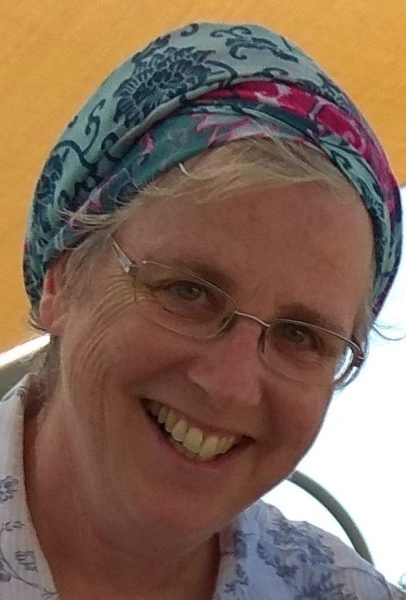
שמעתי על הסיום הענק של הדף היומי ע”י נשים בבנייני האומה. רציתי גם.
החלטתי להצטרף. התחלתי ושיכנעתי את בעלי ועוד שתי חברות להצטרף. עכשיו יש לי לימוד משותף איתו בשבת ומפגש חודשי איתן בנושא (והתכתבויות תדירות על דברים מיוחדים שקראנו). הצטרפנו לקבוצות שונות בווטסאפ. אנחנו ממש נהנות. אני שומעת את השיעור מידי יום (בד”כ מהרב יוני גוטמן) וקוראת ומצטרפת לסיומים של הדרן. גם מקפידה על דף משלהן (ונהנית מאד).

Liat Citron
ליאת סיטרון

אפרת, ישראל

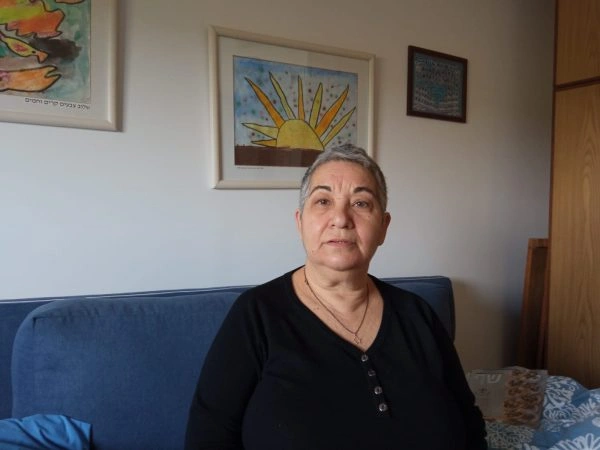
התחלתי בסיום הש”ס, יצאתי באורות. נשברתי פעמיים, ובשתיהם הרבנית מישל עודדה להמשיך איפה שכולם בסבב ולהשלים כשאוכל, וכך עשיתי וכיום השלמתי הכל. מדהים אותי שאני לומדת כל יום קצת, אפילו בחדר הלידה, בבידוד או בחו”ל. לאט לאט יותר נינוחה בסוגיות. לא כולם מבינים את הרצון, בפרט כפמניסטית. חשה סיפוק גדול להכיר את המושגים וצורת החשיבה. החלום זה להמשיך ולהתמיד ובמקביל ללמוד איך מהסוגיות נוצרה והתפתחה ההלכה.

Weingarten Sherrington Foundation
קרן וינגרטן שרינגטון

מודיעין, ישראל

למדתי גמרא מכיתה ז- ט ב Maimonides School ואחרי העליה שלי בגיל 14 לימוד הגמרא, שלא היה כל כך מקובל בימים אלה, היה די ספוראדי. אחרי "ההתגלות” בבנייני האומה התחלתי ללמוד בעיקר בדרך הביתה למדתי מפוקקטסים שונים. לאט לאט ראיתי שאני תמיד חוזרת לרבנית מישל פרבר. באיזה שהוא שלב התחלתי ללמוד בזום בשעה 7:10 .
היום "אין מצב” שאני אתחיל את היום שלי ללא לימוד עם הרבנית מישל עם כוס הקפה שלי!!

selfie-scaled
דבי גביר

חשמונאים, ישראל

בתחילת הסבב הנוכחי של לימוד הדף היומי, נחשפתי לחגיגות המרגשות באירועי הסיום ברחבי העולם. והבטחתי לעצמי שבקרוב אצטרף גם למעגל הלומדות. הסבב התחיל כאשר הייתי בתחילת דרכי בתוכנית קרן אריאל להכשרת יועצות הלכה של נשמ”ת. לא הצלחתי להוסיף את ההתחייבות לדף היומי על הלימוד האינטנסיבי של תוכנית היועצות. בבוקר למחרת המבחן הסופי בנשמ”ת, התחלתי את לימוד הדף במסכת סוכה ומאז לא הפסקתי.

Hana Shaham-Rozby (Dr.)
חנה שחם-רוזבי (ד”ר)

קרית גת, ישראל

בסוף הסבב הקודם ראיתי את השמחה הגדולה שבסיום הלימוד, בעלי סיים כבר בפעם השלישית וכמובן הסיום הנשי בבנייני האומה וחשבתי שאולי זו הזדמנות עבורי למשהו חדש.
למרות שאני שונה בסביבה שלי, מי ששומע על הלימוד שלי מפרגן מאוד.
אני מנסה ללמוד קצת בכל יום, גם אם לא את כל הדף ובסך הכל אני בדרך כלל עומדת בקצב.
הלימוד מעניק המון משמעות ליום יום ועושה סדר בלמוד תורה, שתמיד היה (ועדיין) שאיפה. אבל אין כמו קביעות

Racheli-Mendelson
רחלי מנדלסון

טל מנשה, ישראל

התחלתי מעט לפני תחילת הסבב הנוכחי. אני נהנית מהאתגר של להמשיך להתמיד, מרגעים של "אהה, מפה זה הגיע!” ומהאתגר האינטלקטואלי

Eilat-Chen and Deller
אילת-חן ודלר

לוד, ישראל

התחלתי לפני 8 שנים במדרשה. לאחרונה סיימתי מסכת תענית בלמידה עצמית ועכשיו לקראת סיום מסכת מגילה.

Daniela Baruchim
דניאלה ברוכים

רעננה, ישראל

התחלתי ללמוד דף לפני קצת יותר מ-5 שנים, כשלמדתי רבנות בישיבת מהר”ת בניו יורק. בדיעבד, עד אז, הייתי בלימוד הגמרא שלי כמו מישהו שאוסף חרוזים משרשרת שהתפזרה, פה משהו ושם משהו, ומאז נפתח עולם ומלואו…. הדף נותן לי לימוד בצורה מאורגנת, שיטתית, יום-יומית, ומלמד אותי לא רק ידע אלא את השפה ודרך החשיבה שלנו. לשמחתי, יש לי סביבה תומכת וההרגשה שלי היא כמו בציטוט שבחרתי: הדף משפיע לטובה על כל היום שלי.

Michal Kahana
מיכל כהנא

חיפה, ישראל

סיום השס לנשים נתן לי מוטביציה להתחיל ללמוד דף יומי. עד אז למדתי גמרא בשבתות ועשיתי כמה סיומים. אבל לימוד יומיומי זה שונה לגמרי ופתאום כל דבר שקורה בחיים מתקשר לדף היומי.

Fogel Foundation
קרן פוגל

רתמים, ישראל

התחלתי להשתתף בשיעור נשים פעם בשבוע, תכננתי ללמוד רק דפים בודדים, לא האמנתי שאצליח יותר מכך.
לאט לאט נשאבתי פנימה לעולם הלימוד .משתדלת ללמוד כל בוקר ומתחילה את היום בתחושה של מלאות ומתוך התכווננות נכונה יותר.
הלימוד של הדף היומי ממלא אותי בתחושה של חיבור עמוק לעם היהודי ולכל הלומדים בעבר ובהווה.

Neely Hayon
נילי חיון

אפרת, ישראל

התחלתי בסיום הש”ס, יצאתי באורות. נשברתי פעמיים, ובשתיהם הרבנית מישל עודדה להמשיך איפה שכולם בסבב ולהשלים כשאוכל, וכך עשיתי וכיום השלמתי הכל. מדהים אותי שאני לומדת כל יום קצת, אפילו בחדר הלידה, בבידוד או בחו”ל. לאט לאט יותר נינוחה בסוגיות. לא כולם מבינים את הרצון, בפרט כפמניסטית. חשה סיפוק גדול להכיר את המושגים וצורת החשיבה. החלום זה להמשיך ולהתמיד ובמקביל ללמוד איך מהסוגיות נוצרה והתפתחה ההלכה.

Weingarten Sherrington Foundation
קרן וינגרטן שרינגטון

מודיעין, ישראל

התחלתי מחוג במסכת קידושין שהעבירה הרבנית רייסנר במסגרת בית המדרש כלנה בגבעת שמואל; לאחר מכן התחיל סבב הדף היומי אז הצטרפתי. לסביבה לקח זמן לעכל אבל היום כולם תומכים ומשתתפים איתי. הלימוד לעתים מעניין ומעשיר ולעתים קשה ואף הזוי… אך אני ממשיכה קדימה. הוא משפיע על היומיום שלי קודם כל במרדף אחרי הדף, וגם במושגים הרבים שלמדתי ובידע שהועשרתי בו, חלקו ממש מעשי

Abigail Chrissy
אביגיל כריסי

ראש העין, ישראל

בסוף הסבב הקודם ראיתי את השמחה הגדולה שבסיום הלימוד, בעלי סיים כבר בפעם השלישית וכמובן הסיום הנשי בבנייני האומה וחשבתי שאולי זו הזדמנות עבורי למשהו חדש.
למרות שאני שונה בסביבה שלי, מי ששומע על הלימוד שלי מפרגן מאוד.
אני מנסה ללמוד קצת בכל יום, גם אם לא את כל הדף ובסך הכל אני בדרך כלל עומדת בקצב.
הלימוד מעניק המון משמעות ליום יום ועושה סדר בלמוד תורה, שתמיד היה (ועדיין) שאיפה. אבל אין כמו קביעות

Racheli-Mendelson
רחלי מנדלסון

טל מנשה, ישראל

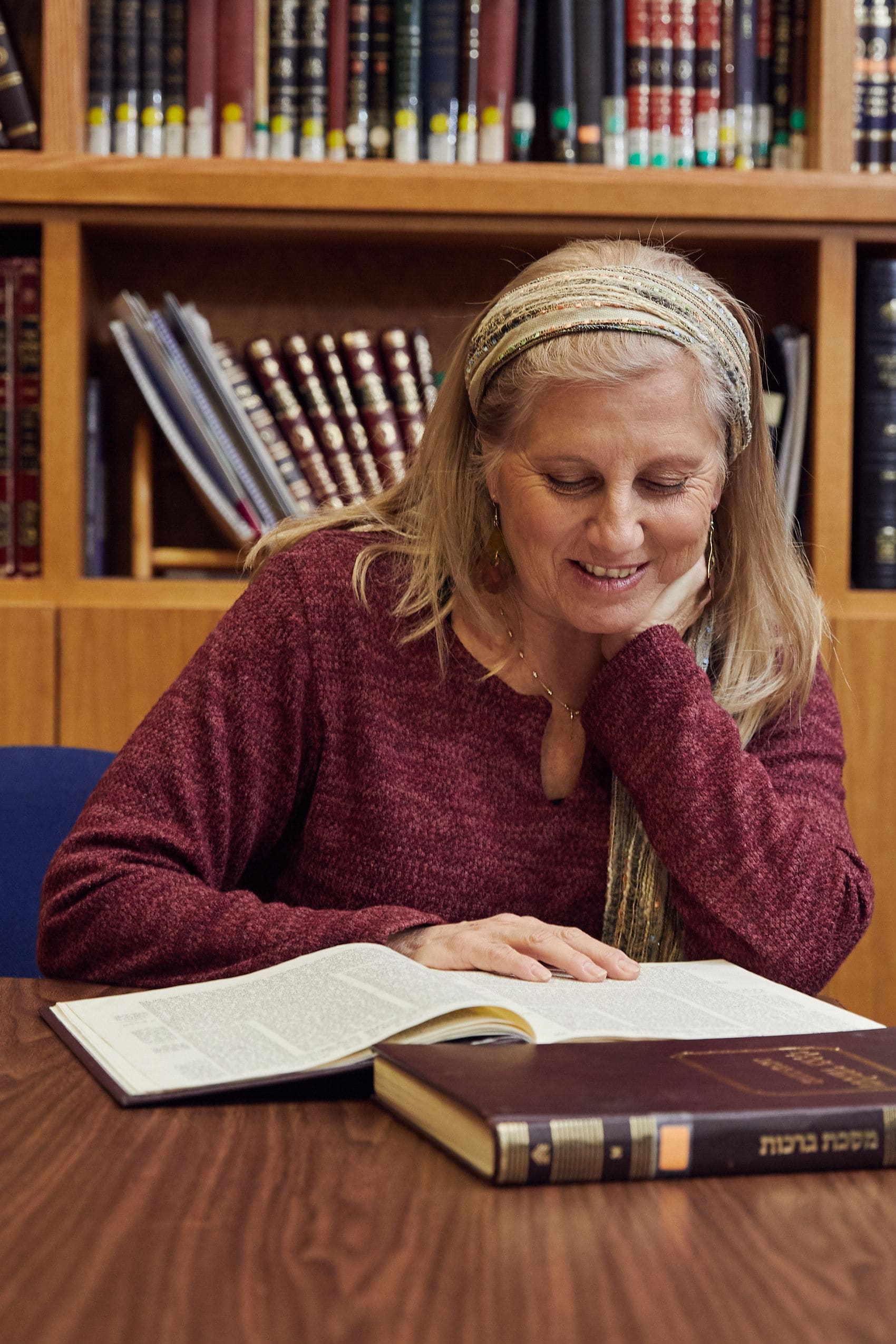
אחרי שראיתי את הסיום הנשי של הדף היומי בבנייני האומה זה ריגש אותי ועורר בי את הרצון להצטרף. לא למדתי גמרא קודם לכן בכלל, אז הכל היה לי חדש, ולכן אני לומדת בעיקר מהשיעורים פה בהדרן, בשוטנשטיין או בחוברות ושיננתם.

Rebecca Schloss
רבקה שלוס

בית שמש, ישראל

למדתי גמרא מכיתה ז- ט ב Maimonides School ואחרי העליה שלי בגיל 14 לימוד הגמרא, שלא היה כל כך מקובל בימים אלה, היה די ספוראדי. אחרי "ההתגלות” בבנייני האומה התחלתי ללמוד בעיקר בדרך הביתה למדתי מפוקקטסים שונים. לאט לאט ראיתי שאני תמיד חוזרת לרבנית מישל פרבר. באיזה שהוא שלב התחלתי ללמוד בזום בשעה 7:10 .
היום "אין מצב” שאני אתחיל את היום שלי ללא לימוד עם הרבנית מישל עם כוס הקפה שלי!!

selfie-scaled
דבי גביר

חשמונאים, ישראל

אני לומדת גמרא כעשור במסגרות שונות, ואת הדף היומי התחלתי כשחברה הציעה שאצטרף אליה לסיום בבנייני האומה. מאז אני לומדת עם פודקסט הדרן, משתדלת באופן יומי אך אם לא מספיקה, מדביקה פערים עד ערב שבת. בסבב הזה הלימוד הוא "ממעוף הציפור”, מקשיבה במהירות מוגברת תוך כדי פעילויות כמו בישול או נהיגה, וכך רוכשת היכרות עם הסוגיות ואופן ניתוחם על ידי חז”ל. בע”ה בסבב הבא, ואולי לפני, אצלול לתוכו באופן מעמיק יותר.

Yael Bir
יעל ביר

רמת גן, ישראל

בתחילת הסבב הנוכחי של לימוד הדף היומי, נחשפתי לחגיגות המרגשות באירועי הסיום ברחבי העולם. והבטחתי לעצמי שבקרוב אצטרף גם למעגל הלומדות. הסבב התחיל כאשר הייתי בתחילת דרכי בתוכנית קרן אריאל להכשרת יועצות הלכה של נשמ”ת. לא הצלחתי להוסיף את ההתחייבות לדף היומי על הלימוד האינטנסיבי של תוכנית היועצות. בבוקר למחרת המבחן הסופי בנשמ”ת, התחלתי את לימוד הדף במסכת סוכה ומאז לא הפסקתי.

Hana Shaham-Rozby (Dr.)
חנה שחם-רוזבי (ד”ר)

קרית גת, ישראל

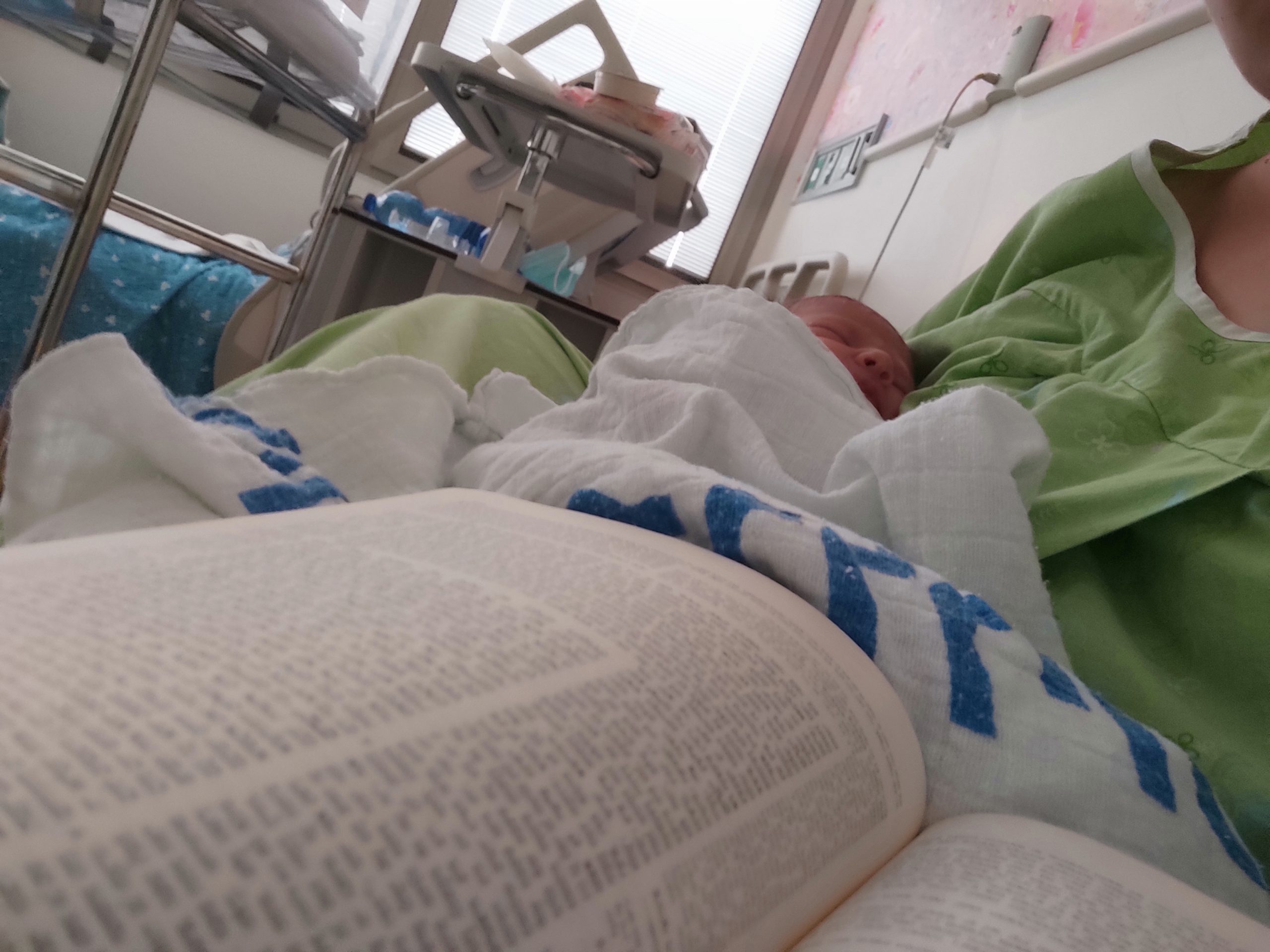
בתחילת הסבב הנוכחי הצטברו אצלי תחושות שאני לא מבינה מספיק מהי ההלכה אותה אני מקיימת בכל יום. כמו כן, כאמא לבנות רציתי לתת להן מודל נשי של לימוד תורה
שתי הסיבות האלו הובילו אותי להתחיל ללמוד. נתקלתי בתגובות מפרגנות וסקרניות איך אישה לומדת גמרא..
כמו שרואים בתמונה אני ממשיכה ללמוד גם היום ואפילו במחלקת יולדות אחרי לידת ביתי השלישית.

Noa Shiloh
נועה שילה

רבבה, ישראל

שבת מא

דְּלֵית לֵיהּ גִּידּוּדֵי, הָא דְּאִית לֵיהּ גִּידּוּדֵי.

that does not have embankments surrounding it. Since there are no partitions, it appears like an ocean or a river. That incident involving Rabbi Abbahu occurred in a place that has embankments and looks like a vessel. Therefore, the Sages did not prohibit it.

וְאָמַר רַבִּי זֵירָא: אֲנָא חֲזִיתֵיהּ לְרַבִּי אֲבָהוּ שֶׁהִנִּיחַ יָדָיו כְּנֶגֶד פָּנָיו שֶׁל מַטָּה, וְלָא יָדַעְנָא אִי נְגַע אִי לָא נְגַע. פְּשִׁיטָא דְּלָא נְגַע, דְּתַנְיָא רַבִּי אֱלִיעֶזֶר אוֹמֵר: כׇּל הָאוֹחֵז בָּאַמָּה וּמַשְׁתִּין — כְּאִילּוּ מֵבִיא מַבּוּל לָעוֹלָם.

After citing what Rabbi Zeira related with regard to Rabbi Abbahu, the Gemara cites that Rabbi Zeira said: I saw that Rabbi Abbahu, while he was bathing, placed his hands over his genitals for the sake of modesty, and I do not know whether he touched them or did not touch them. The Gemara questions Rabbi Zeira’s uncertainty. It is obvious that he did not touch his genitals, as it was taught in a baraita: Rabbi Eliezer says: One who holds his penis and urinates it is as if he were bringing a flood to the world. He is liable to become aroused by that contact and that is an extremely severe transgression, comparable to the transgressions violated in the generation of the flood.

אָמַר אַבָּיֵי: עֲשָׂאוּהָ כְּבוֹלֶשֶׁת. דִּתְנַן: בּוֹלֶשֶׁת שֶׁנִּכְנְסָה לָעִיר, בִּשְׁעַת שָׁלוֹם — חָבִיּוֹת פְּתוּחוֹת אֲסוּרוֹת, סְתוּמוֹת מוּתָּרוֹת. בִּשְׁעַת מִלְחָמָה — אֵלּוּ וְאֵלּוּ מוּתָּרוֹת, לְפִי שֶׁאֵין פְּנַאי לְנַסֵּךְ. אַלְמָא כֵּיוָן דִּבְעִיתִי לָא מְנַסְּכִי. הָכָא נָמֵי, כֵּיוָן דִּבְעִית לָא אָתֵי לְהַרְהוֹרֵי. הָכָא מַאי בִּיעֲתוּתָא? בִּיעֲתוּתָא דְנַהְרָא.

Abaye said: Nevertheless, no proof can be cited from that baraita. Perhaps the Sages rendered the legal status of this situation like that of a military unit, as we learned in a mishna: A military unit that entered a city, if it entered during peacetime, after the soldiers leave, the open barrels of wine are prohibited and the wine in them may not be drunk due to suspicion that the gentile soldiers may have poured this wine as a libation for idolatry. The sealed barrels are permitted. However, if the unit entered in wartime, both are permitted because in wartime there is no respite to pour wine for idolatry, and one can be certain that the soldiers did not do so. Apparently, since they are afraid, they do not pour libations. Here too, in the case of bathing, since he is afraid, he will not come to have impure thoughts. The Gemara asks: And what fear is there here that would prevent one bathing from having impure thoughts? The Gemara answers: Fear of the river. Since he needs to be careful that the water does not wash him away, he is too distracted to think of other matters.

אִינִי?! וְהָאָמַר רַבִּי אַבָּא אָמַר רַב הוּנָא אָמַר רַב: כׇּל הַמַּנִּיחַ יָדָיו כְּנֶגֶד פָּנָיו שֶׁל מַטָּה כְּאִילּוּ כּוֹפֵר בִּבְרִיתוֹ שֶׁל אַבְרָהָם אָבִינוּ! לָא קַשְׁיָא: הָא כִּי נָחֵית, הָא כִּי סָלֵיק. כִּי הָא דְּרָבָא שָׁחֵי. רַבִּי זֵירָא זָקֵיף. רַבָּנַן דְּבֵי רַב אָשֵׁי, כִּי קָא נָחֲתִי — זָקְפִי, כִּי קָא סָלְקִי — שָׁחוּ.

The Gemara questions the story itself: And is that so? Is it permitted under any circumstances to cover one’s genitals while bathing? Didn’t Rabbi Abba say that Rav Huna said that Rav said: Anyone who places his hands over his genitals is as if he denies the covenant of our father Abraham? It appears as if he is covering himself to obscure the fact that he is circumcised. The Gemara answers: This is not difficult, as there is room to distinguish and say that this, the case where it is prohibited to cover oneself, is when he is descending into the river and there are no people facing him and he need not be concerned with modesty. In that case covering oneself is prohibited as he appears to be renouncing the covenant of Abraham. That, the case where, in certain circumstances, this prohibition does not apply, is when he is emerging from the river. When he emerges, he is facing the people on the riverbank and it is then permitted to cover himself in the interest of modesty, as that which Rava would do. He would bend over when he was naked. Rabbi Zeira would stand upright, in accordance with Rav’s statement that it is prohibited to appear to be renouncing the covenant of Abraham. When the Sages of the school of Rav Ashi descended into the river they stood upright. When they emerged from the river they bent over.

רַבִּי זֵירָא הֲוָה קָא מִשְׁתְּמִיט מִדְּרַב יְהוּדָה, דְּבָעֵי לְמִיסַּק לְאַרְעָא דְיִשְׂרָאֵל. דְּאָמַר רַב יְהוּדָה: כׇּל הָעוֹלֶה מִבָּבֶל לְאֶרֶץ יִשְׂרָאֵל עוֹבֵר בַּעֲשֵׂה, שֶׁנֶּאֱמַר: ״בָּבֶלָה יוּבָאוּ וְשָׁמָּה יִהְיוּ״. אֲמַר: אֵיזִיל וְאֶשְׁמַע מִינֵּיהּ מִילְּתָא וְאֵיתֵי וְאֶיסַּק. אֲזַל, אַשְׁכְּחֵיהּ דְּקָאֵי בֵּי בָאנֵי וְקָאָמַר לֵיהּ לְשַׁמָּעֵיהּ: הָבִיאוּ לִי נֶתֶר, הָבִיאוּ לִי מַסְרֵק, פִּתְחוּ פּוּמַּיְיכוּ וְאַפִּיקוּ הַבְלָא, וְאִשְׁתוּ מִמַּיָּא דְּבֵי בָאנֵי. אֲמַר: אִילְמָלֵא לֹא בָּאתִי אֶלָּא לִשְׁמוֹעַ דָּבָר זֶה דַּיִּי.

Speaking of bathing and its halakhot, the Gemara relates: Rabbi Zeira was avoiding being seen by his teacher, Rav Yehuda, as Rabbi Zeira sought to ascend to Eretz Yisrael and his teacher disapproved. As Rav Yehuda said: Anyone who ascends from Babylonia to Eretz Yisrael transgresses a positive commandment, as it is stated: “They shall be taken to Babylonia and there they shall remain until the day that I recall them, said the Lord” (Jeremiah 27:22). Based on that verse, Rav Yehuda held that since the Babylonian exile was by divine decree, permission to leave Babylonia for Eretz Yisrael could only be granted by God. Rabbi Zeira did not want to discuss his desire to emigrate with Rav Yehuda, so that he would not be forced to explicitly disobey him. Nevertheless, he said: I will go and hear something from him and then I will leave. He went and found Rav Yehuda standing in the bathhouse and telling his servant: Bring me natron [neter] with which to wash, bring me a comb, open your mouths and let out air, and drink from the water of the bathhouse. Rabbi Zeira said: If I had come only to hear this matter from Rav Yehuda, it would suffice for me.

בִּשְׁלָמָא ״הָבִיאוּ נֶתֶר, הָבִיאוּ מַסְרֵק״ — קָמַשְׁמַע לַן דְּבָרִים שֶׁל חוֹל מוּתָּר לְאוֹמְרָם בִּלְשׁוֹן קֹדֶשׁ. ״פִּתְחוּ פּוּמַּיְיכוּ וְאַפִּיקוּ הַבְלָא״ — נָמֵי כְּדִשְׁמוּאֵל, דְּאָמַר שְׁמוּאֵל: הַבְלָא מַפֵּיק הַבְלָא. אֶלָּא ״אִשְׁתוּ מַיָּא דְּבֵי בָאנֵי״ מַאי מְעַלְּיוּתָא? דְּתַנְיָא אָכַל וְלֹא שָׁתָה — אֲכִילָתוֹ דָּם, וְזֶהוּ תְּחִילַּת חוֹלִי מֵעַיִים. אָכַל וְלֹא הָלַךְ אַרְבַּע אַמּוֹת — אֲכִילָתוֹ מַרְקֶבֶת, וְזֶהוּ תְּחִילַּת רֵיחַ רַע. הַנִּצְרָךְ לִנְקָבָיו וְאָכַל — דּוֹמֶה לְתַנּוּר שֶׁהִסִּיקוּהוּ עַל גַּבֵּי אֶפְרוֹ, וְזֶהוּ תְּחִילַּת רֵיחַ זוּהֲמָא. רָחַץ בְּחַמִּין וְלֹא שָׁתָה מֵהֶן — דּוֹמֶה לְתַנּוּר שֶׁהִסִּיקוּהוּ מִבְּחוּץ וְלֹא הִסִּיקוּהוּ מִבִּפְנִים. רָחַץ בְּחַמִּין וְלֹא נִשְׁתַּטֵּף בְּצוֹנֵן — דּוֹמֶה לְבַרְזֶל שֶׁהִכְנִיסוּהוּ לָאוּר וְלֹא הִכְנִיסוּהוּ לְצוֹנֵן. רָחַץ וְלֹא סָךְ — דּוֹמֶה לְמַיִם עַל גַּבֵּי חָבִית.

The Gemara analyzes the lessons learned from this story. Granted, when Rav Yehuda said: Bring me natron, bring me a comb, he was teaching us that mundane matters are permitted to be spoken in the bathhouse, even in the sacred language. When he said: Open your mouths and let out air, that too is in accordance with that which Shmuel said, as Shmuel said: Heat produces heat. The hot air that one inhales causes him to sweat more quickly. However, drink the water of the bathhouse, what benefit is there in doing that? The Gemara answers: As it was taught in a baraita: One who ate and did not drink at all, what he ate becomes blood and that causes the onset of intestinal disease. One who ate and did not walk four cubits after eating, what he ate rots and that causes the onset of bad breath. One who needs to defecate and ate is similar to an oven that was lit on top of its ashes. When ashes from a previous fire are not swept out, and new logs are placed on top of the old ones, it inhibits the burning and dirties the oven, and that causes the onset of odor of the filth of perspiration in a person. As far as our matter is concerned, the baraita teaches: One who bathed in hot water and did not drink from it is like an oven that was lit from the outside and not lit from the inside. The lighting is ineffective and the oven does not heat properly. Rav Yehuda told his servants to drink the hot water while bathing so that they would be heated from the inside and the outside. The baraita continues: One who bathed in hot water and did not rinse afterward with cold water is like iron that was placed in the fire and not placed afterward in cold water, which leaves the iron soft. And one who bathed and did not smear himself with oil afterward is like water that was poured on top of a barrel, and not into it. The water spills outside the barrel.

מַתְנִי׳ מוּלְיָאר הַגָּרוּף שׁוֹתִין הֵימֶנּוּ בְּשַׁבָּת. אַנְטִיכֵי, אַף עַל פִּי שֶׁגְּרוּפָה אֵין שׁוֹתִין הֵימֶנָּה.

MISHNA: In this mishna, the Sages discuss two vessels used for heating water. With regard to a mulyar, a bronze vessel into which coals are placed in an outer compartment and water is placed into an adjacent inner compartment, whose coals were swept, one may drink from it on Shabbat. With regard to an antikhi, which is a vessel with a different configuration, even if its coals were swept, one may not drink from it on Shabbat.

גְּמָ׳ הֵיכִי דָּמֵי מוּלְיָאר הַגָּרוּף? תָּנָא, מַיִם מִבִּפְנִים וְגֶחָלִים מִבְּחוּץ. אַנְטִיכֵי: רַבָּה אָמַר — בֵּי כִירֵי. רַב נַחְמָן בַּר יִצְחָק אָמַר — בֵּי דוּדֵי. מַאן דְּאָמַר בֵּי דוּדֵי כָּל שֶׁכֵּן בֵּי כִירֵי, וּמַאן דְּאָמַר בֵּי כִירֵי אֲבָל בֵּי דוּדֵי — לָא. תַּנְיָא כְּווֹתֵיהּ דְּרַב נַחְמָן: אַנְטִיכֵי אַף עַל פִּי שֶׁגְּרוּפָה וּקְטוּמָה אֵין שׁוֹתִין הֵימֶנָּה מִפְּנֵי שֶׁנְּחוּשְׁתָּהּ מְחַמַּמְתָּהּ.

GEMARA: The Gemara asks: What are the circumstances of a swept mulyar? The Gemara answers: A mulyar is the vessel, explained in the Tosefta on our mishna, that has water on the inside and coals on the outside. With regard to the identity of an antikhi there are different opinions. Rabba said that it refers to a stove. A space is created in the wall of a stove and filled with water. Since the stove is very hot, it is prohibited to use this water. Rav Naḥman bar Yitzhak said: An antikhi is a cauldron, i.e., a vessel made from two cauldrons stacked one on top of the other with coals in the bottom one and water in the upper one. These two different opinions have halakhic implications. The one who says that it is prohibited to use a vessel composed of two cauldrons, all the more so it is prohibited to use the space inside of a stove. And the one who says that it is prohibited to use the space inside a stove, a vessel composed of two cauldrons, no, it is not prohibited. It was taught in a baraita in accordance with the opinion of Rav Naḥman: An antikhi, even if it was swept and covered with ashes, one may not drink from it on Shabbat because its copper heats it. The heating in an antikhi is by means of the coals beneath the water.

מַתְנִי׳ הַמֵּיחַם שֶׁפִּינָּהוּ לֹא יִתֵּן לְתוֹכוֹ צוֹנֵן בִּשְׁבִיל שֶׁיֵּחַמּוּ. אֲבָל נוֹתֵן הוּא לְתוֹכוֹ אוֹ לְתוֹךְ הַכּוֹס כְּדֵי לְהַפְשִׁירָן.

MISHNA: The Sages added to the laws of leaving food on a source of heat and cooking food on Shabbat: An urn that was emptied of its hot water on Shabbat, one may not place cold water into it so that the cold water will be heated. However, one may place cold water into an urn or into a cup that were emptied of their hot water in order to warm it but not in order to heat it.

גְּמָ׳ מַאי קָאָמַר? אָמַר רַב אַדָּא בַּר מַתְנָא, הָכִי קָאָמַר: הַמֵּיחַם שֶׁפִּינָּה מִמֶּנּוּ מַיִם חַמִּין לֹא יִתֵּן לְתוֹכָן מַיִם מוּעָטִים כְּדֵי שֶׁיֵּחַמּוּ, אֲבָל נוֹתֵן לְתוֹכוֹ מַיִם מְרוּבִּים כְּדֵי לְהַפְשִׁירָן.

GEMARA: The mishna seems to contradict itself. The first statement completely prohibits placing water into an urn, and later it was partially permitted. The Gemara asks: What is the mishna saying? Rav Adda bar Mattana said that it said the following: An urn that was emptied of its hot water, one may not put a small amount of water into it so that it will become very hot. However, one may put a large quantity of water into it in order to warm it. A large quantity of cold water will not be heated in those circumstances.

וַהֲלֹא מְצָרֵף? רַבִּי שִׁמְעוֹן הִיא, דְּאָמַר: דָּבָר שֶׁאֵין מִתְכַּוֵּין — מוּתָּר. מַתְקִיף לַהּ אַבָּיֵי: מִידֵּי מֵיחַם שֶׁפִּינָּה מִמֶּנּוּ מַיִם קָתָנֵי?! מֵיחַם שֶׁפִּינָּהוּ קָתָנֵי!

The Gemara questions this leniency: By putting cold water into the urn, doesn’t it harden the vessel? Cold water poured into a heated metal vessel reinforces the vessel. It is one of the stages in the labor of a blacksmith. How is it permitted to do something similar on Shabbat? The Gemara answers: This mishna is in accordance with the opinion of Rabbi Shimon, who stated a principle with regard to the laws of Shabbat: An unintentional act, i.e., a permitted action from which a prohibited labor inadvertently ensues, is permitted. Here too, his intention was to warm the water, not to reinforce the vessel. Abaye strongly objects to this explanation: Does it say in the mishna: An urn from which water was emptied? That would indicate that he sought to fill the vessel with other water and warm up that water. Rather, an urn that was removed was taught in the mishna, meaning that the urn was removed from the fire, not that the water was emptied from it.

אֶלָּא אָמַר אַבָּיֵי, הָכִי קָאָמַר: הַמֵּיחַם שֶׁפִּינָּהוּ וְיֵשׁ בּוֹ מַיִם חַמִּין — לֹא יִתֵּן לְתוֹכוֹ מַיִם מוּעָטִין בִּשְׁבִיל שֶׁיָּחוֹמּוּ, אֲבָל נוֹתֵן לְתוֹכוֹ מַיִם מְרוּבִּים כְּדֵי לְהַפְשִׁירָן. וּמֵיחַם שֶׁפִּינָּה מִמֶּנּוּ מַיִם — לֹא יִתֵּן לְתוֹכוֹ מַיִם כׇּל עִיקָּר, מִפְּנֵי שֶׁמְּצָרֵף. וְרַבִּי יְהוּדָה הִיא, דְּאָמַר דָּבָר שֶׁאֵין מִתְכַּוֵּין אָסוּר.

Rather, Abaye said this is what the mishna is saying: An urn that was removed from the fire and contains hot water, one may not place a small quantity of water in it so that the water will become hot; rather, one may place a large quantity of water in it so that the water will become warm. And with regard to an urn from which water was removed; one may not place any water into it because he hardens the vessel by placing cold water into a hot vessel. And, according to this explanation, our mishna is in accordance with the opinion of Rabbi Yehuda, who said that an unintentional act from which a prohibited labor inadvertently ensues is prohibited on Shabbat.

אָמַר רַב: לֹא שָׁנוּ אֶלָּא לְהַפְשִׁיר, אֲבָל לְצָרֵף — אָסוּר. וּשְׁמוּאֵל אָמַר: אֲפִילּוּ לְצָרֵף נָמֵי מוּתָּר. לְצָרֵף לְכַתְּחִילָּה מִי שְׁרֵי?! אֶלָּא אִי אִיתְּמַר הָכִי אִיתְּמַר: אָמַר רַב לֹא שָׁנוּ אֶלָּא שִׁיעוּר לְהַפְשִׁיר, אֲבָל שִׁיעוּר לְצָרֵף — אָסוּר. וּשְׁמוּאֵל אָמַר: אֲפִילּוּ שִׁיעוּר לְצָרֵף —

With regard to the matter itself, Rav said: They taught that one is permitted to place cold water into an urn with hot water after it was removed from the fire, when his intention is only to warm the cold water. However, if he did this in order to harden the vessel, it is prohibited. And Shmuel said: Even if he does so in order to harden the vessel, it is also permitted. The Gemara wonders: Is hardening permitted ab initio? Isn’t it a full-fledged prohibited labor on Shabbat? Rather, if the dispute between Rav and Shmuel was stated, it was stated as follows. Rav said: They taught that it is permitted to add water only in a measure that is sufficient to warm the water, i.e., to only partially fill the vessel. However, filling it completely with a measure sufficient to harden the vessel is prohibited. And Shmuel said: Even a measure sufficient to harden the vessel

רוצה לעקוב אחרי התכנים ולהמשיך ללמוד?

ביצירת חשבון עוד היום ניתן לעקוב אחרי ההתקדמות שלך, לסמן מה למדת, ולעקוב אחרי השיעורים שמעניינים אותך.

לנקות את כל הפריטים מהרשימה?

פעולה זו תסיר את כל הפריטים בחלק זה כולל ההתקדמות וההיסטוריה. שימי לב: לא ניתן לשחזר פעולה זו.

ביטול
מחיקה

האם את/ה בטוח/ה שברצונך למחוק פריט זה?

תאבד/י את כל ההתקדמות או ההיסטוריה הקשורות לפריט זה.

ביטול
מחיקה