חיפוש

שבת פא

רוצה להקדיש שיעור?

podcast placeholder

0:00
0:00


תקציר

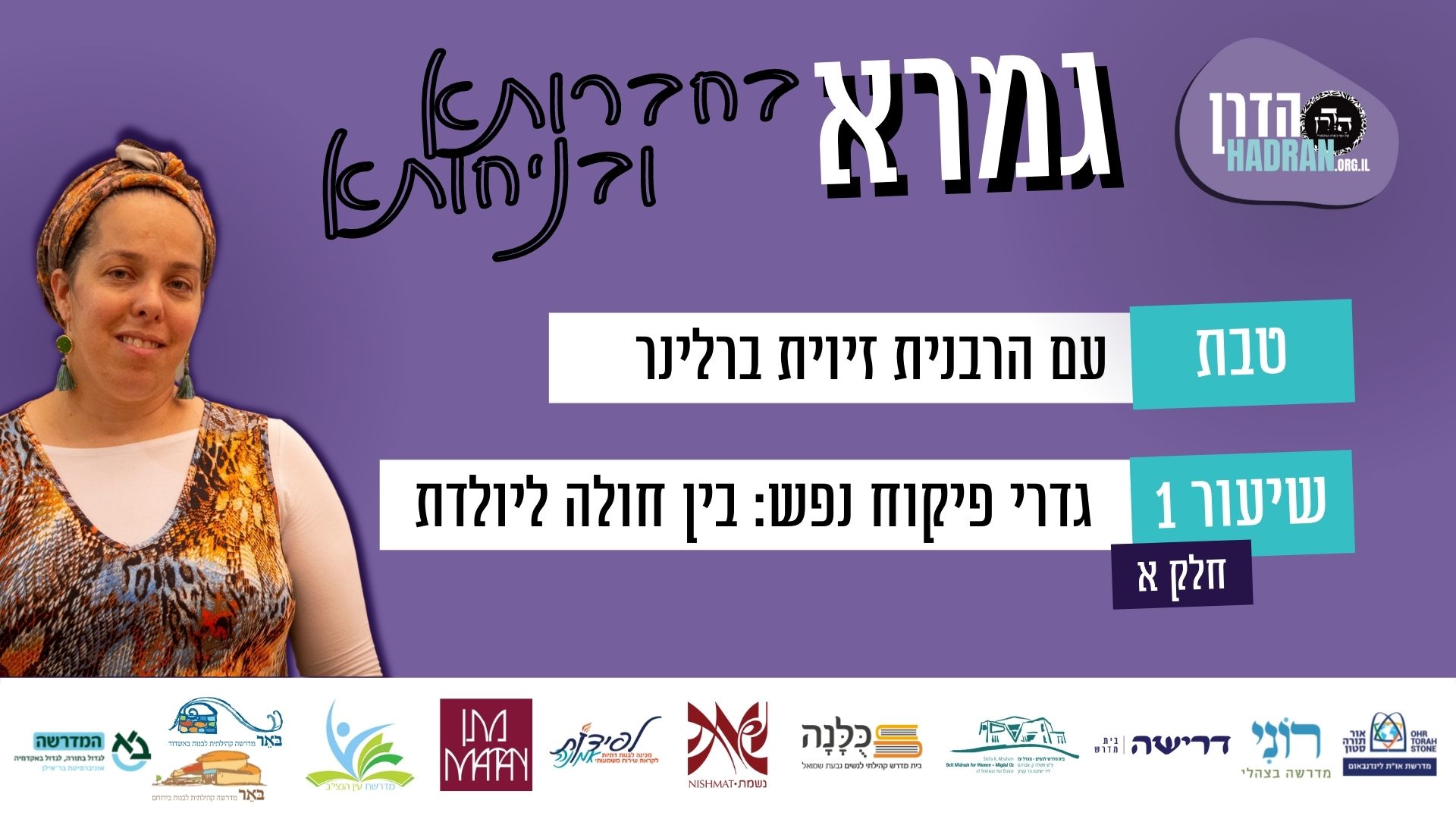
השיעור היום מוקדש על ידי ג’וני ברנר לכבוד שולי פאסו על שפתחה את עולמה ללימוד הדף היומי. 

מה השיעור הנדרש להתחייב במלאכת הוצאה בעצם, זכוכית, צרור או אבן? לפי איזה שימוש בכל חפץ קובעים את השיעור? למרות שאבנים בדרך כלל נחשבים למוקצה, התירו לטלטלם לקנח בשירותים (בימיהם השתמשו באבנים מקורזלות כדי לקנח). איזה גודל אבנים מותרים לצורך זה? איזה דברים אי אפשר להתשמש בהם לקנח? אם יש או אין מקום קבוע, האם יש לזה השפעה על כמות האבנים שמותרים לטלטל? אפשר להשתמש במדוכה קטנה לקנח אבל לפי רב ששת רק אם יש בו סימנים שכבר השתמשו בו לקנח. האם באמת מותר להשתמש במשהו שכבר השתמשו בו לקנח – הרי זה גורם לבעיות בריאותיות (כפי שמופיע בברייתא)? שלוש תשובות מובאות. מה אם הגשם שטף את הלכלוך ואין בו סימן שהשתמשו בו לקנח? האם אפשר לטלטל אבנים לעלייה כדי לקנח – האם זה לא טירחה יתירה? התירו משום כבוד הבריות. באיזה מקרה לא התירו משום כבוד הבריות – למה? אי אפשר ליפנות בשדה שחרשו – למה? האם אפשר לקנח באבן שיש בו עשבים? האם אפשר לקנח עם כלי חרס שבור?

כלים

שבת פא

מַתְנִי׳ עֶצֶם כְּדֵי לַעֲשׂוֹת תַּרְווֹד. רַבִּי יְהוּדָה אוֹמֵר: כְּדֵי לַעֲשׂוֹת מִמֶּנּוּ חָף. זְכוּכִית — כְּדֵי לִגְרוֹר בָּהּ רֹאשׁ הַכַּרְכֵּר. צְרוֹר אוֹ אֶבֶן — כְּדֵי לִזְרוֹק בָּעוֹף. רַבִּי אֶלְעָזָר בַּר יַעֲקֹב אוֹמֵר: כְּדֵי לִזְרוֹק בַּבְּהֵמָה.

MISHNA: The measure that determines liability for carrying out a bone is equivalent to that which is used to make a spoon. Rabbi Yehuda says: In a measure equivalent to that which is used to make from it a key. The measure that determines liability for carrying out glass is equivalent to that which is used to scrape and smooth the top of a bobbin, a sharpened stick used by weavers. The measure that determines liability for carrying out a pebble or a stone is equivalent to that which is used to throw at a bird to chase it away. Rabbi Elazar bar Ya’akov says: Equivalent to that which is used to throw at an animal, which is larger.

גְּמָ׳ לְמֵימְרָא דְּשִׁיעוּרָא דְרַבִּי יְהוּדָה נְפִישׁ? הָא קַיְימָא לַן דְּשִׁיעוּרָא דְרַבָּנַן נְפִישׁ! אָמַר עוּלָּא: חֲפֵי פּוֹתַחַת. תָּנוּ רַבָּנַן: חֲפֵי פּוֹתַחַת טְהוֹרִין, קְבָעָן בַּפּוֹתַחַת טְמֵאִין. וְשֶׁל גַּל, אַף עַל פִּי שֶׁחִיבְּרָן בַּדֶּלֶת וּקְבָעָן בְּמַסְמְרִים טְהוֹרִין — שֶׁכׇּל הַמְחוּבָּר לַקַּרְקַע הֲרֵי הוּא כַּקַּרְקַע.

GEMARA: The Gemara asks: Is that to say that the measure of Rabbi Yehuda is greater? Don’t we maintain that the measure of the Rabbis is greater? Ulla said: Rabbi Yehuda did not refer to the entire key, but to the teeth of a key. With regard to the above, the Gemara cites that which the Sages taught in a baraita: The teeth of a key are ritually pure, and they cannot become impure when separate from the key, as they have no function on their own. However, if one affixed them to a key, they can become ritually impure as part of a utensil. And teeth of a lock, even though one attached them to the door and affixed them with nails, are ritually pure, as anything attached to the ground has the same legal status as the ground itself, which cannot become ritually impure.

זְכוּכִית כְּדֵי לִגְרוֹר בָּהּ. תָּנָא: סְכוּכִית — כְּדֵי לִפְצוֹעַ בָּהּ שְׁנֵי נִימִין כְּאַחַת.

We learned in the mishna: The measure that determines liability for carrying out glass is equivalent to that which is used to scrape and smooth the top of a bobbin. A tanna taught that halakha in a Tosefta in a different manner: The measure that determines liability for carrying out glass is equivalent to that which is used to cut two threads at once, as a glass shard can be used in place of a knife.

צְרוֹר אוֹ אֶבֶן כְּדֵי לִזְרוֹק בָּעוֹף. רַבִּי אֶלְעָזָר כּוּ׳. אָמַר רַבִּי יַעֲקֹב אָמַר רַבִּי יוֹחָנָן: וְהוּא שֶׁמַּרְגֶּשֶׁת בָּהּ. וְכַמָּה שִׁיעוּרוֹ? תַּנְיָא, רַבִּי אֶלְעָזָר בֶּן יַעֲקֹב אוֹמֵר: מִשְׁקַל עֲשָׂרָה זוּז.

We learned in the mishna: The measure that determines liability for carrying out a pebble or a stone is equivalent to that which is used to throw at a bird to chase it away. Rabbi Elazar ben Ya’akov says: Equivalent to that which is used to throw at an animal. Rabbi Ya’akov said that Rabbi Yoḥanan said: And that is only if the stone is large enough that the animal feels it. And how much is the measure of that stone? It was taught in a baraita: Rabbi Elazar ben Ya’akov says: A weight of ten zuz.

זוּנִין עַל לְבֵי מִדְרְשָׁא, אֲמַר לְהוּ: רַבּוֹתַי, אֲבָנִים שֶׁל בֵּית הַכִּסֵּא שִׁיעוּרָן בְּכַמָּה? אָמְרוּ לוֹ: כְּזַיִת כֶּאֱגוֹז וּכְבֵיצָה. אֲמַר לְהוּ: וְכִי טוּרְטָנֵי יַכְנִיס? נִמְנוּ וְגָמְרוּ מְלֹא הַיָּד. תַּנְיָא, רַבִּי יוֹסֵי אוֹמֵר: כְּזַיִת כֶּאֱגוֹז וּכְבֵיצָה. רַבִּי שִׁמְעוֹן בְּרַבִּי יוֹסֵי אוֹמֵר מִשּׁוּם אָבִיו: מְלֹא הַיָּד.

The Gemara relates: Zunin entered the study hall and said to the Sages: My teachers, with regard to stones that may be moved on Shabbat for wiping in the bathroom, how much is their measure? They said to him: Stones of only three sizes may be moved for that purpose: An olive-bulk, a nut-bulk, and an egg-bulk. He said to them: And will he take scales [turtani] into the bathroom to weigh each stone? They were counted and the Sages concluded that one need not measure the stones. He simply takes a handful of stones. It was taught in a baraita: Rabbi Yosei says the measure of bathroom stones is an olive-bulk, a nut-bulk, and an egg-bulk. Rabbi Shimon, son of Rabbi Yosei, says in the name of his father: One need not measure the stones. He simply takes a handful of stones.

תָּנוּ רַבָּנַן בְּשַׁבָּת: שָׁלֹשׁ אֲבָנִים מְקוּרְזָלוֹת מוּתָּר לְהַכְנִיס לְבֵית הַכִּסֵּא. וְכַמָּה שִׁיעוּרָן? רַבִּי מֵאִיר אוֹמֵר: כֶּאֱגוֹז. רַבִּי יְהוּדָה אוֹמֵר: כְּבֵיצָה. אָמַר רַפְרָם בַּר פָּפָּא אָמַר רַב חִסְדָּא: כַּמַּחֲלוֹקֶת כָּאן כָּךְ מַחֲלוֹקֶת בְּאֶתְרוֹג. הָתָם מַתְנִיתִין, הָכָא בָּרָיְיתָא! אֶלָּא: כַּמַּחֲלוֹקֶת בְּאֶתְרוֹג כָּךְ מַחֲלוֹקֶת כָּאן.

Our Sages taught in a baraita with regard to Shabbat: Three sharpened stones may be taken into the bathroom. And what is their measure? Rabbi Meir says: A nut-bulk; Rabbi Yehuda says: An egg-bulk. Rafram bar Pappa said that Rav Ḥisda said: Like the dispute here, so too, there is a dispute between these Sages with regard to the minimum size of a citron. The Gemara is surprised at the comparison. Why does the Gemara cite this baraita as a mnemonic to recall the dispute about the size of a citron? There, with regard to a citron, it is a mishna that is known by all; here it is a baraita, which is more obscure and more likely to require a mnemonic and a comparison to a more popular source. Rather, the phrasing is reversed: Like the dispute with regard to a citron, so too, there is a dispute here.

אָמַר רַב יְהוּדָה: אֲבָל לֹא אֶת הַפָּאיֵיס. מַאי ״פָּאיֵיס״? אָמַר רַבִּי זֵירָא: כַּרְשִׁינֵי בַּבְלָיָיתָא. אָמַר רָבָא: אָסוּר לְמַשְׁמֵשׁ בִּצְרוֹר בְּשַׁבָּת כְּדֶרֶךְ שֶׁמְּמַשְׁמֵשׁ בַּחוֹל. מַתְקִיף לַהּ מָר זוּטְרָא: לִיסְתַּכַּן? כִּלְאַחַר יָד. אָמַר רַבִּי יַנַּאי: אִם יֵשׁ מָקוֹם קָבוּעַ לְבֵית הַכִּסֵּא — מְלֹא הַיָּד. אִם לָאו — כַּהֶכְרֵעַ מְדוֹכָה קְטַנָּה שֶׁל בְּשָׂמִים. אָמַר רַב שֵׁשֶׁת: אִם יֵשׁ עָלֶיהָ עֵד — מוּתָּר.

Rav Yehuda said: However, one may not move the payis for use in a bathroom. The Gemara asks: What is the meaning of payis? Rabbi Zeira said: It refers to clods of Babylonian earth, which is soft and flaky. Rava said: It is prohibited to manipulate the anus with a stone on Shabbat to help discharge bodily functions in the manner that one manipulates it on weekdays. Mar Zutra strongly objected to this: According to Rava, should one endanger himself by refraining from relieving himself? The Gemara explains: He meant he should do so in an unusual manner and not in the manner it is typically done. With regard to the size of stones, Rabbi Yannai said: If he has a fixed place for a bathroom, he may take a handful of stones; if he does not need them on Shabbat, he can use them on another occasion. If he does not have a fixed place he may bring in an average size stone, which is the size of a small mortar used for crushing spices. Rav Sheshet said: If the stone has an indication on it that it has already been used in the bathroom, one is permitted to move it for that purpose on Shabbat, regardless of its size.

מֵיתִיבִי? עֲשָׂרָה דְּבָרִים מְבִיאִין אֶת הָאָדָם לִידֵי תַחְתּוֹנִיּוֹת, וְאֵלּוּ הֵן: הָאוֹכֵל עֲלֵי קָנִים, וַעֲלֵי גְפָנִים, וְלוּלַבֵּי גְפָנִים, וּמוֹרִיגֵּי בְהֵמָה בְּלֹא מֶלַח, וְשִׁדְרוֹ שֶׁל דָּג, וְדָג מָלִיחַ שֶׁלֹּא בִּישֵּׁל כׇּל צוֹרְכּוֹ, וְהַשּׁוֹתֶה שִׁמְרֵי יַיִן, וְהַמְקַנֵּחַ בְּסִיד, וּבְחַרְסִית, וְהַמְקַנֵּחַ בִּצְרוֹר שֶׁקִּינַּח בּוֹ חֲבֵרוֹ. וְיֵשׁ אוֹמְרִים: אַף הַתּוֹלֶה עַצְמוֹ בְּבֵית הַכִּסֵּא. לָא קַשְׁיָא: הָא בְּלַח, הָא בְּיָבֵשׁ. וְאִיבָּעֵית אֵימָא: כָּאן מִצַּד אֶחָד, וְכָאן מִשְּׁנֵי צְדָדִין. וְאִיבָּעֵית אֵימָא: הָא דִּידֵיהּ, הָא דְּחַבְרֵיהּ.

The Gemara raises an objection: Is it permitted to wipe with a stone that was already used? Didn’t the Sages say: Ten things bring a person to suffer from hemorrhoids and they are: One who eats the leaves of bulrushes, grape leaves, tendrils of grapevines, the palate and tongue of an animal, as well as any other part of the animal which is not smooth and which has protrusions, without salt, the spine of a fish, a salty fish that is not fully cooked, and one who drinks wine dregs, and one who cleans himself with lime and clay, the materials from which earthenware is made, and one who cleans himself with a stone with which another person has cleaned himself. And some say: One who suspends himself in the bathroom as well. Apparently, using a previously used stone is dangerous to one’s health. The Gemara answers: This is not difficult. Here, where it is prohibited, is referring to a case where the stone is still moist. Here, where it is permitted, is referring to a case where the stone is dry. And if you wish, say instead that here, where it is prohibited, is referring to one side, using the side that was already used; here, where it is permitted, is referring to both sides, using the other side of the same stone. And if you wish, say instead that this, where it is permitted, is referring to one’s own stone, which he used to clean himself; this, where it is prohibited, is referring to another person’s stone, which poses a danger.

אֲמַר לֵיהּ אַבָּיֵי לְרַב יוֹסֵף: יָרְדוּ עָלֶיהָ גְּשָׁמִים וְנִטַּשְׁטְשׁוּ מַהוּ? אֲמַר לֵיהּ: אִם הָיָה רִישּׁוּמָן נִיכָּר — מוּתָּר.

Abaye said to Rav Yosef: What is the ruling if rain fell on the stone and the indications that it had been used previously in the bathroom were obscured? The dilemma is: Is moving it permitted like a stone that is designated for use in the bathroom on Shabbat, or, is moving it prohibited since its indications were obscured and it might have the legal status of set-aside? Rav Yosef said to him: If indication on them is apparent, even though it is partially obscured, it is permitted, since the stone remains clear that it is designated for use in the bathroom.

בְּעָא מִינֵּיהּ רַבָּהּ בַּר רַב שֵׁילָא מֵרַב

Rabba bar Rav Sheila raised a dilemma before Rav

חִסְדָּא: מַהוּ לְהַעֲלוֹתָם אַחֲרָיו לַגַּג? אֲמַר לֵיהּ: גָּדוֹל כְּבוֹד הַבְּרִיּוֹת שֶׁדּוֹחֶה אֶת ״לֹא תַעֲשֶׂה״ שֶׁבַּתּוֹרָה. יָתֵיב מָרִימָר וְקָאָמַר לַהּ לְהָא שְׁמַעְתָּא. אֵיתִיבֵיהּ רָבִינָא לְמָרִימָר: רַבִּי אֱלִיעֶזֶר אוֹמֵר נוֹטֵל אָדָם קֵיסָם מִשֶּׁלְּפָנָיו לַחֲצוֹת בּוֹ שִׁינָּיו, וַחֲכָמִים אוֹמְרִים לֹא יִטּוֹל אֶלָּא מִן הָאֵבוּס שֶׁל בְּהֵמָה! הָכִי הַשְׁתָּא?! הָתָם — אָדָם קוֹבֵעַ מָקוֹם לִסְעוּדָה, הָכָא — אָדָם קוֹבֵעַ מָקוֹם לְבֵית הַכִּסֵּא?

Ḥisda: What is the halakha with regard to taking those stones up with him to the roof if his bathroom is there? Is it permitted or is it prohibited due to the exertion involved? He said to him: It is permitted; great is human dignity as it overrides a prohibition in the Torah. The Gemara relates: Mareimar sat and stated this halakha. Ravina raised an objection to the statement of Mareimar from a baraita where Rabbi Eliezer says: A person may take a wood chip from the ground before him to clean his teeth on Shabbat. And the Rabbis say one may take a wood chip only from the animal’s trough, which is already designated for the animal’s use, but not from wood on the ground, which is set-aside. Apparently, despite the fact that using the wood chip enhances human dignity, it is nevertheless prohibited due to the prohibition of set-aside. The Gemara rejects this: How can you compare? There, a person determines the place for his meal. Since he knows where he will eat he should have prepared toothpicks beforehand. Here, does a person determine the place for a bathroom? He relieves himself wherever he finds a discreet place to do so.

אָמַר רַב הוּנָא: אָסוּר לִפָּנוֹת בִּשְׂדֵה נִיר בְּשַׁבָּת. מַאי טַעְמָא? אִילֵּימָא מִשּׁוּם דַּוְושָׁא — אֲפִילּוּ בְּחוֹל נָמֵי! וְאֶלָּא מִשּׁוּם עֲשָׂבִים, וְהָאָמַר רֵישׁ לָקִישׁ: צְרוֹר שֶׁעָלוּ בּוֹ עֲשָׂבִים — מוּתָּר לְקַנֵּחַ בּוֹ. וְהַתּוֹלֵשׁ מִמֶּנָּה בְּשַׁבָּת — חַיָּיב חַטָּאת. אֶלָּא דִילְמָא נָקֵיט מֵעִילַּאי וְשָׁדֵי לְתַתַּאי, וּמִיחַיַּיב מִשּׁוּם דְּרַבָּה. דְּאָמַר רַבָּה: הָיְתָה לוֹ גּוּמָּא וּטְמָמָהּ, בַּבַּיִת — חַיָּיב מִשּׁוּם בּוֹנֶה, בַּשָּׂדֶה — חַיָּיב מִשּׁוּם חוֹרֵשׁ.

Rav Huna said: It is prohibited to defecate in a plowed field on Shabbat. The Gemara asks: What is the reason for that prohibition? If you say it is due to the fact that in doing so he treads on the furrows and destroys them, it should be prohibited even on weekdays. Rather, it is due to the concern that he will clean himself with a clod of earth on which grasses have grown. Didn’t Reish Lakish say that it is permitted to wipe with a stone upon which grasses have grown even though the grasses will be detached as a result? And that is the halakha even though one who unwittingly detaches grasses from it on Shabbat is liable to bring a sin-offering. Rather, the concern is lest he take a clod of earth from a high place, a pile of dirt, and throw it to a low place, into a hole in the ground. And in that case, he would be liable due to that which Rabba said, as Rabba said: If one had a hole and filled it, in the house, he is liable due to the prohibited labor of building; in the field, he is liable due to plowing.

גּוּפָא, אָמַר רֵישׁ לָקִישׁ: צְרוֹר שֶׁעָלוּ בּוֹ עֲשָׂבִים — מוּתָּר לְקַנֵּחַ בּוֹ. וְהַתּוֹלֵשׁ מִמֶּנָּה בְּשַׁבָּת — חַיָּיב חַטָּאת. אָמַר רַב פַּפֵּי: שְׁמַע מִינַּהּ מִדְּרֵישׁ לָקִישׁ, הַאי פַּרְפִּיסָא — שְׁרֵי לְטַלְטוֹלֵיהּ. מַתְקִיף לַהּ רַב כָּהֲנָא: אִם אָמְרוּ לְצוֹרֶךְ, יֹאמְרוּ שֶׁלֹּא לְצוֹרֶךְ?! אָמַר אַבָּיֵי: פַּרְפִּיסָא, הוֹאִיל וַאֲתָא לְיָדָן לֵימָא בֵּיהּ מִילְּתָא: הָיָה מוּנָּח עַל גַּבֵּי קַרְקַע וְהִנִּיחוֹ עַל גַּבֵּי יְתֵידוֹת — חַיָּיב מִשּׁוּם תּוֹלֵשׁ. הָיָה מוּנָּח עַל גַּבֵּי יְתֵידוֹת וְהִנִּיחוֹ עַל גַּבֵּי קַרְקַע — חַיָּיב מִשּׁוּם נוֹטֵעַ.

With regard to the matter itself, Reish Lakish said: It is permitted to wipe with a stone upon which grasses have grown. And one who detaches grasses from it unwittingly on Shabbat is liable to bring a sin-offering. Rav Pappi said: Learn from that which Reish Lakish said that it is permitted to carry this perforated flowerpot on Shabbat. Rav Kahana strongly objects to this: If they said that it is permitted to carry a stone with weeds on it for a purpose, will they say it is permitted to carry a flowerpot for no purpose? Abaye said: Since the topic of a perforated pot has come to our hands, let us say something with regard to it: If it had been placed on the ground and one lifted it and placed it on top of pegs on Shabbat, he is liable for the labor of detaching. The roots of the plant could have protruded through the holes to draw sustenance from the ground, and when one lifts it he detaches it from that sustenance. Similarly, if it had been placed on pegs and one placed it on the ground, he is liable for the labor of planting.

אָמַר רַבִּי יוֹחָנָן: אָסוּר לְקַנֵּחַ בְּחֶרֶס בְּשַׁבָּת. מַאי טַעְמָא? אִילֵּימָא מִשּׁוּם סַכָּנָה — אֲפִילּוּ בְּחוֹל נָמֵי! וְאֶלָּא מִשּׁוּם כְּשָׁפִים — אֲפִילּוּ בְּחוֹל נָמֵי לָא! וְאֶלָּא מִשּׁוּם הַשָּׁרַת נִימִין — דָּבָר שֶׁאֵין מִתְכַּוֵּין הוּא. אֲמַר לְהוּ רַב נָתָן בַּר אוֹשַׁעְיָא: גַּבְרָא רַבָּה אֲמַר מִילְּתָא, נֵימָא בָּהּ טַעְמָא: לָא מִיבַּעְיָא בְּחוֹל — דְּאָסוּר, אֲבָל בְּשַׁבָּת — הוֹאִיל וְאִיכָּא תּוֹרַת כְּלִי עָלָיו, שַׁפִּיר דָּמֵי. קָא מַשְׁמַע לַן.

Rabbi Yoḥanan said: It is prohibited to wipe with an earthenware shard on Shabbat. The Gemara asks: What is the reason for that prohibition? If you say that it is due to the danger that he might injure himself with the sharp edges of the shard, it should be prohibited also on weekdays. Rather, it is due to the fact that it invites witchcraft. If so, he should also not do so on weekdays. Rather, the concern is lest he remove hairs with the earthenware shard. However, that is an unintentional act, which is permitted. Rav Natan bar Oshaya said to those who raised the question: A great man said something, let us say a reason for it, and explain Rabbi Yoḥanan’s statement as follows: It is not necessary to say that it is prohibited on a weekday for the aforementioned reasons because he has the option of using a stone. However, with regard to Shabbat we would have said that since this shard has the status of a utensil and is not set-aside, he may well use it, as it is preferable to a stone, which is set-aside. Therefore, he teaches us that it is prohibited.

רָבָא מַתְנֵי לַהּ מִשּׁוּם הַשָּׁרַת נִימִין, וְקַשְׁיָא לֵיהּ דְּרַבִּי יוֹחָנָן אַדְּרַבִּי יוֹחָנָן: מִי אָמַר רַבִּי יוֹחָנָן אָסוּר לְקַנֵּחַ בַּחֶרֶס בְּשַׁבָּת? אַלְמָא דָּבָר שֶׁאֵין מִתְכַּוֵּין — אָסוּר. וְהָאָמַר רַבִּי יוֹחָנָן: הֲלָכָה כִּסְתַם מִשְׁנָה. וּתְנַן: נָזִיר חוֹפֵף וּמְפַסְפֵּס, אֲבָל לֹא סוֹרֵק! אֶלָּא מְחַוַּורְתָּא כִּדְרַב נָתָן בַּר אוֹשַׁעְיָא.

Rava taught that Rabbi Yoḥanan ruled that it is prohibited due to the removal of hairs, and he raised a difficulty between that which Rabbi Yoḥanan said here and that which Rabbi Yoḥanan said elsewhere. Did Rabbi Yoḥanan say it is forbidden to wipe with an earthenware shard on Shabbat? Apparently, he holds that an unintentional act is prohibited. Didn’t Rabbi Yoḥanan state a principle: The halakha is ruled in accordance with an unattributed mishna? And we learned in a mishna: A nazirite, for whom it is prohibited to cut his hair, may wash his hair on a weekday with sand and natron and separate it with his fingers; however, he may not comb it, which would certainly pull out some hair. Apparently, the unintentional act of removing hair while shampooing is permitted. Rather, it is clearly in accordance with the explanation of Rav Natan bar Oshaya.

מַאי כְּשָׁפִים? כִּי הָא דְּרַב חִסְדָּא וְרַבָּה בַּר רַב הוּנָא הֲווֹ קָא אָזְלִי בְּאַרְבָּא, אֲמַרָה לְהוּ הָהִיא מַטְרוֹנִיתָא: אוֹתְבַן בַּהֲדַיְיכוּ! וְלָא אוֹתְבוּהָ. אֲמַרָה אִיהִי מִילְּתָא — אֲסַרְתַּהּ לְאַרְבָּא. אֲמַרוּ אִינְהוּ מִילְּתָא — שַׁרְיוּהָא. אֲמַרָה לְהוּ: מַאי אֶיעְבֵּיד לְכוּ?

The Gemara asks: What is the witchcraft involved with wiping with an earthenware shard? The Gemara explains: It is as that which transpired when Rav Ḥisda and Rabba bar Rav Huna were going on a boat. A certain matron [matronita] said to them: Let me sit with you, and they did not let her sit. She said something, an incantation of witchcraft, and stopped the boat. They said something, the Holy Name, and freed it. She said to them: What will I do to you, to enable me to harm you with witchcraft,

כלים

העמקה

רוצה להבין מה באמת קורה מתחת לפני השטח של הסוגיה?
שיעורים, פודקאסטים והרחבות של מיטב המורות שלנו יפתחו לך עוד זוויות וכיווני חשיבה.

לשיעורי עוד על הדף באנגלית, לחצי כאן

חדשה בלימוד הגמרא?

זה הדף הראשון שלך? איזו התרגשות עצומה! יש לנו בדיוק את התכנים והכלים שיעזרו לך לעשות את הצעדים הראשונים ללמידה בקצב וברמה שלך, כך תוכלי להרגיש בנוח גם בתוך הסוגיות המורכבות ומאתגרות.

פסיפס הלומדות שלנו

גלי את קהילת הלומדות שלנו, מגוון נשים, רקעים וסיפורים. כולן חלק מתנועה ומסע מרגש ועוצמתי.

התחלתי ללמוד גמרא בבית הספר בגיל צעיר והתאהבתי. המשכתי בכך כל חיי ואף היייתי מורה לגמרא בבית הספר שקד בשדה אליהו (בית הספר בו למדתי בילדותי)בתחילת מחזור דף יומי הנוכחי החלטתי להצטרף ובע”ה מקווה להתמיד ולהמשיך. אני אוהבת את המפגש עם הדף את "דרישות השלום ” שמקבלת מקשרים עם דפים אחרים שלמדתי את הסנכרון שמתחולל בין התכנים.

Ariela Bigman
אריאלה ביגמן

מעלה גלבוע, ישראל

אחרי שראיתי את הסיום הנשי של הדף היומי בבנייני האומה זה ריגש אותי ועורר בי את הרצון להצטרף. לא למדתי גמרא קודם לכן בכלל, אז הכל היה לי חדש, ולכן אני לומדת בעיקר מהשיעורים פה בהדרן, בשוטנשטיין או בחוברות ושיננתם.

Rebecca Schloss
רבקה שלוס

בית שמש, ישראל

התחלתי להשתתף בשיעור נשים פעם בשבוע, תכננתי ללמוד רק דפים בודדים, לא האמנתי שאצליח יותר מכך.
לאט לאט נשאבתי פנימה לעולם הלימוד .משתדלת ללמוד כל בוקר ומתחילה את היום בתחושה של מלאות ומתוך התכווננות נכונה יותר.
הלימוד של הדף היומי ממלא אותי בתחושה של חיבור עמוק לעם היהודי ולכל הלומדים בעבר ובהווה.

Neely Hayon
נילי חיון

אפרת, ישראל

התחלתי ללמוד בשנת המדרשה במגדל עוז, בינתיים נהנית מאוד מהלימוד ומהגמרא, מעניין ומשמח מאוד!
משתדלת להצליח לעקוב כל יום, לפעמים משלימה קצת בהמשך השבוע.. מרגישה שיש עוגן מקובע ביום שלי והוא משמח מאוד!

Uriah Kesner
אוריה קסנר

חיפה , ישראל

התחלתי ללמוד בסבב הנוכחי לפני כשנתיים .הסביבה מתפעלת ותומכת מאוד. אני משתדלת ללמוד מכל ההסכתים הנוספים שיש באתר הדרן. אני עורכת כל סיום מסכת שיעור בביתי לכ20 נשים שמחכות בקוצר רוח למפגשים האלו.

Yael Asher
יעל אשר

יהוד, ישראל

רציתי לקבל ידע בתחום שהרגשתי שהוא גדול וחשוב אך נעלם ממני. הלימוד מעניק אתגר וסיפוק ומעמיק את תחושת השייכות שלי לתורה וליהדות

Ruth Agiv
רות עגיב

עלי זהב – לשם, ישראל

אמא שלי למדה איתי ש”ס משנה, והתחילה ללמוד דף יומי. אני החלטתי שאני רוצה ללמוד גם. בהתחלה למדתי איתה, אח”כ הצטרפתי ללימוד דף יומי שהרב דני וינט מעביר לנוער בנים בעתניאל. במסכת עירובין עוד חברה הצטרפה אלי וכשהתחלנו פסחים הרב דני פתח לנו שעור דף יומי לבנות. מאז אנחנו לומדות איתו קבוע כל יום את הדף היומי (ובשבת אבא שלי מחליף אותו). אני נהנית מהלימוד, הוא מאתגר ומעניין

Renana Hellman
רננה הלמן

עתניאל, ישראל

התחלתי ללמוד דף יומי בסבב הקודם. זכיתי לסיים אותו במעמד המרגש של הדרן. בסבב הראשון ליווה אותי הספק, שאולי לא אצליח לעמוד בקצב ולהתמיד. בסבב השני אני לומדת ברוגע, מתוך אמונה ביכולתי ללמוד ולסיים. בסבב הלימוד הראשון ליוותה אותי חוויה מסויימת של בדידות. הדרן העניקה לי קהילת לימוד ואחוות נשים. החוויה של סיום הש”ס במעמד כה גדול כשנשים שאינן מכירות אותי, שמחות ומתרגשות עבורי , היתה חוויה מרוממת נפש

Ilanit Weil
אילנית ווייל

קיבוץ מגדל עוז, ישראל

התחלתי ללמוד דף לפני קצת יותר מ-5 שנים, כשלמדתי רבנות בישיבת מהר”ת בניו יורק. בדיעבד, עד אז, הייתי בלימוד הגמרא שלי כמו מישהו שאוסף חרוזים משרשרת שהתפזרה, פה משהו ושם משהו, ומאז נפתח עולם ומלואו…. הדף נותן לי לימוד בצורה מאורגנת, שיטתית, יום-יומית, ומלמד אותי לא רק ידע אלא את השפה ודרך החשיבה שלנו. לשמחתי, יש לי סביבה תומכת וההרגשה שלי היא כמו בציטוט שבחרתי: הדף משפיע לטובה על כל היום שלי.

Michal Kahana
מיכל כהנא

חיפה, ישראל

התחלתי ללמוד לפני 4.5 שנים, כשהודיה חברה שלי פתחה קבוצת ווטסאפ ללימוד דף יומי בתחילת מסכת סנהדרין. מאז לימוד הדף נכנס לתוך היום-יום שלי והפך לאחד ממגדירי הזהות שלי ממש.

Rosenberg Foundation
קרן רוזנברג

ירושלים, ישראל

התחלתי להשתתף בשיעור נשים פעם בשבוע, תכננתי ללמוד רק דפים בודדים, לא האמנתי שאצליח יותר מכך.
לאט לאט נשאבתי פנימה לעולם הלימוד .משתדלת ללמוד כל בוקר ומתחילה את היום בתחושה של מלאות ומתוך התכווננות נכונה יותר.
הלימוד של הדף היומי ממלא אותי בתחושה של חיבור עמוק לעם היהודי ולכל הלומדים בעבר ובהווה.

Neely Hayon
נילי חיון

אפרת, ישראל

הייתי לפני שנתיים בסיום הדרן נשים בבנייני האומה והחלטתי להתחיל. אפילו רק כמה דפים, אולי רק פרק, אולי רק מסכת… בינתיים סיימתי רבע שס ותכף את כל סדר מועד בה.
הסביבה תומכת ומפרגנת. אני בת יחידה עם ארבעה אחים שכולם לומדים דף יומי. מדי פעם אנחנו עושים סיומים יחד באירועים משפחתיים. ממש מרגש. מסכת שבת סיימנו כולנו יחד עם אבא שלנו!
אני שומעת כל יום פודקאסט בהליכה או בנסיעה ואחכ לומדת את הגמרא.

Edna Gross
עדנה גרוס

מרכז שפירא, ישראל

התחלתי מחוג במסכת קידושין שהעבירה הרבנית רייסנר במסגרת בית המדרש כלנה בגבעת שמואל; לאחר מכן התחיל סבב הדף היומי אז הצטרפתי. לסביבה לקח זמן לעכל אבל היום כולם תומכים ומשתתפים איתי. הלימוד לעתים מעניין ומעשיר ולעתים קשה ואף הזוי… אך אני ממשיכה קדימה. הוא משפיע על היומיום שלי קודם כל במרדף אחרי הדף, וגם במושגים הרבים שלמדתי ובידע שהועשרתי בו, חלקו ממש מעשי

Abigail Chrissy
אביגיל כריסי

ראש העין, ישראל

. לא תמיד נהניתי מלימוד גמרא כילדה.,בל כהתבגרתי התחלתי לאהוב את זה שוב. התחלתי ללמוד מסכת סוטה בדף היומי לפני כחמש עשרה שנה ואז הפסקתי.הגעתי לסיום הגדול של הדרן לפני שנתיים וזה נתן לי השראה. והתחלתי ללמוד למשך כמה ימים ואז היתה לי פריצת דיסק והפסקתי…עד אלול השנה. אז התחלתי עם מסכת ביצה וב”ה אני מצליחה לעמוד בקצב. המשפחה מאוד תומכת בי ויש כמה שגם לומדים את זה במקביל. אני אוהבת שיש עוגן כל יום.

Rebecca Darshan
רבקה דרשן

בית שמש, ישראל

התחלתי ללמוד בסבב הנוכחי לפני כשנתיים .הסביבה מתפעלת ותומכת מאוד. אני משתדלת ללמוד מכל ההסכתים הנוספים שיש באתר הדרן. אני עורכת כל סיום מסכת שיעור בביתי לכ20 נשים שמחכות בקוצר רוח למפגשים האלו.

Yael Asher
יעל אשר

יהוד, ישראל

התחלתי ללמוד דף יומי בסבב הקודם. זכיתי לסיים אותו במעמד המרגש של הדרן. בסבב הראשון ליווה אותי הספק, שאולי לא אצליח לעמוד בקצב ולהתמיד. בסבב השני אני לומדת ברוגע, מתוך אמונה ביכולתי ללמוד ולסיים. בסבב הלימוד הראשון ליוותה אותי חוויה מסויימת של בדידות. הדרן העניקה לי קהילת לימוד ואחוות נשים. החוויה של סיום הש”ס במעמד כה גדול כשנשים שאינן מכירות אותי, שמחות ומתרגשות עבורי , היתה חוויה מרוממת נפש

Ilanit Weil
אילנית ווייל

קיבוץ מגדל עוז, ישראל

בסוף הסבב הקודם ראיתי את השמחה הגדולה שבסיום הלימוד, בעלי סיים כבר בפעם השלישית וכמובן הסיום הנשי בבנייני האומה וחשבתי שאולי זו הזדמנות עבורי למשהו חדש.
למרות שאני שונה בסביבה שלי, מי ששומע על הלימוד שלי מפרגן מאוד.
אני מנסה ללמוד קצת בכל יום, גם אם לא את כל הדף ובסך הכל אני בדרך כלל עומדת בקצב.
הלימוד מעניק המון משמעות ליום יום ועושה סדר בלמוד תורה, שתמיד היה (ועדיין) שאיפה. אבל אין כמו קביעות

Racheli-Mendelson
רחלי מנדלסון

טל מנשה, ישראל

התחלתי ללמוד דף לפני קצת יותר מ-5 שנים, כשלמדתי רבנות בישיבת מהר”ת בניו יורק. בדיעבד, עד אז, הייתי בלימוד הגמרא שלי כמו מישהו שאוסף חרוזים משרשרת שהתפזרה, פה משהו ושם משהו, ומאז נפתח עולם ומלואו…. הדף נותן לי לימוד בצורה מאורגנת, שיטתית, יום-יומית, ומלמד אותי לא רק ידע אלא את השפה ודרך החשיבה שלנו. לשמחתי, יש לי סביבה תומכת וההרגשה שלי היא כמו בציטוט שבחרתי: הדף משפיע לטובה על כל היום שלי.

Michal Kahana
מיכל כהנא

חיפה, ישראל

התחלתי ללמוד דף יומי שהתחילו מסכת כתובות, לפני 7 שנים, במסגרת קבוצת לימוד שהתפרקה די מהר, ומשם המשכתי לבד בתמיכת האיש שלי. נעזרתי בגמרת שטיינזלץ ובשיעורים מוקלטים.
הסביבה מאד תומכת ואני מקבלת המון מילים טובות לאורך כל הדרך. מאז הסיום הגדול יש תחושה שאני חלק מדבר גדול יותר.
אני לומדת בשיטת ה”7 דפים בשבוע” של הרבנית תרצה קלמן – כלומר, לא נורא אם לא הצלחת ללמוד כל יום, העיקר שגמרת ארבעה דפים בשבוע

Rachel Goldstein
רחל גולדשטיין

עתניאל, ישראל

רבנית מישל הציתה אש התלמוד בלבבות בביניני האומה ואני נדלקתי. היא פתחה פתח ותמכה במתחילות כמוני ואפשרה לנו להתקדם בצעדים נכונים וטובים. הקימה מערך שלם שמסובב את הלומדות בסביבה תומכת וכך נכנסתי למסלול לימוד מעשיר שאין כמוה. הדרן יצר קהילה גדולה וחזקה שמאפשרת התקדמות מכל נקודת מוצא. יש דיבוק לומדות שמחזק את ההתמדה של כולנו. כל פניה ושאלה נענית בזריזות ויסודיות. תודה גם למגי על כל העזרה.

Sarah Aber
שרה אבר

נתניה, ישראל

שבת פא

מַתְנִי׳ עֶצֶם כְּדֵי לַעֲשׂוֹת תַּרְווֹד. רַבִּי יְהוּדָה אוֹמֵר: כְּדֵי לַעֲשׂוֹת מִמֶּנּוּ חָף. זְכוּכִית — כְּדֵי לִגְרוֹר בָּהּ רֹאשׁ הַכַּרְכֵּר. צְרוֹר אוֹ אֶבֶן — כְּדֵי לִזְרוֹק בָּעוֹף. רַבִּי אֶלְעָזָר בַּר יַעֲקֹב אוֹמֵר: כְּדֵי לִזְרוֹק בַּבְּהֵמָה.

MISHNA: The measure that determines liability for carrying out a bone is equivalent to that which is used to make a spoon. Rabbi Yehuda says: In a measure equivalent to that which is used to make from it a key. The measure that determines liability for carrying out glass is equivalent to that which is used to scrape and smooth the top of a bobbin, a sharpened stick used by weavers. The measure that determines liability for carrying out a pebble or a stone is equivalent to that which is used to throw at a bird to chase it away. Rabbi Elazar bar Ya’akov says: Equivalent to that which is used to throw at an animal, which is larger.

גְּמָ׳ לְמֵימְרָא דְּשִׁיעוּרָא דְרַבִּי יְהוּדָה נְפִישׁ? הָא קַיְימָא לַן דְּשִׁיעוּרָא דְרַבָּנַן נְפִישׁ! אָמַר עוּלָּא: חֲפֵי פּוֹתַחַת. תָּנוּ רַבָּנַן: חֲפֵי פּוֹתַחַת טְהוֹרִין, קְבָעָן בַּפּוֹתַחַת טְמֵאִין. וְשֶׁל גַּל, אַף עַל פִּי שֶׁחִיבְּרָן בַּדֶּלֶת וּקְבָעָן בְּמַסְמְרִים טְהוֹרִין — שֶׁכׇּל הַמְחוּבָּר לַקַּרְקַע הֲרֵי הוּא כַּקַּרְקַע.

GEMARA: The Gemara asks: Is that to say that the measure of Rabbi Yehuda is greater? Don’t we maintain that the measure of the Rabbis is greater? Ulla said: Rabbi Yehuda did not refer to the entire key, but to the teeth of a key. With regard to the above, the Gemara cites that which the Sages taught in a baraita: The teeth of a key are ritually pure, and they cannot become impure when separate from the key, as they have no function on their own. However, if one affixed them to a key, they can become ritually impure as part of a utensil. And teeth of a lock, even though one attached them to the door and affixed them with nails, are ritually pure, as anything attached to the ground has the same legal status as the ground itself, which cannot become ritually impure.

זְכוּכִית כְּדֵי לִגְרוֹר בָּהּ. תָּנָא: סְכוּכִית — כְּדֵי לִפְצוֹעַ בָּהּ שְׁנֵי נִימִין כְּאַחַת.

We learned in the mishna: The measure that determines liability for carrying out glass is equivalent to that which is used to scrape and smooth the top of a bobbin. A tanna taught that halakha in a Tosefta in a different manner: The measure that determines liability for carrying out glass is equivalent to that which is used to cut two threads at once, as a glass shard can be used in place of a knife.

צְרוֹר אוֹ אֶבֶן כְּדֵי לִזְרוֹק בָּעוֹף. רַבִּי אֶלְעָזָר כּוּ׳. אָמַר רַבִּי יַעֲקֹב אָמַר רַבִּי יוֹחָנָן: וְהוּא שֶׁמַּרְגֶּשֶׁת בָּהּ. וְכַמָּה שִׁיעוּרוֹ? תַּנְיָא, רַבִּי אֶלְעָזָר בֶּן יַעֲקֹב אוֹמֵר: מִשְׁקַל עֲשָׂרָה זוּז.

We learned in the mishna: The measure that determines liability for carrying out a pebble or a stone is equivalent to that which is used to throw at a bird to chase it away. Rabbi Elazar ben Ya’akov says: Equivalent to that which is used to throw at an animal. Rabbi Ya’akov said that Rabbi Yoḥanan said: And that is only if the stone is large enough that the animal feels it. And how much is the measure of that stone? It was taught in a baraita: Rabbi Elazar ben Ya’akov says: A weight of ten zuz.

זוּנִין עַל לְבֵי מִדְרְשָׁא, אֲמַר לְהוּ: רַבּוֹתַי, אֲבָנִים שֶׁל בֵּית הַכִּסֵּא שִׁיעוּרָן בְּכַמָּה? אָמְרוּ לוֹ: כְּזַיִת כֶּאֱגוֹז וּכְבֵיצָה. אֲמַר לְהוּ: וְכִי טוּרְטָנֵי יַכְנִיס? נִמְנוּ וְגָמְרוּ מְלֹא הַיָּד. תַּנְיָא, רַבִּי יוֹסֵי אוֹמֵר: כְּזַיִת כֶּאֱגוֹז וּכְבֵיצָה. רַבִּי שִׁמְעוֹן בְּרַבִּי יוֹסֵי אוֹמֵר מִשּׁוּם אָבִיו: מְלֹא הַיָּד.

The Gemara relates: Zunin entered the study hall and said to the Sages: My teachers, with regard to stones that may be moved on Shabbat for wiping in the bathroom, how much is their measure? They said to him: Stones of only three sizes may be moved for that purpose: An olive-bulk, a nut-bulk, and an egg-bulk. He said to them: And will he take scales [turtani] into the bathroom to weigh each stone? They were counted and the Sages concluded that one need not measure the stones. He simply takes a handful of stones. It was taught in a baraita: Rabbi Yosei says the measure of bathroom stones is an olive-bulk, a nut-bulk, and an egg-bulk. Rabbi Shimon, son of Rabbi Yosei, says in the name of his father: One need not measure the stones. He simply takes a handful of stones.

תָּנוּ רַבָּנַן בְּשַׁבָּת: שָׁלֹשׁ אֲבָנִים מְקוּרְזָלוֹת מוּתָּר לְהַכְנִיס לְבֵית הַכִּסֵּא. וְכַמָּה שִׁיעוּרָן? רַבִּי מֵאִיר אוֹמֵר: כֶּאֱגוֹז. רַבִּי יְהוּדָה אוֹמֵר: כְּבֵיצָה. אָמַר רַפְרָם בַּר פָּפָּא אָמַר רַב חִסְדָּא: כַּמַּחֲלוֹקֶת כָּאן כָּךְ מַחֲלוֹקֶת בְּאֶתְרוֹג. הָתָם מַתְנִיתִין, הָכָא בָּרָיְיתָא! אֶלָּא: כַּמַּחֲלוֹקֶת בְּאֶתְרוֹג כָּךְ מַחֲלוֹקֶת כָּאן.

Our Sages taught in a baraita with regard to Shabbat: Three sharpened stones may be taken into the bathroom. And what is their measure? Rabbi Meir says: A nut-bulk; Rabbi Yehuda says: An egg-bulk. Rafram bar Pappa said that Rav Ḥisda said: Like the dispute here, so too, there is a dispute between these Sages with regard to the minimum size of a citron. The Gemara is surprised at the comparison. Why does the Gemara cite this baraita as a mnemonic to recall the dispute about the size of a citron? There, with regard to a citron, it is a mishna that is known by all; here it is a baraita, which is more obscure and more likely to require a mnemonic and a comparison to a more popular source. Rather, the phrasing is reversed: Like the dispute with regard to a citron, so too, there is a dispute here.

אָמַר רַב יְהוּדָה: אֲבָל לֹא אֶת הַפָּאיֵיס. מַאי ״פָּאיֵיס״? אָמַר רַבִּי זֵירָא: כַּרְשִׁינֵי בַּבְלָיָיתָא. אָמַר רָבָא: אָסוּר לְמַשְׁמֵשׁ בִּצְרוֹר בְּשַׁבָּת כְּדֶרֶךְ שֶׁמְּמַשְׁמֵשׁ בַּחוֹל. מַתְקִיף לַהּ מָר זוּטְרָא: לִיסְתַּכַּן? כִּלְאַחַר יָד. אָמַר רַבִּי יַנַּאי: אִם יֵשׁ מָקוֹם קָבוּעַ לְבֵית הַכִּסֵּא — מְלֹא הַיָּד. אִם לָאו — כַּהֶכְרֵעַ מְדוֹכָה קְטַנָּה שֶׁל בְּשָׂמִים. אָמַר רַב שֵׁשֶׁת: אִם יֵשׁ עָלֶיהָ עֵד — מוּתָּר.

Rav Yehuda said: However, one may not move the payis for use in a bathroom. The Gemara asks: What is the meaning of payis? Rabbi Zeira said: It refers to clods of Babylonian earth, which is soft and flaky. Rava said: It is prohibited to manipulate the anus with a stone on Shabbat to help discharge bodily functions in the manner that one manipulates it on weekdays. Mar Zutra strongly objected to this: According to Rava, should one endanger himself by refraining from relieving himself? The Gemara explains: He meant he should do so in an unusual manner and not in the manner it is typically done. With regard to the size of stones, Rabbi Yannai said: If he has a fixed place for a bathroom, he may take a handful of stones; if he does not need them on Shabbat, he can use them on another occasion. If he does not have a fixed place he may bring in an average size stone, which is the size of a small mortar used for crushing spices. Rav Sheshet said: If the stone has an indication on it that it has already been used in the bathroom, one is permitted to move it for that purpose on Shabbat, regardless of its size.

מֵיתִיבִי? עֲשָׂרָה דְּבָרִים מְבִיאִין אֶת הָאָדָם לִידֵי תַחְתּוֹנִיּוֹת, וְאֵלּוּ הֵן: הָאוֹכֵל עֲלֵי קָנִים, וַעֲלֵי גְפָנִים, וְלוּלַבֵּי גְפָנִים, וּמוֹרִיגֵּי בְהֵמָה בְּלֹא מֶלַח, וְשִׁדְרוֹ שֶׁל דָּג, וְדָג מָלִיחַ שֶׁלֹּא בִּישֵּׁל כׇּל צוֹרְכּוֹ, וְהַשּׁוֹתֶה שִׁמְרֵי יַיִן, וְהַמְקַנֵּחַ בְּסִיד, וּבְחַרְסִית, וְהַמְקַנֵּחַ בִּצְרוֹר שֶׁקִּינַּח בּוֹ חֲבֵרוֹ. וְיֵשׁ אוֹמְרִים: אַף הַתּוֹלֶה עַצְמוֹ בְּבֵית הַכִּסֵּא. לָא קַשְׁיָא: הָא בְּלַח, הָא בְּיָבֵשׁ. וְאִיבָּעֵית אֵימָא: כָּאן מִצַּד אֶחָד, וְכָאן מִשְּׁנֵי צְדָדִין. וְאִיבָּעֵית אֵימָא: הָא דִּידֵיהּ, הָא דְּחַבְרֵיהּ.

The Gemara raises an objection: Is it permitted to wipe with a stone that was already used? Didn’t the Sages say: Ten things bring a person to suffer from hemorrhoids and they are: One who eats the leaves of bulrushes, grape leaves, tendrils of grapevines, the palate and tongue of an animal, as well as any other part of the animal which is not smooth and which has protrusions, without salt, the spine of a fish, a salty fish that is not fully cooked, and one who drinks wine dregs, and one who cleans himself with lime and clay, the materials from which earthenware is made, and one who cleans himself with a stone with which another person has cleaned himself. And some say: One who suspends himself in the bathroom as well. Apparently, using a previously used stone is dangerous to one’s health. The Gemara answers: This is not difficult. Here, where it is prohibited, is referring to a case where the stone is still moist. Here, where it is permitted, is referring to a case where the stone is dry. And if you wish, say instead that here, where it is prohibited, is referring to one side, using the side that was already used; here, where it is permitted, is referring to both sides, using the other side of the same stone. And if you wish, say instead that this, where it is permitted, is referring to one’s own stone, which he used to clean himself; this, where it is prohibited, is referring to another person’s stone, which poses a danger.

אֲמַר לֵיהּ אַבָּיֵי לְרַב יוֹסֵף: יָרְדוּ עָלֶיהָ גְּשָׁמִים וְנִטַּשְׁטְשׁוּ מַהוּ? אֲמַר לֵיהּ: אִם הָיָה רִישּׁוּמָן נִיכָּר — מוּתָּר.

Abaye said to Rav Yosef: What is the ruling if rain fell on the stone and the indications that it had been used previously in the bathroom were obscured? The dilemma is: Is moving it permitted like a stone that is designated for use in the bathroom on Shabbat, or, is moving it prohibited since its indications were obscured and it might have the legal status of set-aside? Rav Yosef said to him: If indication on them is apparent, even though it is partially obscured, it is permitted, since the stone remains clear that it is designated for use in the bathroom.

בְּעָא מִינֵּיהּ רַבָּהּ בַּר רַב שֵׁילָא מֵרַב

Rabba bar Rav Sheila raised a dilemma before Rav

חִסְדָּא: מַהוּ לְהַעֲלוֹתָם אַחֲרָיו לַגַּג? אֲמַר לֵיהּ: גָּדוֹל כְּבוֹד הַבְּרִיּוֹת שֶׁדּוֹחֶה אֶת ״לֹא תַעֲשֶׂה״ שֶׁבַּתּוֹרָה. יָתֵיב מָרִימָר וְקָאָמַר לַהּ לְהָא שְׁמַעְתָּא. אֵיתִיבֵיהּ רָבִינָא לְמָרִימָר: רַבִּי אֱלִיעֶזֶר אוֹמֵר נוֹטֵל אָדָם קֵיסָם מִשֶּׁלְּפָנָיו לַחֲצוֹת בּוֹ שִׁינָּיו, וַחֲכָמִים אוֹמְרִים לֹא יִטּוֹל אֶלָּא מִן הָאֵבוּס שֶׁל בְּהֵמָה! הָכִי הַשְׁתָּא?! הָתָם — אָדָם קוֹבֵעַ מָקוֹם לִסְעוּדָה, הָכָא — אָדָם קוֹבֵעַ מָקוֹם לְבֵית הַכִּסֵּא?

Ḥisda: What is the halakha with regard to taking those stones up with him to the roof if his bathroom is there? Is it permitted or is it prohibited due to the exertion involved? He said to him: It is permitted; great is human dignity as it overrides a prohibition in the Torah. The Gemara relates: Mareimar sat and stated this halakha. Ravina raised an objection to the statement of Mareimar from a baraita where Rabbi Eliezer says: A person may take a wood chip from the ground before him to clean his teeth on Shabbat. And the Rabbis say one may take a wood chip only from the animal’s trough, which is already designated for the animal’s use, but not from wood on the ground, which is set-aside. Apparently, despite the fact that using the wood chip enhances human dignity, it is nevertheless prohibited due to the prohibition of set-aside. The Gemara rejects this: How can you compare? There, a person determines the place for his meal. Since he knows where he will eat he should have prepared toothpicks beforehand. Here, does a person determine the place for a bathroom? He relieves himself wherever he finds a discreet place to do so.

אָמַר רַב הוּנָא: אָסוּר לִפָּנוֹת בִּשְׂדֵה נִיר בְּשַׁבָּת. מַאי טַעְמָא? אִילֵּימָא מִשּׁוּם דַּוְושָׁא — אֲפִילּוּ בְּחוֹל נָמֵי! וְאֶלָּא מִשּׁוּם עֲשָׂבִים, וְהָאָמַר רֵישׁ לָקִישׁ: צְרוֹר שֶׁעָלוּ בּוֹ עֲשָׂבִים — מוּתָּר לְקַנֵּחַ בּוֹ. וְהַתּוֹלֵשׁ מִמֶּנָּה בְּשַׁבָּת — חַיָּיב חַטָּאת. אֶלָּא דִילְמָא נָקֵיט מֵעִילַּאי וְשָׁדֵי לְתַתַּאי, וּמִיחַיַּיב מִשּׁוּם דְּרַבָּה. דְּאָמַר רַבָּה: הָיְתָה לוֹ גּוּמָּא וּטְמָמָהּ, בַּבַּיִת — חַיָּיב מִשּׁוּם בּוֹנֶה, בַּשָּׂדֶה — חַיָּיב מִשּׁוּם חוֹרֵשׁ.

Rav Huna said: It is prohibited to defecate in a plowed field on Shabbat. The Gemara asks: What is the reason for that prohibition? If you say it is due to the fact that in doing so he treads on the furrows and destroys them, it should be prohibited even on weekdays. Rather, it is due to the concern that he will clean himself with a clod of earth on which grasses have grown. Didn’t Reish Lakish say that it is permitted to wipe with a stone upon which grasses have grown even though the grasses will be detached as a result? And that is the halakha even though one who unwittingly detaches grasses from it on Shabbat is liable to bring a sin-offering. Rather, the concern is lest he take a clod of earth from a high place, a pile of dirt, and throw it to a low place, into a hole in the ground. And in that case, he would be liable due to that which Rabba said, as Rabba said: If one had a hole and filled it, in the house, he is liable due to the prohibited labor of building; in the field, he is liable due to plowing.

גּוּפָא, אָמַר רֵישׁ לָקִישׁ: צְרוֹר שֶׁעָלוּ בּוֹ עֲשָׂבִים — מוּתָּר לְקַנֵּחַ בּוֹ. וְהַתּוֹלֵשׁ מִמֶּנָּה בְּשַׁבָּת — חַיָּיב חַטָּאת. אָמַר רַב פַּפֵּי: שְׁמַע מִינַּהּ מִדְּרֵישׁ לָקִישׁ, הַאי פַּרְפִּיסָא — שְׁרֵי לְטַלְטוֹלֵיהּ. מַתְקִיף לַהּ רַב כָּהֲנָא: אִם אָמְרוּ לְצוֹרֶךְ, יֹאמְרוּ שֶׁלֹּא לְצוֹרֶךְ?! אָמַר אַבָּיֵי: פַּרְפִּיסָא, הוֹאִיל וַאֲתָא לְיָדָן לֵימָא בֵּיהּ מִילְּתָא: הָיָה מוּנָּח עַל גַּבֵּי קַרְקַע וְהִנִּיחוֹ עַל גַּבֵּי יְתֵידוֹת — חַיָּיב מִשּׁוּם תּוֹלֵשׁ. הָיָה מוּנָּח עַל גַּבֵּי יְתֵידוֹת וְהִנִּיחוֹ עַל גַּבֵּי קַרְקַע — חַיָּיב מִשּׁוּם נוֹטֵעַ.

With regard to the matter itself, Reish Lakish said: It is permitted to wipe with a stone upon which grasses have grown. And one who detaches grasses from it unwittingly on Shabbat is liable to bring a sin-offering. Rav Pappi said: Learn from that which Reish Lakish said that it is permitted to carry this perforated flowerpot on Shabbat. Rav Kahana strongly objects to this: If they said that it is permitted to carry a stone with weeds on it for a purpose, will they say it is permitted to carry a flowerpot for no purpose? Abaye said: Since the topic of a perforated pot has come to our hands, let us say something with regard to it: If it had been placed on the ground and one lifted it and placed it on top of pegs on Shabbat, he is liable for the labor of detaching. The roots of the plant could have protruded through the holes to draw sustenance from the ground, and when one lifts it he detaches it from that sustenance. Similarly, if it had been placed on pegs and one placed it on the ground, he is liable for the labor of planting.

אָמַר רַבִּי יוֹחָנָן: אָסוּר לְקַנֵּחַ בְּחֶרֶס בְּשַׁבָּת. מַאי טַעְמָא? אִילֵּימָא מִשּׁוּם סַכָּנָה — אֲפִילּוּ בְּחוֹל נָמֵי! וְאֶלָּא מִשּׁוּם כְּשָׁפִים — אֲפִילּוּ בְּחוֹל נָמֵי לָא! וְאֶלָּא מִשּׁוּם הַשָּׁרַת נִימִין — דָּבָר שֶׁאֵין מִתְכַּוֵּין הוּא. אֲמַר לְהוּ רַב נָתָן בַּר אוֹשַׁעְיָא: גַּבְרָא רַבָּה אֲמַר מִילְּתָא, נֵימָא בָּהּ טַעְמָא: לָא מִיבַּעְיָא בְּחוֹל — דְּאָסוּר, אֲבָל בְּשַׁבָּת — הוֹאִיל וְאִיכָּא תּוֹרַת כְּלִי עָלָיו, שַׁפִּיר דָּמֵי. קָא מַשְׁמַע לַן.

Rabbi Yoḥanan said: It is prohibited to wipe with an earthenware shard on Shabbat. The Gemara asks: What is the reason for that prohibition? If you say that it is due to the danger that he might injure himself with the sharp edges of the shard, it should be prohibited also on weekdays. Rather, it is due to the fact that it invites witchcraft. If so, he should also not do so on weekdays. Rather, the concern is lest he remove hairs with the earthenware shard. However, that is an unintentional act, which is permitted. Rav Natan bar Oshaya said to those who raised the question: A great man said something, let us say a reason for it, and explain Rabbi Yoḥanan’s statement as follows: It is not necessary to say that it is prohibited on a weekday for the aforementioned reasons because he has the option of using a stone. However, with regard to Shabbat we would have said that since this shard has the status of a utensil and is not set-aside, he may well use it, as it is preferable to a stone, which is set-aside. Therefore, he teaches us that it is prohibited.

רָבָא מַתְנֵי לַהּ מִשּׁוּם הַשָּׁרַת נִימִין, וְקַשְׁיָא לֵיהּ דְּרַבִּי יוֹחָנָן אַדְּרַבִּי יוֹחָנָן: מִי אָמַר רַבִּי יוֹחָנָן אָסוּר לְקַנֵּחַ בַּחֶרֶס בְּשַׁבָּת? אַלְמָא דָּבָר שֶׁאֵין מִתְכַּוֵּין — אָסוּר. וְהָאָמַר רַבִּי יוֹחָנָן: הֲלָכָה כִּסְתַם מִשְׁנָה. וּתְנַן: נָזִיר חוֹפֵף וּמְפַסְפֵּס, אֲבָל לֹא סוֹרֵק! אֶלָּא מְחַוַּורְתָּא כִּדְרַב נָתָן בַּר אוֹשַׁעְיָא.

Rava taught that Rabbi Yoḥanan ruled that it is prohibited due to the removal of hairs, and he raised a difficulty between that which Rabbi Yoḥanan said here and that which Rabbi Yoḥanan said elsewhere. Did Rabbi Yoḥanan say it is forbidden to wipe with an earthenware shard on Shabbat? Apparently, he holds that an unintentional act is prohibited. Didn’t Rabbi Yoḥanan state a principle: The halakha is ruled in accordance with an unattributed mishna? And we learned in a mishna: A nazirite, for whom it is prohibited to cut his hair, may wash his hair on a weekday with sand and natron and separate it with his fingers; however, he may not comb it, which would certainly pull out some hair. Apparently, the unintentional act of removing hair while shampooing is permitted. Rather, it is clearly in accordance with the explanation of Rav Natan bar Oshaya.

מַאי כְּשָׁפִים? כִּי הָא דְּרַב חִסְדָּא וְרַבָּה בַּר רַב הוּנָא הֲווֹ קָא אָזְלִי בְּאַרְבָּא, אֲמַרָה לְהוּ הָהִיא מַטְרוֹנִיתָא: אוֹתְבַן בַּהֲדַיְיכוּ! וְלָא אוֹתְבוּהָ. אֲמַרָה אִיהִי מִילְּתָא — אֲסַרְתַּהּ לְאַרְבָּא. אֲמַרוּ אִינְהוּ מִילְּתָא — שַׁרְיוּהָא. אֲמַרָה לְהוּ: מַאי אֶיעְבֵּיד לְכוּ?

The Gemara asks: What is the witchcraft involved with wiping with an earthenware shard? The Gemara explains: It is as that which transpired when Rav Ḥisda and Rabba bar Rav Huna were going on a boat. A certain matron [matronita] said to them: Let me sit with you, and they did not let her sit. She said something, an incantation of witchcraft, and stopped the boat. They said something, the Holy Name, and freed it. She said to them: What will I do to you, to enable me to harm you with witchcraft,

רוצה לעקוב אחרי התכנים ולהמשיך ללמוד?

ביצירת חשבון עוד היום ניתן לעקוב אחרי ההתקדמות שלך, לסמן מה למדת, ולעקוב אחרי השיעורים שמעניינים אותך.

לנקות את כל הפריטים מהרשימה?

פעולה זו תסיר את כל הפריטים בחלק זה כולל ההתקדמות וההיסטוריה. שימי לב: לא ניתן לשחזר פעולה זו.

ביטול
מחיקה

האם את/ה בטוח/ה שברצונך למחוק פריט זה?

תאבד/י את כל ההתקדמות או ההיסטוריה הקשורות לפריט זה.

ביטול
מחיקה