חיפוש

סוטה כד

רוצה להקדיש שיעור?

podcast placeholder

0:00
0:00


תקציר

הדף היום מוקדש ע”י דוד ומיצי גפן לע”נ ד”ר אברהם גפן, אביו של דוד.

הדף היום מוקדש ע”י פנינה גרוסמן לכבוד אמה נעמי גרוסמן ביום הולדתה! מזל טוב!

אשה ארוסה או שומרת יבם לא יכולה לשתות את מי הסוטה, אבל יכולה לעבור קינוי וסתירה ותאבד את כספי הכתובה שלה. הוא הדין אם הנישואין היו אסורים מלכתחילה, כגון פסולי חיתון לכהן, כגון עם גרושה וחלוצה. המשנה מפרטת עוד מספר מקרים, ובחלקם יש מחלוקת אם היא יכולה לשתות את המים ואם היא לא שותה, האם היא מפסידה או לא מפסידה את כספי כתובתה. ישנם מקרים שבהם בית הדין יכול להתערב ולעשות את הקינוי במקום הבעל, במקרה בו הוא אינו מסוגל. הגמרא עוסקת תחילה במקרה של אירוסין וייבום, ומסבירה שהמשנה הולכת בעקבות עמדתו של רבי יונתן כיוון שהוא חולק על רבי יאשיה הסובר שאשה הממתינה לייבום יכולה לשתות את מי הסוטה. מה המקור בתורה לכל אחת מדעותיהם ועל איזה היגיון מבוססת כל דעה? הגמרא מקשה על שניהם כיוון ששניהם אומרים שיש פסוק הבא להוציא ארוסה משתיית מי הסוטה, אולם ניתן ללמוד זאת מפסוק אחר לגמרי. איך זה נפתר?

h

כלים

סוטה כד

וּנְתִינָה לְיִשְׂרָאֵל, וּבַת יִשְׂרָאֵל לְמַמְזֵר וּלְנָתִין — לֹא שׁוֹתוֹת וְלֹא נוֹטְלוֹת כְּתוּבָה.

or Gibeonite woman who was married to a Jew of unflawed lineage, or a Jewish woman of unflawed lineage who was married to a mamzer or a Gibeonite, all of these women neither drink the bitter water nor collect payment of their marriage contracts, as the sota ritual applies only to permitted marriages.

וְאֵלּוּ לֹא שׁוֹתוֹת וְלֹא נוֹטְלוֹת כְּתוּבָה: הָאוֹמֶרֶת ״טְמֵאָה אֲנִי״, וְשֶׁבָּאוּ לָהּ עֵדִים שֶׁהִיא טְמֵאָה, וְהָאוֹמֶרֶת ״אֵינִי שׁוֹתָה״.

And the following women neither drink the bitter water nor collect payment of their marriage contracts: A woman who confesses and says: I am defiled, and a woman with regard to whom witnesses came and testified that she is defiled, and a woman who says: I will not drink the bitter water, even if she does not confess her guilt.

אָמַר בַּעְלָהּ ״אֵינִי מַשְׁקָהּ״, וְשֶׁבַּעְלָהּ בָּא עָלֶיהָ בַּדֶּרֶךְ — נוֹטְלוֹת כְּתוּבָּה וְלֹא שׁוֹתוֹת.

However, a woman whose husband said: I will not have her drink, and a woman whose husband engaged in sexual intercourse with her on the way to the Temple, collect payment of their marriage contracts even though they do not drink the bitter water, as it is due to the husbands that they do not drink.

מֵתוּ בַּעְלֵיהֶן עַד שֶׁלֹּא שָׁתוּ, בֵּית שַׁמַּאי אוֹמְרִים: נוֹטְלוֹת כְּתוּבָּה וְלֹא שׁוֹתוֹת, וּבֵית הִלֵּל אוֹמְרִים: אוֹ שׁוֹתוֹת אוֹ לֹא נוֹטְלוֹת כְּתוּבָּתָן.

If the husbands of sota women died before their wives drank the bitter water, Beit Shammai say: They collect payment of their marriage contracts and they do not drink the bitter water. And Beit Hillel say: They either drink the bitter water or they do not collect payment of their marriage contracts.

מְעוּבֶּרֶת חֲבֵירוֹ וּמְנִיקַת חֲבֵירוֹ — לֹא שׁוֹתוֹת וְלֹא נוֹטְלוֹת כְּתוּבָּה, דִּבְרֵי רַבִּי מֵאִיר. וַחֲכָמִים אוֹמְרִים: יָכוֹל הוּא לְהַפְרִישָׁהּ וּלְהַחְזִירָהּ לְאַחַר זְמַן.

A woman who was pregnant with the child of another man at the time of her marriage and a woman who was nursing the child of another man at the time of her marriage neither drink the bitter water nor collect payment of their marriage contracts. This is because by rabbinic law they may not marry for twenty-four months after the baby’s birth, and therefore these also constitute prohibited marriages. This is the statement of Rabbi Meir. And the Rabbis say: He can separate from her, and remarry her after the time of twenty-four months has elapsed, and therefore these are considered permitted marriages, and the women can drink the bitter water.

אַיְילוֹנִית וּזְקֵינָה, וְשֶׁאֵינָהּ רְאוּיָה לֵילֵד — לֹא נוֹטְלוֹת כְּתוּבָּה וְלֹא שׁוֹתוֹת. רַבִּי אֶלְעָזָר אוֹמֵר: יָכוֹל הוּא לִישָּׂא אִשָּׁה אַחֶרֶת וְלִפְרוֹת וְלִרְבּוֹת הֵימֶנָּה.

A sexually underdeveloped woman who is incapable of bearing children [ailonit], and an elderly woman, and a woman who is incapable of giving birth for other reasons, neither collect payment of their marriage contracts nor drink the bitter water, as marrying a woman who cannot give birth constitutes a violation of the mitzva to be fruitful and multiply. Rabbi Elazar says: He can marry another woman and procreate through her; therefore, these are considered permitted marriages, and women in these categories can drink the bitter water.

וּשְׁאָר כׇּל הַנָּשִׁים — אוֹ שׁוֹתוֹת אוֹ לֹא נוֹטְלוֹת כְּתוּבָּה. אֵשֶׁת כֹּהֵן שׁוֹתָה — וּמוּתֶּרֶת לְבַעְלָהּ. אֵשֶׁת סָרִיס שׁוֹתָה.

And all other women either drink the bitter water or do not collect payment of their marriage contracts. The wife of a priest drinks, and if she is found to be innocent of adultery, she is permitted to her husband. The wife of a eunuch also drinks.

עַל יְדֵי כׇּל עֲרָיוֹת מְקַנִּין, חוּץ מִן הַקָּטָן וּמִמִּי שֶׁאֵינוֹ אִישׁ.

A husband can issue a warning to his wife forbidding her to seclude herself with any man, even with regard to all those men with whom relations are forbidden, e.g., her father or brother, with the exception of a minor and of one who is not a man, i.e., in a situation where a man suspects his wife of bestiality.

וְאֵלּוּ שֶׁבֵּית דִּין מְקַנִּין לָהֶן: מִי שֶׁנִּתְחָרֵשׁ בַּעְלָהּ, אוֹ נִשְׁתַּטָּה, אוֹ שֶׁהָיָה חָבוּשׁ בְּבֵית הָאֲסוּרִין. לֹא לְהַשְׁקוֹתָהּ אָמְרוּ, אֶלָּא לְפוֹסְלָהּ מִכְּתוּבָּתָהּ. רַבִּי יוֹסֵי אוֹמֵר: אַף לְהַשְׁקוֹתָהּ. לִכְשֶׁיֵּצֵא בַּעְלָהּ מִבֵּית הָאֲסוּרִין יַשְׁקֶנָּה.

And these are the women to whom the court issues a warning in place of their husbands: One whose husband became a deaf-mute or became an imbecile, or was incarcerated in prison. The Sages said that the court warns her not in order to have her drink the bitter water if she disobeys the warning, but in order to disqualify her from receiving payment of her marriage contract. Rabbi Yosei says: The court’s warning also serves to have her drink, and when her husband is released from prison he has her drink.

גְּמָ׳ מִישְׁתָּא הוּא דְּלָא שָׁתְיָיא, הָא קַנּוֹיֵ[י] מְקַנֵּי לַהּ: מְנָא הָנֵי מִילֵּי? דְּתָנוּ רַבָּנַן: ״דַּבֵּר אֶל בְּנֵי יִשְׂרָאֵל וְאָמַרְתָּ״ — לְרַבּוֹת אֲרוּסָה וְשׁוֹמֶרֶת יָבָם לְקִינּוּי.

GEMARA: The mishna states that a betrothed woman and a widow awaiting her yavam do not drink the bitter water. The Gemara infers: She does not drink, but the husband or yavam can warn her against secluding herself with another man, and if she violates his warning, she is forbidden to him. The Gemara asks: From where are these matters derived? The Gemara answers: This is derived as the Sages taught with regard to the verse: “Speak to the children of Israel and say unto them: If the wife of any man goes astray, and acts unfaithfully against him” (Numbers 5:12). The superfluous phrase “and say unto them” is an amplification, and serves to include a betrothed woman and a widow awaiting her yavam in the halakhot of warning.

וּמַתְנִיתִין מַנִּי — רַבִּי יוֹנָתָן הִיא. דְּתַנְיָא: ״תַּחַת אִישֵׁךְ״, פְּרָט לַאֲרוּסָה. יָכוֹל שֶׁאֲנִי מוֹצִיא אַף שׁוֹמֶרֶת יָבָם, תַּלְמוּד לוֹמַר: ״אִישׁ אִישׁ״, דִּבְרֵי רַבִּי יֹאשִׁיָּה.

And whose opinion is expressed in the mishna? It is the opinion of Rabbi Yonatan, as it is taught in a baraita with regard to the verse: “And the priest shall cause her to swear, and shall say to the woman: If no man has lain with you, and if you have not gone aside to defilement while under your husband” (Numbers 5:19). This excludes a betrothed woman, who does not yet live with her betrothed, from the ritual of the bitter water. One might have thought that I exclude even a widow awaiting her yavam; therefore, the verse states: “If the wife of any man goes astray” (Numbers 5:12). The term “any man” serves to include a widow awaiting her yavam in the ritual of the bitter water. This is the statement of Rabbi Yoshiya.

רַבִּי יוֹנָתָן אוֹמֵר: ״תַּחַת אִישֵׁךְ״ — פְּרָט לְשׁוֹמֶרֶת יָבָם. אוֹצִיא שׁוֹמֶרֶת יָבָם וְלֹא אוֹצִיא אֶת אֲרוּסָה, תַּלְמוּד לוֹמַר: ״אֲשֶׁר תִּשְׂטֶה אִשָּׁה תַּחַת אִישָׁהּ״ — פְּרָט לַאֲרוּסָה.

Rabbi Yonatan says: The phrase “while under your husband” excludes a widow awaiting her yavam from drinking the bitter water. Lest one would say that I will exclude a widow awaiting her yavam but I will not exclude a betrothed woman, the verse therefore states: “This is the law of jealousy, when a wife, while under her husband, goes astray, and is defiled” (Numbers 5:29). The term “while under her husband” excludes a betrothed woman from drinking the bitter water.

מָר אַלִּימָא לֵיהּ אֲרוּסָה, דְּקִידּוּשֵׁי דִּידֵיהּ, וְסוֹקְלִין עַל יָדוֹ.

The Gemara explains the dispute: One Sage, Rabbi Yonatan, holds that the bond with the betrothed woman is stronger, as it is his own betrothal, whereas in the case of a widow awaiting her yavam, the bond stems from his brother’s betrothal. And furthermore, if the betrothed woman commits adultery, she is stoned due to her bond with him, whereas a widow awaiting her yavam who engages in sexual intercourse with another man is liable only to receive lashes. Since the bond with the betrothed woman is stronger, Rabbi Yonatan derives from the phrase “while under your husband” that a widow awaiting her yavam is excluded with respect to the bitter water, whereas a betrothed woman is excluded only because of the phrase “and say unto them.”

וּמָר אַלִּימָא לֵיהּ שׁוֹמֶרֶת יָבָם, דְּלָא מְיחַסְּרָא מְסִירָה לְחוּפָּה.

And one Sage, Rabbi Yoshiya, holds that the bond with the widow awaiting her yavam is stronger, as she is not lacking entry into the wedding canopy, as her marriage to the yavam is completed through sexual intercourse alone. Rabbi Yoshiya therefore excludes only a betrothed woman from drinking the bitter water.

וְרַבִּי יוֹנָתָן, הַאי ״אִישׁ אִישׁ״ מַאי עָבֵיד לֵיהּ? מִיבְּעֵי לֵיהּ לְרַבּוֹת אֵשֶׁת חֵרֵשׁ, וְאֵשֶׁת שׁוֹטֶה, וְאֵשֶׁת

The Gemara asks: And Rabbi Yonatan, who excludes both a betrothed woman and a widow awaiting her yavam from drinking the bitter water, what does he do with this term “any man”? What does it serve to include? The Gemara answers: Rabbi Yonatan requires it in order to include the wife of a deaf-mute and the wife of an imbecile, and the wife of

שַׁעֲמוּם. וְרַבִּי יֹאשִׁיָּה, הַאי ״תַּחַת אִישָׁהּ״ מַאי עָבֵיד לֵיהּ? מִיבְּעֵי לֵיהּ לְהַקִּישׁ אִישׁ לְאִשָּׁה וְאִשָּׁה לְאִישׁ.

a mentally ill person [shiamum], whom the court warns on behalf of the husband. The Gemara asks: And according to Rabbi Yoshiya, what does he do with this term “while under her husband”? The Gemara answers: Rabbi Yoshiya requires it in order to compare a man to a woman and a woman to a man, as explained later (27a).

אֶלָּא, טַעְמָא דִּכְתִיבִי הָנֵי קְרָאֵי, הָא לָאו הָכִי, הֲוָה אָמֵינָא אֲרוּסָה שָׁתְיָא? וְהָא כִּי אֲתָא רַבִּי אַחָא בַּר חֲנִינָא מִדָּרוֹמָא, אֲתָא וְאַיְיתִי מַתְנִיתָא בִּידֵיהּ: ״מִבַּלְעֲדֵי אִישֵׁךְ״, מִשֶּׁקָּדְמָה שְׁכִיבַת בַּעַל לַבּוֹעֵל, וְלֹא שֶׁקָּדְמָה שְׁכִיבַת בּוֹעֵל לַבַּעַל.

The Gemara asks: But according to both opinions, the reason for the exclusion of a betrothed woman is that these verses are written; if it were not so, I would say that a betrothed woman drinks. But when Rabbi Aḥa bar Ḥanina came from the South, he came and brought the following baraita with him: The verse states: “But if you have gone astray while under your husband, and if you are defiled, and some man has lain with you besides your husband” (Numbers 5:20). This indicates that the halakhot of a sota apply only when sexual intercourse with the husband preceded sexual intercourse with the paramour, and not in a case when sexual intercourse with the paramour preceded intercourse with the husband. In the case of a betrothed woman who committed adultery, intercourse with the paramour preceded intercourse with the betrothed, and this verse excludes her from drinking the bitter water of the sota.

אָמַר רָמֵי בַּר חָמָא: מַשְׁכַּחַתְּ לַהּ — כְּגוֹן שֶׁבָּא עָלֶיהָ אָרוּס בְּבֵית אָבִיהָ.

Rami bar Ḥama said: You find the necessity for an additional exclusion in a case where her betrothed engaged in sexual intercourse with her in her father’s house, i.e., before they were married, and before the sexual intercourse with the paramour.

דִּכְווֹתַהּ גַּבֵּי שׁוֹמֶרֶת יָבָם — כְּגוֹן שֶׁבָּא עָלֶיהָ יָבָם בְּבֵית חָמִיהָ. הָא שׁוֹמֶרֶת יָבָם קָרֵית לַהּ? אִשְׁתּוֹ מְעַלַּיְיתָא הִיא, דְּהָאָמַר רַב: קָנָה לַכֹּל!

The Gemara questions this explanation: In the corresponding situation with regard to a widow awaiting her yavam, whom Rabbi Yonatan excludes from the sota ritual due to the exclusion from the phrase “while under your husband,” is the necessity for this exclusion due to a case where the yavam engaged in sexual intercourse with her in her father-in-law’s house before the levirate marriage took place? But do you call that woman a widow awaiting her yavam? She is his full-fledged wife, as didn’t Rav say: If a widow awaiting her yavam engaged in sexual intercourse with her yavam, even without the intention of implementing a levirate marriage, he has acquired her as his wife with respect to all aspects of marriage, including the halakhot of a sota.

כִּשְׁמוּאֵל, דְּאָמַר: לֹא קָנָה אֶלָּא לִדְבָרִים הָאֲמוּרִים בַּפָּרָשָׁה.

The Gemara answers: Rabbi Yonatan’s opinion is in accordance with the opinion of Shmuel, as Shmuel says: A yavam who engages in sexual intercourse with his yevama without intending to consummate the levirate marriage does not acquire her as his wife except with regard to those matters that are stated in the passage in the Torah that deals with levirate marriage, i.e., that he inherits his brother’s estate, and he can free the widow with a bill of divorce without ḥalitza (see Yevamot 56a). He is not considered fully married to the woman, and, according to Rabbi Yonatan, the halakhot of a sota do not apply to her.

אִי הָכִי, לֵימָא רַב דְּאָמַר כְּרַבִּי יֹאשִׁיָּה וּשְׁמוּאֵל דְּאָמַר כְּרַבִּי יוֹנָתָן? אָמַר לָךְ רַב: אֲנָא דַּאֲמַרִי — אֲפִילּוּ לְרַבִּי יוֹנָתָן. מִדְּאִיצְטְרִיךְ קְרָא לְמַעוֹטַהּ — מִכְּלַל דְּאִשְׁתּוֹ מְעַלַּיְיתָא הִיא.

The Gemara asks: If so, let us say that Rav stated his opinion in accordance with the opinion of Rabbi Yoshiya, and Shmuel stated his opinion in accordance with the opinion of Rabbi Yonatan. The Gemara rejects this interpretation: Rav could have said to you: I state my opinion even according to the opinion of Rabbi Yonatan. Since it was necessary for the verse to exclude a yevama who engaged in sexual intercourse with her yavam from the sota ritual, by inference one may derive that she is his full-fledged wife with regard to all other matters.

כלים

העמקה

רוצה להבין מה באמת קורה מתחת לפני השטח של הסוגיה?
שיעורים, פודקאסטים והרחבות של מיטב המורות שלנו יפתחו לך עוד זוויות וכיווני חשיבה.

לשיעורי עוד על הדף באנגלית, לחצי כאן

חדשה בלימוד הגמרא?

זה הדף הראשון שלך? איזו התרגשות עצומה! יש לנו בדיוק את התכנים והכלים שיעזרו לך לעשות את הצעדים הראשונים ללמידה בקצב וברמה שלך, כך תוכלי להרגיש בנוח גם בתוך הסוגיות המורכבות ומאתגרות.

פסיפס הלומדות שלנו

גלי את קהילת הלומדות שלנו, מגוון נשים, רקעים וסיפורים. כולן חלק מתנועה ומסע מרגש ועוצמתי.

. לא תמיד נהניתי מלימוד גמרא כילדה.,בל כהתבגרתי התחלתי לאהוב את זה שוב. התחלתי ללמוד מסכת סוטה בדף היומי לפני כחמש עשרה שנה ואז הפסקתי.הגעתי לסיום הגדול של הדרן לפני שנתיים וזה נתן לי השראה. והתחלתי ללמוד למשך כמה ימים ואז היתה לי פריצת דיסק והפסקתי…עד אלול השנה. אז התחלתי עם מסכת ביצה וב”ה אני מצליחה לעמוד בקצב. המשפחה מאוד תומכת בי ויש כמה שגם לומדים את זה במקביל. אני אוהבת שיש עוגן כל יום.

Rebecca Darshan
רבקה דרשן

בית שמש, ישראל

אמא שלי למדה איתי ש”ס משנה, והתחילה ללמוד דף יומי. אני החלטתי שאני רוצה ללמוד גם. בהתחלה למדתי איתה, אח”כ הצטרפתי ללימוד דף יומי שהרב דני וינט מעביר לנוער בנים בעתניאל. במסכת עירובין עוד חברה הצטרפה אלי וכשהתחלנו פסחים הרב דני פתח לנו שעור דף יומי לבנות. מאז אנחנו לומדות איתו קבוע כל יום את הדף היומי (ובשבת אבא שלי מחליף אותו). אני נהנית מהלימוד, הוא מאתגר ומעניין

Renana Hellman
רננה הלמן

עתניאל, ישראל

התחלתי ללמוד בשנת המדרשה במגדל עוז, בינתיים נהנית מאוד מהלימוד ומהגמרא, מעניין ומשמח מאוד!
משתדלת להצליח לעקוב כל יום, לפעמים משלימה קצת בהמשך השבוע.. מרגישה שיש עוגן מקובע ביום שלי והוא משמח מאוד!

Uriah Kesner
אוריה קסנר

חיפה , ישראל

התחלתי מעט לפני תחילת הסבב הנוכחי. אני נהנית מהאתגר של להמשיך להתמיד, מרגעים של "אהה, מפה זה הגיע!” ומהאתגר האינטלקטואלי

Eilat-Chen and Deller
אילת-חן ודלר

לוד, ישראל

בתחילת הסבב הנוכחי הצטברו אצלי תחושות שאני לא מבינה מספיק מהי ההלכה אותה אני מקיימת בכל יום. כמו כן, כאמא לבנות רציתי לתת להן מודל נשי של לימוד תורה
שתי הסיבות האלו הובילו אותי להתחיל ללמוד. נתקלתי בתגובות מפרגנות וסקרניות איך אישה לומדת גמרא..
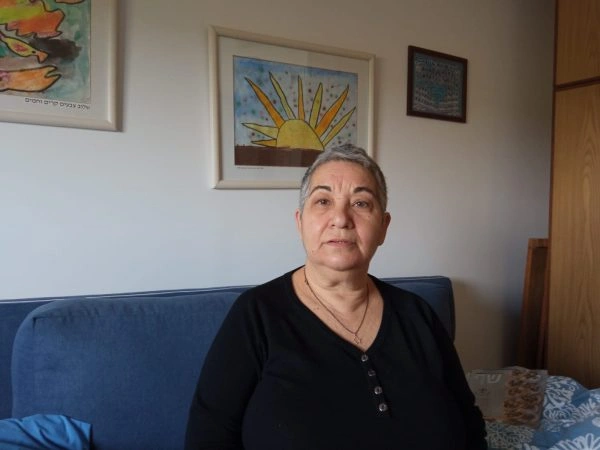
כמו שרואים בתמונה אני ממשיכה ללמוד גם היום ואפילו במחלקת יולדות אחרי לידת ביתי השלישית.

Noa Shiloh
נועה שילה

רבבה, ישראל

שמעתי על הסיום הענק של הדף היומי ע”י נשים בבנייני האומה. רציתי גם.
החלטתי להצטרף. התחלתי ושיכנעתי את בעלי ועוד שתי חברות להצטרף. עכשיו יש לי לימוד משותף איתו בשבת ומפגש חודשי איתן בנושא (והתכתבויות תדירות על דברים מיוחדים שקראנו). הצטרפנו לקבוצות שונות בווטסאפ. אנחנו ממש נהנות. אני שומעת את השיעור מידי יום (בד”כ מהרב יוני גוטמן) וקוראת ומצטרפת לסיומים של הדרן. גם מקפידה על דף משלהן (ונהנית מאד).

Liat Citron
ליאת סיטרון

אפרת, ישראל

"התחלתי ללמוד דף יומי במחזור הזה, בח’ בטבת תש””ף. לקחתי על עצמי את הלימוד כדי ליצור תחום של התמדה יומיומית בחיים, והצטרפתי לקבוצת הלומדים בבית הכנסת בכפר אדומים. המשפחה והסביבה מתפעלים ותומכים.
בלימוד שלי אני מתפעלת בעיקר מכך שכדי ללמוד גמרא יש לדעת ולהכיר את כל הגמרא. זו מעין צבת בצבת עשויה שהיא עצומה בהיקפה.”

Sarah Fox
שרה פוּקס

כפר אדומים, ישראל

התחלתי ללמוד בסבב הנוכחי לפני כשנתיים .הסביבה מתפעלת ותומכת מאוד. אני משתדלת ללמוד מכל ההסכתים הנוספים שיש באתר הדרן. אני עורכת כל סיום מסכת שיעור בביתי לכ20 נשים שמחכות בקוצר רוח למפגשים האלו.

Yael Asher
יעל אשר

יהוד, ישראל

אחרי שראיתי את הסיום הנשי של הדף היומי בבנייני האומה זה ריגש אותי ועורר בי את הרצון להצטרף. לא למדתי גמרא קודם לכן בכלל, אז הכל היה לי חדש, ולכן אני לומדת בעיקר מהשיעורים פה בהדרן, בשוטנשטיין או בחוברות ושיננתם.

Rebecca Schloss
רבקה שלוס

בית שמש, ישראל

A life-changing journey started with a Chanukah family tiyul to Zippori, home of the Sanhedrin 2 years ago and continued with the Syum in Binanei Hauma where I was awed by the energy of 3000 women dedicated to learning daf Yomi. Opening my morning daily with a fresh daf, I am excited with the new insights I find enriching my life and opening new and deeper horizons for me.

Becky Goldstein
בקי גולדשטיין

Elazar gush etzion, Israel

התחלתי ללמוד דף יומי בסבב הקודם. זכיתי לסיים אותו במעמד המרגש של הדרן. בסבב הראשון ליווה אותי הספק, שאולי לא אצליח לעמוד בקצב ולהתמיד. בסבב השני אני לומדת ברוגע, מתוך אמונה ביכולתי ללמוד ולסיים. בסבב הלימוד הראשון ליוותה אותי חוויה מסויימת של בדידות. הדרן העניקה לי קהילת לימוד ואחוות נשים. החוויה של סיום הש”ס במעמד כה גדול כשנשים שאינן מכירות אותי, שמחות ומתרגשות עבורי , היתה חוויה מרוממת נפש

Ilanit Weil
אילנית ווייל

קיבוץ מגדל עוז, ישראל

A life-changing journey started with a Chanukah family tiyul to Zippori, home of the Sanhedrin 2 years ago and continued with the Syum in Binanei Hauma where I was awed by the energy of 3000 women dedicated to learning daf Yomi. Opening my morning daily with a fresh daf, I am excited with the new insights I find enriching my life and opening new and deeper horizons for me.

Becky Goldstein
בקי גולדשטיין

Elazar gush etzion, Israel

A friend in the SF Bay Area said in Dec 2019 that she might start listening on her morning drive to work. I mentioned to my husband and we decided to try the Daf when it began in Jan 2020 as part of our preparing to make Aliyah in the summer.

Hana Piotrkovsky
חנה פיוטרקובסקי

ירושלים, Israel

"
גם אני התחלתי בסבב הנוכחי וב””ה הצלחתי לסיים את רוב המסכתות . בזכות הרבנית מישל משתדלת לפתוח את היום בשיעור הזום בשעה 6:20 .הלימוד הפך להיות חלק משמעותי בחיי ויש ימים בהם אני מצליחה לחזור על הדף עם מלמדים נוספים ששיעוריהם נמצאים במרשתת. שמחה להיות חלק מקהילת לומדות ברחבי העולם. ובמיוחד לשמש דוגמה לנכדותיי שאי””ה יגדלו לדור שלימוד תורה לנשים יהיה משהו שבשגרה. "

Ronit Shavit
רונית שביט

נתניה, ישראל

התחלתי בסיום הש”ס, יצאתי באורות. נשברתי פעמיים, ובשתיהם הרבנית מישל עודדה להמשיך איפה שכולם בסבב ולהשלים כשאוכל, וכך עשיתי וכיום השלמתי הכל. מדהים אותי שאני לומדת כל יום קצת, אפילו בחדר הלידה, בבידוד או בחו”ל. לאט לאט יותר נינוחה בסוגיות. לא כולם מבינים את הרצון, בפרט כפמניסטית. חשה סיפוק גדול להכיר את המושגים וצורת החשיבה. החלום זה להמשיך ולהתמיד ובמקביל ללמוד איך מהסוגיות נוצרה והתפתחה ההלכה.

Weingarten Sherrington Foundation
קרן וינגרטן שרינגטון

מודיעין, ישראל

התחלתי ללמוד בסבב הנוכחי לפני כשנתיים .הסביבה מתפעלת ותומכת מאוד. אני משתדלת ללמוד מכל ההסכתים הנוספים שיש באתר הדרן. אני עורכת כל סיום מסכת שיעור בביתי לכ20 נשים שמחכות בקוצר רוח למפגשים האלו.

Yael Asher
יעל אשר

יהוד, ישראל

הצטרפתי ללומדות בתחילת מסכת תענית. ההתרגשות שלי ושל המשפחה היתה גדולה מאוד, והיא הולכת וגוברת עם כל סיום שאני זוכה לו. במשך שנים רבות רציתי להצטרף ומשום מה זה לא קרה… ב”ה מצאתי לפני מספר חודשים פרסום של הדרן, ומיד הצטרפתי והתאהבתי. הדף היומי שינה את חיי ממש והפך כל יום- ליום של תורה. מודה לכן מקרב ליבי ומאחלת לכולנו לימוד פורה מתוך אהבת התורה ולומדיה.

Noa Rosen
נעה רוזן

חיספין רמת הגולן, ישראל

התחלתי ללמוד דף יומי בתחילת מסכת ברכות, עוד לא ידעתי כלום. נחשפתי לסיום הש״ס, ובעצם להתחלה מחדש בתקשורת, הפתיע אותי לטובה שהיה מקום לעיסוק בתורה.
את המסכתות הראשונות למדתי, אבל לא סיימתי (חוץ מעירובין איכשהו). השנה כשהגעתי למדרשה, נכנסתי ללופ, ואני מצליחה להיות חלק, סיימתי עם החברותא שלי את כל המסכתות הקצרות, גם כשהיינו חולות קורונה ובבידודים, למדנו לבד, העיקר לא לצבור פער, ומחכות ליבמות 🙂

Eden Yeshuron
עדן ישורון

מזכרת בתיה, ישראל

התחלתי לפני 8 שנים במדרשה. לאחרונה סיימתי מסכת תענית בלמידה עצמית ועכשיו לקראת סיום מסכת מגילה.

Daniela Baruchim
דניאלה ברוכים

רעננה, ישראל

באירוע של הדרן בנייני האומה. בהשראתה של אמי שלי שסיימה את הש”ס בסבב הקודם ובעידוד מאיר , אישי, וילדיי וחברותיי ללימוד במכון למנהיגות הלכתית של רשת אור תורה סטון ומורתיי הרבנית ענת נובוסלסקי והרבנית דבורה עברון, ראש המכון למנהיגות הלכתית.
הלימוד מעשיר את יומי, מחזיר אותי גם למסכתות שכבר סיימתי וידוע שאינו דומה מי ששונה פרקו מאה לשונה פרקו מאה ואחת במיוחד מרתקים אותי החיבורים בין המסכתות

Roit Kalech
רוית קלך

מודיעין, ישראל

סוטה כד

וּנְתִינָה לְיִשְׂרָאֵל, וּבַת יִשְׂרָאֵל לְמַמְזֵר וּלְנָתִין — לֹא שׁוֹתוֹת וְלֹא נוֹטְלוֹת כְּתוּבָה.

or Gibeonite woman who was married to a Jew of unflawed lineage, or a Jewish woman of unflawed lineage who was married to a mamzer or a Gibeonite, all of these women neither drink the bitter water nor collect payment of their marriage contracts, as the sota ritual applies only to permitted marriages.

וְאֵלּוּ לֹא שׁוֹתוֹת וְלֹא נוֹטְלוֹת כְּתוּבָה: הָאוֹמֶרֶת ״טְמֵאָה אֲנִי״, וְשֶׁבָּאוּ לָהּ עֵדִים שֶׁהִיא טְמֵאָה, וְהָאוֹמֶרֶת ״אֵינִי שׁוֹתָה״.

And the following women neither drink the bitter water nor collect payment of their marriage contracts: A woman who confesses and says: I am defiled, and a woman with regard to whom witnesses came and testified that she is defiled, and a woman who says: I will not drink the bitter water, even if she does not confess her guilt.

אָמַר בַּעְלָהּ ״אֵינִי מַשְׁקָהּ״, וְשֶׁבַּעְלָהּ בָּא עָלֶיהָ בַּדֶּרֶךְ — נוֹטְלוֹת כְּתוּבָּה וְלֹא שׁוֹתוֹת.

However, a woman whose husband said: I will not have her drink, and a woman whose husband engaged in sexual intercourse with her on the way to the Temple, collect payment of their marriage contracts even though they do not drink the bitter water, as it is due to the husbands that they do not drink.

מֵתוּ בַּעְלֵיהֶן עַד שֶׁלֹּא שָׁתוּ, בֵּית שַׁמַּאי אוֹמְרִים: נוֹטְלוֹת כְּתוּבָּה וְלֹא שׁוֹתוֹת, וּבֵית הִלֵּל אוֹמְרִים: אוֹ שׁוֹתוֹת אוֹ לֹא נוֹטְלוֹת כְּתוּבָּתָן.

If the husbands of sota women died before their wives drank the bitter water, Beit Shammai say: They collect payment of their marriage contracts and they do not drink the bitter water. And Beit Hillel say: They either drink the bitter water or they do not collect payment of their marriage contracts.

מְעוּבֶּרֶת חֲבֵירוֹ וּמְנִיקַת חֲבֵירוֹ — לֹא שׁוֹתוֹת וְלֹא נוֹטְלוֹת כְּתוּבָּה, דִּבְרֵי רַבִּי מֵאִיר. וַחֲכָמִים אוֹמְרִים: יָכוֹל הוּא לְהַפְרִישָׁהּ וּלְהַחְזִירָהּ לְאַחַר זְמַן.

A woman who was pregnant with the child of another man at the time of her marriage and a woman who was nursing the child of another man at the time of her marriage neither drink the bitter water nor collect payment of their marriage contracts. This is because by rabbinic law they may not marry for twenty-four months after the baby’s birth, and therefore these also constitute prohibited marriages. This is the statement of Rabbi Meir. And the Rabbis say: He can separate from her, and remarry her after the time of twenty-four months has elapsed, and therefore these are considered permitted marriages, and the women can drink the bitter water.

אַיְילוֹנִית וּזְקֵינָה, וְשֶׁאֵינָהּ רְאוּיָה לֵילֵד — לֹא נוֹטְלוֹת כְּתוּבָּה וְלֹא שׁוֹתוֹת. רַבִּי אֶלְעָזָר אוֹמֵר: יָכוֹל הוּא לִישָּׂא אִשָּׁה אַחֶרֶת וְלִפְרוֹת וְלִרְבּוֹת הֵימֶנָּה.

A sexually underdeveloped woman who is incapable of bearing children [ailonit], and an elderly woman, and a woman who is incapable of giving birth for other reasons, neither collect payment of their marriage contracts nor drink the bitter water, as marrying a woman who cannot give birth constitutes a violation of the mitzva to be fruitful and multiply. Rabbi Elazar says: He can marry another woman and procreate through her; therefore, these are considered permitted marriages, and women in these categories can drink the bitter water.

וּשְׁאָר כׇּל הַנָּשִׁים — אוֹ שׁוֹתוֹת אוֹ לֹא נוֹטְלוֹת כְּתוּבָּה. אֵשֶׁת כֹּהֵן שׁוֹתָה — וּמוּתֶּרֶת לְבַעְלָהּ. אֵשֶׁת סָרִיס שׁוֹתָה.

And all other women either drink the bitter water or do not collect payment of their marriage contracts. The wife of a priest drinks, and if she is found to be innocent of adultery, she is permitted to her husband. The wife of a eunuch also drinks.

עַל יְדֵי כׇּל עֲרָיוֹת מְקַנִּין, חוּץ מִן הַקָּטָן וּמִמִּי שֶׁאֵינוֹ אִישׁ.

A husband can issue a warning to his wife forbidding her to seclude herself with any man, even with regard to all those men with whom relations are forbidden, e.g., her father or brother, with the exception of a minor and of one who is not a man, i.e., in a situation where a man suspects his wife of bestiality.

וְאֵלּוּ שֶׁבֵּית דִּין מְקַנִּין לָהֶן: מִי שֶׁנִּתְחָרֵשׁ בַּעְלָהּ, אוֹ נִשְׁתַּטָּה, אוֹ שֶׁהָיָה חָבוּשׁ בְּבֵית הָאֲסוּרִין. לֹא לְהַשְׁקוֹתָהּ אָמְרוּ, אֶלָּא לְפוֹסְלָהּ מִכְּתוּבָּתָהּ. רַבִּי יוֹסֵי אוֹמֵר: אַף לְהַשְׁקוֹתָהּ. לִכְשֶׁיֵּצֵא בַּעְלָהּ מִבֵּית הָאֲסוּרִין יַשְׁקֶנָּה.

And these are the women to whom the court issues a warning in place of their husbands: One whose husband became a deaf-mute or became an imbecile, or was incarcerated in prison. The Sages said that the court warns her not in order to have her drink the bitter water if she disobeys the warning, but in order to disqualify her from receiving payment of her marriage contract. Rabbi Yosei says: The court’s warning also serves to have her drink, and when her husband is released from prison he has her drink.

גְּמָ׳ מִישְׁתָּא הוּא דְּלָא שָׁתְיָיא, הָא קַנּוֹיֵ[י] מְקַנֵּי לַהּ: מְנָא הָנֵי מִילֵּי? דְּתָנוּ רַבָּנַן: ״דַּבֵּר אֶל בְּנֵי יִשְׂרָאֵל וְאָמַרְתָּ״ — לְרַבּוֹת אֲרוּסָה וְשׁוֹמֶרֶת יָבָם לְקִינּוּי.

GEMARA: The mishna states that a betrothed woman and a widow awaiting her yavam do not drink the bitter water. The Gemara infers: She does not drink, but the husband or yavam can warn her against secluding herself with another man, and if she violates his warning, she is forbidden to him. The Gemara asks: From where are these matters derived? The Gemara answers: This is derived as the Sages taught with regard to the verse: “Speak to the children of Israel and say unto them: If the wife of any man goes astray, and acts unfaithfully against him” (Numbers 5:12). The superfluous phrase “and say unto them” is an amplification, and serves to include a betrothed woman and a widow awaiting her yavam in the halakhot of warning.

וּמַתְנִיתִין מַנִּי — רַבִּי יוֹנָתָן הִיא. דְּתַנְיָא: ״תַּחַת אִישֵׁךְ״, פְּרָט לַאֲרוּסָה. יָכוֹל שֶׁאֲנִי מוֹצִיא אַף שׁוֹמֶרֶת יָבָם, תַּלְמוּד לוֹמַר: ״אִישׁ אִישׁ״, דִּבְרֵי רַבִּי יֹאשִׁיָּה.

And whose opinion is expressed in the mishna? It is the opinion of Rabbi Yonatan, as it is taught in a baraita with regard to the verse: “And the priest shall cause her to swear, and shall say to the woman: If no man has lain with you, and if you have not gone aside to defilement while under your husband” (Numbers 5:19). This excludes a betrothed woman, who does not yet live with her betrothed, from the ritual of the bitter water. One might have thought that I exclude even a widow awaiting her yavam; therefore, the verse states: “If the wife of any man goes astray” (Numbers 5:12). The term “any man” serves to include a widow awaiting her yavam in the ritual of the bitter water. This is the statement of Rabbi Yoshiya.

רַבִּי יוֹנָתָן אוֹמֵר: ״תַּחַת אִישֵׁךְ״ — פְּרָט לְשׁוֹמֶרֶת יָבָם. אוֹצִיא שׁוֹמֶרֶת יָבָם וְלֹא אוֹצִיא אֶת אֲרוּסָה, תַּלְמוּד לוֹמַר: ״אֲשֶׁר תִּשְׂטֶה אִשָּׁה תַּחַת אִישָׁהּ״ — פְּרָט לַאֲרוּסָה.

Rabbi Yonatan says: The phrase “while under your husband” excludes a widow awaiting her yavam from drinking the bitter water. Lest one would say that I will exclude a widow awaiting her yavam but I will not exclude a betrothed woman, the verse therefore states: “This is the law of jealousy, when a wife, while under her husband, goes astray, and is defiled” (Numbers 5:29). The term “while under her husband” excludes a betrothed woman from drinking the bitter water.

מָר אַלִּימָא לֵיהּ אֲרוּסָה, דְּקִידּוּשֵׁי דִּידֵיהּ, וְסוֹקְלִין עַל יָדוֹ.

The Gemara explains the dispute: One Sage, Rabbi Yonatan, holds that the bond with the betrothed woman is stronger, as it is his own betrothal, whereas in the case of a widow awaiting her yavam, the bond stems from his brother’s betrothal. And furthermore, if the betrothed woman commits adultery, she is stoned due to her bond with him, whereas a widow awaiting her yavam who engages in sexual intercourse with another man is liable only to receive lashes. Since the bond with the betrothed woman is stronger, Rabbi Yonatan derives from the phrase “while under your husband” that a widow awaiting her yavam is excluded with respect to the bitter water, whereas a betrothed woman is excluded only because of the phrase “and say unto them.”

וּמָר אַלִּימָא לֵיהּ שׁוֹמֶרֶת יָבָם, דְּלָא מְיחַסְּרָא מְסִירָה לְחוּפָּה.

And one Sage, Rabbi Yoshiya, holds that the bond with the widow awaiting her yavam is stronger, as she is not lacking entry into the wedding canopy, as her marriage to the yavam is completed through sexual intercourse alone. Rabbi Yoshiya therefore excludes only a betrothed woman from drinking the bitter water.

וְרַבִּי יוֹנָתָן, הַאי ״אִישׁ אִישׁ״ מַאי עָבֵיד לֵיהּ? מִיבְּעֵי לֵיהּ לְרַבּוֹת אֵשֶׁת חֵרֵשׁ, וְאֵשֶׁת שׁוֹטֶה, וְאֵשֶׁת

The Gemara asks: And Rabbi Yonatan, who excludes both a betrothed woman and a widow awaiting her yavam from drinking the bitter water, what does he do with this term “any man”? What does it serve to include? The Gemara answers: Rabbi Yonatan requires it in order to include the wife of a deaf-mute and the wife of an imbecile, and the wife of

שַׁעֲמוּם. וְרַבִּי יֹאשִׁיָּה, הַאי ״תַּחַת אִישָׁהּ״ מַאי עָבֵיד לֵיהּ? מִיבְּעֵי לֵיהּ לְהַקִּישׁ אִישׁ לְאִשָּׁה וְאִשָּׁה לְאִישׁ.

a mentally ill person [shiamum], whom the court warns on behalf of the husband. The Gemara asks: And according to Rabbi Yoshiya, what does he do with this term “while under her husband”? The Gemara answers: Rabbi Yoshiya requires it in order to compare a man to a woman and a woman to a man, as explained later (27a).

אֶלָּא, טַעְמָא דִּכְתִיבִי הָנֵי קְרָאֵי, הָא לָאו הָכִי, הֲוָה אָמֵינָא אֲרוּסָה שָׁתְיָא? וְהָא כִּי אֲתָא רַבִּי אַחָא בַּר חֲנִינָא מִדָּרוֹמָא, אֲתָא וְאַיְיתִי מַתְנִיתָא בִּידֵיהּ: ״מִבַּלְעֲדֵי אִישֵׁךְ״, מִשֶּׁקָּדְמָה שְׁכִיבַת בַּעַל לַבּוֹעֵל, וְלֹא שֶׁקָּדְמָה שְׁכִיבַת בּוֹעֵל לַבַּעַל.

The Gemara asks: But according to both opinions, the reason for the exclusion of a betrothed woman is that these verses are written; if it were not so, I would say that a betrothed woman drinks. But when Rabbi Aḥa bar Ḥanina came from the South, he came and brought the following baraita with him: The verse states: “But if you have gone astray while under your husband, and if you are defiled, and some man has lain with you besides your husband” (Numbers 5:20). This indicates that the halakhot of a sota apply only when sexual intercourse with the husband preceded sexual intercourse with the paramour, and not in a case when sexual intercourse with the paramour preceded intercourse with the husband. In the case of a betrothed woman who committed adultery, intercourse with the paramour preceded intercourse with the betrothed, and this verse excludes her from drinking the bitter water of the sota.

אָמַר רָמֵי בַּר חָמָא: מַשְׁכַּחַתְּ לַהּ — כְּגוֹן שֶׁבָּא עָלֶיהָ אָרוּס בְּבֵית אָבִיהָ.

Rami bar Ḥama said: You find the necessity for an additional exclusion in a case where her betrothed engaged in sexual intercourse with her in her father’s house, i.e., before they were married, and before the sexual intercourse with the paramour.

דִּכְווֹתַהּ גַּבֵּי שׁוֹמֶרֶת יָבָם — כְּגוֹן שֶׁבָּא עָלֶיהָ יָבָם בְּבֵית חָמִיהָ. הָא שׁוֹמֶרֶת יָבָם קָרֵית לַהּ? אִשְׁתּוֹ מְעַלַּיְיתָא הִיא, דְּהָאָמַר רַב: קָנָה לַכֹּל!

The Gemara questions this explanation: In the corresponding situation with regard to a widow awaiting her yavam, whom Rabbi Yonatan excludes from the sota ritual due to the exclusion from the phrase “while under your husband,” is the necessity for this exclusion due to a case where the yavam engaged in sexual intercourse with her in her father-in-law’s house before the levirate marriage took place? But do you call that woman a widow awaiting her yavam? She is his full-fledged wife, as didn’t Rav say: If a widow awaiting her yavam engaged in sexual intercourse with her yavam, even without the intention of implementing a levirate marriage, he has acquired her as his wife with respect to all aspects of marriage, including the halakhot of a sota.

כִּשְׁמוּאֵל, דְּאָמַר: לֹא קָנָה אֶלָּא לִדְבָרִים הָאֲמוּרִים בַּפָּרָשָׁה.

The Gemara answers: Rabbi Yonatan’s opinion is in accordance with the opinion of Shmuel, as Shmuel says: A yavam who engages in sexual intercourse with his yevama without intending to consummate the levirate marriage does not acquire her as his wife except with regard to those matters that are stated in the passage in the Torah that deals with levirate marriage, i.e., that he inherits his brother’s estate, and he can free the widow with a bill of divorce without ḥalitza (see Yevamot 56a). He is not considered fully married to the woman, and, according to Rabbi Yonatan, the halakhot of a sota do not apply to her.

אִי הָכִי, לֵימָא רַב דְּאָמַר כְּרַבִּי יֹאשִׁיָּה וּשְׁמוּאֵל דְּאָמַר כְּרַבִּי יוֹנָתָן? אָמַר לָךְ רַב: אֲנָא דַּאֲמַרִי — אֲפִילּוּ לְרַבִּי יוֹנָתָן. מִדְּאִיצְטְרִיךְ קְרָא לְמַעוֹטַהּ — מִכְּלַל דְּאִשְׁתּוֹ מְעַלַּיְיתָא הִיא.

The Gemara asks: If so, let us say that Rav stated his opinion in accordance with the opinion of Rabbi Yoshiya, and Shmuel stated his opinion in accordance with the opinion of Rabbi Yonatan. The Gemara rejects this interpretation: Rav could have said to you: I state my opinion even according to the opinion of Rabbi Yonatan. Since it was necessary for the verse to exclude a yevama who engaged in sexual intercourse with her yavam from the sota ritual, by inference one may derive that she is his full-fledged wife with regard to all other matters.

רוצה לעקוב אחרי התכנים ולהמשיך ללמוד?

ביצירת חשבון עוד היום ניתן לעקוב אחרי ההתקדמות שלך, לסמן מה למדת, ולעקוב אחרי השיעורים שמעניינים אותך.
לנקות את כל הפריטים מהרשימה?

פעולה זו תסיר את כל הפריטים בחלק זה כולל ההתקדמות וההיסטוריה. שימי לב: לא ניתן לשחזר פעולה זו.

ביטול
מחיקה

האם את/ה בטוח/ה שברצונך למחוק פריט זה?

תאבד/י את כל ההתקדמות או ההיסטוריה הקשורות לפריט זה.

ביטול
מחיקה