








בלאי כלים מקבלים טומאה ולכן אין מסככים בהם. מהן דוגמאות לבלאי כלים? החוטט בגדיש – באיזה מקרה יהיה מותר להשתמש בו כסוכה? הגמרא דנה בכל מיני מקרים שיש מחיצות/דפנות לא שלמות ובכל אופן כשרים על פי לבוד ולפי מיקומו בסוכה. האם מחיצה שלא מגיעה תוף שלושה טפחים לקרקע נחשבת כמחיצה – מחיצה תלויה. יש מחלוקת בנושא. גם בעירובין פו יש מחלוקת במחיצה תלויה. האם מי שמתיר שם יתיר גם כאן ולהיפך? או האם יש סיבה לחלק בין המקרים?
רוצה להקדיש שיעור?
סוכה טז
מִטָּה מְטַמֵּאת חֲבִילָה וּמְטַהֶרֶת חֲבִילָה, דִּבְרֵי רַבִּי אֱלִיעֶזֶר. וַחֲכָמִים אוֹמְרִים: מְטַמֵּאת אֵבָרִים וּמְטַהֶרֶת אֵבָרִים. מַאי נִיהוּ? אָמַר רַבִּי חָנָן אָמַר רַבִּי: אֲרוּכָּה וּשְׁתֵּי כְרָעַיִם, קְצָרָה וּשְׁתֵּי כְרָעַיִם.
A bed becomes ritually impure as a complete entity if it comes into contact with a source of impurity. And it becomes ritually pure as a single entity through immersion, and in the case of impurity imparted by a corpse, through sprinkling and immersion. However, it may be neither impurified nor purified when dismantled. This is the statement of Rabbi Eliezer. The Rabbis say: It becomes ritually impure even when it is dismantled into its component parts, and, so too, it becomes ritually pure even when it is dismantled into its component parts. The Gemara asks: If the bed breaks into parts that serve no purpose, it is pure; what are these component parts mentioned by the Rabbis? Rabbi Ḥanan said that Rabbi Yehuda HaNasi said: The component parts are a long board and two legs attached to it and a short board and two legs attached to it.
לְמַאי חַזְיָא? לְמִסְמְכִינְהוּ אַגּוּדָּא וּלְמֵיתַב עֲלַיְיהוּ וּמִשְׁדֵּא אַשְׁלֵי.
The Gemara asks: And for what purpose are these parts suited; what function qualifies their status as vessels? The Gemara answers: It is possible for one to lean them against the wall and to sit on them, after placing boards across the top and placing ropes across their length and width. The boards of the bed can thereby be used for the purpose of sitting or lying upon them; consequently, they are considered vessels.
גּוּפָא, אָמַר רַבִּי אַמֵּי בַּר טַבְיוֹמֵי: סִכְּכָהּ בִּבְלָאֵי כֵלִים פְּסוּלָה. מַאי בְּלָאֵי כֵלִים? אָמַר אַבָּיֵי: מַטְלָנִיּוֹת שֶׁאֵין בָּהֶם שָׁלֹשׁ עַל שָׁלֹשׁ, דְּלָא חַזְיָין לֹא לַעֲנִיִּים וְלֹא לַעֲשִׁירִים.
§ The Gemara returns to discuss the matter itself cited above. Rabbi Ami bar Tavyomei said: If one roofed the sukka with worn, incomplete, vessels, the sukka is unfit. The Gemara asks: What are these worn vessels? Abaye said: They are small cloths that do not have an area of three by three fingerbreadths, which, due to their size, are not suited for use either by the poor or by the wealthy.
תַּנְיָא כְּווֹתֵיהּ דְּרַבִּי אַמֵּי בַּר טַבְיוֹמֵי: מַחְצֶלֶת שֶׁל שִׁיפָא וְשֶׁל גֶּמִי, שְׁיָרֶיהָ, אַף עַל פִּי שֶׁנִּפְחֲתוּ מִכְּשִׁיעוּרָהּ — אֵין מְסַכְּכִין בָּהֶן.
It is taught in a baraita in accordance with the opinion of Rabbi Ami bar Tavyomei: In the case of a mat made of different types of vegetation, e.g., papyrus and reed grass, even though its remnants were reduced from the requisite measure for contracting ritual impurity, one may not roof the sukka with them. This precisely corresponds to the opinion of Rabbi Ami.
מַחְצֶלֶת הַקָּנִים, גְּדוֹלָה — מְסַכְּכִין בָּהּ, קְטַנָּה, — אֵין מְסַכְּכִין בָּהּ. רַבִּי אֱלִיעֶזֶר אוֹמֵר: אַף הִיא מְקַבֶּלֶת טוּמְאָה, וְאֵין מְסַכְּכִין בָּהּ.
The baraita continues: If a mat of reeds is large and not designated for sleeping, but is suited only for roofing, one may roof the sukka with it. However, the status of a small mat, which can be utilized for sleeping, is that of a vessel, and one may not roof the sukka with it. Rabbi Eliezer says: The status of even a large mat is that of a vessel. It is capable of contracting ritual impurity, and therefore one may not roof his sukka with it.
הַחוֹטֵט בְּגָדִישׁ. אָמַר רַב הוּנָא: לֹא שָׁנוּ אֶלָּא שֶׁאֵין שָׁם חָלָל טֶפַח בְּמֶשֶׁךְ שִׁבְעָה, אֲבָל יֵשׁ שָׁם חָלָל טֶפַח בְּמֶשֶׁךְ שִׁבְעָה — הֲרֵי זֹה סוּכָּה.
The mishna states: In the case of one who hollows out and creates a space inside a stack of grain, it is not a sukka. Rav Huna said: The Sages taught that it is not a sukka only in a case where there is not a space one handbreadth high along seven handbreadths upon which the grain was piled. However, if there is a space measuring one handbreadth high along seven handbreadths upon which the grain was piled, and now, by hollowing out the stack, one is raising the existing walls and not forming a new space, it is a fit sukka.
תַּנְיָא נָמֵי הָכִי: הַחוֹטֵט בְּגָדִישׁ לַעֲשׂוֹת לוֹ סוּכָּה — הֲרֵי זֹה סוּכָּה. וְהָאֲנַן תְּנַן אֵינָהּ סוּכָּה! אֶלָּא לָאו, שְׁמַע מִינַּהּ כִּדְרַב הוּנָא. שְׁמַע מִינַּהּ.
That is also taught in a baraita: One who hollows out a stack of grain to make himself a sukka, it is a sukka. The Gemara wonders: But didn’t we learn in the mishna that it is not a sukka? Rather, is it not correct to conclude from it, in accordance with the opinion of Rav Huna, that in certain circumstances it is possible to hollow out a stack of grain and establish a fit sukka? The Gemara concludes: Indeed, learn from it that this is the case.
אִיכָּא דְּרָמֵי לַיהּ מִירְמֵא. תְּנַן: הַחוֹטֵט בְּגָדִישׁ לַעֲשׂוֹת לוֹ סוּכָּה — אֵינָהּ סוּכָּה. וְהָא תַּנְיָא: הֲרֵי זוֹ סוּכָּה! אָמַר רַב הוּנָא, לָא קַשְׁיָא: כָּאן בְּשֶׁיֵּשׁ שָׁם חָלָל טֶפַח בְּמֶשֶׁךְ שִׁבְעָה, כָּאן בְּשֶׁאֵין שָׁם חָלָל טֶפַח בְּמֶשֶׁךְ שִׁבְעָה.
Some raised this matter as a contradiction between the mishna and the baraita. We learned in the mishna: One who hollows out a stack of grain in order to make himself a sukka, it is not a sukka. But wasn’t it taught in a baraita that this is a sukka? Rav Huna said: This is not difficult. Here, where it is a sukka, it is a case where there is a space measuring one handbreadth high along seven handbreadths, while there, where it is not a sukka, it is a case where there is not a space one handbreadth high along seven handbreadths.
מַתְנִי׳ הַמְשַׁלְשֵׁל דְּפָנוֹת מִלְמַעְלָה לְמַטָּה, אִם גָּבוֹהַּ מִן הָאָרֶץ שְׁלֹשָׁה טְפָחִים — פְּסוּלָה. מִלְּמַטָּה לְמַעְלָה, אִם גָּבוֹהַּ עֲשָׂרָה טְפָחִים — כְּשֵׁרָה. רַבִּי יוֹסֵי אוֹמֵר: כְּשֵׁם שֶׁמִּלְּמַטָּה לְמַעְלָה עֲשָׂרָה טְפָחִים, כָּךְ מִלְמַעְלָה לְמַטָּה עֲשָׂרָה טְפָחִים.
MISHNA: One who lowers the walls of the sukka from up downward, if the lower edge of the wall is three handbreadths above the ground, the sukka is unfit. Since animals can enter through that space, it is not the wall of a fit sukka. However, if one constructs the wall from down upward, if the wall is ten handbreadths high, even if it does not reach the roofing, the sukka is fit. Rabbi Yosei says: Just as a wall built from down upward must be ten handbreadths, so too, in a case where one lowers the wall from up downward, it must be ten handbreadths in length. Regardless of its height off the ground, it is the wall of a fit sukka, as the legal status of a ten-handbreadth partition is that of a full-fledged partition in all areas of halakha.
גְּמָ׳ בְּמַאי קָמִיפַּלְגִי? מָר סָבַר מְחִיצָה תְּלוּיָה מַתֶּרֶת, וּמַר סָבַר מְחִיצָה תְּלוּיָה אֵינָהּ מַתֶּרֶת.
GEMARA: The Gemara asks: With regard to what principle do Rabbi Yosei and the Rabbis disagree? The Gemara explains: One Sage, Rabbi Yosei, holds that a suspended partition, even if it does not reach all the way down, renders it permitted to carry on Shabbat, like a full-fledged partition. And one Sage, the Rabbis, holds that a suspended partition does not render it permitted to carry on Shabbat.
תְּנַן הָתָם: בּוֹר שֶׁבֵּין שְׁתֵּי חֲצֵירוֹת — אֵין מְמַלְּאִין מִמֶּנָּה בְּשַׁבָּת אֶלָּא אִם כֵּן עָשָׂה לָהּ מְחִיצָה עֲשָׂרָה טְפָחִים, בֵּין מִלְמַעְלָה בֵּין מִלְּמַטָּה, בֵּין בְּתוֹךְ אוֹגְנוֹ. רַבָּן שִׁמְעוֹן בֶּן גַּמְלִיאֵל אוֹמֵר:
We learned in a mishna there, in tractate Eiruvin: In the case of a cistern that is located between two courtyards, situated partly in each courtyard, one may draw water from it on Shabbat only if a partition ten handbreadths high was erected specifically for the cistern to separate the water between the domains, lest the residents of one courtyard draw water from the domain of the other courtyard. This partition is effective whether it is above, and lowered toward the water; whether it is below, in the water; or whether it is within the airspace of the cistern below the rim, above the surface of the water. A partition situated in any of these places forms a boundary between the two courtyards, permitting one to draw water from the cistern. Rabban Shimon ben Gamliel says that this is the subject of an early dispute of tanna’im.
בֵּית שַׁמַּאי אוֹמְרִים מִלְמַעְלָה, וּבֵית הִלֵּל אוֹמְרִים מִלְּמַטָּה. אָמַר רַבִּי יְהוּדָה: לֹא תְּהֵא מְחִיצָה גְּדוֹלָה מִן הַכּוֹתֶל שֶׁבֵּינֵיהֶן.
Beit Shammai say: The partition that permits drawing water may be placed below; and Beit Hillel said it must be placed above. Rabbi Yehuda said: A partition for the cistern should be no more stringent than the wall serving as a partition between the two courtyards. Once there is a wall between courtyards, there is no need to erect an additional partition specifically for the cistern.
אָמַר רַבָּה בַּר בַּר חָנָה אָמַר רַבִּי יוֹחָנָן: רַבִּי יְהוּדָה בְּשִׁיטַת רַבִּי יוֹסֵי אֲמָרָהּ, דְּאָמַר מְחִיצָה תְּלוּיָה מַתֶּרֶת.
Rabba bar bar Ḥana said that Rabbi Yoḥanan said: Rabbi Yehuda stated his opinion in accordance with the opinion of Rabbi Yosei, who said that a suspended partition permits one to carry, and therefore the wall between the courtyards suffices to divide the cistern as well.
וְלָא הִיא, לָא רַבִּי יְהוּדָה סָבַר לַהּ כְּרַבִּי יוֹסֵי, וְלָא רַבִּי יוֹסֵי סָבַר לַהּ כְּרַבִּי יְהוּדָה.
The Gemara rejects this equation. And that is not so, as neither does Rabbi Yehuda hold in accordance with the opinion of Rabbi Yosei, nor does Rabbi Yosei hold in accordance with the opinion of Rabbi Yehuda.
לָא רַבִּי יְהוּדָה סָבַר לַהּ כְּרַבִּי יוֹסֵי: עַד כָּאן לָא קָאָמַר רַבִּי יְהוּדָה הָתָם, אֶלָּא בְּעֵירוּבֵי חֲצֵירוֹת דְּרַבָּנַן. אֲבָל הָכָא, סוּכָּה דְּאוֹרָיְיתָא — לָא.
The Gemara elaborates: Neither does Rabbi Yehuda hold in accordance with the opinion of Rabbi Yosei, as Rabbi Yehuda states his opinion that a suspended partition suffices only there, with regard to the joining of the courtyards, which is an obligation by rabbinic law. However, here, with regard to sukka, which is by Torah law, a suspended partition does not suffice.
וְלָא רַבִּי יוֹסֵי סָבַר לַהּ כְּרַבִּי יְהוּדָה: עַד כָּאן לָא קָאָמַר רַבִּי יוֹסֵי הָכָא, אֶלָּא בְּסוּכָּה דְּמִצְוַת עֲשֵׂה. אֲבָל שַׁבָּת, דְּאִיסּוּר סְקִילָה — לָא.
Nor does Rabbi Yosei hold in accordance with the opinion of Rabbi Yehuda, as Rabbi Yosei states his opinion that a suspended partition suffices only here, with regard to a sukka, which is a positive mitzva. However, in the case of carrying between courtyards on Shabbat, which is a prohibition that is punishable by stoning, no, a suspended partition does not suffice.
וְאִם תֹּאמַר: מַעֲשֶׂה שֶׁנַּעֲשָׂה בְּצִיפּוֹרִי, עַל פִּי מִי נַעֲשָׂה? לֹא עַל פִּי רַבִּי יוֹסֵי, אֶלָּא עַל פִּי רַבִּי יִשְׁמָעֵאל בְּרַבִּי יוֹסֵי.
The Gemara asks: And if you say: Since Rabbi Yosei does not hold in accordance with the opinion of Rabbi Yehuda with regard to the laws of Shabbat, according to whose opinion was the action that was taken in Tzippori performed, where they relied on suspended partitions even on Shabbat? The Gemara answers: It was not performed according to the opinion of Rabbi Yosei but rather on the authority of Rabbi Yishmael, son of Rabbi Yosei.
וּמַאי מַעֲשֶׂה — דְּכִי אֲתָא רַב דִּימִי, אָמַר: פַּעַם אַחַת שָׁכְחוּ וְלֹא הֵבִיאוּ סֵפֶר תּוֹרָה מֵעֶרֶב שַׁבָּת, לְמָחָר פֵּירְסוּ סְדִינִין עַל גַּבֵּי הָעַמּוּדִים, וְהֵבִיאוּ סֵפֶר תּוֹרָה וְקָרְאוּ בּוֹ.
And what was that incident? When Rav Dimi came from Eretz Yisrael to Babylonia, he said: One time they forgot and did not bring a Torah scroll to the synagogue on Shabbat eve prior to the onset of Shabbat. The next day, on Shabbat, to avoid violating the prohibition against carrying, they spread and suspended sheets on posts that were fixed along the path from the house in which the Torah scroll was stored to the synagogue, establishing partitions. And they brought a Torah scroll along that path and read from it.
פֵּירְסוּ סָלְקָא דַּעְתָּךְ? מֵהֵיכָן הֱבִיאוּם בְּשַׁבָּת! אֶלָּא, מָצְאוּ סְדִינִין פְּרוּסִין עַל גַּבֵּי הָעַמּוּדִים וְהֵבִיאוּ סֵפֶר תּוֹרָה וְקָרְאוּ בּוֹ.
The Gemara asks: Does it enter your mind that they spread the sheets on Shabbat? Carrying before the partitions were established was prohibited. From where did they bring these sheets on Shabbat? Rather, they found sheets already spread on the posts, and they brought a Torah scroll and read from it. They relied on a suspended partition even in this matter related to Torah law. They relied neither on the opinion of Rabbi Yehuda nor on the opinion of Rabbi Yosei; rather, they relied on the authority of a third tanna.
אָמַר רַב חִסְדָּא אָמַר אֲבִימִי: מַחְצֶלֶת אַרְבָּעָה וּמַשֶּׁהוּ — מַתֶּרֶת בְּסוּכָּה מִשּׁוּם דּוֹפֶן. הֵיכִי עָבֵיד? תָּלֵי לֵיהּ בָּאֶמְצַע, פָּחוֹת מִשְּׁלֹשָׁה לְמַטָּה וּפָחוֹת מִשְּׁלֹשָׁה לְמַעְלָה, וְכׇל פָּחוֹת מִשְּׁלֹשָׁה כְּלָבוּד דָּמֵי.
§ Rav Ḥisda said that Avimi said: A mat that is four handbreadths and a bit wide can permit the use of a sukka as a wall. The Gemara explains: How does one accomplish this? He suspends it in the middle of a space ten handbreadths high, with less than three handbreadths below it and less than three handbreadths above it. And the principle states: The legal status of any objects that have a gap of less than three handbreadths between them is as if they were joined [lavud]. Therefore, a mat four handbreadths and a bit wide can constitute a fit partition of ten handbreadths.
פְּשִׁיטָא? מַהוּ דְּתֵימָא: חַד לָבוּד אָמְרִינַן, תְּרֵי לָבוּד לָא אָמְרִינַן — קָא מַשְׁמַע לַן.
The Gemara asks: This is obvious. The principle of joining with regard to a gap of less than three handbreadths is well known. There is no need to teach this halakha. The Gemara answers: Lest you say that we state the principle of lavud once with regard to a particular surface but we do not state the principle of lavud twice to consider it joined in different directions, Avimi teaches us that one may implement the principle twice.
מֵיתִיבִי: מַחְצֶלֶת שִׁבְעָה וּמַשֶּׁהוּ מַתֶּרֶת בְּסוּכָּה מִשּׁוּם דּוֹפֶן. כִּי תַּנְיָא הָהִיא, בְּסוּכָּה גְּדוֹלָה. וּמַאי קָא מַשְׁמַע לַן — דִּמְשַׁלְשְׁלִין דְּפָנוֹת מִלְמַעְלָה לְמַטָּה כְּרַבִּי יוֹסֵי.
The Gemara raises an objection to the opinion of Avimi from a baraita: A mat that is seven handbreadths and a bit wide can permit use of a sukka as a wall. Apparently, a mat can serve as the wall of a sukka only when the principle of joined objects is implemented once. The Gemara answers: When that baraita was taught, it was with regard to a large sukka, one considerably higher than ten handbreadths. One suspends the mat from a bit less than three handbreadths from the roofing, and it is considered a fit sukka wall although it is a significant distance off the ground. And what does it teach us? It teaches that one may lower walls from up downward, in accordance with the opinion of Rabbi Yosei.
אָמַר רַבִּי אַמֵּי: פַּס אַרְבָּעָה וּמַשֶּׁהוּ — מַתִּיר בְּסוּכָּה מִשּׁוּם דּוֹפֶן. וּמוֹקֵים לֵיהּ בְּפָחוֹת מִשְּׁלֹשָׁה טְפָחִים סָמוּךְ דּוֹפֶן, וְכׇל פָּחוֹת מִשְּׁלֹשָׁה סָמוּךְ לַדּוֹפֶן כְּלָבוּד דָּמֵי.
Apropos forming a sukka wall based on the principle of lavud, the Gemara cites that Rabbi Ami said: A board that measures four handbreadths and a bit can permit the use of a sukka, serving as a wall, and it is effective if one establishes it less than three handbreadths from the adjacent wall. And the principle states: The legal status of any objects with a gap of less than three handbreadths between them is as if they were joined.
מַאי קָא מַשְׁמַע לַן? הָא קָא מַשְׁמַע לַן — שִׁיעוּר מֶשֶׁךְ סוּכָּה קְטַנָּה שִׁבְעָה.
The Gemara asks: What is he teaching us? The principle of lavud is well known. The Gemara answers: He comes to teach us that the minimum measure of the horizontal extension of the wall of a small sukka is seven handbreadths. Therefore, it is possible to establish a wall for the sukka using a board that measures four handbreadths and a bit.
לעקוב

כלים
העמקה
רוצה להבין מה באמת קורה מתחת לפני השטח של הסוגיה?
שיעורים, פודקאסטים והרחבות של מיטב המורות שלנו יפתחו לך עוד זוויות וכיווני חשיבה.













"גפ”ת 65 סוכה: "בטלה דעתו של אדם – מתי ייחודיות דעת האדם מקבלת מקום?
22.07.2021 | י״ג באב תשפ״א
חדשה בלימוד הגמרא?
זה הדף הראשון שלך? איזו התרגשות עצומה! יש לנו בדיוק את התכנים והכלים שיעזרו לך לעשות את הצעדים הראשונים ללמידה בקצב וברמה שלך, כך תוכלי להרגיש בנוח גם בתוך הסוגיות המורכבות ומאתגרות.
פסיפס הלומדות שלנו
גלי את קהילת הלומדות שלנו, מגוון נשים, רקעים וסיפורים. כולן חלק מתנועה ומסע מרגש ועוצמתי.
התחלתי לפני 8 שנים במדרשה. לאחרונה סיימתי מסכת תענית בלמידה עצמית ועכשיו לקראת סיום מסכת מגילה.

דניאלה ברוכים
רעננה, ישראל
התחלתי להשתתף בשיעור נשים פעם בשבוע, תכננתי ללמוד רק דפים בודדים, לא האמנתי שאצליח יותר מכך.
לאט לאט נשאבתי פנימה לעולם הלימוד .משתדלת ללמוד כל בוקר ומתחילה את היום בתחושה של מלאות ומתוך התכווננות נכונה יותר.
הלימוד של הדף היומי ממלא אותי בתחושה של חיבור עמוק לעם היהודי ולכל הלומדים בעבר ובהווה.

נילי חיון
אפרת, ישראל
התחלתי ללמוד בשנת המדרשה במגדל עוז, בינתיים נהנית מאוד מהלימוד ומהגמרא, מעניין ומשמח מאוד!
משתדלת להצליח לעקוב כל יום, לפעמים משלימה קצת בהמשך השבוע.. מרגישה שיש עוגן מקובע ביום שלי והוא משמח מאוד!

אוריה קסנר
חיפה , ישראל
"
גם אני התחלתי בסבב הנוכחי וב””ה הצלחתי לסיים את רוב המסכתות . בזכות הרבנית מישל משתדלת לפתוח את היום בשיעור הזום בשעה 6:20 .הלימוד הפך להיות חלק משמעותי בחיי ויש ימים בהם אני מצליחה לחזור על הדף עם מלמדים נוספים ששיעוריהם נמצאים במרשתת. שמחה להיות חלק מקהילת לומדות ברחבי העולם. ובמיוחד לשמש דוגמה לנכדותיי שאי””ה יגדלו לדור שלימוד תורה לנשים יהיה משהו שבשגרה. "

רונית שביט
נתניה, ישראל
למדתי גמרא מכיתה ז- ט ב Maimonides School ואחרי העליה שלי בגיל 14 לימוד הגמרא, שלא היה כל כך מקובל בימים אלה, היה די ספוראדי. אחרי "ההתגלות” בבנייני האומה התחלתי ללמוד בעיקר בדרך הביתה למדתי מפוקקטסים שונים. לאט לאט ראיתי שאני תמיד חוזרת לרבנית מישל פרבר. באיזה שהוא שלב התחלתי ללמוד בזום בשעה 7:10 .
היום "אין מצב” שאני אתחיל את היום שלי ללא לימוד עם הרבנית מישל עם כוס הקפה שלי!!

דבי גביר
חשמונאים, ישראל
הייתי לפני שנתיים בסיום הדרן נשים בבנייני האומה והחלטתי להתחיל. אפילו רק כמה דפים, אולי רק פרק, אולי רק מסכת… בינתיים סיימתי רבע שס ותכף את כל סדר מועד בה.
הסביבה תומכת ומפרגנת. אני בת יחידה עם ארבעה אחים שכולם לומדים דף יומי. מדי פעם אנחנו עושים סיומים יחד באירועים משפחתיים. ממש מרגש. מסכת שבת סיימנו כולנו יחד עם אבא שלנו!
אני שומעת כל יום פודקאסט בהליכה או בנסיעה ואחכ לומדת את הגמרא.

עדנה גרוס
מרכז שפירא, ישראל
רציתי לקבל ידע בתחום שהרגשתי שהוא גדול וחשוב אך נעלם ממני. הלימוד מעניק אתגר וסיפוק ומעמיק את תחושת השייכות שלי לתורה וליהדות

רות עגיב
עלי זהב – לשם, ישראל
באירוע של הדרן בנייני האומה. בהשראתה של אמי שלי שסיימה את הש”ס בסבב הקודם ובעידוד מאיר , אישי, וילדיי וחברותיי ללימוד במכון למנהיגות הלכתית של רשת אור תורה סטון ומורתיי הרבנית ענת נובוסלסקי והרבנית דבורה עברון, ראש המכון למנהיגות הלכתית.
הלימוד מעשיר את יומי, מחזיר אותי גם למסכתות שכבר סיימתי וידוע שאינו דומה מי ששונה פרקו מאה לשונה פרקו מאה ואחת במיוחד מרתקים אותי החיבורים בין המסכתות

רוית קלך
מודיעין, ישראל
התחלתי כשהייתי בחופש, עם הפרסומים על תחילת המחזור, הסביבה קיבלה את זה כמשהו מתמיד ומשמעותי ובהערכה, הלימוד זה עוגן יציב ביום יום, יש שבועות יותר ויש שפחות אבל זה משהו שנמצא שם אמין ובעל משמעות בחיים שלי….

עדי דיאמנט
גמזו, ישראל
התחלתי ללמוד דף יומי כאשר קיבלתי במייל ממכון שטיינזלץ את הדפים הראשונים של מסכת ברכות במייל. קודם לא ידעתי איך לקרוא אותם עד שנתתי להם להדריך אותי. הסביבה שלי לא מודעת לעניין כי אני לא מדברת על כך בפומבי. למדתי מהדפים דברים חדשים, כמו הקשר בין המבנה של בית המקדש והמשכן לגופו של האדם (יומא מה, ע”א) והקשר שלו למשפט מפורסם שמופיע בספר ההינדי "בהגוד-גיתא”. מתברר שזה רעיון כלל עולמי ולא רק יהודי

אלנה ארנבורג
נשר, ישראל
. לא תמיד נהניתי מלימוד גמרא כילדה.,בל כהתבגרתי התחלתי לאהוב את זה שוב. התחלתי ללמוד מסכת סוטה בדף היומי לפני כחמש עשרה שנה ואז הפסקתי.הגעתי לסיום הגדול של הדרן לפני שנתיים וזה נתן לי השראה. והתחלתי ללמוד למשך כמה ימים ואז היתה לי פריצת דיסק והפסקתי…עד אלול השנה. אז התחלתי עם מסכת ביצה וב”ה אני מצליחה לעמוד בקצב. המשפחה מאוד תומכת בי ויש כמה שגם לומדים את זה במקביל. אני אוהבת שיש עוגן כל יום.

רבקה דרשן
בית שמש, ישראל
התחלתי ללמוד דף יומי אחרי שחזרתי בתשובה ולמדתי במדרשה במגדל עוז. הלימוד טוב ומספק חומר למחשבה על נושאים הלכתיים ”קטנים” ועד לערכים גדולים ביהדות. חשוב לי להכיר את הגמרא לעומק. והצעד הקטן היום הוא ללמוד אותה בבקיאות, בעזרת השם, ומי יודע אולי גם אגיע לעיון בנושאים מעניינים. נושאים בגמרא מתחברים לחגים, לתפילה, ליחסים שבין אדם לחברו ולמקום ולשאר הדברים שמלווים באורח חיים דתי 🙂

גאיה דיבו
מצפה יריחו, ישראל
התחלתי מעט לפני תחילת הסבב הנוכחי. אני נהנית מהאתגר של להמשיך להתמיד, מרגעים של "אהה, מפה זה הגיע!” ומהאתגר האינטלקטואלי

אילת-חן ודלר
לוד, ישראל
התחלתי ללמוד דף יומי בתחילת מסכת ברכות, עוד לא ידעתי כלום. נחשפתי לסיום הש״ס, ובעצם להתחלה מחדש בתקשורת, הפתיע אותי לטובה שהיה מקום לעיסוק בתורה.
את המסכתות הראשונות למדתי, אבל לא סיימתי (חוץ מעירובין איכשהו). השנה כשהגעתי למדרשה, נכנסתי ללופ, ואני מצליחה להיות חלק, סיימתי עם החברותא שלי את כל המסכתות הקצרות, גם כשהיינו חולות קורונה ובבידודים, למדנו לבד, העיקר לא לצבור פער, ומחכות ליבמות 🙂

עדן ישורון
מזכרת בתיה, ישראל
אני לומדת גמרא כעשור במסגרות שונות, ואת הדף היומי התחלתי כשחברה הציעה שאצטרף אליה לסיום בבנייני האומה. מאז אני לומדת עם פודקסט הדרן, משתדלת באופן יומי אך אם לא מספיקה, מדביקה פערים עד ערב שבת. בסבב הזה הלימוד הוא "ממעוף הציפור”, מקשיבה במהירות מוגברת תוך כדי פעילויות כמו בישול או נהיגה, וכך רוכשת היכרות עם הסוגיות ואופן ניתוחם על ידי חז”ל. בע”ה בסבב הבא, ואולי לפני, אצלול לתוכו באופן מעמיק יותר.

יעל ביר
רמת גן, ישראל
התחלתי ללמוד דף יומי כאשר קיבלתי במייל ממכון שטיינזלץ את הדפים הראשונים של מסכת ברכות במייל. קודם לא ידעתי איך לקרוא אותם עד שנתתי להם להדריך אותי. הסביבה שלי לא מודעת לעניין כי אני לא מדברת על כך בפומבי. למדתי מהדפים דברים חדשים, כמו הקשר בין המבנה של בית המקדש והמשכן לגופו של האדם (יומא מה, ע”א) והקשר שלו למשפט מפורסם שמופיע בספר ההינדי "בהגוד-גיתא”. מתברר שזה רעיון כלל עולמי ולא רק יהודי
אלנה ארנבורג
נשר, ישראל
בסוף הסבב הקודם ראיתי את השמחה הגדולה שבסיום הלימוד, בעלי סיים כבר בפעם השלישית וכמובן הסיום הנשי בבנייני האומה וחשבתי שאולי זו הזדמנות עבורי למשהו חדש.
למרות שאני שונה בסביבה שלי, מי ששומע על הלימוד שלי מפרגן מאוד.
אני מנסה ללמוד קצת בכל יום, גם אם לא את כל הדף ובסך הכל אני בדרך כלל עומדת בקצב.
הלימוד מעניק המון משמעות ליום יום ועושה סדר בלמוד תורה, שתמיד היה (ועדיין) שאיפה. אבל אין כמו קביעות

רחלי מנדלסון
טל מנשה, ישראל
כבר סיפרתי בסיום של מועד קטן.
הלימוד מאוד משפיעה על היום שלי כי אני לומדת עם רבנית מישל על הבוקר בזום. זה נותן טון לכל היום – בסיס למחשבות שלי .זה זכות גדול להתחיל את היום בלימוד ובתפילה. תודה רבה !

שרה ברלוביץ
ירושלים, ישראל
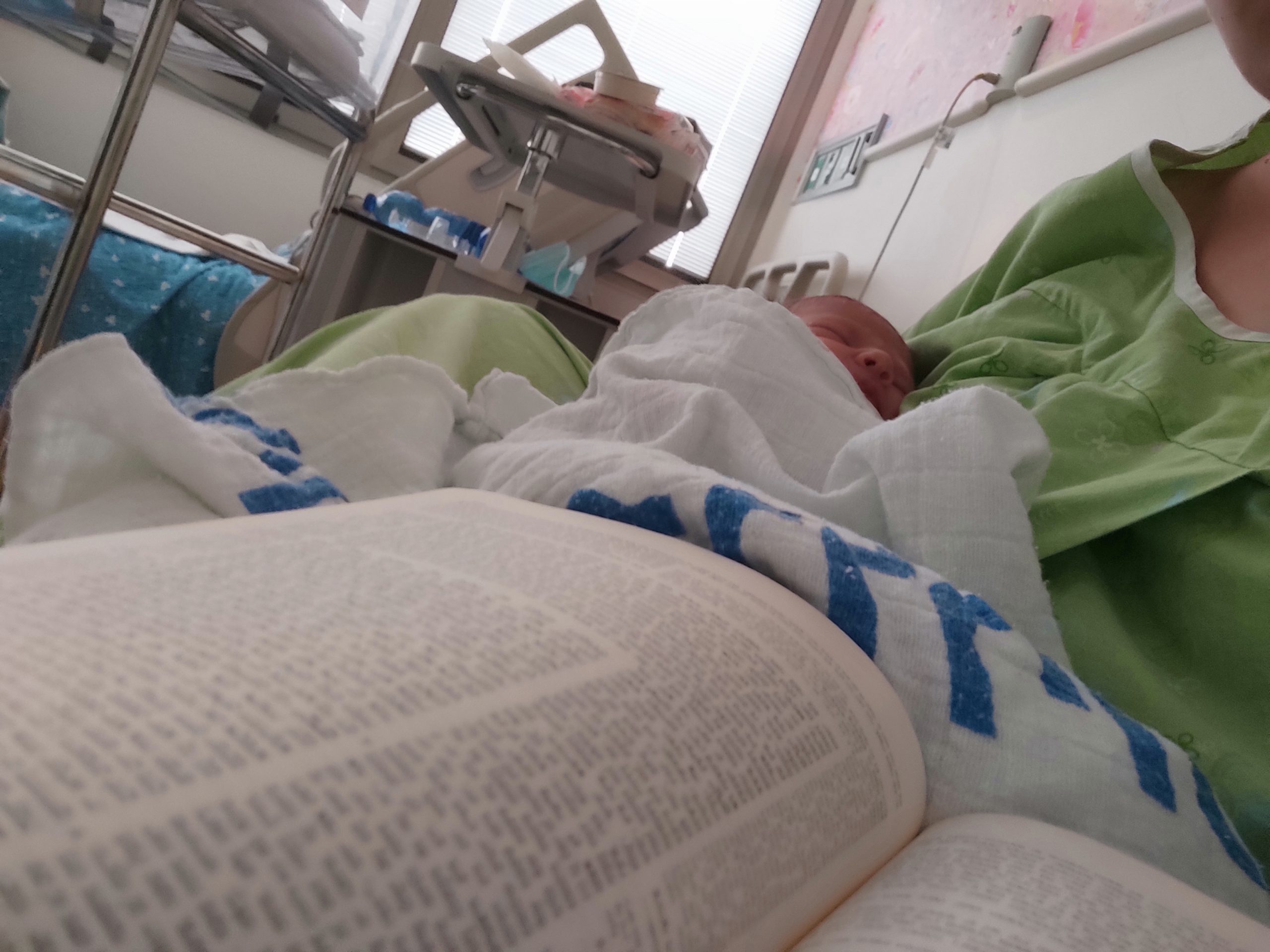
בתחילת הסבב הנוכחי הצטברו אצלי תחושות שאני לא מבינה מספיק מהי ההלכה אותה אני מקיימת בכל יום. כמו כן, כאמא לבנות רציתי לתת להן מודל נשי של לימוד תורה
שתי הסיבות האלו הובילו אותי להתחיל ללמוד. נתקלתי בתגובות מפרגנות וסקרניות איך אישה לומדת גמרא..
כמו שרואים בתמונה אני ממשיכה ללמוד גם היום ואפילו במחלקת יולדות אחרי לידת ביתי השלישית.
נועה שילה
רבבה, ישראל
שמעתי על הסיום הענק של הדף היומי ע”י נשים בבנייני האומה. רציתי גם.
החלטתי להצטרף. התחלתי ושיכנעתי את בעלי ועוד שתי חברות להצטרף. עכשיו יש לי לימוד משותף איתו בשבת ומפגש חודשי איתן בנושא (והתכתבויות תדירות על דברים מיוחדים שקראנו). הצטרפנו לקבוצות שונות בווטסאפ. אנחנו ממש נהנות. אני שומעת את השיעור מידי יום (בד”כ מהרב יוני גוטמן) וקוראת ומצטרפת לסיומים של הדרן. גם מקפידה על דף משלהן (ונהנית מאד).
ליאת סיטרון
אפרת, ישראל
סוכה טז
מִטָּה מְטַמֵּאת חֲבִילָה וּמְטַהֶרֶת חֲבִילָה, דִּבְרֵי רַבִּי אֱלִיעֶזֶר. וַחֲכָמִים אוֹמְרִים: מְטַמֵּאת אֵבָרִים וּמְטַהֶרֶת אֵבָרִים. מַאי נִיהוּ? אָמַר רַבִּי חָנָן אָמַר רַבִּי: אֲרוּכָּה וּשְׁתֵּי כְרָעַיִם, קְצָרָה וּשְׁתֵּי כְרָעַיִם.
A bed becomes ritually impure as a complete entity if it comes into contact with a source of impurity. And it becomes ritually pure as a single entity through immersion, and in the case of impurity imparted by a corpse, through sprinkling and immersion. However, it may be neither impurified nor purified when dismantled. This is the statement of Rabbi Eliezer. The Rabbis say: It becomes ritually impure even when it is dismantled into its component parts, and, so too, it becomes ritually pure even when it is dismantled into its component parts. The Gemara asks: If the bed breaks into parts that serve no purpose, it is pure; what are these component parts mentioned by the Rabbis? Rabbi Ḥanan said that Rabbi Yehuda HaNasi said: The component parts are a long board and two legs attached to it and a short board and two legs attached to it.
לְמַאי חַזְיָא? לְמִסְמְכִינְהוּ אַגּוּדָּא וּלְמֵיתַב עֲלַיְיהוּ וּמִשְׁדֵּא אַשְׁלֵי.
The Gemara asks: And for what purpose are these parts suited; what function qualifies their status as vessels? The Gemara answers: It is possible for one to lean them against the wall and to sit on them, after placing boards across the top and placing ropes across their length and width. The boards of the bed can thereby be used for the purpose of sitting or lying upon them; consequently, they are considered vessels.
גּוּפָא, אָמַר רַבִּי אַמֵּי בַּר טַבְיוֹמֵי: סִכְּכָהּ בִּבְלָאֵי כֵלִים פְּסוּלָה. מַאי בְּלָאֵי כֵלִים? אָמַר אַבָּיֵי: מַטְלָנִיּוֹת שֶׁאֵין בָּהֶם שָׁלֹשׁ עַל שָׁלֹשׁ, דְּלָא חַזְיָין לֹא לַעֲנִיִּים וְלֹא לַעֲשִׁירִים.
§ The Gemara returns to discuss the matter itself cited above. Rabbi Ami bar Tavyomei said: If one roofed the sukka with worn, incomplete, vessels, the sukka is unfit. The Gemara asks: What are these worn vessels? Abaye said: They are small cloths that do not have an area of three by three fingerbreadths, which, due to their size, are not suited for use either by the poor or by the wealthy.
תַּנְיָא כְּווֹתֵיהּ דְּרַבִּי אַמֵּי בַּר טַבְיוֹמֵי: מַחְצֶלֶת שֶׁל שִׁיפָא וְשֶׁל גֶּמִי, שְׁיָרֶיהָ, אַף עַל פִּי שֶׁנִּפְחֲתוּ מִכְּשִׁיעוּרָהּ — אֵין מְסַכְּכִין בָּהֶן.
It is taught in a baraita in accordance with the opinion of Rabbi Ami bar Tavyomei: In the case of a mat made of different types of vegetation, e.g., papyrus and reed grass, even though its remnants were reduced from the requisite measure for contracting ritual impurity, one may not roof the sukka with them. This precisely corresponds to the opinion of Rabbi Ami.
מַחְצֶלֶת הַקָּנִים, גְּדוֹלָה — מְסַכְּכִין בָּהּ, קְטַנָּה, — אֵין מְסַכְּכִין בָּהּ. רַבִּי אֱלִיעֶזֶר אוֹמֵר: אַף הִיא מְקַבֶּלֶת טוּמְאָה, וְאֵין מְסַכְּכִין בָּהּ.
The baraita continues: If a mat of reeds is large and not designated for sleeping, but is suited only for roofing, one may roof the sukka with it. However, the status of a small mat, which can be utilized for sleeping, is that of a vessel, and one may not roof the sukka with it. Rabbi Eliezer says: The status of even a large mat is that of a vessel. It is capable of contracting ritual impurity, and therefore one may not roof his sukka with it.
הַחוֹטֵט בְּגָדִישׁ. אָמַר רַב הוּנָא: לֹא שָׁנוּ אֶלָּא שֶׁאֵין שָׁם חָלָל טֶפַח בְּמֶשֶׁךְ שִׁבְעָה, אֲבָל יֵשׁ שָׁם חָלָל טֶפַח בְּמֶשֶׁךְ שִׁבְעָה — הֲרֵי זֹה סוּכָּה.
The mishna states: In the case of one who hollows out and creates a space inside a stack of grain, it is not a sukka. Rav Huna said: The Sages taught that it is not a sukka only in a case where there is not a space one handbreadth high along seven handbreadths upon which the grain was piled. However, if there is a space measuring one handbreadth high along seven handbreadths upon which the grain was piled, and now, by hollowing out the stack, one is raising the existing walls and not forming a new space, it is a fit sukka.
תַּנְיָא נָמֵי הָכִי: הַחוֹטֵט בְּגָדִישׁ לַעֲשׂוֹת לוֹ סוּכָּה — הֲרֵי זֹה סוּכָּה. וְהָאֲנַן תְּנַן אֵינָהּ סוּכָּה! אֶלָּא לָאו, שְׁמַע מִינַּהּ כִּדְרַב הוּנָא. שְׁמַע מִינַּהּ.
That is also taught in a baraita: One who hollows out a stack of grain to make himself a sukka, it is a sukka. The Gemara wonders: But didn’t we learn in the mishna that it is not a sukka? Rather, is it not correct to conclude from it, in accordance with the opinion of Rav Huna, that in certain circumstances it is possible to hollow out a stack of grain and establish a fit sukka? The Gemara concludes: Indeed, learn from it that this is the case.
אִיכָּא דְּרָמֵי לַיהּ מִירְמֵא. תְּנַן: הַחוֹטֵט בְּגָדִישׁ לַעֲשׂוֹת לוֹ סוּכָּה — אֵינָהּ סוּכָּה. וְהָא תַּנְיָא: הֲרֵי זוֹ סוּכָּה! אָמַר רַב הוּנָא, לָא קַשְׁיָא: כָּאן בְּשֶׁיֵּשׁ שָׁם חָלָל טֶפַח בְּמֶשֶׁךְ שִׁבְעָה, כָּאן בְּשֶׁאֵין שָׁם חָלָל טֶפַח בְּמֶשֶׁךְ שִׁבְעָה.
Some raised this matter as a contradiction between the mishna and the baraita. We learned in the mishna: One who hollows out a stack of grain in order to make himself a sukka, it is not a sukka. But wasn’t it taught in a baraita that this is a sukka? Rav Huna said: This is not difficult. Here, where it is a sukka, it is a case where there is a space measuring one handbreadth high along seven handbreadths, while there, where it is not a sukka, it is a case where there is not a space one handbreadth high along seven handbreadths.
מַתְנִי׳ הַמְשַׁלְשֵׁל דְּפָנוֹת מִלְמַעְלָה לְמַטָּה, אִם גָּבוֹהַּ מִן הָאָרֶץ שְׁלֹשָׁה טְפָחִים — פְּסוּלָה. מִלְּמַטָּה לְמַעְלָה, אִם גָּבוֹהַּ עֲשָׂרָה טְפָחִים — כְּשֵׁרָה. רַבִּי יוֹסֵי אוֹמֵר: כְּשֵׁם שֶׁמִּלְּמַטָּה לְמַעְלָה עֲשָׂרָה טְפָחִים, כָּךְ מִלְמַעְלָה לְמַטָּה עֲשָׂרָה טְפָחִים.
MISHNA: One who lowers the walls of the sukka from up downward, if the lower edge of the wall is three handbreadths above the ground, the sukka is unfit. Since animals can enter through that space, it is not the wall of a fit sukka. However, if one constructs the wall from down upward, if the wall is ten handbreadths high, even if it does not reach the roofing, the sukka is fit. Rabbi Yosei says: Just as a wall built from down upward must be ten handbreadths, so too, in a case where one lowers the wall from up downward, it must be ten handbreadths in length. Regardless of its height off the ground, it is the wall of a fit sukka, as the legal status of a ten-handbreadth partition is that of a full-fledged partition in all areas of halakha.
גְּמָ׳ בְּמַאי קָמִיפַּלְגִי? מָר סָבַר מְחִיצָה תְּלוּיָה מַתֶּרֶת, וּמַר סָבַר מְחִיצָה תְּלוּיָה אֵינָהּ מַתֶּרֶת.
GEMARA: The Gemara asks: With regard to what principle do Rabbi Yosei and the Rabbis disagree? The Gemara explains: One Sage, Rabbi Yosei, holds that a suspended partition, even if it does not reach all the way down, renders it permitted to carry on Shabbat, like a full-fledged partition. And one Sage, the Rabbis, holds that a suspended partition does not render it permitted to carry on Shabbat.
תְּנַן הָתָם: בּוֹר שֶׁבֵּין שְׁתֵּי חֲצֵירוֹת — אֵין מְמַלְּאִין מִמֶּנָּה בְּשַׁבָּת אֶלָּא אִם כֵּן עָשָׂה לָהּ מְחִיצָה עֲשָׂרָה טְפָחִים, בֵּין מִלְמַעְלָה בֵּין מִלְּמַטָּה, בֵּין בְּתוֹךְ אוֹגְנוֹ. רַבָּן שִׁמְעוֹן בֶּן גַּמְלִיאֵל אוֹמֵר:
We learned in a mishna there, in tractate Eiruvin: In the case of a cistern that is located between two courtyards, situated partly in each courtyard, one may draw water from it on Shabbat only if a partition ten handbreadths high was erected specifically for the cistern to separate the water between the domains, lest the residents of one courtyard draw water from the domain of the other courtyard. This partition is effective whether it is above, and lowered toward the water; whether it is below, in the water; or whether it is within the airspace of the cistern below the rim, above the surface of the water. A partition situated in any of these places forms a boundary between the two courtyards, permitting one to draw water from the cistern. Rabban Shimon ben Gamliel says that this is the subject of an early dispute of tanna’im.
בֵּית שַׁמַּאי אוֹמְרִים מִלְמַעְלָה, וּבֵית הִלֵּל אוֹמְרִים מִלְּמַטָּה. אָמַר רַבִּי יְהוּדָה: לֹא תְּהֵא מְחִיצָה גְּדוֹלָה מִן הַכּוֹתֶל שֶׁבֵּינֵיהֶן.
Beit Shammai say: The partition that permits drawing water may be placed below; and Beit Hillel said it must be placed above. Rabbi Yehuda said: A partition for the cistern should be no more stringent than the wall serving as a partition between the two courtyards. Once there is a wall between courtyards, there is no need to erect an additional partition specifically for the cistern.
אָמַר רַבָּה בַּר בַּר חָנָה אָמַר רַבִּי יוֹחָנָן: רַבִּי יְהוּדָה בְּשִׁיטַת רַבִּי יוֹסֵי אֲמָרָהּ, דְּאָמַר מְחִיצָה תְּלוּיָה מַתֶּרֶת.
Rabba bar bar Ḥana said that Rabbi Yoḥanan said: Rabbi Yehuda stated his opinion in accordance with the opinion of Rabbi Yosei, who said that a suspended partition permits one to carry, and therefore the wall between the courtyards suffices to divide the cistern as well.
וְלָא הִיא, לָא רַבִּי יְהוּדָה סָבַר לַהּ כְּרַבִּי יוֹסֵי, וְלָא רַבִּי יוֹסֵי סָבַר לַהּ כְּרַבִּי יְהוּדָה.
The Gemara rejects this equation. And that is not so, as neither does Rabbi Yehuda hold in accordance with the opinion of Rabbi Yosei, nor does Rabbi Yosei hold in accordance with the opinion of Rabbi Yehuda.
לָא רַבִּי יְהוּדָה סָבַר לַהּ כְּרַבִּי יוֹסֵי: עַד כָּאן לָא קָאָמַר רַבִּי יְהוּדָה הָתָם, אֶלָּא בְּעֵירוּבֵי חֲצֵירוֹת דְּרַבָּנַן. אֲבָל הָכָא, סוּכָּה דְּאוֹרָיְיתָא — לָא.
The Gemara elaborates: Neither does Rabbi Yehuda hold in accordance with the opinion of Rabbi Yosei, as Rabbi Yehuda states his opinion that a suspended partition suffices only there, with regard to the joining of the courtyards, which is an obligation by rabbinic law. However, here, with regard to sukka, which is by Torah law, a suspended partition does not suffice.
וְלָא רַבִּי יוֹסֵי סָבַר לַהּ כְּרַבִּי יְהוּדָה: עַד כָּאן לָא קָאָמַר רַבִּי יוֹסֵי הָכָא, אֶלָּא בְּסוּכָּה דְּמִצְוַת עֲשֵׂה. אֲבָל שַׁבָּת, דְּאִיסּוּר סְקִילָה — לָא.
Nor does Rabbi Yosei hold in accordance with the opinion of Rabbi Yehuda, as Rabbi Yosei states his opinion that a suspended partition suffices only here, with regard to a sukka, which is a positive mitzva. However, in the case of carrying between courtyards on Shabbat, which is a prohibition that is punishable by stoning, no, a suspended partition does not suffice.
וְאִם תֹּאמַר: מַעֲשֶׂה שֶׁנַּעֲשָׂה בְּצִיפּוֹרִי, עַל פִּי מִי נַעֲשָׂה? לֹא עַל פִּי רַבִּי יוֹסֵי, אֶלָּא עַל פִּי רַבִּי יִשְׁמָעֵאל בְּרַבִּי יוֹסֵי.
The Gemara asks: And if you say: Since Rabbi Yosei does not hold in accordance with the opinion of Rabbi Yehuda with regard to the laws of Shabbat, according to whose opinion was the action that was taken in Tzippori performed, where they relied on suspended partitions even on Shabbat? The Gemara answers: It was not performed according to the opinion of Rabbi Yosei but rather on the authority of Rabbi Yishmael, son of Rabbi Yosei.
וּמַאי מַעֲשֶׂה — דְּכִי אֲתָא רַב דִּימִי, אָמַר: פַּעַם אַחַת שָׁכְחוּ וְלֹא הֵבִיאוּ סֵפֶר תּוֹרָה מֵעֶרֶב שַׁבָּת, לְמָחָר פֵּירְסוּ סְדִינִין עַל גַּבֵּי הָעַמּוּדִים, וְהֵבִיאוּ סֵפֶר תּוֹרָה וְקָרְאוּ בּוֹ.
And what was that incident? When Rav Dimi came from Eretz Yisrael to Babylonia, he said: One time they forgot and did not bring a Torah scroll to the synagogue on Shabbat eve prior to the onset of Shabbat. The next day, on Shabbat, to avoid violating the prohibition against carrying, they spread and suspended sheets on posts that were fixed along the path from the house in which the Torah scroll was stored to the synagogue, establishing partitions. And they brought a Torah scroll along that path and read from it.
פֵּירְסוּ סָלְקָא דַּעְתָּךְ? מֵהֵיכָן הֱבִיאוּם בְּשַׁבָּת! אֶלָּא, מָצְאוּ סְדִינִין פְּרוּסִין עַל גַּבֵּי הָעַמּוּדִים וְהֵבִיאוּ סֵפֶר תּוֹרָה וְקָרְאוּ בּוֹ.
The Gemara asks: Does it enter your mind that they spread the sheets on Shabbat? Carrying before the partitions were established was prohibited. From where did they bring these sheets on Shabbat? Rather, they found sheets already spread on the posts, and they brought a Torah scroll and read from it. They relied on a suspended partition even in this matter related to Torah law. They relied neither on the opinion of Rabbi Yehuda nor on the opinion of Rabbi Yosei; rather, they relied on the authority of a third tanna.
אָמַר רַב חִסְדָּא אָמַר אֲבִימִי: מַחְצֶלֶת אַרְבָּעָה וּמַשֶּׁהוּ — מַתֶּרֶת בְּסוּכָּה מִשּׁוּם דּוֹפֶן. הֵיכִי עָבֵיד? תָּלֵי לֵיהּ בָּאֶמְצַע, פָּחוֹת מִשְּׁלֹשָׁה לְמַטָּה וּפָחוֹת מִשְּׁלֹשָׁה לְמַעְלָה, וְכׇל פָּחוֹת מִשְּׁלֹשָׁה כְּלָבוּד דָּמֵי.
§ Rav Ḥisda said that Avimi said: A mat that is four handbreadths and a bit wide can permit the use of a sukka as a wall. The Gemara explains: How does one accomplish this? He suspends it in the middle of a space ten handbreadths high, with less than three handbreadths below it and less than three handbreadths above it. And the principle states: The legal status of any objects that have a gap of less than three handbreadths between them is as if they were joined [lavud]. Therefore, a mat four handbreadths and a bit wide can constitute a fit partition of ten handbreadths.
פְּשִׁיטָא? מַהוּ דְּתֵימָא: חַד לָבוּד אָמְרִינַן, תְּרֵי לָבוּד לָא אָמְרִינַן — קָא מַשְׁמַע לַן.
The Gemara asks: This is obvious. The principle of joining with regard to a gap of less than three handbreadths is well known. There is no need to teach this halakha. The Gemara answers: Lest you say that we state the principle of lavud once with regard to a particular surface but we do not state the principle of lavud twice to consider it joined in different directions, Avimi teaches us that one may implement the principle twice.
מֵיתִיבִי: מַחְצֶלֶת שִׁבְעָה וּמַשֶּׁהוּ מַתֶּרֶת בְּסוּכָּה מִשּׁוּם דּוֹפֶן. כִּי תַּנְיָא הָהִיא, בְּסוּכָּה גְּדוֹלָה. וּמַאי קָא מַשְׁמַע לַן — דִּמְשַׁלְשְׁלִין דְּפָנוֹת מִלְמַעְלָה לְמַטָּה כְּרַבִּי יוֹסֵי.
The Gemara raises an objection to the opinion of Avimi from a baraita: A mat that is seven handbreadths and a bit wide can permit use of a sukka as a wall. Apparently, a mat can serve as the wall of a sukka only when the principle of joined objects is implemented once. The Gemara answers: When that baraita was taught, it was with regard to a large sukka, one considerably higher than ten handbreadths. One suspends the mat from a bit less than three handbreadths from the roofing, and it is considered a fit sukka wall although it is a significant distance off the ground. And what does it teach us? It teaches that one may lower walls from up downward, in accordance with the opinion of Rabbi Yosei.
אָמַר רַבִּי אַמֵּי: פַּס אַרְבָּעָה וּמַשֶּׁהוּ — מַתִּיר בְּסוּכָּה מִשּׁוּם דּוֹפֶן. וּמוֹקֵים לֵיהּ בְּפָחוֹת מִשְּׁלֹשָׁה טְפָחִים סָמוּךְ דּוֹפֶן, וְכׇל פָּחוֹת מִשְּׁלֹשָׁה סָמוּךְ לַדּוֹפֶן כְּלָבוּד דָּמֵי.
Apropos forming a sukka wall based on the principle of lavud, the Gemara cites that Rabbi Ami said: A board that measures four handbreadths and a bit can permit the use of a sukka, serving as a wall, and it is effective if one establishes it less than three handbreadths from the adjacent wall. And the principle states: The legal status of any objects with a gap of less than three handbreadths between them is as if they were joined.
מַאי קָא מַשְׁמַע לַן? הָא קָא מַשְׁמַע לַן — שִׁיעוּר מֶשֶׁךְ סוּכָּה קְטַנָּה שִׁבְעָה.
The Gemara asks: What is he teaching us? The principle of lavud is well known. The Gemara answers: He comes to teach us that the minimum measure of the horizontal extension of the wall of a small sukka is seven handbreadths. Therefore, it is possible to establish a wall for the sukka using a board that measures four handbreadths and a bit.
לעקוב

