






רוצה להקדיש שיעור?

תקציר

שלוחי מצוה פטורים מן הסוכה בגלל שהעוסק במצווה פטור מן המצווה. כלל זה נדרש מפסוקים בקריאת שמע – איך? החתן פטור מקריאת שמע כי טרוד. האם כל מי שטרוד פטור מקריאת שמע? למה לא? מה מיוחד בחתן? הגמרא מקשה על הדרשה מפסוקי קריאת שמע לעוסק במצווה פטור מהמצווה כי בעצם לומדים את זה מאלו שהיו טמאים לנפש בפסח במדבר. למה צריך ללמוד משניהם? אבל חייב בכל המצוות חוץ מתפילין – מתי פטור מתפילין ומניין לומדים את הפטור הזה? אבל חייב בסוכה. למה היו צריך ללמדנו דין זה? חתן ושושביניו ובני החופה פטורים מסוכה – למה?
כלים
סוכה כה
אֶלָּא בֵּית סָאתַיִם!
only within an area of two beit se’a, the area necessary to grow two se’a of produce? Two beit se’a was the area of the Tabernacle courtyard; it is also the area within which the Sages permitted one to carry on Shabbat in a case where there are partitions but the area was not originally enclosed for the purpose of residence. If one tied the foliage to prevent its swaying in the wind, he clearly established the partition for residence, and there should be no limits on the area in which he may carry.
מִשּׁוּם דְּהָוֵי דִּירָה שֶׁתַּשְׁמִישֶׁיהָ לַאֲוִיר, וְכׇל דִּירָה שֶׁתַּשְׁמִישֶׁיהָ לַאֲוִיר אֵין מְטַלְטְלִין בּוֹ אֶלָּא סָאתַיִם.
The Gemara answers: The reason that it is permitted to carry only if the enclosed area is less than this size is because it is a residence whose uses are for the open air beyond it, i.e., it is used by guards who are watching the fields beyond it rather than as an independent residence. And the halakha with regard to any residence whose uses are for the open air beyond it is that one may carry in it only if its area is no larger than two beit se’a.
תָּא שְׁמַע: שָׁבַת בְּתֵל שֶׁהוּא גָּבוֹהַּ עֲשָׂרָה, וְהוּא מֵאַרְבַּע אַמּוֹת עַד בֵּית סָאתַיִם, וְכֵן בְּנֶקַע שֶׁהוּא עָמוֹק עֲשָׂרָה, וְהוּא מֵאַרְבַּע אַמּוֹת עַד בֵּית סָאתַיִם, וְכֵן קָמָה קְצוּרָה וְשִׁבּוֹלוֹת מַקִּיפוֹת אוֹתָהּ — מְהַלֵּךְ אֶת כּוּלָּהּ וְחוּצָה לָהּ אַלְפַּיִם אַמָּה. אַף עַל גַּב דְּקָאָזֵיל וְאָתֵי! הָתָם נָמֵי, דְּעָבֵיד לֵיהּ בְּהוּצָא וְדַפְנָא.
Come and hear proof from another source: With regard to one who established his Shabbat residence on a mound that is ten handbreadths high and its area is anywhere from four cubits to two beit se’a; and similarly, with regard to one who established his Shabbat residence in a natural cavity of a rock that is ten handbreadths deep and its area is anywhere from four cubits to two beit se’a; and similarly, with regard to one who established his Shabbat residence in a field of reaped grain, and rows of stalks ten handbreadths high that have not been reaped surround it, serving as a partition enclosing the reaped area, he may walk in the entire enclosed area and outside it an additional two thousand cubits. Apparently, the stalks are a fit partition although they sway back and forth in the wind. The Gemara refutes this proof: There, too, it is a fit partition due to the fact that he established the partition by tying it with hard palm leaves and laurel leaves.
מַתְנִי׳ שְׁלוּחֵי מִצְוָה — פְּטוּרִין מִן הַסּוּכָּה. חוֹלִין וּמְשַׁמְּשֵׁיהֶן — פְּטוּרִין מִן הַסּוּכָּה. אוֹכְלִין וְשׁוֹתִין עֲרַאי חוּץ לַסּוּכָּה.
MISHNA: Those on the path to perform a mitzva are exempt from the mitzva of sukka. The ill and their caretakers are exempt from the mitzva of sukka. One may eat and drink in the framework of a casual meal outside the sukka.
גְּמָ׳ מְנָא הָנֵי מִילֵּי? תָּנוּ רַבָּנַן: ״בְּשִׁבְתְּךָ בְּבֵיתֶךָ״ — פְּרָט לְעוֹסֵק בְּמִצְוָה, ״וּבְלֶכְתְּךָ בַדֶּרֶךְ״ — פְּרָט לְחָתָן. מִכָּאן אָמְרוּ: הַכּוֹנֵס אֶת הַבְּתוּלָה — פָּטוּר, וְאֶת הָאַלְמָנָה — חַיָּיב.
GEMARA: The Gemara asks: From where are these matters derived that one who is performing a mitzva is exempt from the mitzva of sukka? The Sages taught in a baraita that it is written in the Torah that one recites Shema at the following times: “When you sit in your house, and when you walk by the way, and when you lie down, and when you rise up” (Deuteronomy 6:7). The Sages interpret: “When you sit in your house,” to the exclusion of one who is engaged in the performance of a mitzva, who is not sitting at home; “and when you walk by the way,” to the exclusion of a groom, who is preoccupied with his mitzva of consummating the marriage and is not walking along the way. The baraita adds that from here the Sages stated: One who marries a virgin is exempt from reciting Shema on his wedding night, and one who marries a widow is obligated.
מַאי מַשְׁמַע? אָמַר רַב הוּנָא: כְּדֶרֶךְ. מָה דֶּרֶךְ רְשׁוּת, אַף כֹּל רְשׁוּת, לְאַפּוֹקֵי הַאי דִּבְמִצְוָה עָסוּק.
The Gemara asks: From where may it be inferred in this verse that a groom is exempt from the mitzva of Shema? Rav Huna said: The circumstances when one is obligated to recite Shema are like the circumstances when one walks along the way: Just as the walking by the way described in the verse is voluntary and involves no mitzva, so too, all those obligated to recite Shema are similarly engaged in voluntary activities, to the exclusion of this groom, who is engaged in the performance of a mitzva.
מִי לָא עָסְקִינַן דְּקָאָזֵיל לִדְבַר מִצְוָה, וְקָא אָמַר רַחֲמָנָא לִיקְרֵי! אִם כֵּן לֵימָא קְרָא ״בְּשֶׁבֶת וּבְלֶכֶת״, מַאי ״בְּשִׁבְתְּךָ״ ״וּבְלֶכְתְּךָ״ — בְּלֶכֶת דִּידָךְ הוּא דְּמִיחַיְּיבַתְּ, הָא בְּלֶכֶת דְּמִצְוָה — פְּטִירַתְּ.
The Gemara asks: The verse does not specify the way along which one is walking. Are we not dealing with one who is walking along the way for a matter of a mitzva, and nevertheless, the Merciful One says to recite Shema? Apparently, one is obligated to do so even if he set out to perform a mitzva. The Gemara answers: If it is so that the intention was to obligate even those who are engaged in performance of a mitzva, let the verse state: When sitting and when walking. What is the meaning of: “When you sit…and when you walk”? It comes to underscore: It is in your walking, undertaken for personal reasons and of one’s own volition, that you are obligated to recite Shema; in walking with the objective of performing a mitzva, you are exempt from reciting Shema.
אִי הָכִי, אֲפִילּוּ כּוֹנֵס אֶת הָאַלְמָנָה נָמֵי? כּוֹנֵס אֶת הַבְּתוּלָה טְרִיד, כּוֹנֵס אַלְמָנָה לָא טְרִיד.
The Gemara asks: If so, even one who marries a widow should also be exempt, as he too is engaged in the performance of a mitzva. That, however, contradicts the baraita. The Gemara responds that there is a distinction between one marrying a virgin and one marrying a widow. One who marries a virgin is preoccupied by his concern lest he discover that his bride is not a virgin, while one who marries a widow is not preoccupied.
וְכׇל הֵיכָא דִּטְרִיד, הָכִי נָמֵי דְּפָטוּר?! אֶלָּא מֵעַתָּה, טָבְעָה סְפִינָתוֹ בַּיָּם — דִּטְרִיד, הָכִי נָמֵי דְּפָטוּר?! וְכִי תֵּימָא הָכִי נָמֵי, וְהָאָמַר רַבִּי אַבָּא בַּר זַבְדָּא אָמַר רַב: אָבֵל חַיָּיב בְּכׇל הַמִּצְוֹת הָאֲמוּרוֹת בַּתּוֹרָה חוּץ מִן הַתְּפִילִּין, שֶׁהֲרֵי נֶאֱמַר בָּהֶן ״פְּאֵר״!
The Gemara asks: And wherever one is preoccupied is he indeed exempt? But if that is so, then one whose ship sank at sea, who is preoccupied, should also be exempt. The Gemara reinforces its question: And if you say that indeed, that is so, didn’t Rabbi Abba bar Zavda say that Rav said: A mourner is obligated in all the mitzvot mentioned in the Torah, including reciting Shema, except for the mitzva to don phylacteries, from which he is exempt, as the term splendor is stated with regard to phylacteries? If a mourner, who is clearly pained and preoccupied, is obligated to recite Shema, then certainly all others who are preoccupied, even one whose ship sank at sea, whose loss was merely monetary (Birkat Hashem), should be obligated. Why, then, is a groom exempted due to his preoccupation and one who lost his property is not?
הָכָא טְרִיד טִירְדָּא דְמִצְוָה, הָתָם טְרִיד טִירְדָּא דִרְשׁוּת.
The Gemara answers: Nevertheless, there is a distinction between the cases. Here, in the case of a groom, he is preoccupied with the preoccupation of a mitzva that he must perform; there, in the case of a ship lost at sea, he is preoccupied with the preoccupation of a voluntary act that he chooses to perform.
וְהָעוֹסֵק בְּמִצְוָה פָּטוּר מִן הַמִּצְוָה מֵהָכָא נָפְקָא? מֵהָתָם נָפְקָא, דְּתַנְיָא: ״וַיְהִי אֲנָשִׁים אֲשֶׁר הָיוּ טְמֵאִים לְנֶפֶשׁ אָדָם וְגוֹ׳״ — אוֹתָם אֲנָשִׁים מִי הָיוּ? נוֹשְׂאֵי אֲרוֹנוֹ שֶׁל יוֹסֵף הָיוּ, דִּבְרֵי רַבִּי יוֹסֵי הַגְּלִילִי.
§ The Gemara asks: And is the halakhic principle that one who is engaged in a mitzva is exempt from performing another mitzva derived from here? It is derived from there, as it is taught in a baraita that it is written: “There were certain men who were impure by the corpse of a person and they could not observe the Pesaḥ on that day” (Numbers 9:6). Before proceeding with the discussion, the baraita seeks to clarify with regard to those men who became impure: Who were they? The baraita answers: They were the bearers of Joseph’s coffin, which the Jewish people brought with them in the desert. This is the statement of Rabbi Yosei HaGelili.
רַבִּי עֲקִיבָא אוֹמֵר: מִישָׁאֵל וְאֶלְצָפָן הָיוּ, שֶׁהָיוּ עוֹסְקִין בְּנָדָב וַאֲבִיהוּא. רַבִּי יִצְחָק אוֹמֵר: אִם נוֹשְׂאֵי אֲרוֹנוֹ שֶׁל יוֹסֵף הָיוּ, כְּבָר הָיוּ יְכוֹלִין לִיטָּהֵר. אִם מִישָׁאֵל וְאֶלְצָפָן הָיוּ, יְכוֹלִין הָיוּ לִיטָּהֵר.
Rabbi Akiva says: They were Mishael and Elzaphan, who were engaged in carrying the bodies of Nadav and Avihu after they were burned in the Holy of Holies (see Leviticus 10:4). Rabbi Yitzḥak says: These identifications are inaccurate, because if they were the bearers of Joseph’s coffin, they could have already been purified. They were camped at Sinai sufficient time to become purified in time to sacrifice the Paschal lamb. And if they were Mishael and Elzaphan they could have already been purified, as the Tabernacle was erected on the first of Nisan, which was the eighth day of the inauguration, when the sons of Aaron were burned. More than seven days remained until the eve of Passover on the fourteenth of Nisan.
אֶלָּא, עוֹסְקִין בְּמֵת מִצְוָה הָיוּ שֶׁחָל שְׁבִיעִי שֶׁלָּהֶן לִהְיוֹת בְּעֶרֶב פֶּסַח, שֶׁנֶּאֱמַר: ״וְלֹא יָכְלוּ לַעֲשׂוֹת הַפֶּסַח בַּיּוֹם הַהוּא״, בְּיוֹם הַהוּא אֵין יְכוֹלִין לַעֲשׂוֹת, הָא לְמָחָר — יְכוֹלִין לַעֲשׂוֹת!
Rather, they were unnamed people who were engaged in tending to a corpse whose burial is a mitzva, i.e., which has no one else available to bury it, and their seventh day of impurity occurred precisely on the eve of Passover, as it is stated: “And they could not observe the Pesaḥ on that day” (Numbers 9:6). The Gemara infers: On that day they could not observe it; on the next day they could observe it. Although they would be purified at nightfall and would then be eligible to partake of the Paschal lamb, at the time of the slaughter and the sprinkling of the blood they were not yet pure. They asked whether the Paschal lamb could be slaughtered on their behalf. Apparently, they were obligated to perform the mitzva of burial of the corpse although it prevented them from fulfilling the mitzva of sacrificing the Paschal lamb, which is a stringent mitzva. This is the source for the principle that one engaged in the performance of a mitzva is exempt from performing another mitzva.
צְרִיכָא, דְּאִי אַשְׁמְעִינַן הָתָם — מִשּׁוּם דְּלָא מְטָא זְמַן חִיּוּבָא דְּפֶסַח, אֲבָל הָכָא, דִּמְטָא זְמַן קְרִיאַת שְׁמַע — אֵימָא לָא, צְרִיכָא. וְאִי אַשְׁמְעִינַן הָכָא — מִשּׁוּם דְּלֵיכָּא כָּרֵת, אֲבָל הָתָם, דְּאִיכָּא כָּרֵת — אֵימָא לָא, צְרִיכָא.
The Gemara answers: Both sources are necessary. As, if it had taught us there, in the case of impurity imparted by a corpse, the conclusion would have been that the exemption from sacrificing the Paschal lamb is due to the fact that the time of the obligation of the Pesaḥ had not yet arrived when they were obligated to bury the corpse, and therefore they proceeded to fulfill the mitzva that they encountered first. However, here, where the time to recite Shema had already arrived during the wedding, say no, that the groom is not exempt; therefore, it is necessary to teach that the groom is exempt. And if it had taught us here, with regard to Shema, the conclusion would have been that the exemption from Shema is due to the fact that it is not a stringent mitzva, as there is no karet administered to one who fails to fulfill it. However, there, with regard to the Paschal lamb, where there is karet administered to one who fails to observe the Pesaḥ, say that one is not exempt from performing it. Therefore, it is necessary to teach both cases.
גּוּפָא, אָמַר רַבִּי אַבָּא בַּר זַבְדָּא אָמַר רַב: אָבֵל חַיָּיב בְּכׇל מִצְוֹת הָאֲמוּרוֹת בַּתּוֹרָה חוּץ מִתְּפִילִּין, שֶׁהֲרֵי נֶאֱמַר בָּהֶן ״פְּאֵר״. מִדַּאֲמַר לֵיהּ רַחֲמָנָא לִיחֶזְקֵאל ״פְּאֵרְךָ חֲבוֹשׁ עָלֶיךָ וְגוֹ׳״ — אַתְּ הוּא דְּמִיחַיְּיבַתְּ, אֲבָל כּוּלֵּי עָלְמָא פְּטִירִי.
§ With regard to the matter itself, Rabbi Abba bar Zavda said that Rav said: A mourner is obligated in all the mitzvot mentioned in the Torah except for the mitzva to don phylacteries, from which a mourner is exempt, as the term splendor is stated with regard to phylacteries, and it is not proper for a mourner to adorn himself in this manner. This is derived from the fact that the Merciful One said to Ezekiel: “Sigh in silence; make no mourning for the dead, bind your splendor upon you, and put your shoes upon your feet” (Ezekiel 24:17). Ezekiel was commanded to refrain from mourning for his wife in the manner that others do. God said to Ezekiel: You are obligated to don phylacteries even while mourning; however, everyone else is exempt.
וְהָנֵי מִילֵּי בְּיוֹם רִאשׁוֹן, דִּכְתִיב: ״וְאַחֲרִיתָהּ כְּיוֹם מָר״.
The Gemara comments: This exemption applies only on the first day of mourning, as it is written: “And I will make it as the mourning for an only son, and the end thereof as a bitter day” (Amos 8:10). From this verse it is derived that the primary bitterness of a mourner lasts only one day.
וְאָמַר רַבִּי אַבָּא בַּר זַבְדָּא אָמַר רַב: אָבֵל חַיָּיב בַּסּוּכָּה. פְּשִׁיטָא? מַהוּ דְּתֵימָא: הוֹאִיל וְאָמַר רַבִּי אַבָּא בַּר זַבְדָּא אָמַר רַב: מִצְטַעֵר פָּטוּר מִן הַסּוּכָּה — הַאי נָמֵי מִצְטַעֵר הוּא, קָמַשְׁמַע לַן: הָנֵי מִילֵּי צַעֲרָא דְמִמֵּילָא, אֲבָל הָכָא, אִיהוּ הוּא דְּקָא מְצַעַר נַפְשֵׁיהּ, אִיבְּעִי לֵיהּ לְיַתּוֹבֵי דַּעְתֵּיהּ.
On a similar note, Rabbi Abba bar Zavda said that Rav said: A mourner is obligated in the mitzva of sukka. The Gemara asks: That is obvious; why would he be exempt? The Gemara answers: Lest you say that since Rabbi Abba bar Zavda said that Rav said that one who is suffering due to his presence in the sukka is exempt from the mitzva of sukka, one could have said that this mourner too is one who is suffering and should be exempt as well. Therefore, he teaches us that the mourner is obligated in the mitzva of sukka. These cases are not similar, since this exemption from sukka applies only with regard to suffering that is caused by the sukka itself, e.g., when one is cold or hot or when the roofing has a foul odor. However, here, in the case of a mourner, where he is causing himself to suffer unrelated to his presence in the sukka, he is required to settle himself and fulfill the mitzva.
וְאָמַר רַבִּי אַבָּא בַּר זַבְדָּא אָמַר רַב: חָתָן וְהַשּׁוֹשְׁבִינִין וְכׇל בְּנֵי הַחוּפָּה — פְּטוּרִין מִן הַסּוּכָּה כׇּל שִׁבְעָה. מַאי טַעְמָא? מִשּׁוּם דְּבָעוּ לְמִיחְדֵּי. וְלֵיכְלוּ בַּסּוּכָּה וְלִיחְדּוֹ בַּסּוּכָּה! אֵין שִׂמְחָה אֶלָּא בַּחוּפָּה. וְלֵיכְלוּ בַּסּוּכָּה וְלִיחְדּוֹ בַּחוּפָּה! אֵין שִׂמְחָה אֶלָּא בִּמְקוֹם סְעוּדָה.
§ And Rabbi Abba bar Zavda said that Rav said: The groom and the groomsmen and all members of the wedding party who participate in the wedding celebration are exempt from the mitzva of sukka for all seven days of the wedding celebration. The Gemara asks: What is the reason that they are exempt? It is because they wish to rejoice. The Gemara asks: And let them eat in the sukka and rejoice in the sukka. The Gemara answers: The celebration of a wedding is only in the wedding home where the newlyweds reside after the marriage ceremony. The Gemara asks: So let them eat in the sukka like everyone else and rejoice in the wedding home. The Gemara answers: There is joy only in the place where there is a meal. Therefore, since the celebration must be in the home of the newlyweds, the meal must also be there.
וְלֶיעְבְּדוּ חוּפָּה בַּסּוּכָּה? אַבָּיֵי אָמַר: מִשּׁוּם יִיחוּד. וְרָבָא אָמַר: מִשּׁוּם צַעַר חָתָן. מַאי בֵּינַיְיהוּ? אִיכָּא בֵּינַיְיהוּ דִּשְׁכִיחִי אִינָשֵׁי דְּנָפְקִי וְעָיְילִי לְהָתָם. לְמַאן דְּאָמַר מִשּׁוּם יִיחוּד — לֵיכָּא. לְמַאן דְּאָמַר מִשּׁוּם צַעַר חָתָן — אִיכָּא.
The Gemara asks: And let them establish the wedding home in the sukka. Abaye said: This may not be done due to the prohibition against seclusion of the bride with a man other than her husband. As the sukka was often established on a rooftop, if the groom went downstairs at any point, the bride could find herself alone in the sukka with a man. And Rava said: The reason is due to the suffering of the groom. Since the sukka is not enclosed on all sides, he will be unable to enjoy privacy with his bride. The Gemara asks: What is the practical difference between them? The Gemara answers: The practical difference between them is in a case where people regularly enter and leave the sukka. According to the one who said that the reason is due to the prohibition against being alone together, there is no room for concern in that case. However, according to the one who said that the reason is due to the suffering of the groom, there is room for concern in that case as well.
אָמַר רַבִּי זֵירָא: אֲנָא אֲכַלִי בַּסּוּכָּה וַחֲדַי בַּחוּפָּה, וְכׇל שֶׁכֵּן דְּחָדֵי לִיבַּאי דְּקָא עָבֵידְנָא תַּרְתֵּי.
Rabbi Zeira said: I married on the eve of the festival of Sukkot and I ate in the sukka and rejoiced in the wedding home, and all the more so my heart rejoiced as I fulfilled two mitzvot: The mitzva of marriage and the accompanying celebration, and the mitzva of sukka. Nevertheless, he did not require others to do the same.
תָּנוּ רַבָּנַן: חָתָן וְהַשּׁוֹשְׁבִינִין וְכׇל בְּנֵי חוּפָּה, פְּטוּרִין מִן הַתְּפִלָּה וּמִן הַתְּפִילִּין, וְחַיָּיבִין בִּקְרִיאַת שְׁמַע.
The Sages taught: The groom and the groomsmen and all the members of the wedding party are exempt from the mitzva of prayer and from the mitzva of phylacteries because they are unable to muster the requisite intent due to the excess of joy and levity; but they are obligated in the mitzva of reciting Shema.

כלים
העמקה
רוצה להבין מה באמת קורה מתחת לפני השטח של הסוגיה?
שיעורים, פודקאסטים והרחבות של מיטב המורות שלנו יפתחו לך עוד זוויות וכיווני חשיבה.
סיום מסכת סוכה עם רחלי שפרכר פרנקל – סוכה – בית – מקדש
סיום מסכת סוכה עם מוריה תעסן מיכאלי – ברכת שהחיינו והשמחה במצוות










"גפ”ת 65 סוכה: "בטלה דעתו של אדם – מתי ייחודיות דעת האדם מקבלת מקום?
חדשה בלימוד הגמרא?
זה הדף הראשון שלך? איזו התרגשות עצומה! יש לנו בדיוק את התכנים והכלים שיעזרו לך לעשות את הצעדים הראשונים ללמידה בקצב וברמה שלך, כך תוכלי להרגיש בנוח גם בתוך הסוגיות המורכבות ומאתגרות.
פסיפס הלומדות שלנו
גלי את קהילת הלומדות שלנו, מגוון נשים, רקעים וסיפורים. כולן חלק מתנועה ומסע מרגש ועוצמתי.
התחלתי ללמוד דף יומי כאשר קיבלתי במייל ממכון שטיינזלץ את הדפים הראשונים של מסכת ברכות במייל. קודם לא ידעתי איך לקרוא אותם עד שנתתי להם להדריך אותי. הסביבה שלי לא מודעת לעניין כי אני לא מדברת על כך בפומבי. למדתי מהדפים דברים חדשים, כמו הקשר בין המבנה של בית המקדש והמשכן לגופו של האדם (יומא מה, ע”א) והקשר שלו למשפט מפורסם שמופיע בספר ההינדי "בהגוד-גיתא”. מתברר שזה רעיון כלל עולמי ולא רק יהודי

נשר, ישראל
התחלתי מחוג במסכת קידושין שהעבירה הרבנית רייסנר במסגרת בית המדרש כלנה בגבעת שמואל; לאחר מכן התחיל סבב הדף היומי אז הצטרפתי. לסביבה לקח זמן לעכל אבל היום כולם תומכים ומשתתפים איתי. הלימוד לעתים מעניין ומעשיר ולעתים קשה ואף הזוי… אך אני ממשיכה קדימה. הוא משפיע על היומיום שלי קודם כל במרדף אחרי הדף, וגם במושגים הרבים שלמדתי ובידע שהועשרתי בו, חלקו ממש מעשי

ראש העין, ישראל
התחלתי ללמוד בשנת המדרשה במגדל עוז, בינתיים נהנית מאוד מהלימוד ומהגמרא, מעניין ומשמח מאוד!
משתדלת להצליח לעקוב כל יום, לפעמים משלימה קצת בהמשך השבוע.. מרגישה שיש עוגן מקובע ביום שלי והוא משמח מאוד!

חיפה , ישראל
בתחילת הסבב הנוכחי הצטברו אצלי תחושות שאני לא מבינה מספיק מהי ההלכה אותה אני מקיימת בכל יום. כמו כן, כאמא לבנות רציתי לתת להן מודל נשי של לימוד תורה
שתי הסיבות האלו הובילו אותי להתחיל ללמוד. נתקלתי בתגובות מפרגנות וסקרניות איך אישה לומדת גמרא..
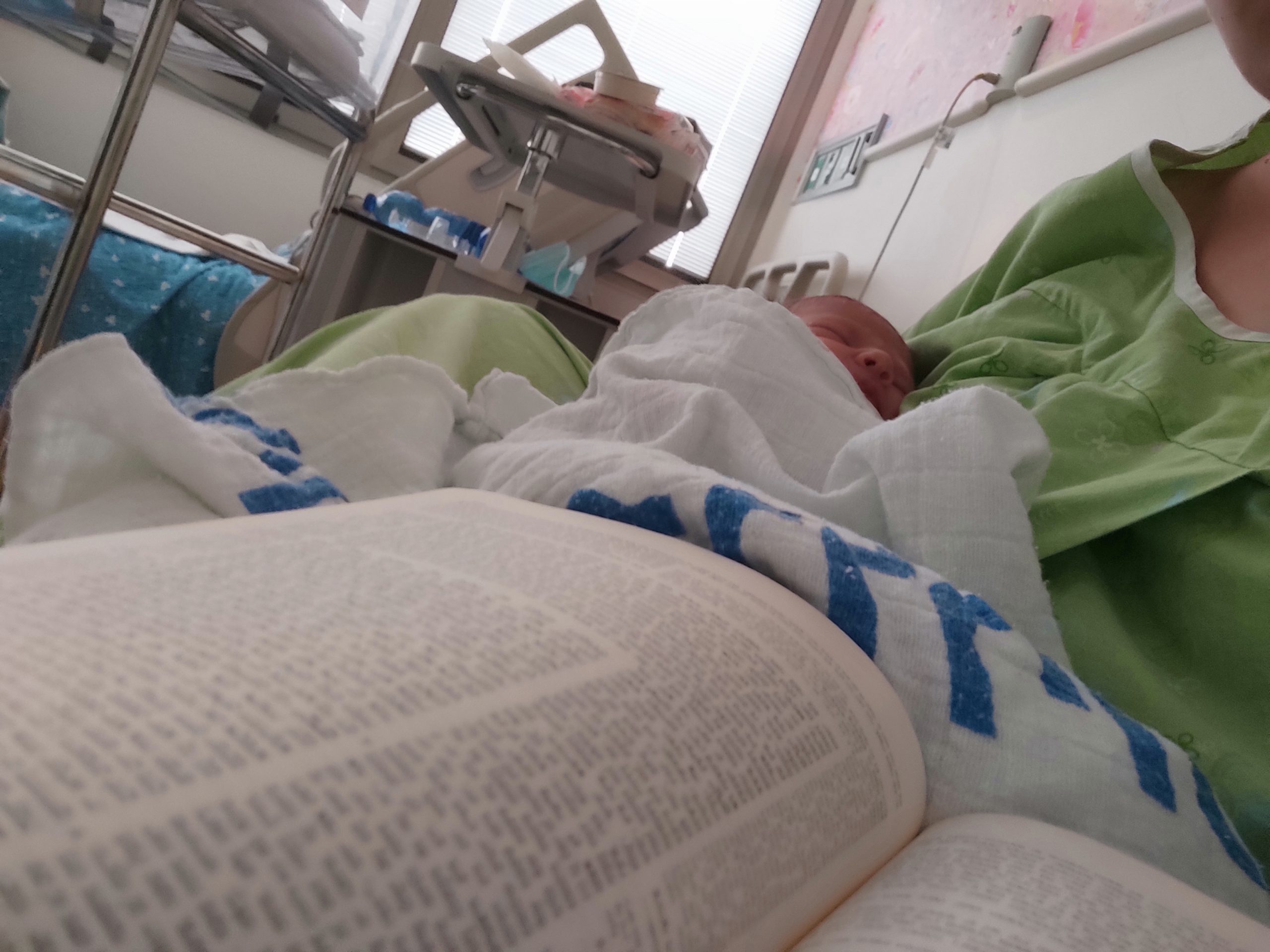
כמו שרואים בתמונה אני ממשיכה ללמוד גם היום ואפילו במחלקת יולדות אחרי לידת ביתי השלישית.
רבבה, ישראל
My explorations into Gemara started a few days into the present cycle. I binged learnt and become addicted. I’m fascinated by the rich "tapestry” of intertwined themes, connections between Masechtot, conversations between generations of Rabbanim and learners past and present all over the world. My life has acquired a golden thread, linking generations with our amazing heritage.
Thank you.

חשמונאים, Israel
התחלתי ללמוד דף יומי באמצע תקופת הקורונה, שאבא שלי סיפר לי על קבוצה של בנות שתיפתח ביישוב שלנו ותלמד דף יומי כל יום. הרבה זמן רציתי להצטרף לזה וזאת הייתה ההזדמנות בשבילי. הצטרפתי במסכת שקלים ובאמצע הייתה הפסקה קצרה. כיום אני כבר לומדת באולפנה ולומדת דף יומי לבד מתוך גמרא של טיינזלץ.

עתניאל, ישראל
לפני 15 שנה, אחרי עשרות שנים של "ג’ינגול” בין משפחה לקריירה תובענית בהייטק, הצטרפתי לשיעורי גמרא במתן רעננה. הלימוד המעמיק והייחודי של הרבנית אושרה קורן יחד עם קבוצת הנשים המגוונת הייתה חוויה מאלפת ומעשירה. לפני כשמונה שנים כאשר מחזור הדף היומי הגיע למסכת תענית הצטרפתי כ”חברותא” לבעלי. זו השעה היומית שלנו ביחד כאשר דפי הגמרא משתלבים בחיי היום יום, משפיעים ומושפעים, וכשלא מספיקים תמיד משלימים בשבת

רעננה, ישראל
התחלתי ללמוד דף יומי שהתחילו מסכת כתובות, לפני 7 שנים, במסגרת קבוצת לימוד שהתפרקה די מהר, ומשם המשכתי לבד בתמיכת האיש שלי. נעזרתי בגמרת שטיינזלץ ובשיעורים מוקלטים.
הסביבה מאד תומכת ואני מקבלת המון מילים טובות לאורך כל הדרך. מאז הסיום הגדול יש תחושה שאני חלק מדבר גדול יותר.
אני לומדת בשיטת ה”7 דפים בשבוע” של הרבנית תרצה קלמן – כלומר, לא נורא אם לא הצלחת ללמוד כל יום, העיקר שגמרת ארבעה דפים בשבוע

עתניאל, ישראל
התחלתי ללמוד את הדף היומי מעט אחרי שבני הקטן נולד. בהתחלה בשמיעה ולימוד באמצעות השיעור של הרבנית שפרבר. ובהמשך העזתי וקניתי לעצמי גמרא. מאז ממשיכה יום יום ללמוד עצמאית, ולפעמים בעזרת השיעור של הרבנית, כל יום. כל סיום של מסכת מביא לאושר גדול וסיפוק. הילדים בבית נהיו חלק מהלימוד, אני משתפת בסוגיות מעניינות ונהנית לשמוע את דעתם.

מעלה מכמש, ישראל
התחלתי ללמוד בסבב הנוכחי לפני כשנתיים .הסביבה מתפעלת ותומכת מאוד. אני משתדלת ללמוד מכל ההסכתים הנוספים שיש באתר הדרן. אני עורכת כל סיום מסכת שיעור בביתי לכ20 נשים שמחכות בקוצר רוח למפגשים האלו.
יהוד, ישראל
לפני 15 שנה, אחרי עשרות שנים של "ג’ינגול” בין משפחה לקריירה תובענית בהייטק, הצטרפתי לשיעורי גמרא במתן רעננה. הלימוד המעמיק והייחודי של הרבנית אושרה קורן יחד עם קבוצת הנשים המגוונת הייתה חוויה מאלפת ומעשירה. לפני כשמונה שנים כאשר מחזור הדף היומי הגיע למסכת תענית הצטרפתי כ”חברותא” לבעלי. זו השעה היומית שלנו ביחד כאשר דפי הגמרא משתלבים בחיי היום יום, משפיעים ומושפעים, וכשלא מספיקים תמיד משלימים בשבת
רעננה, ישראל
למדתי גמרא מכיתה ז- ט ב Maimonides School ואחרי העליה שלי בגיל 14 לימוד הגמרא, שלא היה כל כך מקובל בימים אלה, היה די ספוראדי. אחרי "ההתגלות” בבנייני האומה התחלתי ללמוד בעיקר בדרך הביתה למדתי מפוקקטסים שונים. לאט לאט ראיתי שאני תמיד חוזרת לרבנית מישל פרבר. באיזה שהוא שלב התחלתי ללמוד בזום בשעה 7:10 .
היום "אין מצב” שאני אתחיל את היום שלי ללא לימוד עם הרבנית מישל עם כוס הקפה שלי!!

חשמונאים, ישראל
התחלתי כשהייתי בחופש, עם הפרסומים על תחילת המחזור, הסביבה קיבלה את זה כמשהו מתמיד ומשמעותי ובהערכה, הלימוד זה עוגן יציב ביום יום, יש שבועות יותר ויש שפחות אבל זה משהו שנמצא שם אמין ובעל משמעות בחיים שלי….

גמזו, ישראל
התחלתי מחוג במסכת קידושין שהעבירה הרבנית רייסנר במסגרת בית המדרש כלנה בגבעת שמואל; לאחר מכן התחיל סבב הדף היומי אז הצטרפתי. לסביבה לקח זמן לעכל אבל היום כולם תומכים ומשתתפים איתי. הלימוד לעתים מעניין ומעשיר ולעתים קשה ואף הזוי… אך אני ממשיכה קדימה. הוא משפיע על היומיום שלי קודם כל במרדף אחרי הדף, וגם במושגים הרבים שלמדתי ובידע שהועשרתי בו, חלקו ממש מעשי
ראש העין, ישראל
התחלתי לפני כמה שנים אבל רק בסבב הזה זכיתי ללמוד יום יום ולסיים מסכתות

רעננה, ישראל
רבנית מישל הציתה אש התלמוד בלבבות בביניני האומה ואני נדלקתי. היא פתחה פתח ותמכה במתחילות כמוני ואפשרה לנו להתקדם בצעדים נכונים וטובים. הקימה מערך שלם שמסובב את הלומדות בסביבה תומכת וכך נכנסתי למסלול לימוד מעשיר שאין כמוה. הדרן יצר קהילה גדולה וחזקה שמאפשרת התקדמות מכל נקודת מוצא. יש דיבוק לומדות שמחזק את ההתמדה של כולנו. כל פניה ושאלה נענית בזריזות ויסודיות. תודה גם למגי על כל העזרה.

נתניה, ישראל
באירוע של הדרן בנייני האומה. בהשראתה של אמי שלי שסיימה את הש”ס בסבב הקודם ובעידוד מאיר , אישי, וילדיי וחברותיי ללימוד במכון למנהיגות הלכתית של רשת אור תורה סטון ומורתיי הרבנית ענת נובוסלסקי והרבנית דבורה עברון, ראש המכון למנהיגות הלכתית.
הלימוד מעשיר את יומי, מחזיר אותי גם למסכתות שכבר סיימתי וידוע שאינו דומה מי ששונה פרקו מאה לשונה פרקו מאה ואחת במיוחד מרתקים אותי החיבורים בין המסכתות
מודיעין, ישראל
שמעתי על הסיום הענק של הדף היומי ע”י נשים בבנייני האומה. רציתי גם.
החלטתי להצטרף. התחלתי ושיכנעתי את בעלי ועוד שתי חברות להצטרף. עכשיו יש לי לימוד משותף איתו בשבת ומפגש חודשי איתן בנושא (והתכתבויות תדירות על דברים מיוחדים שקראנו). הצטרפנו לקבוצות שונות בווטסאפ. אנחנו ממש נהנות. אני שומעת את השיעור מידי יום (בד”כ מהרב יוני גוטמן) וקוראת ומצטרפת לסיומים של הדרן. גם מקפידה על דף משלהן (ונהנית מאד).

אפרת, ישראל
התחלתי בתחילת הסבב, והתמכרתי. זה נותן משמעות נוספת ליומיום ומאוד מחזק לתת לזה מקום בתוך כל שגרת הבית-עבודה השוטפת.
בית שמש, ישראל
בתחילת הסבב הנוכחי של לימוד הדף היומי, נחשפתי לחגיגות המרגשות באירועי הסיום ברחבי העולם. והבטחתי לעצמי שבקרוב אצטרף גם למעגל הלומדות. הסבב התחיל כאשר הייתי בתחילת דרכי בתוכנית קרן אריאל להכשרת יועצות הלכה של נשמ”ת. לא הצלחתי להוסיף את ההתחייבות לדף היומי על הלימוד האינטנסיבי של תוכנית היועצות. בבוקר למחרת המבחן הסופי בנשמ”ת, התחלתי את לימוד הדף במסכת סוכה ומאז לא הפסקתי.

קרית גת, ישראל
סוכה כה
אֶלָּא בֵּית סָאתַיִם!
only within an area of two beit se’a, the area necessary to grow two se’a of produce? Two beit se’a was the area of the Tabernacle courtyard; it is also the area within which the Sages permitted one to carry on Shabbat in a case where there are partitions but the area was not originally enclosed for the purpose of residence. If one tied the foliage to prevent its swaying in the wind, he clearly established the partition for residence, and there should be no limits on the area in which he may carry.
מִשּׁוּם דְּהָוֵי דִּירָה שֶׁתַּשְׁמִישֶׁיהָ לַאֲוִיר, וְכׇל דִּירָה שֶׁתַּשְׁמִישֶׁיהָ לַאֲוִיר אֵין מְטַלְטְלִין בּוֹ אֶלָּא סָאתַיִם.
The Gemara answers: The reason that it is permitted to carry only if the enclosed area is less than this size is because it is a residence whose uses are for the open air beyond it, i.e., it is used by guards who are watching the fields beyond it rather than as an independent residence. And the halakha with regard to any residence whose uses are for the open air beyond it is that one may carry in it only if its area is no larger than two beit se’a.
תָּא שְׁמַע: שָׁבַת בְּתֵל שֶׁהוּא גָּבוֹהַּ עֲשָׂרָה, וְהוּא מֵאַרְבַּע אַמּוֹת עַד בֵּית סָאתַיִם, וְכֵן בְּנֶקַע שֶׁהוּא עָמוֹק עֲשָׂרָה, וְהוּא מֵאַרְבַּע אַמּוֹת עַד בֵּית סָאתַיִם, וְכֵן קָמָה קְצוּרָה וְשִׁבּוֹלוֹת מַקִּיפוֹת אוֹתָהּ — מְהַלֵּךְ אֶת כּוּלָּהּ וְחוּצָה לָהּ אַלְפַּיִם אַמָּה. אַף עַל גַּב דְּקָאָזֵיל וְאָתֵי! הָתָם נָמֵי, דְּעָבֵיד לֵיהּ בְּהוּצָא וְדַפְנָא.
Come and hear proof from another source: With regard to one who established his Shabbat residence on a mound that is ten handbreadths high and its area is anywhere from four cubits to two beit se’a; and similarly, with regard to one who established his Shabbat residence in a natural cavity of a rock that is ten handbreadths deep and its area is anywhere from four cubits to two beit se’a; and similarly, with regard to one who established his Shabbat residence in a field of reaped grain, and rows of stalks ten handbreadths high that have not been reaped surround it, serving as a partition enclosing the reaped area, he may walk in the entire enclosed area and outside it an additional two thousand cubits. Apparently, the stalks are a fit partition although they sway back and forth in the wind. The Gemara refutes this proof: There, too, it is a fit partition due to the fact that he established the partition by tying it with hard palm leaves and laurel leaves.
מַתְנִי׳ שְׁלוּחֵי מִצְוָה — פְּטוּרִין מִן הַסּוּכָּה. חוֹלִין וּמְשַׁמְּשֵׁיהֶן — פְּטוּרִין מִן הַסּוּכָּה. אוֹכְלִין וְשׁוֹתִין עֲרַאי חוּץ לַסּוּכָּה.
MISHNA: Those on the path to perform a mitzva are exempt from the mitzva of sukka. The ill and their caretakers are exempt from the mitzva of sukka. One may eat and drink in the framework of a casual meal outside the sukka.
גְּמָ׳ מְנָא הָנֵי מִילֵּי? תָּנוּ רַבָּנַן: ״בְּשִׁבְתְּךָ בְּבֵיתֶךָ״ — פְּרָט לְעוֹסֵק בְּמִצְוָה, ״וּבְלֶכְתְּךָ בַדֶּרֶךְ״ — פְּרָט לְחָתָן. מִכָּאן אָמְרוּ: הַכּוֹנֵס אֶת הַבְּתוּלָה — פָּטוּר, וְאֶת הָאַלְמָנָה — חַיָּיב.
GEMARA: The Gemara asks: From where are these matters derived that one who is performing a mitzva is exempt from the mitzva of sukka? The Sages taught in a baraita that it is written in the Torah that one recites Shema at the following times: “When you sit in your house, and when you walk by the way, and when you lie down, and when you rise up” (Deuteronomy 6:7). The Sages interpret: “When you sit in your house,” to the exclusion of one who is engaged in the performance of a mitzva, who is not sitting at home; “and when you walk by the way,” to the exclusion of a groom, who is preoccupied with his mitzva of consummating the marriage and is not walking along the way. The baraita adds that from here the Sages stated: One who marries a virgin is exempt from reciting Shema on his wedding night, and one who marries a widow is obligated.
מַאי מַשְׁמַע? אָמַר רַב הוּנָא: כְּדֶרֶךְ. מָה דֶּרֶךְ רְשׁוּת, אַף כֹּל רְשׁוּת, לְאַפּוֹקֵי הַאי דִּבְמִצְוָה עָסוּק.
The Gemara asks: From where may it be inferred in this verse that a groom is exempt from the mitzva of Shema? Rav Huna said: The circumstances when one is obligated to recite Shema are like the circumstances when one walks along the way: Just as the walking by the way described in the verse is voluntary and involves no mitzva, so too, all those obligated to recite Shema are similarly engaged in voluntary activities, to the exclusion of this groom, who is engaged in the performance of a mitzva.
מִי לָא עָסְקִינַן דְּקָאָזֵיל לִדְבַר מִצְוָה, וְקָא אָמַר רַחֲמָנָא לִיקְרֵי! אִם כֵּן לֵימָא קְרָא ״בְּשֶׁבֶת וּבְלֶכֶת״, מַאי ״בְּשִׁבְתְּךָ״ ״וּבְלֶכְתְּךָ״ — בְּלֶכֶת דִּידָךְ הוּא דְּמִיחַיְּיבַתְּ, הָא בְּלֶכֶת דְּמִצְוָה — פְּטִירַתְּ.
The Gemara asks: The verse does not specify the way along which one is walking. Are we not dealing with one who is walking along the way for a matter of a mitzva, and nevertheless, the Merciful One says to recite Shema? Apparently, one is obligated to do so even if he set out to perform a mitzva. The Gemara answers: If it is so that the intention was to obligate even those who are engaged in performance of a mitzva, let the verse state: When sitting and when walking. What is the meaning of: “When you sit…and when you walk”? It comes to underscore: It is in your walking, undertaken for personal reasons and of one’s own volition, that you are obligated to recite Shema; in walking with the objective of performing a mitzva, you are exempt from reciting Shema.
אִי הָכִי, אֲפִילּוּ כּוֹנֵס אֶת הָאַלְמָנָה נָמֵי? כּוֹנֵס אֶת הַבְּתוּלָה טְרִיד, כּוֹנֵס אַלְמָנָה לָא טְרִיד.
The Gemara asks: If so, even one who marries a widow should also be exempt, as he too is engaged in the performance of a mitzva. That, however, contradicts the baraita. The Gemara responds that there is a distinction between one marrying a virgin and one marrying a widow. One who marries a virgin is preoccupied by his concern lest he discover that his bride is not a virgin, while one who marries a widow is not preoccupied.
וְכׇל הֵיכָא דִּטְרִיד, הָכִי נָמֵי דְּפָטוּר?! אֶלָּא מֵעַתָּה, טָבְעָה סְפִינָתוֹ בַּיָּם — דִּטְרִיד, הָכִי נָמֵי דְּפָטוּר?! וְכִי תֵּימָא הָכִי נָמֵי, וְהָאָמַר רַבִּי אַבָּא בַּר זַבְדָּא אָמַר רַב: אָבֵל חַיָּיב בְּכׇל הַמִּצְוֹת הָאֲמוּרוֹת בַּתּוֹרָה חוּץ מִן הַתְּפִילִּין, שֶׁהֲרֵי נֶאֱמַר בָּהֶן ״פְּאֵר״!
The Gemara asks: And wherever one is preoccupied is he indeed exempt? But if that is so, then one whose ship sank at sea, who is preoccupied, should also be exempt. The Gemara reinforces its question: And if you say that indeed, that is so, didn’t Rabbi Abba bar Zavda say that Rav said: A mourner is obligated in all the mitzvot mentioned in the Torah, including reciting Shema, except for the mitzva to don phylacteries, from which he is exempt, as the term splendor is stated with regard to phylacteries? If a mourner, who is clearly pained and preoccupied, is obligated to recite Shema, then certainly all others who are preoccupied, even one whose ship sank at sea, whose loss was merely monetary (Birkat Hashem), should be obligated. Why, then, is a groom exempted due to his preoccupation and one who lost his property is not?
הָכָא טְרִיד טִירְדָּא דְמִצְוָה, הָתָם טְרִיד טִירְדָּא דִרְשׁוּת.
The Gemara answers: Nevertheless, there is a distinction between the cases. Here, in the case of a groom, he is preoccupied with the preoccupation of a mitzva that he must perform; there, in the case of a ship lost at sea, he is preoccupied with the preoccupation of a voluntary act that he chooses to perform.
וְהָעוֹסֵק בְּמִצְוָה פָּטוּר מִן הַמִּצְוָה מֵהָכָא נָפְקָא? מֵהָתָם נָפְקָא, דְּתַנְיָא: ״וַיְהִי אֲנָשִׁים אֲשֶׁר הָיוּ טְמֵאִים לְנֶפֶשׁ אָדָם וְגוֹ׳״ — אוֹתָם אֲנָשִׁים מִי הָיוּ? נוֹשְׂאֵי אֲרוֹנוֹ שֶׁל יוֹסֵף הָיוּ, דִּבְרֵי רַבִּי יוֹסֵי הַגְּלִילִי.
§ The Gemara asks: And is the halakhic principle that one who is engaged in a mitzva is exempt from performing another mitzva derived from here? It is derived from there, as it is taught in a baraita that it is written: “There were certain men who were impure by the corpse of a person and they could not observe the Pesaḥ on that day” (Numbers 9:6). Before proceeding with the discussion, the baraita seeks to clarify with regard to those men who became impure: Who were they? The baraita answers: They were the bearers of Joseph’s coffin, which the Jewish people brought with them in the desert. This is the statement of Rabbi Yosei HaGelili.
רַבִּי עֲקִיבָא אוֹמֵר: מִישָׁאֵל וְאֶלְצָפָן הָיוּ, שֶׁהָיוּ עוֹסְקִין בְּנָדָב וַאֲבִיהוּא. רַבִּי יִצְחָק אוֹמֵר: אִם נוֹשְׂאֵי אֲרוֹנוֹ שֶׁל יוֹסֵף הָיוּ, כְּבָר הָיוּ יְכוֹלִין לִיטָּהֵר. אִם מִישָׁאֵל וְאֶלְצָפָן הָיוּ, יְכוֹלִין הָיוּ לִיטָּהֵר.
Rabbi Akiva says: They were Mishael and Elzaphan, who were engaged in carrying the bodies of Nadav and Avihu after they were burned in the Holy of Holies (see Leviticus 10:4). Rabbi Yitzḥak says: These identifications are inaccurate, because if they were the bearers of Joseph’s coffin, they could have already been purified. They were camped at Sinai sufficient time to become purified in time to sacrifice the Paschal lamb. And if they were Mishael and Elzaphan they could have already been purified, as the Tabernacle was erected on the first of Nisan, which was the eighth day of the inauguration, when the sons of Aaron were burned. More than seven days remained until the eve of Passover on the fourteenth of Nisan.
אֶלָּא, עוֹסְקִין בְּמֵת מִצְוָה הָיוּ שֶׁחָל שְׁבִיעִי שֶׁלָּהֶן לִהְיוֹת בְּעֶרֶב פֶּסַח, שֶׁנֶּאֱמַר: ״וְלֹא יָכְלוּ לַעֲשׂוֹת הַפֶּסַח בַּיּוֹם הַהוּא״, בְּיוֹם הַהוּא אֵין יְכוֹלִין לַעֲשׂוֹת, הָא לְמָחָר — יְכוֹלִין לַעֲשׂוֹת!
Rather, they were unnamed people who were engaged in tending to a corpse whose burial is a mitzva, i.e., which has no one else available to bury it, and their seventh day of impurity occurred precisely on the eve of Passover, as it is stated: “And they could not observe the Pesaḥ on that day” (Numbers 9:6). The Gemara infers: On that day they could not observe it; on the next day they could observe it. Although they would be purified at nightfall and would then be eligible to partake of the Paschal lamb, at the time of the slaughter and the sprinkling of the blood they were not yet pure. They asked whether the Paschal lamb could be slaughtered on their behalf. Apparently, they were obligated to perform the mitzva of burial of the corpse although it prevented them from fulfilling the mitzva of sacrificing the Paschal lamb, which is a stringent mitzva. This is the source for the principle that one engaged in the performance of a mitzva is exempt from performing another mitzva.
צְרִיכָא, דְּאִי אַשְׁמְעִינַן הָתָם — מִשּׁוּם דְּלָא מְטָא זְמַן חִיּוּבָא דְּפֶסַח, אֲבָל הָכָא, דִּמְטָא זְמַן קְרִיאַת שְׁמַע — אֵימָא לָא, צְרִיכָא. וְאִי אַשְׁמְעִינַן הָכָא — מִשּׁוּם דְּלֵיכָּא כָּרֵת, אֲבָל הָתָם, דְּאִיכָּא כָּרֵת — אֵימָא לָא, צְרִיכָא.
The Gemara answers: Both sources are necessary. As, if it had taught us there, in the case of impurity imparted by a corpse, the conclusion would have been that the exemption from sacrificing the Paschal lamb is due to the fact that the time of the obligation of the Pesaḥ had not yet arrived when they were obligated to bury the corpse, and therefore they proceeded to fulfill the mitzva that they encountered first. However, here, where the time to recite Shema had already arrived during the wedding, say no, that the groom is not exempt; therefore, it is necessary to teach that the groom is exempt. And if it had taught us here, with regard to Shema, the conclusion would have been that the exemption from Shema is due to the fact that it is not a stringent mitzva, as there is no karet administered to one who fails to fulfill it. However, there, with regard to the Paschal lamb, where there is karet administered to one who fails to observe the Pesaḥ, say that one is not exempt from performing it. Therefore, it is necessary to teach both cases.
גּוּפָא, אָמַר רַבִּי אַבָּא בַּר זַבְדָּא אָמַר רַב: אָבֵל חַיָּיב בְּכׇל מִצְוֹת הָאֲמוּרוֹת בַּתּוֹרָה חוּץ מִתְּפִילִּין, שֶׁהֲרֵי נֶאֱמַר בָּהֶן ״פְּאֵר״. מִדַּאֲמַר לֵיהּ רַחֲמָנָא לִיחֶזְקֵאל ״פְּאֵרְךָ חֲבוֹשׁ עָלֶיךָ וְגוֹ׳״ — אַתְּ הוּא דְּמִיחַיְּיבַתְּ, אֲבָל כּוּלֵּי עָלְמָא פְּטִירִי.
§ With regard to the matter itself, Rabbi Abba bar Zavda said that Rav said: A mourner is obligated in all the mitzvot mentioned in the Torah except for the mitzva to don phylacteries, from which a mourner is exempt, as the term splendor is stated with regard to phylacteries, and it is not proper for a mourner to adorn himself in this manner. This is derived from the fact that the Merciful One said to Ezekiel: “Sigh in silence; make no mourning for the dead, bind your splendor upon you, and put your shoes upon your feet” (Ezekiel 24:17). Ezekiel was commanded to refrain from mourning for his wife in the manner that others do. God said to Ezekiel: You are obligated to don phylacteries even while mourning; however, everyone else is exempt.
וְהָנֵי מִילֵּי בְּיוֹם רִאשׁוֹן, דִּכְתִיב: ״וְאַחֲרִיתָהּ כְּיוֹם מָר״.
The Gemara comments: This exemption applies only on the first day of mourning, as it is written: “And I will make it as the mourning for an only son, and the end thereof as a bitter day” (Amos 8:10). From this verse it is derived that the primary bitterness of a mourner lasts only one day.
וְאָמַר רַבִּי אַבָּא בַּר זַבְדָּא אָמַר רַב: אָבֵל חַיָּיב בַּסּוּכָּה. פְּשִׁיטָא? מַהוּ דְּתֵימָא: הוֹאִיל וְאָמַר רַבִּי אַבָּא בַּר זַבְדָּא אָמַר רַב: מִצְטַעֵר פָּטוּר מִן הַסּוּכָּה — הַאי נָמֵי מִצְטַעֵר הוּא, קָמַשְׁמַע לַן: הָנֵי מִילֵּי צַעֲרָא דְמִמֵּילָא, אֲבָל הָכָא, אִיהוּ הוּא דְּקָא מְצַעַר נַפְשֵׁיהּ, אִיבְּעִי לֵיהּ לְיַתּוֹבֵי דַּעְתֵּיהּ.
On a similar note, Rabbi Abba bar Zavda said that Rav said: A mourner is obligated in the mitzva of sukka. The Gemara asks: That is obvious; why would he be exempt? The Gemara answers: Lest you say that since Rabbi Abba bar Zavda said that Rav said that one who is suffering due to his presence in the sukka is exempt from the mitzva of sukka, one could have said that this mourner too is one who is suffering and should be exempt as well. Therefore, he teaches us that the mourner is obligated in the mitzva of sukka. These cases are not similar, since this exemption from sukka applies only with regard to suffering that is caused by the sukka itself, e.g., when one is cold or hot or when the roofing has a foul odor. However, here, in the case of a mourner, where he is causing himself to suffer unrelated to his presence in the sukka, he is required to settle himself and fulfill the mitzva.
וְאָמַר רַבִּי אַבָּא בַּר זַבְדָּא אָמַר רַב: חָתָן וְהַשּׁוֹשְׁבִינִין וְכׇל בְּנֵי הַחוּפָּה — פְּטוּרִין מִן הַסּוּכָּה כׇּל שִׁבְעָה. מַאי טַעְמָא? מִשּׁוּם דְּבָעוּ לְמִיחְדֵּי. וְלֵיכְלוּ בַּסּוּכָּה וְלִיחְדּוֹ בַּסּוּכָּה! אֵין שִׂמְחָה אֶלָּא בַּחוּפָּה. וְלֵיכְלוּ בַּסּוּכָּה וְלִיחְדּוֹ בַּחוּפָּה! אֵין שִׂמְחָה אֶלָּא בִּמְקוֹם סְעוּדָה.
§ And Rabbi Abba bar Zavda said that Rav said: The groom and the groomsmen and all members of the wedding party who participate in the wedding celebration are exempt from the mitzva of sukka for all seven days of the wedding celebration. The Gemara asks: What is the reason that they are exempt? It is because they wish to rejoice. The Gemara asks: And let them eat in the sukka and rejoice in the sukka. The Gemara answers: The celebration of a wedding is only in the wedding home where the newlyweds reside after the marriage ceremony. The Gemara asks: So let them eat in the sukka like everyone else and rejoice in the wedding home. The Gemara answers: There is joy only in the place where there is a meal. Therefore, since the celebration must be in the home of the newlyweds, the meal must also be there.
וְלֶיעְבְּדוּ חוּפָּה בַּסּוּכָּה? אַבָּיֵי אָמַר: מִשּׁוּם יִיחוּד. וְרָבָא אָמַר: מִשּׁוּם צַעַר חָתָן. מַאי בֵּינַיְיהוּ? אִיכָּא בֵּינַיְיהוּ דִּשְׁכִיחִי אִינָשֵׁי דְּנָפְקִי וְעָיְילִי לְהָתָם. לְמַאן דְּאָמַר מִשּׁוּם יִיחוּד — לֵיכָּא. לְמַאן דְּאָמַר מִשּׁוּם צַעַר חָתָן — אִיכָּא.
The Gemara asks: And let them establish the wedding home in the sukka. Abaye said: This may not be done due to the prohibition against seclusion of the bride with a man other than her husband. As the sukka was often established on a rooftop, if the groom went downstairs at any point, the bride could find herself alone in the sukka with a man. And Rava said: The reason is due to the suffering of the groom. Since the sukka is not enclosed on all sides, he will be unable to enjoy privacy with his bride. The Gemara asks: What is the practical difference between them? The Gemara answers: The practical difference between them is in a case where people regularly enter and leave the sukka. According to the one who said that the reason is due to the prohibition against being alone together, there is no room for concern in that case. However, according to the one who said that the reason is due to the suffering of the groom, there is room for concern in that case as well.
אָמַר רַבִּי זֵירָא: אֲנָא אֲכַלִי בַּסּוּכָּה וַחֲדַי בַּחוּפָּה, וְכׇל שֶׁכֵּן דְּחָדֵי לִיבַּאי דְּקָא עָבֵידְנָא תַּרְתֵּי.
Rabbi Zeira said: I married on the eve of the festival of Sukkot and I ate in the sukka and rejoiced in the wedding home, and all the more so my heart rejoiced as I fulfilled two mitzvot: The mitzva of marriage and the accompanying celebration, and the mitzva of sukka. Nevertheless, he did not require others to do the same.
תָּנוּ רַבָּנַן: חָתָן וְהַשּׁוֹשְׁבִינִין וְכׇל בְּנֵי חוּפָּה, פְּטוּרִין מִן הַתְּפִלָּה וּמִן הַתְּפִילִּין, וְחַיָּיבִין בִּקְרִיאַת שְׁמַע.
The Sages taught: The groom and the groomsmen and all the members of the wedding party are exempt from the mitzva of prayer and from the mitzva of phylacteries because they are unable to muster the requisite intent due to the excess of joy and levity; but they are obligated in the mitzva of reciting Shema.

